Our workbook pages
These pages are ‘behind the scenes’. They are a part of our website where we record our data, observations and references we use in making species identifications. The notes will not necessarily be complete. They are a record for our own use, but we are happy to share this information with anyone interested in this kind of detail.
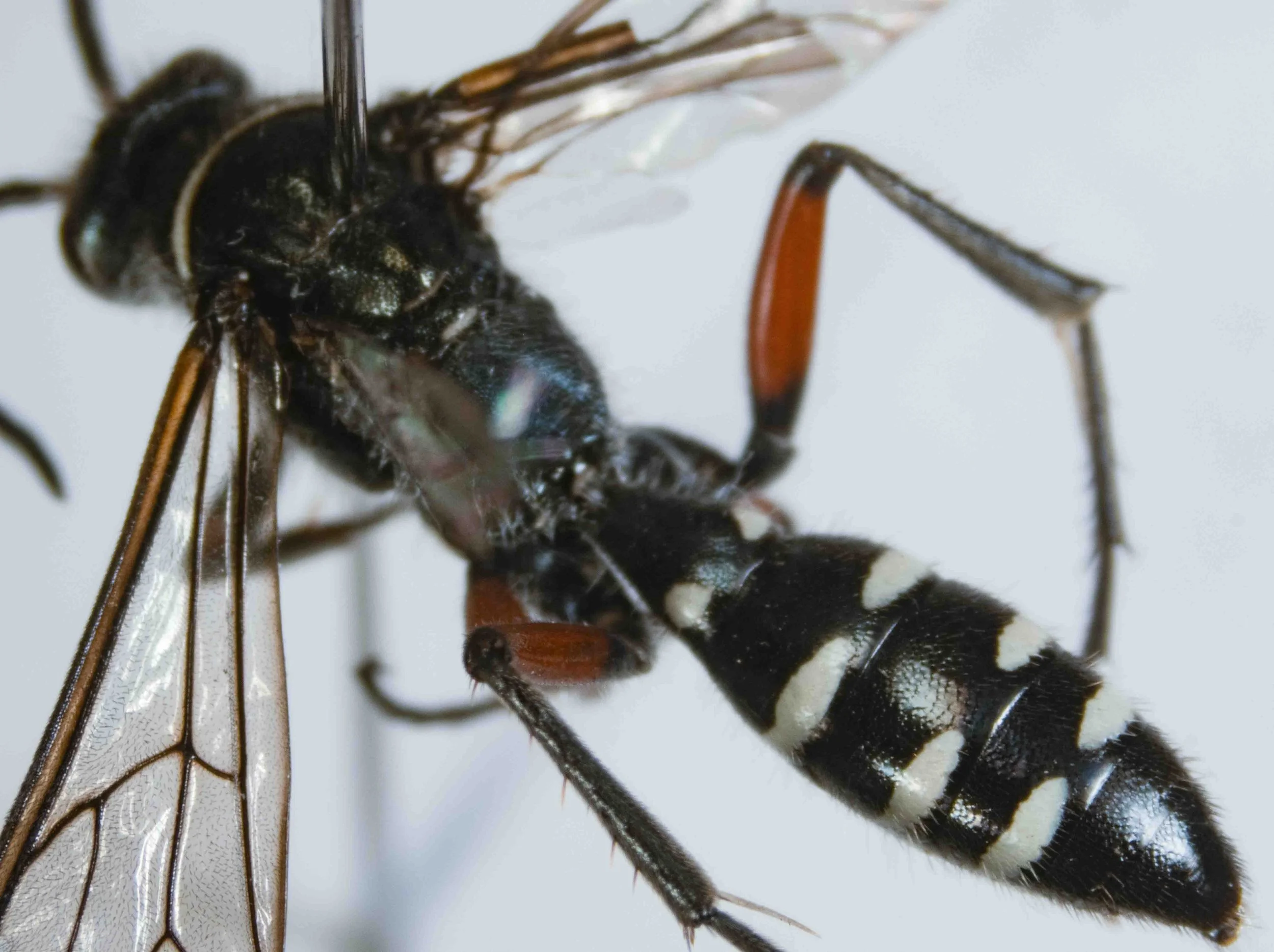
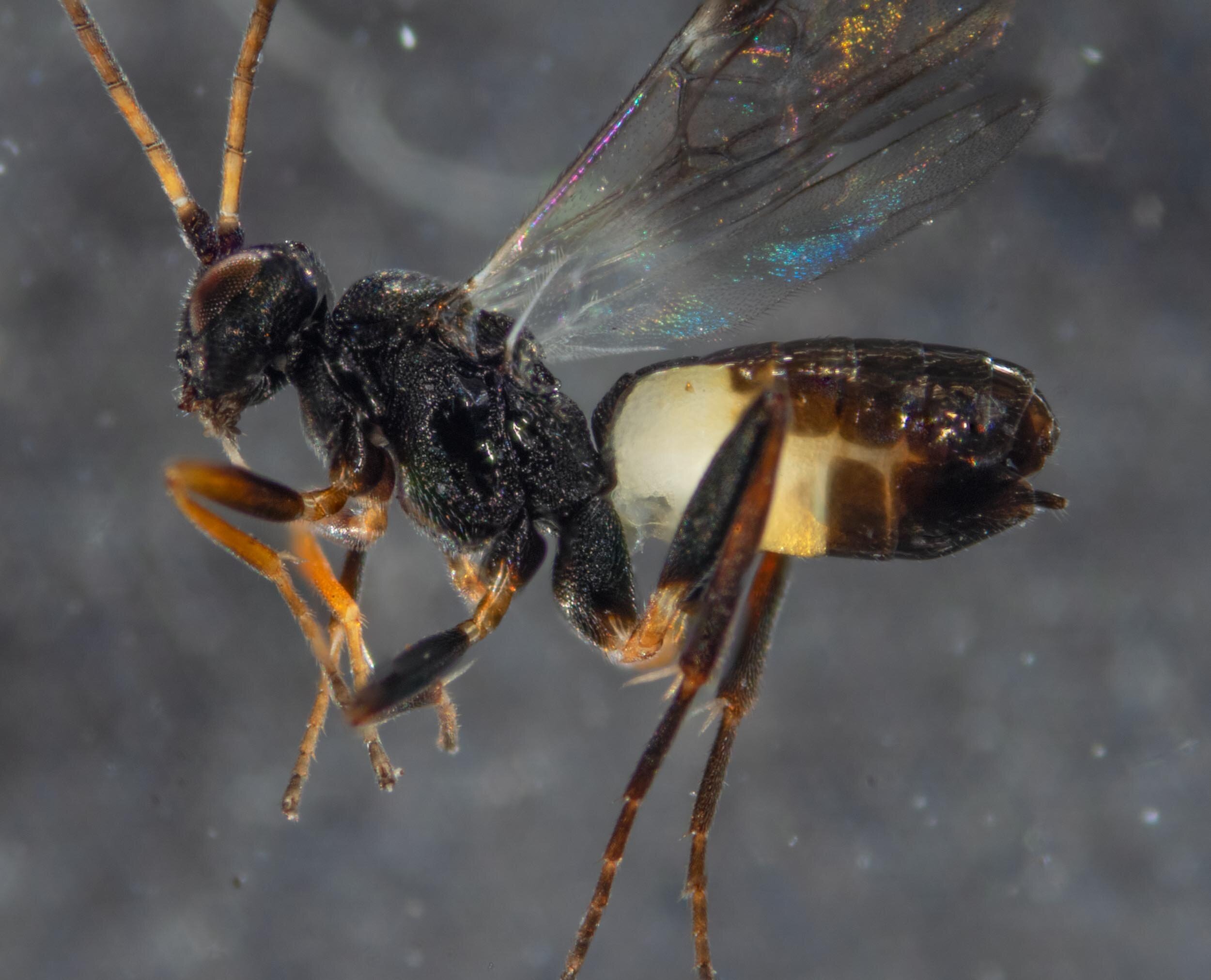
Specimen collected in Malaise trap (GMP 66367) during week 3 Oct to 10 Oct 2026.
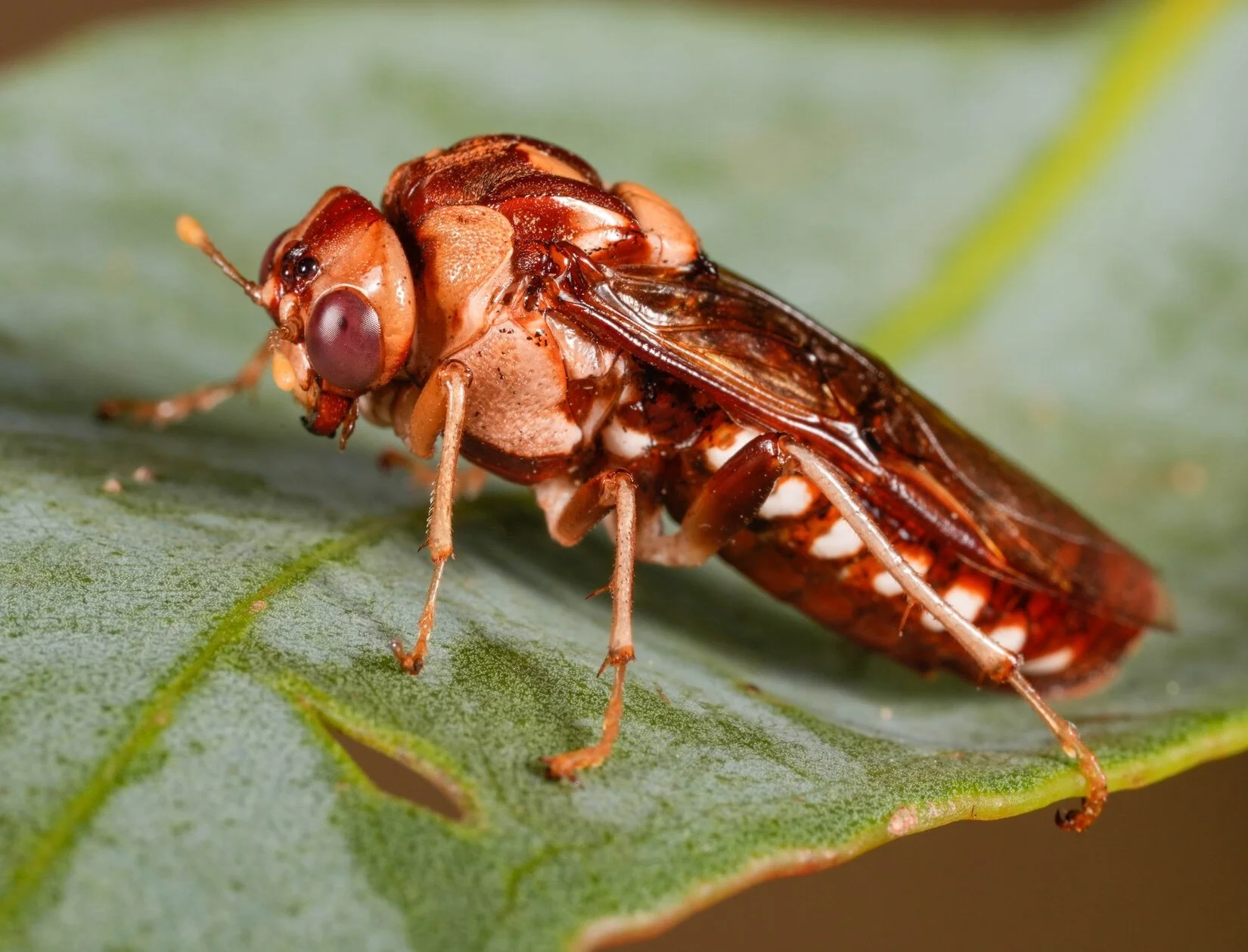
Detailed images of a Pergagrapta polita female, reared from a batch of larvae collected by James Peake, Frankston VIC
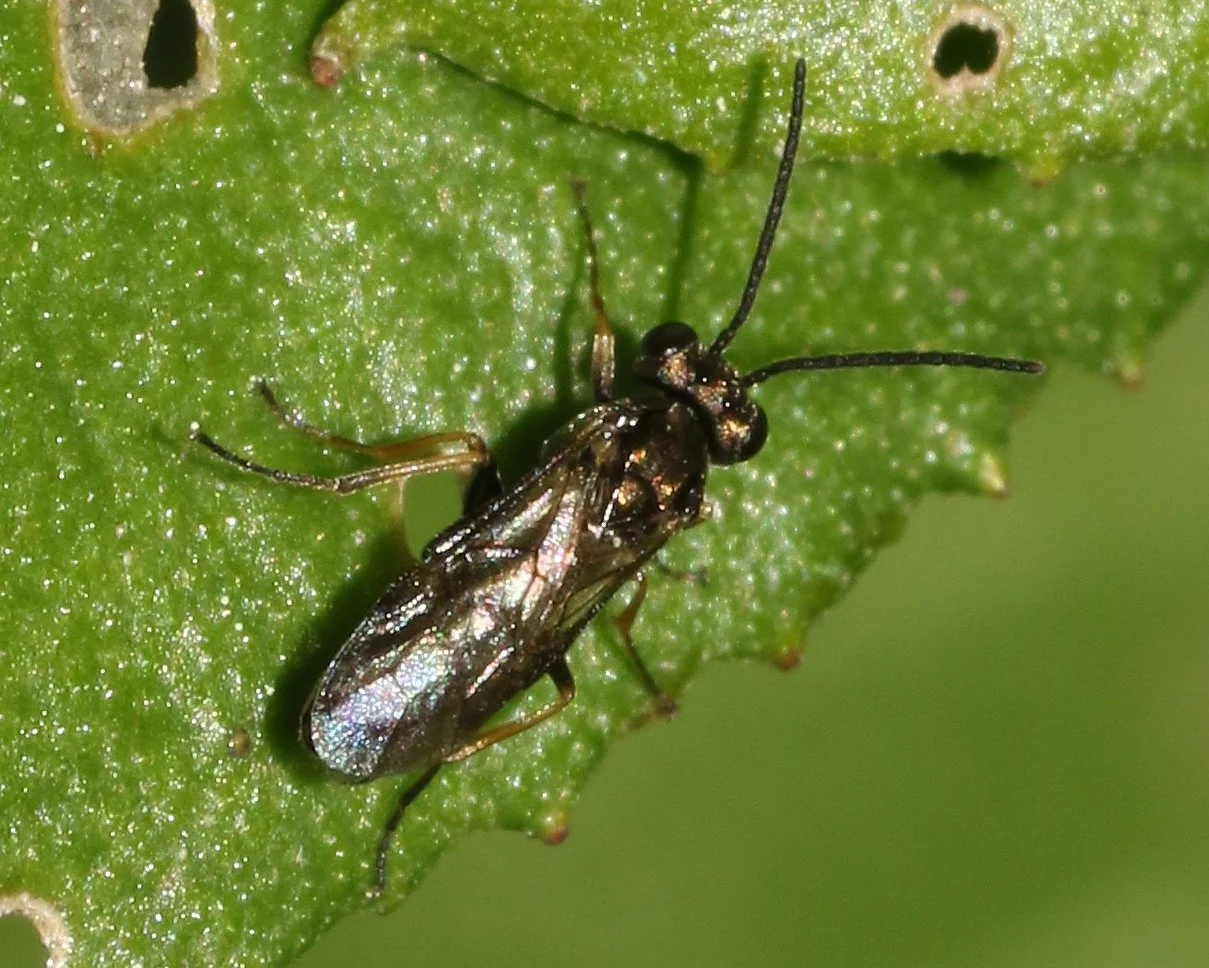
Detailed description of an adult female Diphamorphos apicalis, collected by Matt Campbell on his property at Jerralong Junction VIC, near Morwell
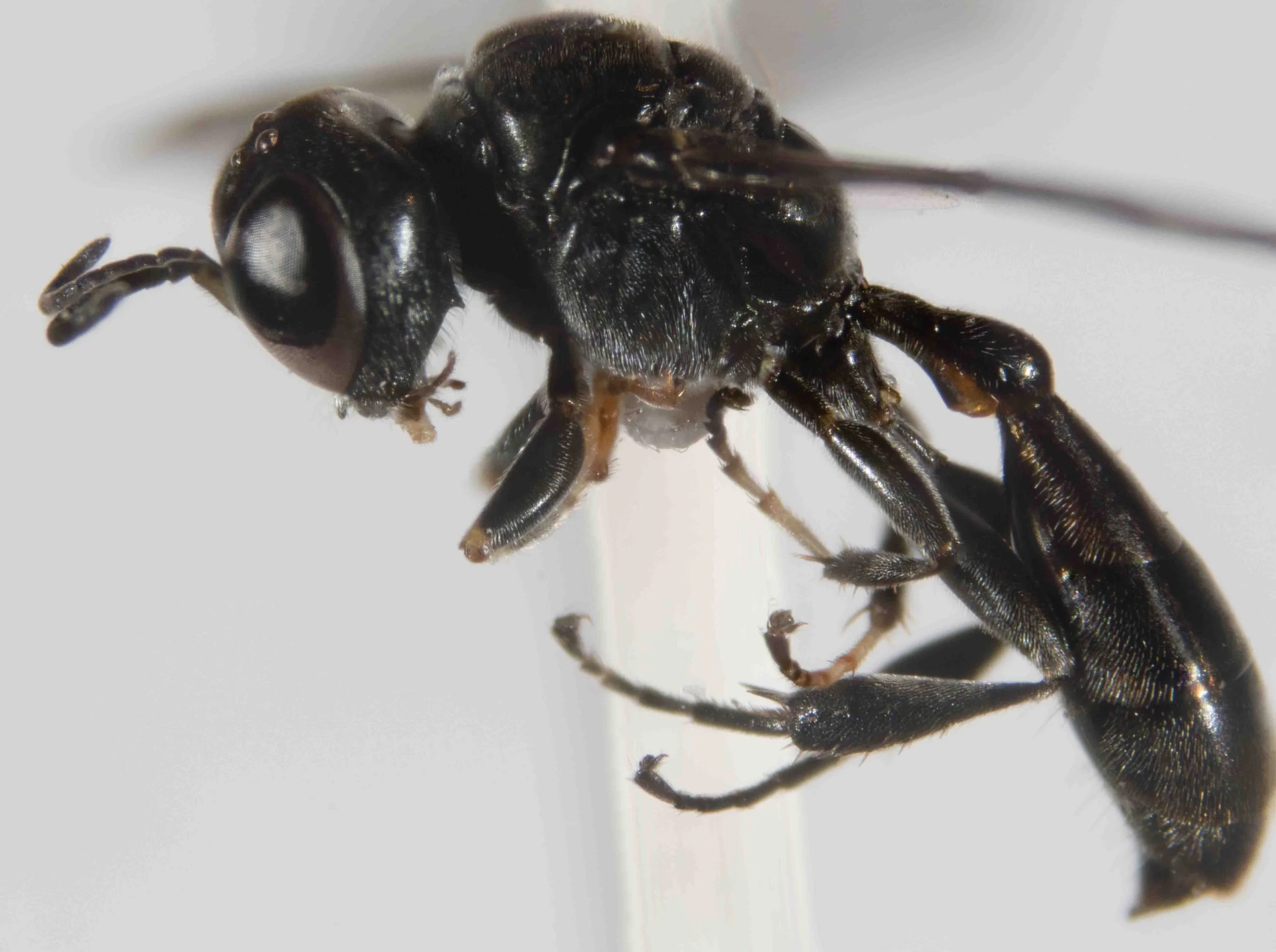
Collected at the beginning of the 2026 nesting season, from the site where we have previously monitored this species. I collected this one to send to CBG for barcoding and therefore inclusion on BOLD.
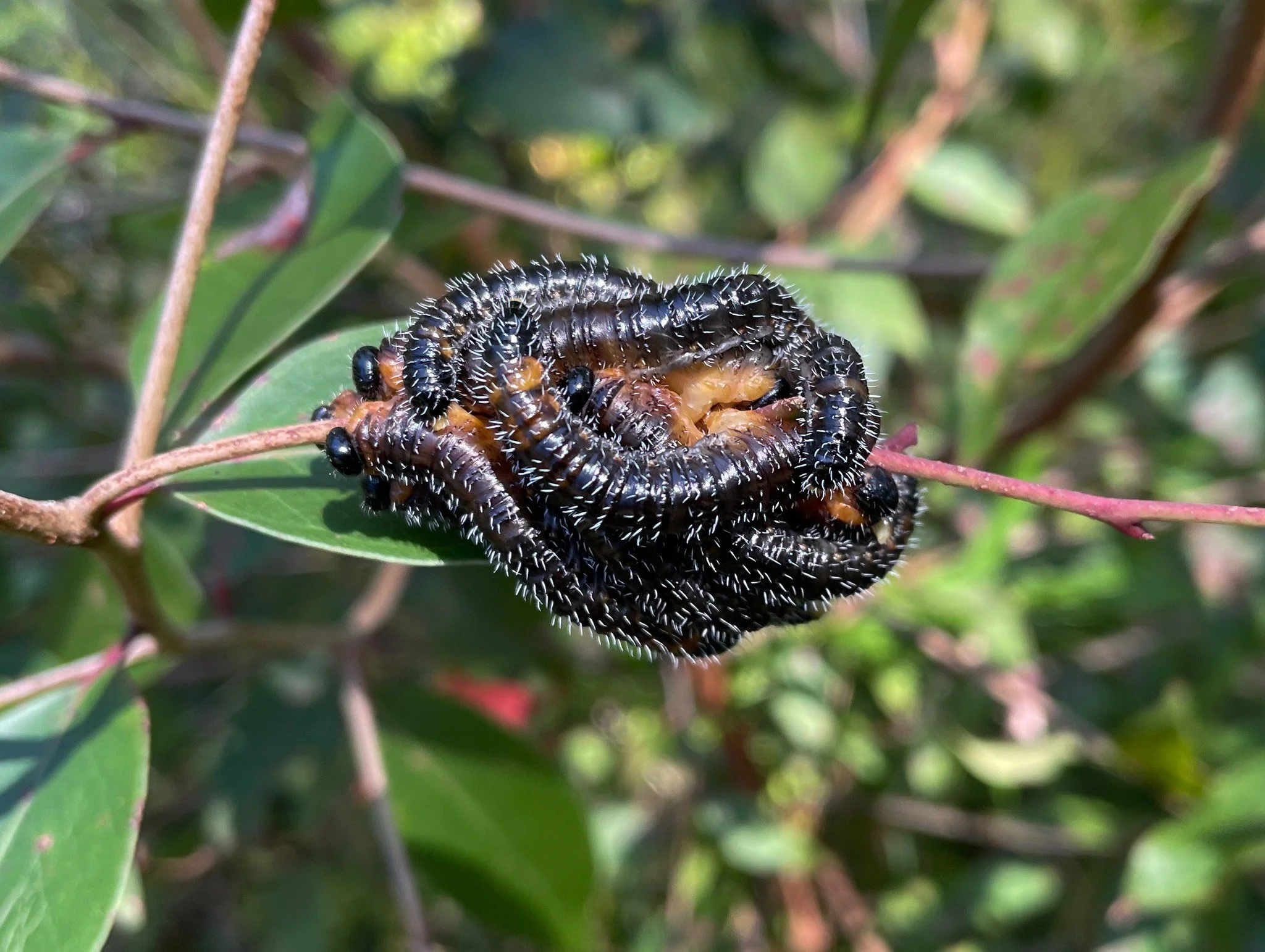
Assorted information from the literature and iNaturalist observations about breeding biology of various Perginae taxa. Topics covered include: larval host plants, preparation for and mechanism of oviposition and structure of saw/ovipositor.
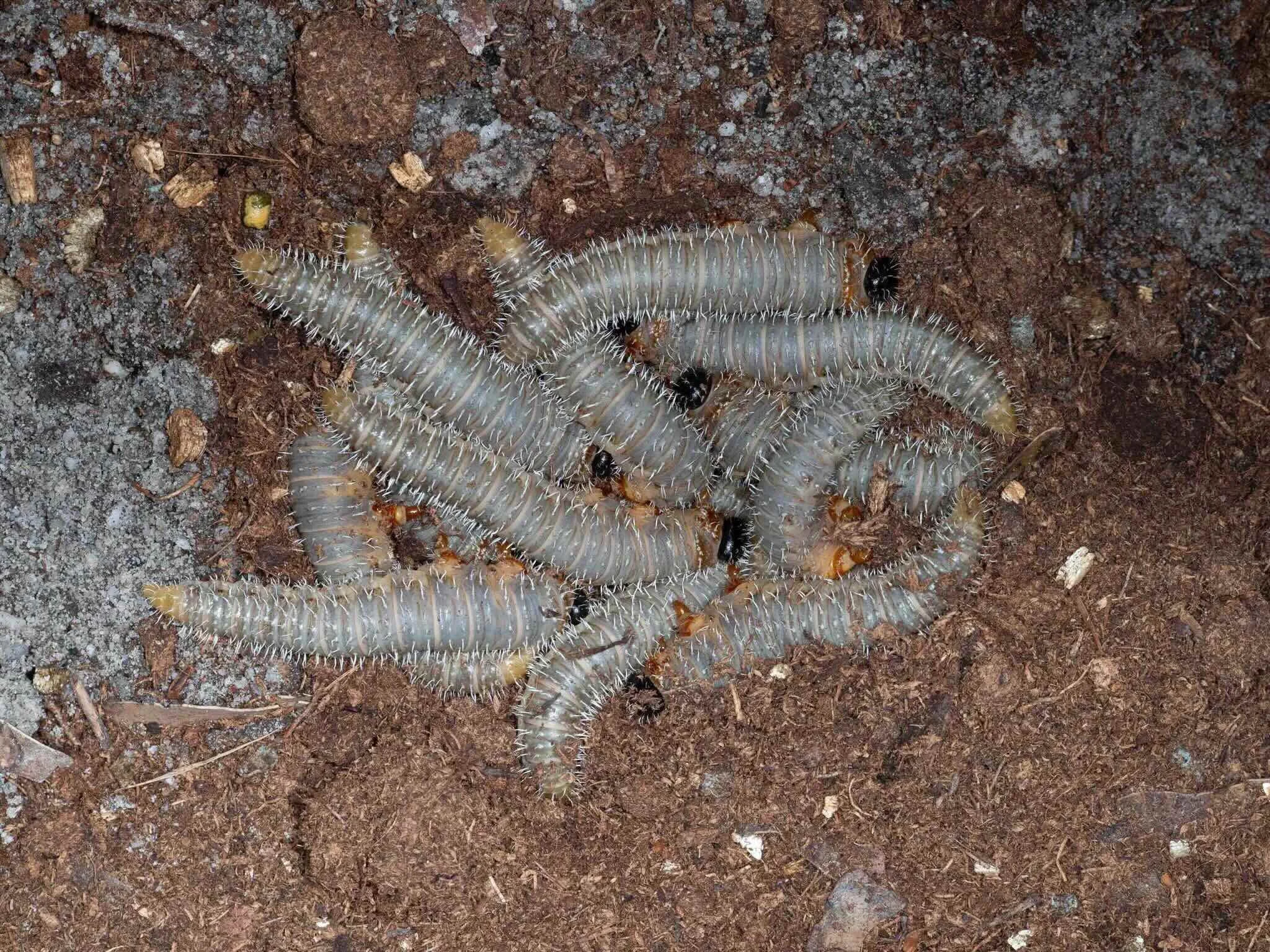
This page covers successful attempts by various iNaturalists to raise Perginae larvae to the adult stage
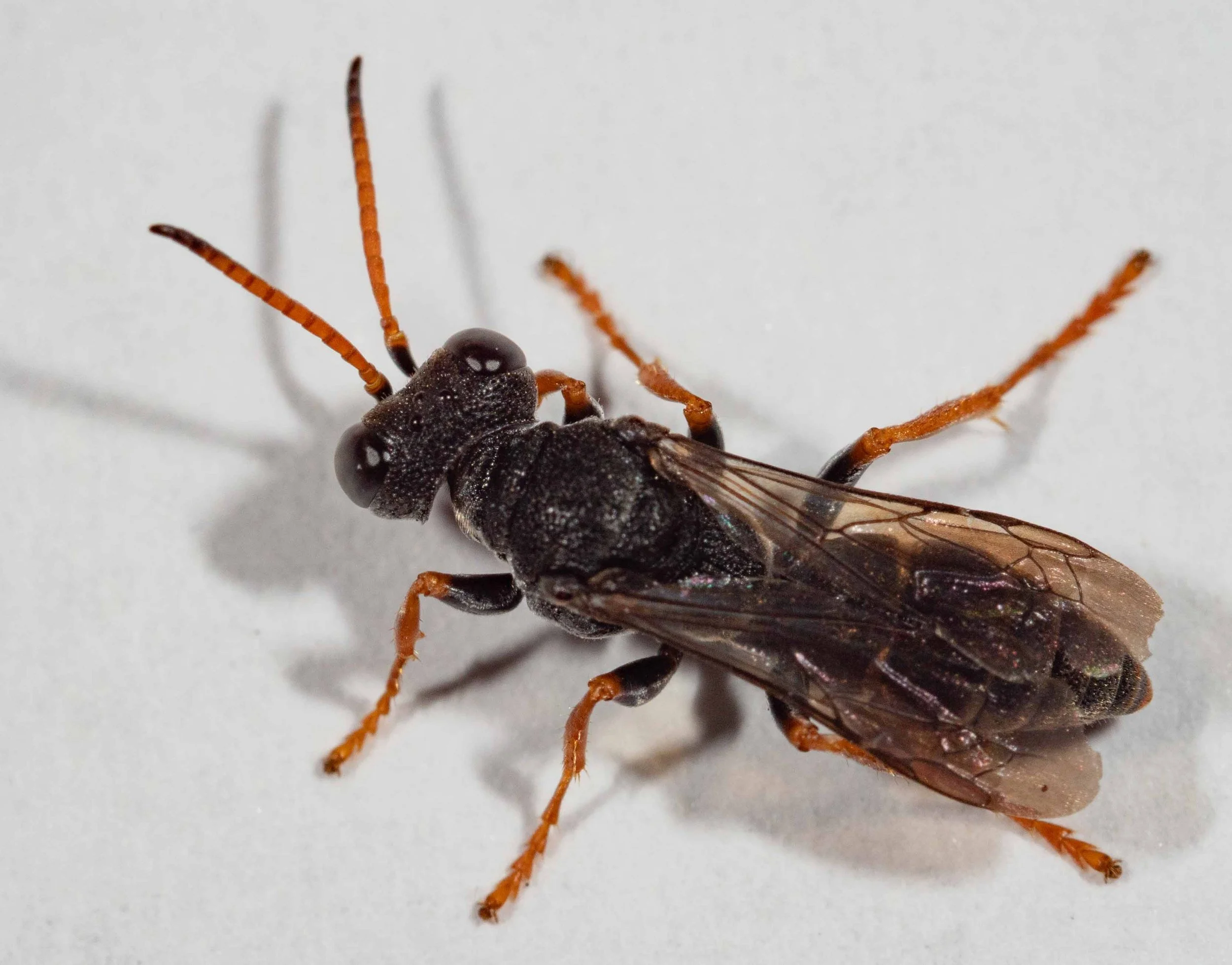
A fully illustrated, step-wise comparison of our local Sphodrotes species with the description of S. punctuosa by Lomholdt (1983). These two specimens (#2512C & #2512D) are destined for DNA barcoding, justifying a careful examination of species identification.
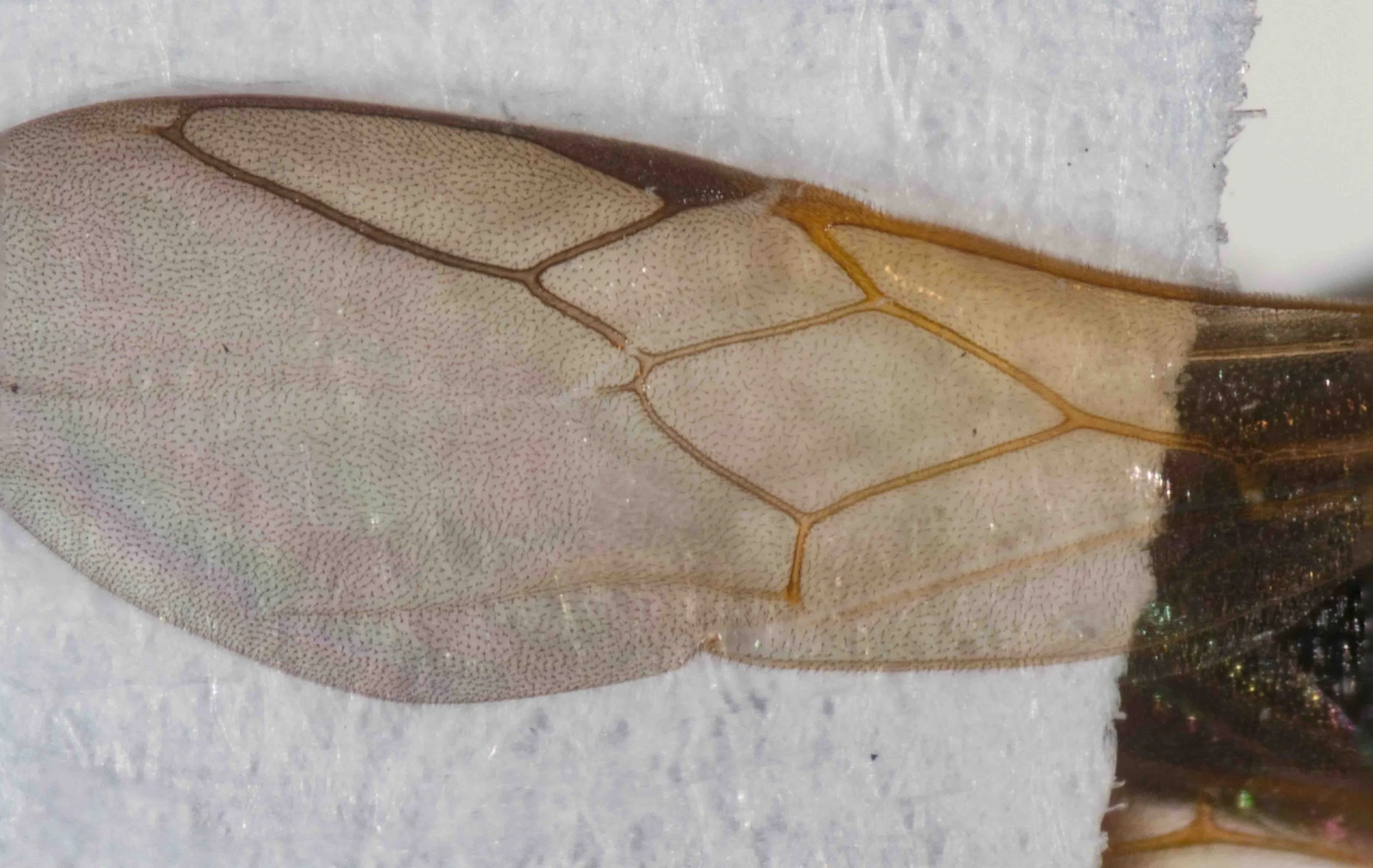
These fast-moving wasps were observed by Lachlan Copeland in northern NSW during April, 2026. In May, with wasp activity dwindling, Lachlan succeeded in catching one for me to take a closer look.
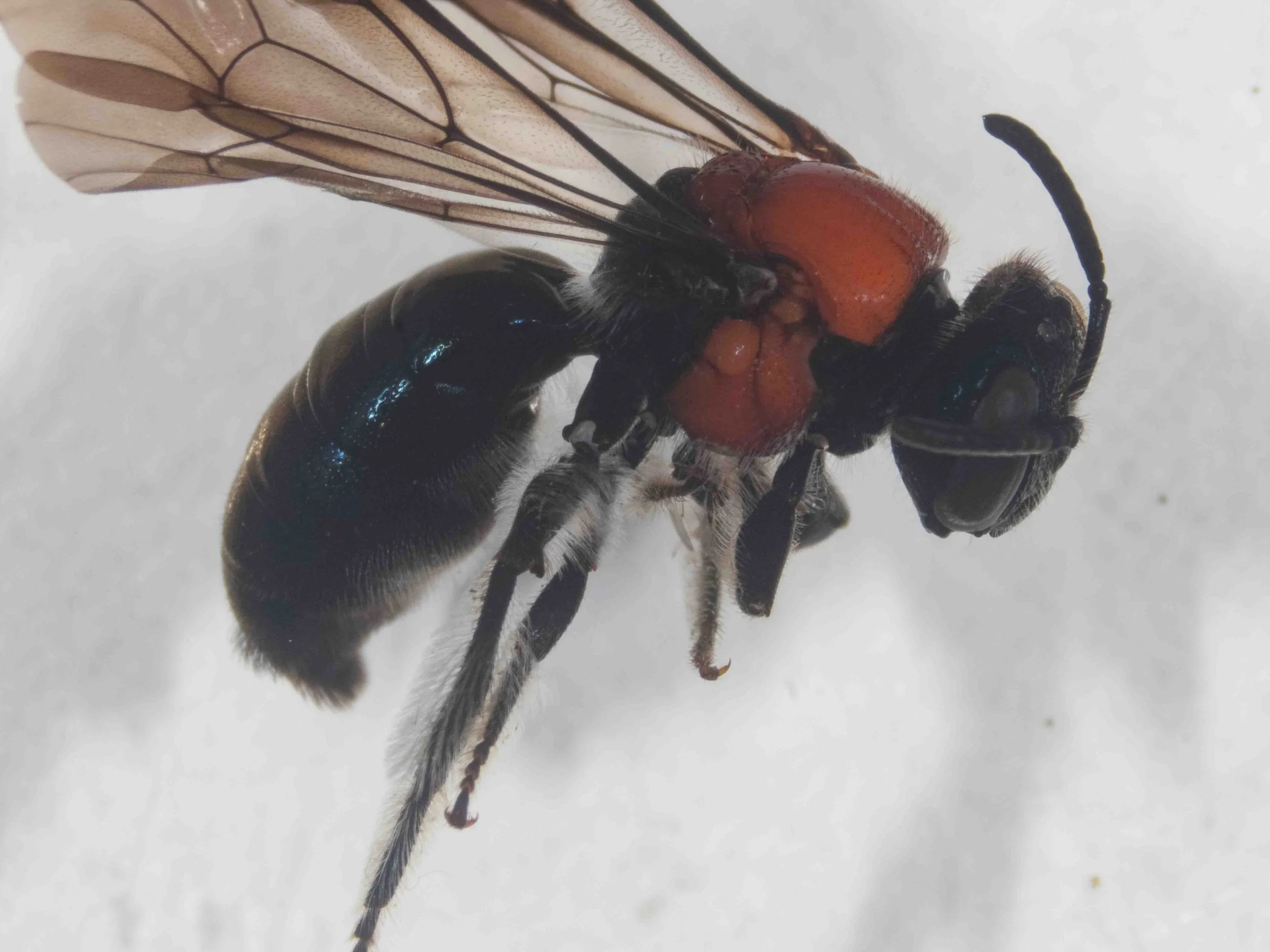
Although bees are not my main focus, I have taken the opportunity to take a closer look at some of those turning up in the Malaise traps this year (as part of our participation in the International Barcode of Life project).
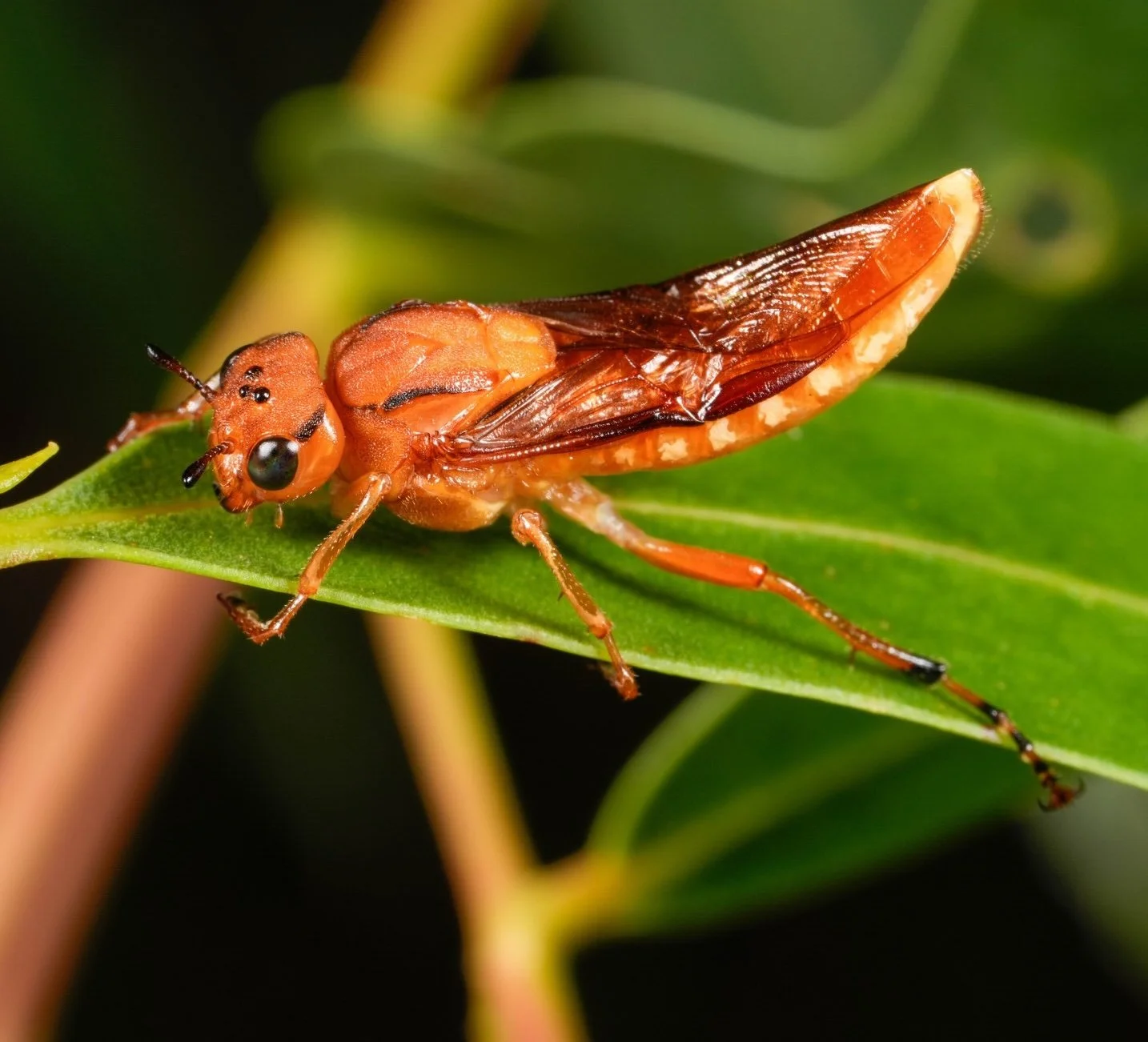
Detailed images of two Pseudoperga lewisii females, collected by Jenny Emeny near Warrnambool, VIC and James Peake, North Frankston VIC
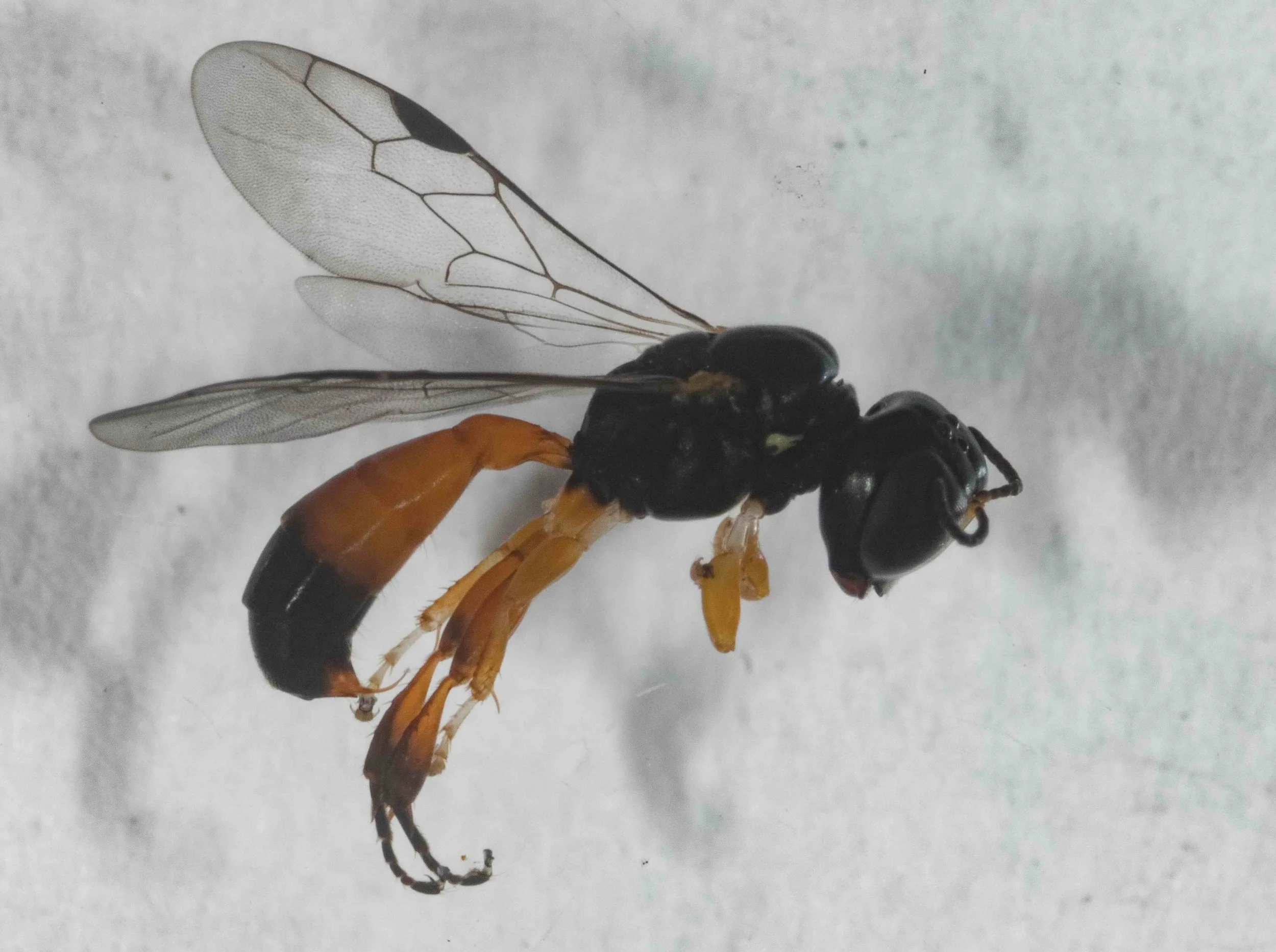
The Malaise trap survey we began 4 months ago is uncovering the diversity of our smallest wasps … including Rhopalum. They vary in colour, size, and most notably, in the shape of the gaster.

Detailed images of a Pergagrapta gravenhorstii collected by Jenny Emeny near Warrnambool, VIC.
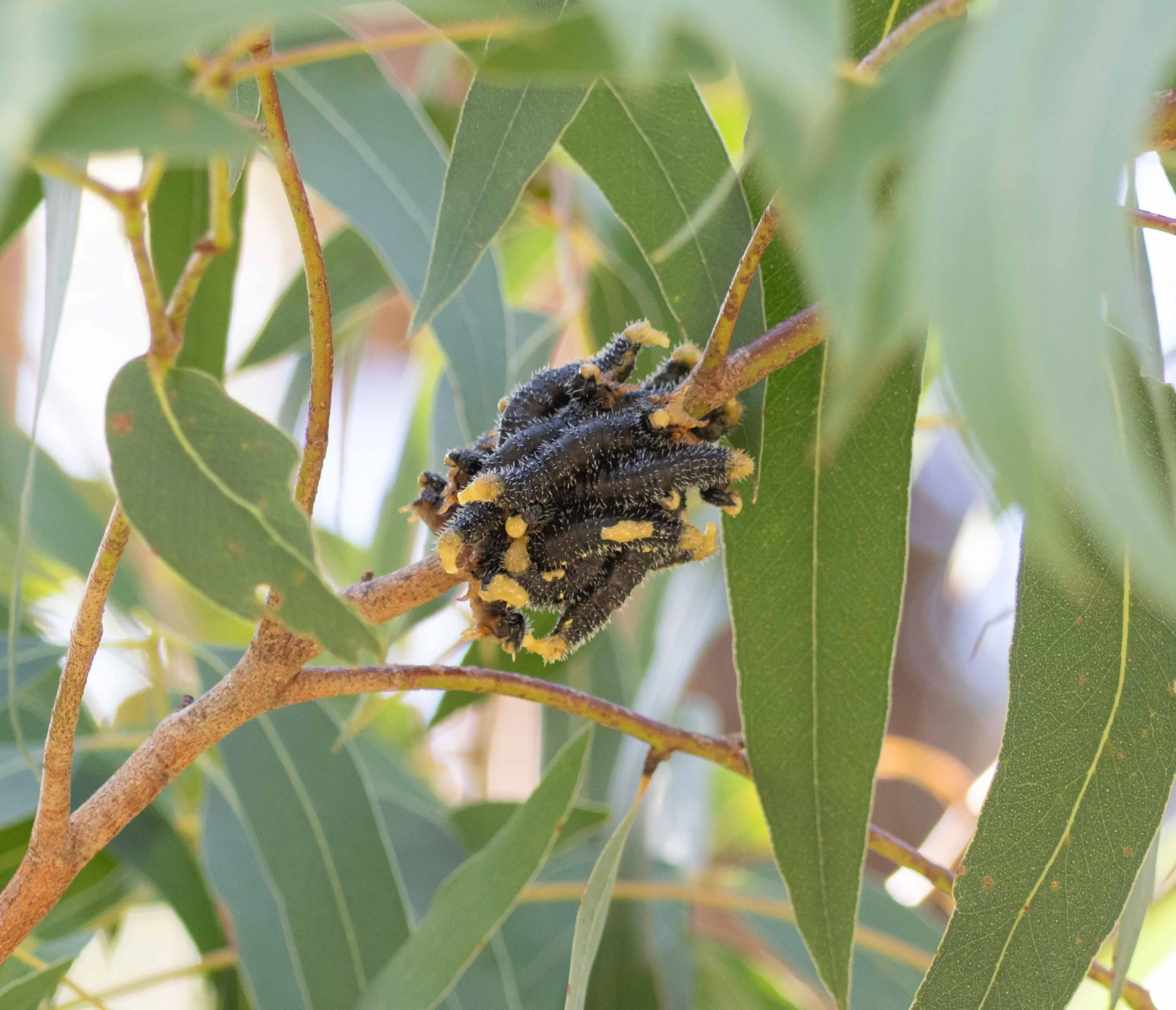
Attempts - which were unsuccessful - to rear Perginae larvae collected from Old Bridge Road, Sept 12, 2025 (clutch #2) and Eucalyptus consideniana on edge of Kizzy’s block on Sept 14, 2025 (clutch #3)
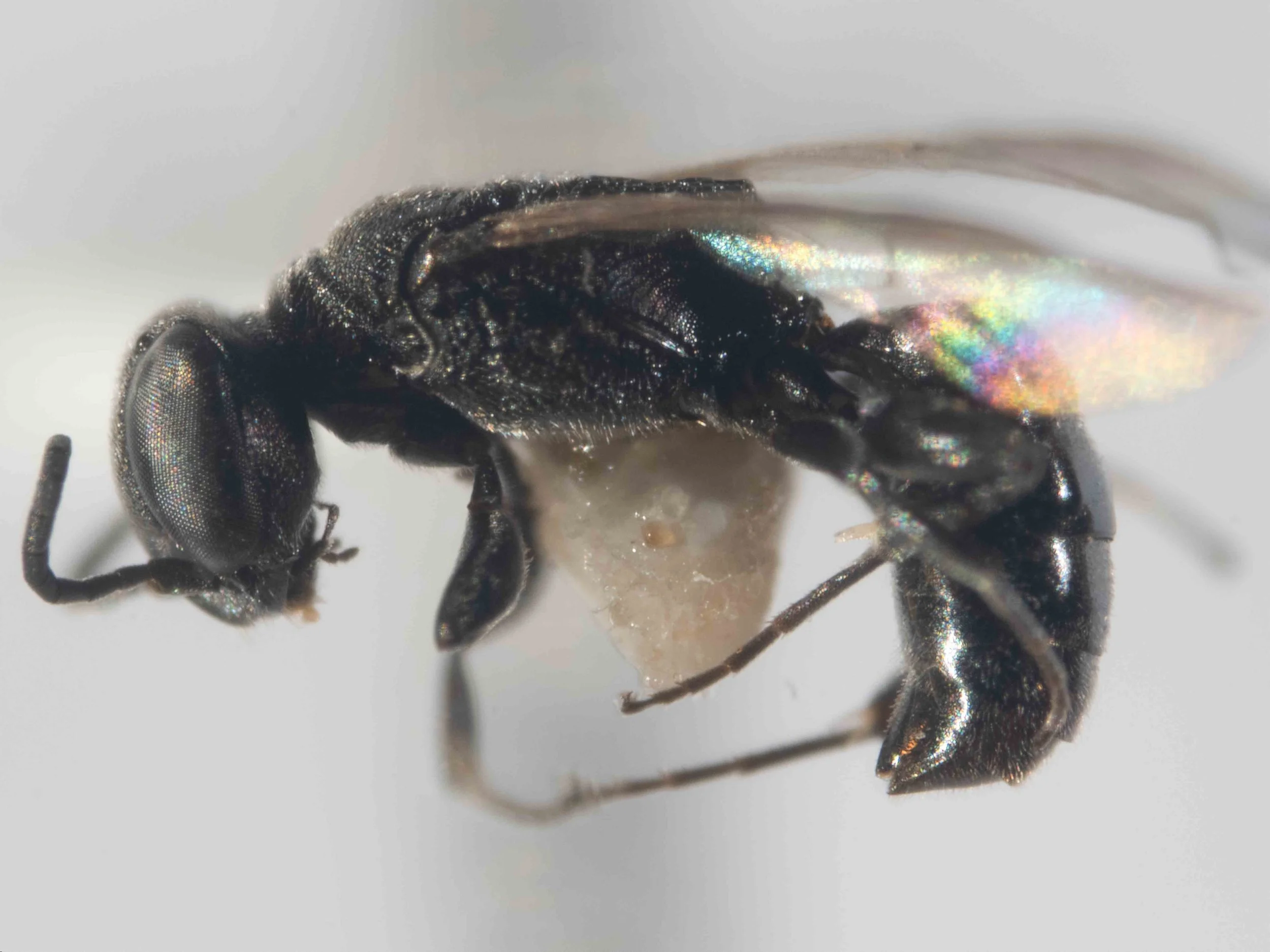
With a small specimen in hand, I take a close look at the key features of this genus. It is a very close match with N. australiensis … but equally, it may be one of several undescribed, all black species of Australian Nitela.
(specimen #2603A)

A single, small specimen illustrates many of the features of this genus.
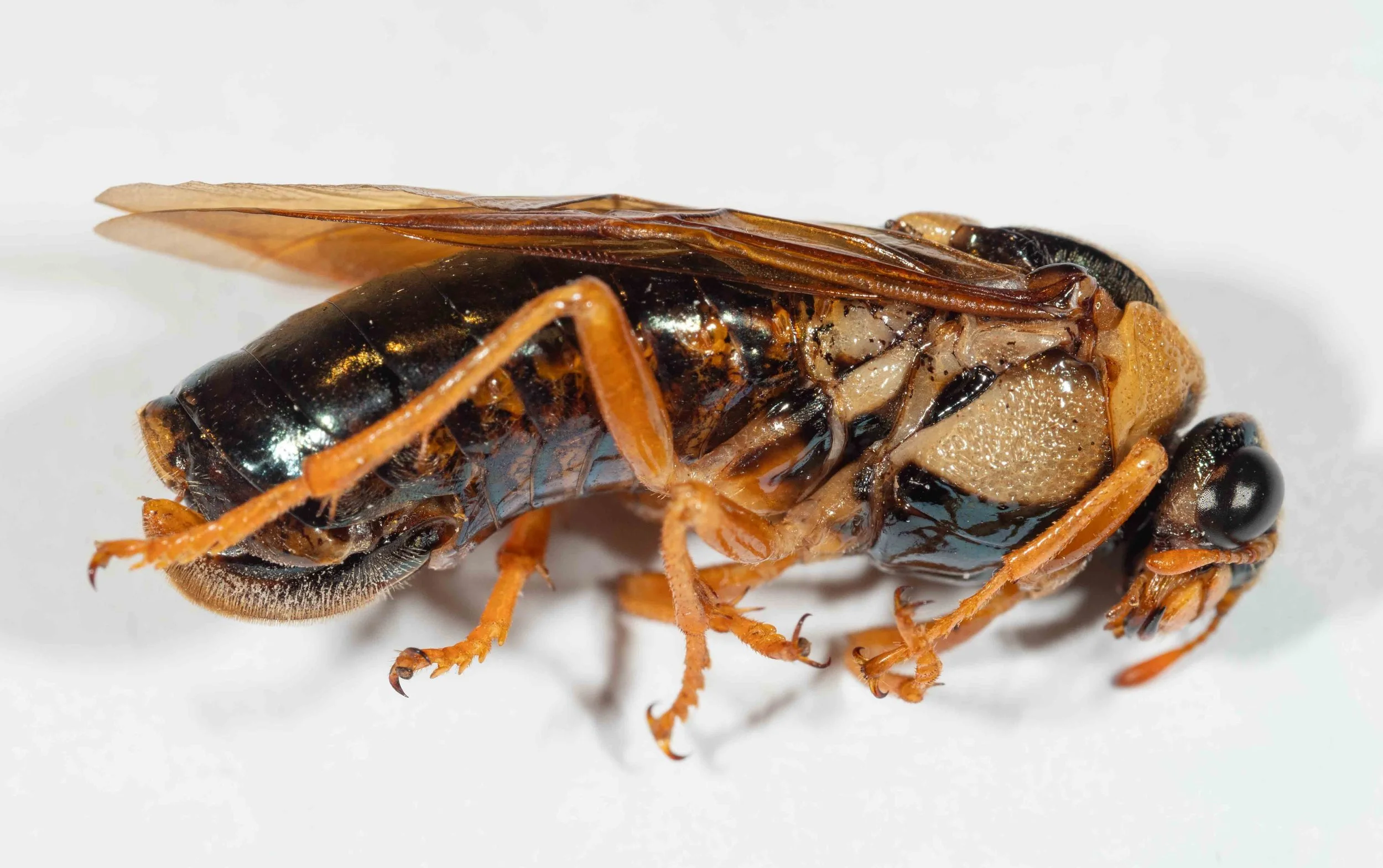
This page shows detailed images of specimens of adult Perga affinis females raised from larvae by Chris Seager in Mt. Barker SA or collected in the field by Jenny Emeny in Warrnambool, VIC.
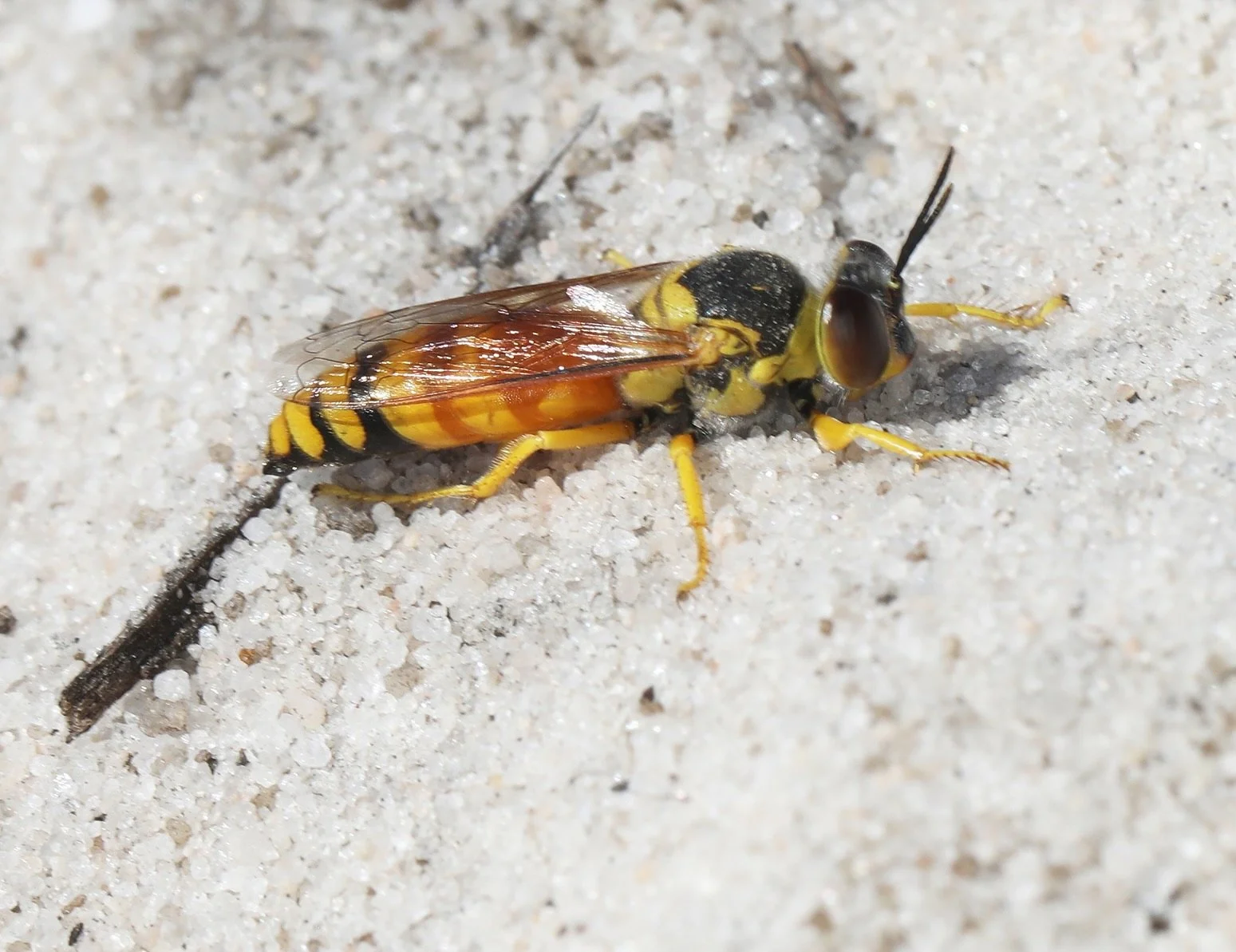
Comparing three colourful Bembix species from the Atrifrons species group: Bembix olba; Bembix wilcannia, and Bembix aureofasciata.
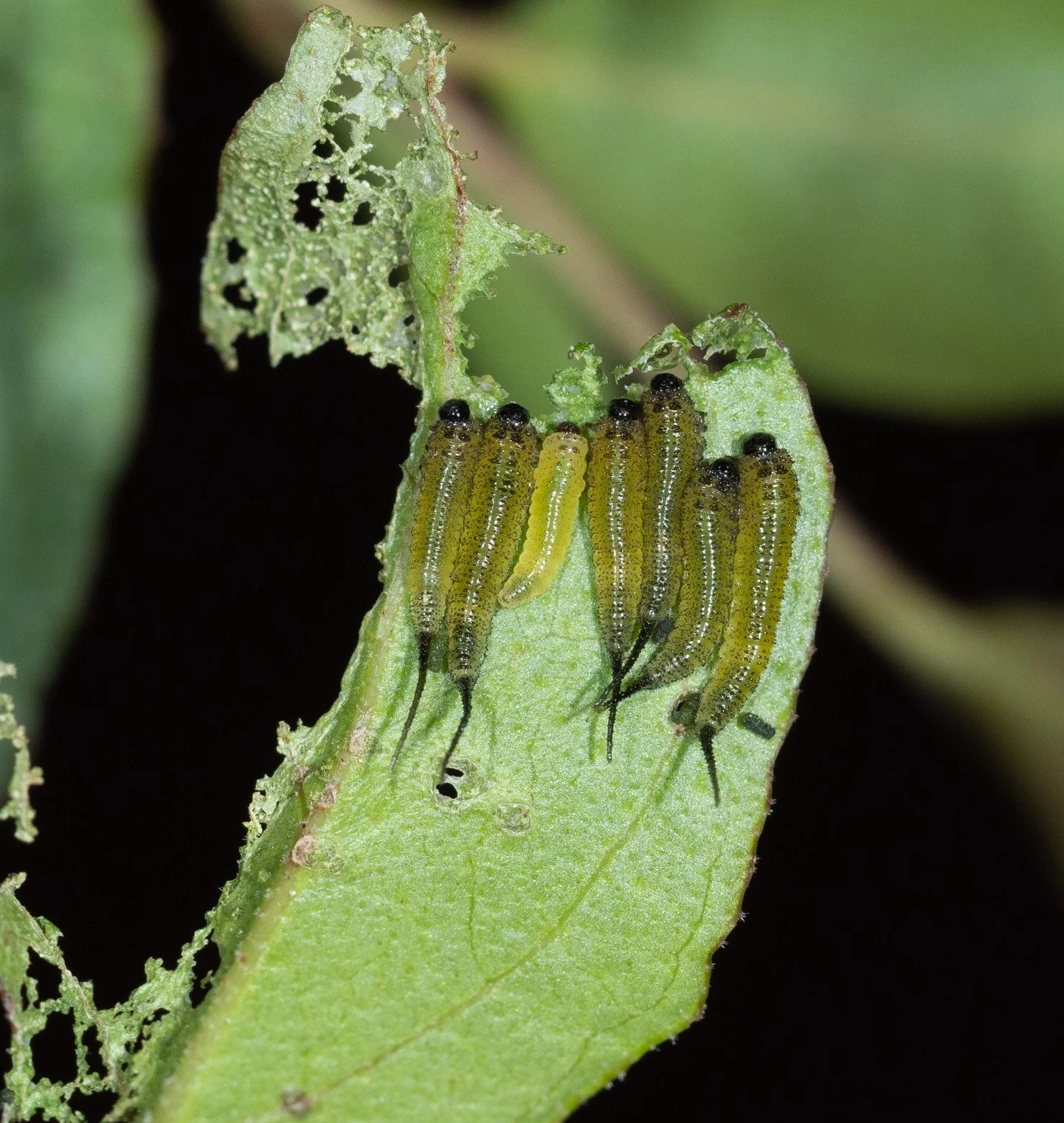
This page deals with the breeding biology of Pterygophorinae sawflies and species identification of their larvae.
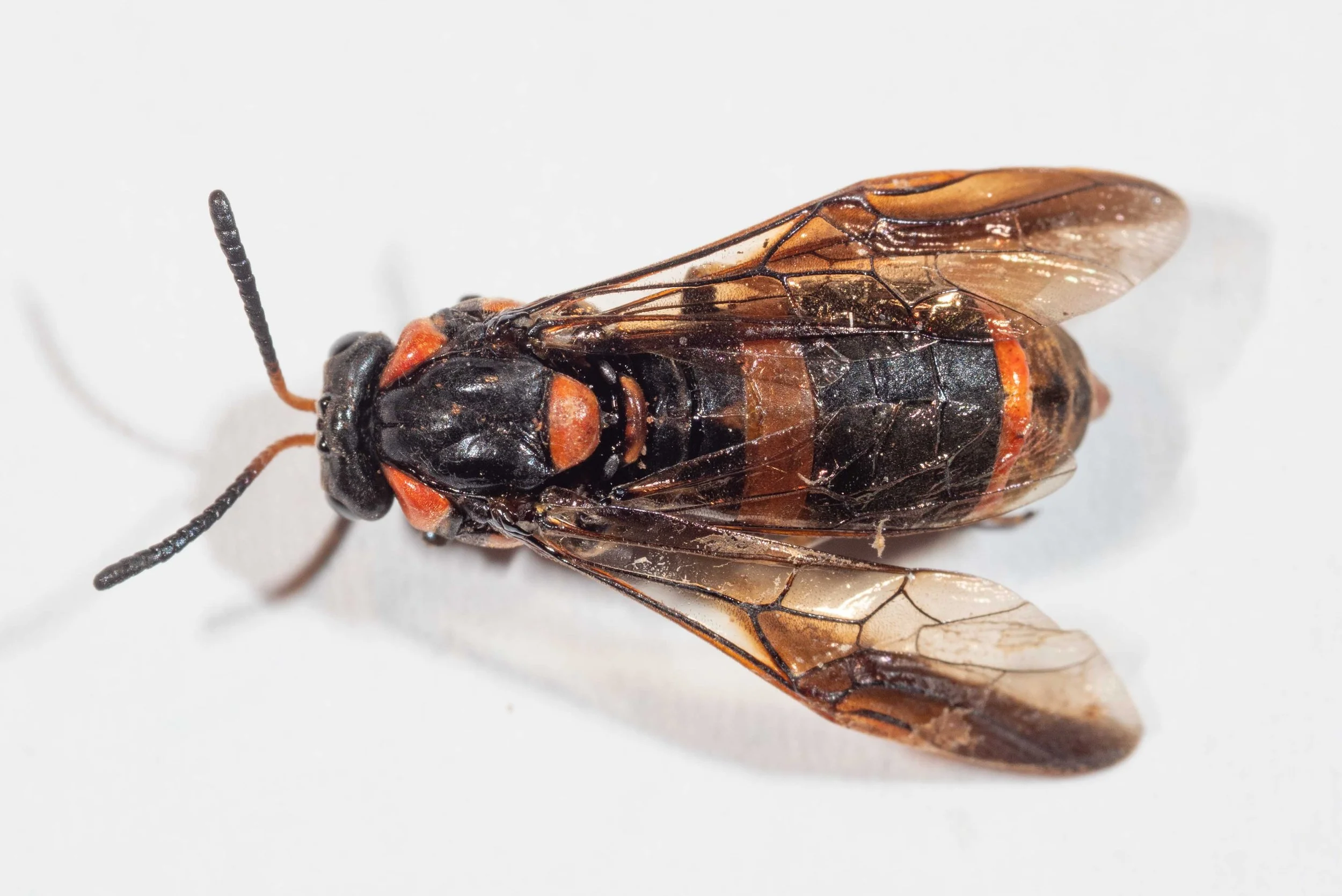
Identification of female Pterygophorus sp. raised from larva by Rhianna Boyle
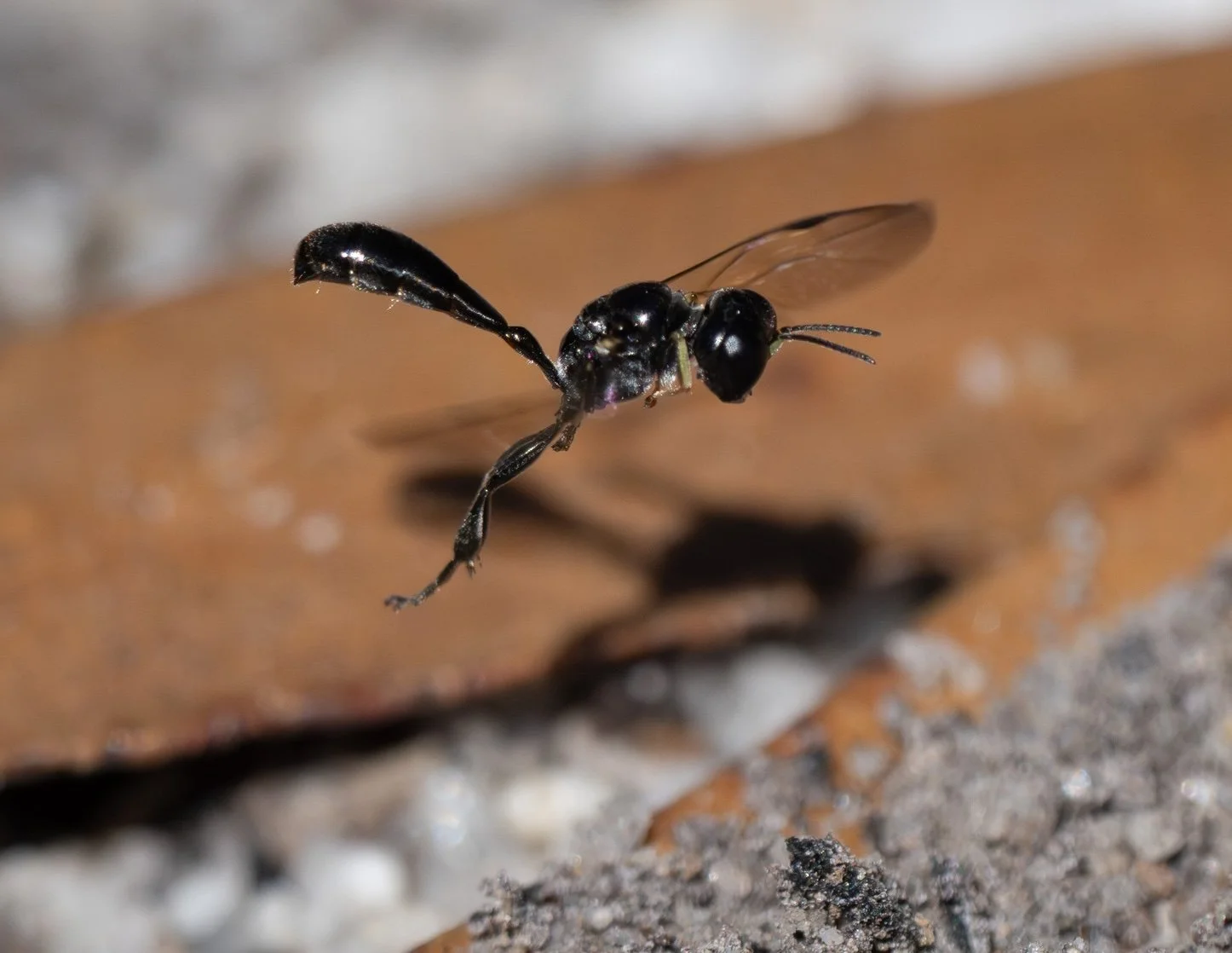
Identification to species level, based on Leclercq’s detailed description of the female and comparison with images of the holotype. At the time of Leclercq’s major revision (1997), only that holotype was known in collection. We can now add several more females … plus the missing males!
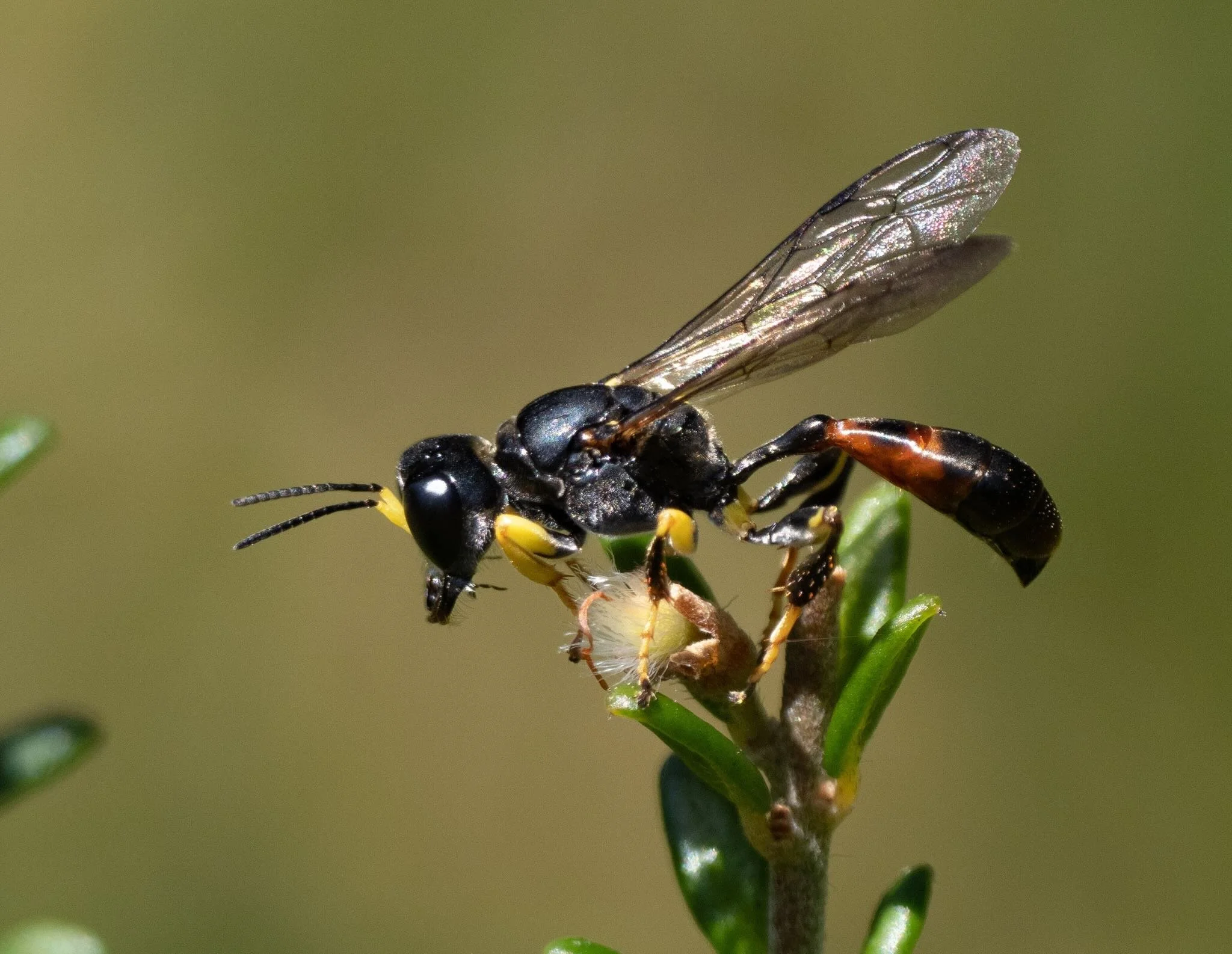
A close look at our local species of Podagritus, identified as P. leptospermi, with detailed images of both sexes. Plus a short sequence of ‘live action’, featuring a female with prey struggling to find her nest burrow.
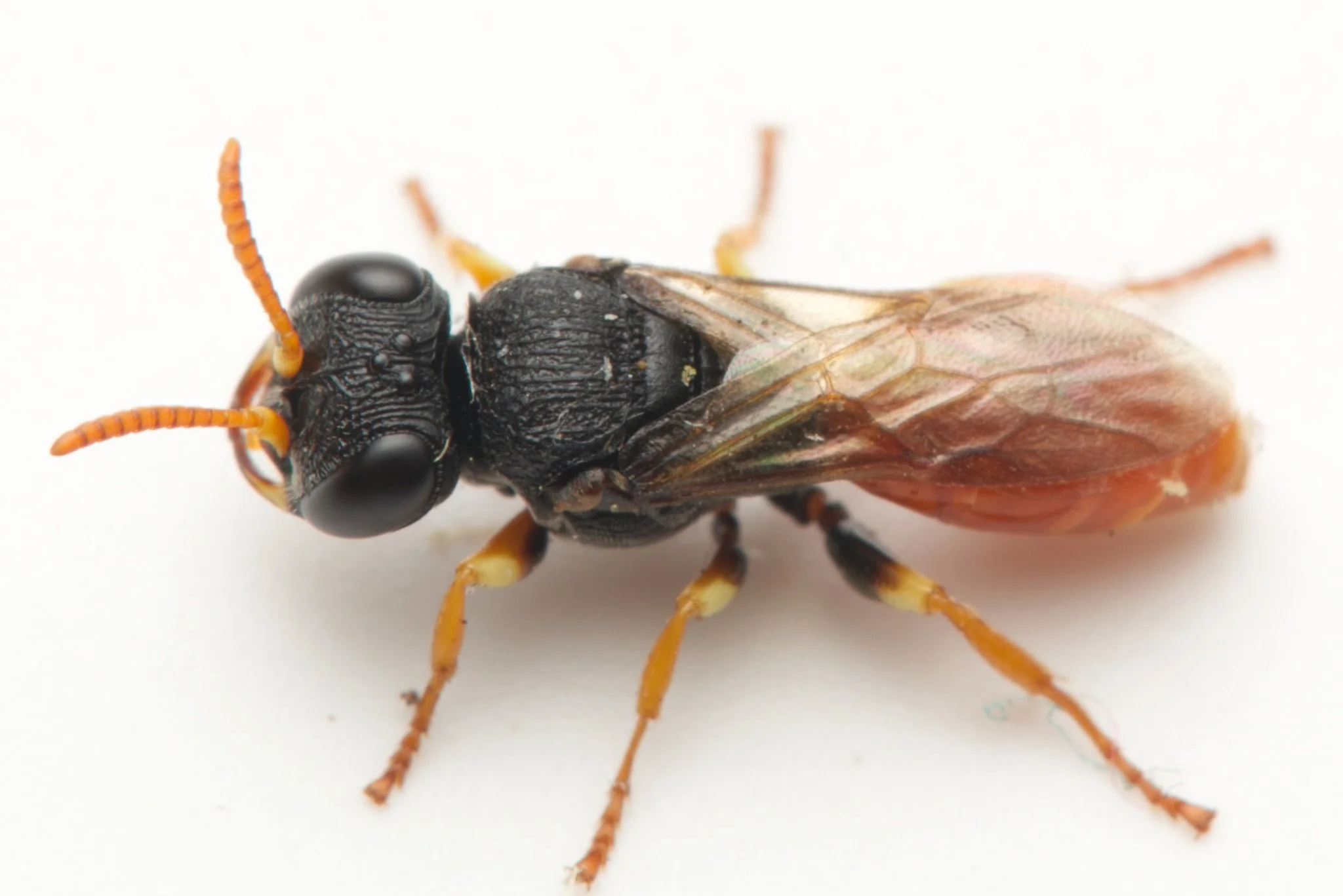
Key features for distinguishing between the 22 described Australian species of Arpactophilus.
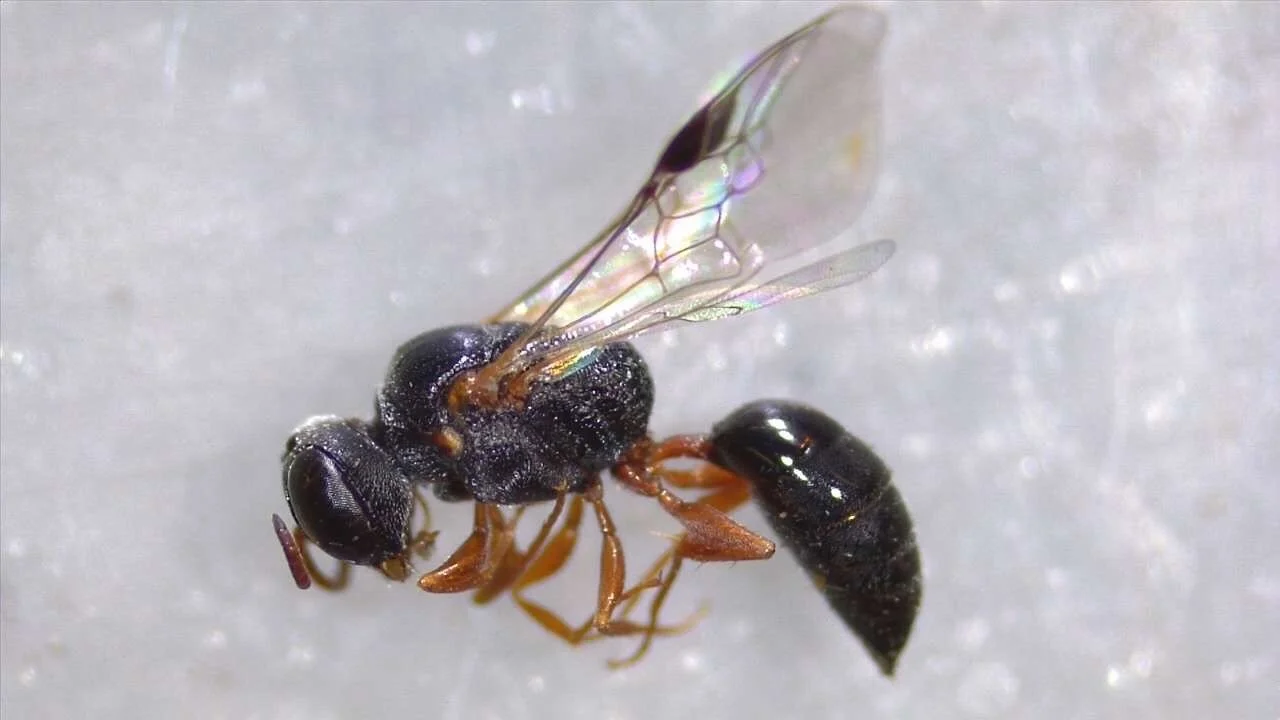
Summary table for the 7 Australian genera, along with various diagrams, images & references.
Image courtesy: Stephen Fricker
https://inaturalist.ala.org.au/observations/104798102
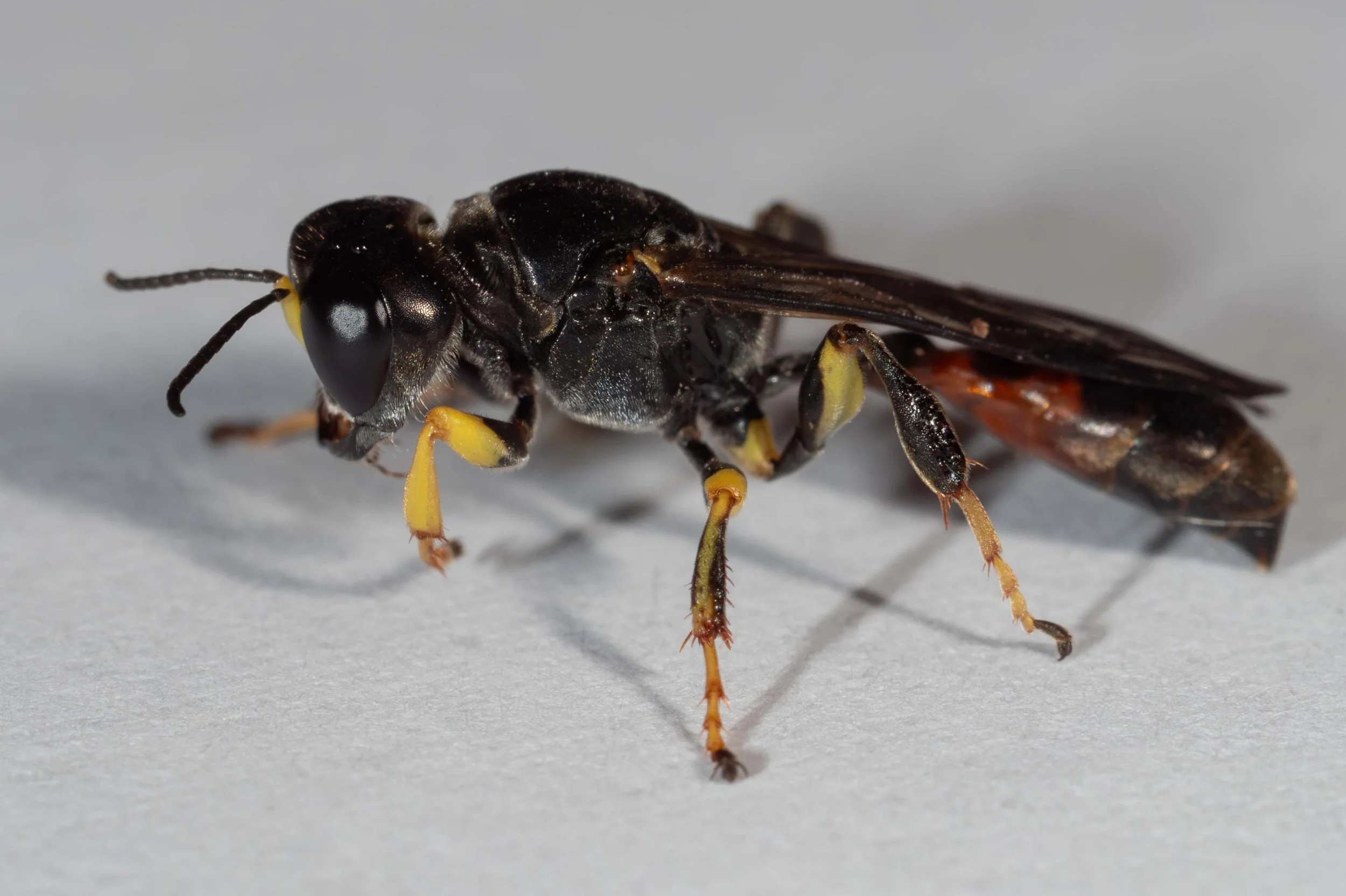
The key features distinguishing Podagritus from Rhopalum, and a guide to distinguishing between Podagritus species of eastern Australia.
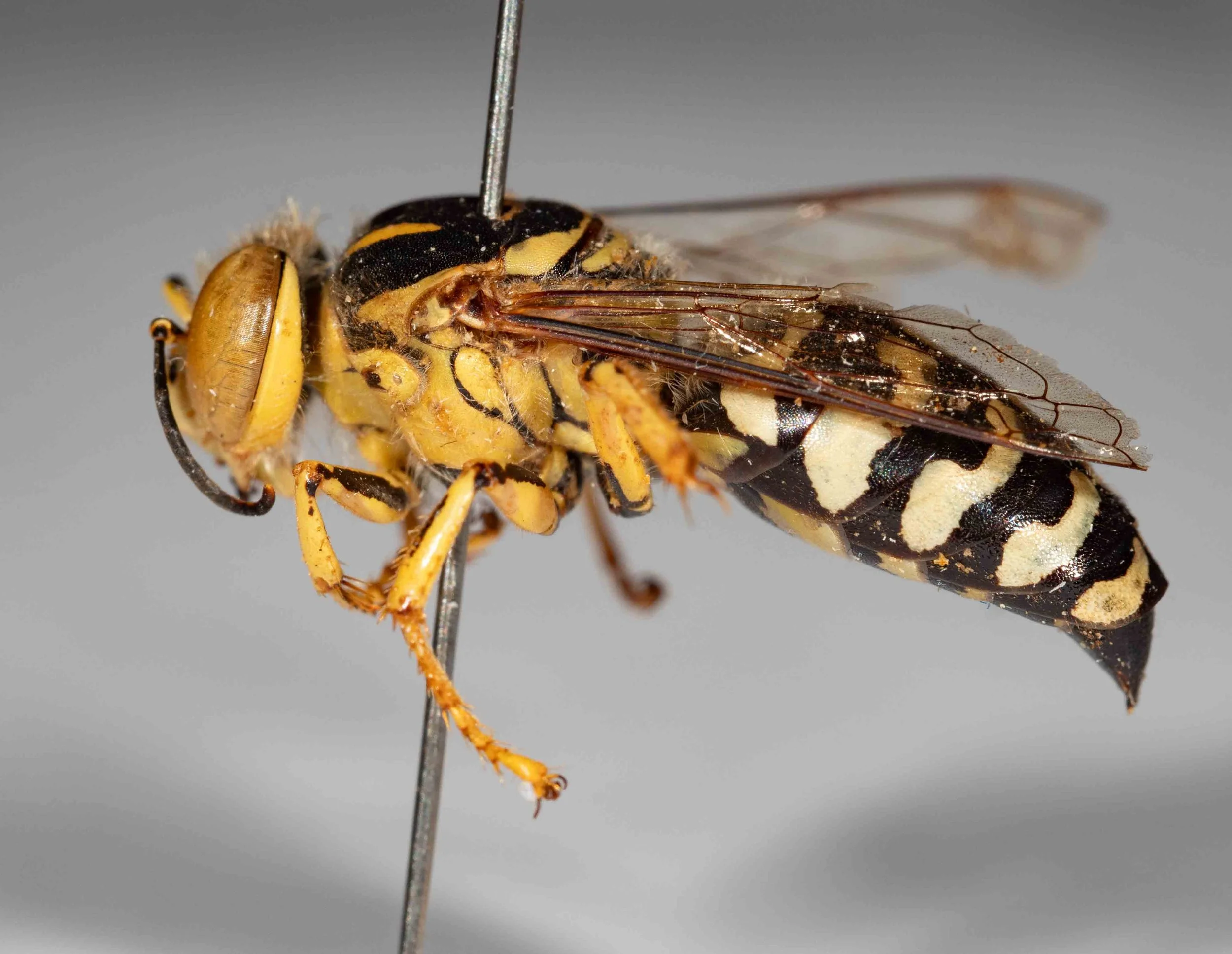
A rather old specimen, collection details unknown … but my first chance to take a close look at this species.

This page is a collection of images of various larvae in the subfamily Pterygophorinae seen in our forest
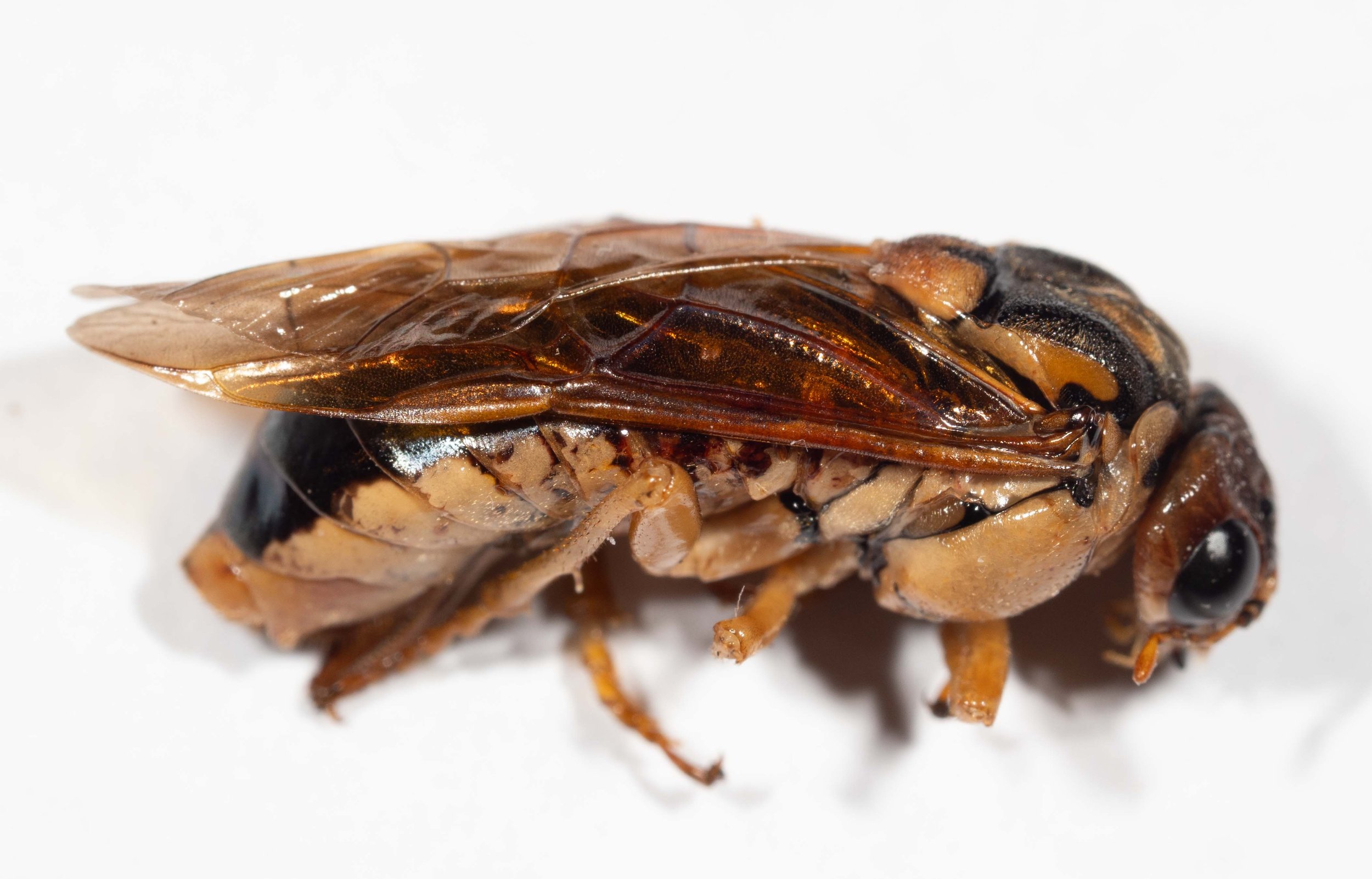
An attempt to match field photographs of Xyloperga halidaii and X. amenaida to original species descriptions and type specimens
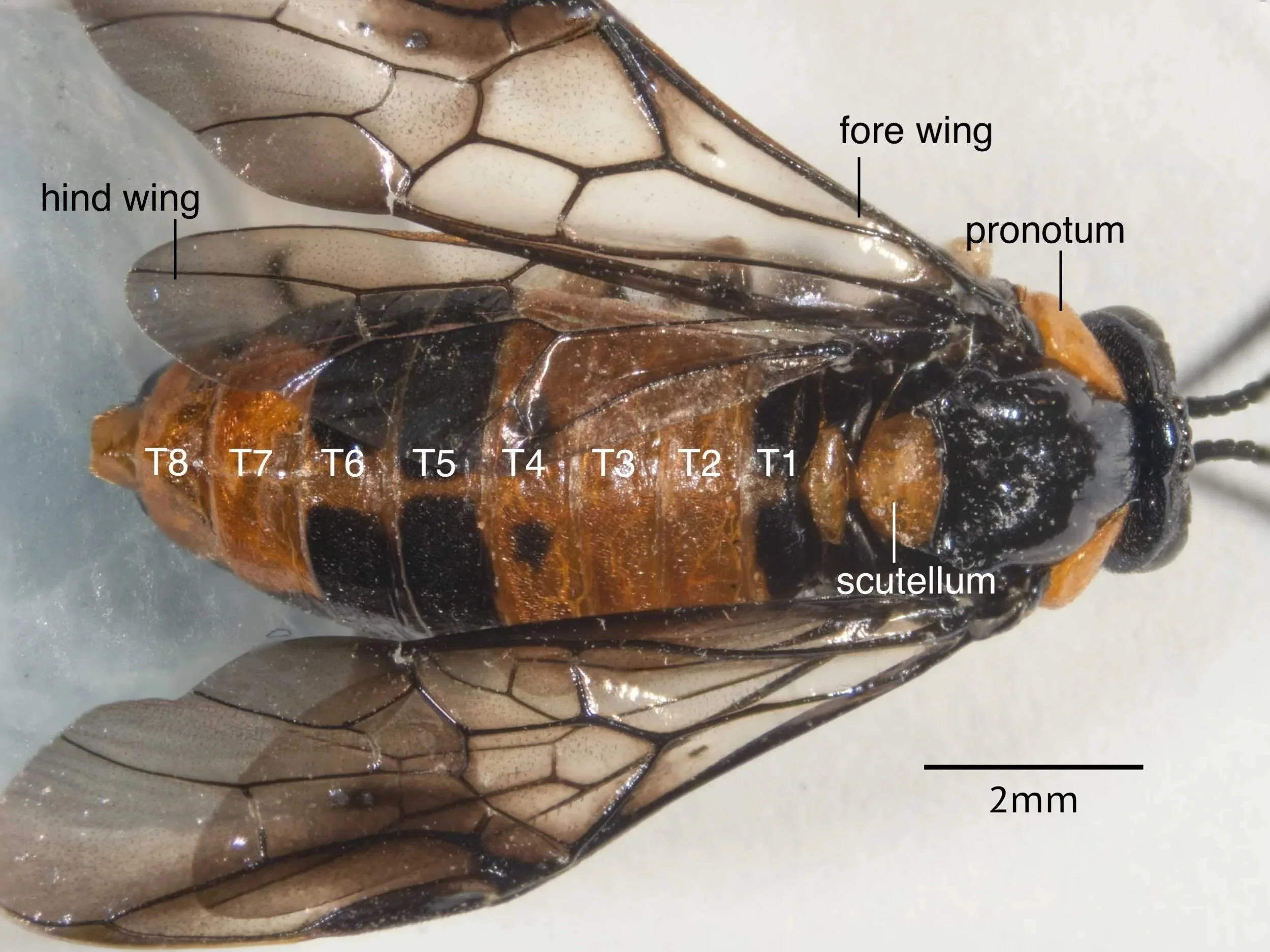
A guide to body parts of Australian sawflies: overall structure; fine detail and nomenclature; change in names for wing cells and veins; etc.
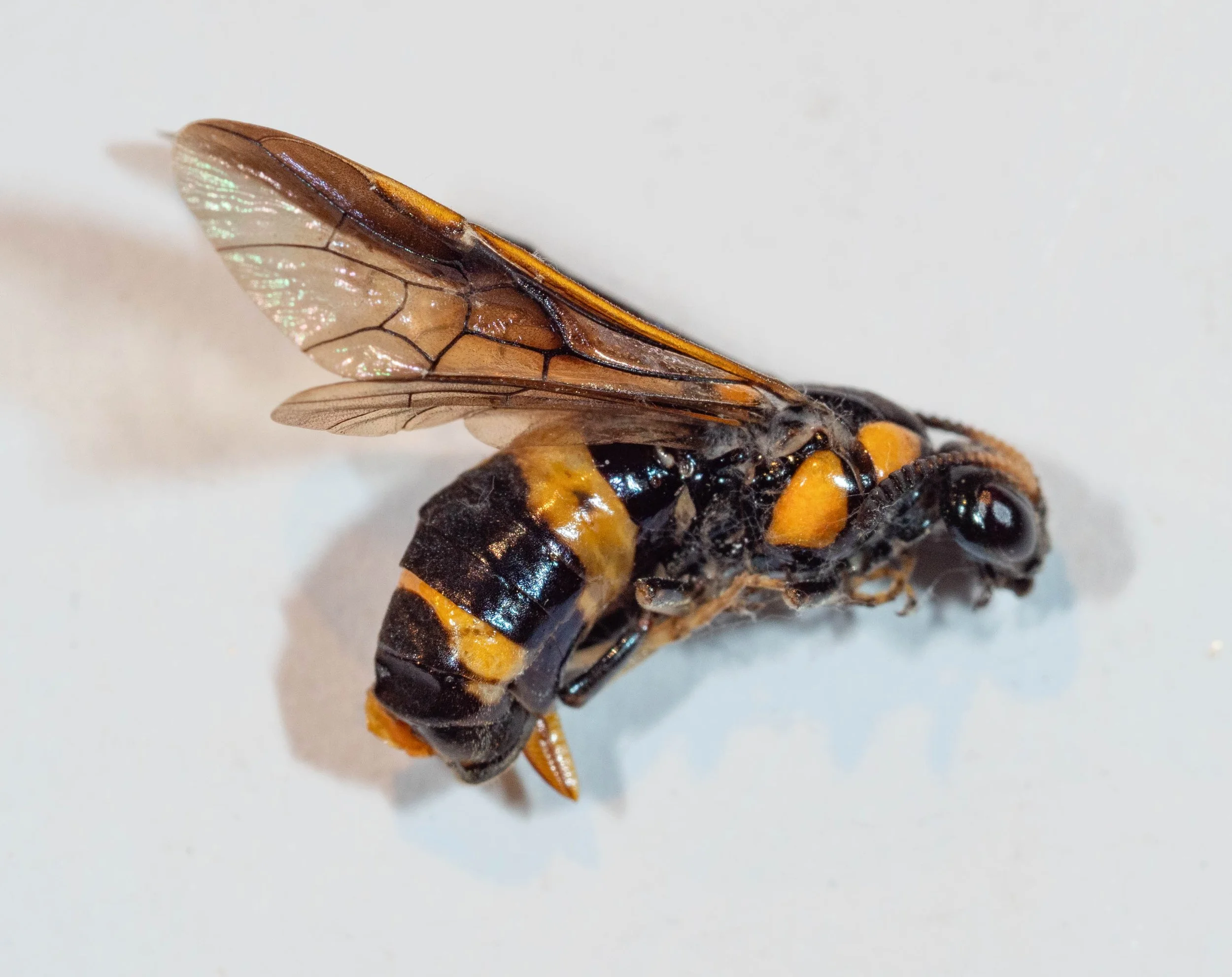
Identification of Pterygophorinae sawfly larvae reported by Penny Gullan and Roger Farrow to defoliate Melaleuca spp. on the Southern Tablelands.
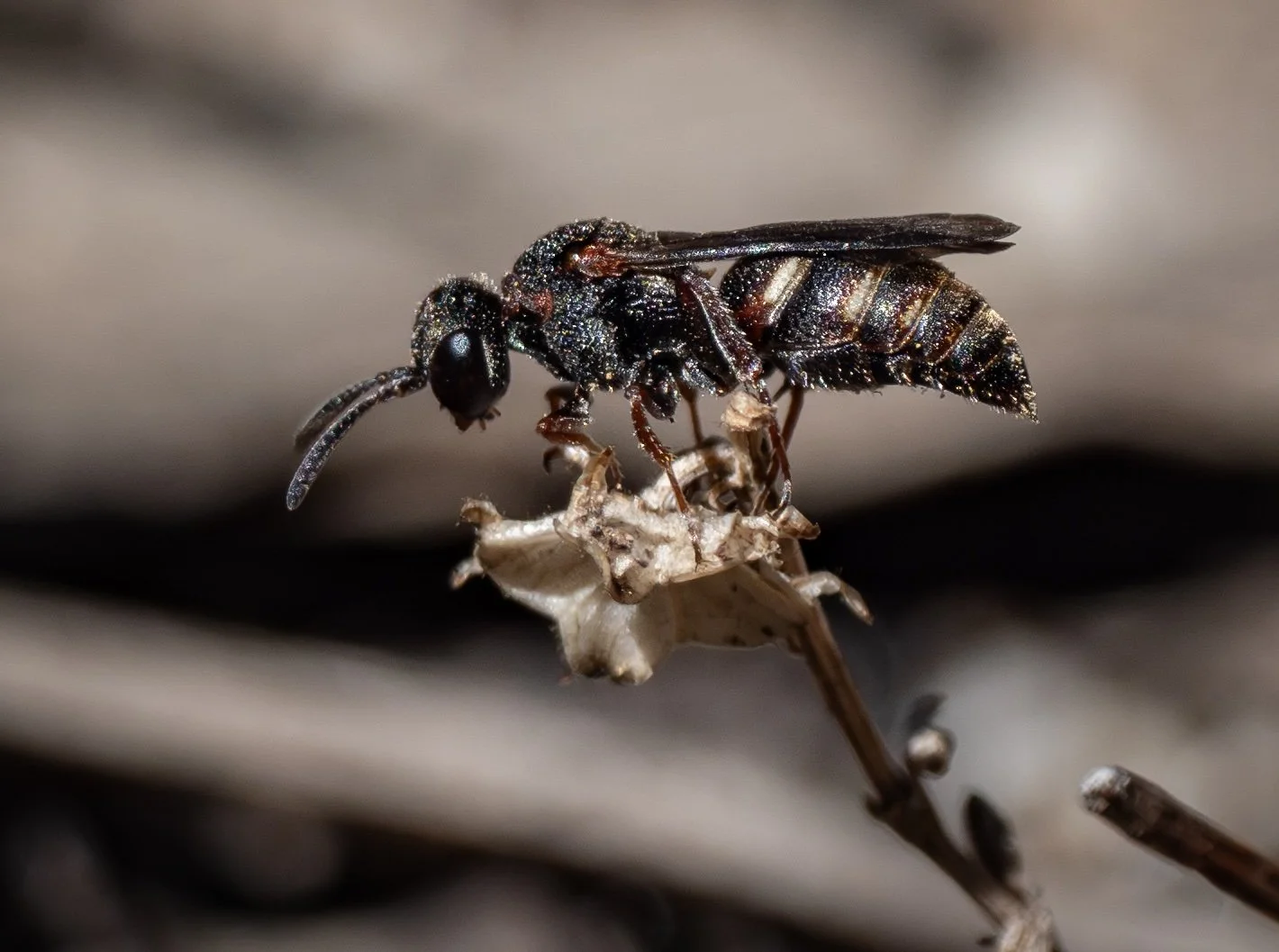
Tips on what to look for when identifying crabronids from field photos.
[extracted & adapted from much earlier blog post ‘Sand wasp puzzles: Part 1’]
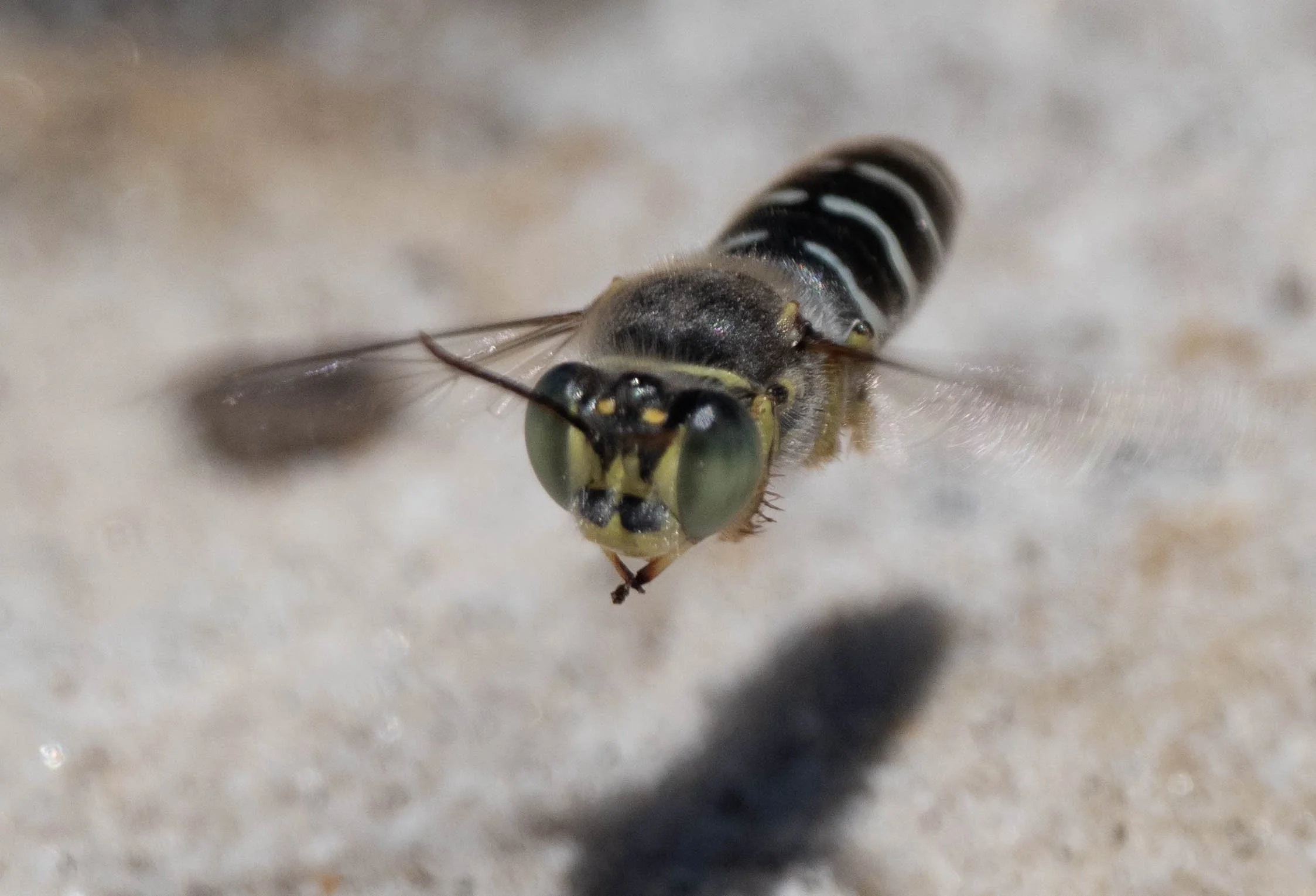
Arguably one of the most variable Bembix species in terms of colour pattern … and therefore one of the most challenging to identify from field photos. Finally I have one in the hand and so can be more confident that this is indeed B. littoralis.
This page includes a detailed comparison matrix for five Bembix species which can sometimes look very alike: B. littoralis; B. variabilis; B. lamellata; B. musca; B. furcata.
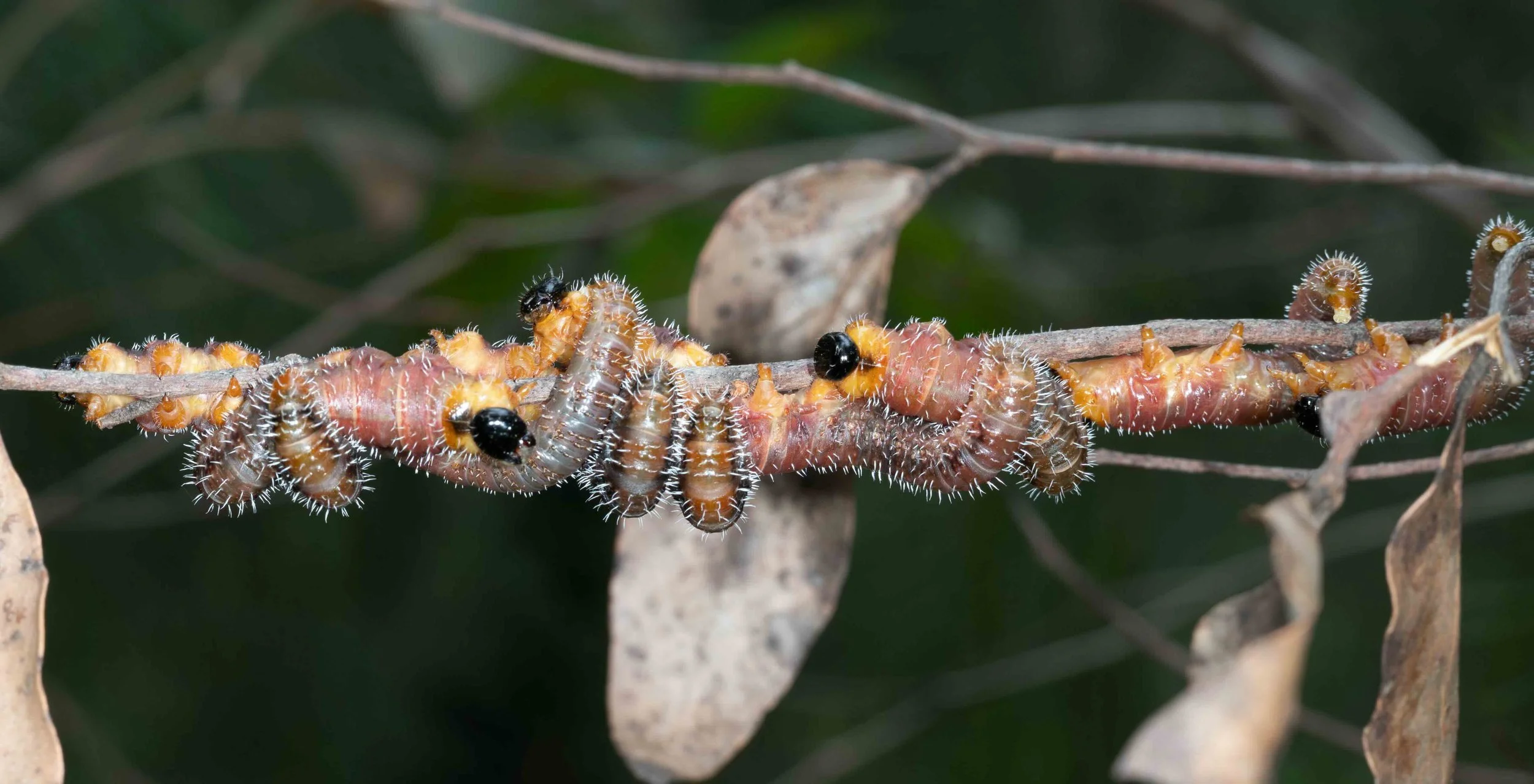
An attempt to rear to the adult stage a clutch of 12-13 Perginae larvae found feeding in the upper branch of a eucalyptus sapling (probably E. globoidea) on our property

An attempt - partially successful - to rear to adult stage a clutch of Perginae larvae found feeding in the upper branch of a eucalyptus sapling (probably E. globoidea) on our property

Last summer I captured images of Pseudoturneria territorialis females, both in the field and upon collection. But at that time no males were to be seen. More luck this year, as in early November males are suddenly swarming about the nesting site.

This is a relatively common species throughout coastal and near-coastal Queensland. Thanks to Scott W. Gavins, I take a closer look at key identification features of the female … including the clypeal lamina and the mesopleuron.

An attempt to define the morphological characters for separation of the 3 species of the sawfly genus Acanthoperga in field photographs.
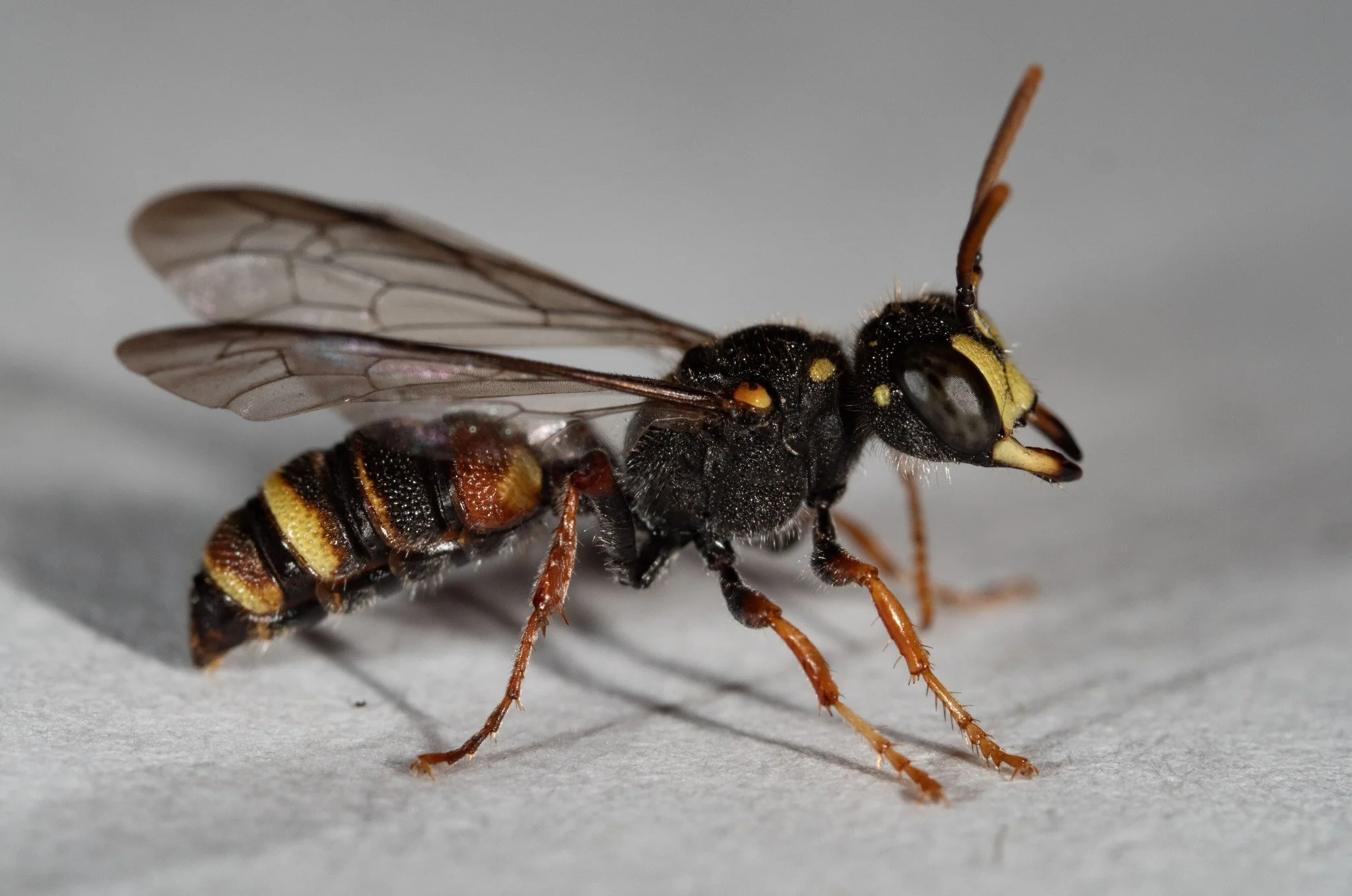
Key features for distinguishing between the 48 described Cerceris species of eastern Australia.

Identification of an unusual Perginae species from WA

Photos of adult Zenarge turneri males and females collected at Halls Gap by James Peake on September 9-10, 2025

Attempts to identify a range of Trichorachachus adults collected by Kerry Stuart at various sites in WA by reference to original species descriptions
This page presents background information about sawfly larvae

Rearing a clutch of Perginae larvae from Wingan River to adulthood

Summary of Leclercq’s 2007 revision of this small genus, endemic to Australia. I was prompted to delve into this genus by an iNaturalist sighting from Victoria. Included is a summary table to features of the three described species of Chimiloides, and links to the relevant literature. Also, I detail my reasoning behind suggesting a species ID for the iNat sighting (Chimiloides doddii).

Finding a living Pterygophorus cinctus provides another opportunity for a detailed comparison with other Pterygophorus spp. to identify diagnostic features visible in field photos

Using DNA barcoding to determine the species identity of a male sawfly identified by morphology as Pseudoperga guerinii

Can the similar species Pergagrapta bella and Pergagrapta turneri be confidently separated in photos?
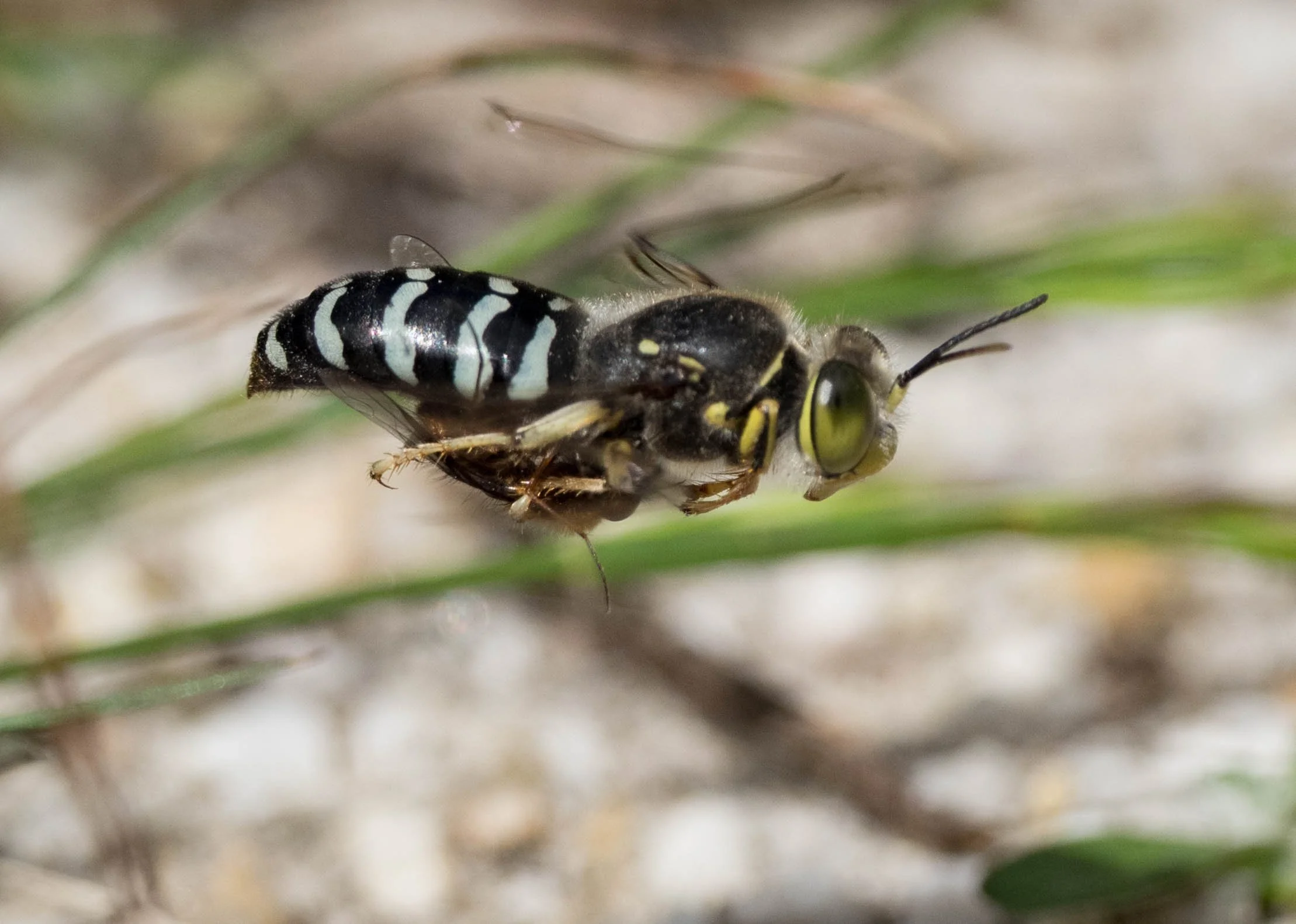
Summary of Evans’ & Matthews’ 1973 work on Australian Bembix, with a focus on the 44 species known from the eastern states. Included are extracts from the original monograph, such as the figures and key to all 80 species known at that time. The summary table is detailed (& rather cumbersome!), but necessarily so at this stage. The large number of species in the genus, and the high level of intraspecific variation, demand attention to multiple characters in order to make an ID.

Finding of a dead female Pterygophorinae sawfly provides an opportunity to check detailed morphological features separating species in this subfamily
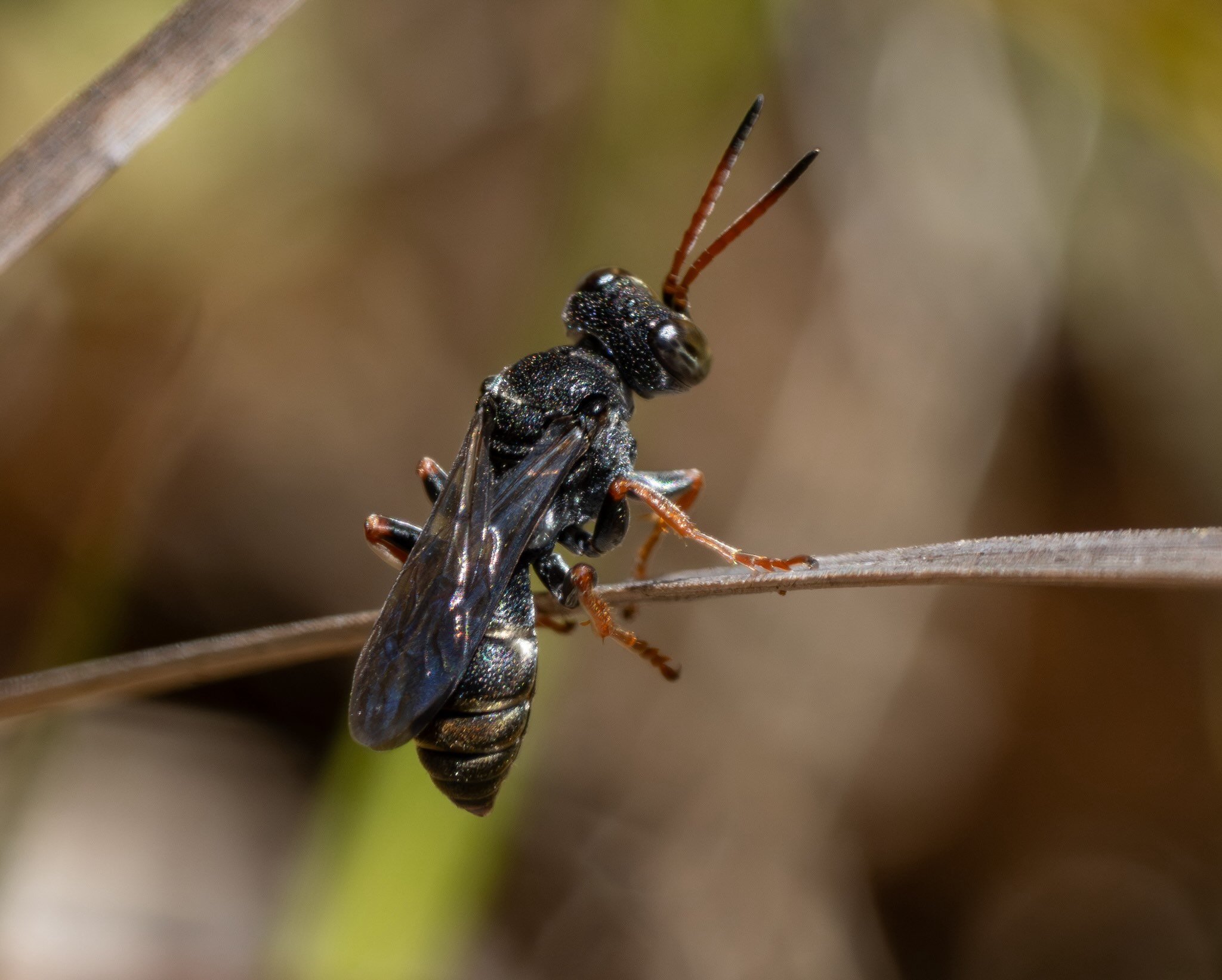
A close look at our local Sphodrotes species … now confirmed as Sphodrotes punctuosa, the type species for the genus. In addition to the detailed evidence and logic behind my species ID, I’ve included brief biological observations and a small set of images.
Also included is a summary table for the 12 species of this endemic – and little known – Australian genus.

Found alive in Bellingen, northern NSW. Collected and identified to species level using Shaw 1990.
Specimen ID #2412A
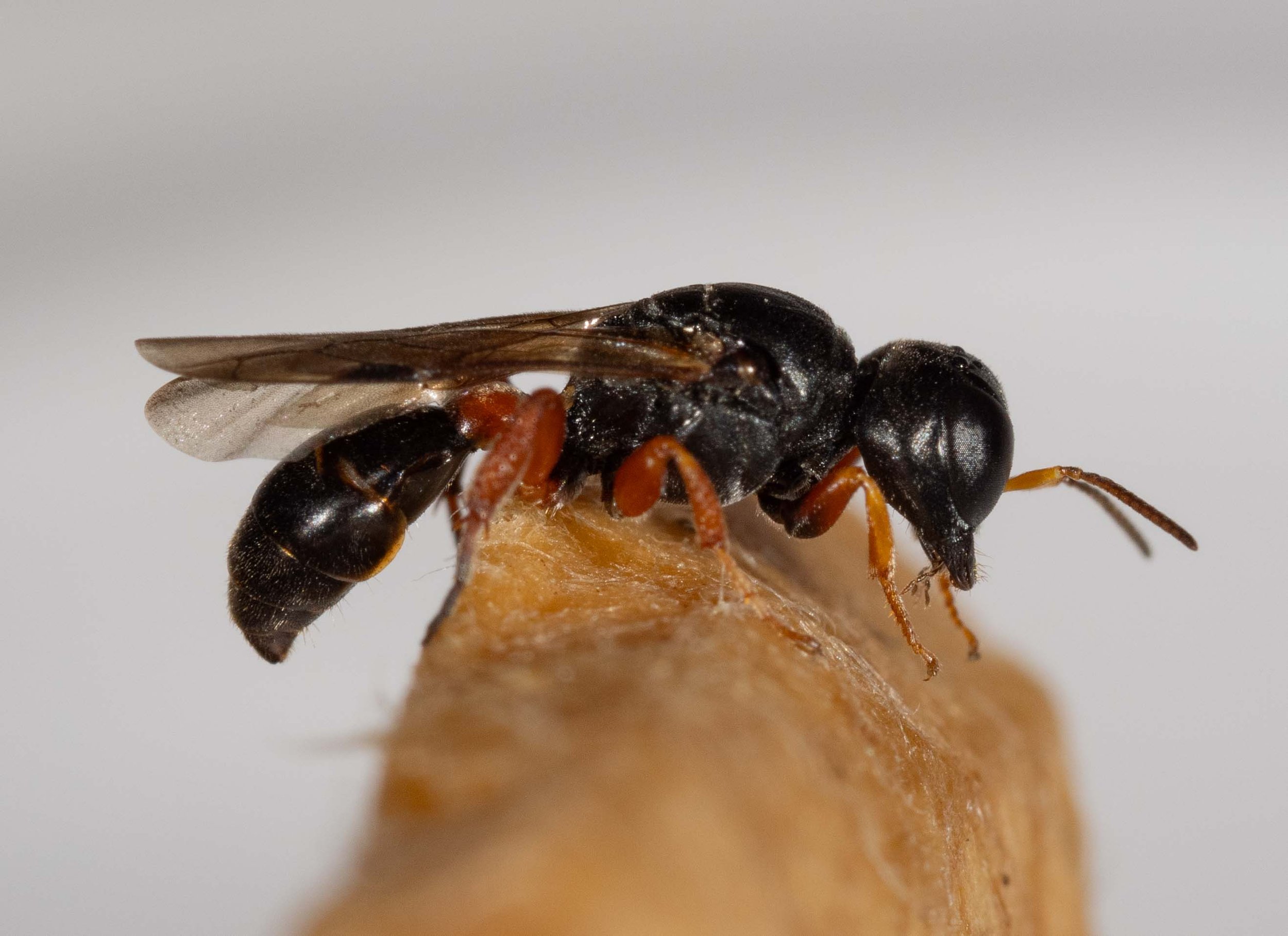
Pseudoturneria territorialis collected locally and imaged, including several live shots in the field. Annotated images illustrate the identification to tribe, then genus, and finally species. A summary table for distinguishing the 5 known species is provided, along with relevant references.
These may be the first such images available online … I certainly haven’t located any others as yet.

Analysis of development of male galls on Apiomorpha pharetrata from earliest stages of establishment by crawlers to mature gall. This shows the development of the male nymphs and the spatial pattern in the growth of the male compound gall.
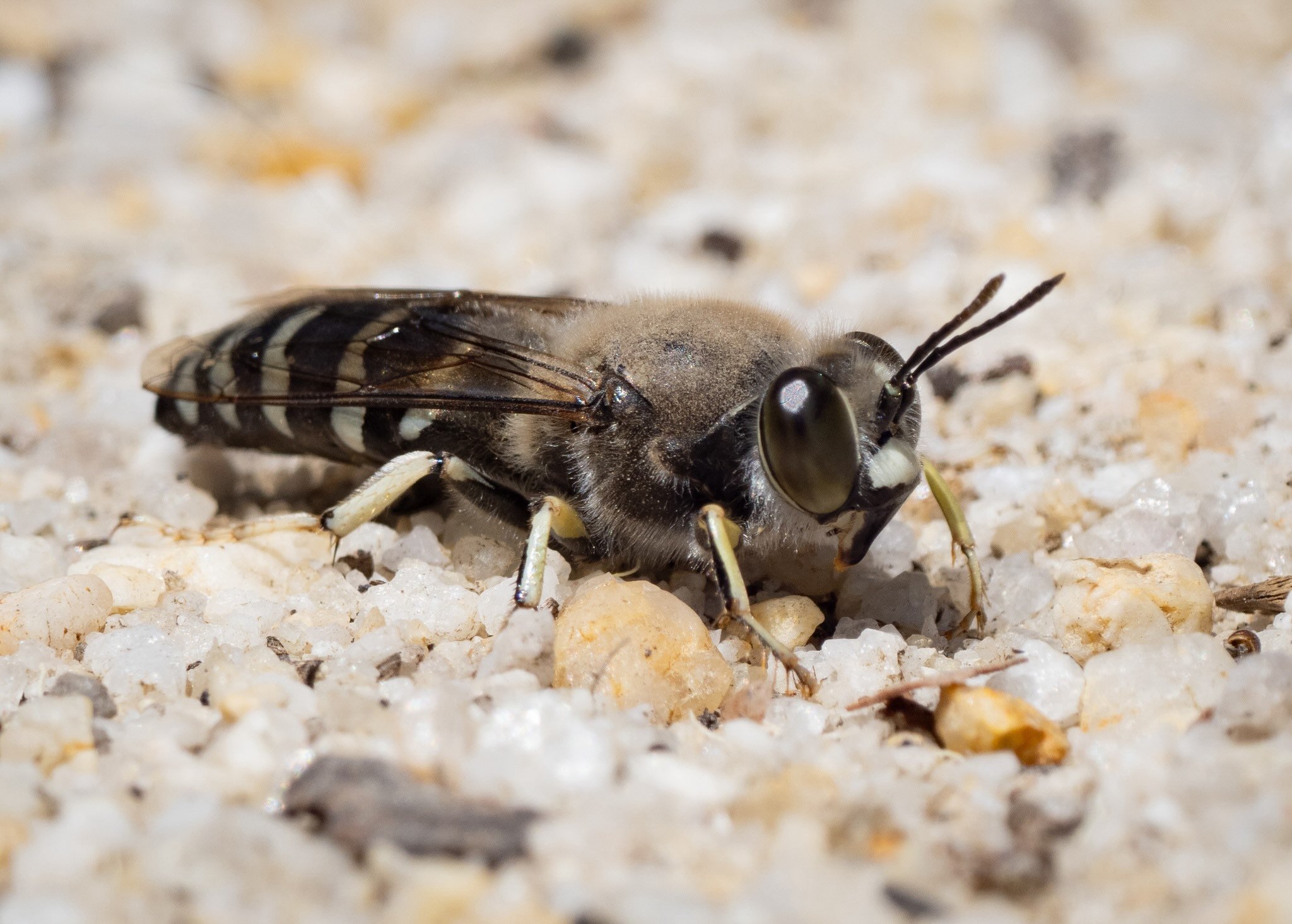
Summary table for the 8 genera in the tribe Bembicini, with photographic examples of various key distinguishing features (plus other related material)

Summary table for the 31 species of Austrogorytes, a genus endemic to Australia.

Four subfamilies covering 6 genera as follows:
Blennocampinae: Cheilophleps
Selandriinae: Neostromboceros
Nematinae: Euura, Cladius
Allantinae: Amestegia, Caliroa
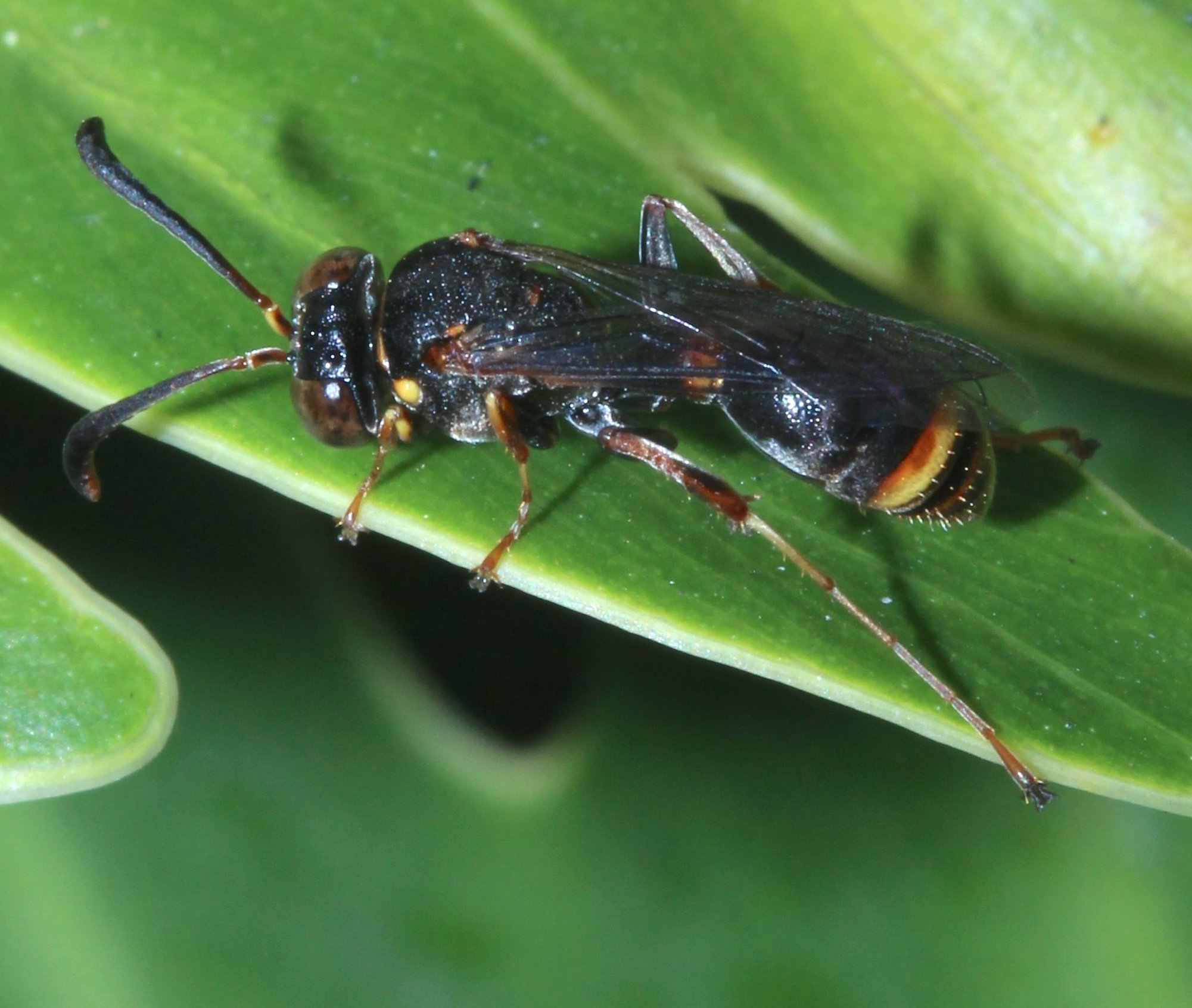
Summary table for the three Australian species of Ammatomus, along with copies of the original species descriptions.


Five subfamilies covering 7 Pergidae genera as follows:
Pergulinae: Pergula
Philomastiginae: Philomastix
Phylacteophaginae: Caloperga, Leptoperga, Phylacteophaga
Pteryperginae: Pteryperga
Styracotechyinae: Styracotechys
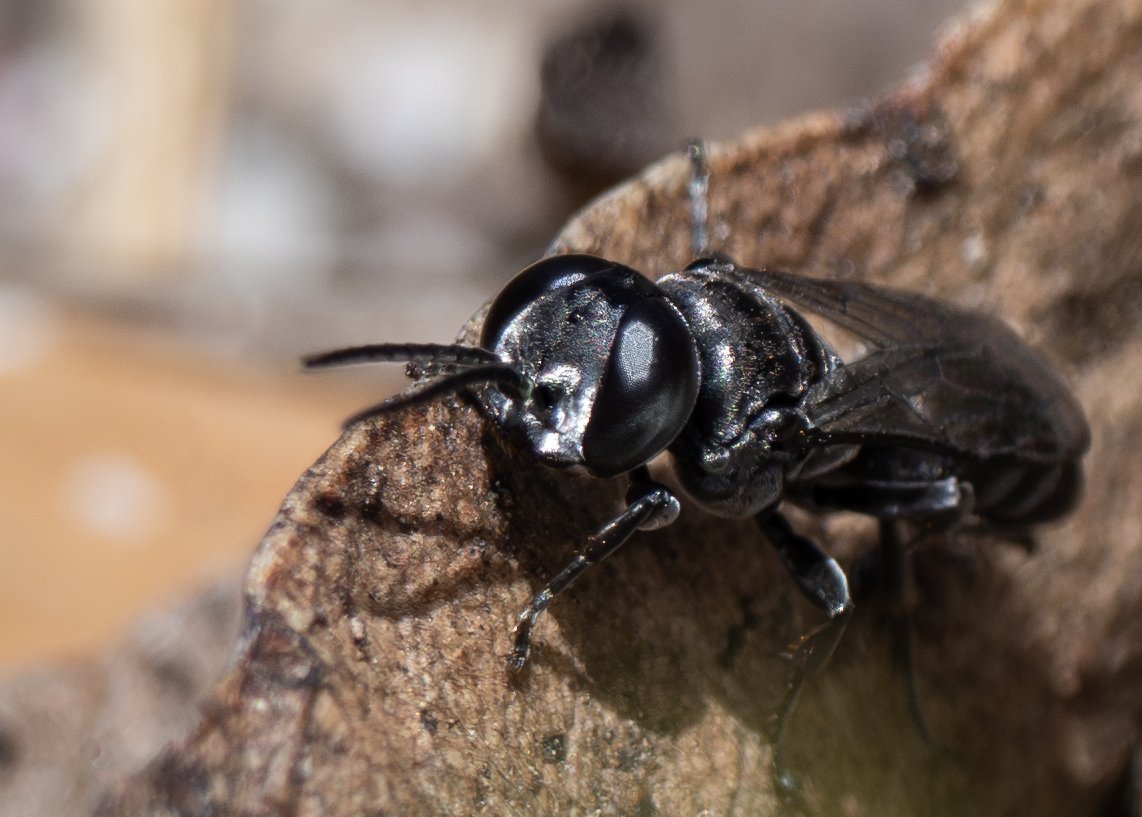
Summary table for the five Australian genera of Larrini, along with various references & diagrams.

Detailed images on a male specimen of Antargidium nigrum (PW028) received from Kerry Stuart. Collected on 12th October 2024 at Creyk Park, WA.
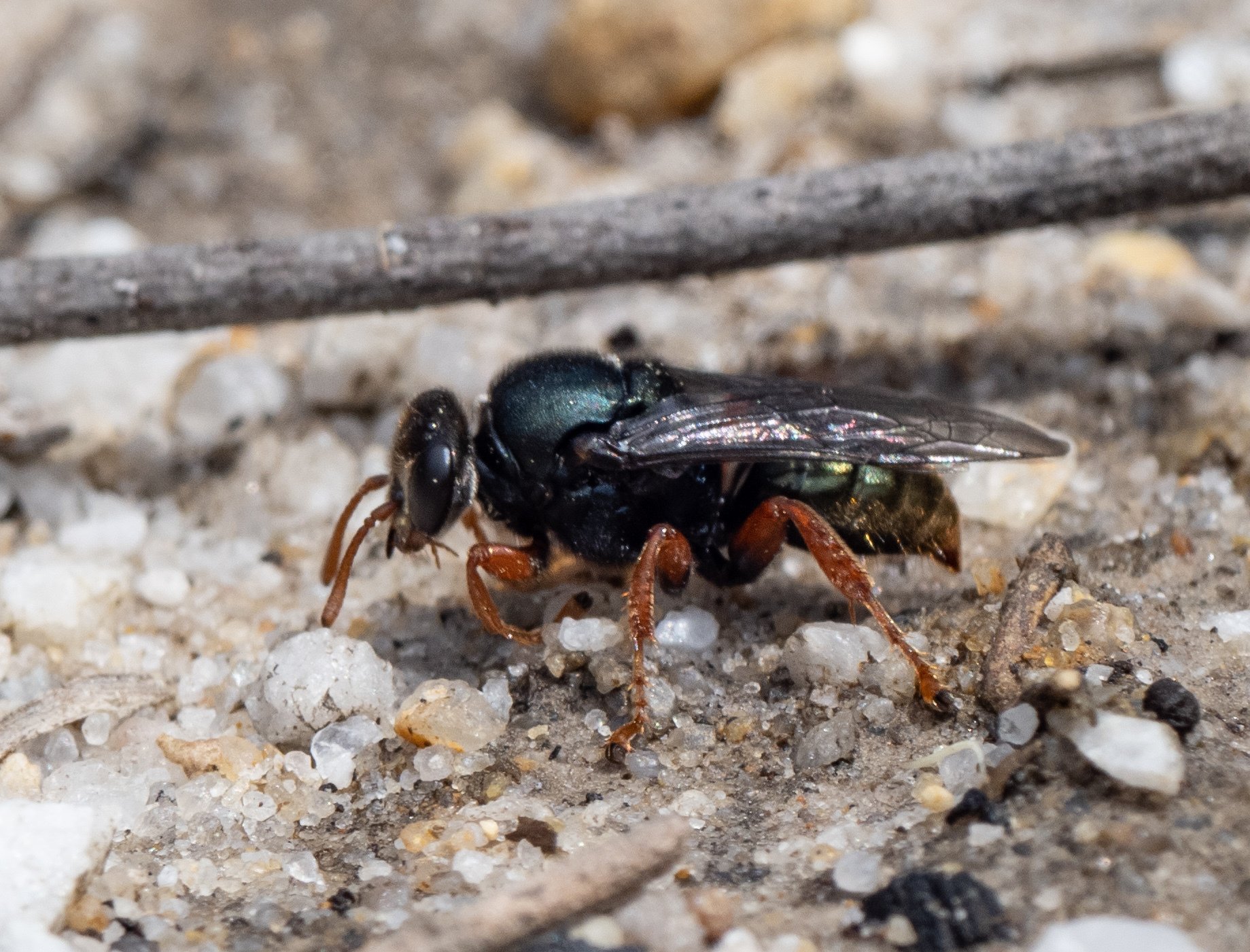
Summary table for the eight Australian genera of Miscophini, along with various diagrams, images & references.
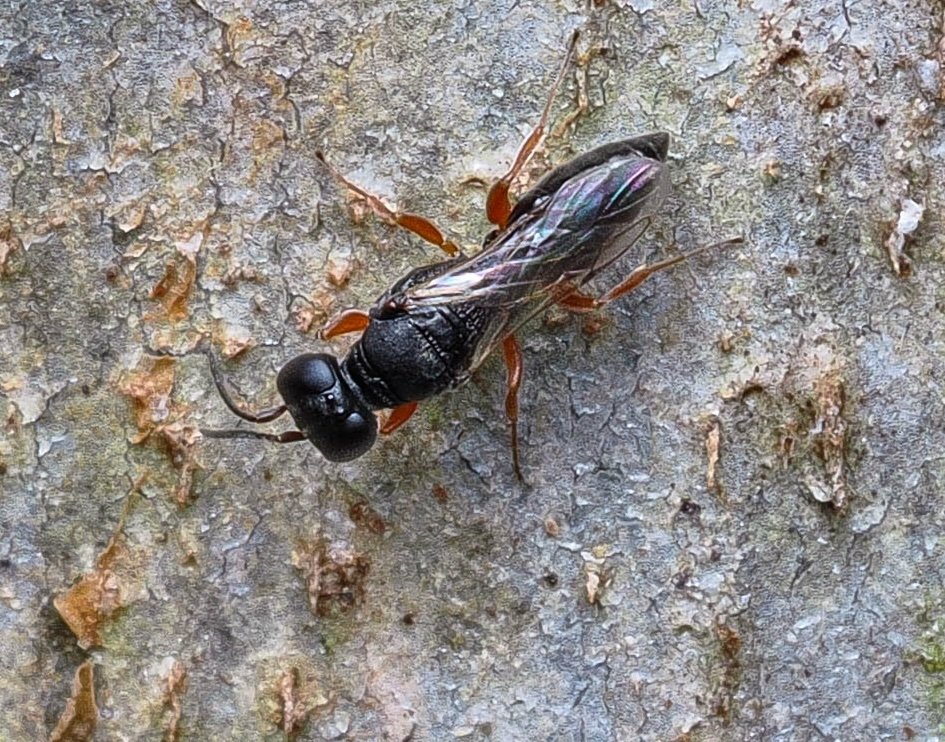
Summary table comparing the seven species of Australian Nitela and Auchenophorus, along with various diagrams and references.

Detailed images of a female specimen of Eurys aglaia (PW027) received from Kerry Stuart. Collected in August 2024 at Monadnocks Conservation Park, WA.
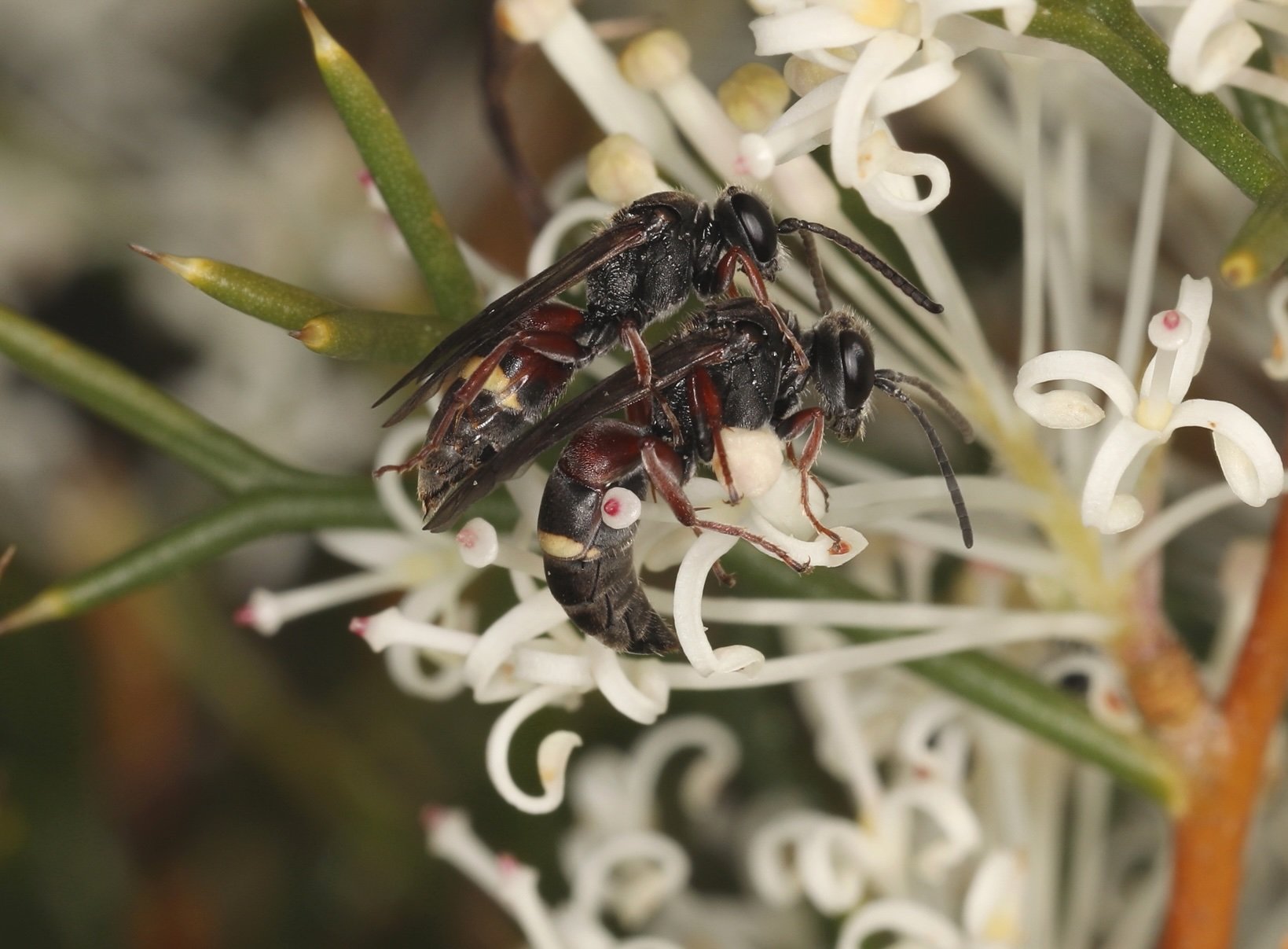
The Bembicini genera Argogorytes and Austrogorytes are superficially similar. Here's a definitive comparison for two WA species that I have previously struggled to differentiate from written descriptions alone.
(cover image: Kerry Stuart, iNaturalist sighting
https://inaturalist.ala.org.au/observations/235308189

Probable species ID: Megalyra wagneri
Found dead, probably emerged from collected dead wood.
Specimen ID #2408B

Possible ID: Megalyra minuta
Found dead, probably emerged from collected dead wood.
Specimen ID #2406C

Australian Megalyridae, all within the single genus Megalyra: summaries, resources, references and links to related blog posts.


Australian Thynninae: summaries, resources, references and links to related blog posts.


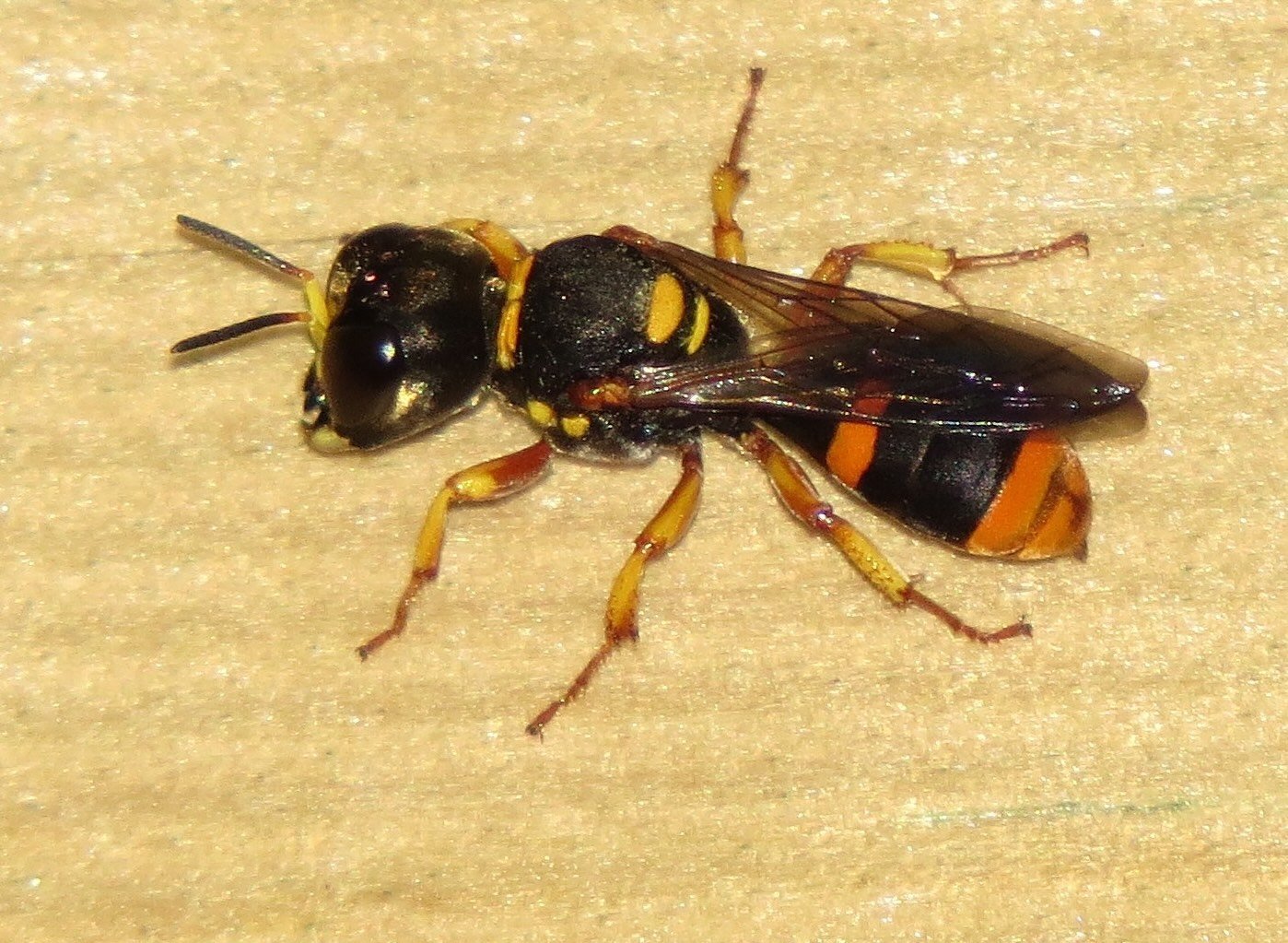
Comparing the 14 Australian species within these three, very similar genera.
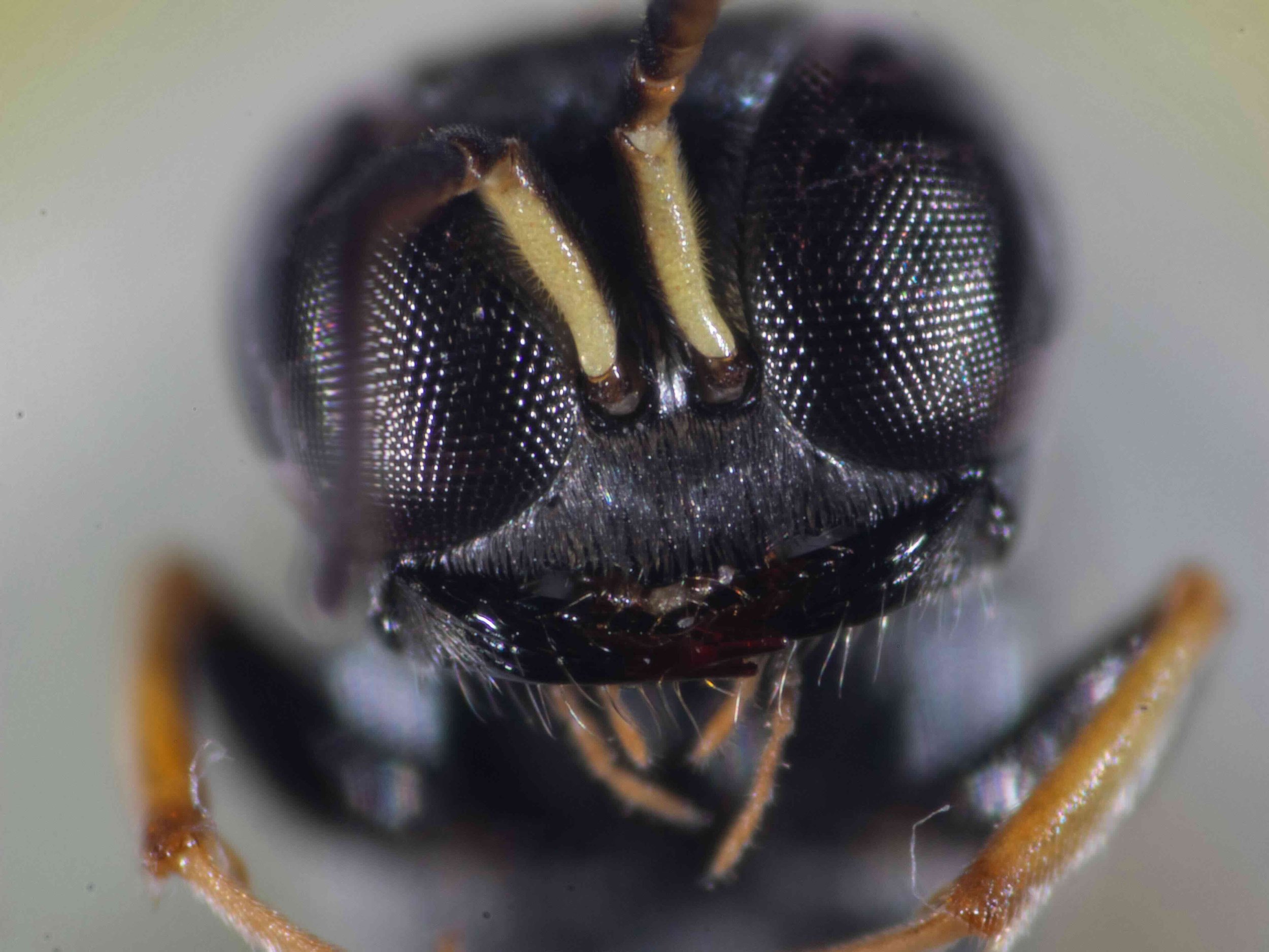
Notes on distinguishing between the 13 Australian genera of the tribe Crabronini, with a special mention on gaster shape.


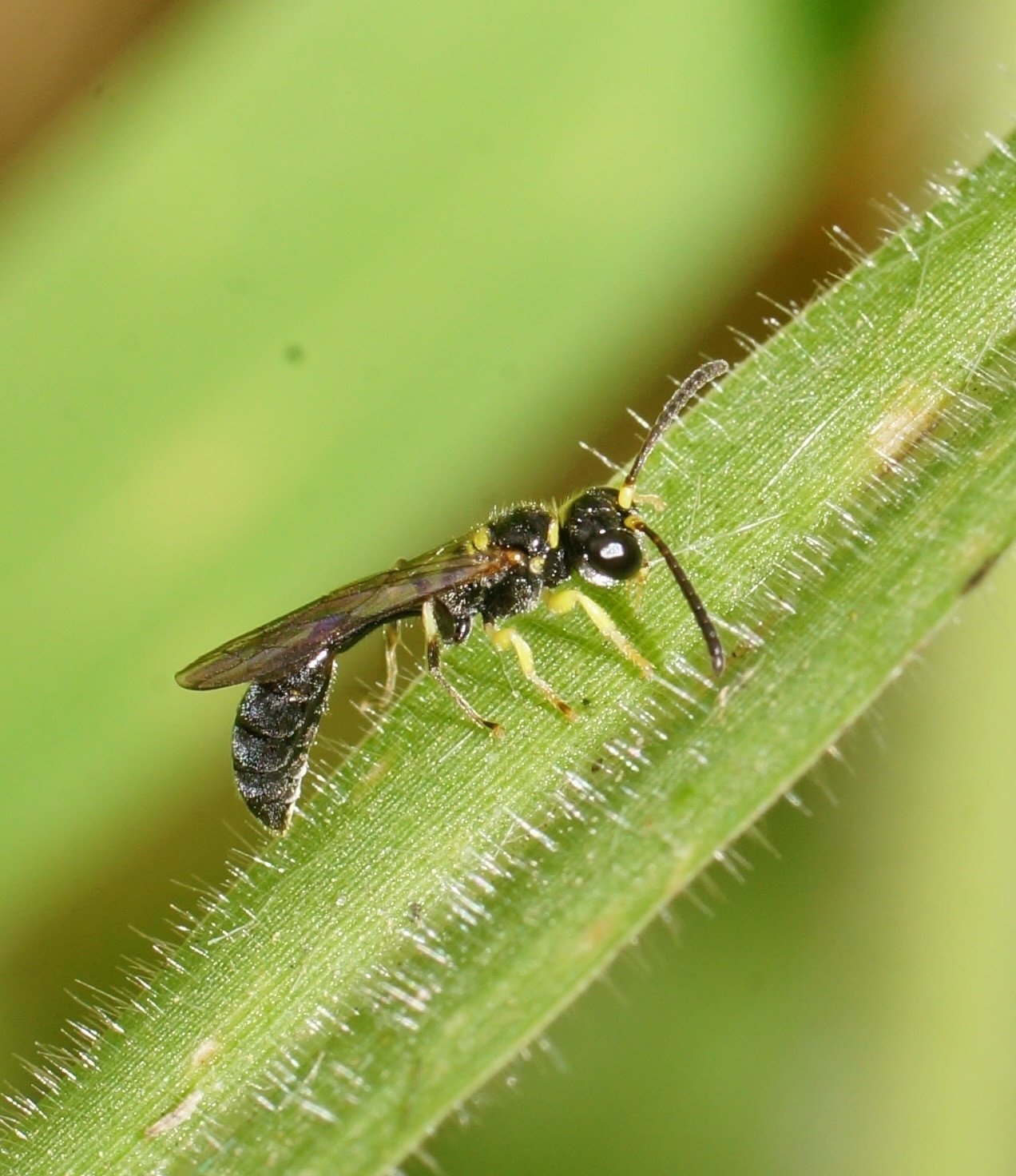
Short note: copies of the published descriptions of Australia’s two species: P. interstitialis lutescens (Turner, 1907) and P. carinifrons scutellatus (Turner, 1912) … along with links back to iNaturalist sightings.

Australian Ichneumonidae & Braconidae: summaries, resources, references and links to related blog posts.
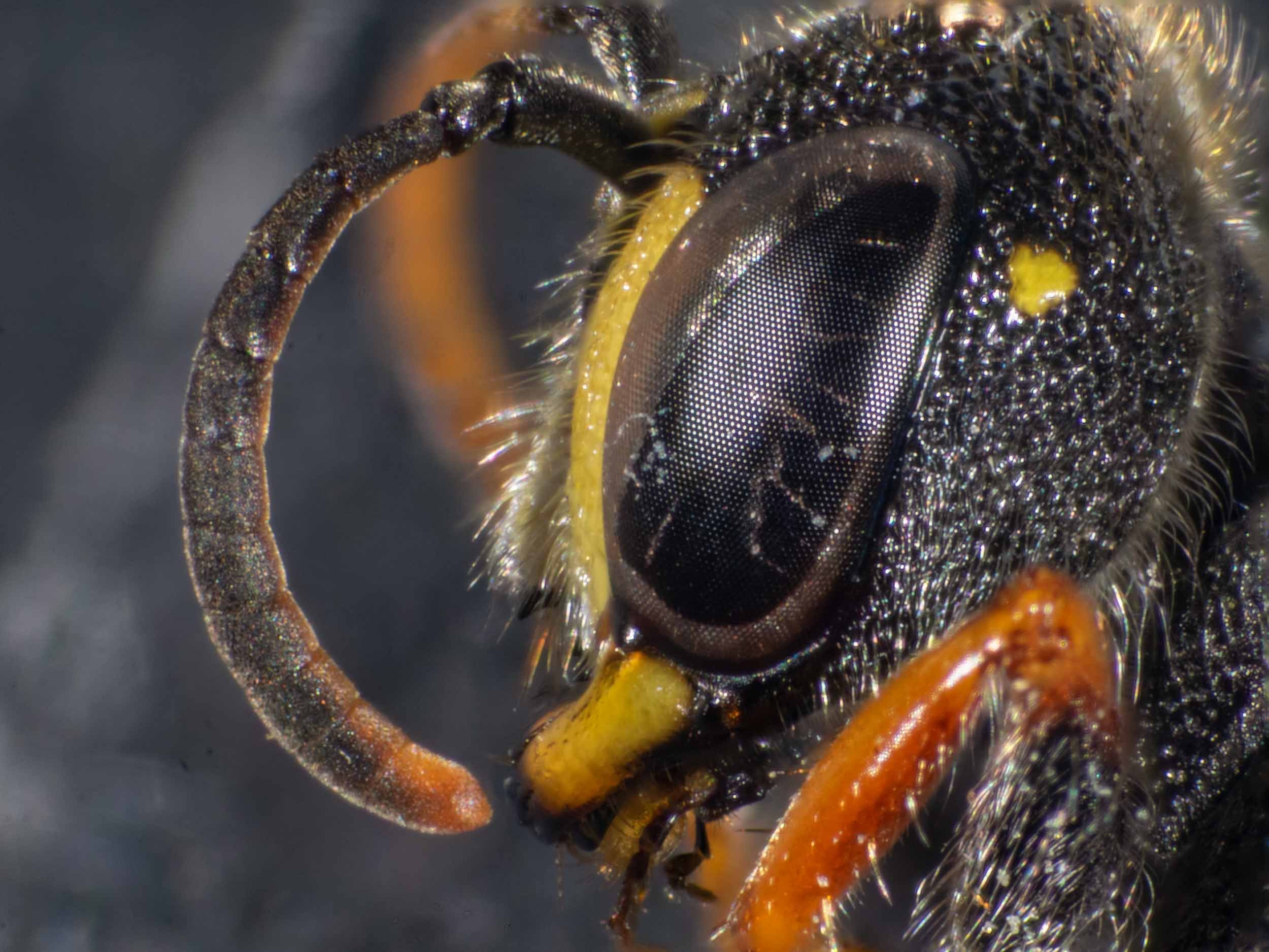
Australian Crabronidae: summaries, resources, references and links to related blog posts.
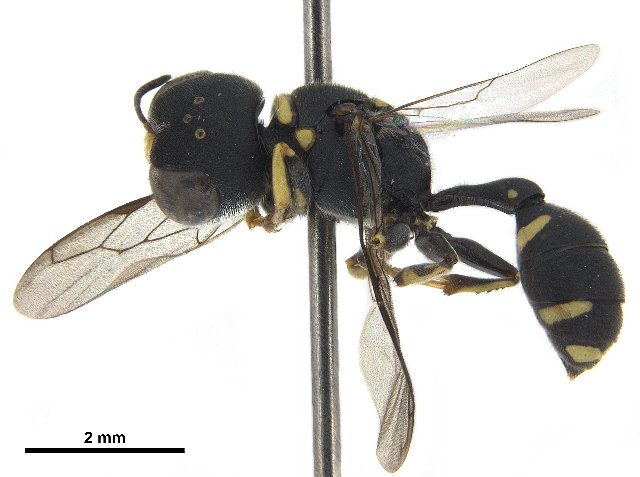
Exploring published descriptions of Australia’s Dasyproctus and Neodasyproctus species – there are just six currently described, but discriminating between them is an ongoing challenge.

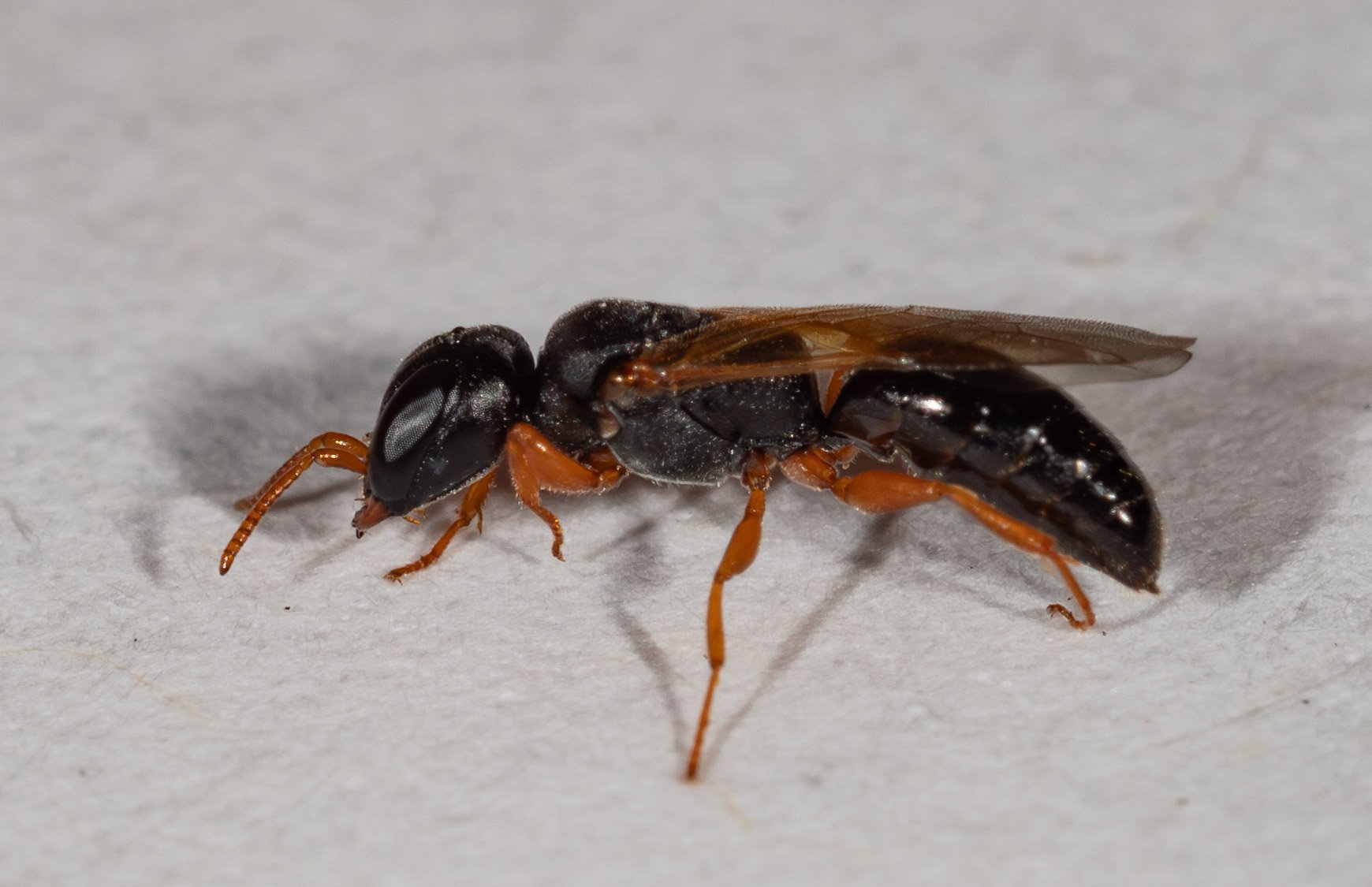
Arpactophilus deakinus, identified from a local specimen (#2406A) using the key and species description in Matthews & Naumann, 2002.


A suite of resources to aid identification of Australian sawflies (Tenthredinoidea) from field photos, including: tables listing diagnostic features of taxa at subfamily, genus and species levels; images from the taxonomic literature, type and BOLD specimens; and references to primary literature.

‘Explore the Mallee’ collection, April 2024
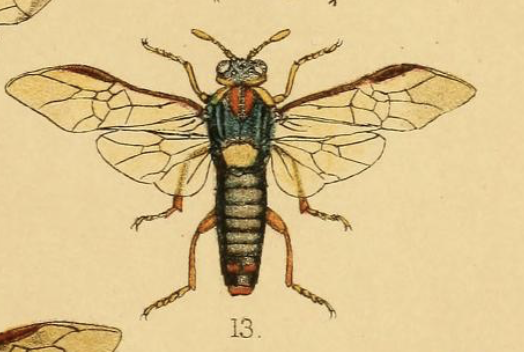
This page presents information from the literature about differences between the two similar sawfly species Perga dorsalis and Perga affinis. It addresses whether and how these species can be separated using field photographs of the whole insect.


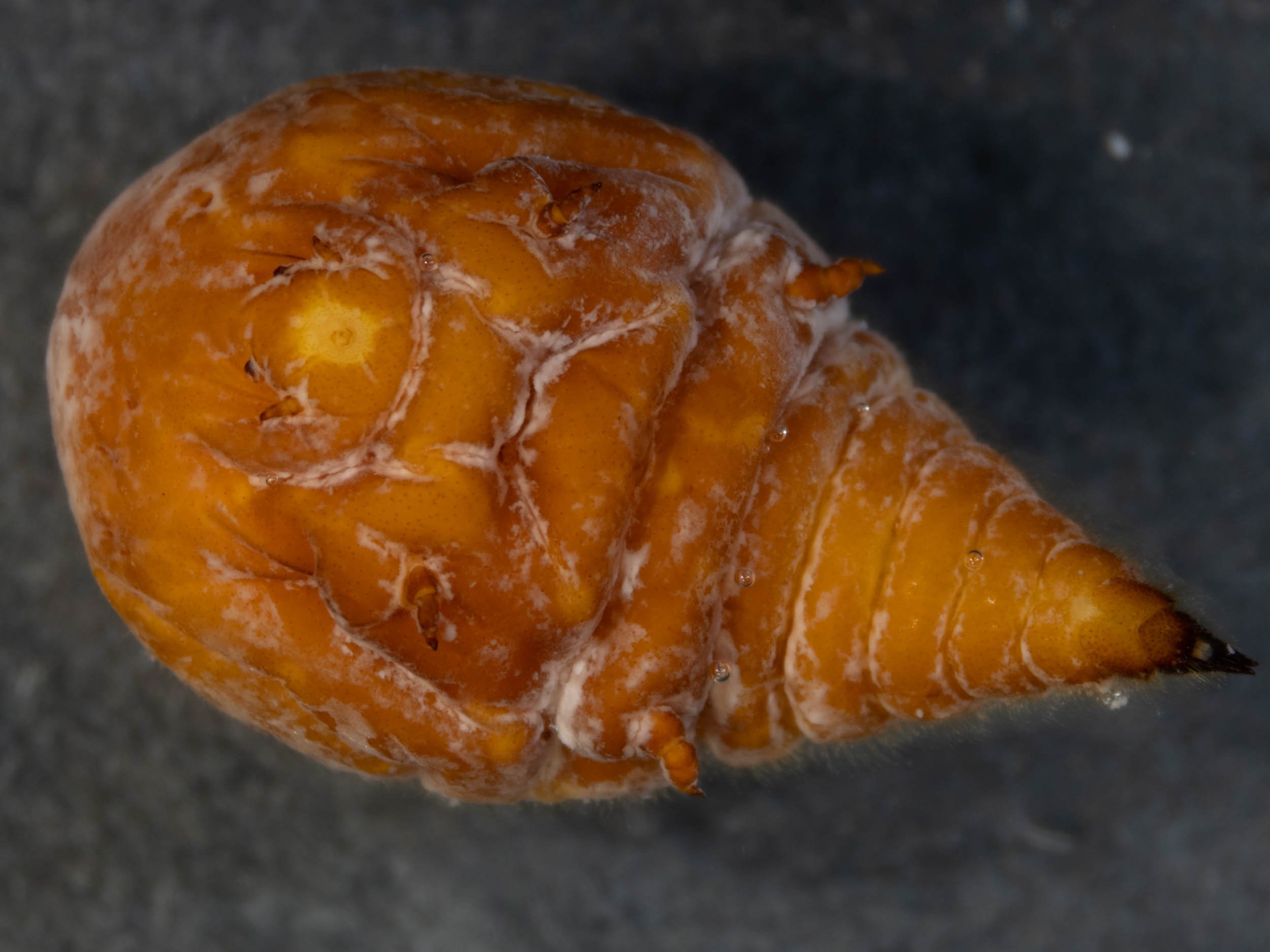
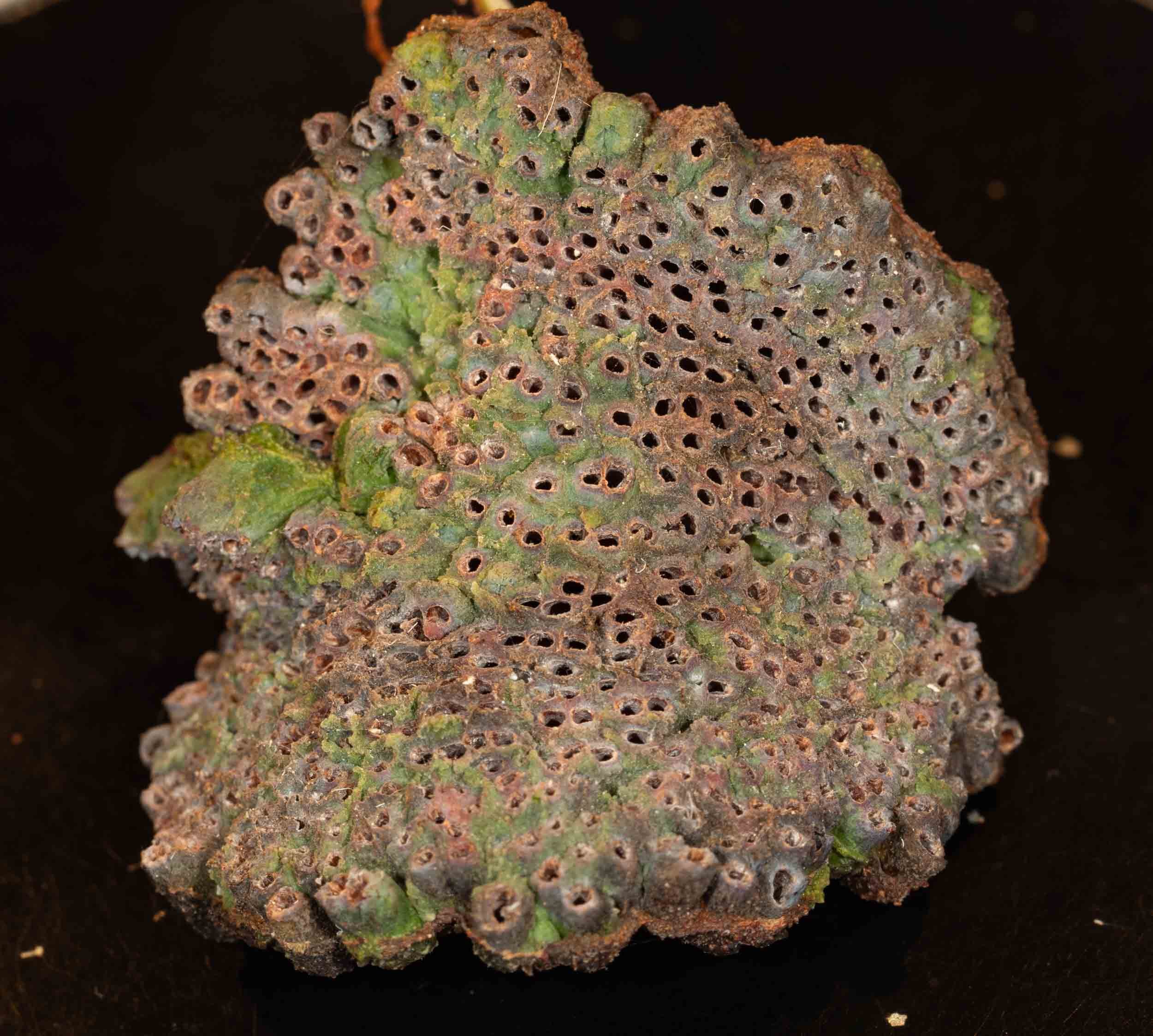

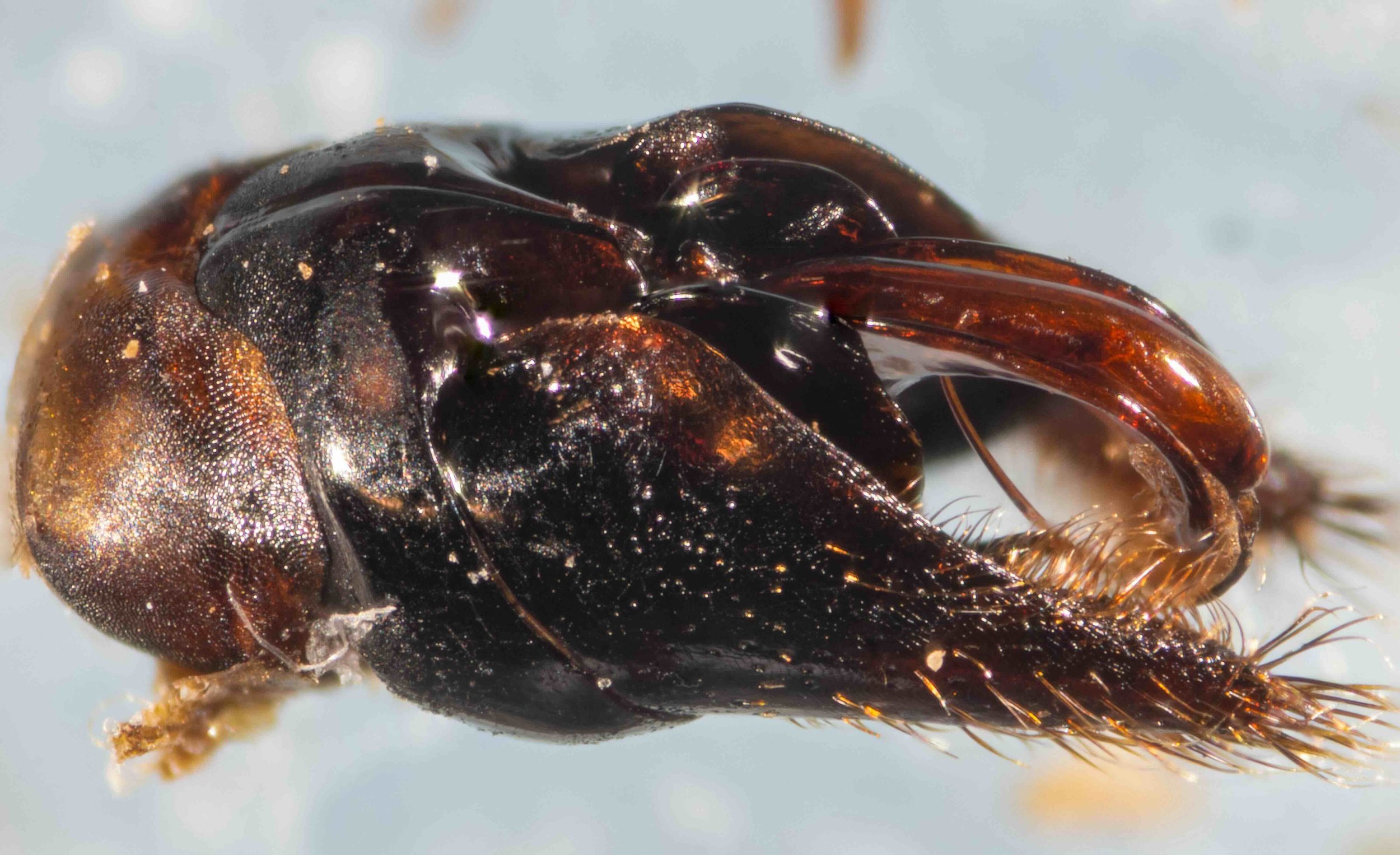
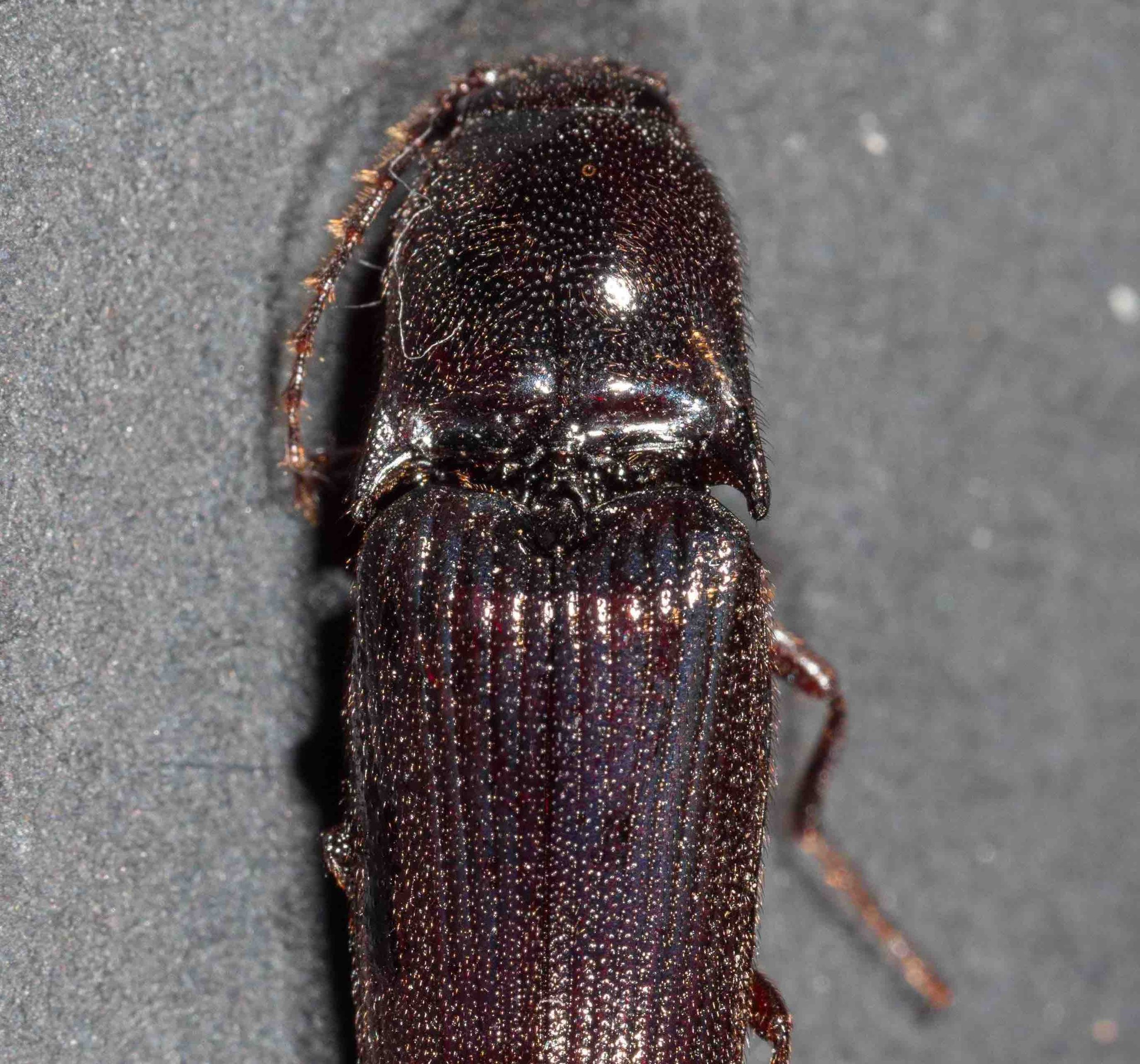

Detailed images are provided of male and female specimens of Lophyrotoma interrupta with reference to the original description of this species by Benson (1938)

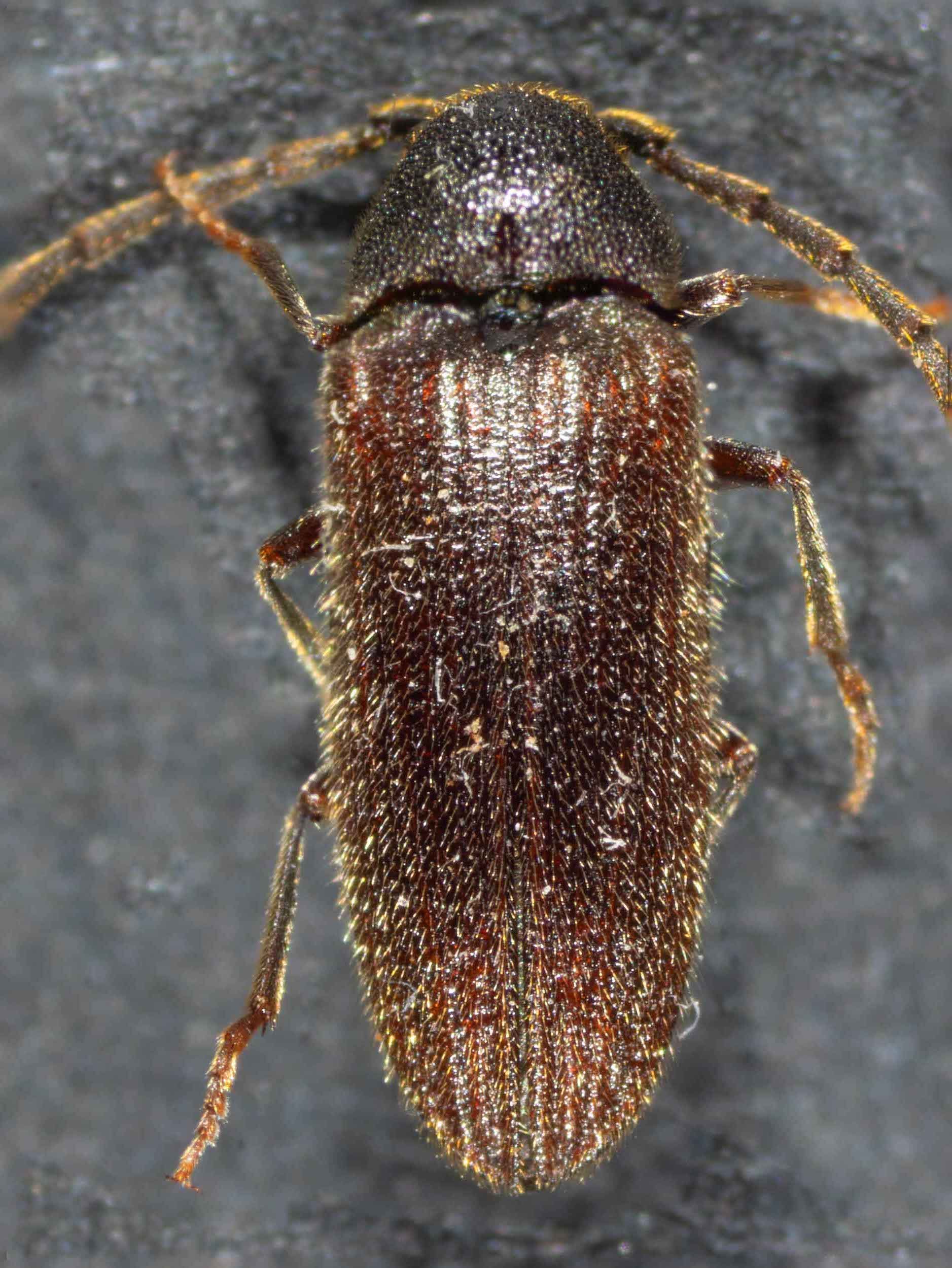


Collection ID: 2309Q

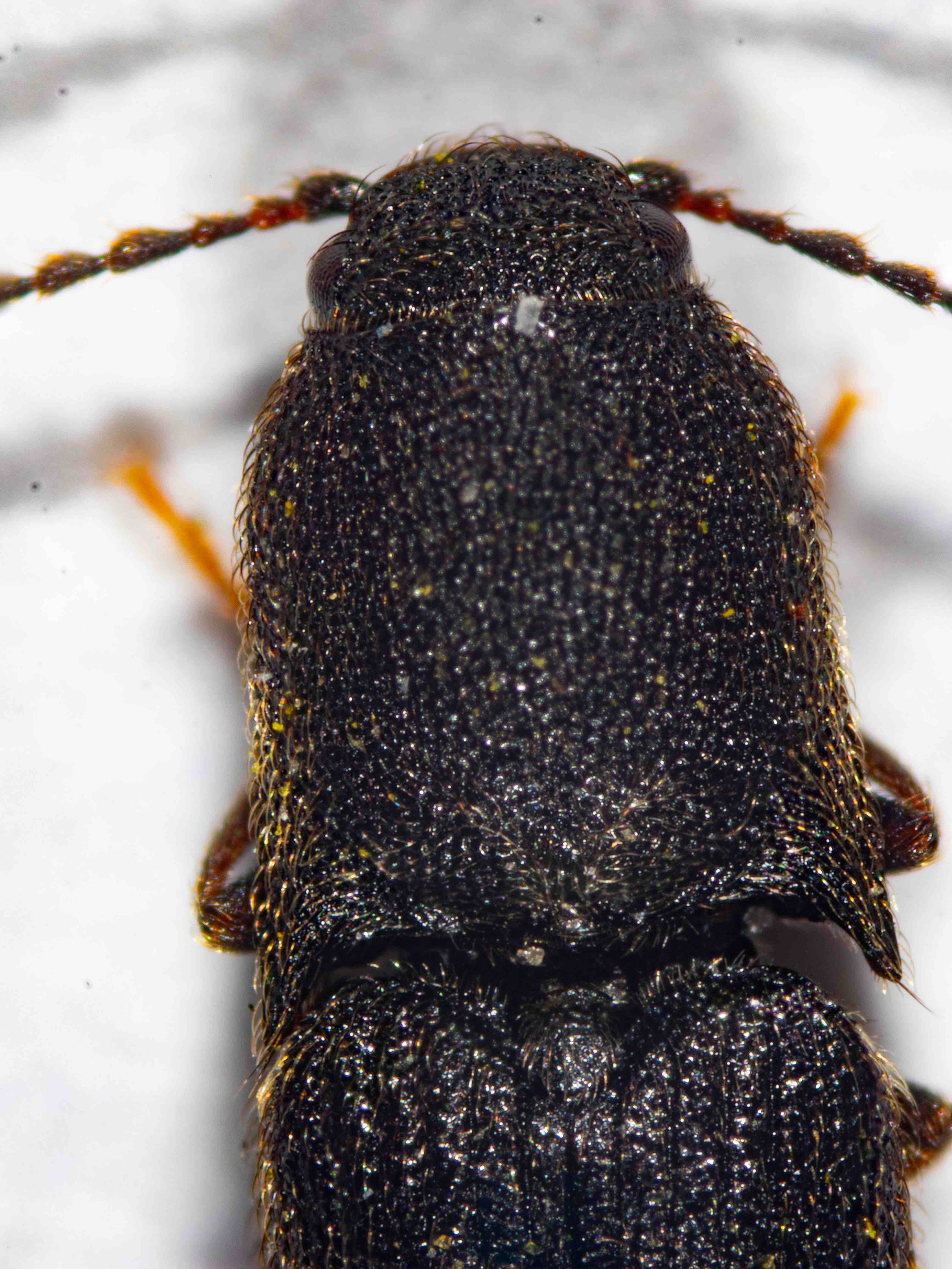
Collection ID 2310C

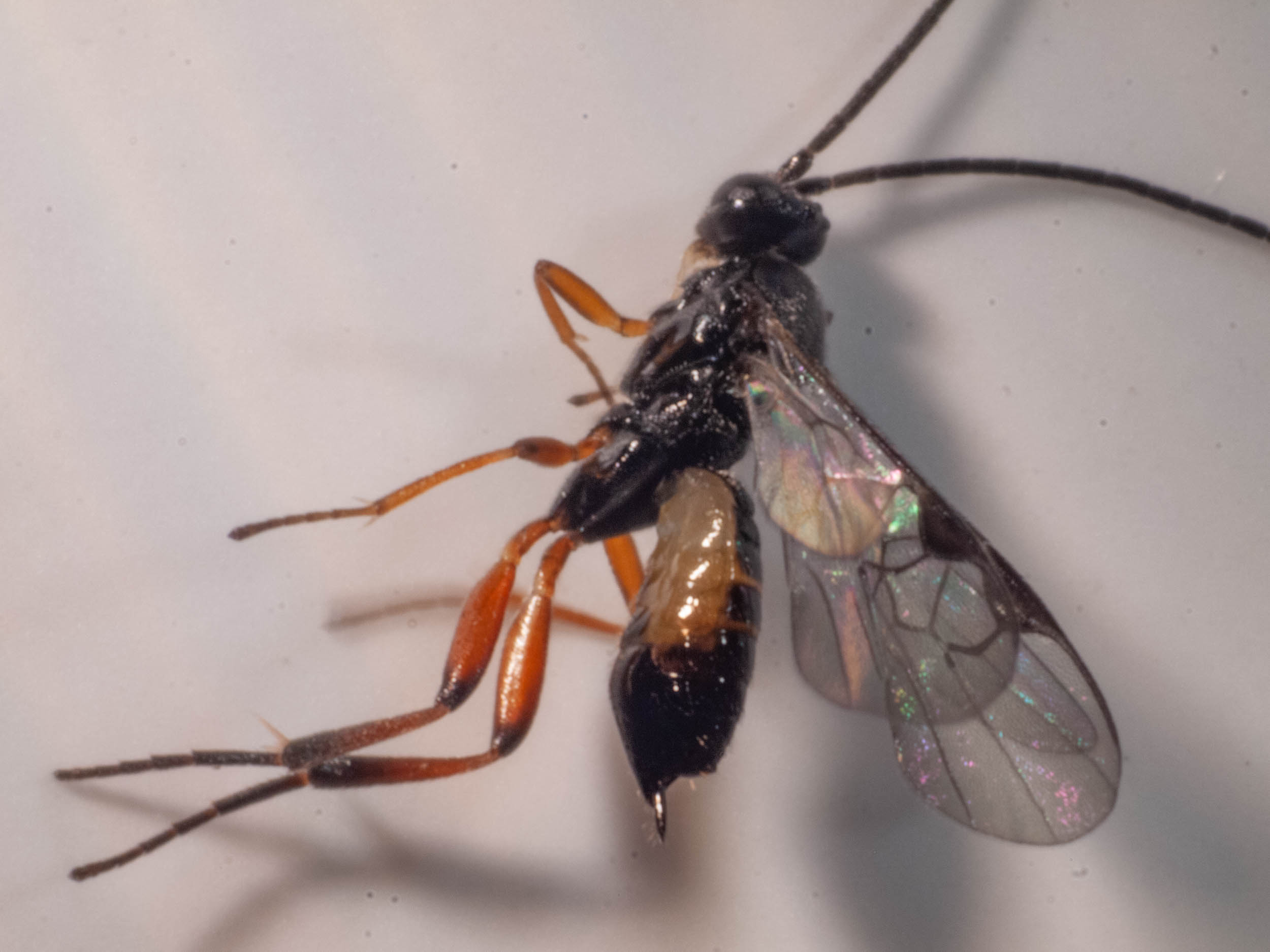
These unusually colourful braconids were ‘swarming’ about a patch of sandy soil, and ovipositing. I collected a couple of specimens for a closer look.


Description of a probable new species of Ornebius found at home

Identification of our local Cerceris, based on Evans 1981 review of species from eastern Australia.

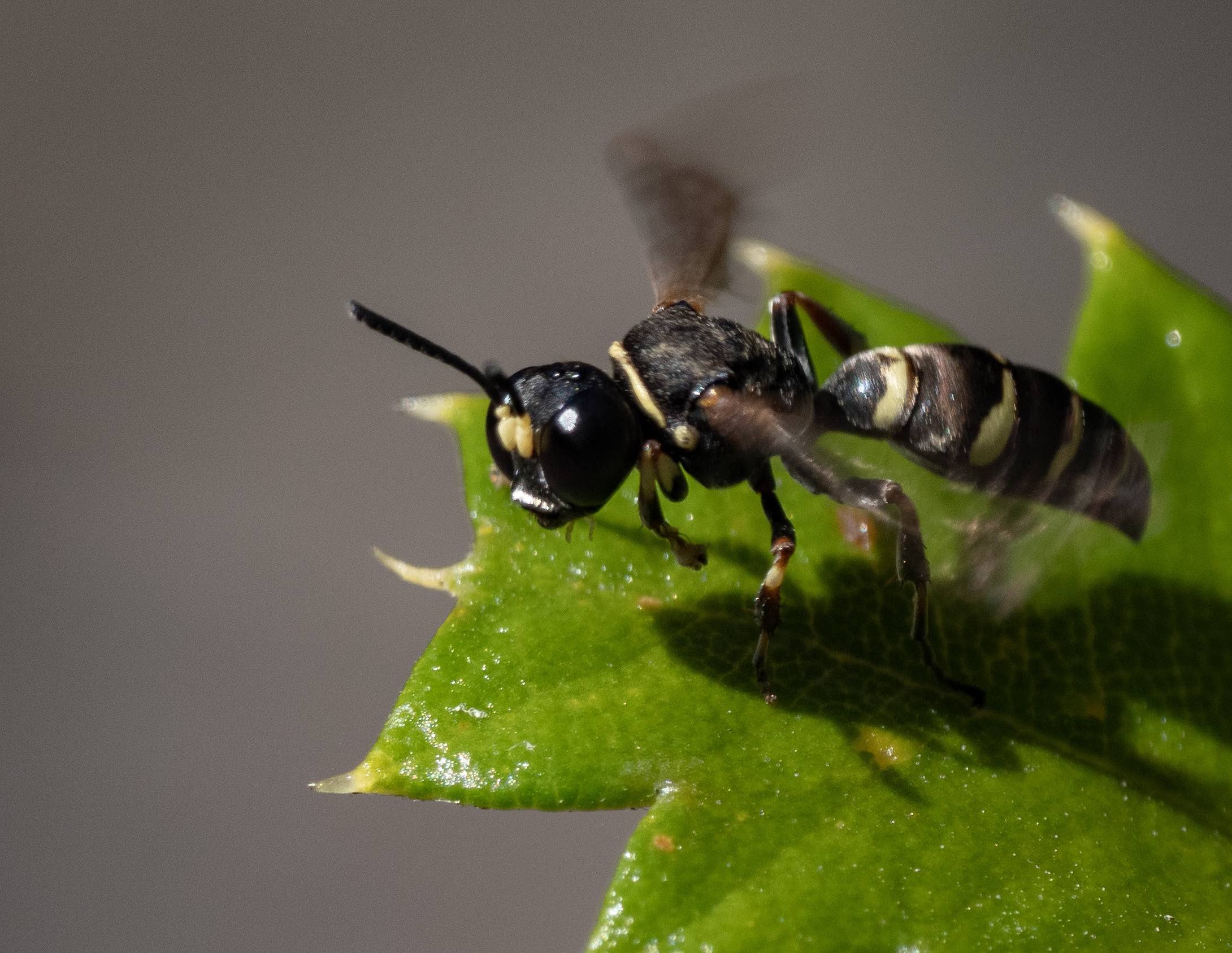
Identification notes based on collected specimen
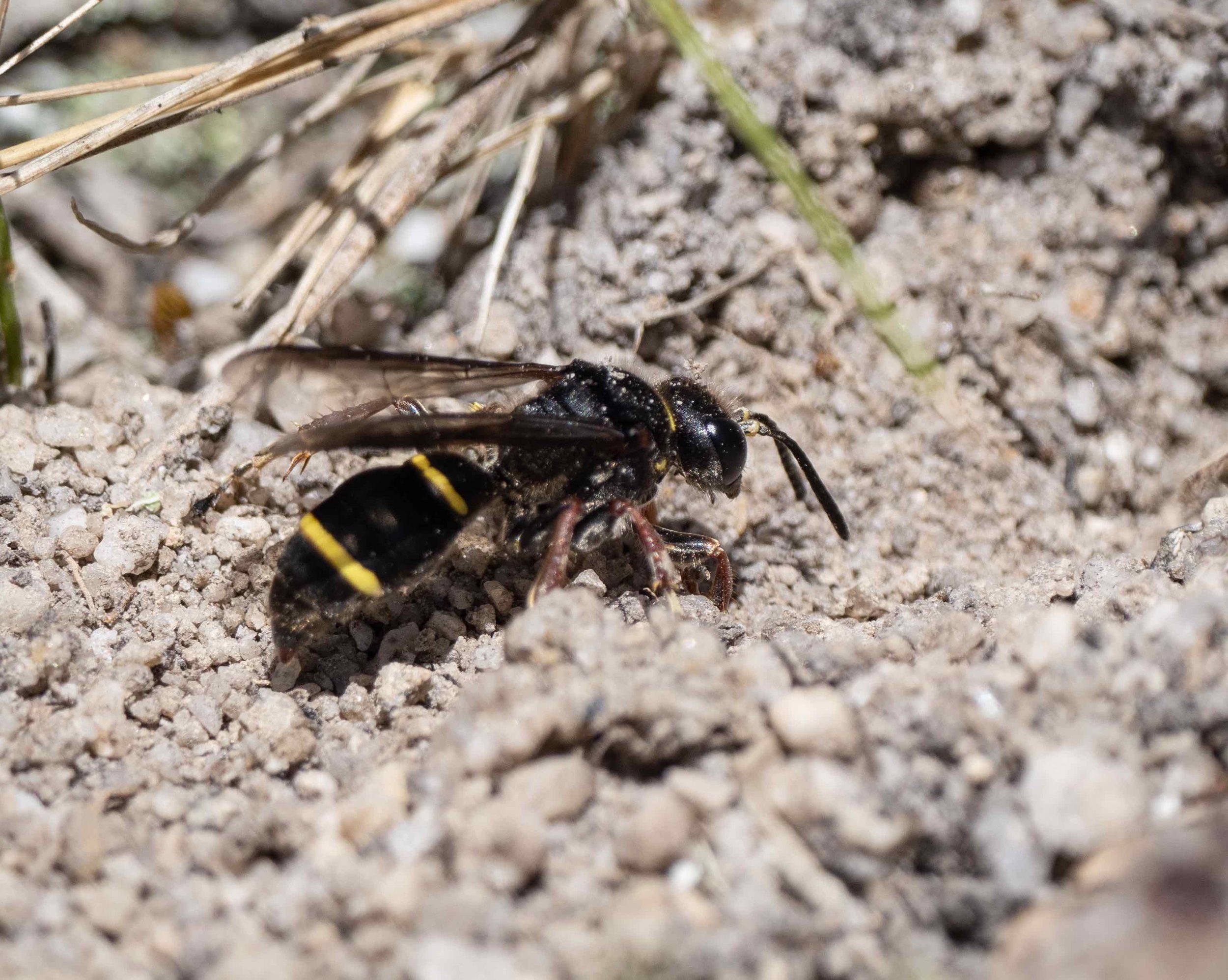
Identification notes based on collected specimen
[cover image a different individual: imaged nearby, 16/11/22]


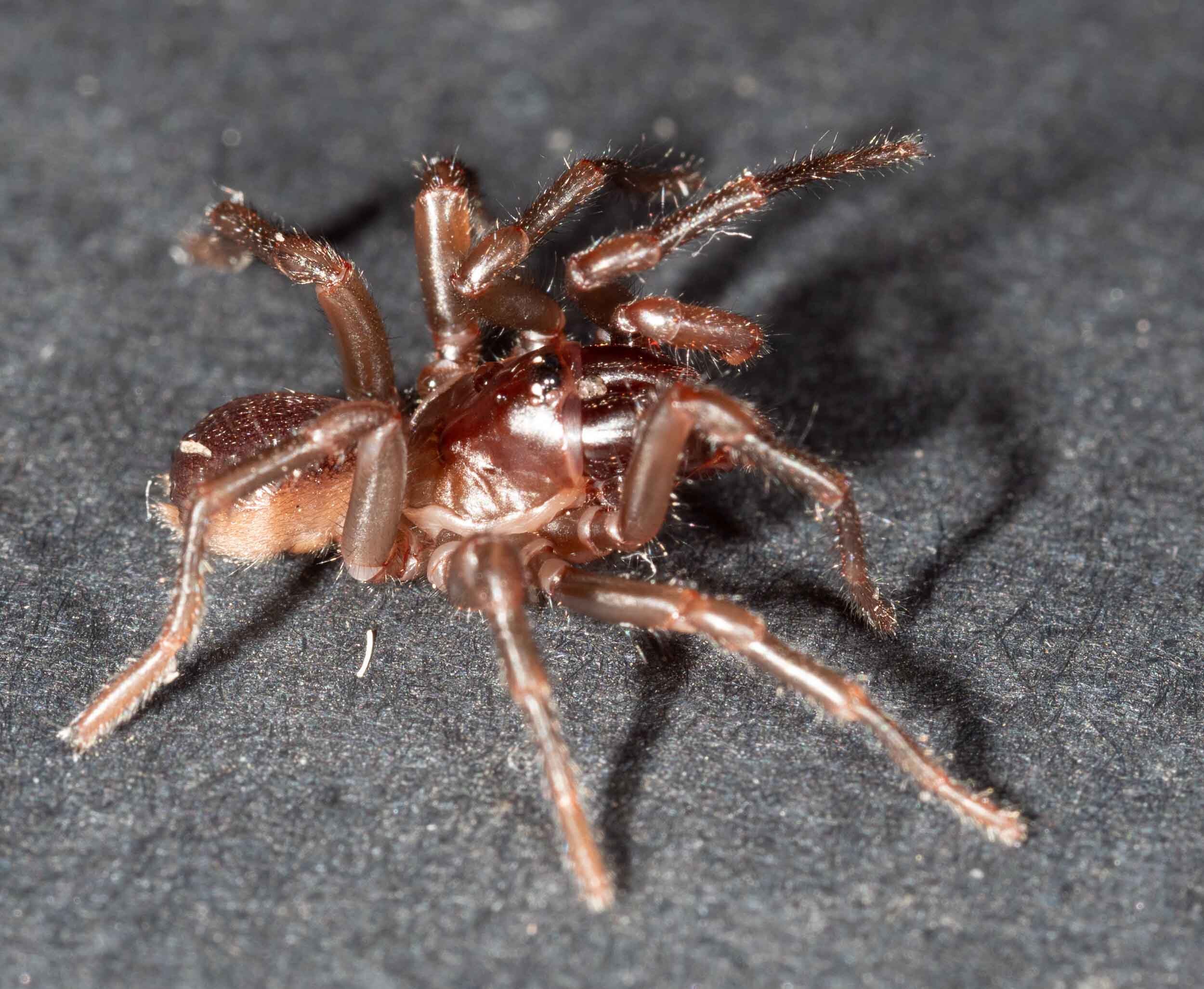
Collected mid November, 2021 … 5 cells, 41 spiders, and an egg or larva in each cell. The handiwork of a Pison wasp

A broken Pison nest; two unusual larvae; quickly developed into braconids

A half-drowned passalid provides me with an opportunity to take a closer look at the mites it carries.

At first I thought it was a new species for our home list, but when it wasn’t a good fit for anything in Dibb’s paper I started to think it was a worn A. edentulus. Apparently not … so it remains very interesting!