The living forest
This is the heart of the website. In this blog we report on observations, sightings and discoveries that we make here in the forest.
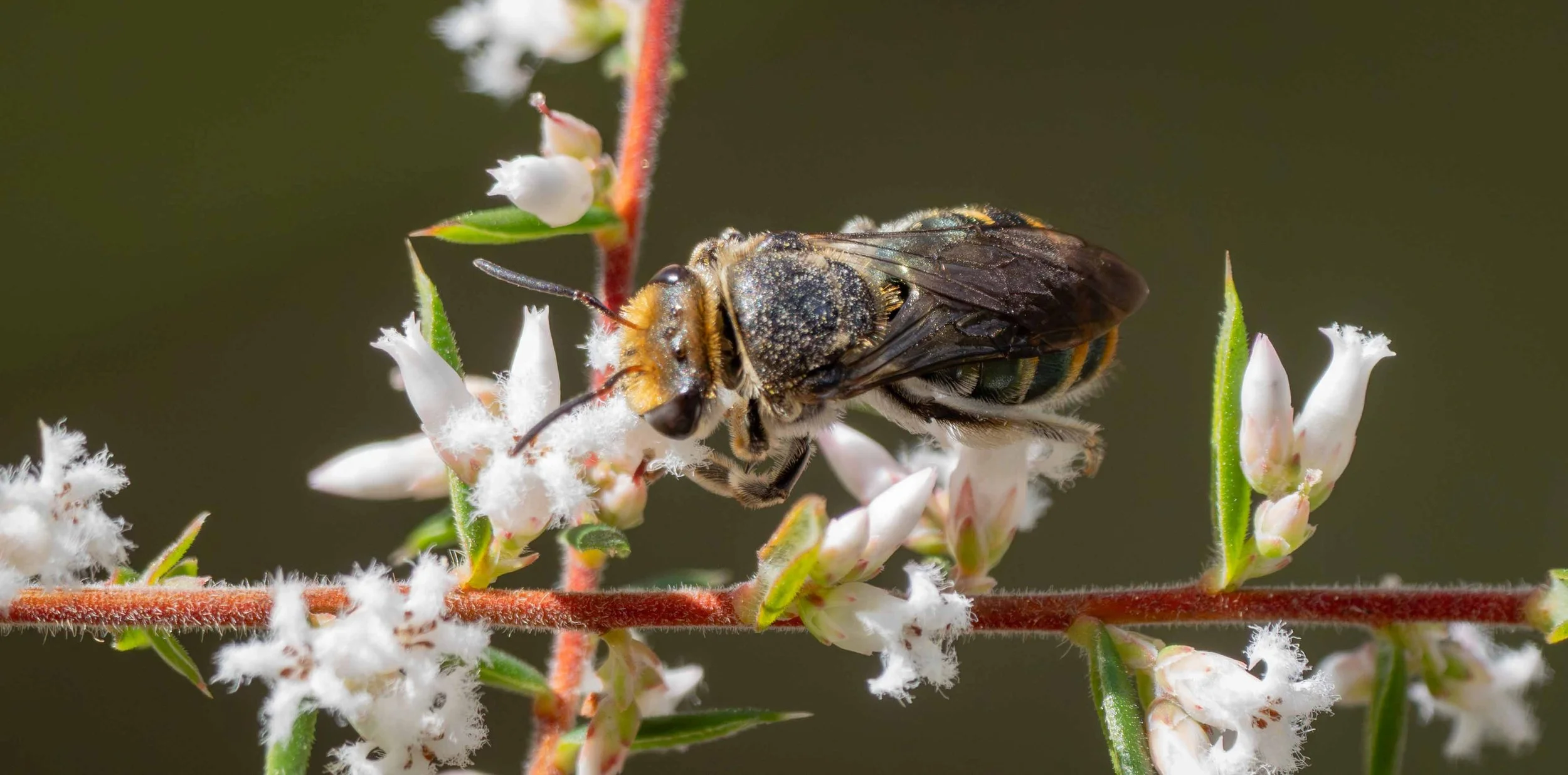
The forest seems to come alive from late August … at least in terms of day-flying insects.
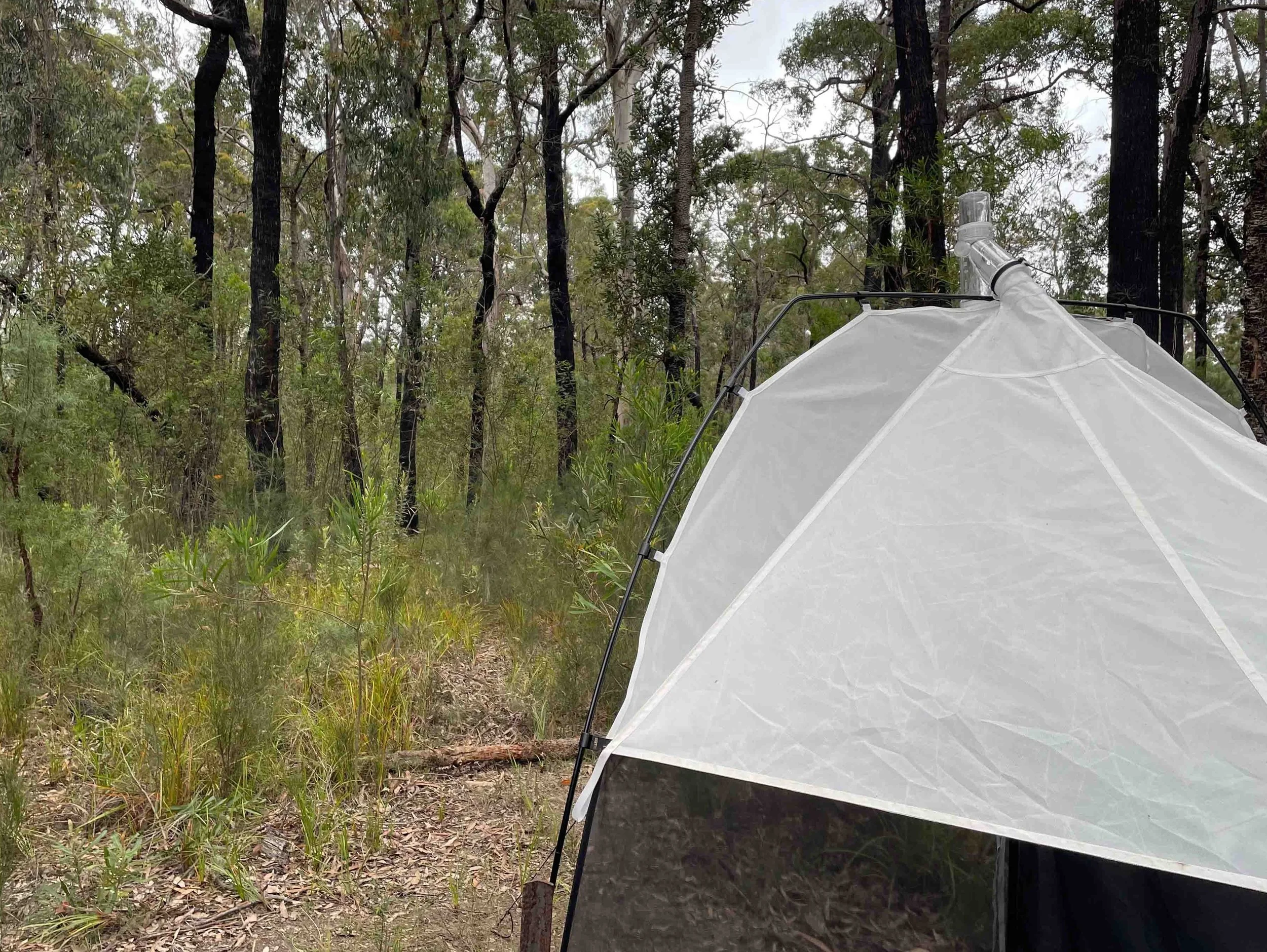
Our patch of forest is now part of a global program sampling insect biodiversity. Over the next year we will be collecting hundreds of flying insects for DNA analysis. Some will be species we know well, many will be new to us – and no doubt many will be new to science.
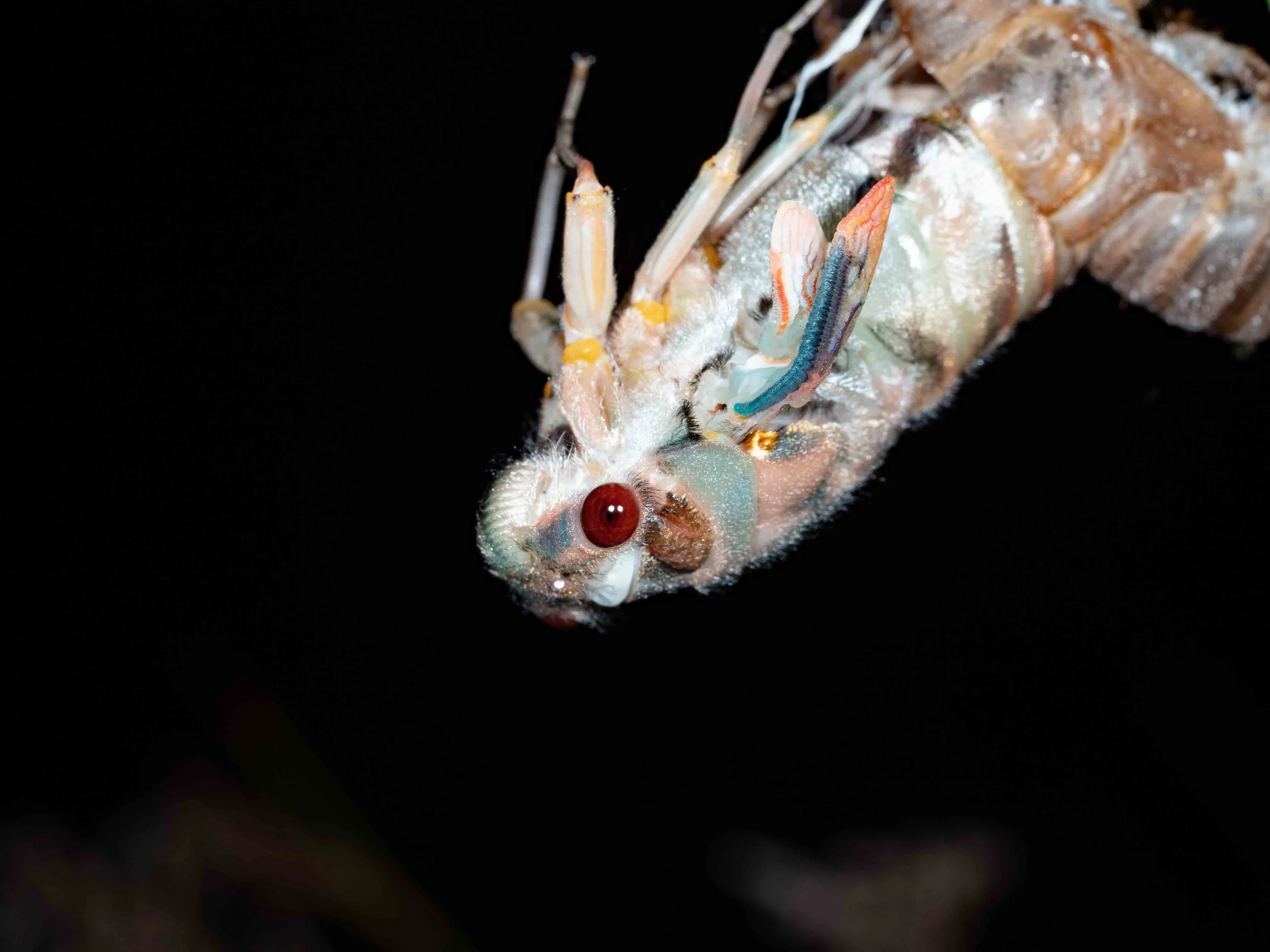
The forest never sleeps, particularly on a calm, warm, summer night.
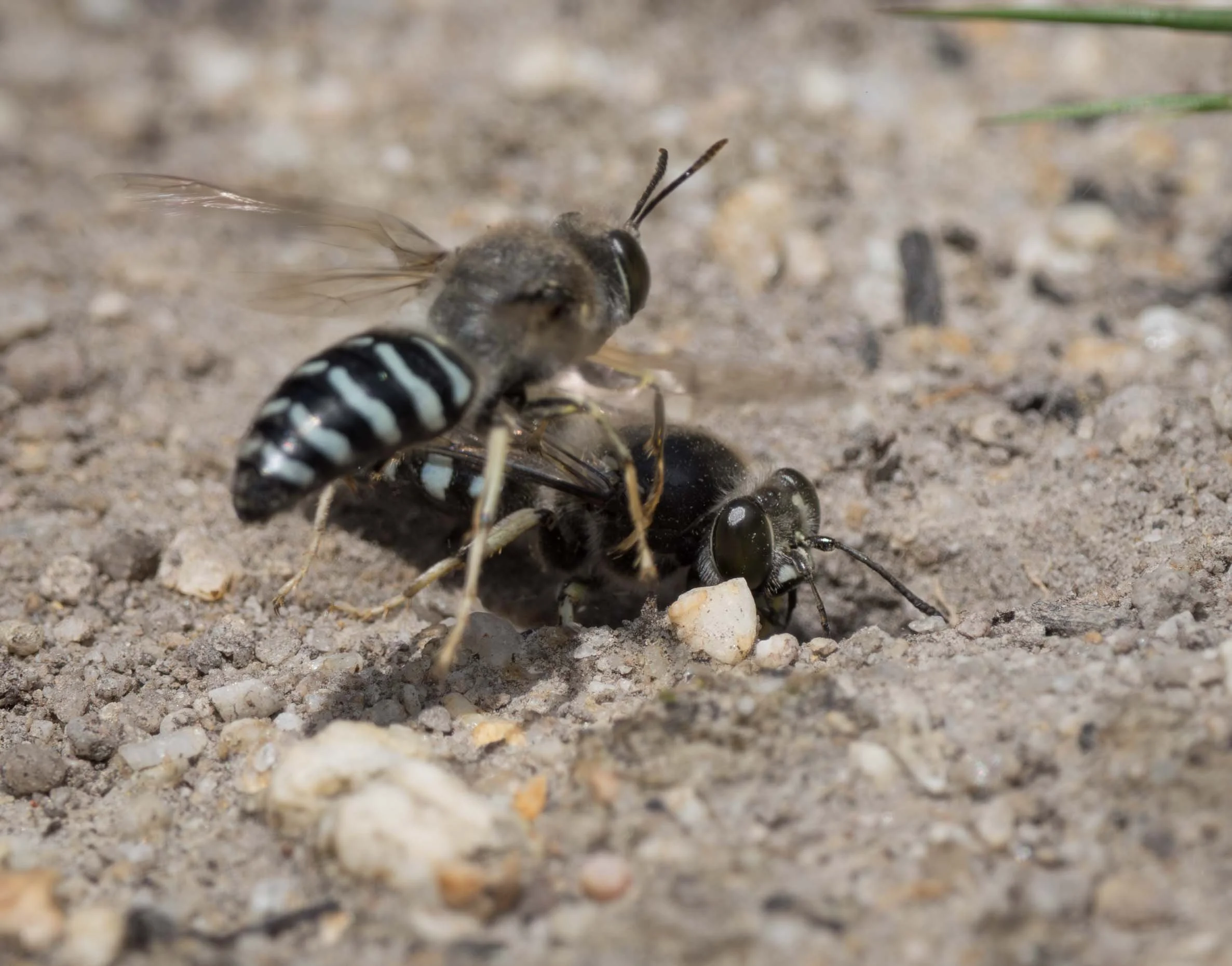
Published in 2017, after my first serious encounter with nesting Bembix, this blog post was in need of a facelift. And worth it. In the years since, I’ve not encountered as much action as I did on that November day.
At the time I knew little. Not the identity of the wasps. Nor the basis for the behaviours I was seeing. With the benefit of hindsight, I reinterpret that early encounter with Bembix furcata . [January 2026]

The male gall of the coccid bug Apiomorpha pharetrata consists of hundreds of chambers each housing a single insect. How is this complex structure assembled?

In a break with tradition, an essay. A thought piece. No photos, no field notes, no references. Just musings on why I do what I do.

A very large, quite beautiful orb-weaver and her equally spectacular web are currently on display in the forest
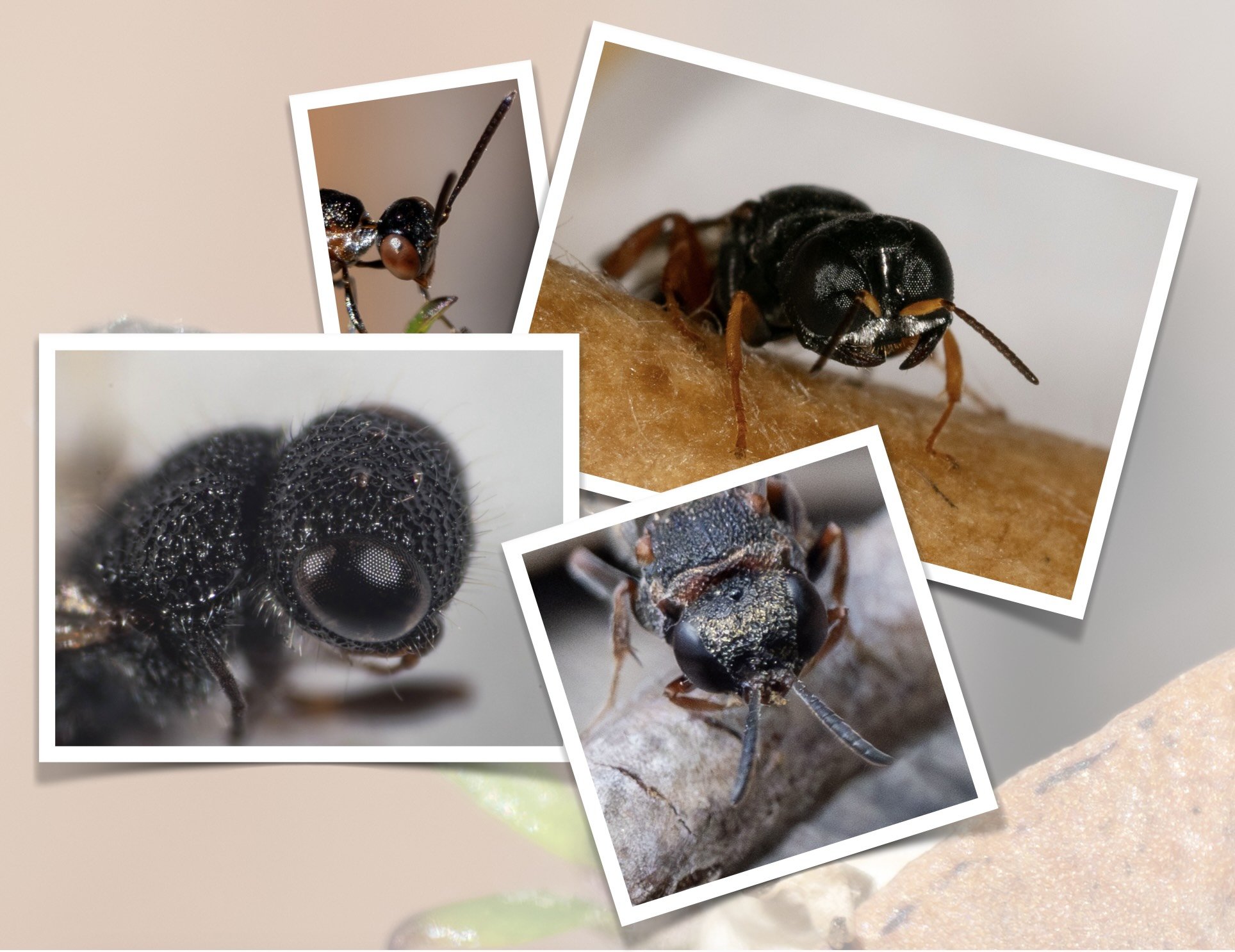
“What did you do with your summer holidays Kerri-Lee?”
Well, let me tell you all about it! I broadened my home range and met several new faces … and some rather special ones at that!
Includes accounts of: Acanothostethus (Crabronidae: Nyssonini); Pseudoturneria (Crabronidae: Crabronini; Megalyra (Megalyridae); and Pseudofoenus (Gasteruptiidae)
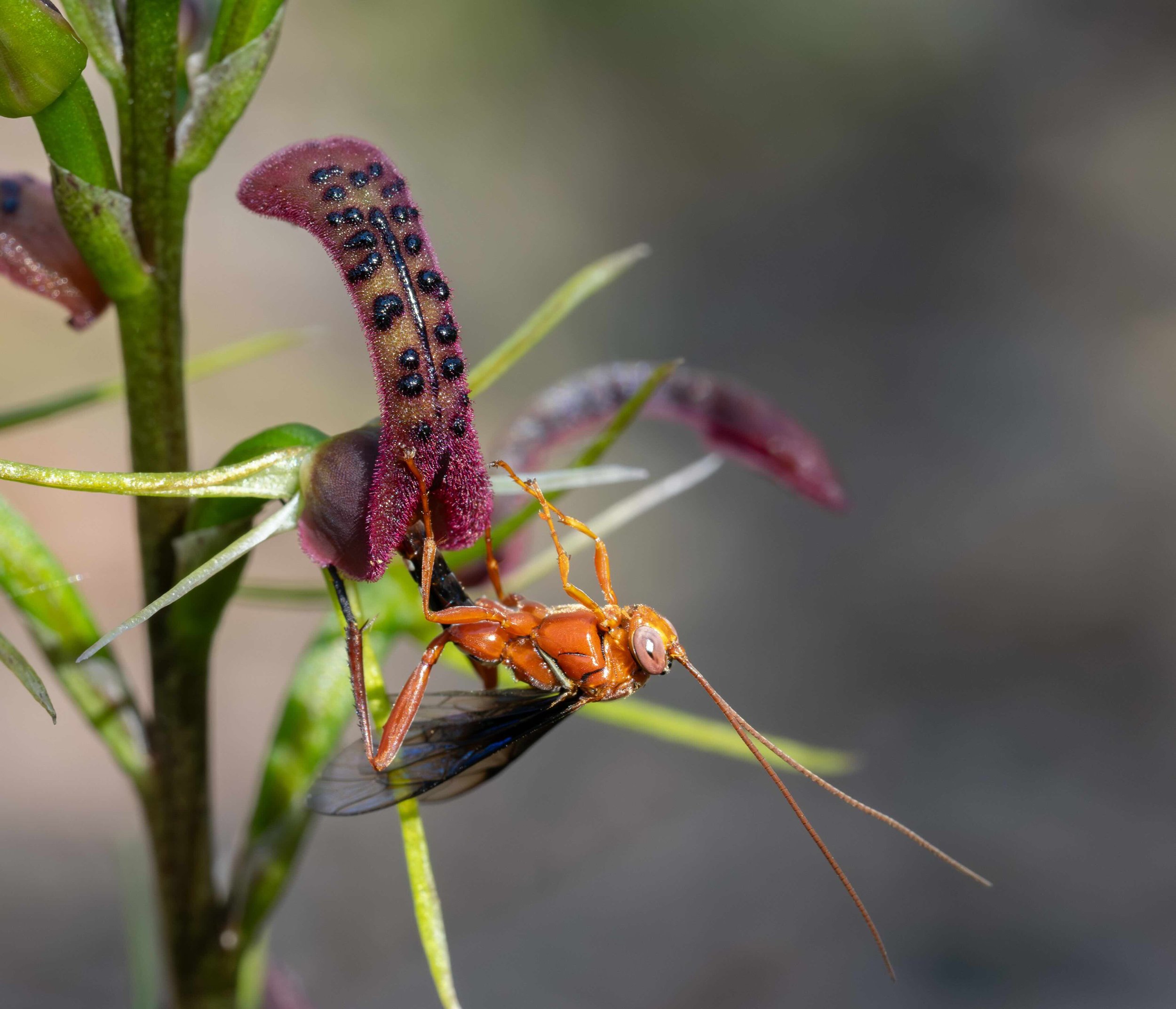
A special orchid and its wasp pollinator return after a 4 year absence, providing dramatic views of their interaction
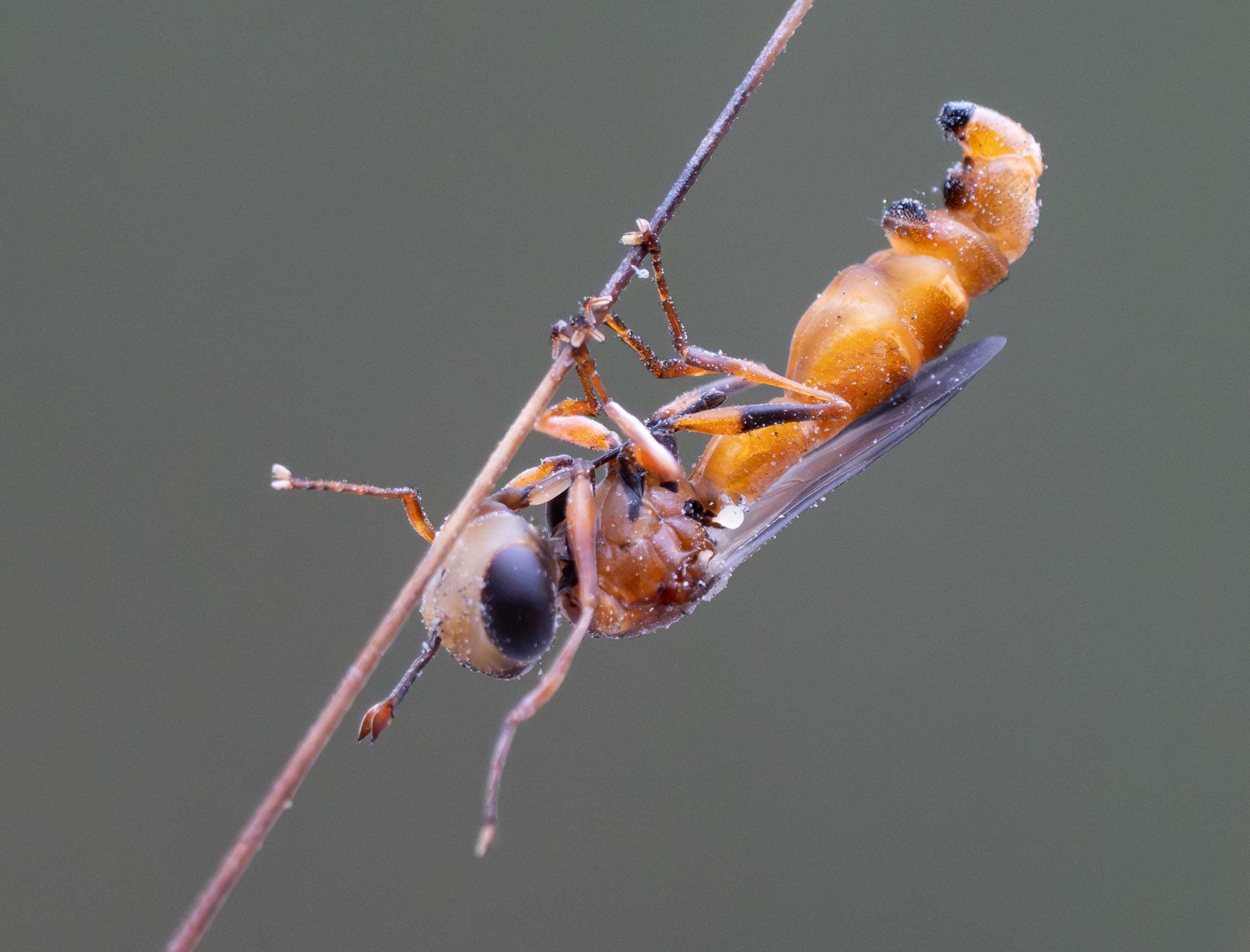
A story of transformation and identification. Having found a newly-emerged, weirdly-shaped fly, I watch her take shape and I’m now confident of her identity: Physocephala nigrotestacea
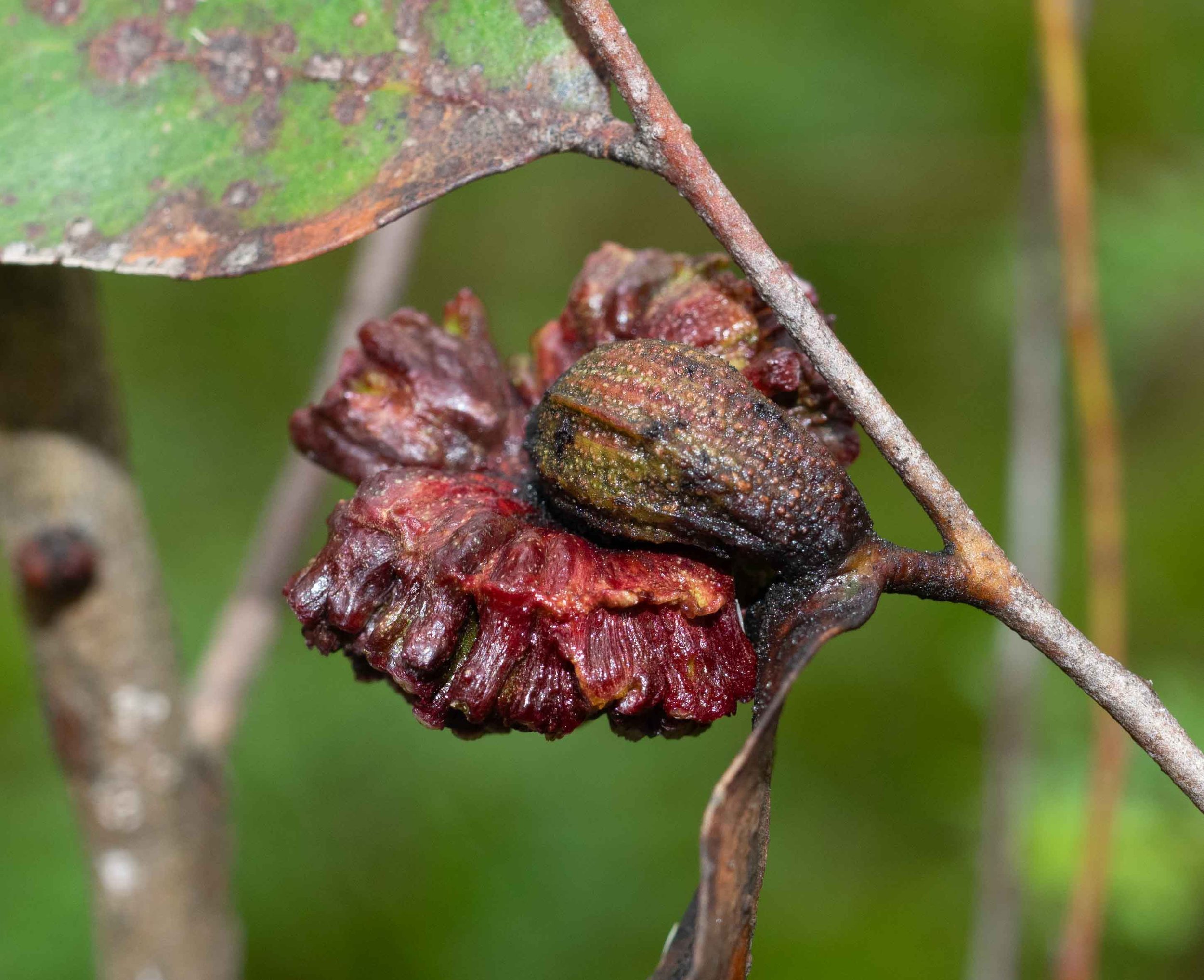
I explore the extraordinary world inside an extraordinary gall. Fat bodied females, tiny winged males, cute, crawling nymphs and a host of parasites.
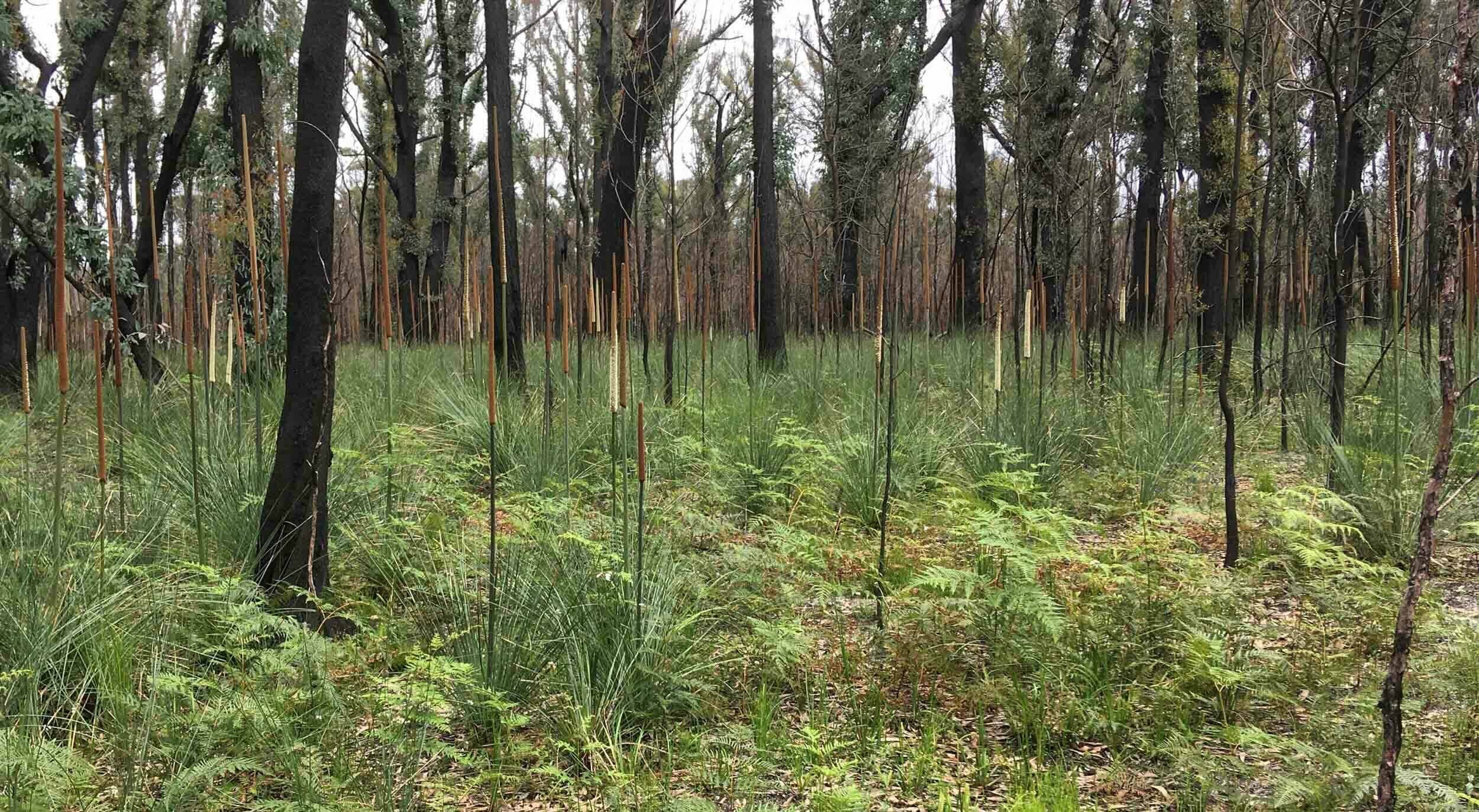
This post is an extended version of a talk I gave on 17th September, 2024 in Batemans Bay at a Symposium of the Linnean Society of NSW.
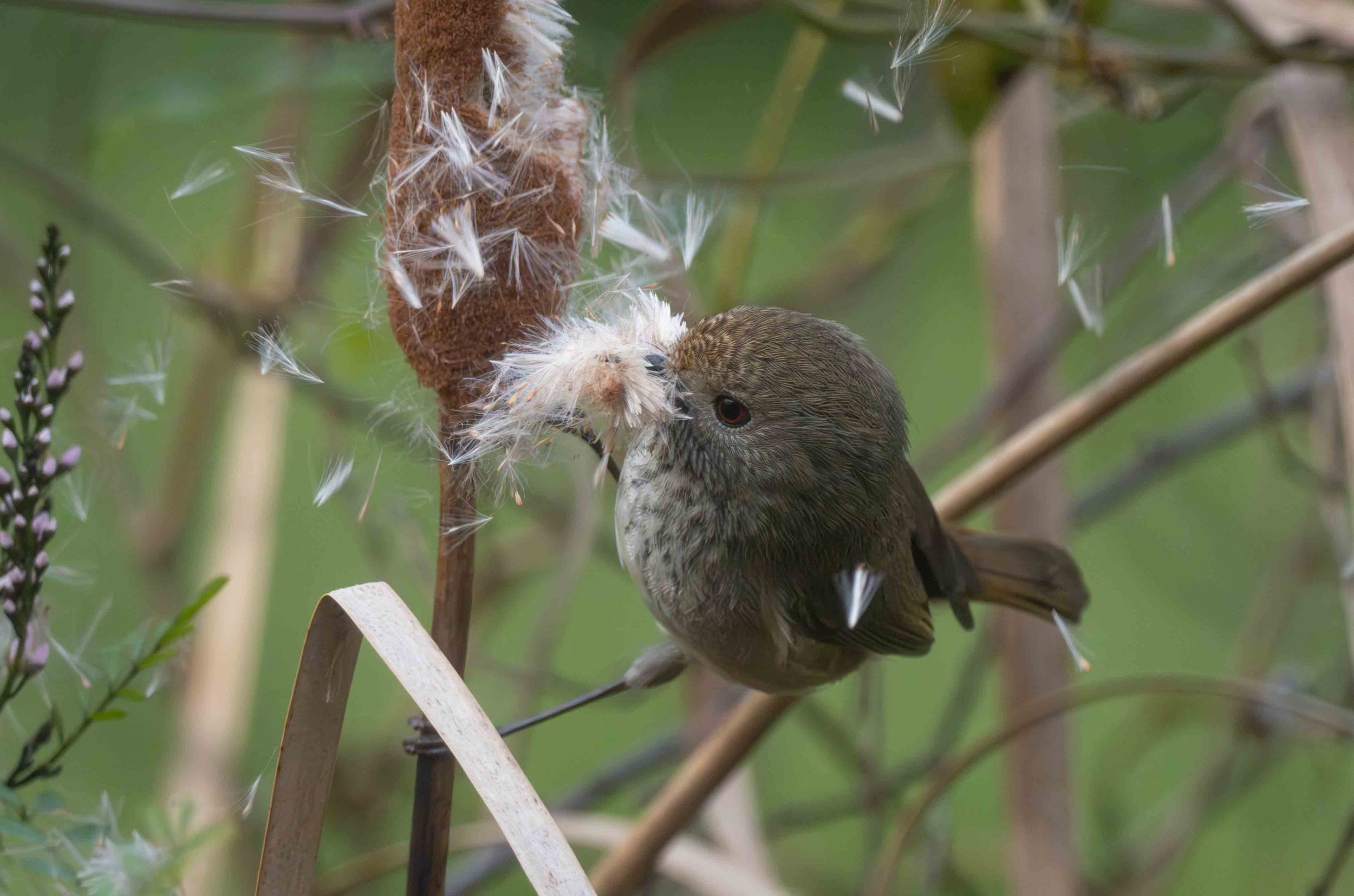
From August into early September: the forest comes to life with a burst of flowering, the emergence of insects and reptiles, and the breeding frenzy of birds.
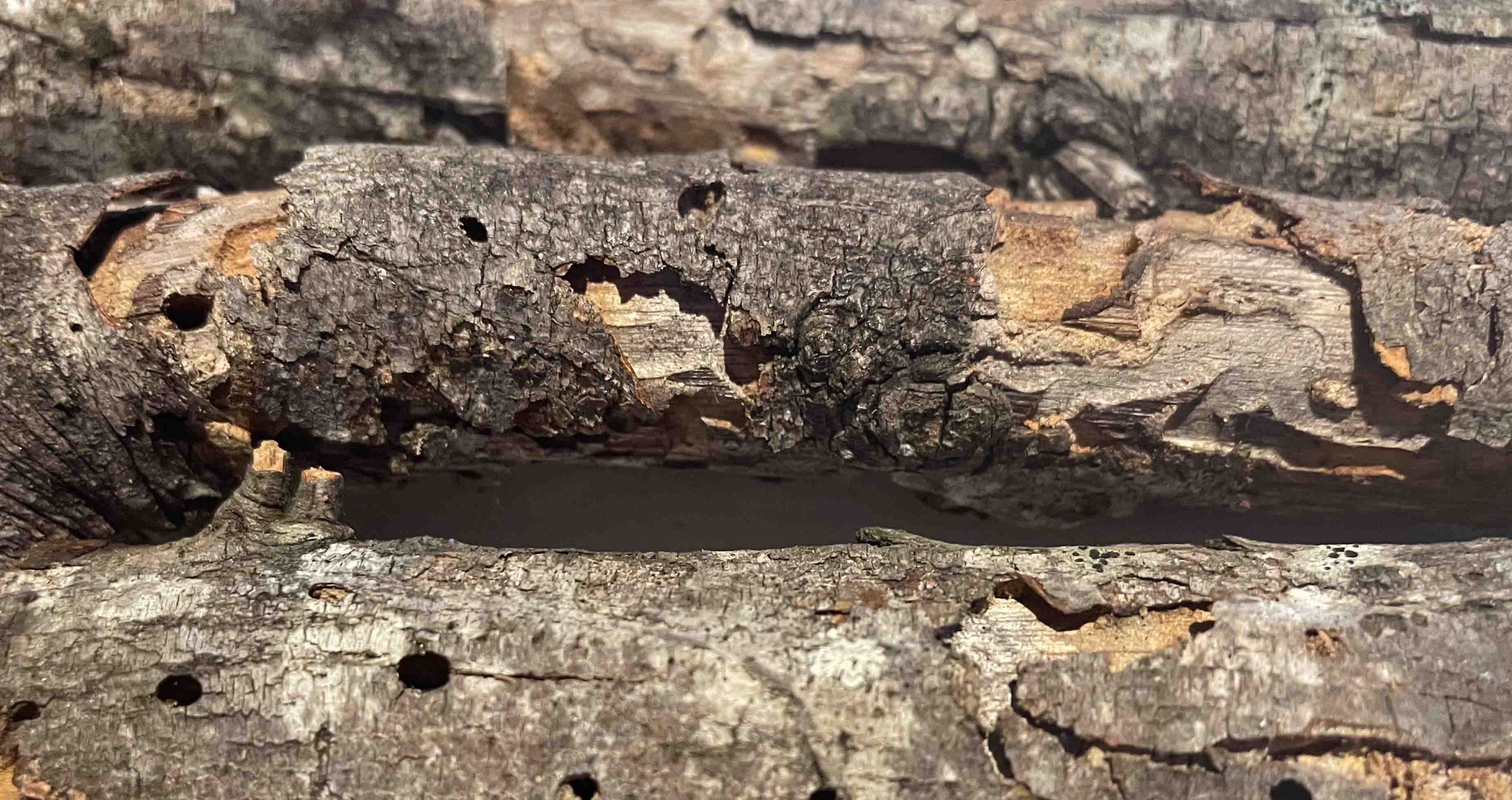
My winter wasp research projects take a twist when I discover several unfamiliar species ... in the house!
Includes Arpactophilus and two species of Megalyridae.
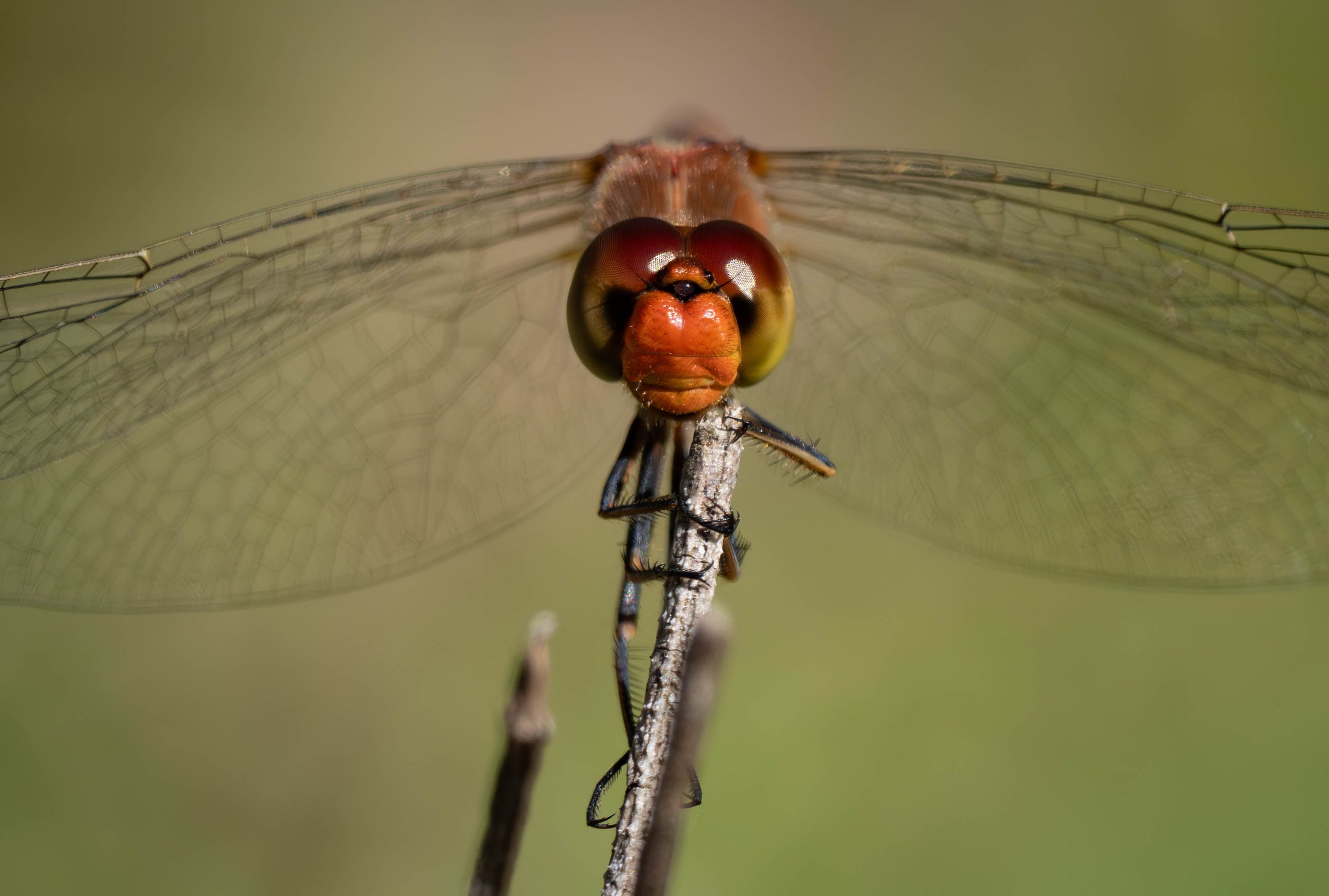
A gallery of insects from the summer of 2023-24
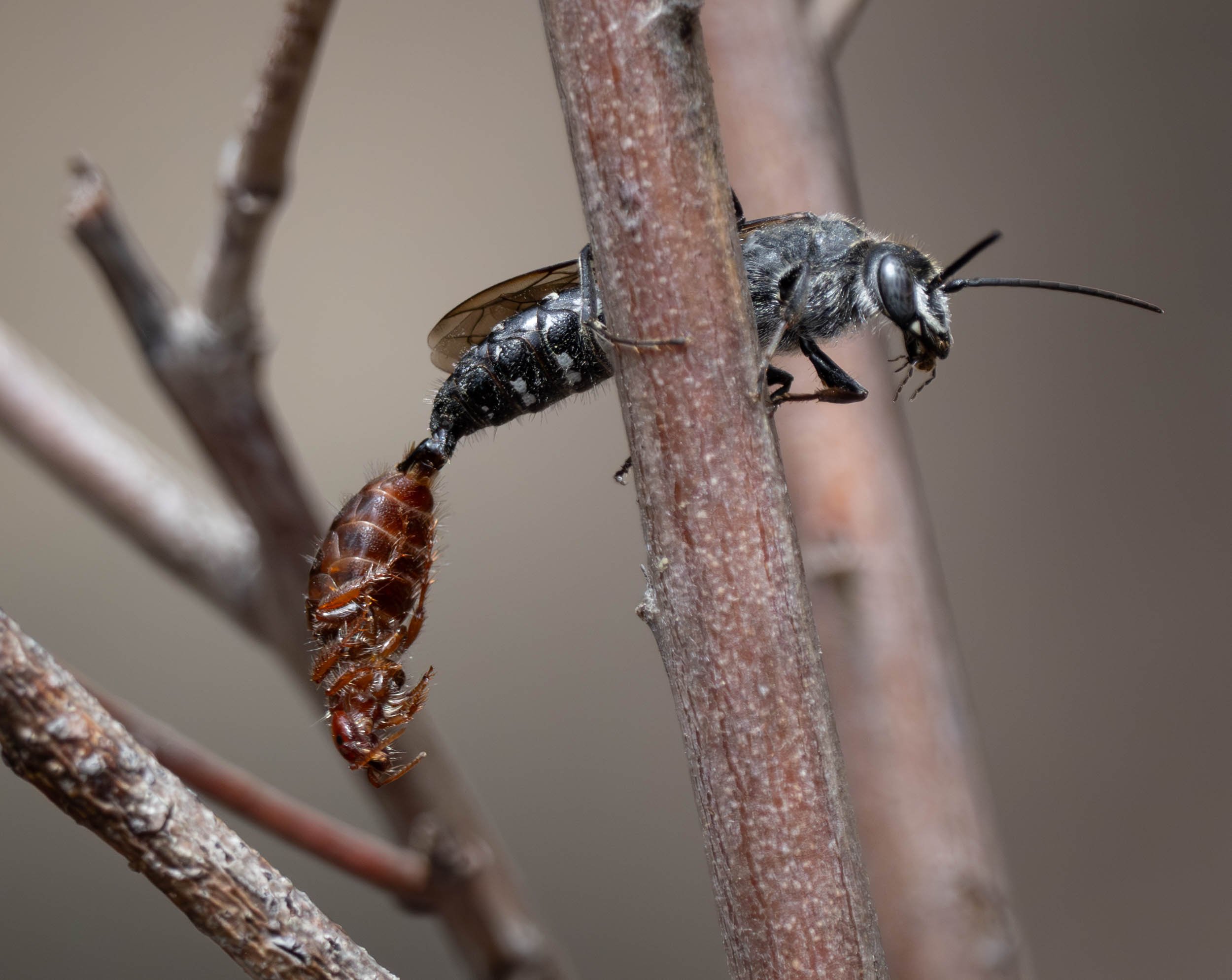
A close look at the mechanics and behaviours involved in Thynninae mating, including genitalia (in all their glory!)

A fortuitous nest location close to the house has provided an intimate look at the rearing of nestlings of the superb fairy-wren
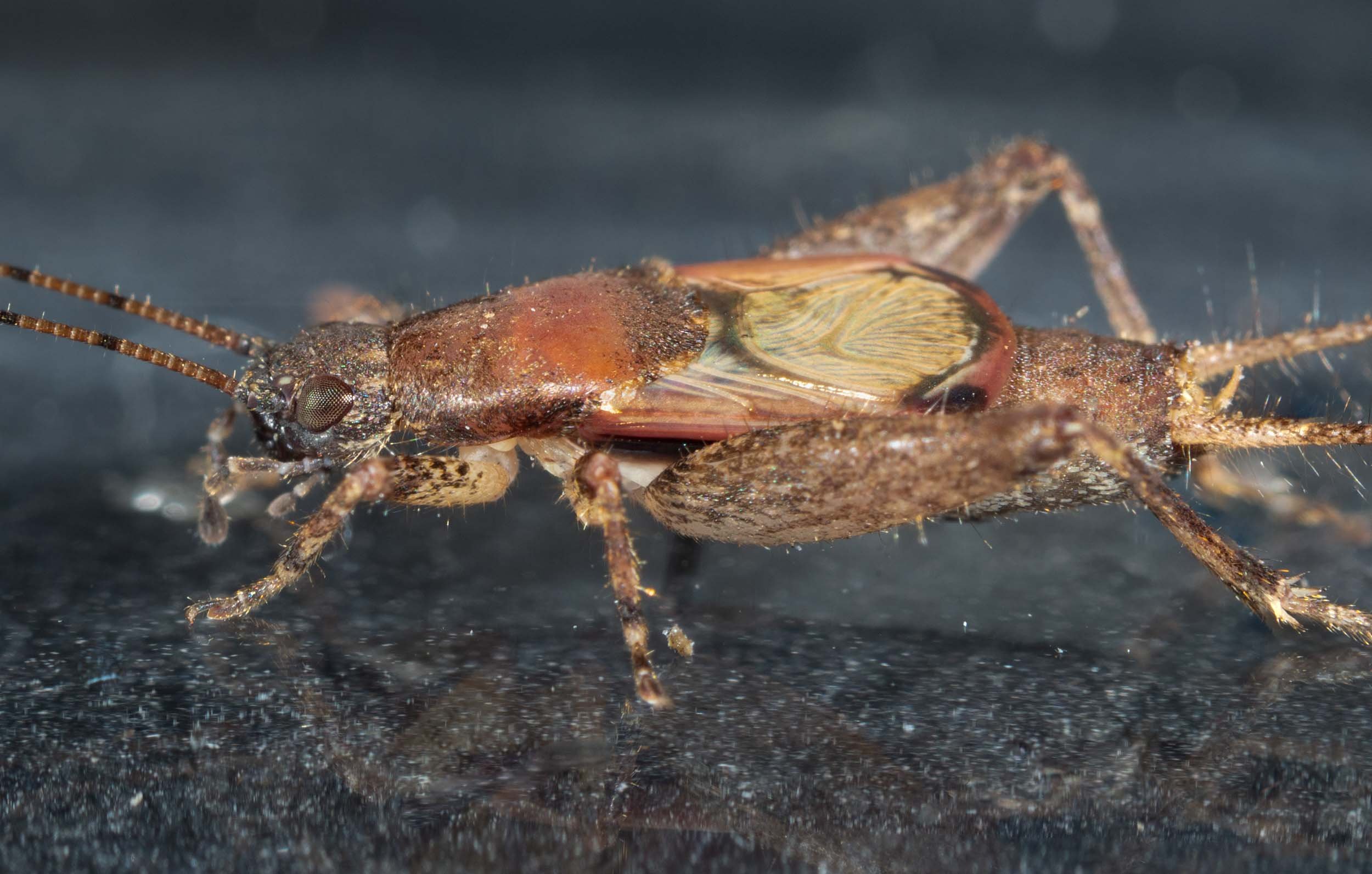
A search for the identity of a small male cricket leads me to characterise its mating call and learn how it is generated
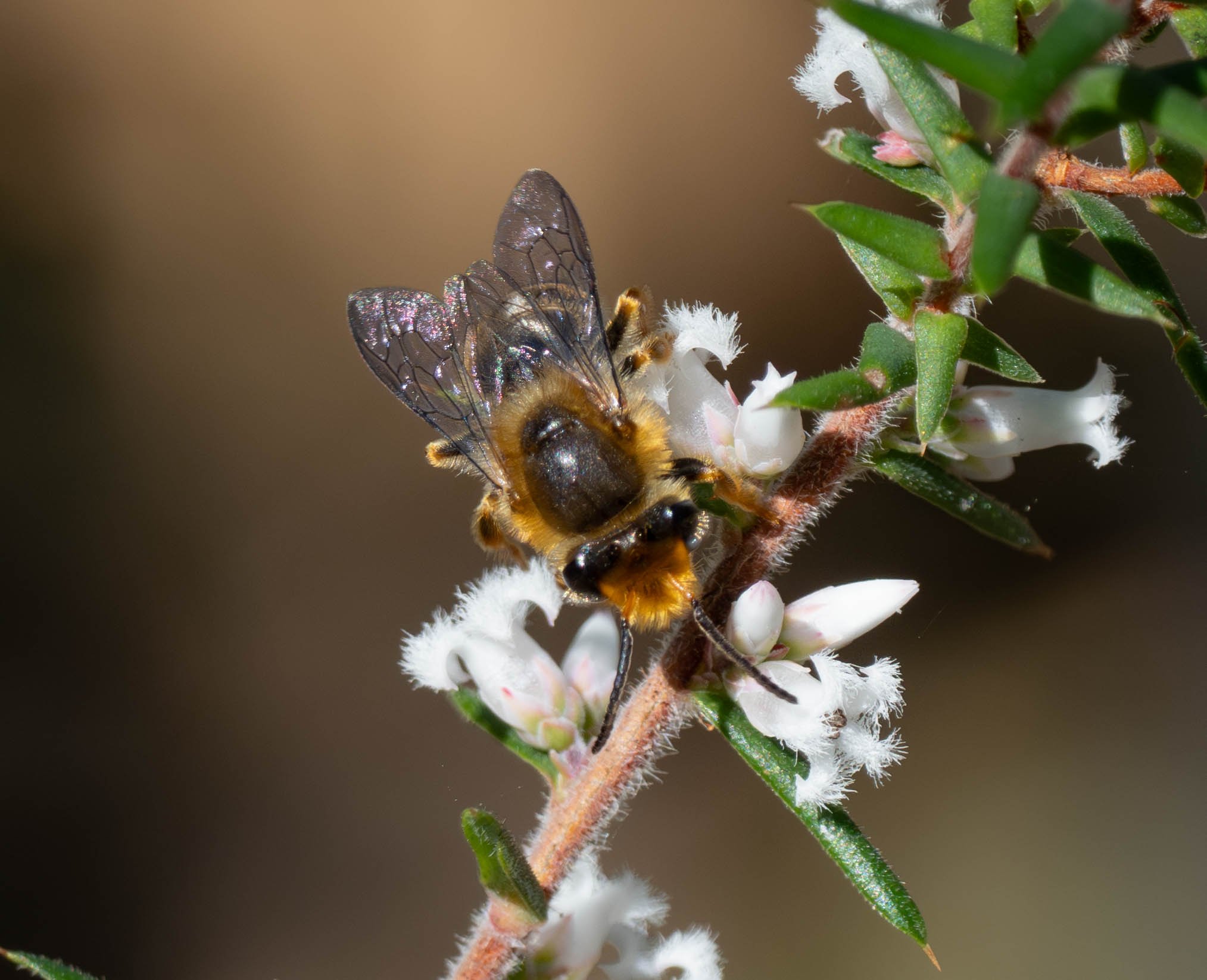
The seasonal transformation begins in August, and with each passing week we welcome arrivals. Here is a compilation of my favourite sightings from the past two months.
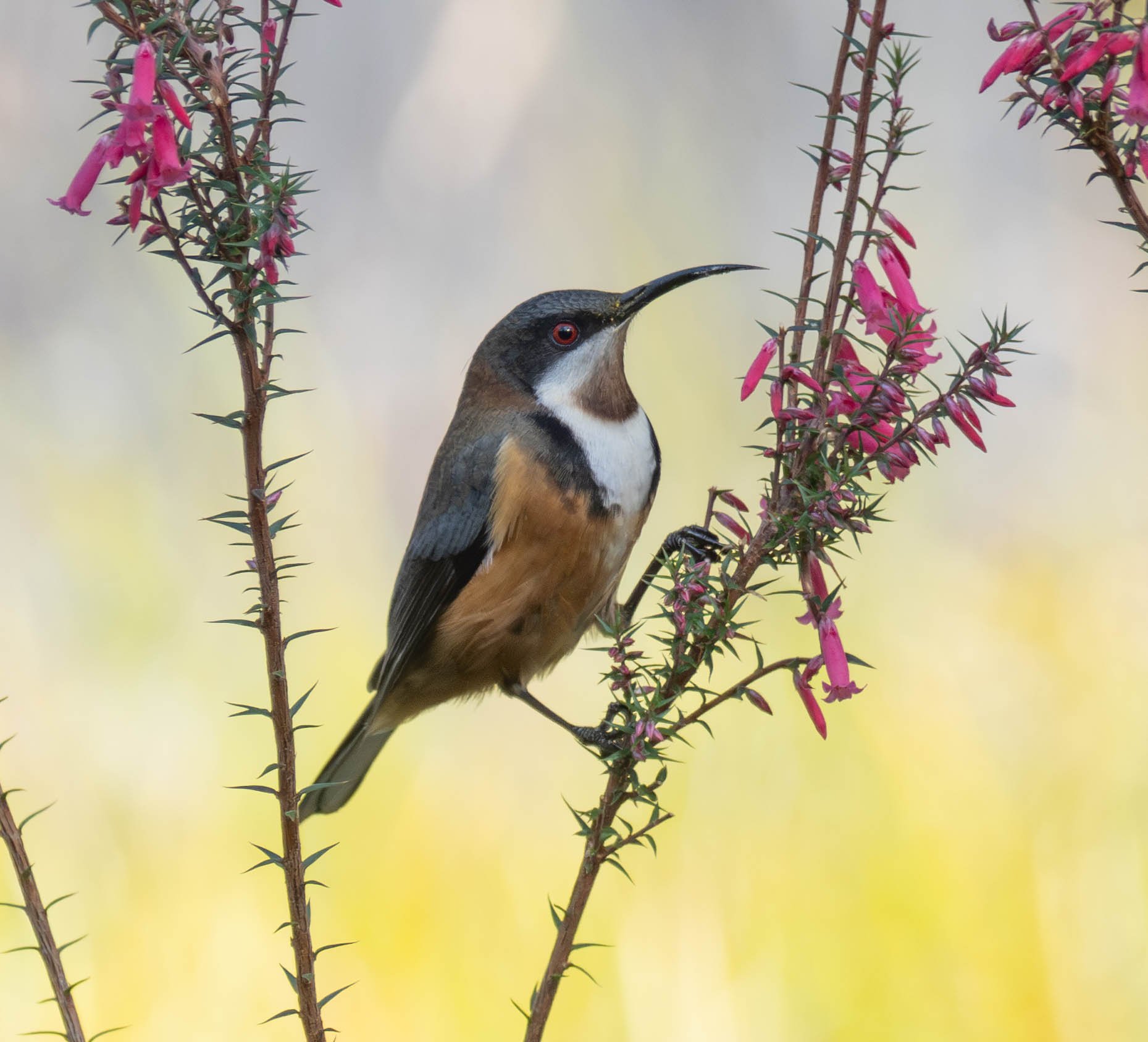
A look at some of the activity in the forest and its adjacent river in the cooler months of the year.
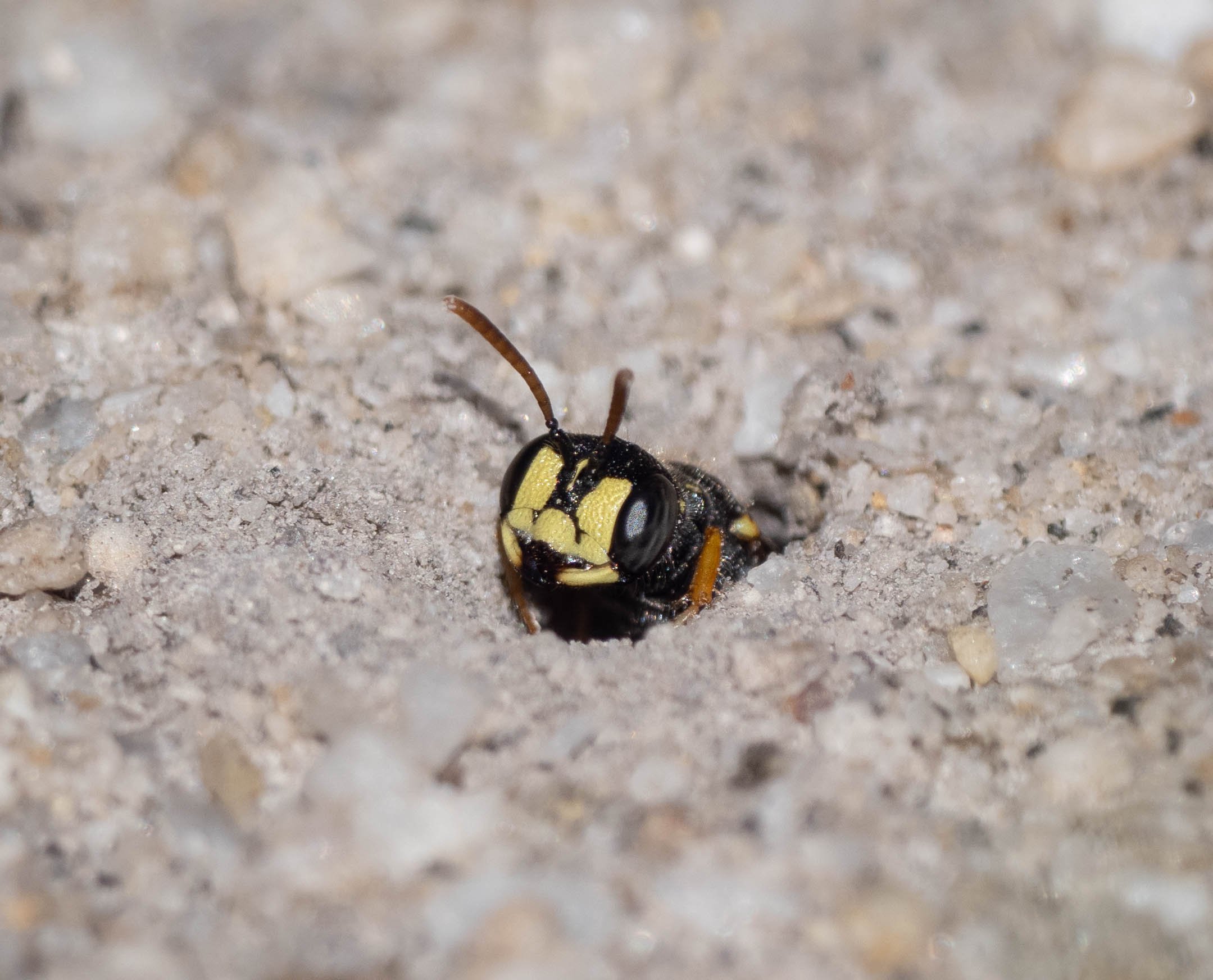
Like most Crabronids, Cerceris are solitary wasps. Intriguingly, however, a few species display behaviours reminiscent of social insects. Our local species, Cerceris antipodes, is one such. I delve into the research literature to learn more about their nesting habits.
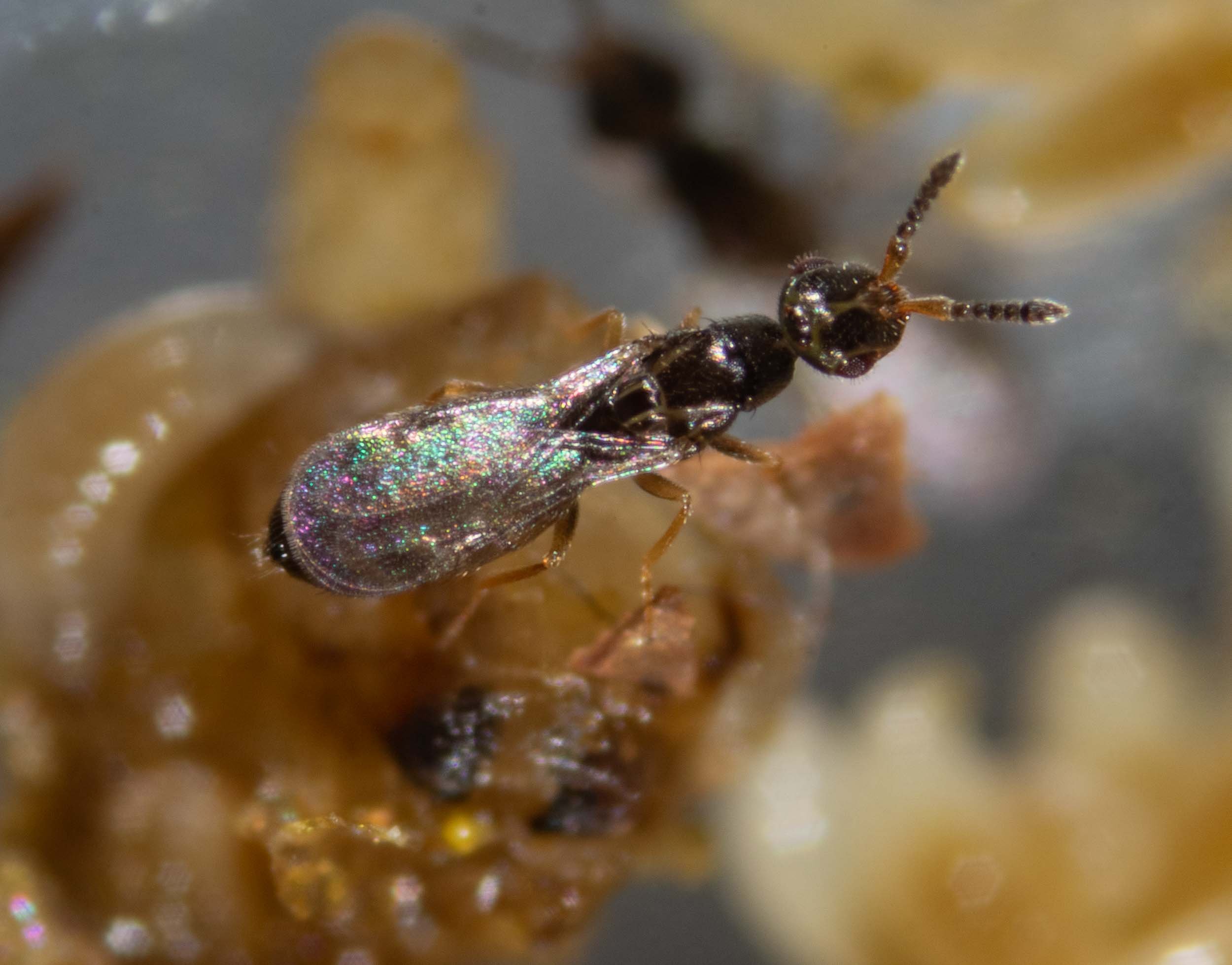
Yet again the mud nest of a Pison wasps yields up a surprise. Melittobia australica (Eulophidae) displays simple forms of social insect traits, including sib-mating and cooperative behaviours.
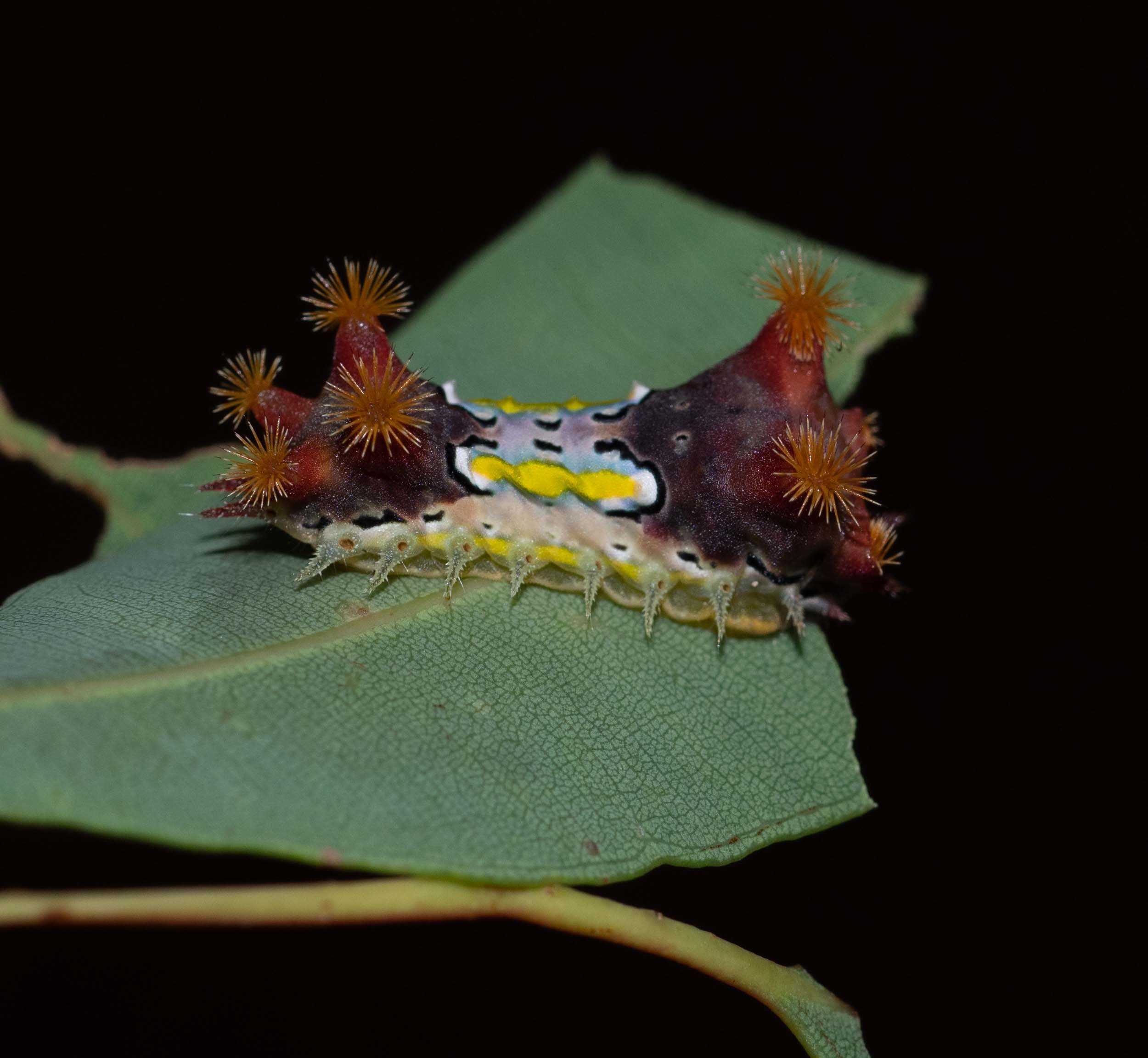
As autumn draws to a close, we look at the changes this season has brought to a wide range of organisms in the forest - the completion of some life cycles, the beginning of others.
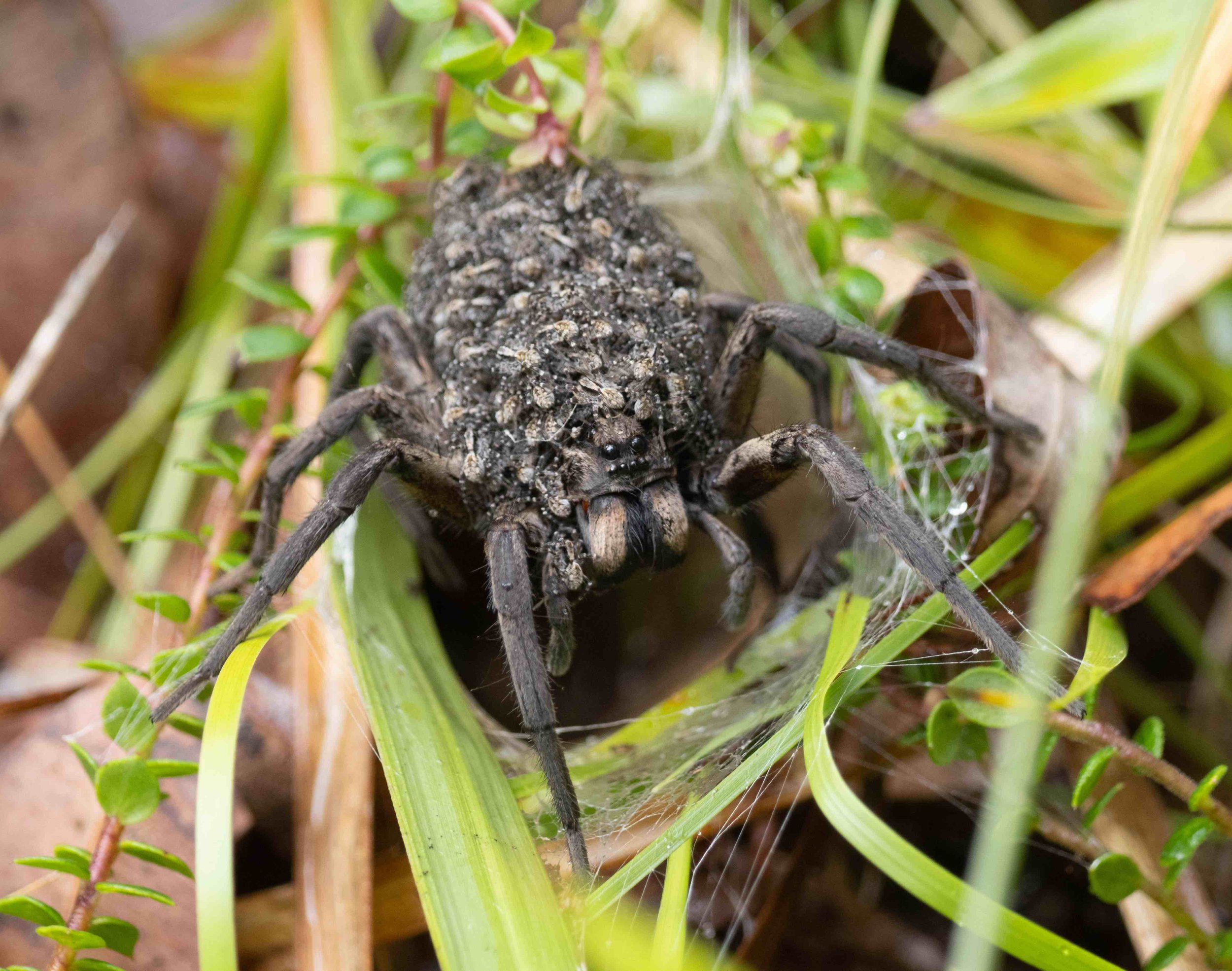
Baby wolf spiders spend the early part of their lives on their mother’s back but at some stage they have to leave home. I get a great opportunity to observe this big occasion in a convenient location.
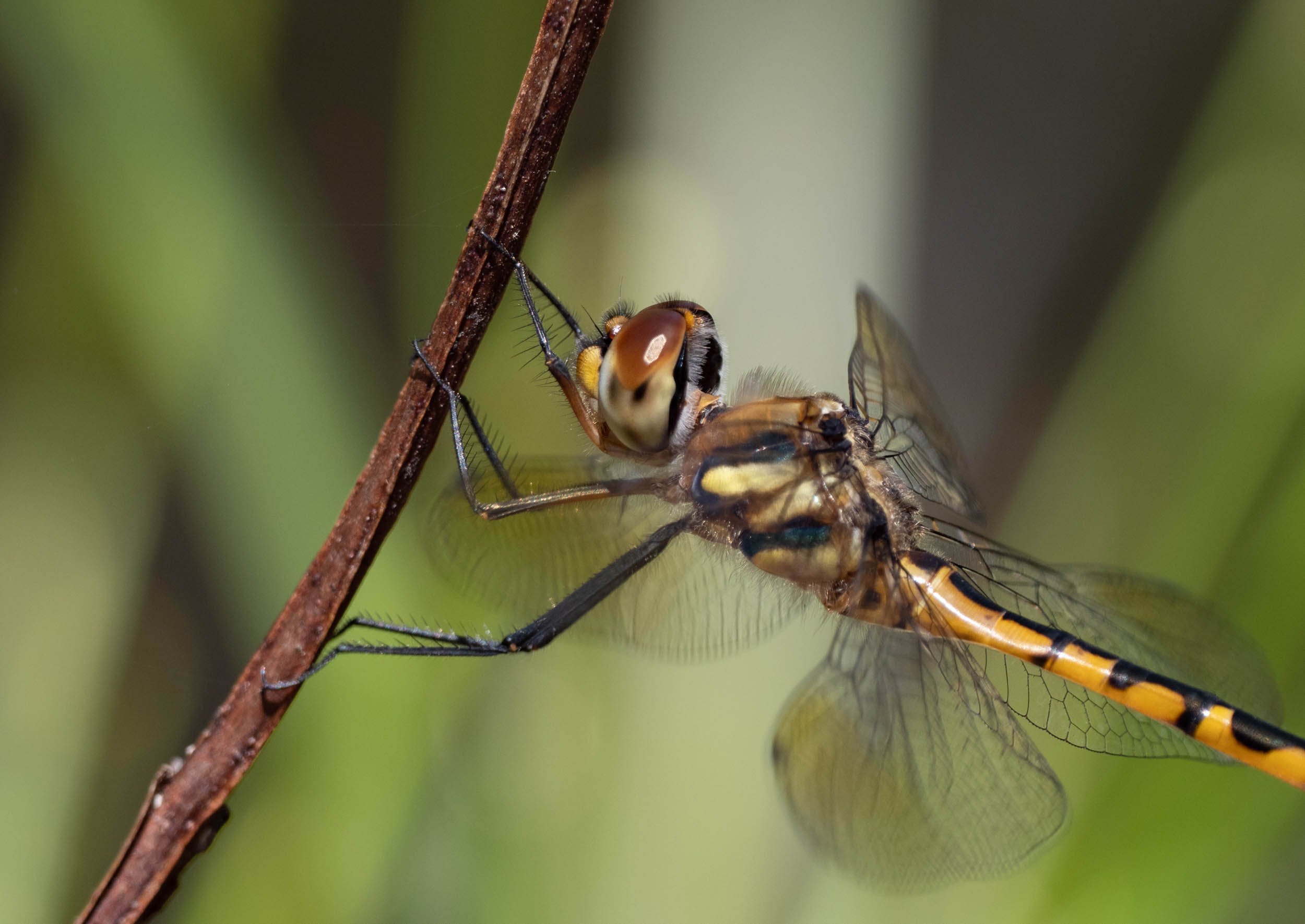
December through February: the hunters, the flies, familiar faces and several exciting firsts for our home list
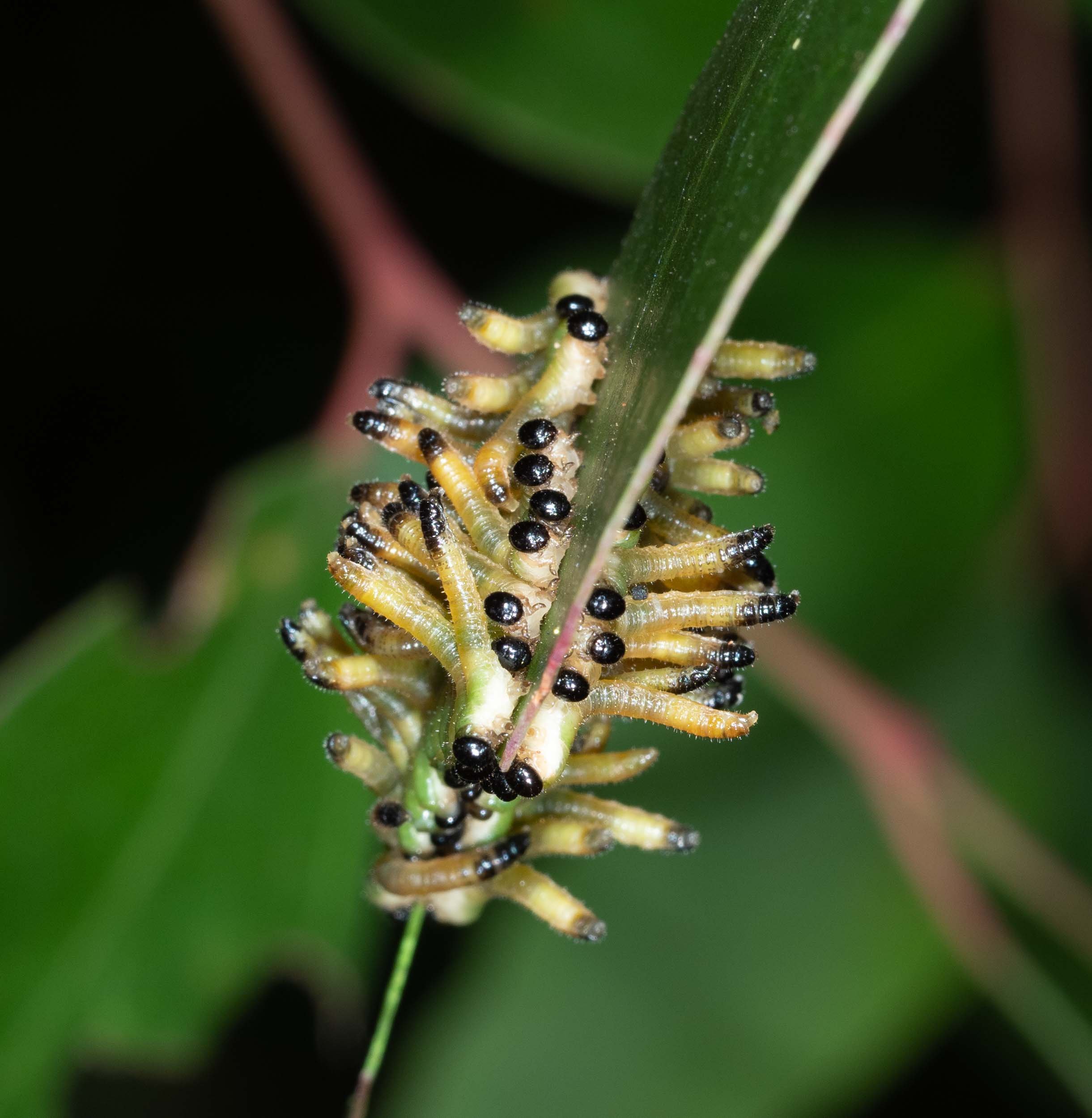
A single regenerating eucalyptus bush has provided the home for 3 different species of sawflies to rear their young.

Spider wasps stash a single spider in a nest as a food source for their developing larvae. I compare how two different species go about this task.
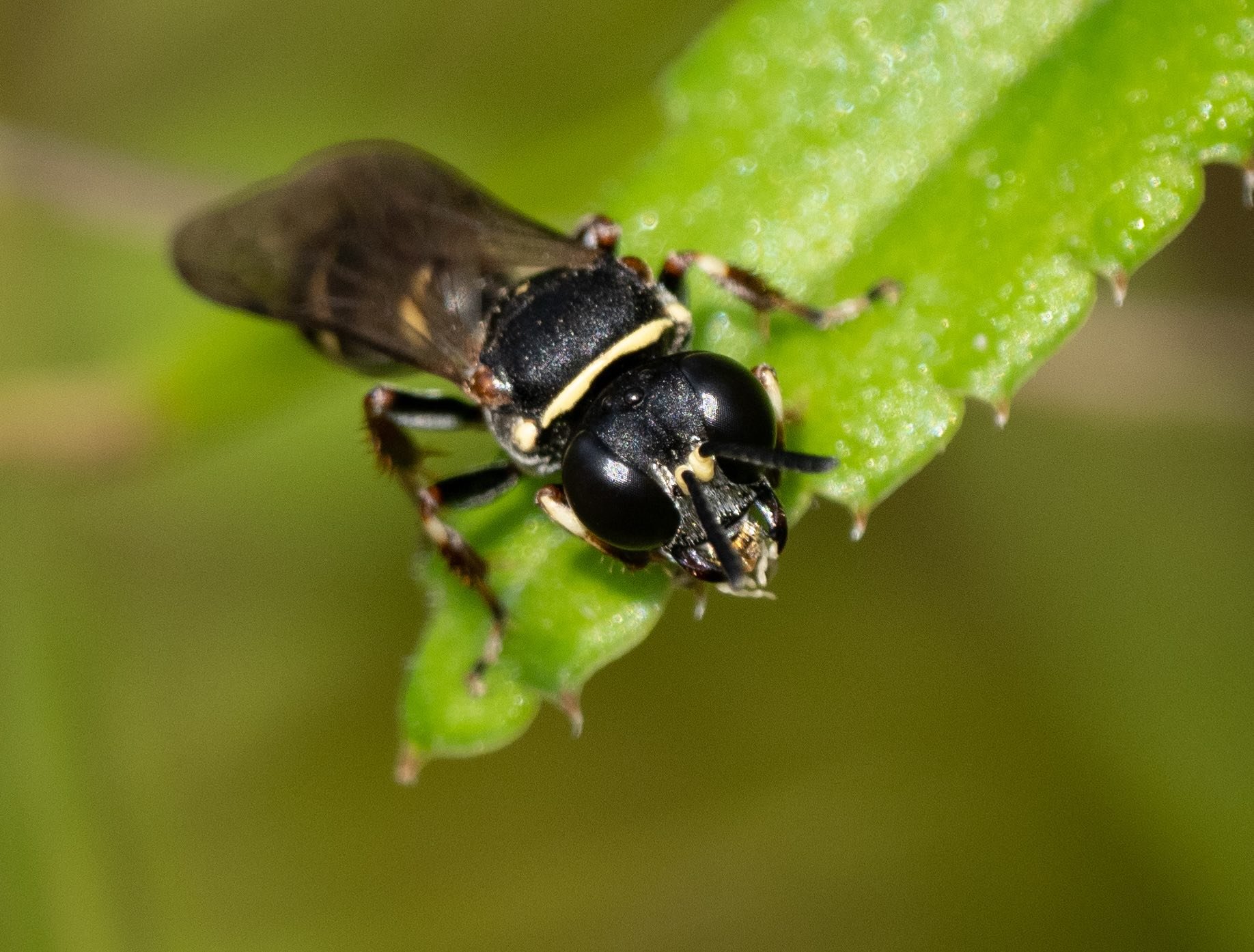
An unfamiliar sand wasp leads me to investigate Crabronidae … and develop tools I can apply to related puzzles in the future.
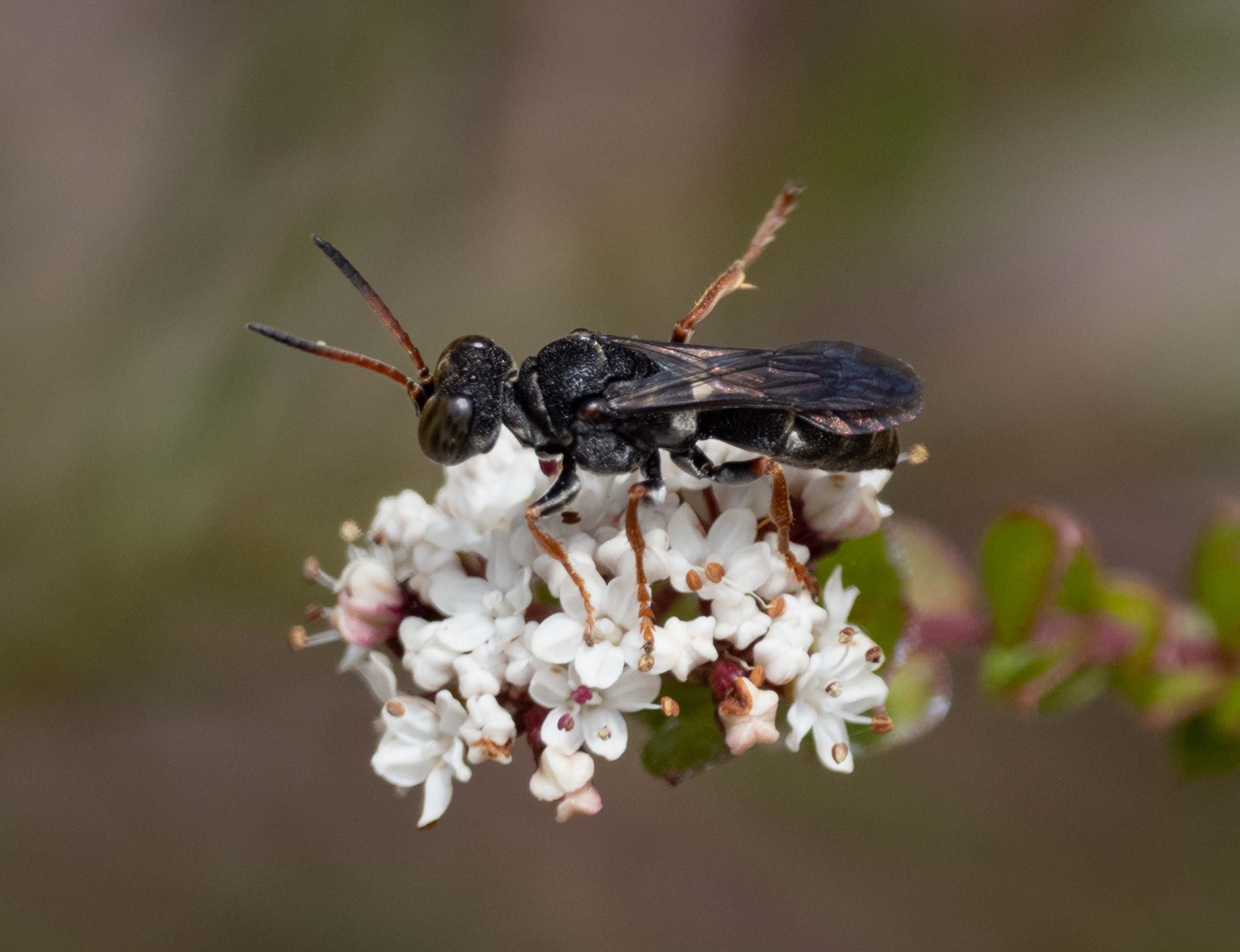
An images-only celebration of November in the forest
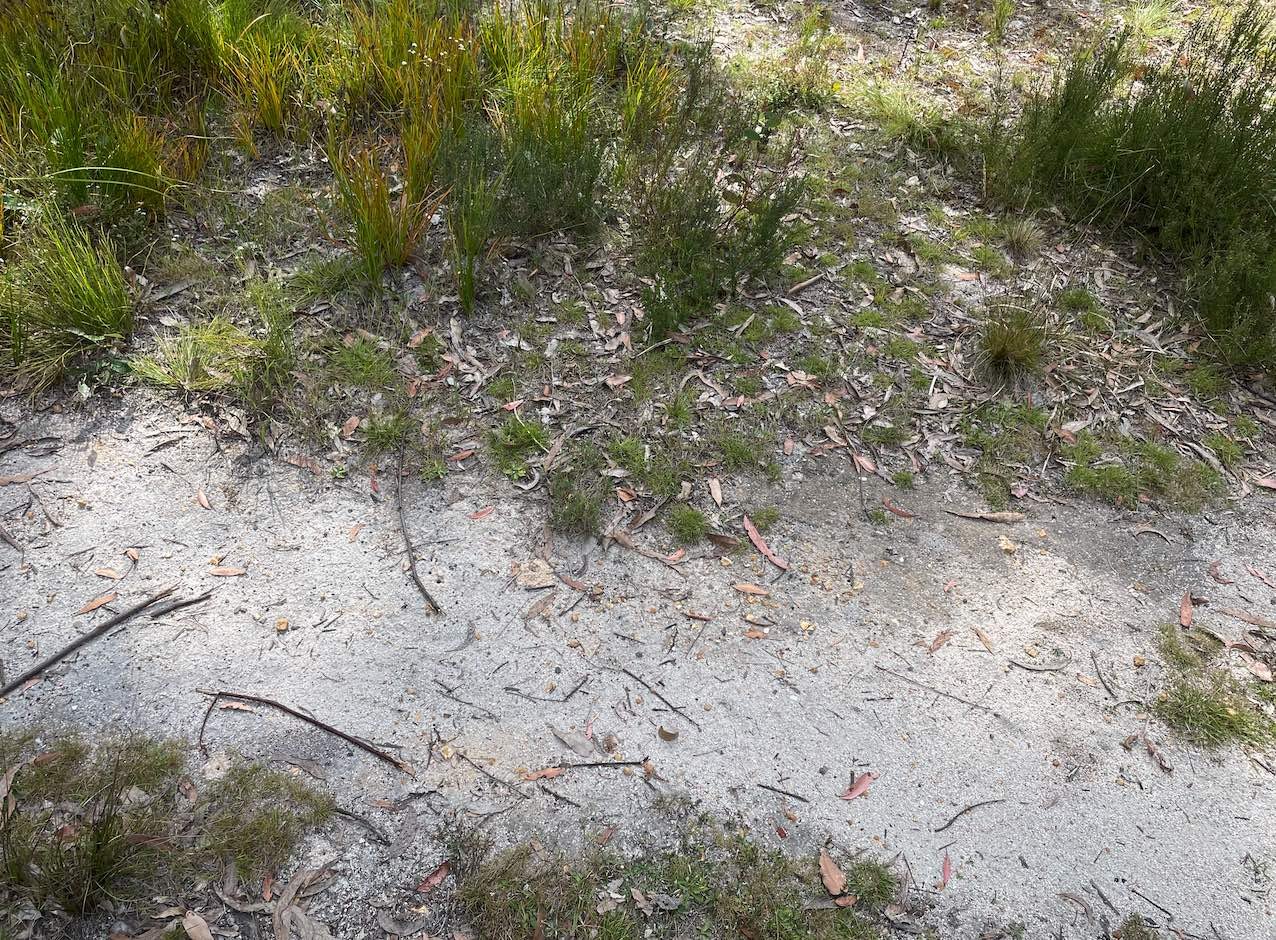
One small patch of sandy ground, so many ground-nesting insects! Seven species of crabronid, three bees, velvet ants … and more.
Day Trip Photo Essays
Simply snapshots from brief sorties in our local area
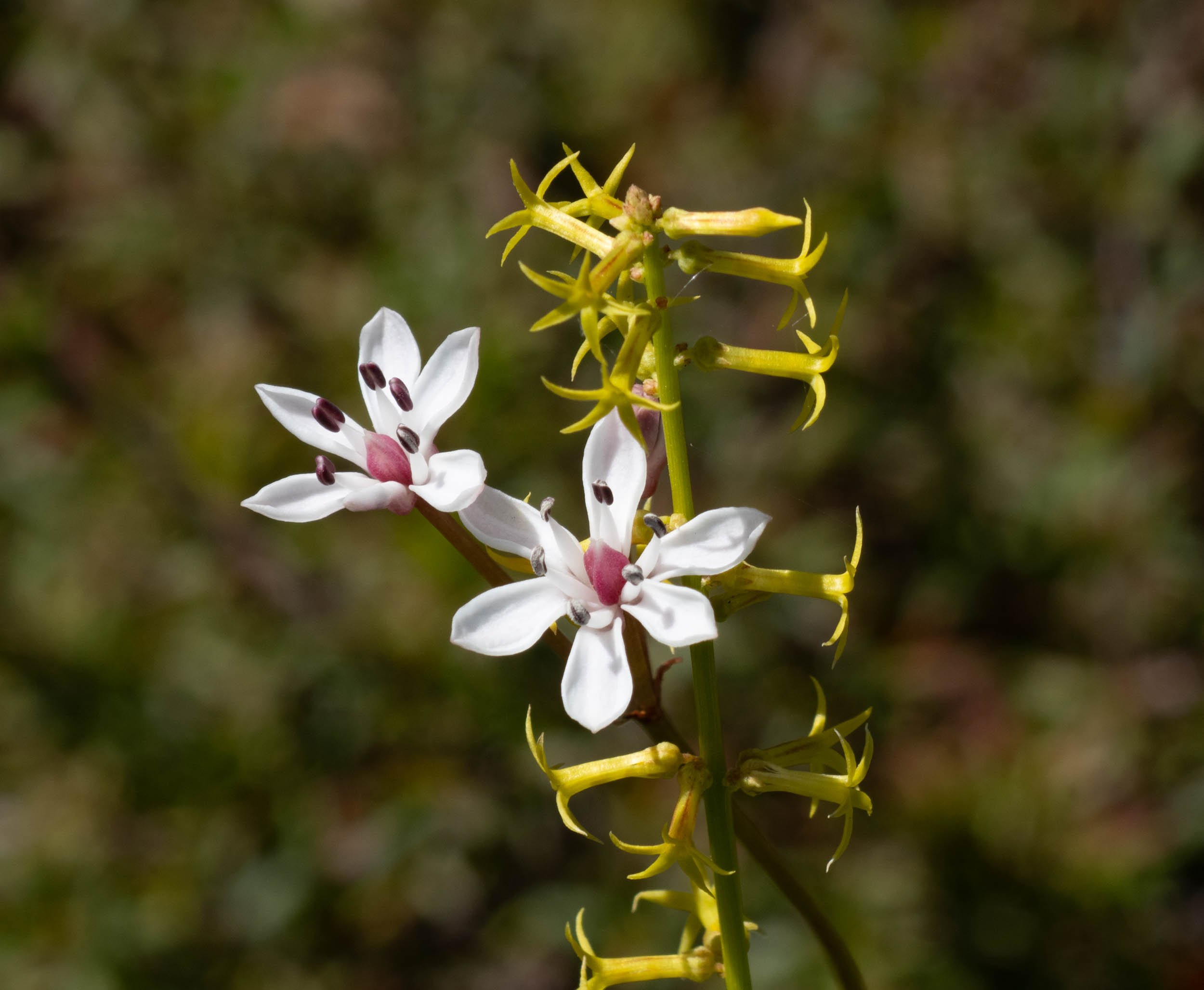
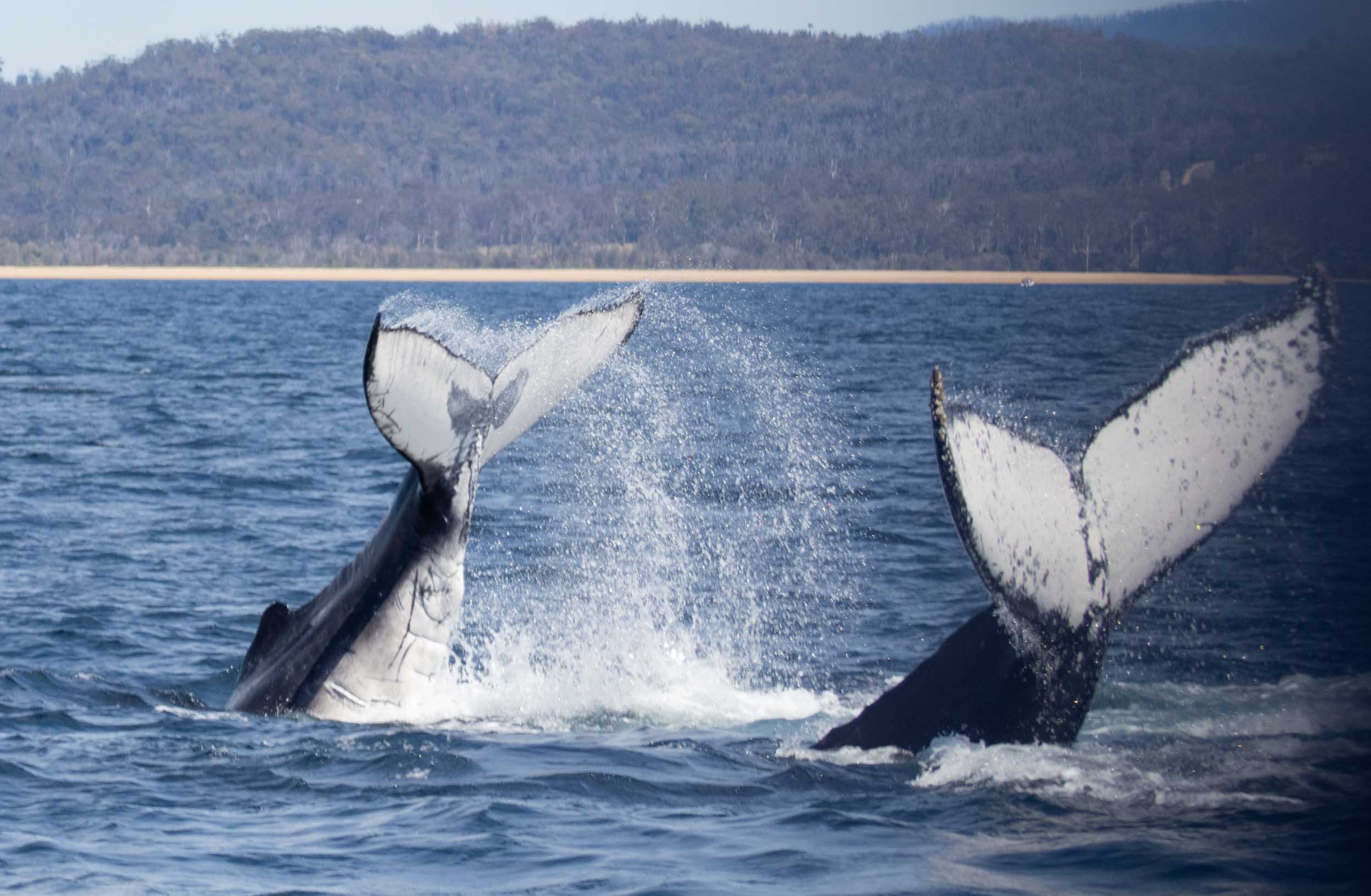
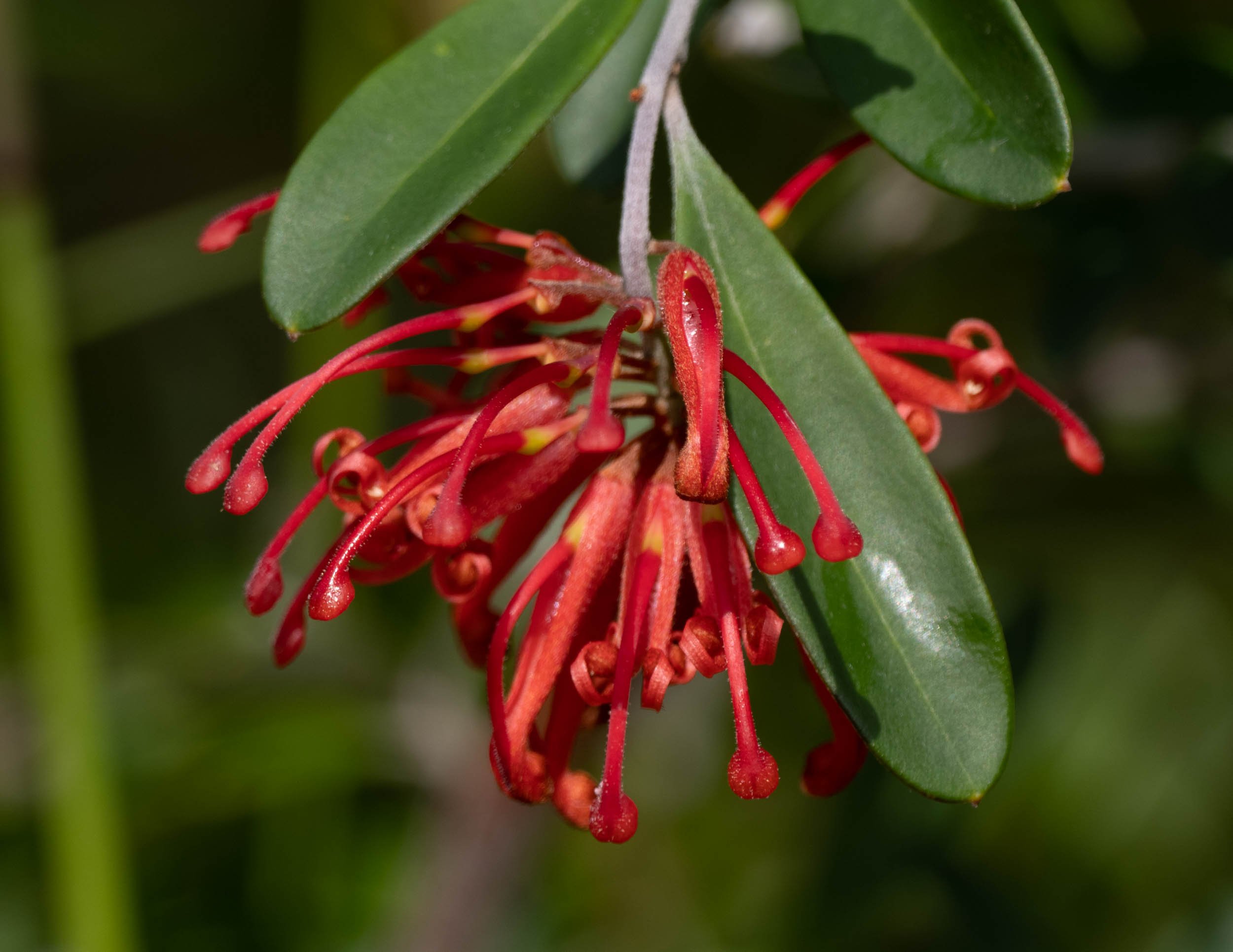
3rd October, 2022 … a lovely day with friends, and a surprising number of special plants

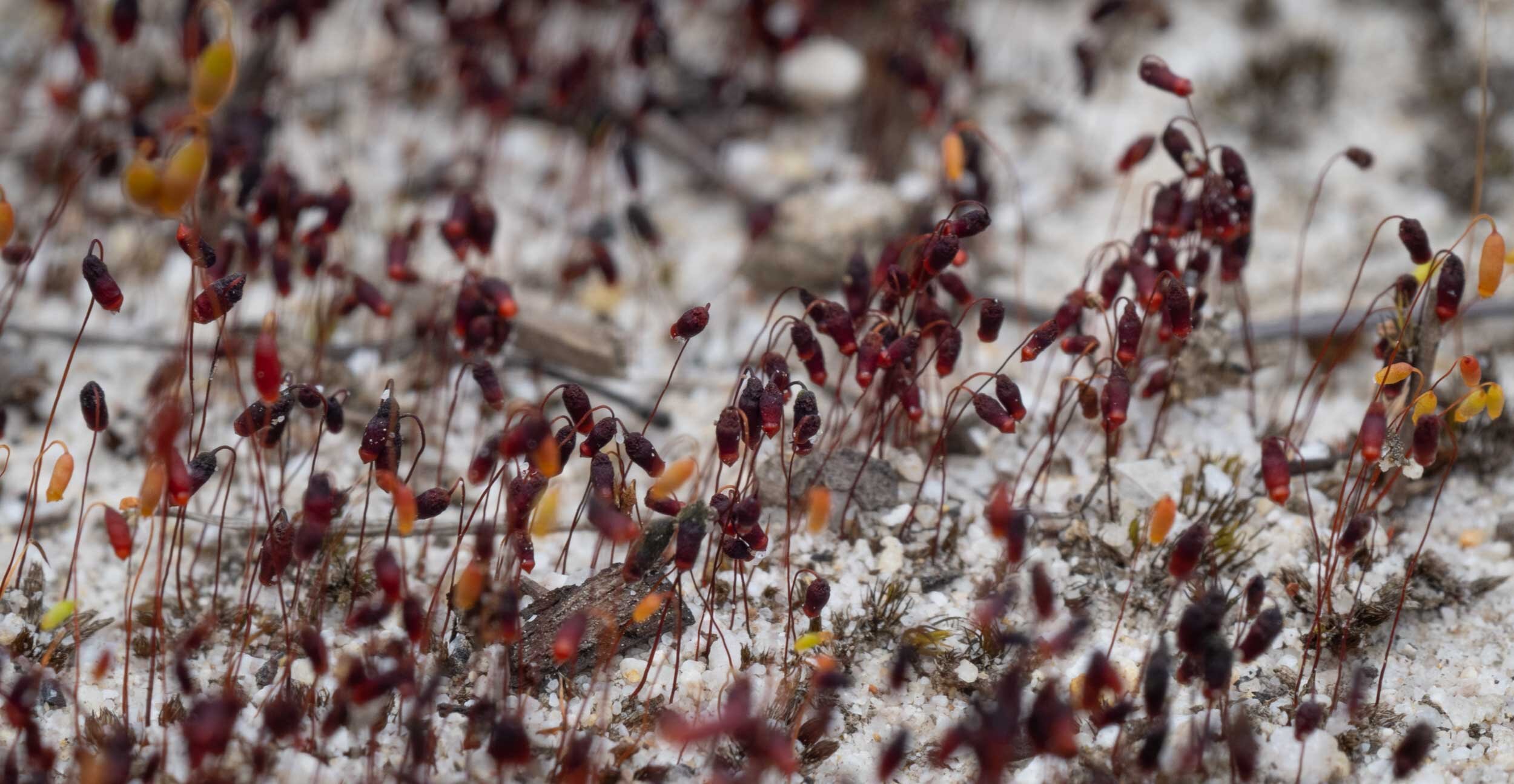

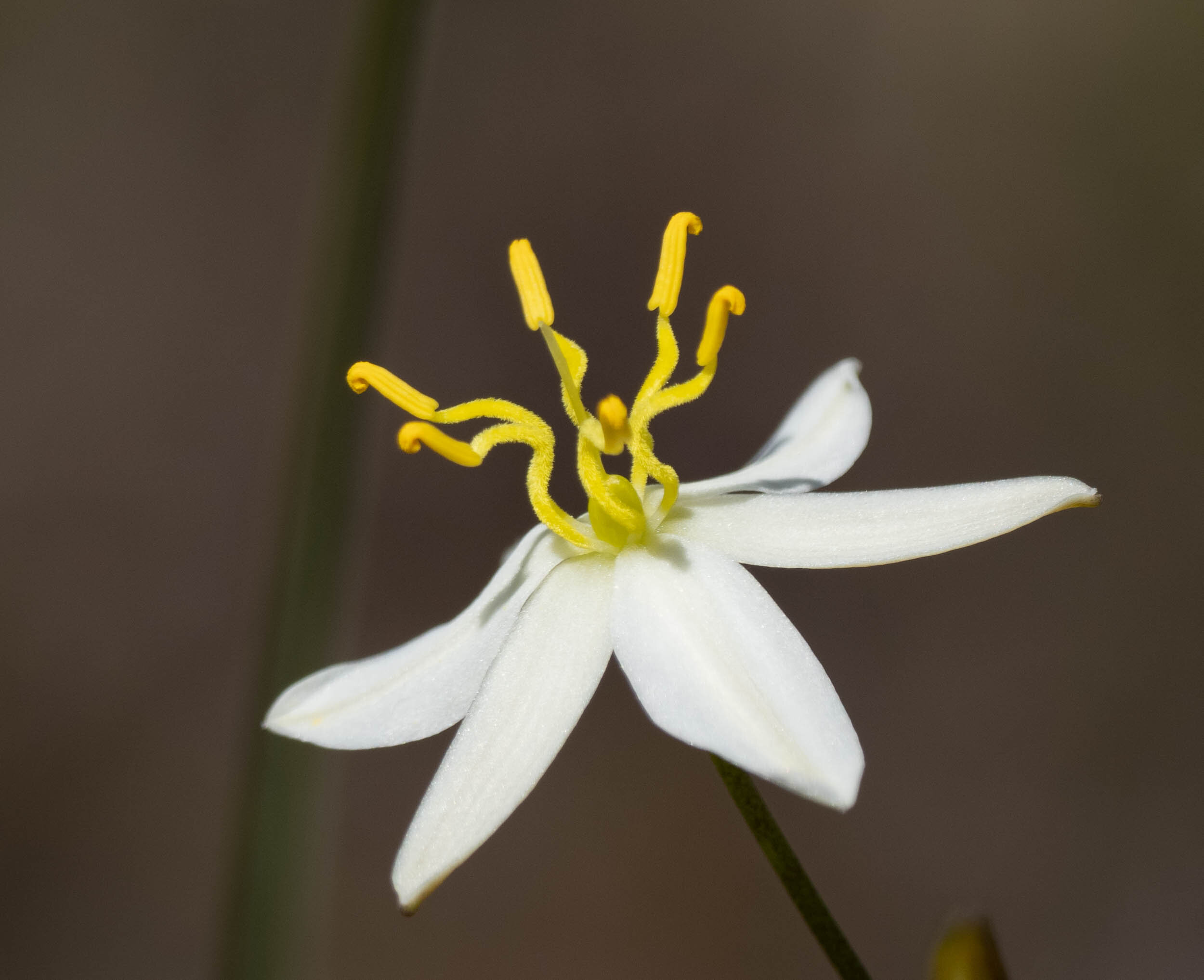
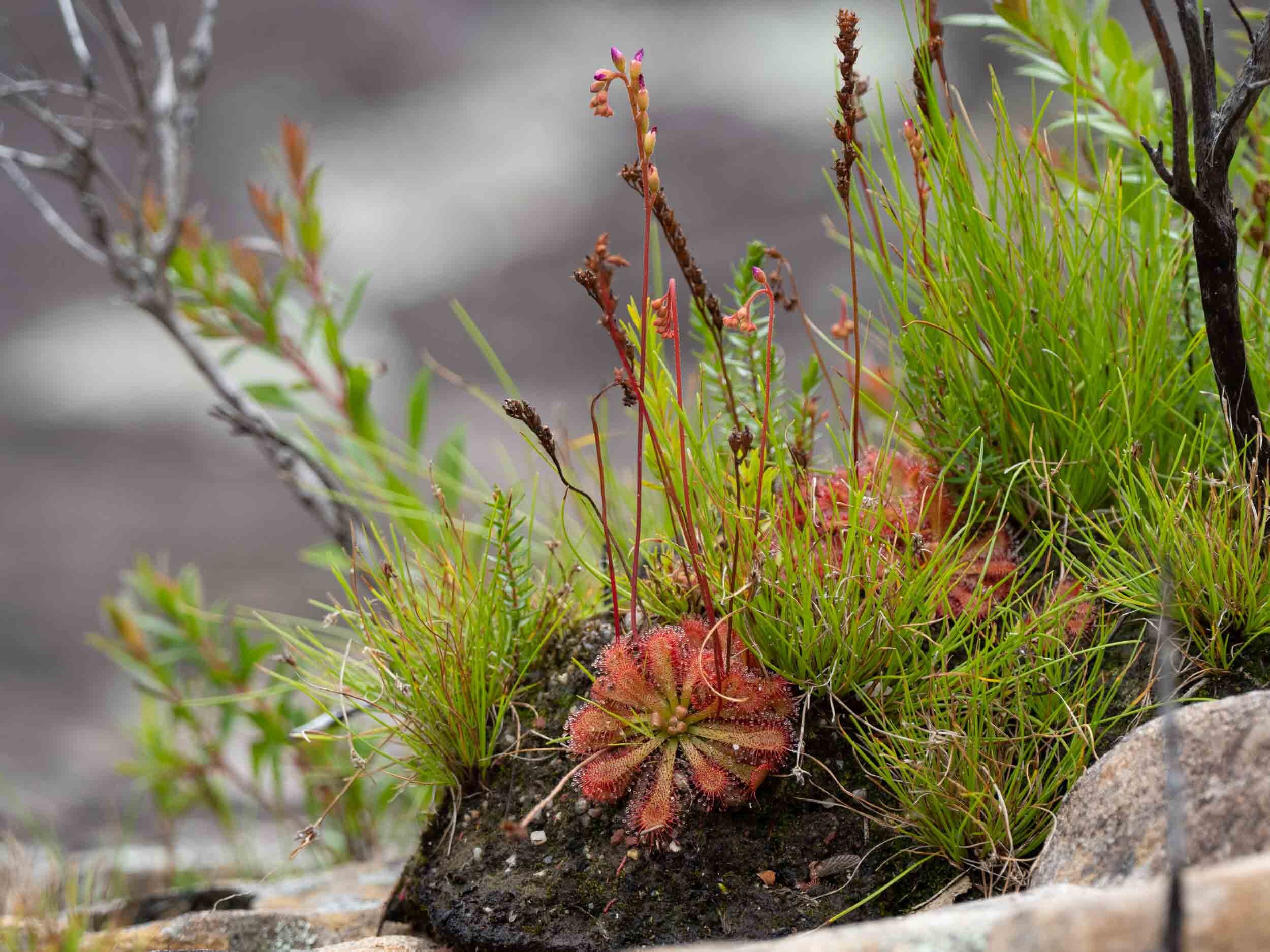


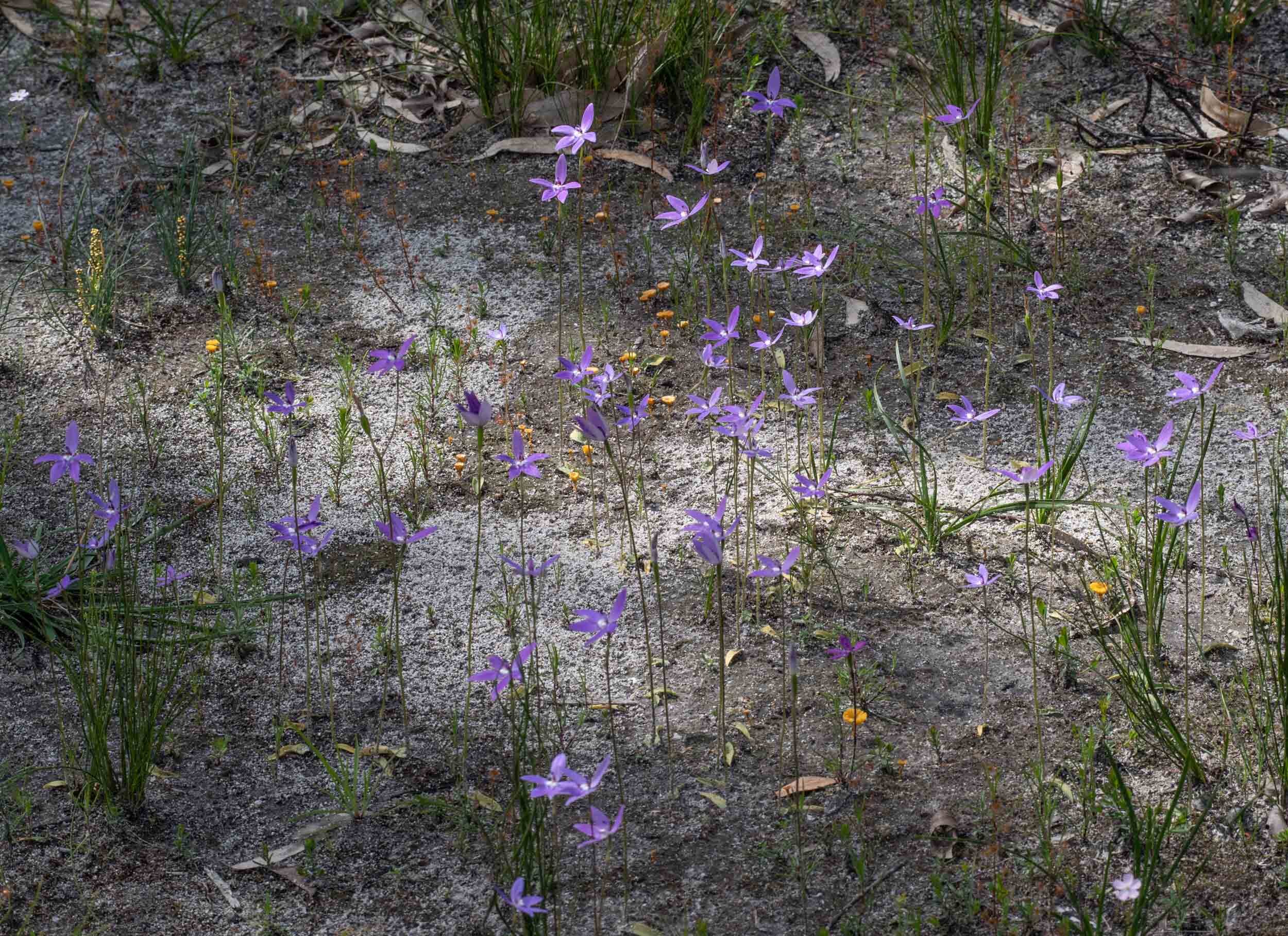
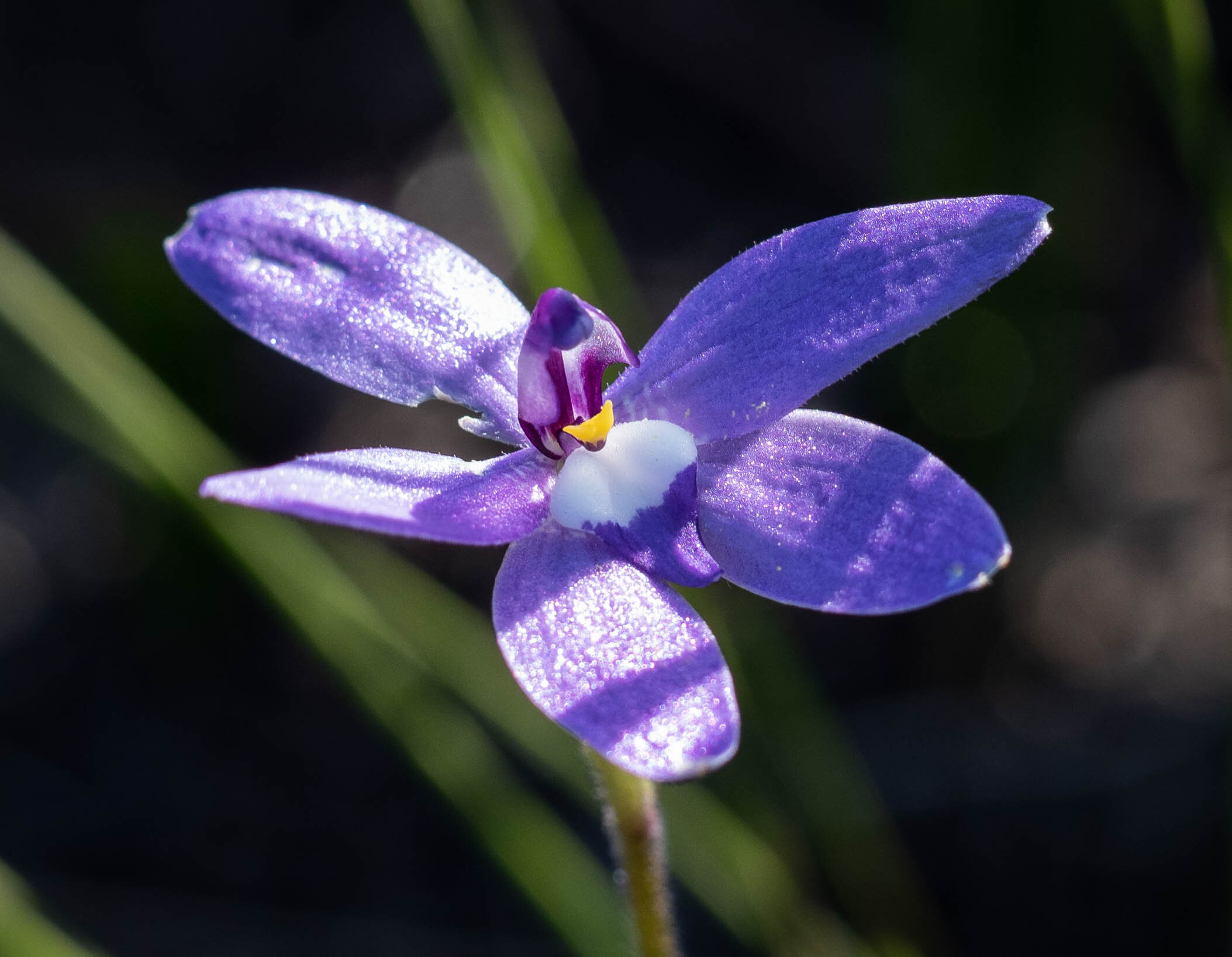
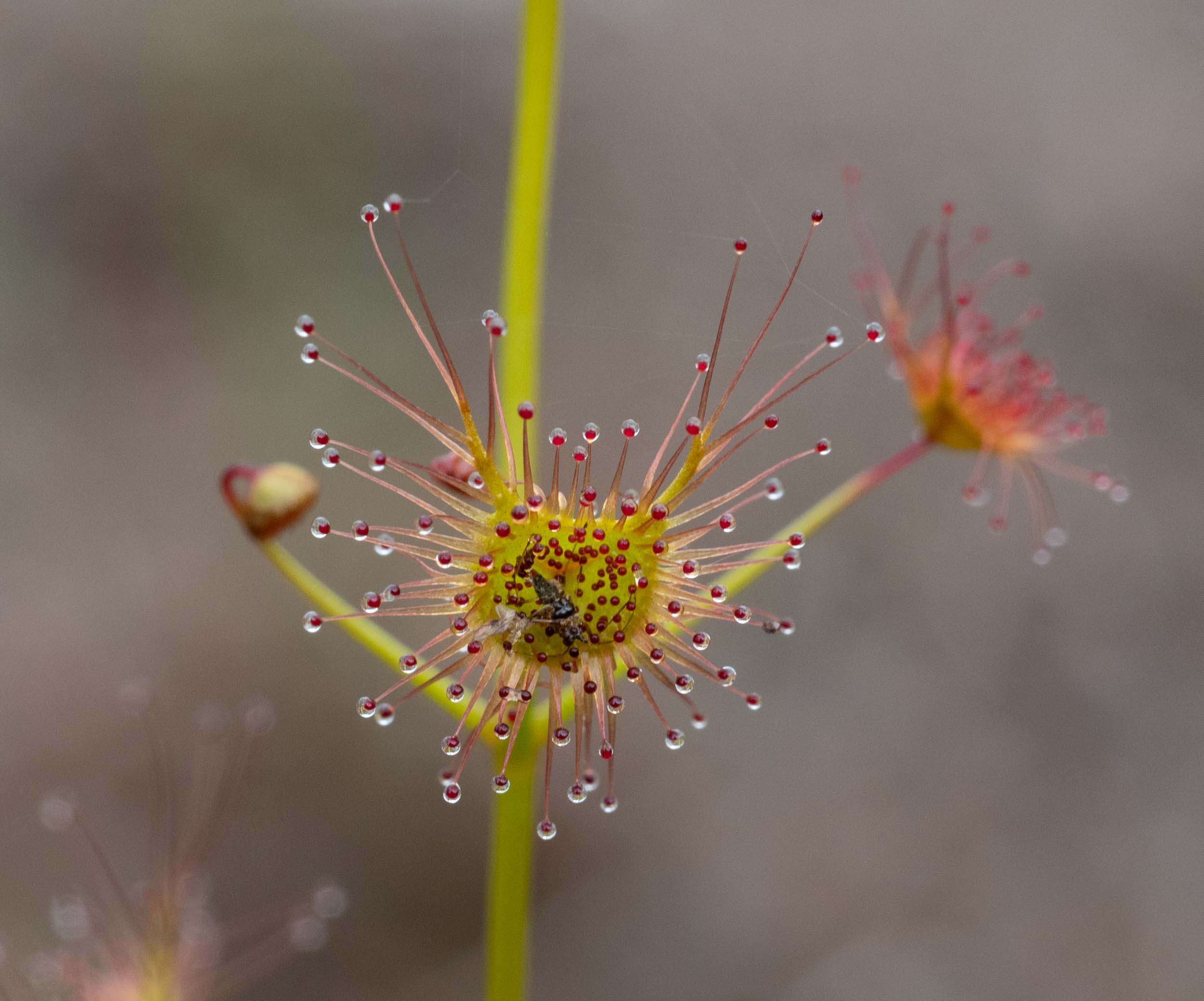
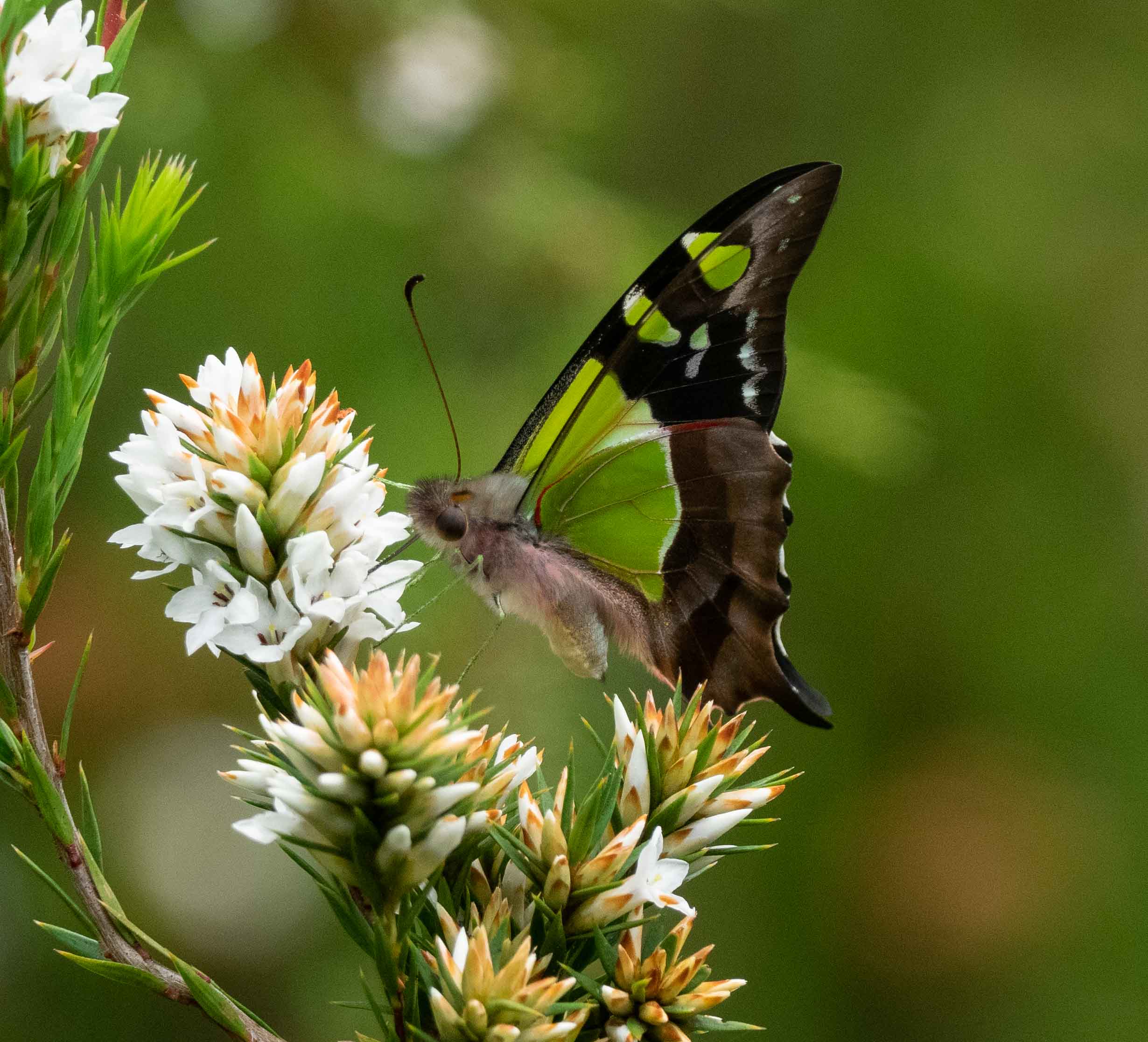
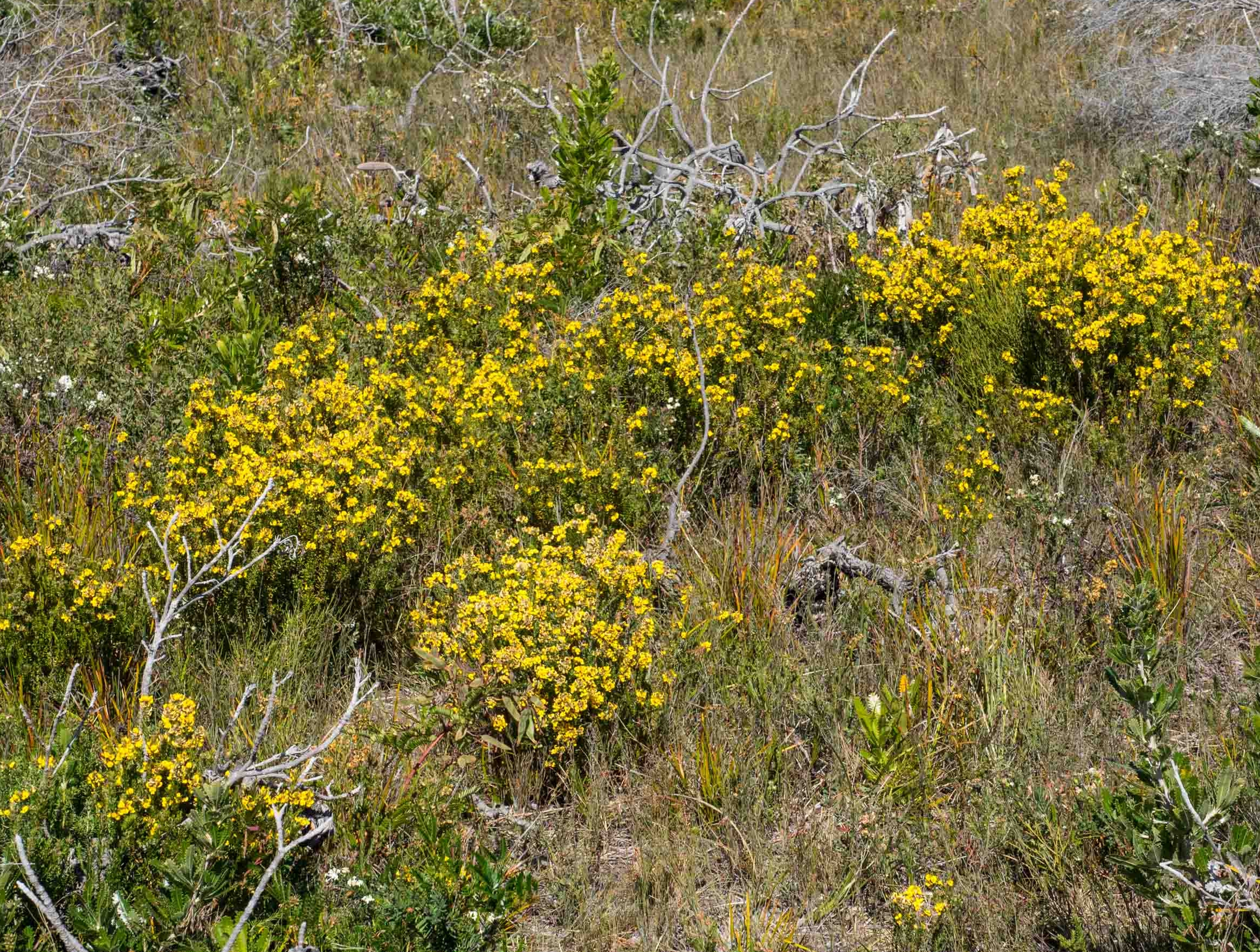

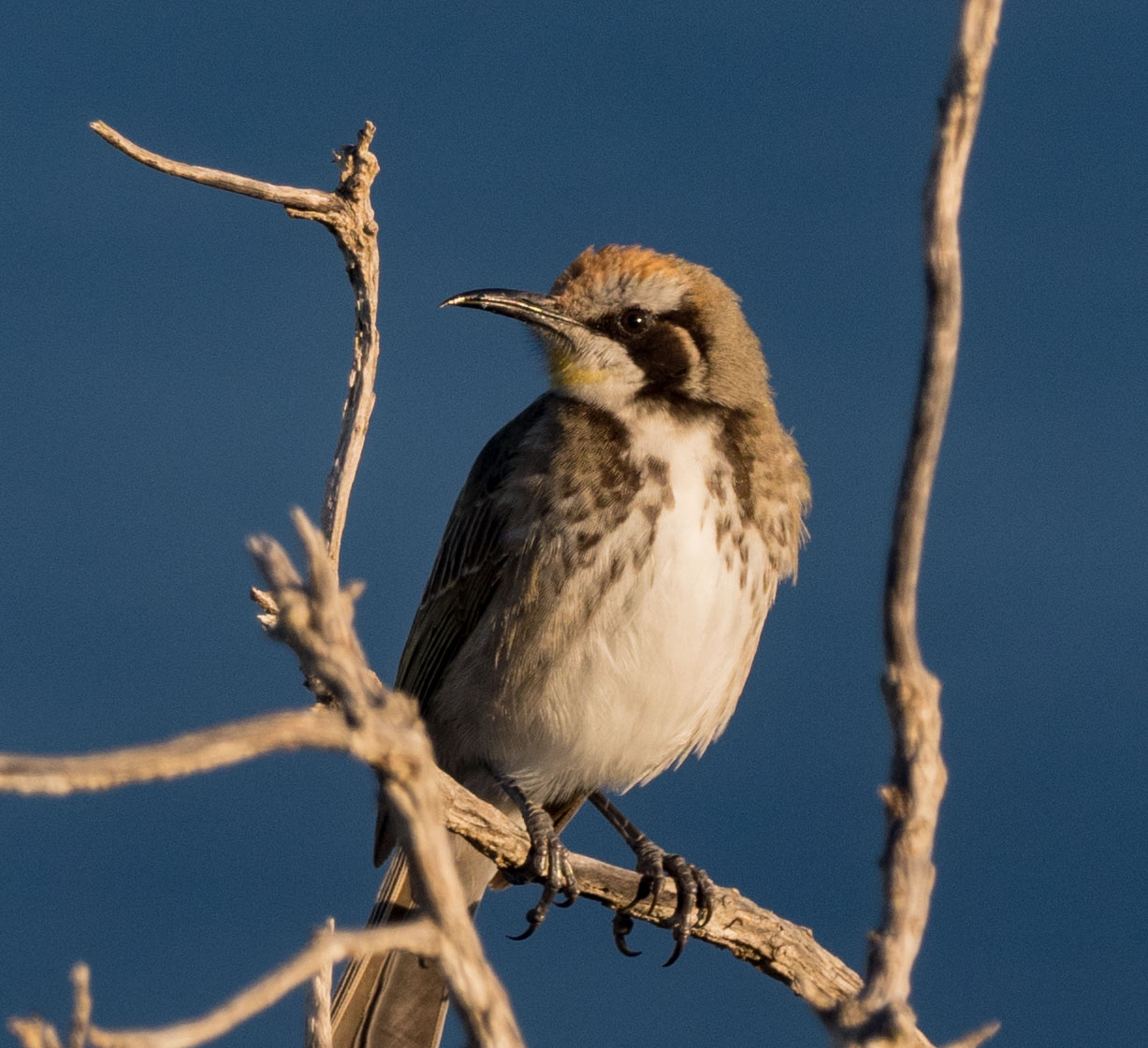
Just 10km from our home forest is a very different natural environment. Tawny-crowned Honeyeaters are a distinctive feature of coastal heath communities.
From our travels
When we travel, we twitch. We tend to base our trip planning around recognised birding sites, and never go anywhere without binoculars and cameras. The following blog is where we share the discoveries we make on such adventures.
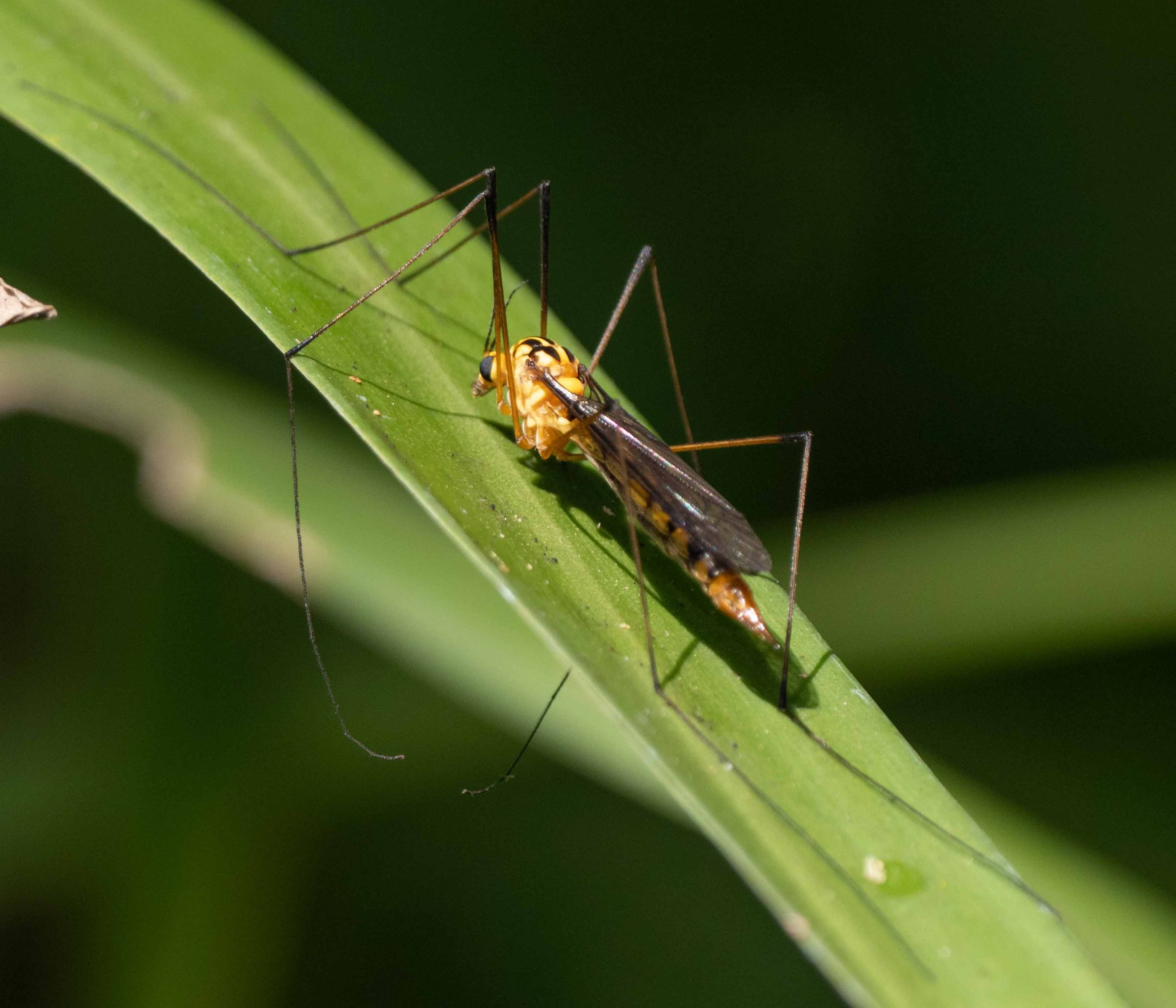
Just a few days in Yamba … and we found the sand wasps I was seeking, plus a few other interesting insects in the heathland and nearby stands of littoral rainforest.
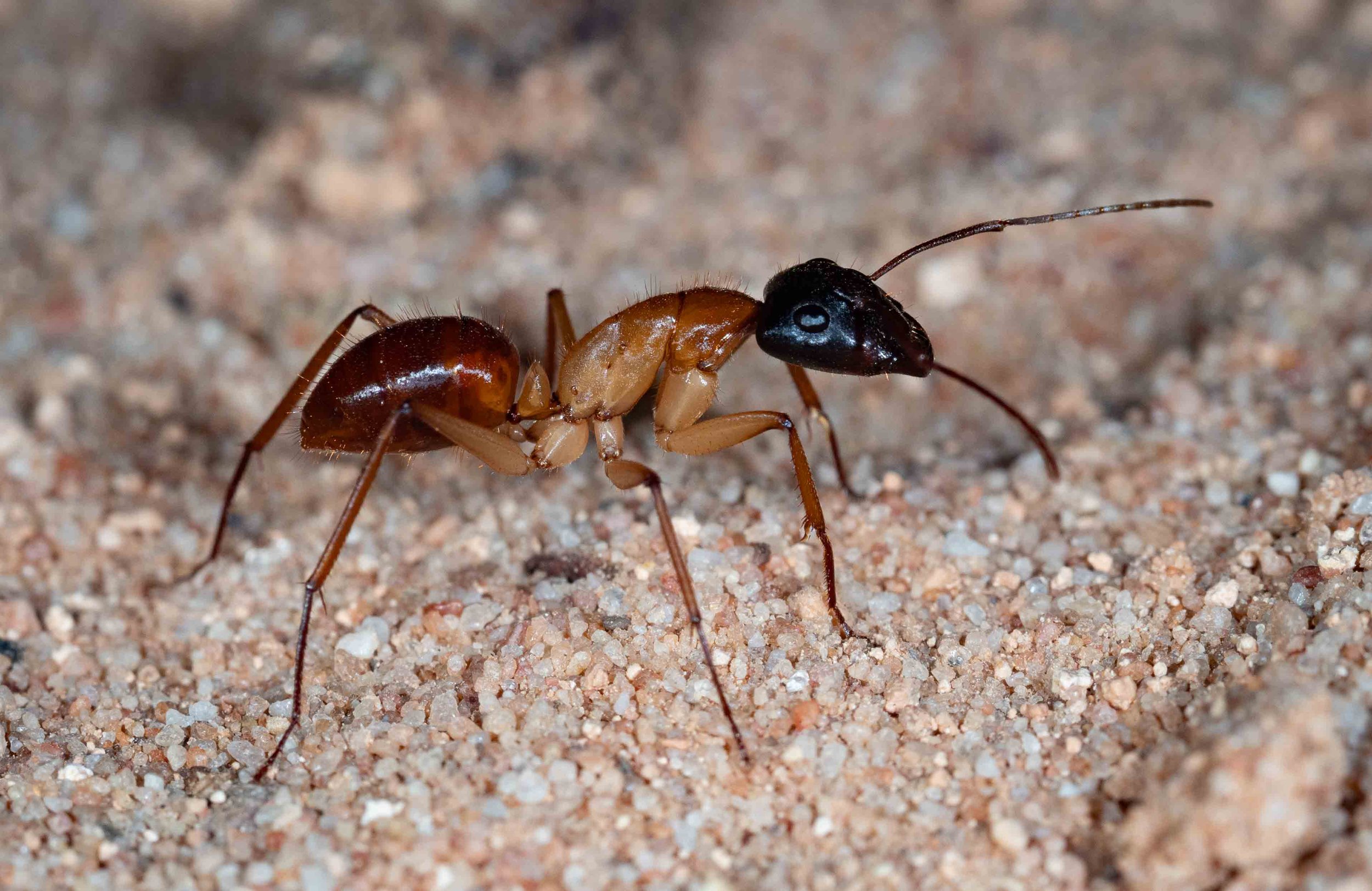
8-10th April, 2024, at the conservation property ‘Explore the Mallee’, near Patchewollock, Victoria
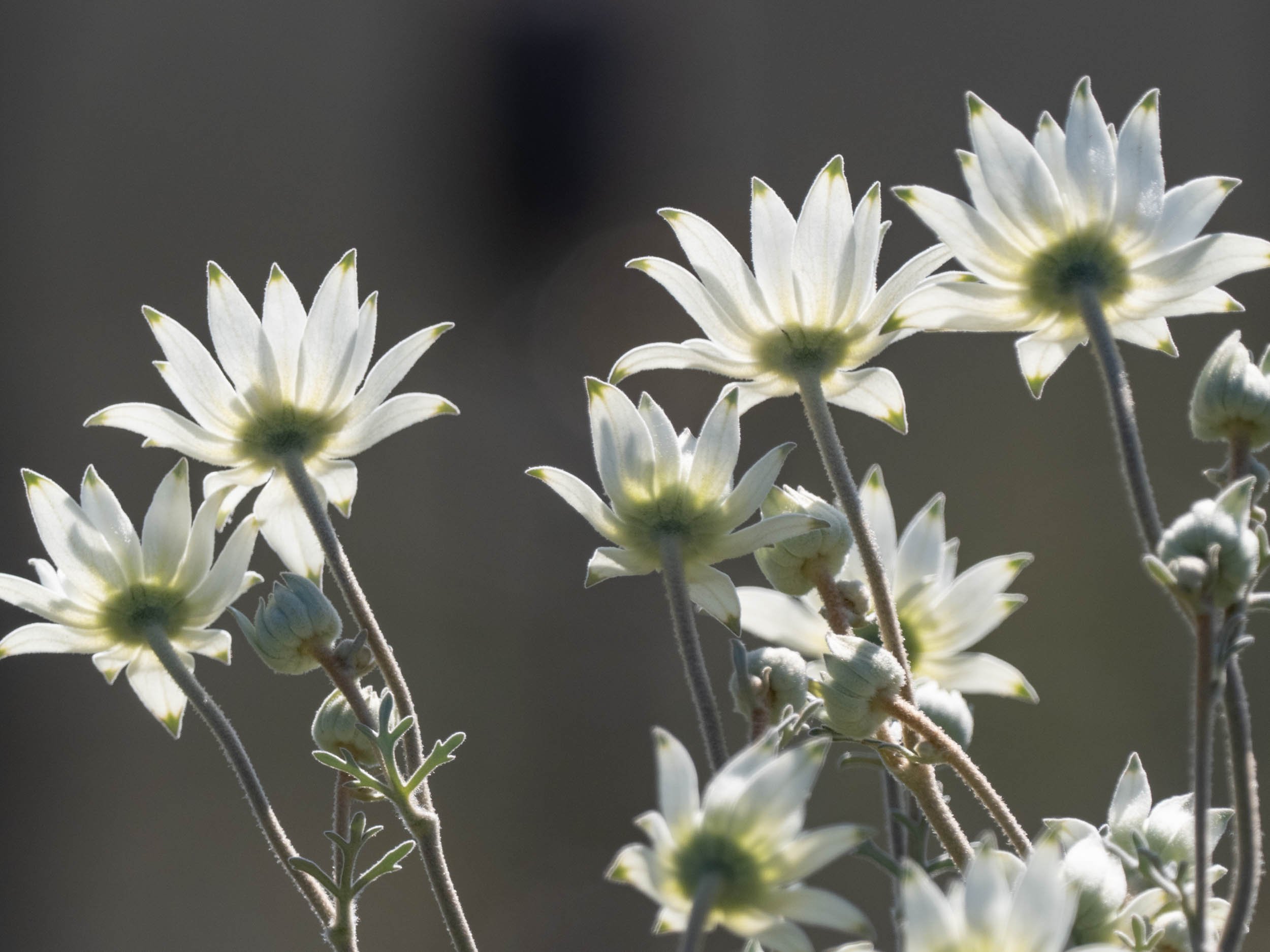
A couple of weeks visiting family provides us with the excuse to prowl the varied natural habitats of this nature-rich part of northern NSW.
31st July to 12th August, 2023
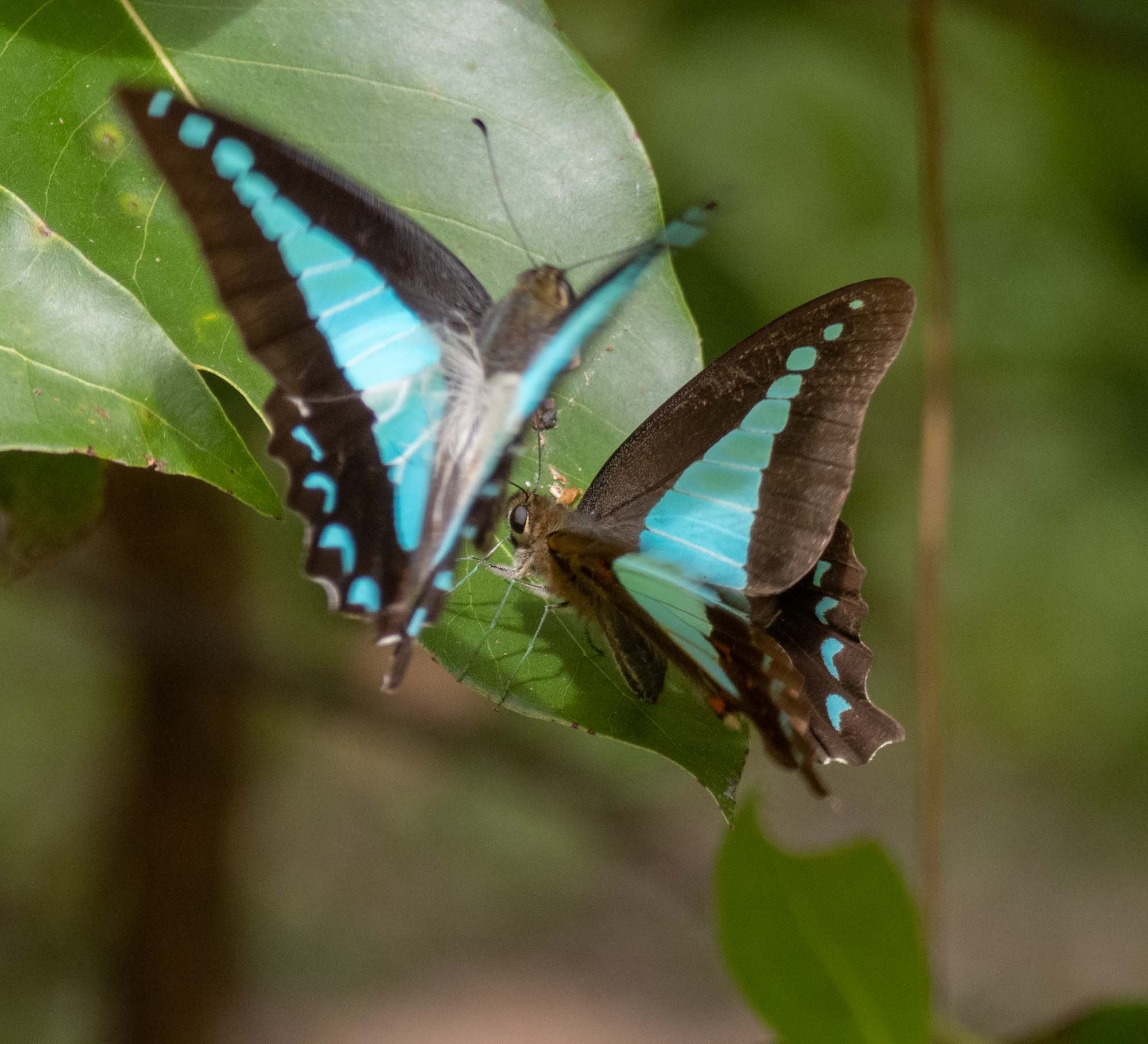
During a short stay with family on the edge of rainforest in northern NSW we uncover a vast array of unfamiliar insects.
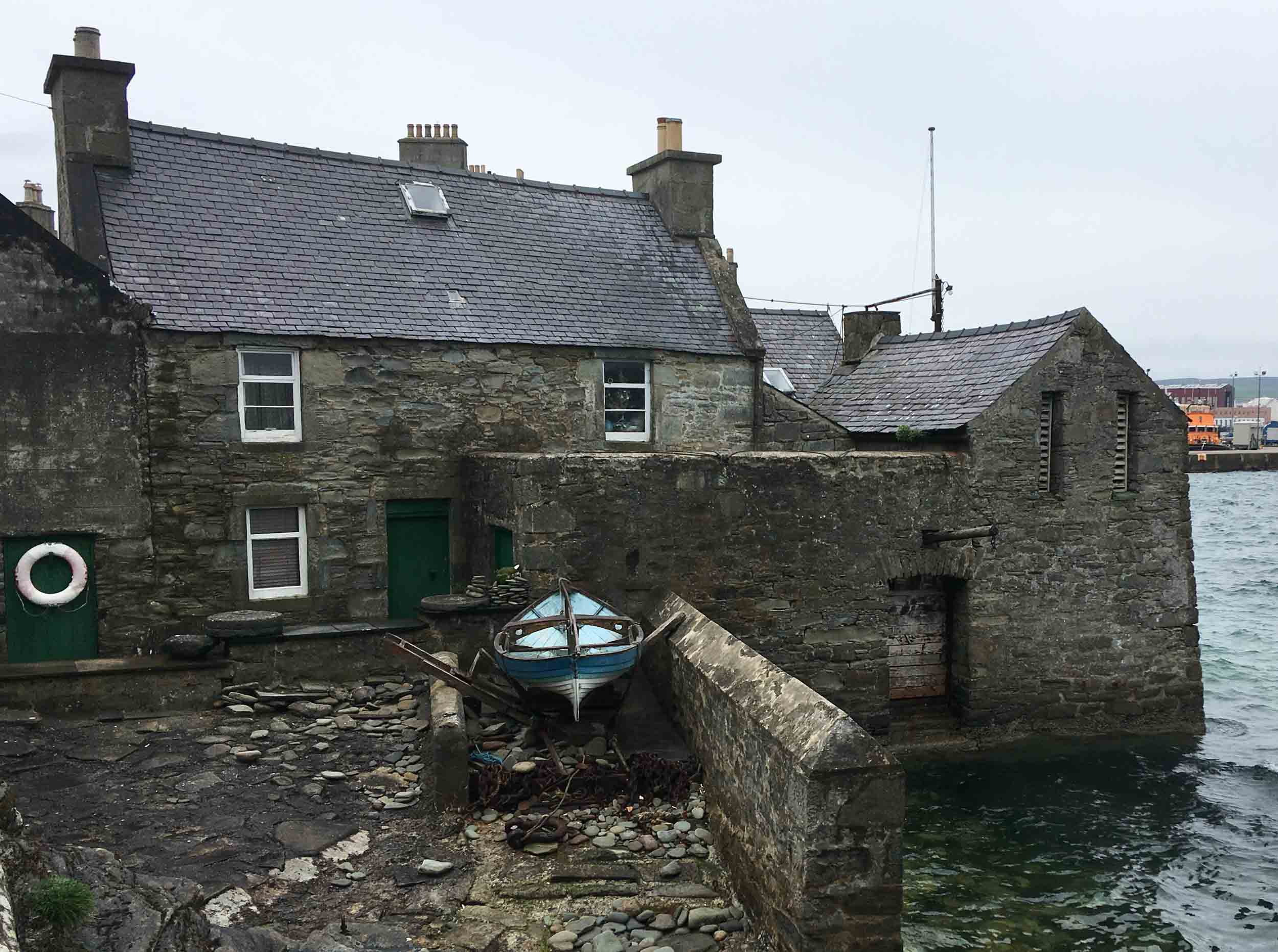
28 May - 7 June: a tour of the landscapes, plus various other Shetland Island birds.
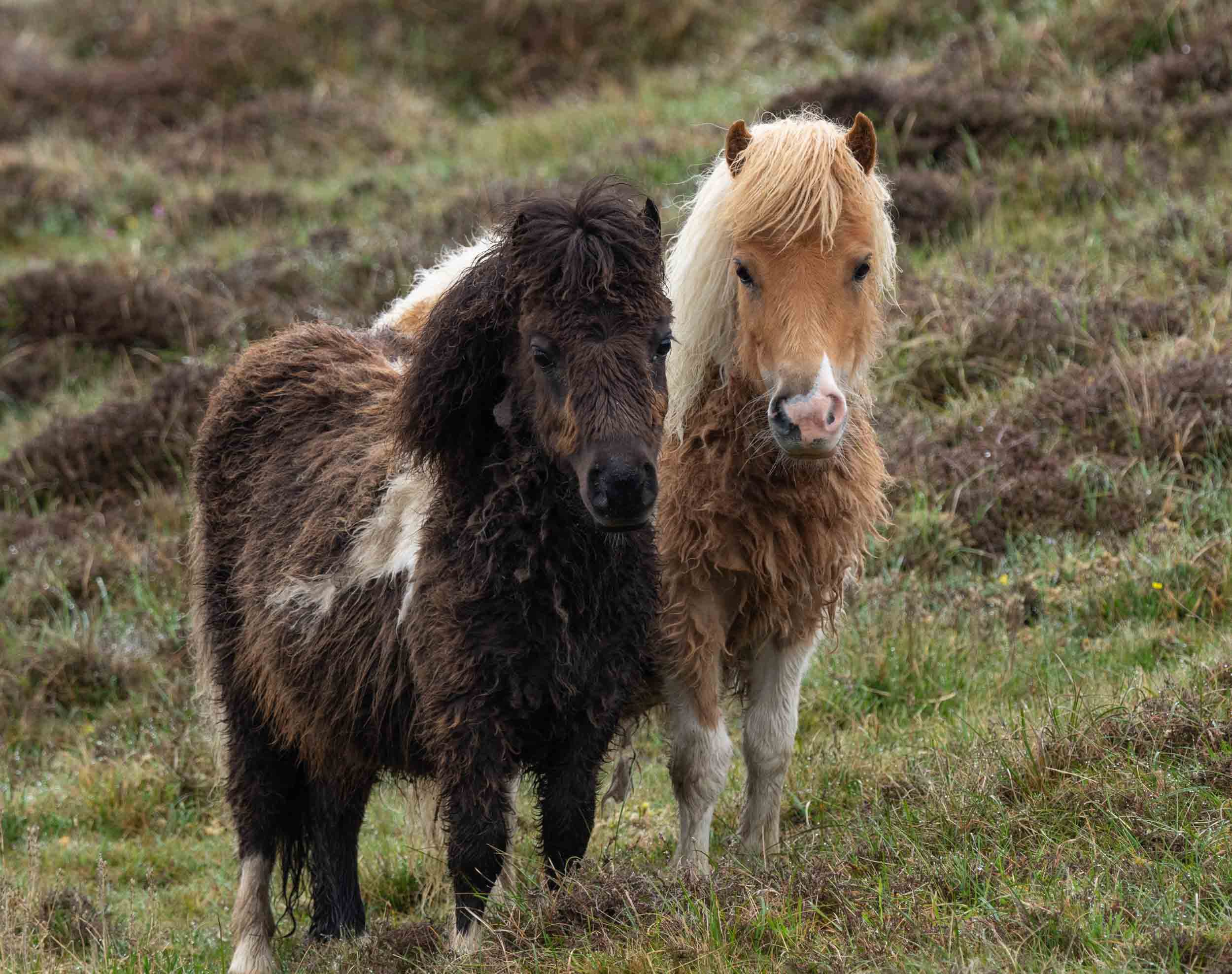
28 May - 7 June: from ancient domestic breeds to a rare glimpse of passing killer whales.
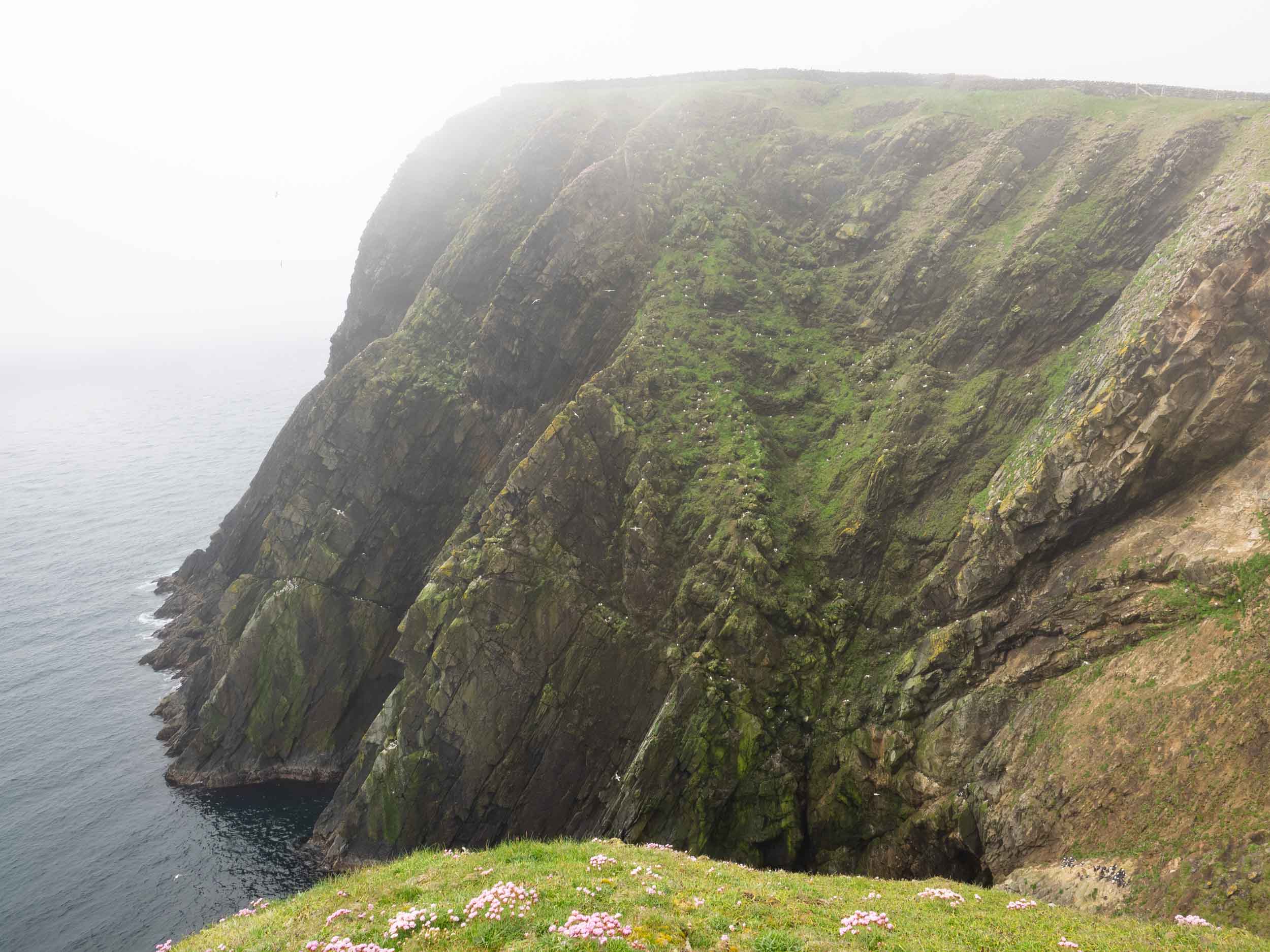
28 May - 7 June: a closer look at four of the cliff-nesting seabirds – fulmars, guillemots, gannets and (of course!) puffins.
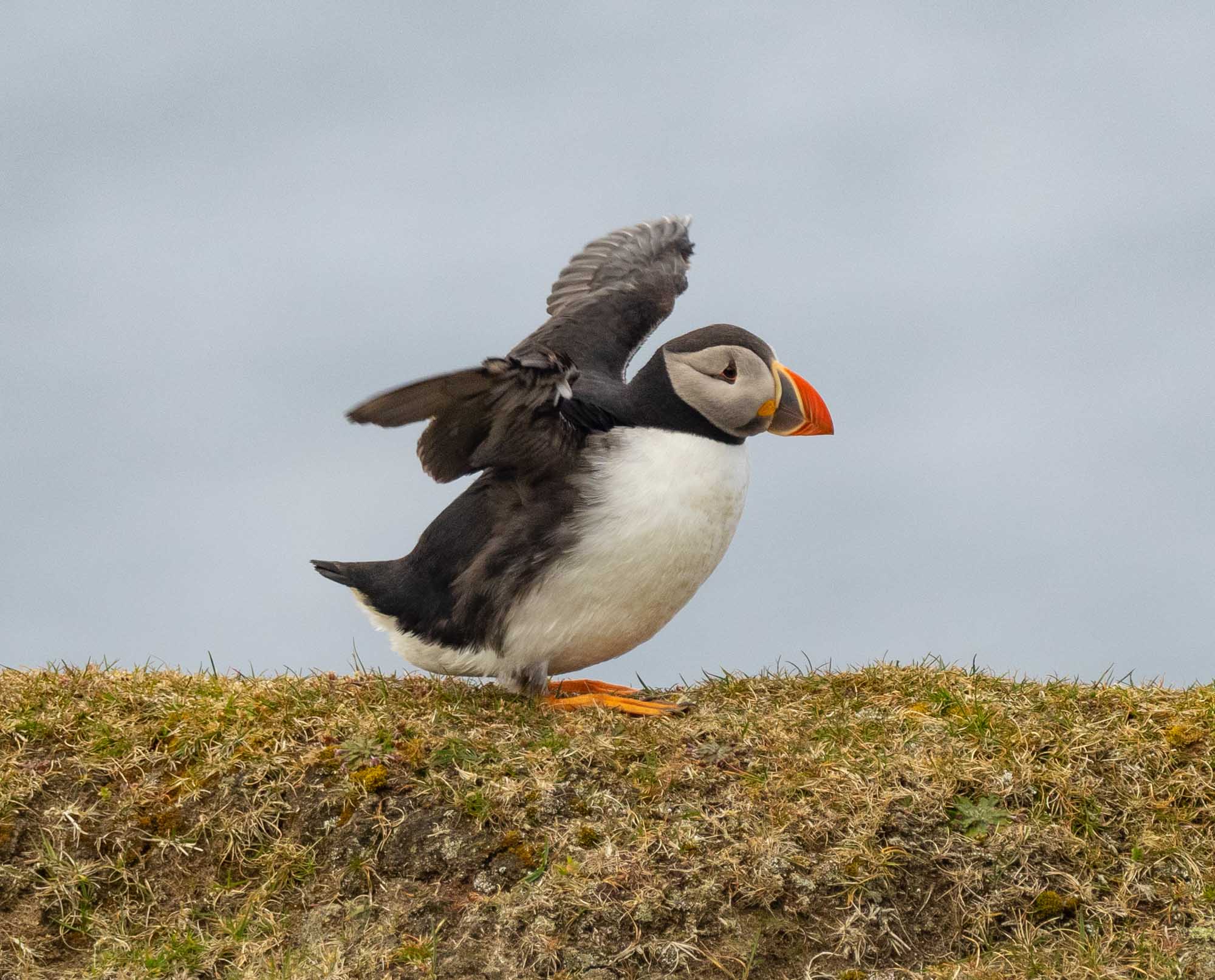
28-30 May: our arrival in the Shetland Islands, and the adventures of the first few days.
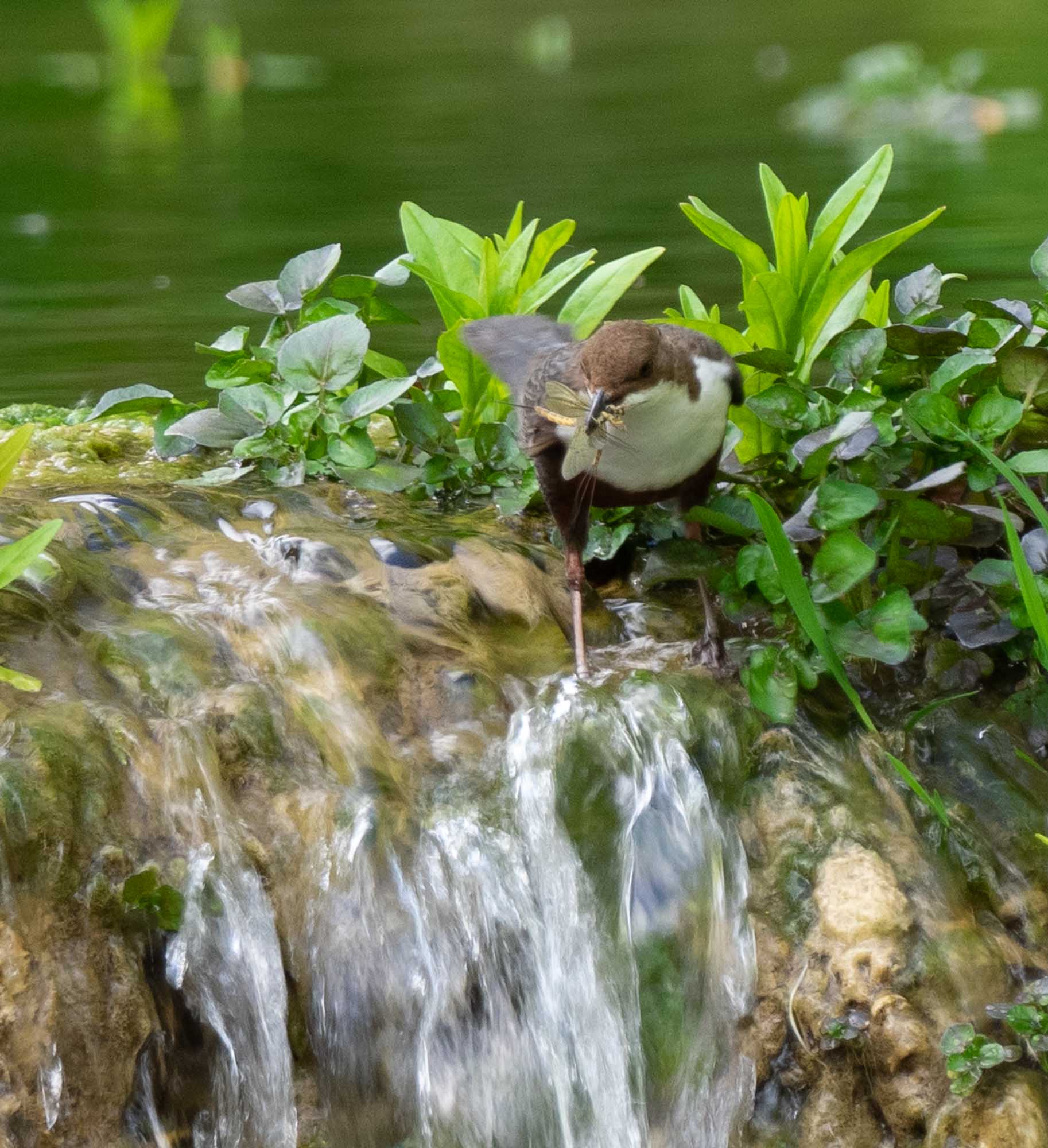
15-26 May: late Spring, and birds from southern Germany to Stockholm are in breeding mode
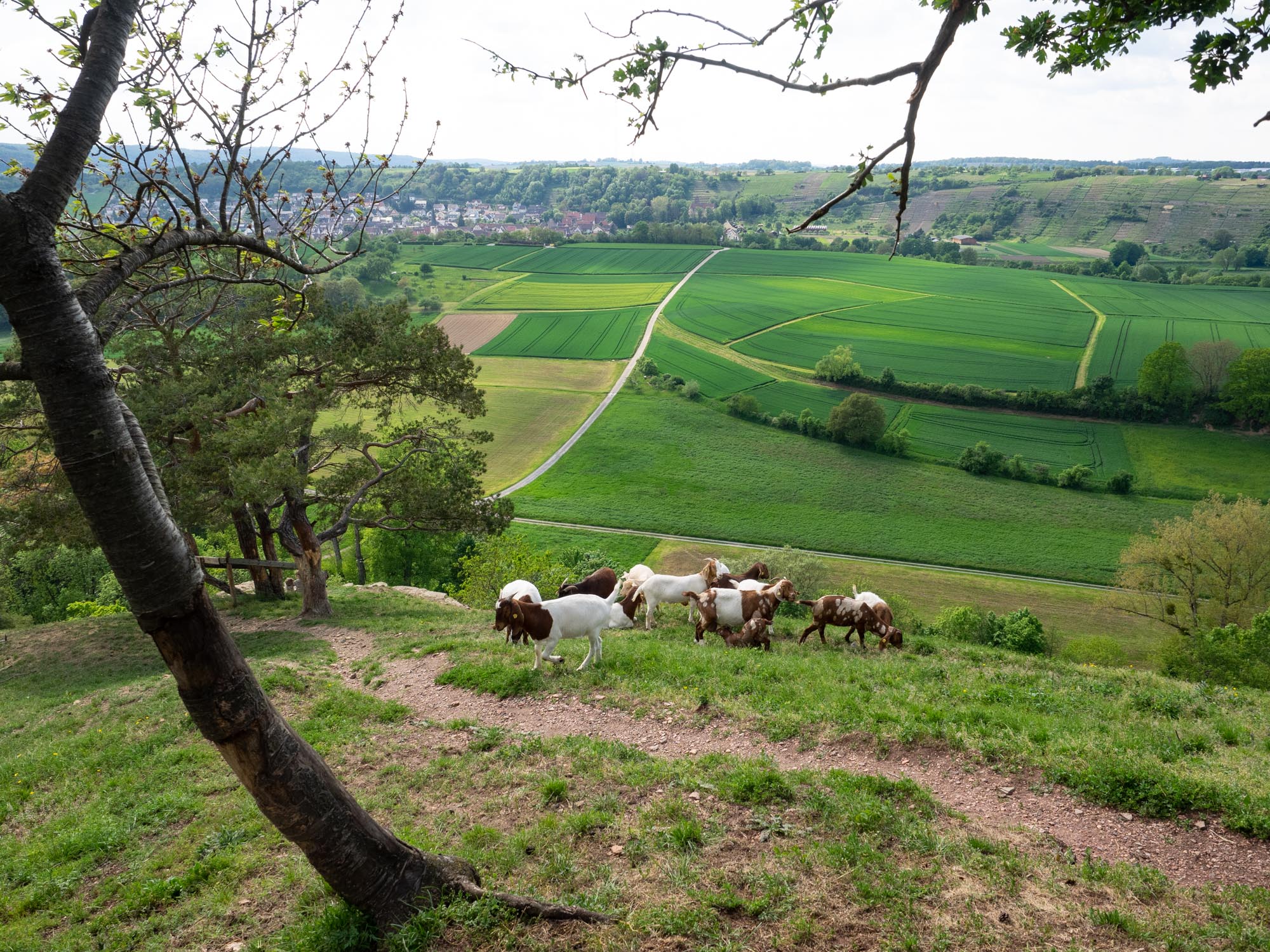
19-23 May: exploring nature in southern Germany, with friends
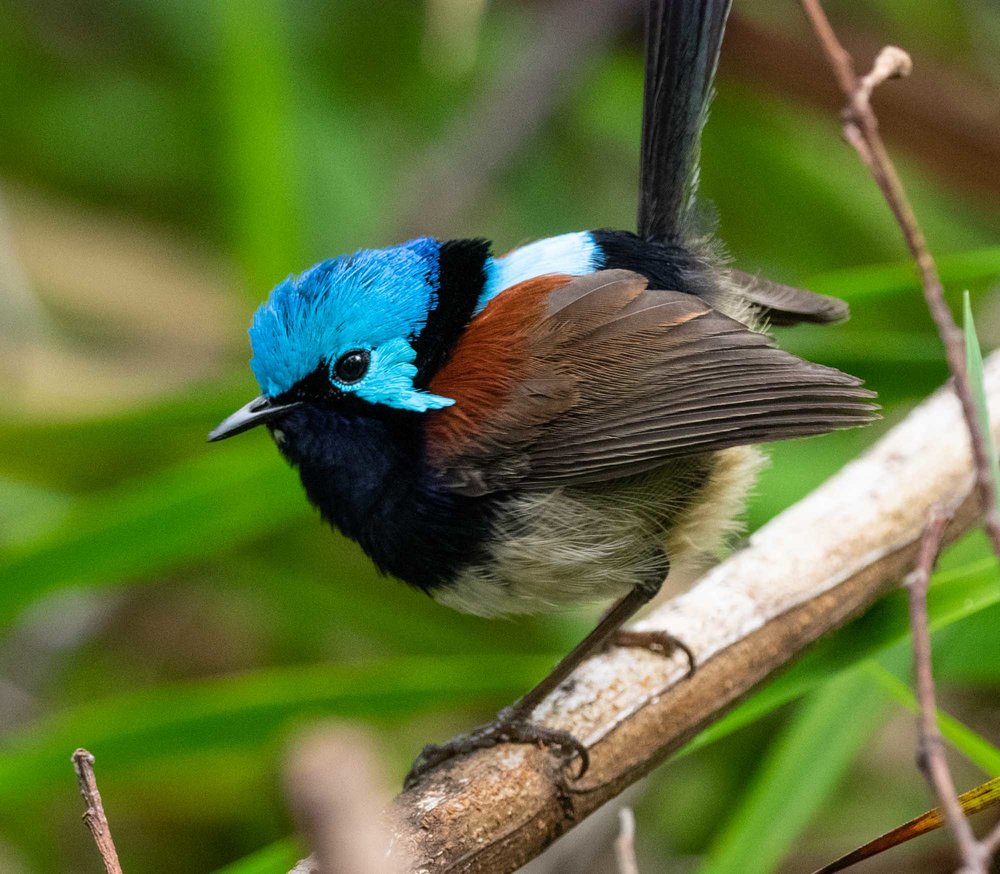
An overview of the birds we discovered in South-west WA, focussing on the endemic species and subspecies.
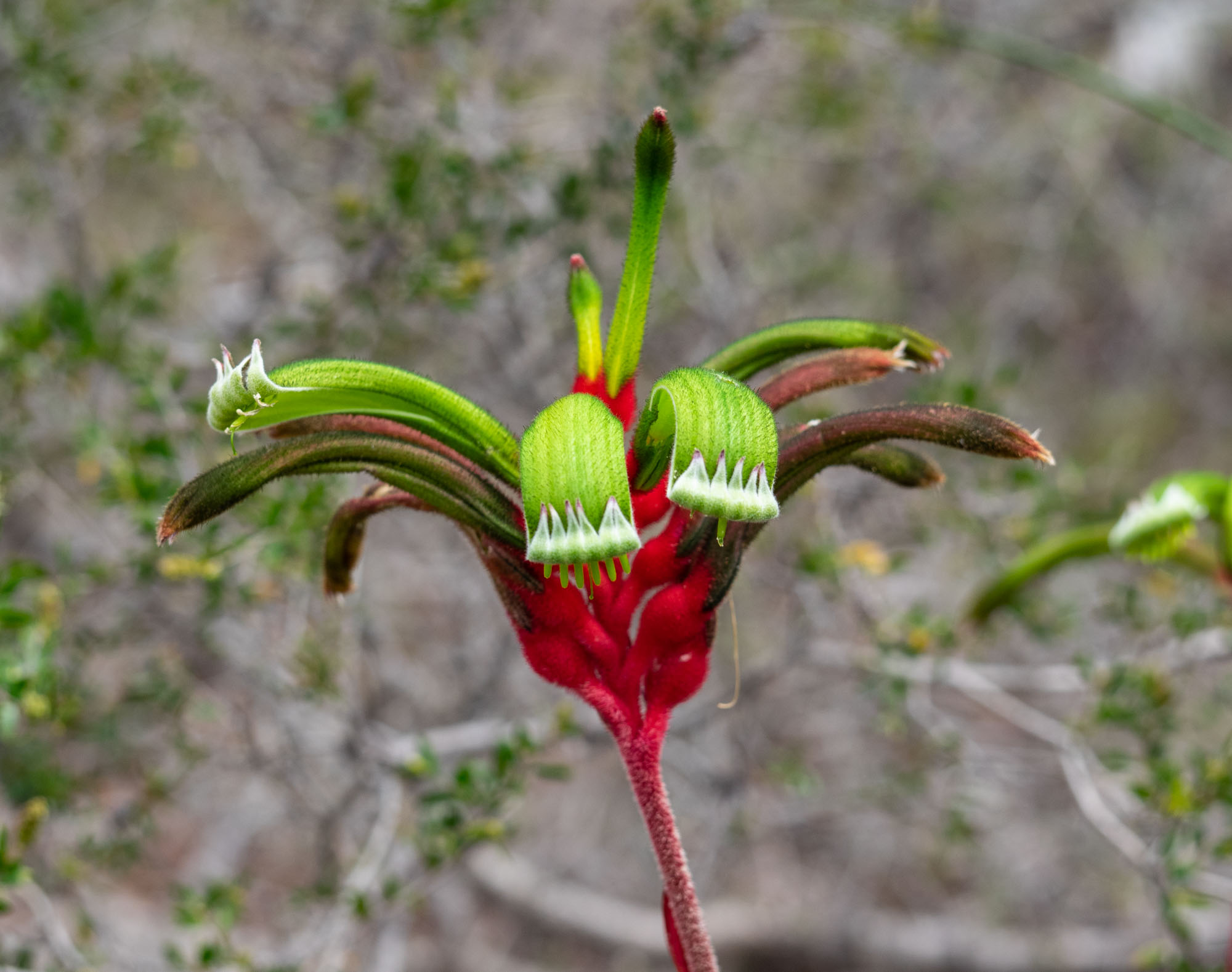
The botanical richness of WA’s southwest is breathtaking, and it’s worth considering what makes it so.
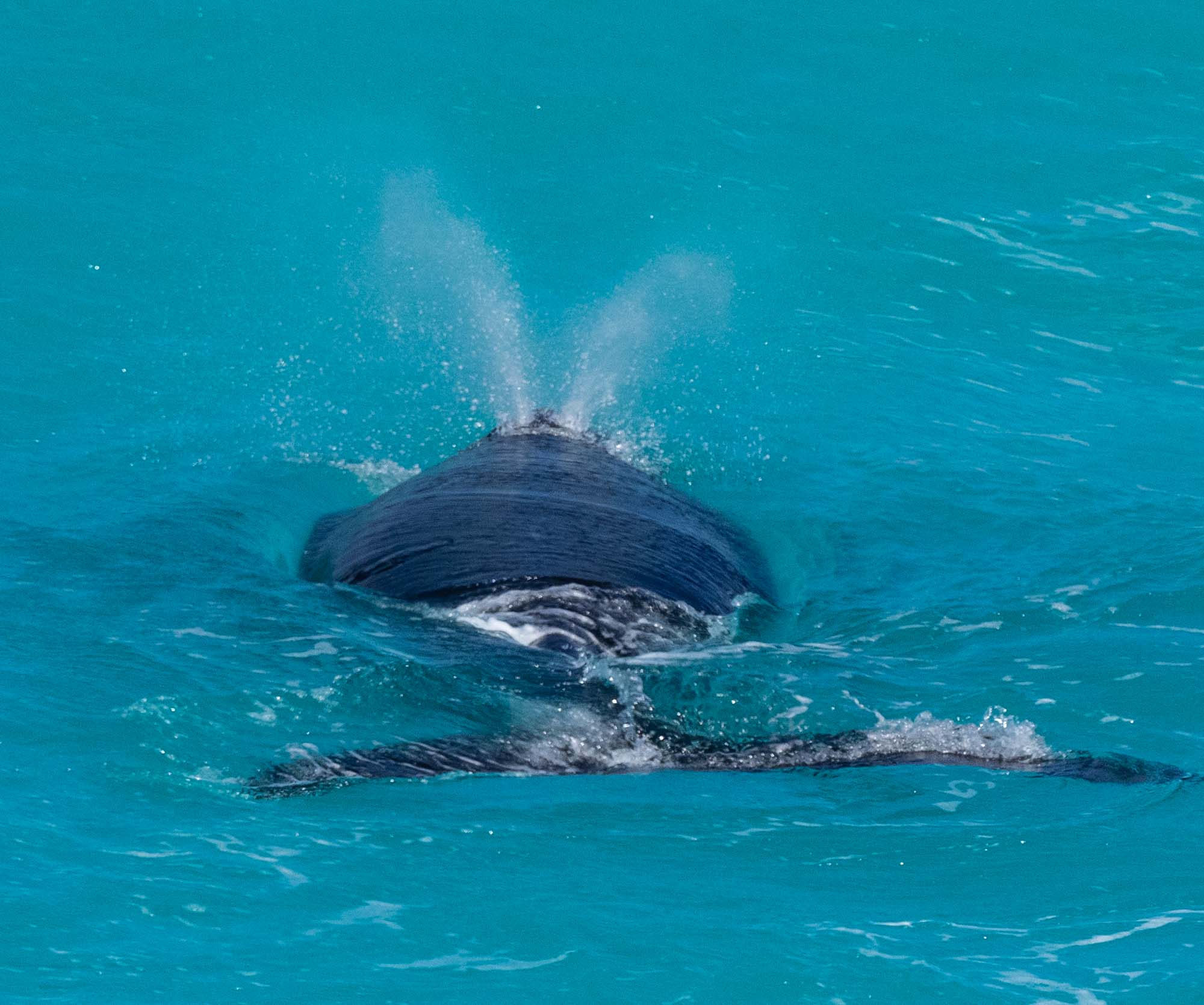
A trip to Head of Bight, just in time to see several whales before they head south again for the Summer.
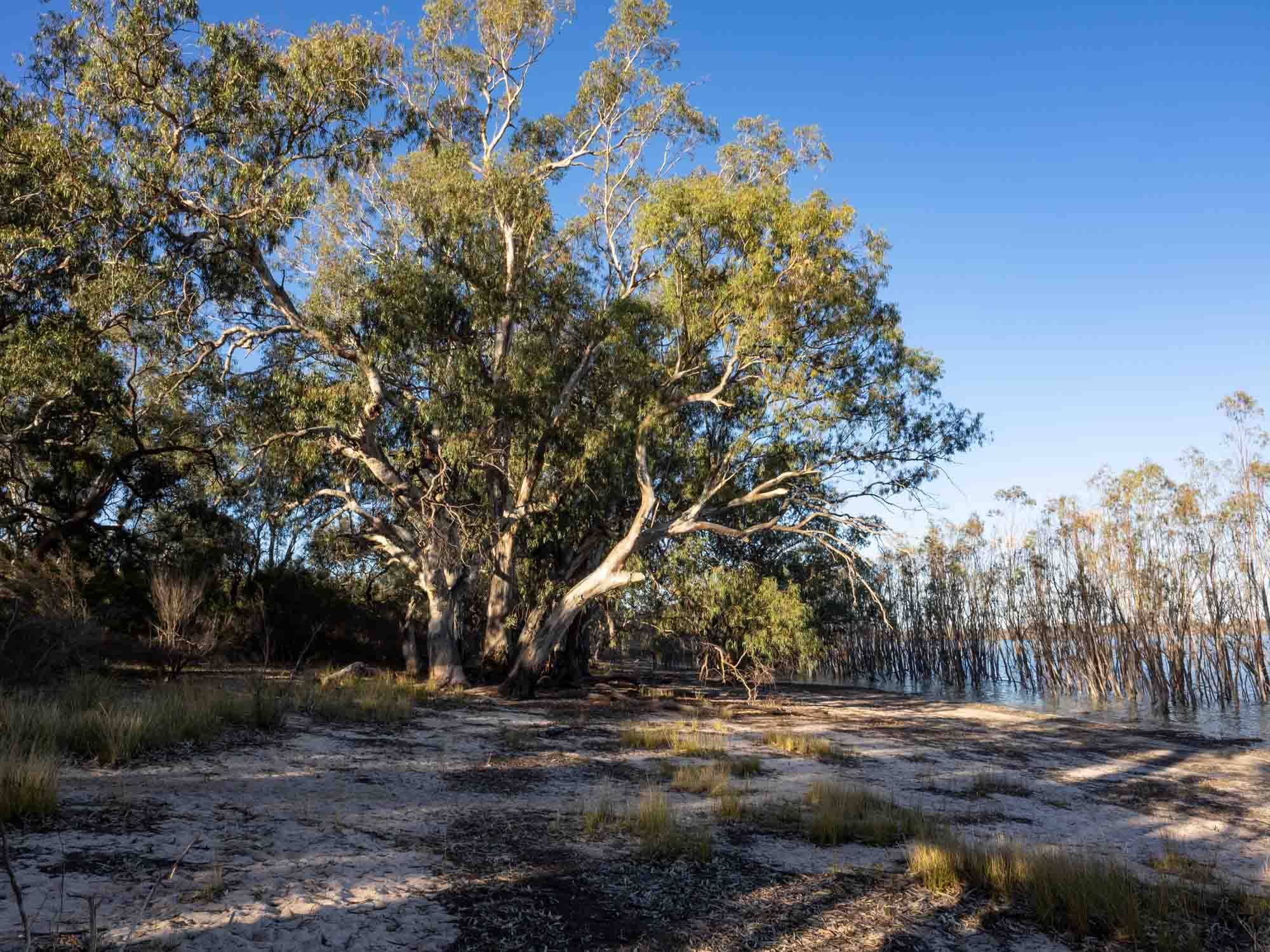
Our first stop in a natural place en route to WA presents us with two contrasting environments.
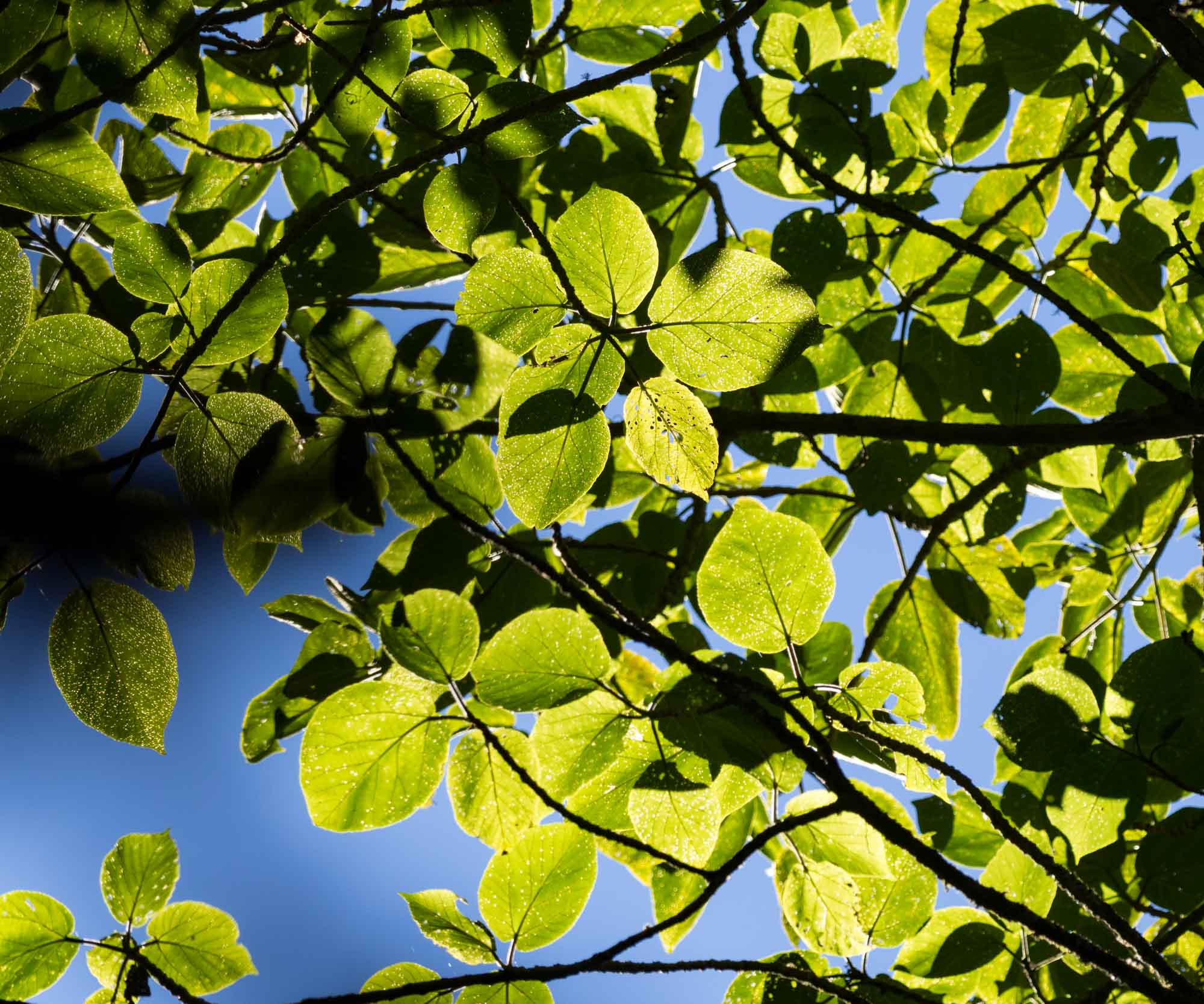
A visit to a subtropical rainforest environment provides views of both exotic and familiar birds
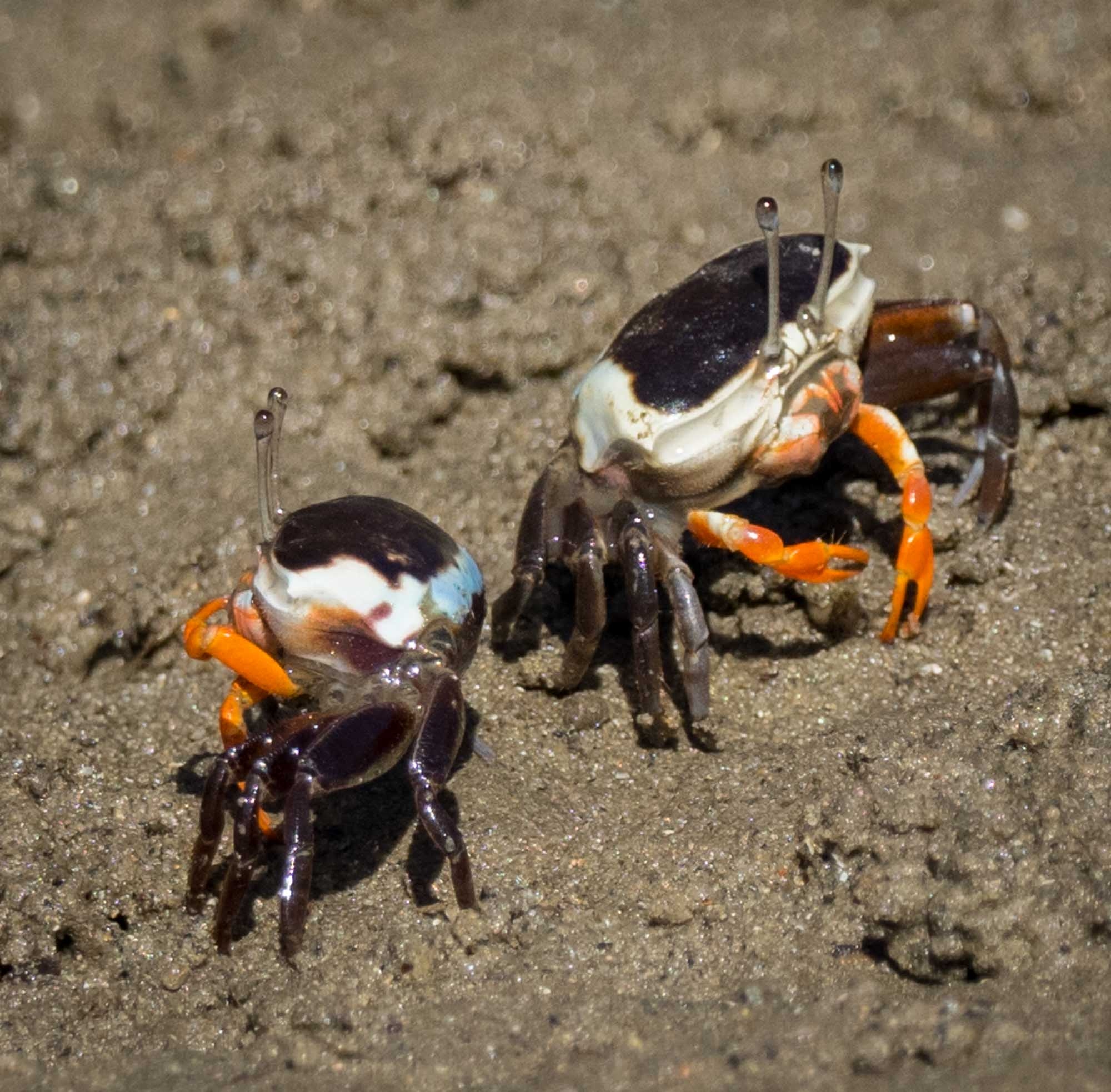
Feeding time in the mangroves at Urunga
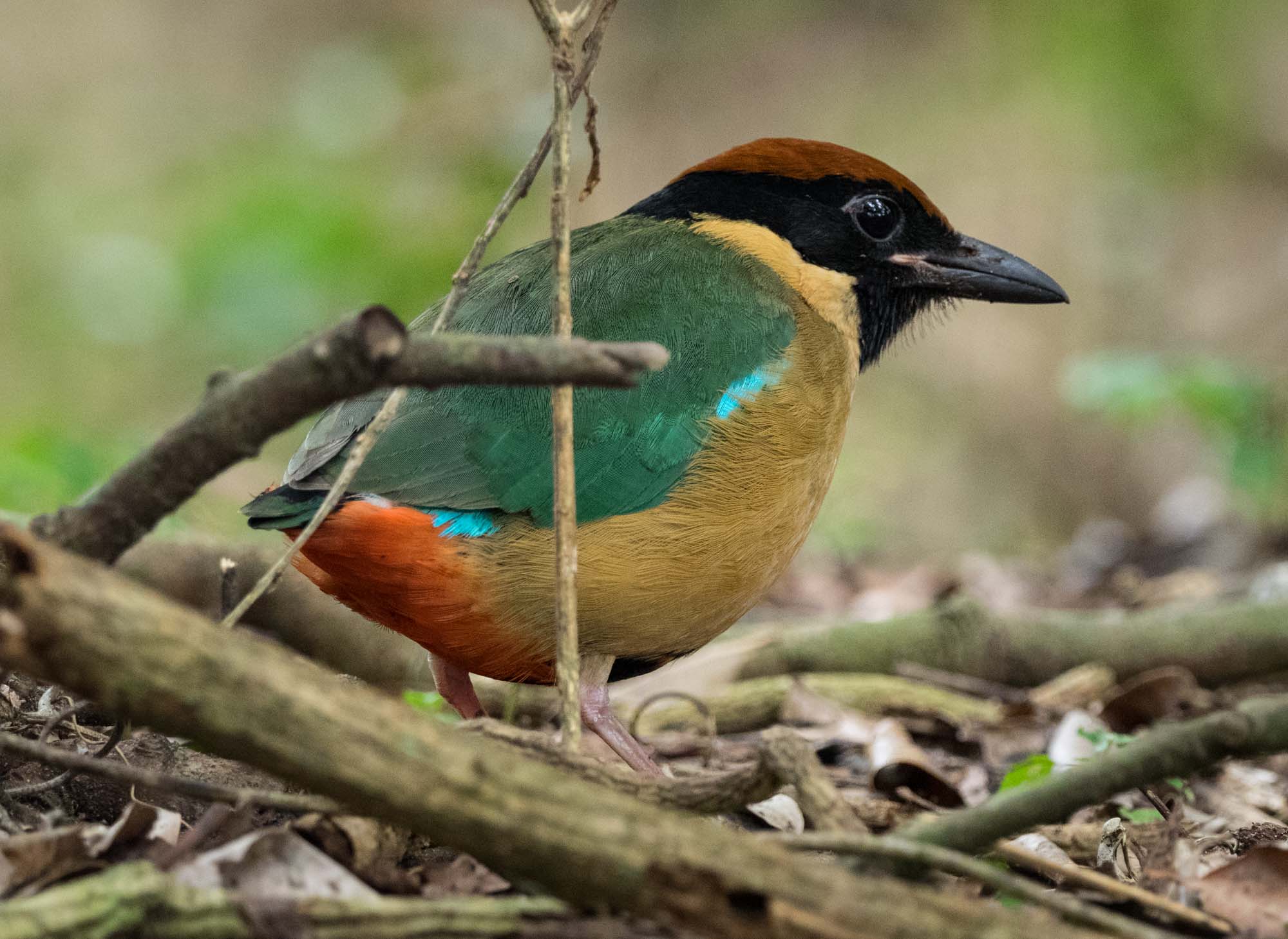
A few days in Yamba … and more than 90 birds, including the Noisy Pitta!

Touring Tasmania - endemics and some more familiar friends
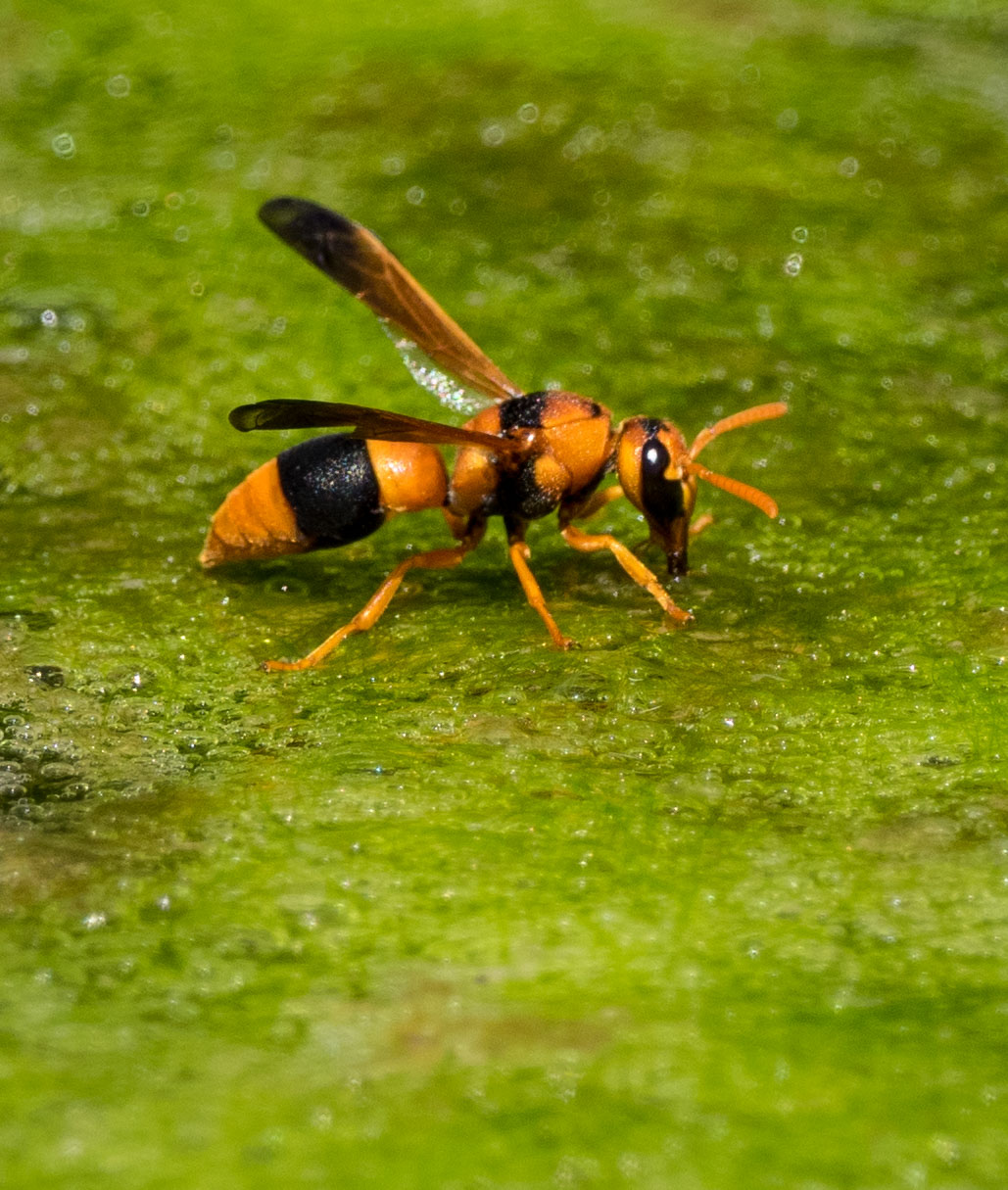
Watching a parade of wasps visiting a slimy pool raises questions about what each species found so attractive about the mud and ooze.
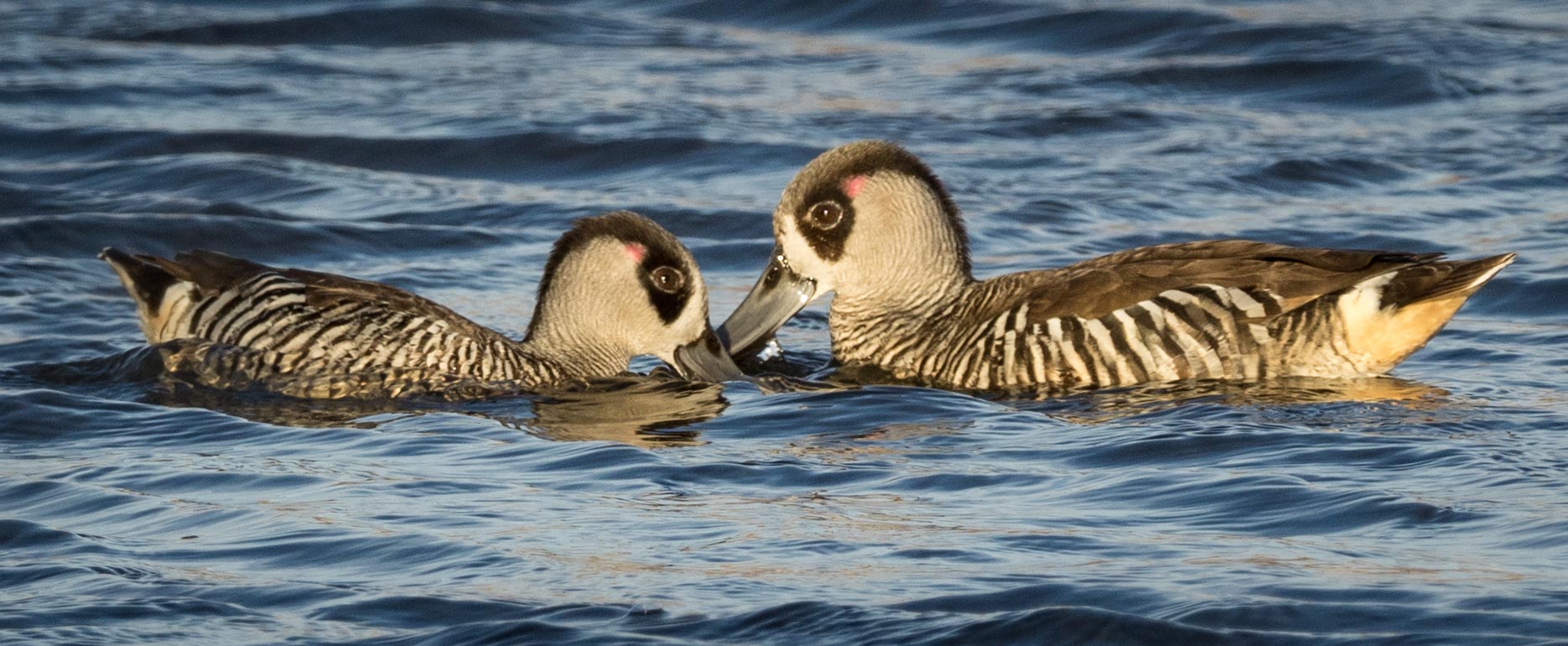
A brief stop-over in Canberra is a good chance to check in on the bird life at Jerrabomberra Wetlands. Even this windy Winter's day provided a couple of treats: Pink-eared Ducks and Australasian Shovelers.

At Yamba in northern NSW, we are treated to views of a nesting pair of Eastern Ospreys - up close!
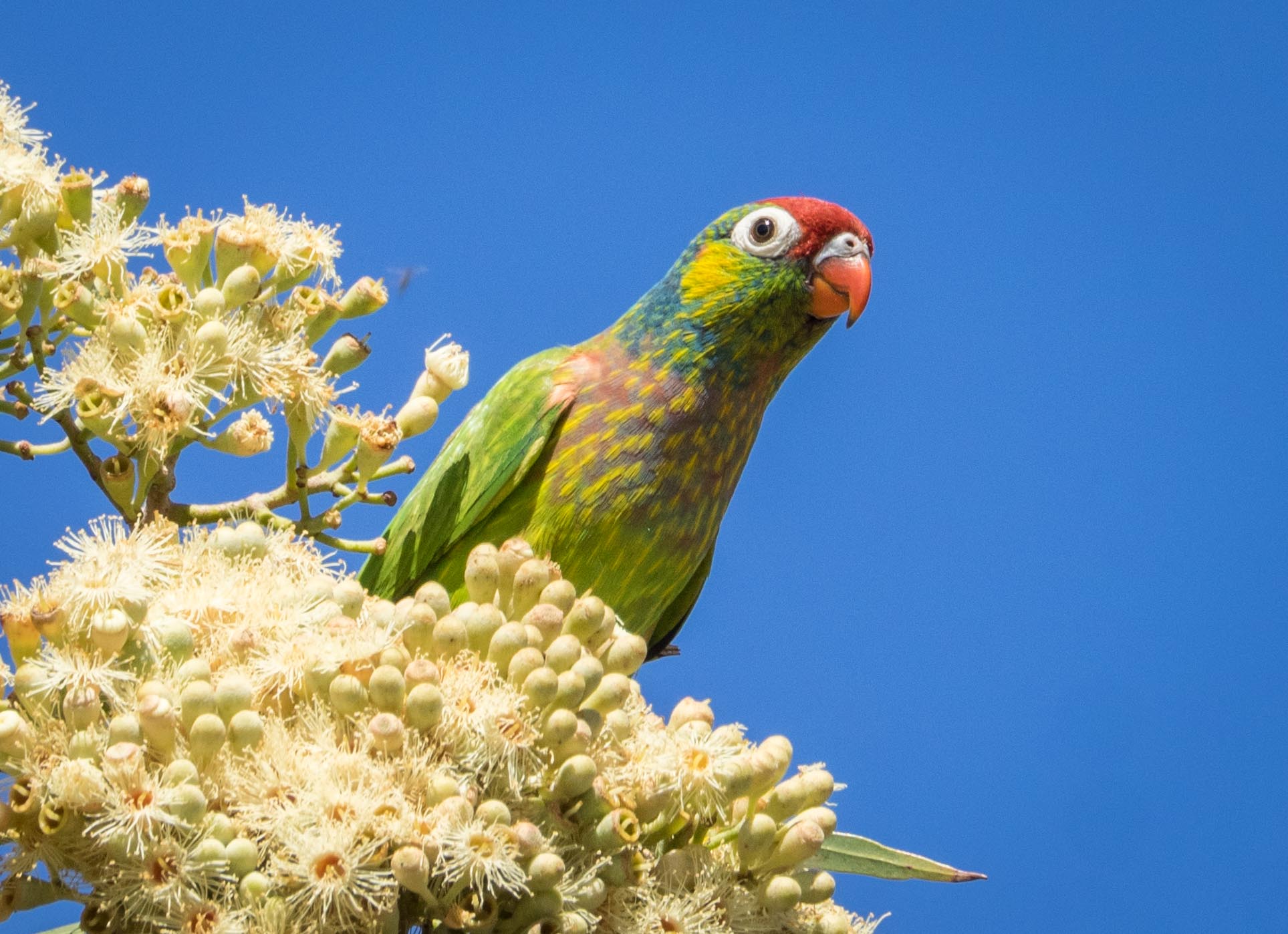
The bloodwoods had just started to bloom in the Gulf Country of northern QLD - a wonderful, 'first-time' opportunity for us to see these small, tropical parrots. We were camping at Boodjamulla, where we added another two 'firsts' to our bird list: Purple-crowned Fairy-wrens and Buff-sided Robins.
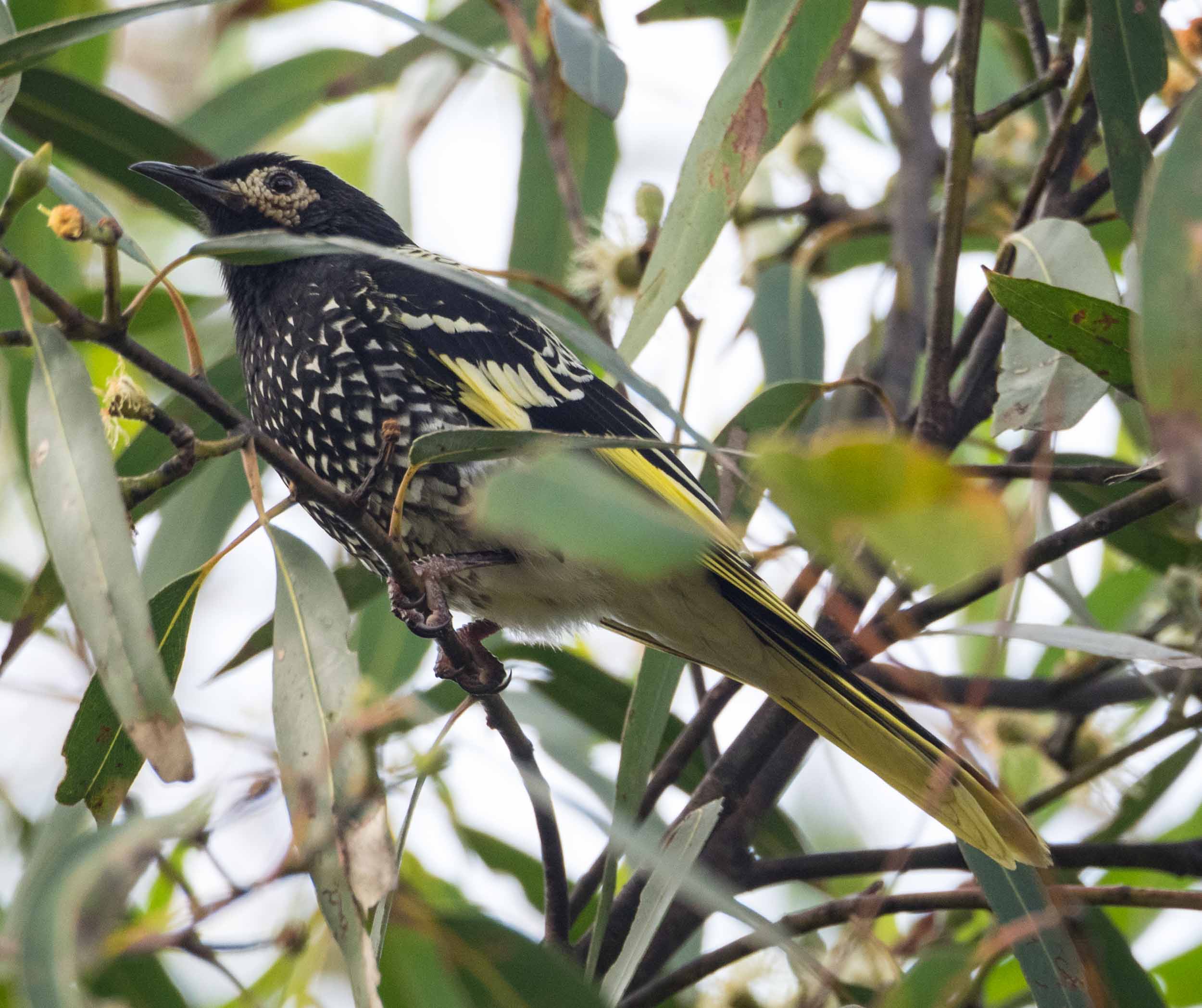
Sighting of a rare and critically endangered bird species. A 'first' for us and, we hope, it will not be a 'last'.