Thynnine Hub

Until recently I have settled for identifying our local flower wasps to subfamily and leaving it at that. Despite their obvious diversity and the ease of photographing them in the field, identification beyond ‘Thynninae’ seemed nearly impossible. That all changed with the publication of Graham Brown’s long-awaited revision of Australian Thynnidae (Brown 2025).
As always, the following notes are a work-in-progress. They are simply my attempt to make sense of this large and complex taxon. In the first instance I’m seeking to identify our local Thynnidae, to tribe or genus where possible. Perhaps even to species level, in some cases. This page will serve as a hub for the various documents and resources generated as part of that project.
Australia is home to a large diversity of Thynnidae, the vast majority of species belonging to the subfamily Thynninae.
Distinguishing characters
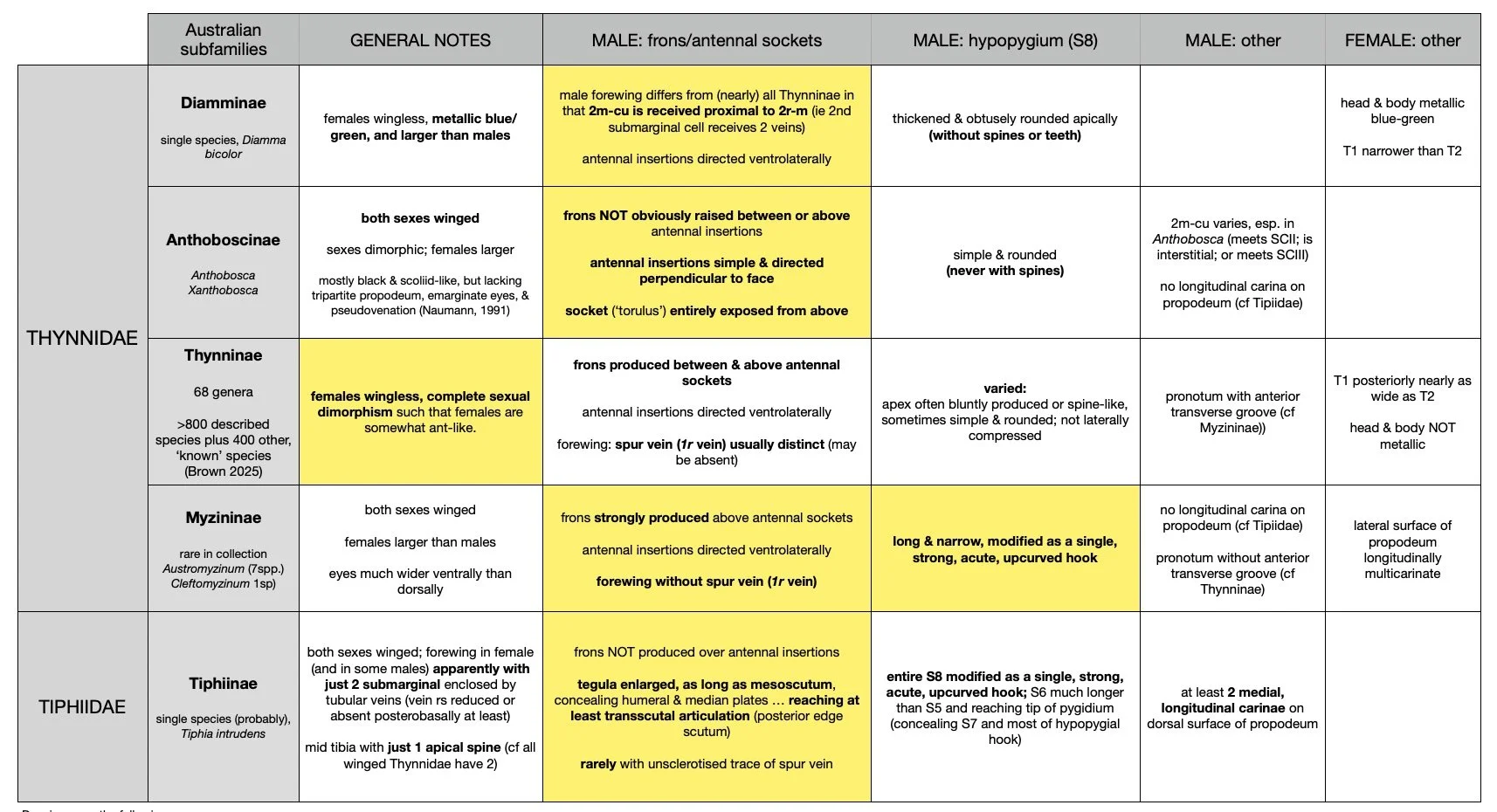
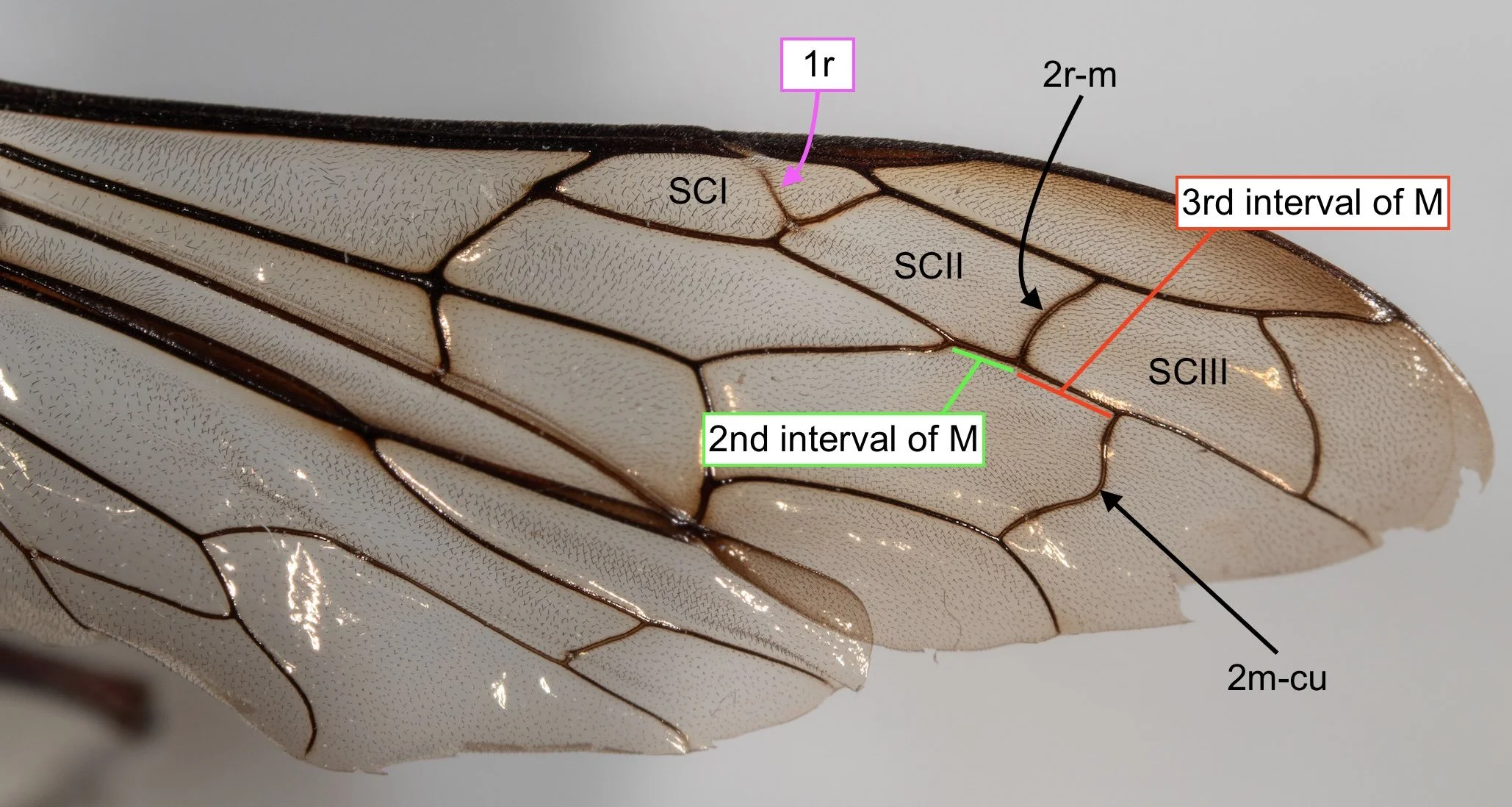
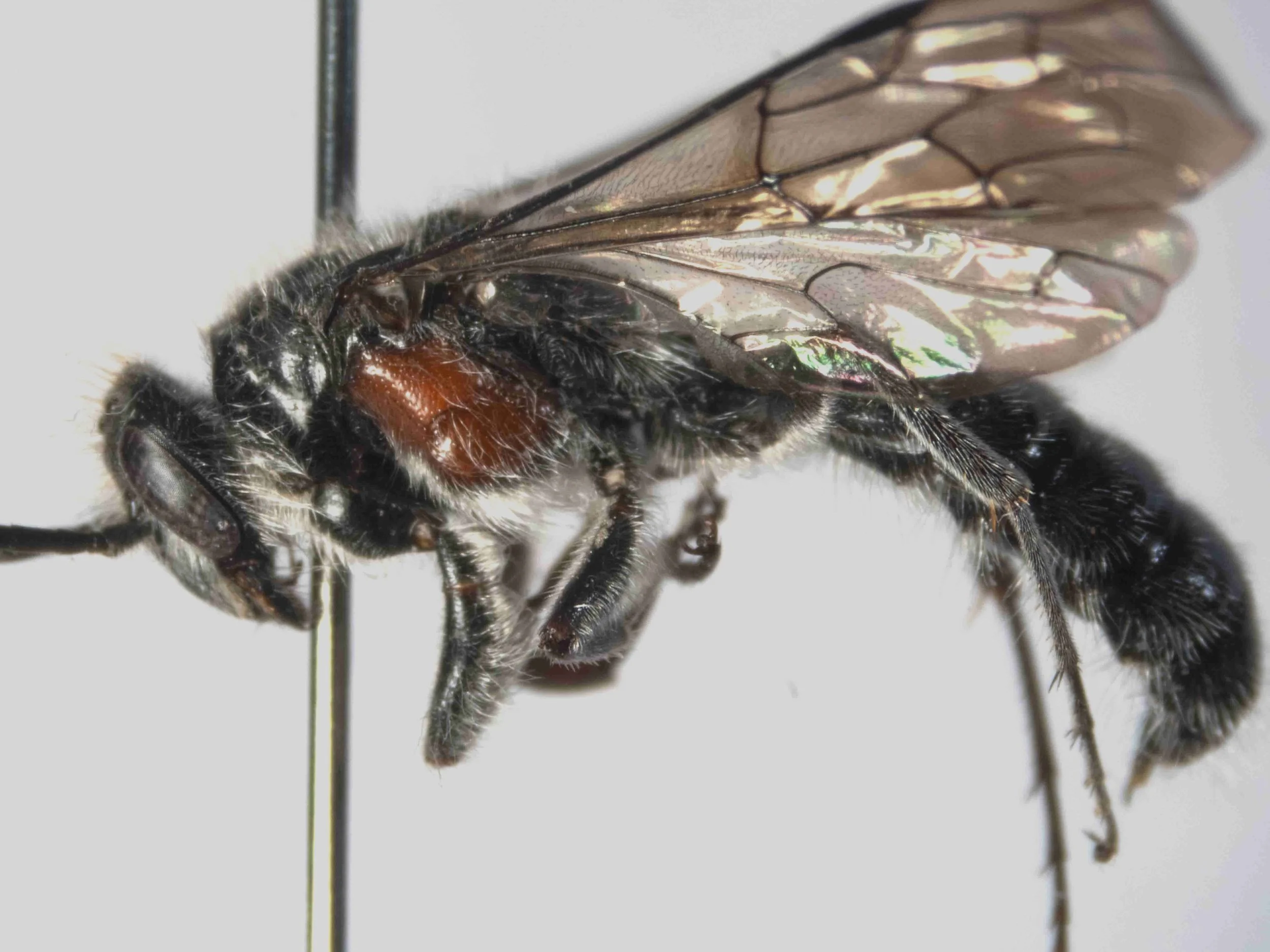
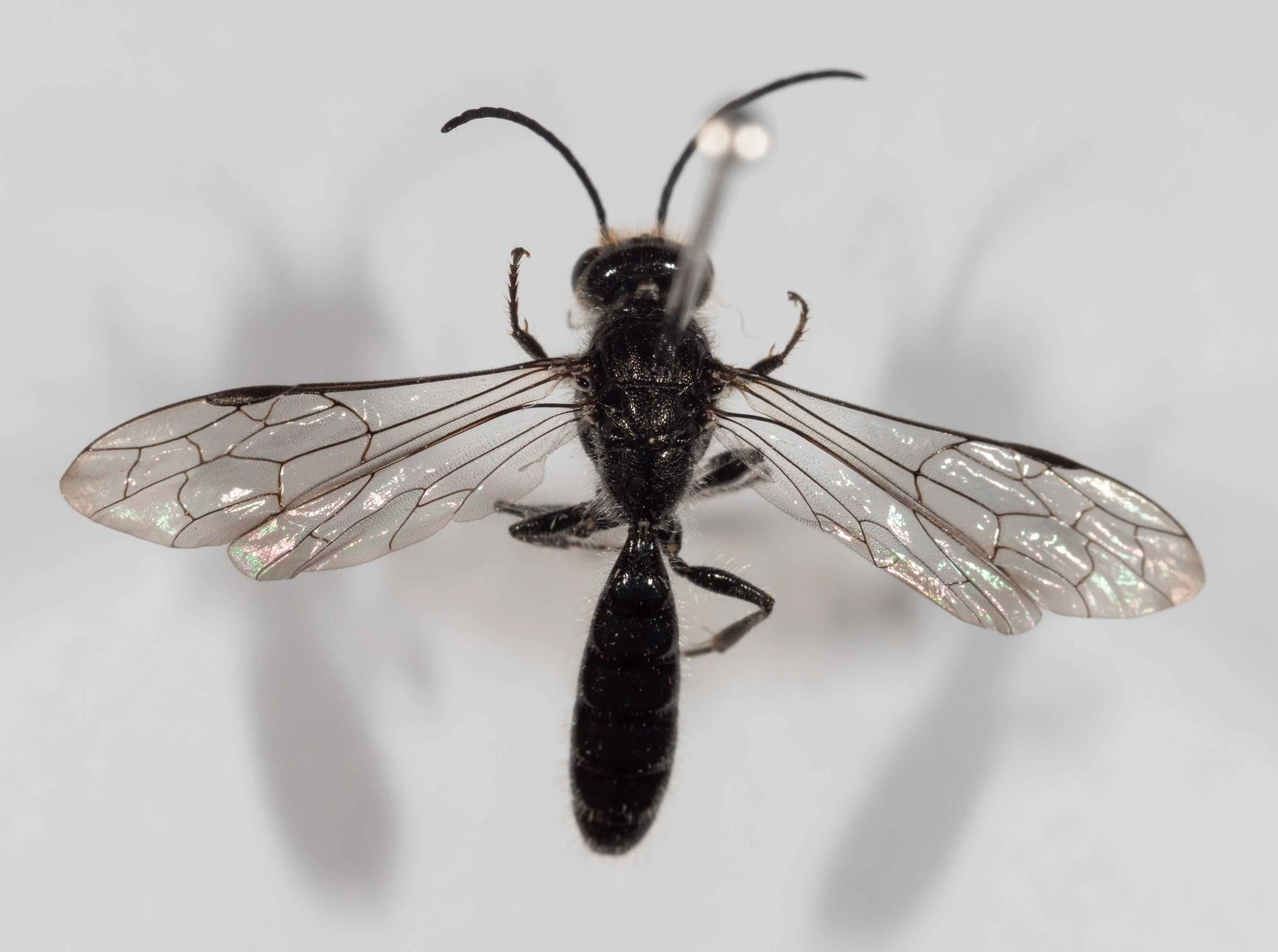
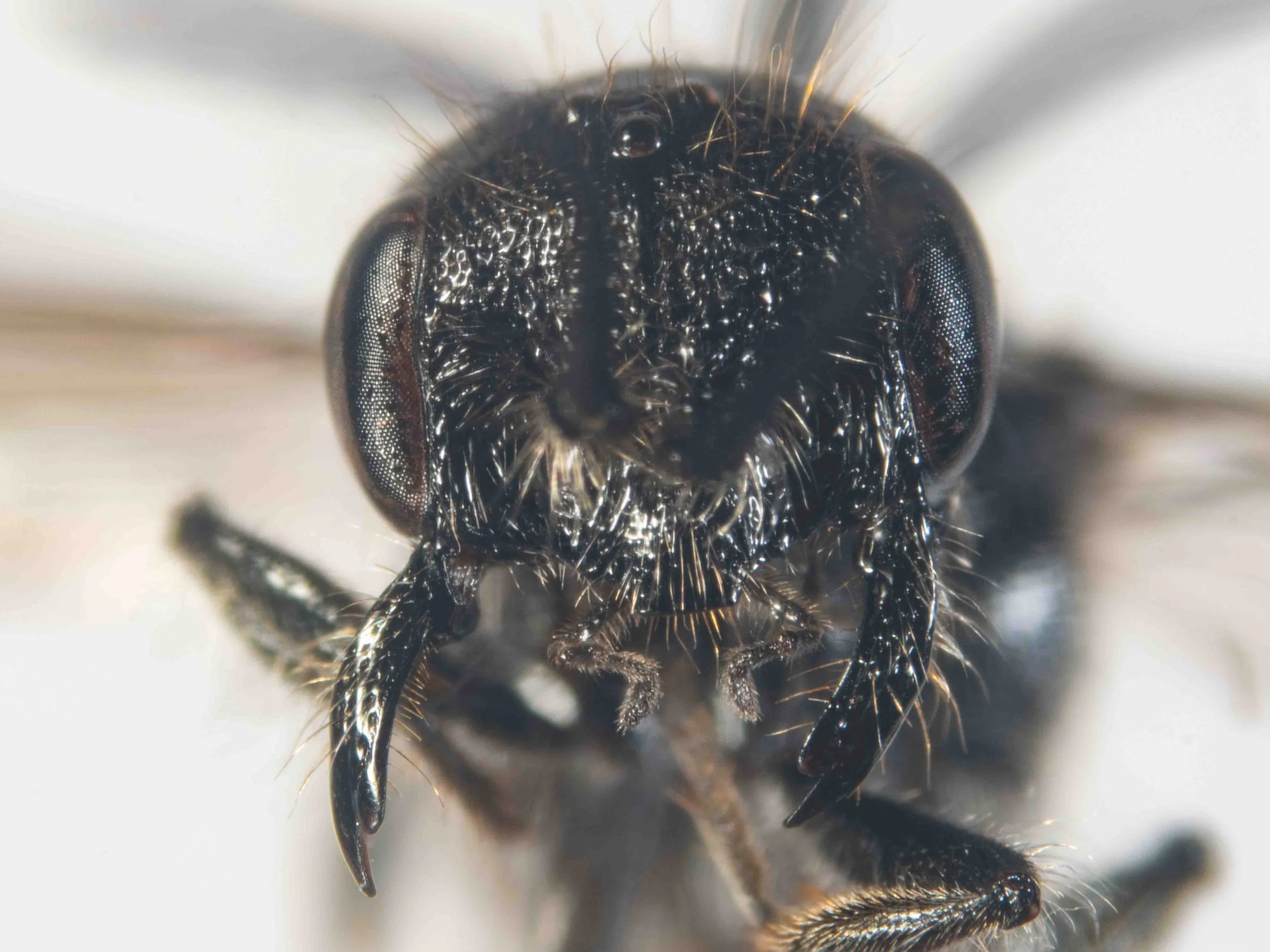
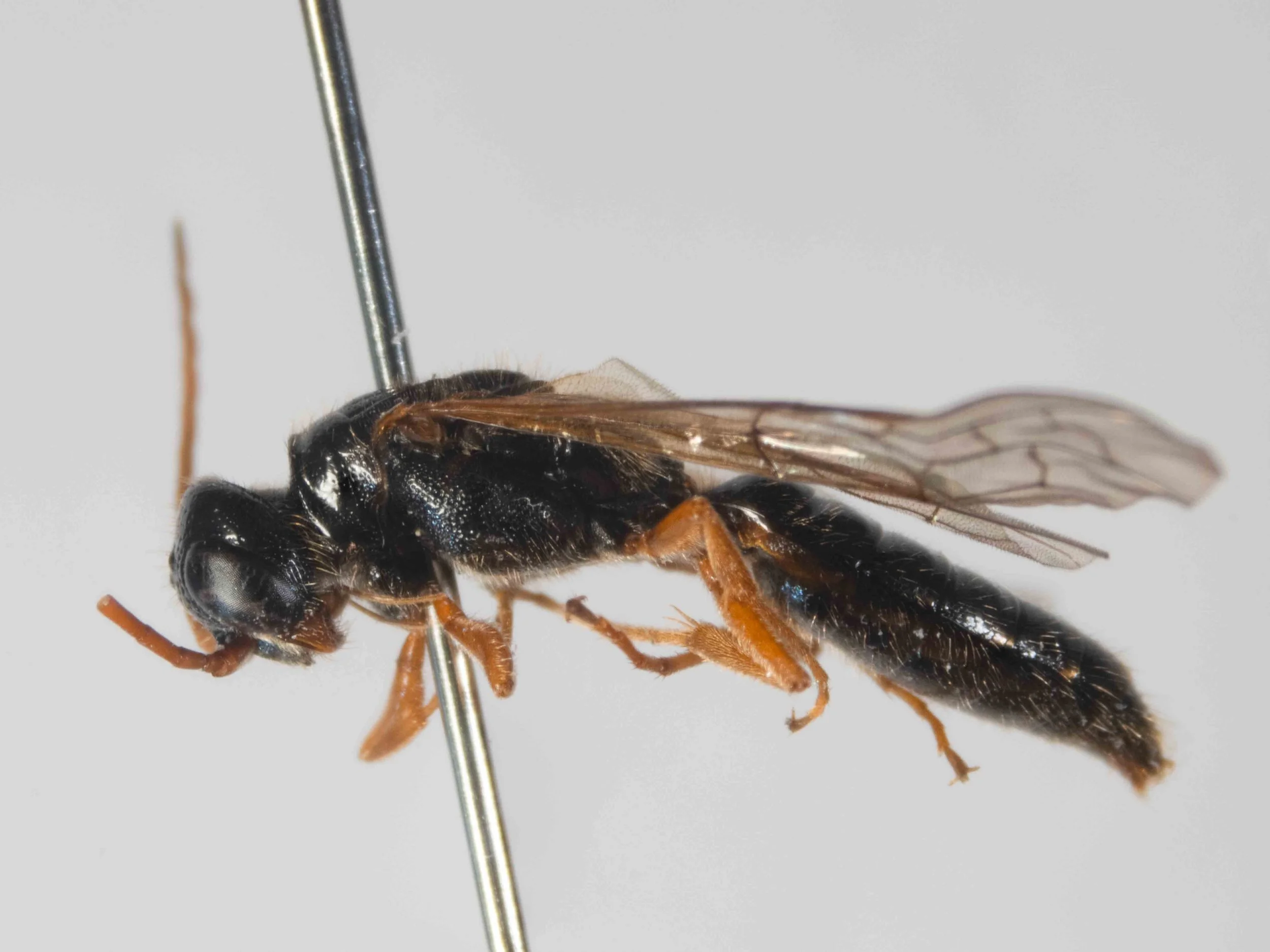
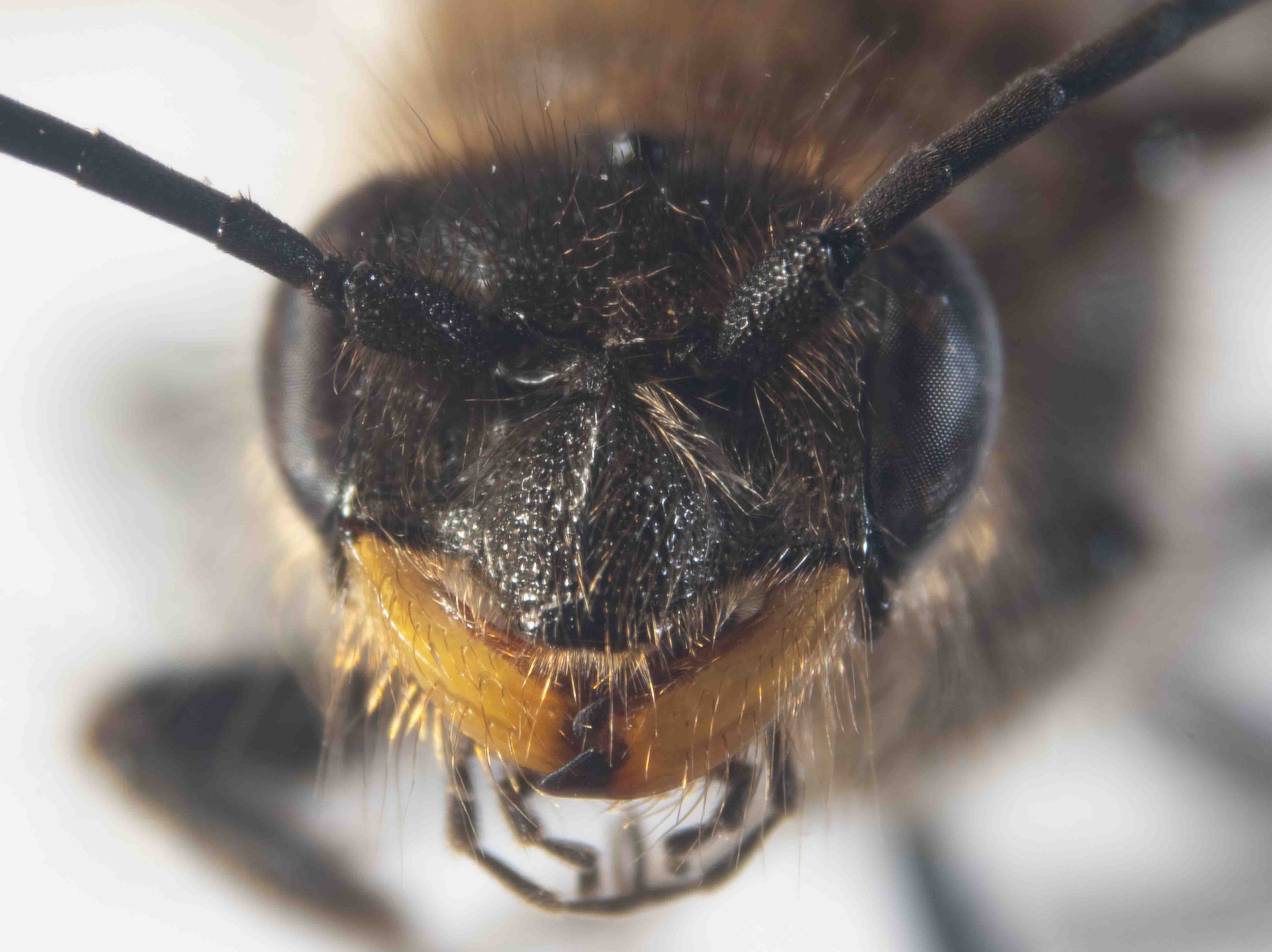
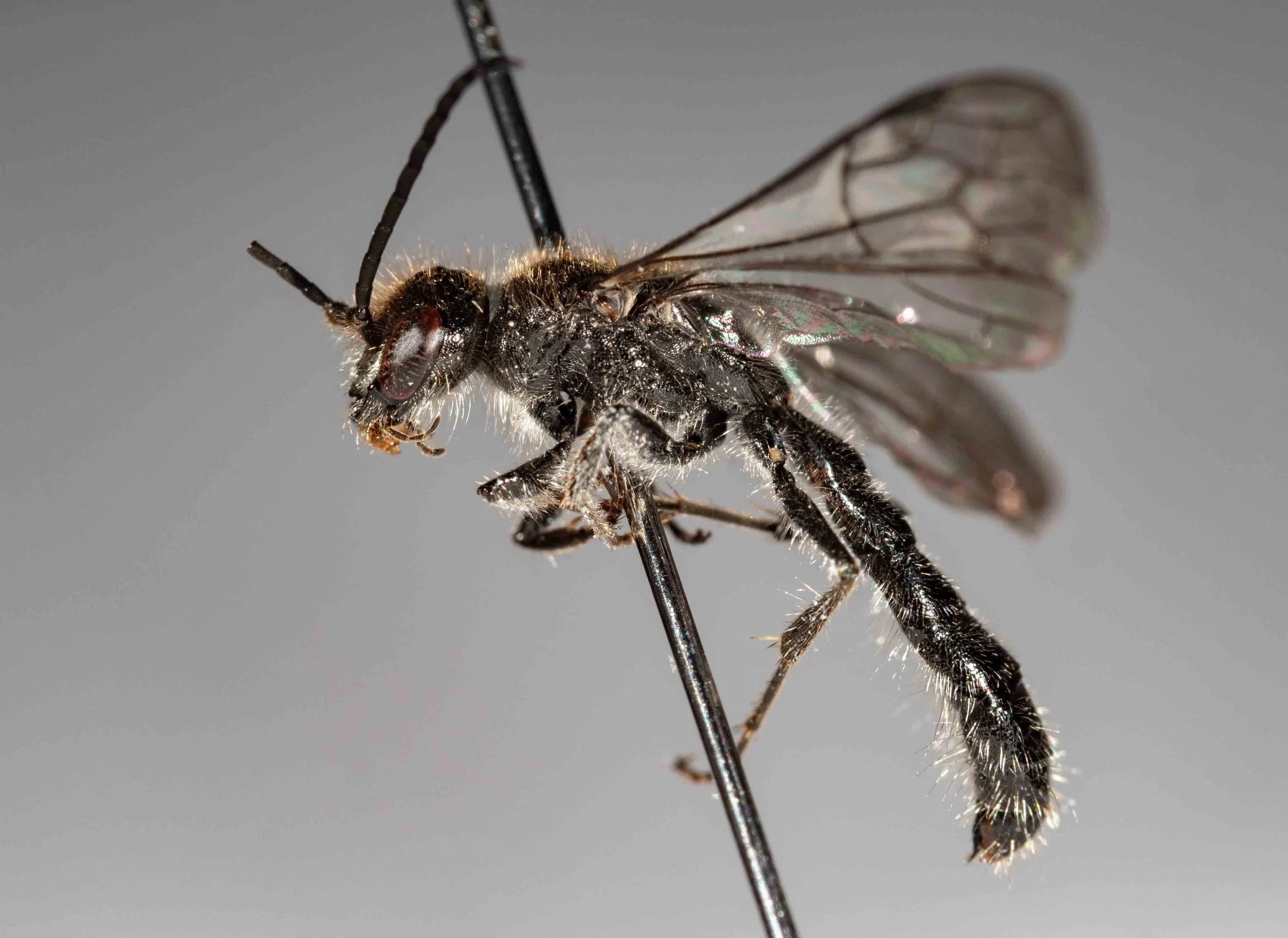
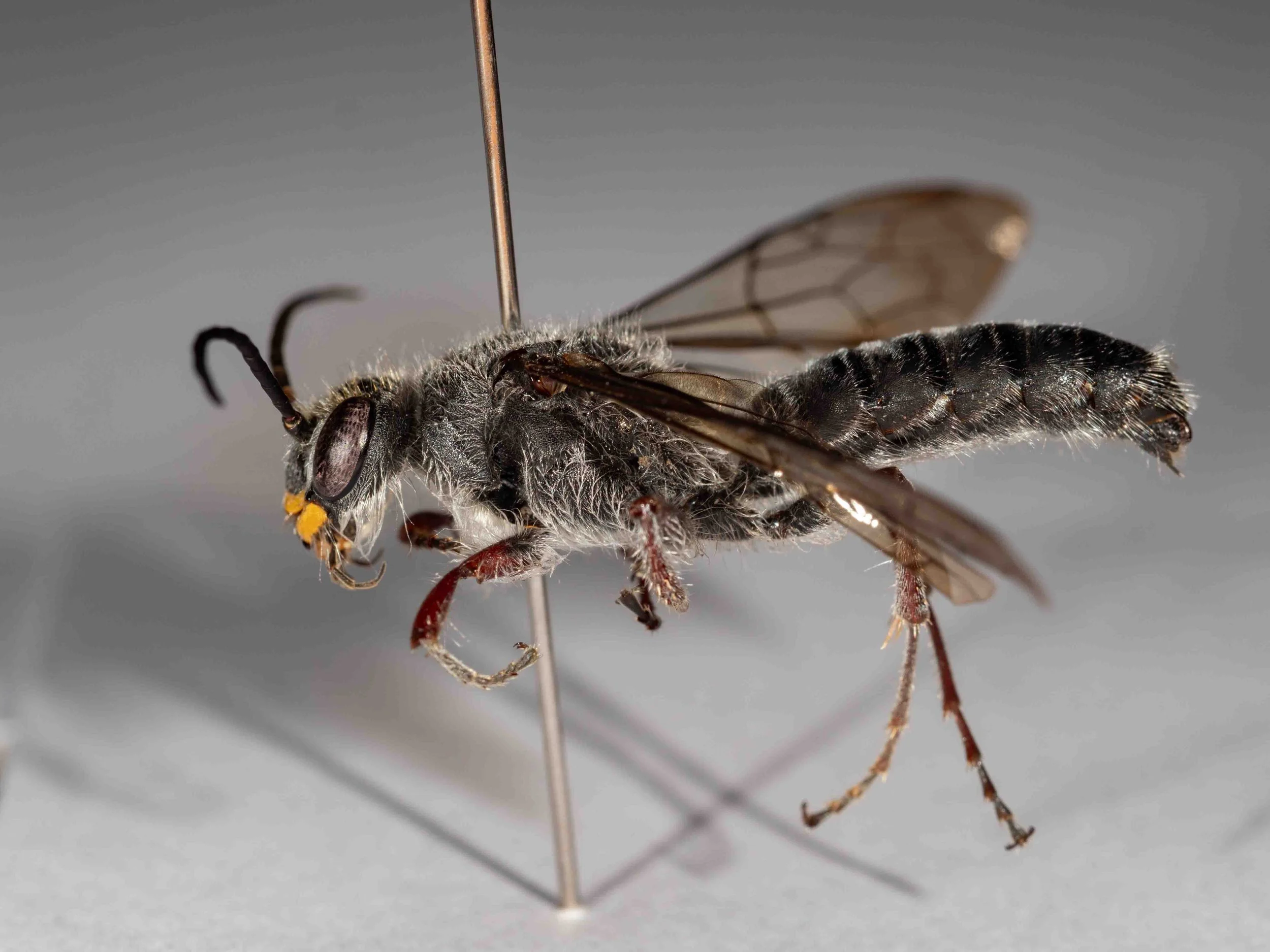
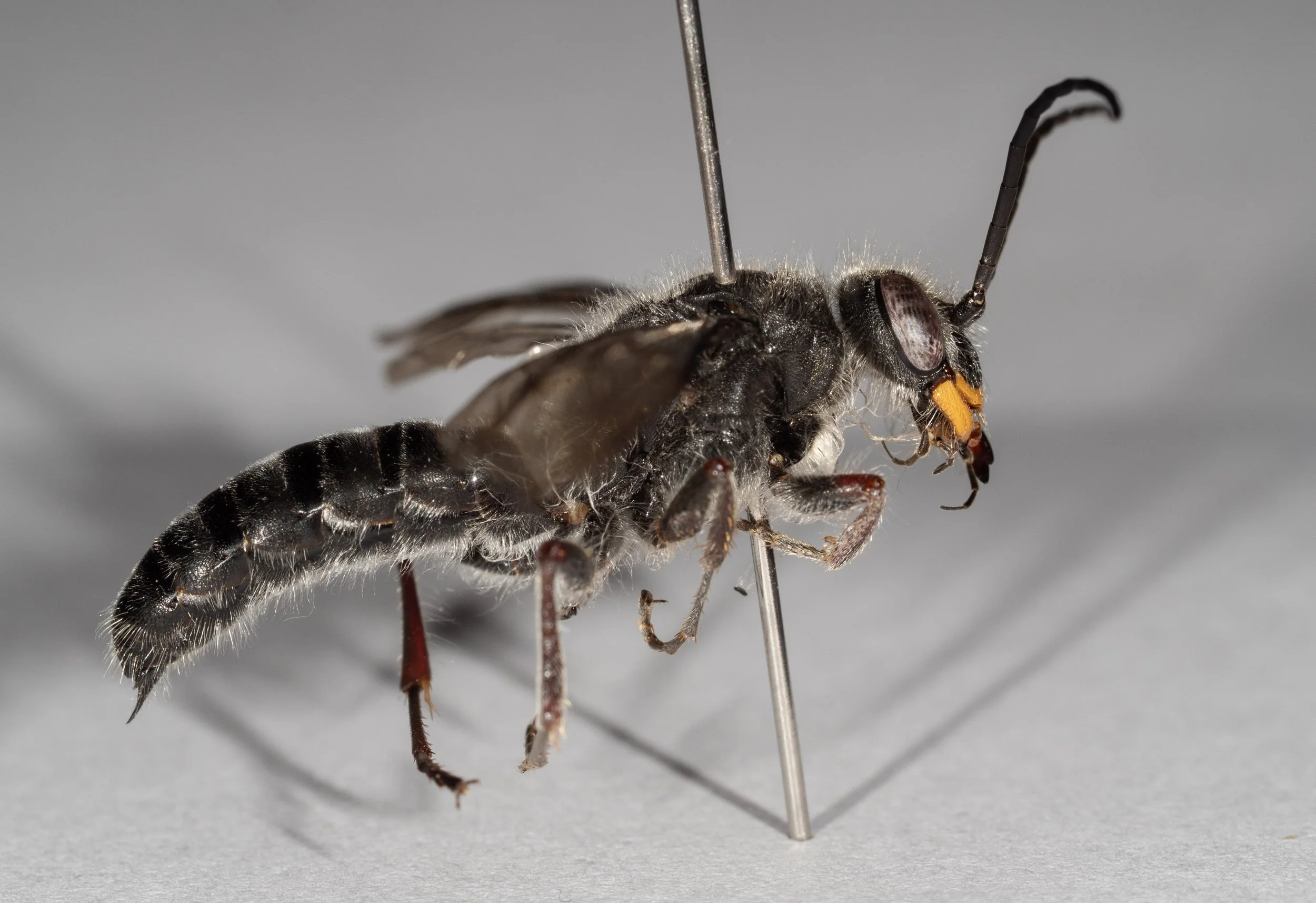
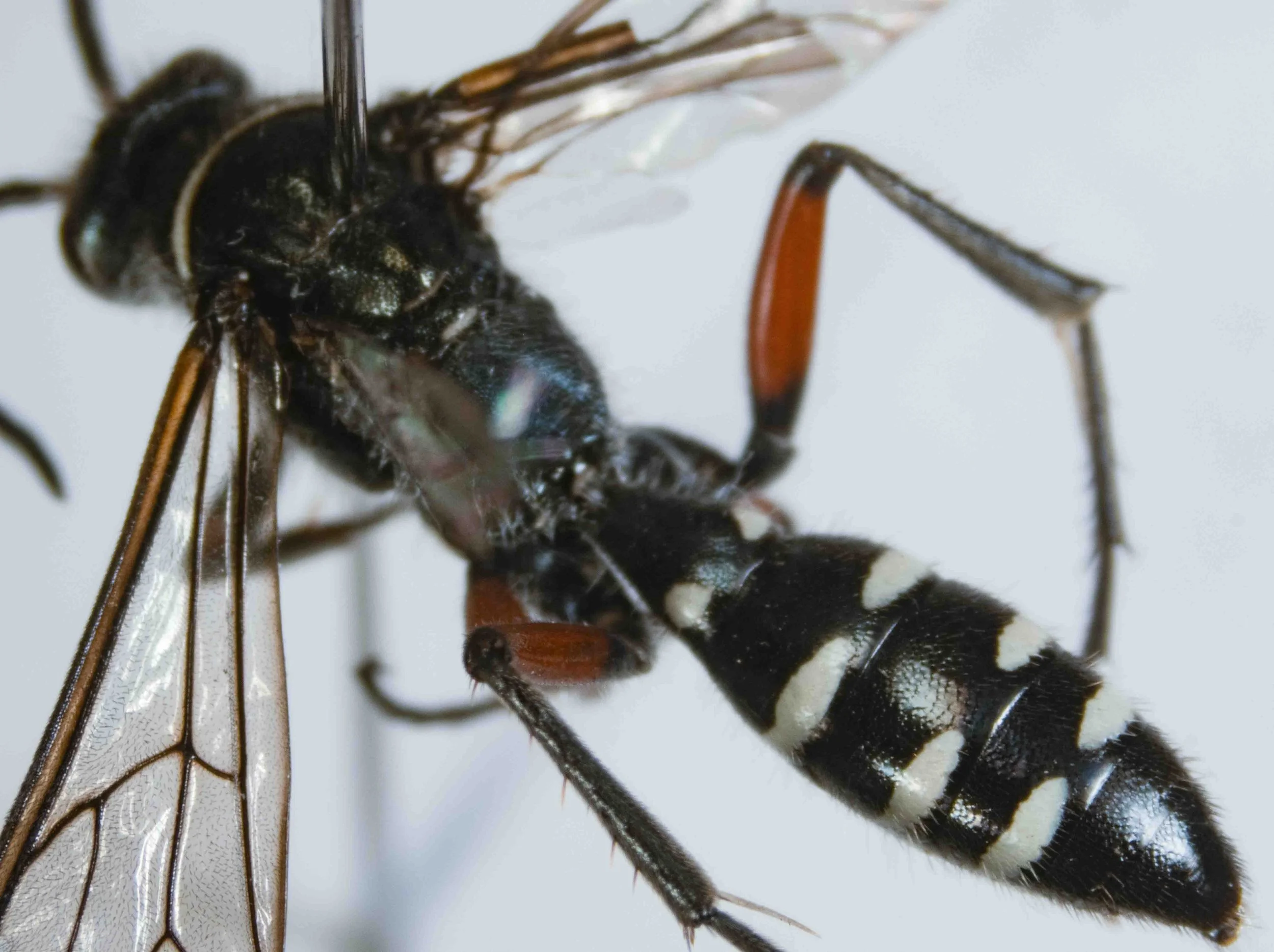
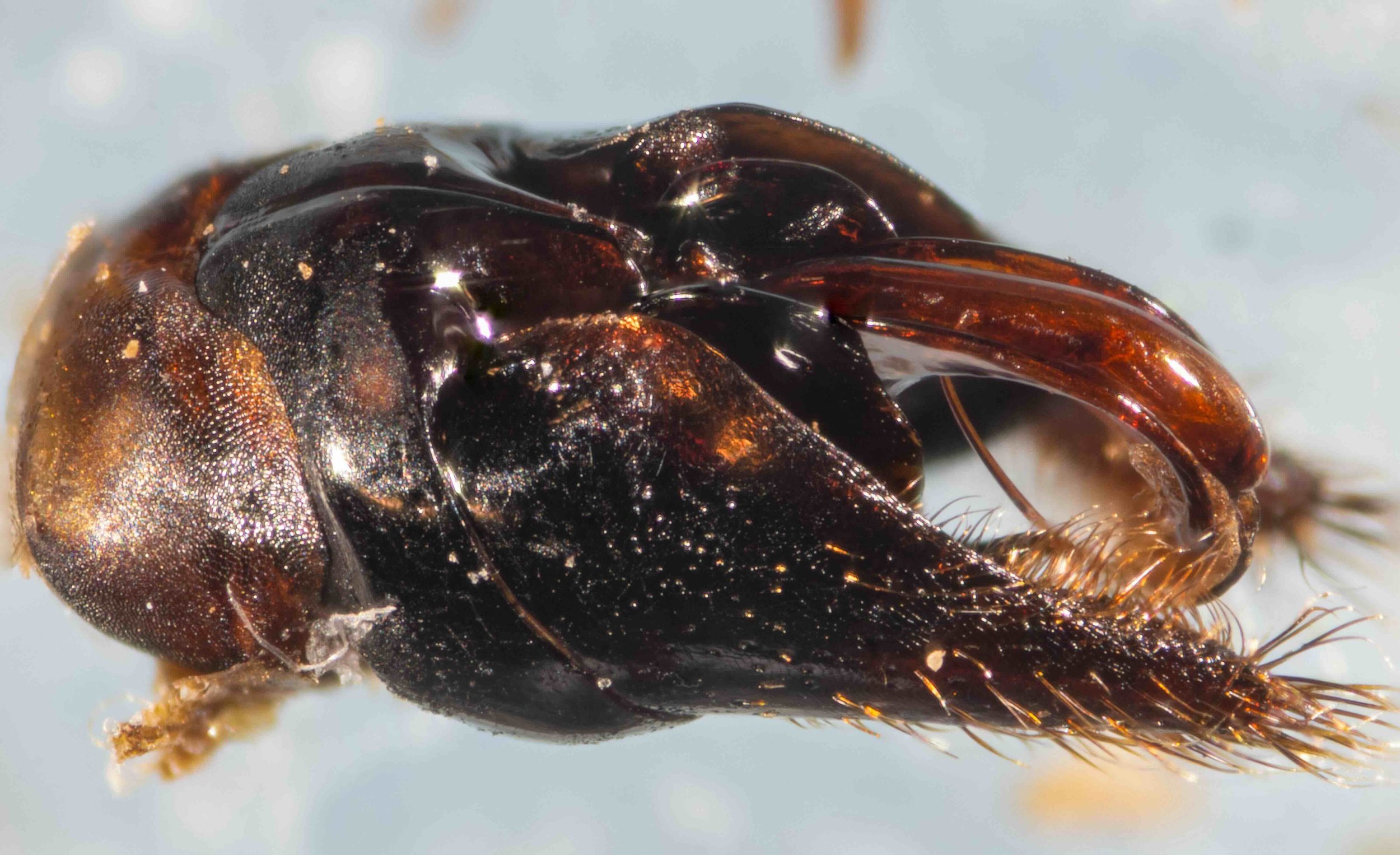
The images below illustrate some of the morphological features useful for distinguishing subfamilies and tribes, plus some exemplify generic differences.
For practicality, the emphasis is on male morphology. Males are more commonly seen, as female Thynninae spend much of their lives below ground. When females do emerge and are collected by males, there is no guarantee that the coupled pair are the same species. Miscoupling among Thynninae is not uncommon. It is therefore no surprise that identification of females is somewhat fraught!
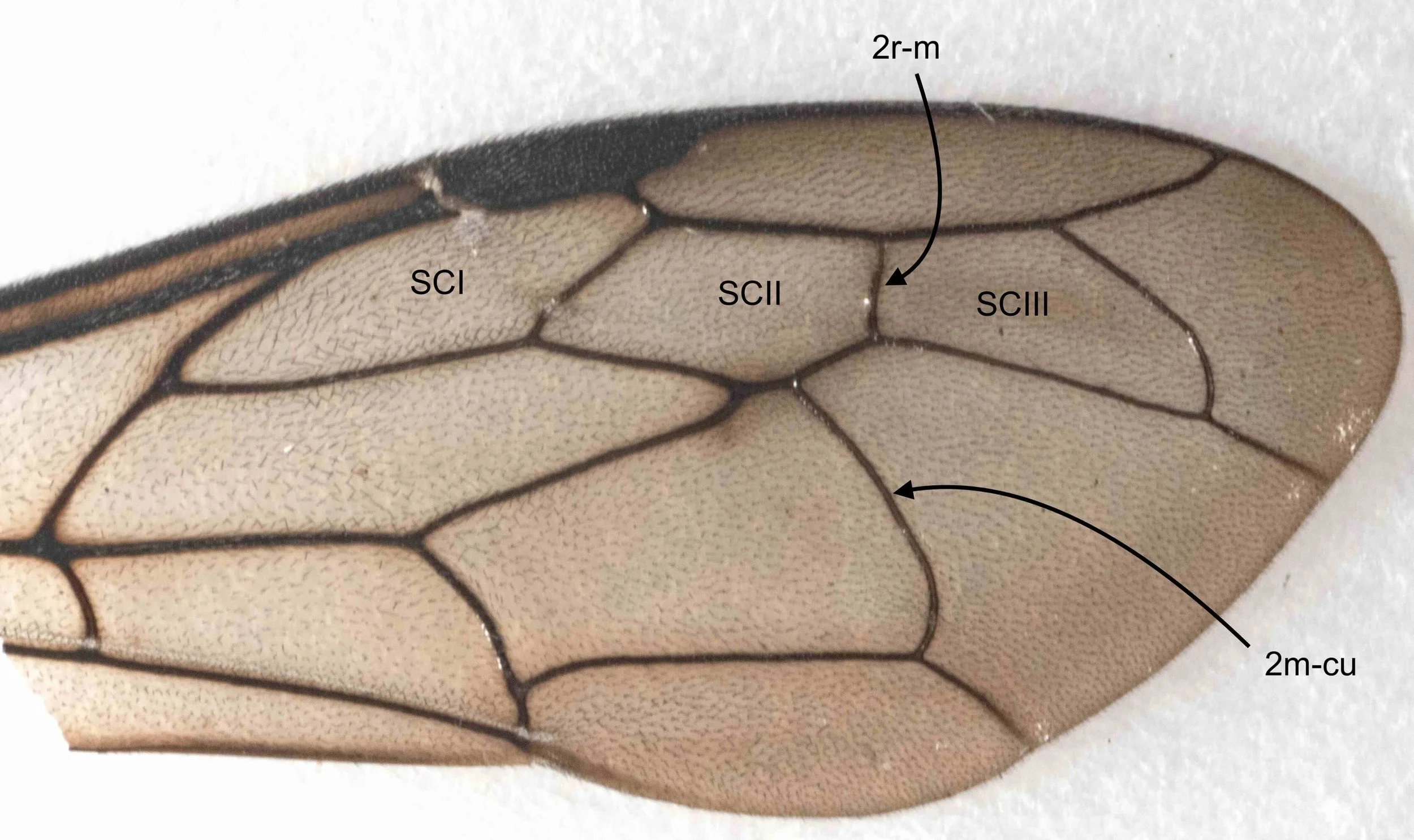
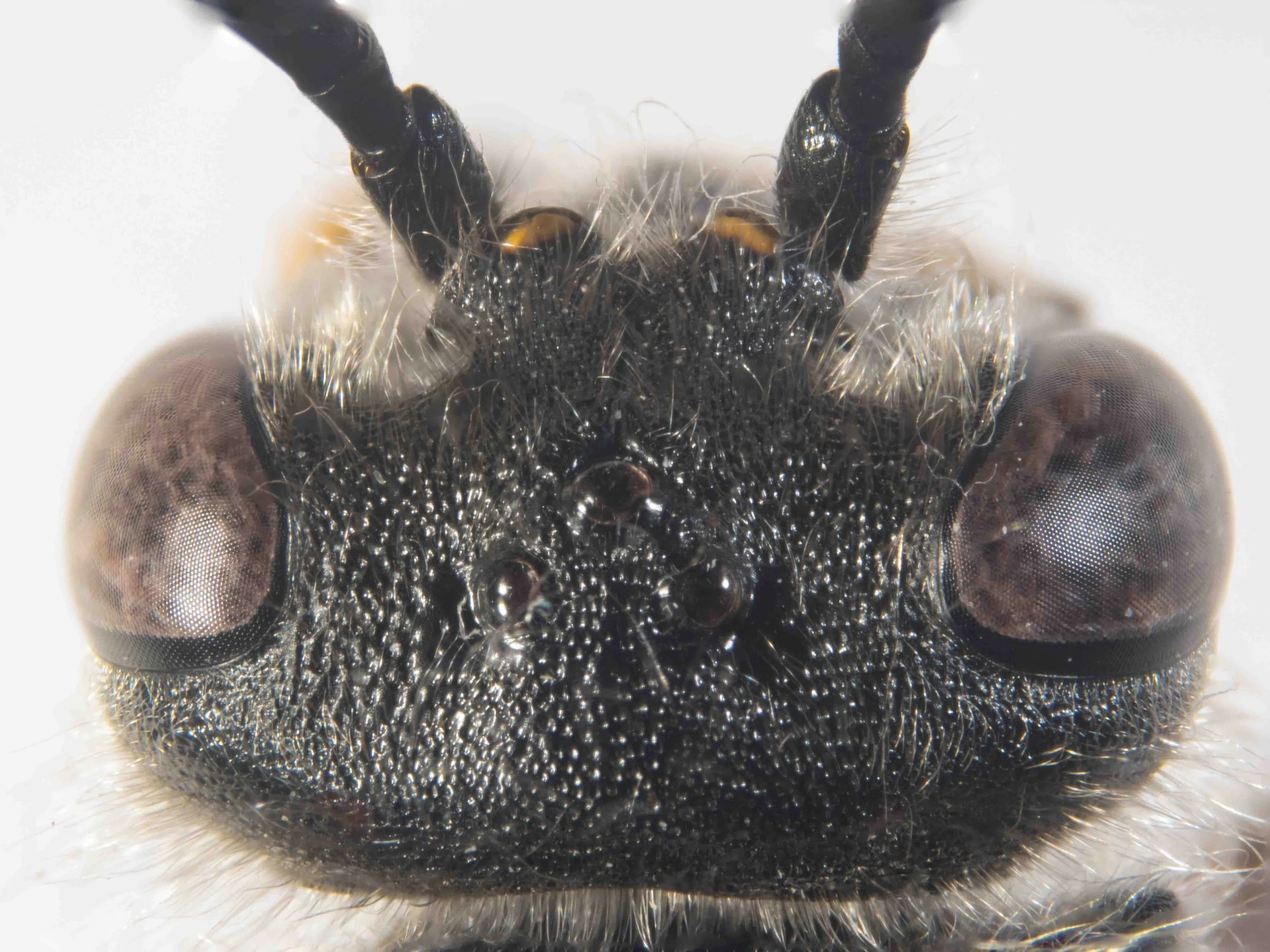
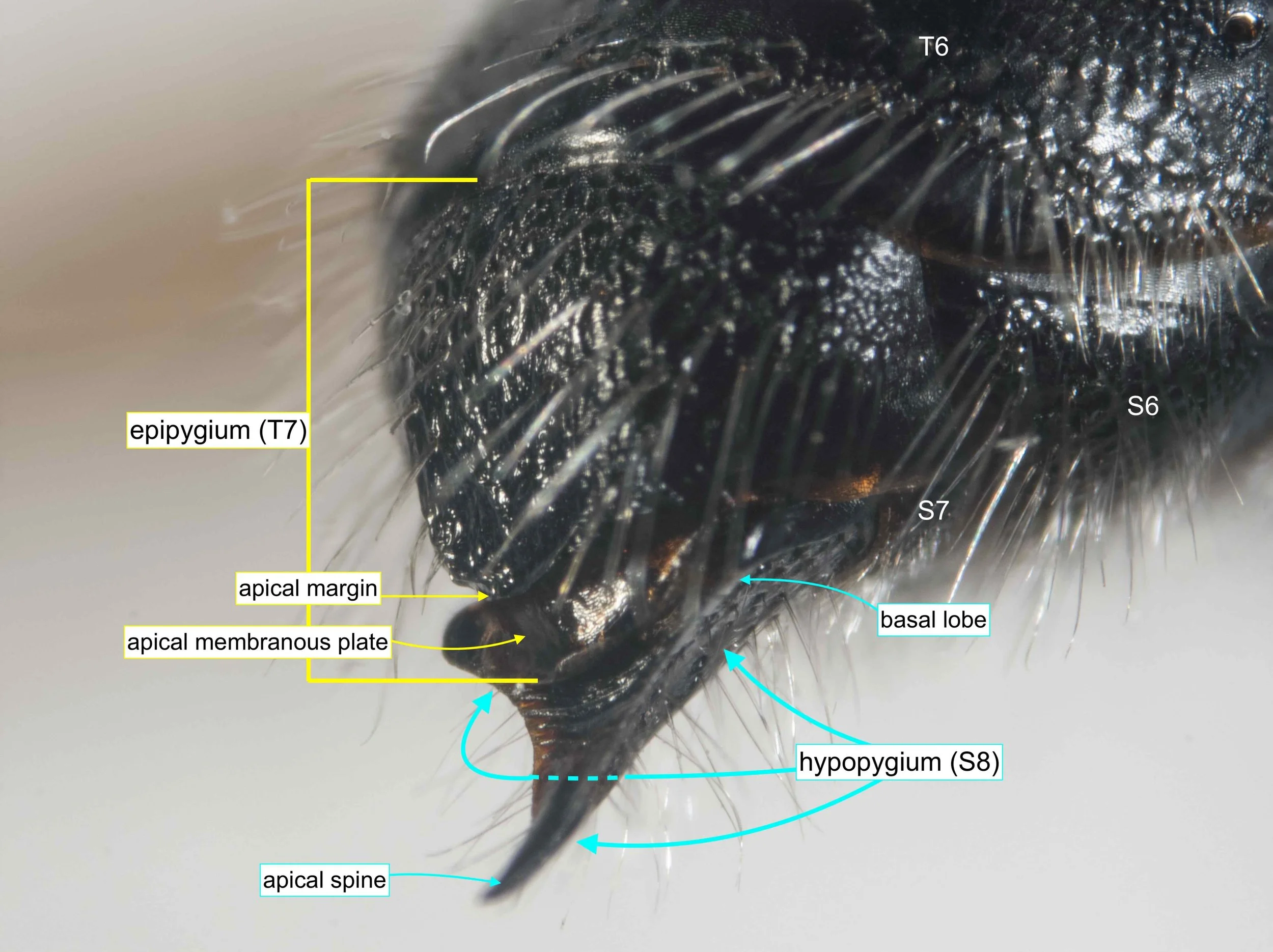
Thynninae: from tribe to genus
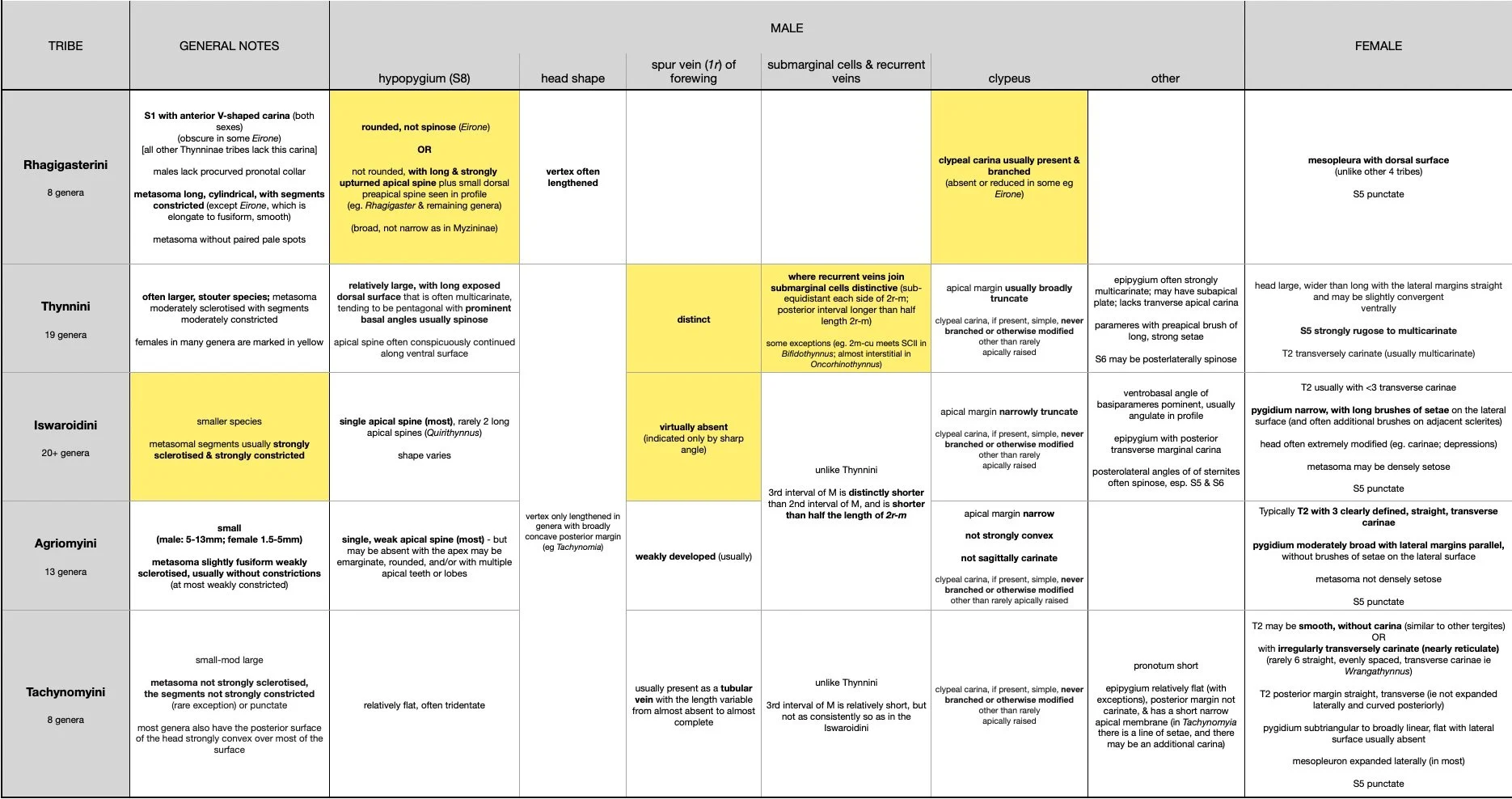
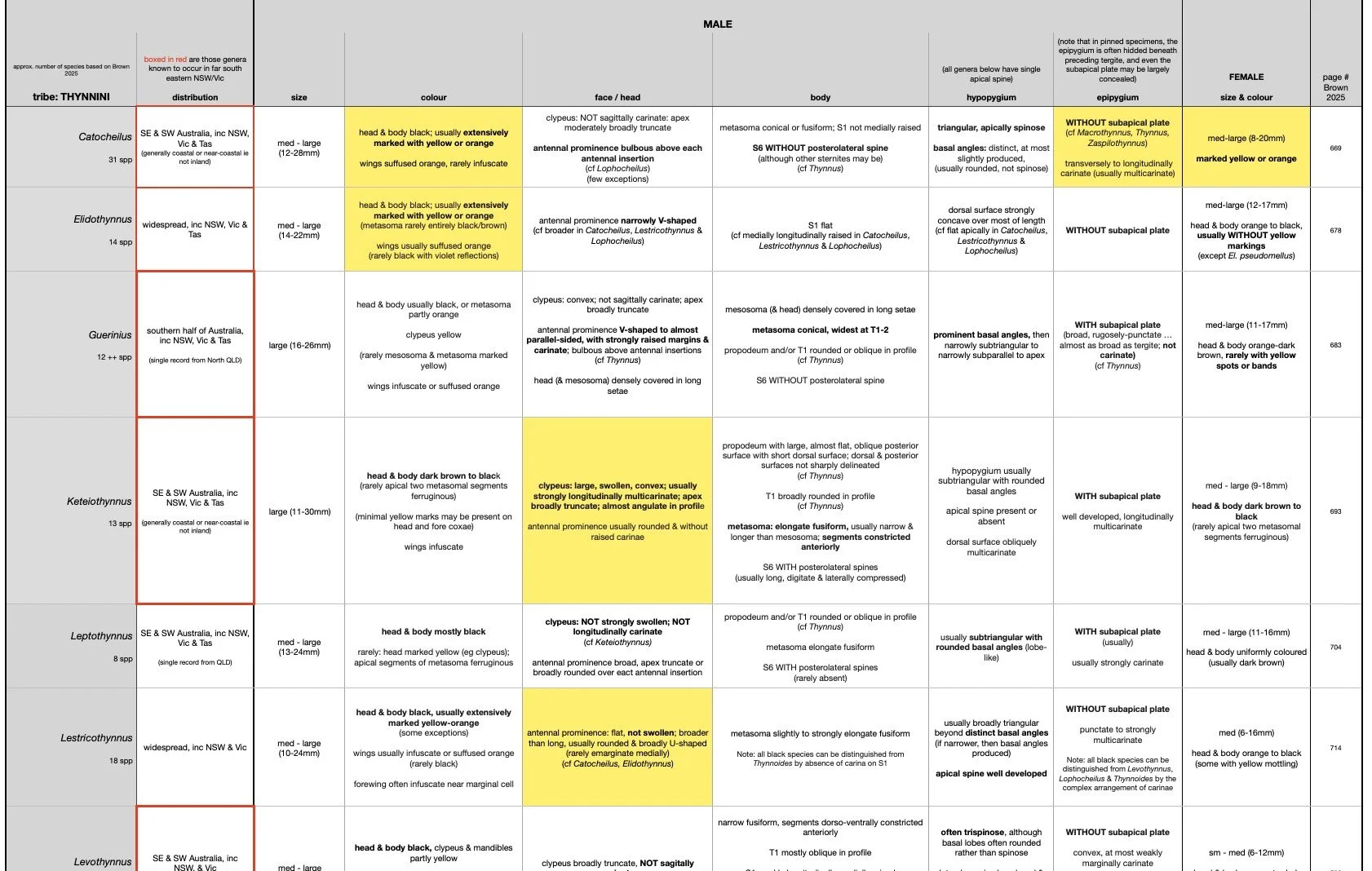
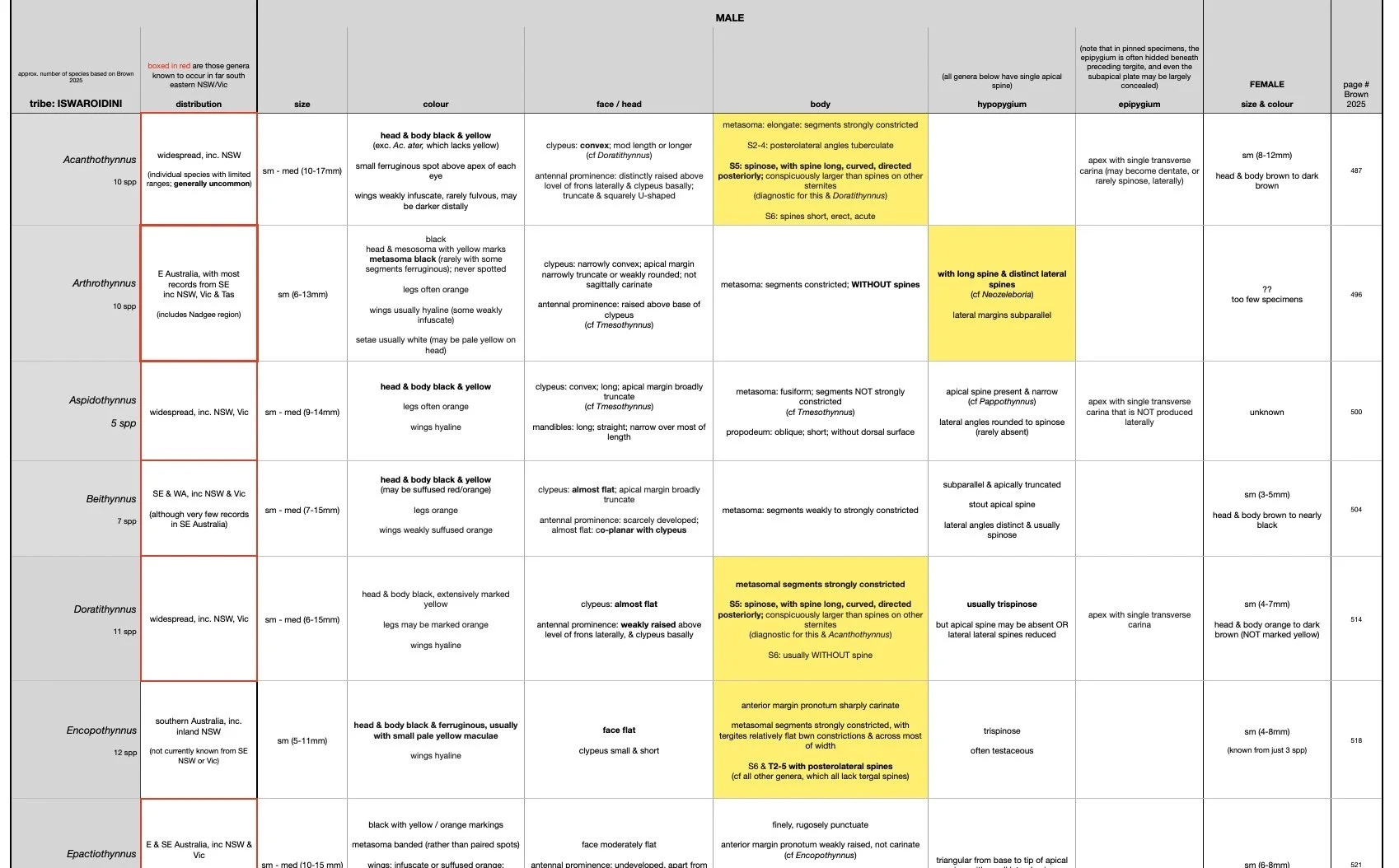
For each of the five tribes, I’ve summarised the characters that distinguish the genera. While I don’t imagine that it will be possible to identify every specimen to genus, some genera – such as Eirone – are particularly distinctive. In addition, a closer look at the range of characters across genera can help clarify diagnostics at the level of tribe.
The following tables list and compare all genera within each of the three smaller tribes – Rhagigaster, Agriomyini, and Tachynomyini.
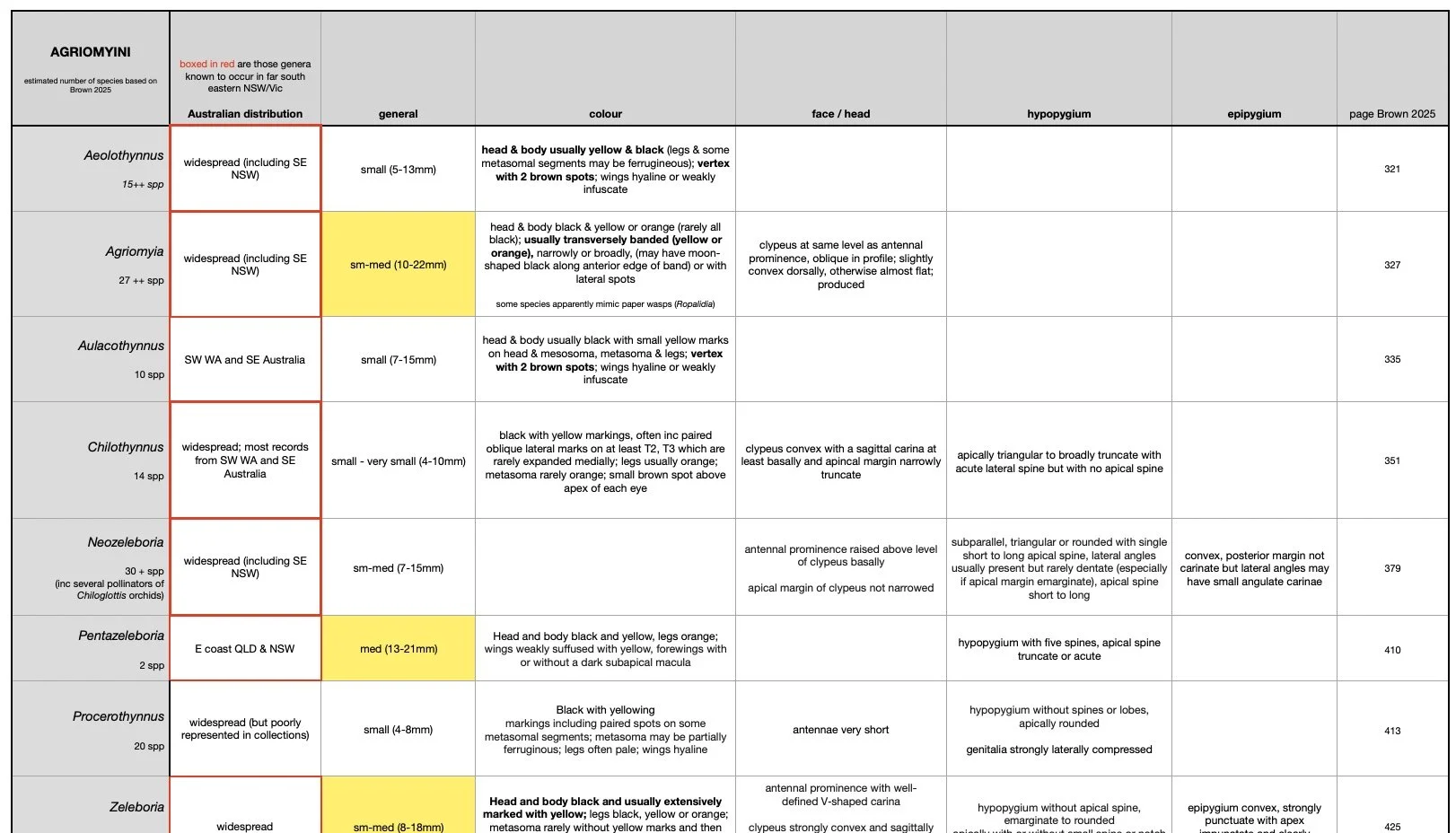
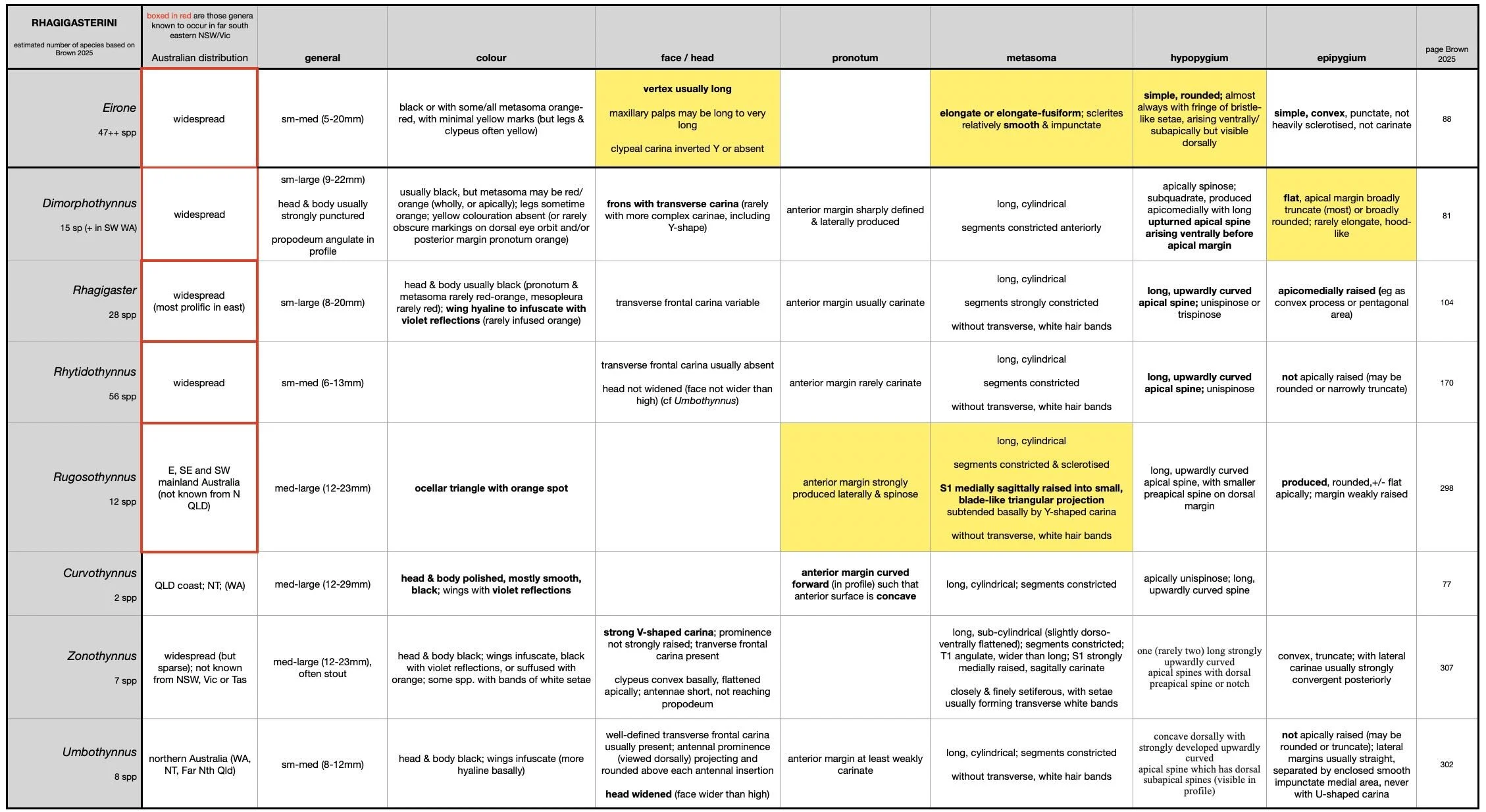
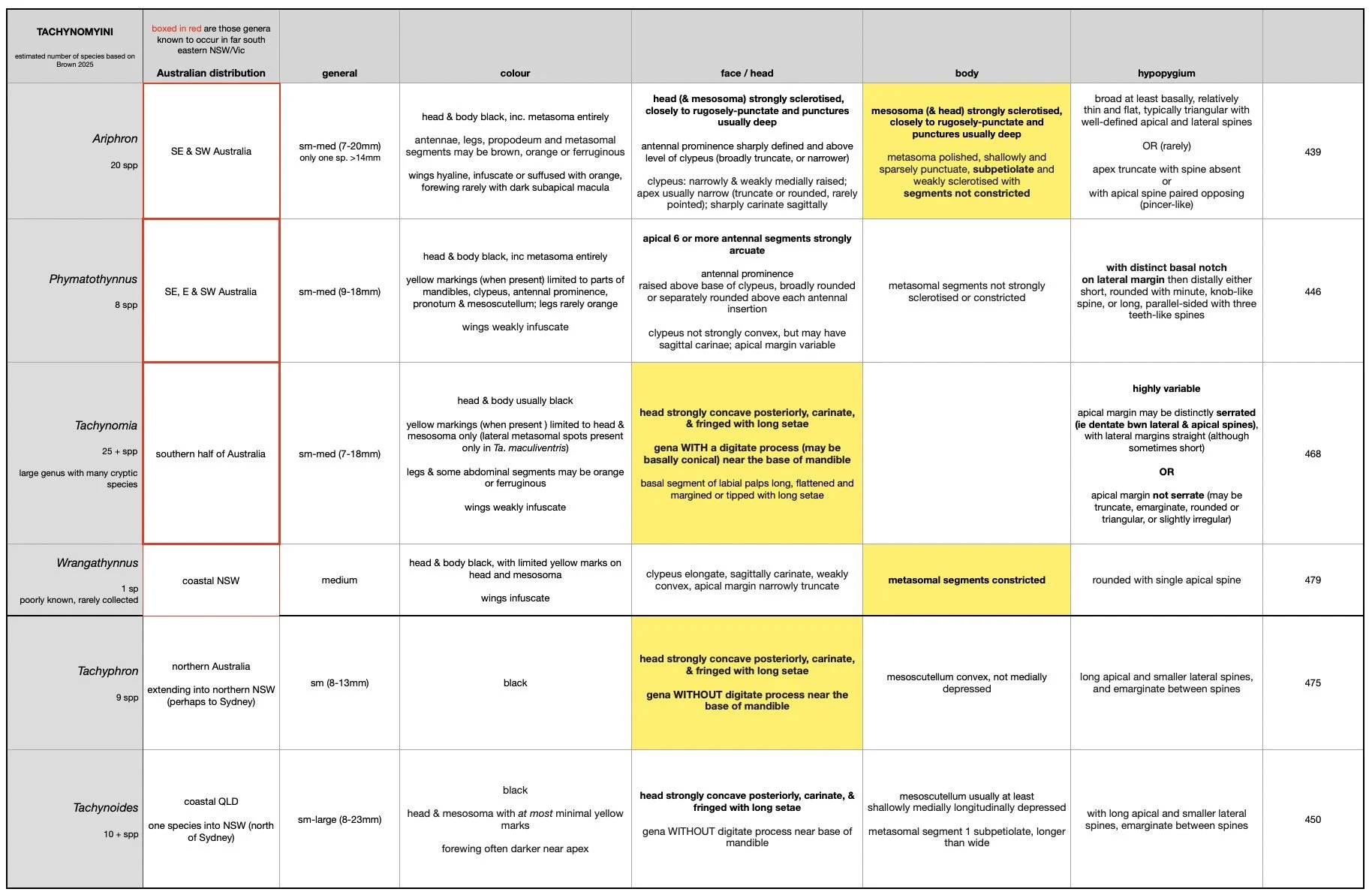
For the two larger tribes – Thynnini and Iswaroidini – I have included only those genera recorded in the south-eastern part of Australia. Given that I’m most interested in identifying our local species here on the far south coast of NSW, that should suffice. For now.
Links to thynnine workbook pages. These are typically a record of the steps and evidence behind an identification I have made. They often include numerous images of collected specimens, with reference to keys and species descriptions.
Biology, ecology, and discovery blog posts
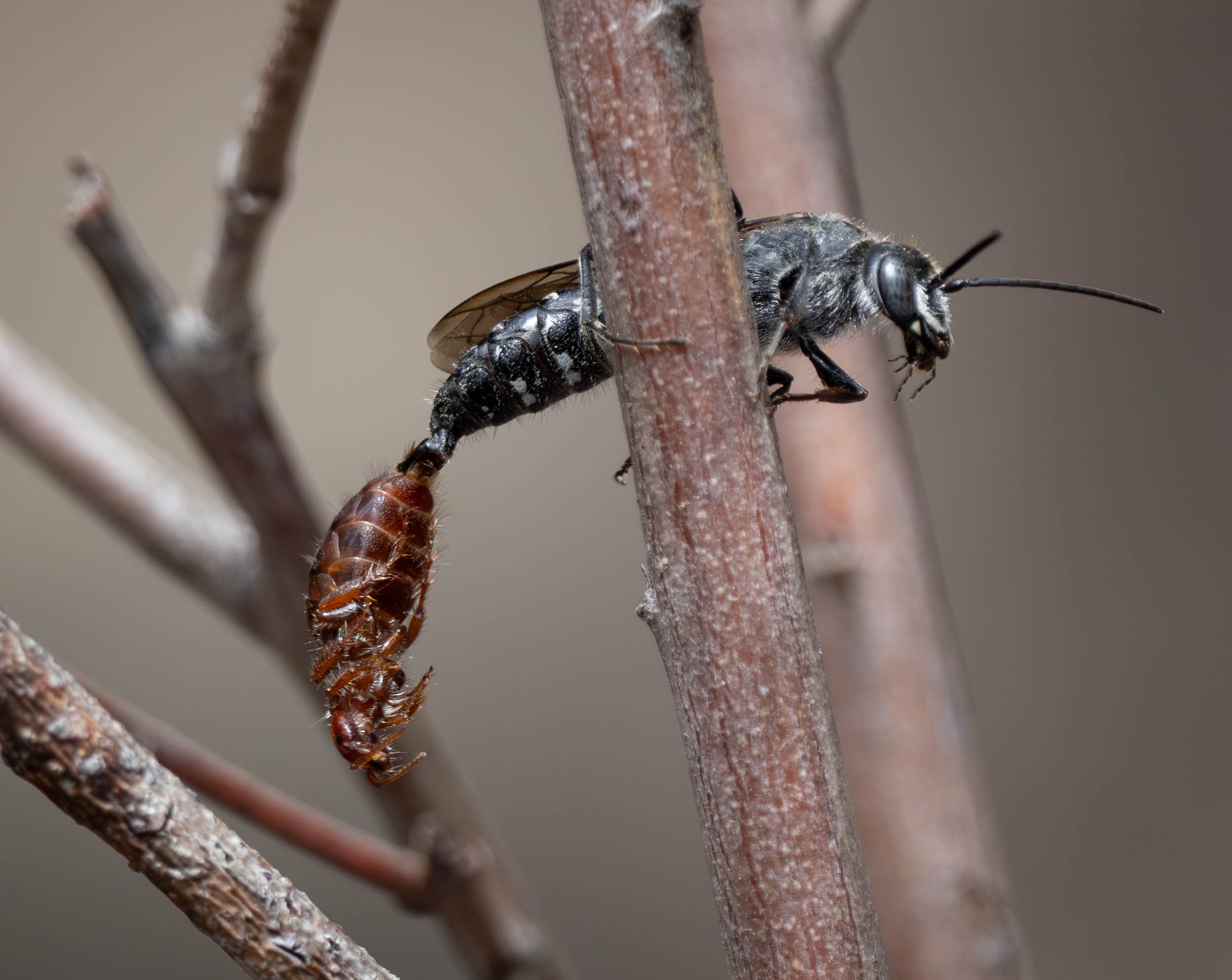
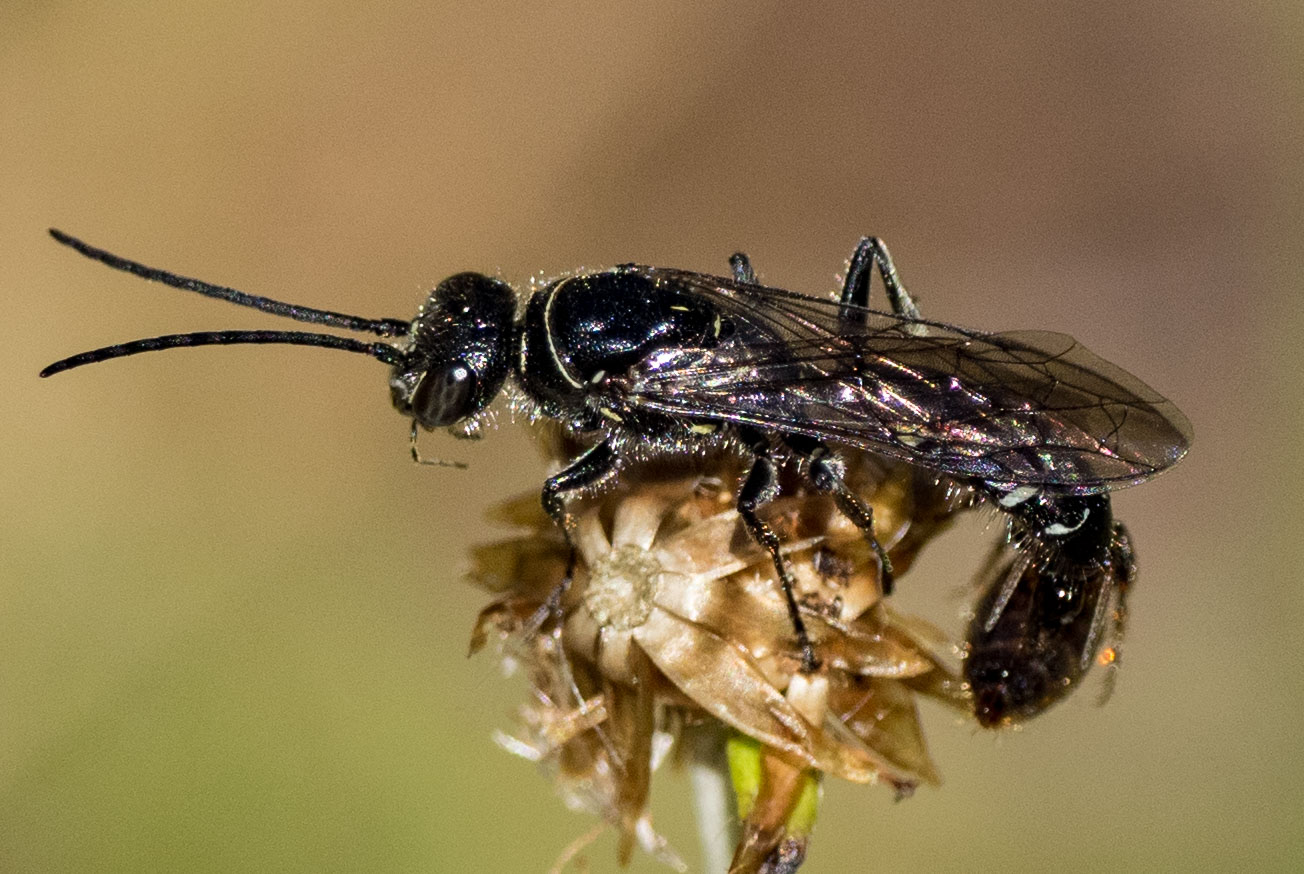
Links to thynnine-related blog posts from the main part of our website.

References
Brown, G. 2025. Revision of the Australian Thynnidae and Tiphiidae (Hymenoptera). Zootaxa 5681 (1): 001-862 https://doi.org/10.11646/zootaxa.5681.1.1
This is a workbook page … a part of our website where we record the observations and references used in making species identifications. The notes will not necessarily be complete. They are a record for our own use, but we are happy to share this information with others.