
Describing life in one small patch of dry sclerophyll forest:
the plants, the insects, the birds and other animals …
and their myriad interactions.
Paul Whitington & Kerri-Lee Harris
Hot off the press!
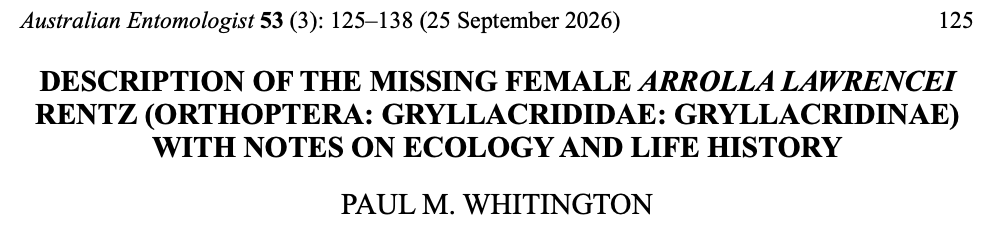
Click to download full paper as pdf (5.2mb)
current projects
Increasingly, we are each specialising in the identification of select insect groups.
Here’s a sample of what is currently focusing our minds.
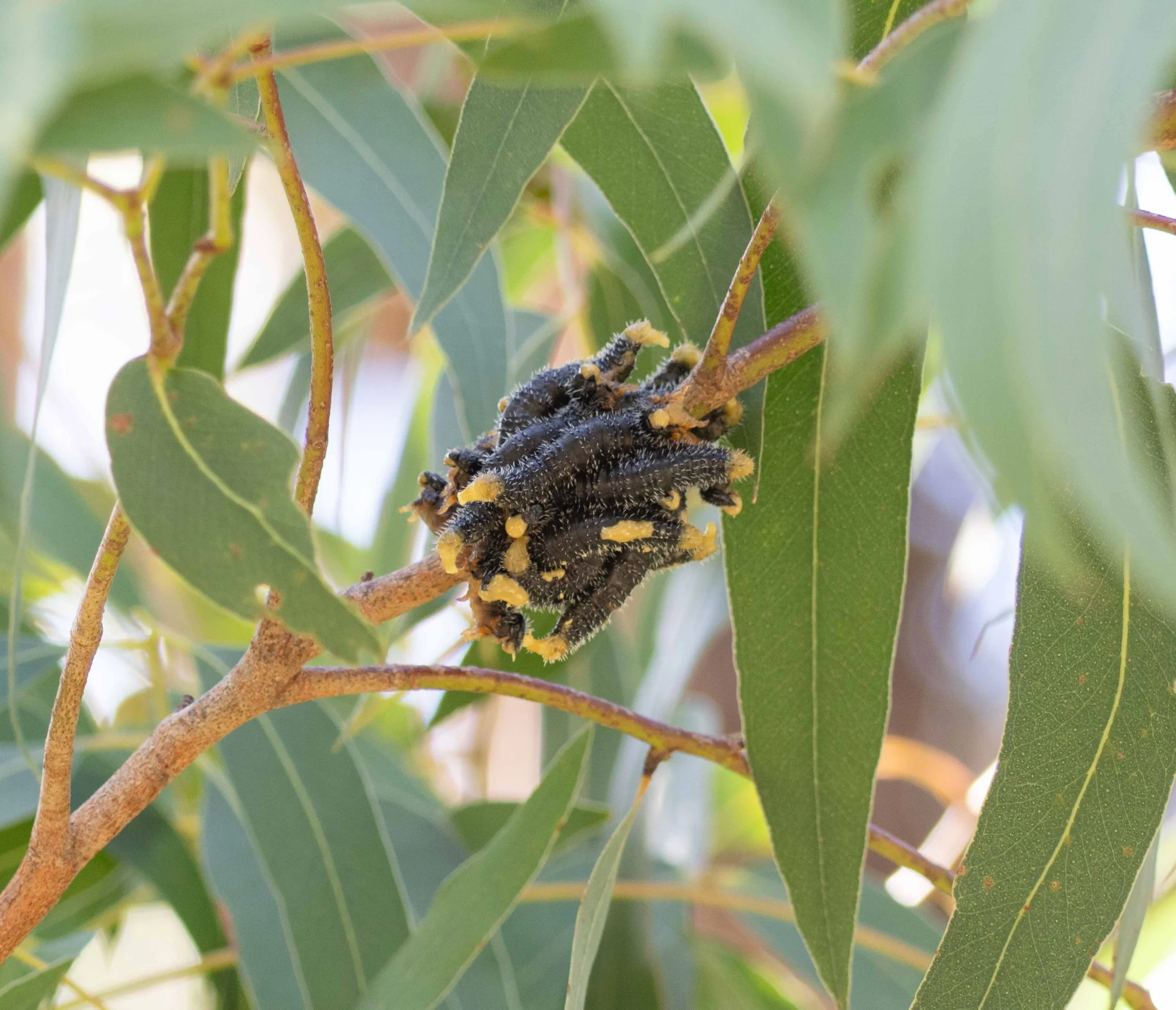
Attempts - which were unsuccessful - to rear Perginae larvae collected from Old Bridge Road, Sept 12, 2025 (clutch #2) and Eucalyptus consideniana on edge of Kizzy’s block on Sept 14, 2025 (clutch #3)
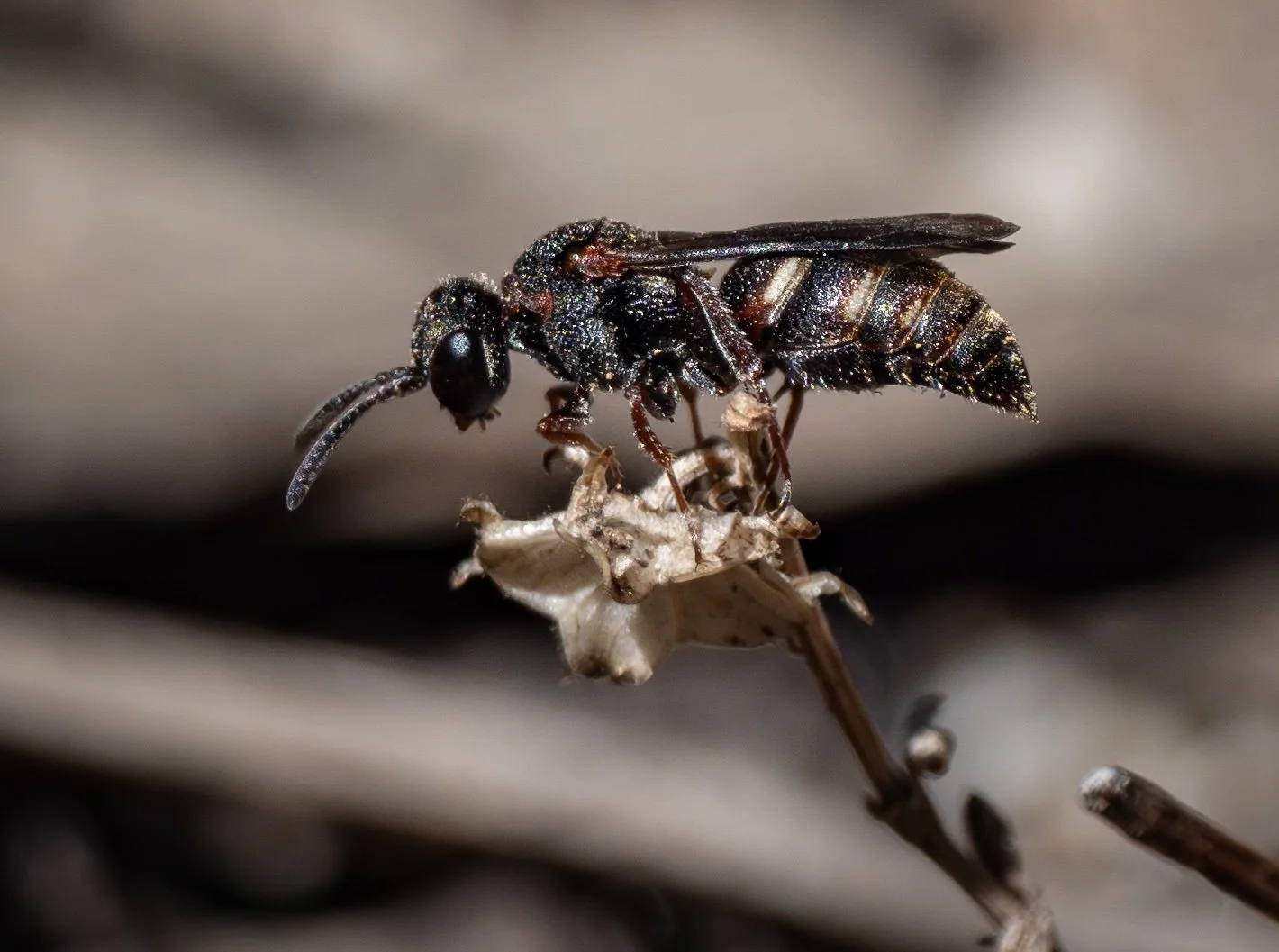
Tips on what to look for when identifying crabronids from field photos.
[extracted & adapted from much earlier blog post ‘Sand wasp puzzles: Part 1’]
This page presents background information about sawfly larvae
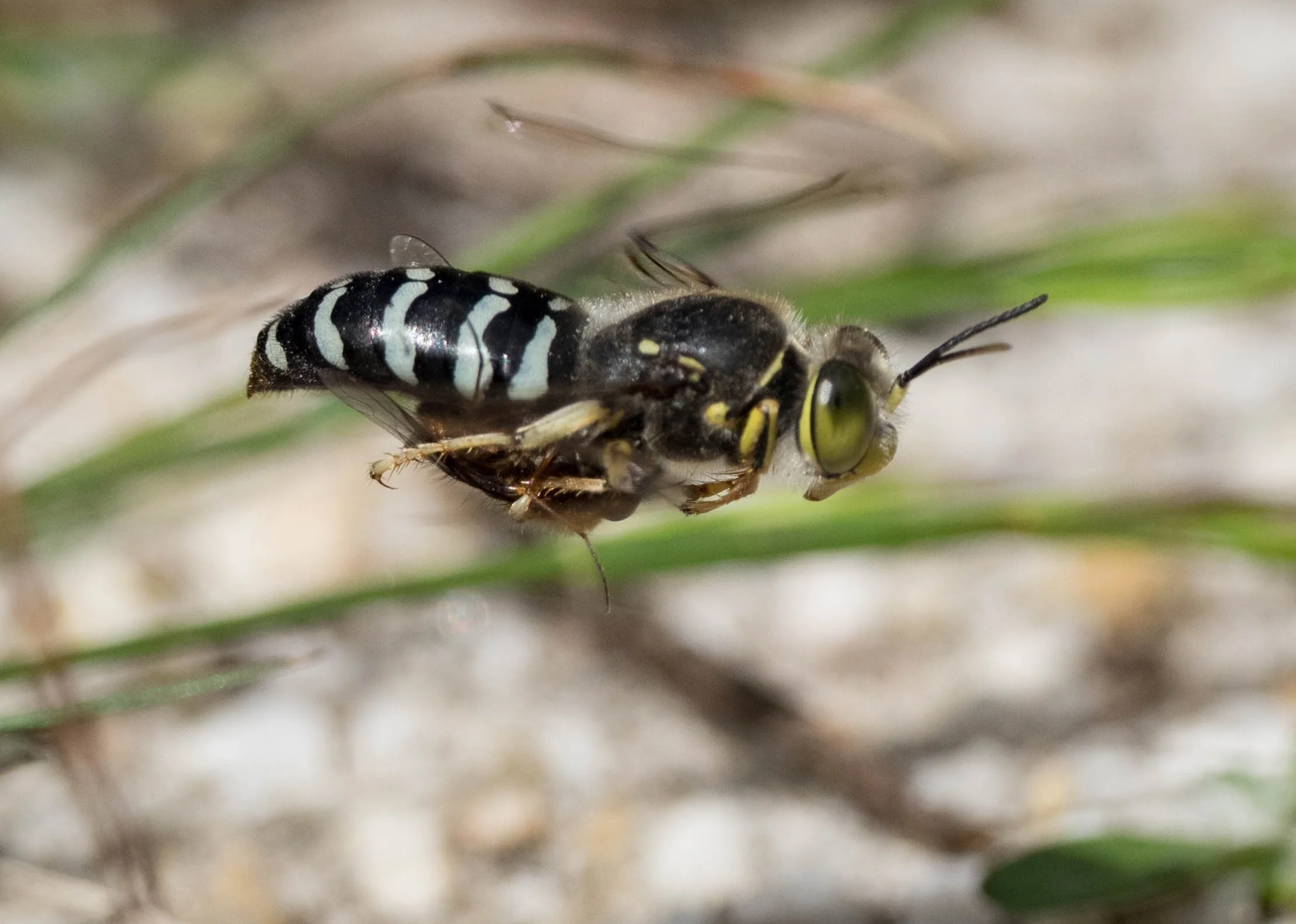
Summary of Evans’ & Matthews’ 1973 work on Australian Bembix, with a focus on the 44 species known from the eastern states. Included are extracts from the original monograph, such as the figures and key to all 80 species known at that time. The summary table is detailed (& rather cumbersome!), but necessarily so at this stage. The large number of species in the genus, and the high level of intraspecific variation, demand attention to multiple characters in order to make an ID.
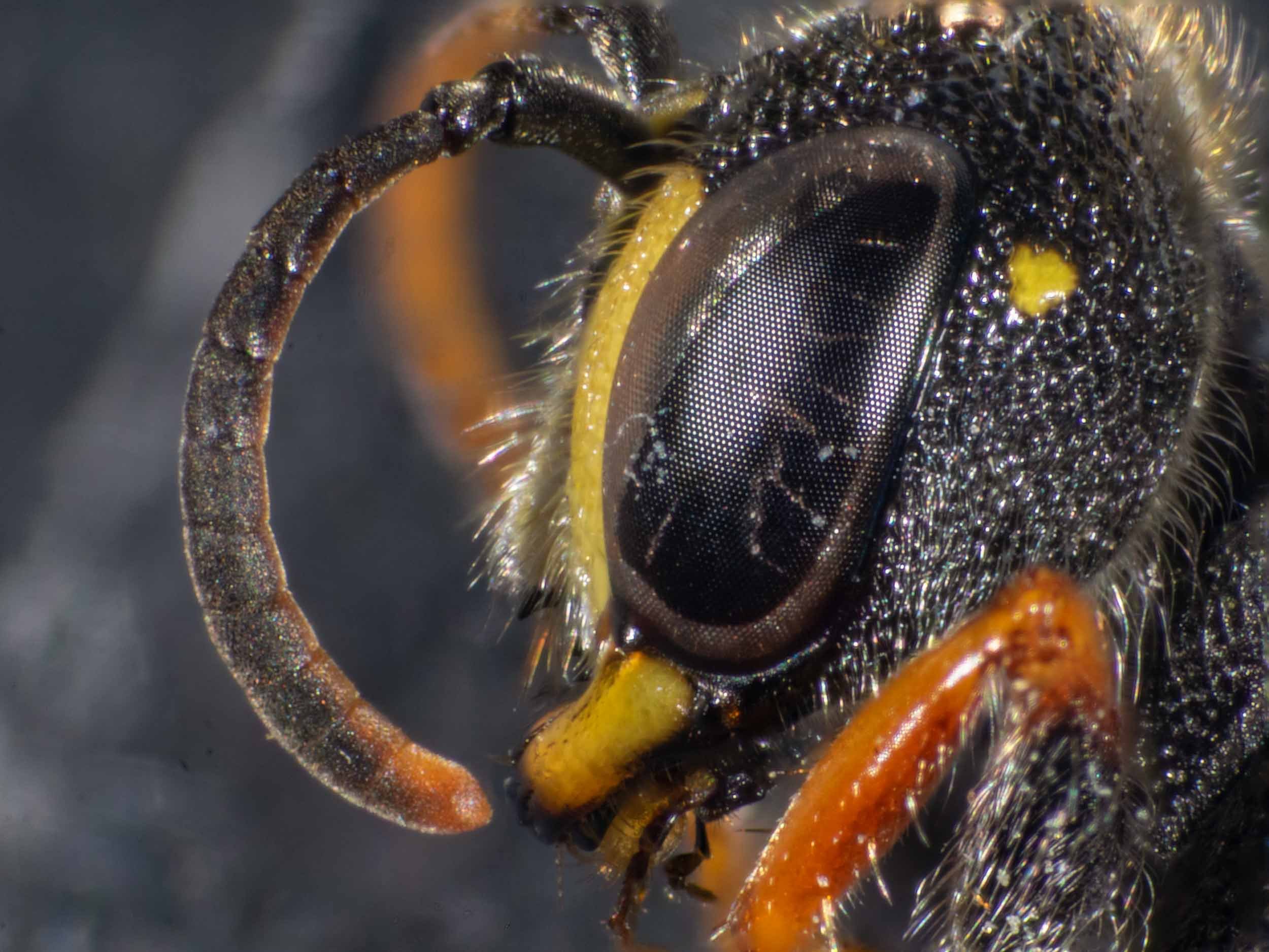
Australian Crabronidae: summaries, resources, references and links to related blog posts.
Here’s a little more about what we do, and why.
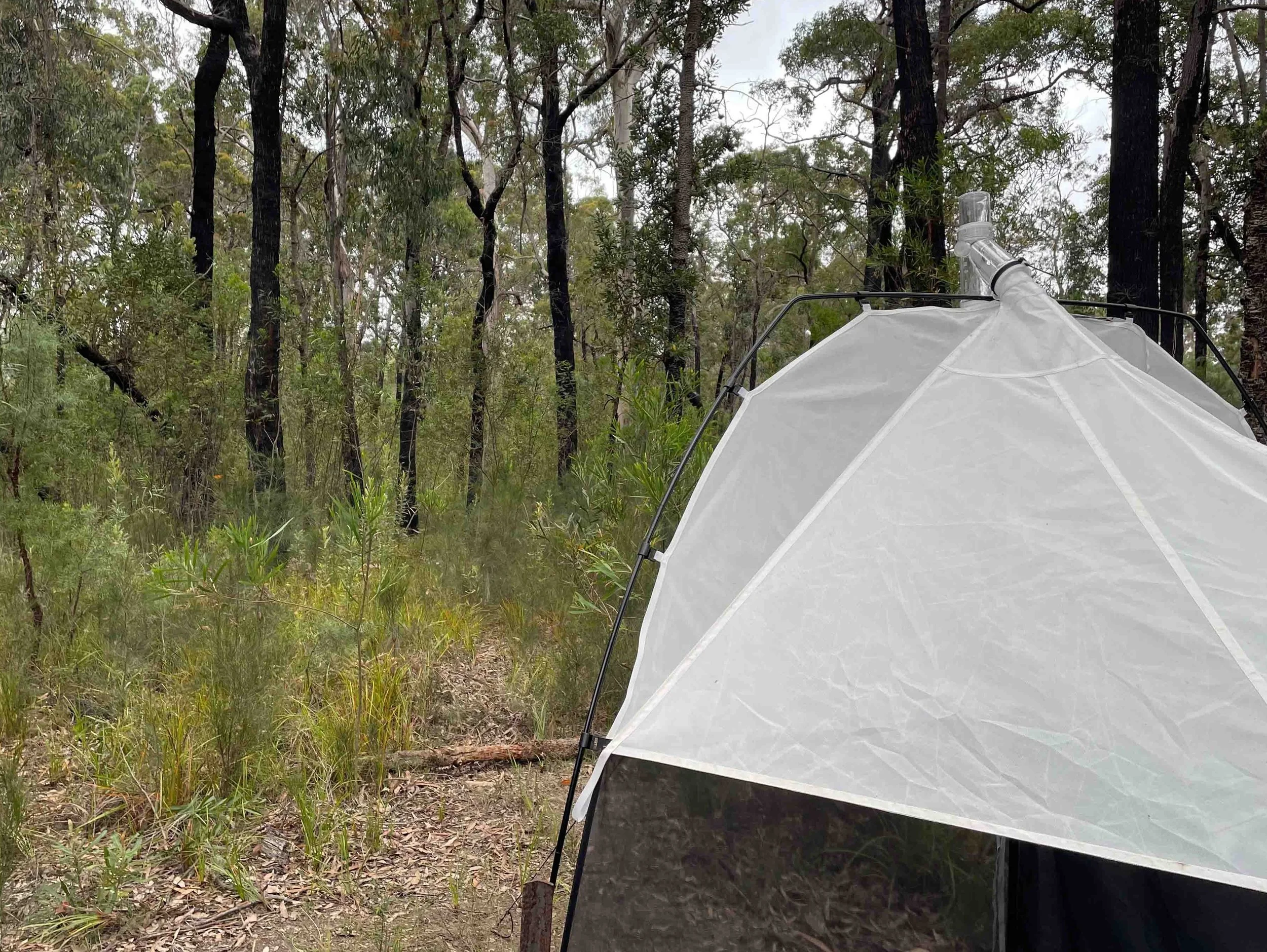
Our patch of forest is now part of a global program sampling insect biodiversity. Over the next year we will be collecting hundreds of flying insects for DNA analysis. Some will be species we know well, many will be new to us – and no doubt many will be new to science.

In a break with tradition, an essay. A thought piece. No photos, no field notes, no references. Just musings on why I do what I do.

The back story on the discovery and naming of a new species of funnel-web spider.
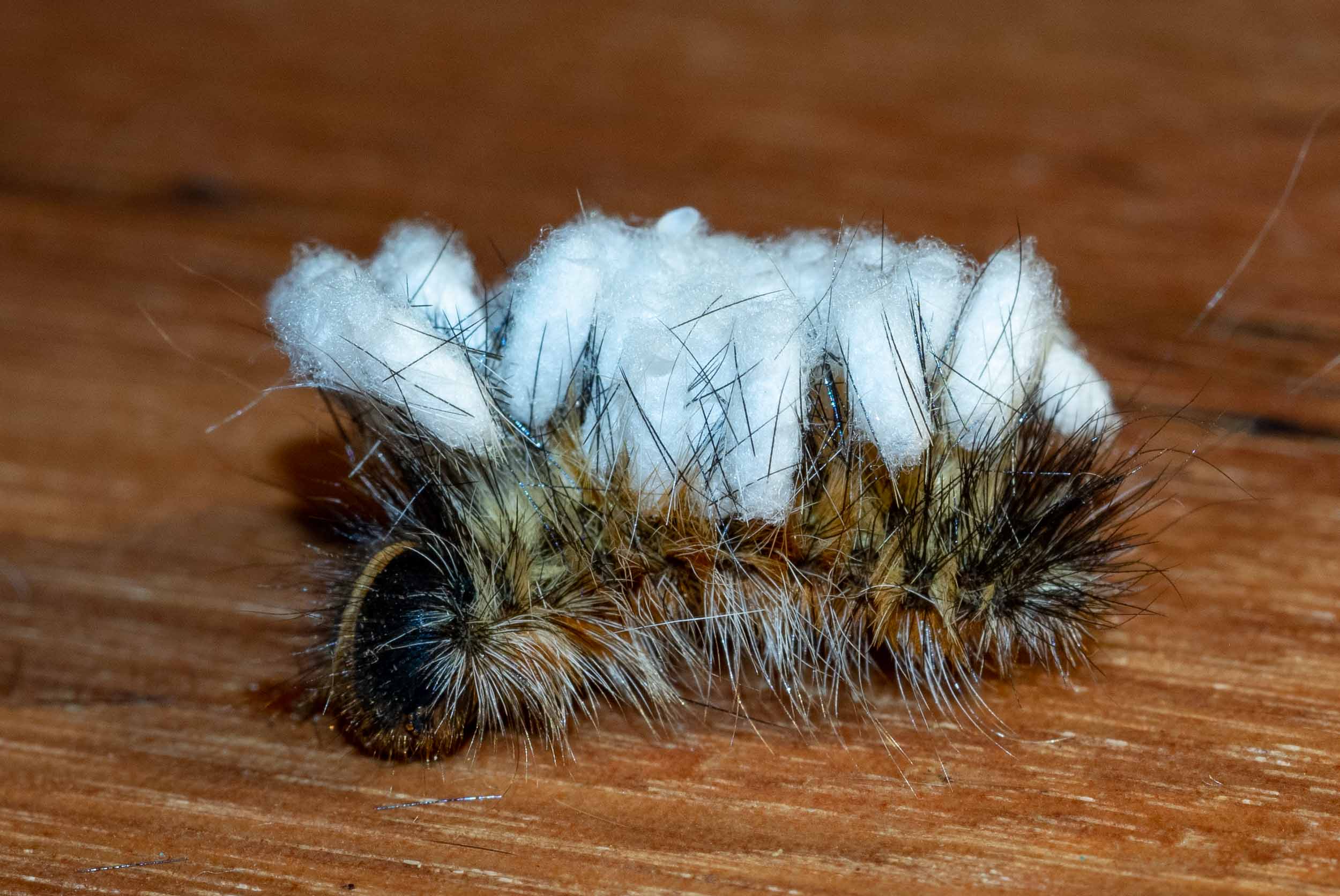
Rearing caterpillars to discover which moth species they belong to can bring surprises!
events & stories
Since 2011 we have been studying life in our home forest, and recording our discoveries on this website for nearly a decade. Biology, ecology – with a bit of taxonomy to help sort out who’s who.
Read our top picks, or browse the entire collection.
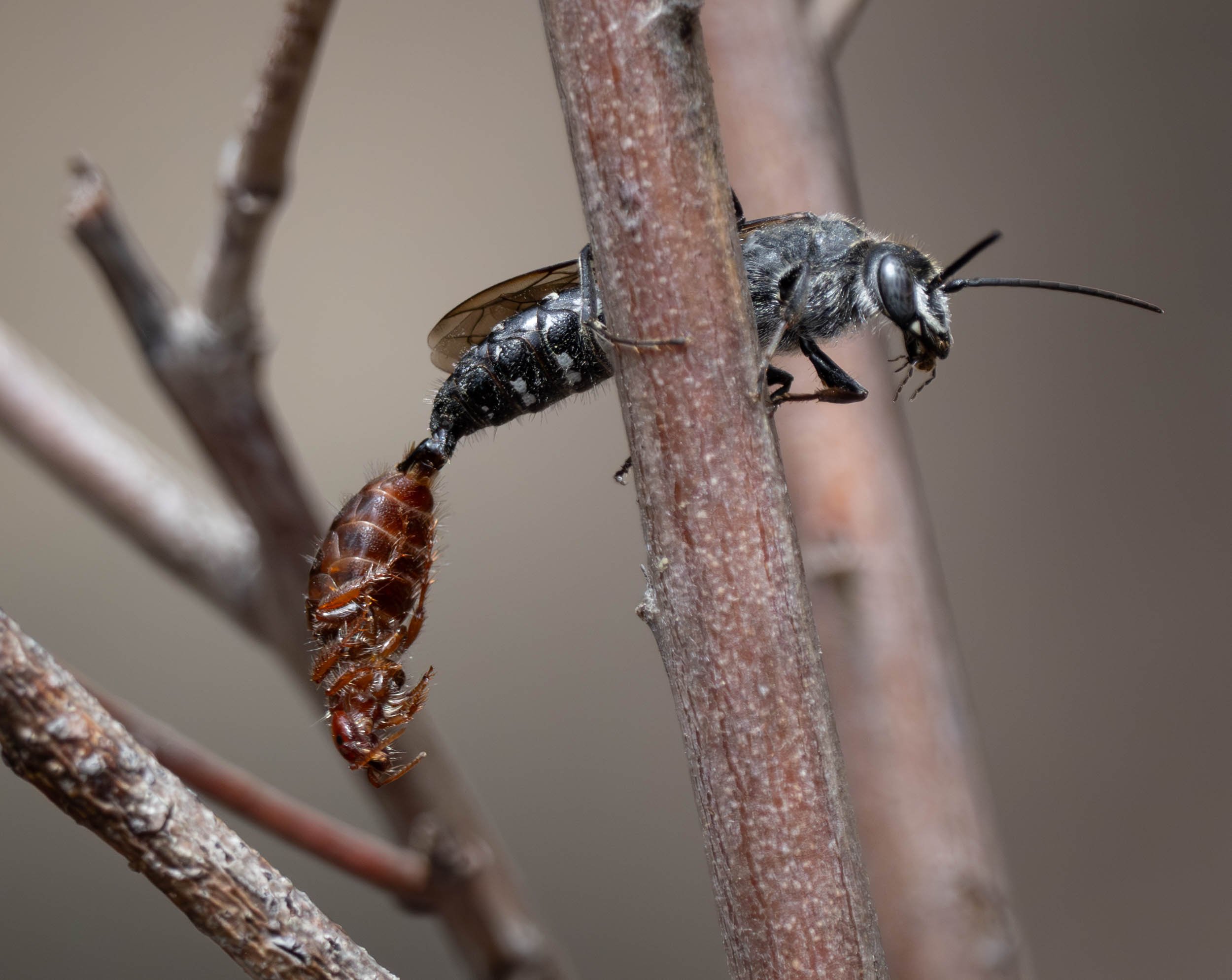
A close look at the mechanics and behaviours involved in Thynninae mating, including genitalia (in all their glory!)

A fortuitous nest location close to the house has provided an intimate look at the rearing of nestlings of the superb fairy-wren
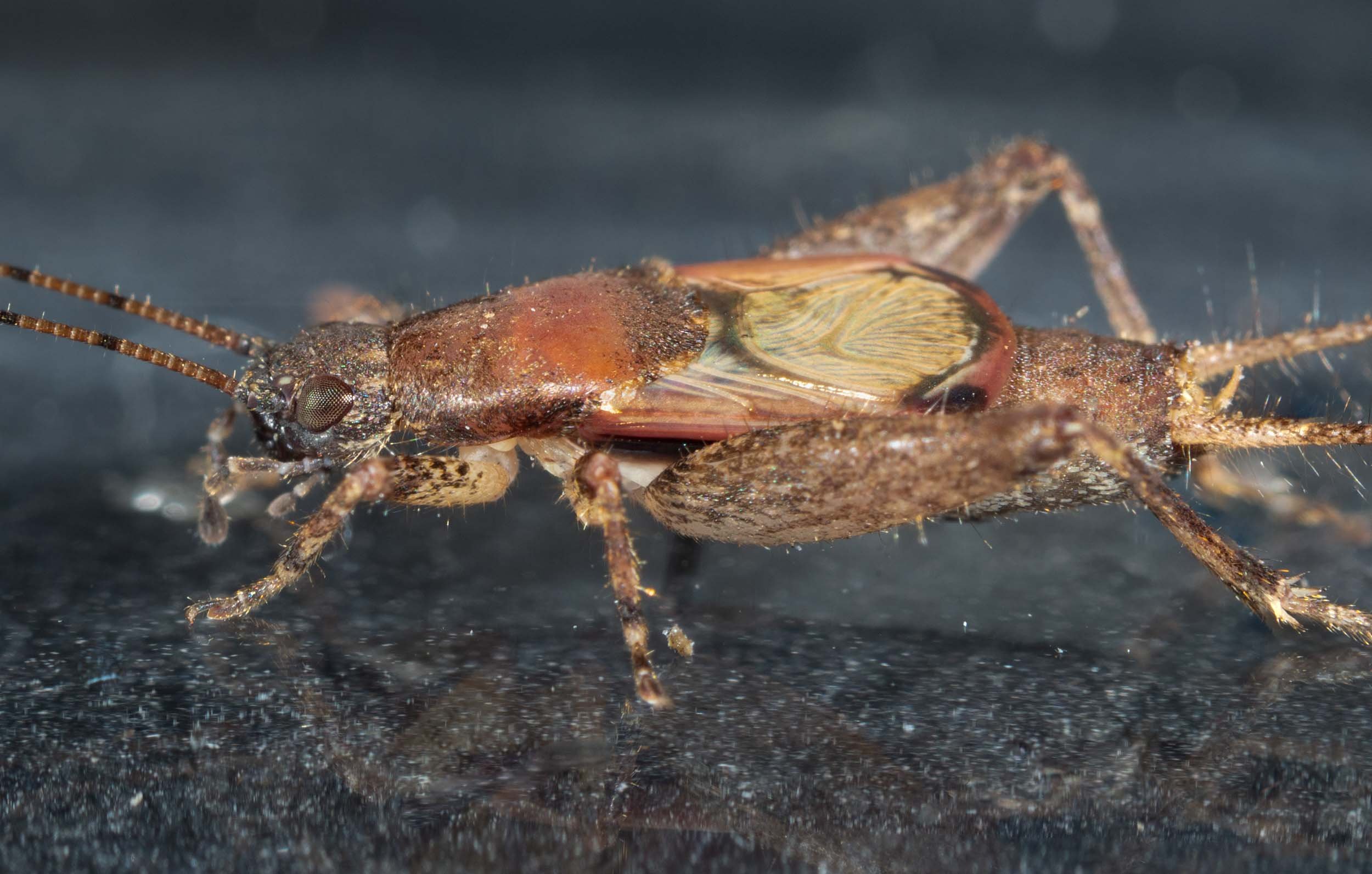
A search for the identity of a small male cricket leads me to characterise its mating call and learn how it is generated
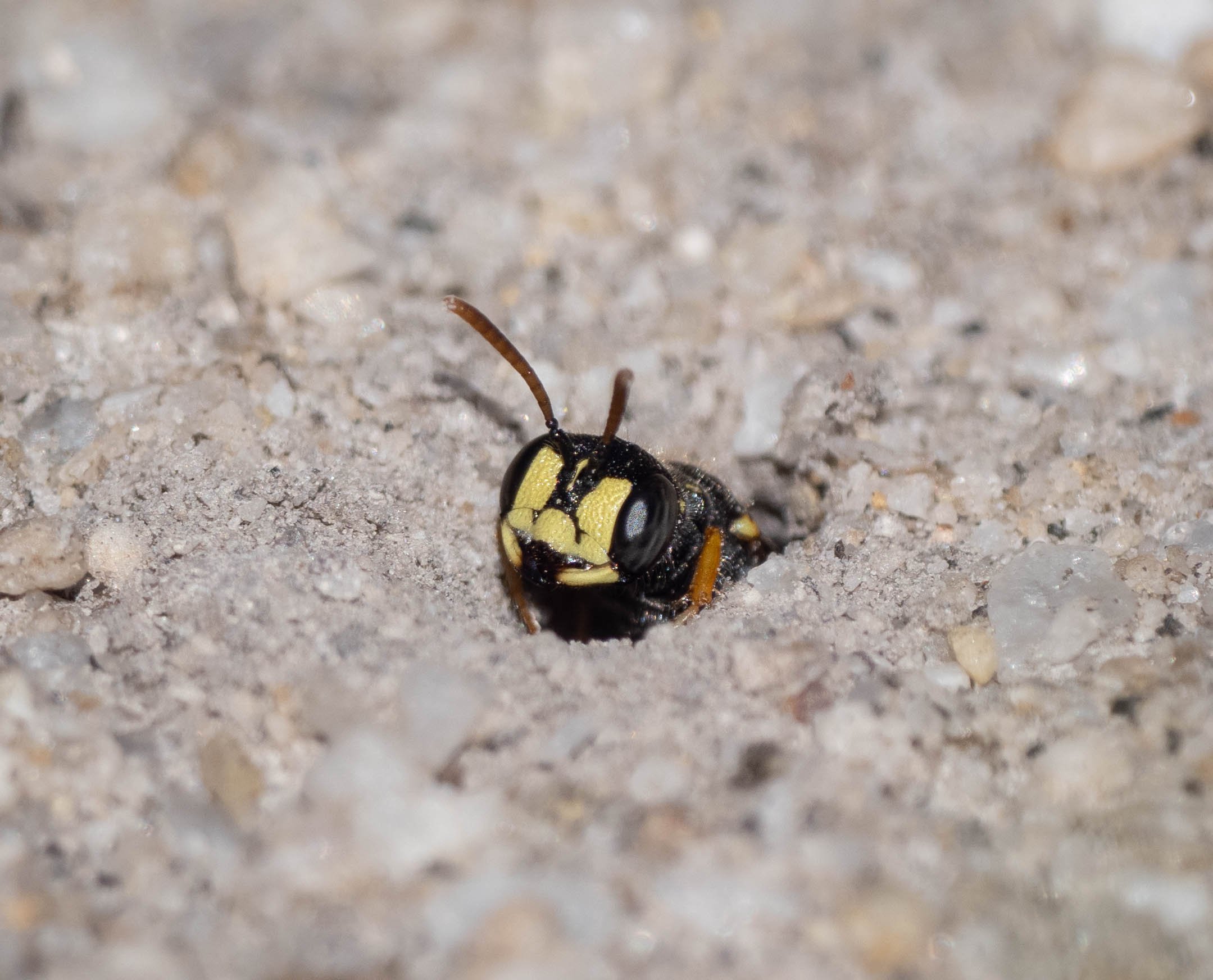
Like most Crabronids, Cerceris are solitary wasps. Intriguingly, however, a few species display behaviours reminiscent of social insects. Our local species, Cerceris antipodes, is one such. I delve into the research literature to learn more about their nesting habits.
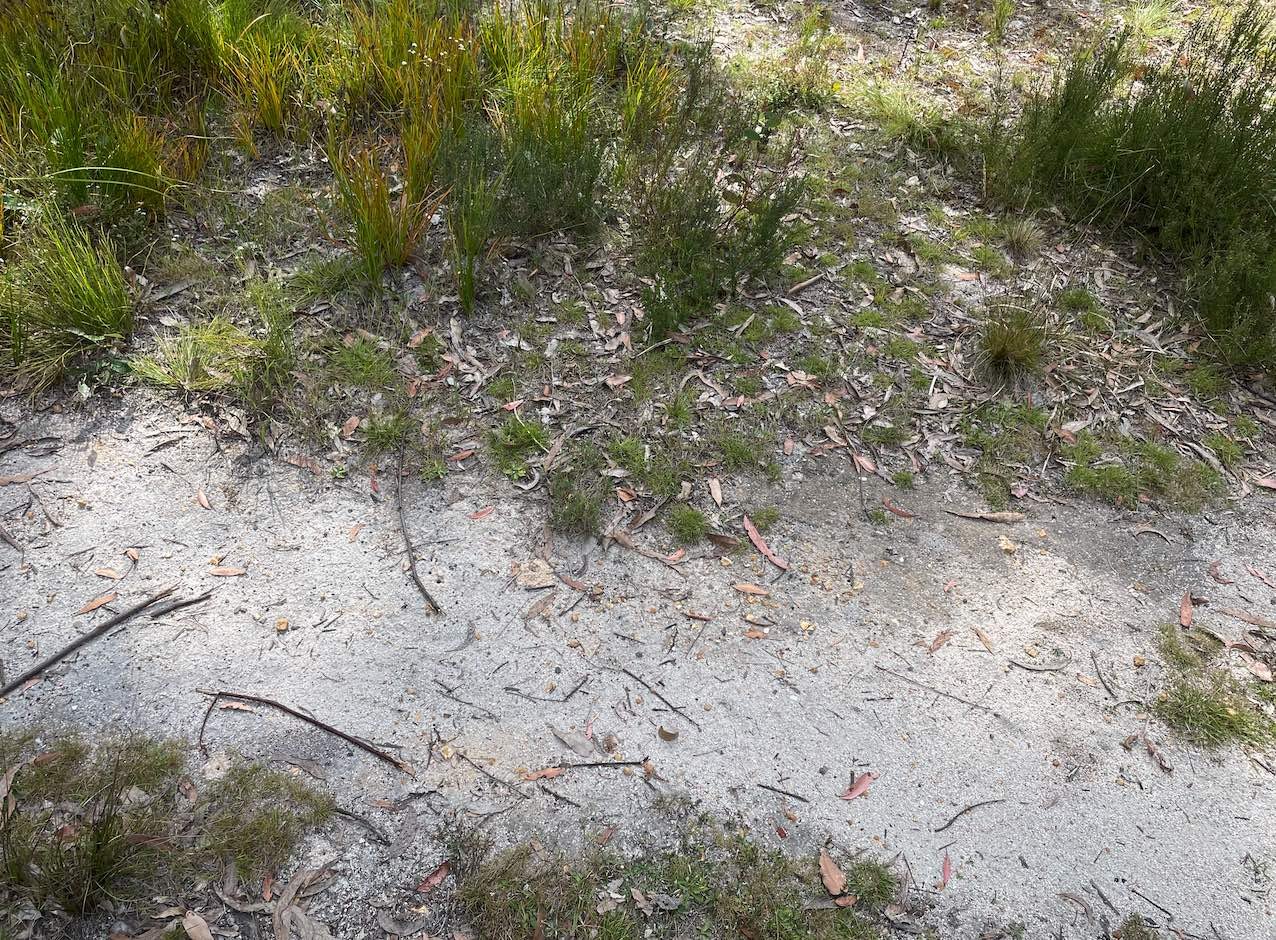
One small patch of sandy ground, so many ground-nesting insects! Seven species of crabronid, three bees, velvet ants … and more.
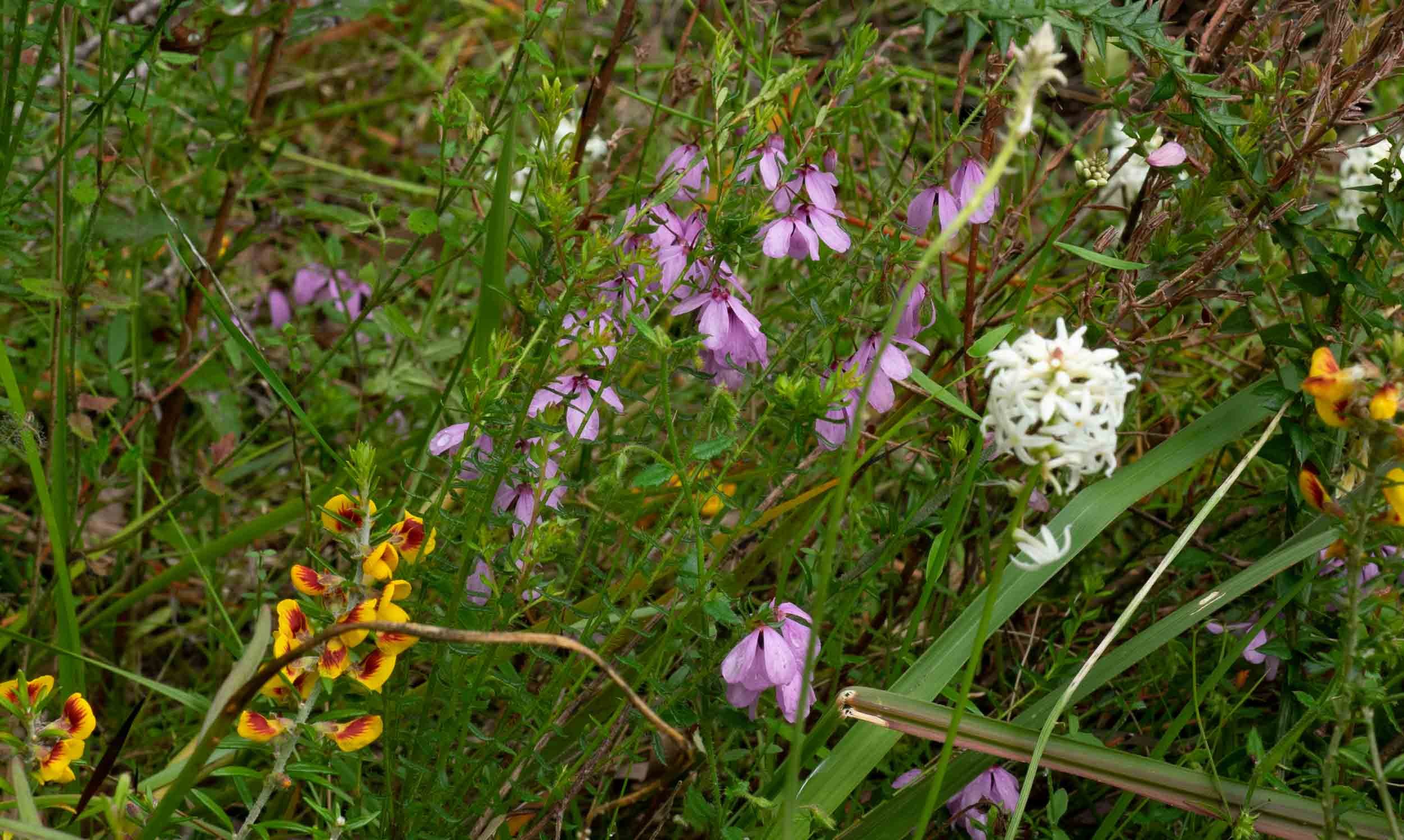
In the natural garden of the forest floor this month, Tetratheca and Stackhousia are islands of calm amid a hectic sea of bees and peas. So I set out to discover more about the pollination strategies of these very different types of flowers.
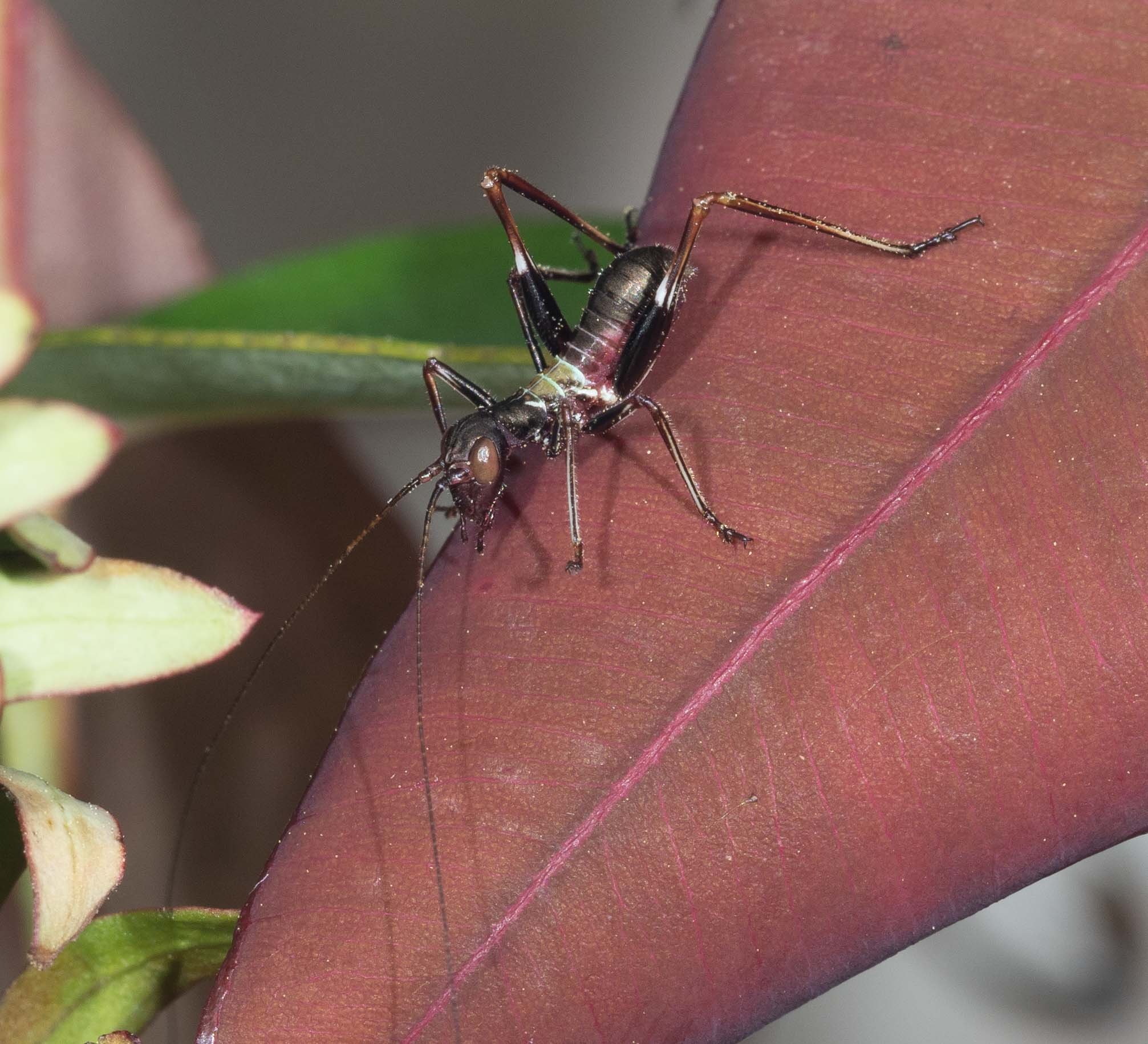
We follow the tortuous process by which a katydid nymph hatches from its protective egg case and simultaneously sheds the cuticle coat it acquired as an embryo.
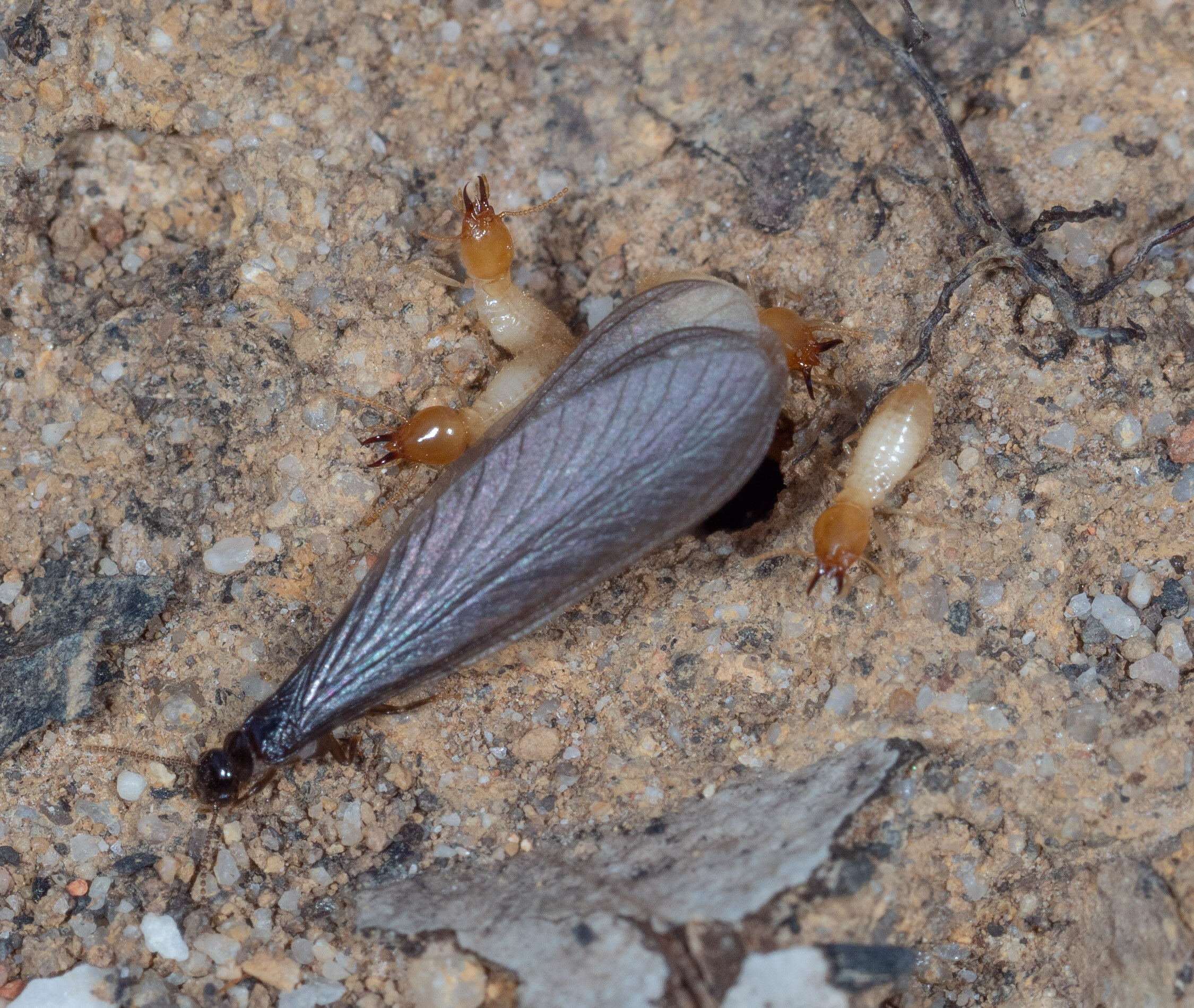
For the first time we’ve seen termites at the start of their flight to establish new colonies. This has lead us to discover much more about their lives below ground.
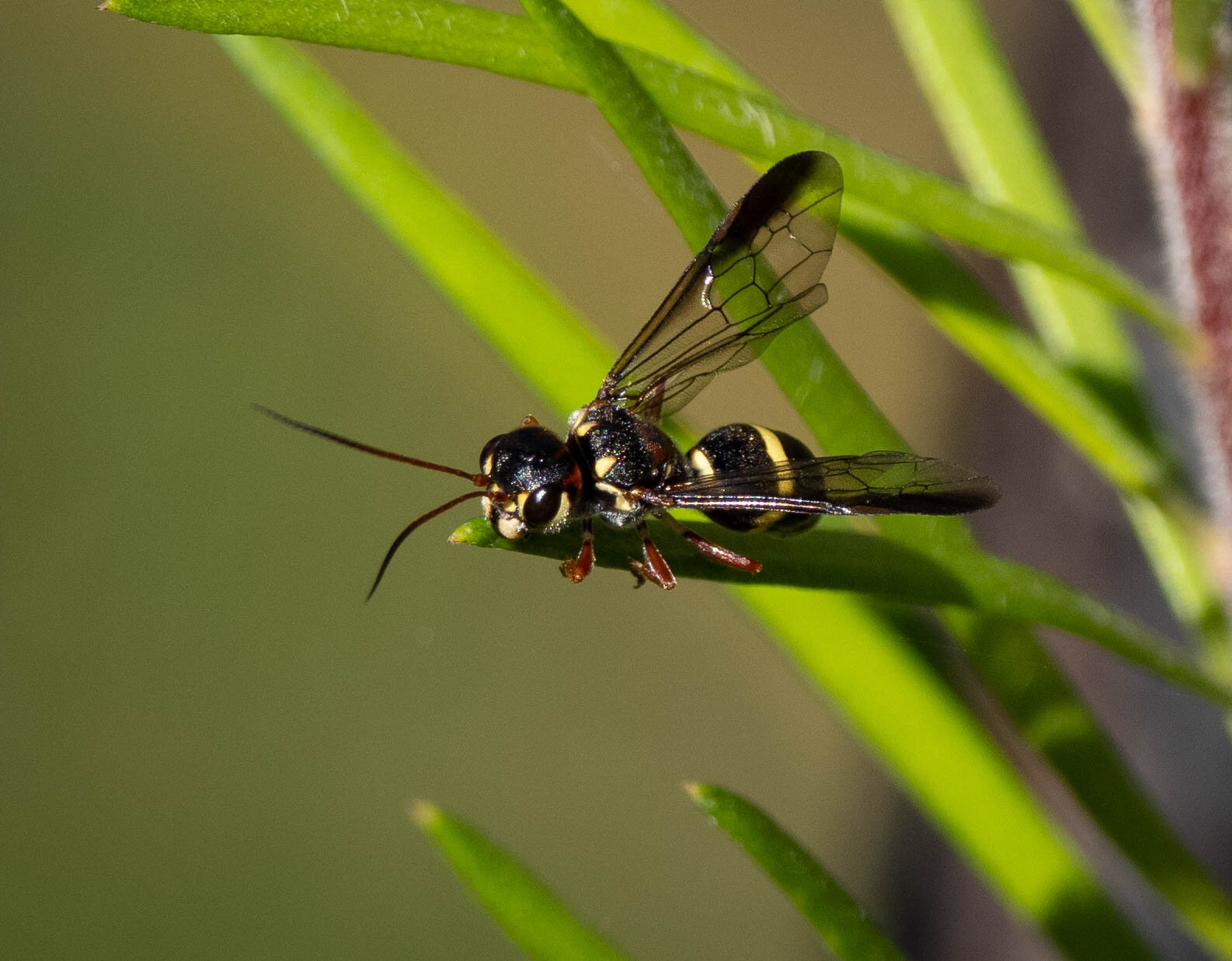
While sitting in just one patch of forest for several hours in the course of one week … more than 20 wasp species from 12 different families. Including Trigonalidae, a tiny and bizarre family, rarely seen.
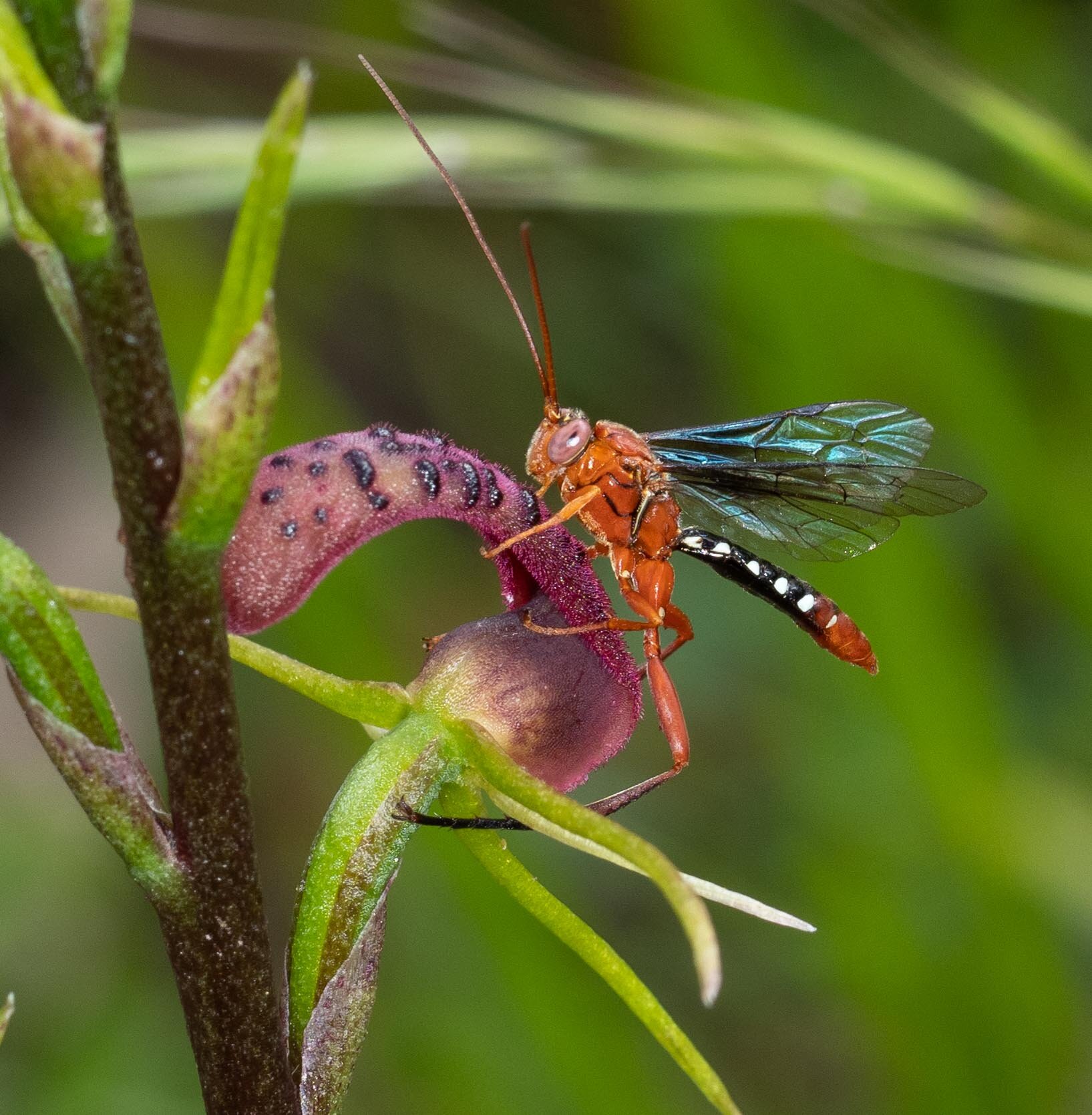
An orchid lures a wasp with the promise of sex - to achieve its own reproductive needs
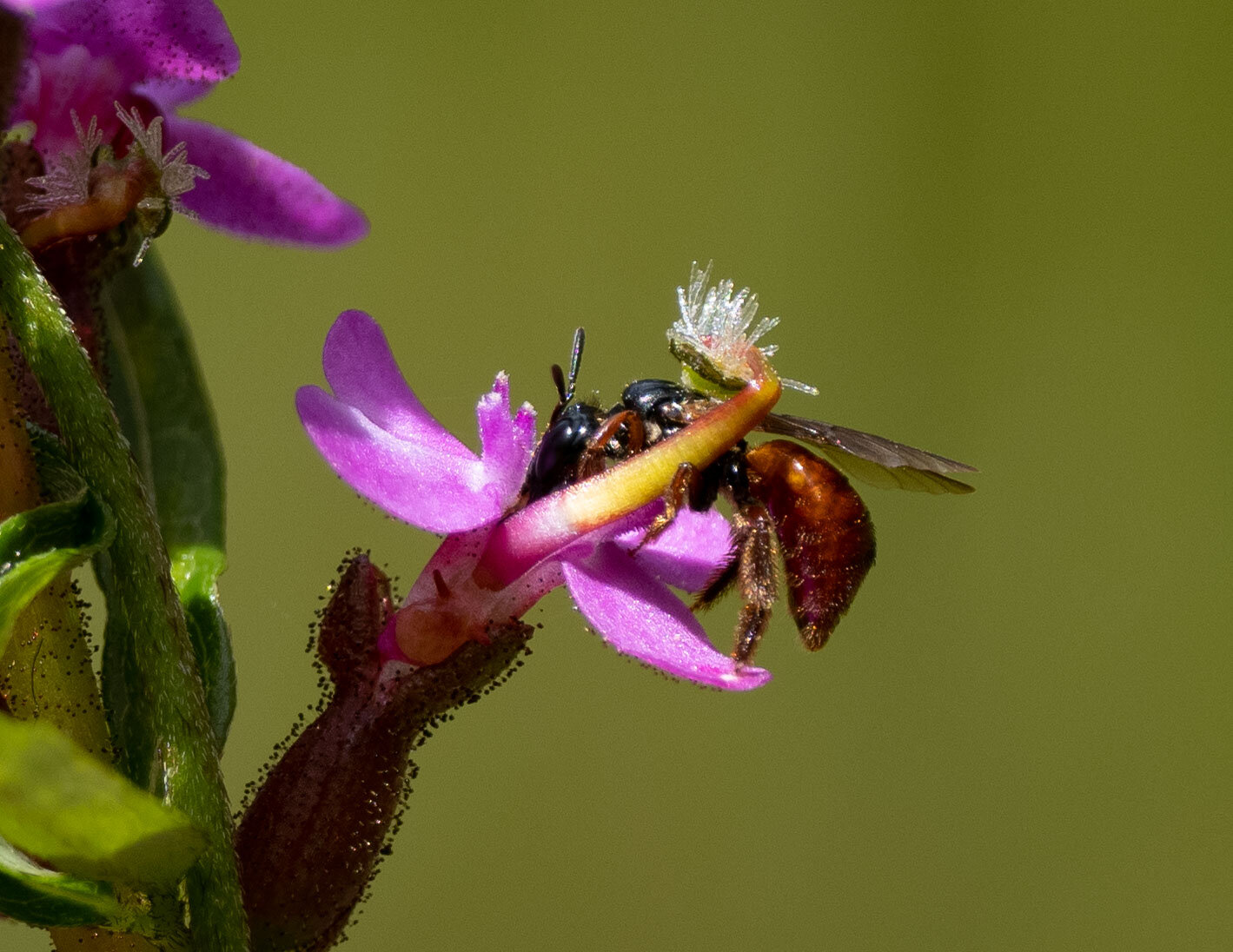
Triggerplants are among the speediest of plants. I take a closer look at the structure and function of their flowers.
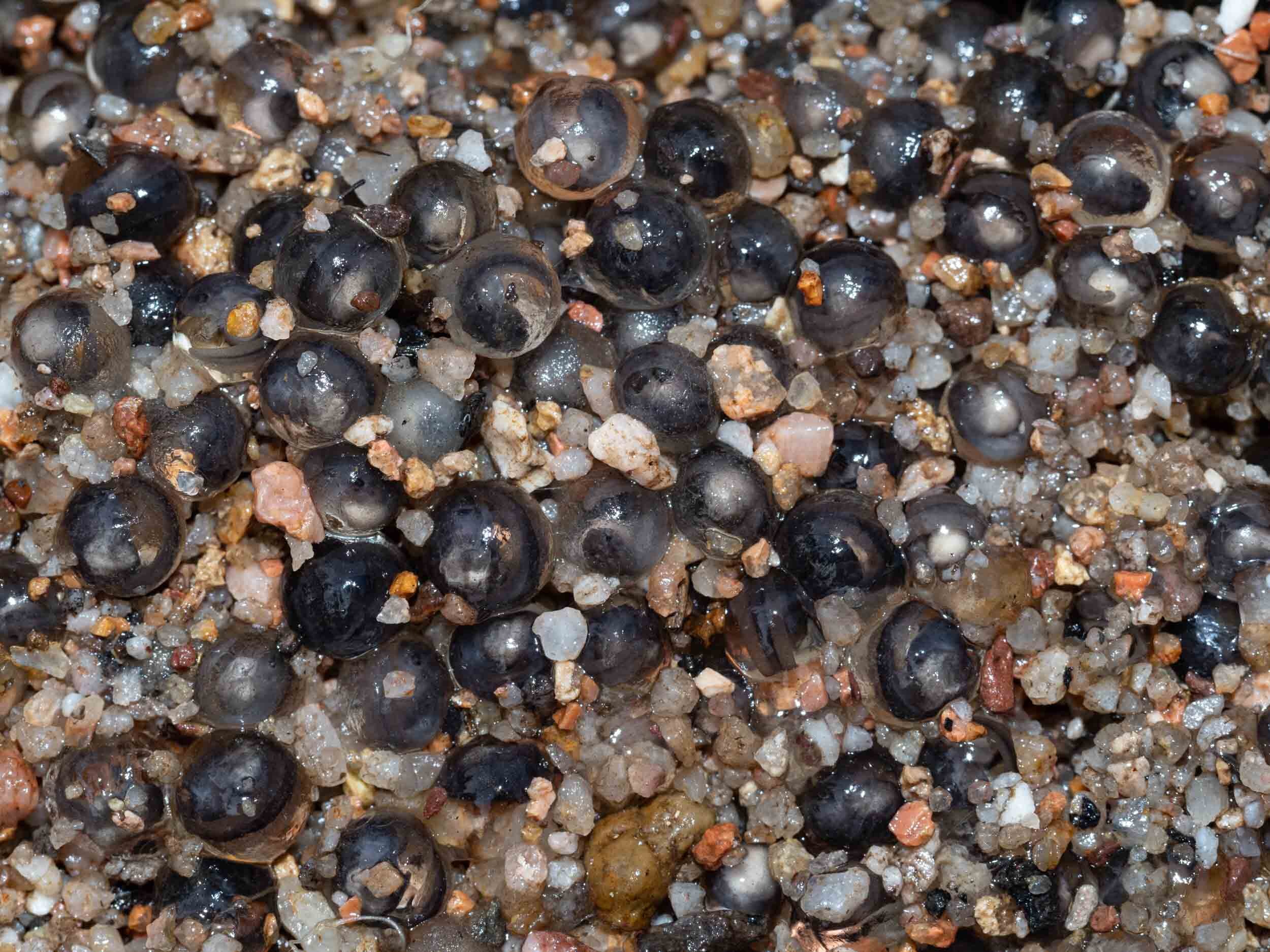
Rebuilding our fire-damaged frog pond was an ideal opportunity for a pond-life audit
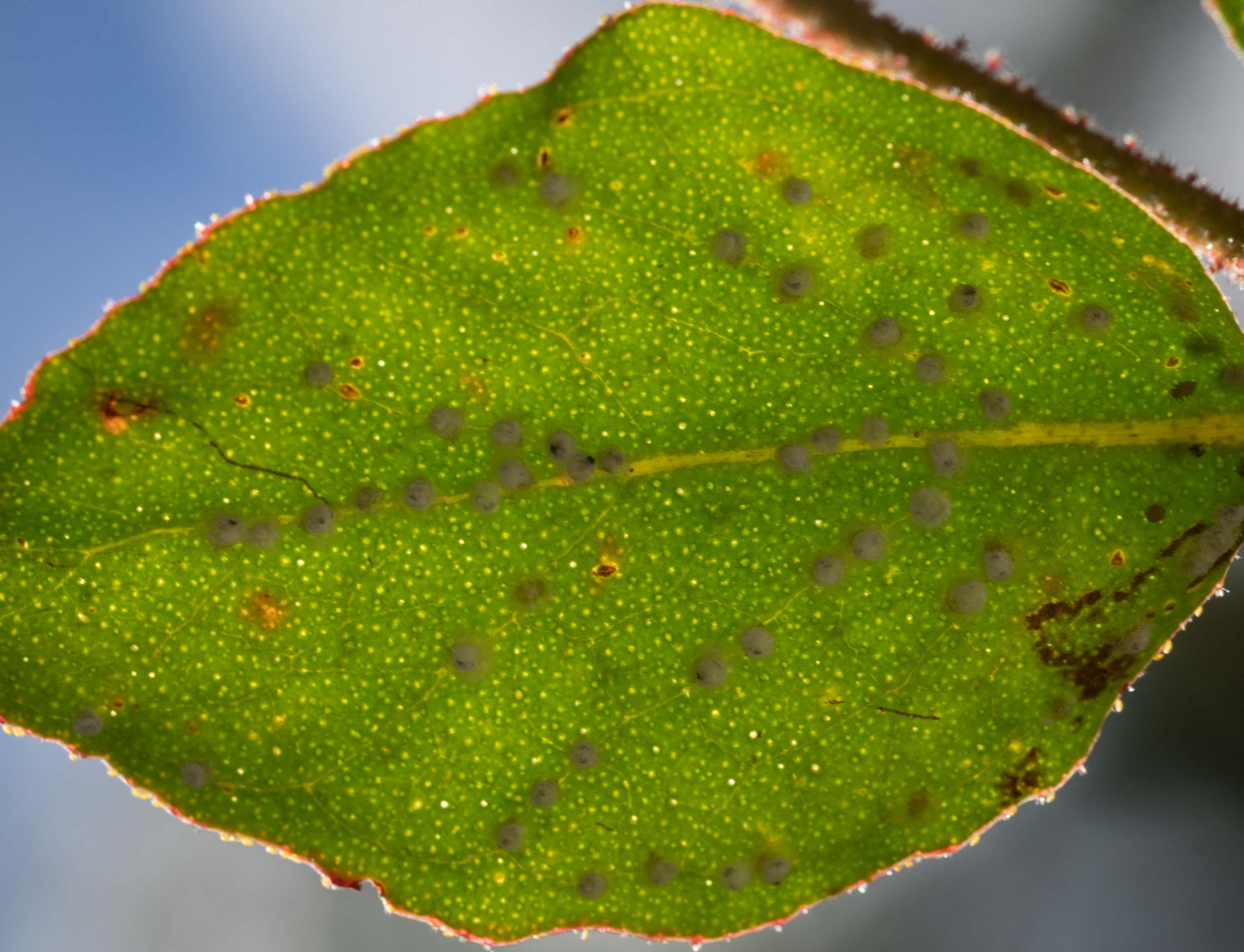
I look at one of the major contributors to energy flow in our forest ecosystem

I witness a formidable little monster - a lacewing larva - coming into the world
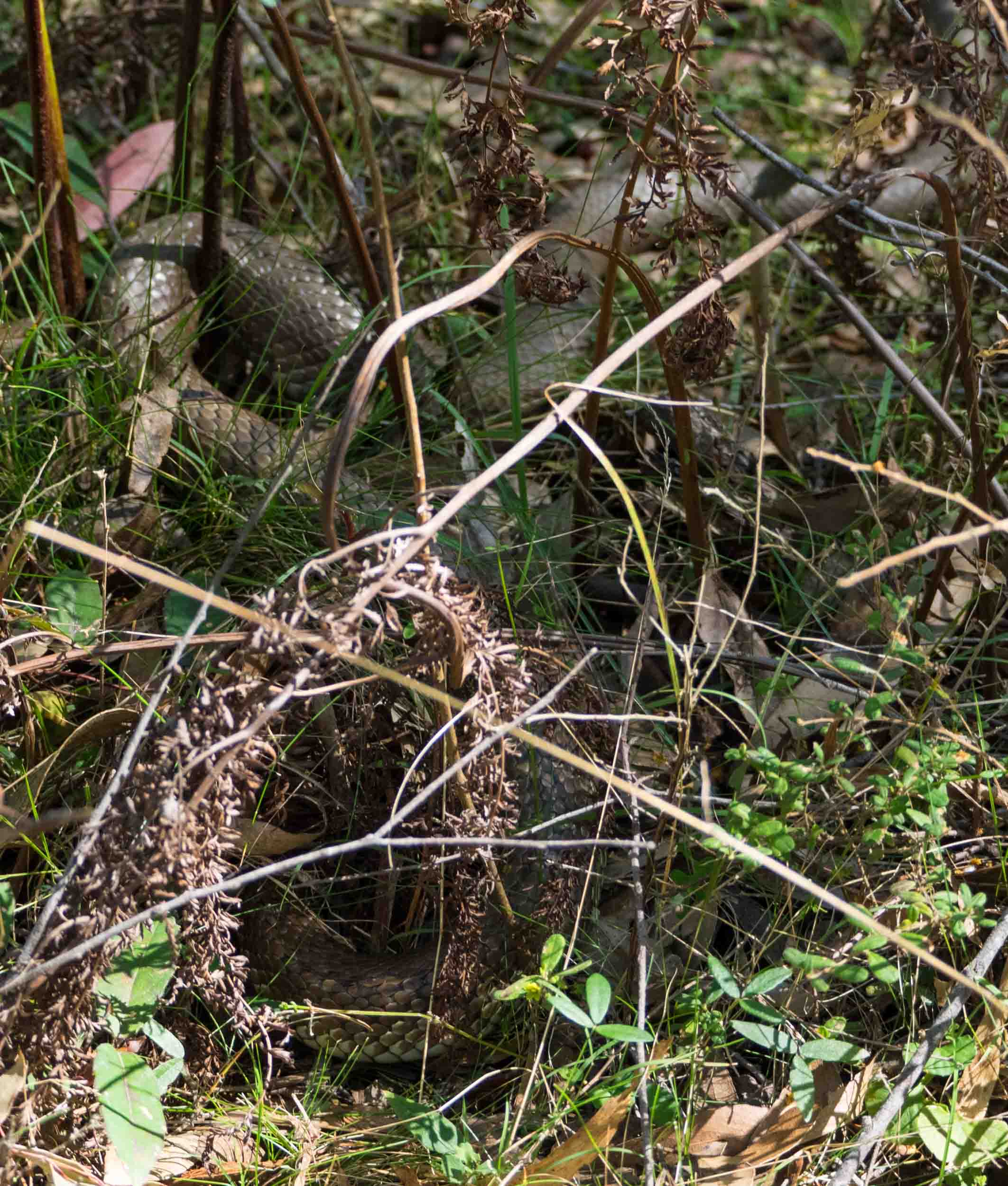
A rare glimpse of an event that is probably quite common: a Tiger Snake preying upon the nestlings of a ground-nesting bird. Gruesome, but amazing.

I get to witness a fascinating event - a male St. Andrew's Cross Spider courting then mating with a female...and the macabre postscript.
seasonal galleries
Nothing showcases the biodiversity of the forest better than a photo essay.
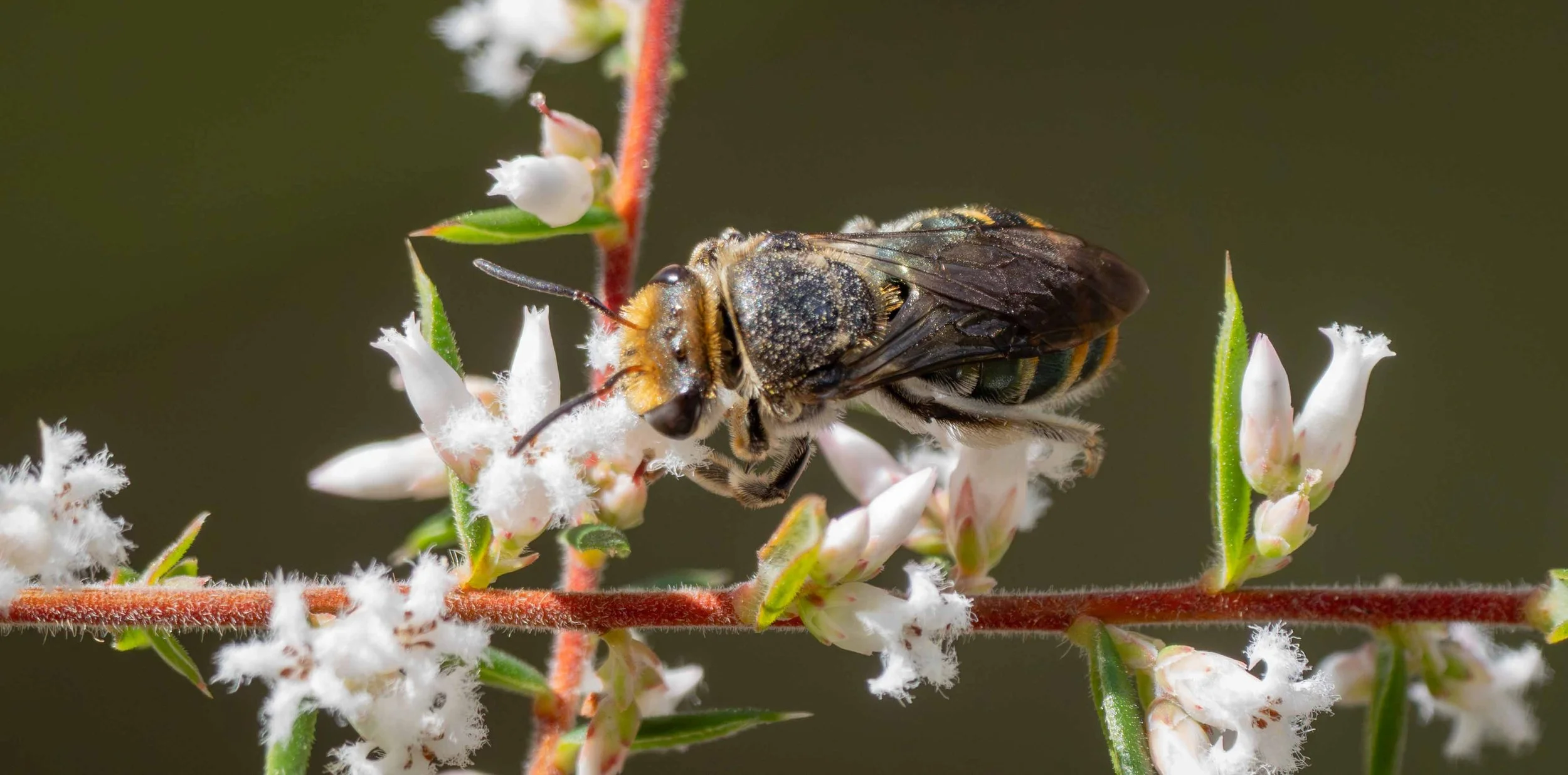
The forest seems to come alive from late August … at least in terms of day-flying insects.
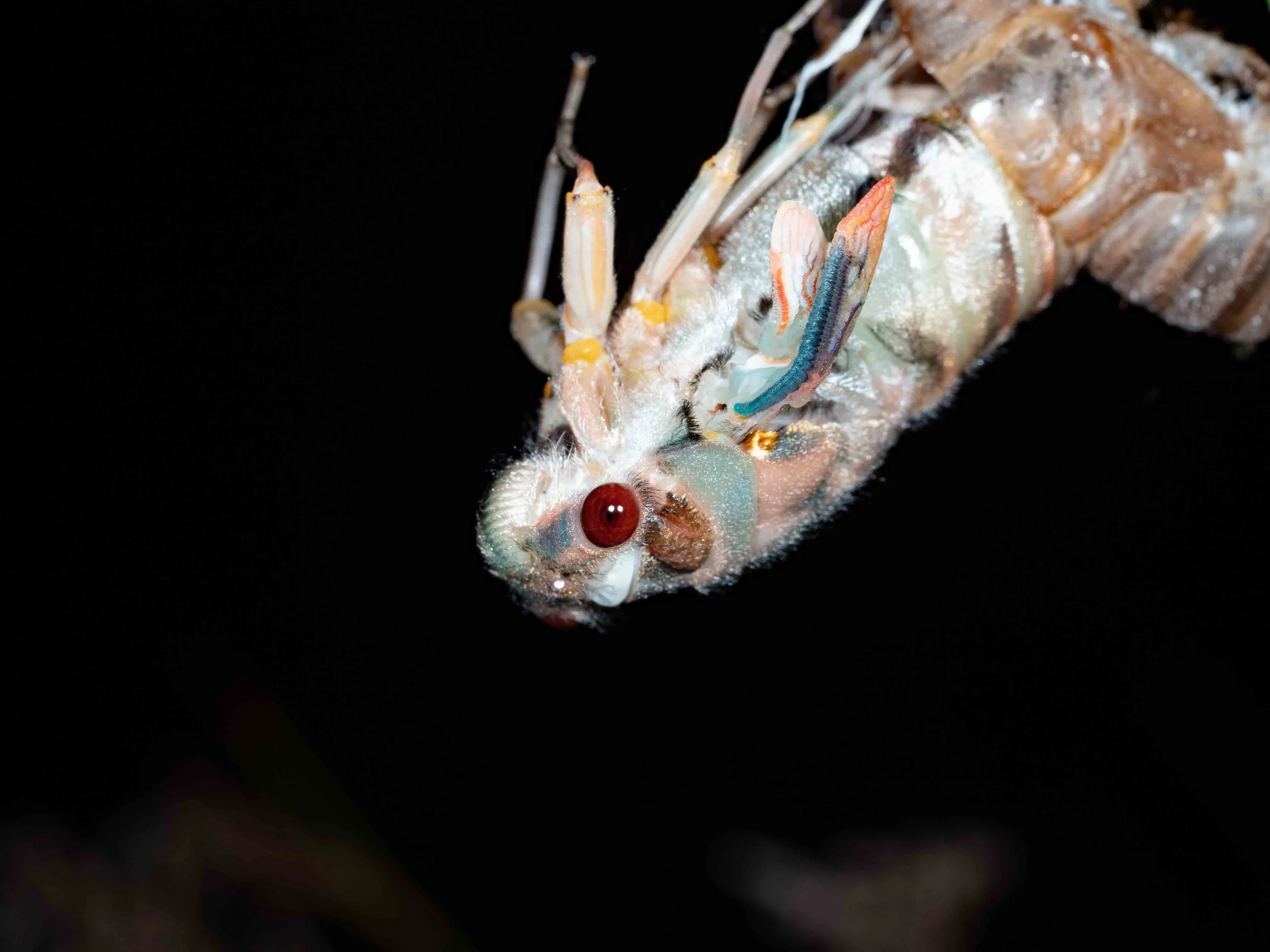
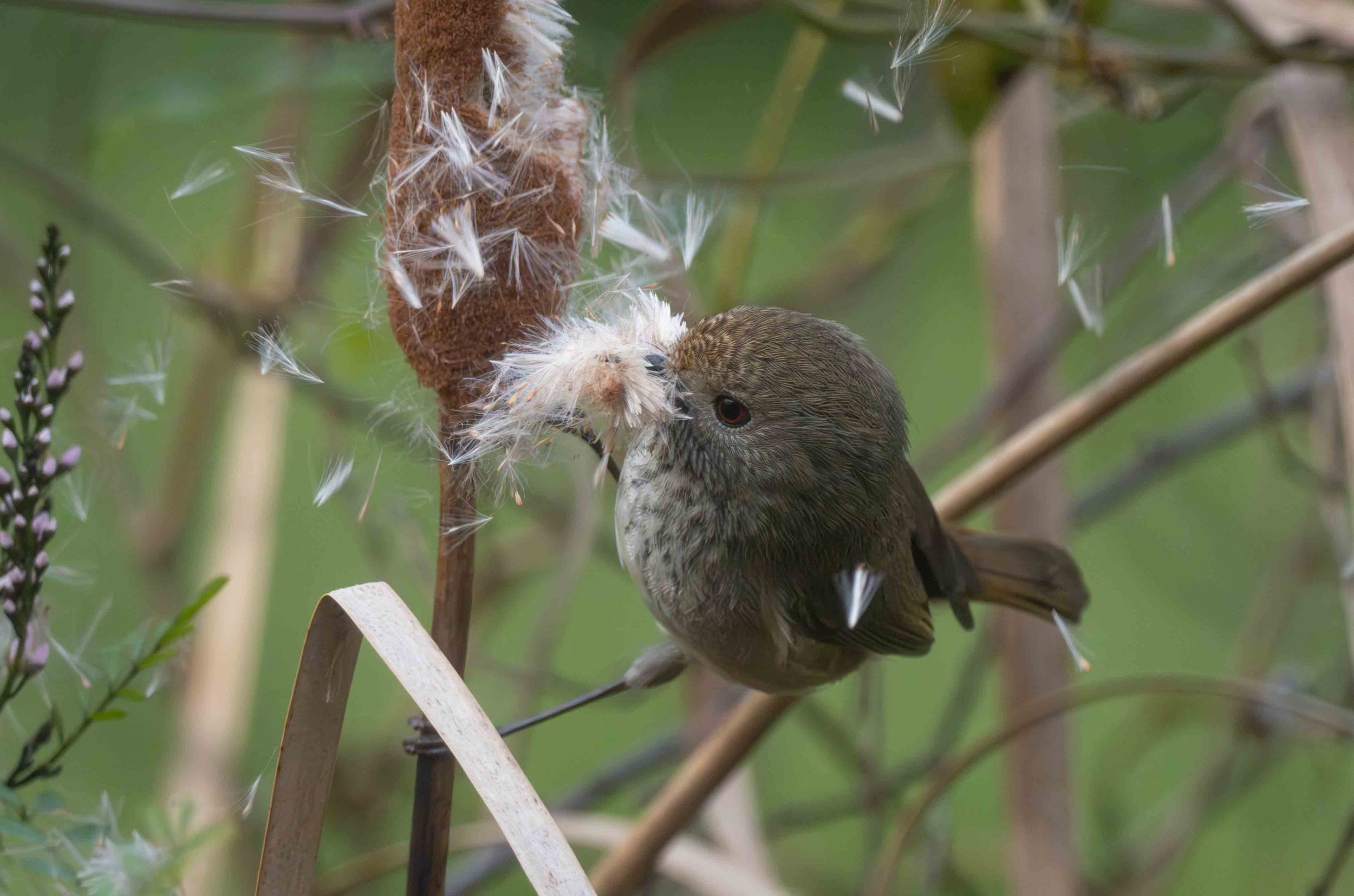
From August into early September: the forest comes to life with a burst of flowering, the emergence of insects and reptiles, and the breeding frenzy of birds.
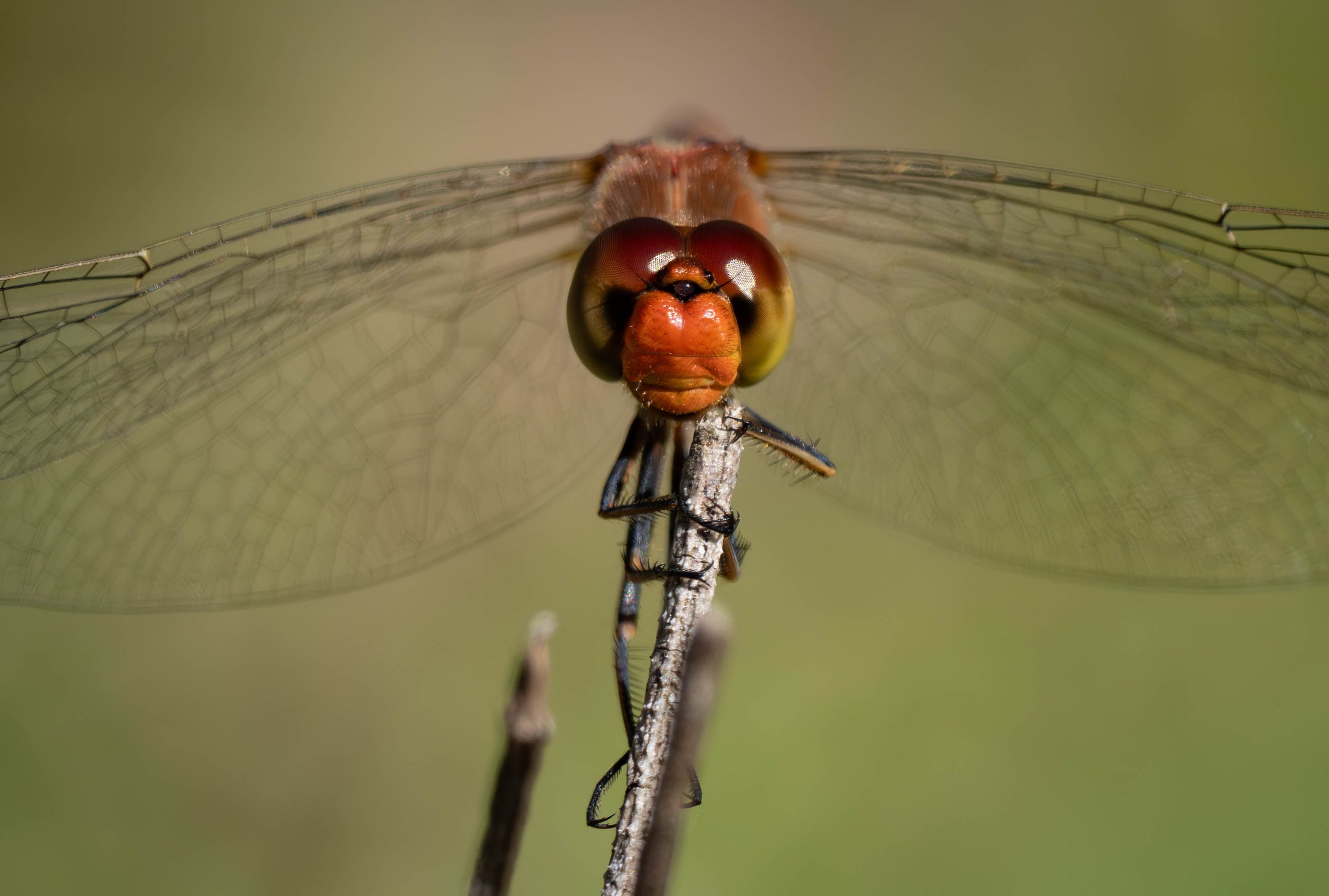
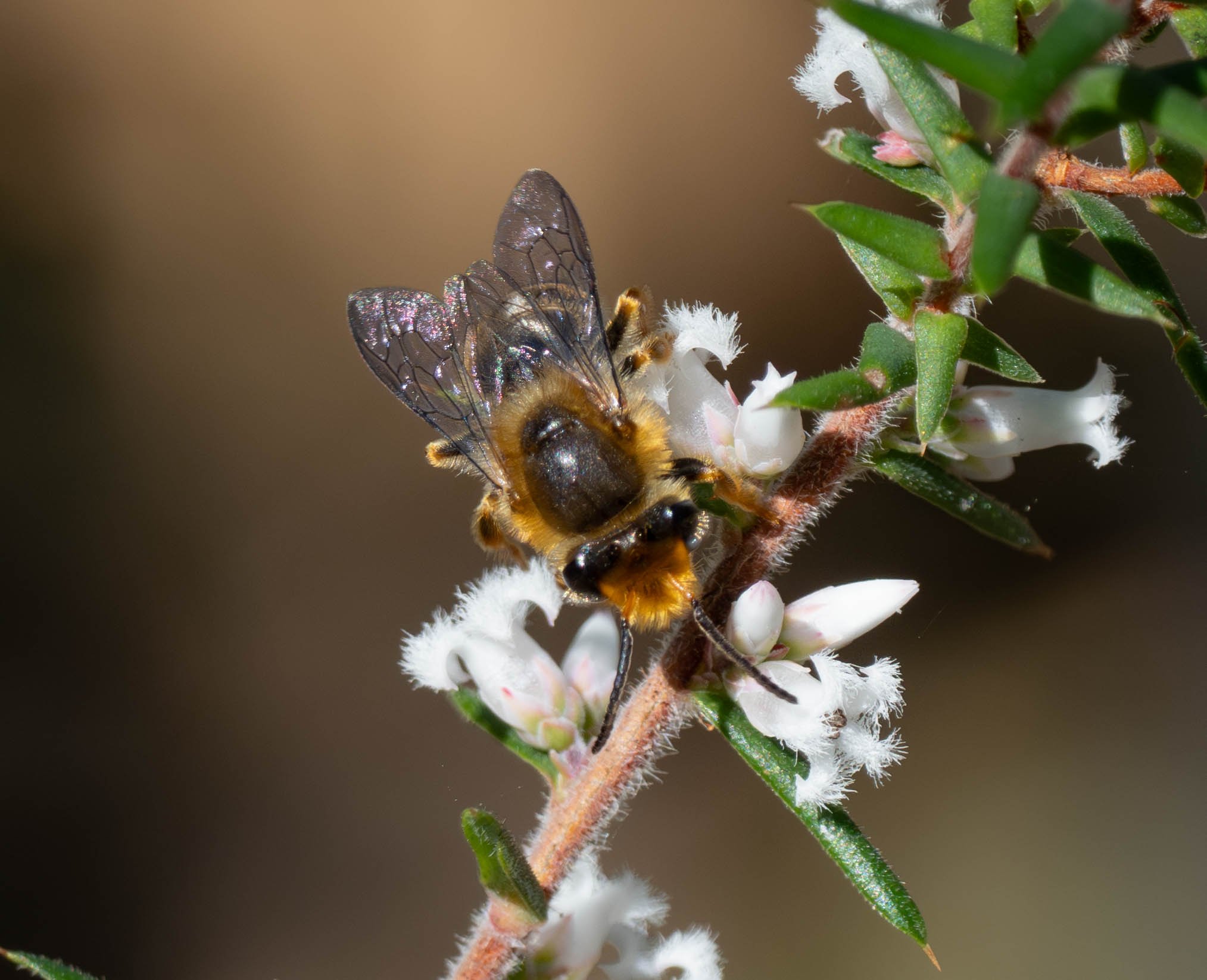
The seasonal transformation begins in August, and with each passing week we welcome arrivals. Here is a compilation of my favourite sightings from the past two months.
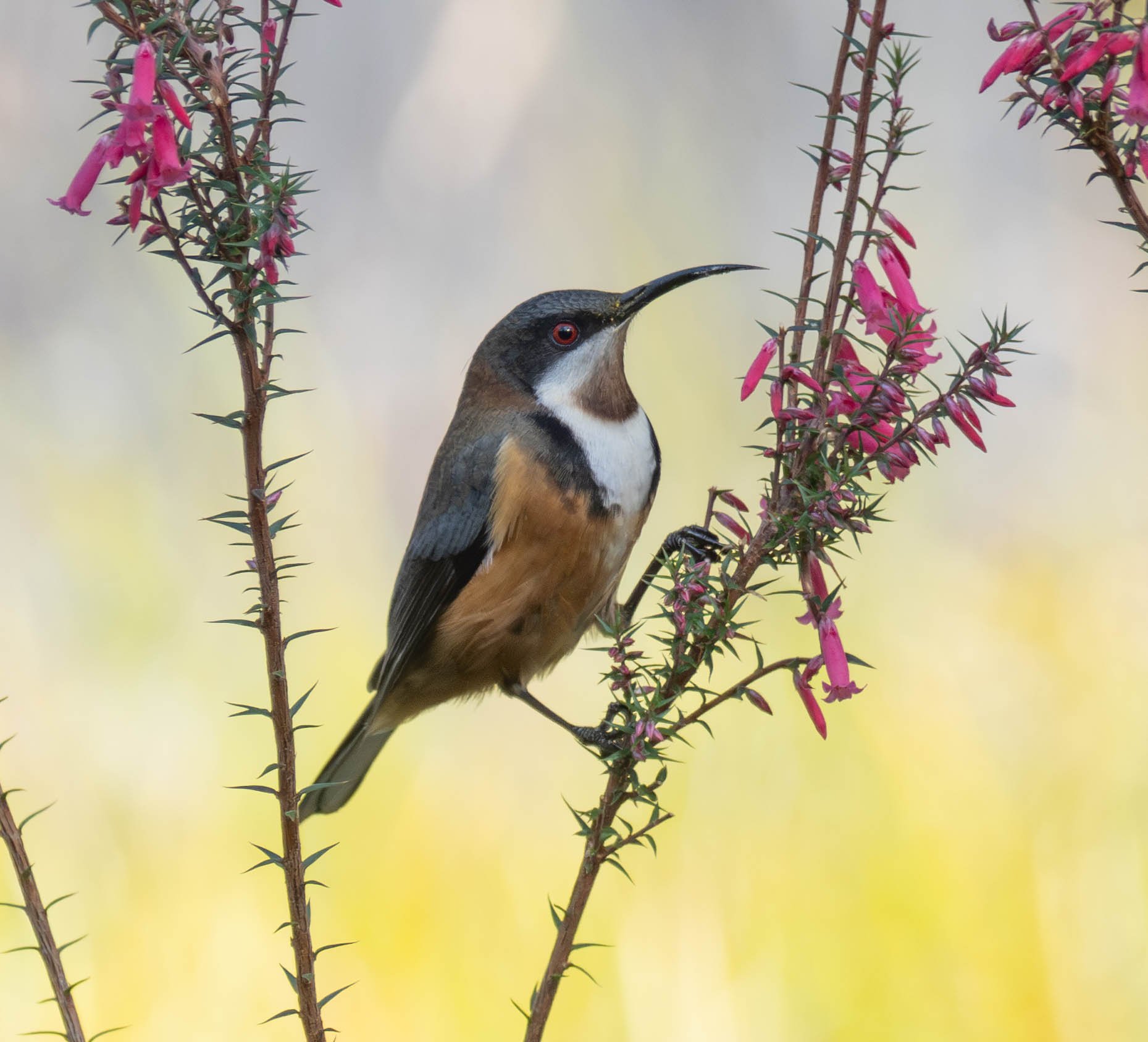
A look at some of the activity in the forest and its adjacent river in the cooler months of the year.
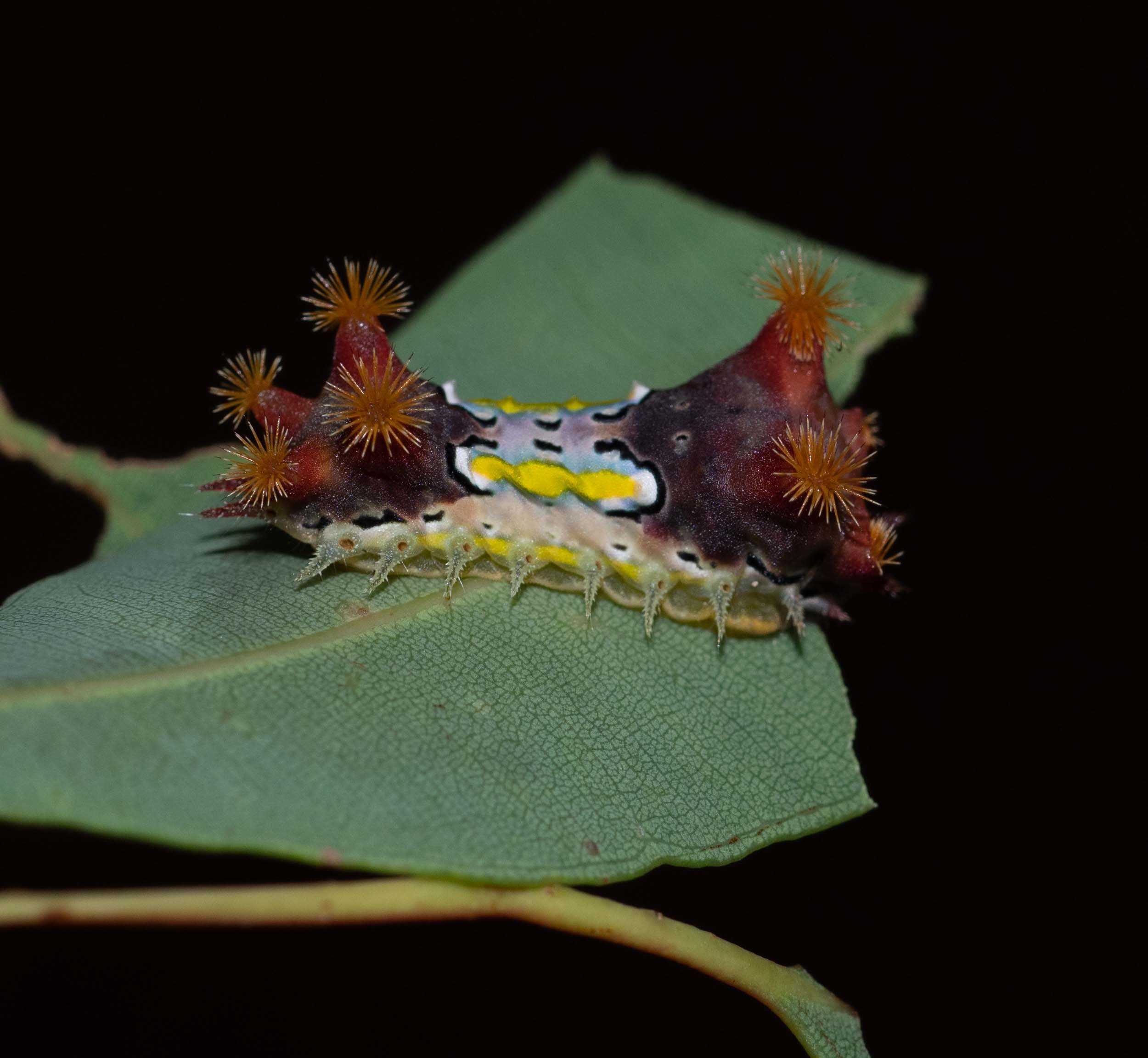
As autumn draws to a close, we look at the changes this season has brought to a wide range of organisms in the forest - the completion of some life cycles, the beginning of others.
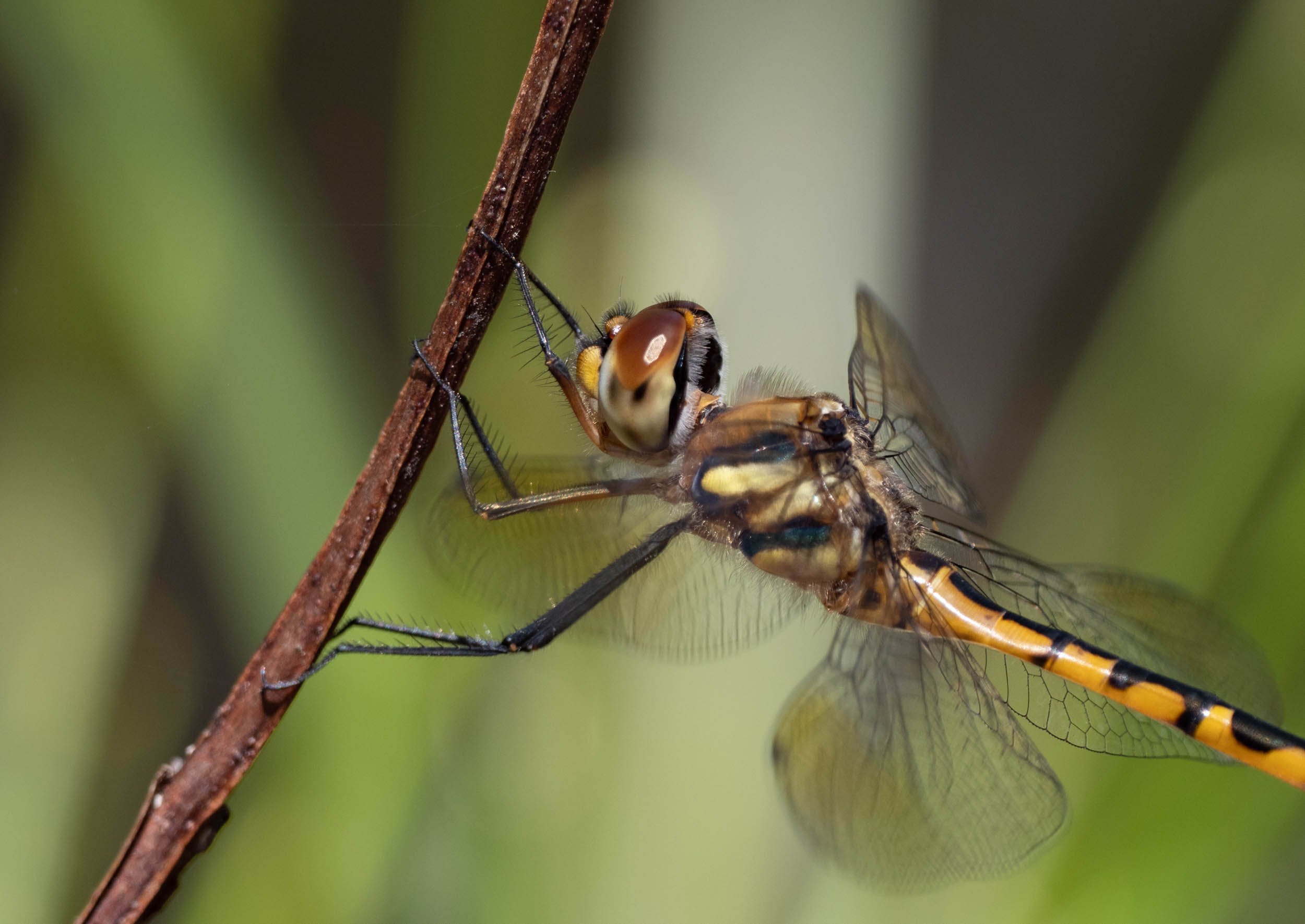
December through February: the hunters, the flies, familiar faces and several exciting firsts for our home list
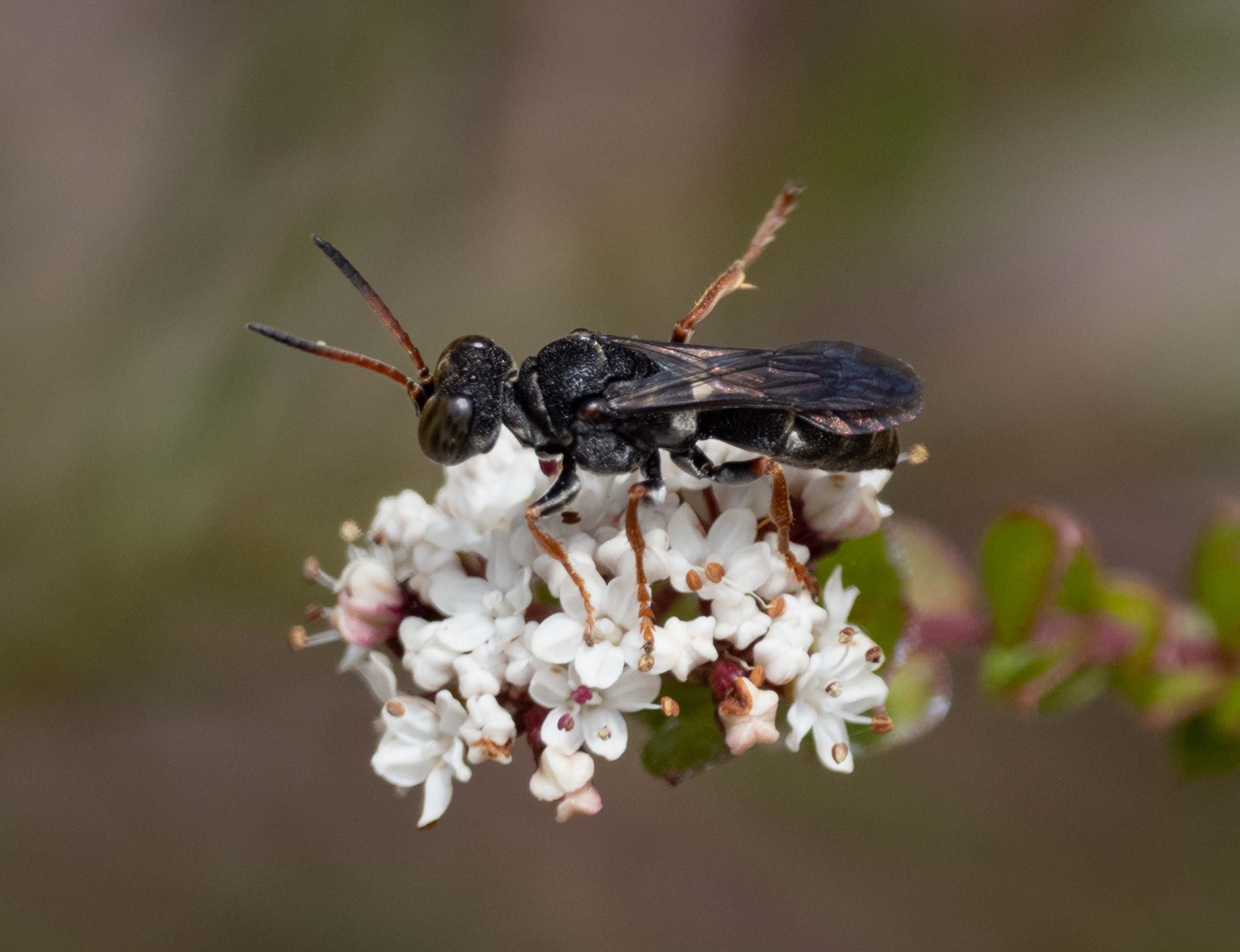
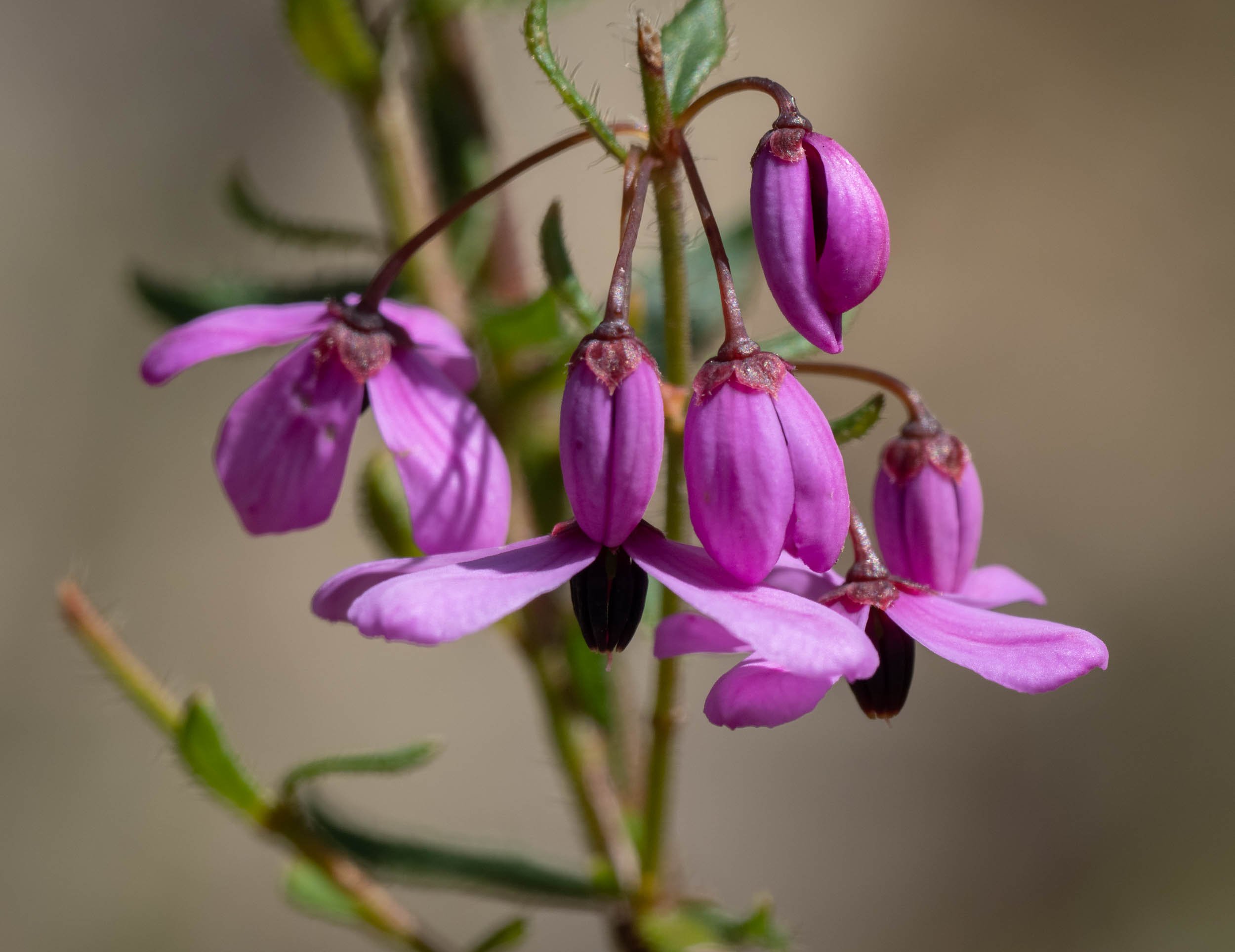
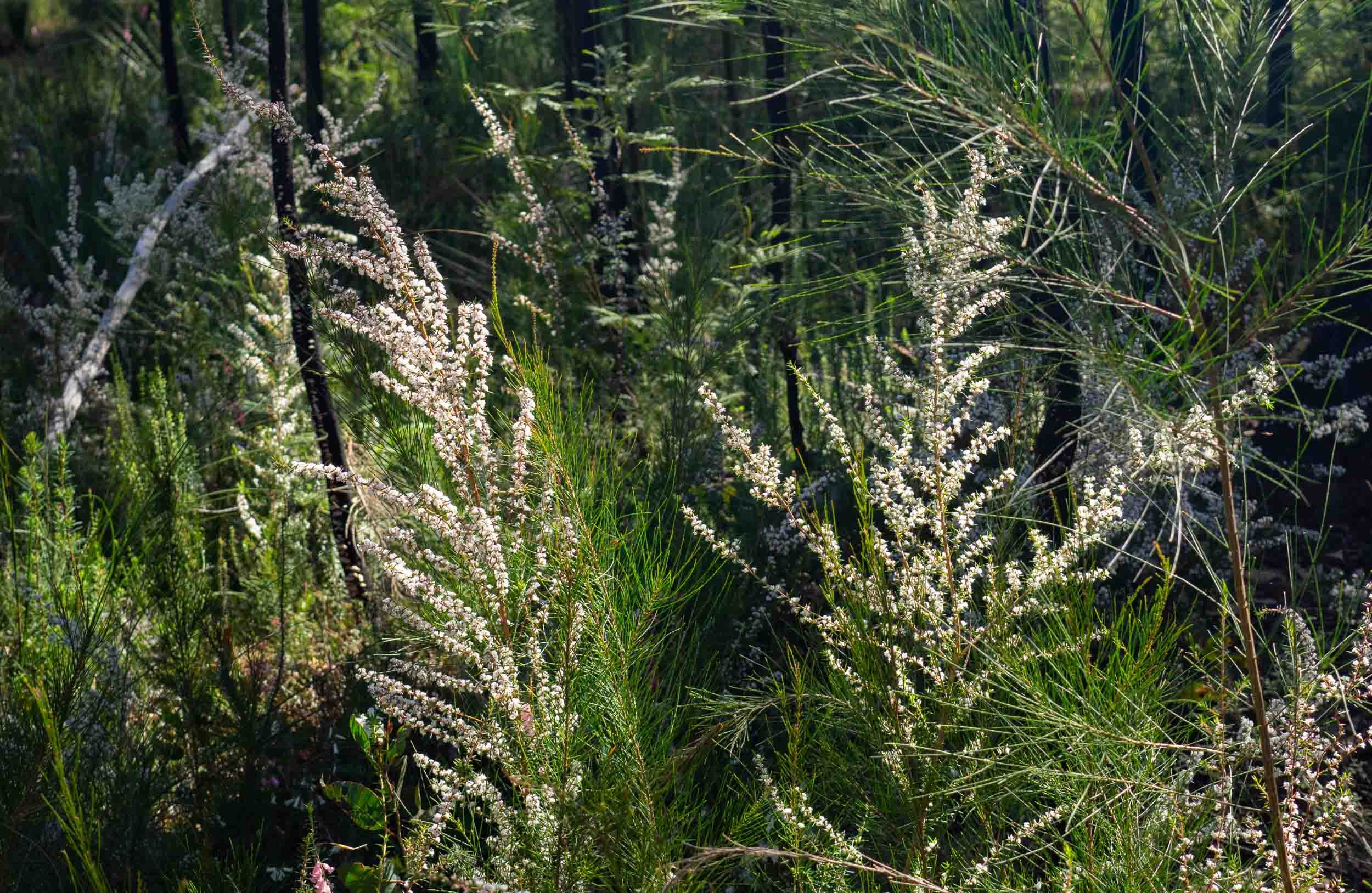
In just two short weeks life in the forest has transformed. Flowers are blooming everywhere, insects are reappearing en masse.

fire & recovery
The 2019-2020 bushfire that swept through the area was a pivotal moment in the recent ecological history of the forest. This selection of blog posts serves as a record.
It is a reminder of nature’s resilience – when given the chance.
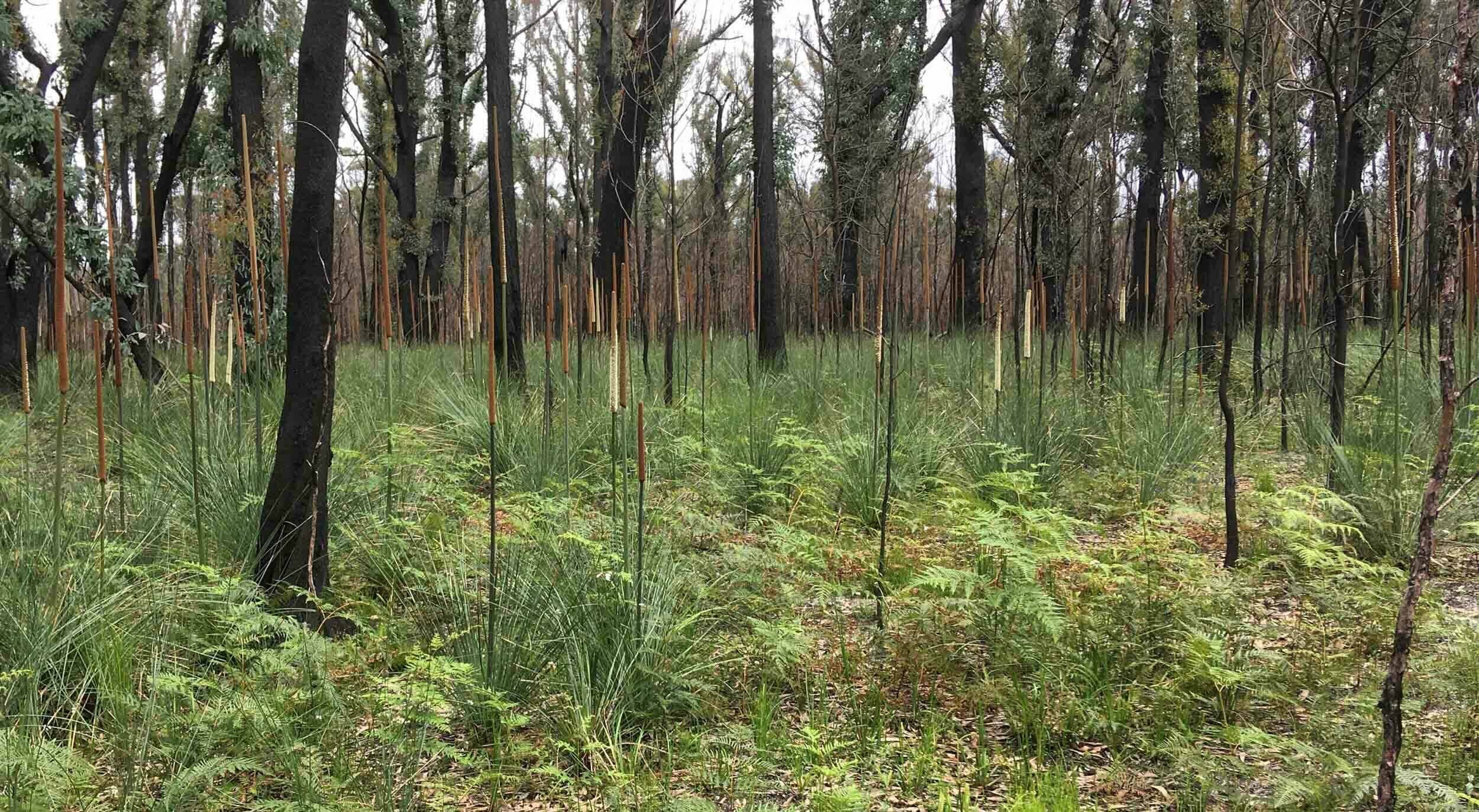
This post is an extended version of a talk I gave on 17th September, 2024 in Batemans Bay at a Symposium of the Linnean Society of NSW.
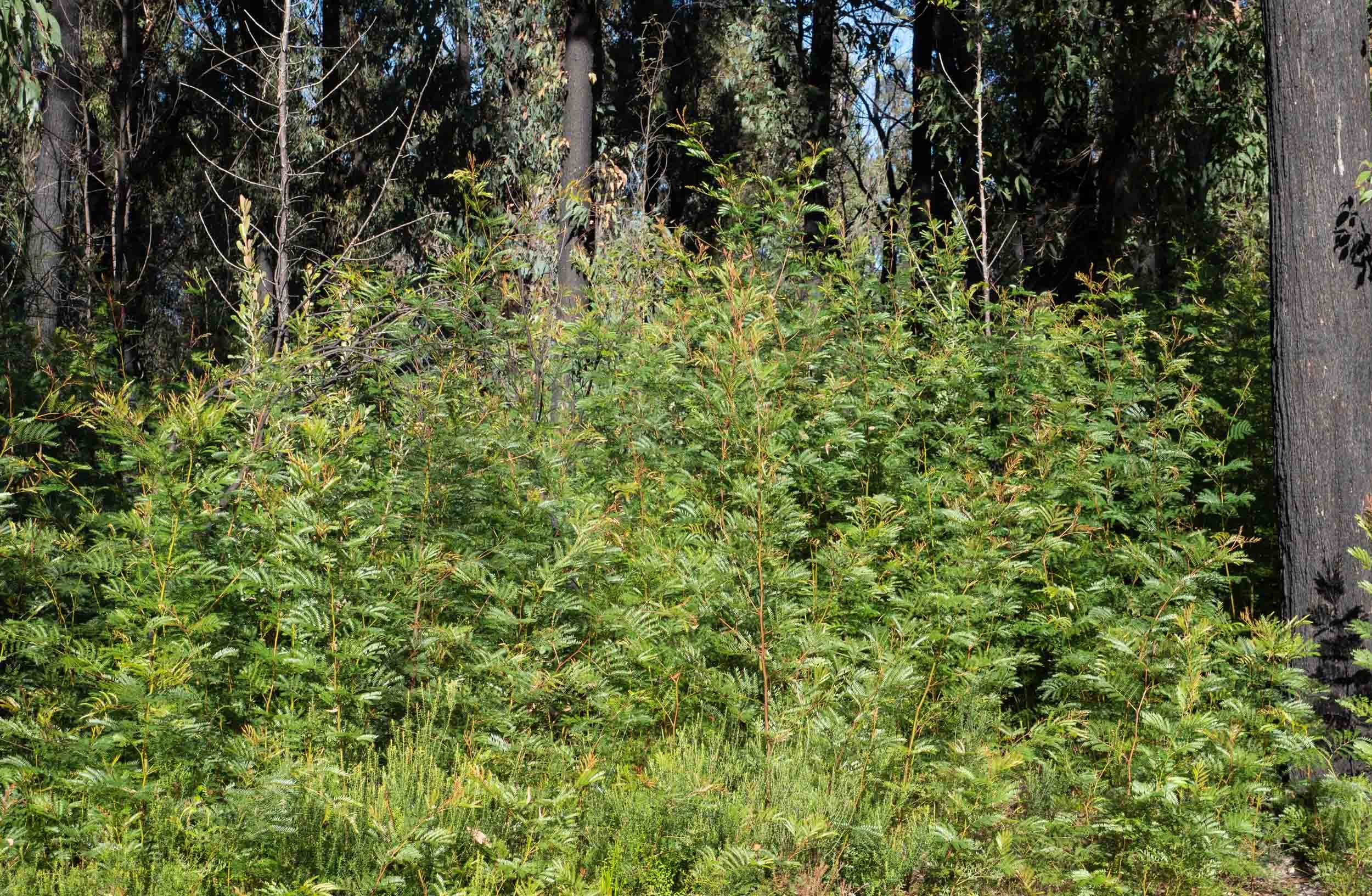
Another year on since the fire, the forest has continued to recover. It now looks quite different to before the fire. Has it changed for good? Or will it return to its previous state?
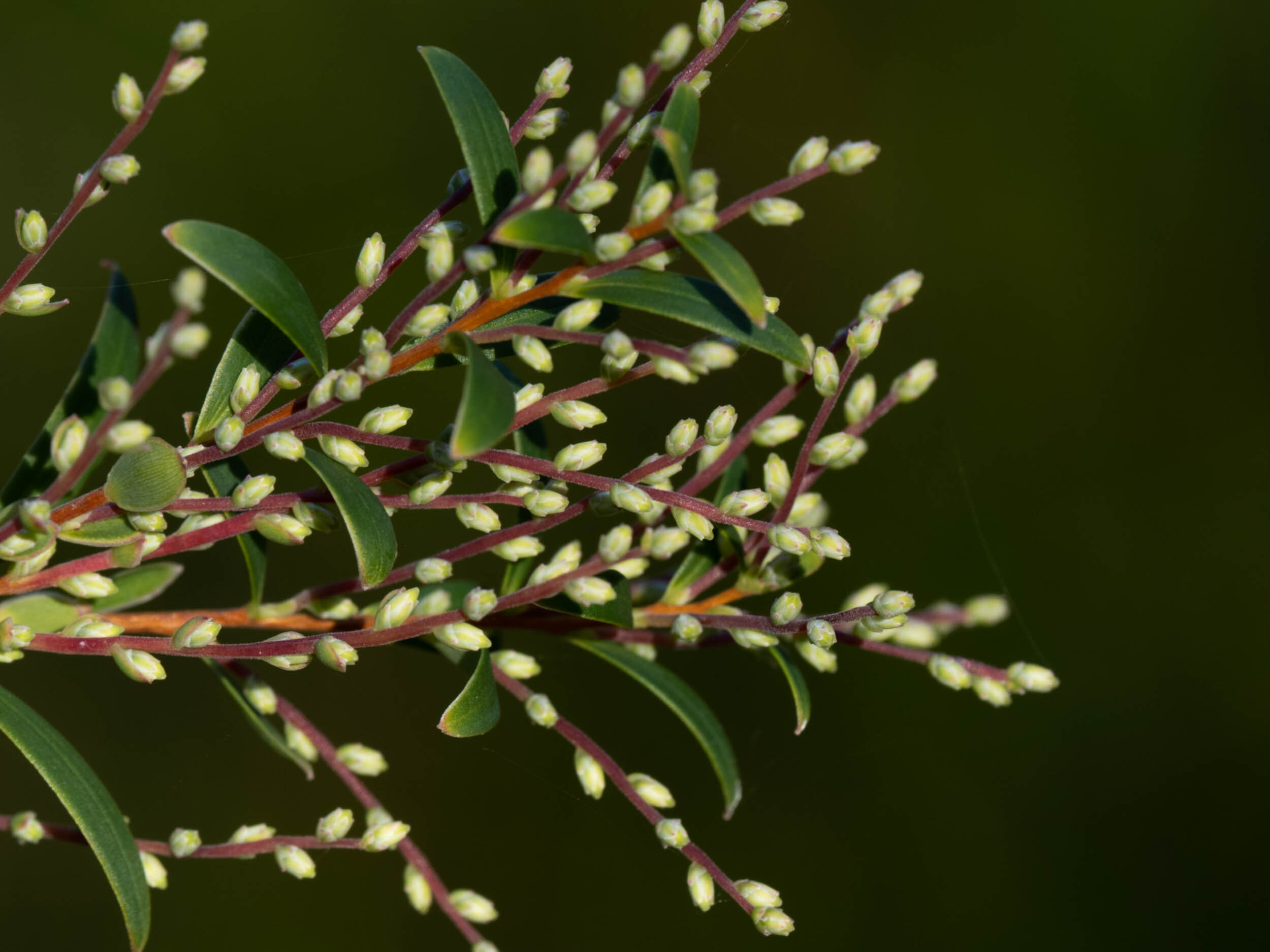
Winter temperatures still, but the forest is clearly ready for the Spring transformation.
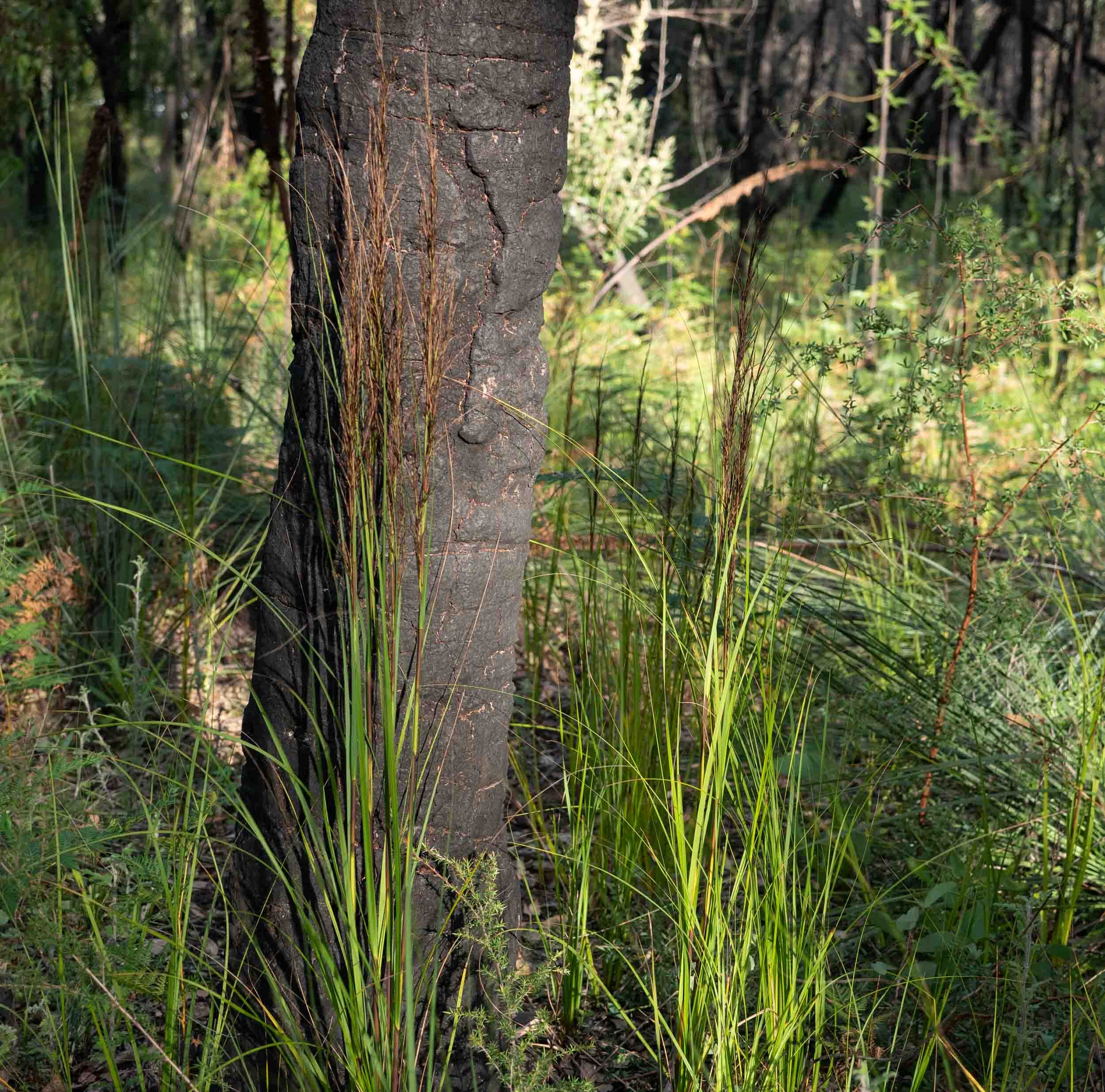
The forest has undergone an extraordinary renewal - which is ongoing - following the devastating bushfire in January 2020.

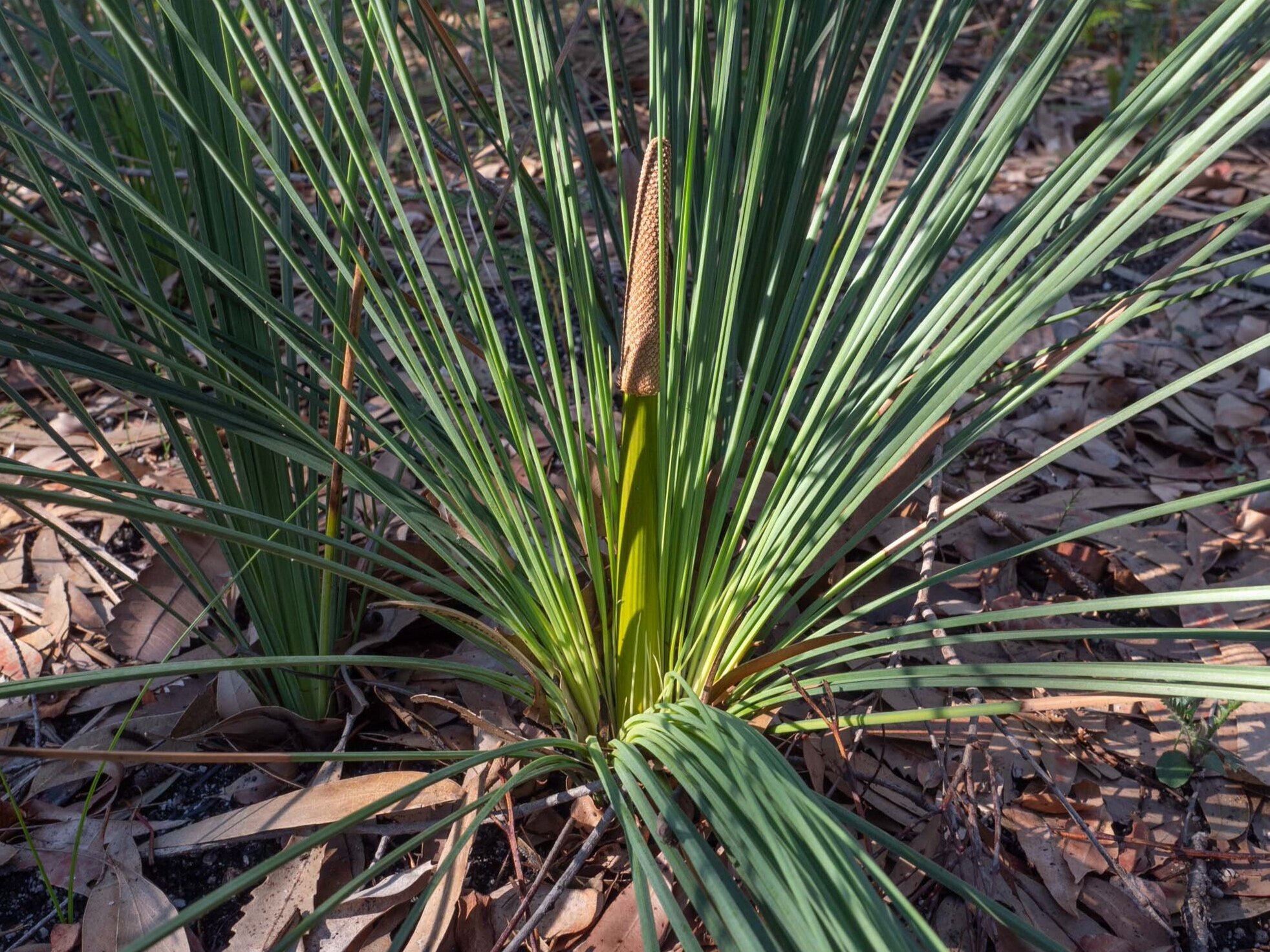
We anticipate an extraordinary display of Xanthorrhoea flowers this Summer. Fire promotes flowering of these iconic plants. In preparation, I’ve been seeking to learn more about our local species.
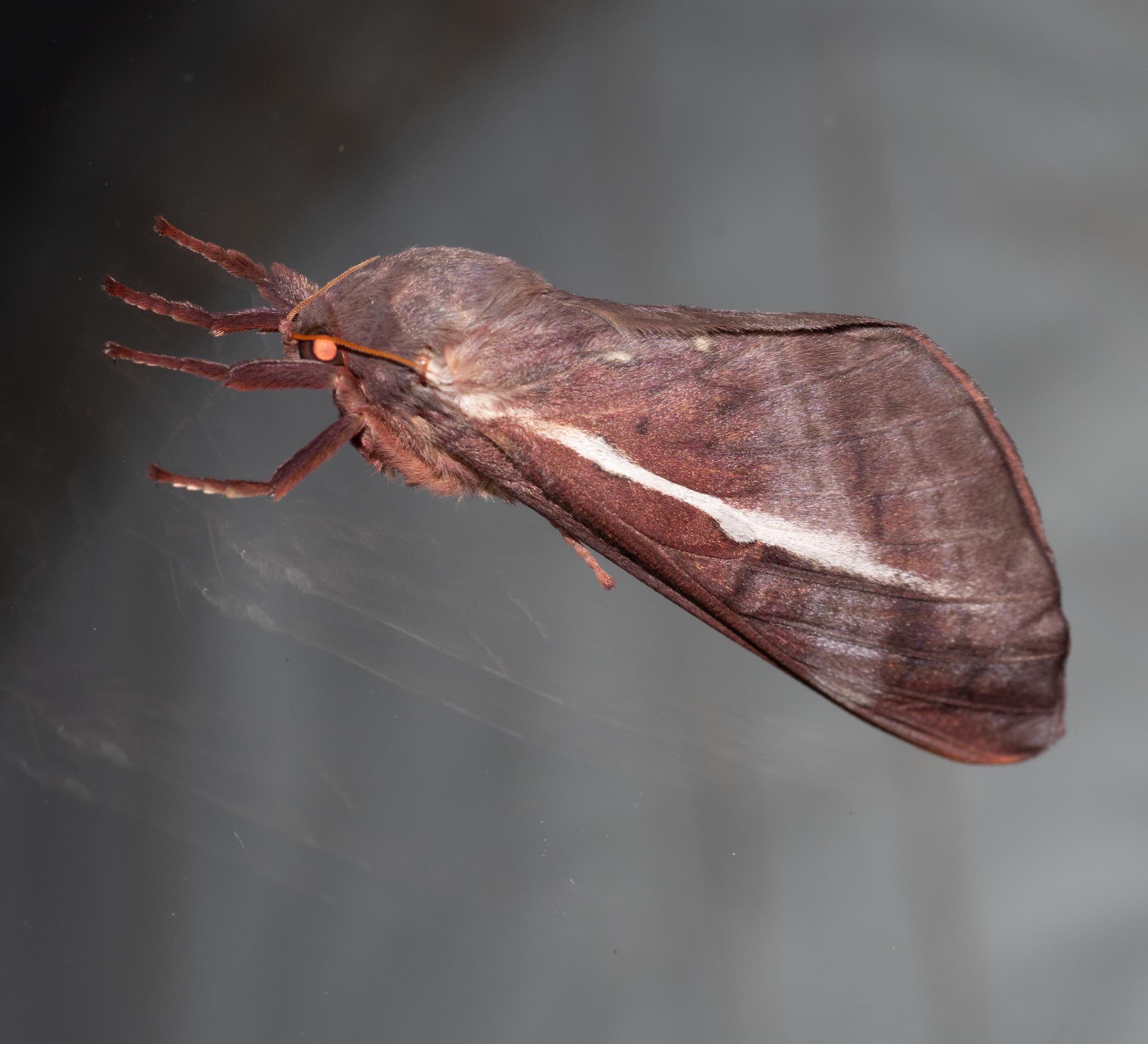
Ghost moth larvae took refuge deep in the soil as the fire swept through the forest, to emerge as adults 5 months later.
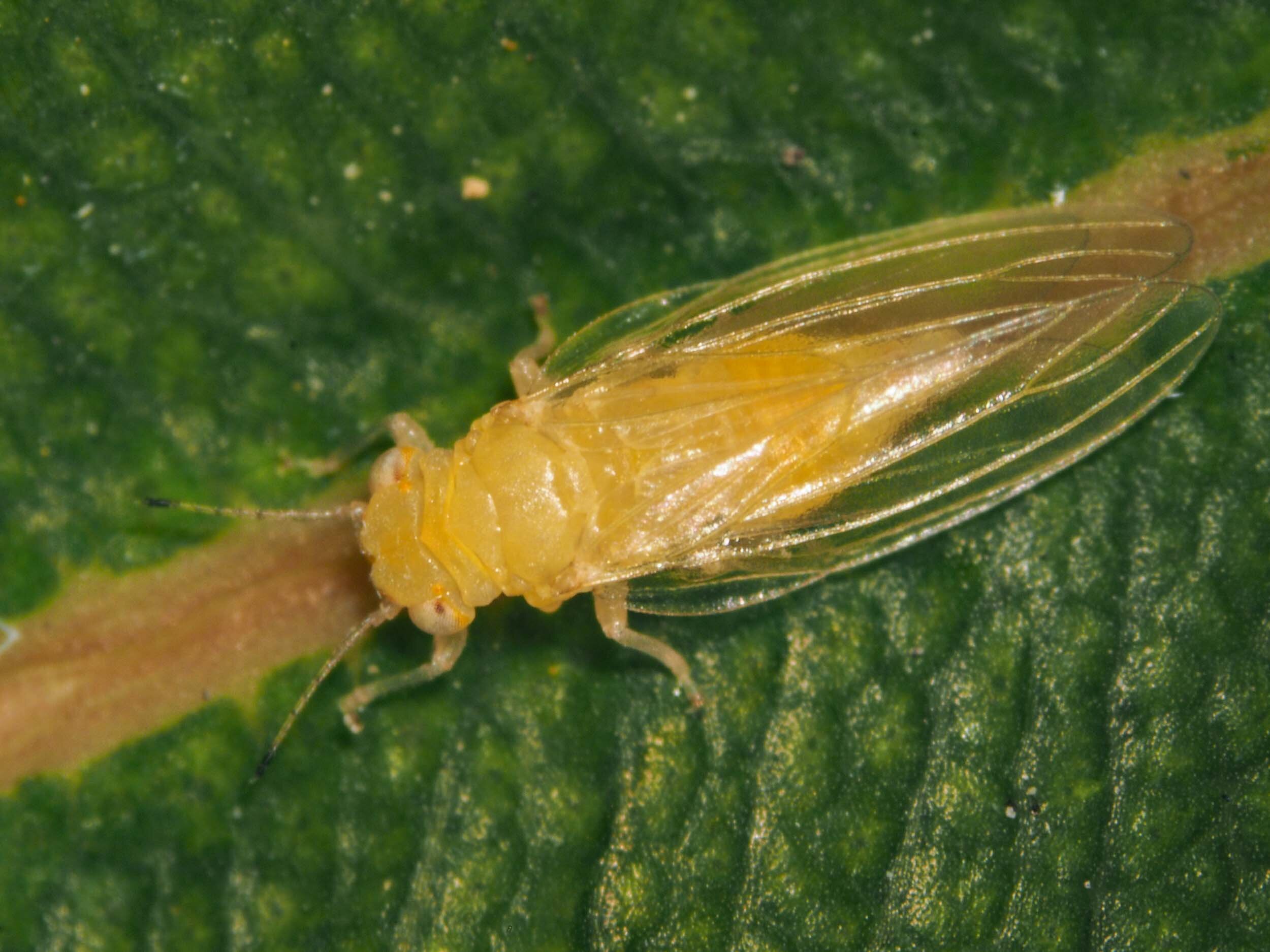
The strange looking foliage that has appeared on our eucalypt trees since the fire houses a wealth of creatures - an ecosystem in its own right.
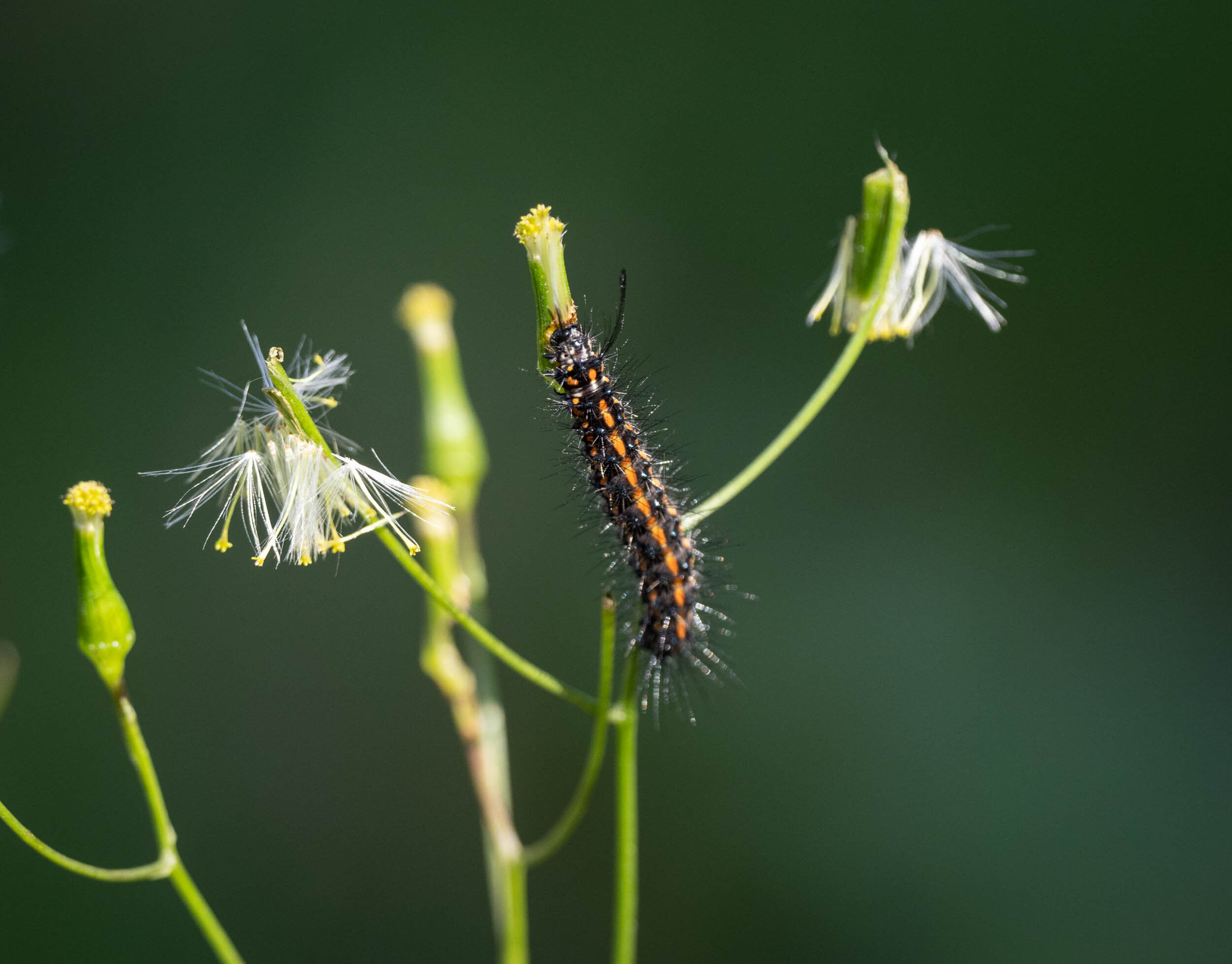
Piece by piece our forest ecosystem is reassembling. Insects are populating the rapidly regrowing vegetation.

Three months on, the epicormic growth is astonishing. I seek to learn more, even as I marvel at a sight I may not see again for many years. Indeed, I rather hope not to.
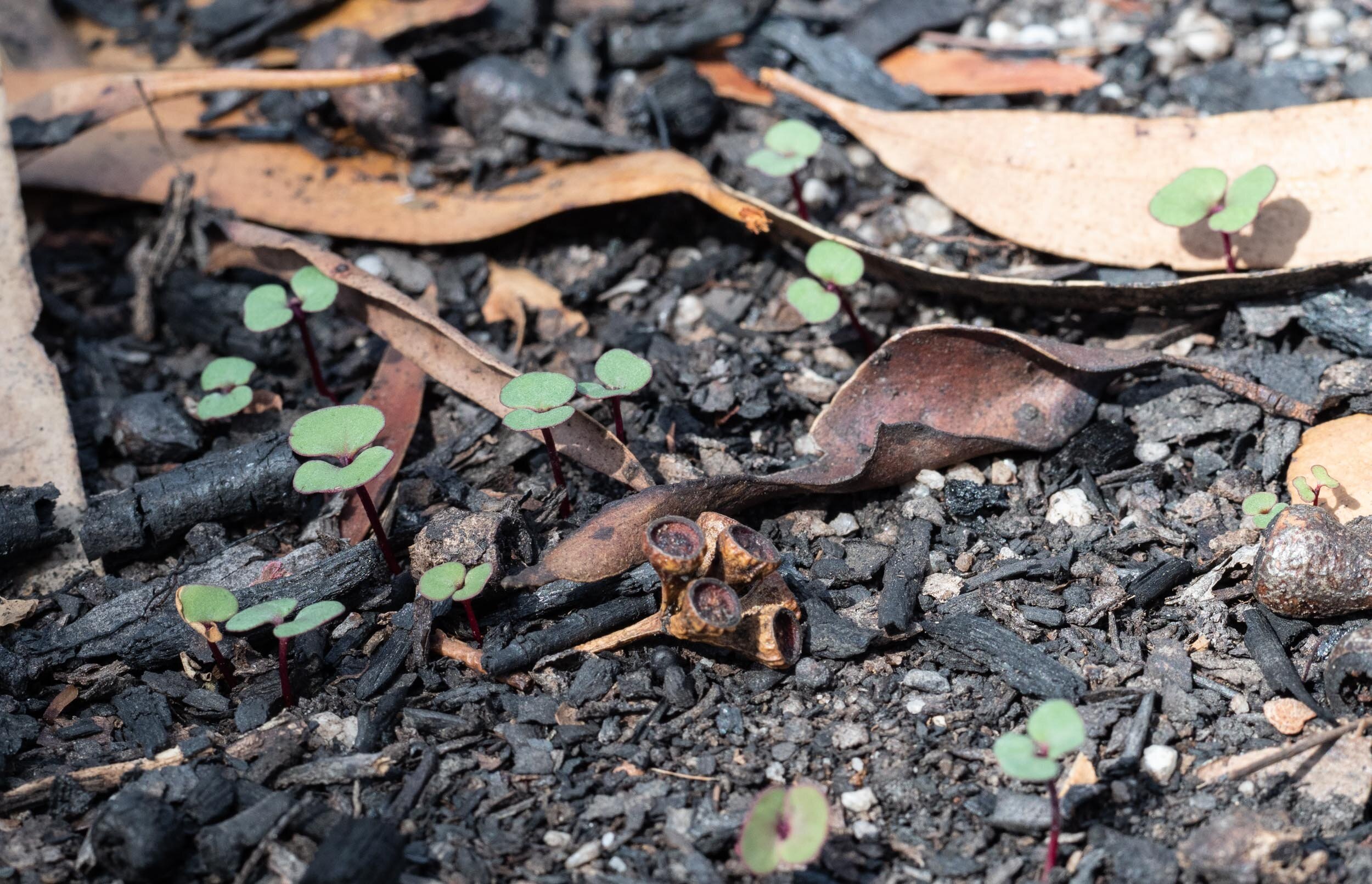

As the plants regrow the insects return. Many are species we know but there are new ones too. Importantly the makings of the next generation are also underway.
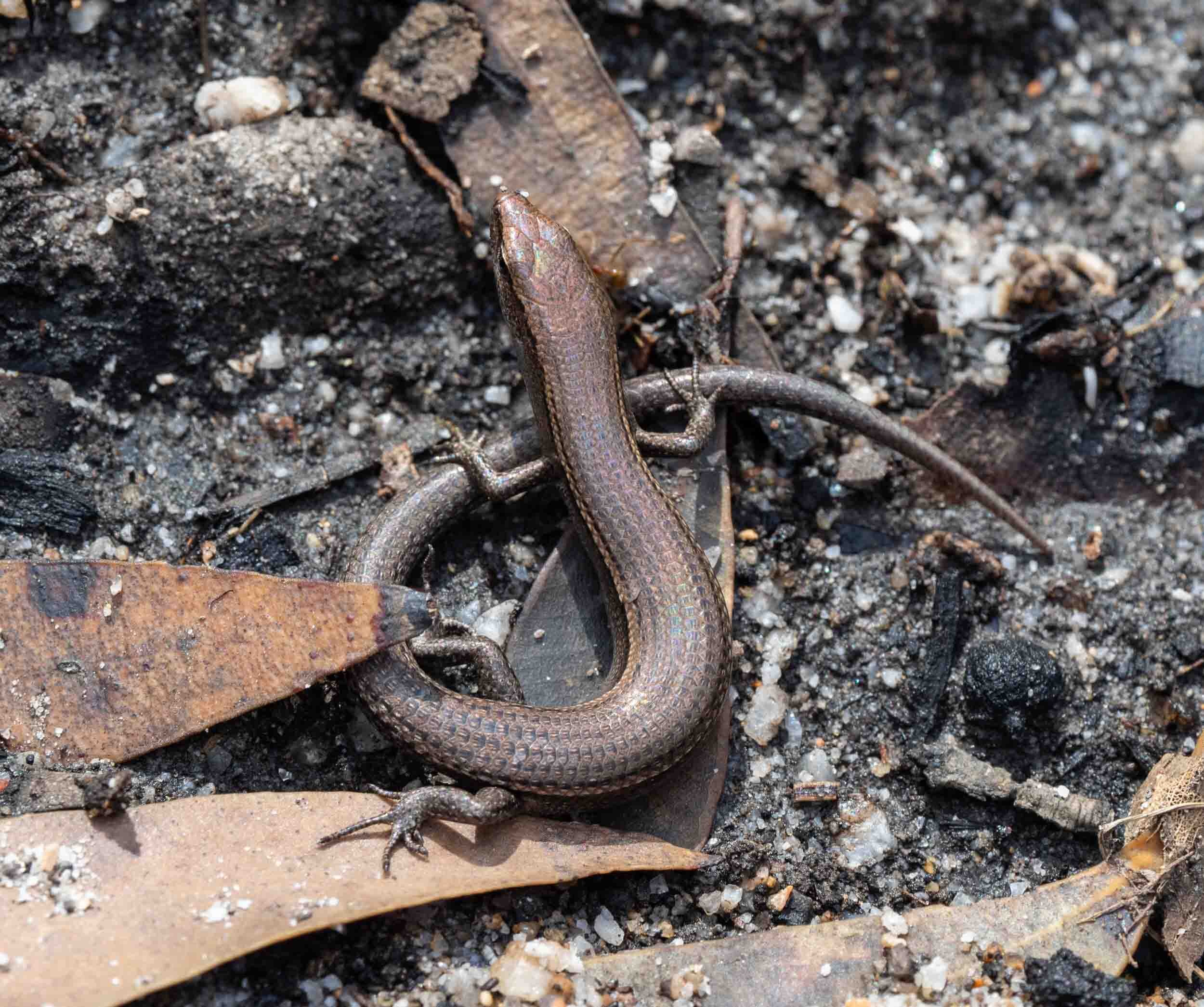
With each animal that appears, it’s intriguing to consider where it was when the fire swept through.

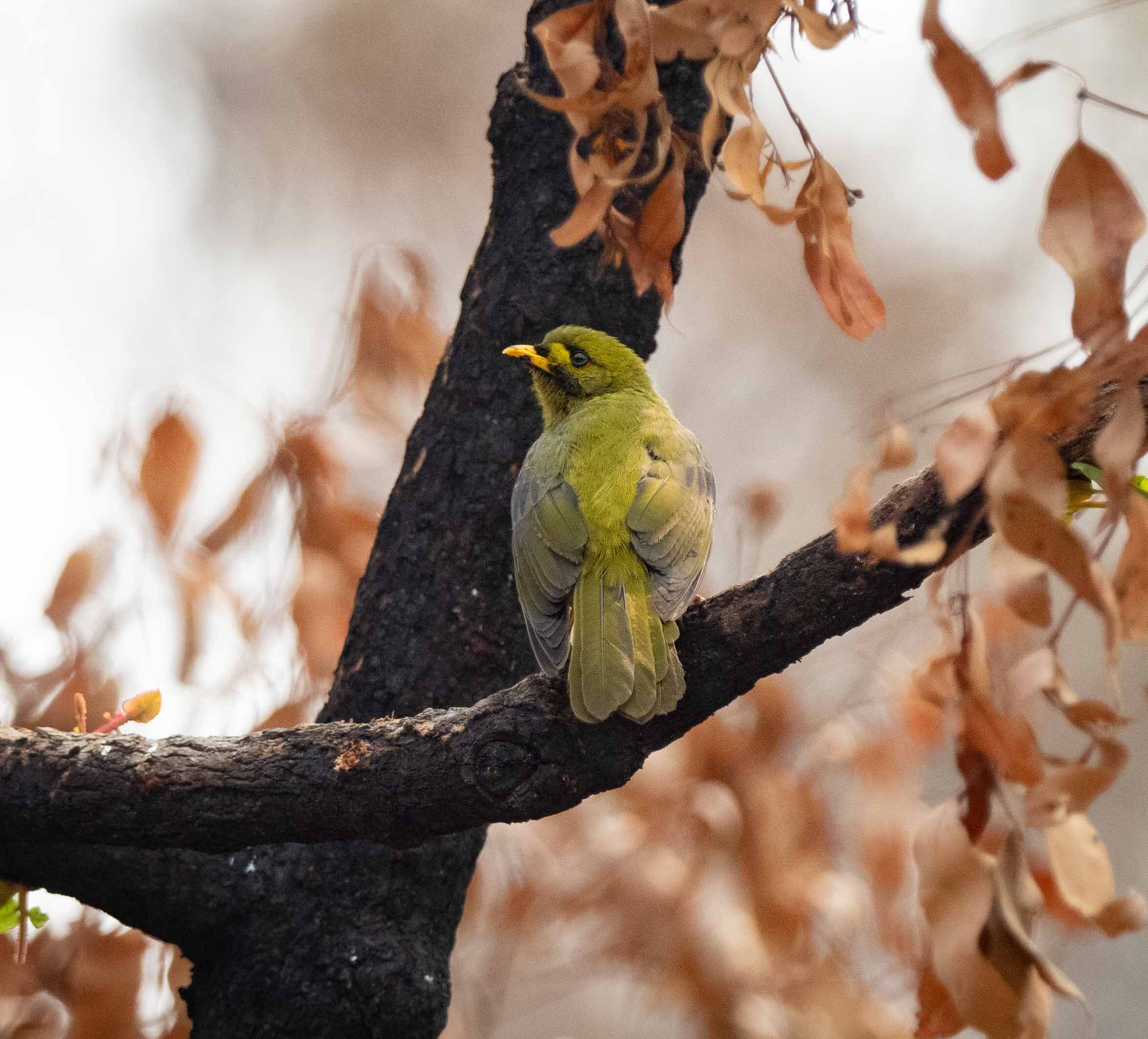
One month since The Fire and our home bird list is growing. Some of our regular forest birds are returning, but there are some unusual visitors too. We’re hoping they don’t all stay!
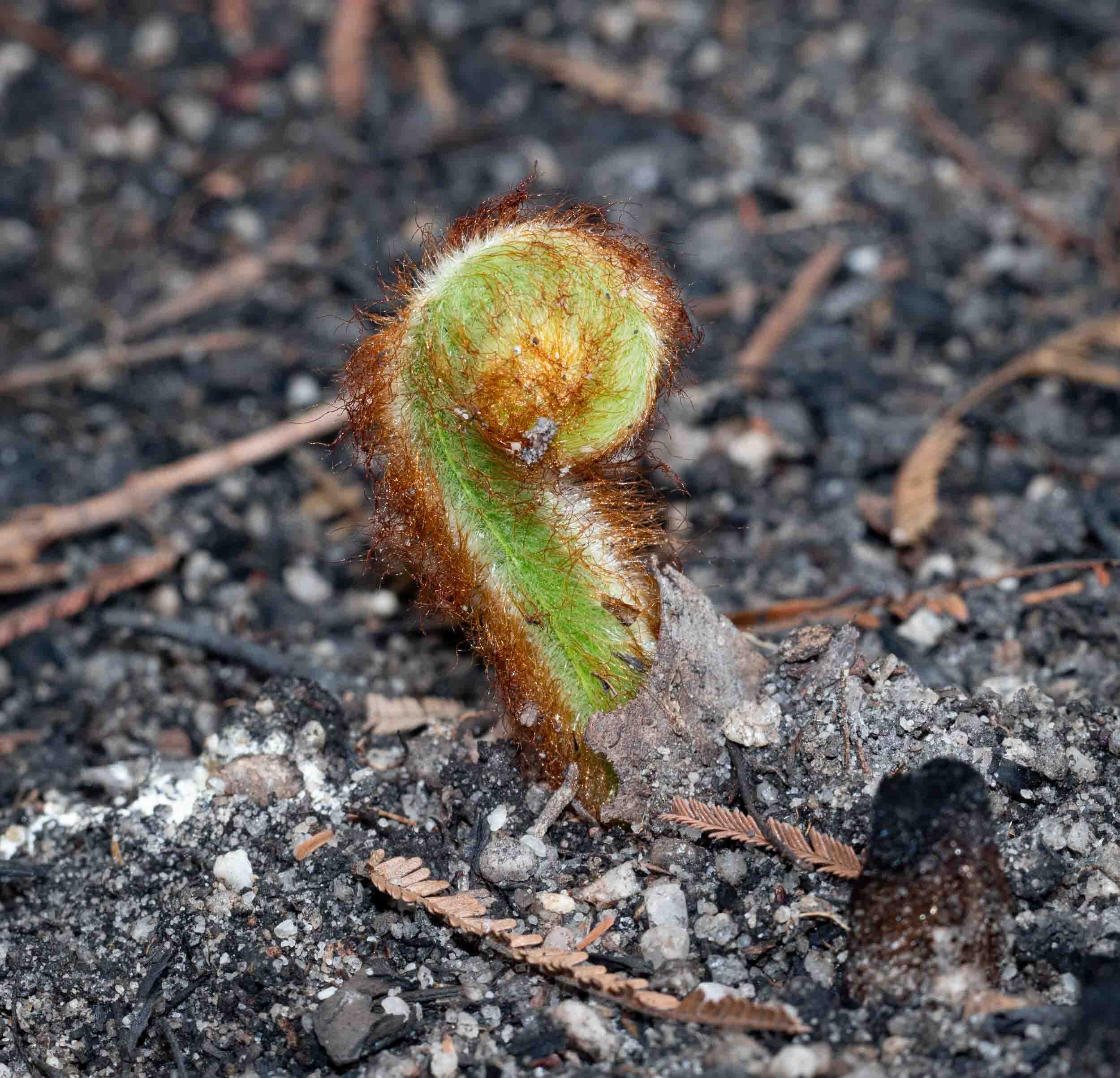
Seeds germinating, ferns fronds unfurling, tree trunks shooting, insects emerging, birds visiting. The recovery has begun.
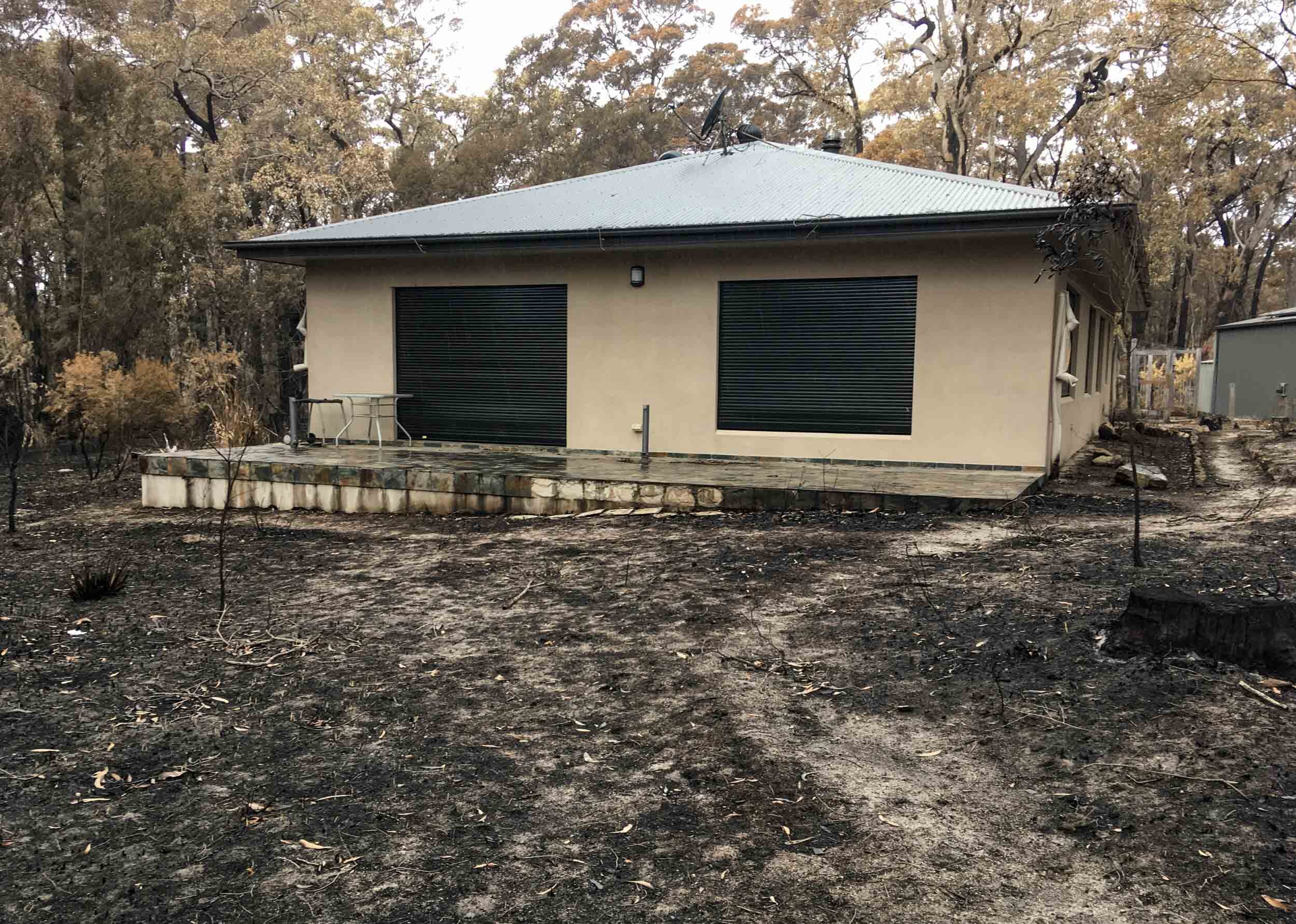
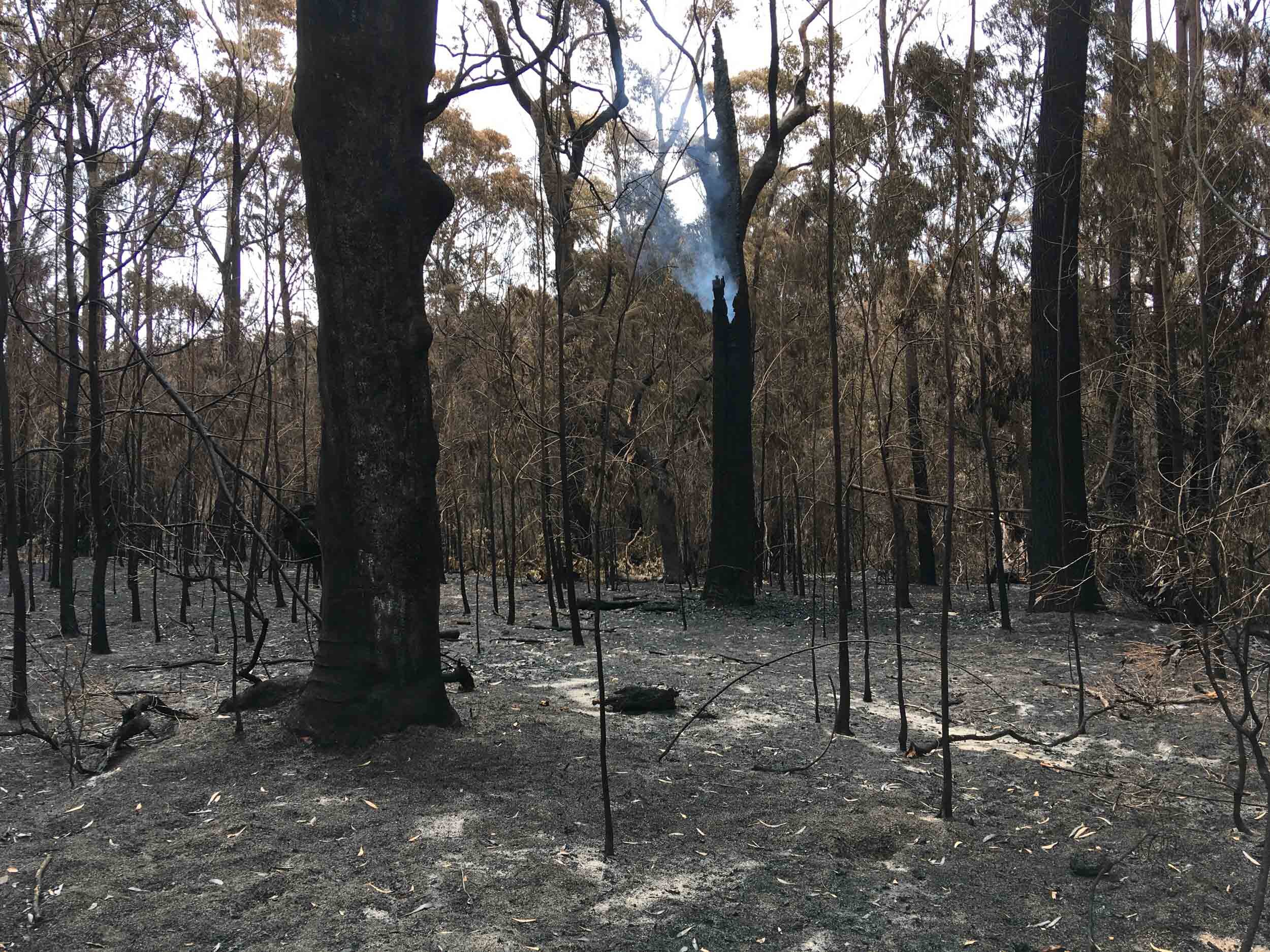
Around 2am on 5th January 2020 our forest was engulfed by fire. Just 4 of the more than 5 million hectares burned in NSW this season, but it’s the 4 hectares we know and love.