A day trip photo essay
22nd September, 2020
Nadgee Nature Reserve
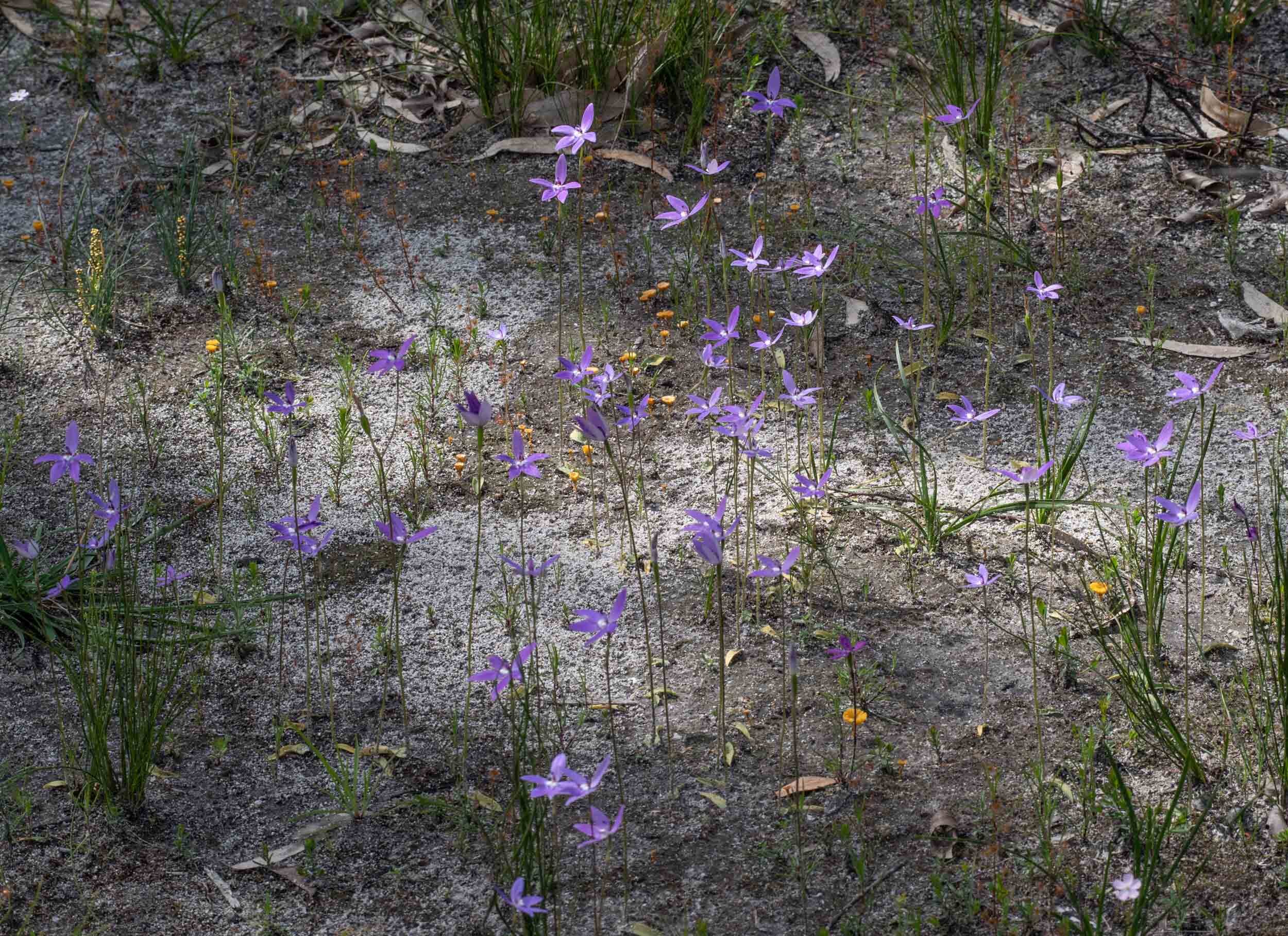
With so many orchids flowering at home, we figured it was time to take the short drive out to Nadgee. The last time we were there was nearly a year ago. Since then the whole area was burned out. We were keen to see how well it was recovering.
What we found was a swathe of orchids, along with many of the other plants we’ve seen there before. It was quite an extraordinary display.
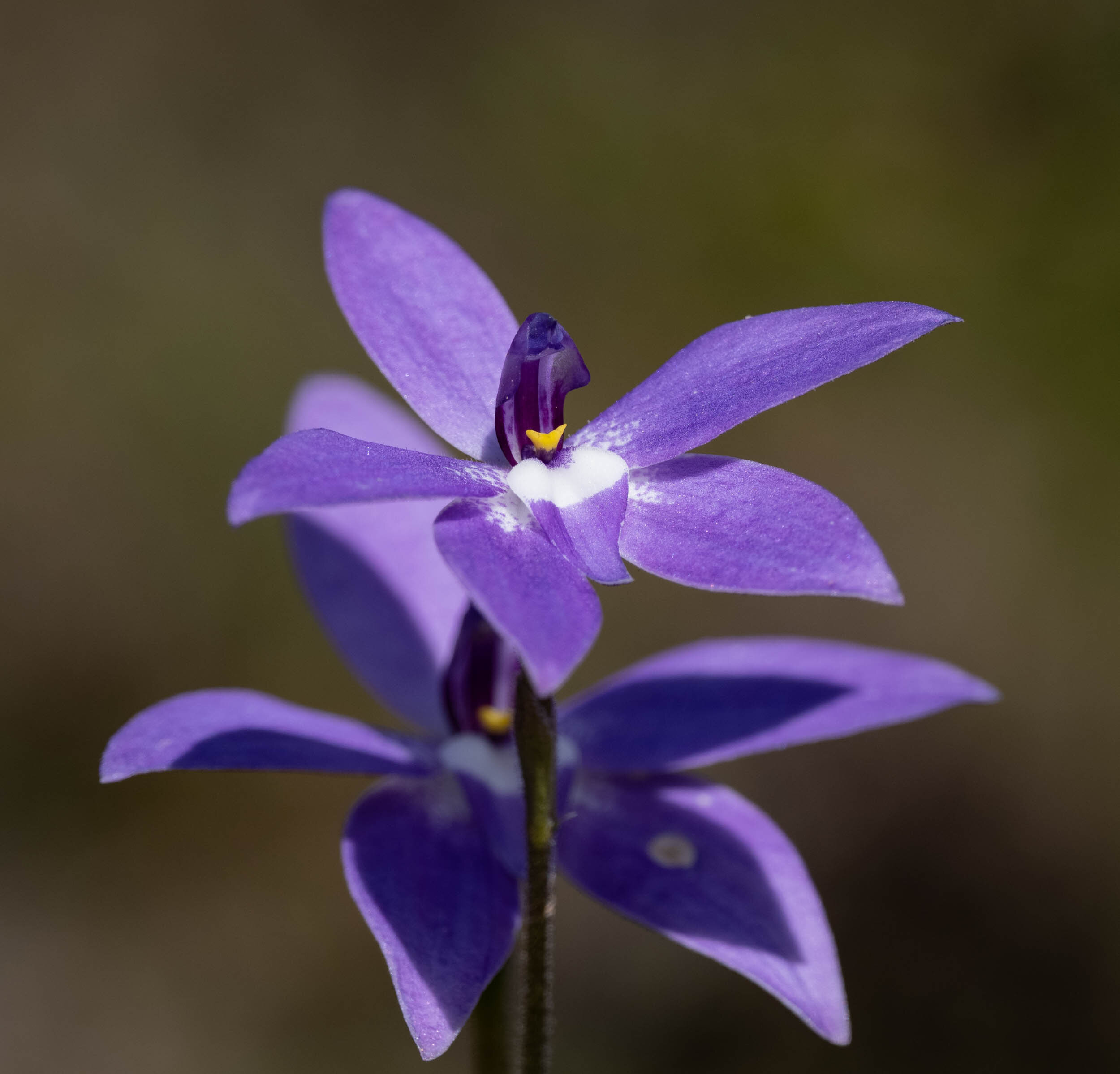

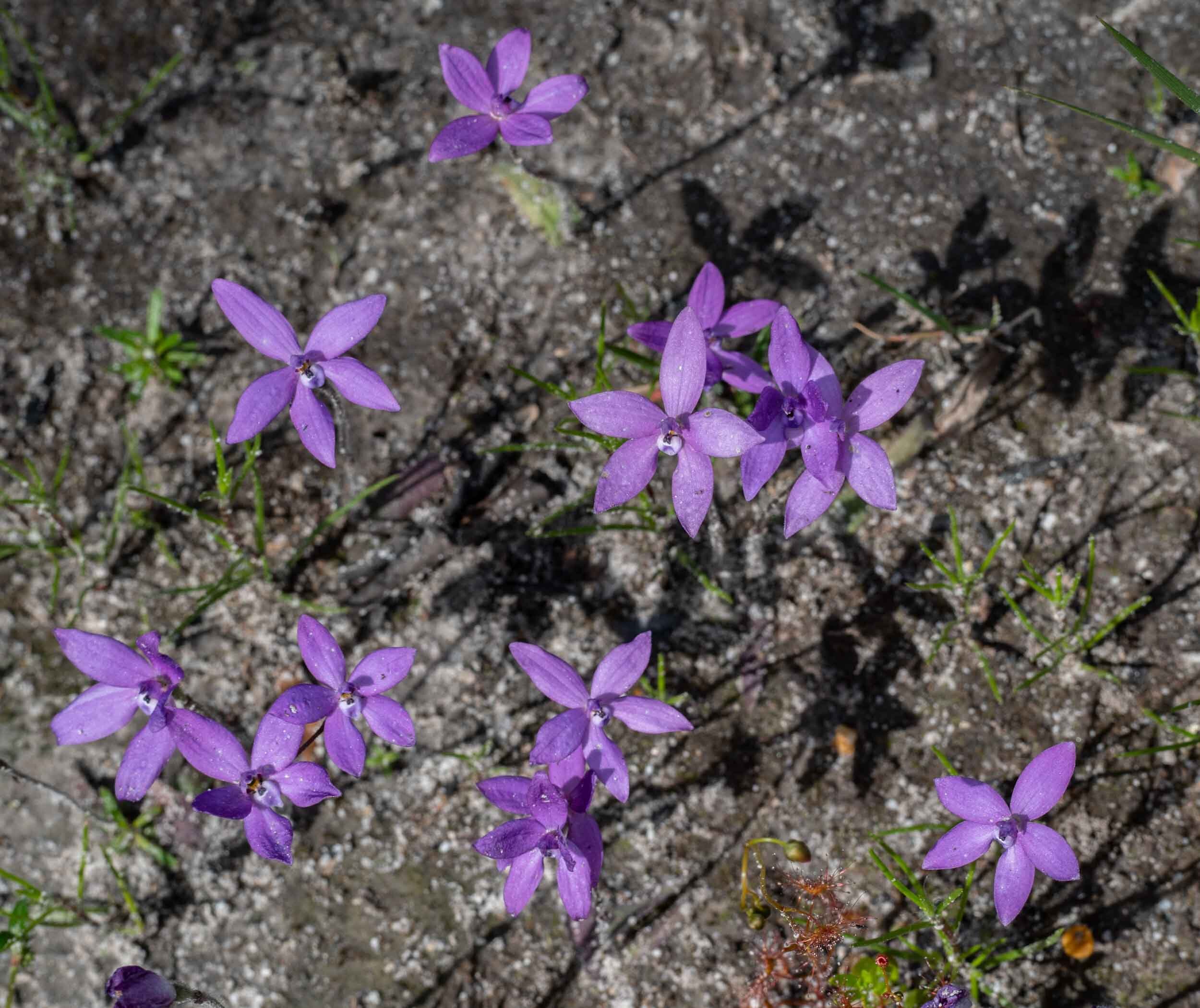

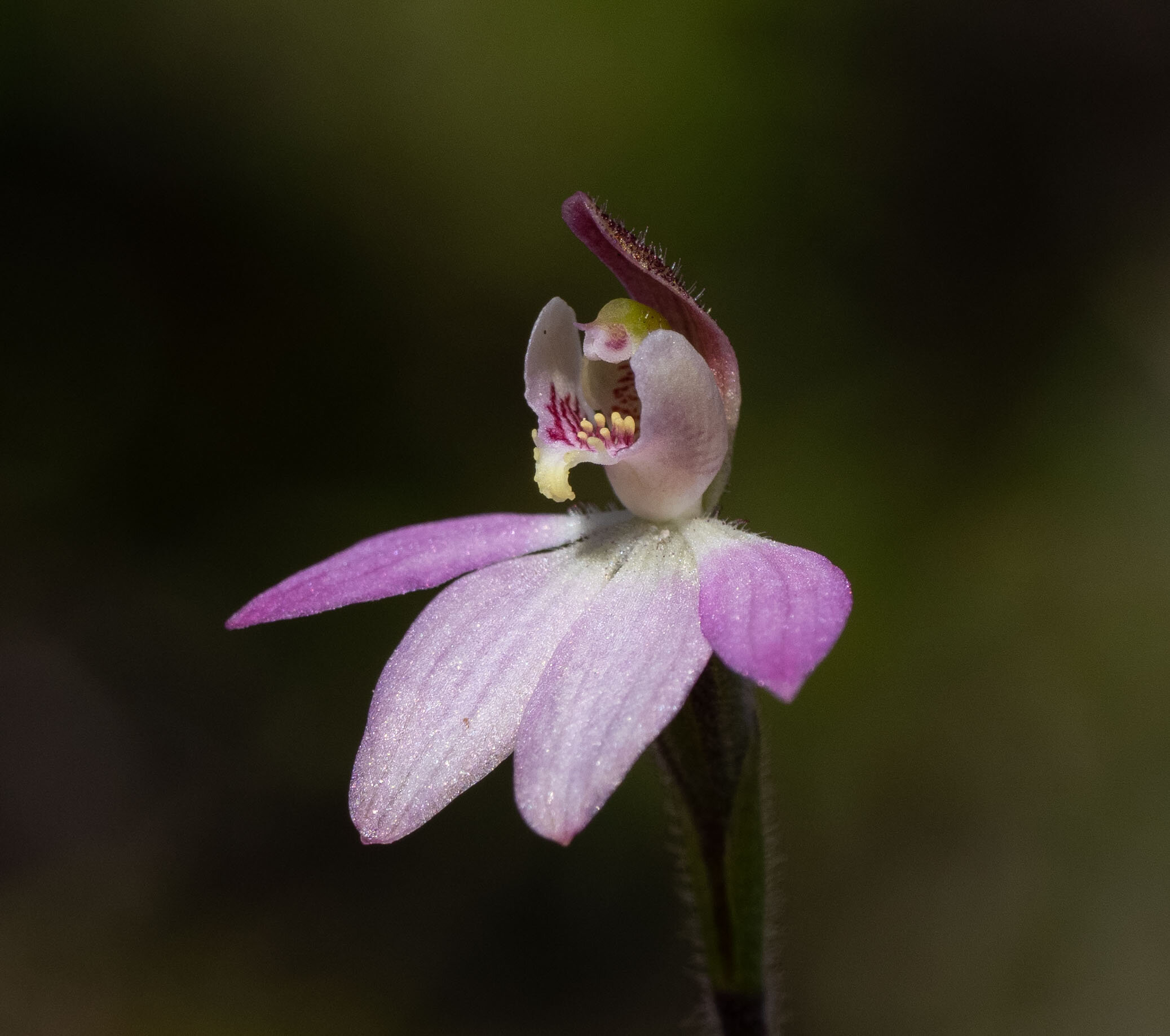
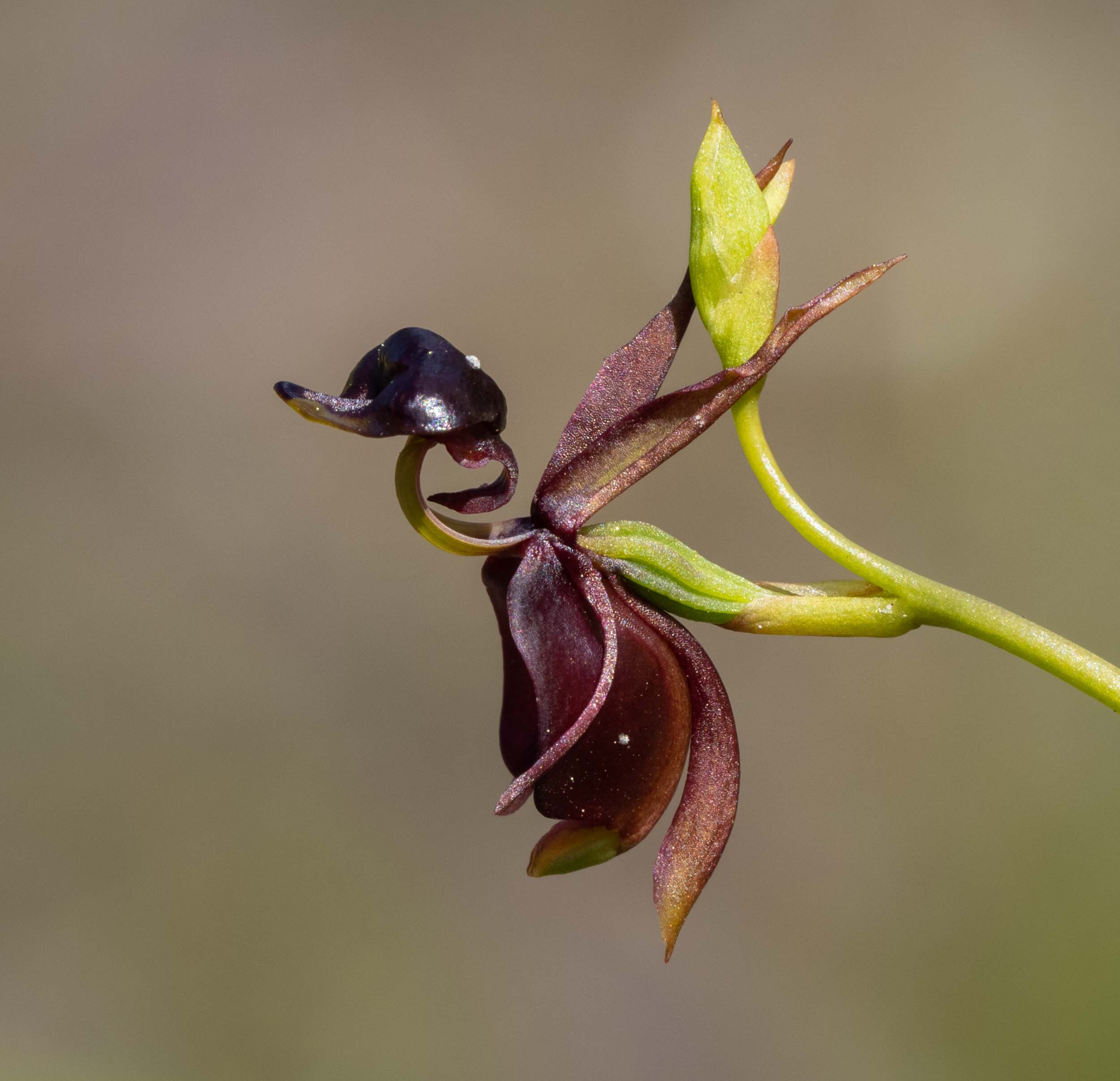
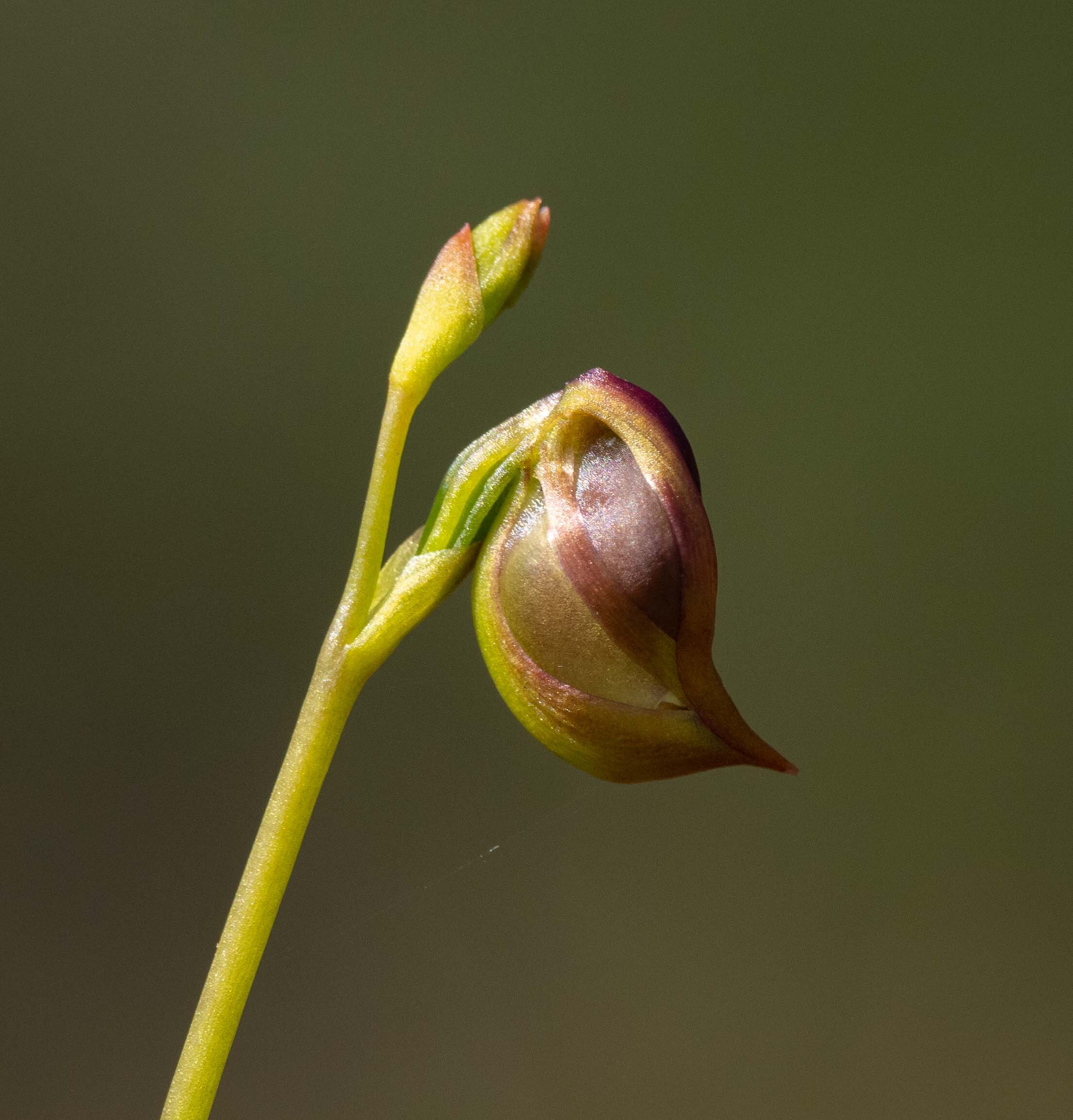
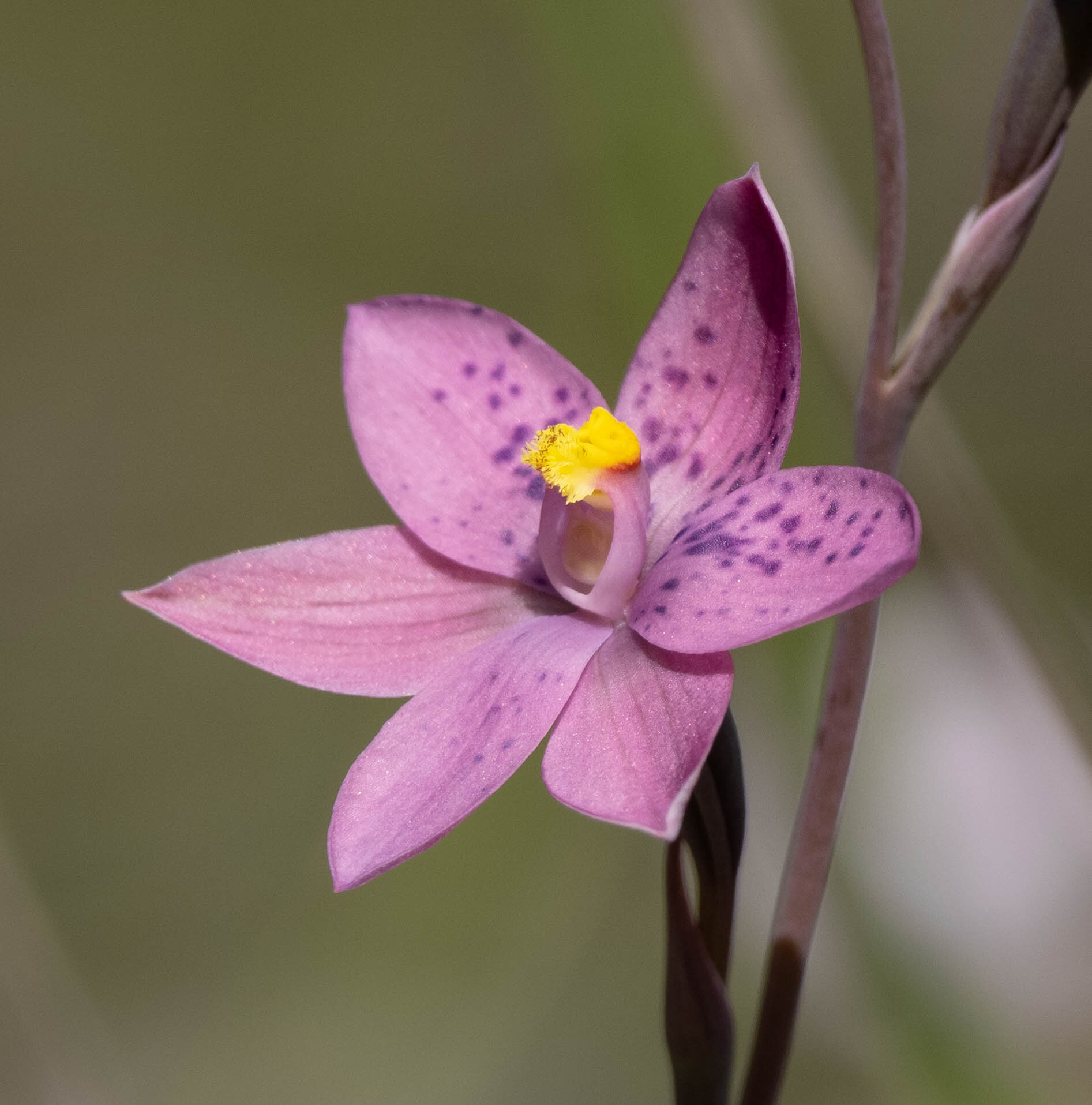
Thelymitra x irregularis … this is a naturally-occurring hybrid between T. ixiodes and T. carnea
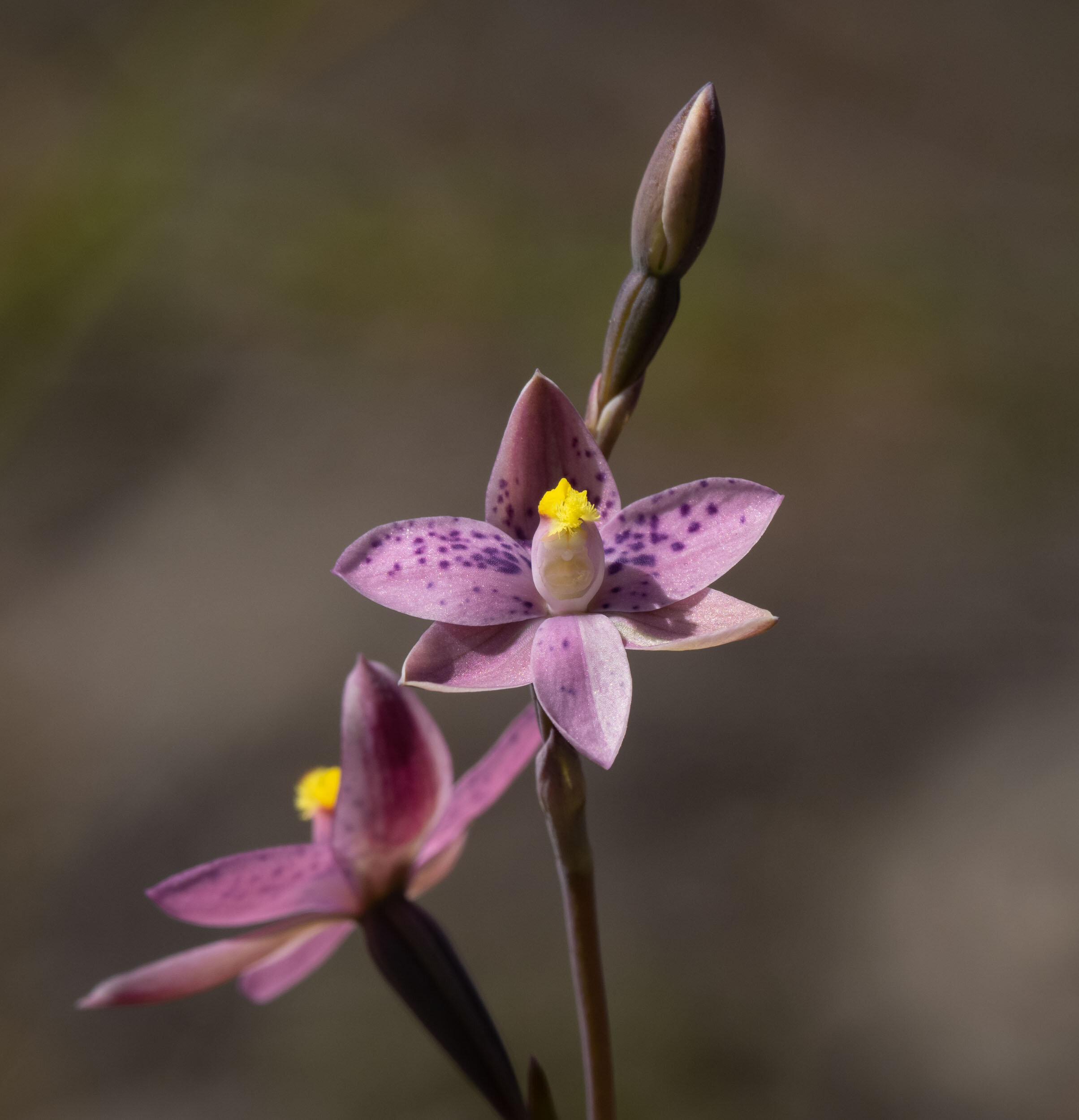
Thelymitra x irregularis … this is a naturally-occurring hybrid between T. ixiodes and T. carnea
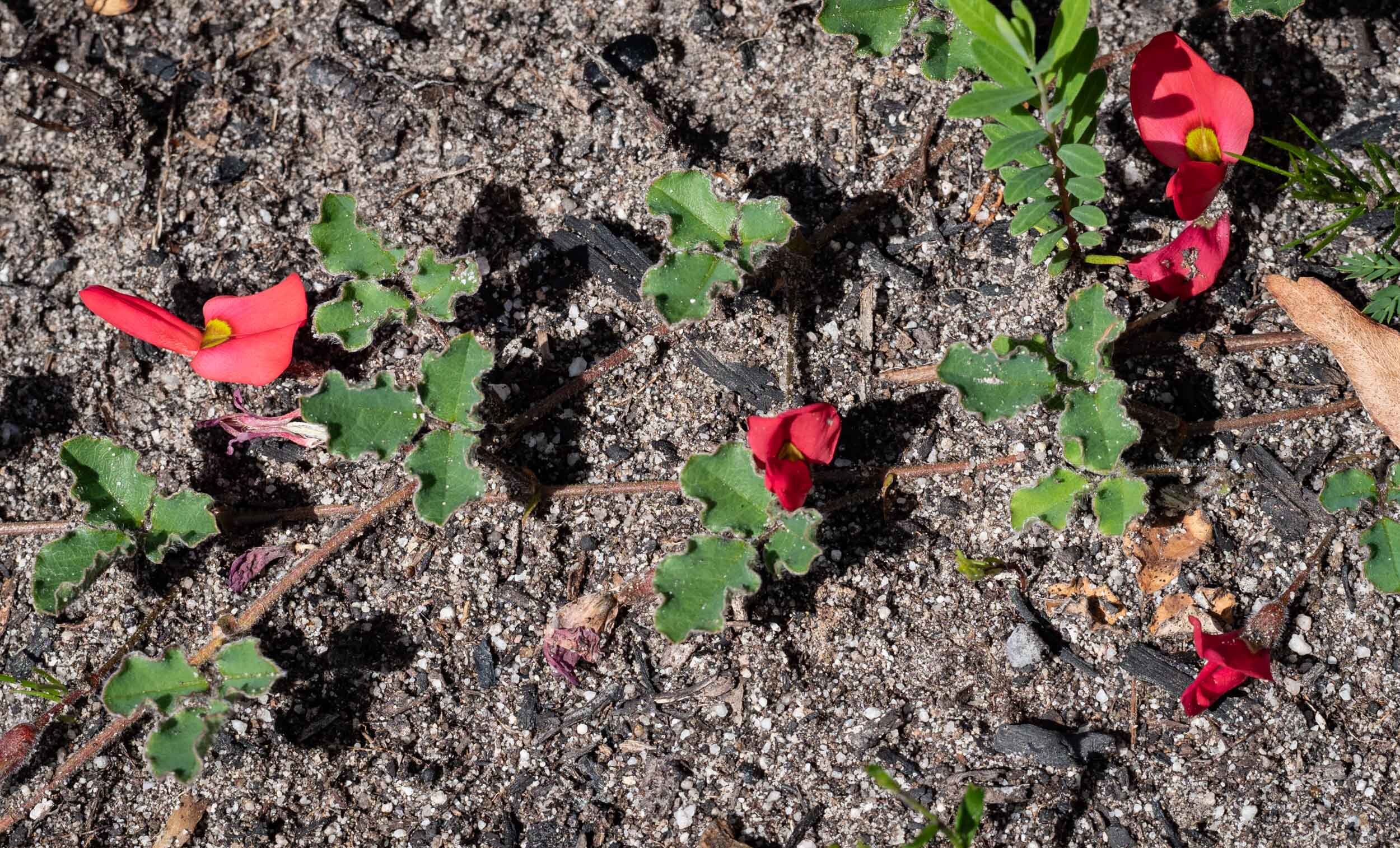
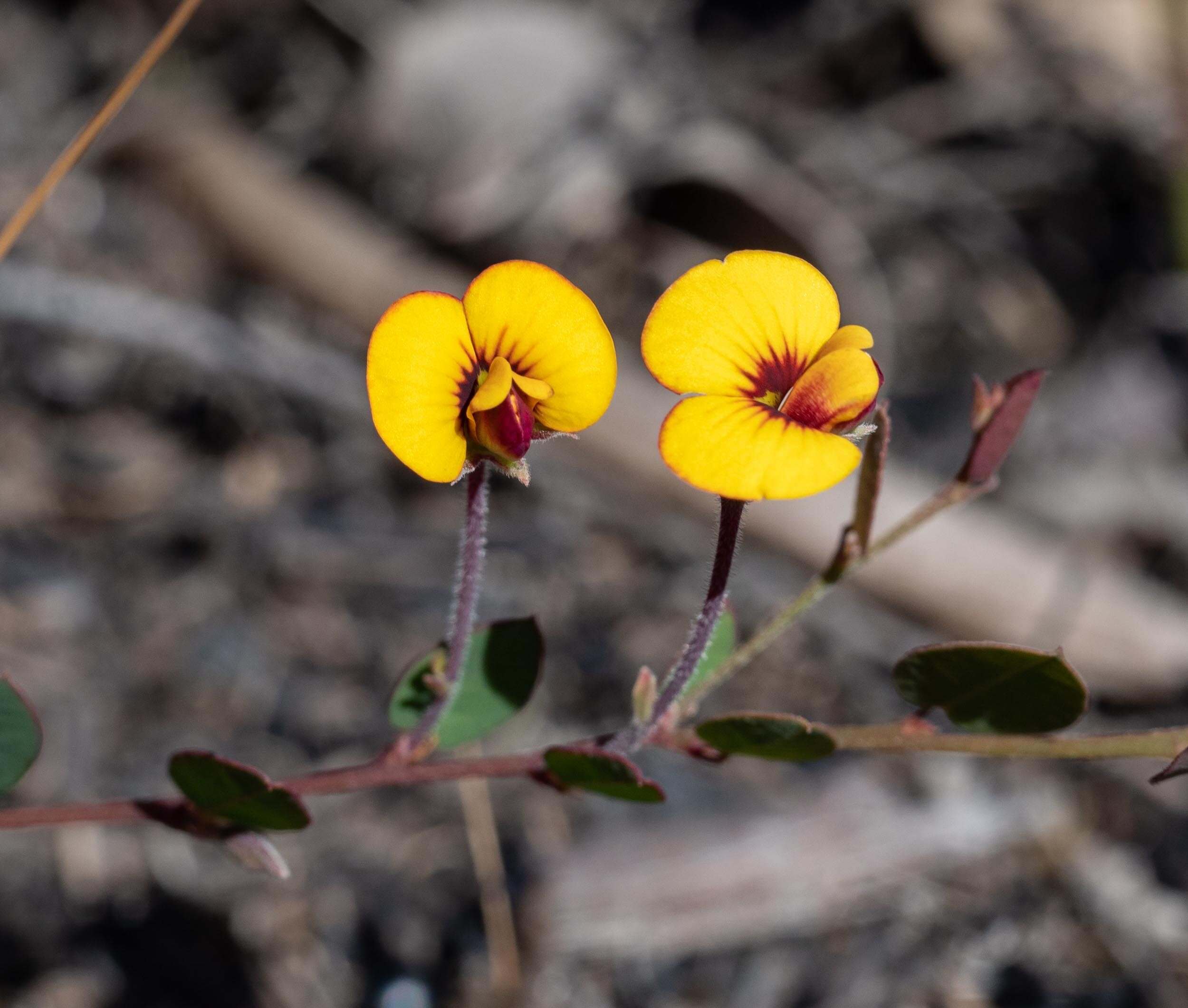
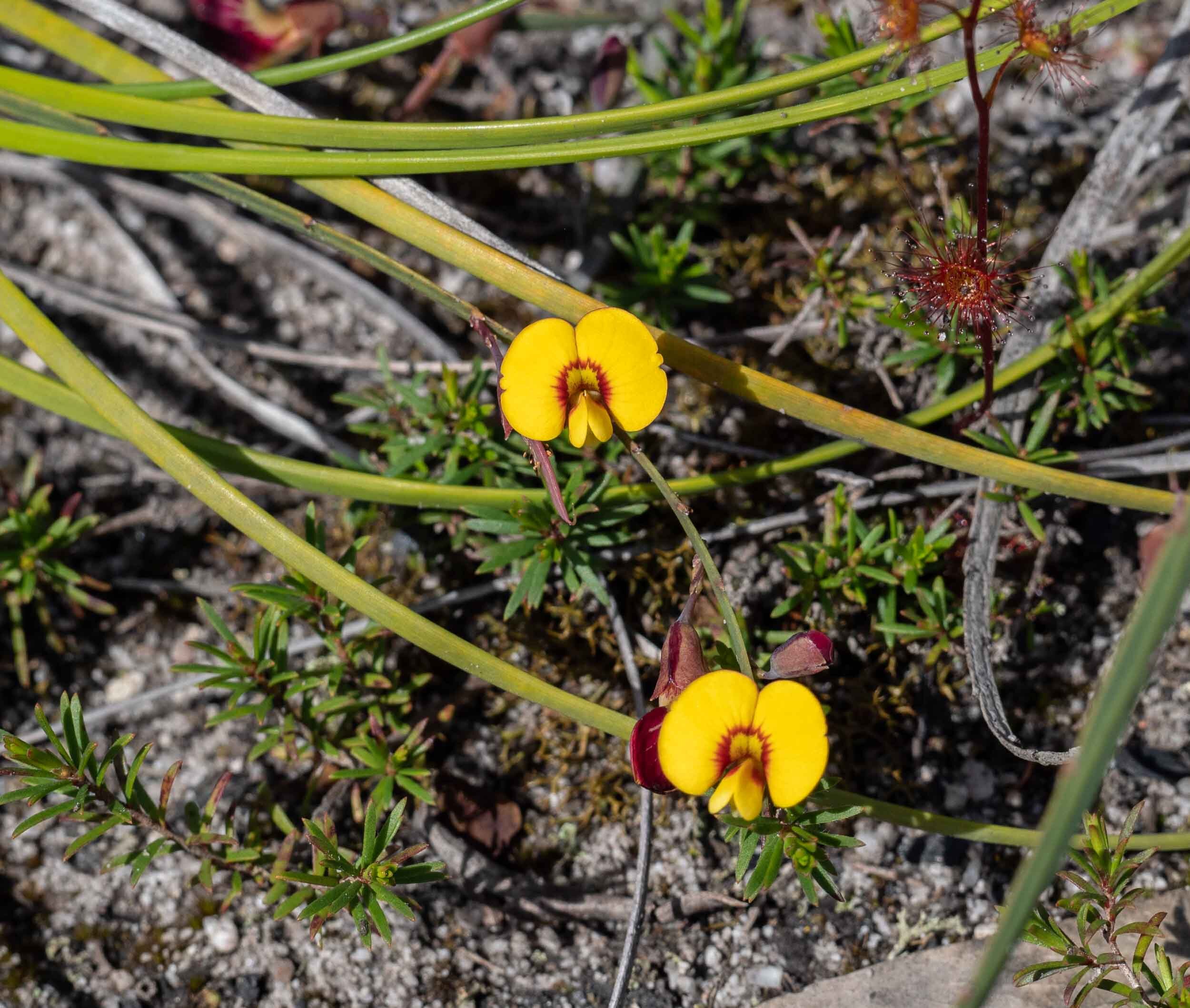
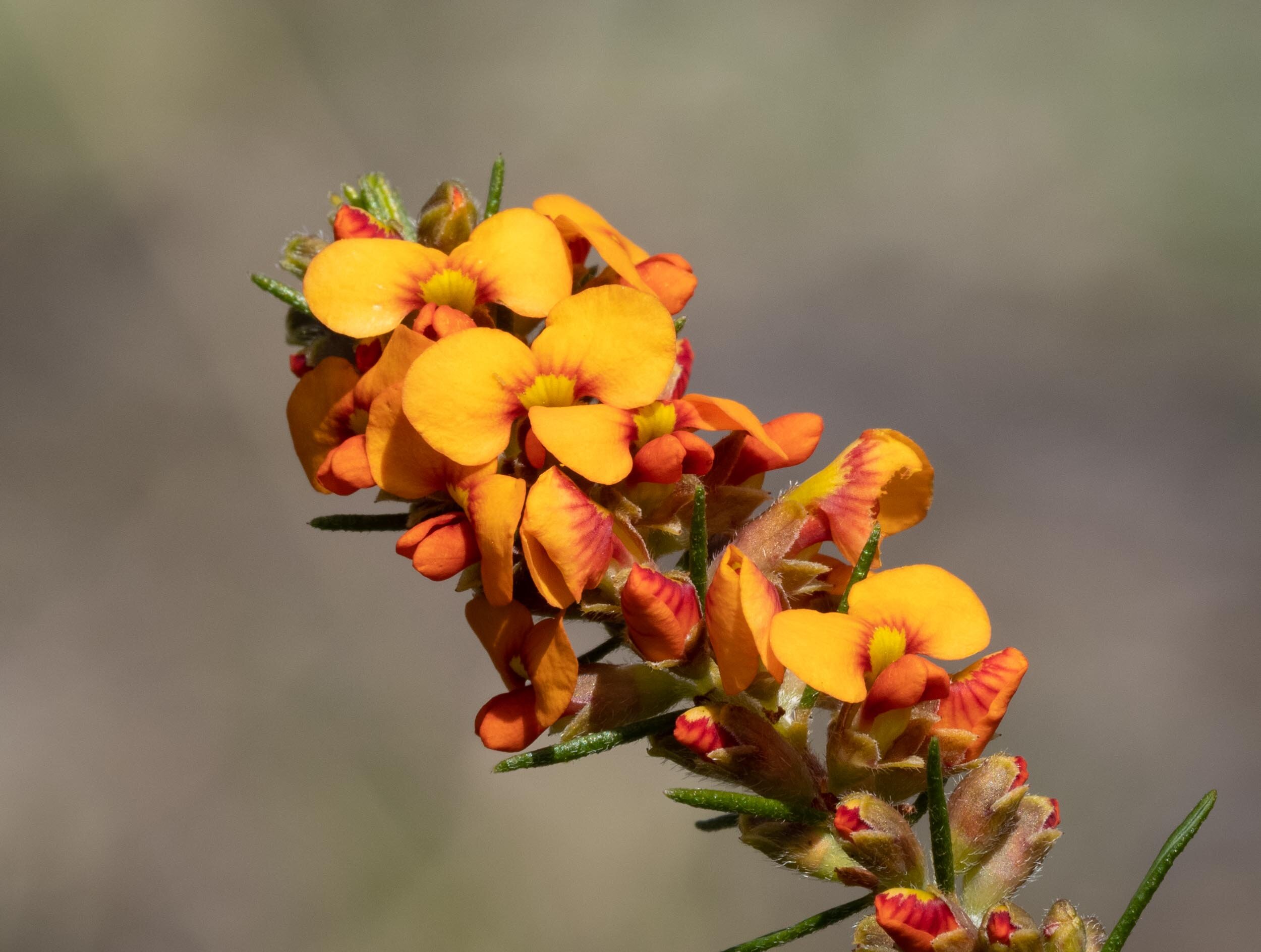
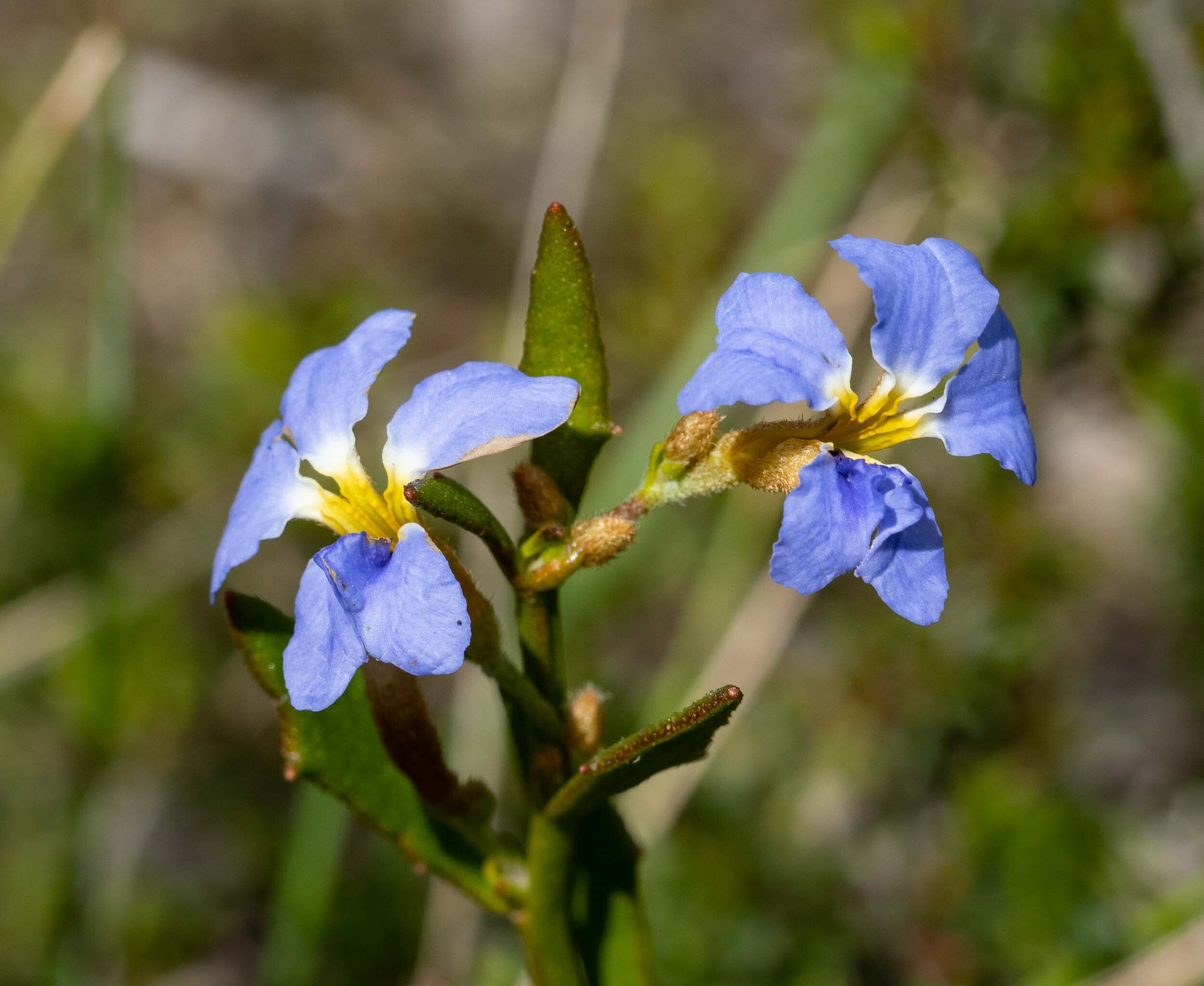
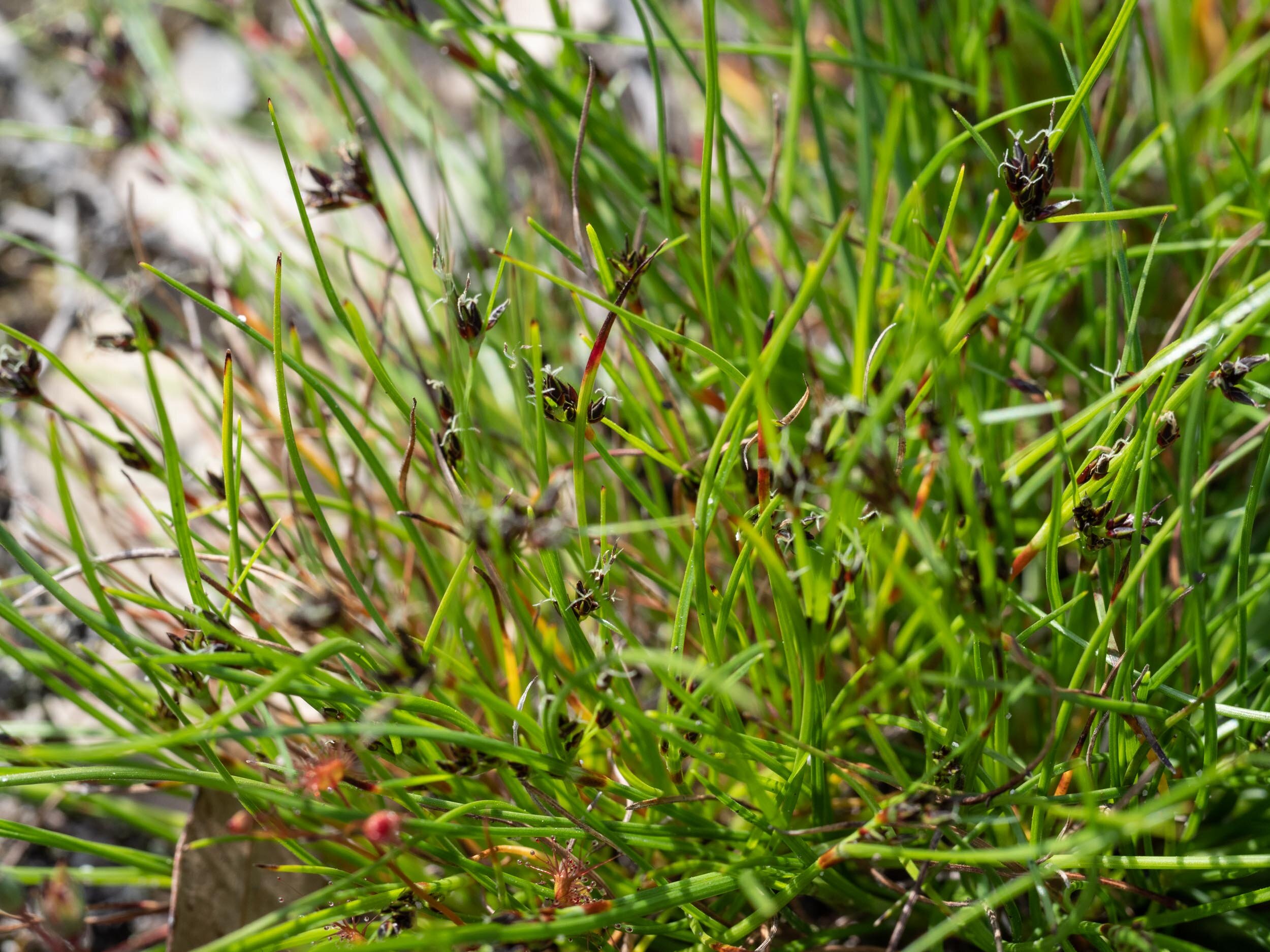
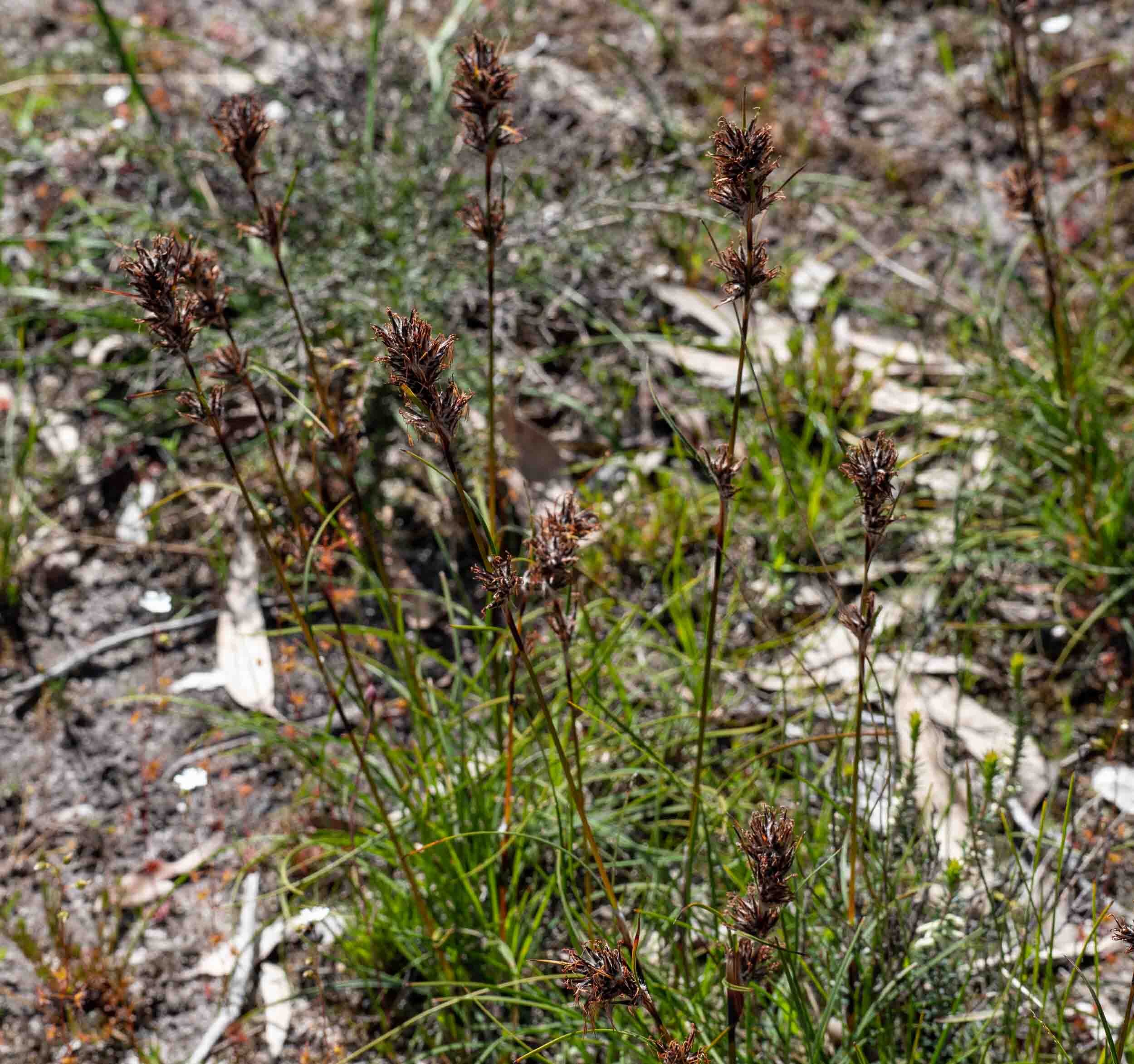

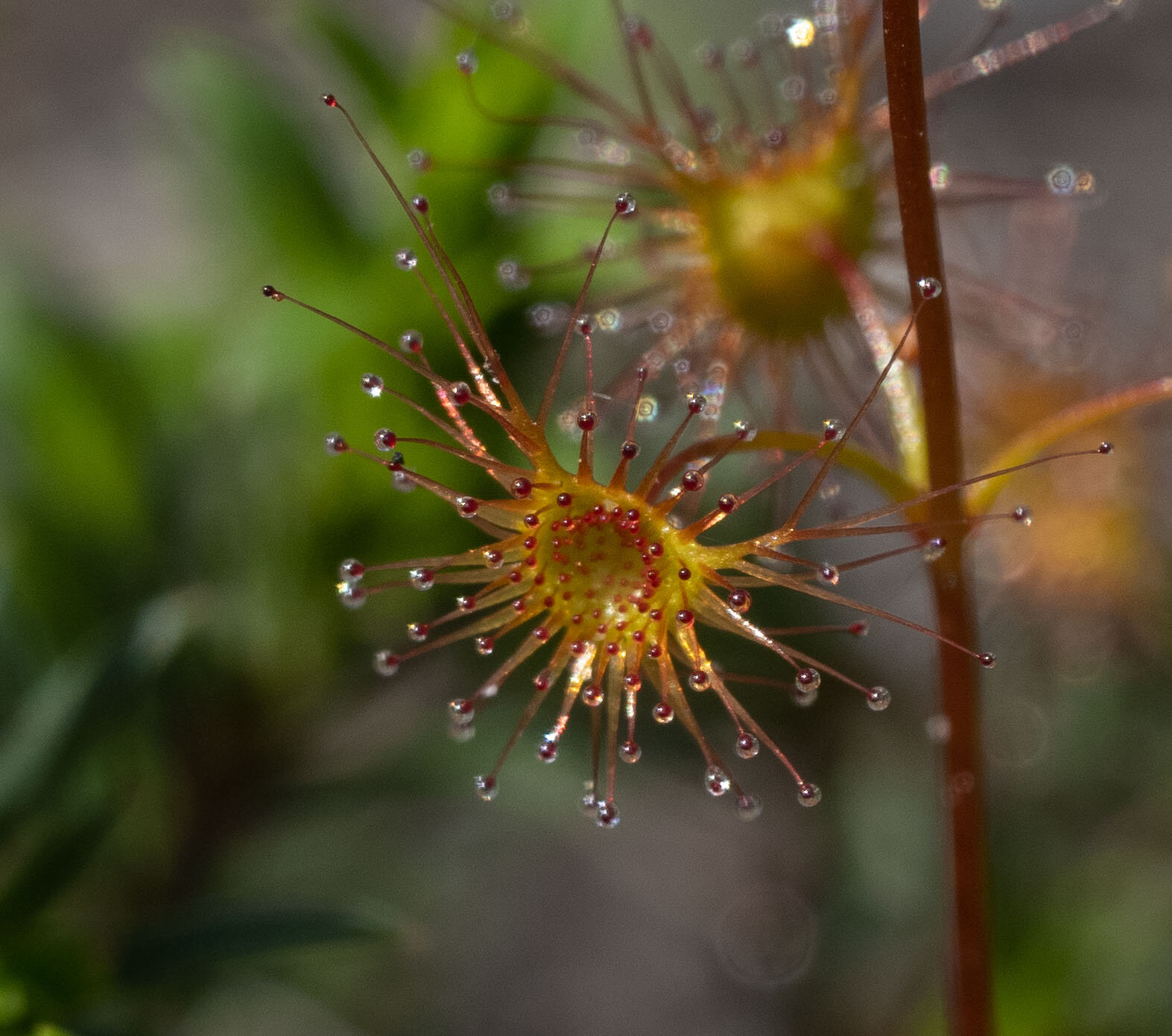
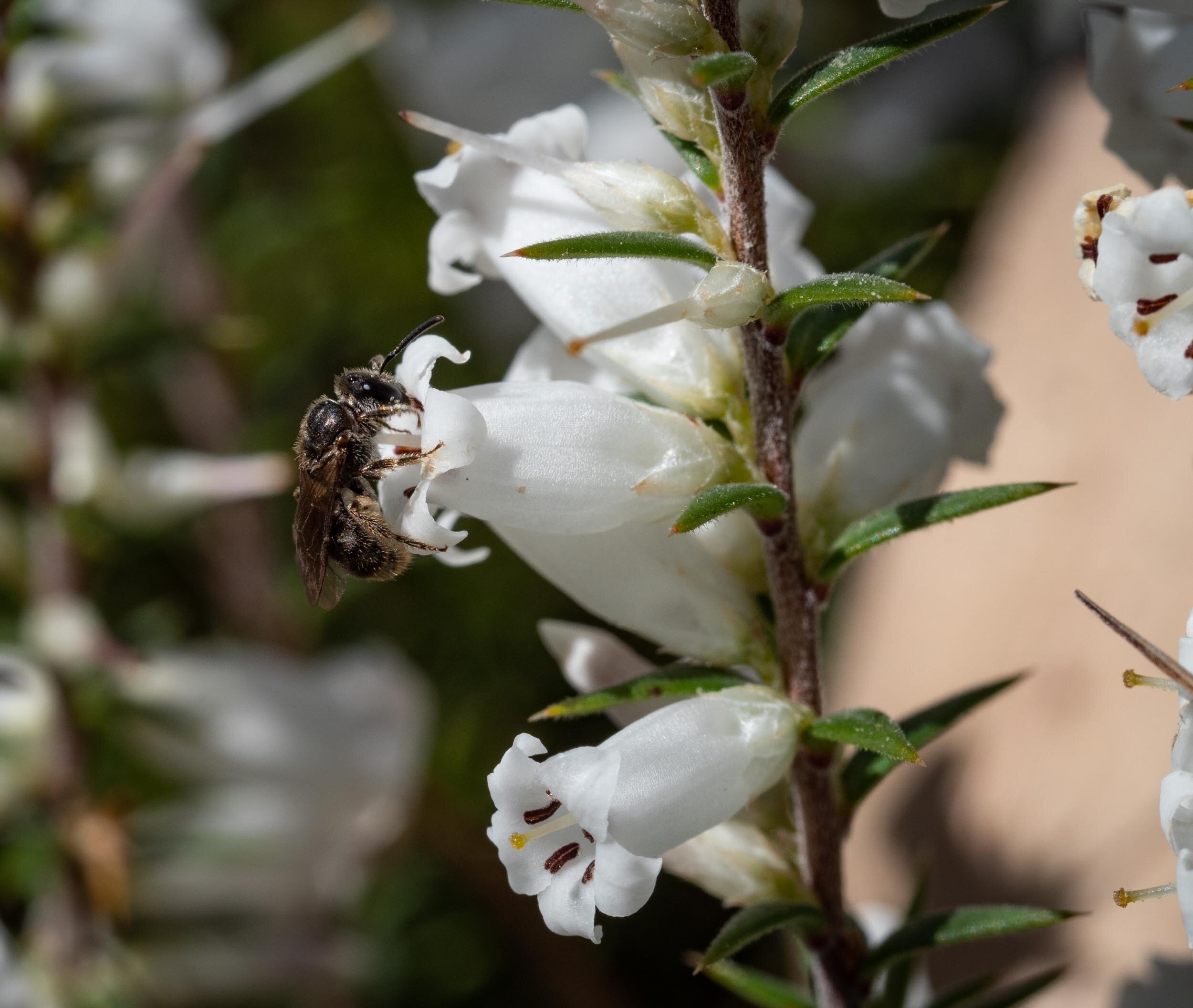
And then there’s everything else! A variety of orthopterans, spiders, moths, skinks, and even a small snake. It looks like the ecosystem has made a full recovery.
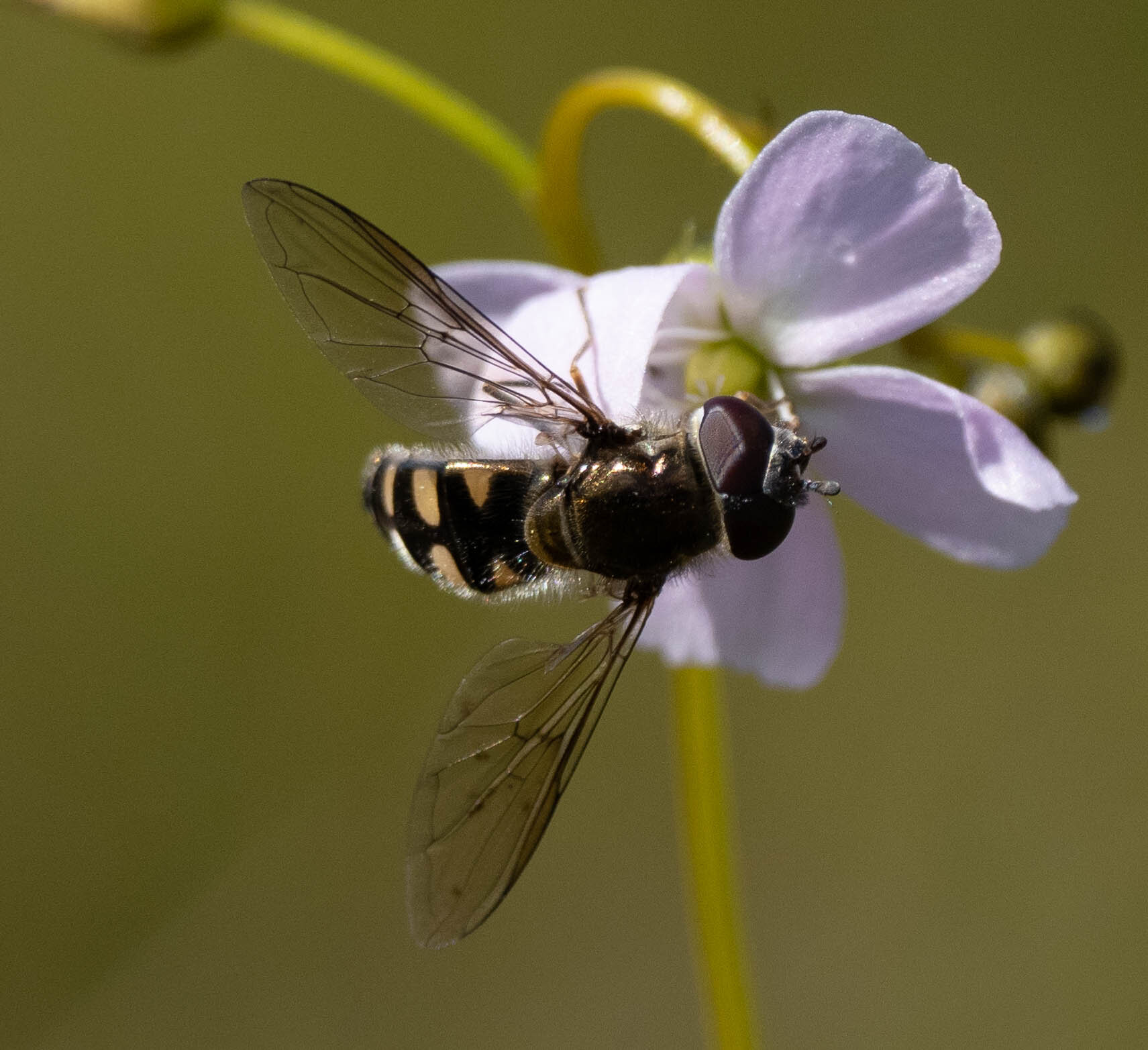
Hoverflies are known pollinators for these plants.
Hoverfly: Melangyna sp. Sundew: Drosera auriculata
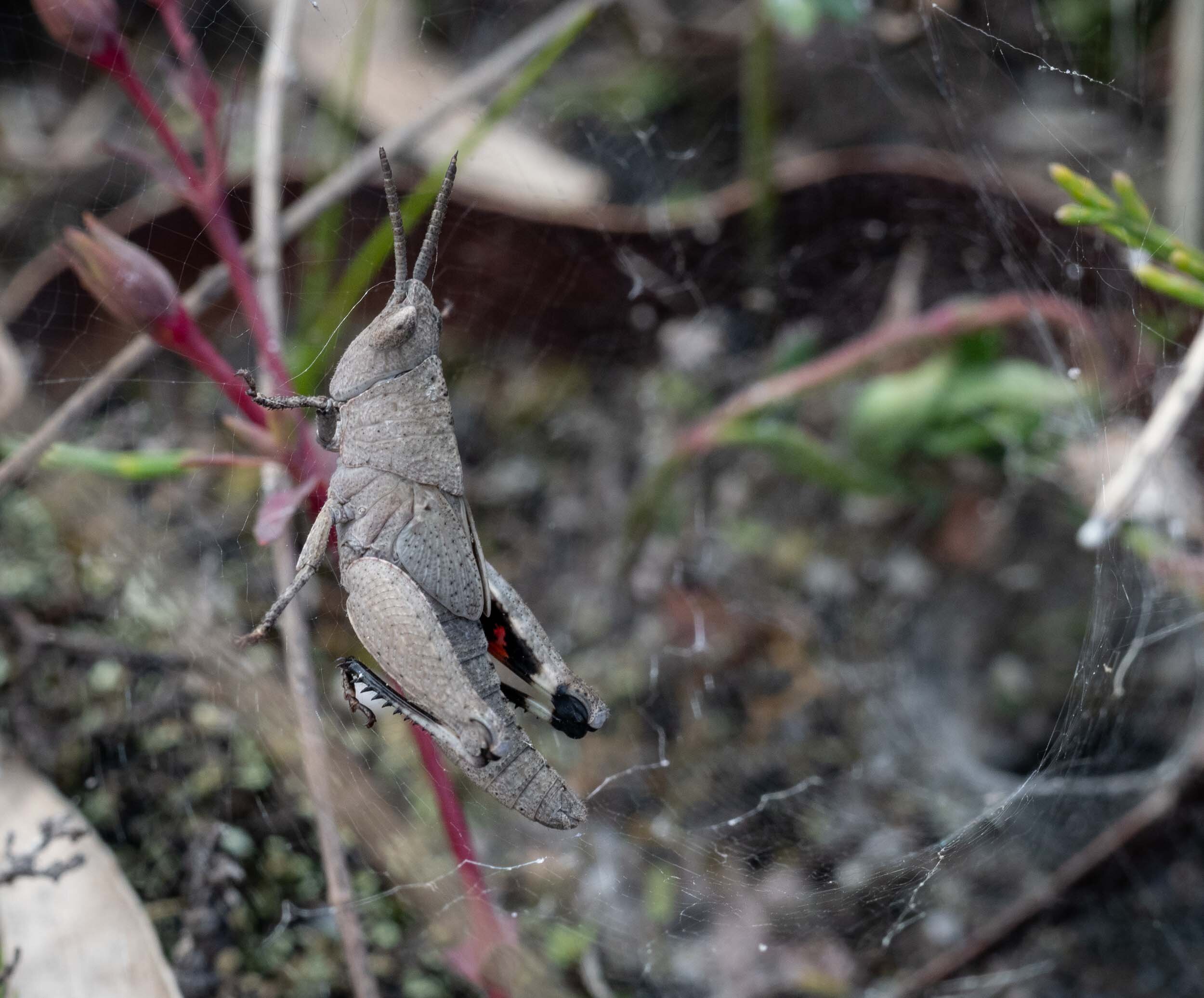
Goniaea opomaloides nymph. This is one of several grasshopper species on the helipad - excellent prey for predators such as wolf spiders and skinks.

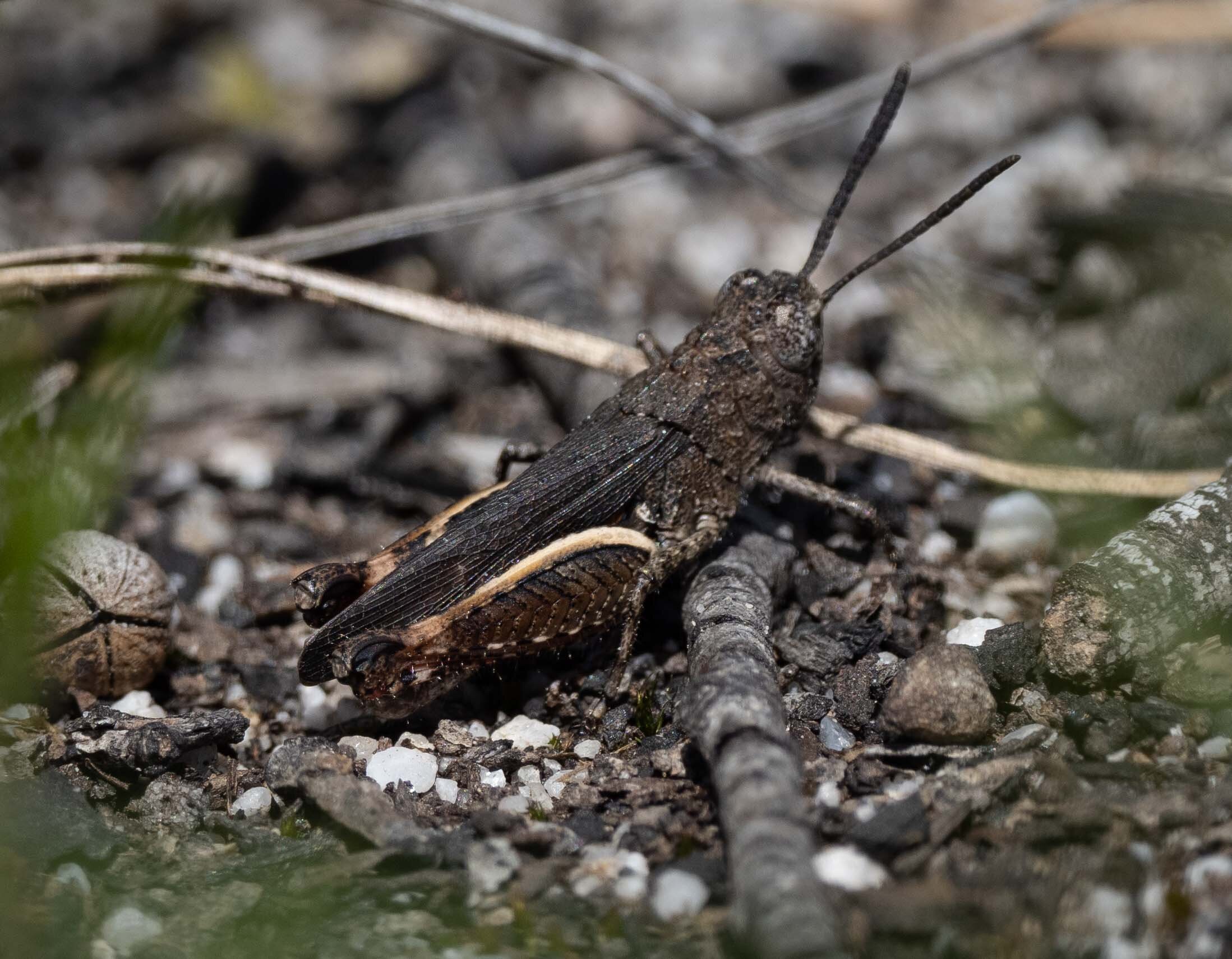
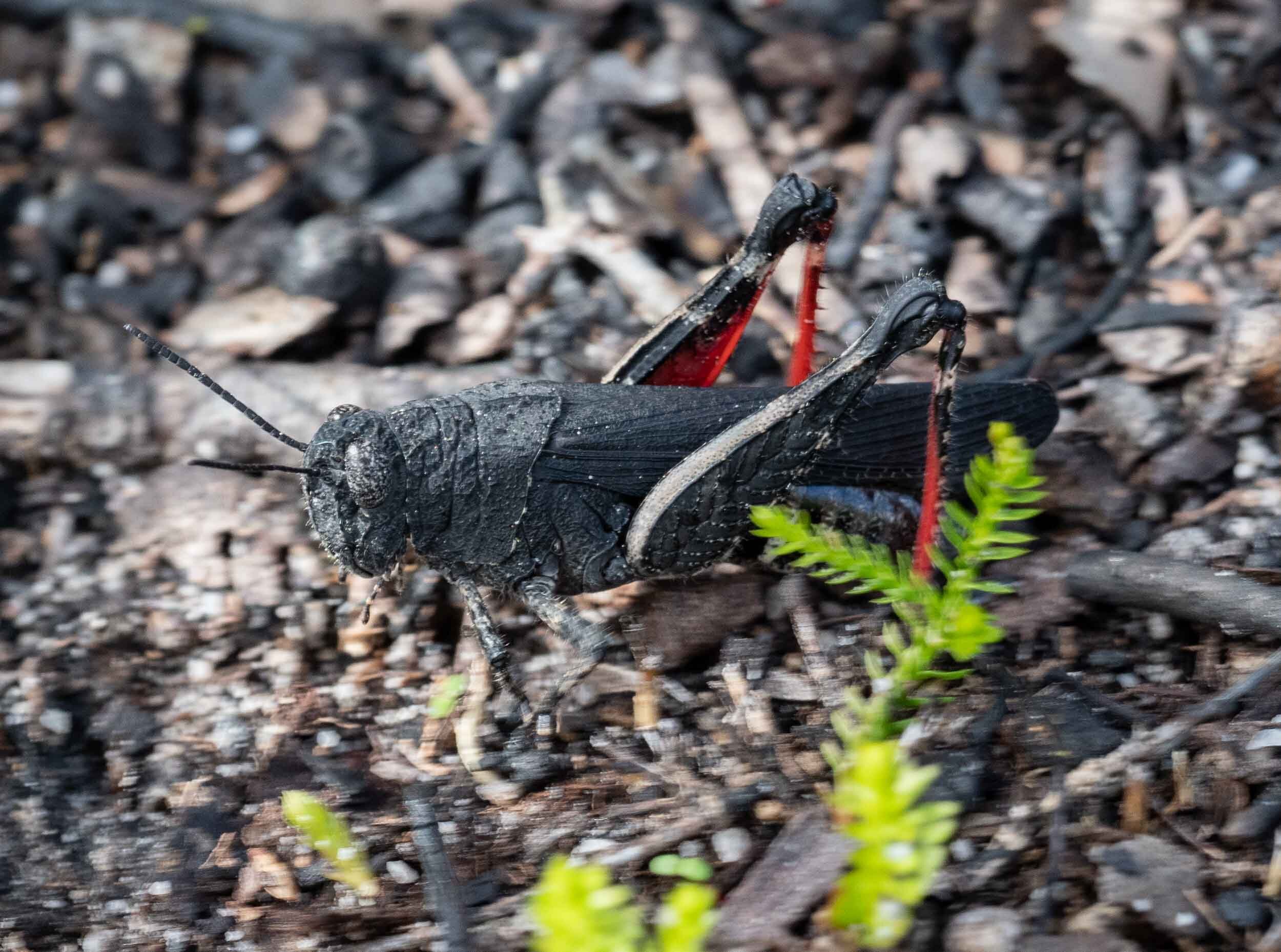
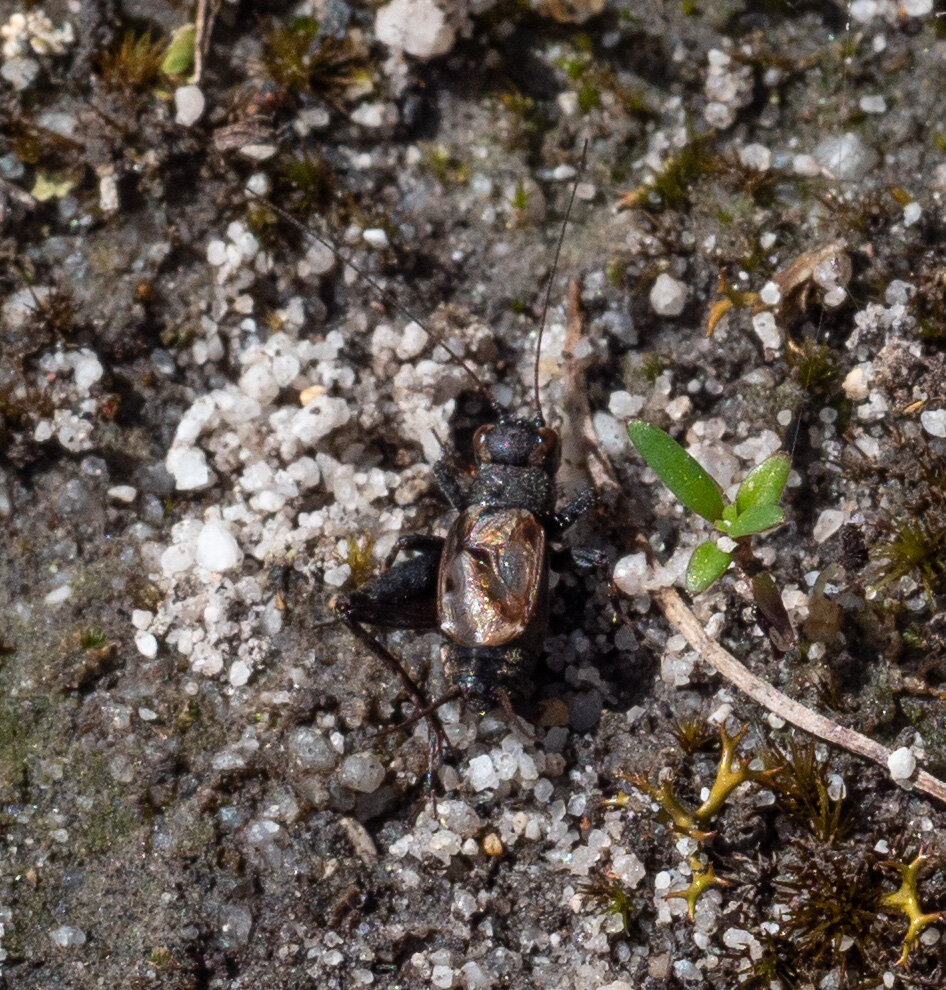
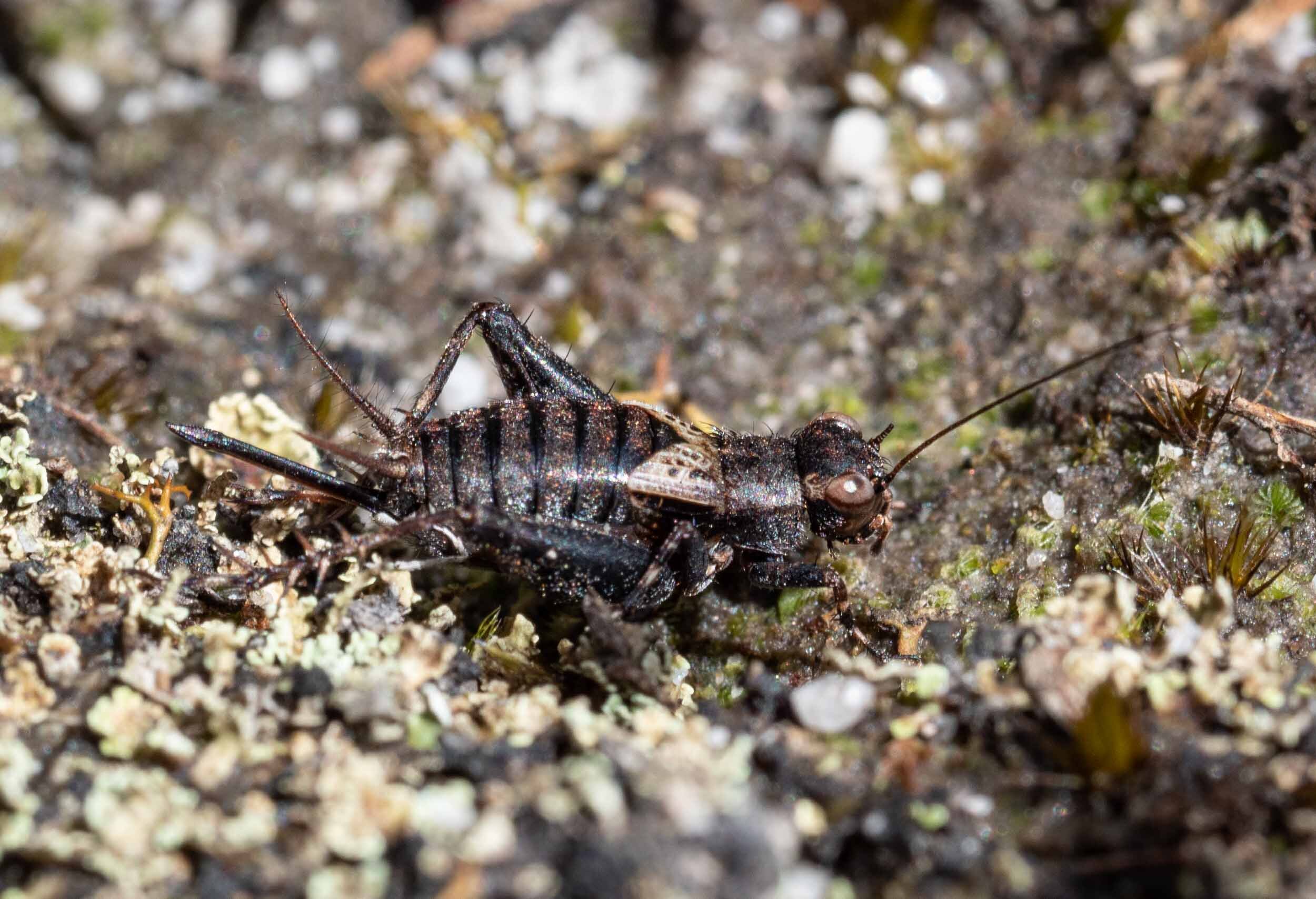
Bobilla sp. - a female, with a long ovipositor. These tiny crickets can leap vast distances (relatively speaking) to escape predators.
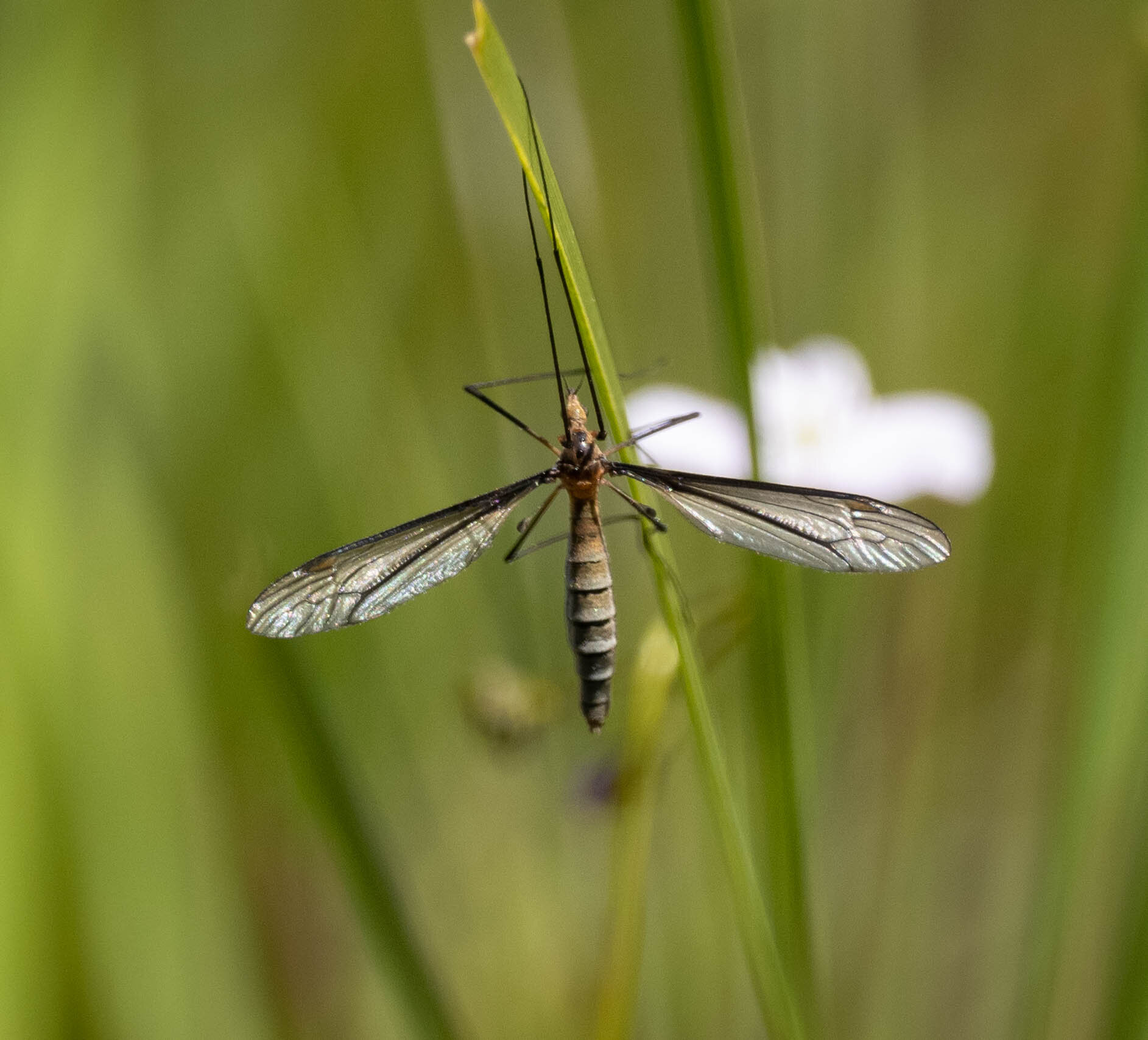
Dichromodes stilbiata. We’ve seen three species of this genus at the helipad, each with distinctive wing patterning.
Family: Geometridae

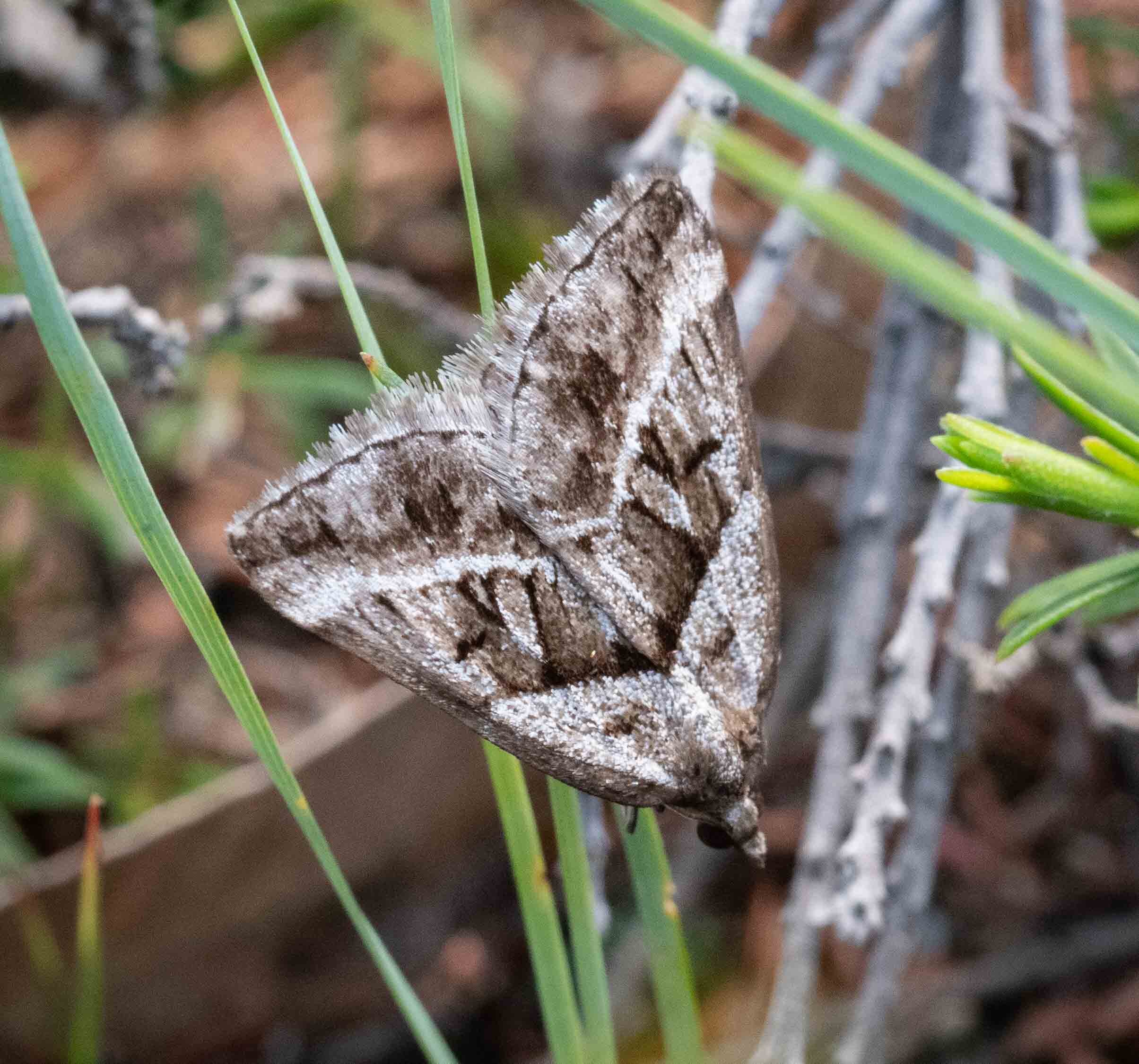
Eutrichopidia latinus in the typical head-down pose. The caterpillars have been recorded on Gonocarpus (Raspwort) … a plant growing nearby.
Family: Noctuidae
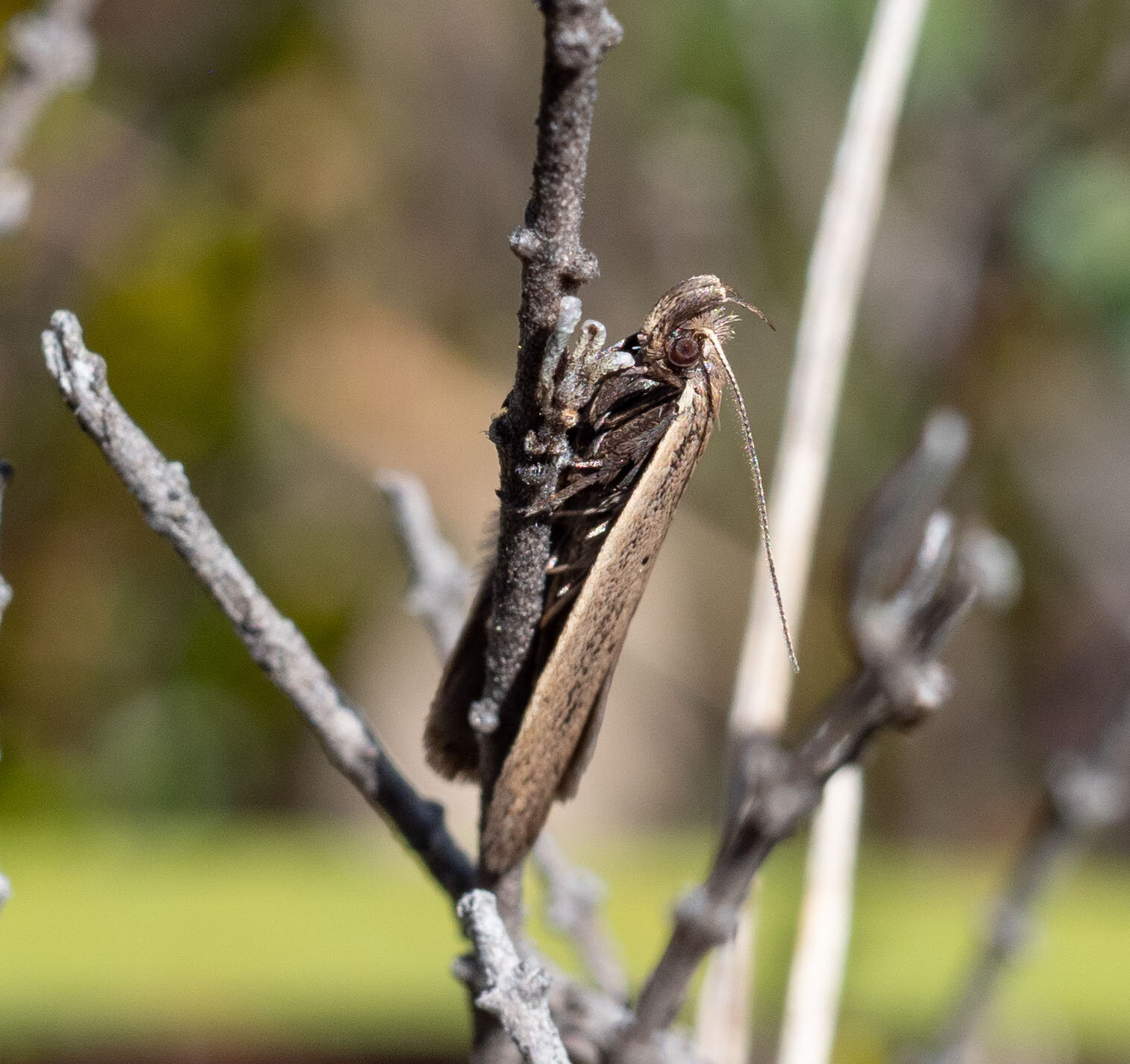
Philobota sp. There were dozens of these small concealer moths flying rapidly from one bush to another on the day we visited the helipad.

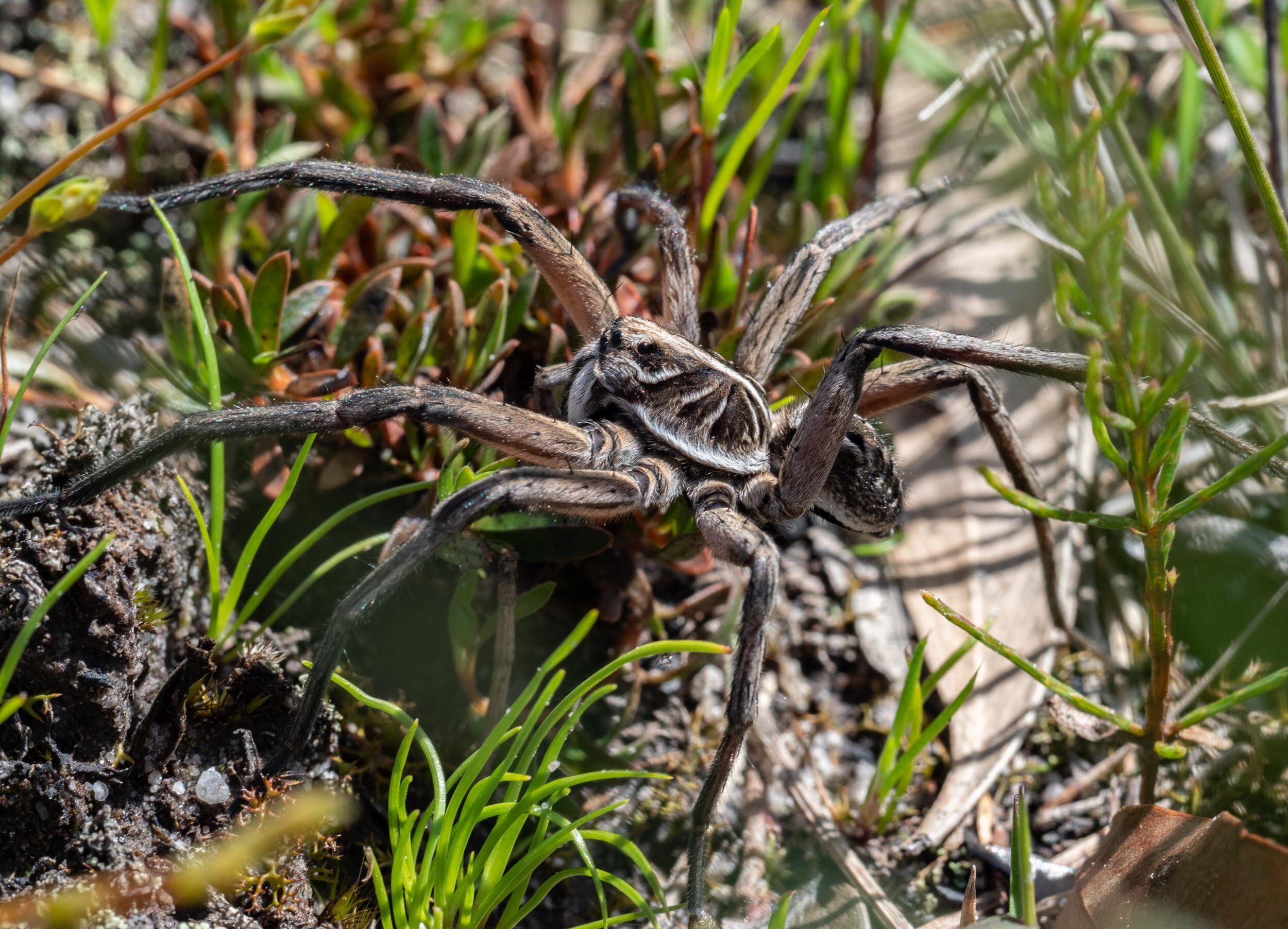
Family: Lycosidae - probably Tasmanicosa godeffroyi, the Garden Wolf Spider. We saw a host of these spiders roaming the helipad in search of prey - insects and other spiders.

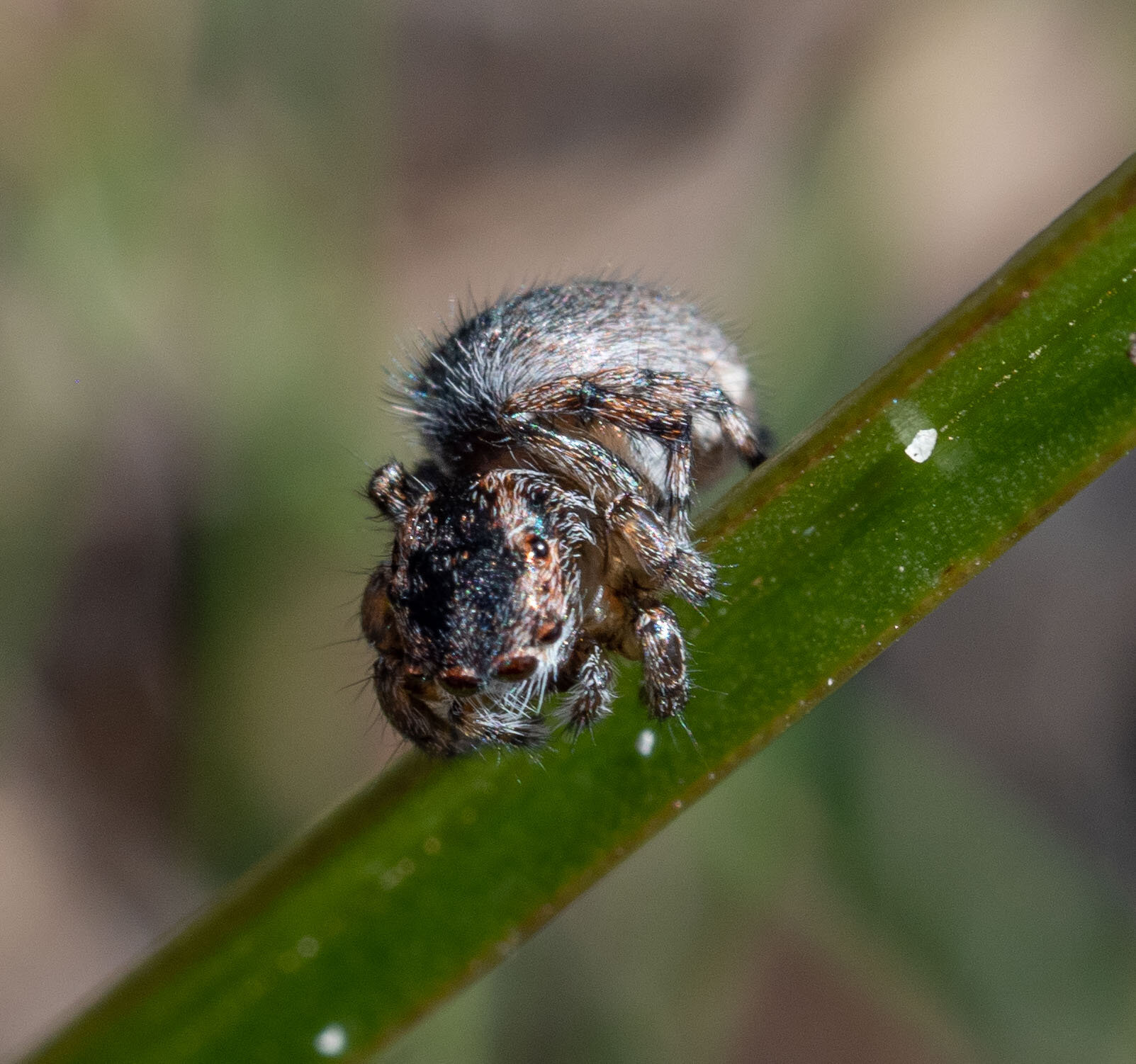
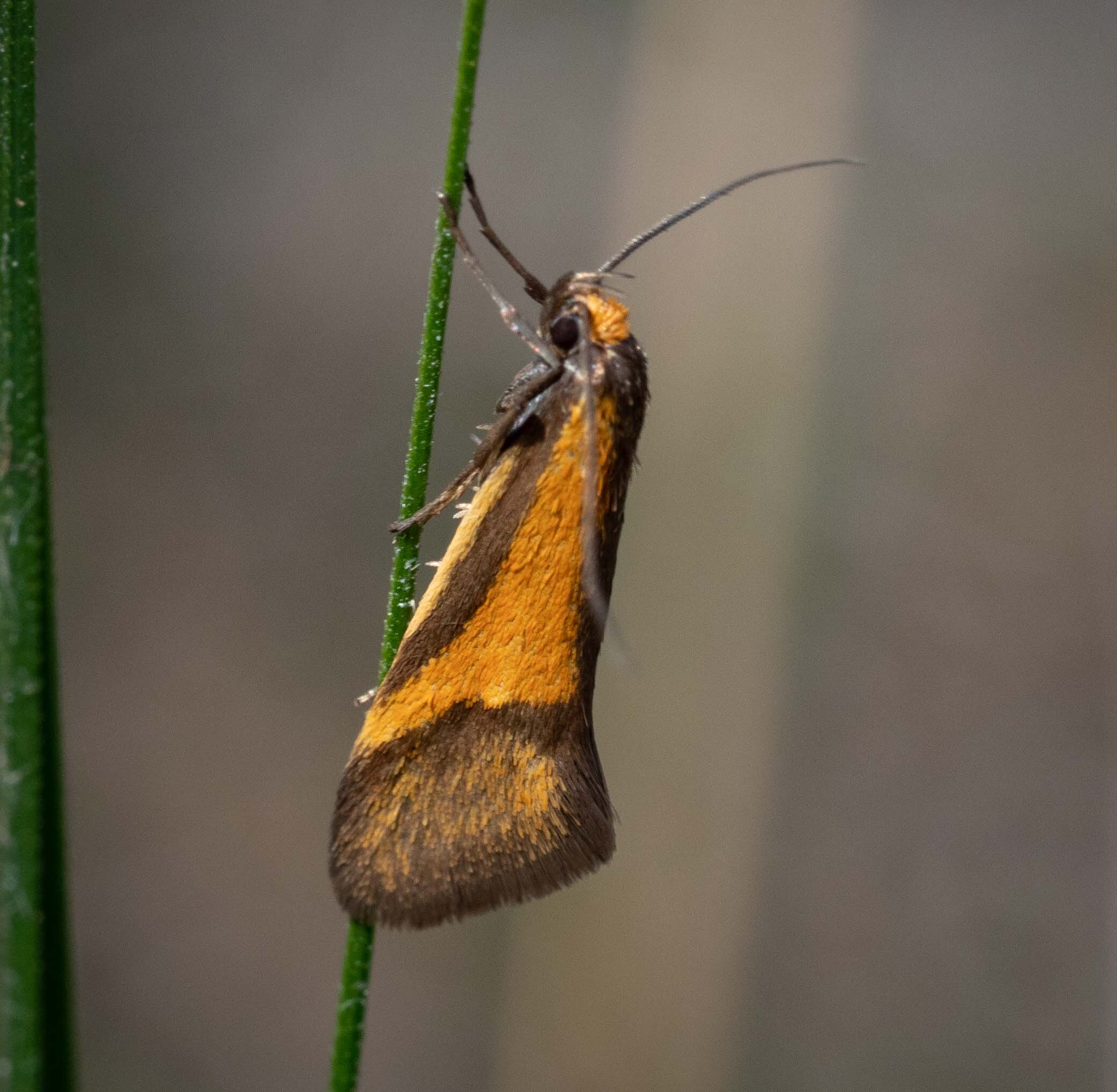
Philobota arabella. We saw this species on our last visit to the helipad in October 2019.

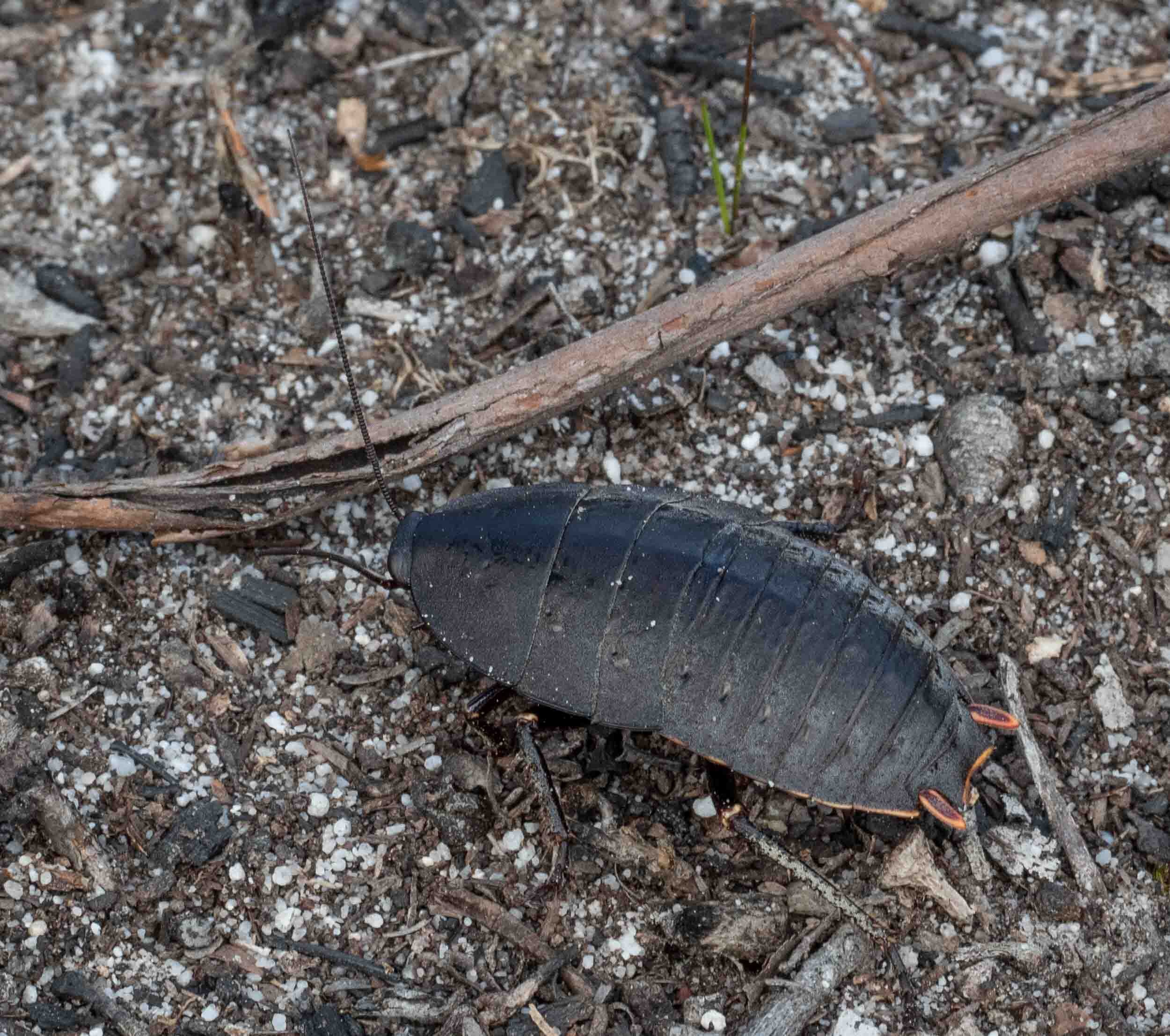
Polyzosteria aenea … a flightless, day active native cockroach that is often seen basking in the sun.

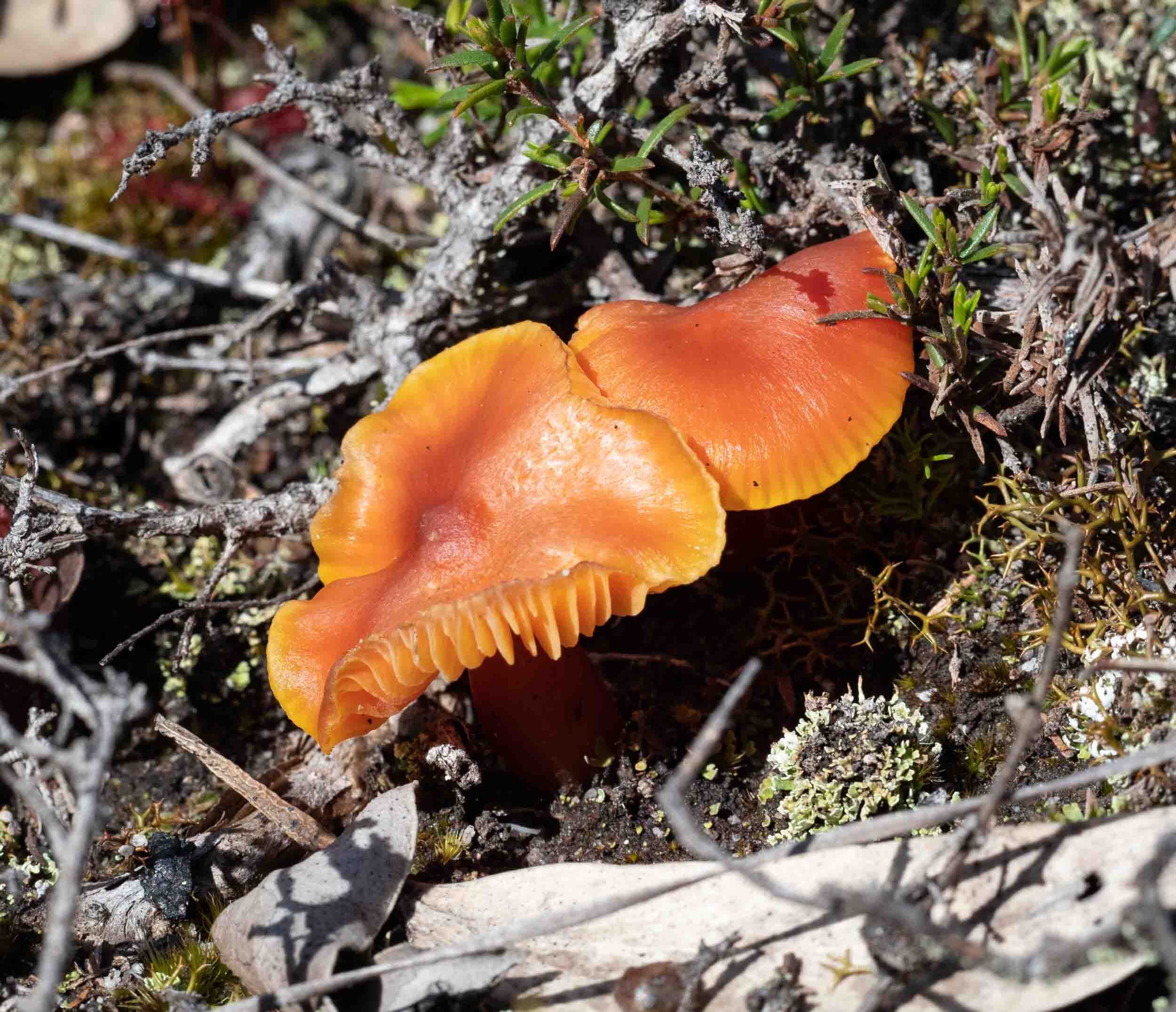
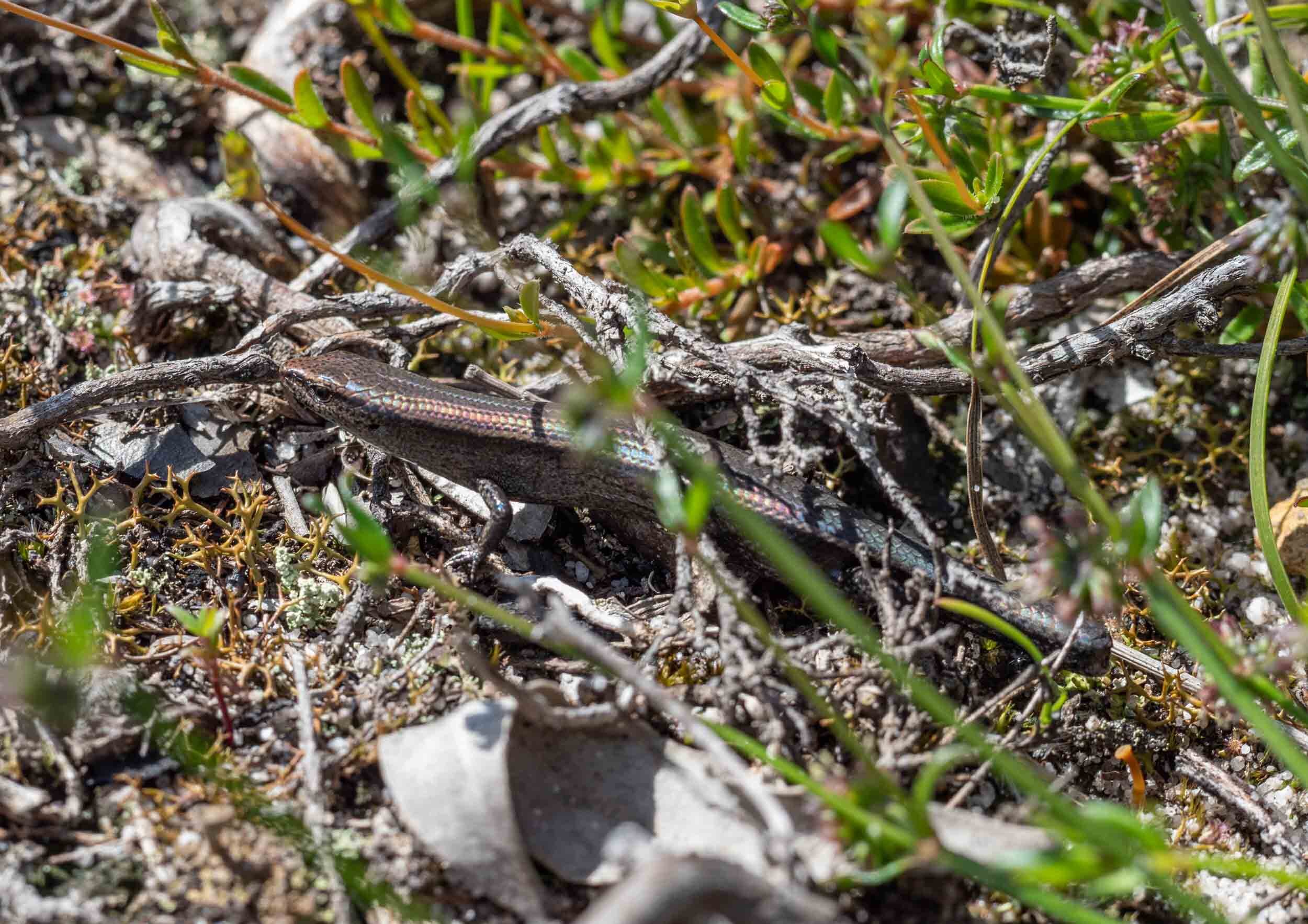
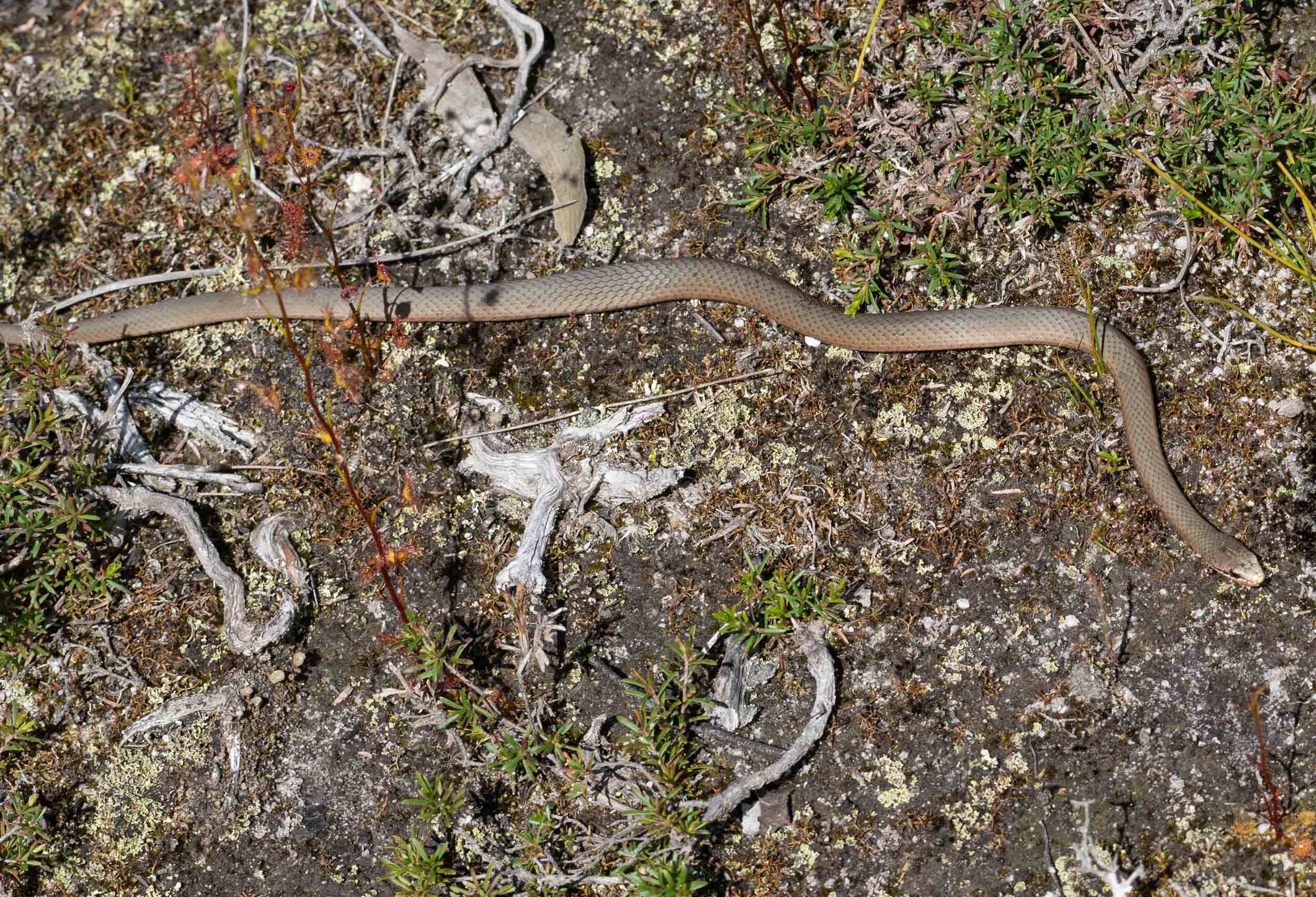
Drysdalia coronoides
A small snake that feeds almost exclusively on skinks. Not dangerous (to humans), which is fortunate because I nearly sat on it!
Before leaving, a quick stop at the river crossing to scout for dragonflies. Still a bit early yet, it seems.
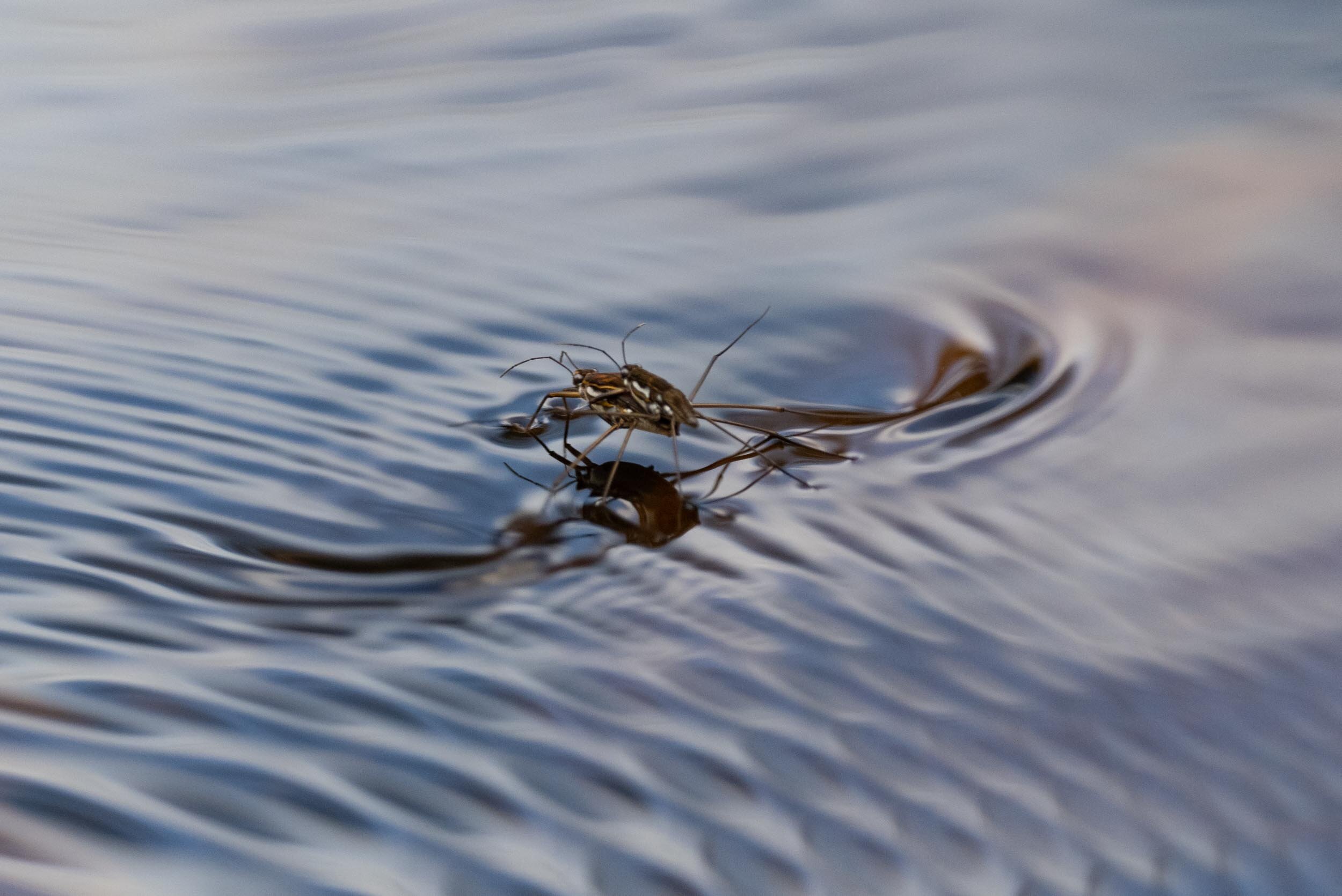
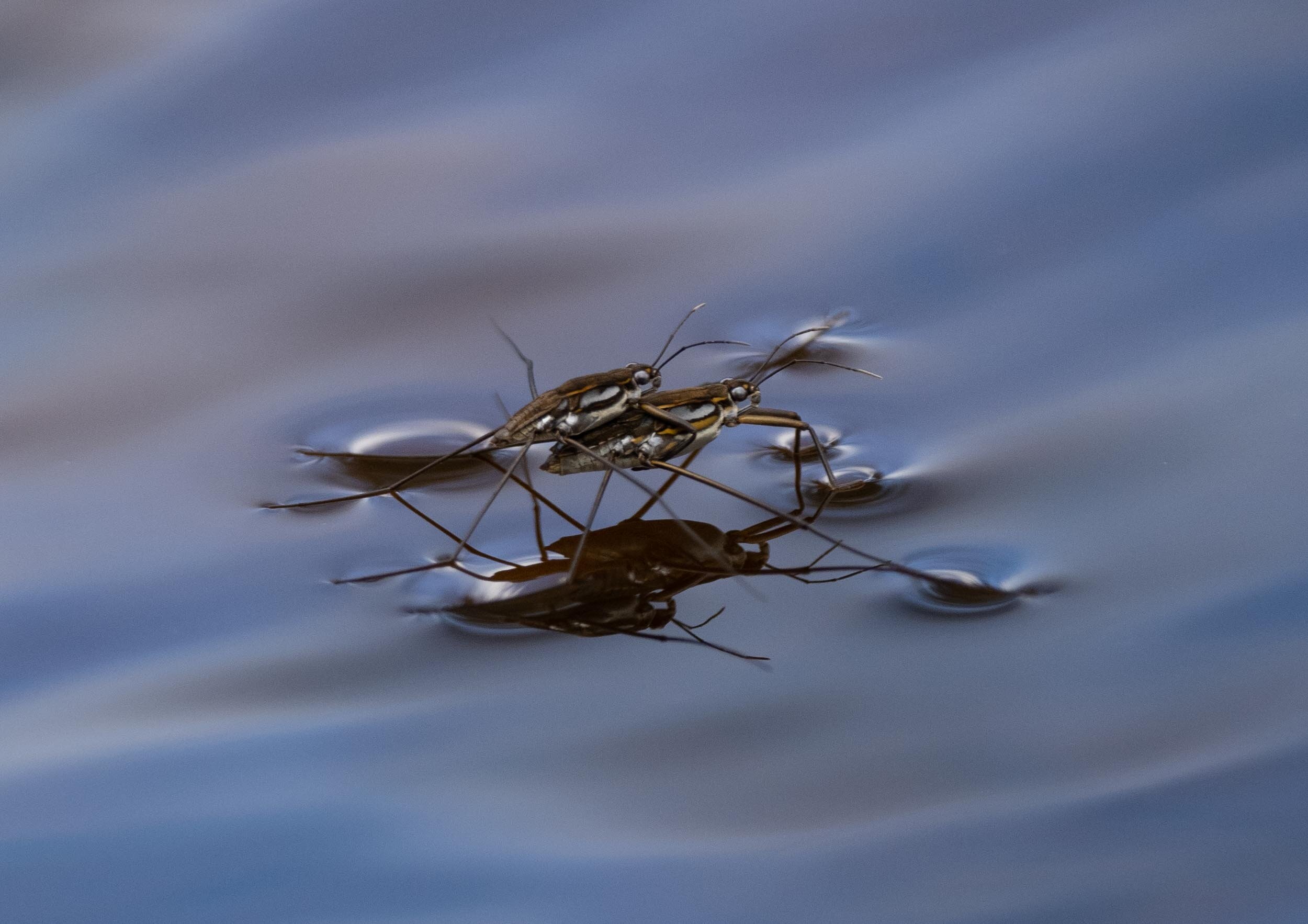
Tenagogerris euphrosyne …. the female is the larger insect, and in control of locomotion. The cross-ripples in this image were made by other tandem pairs nearby.
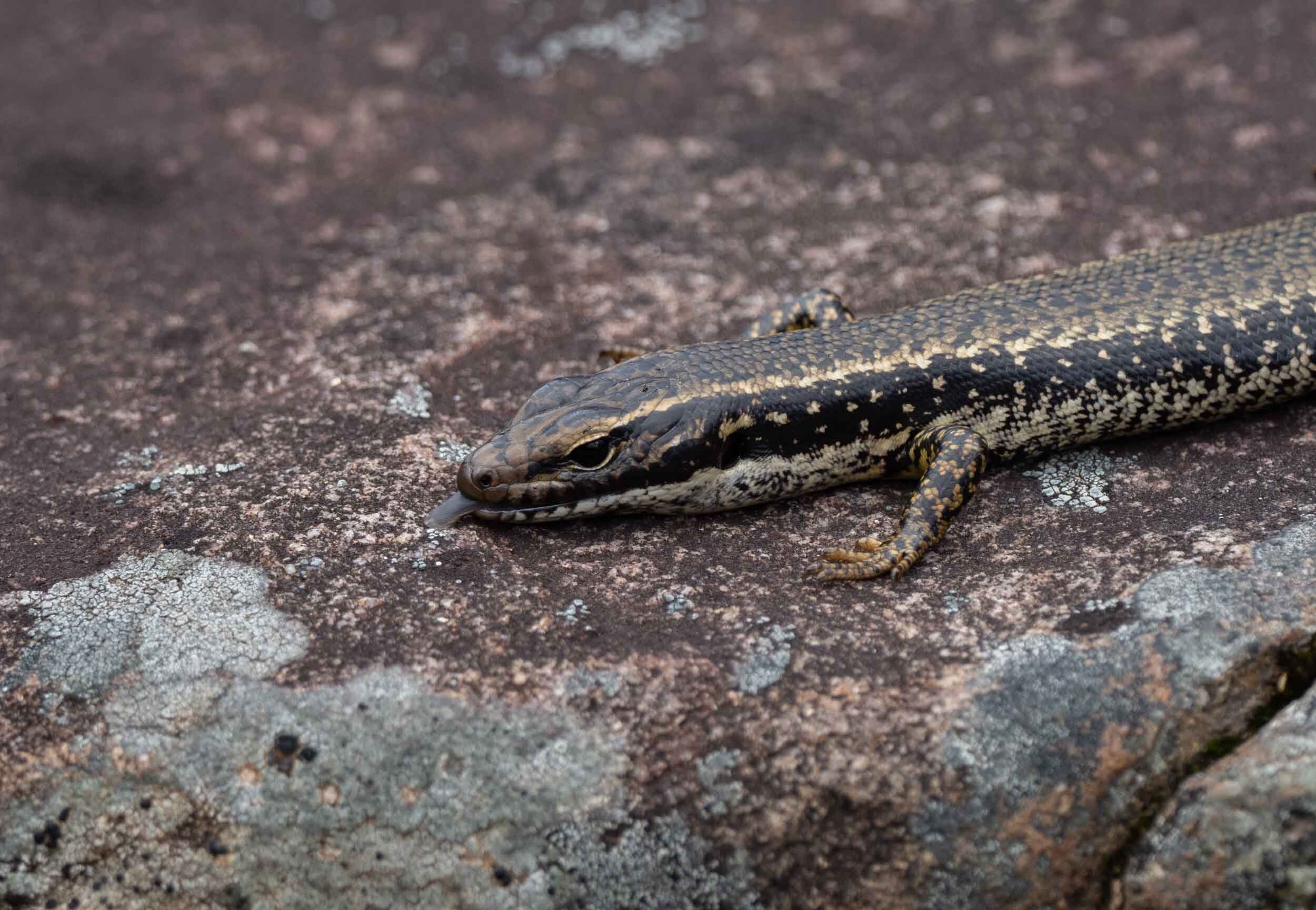
Eulamprus heatwolei
A common sight on the river rocks, and no doubt well-fed – every rock pool was literally teeming with tadpoles.

The only damselfly I found, and tiny. Female Ischnura aurora (Aurora Bluetail) … I think. The males are more distinctive and much more spectacular.
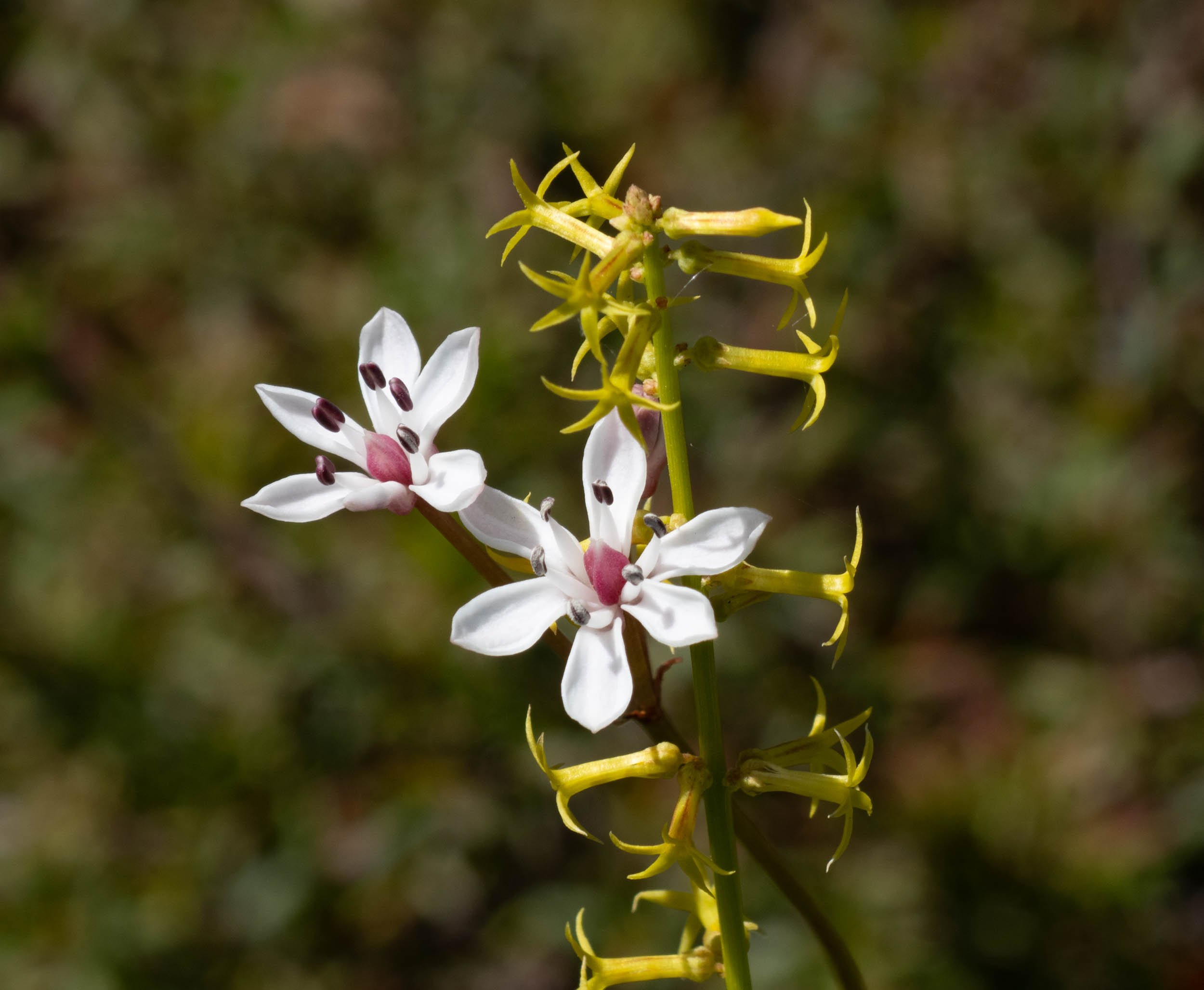
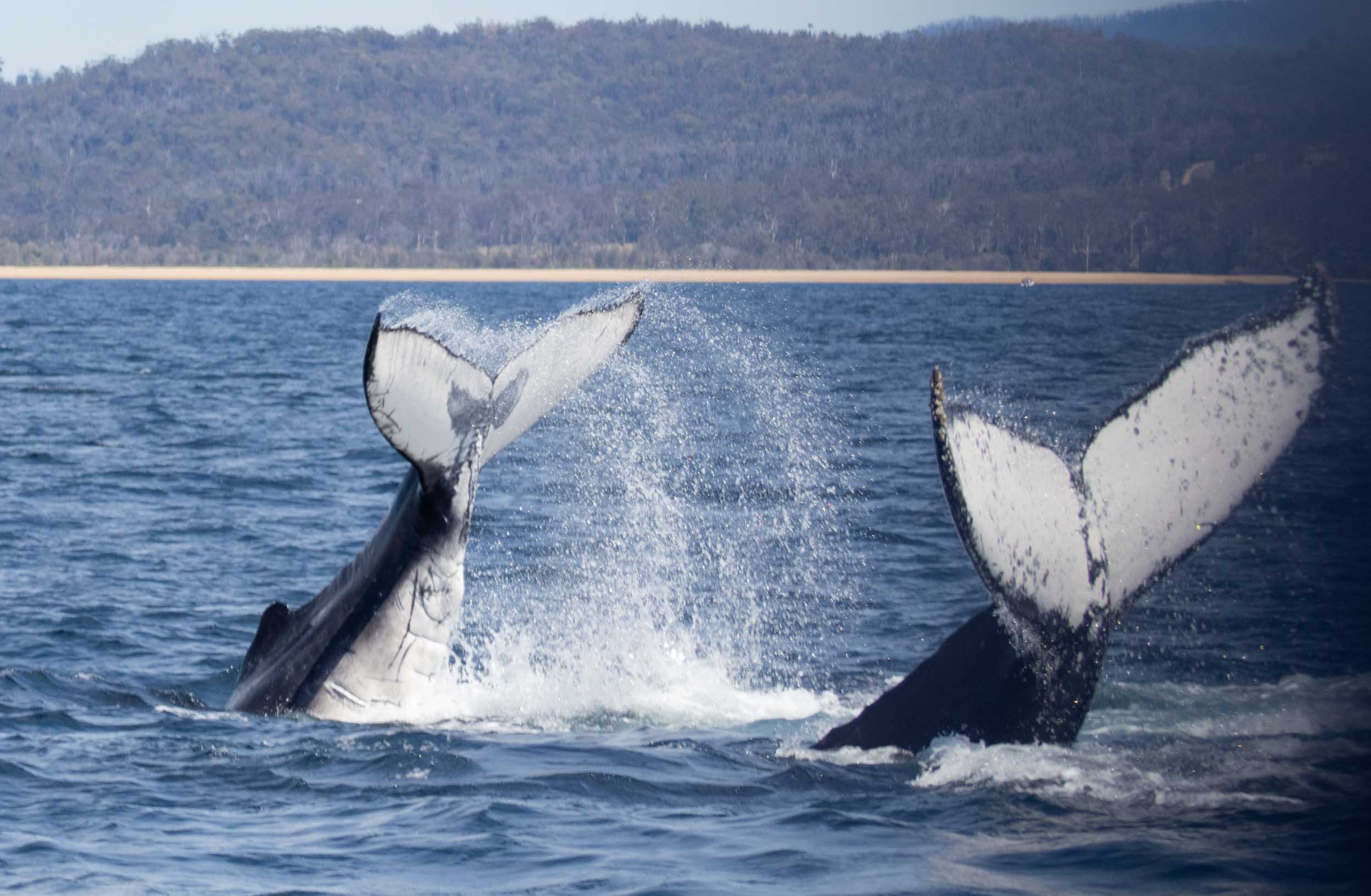
3rd October, 2022 … a lovely day with friends, and a surprising number of special plants