
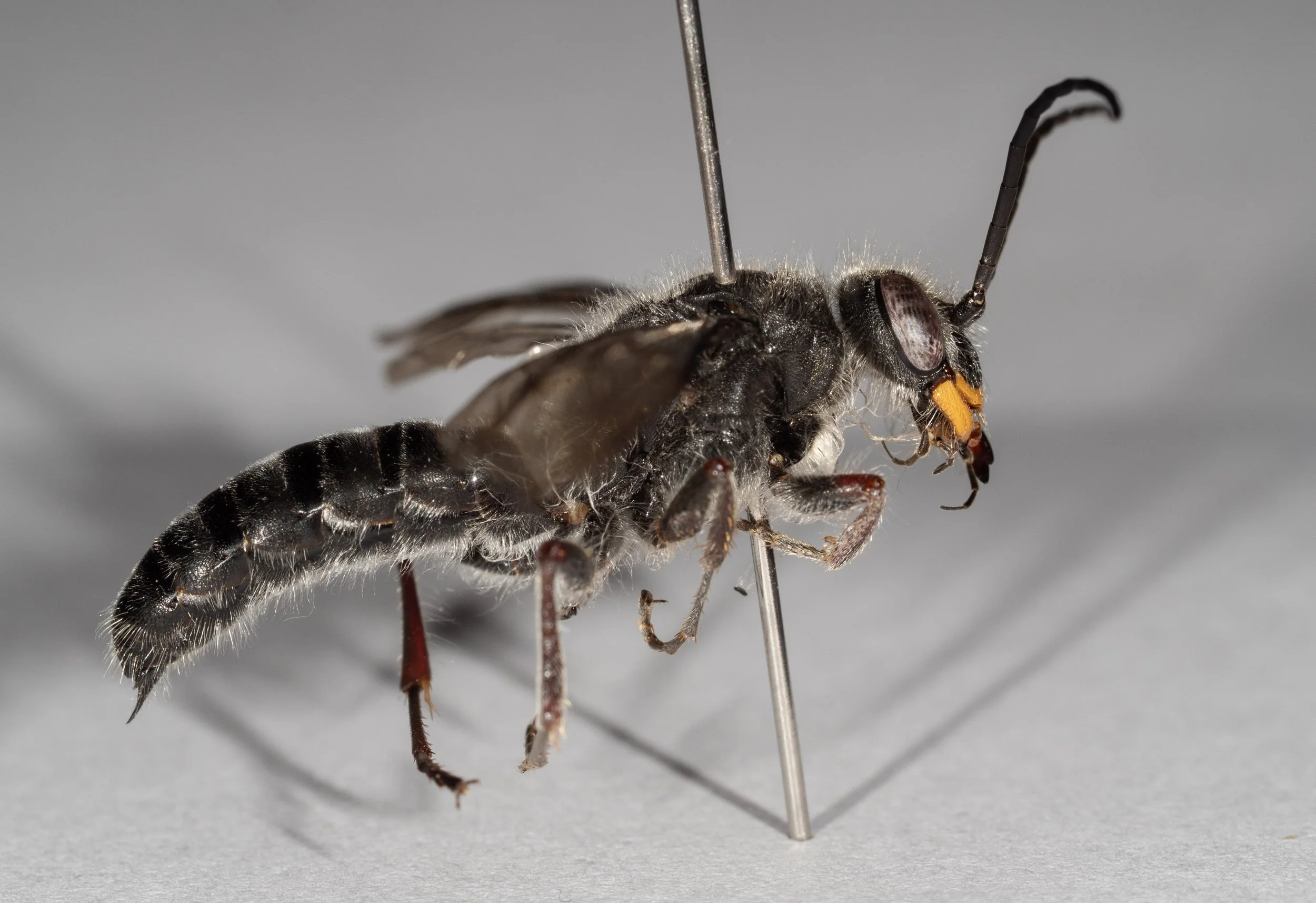
Lophocheilus obscurus group (specimen #034)
Workbook
Collected in Malaise trap (GMP66364) during the week 12th -19th September 2026 (specimen ID #034)
THYNNINAE: Thynnini: Lophocheilus obscurus ‘group’
Having worked through the various options, I am confident that this is Lophocheilus. The genus is known from our local region, and meets the diagnostic criteria described by Brown (2025).
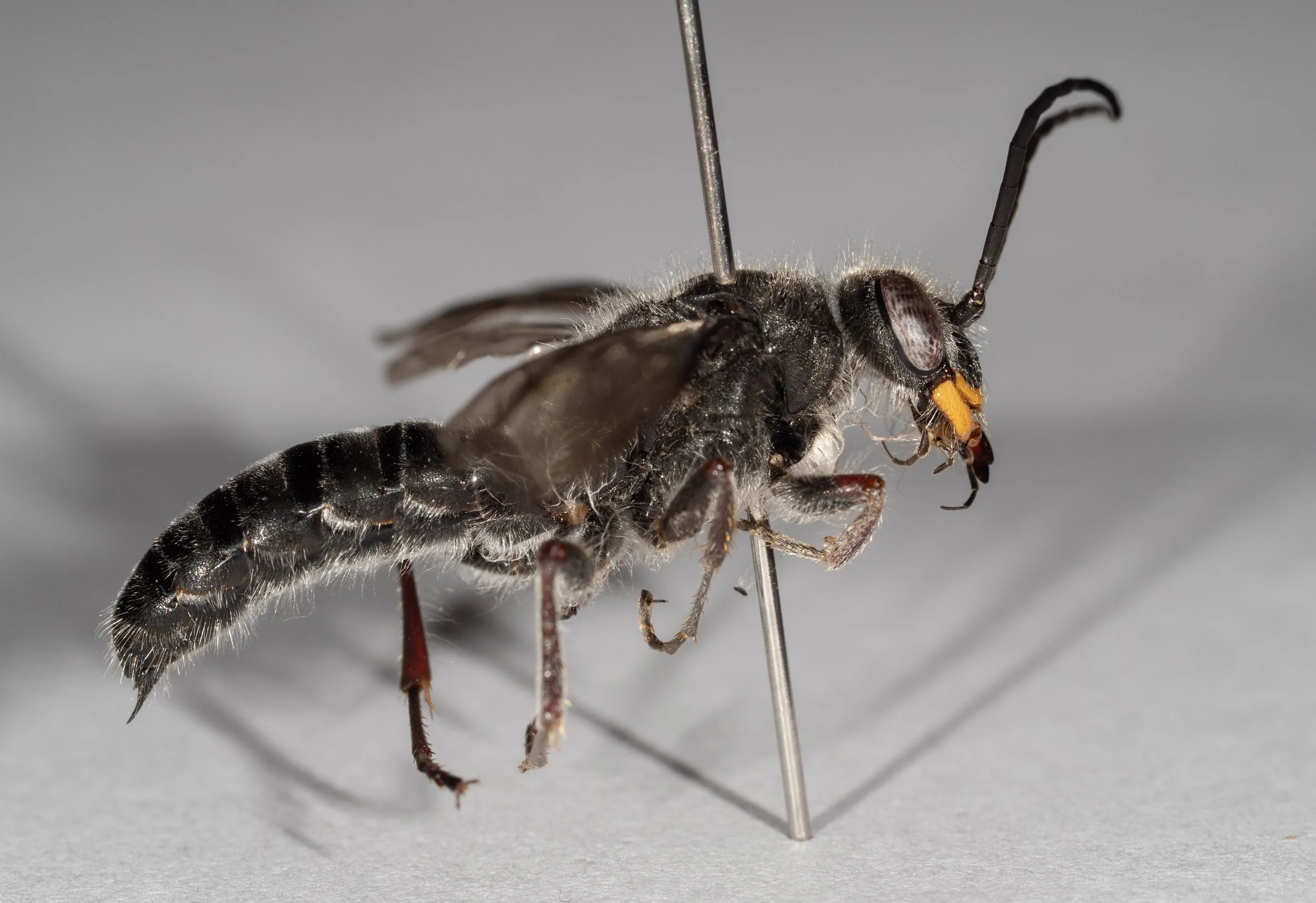
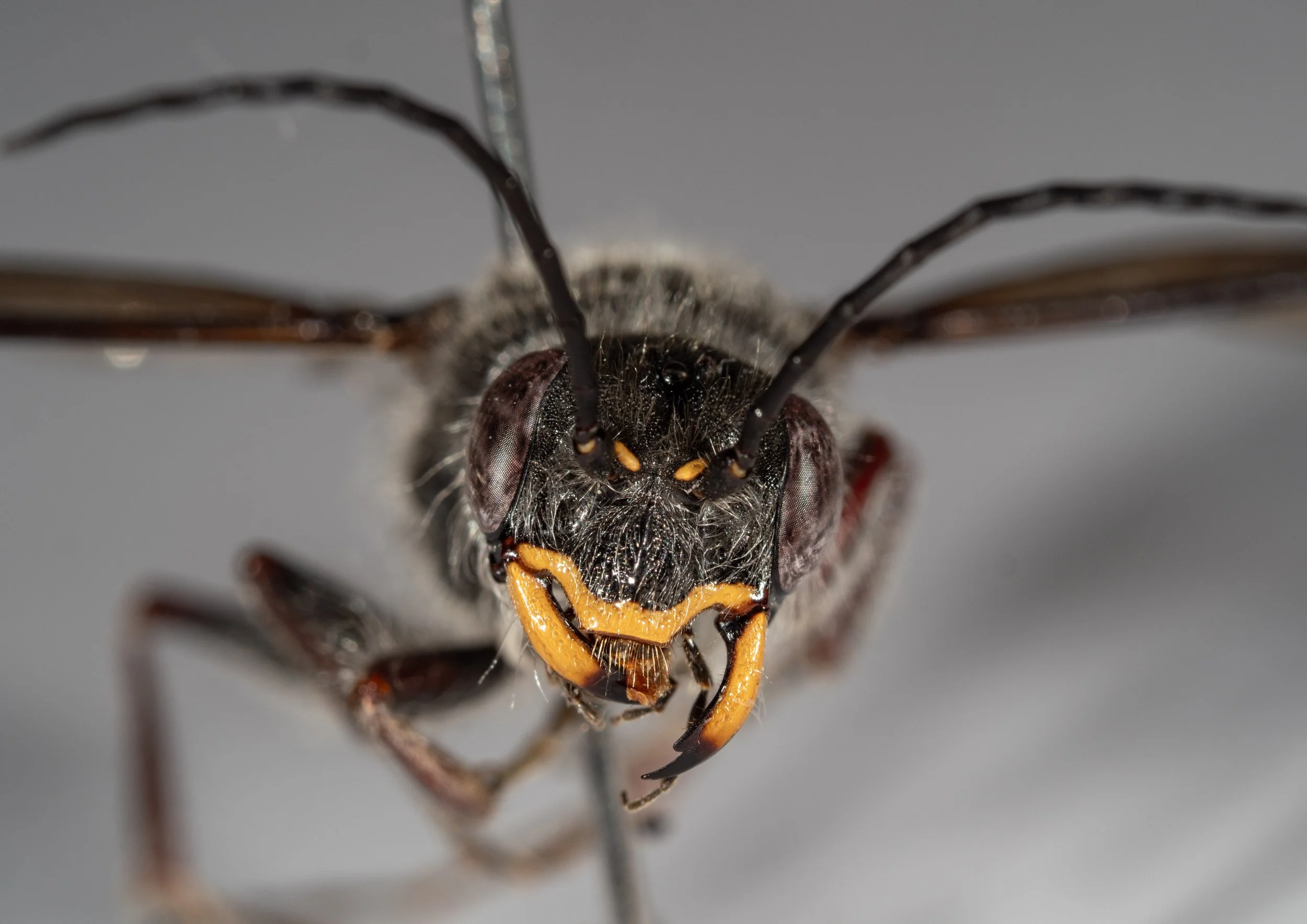
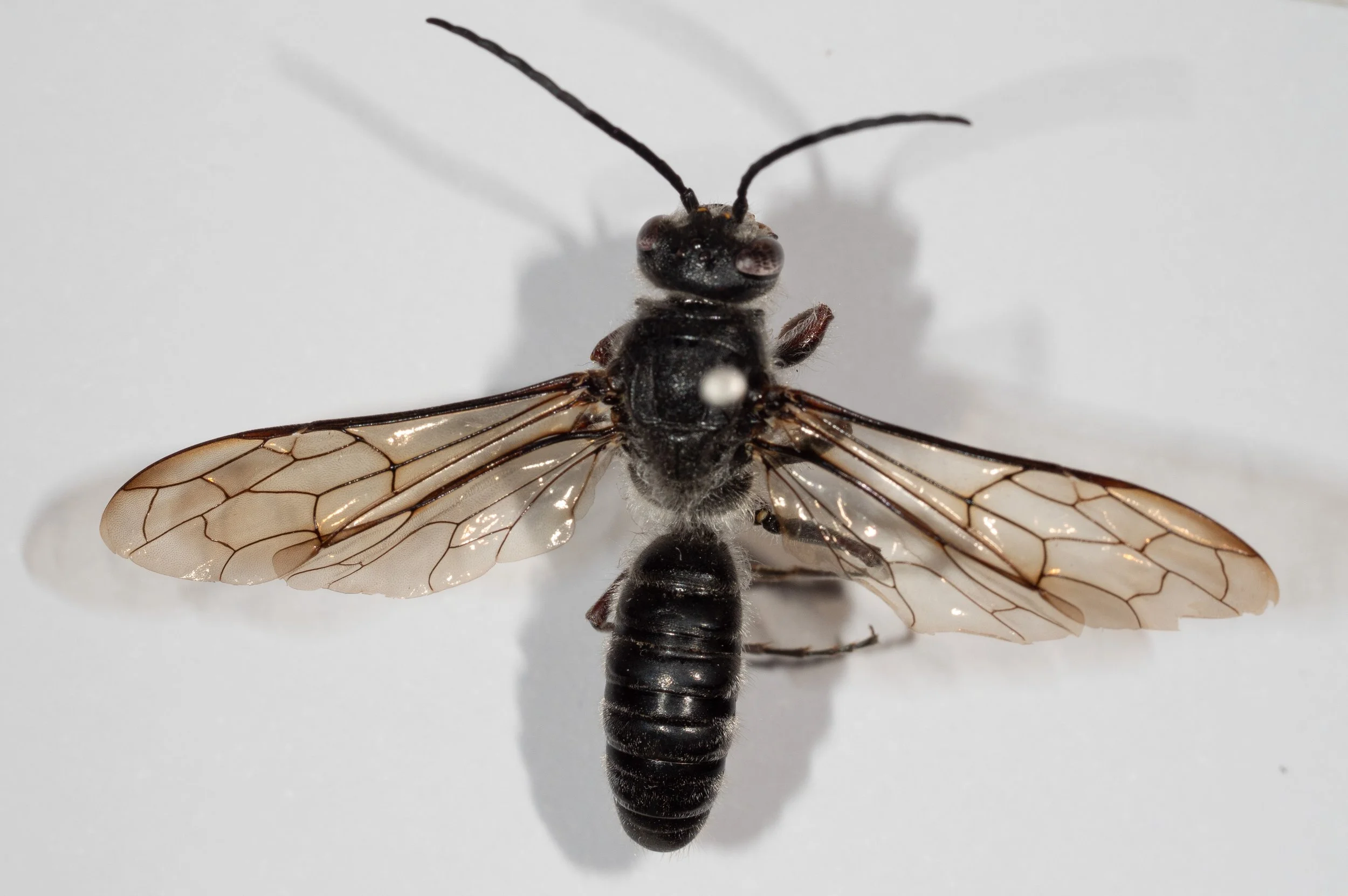
It looks a good match for Lophocheilus obscurus, based on the Lophocheilus species key in Brown 2025 (pp. 764-5) and associated ‘remarks’.
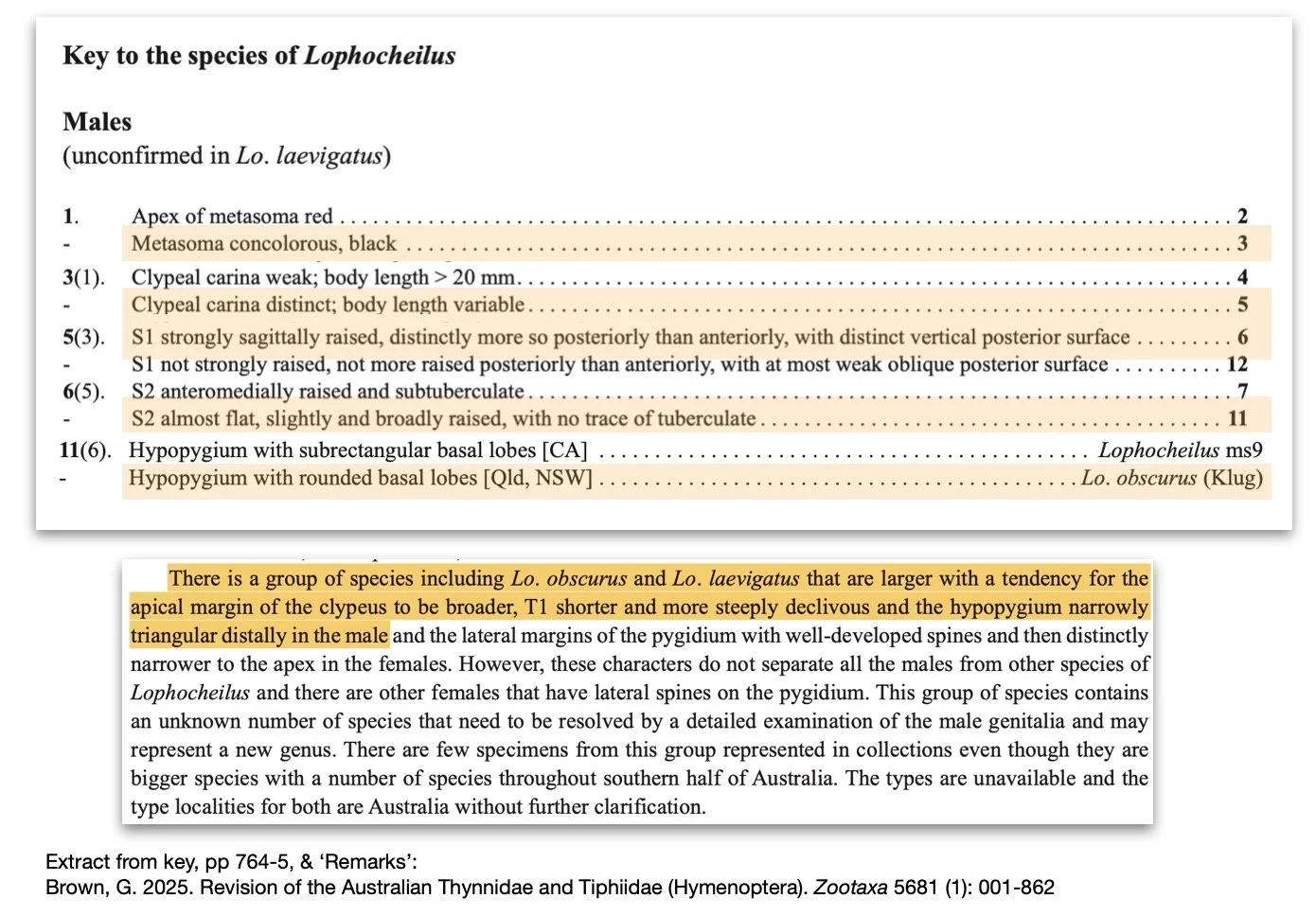
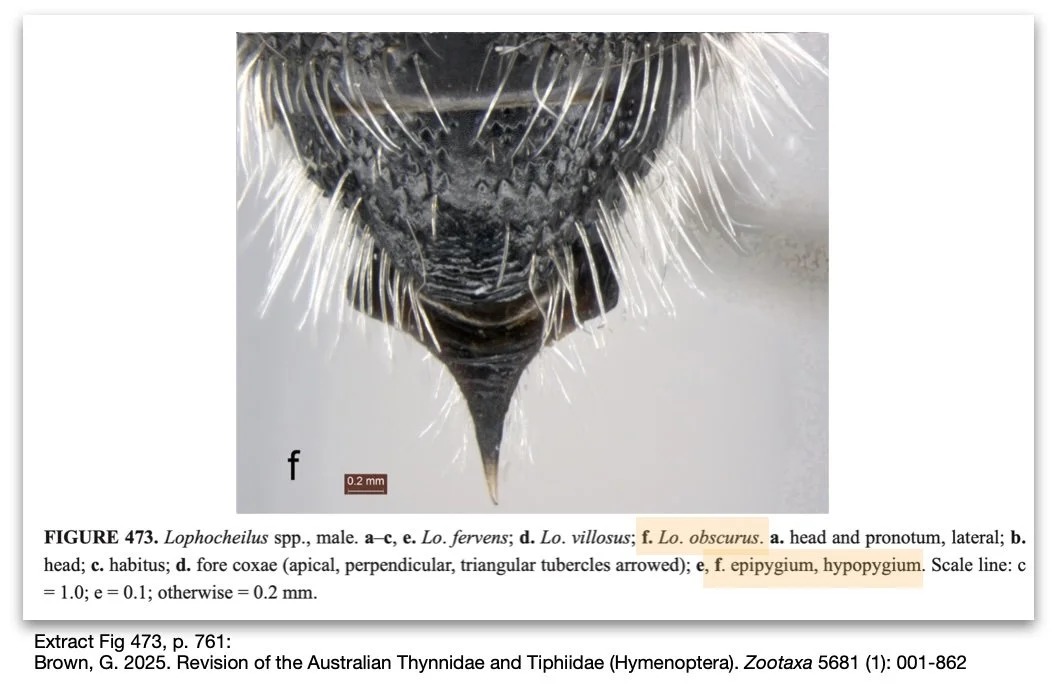
Note that this ‘group’ is likely to include a number of undescribed species, and Brown notes that they may actually represent a distinct, new genus. For now, Lophocheilus obscurus is a useful placeholder.
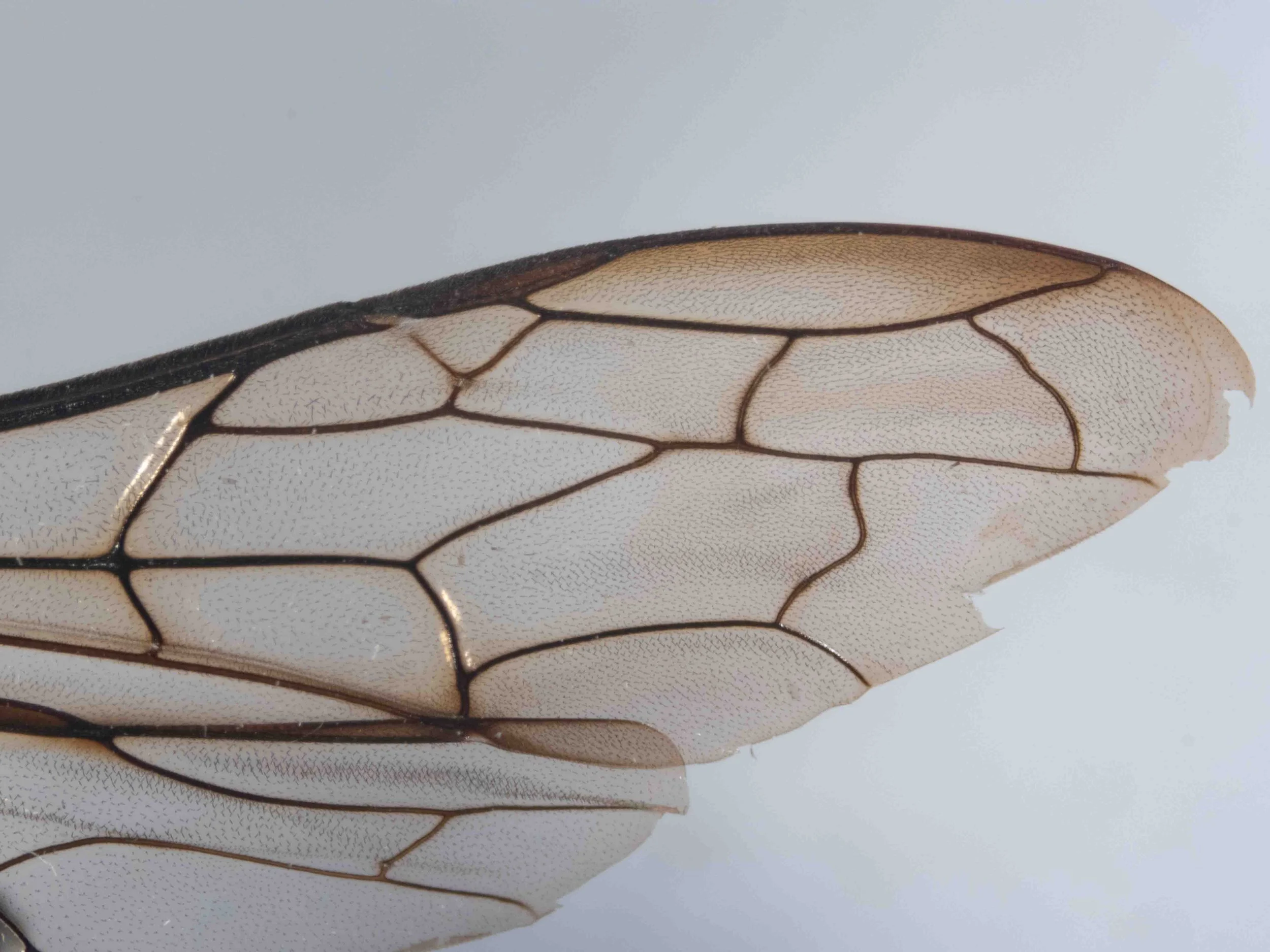
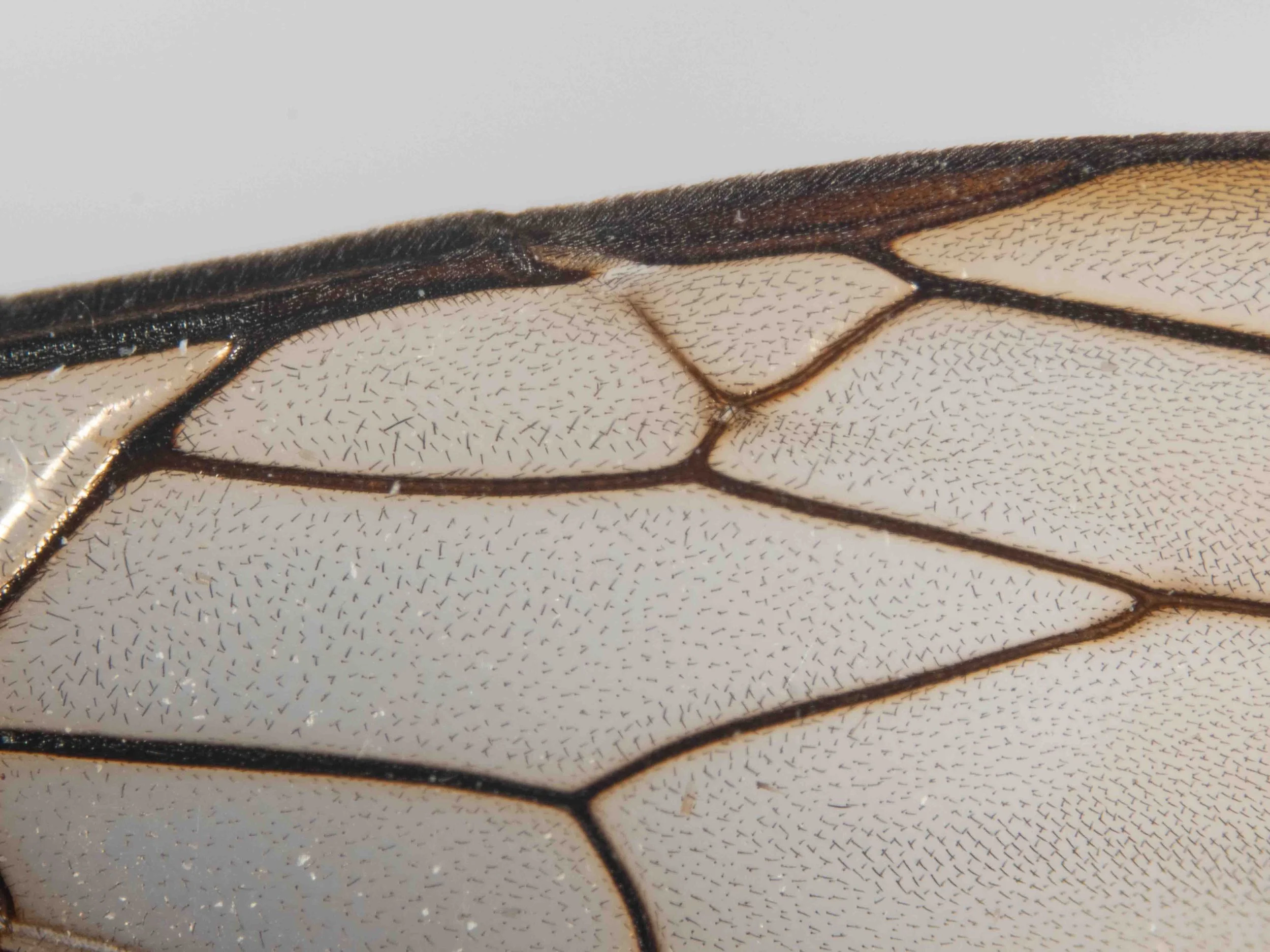
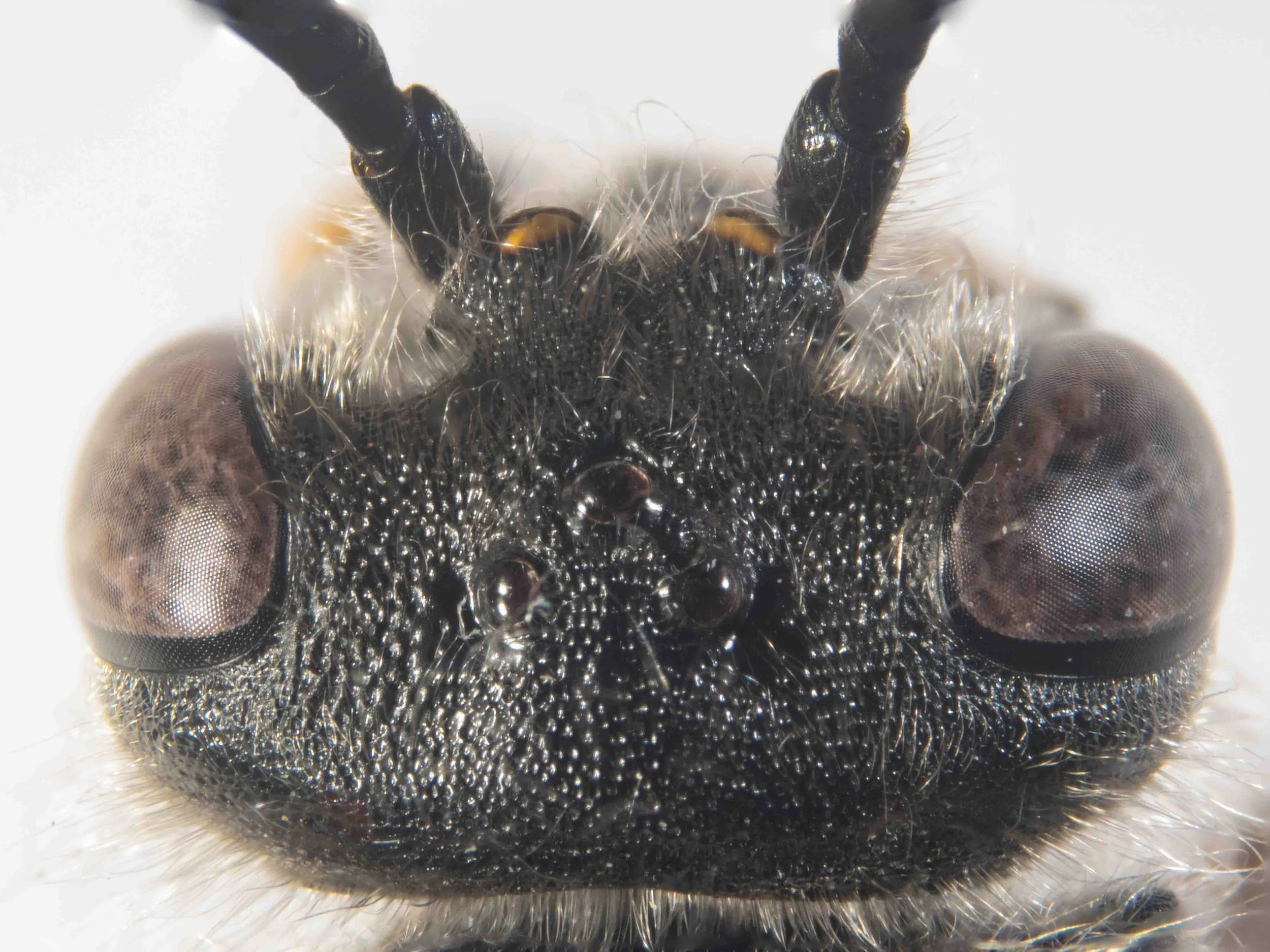
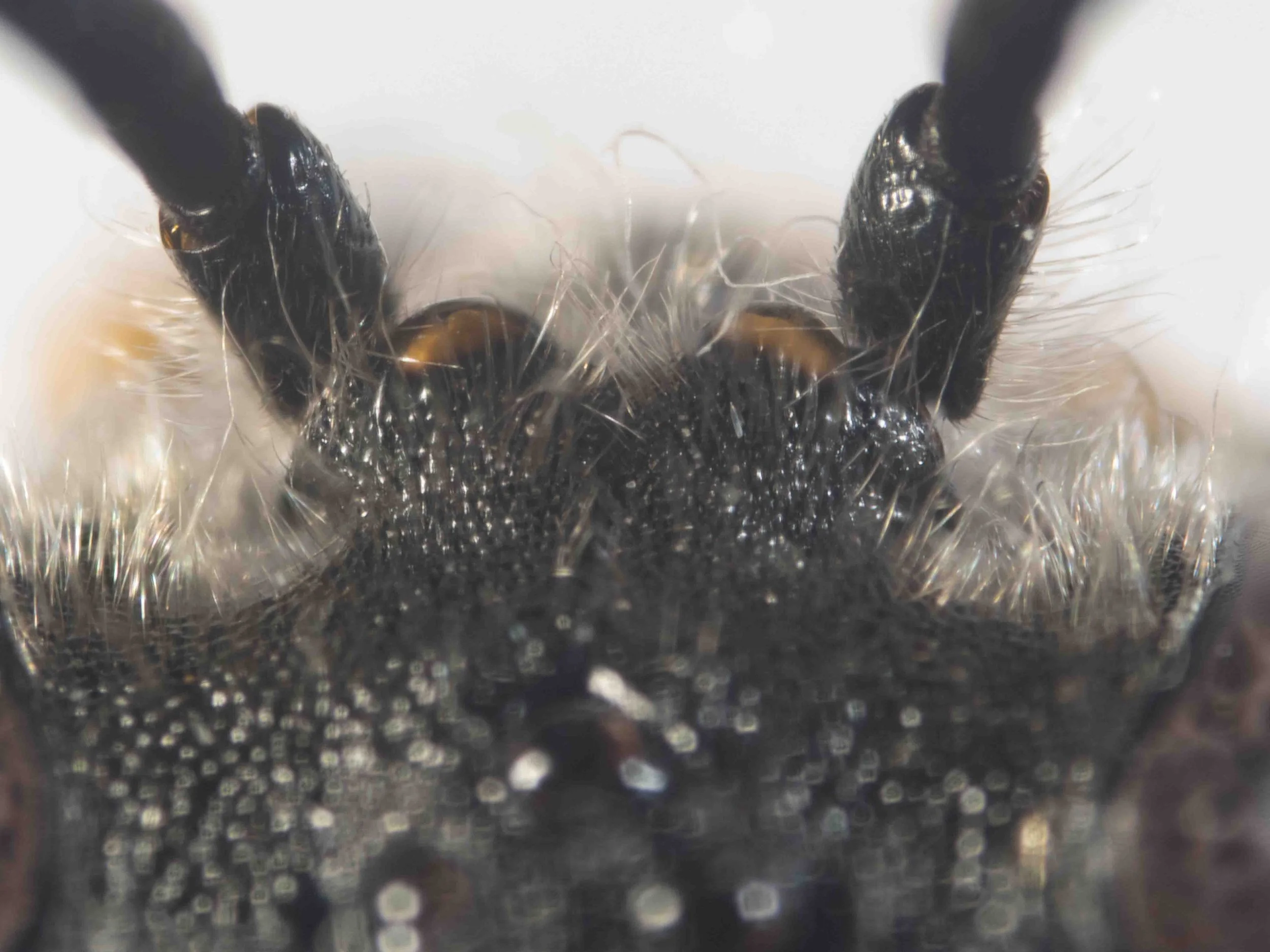
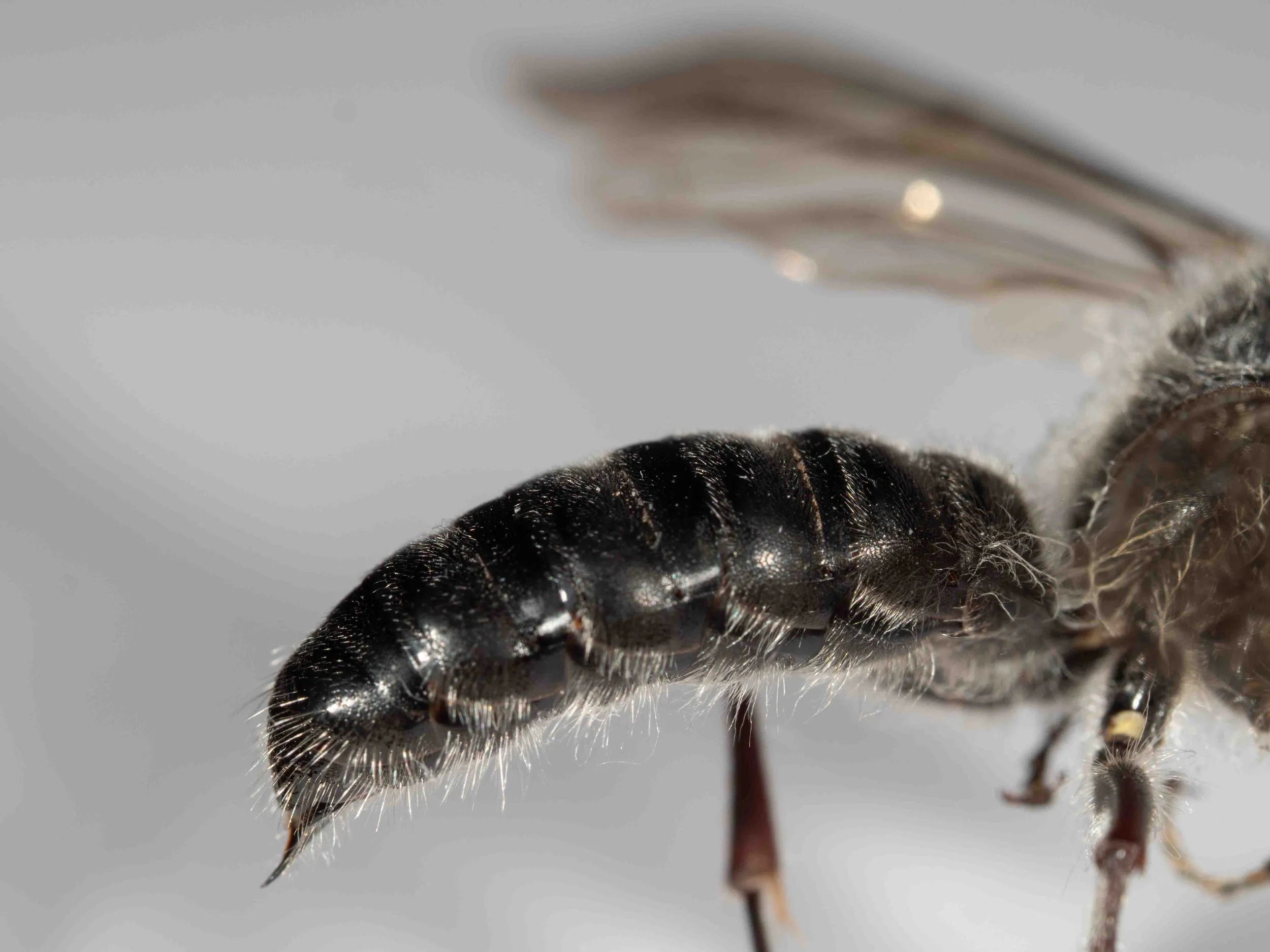
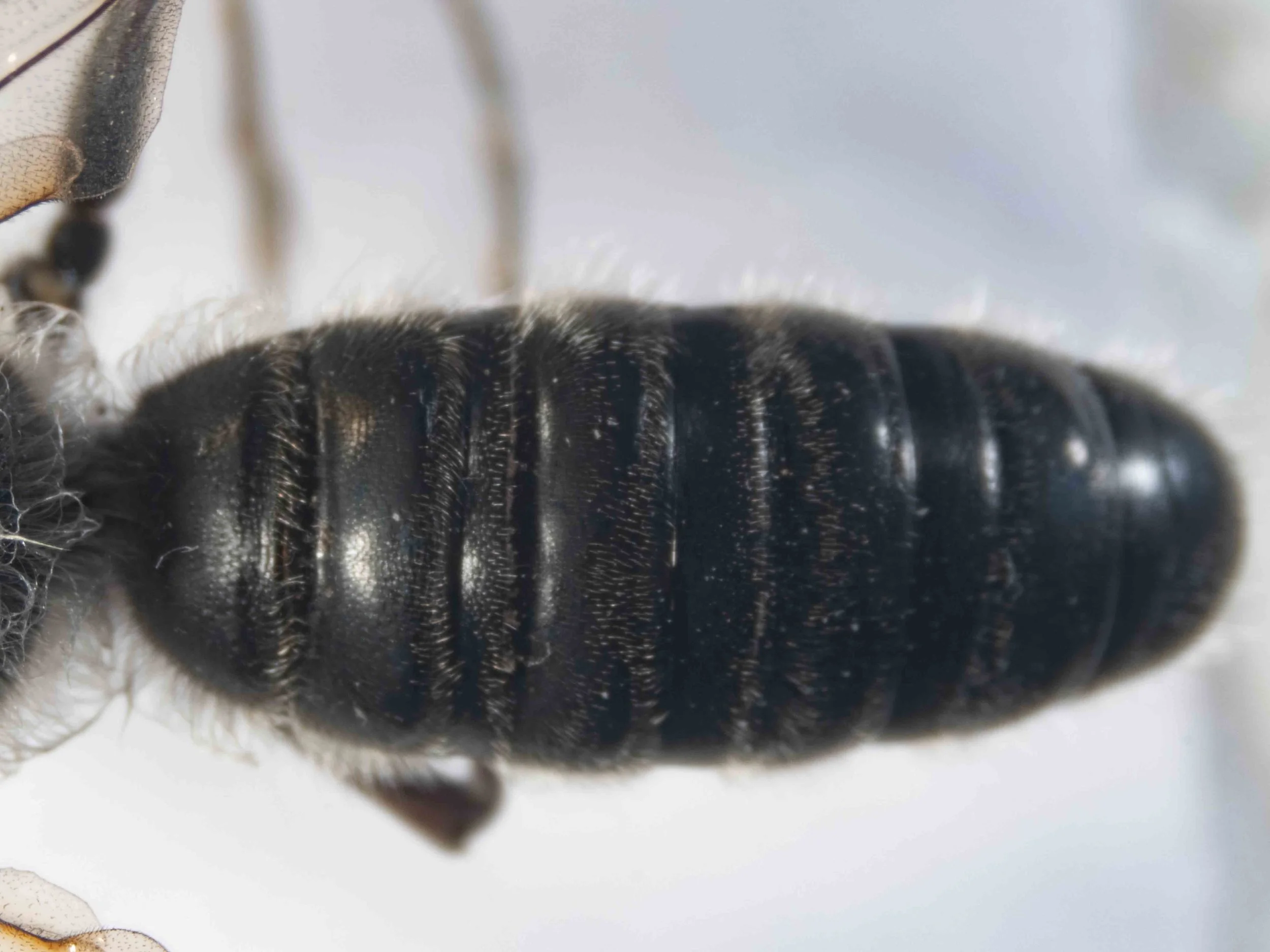
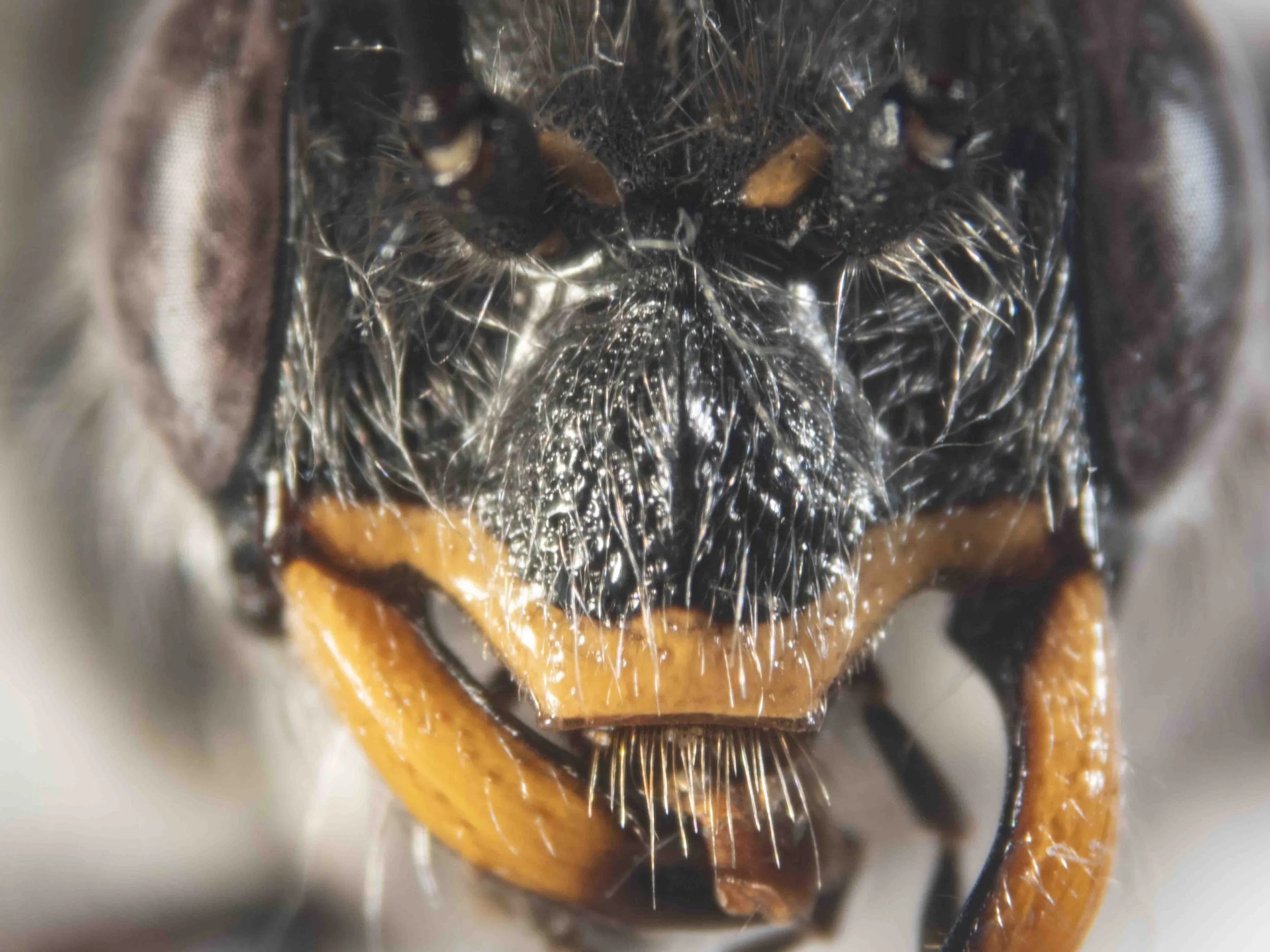
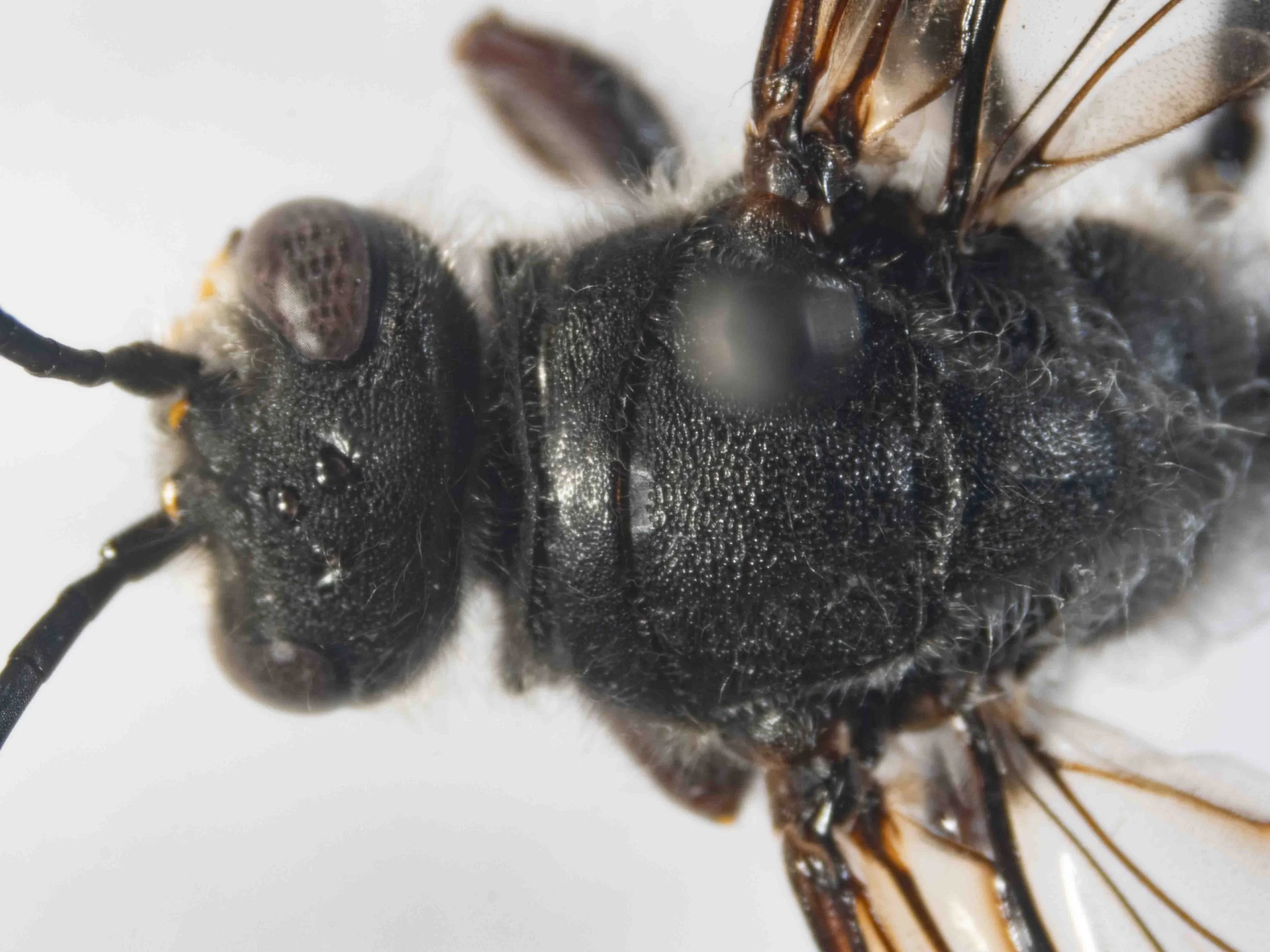
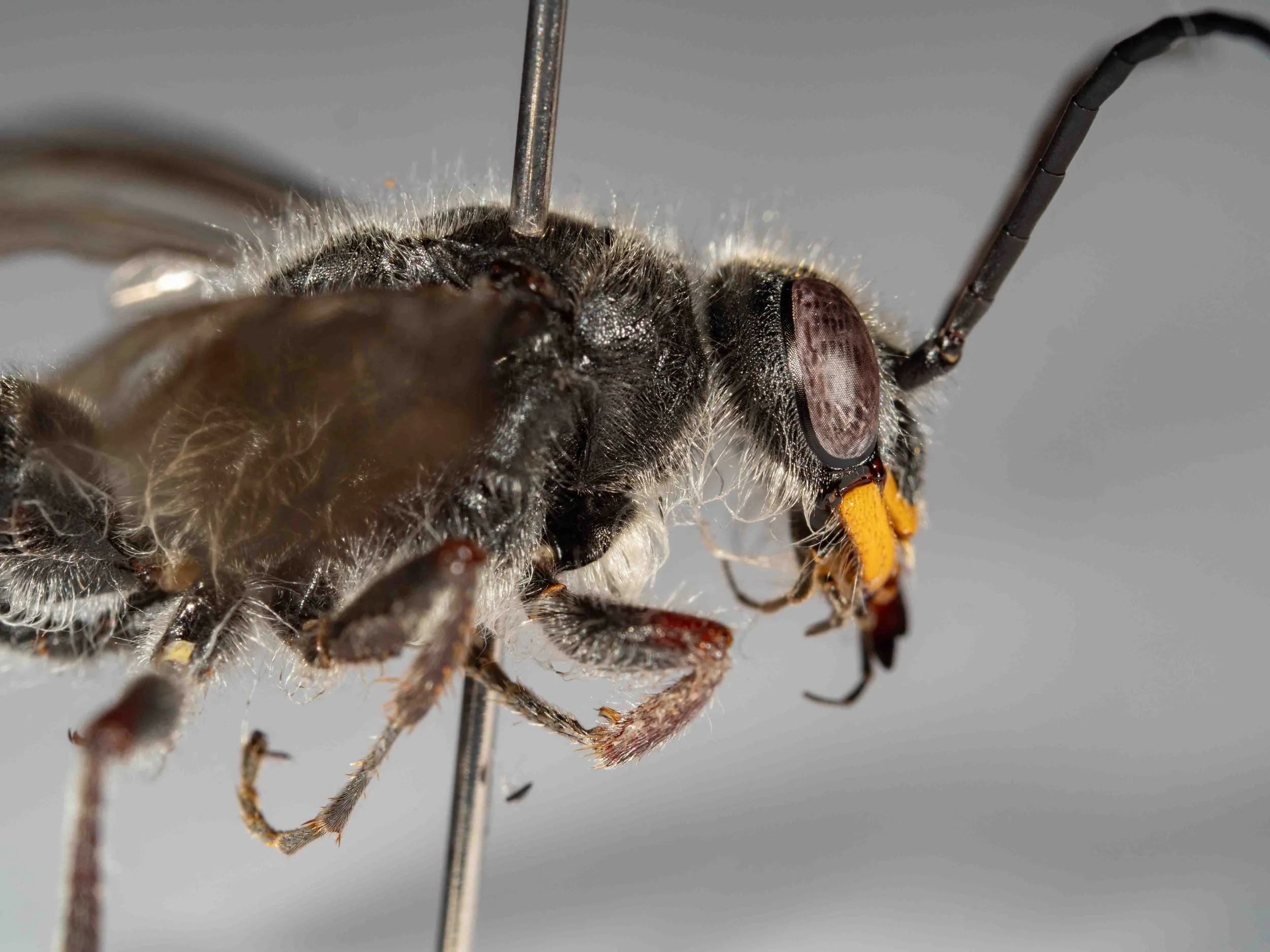
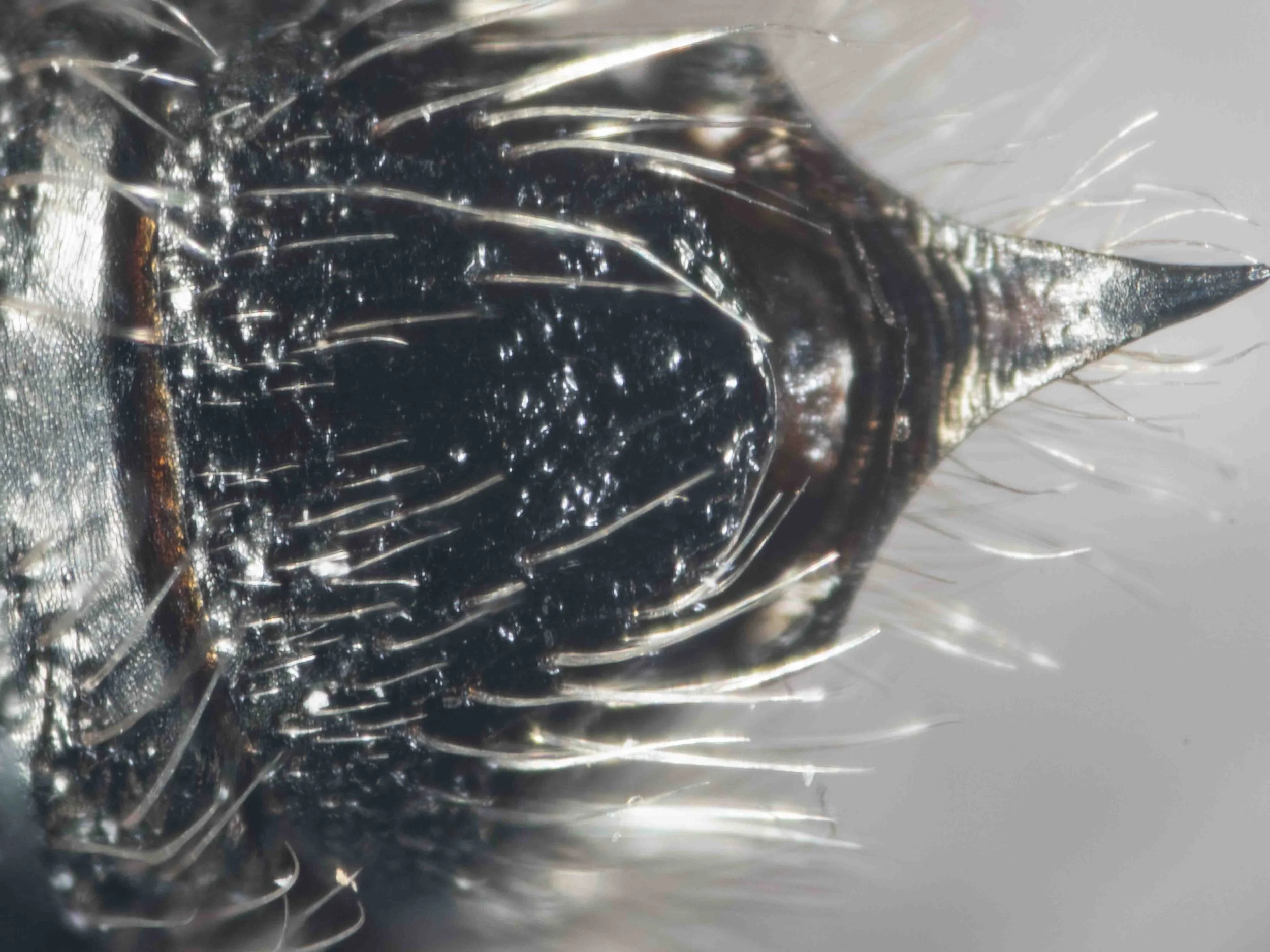
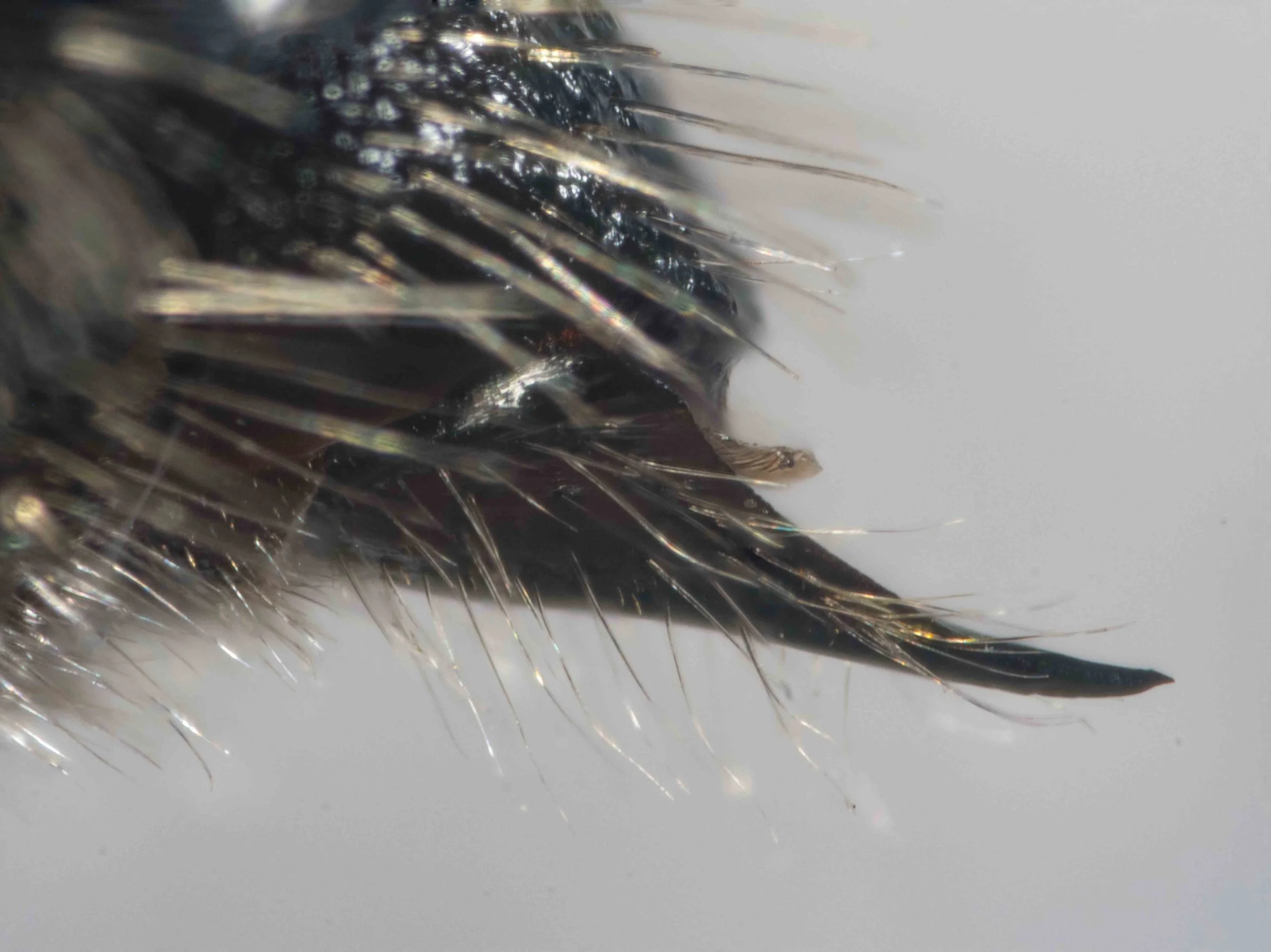
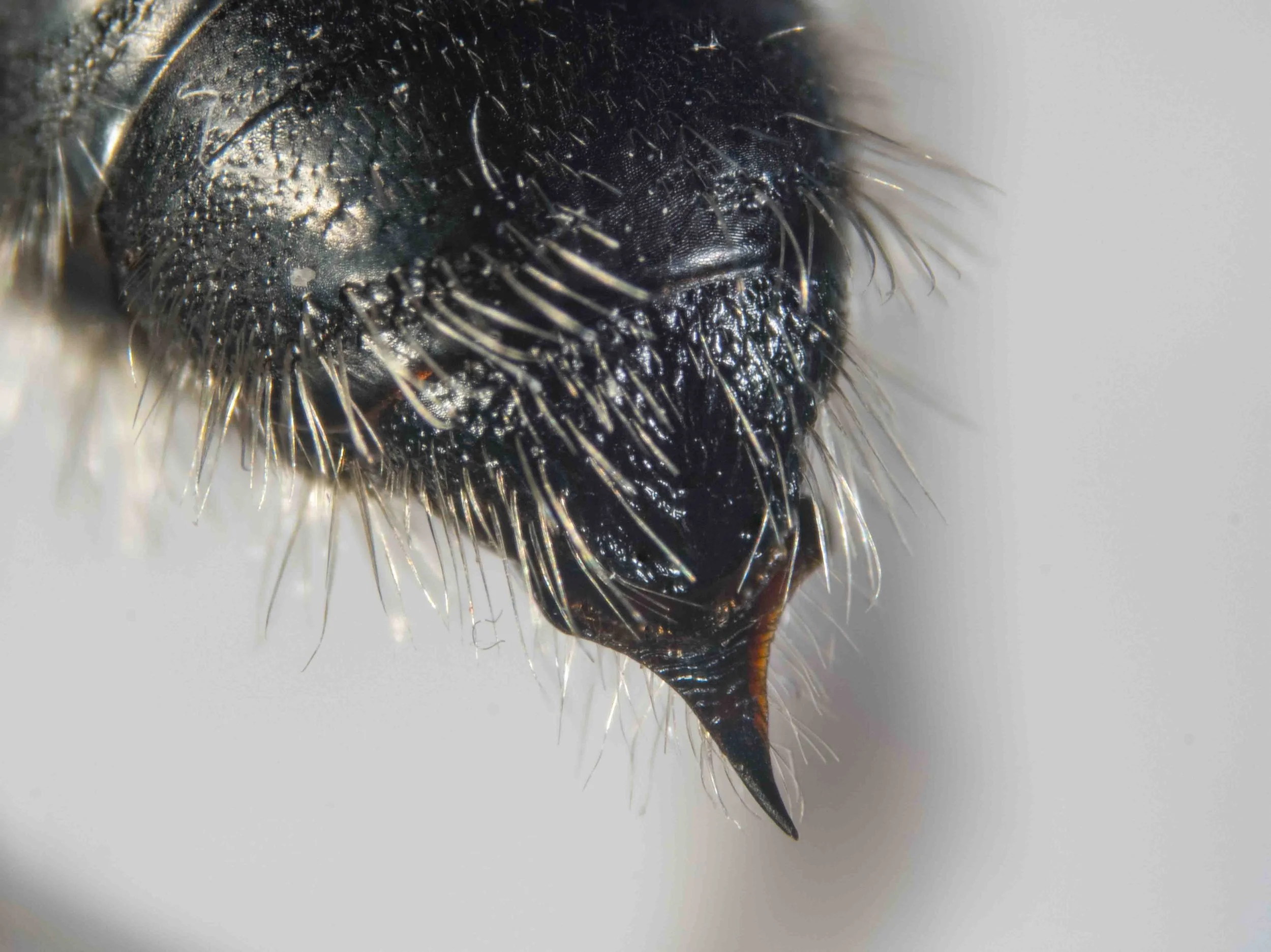
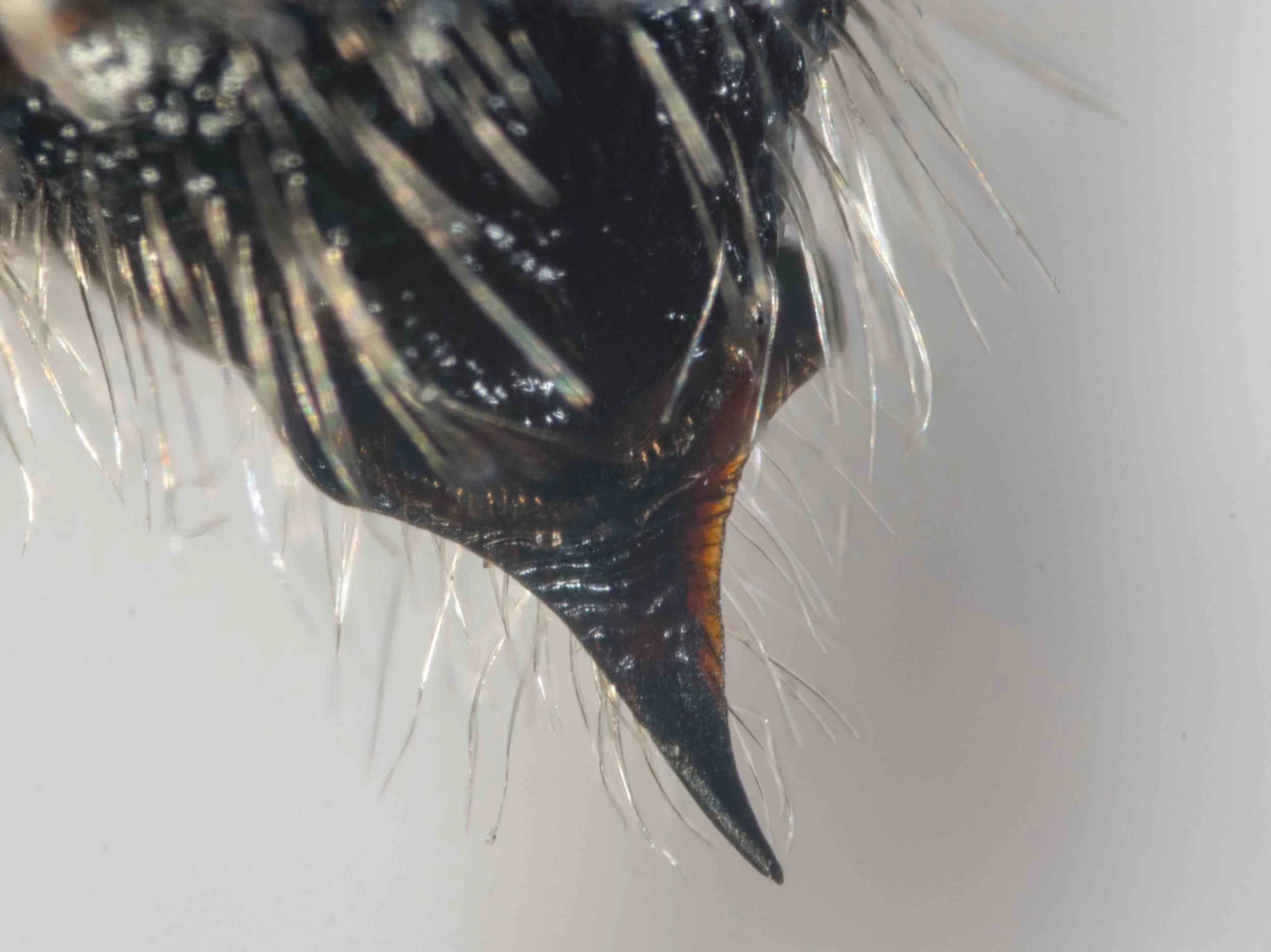
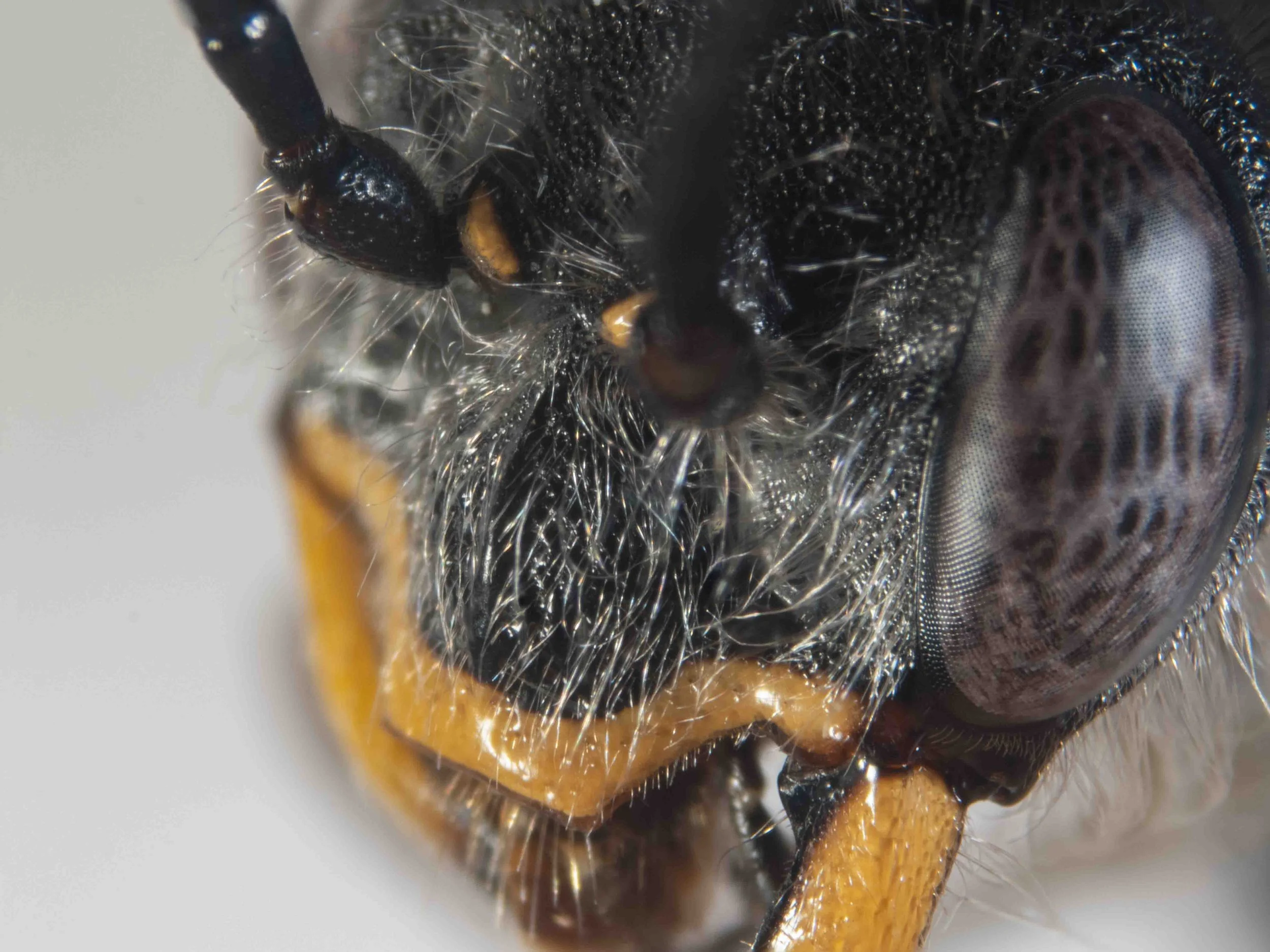
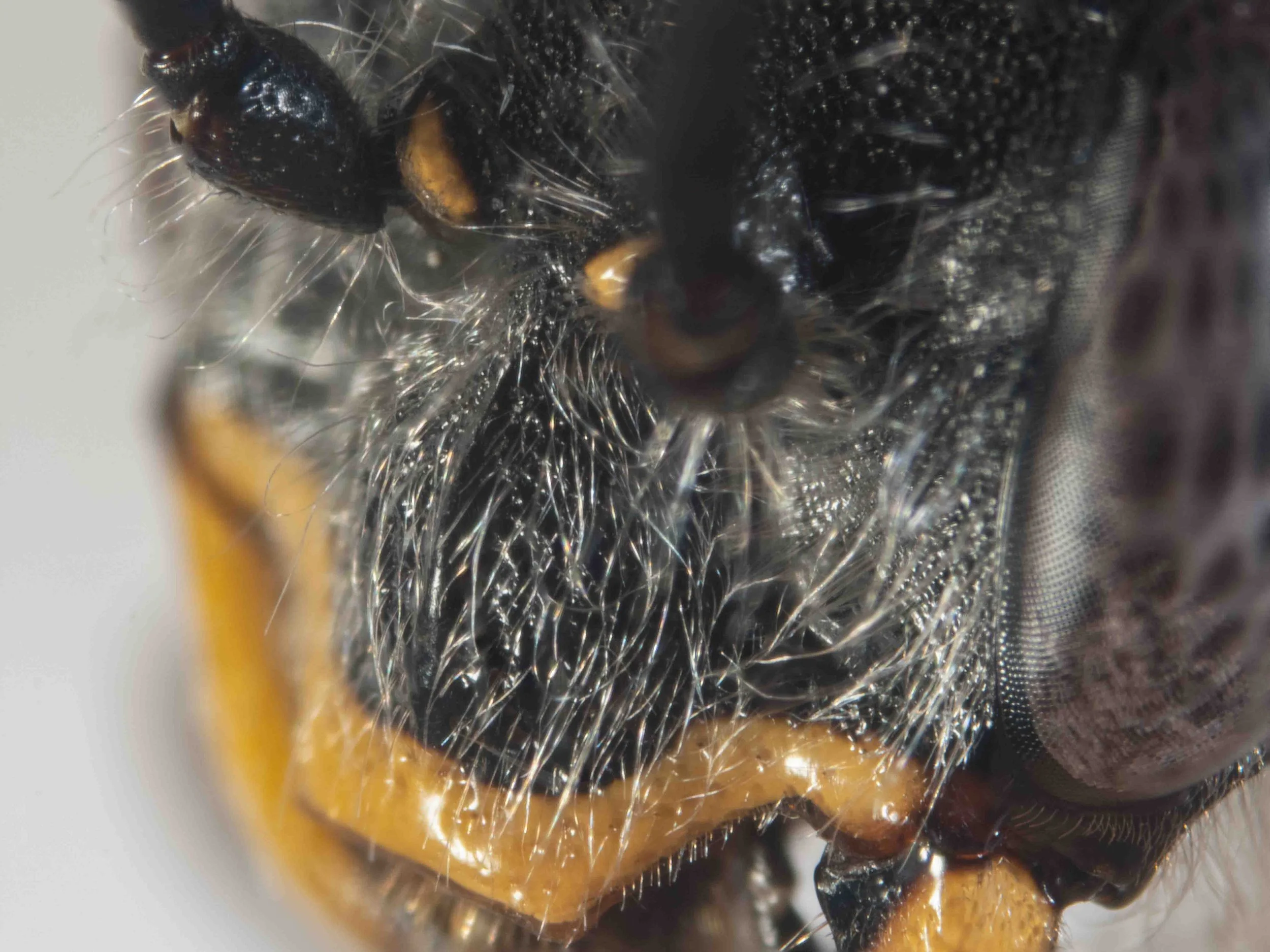
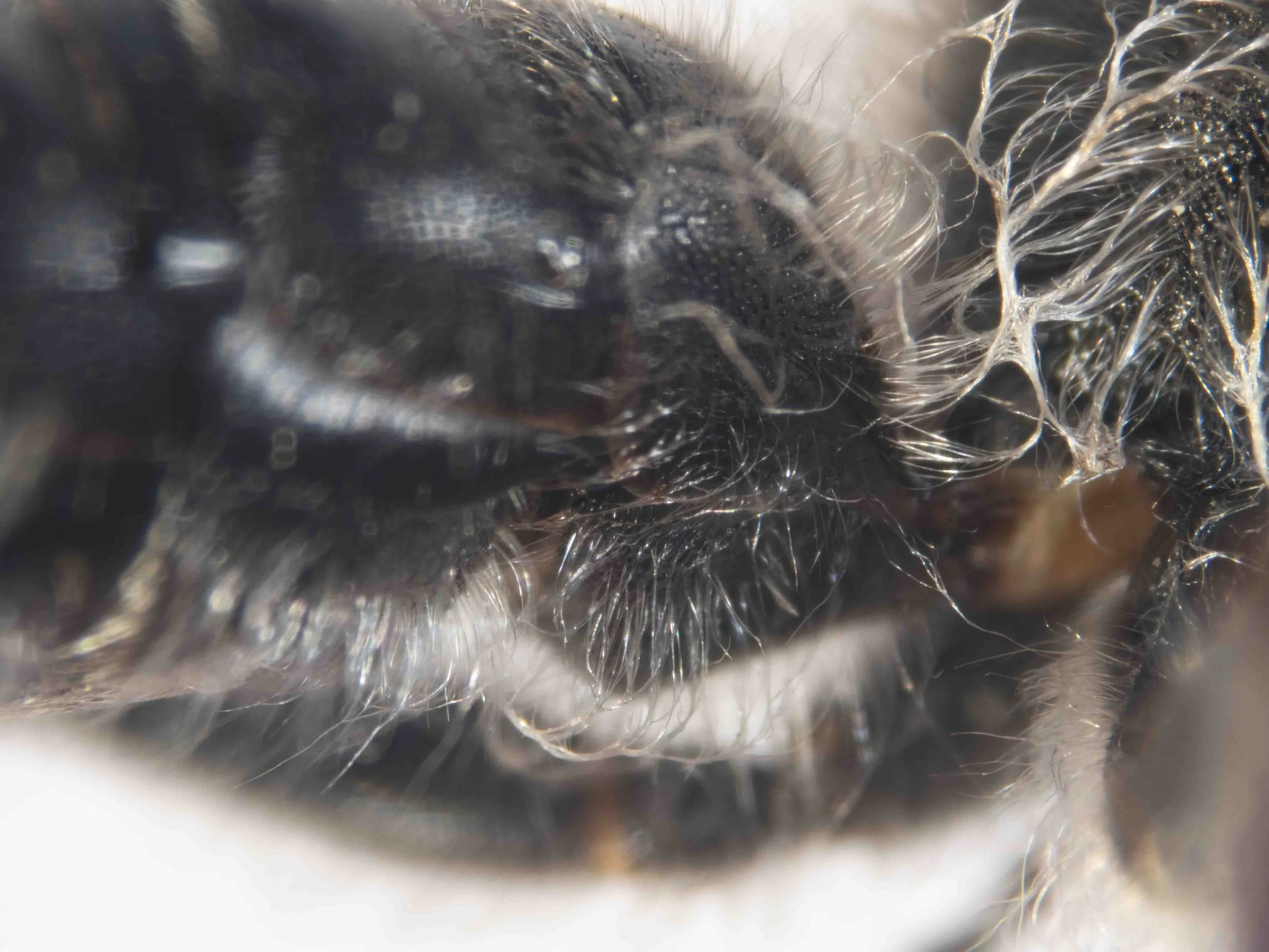
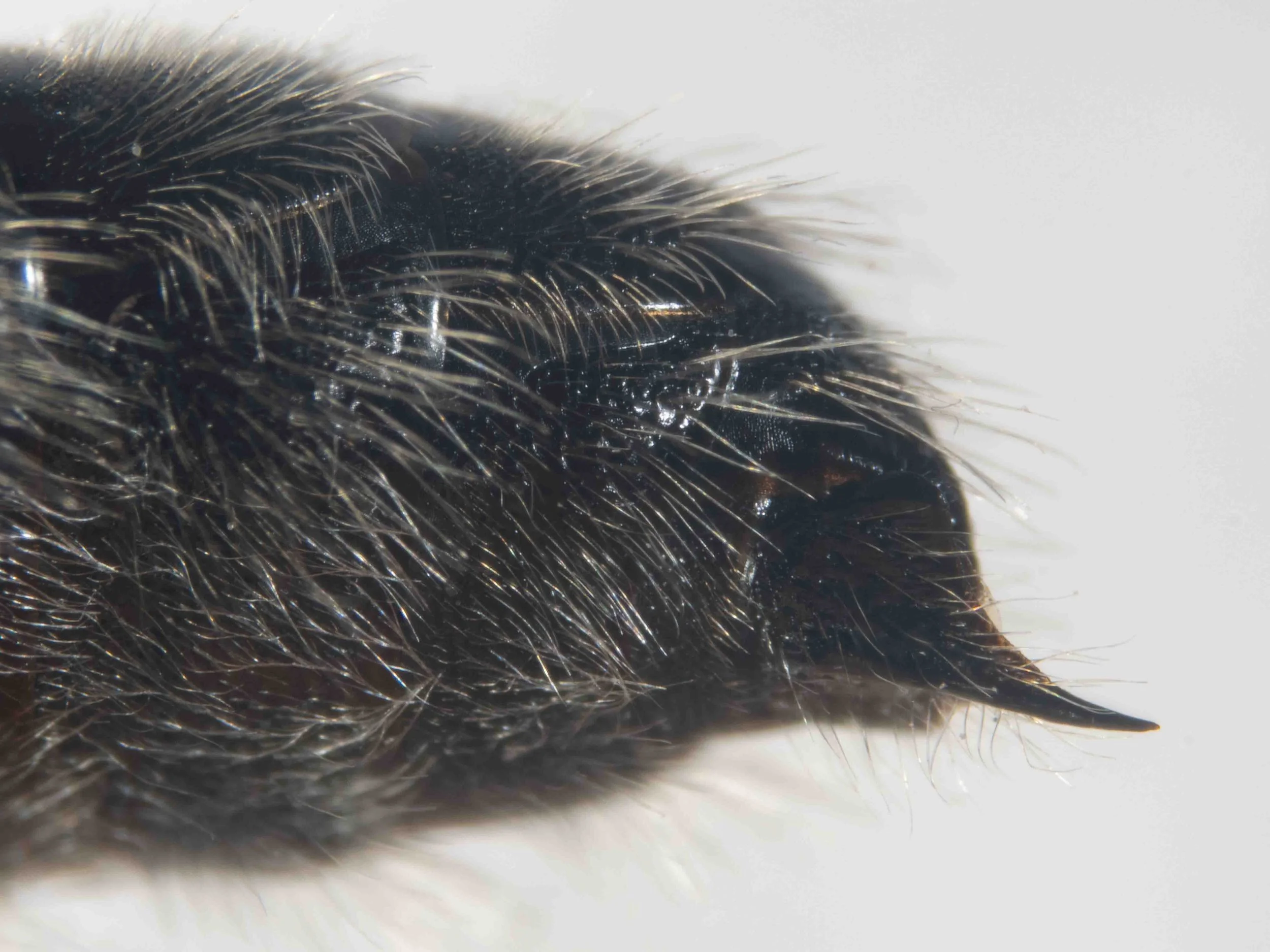
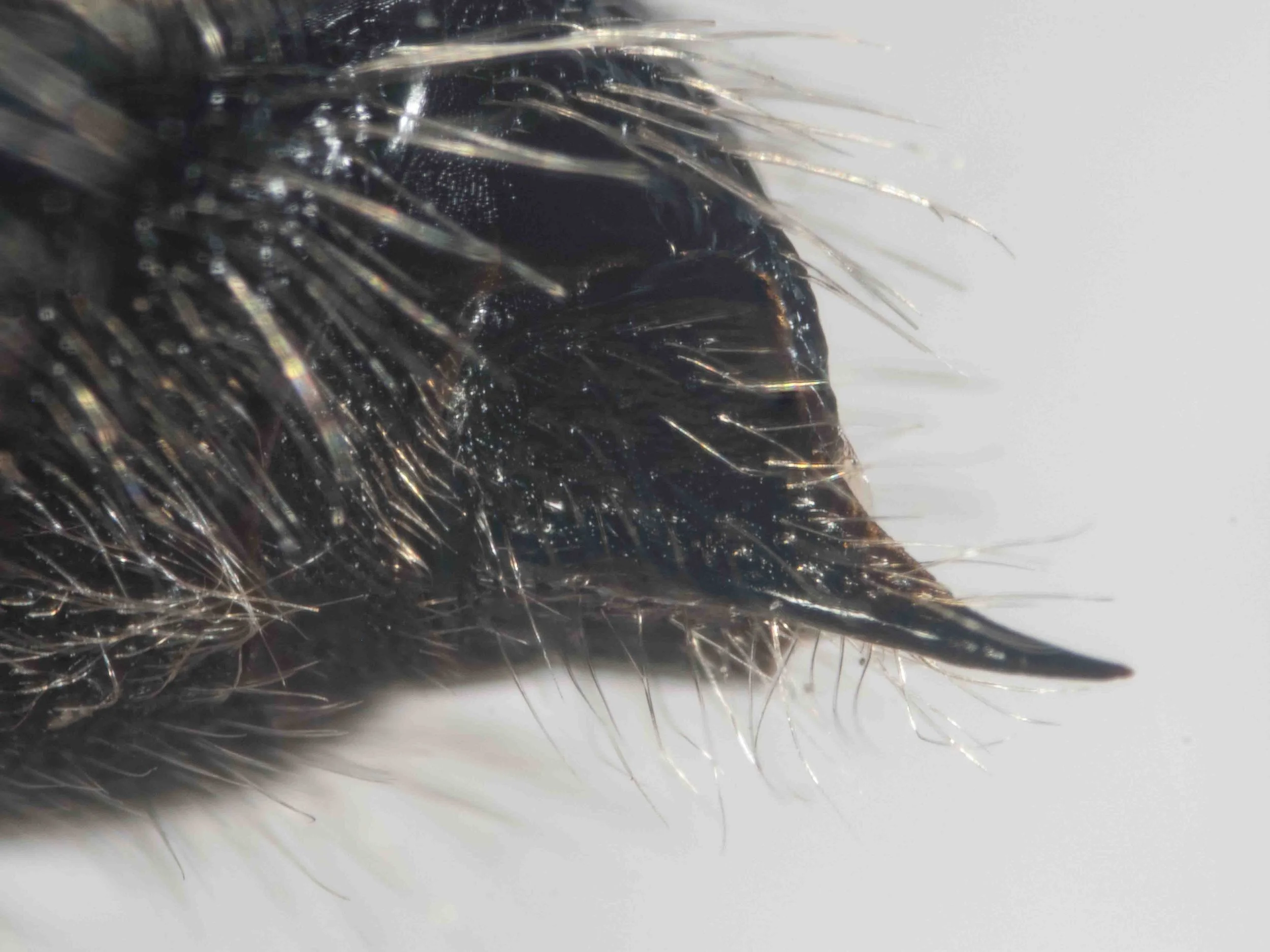
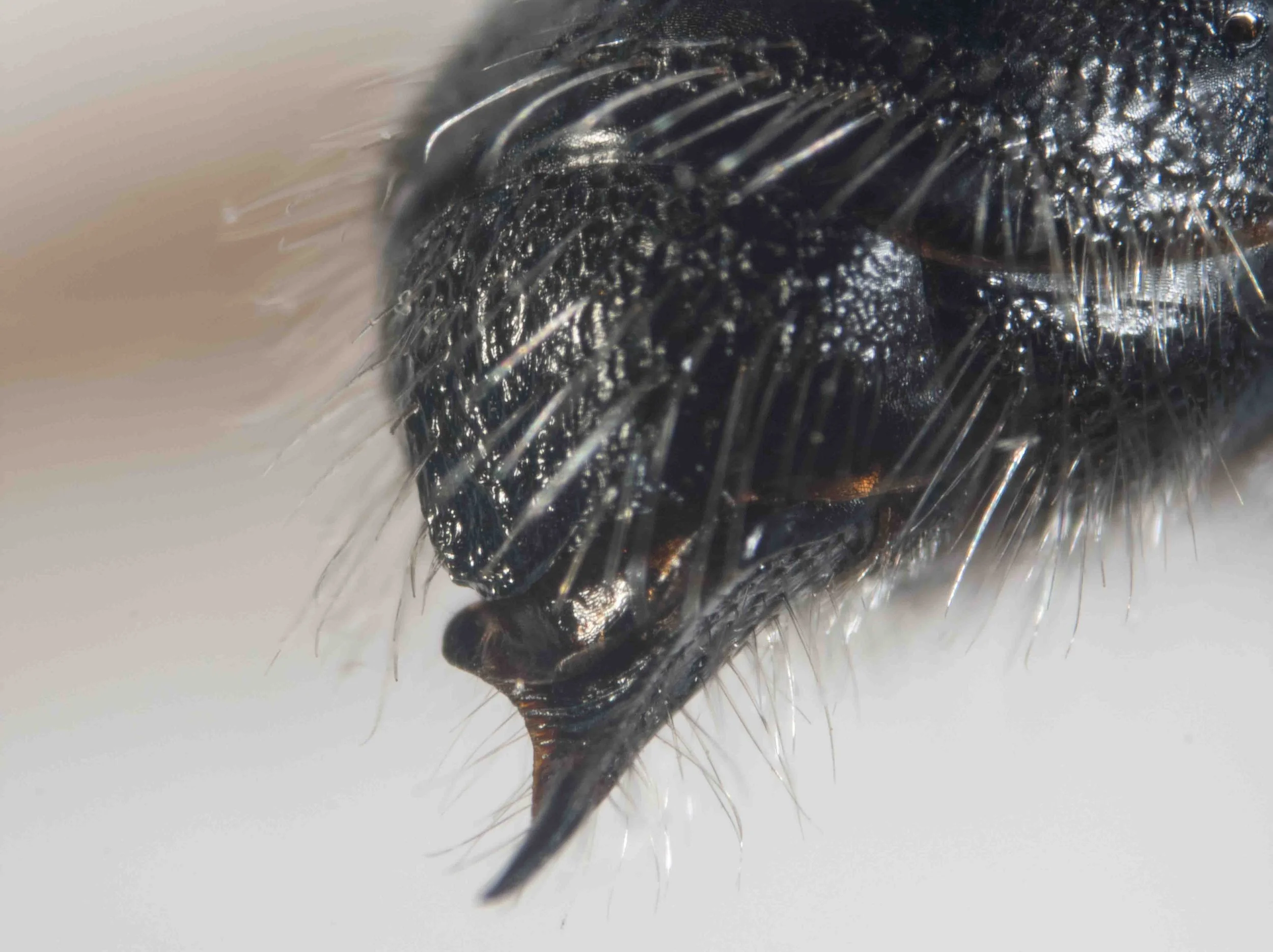
The following is my justification for excluding other options among the Thynnidae and Tiphiidae.
Thynninae: Thynnini
Family THYNNIDAE, based on:
3 submarginal cells & frons produced above antennal sockets (so not Tiphiidae: Tiphiinae)
Subfamily THYNNINAE, based on:
frons produced above antennal sockets (so NOT Anthoboscinae)
forewing with distinct 1r vein (so NOT Myzininae)
forewing with 2m-cu meeting SCIII (so NOT Diamminae)
Tribe THYNNINI, based on:
forewing with distinct 1r vein (so NOT Iswaroidini)
clypeus with distinct, sagittal carina (so unlike MOST Agriomyini)
large (so NOT Agriomyini)
clypeal carina not obviously branched (unlike MOST Rhagigasterini)
hypopygium with weakly upturned apical spine (so NOT Rhagigasterini)
hypostoma expanded (so NOT Rhagigasterini)
3rd interval of M distinctly longer than 2nd interval, and longer than half length of 2r-m (so NOT Iswaroidini, NOT Agriomyini) (unlike MOST Tachynomyini)
epipygium strongly rounded (so NOT Tachynomyini)
hypopygium not flat (so NOT Tachynomyini)
posterior surface of head rounded (unlike MOST Tachynomyini)
There are seven genera of Thynnini known to occur in our region (far south of NSW and/or eastern Victoria): Catocheilus; Elidothynnus; Guerinius; Keteiothynnus; Levothynnus; Lophocheilus; Thynnoides.
I can exclude six of these, based on:
antennal prominence NOT bulbous above each antennal insertion (so NOT Catocheilus - cf Brown 2025 Fig. 424c, p. 670)(also, NOT Guerinius)
clypeus WITH simple, sagittal carina (so NOT Catocheilus, Guerinius, Levothynnus, Thynnoides)
antennal prominence relatively simple (medially emarginate and slightly raised over each antennal socket, with just a trace of an oblique carina ventrally) (so NOT Catocheilus, Elidothynnus, Guerinius)
S6 WITHOUT posterolateral spines (so NOT Keteiothynnus)
epipygium WITHOUT subapical plate (so NOT Guerinius, Keteiothynnus)
S1; medially longitudinally raised but WITHOUT sharp carina (so NOT Thynnoides)
This leaves Lophocheilus as a possibility.
A further five genera of Thynnini are known to occur in south-eastern Australia more broadly: Leptothynnus; Lestricothynnus; Macrothynnus; Thynnus; Zaspilothynnus.
I can exclude each of these, as follows:
clypeus WITH sagittal carina (so NOT Leptothynnus)
head, mesosoma, metasoma black; yellow only on clypeus & mandibles (so NOT Macrothynnus, Thynnus, Zaspilothynnus) & (unlike MOST Lestrichothynnus)
epipygium WITHOUT carinae (no NOT one of the all-black species of Lestricothynnus)
References
Brown, G. 2025. Revision of the Australian Thynnidae and Tiphiidae (Hymenoptera). Zootaxa 5681 (1): 001-862 https://doi.org/10.11646/zootaxa.5681.1.1
This is a workbook page … a part of our website where we record the observations and references used in making species identifications. The notes will not necessarily be complete. They are a record for our own use, but we are happy to share this information with others.