
Sphodrotes punctuosa
Workbook
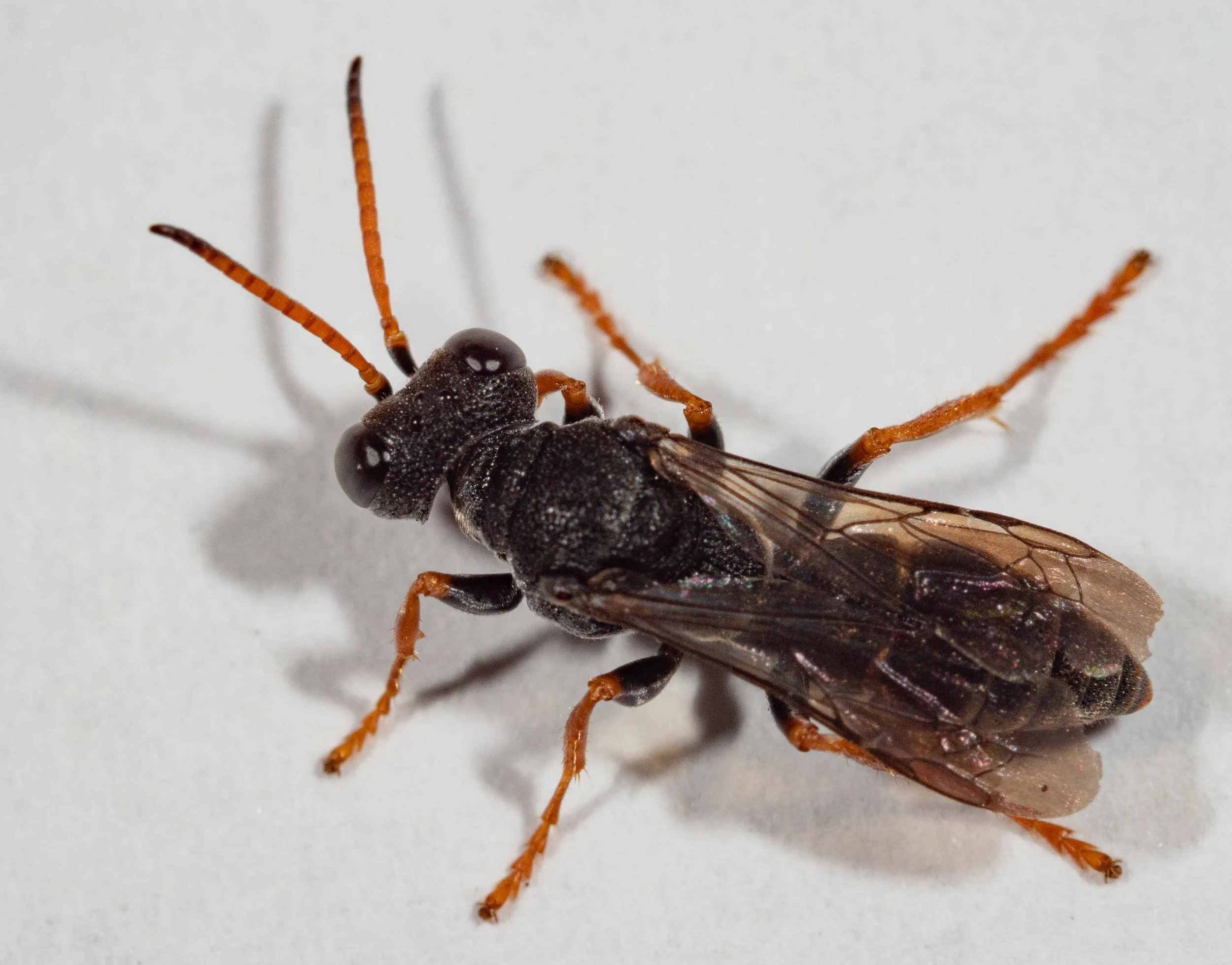
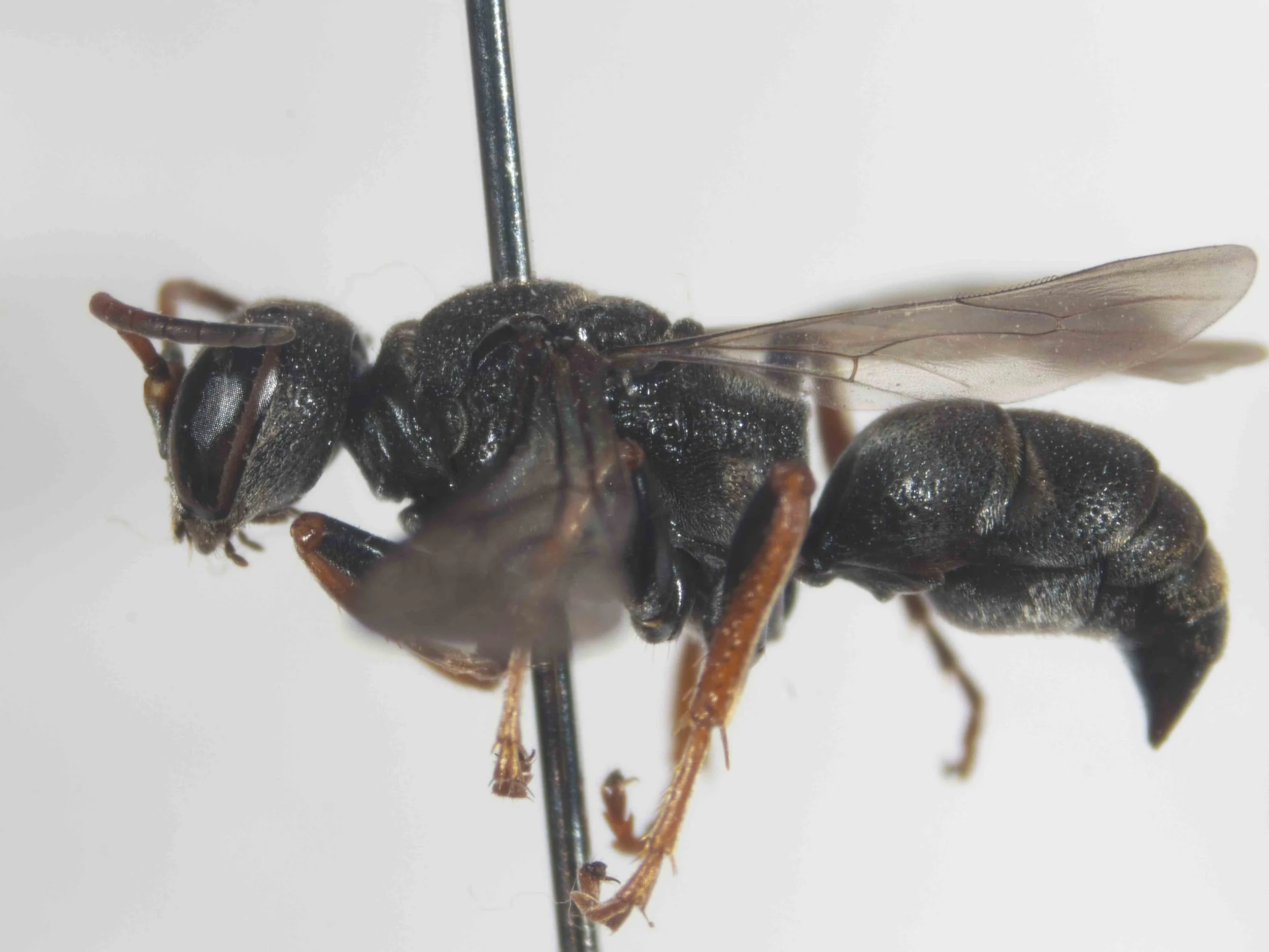
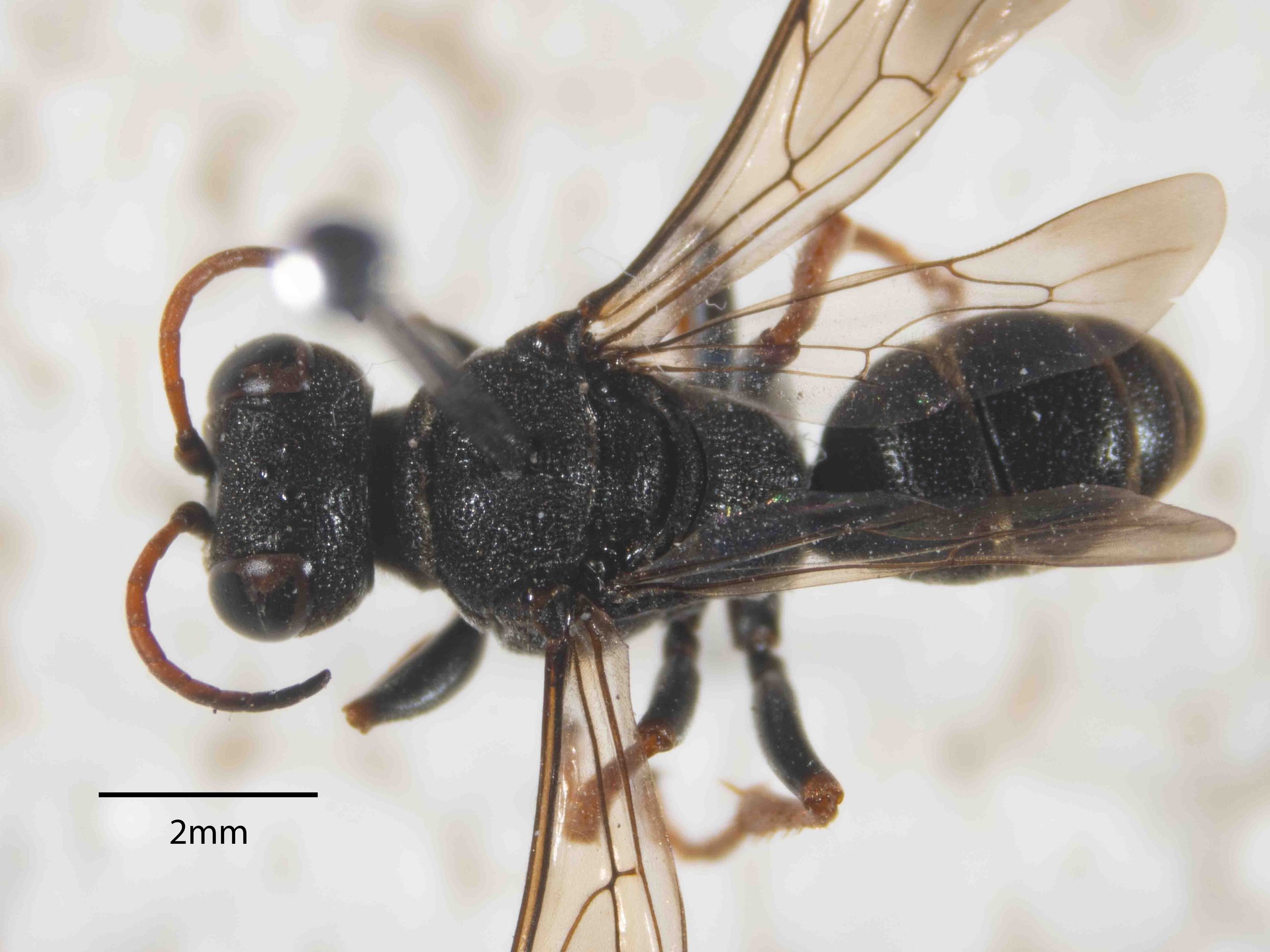
During summer, these charismatic little wasps are one of the most commonly sighted crabronids in the forest. The golden-faced males patrol nesting areas, perching on low vegetation and occasionally grappling a female to the ground. Females are considerably larger, but they quickly disappear into burrows concealed beneath the leaf litter.
In a previous post, I listed genus diagnostics and prepared a summary table for species-level identification. I also identified our local species as S. punctuosa based on specimens collected in January 2023 (females #2301G & #2301L) and January 2025 (male #2501A). Those specimens were used to provide an anatomical guide to key diagnostic characters of the genus, and to illustrate features that vary between species.
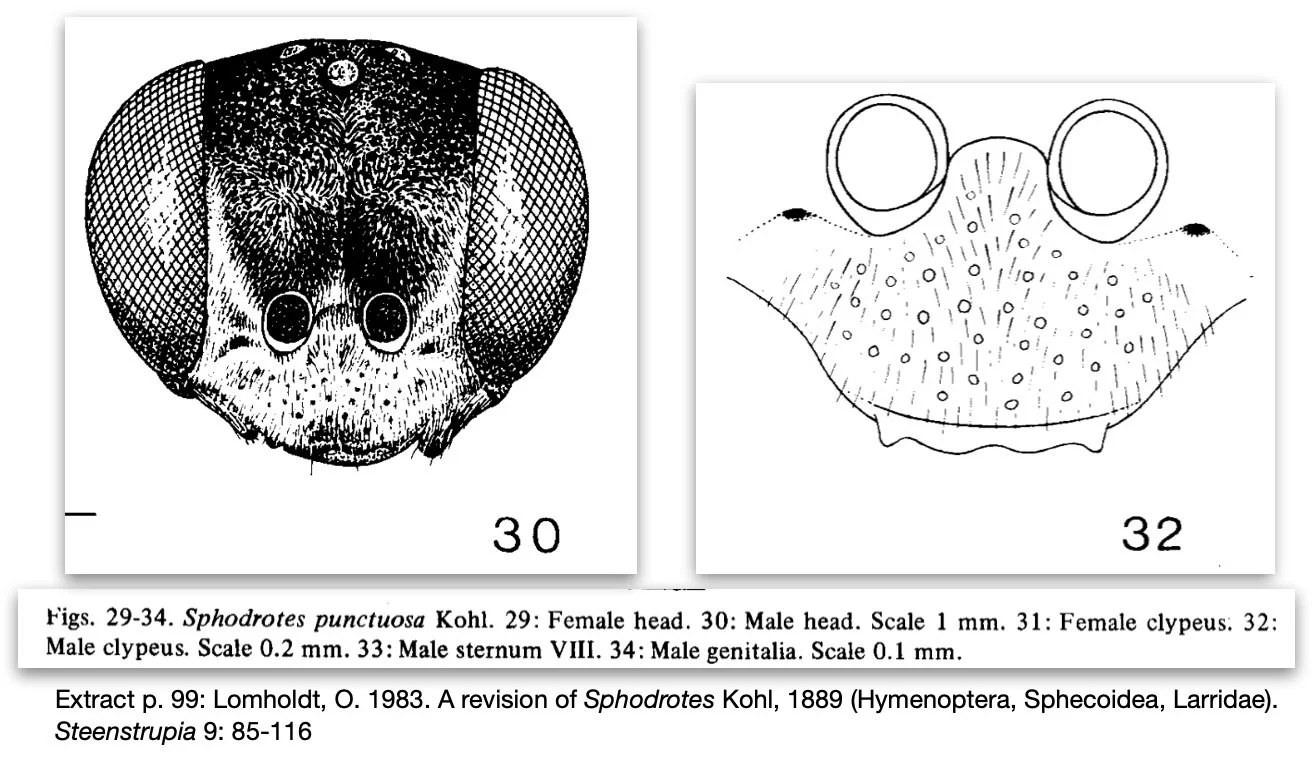
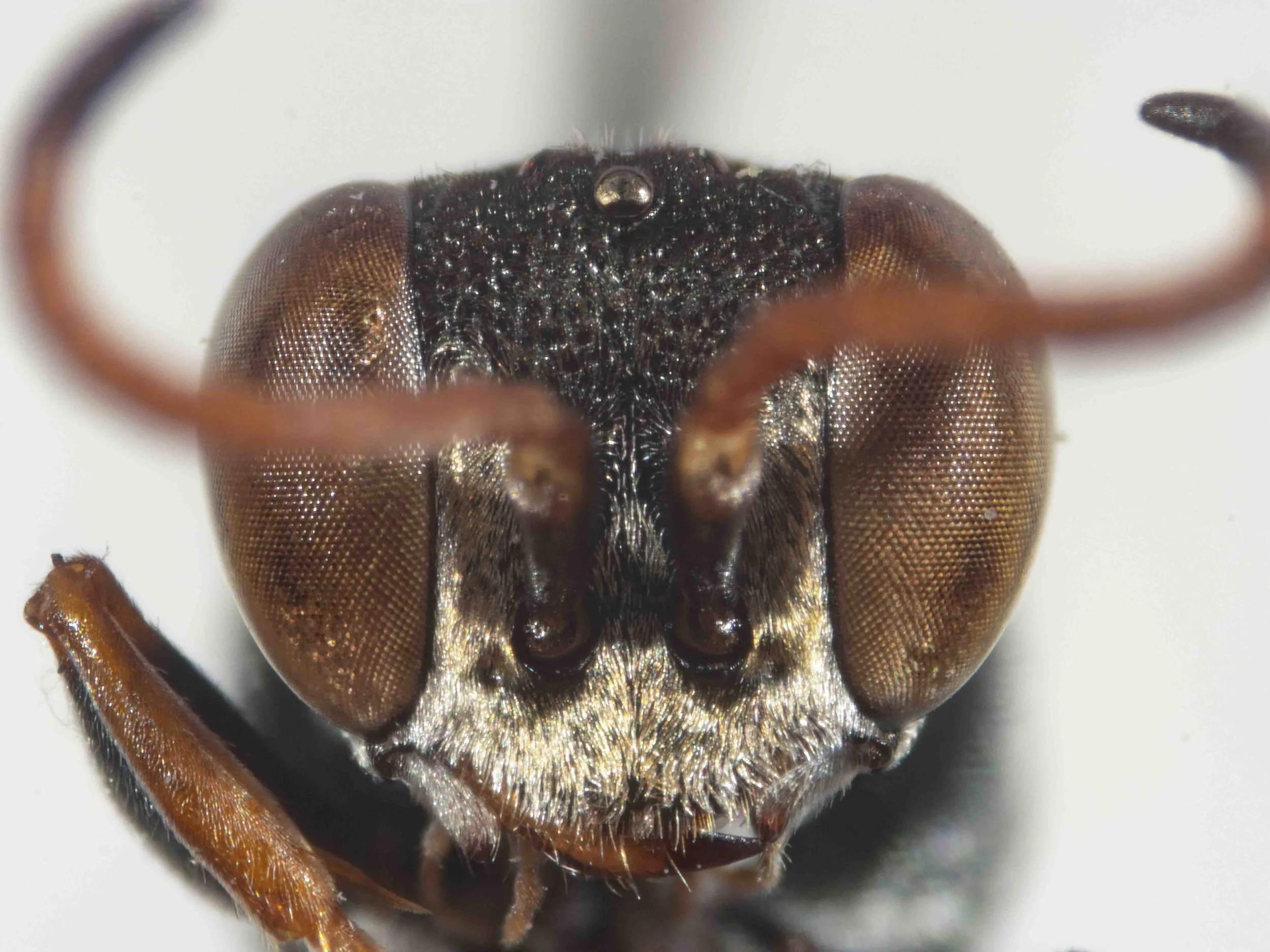
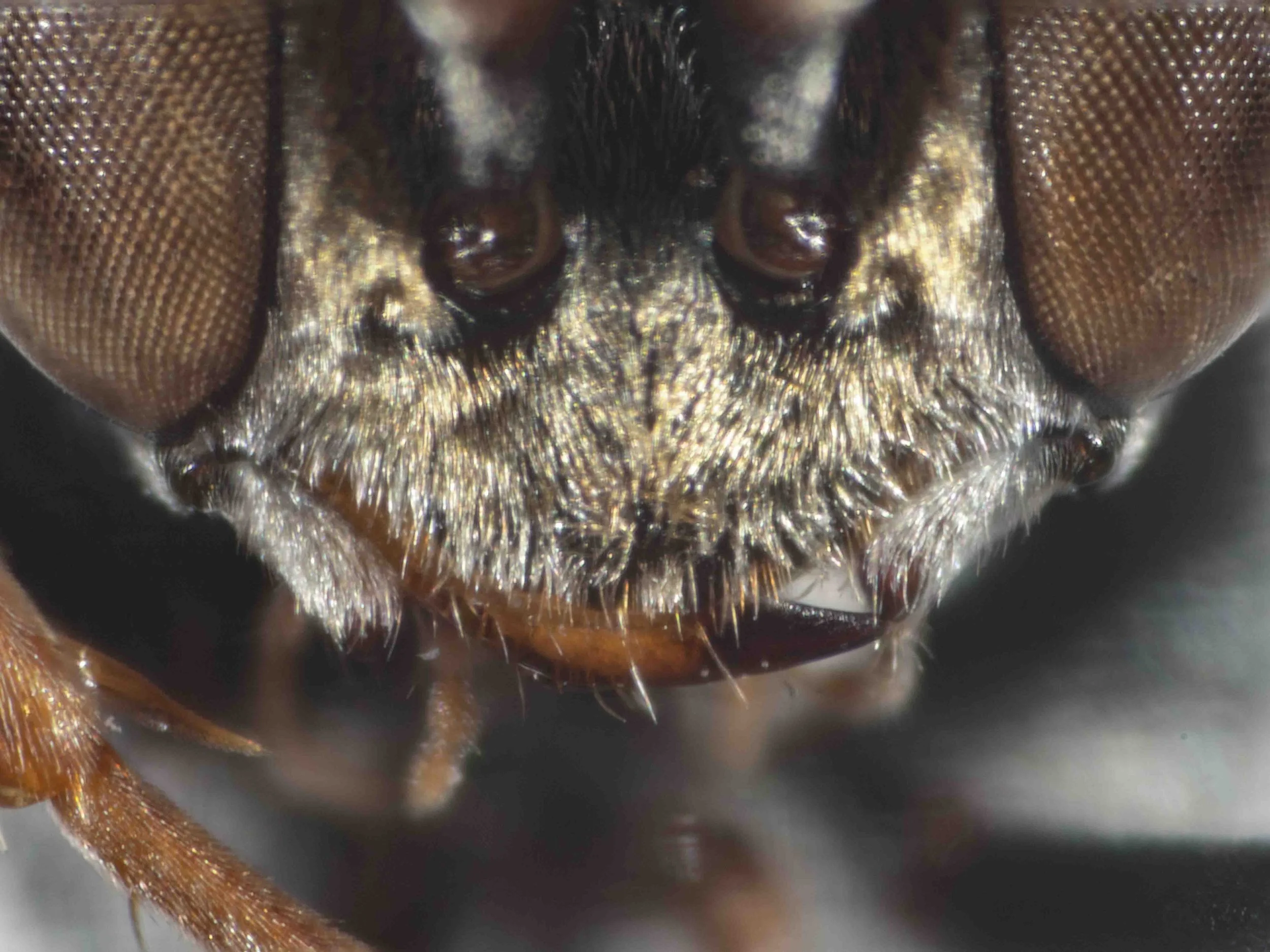
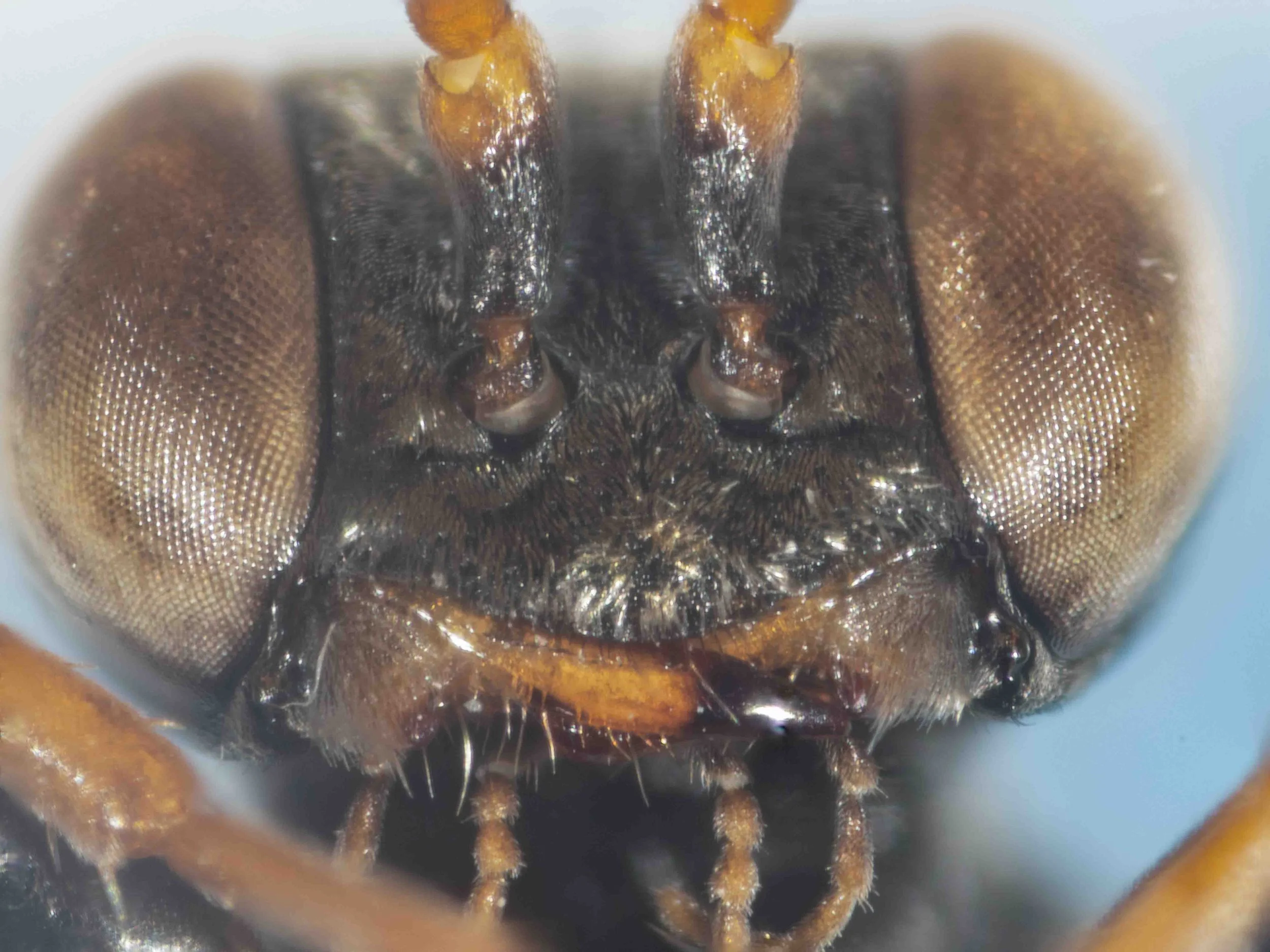
So … based on that earlier post, I am confident that our local species is S. punctuosa. The following images provide further evidence, comparing additional specimens with Lomholdt’s 1983 description.
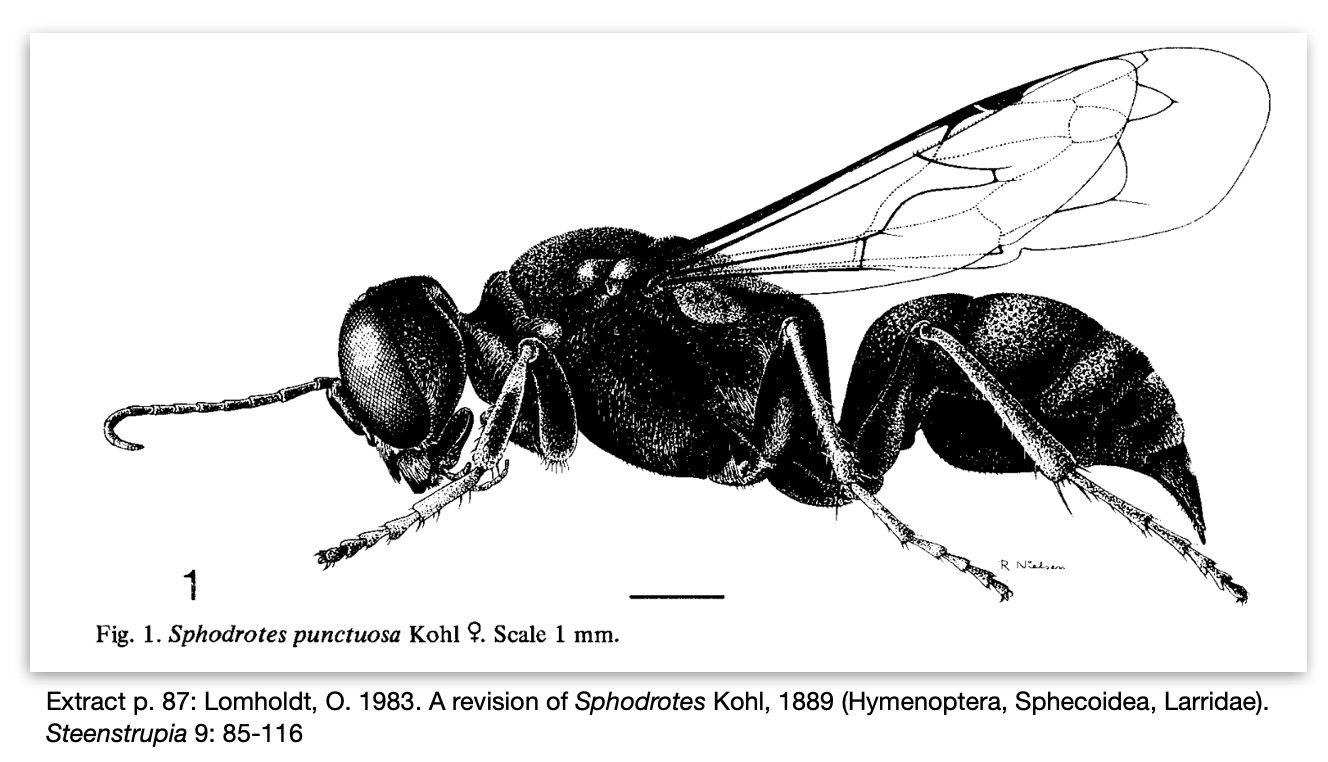
Sphodrotes punctuosa
Distribution
Sphodrotes punctuosa is known from NSW, ACT, Victoria and Tasmania (Lomholdt 1983). It is the only species documented from Tasmania.
Specimens in collection
Lomholdt (1983) noted the limited availability of Sphodrotes in collection, and concluded that Sphodrotes must be relatively rare wasps. Examining the available Sphodrotes specimens from 15 institutions/collections worldwide, including most of the major Australian institutions (Australian Museum, Sydney; Australian National Insect Collection [ANIC], Canberra; National Museum of Victoria, Melbourne; Queensland Museum, Brisbane; South Australian Museum, Adelaide; University of Queensland, Brisbane; Western Australian Museum, Perth), a total of 30 specimens were determined as S. punctuosa, including 20 held in Australian collections (ANIC; Queensland Museum; Australian Museum).
In the four decades since Lomholdt’s work, the Australian holdings of Sphodrotes has grown considerably. While none of these more recent additions have been identified beyond genus, based on the site of their collection I am confident many will be S. punctuosa. In particular, nearly 100 specimens have been added from Tasmania – and as mentioned above, at the time of Lomholdt’s revision, S. punctuosa was the only species known from that state.
To the best of my knowledge, there are currently no publicly available, verified images of specimens of S. punctuosa. The holotype is in the Museum of Natural History Vienna.
Species diagnostics
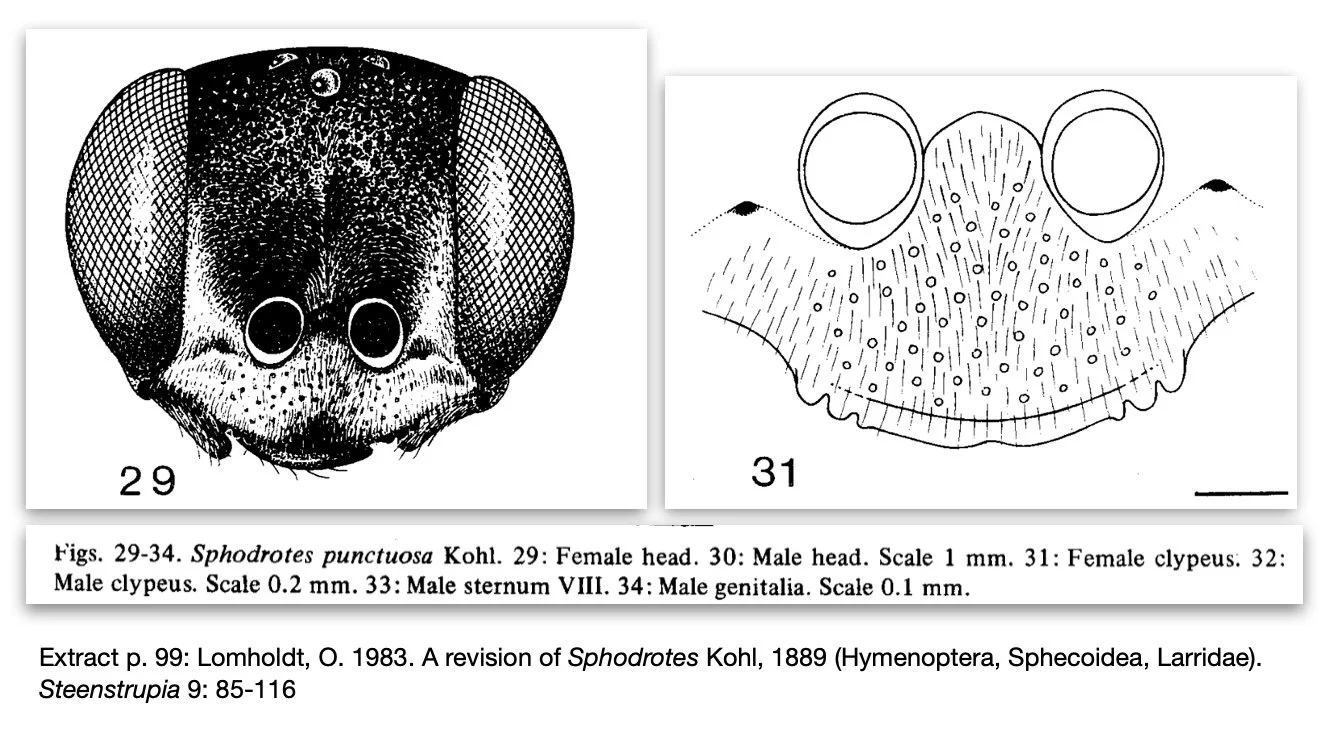
In the absence of access to type material or verified images, I am relying upon published descriptions. Of most relevance is the work of Lomholdt (1983), incorporating and extending the earlier work of Turner (1914).
Specimens collected December 2025
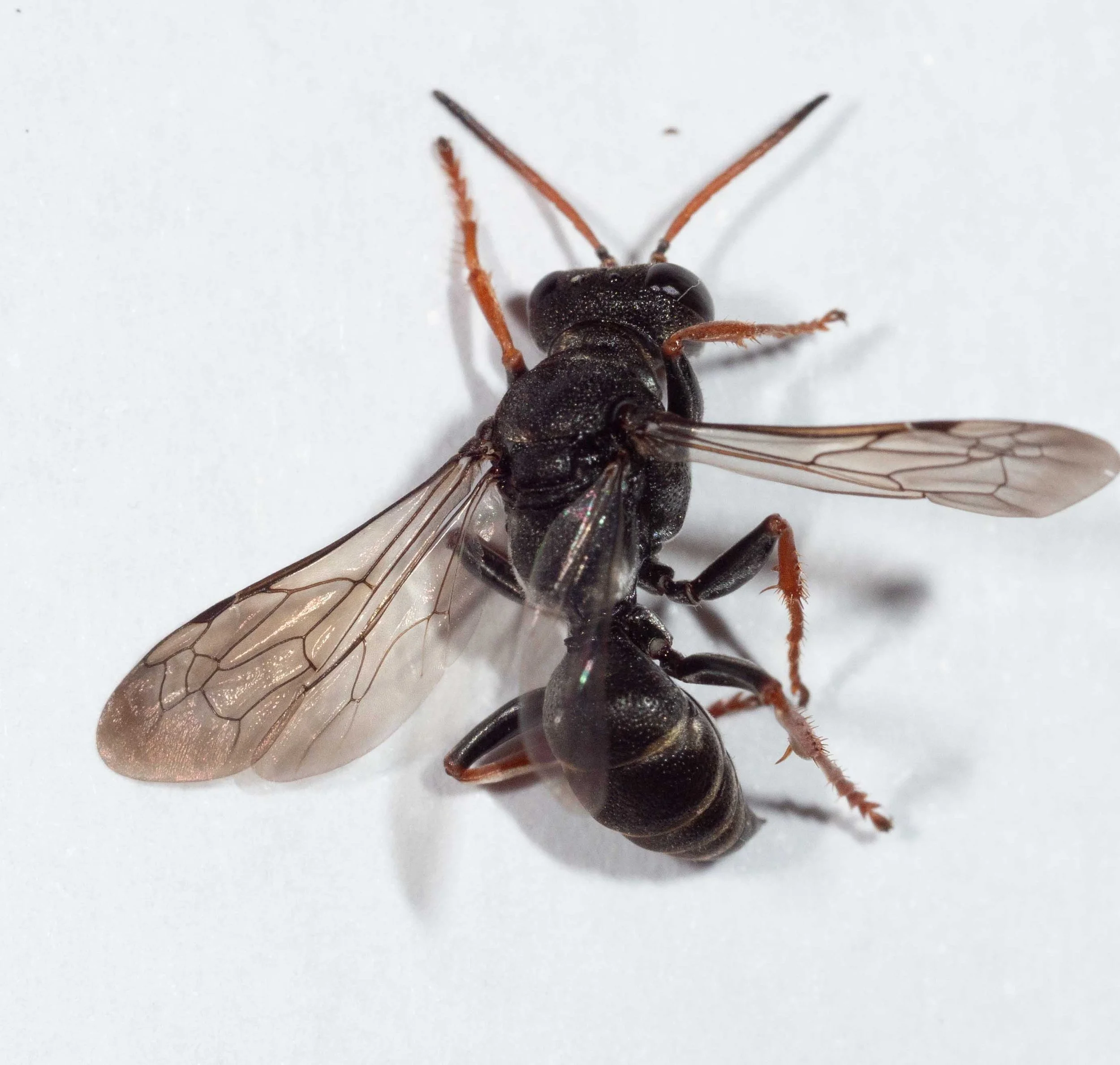
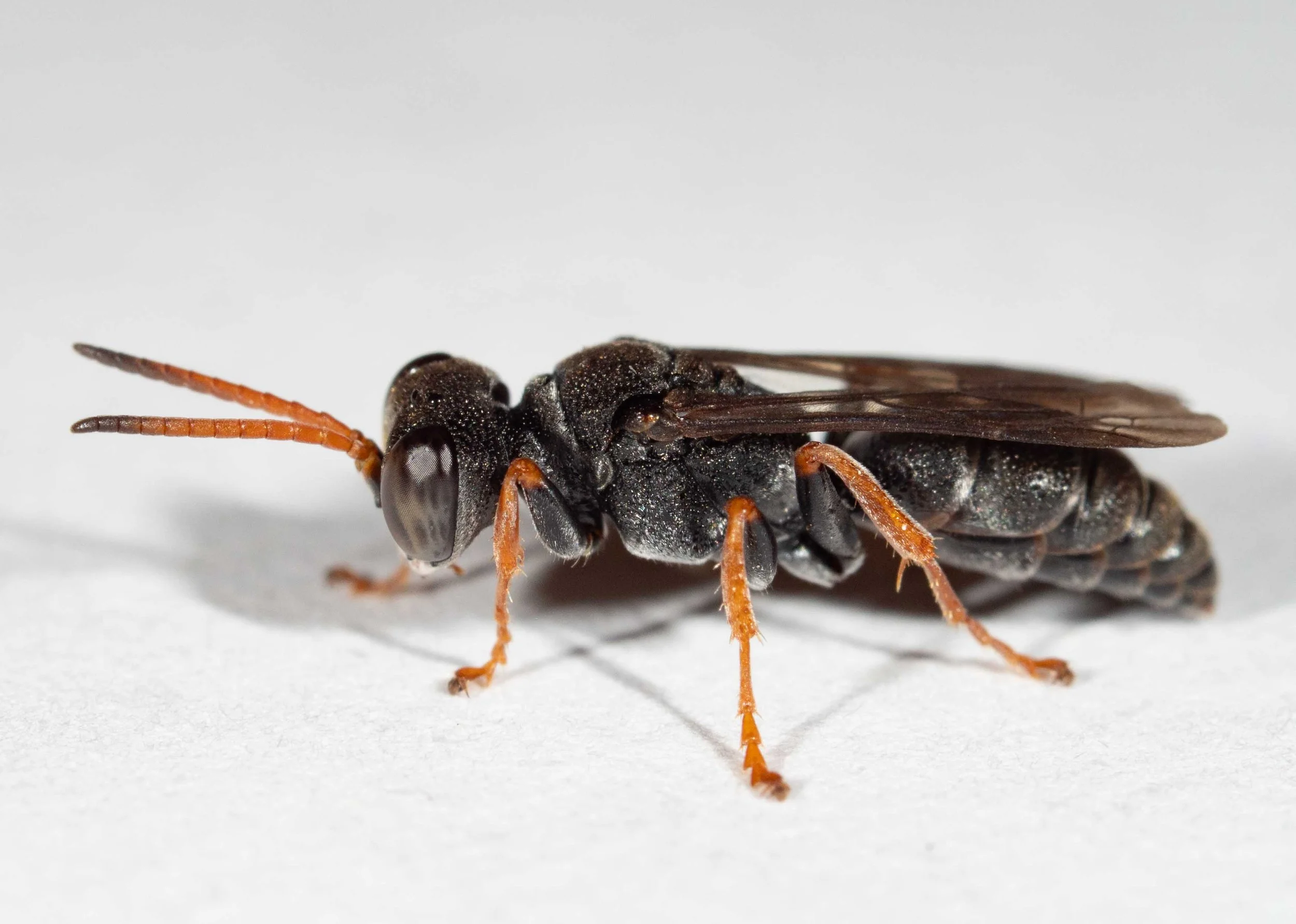
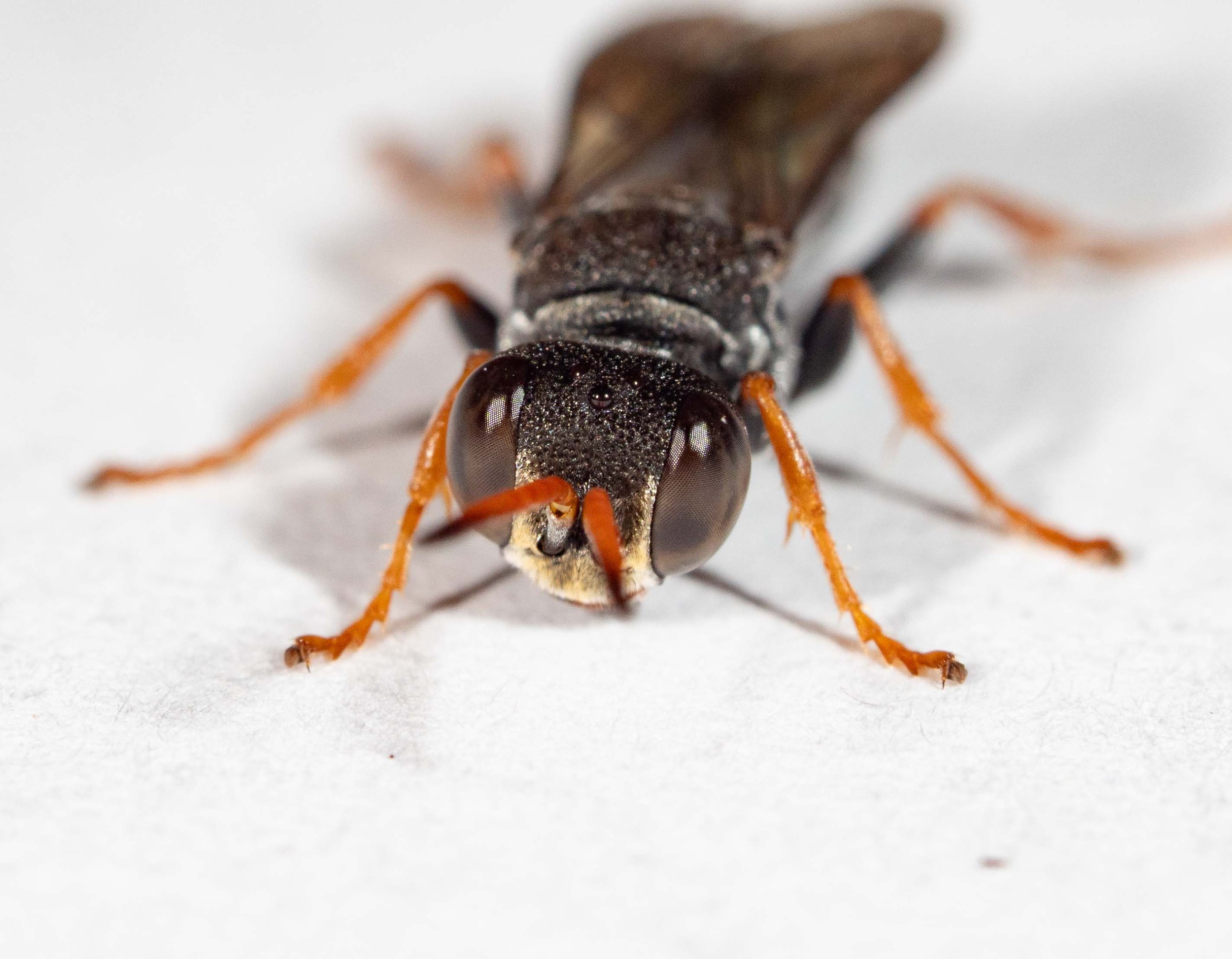
In December 2025 I collected two additional specimens, specifically for submission to CBG for barcoding and so, ultimately, inclusion on BOLD. The images below are a visual record of those individuals.
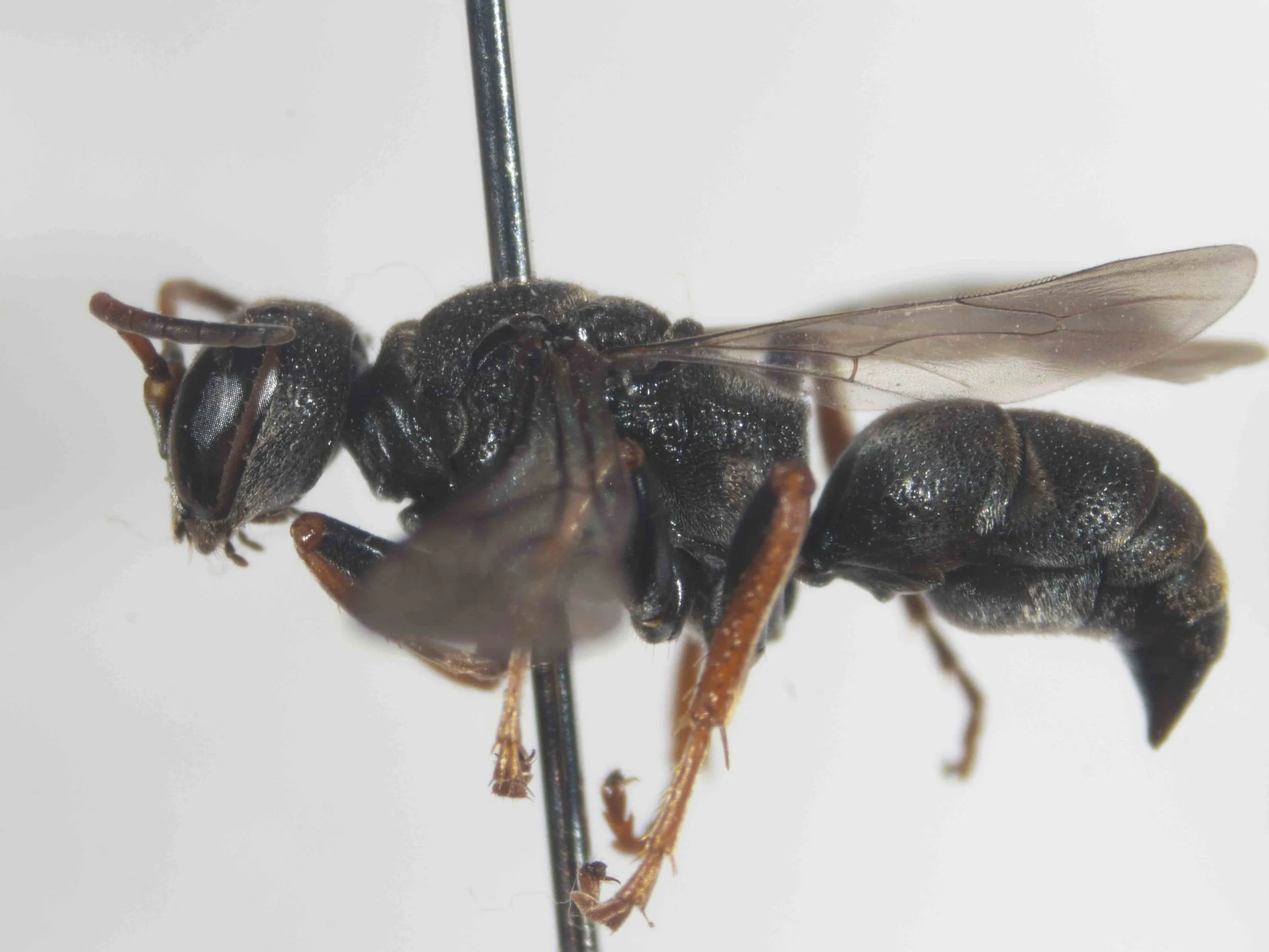
Specimens: #2512C (male), #2512D (female). Both collected at the same place and time – a very active nesting site on 24th December 2025. Initially stored in 95% ethanol, but later pinned and stored dry.
Key steps to S. punctuosa
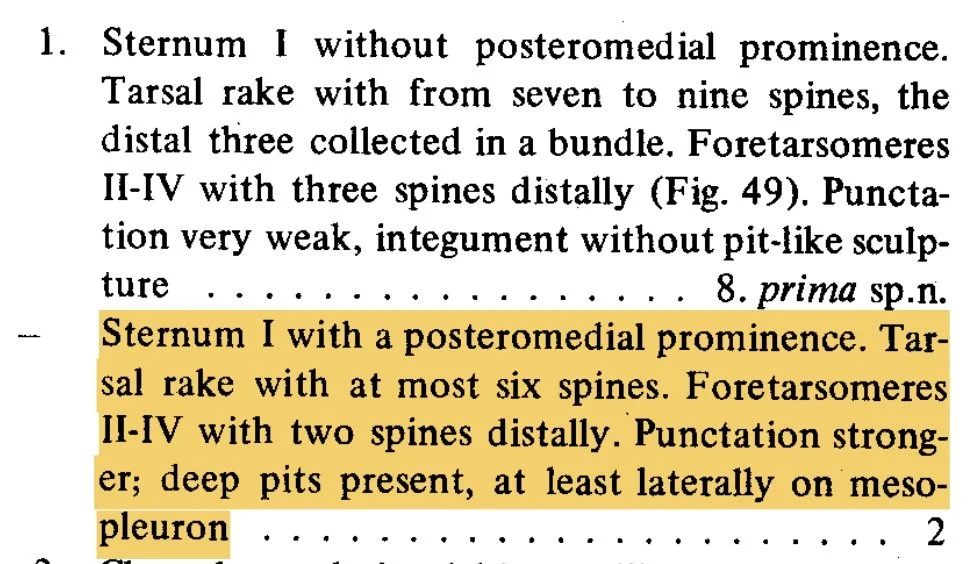
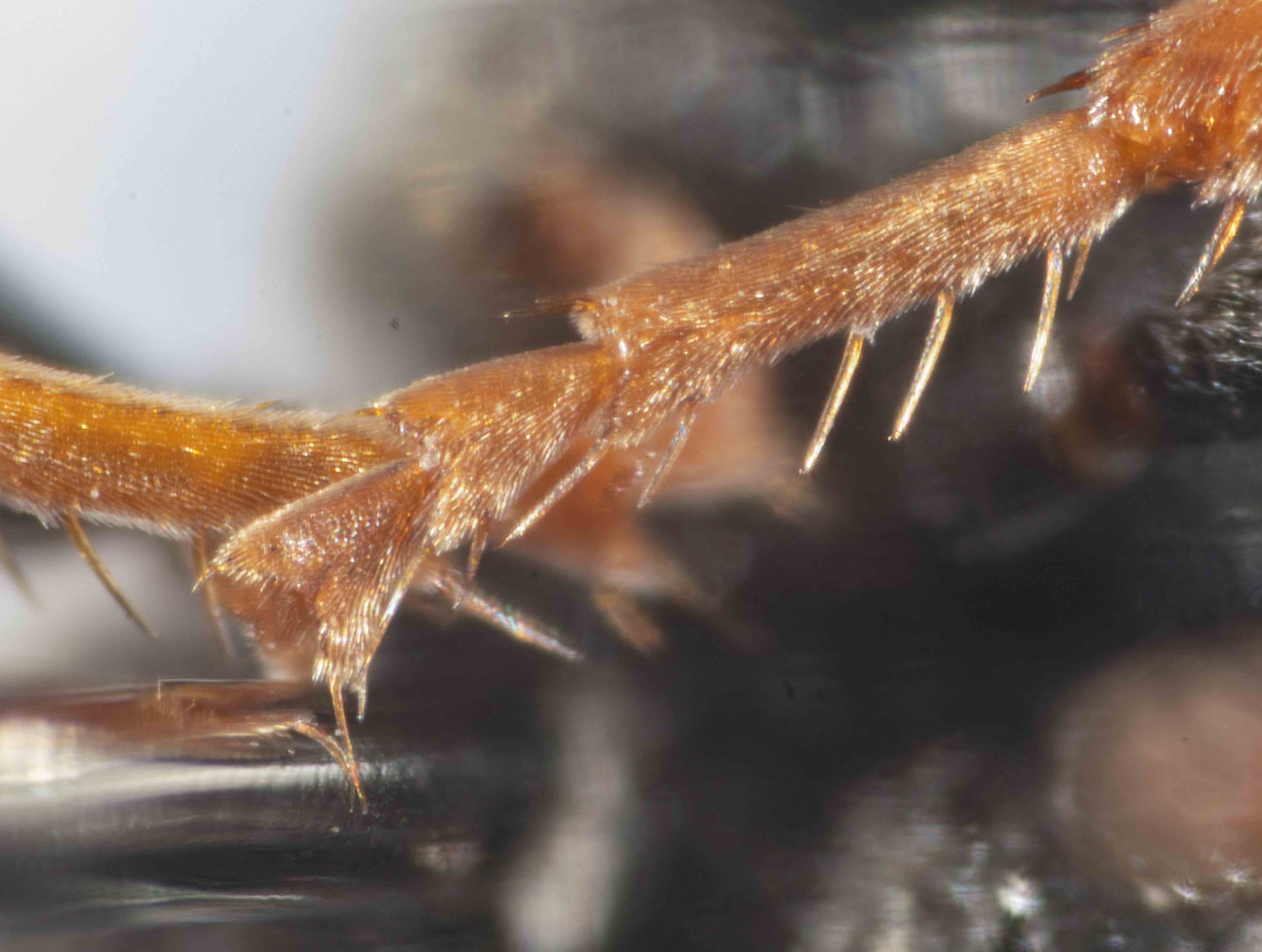
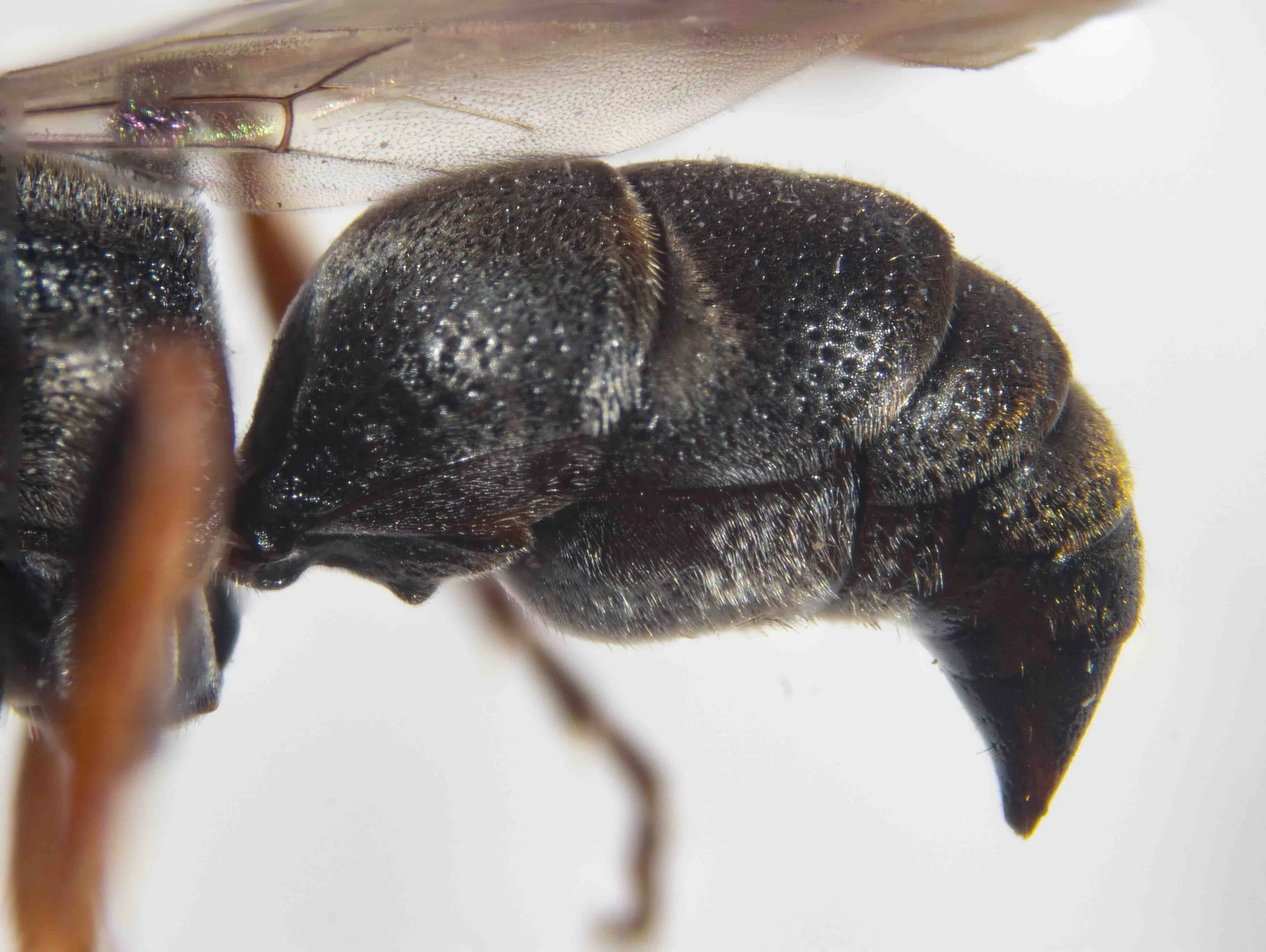
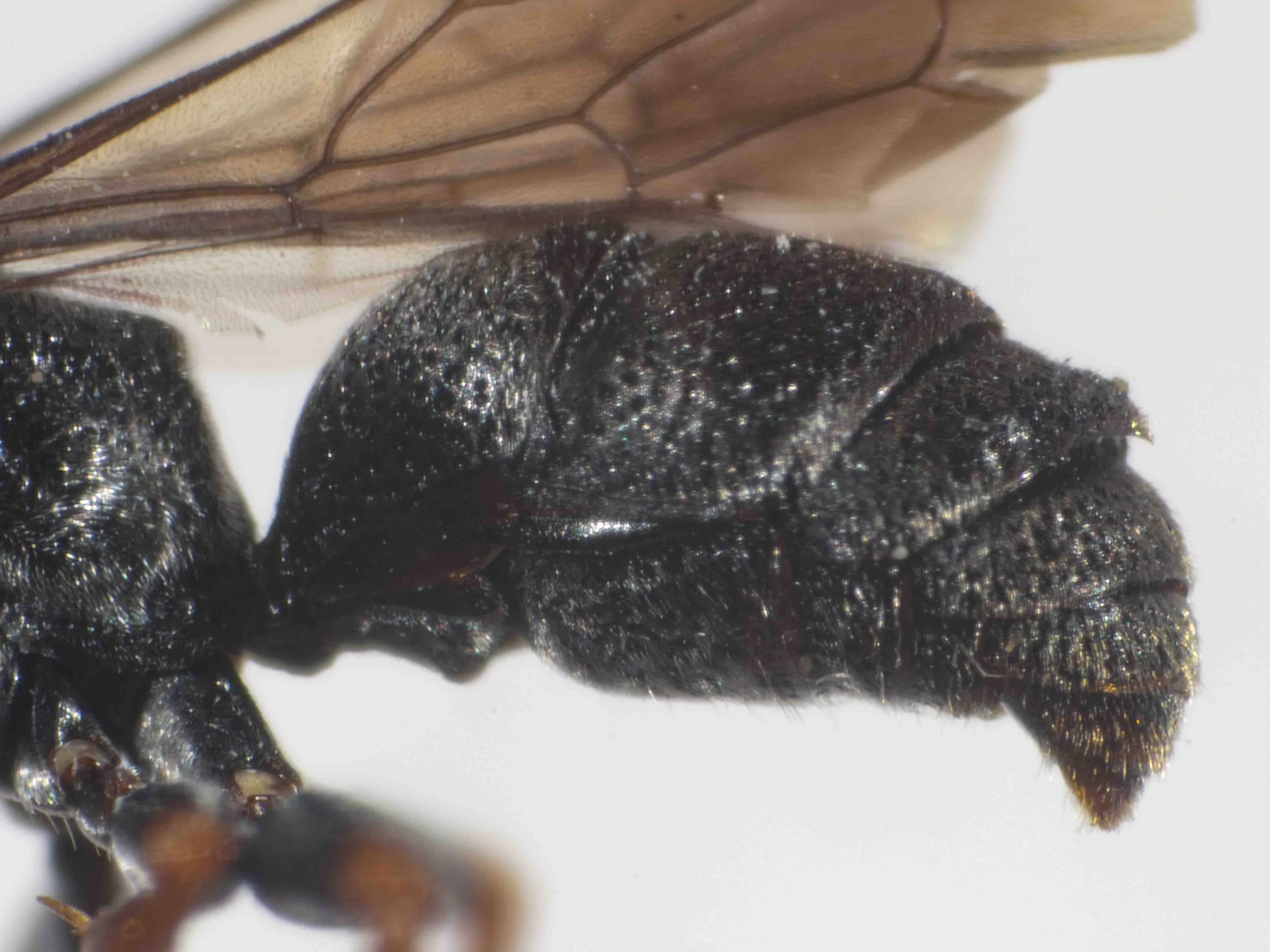
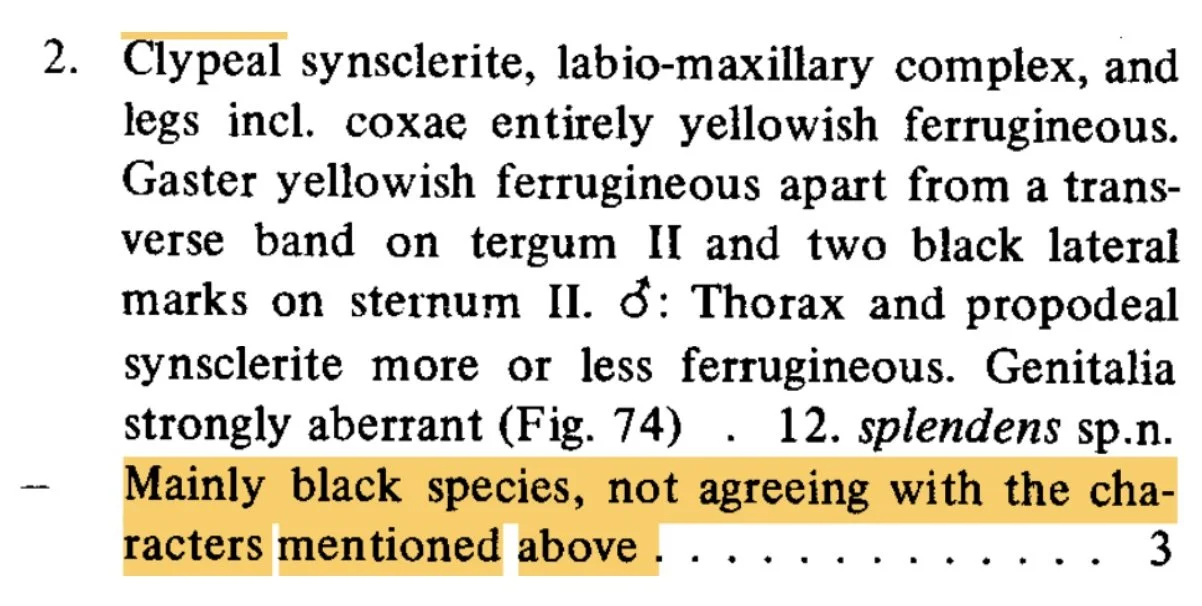
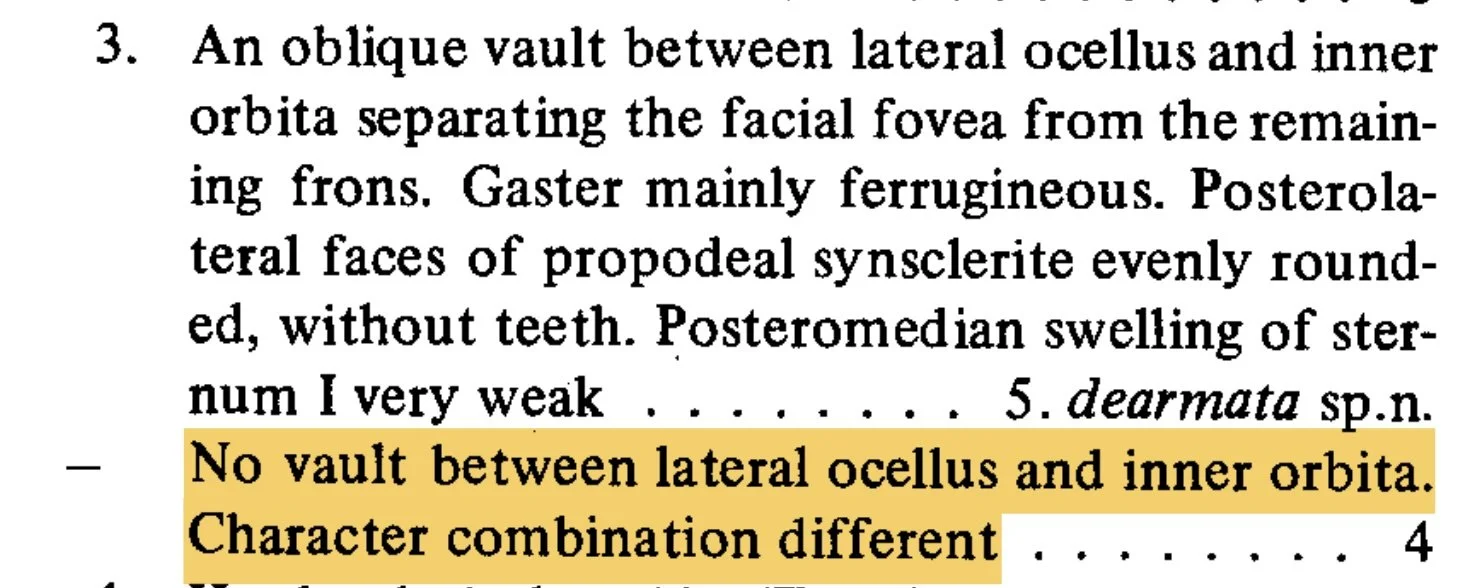
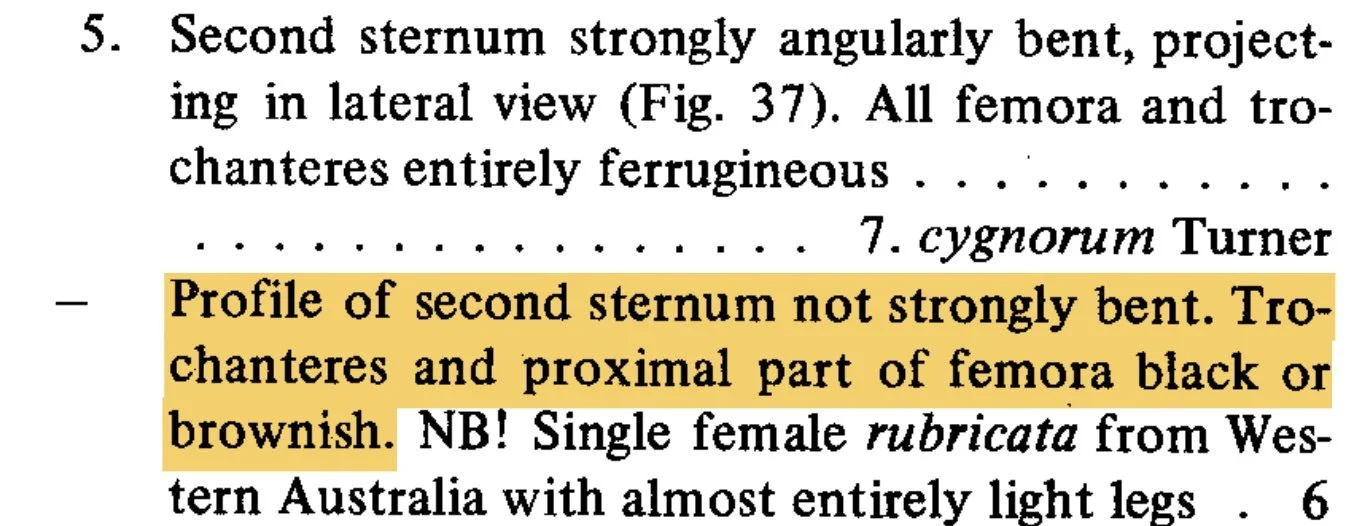
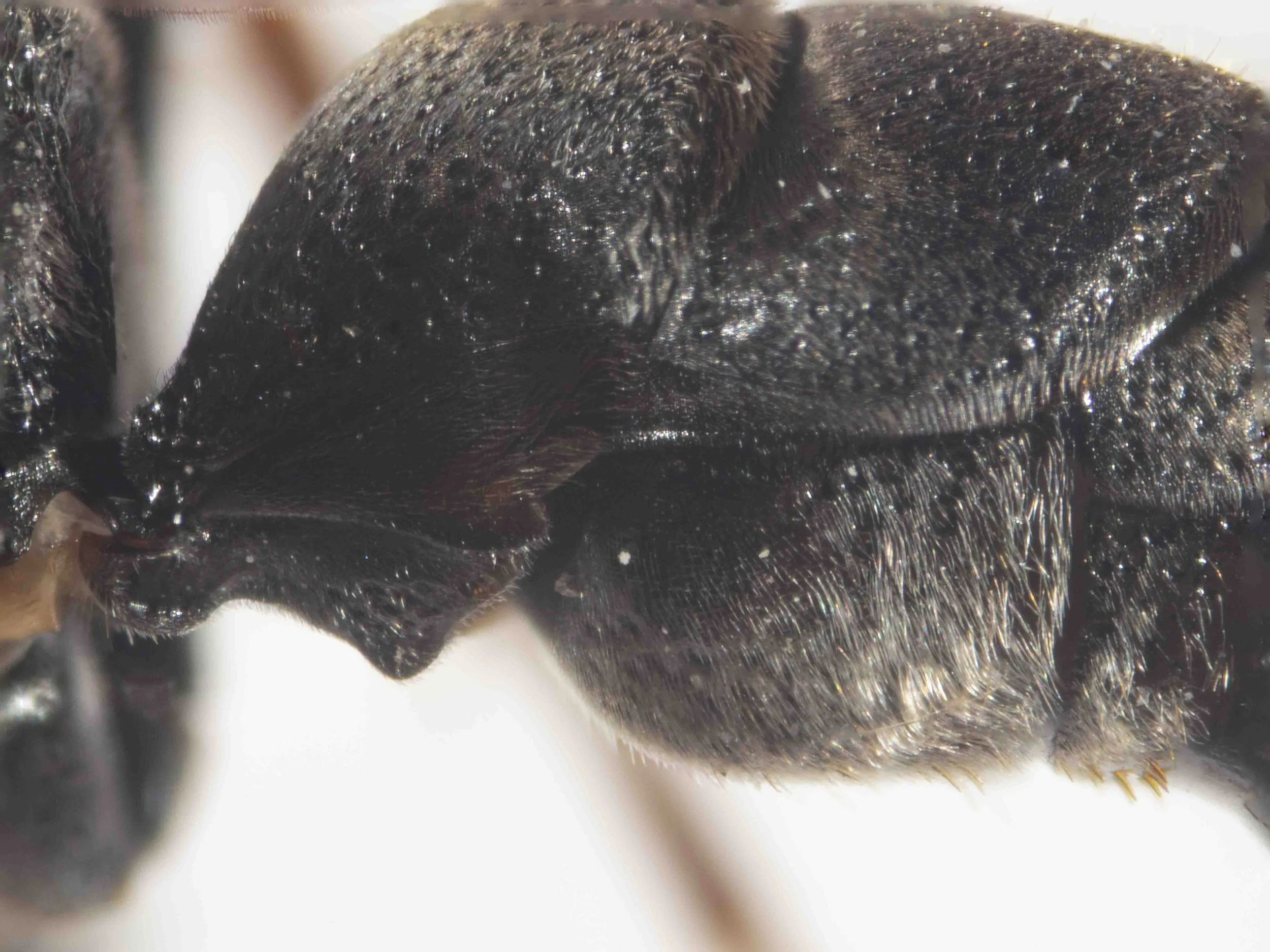
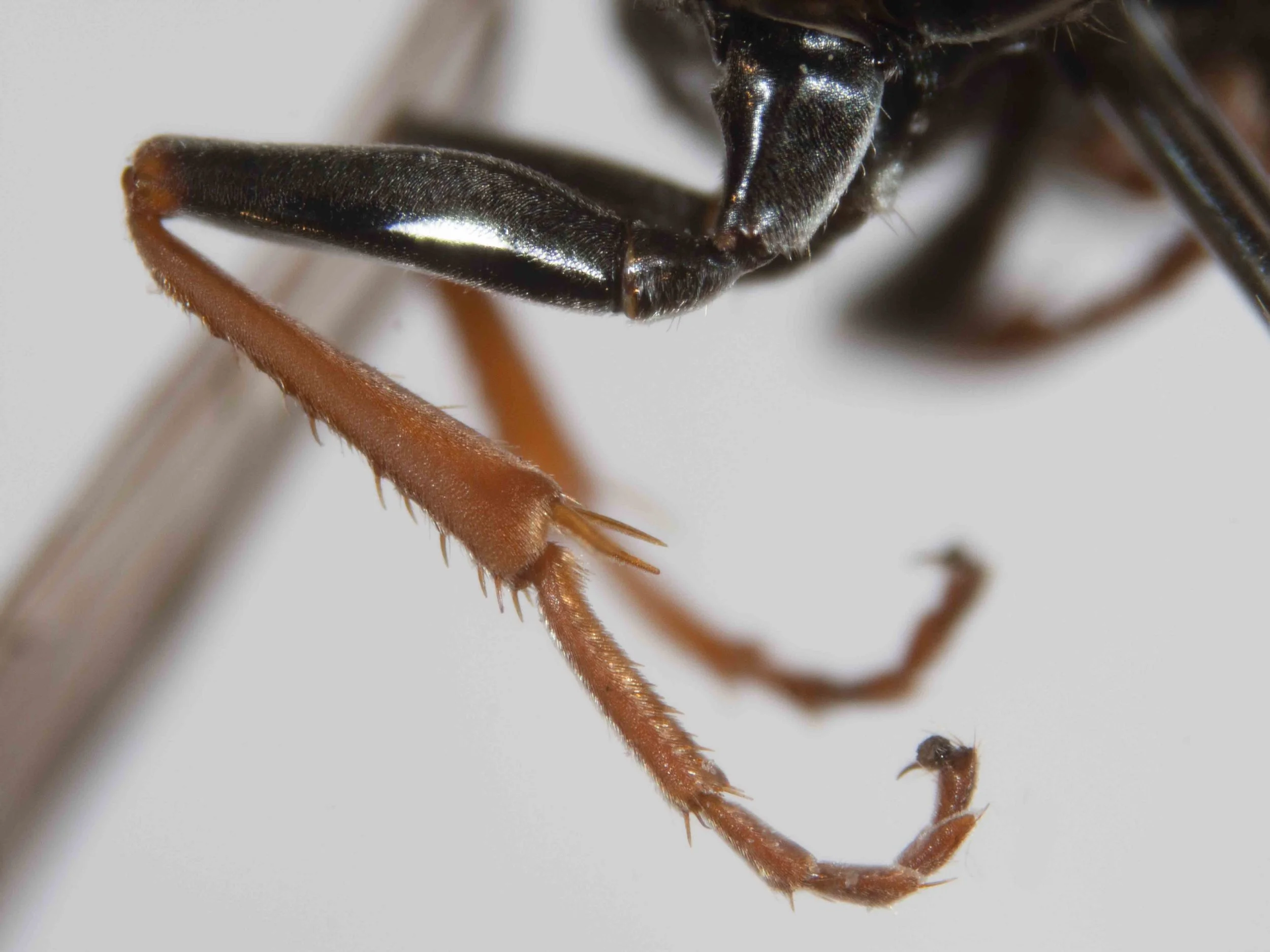
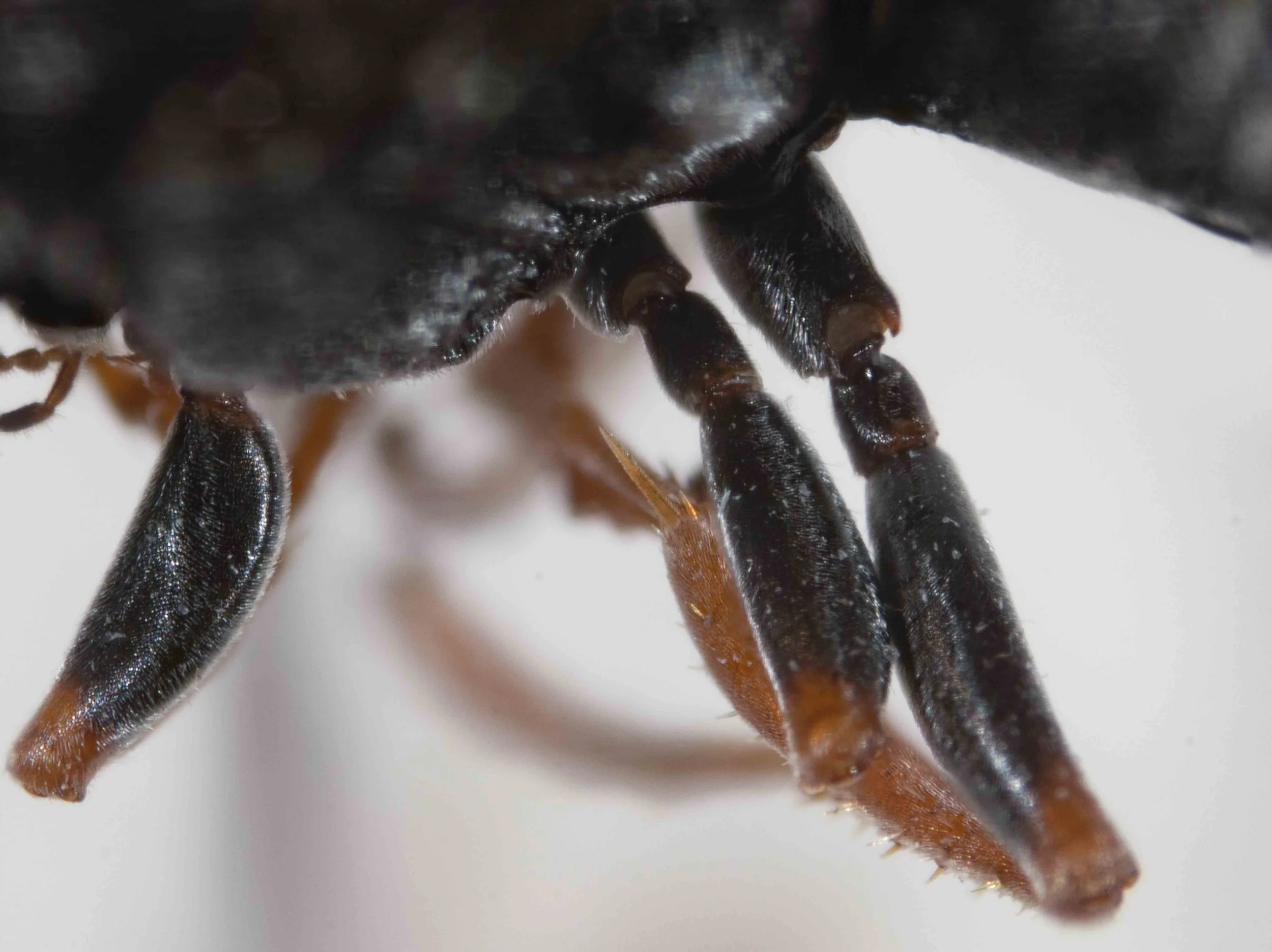
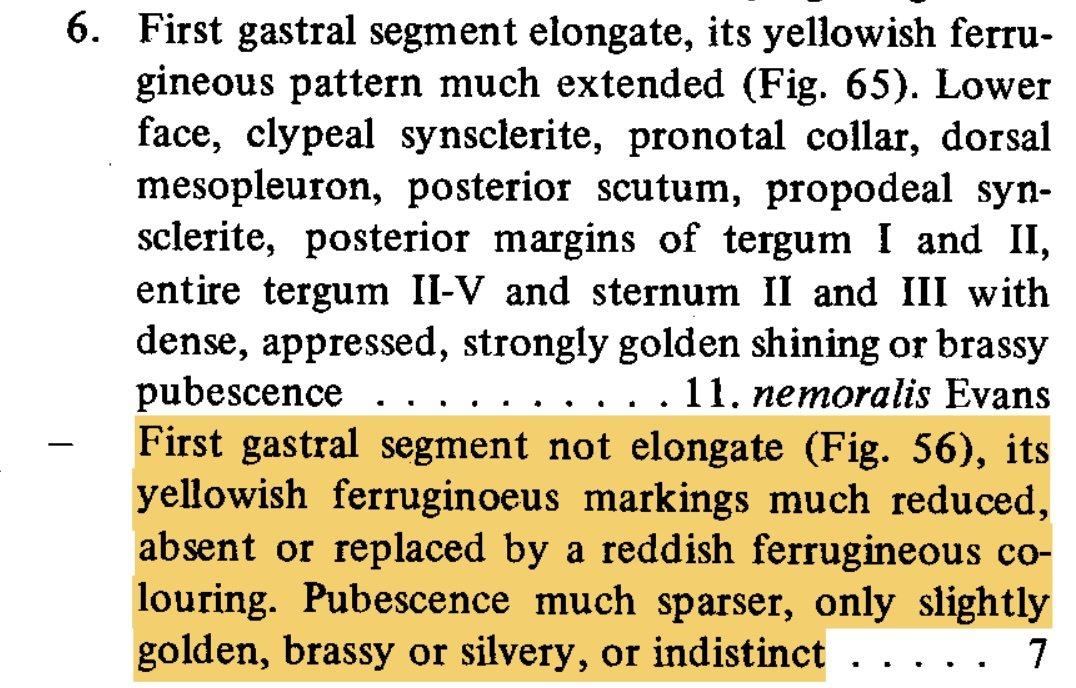
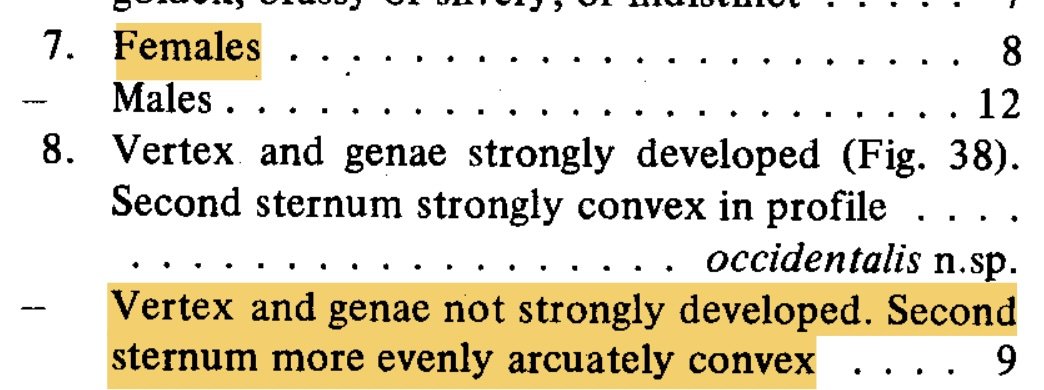
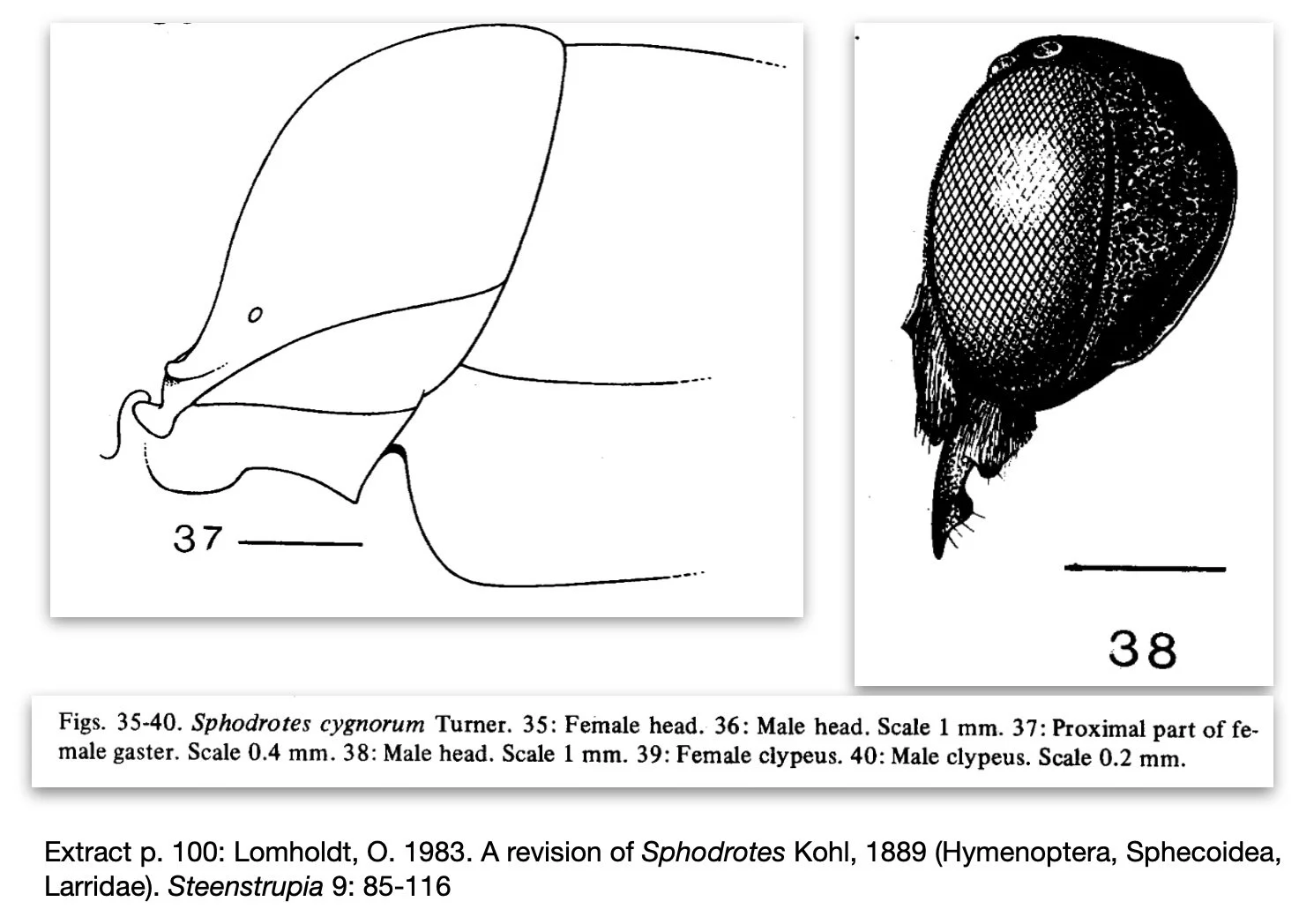
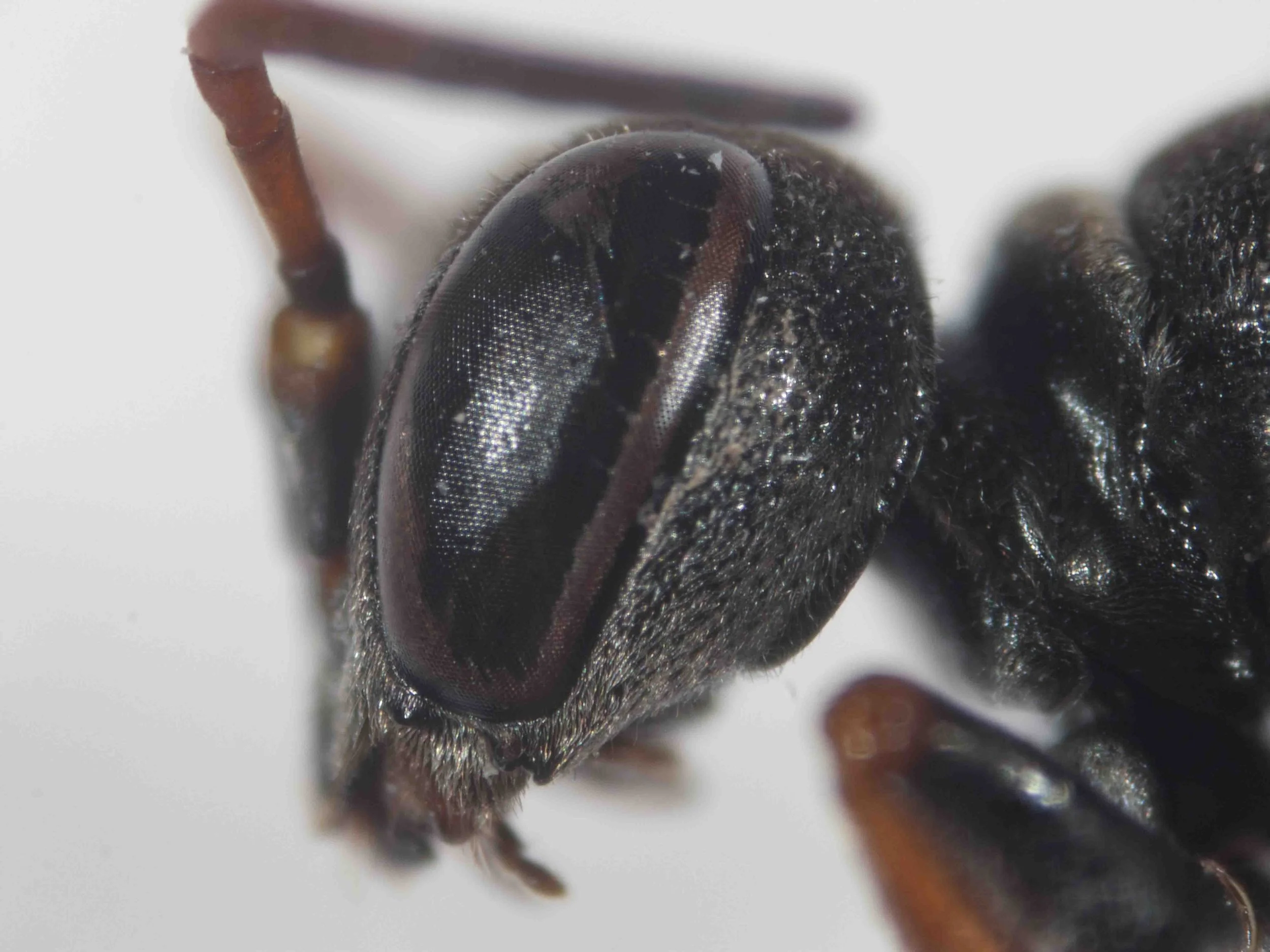
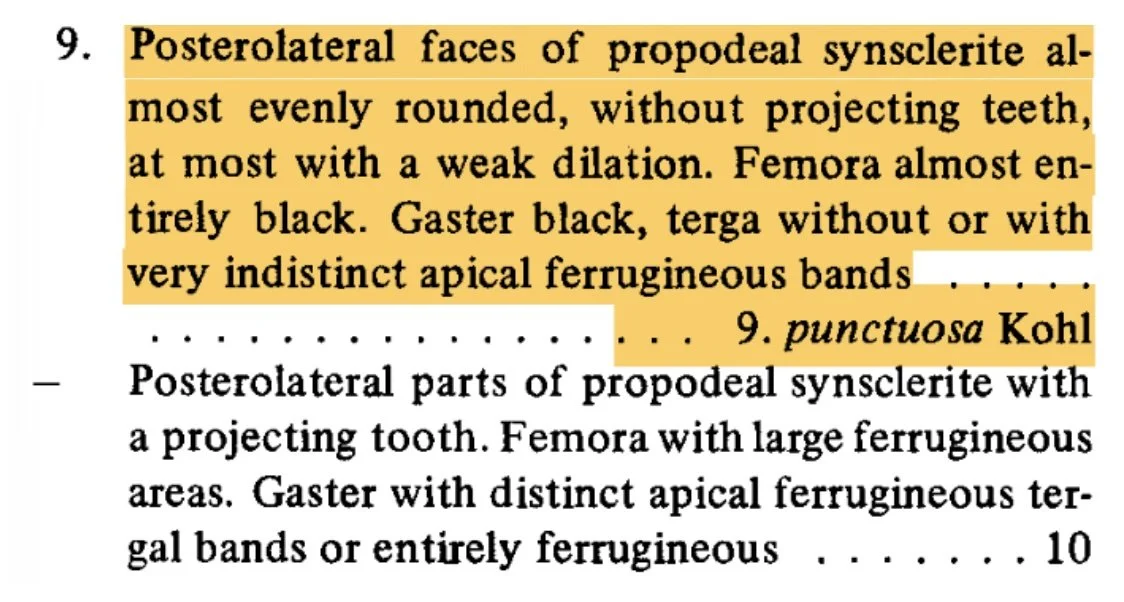
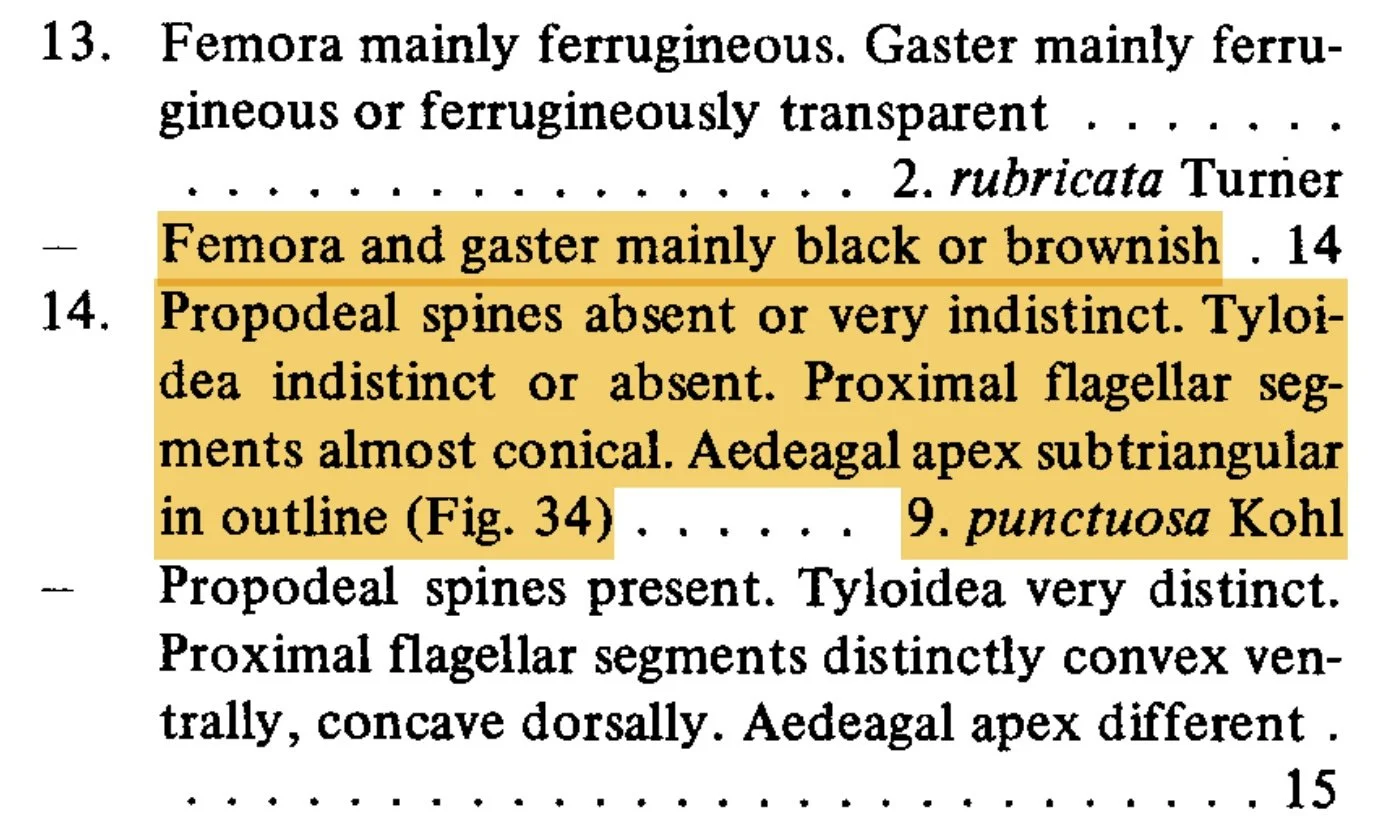
The images below are accompanied by the relevant excerpts from Lomholdt (1983). Note that Lomholdt’s ‘Key to species’ covers both sexes to Step 7, then diverges into sex-specific pathways. In the introduction to their paper, the author comments that “sexual dimorphism is extensive within this genus” (Lomholdt 1983 p. 86)
Key step 1
Key step 2
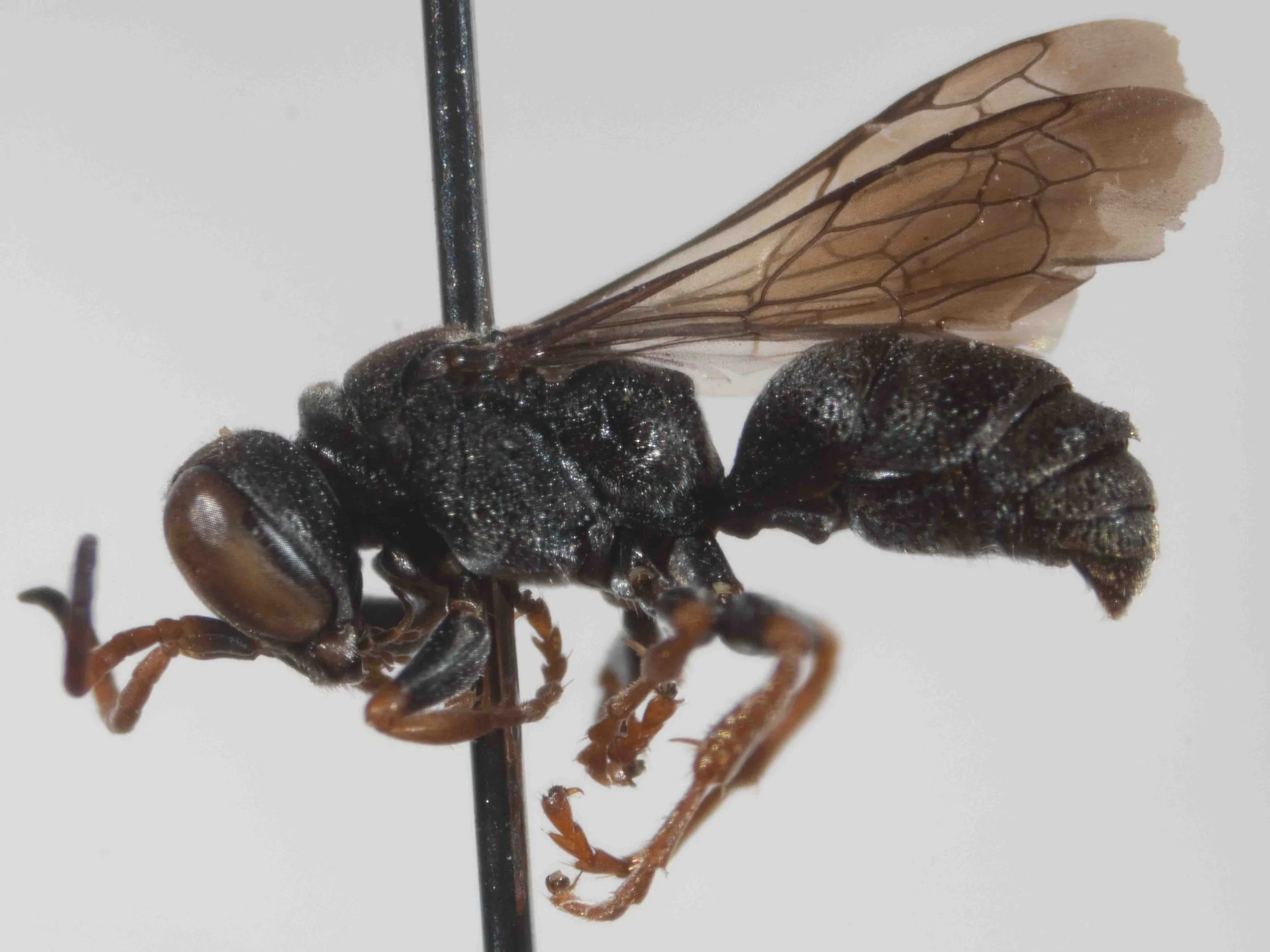
Key step 3
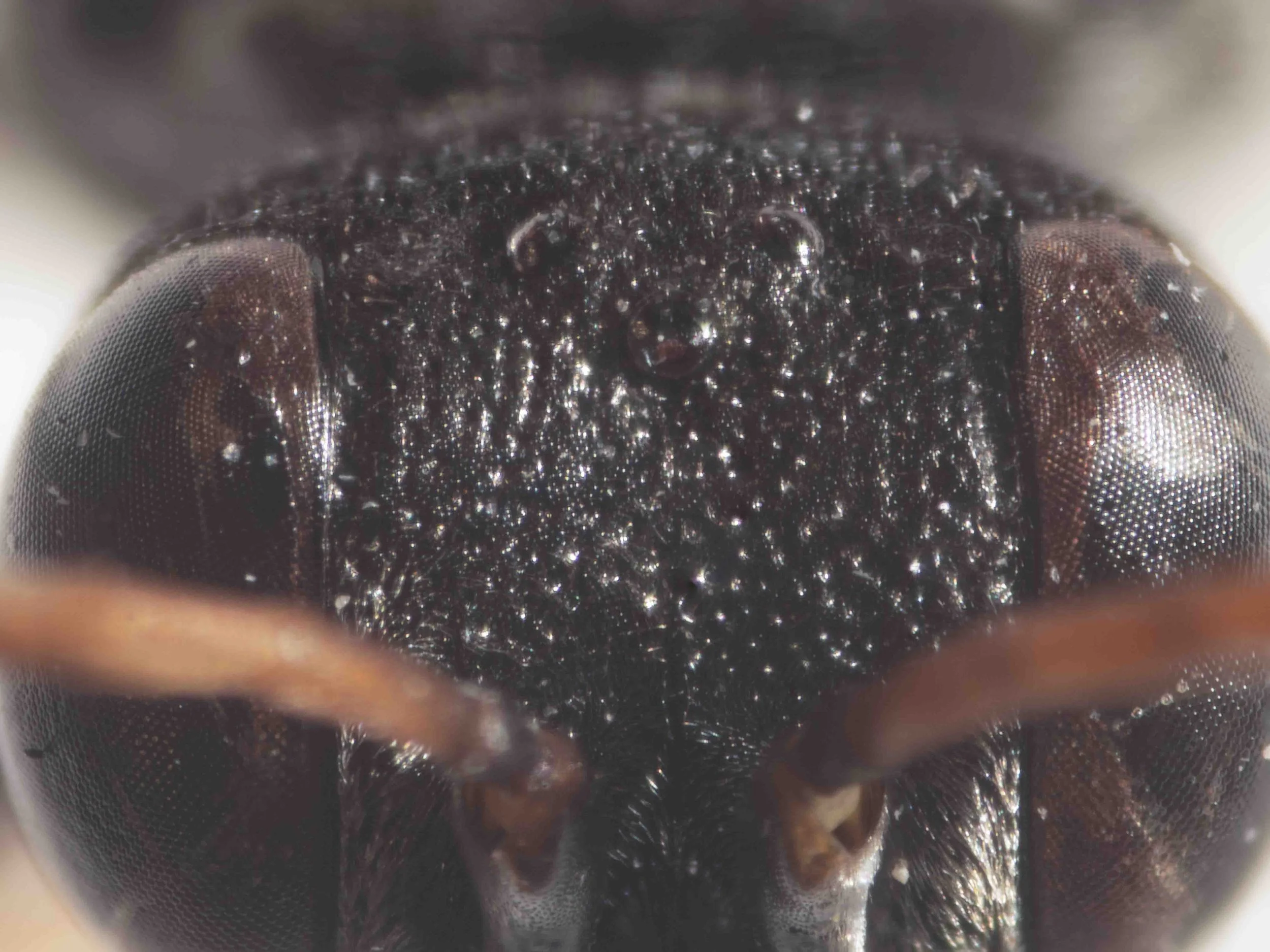
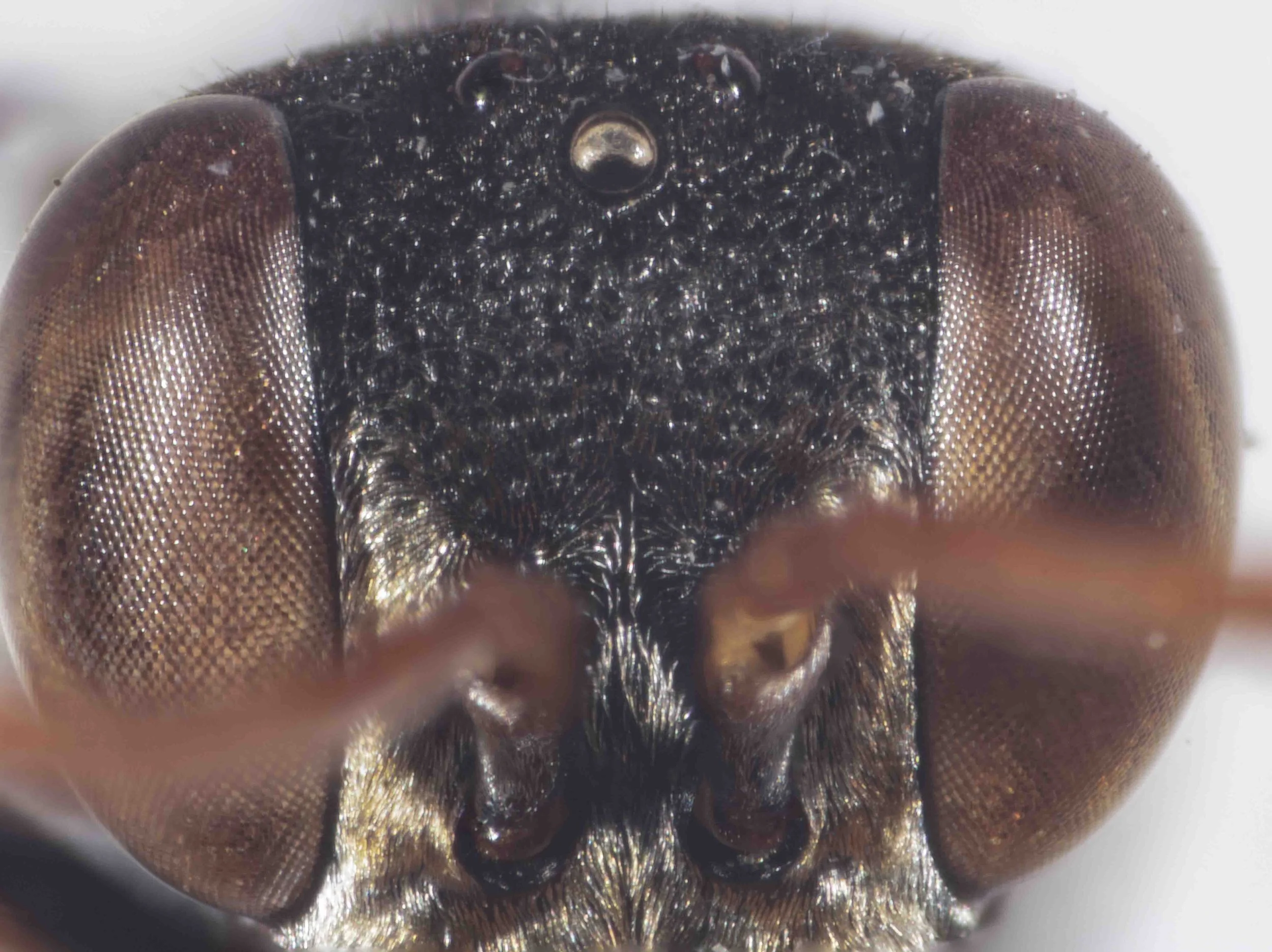
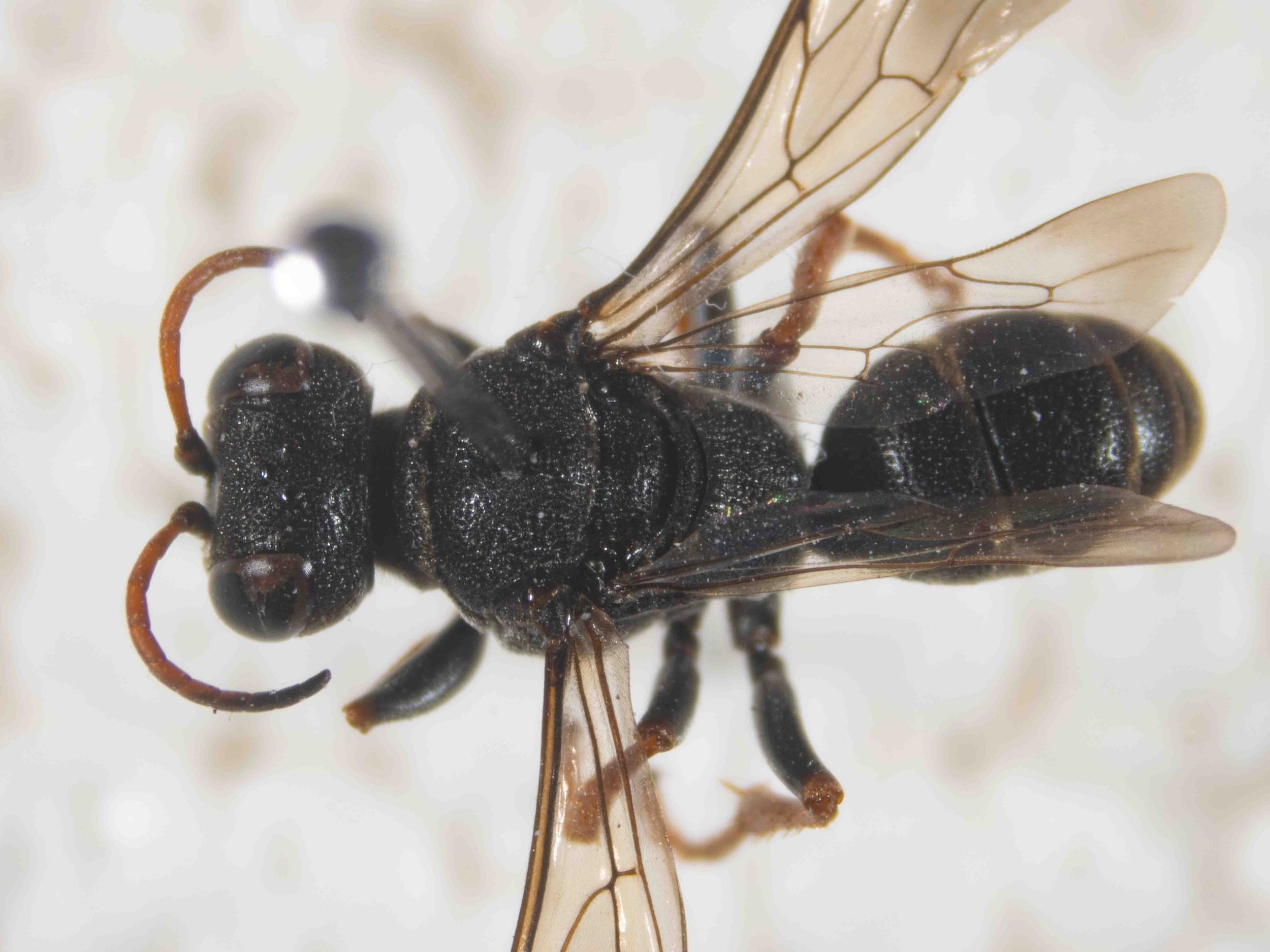
Key step 4
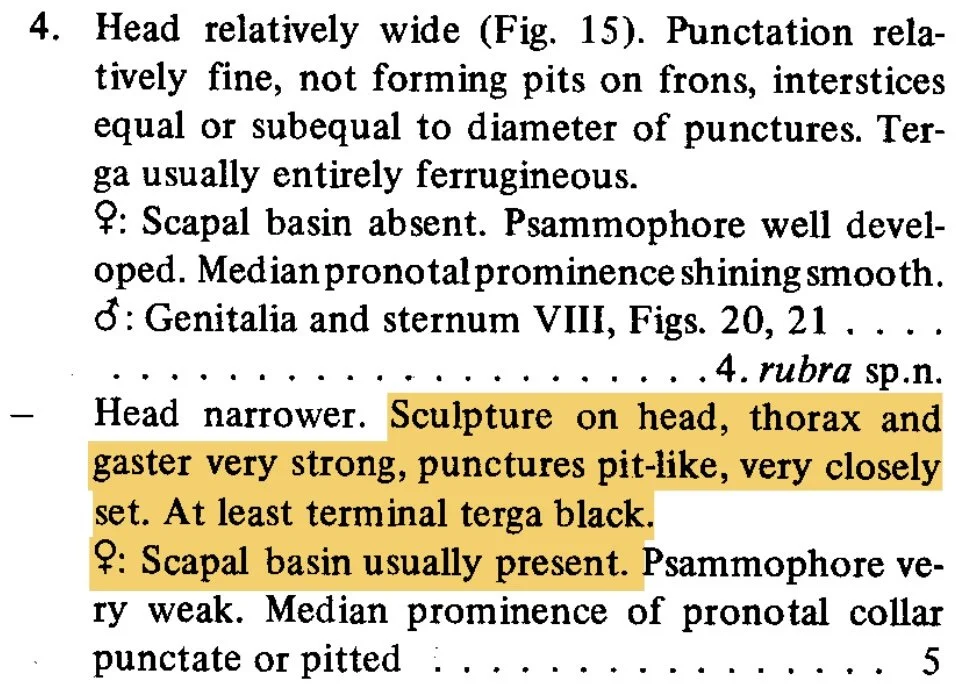
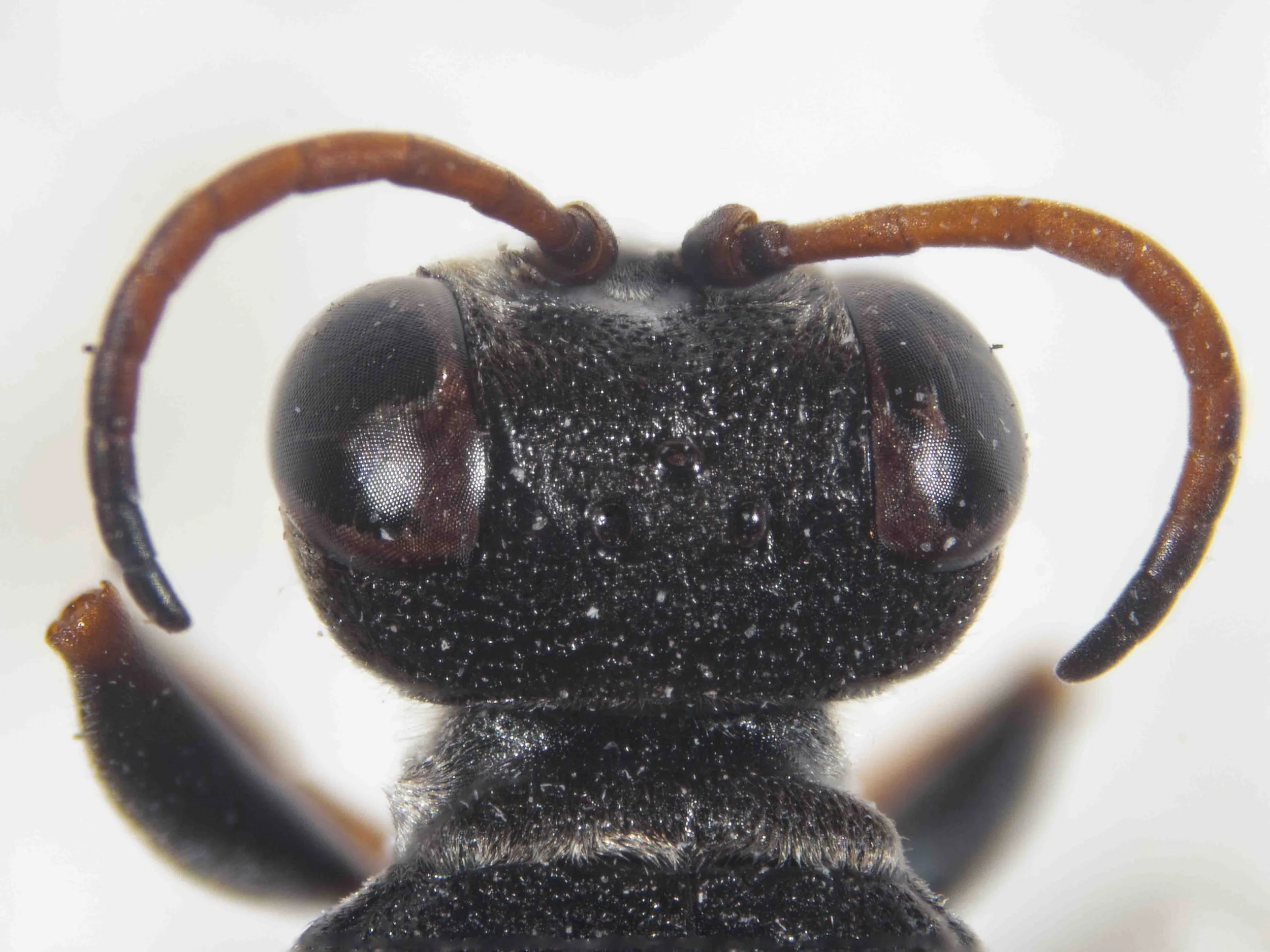
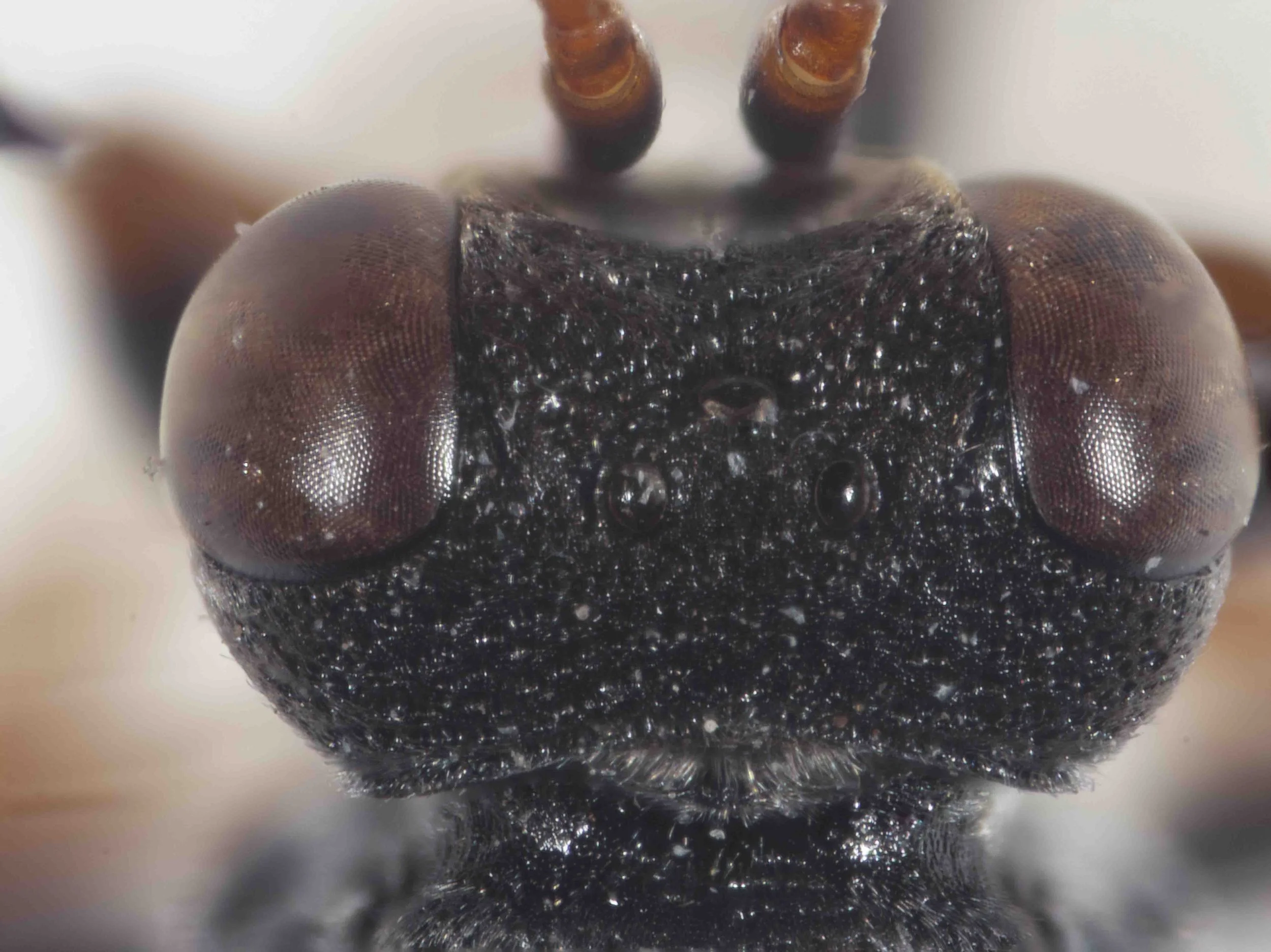
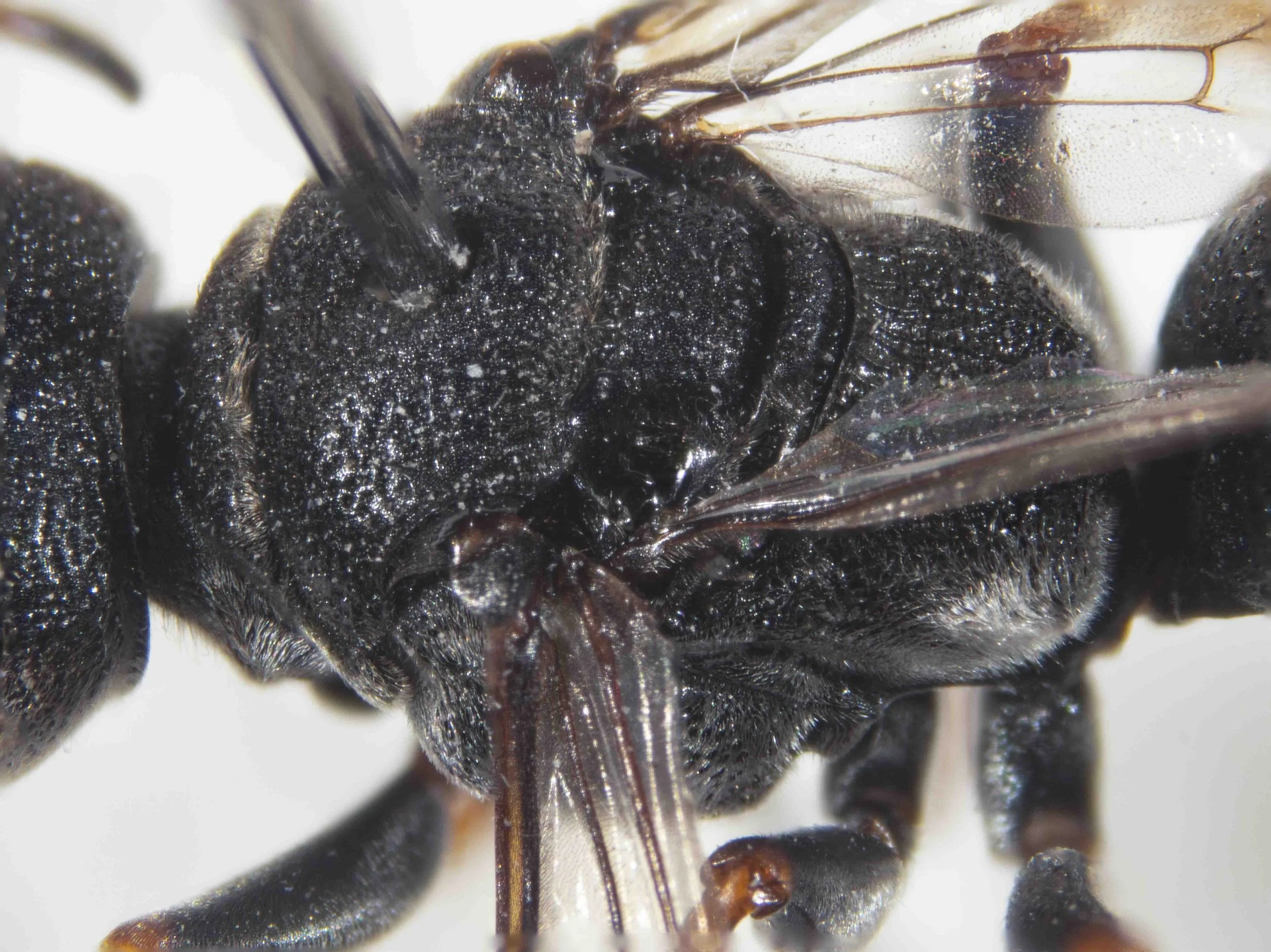
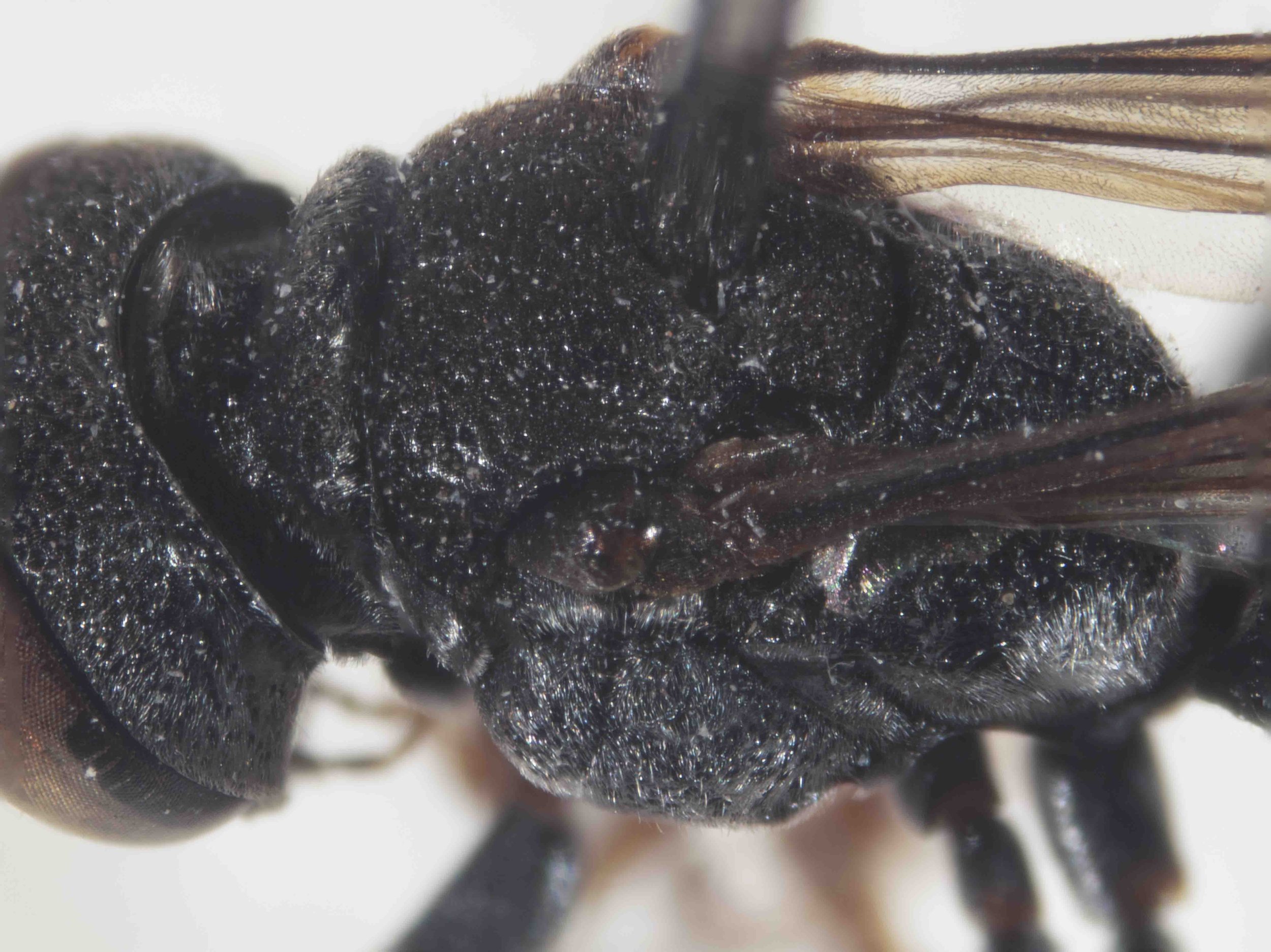
Key step 5
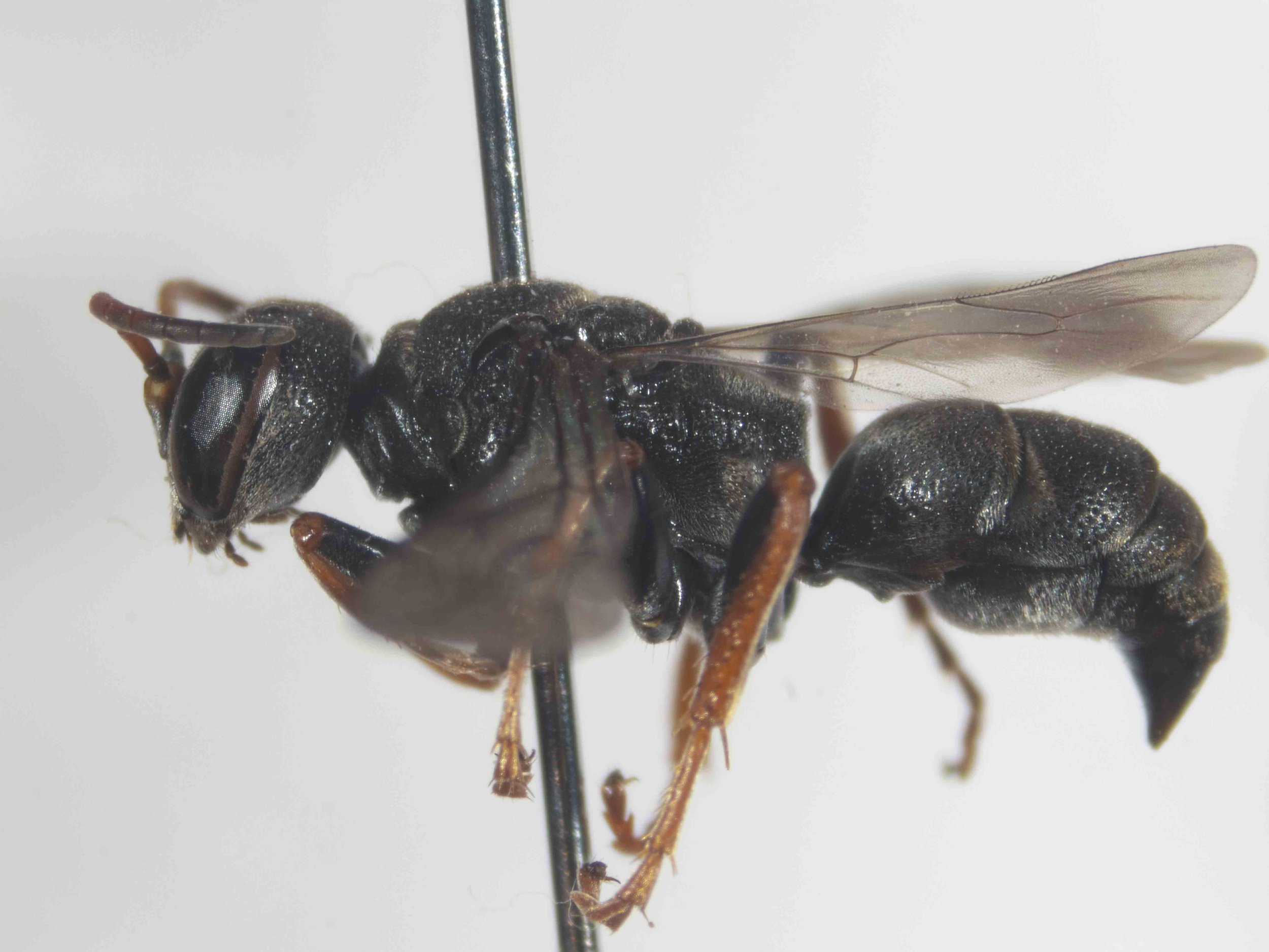
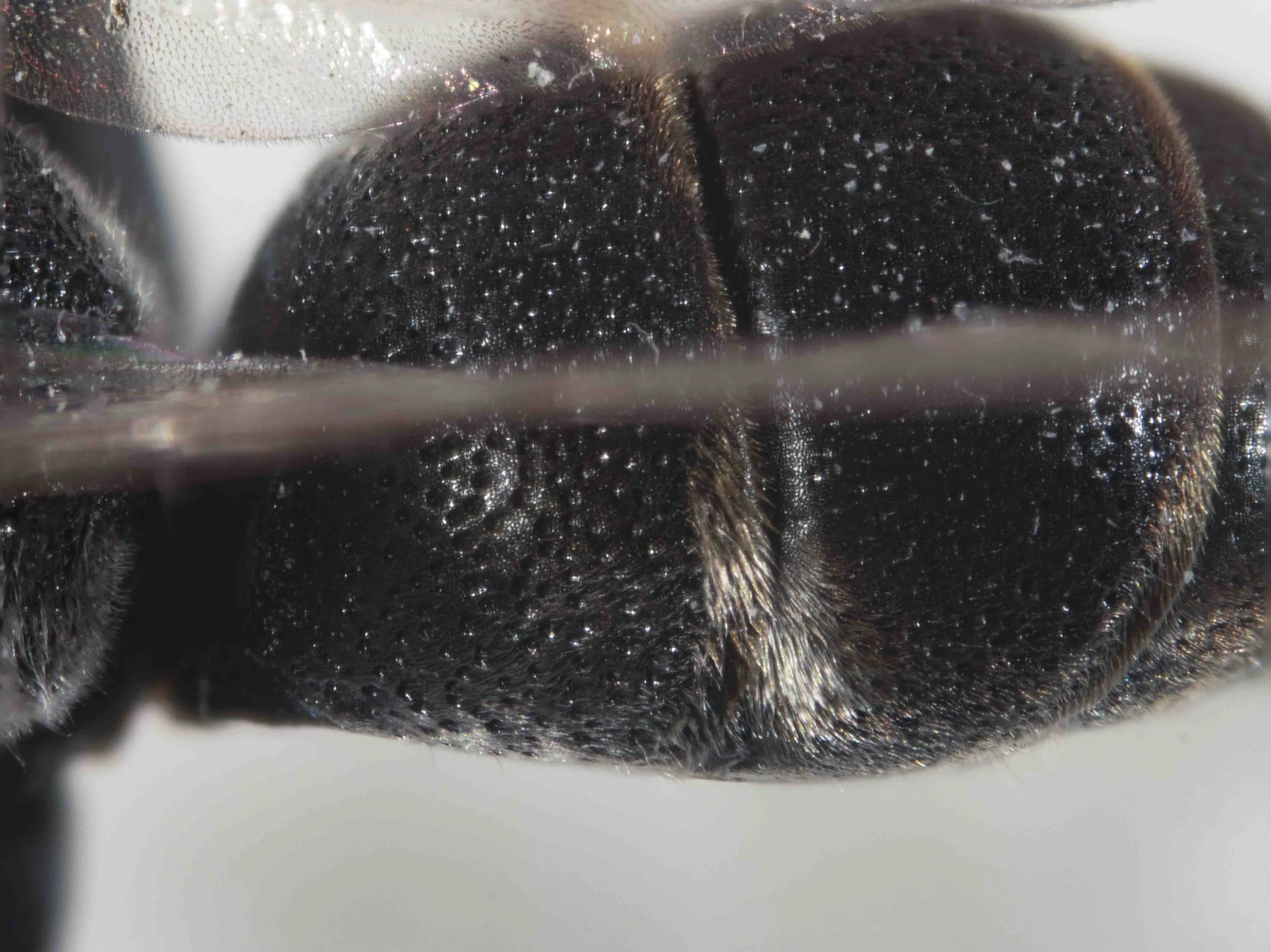
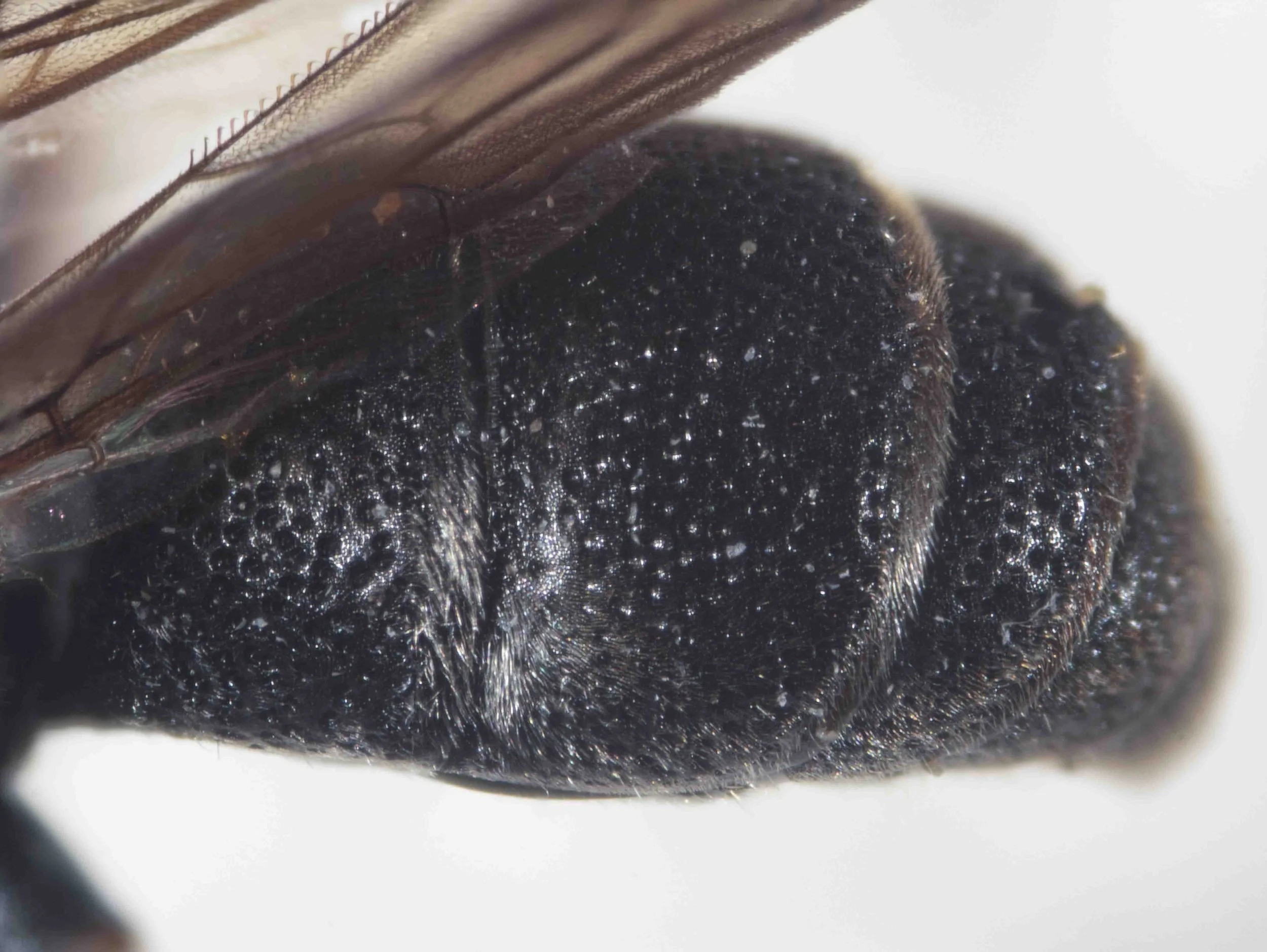
Key step 6
Key steps 7-8 (females)
Key step 9 (females)
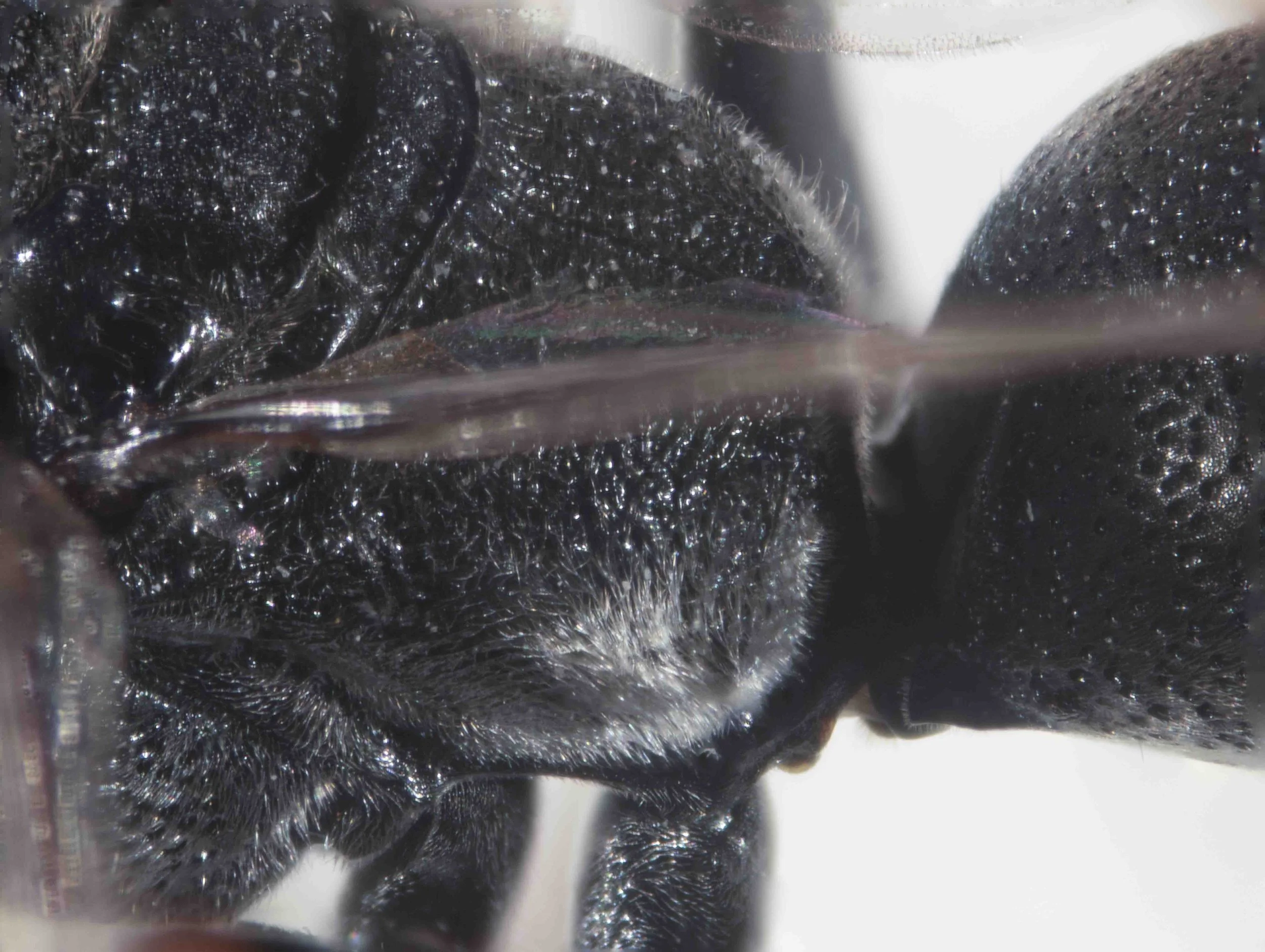
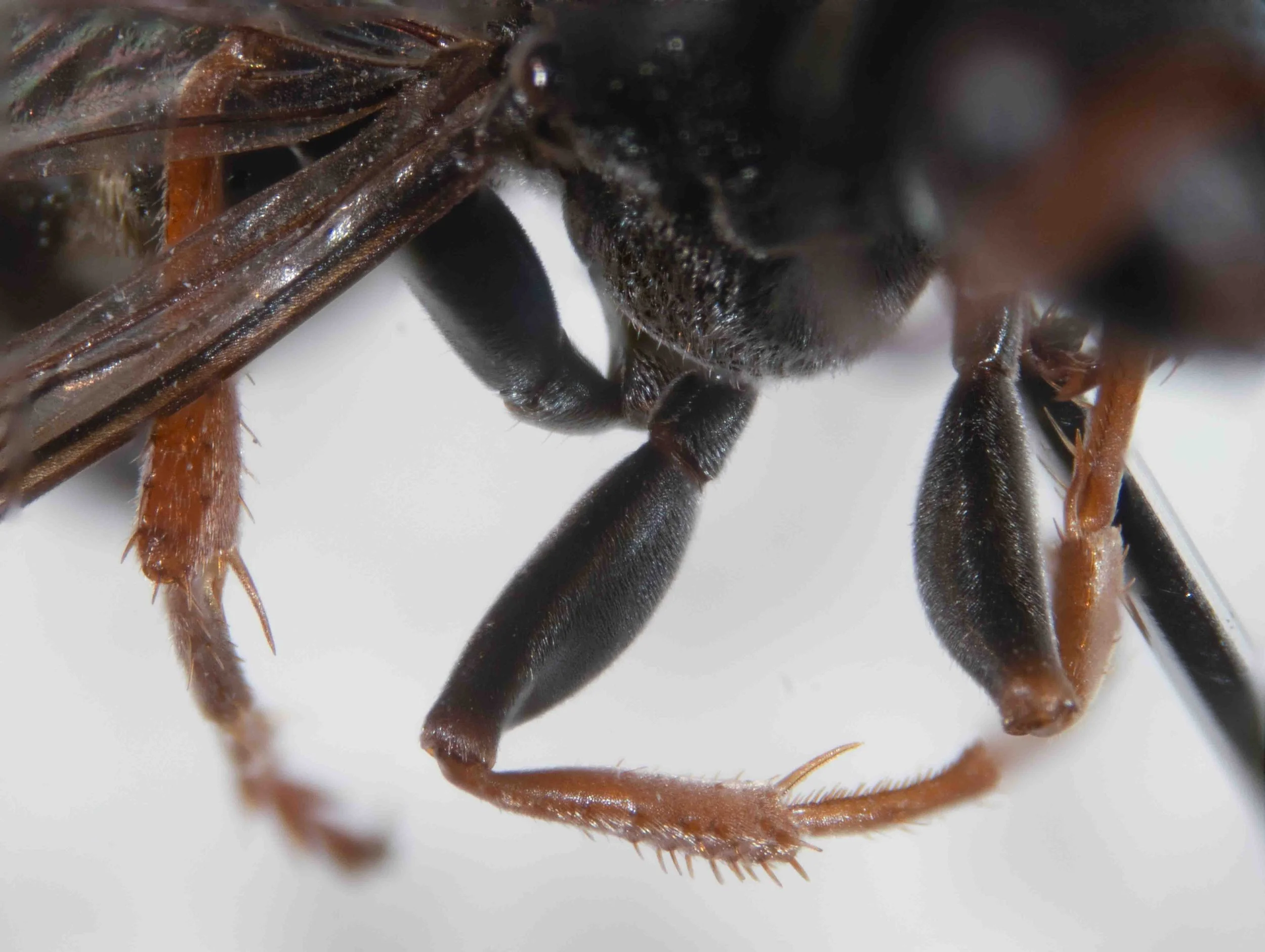
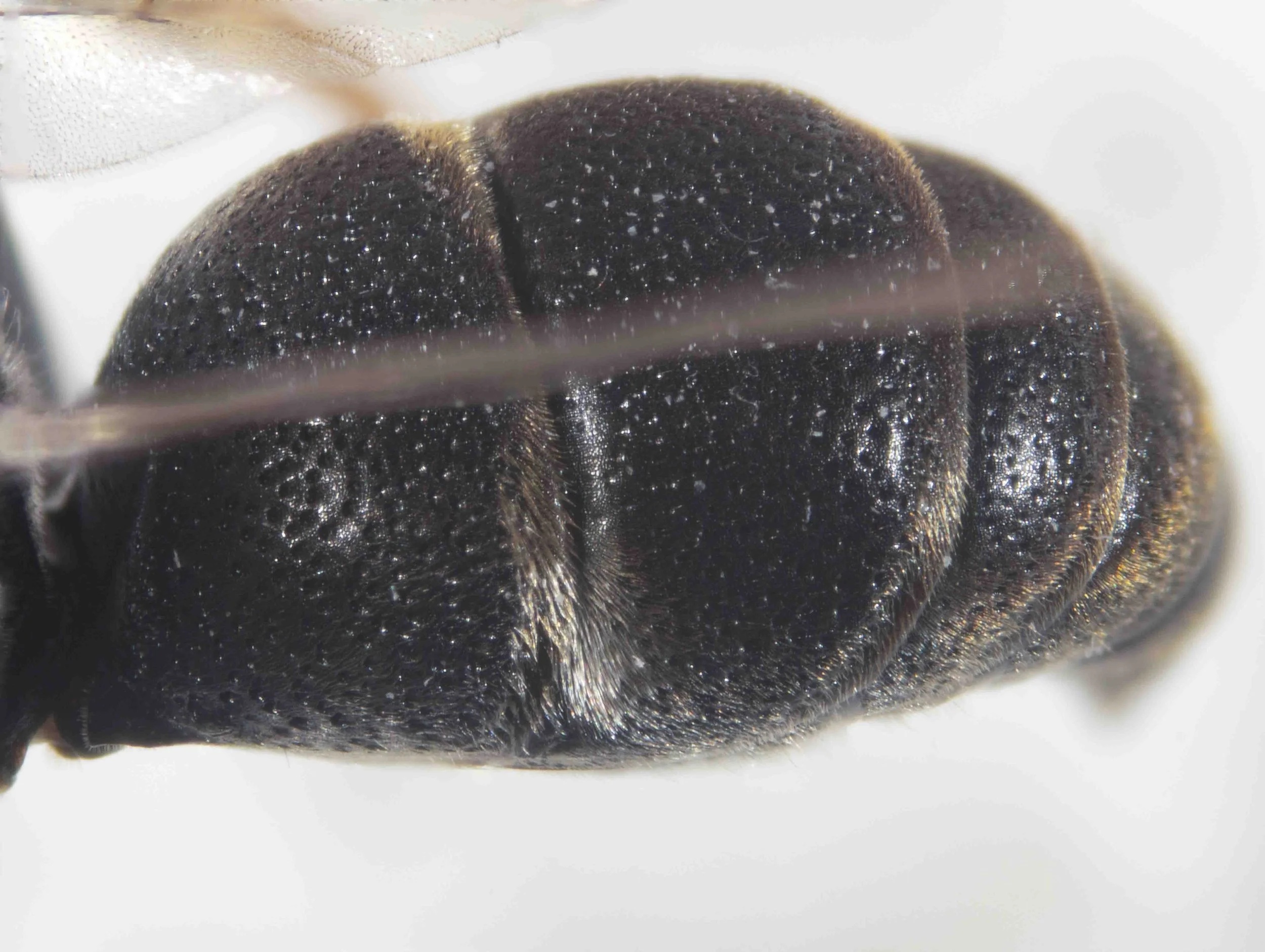
Key step 12 (males)
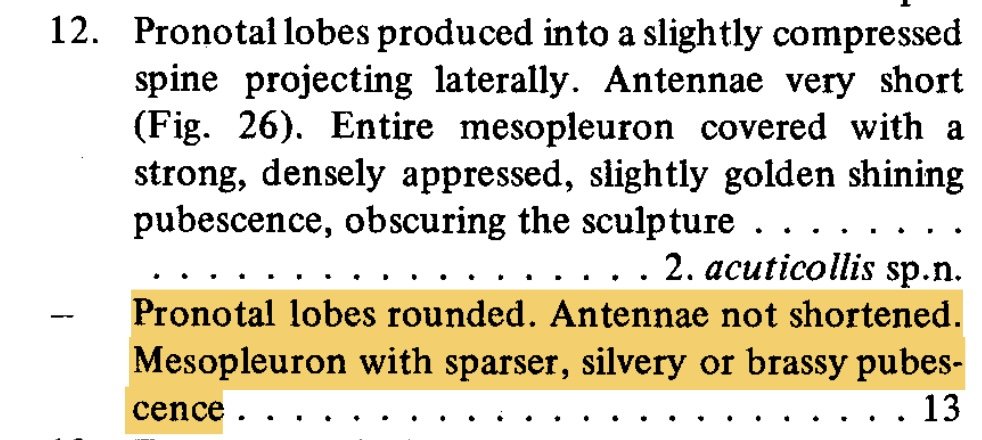
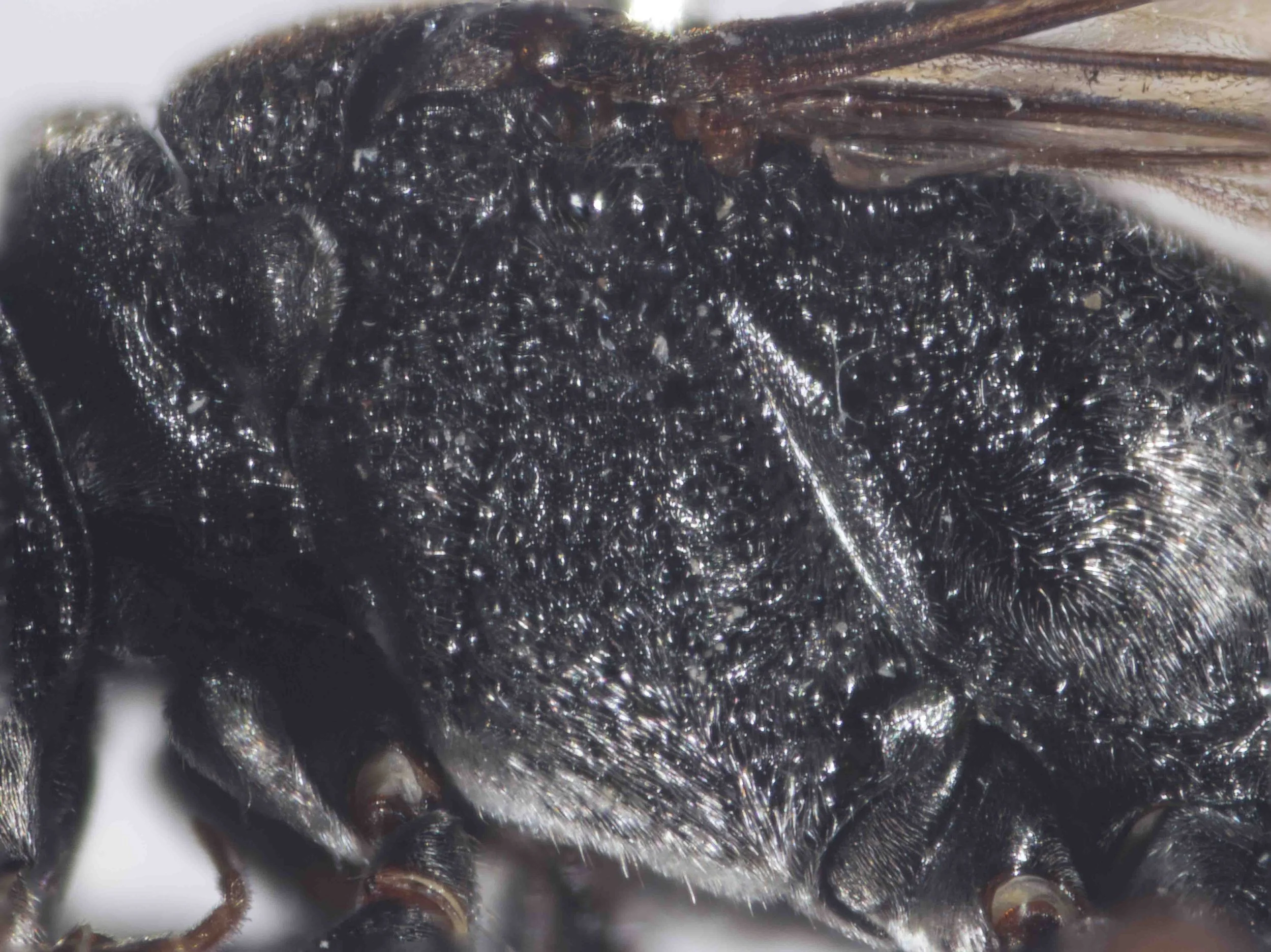
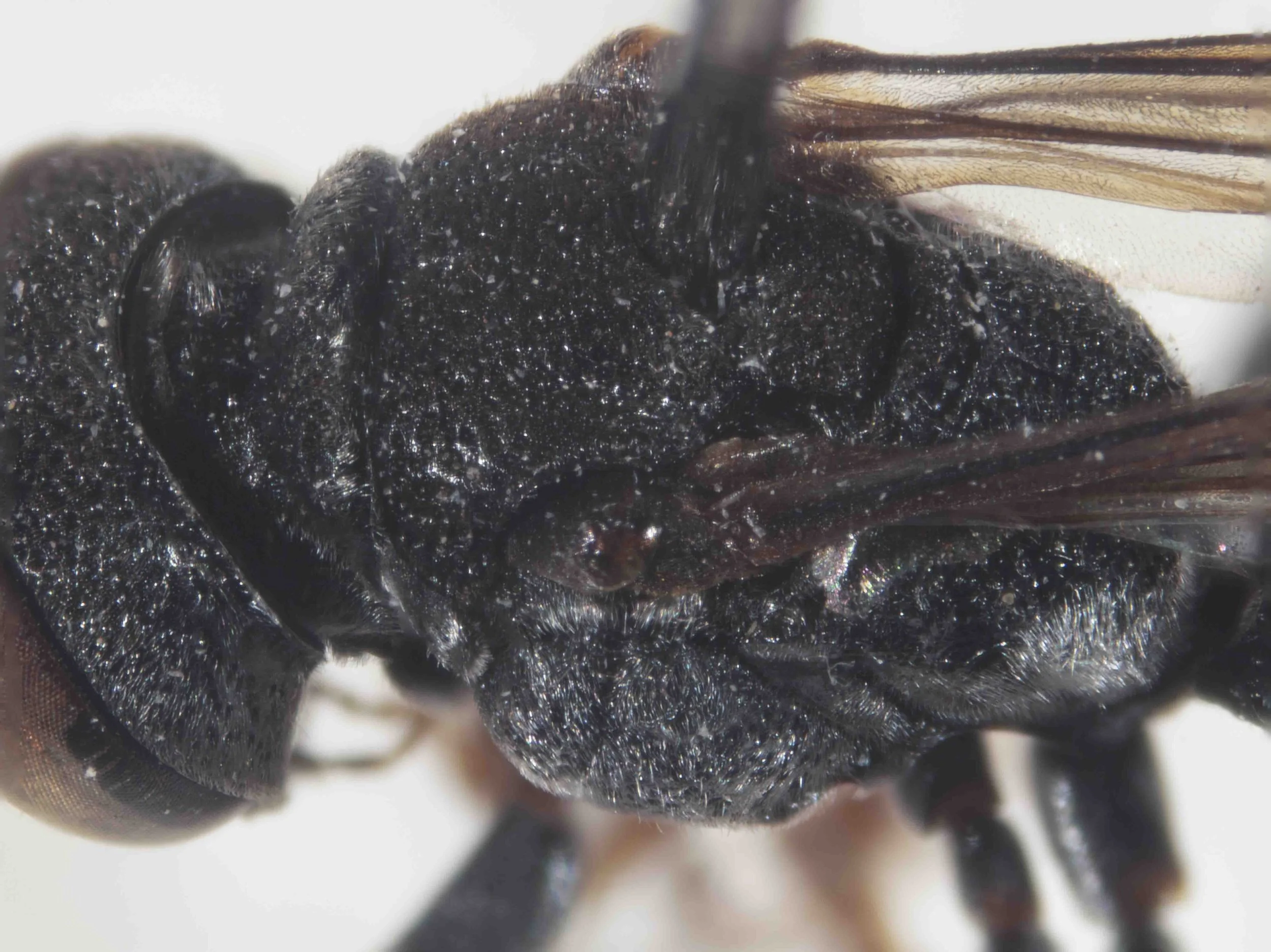
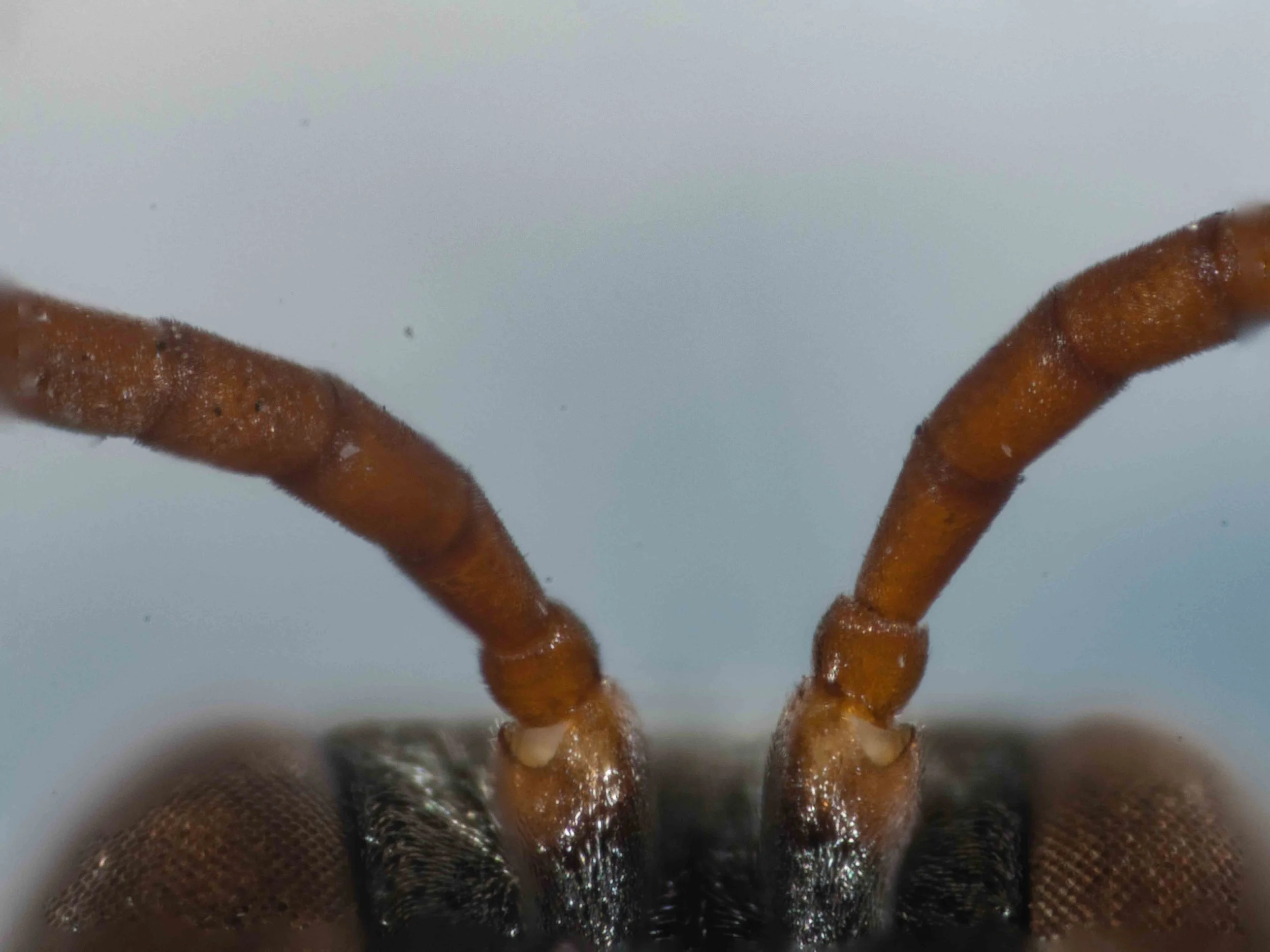
Key step 13
![“Tyloidea indistinct or absent.” (this image: dorsal view scape, pedicel and proximal antennomeres) [genus-level description: “Proximal flagellar segments with distinct tyoidea in some males. These segments with concave dorsal faces.” ]](https://images.squarespace-cdn.com/content/v1/58ec80a8d2b857fe42e4f603/1786924186340-96WVYT5ZP6CSHIJOX36D/P8160063-Edit.jpg)
![“Tyloidea indistinct or absent.” (this image: ventral view scape, pedicel and proximal antennomeres) [genus-level description: “Proximal flagellar segments with distinct tyoidea in some males. These segments with concave dorsal faces.” ]](https://images.squarespace-cdn.com/content/v1/58ec80a8d2b857fe42e4f603/1786924176684-66H9UK92Z1HGV2QHDBFU/P8160040-Edit.jpg)
![“Tyloidea indistinct or absent.” (this image: dorso-lateral view scape, pedicel and proximal antennomeres) [genus-level description: “Proximal flagellar segments with distinct tyoidea in some males. These segments with concave dorsal faces.” ]](https://images.squarespace-cdn.com/content/v1/58ec80a8d2b857fe42e4f603/1786924199849-24TXVA2X0OYGFJ7SZ1NA/P8160098.jpg)
Sphodrotes punctuosa - female, full description
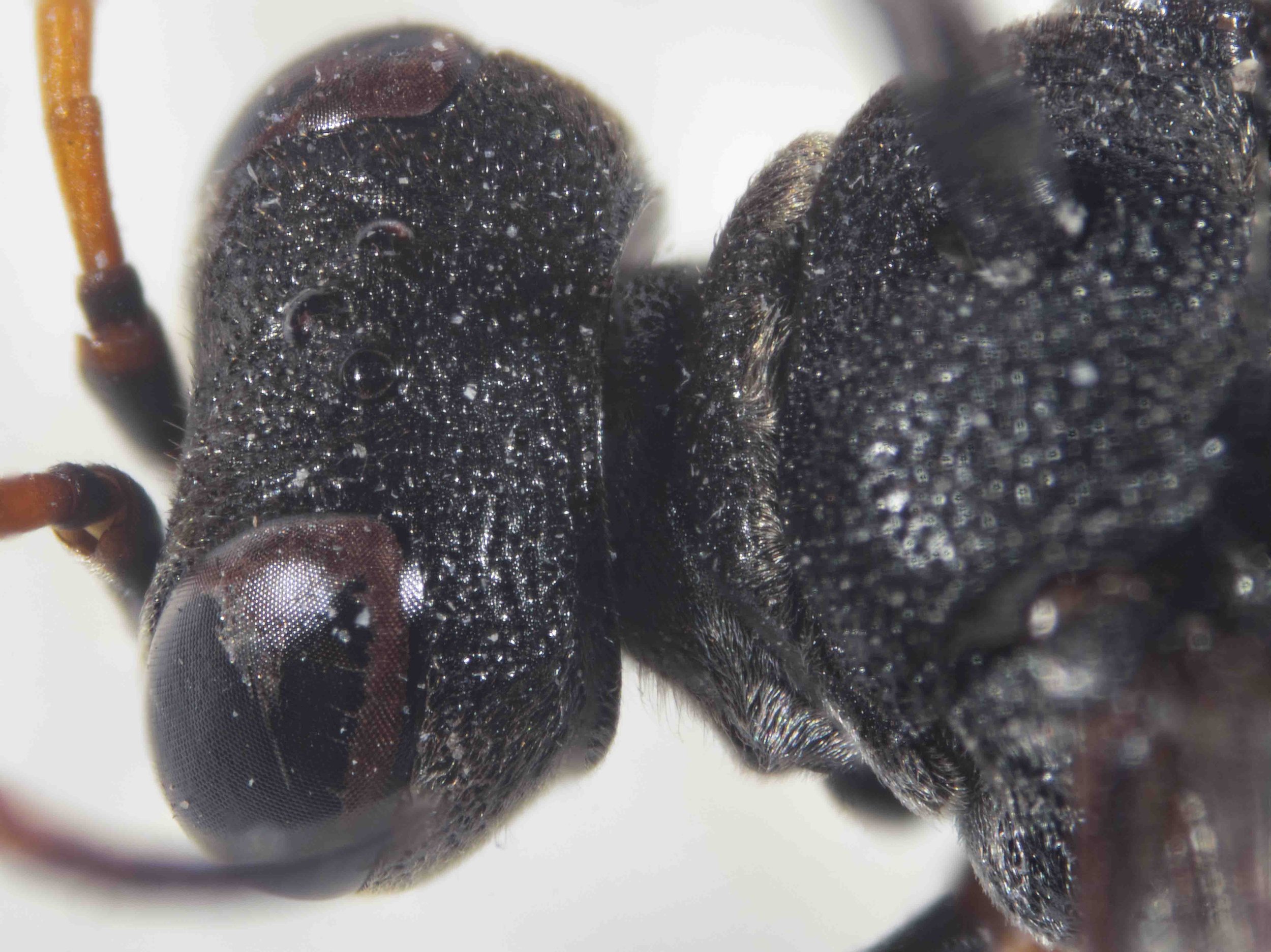
The following images compare specimen 2512D to Lomholdt’s (1983) complete description of S. punctuosa (pp 98-101), the first description of the female of this species.
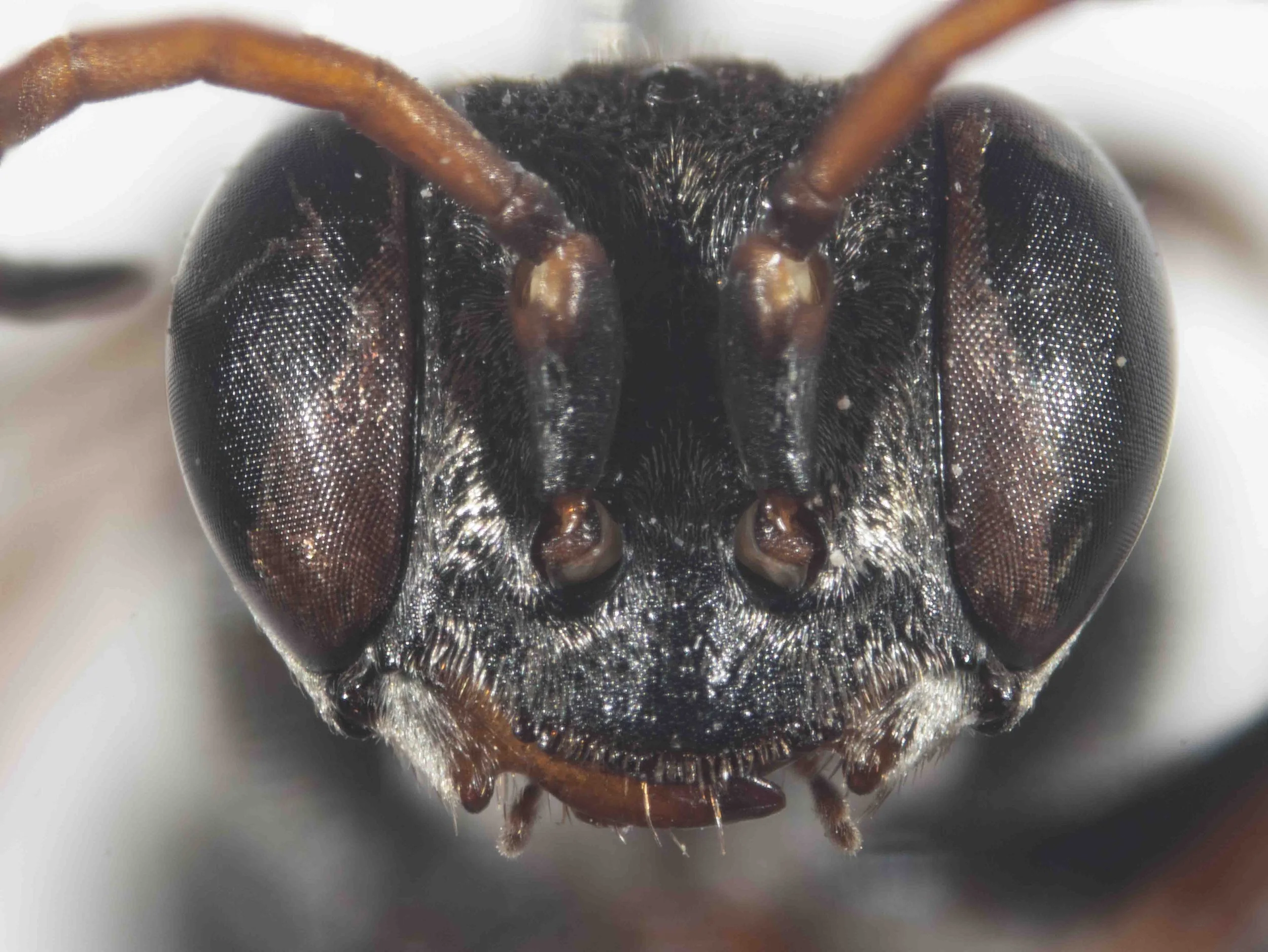
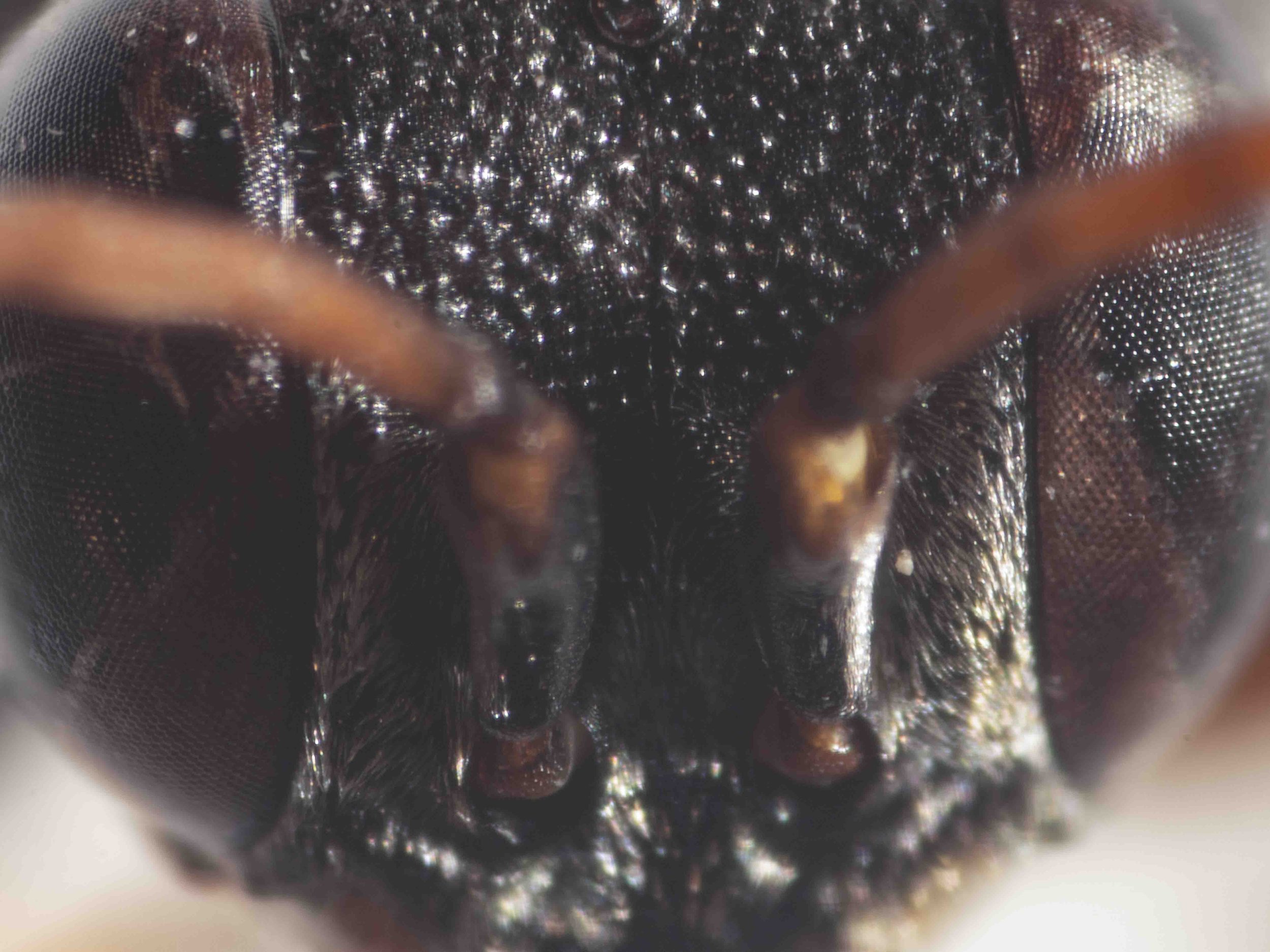
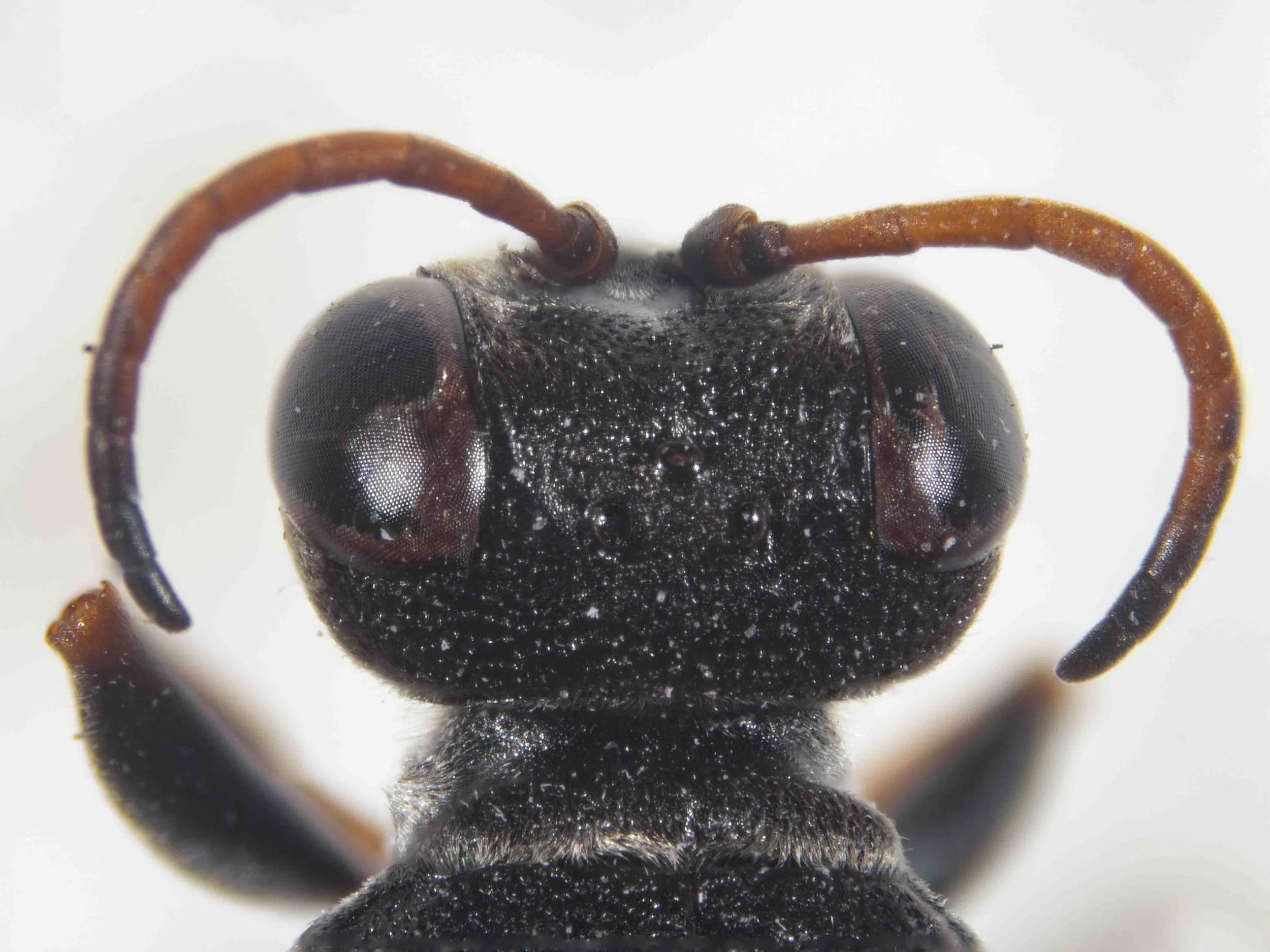
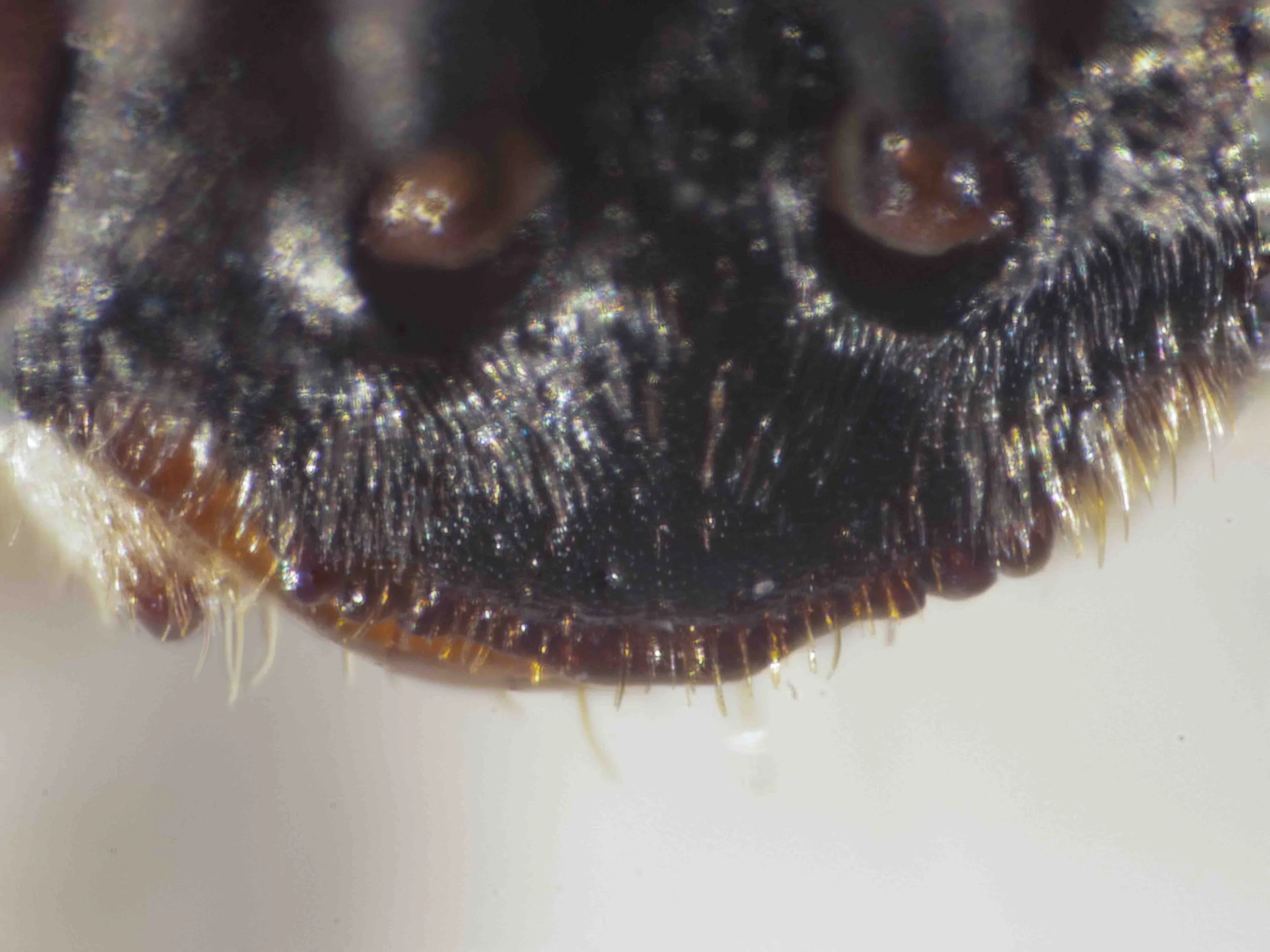
![HEAD “Mandibles densely pubsecent proximally, median part ferrugineously amber, apex black to dark ferrugineous.” [genus-level description: “Mandibles with externoventral notch, proximally delimited by a blunt tooth.” ]](https://images.squarespace-cdn.com/content/v1/58ec80a8d2b857fe42e4f603/1786836473637-2IPC2LS6GSNKTJGFVL1Q/P8080073-Edit.jpg)
![HEAD [genus-level description: “Occipital carina usually highly raised, not joining hypostomal carina.” ]](https://images.squarespace-cdn.com/content/v1/58ec80a8d2b857fe42e4f603/1786842833278-MA6LURQD0W7LK9QS7GBK/P8100014-Edit.jpg)
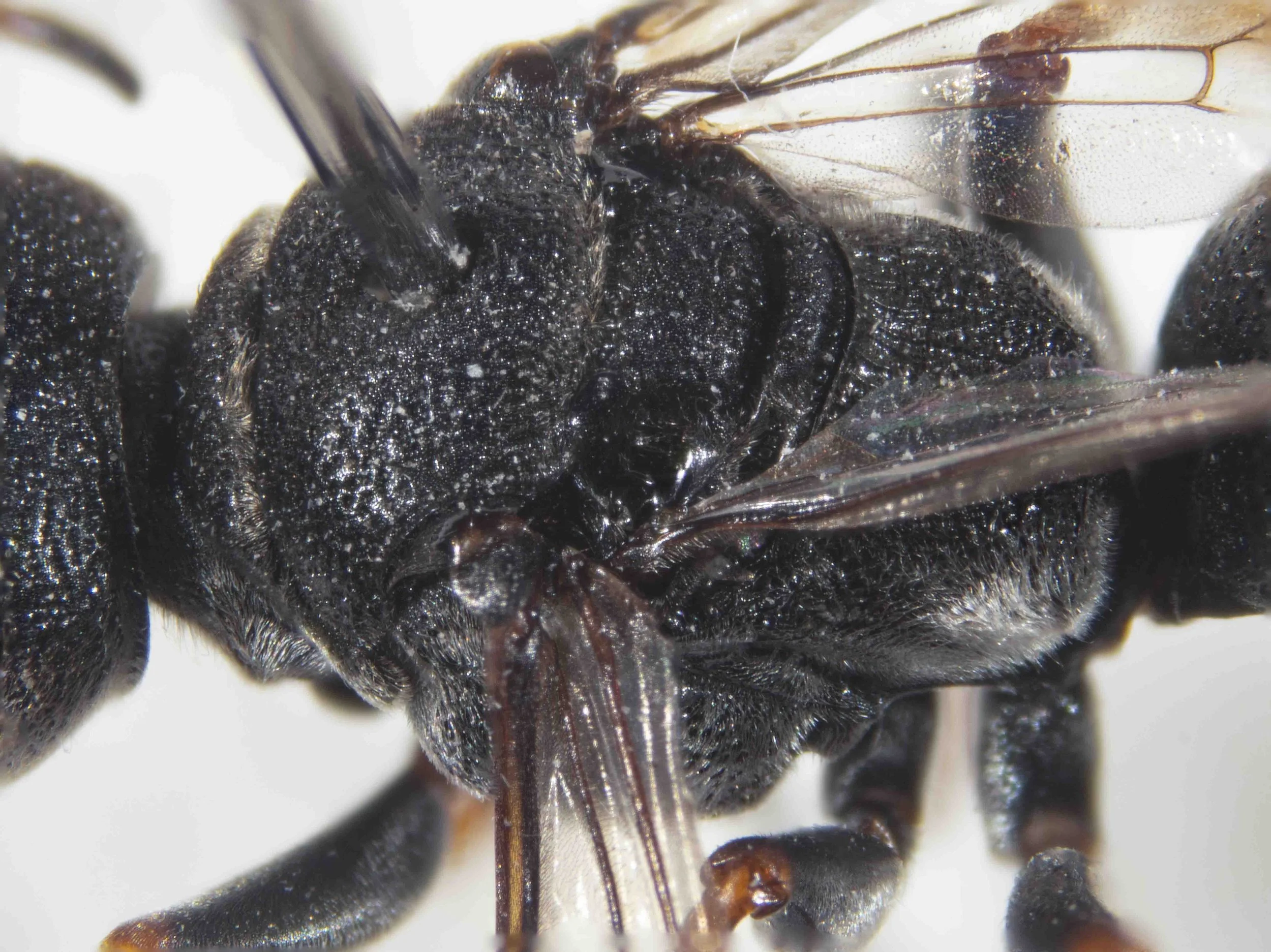
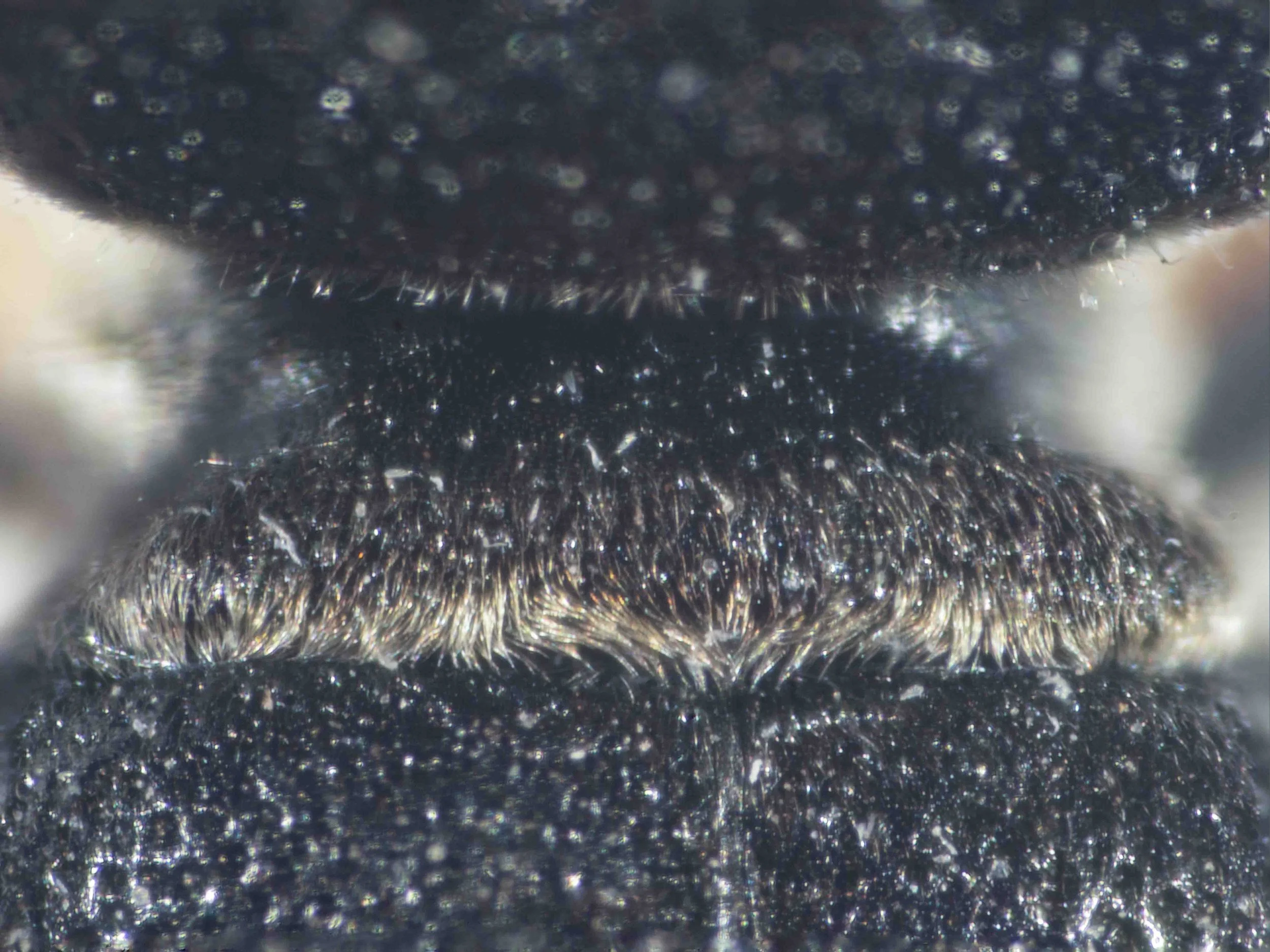
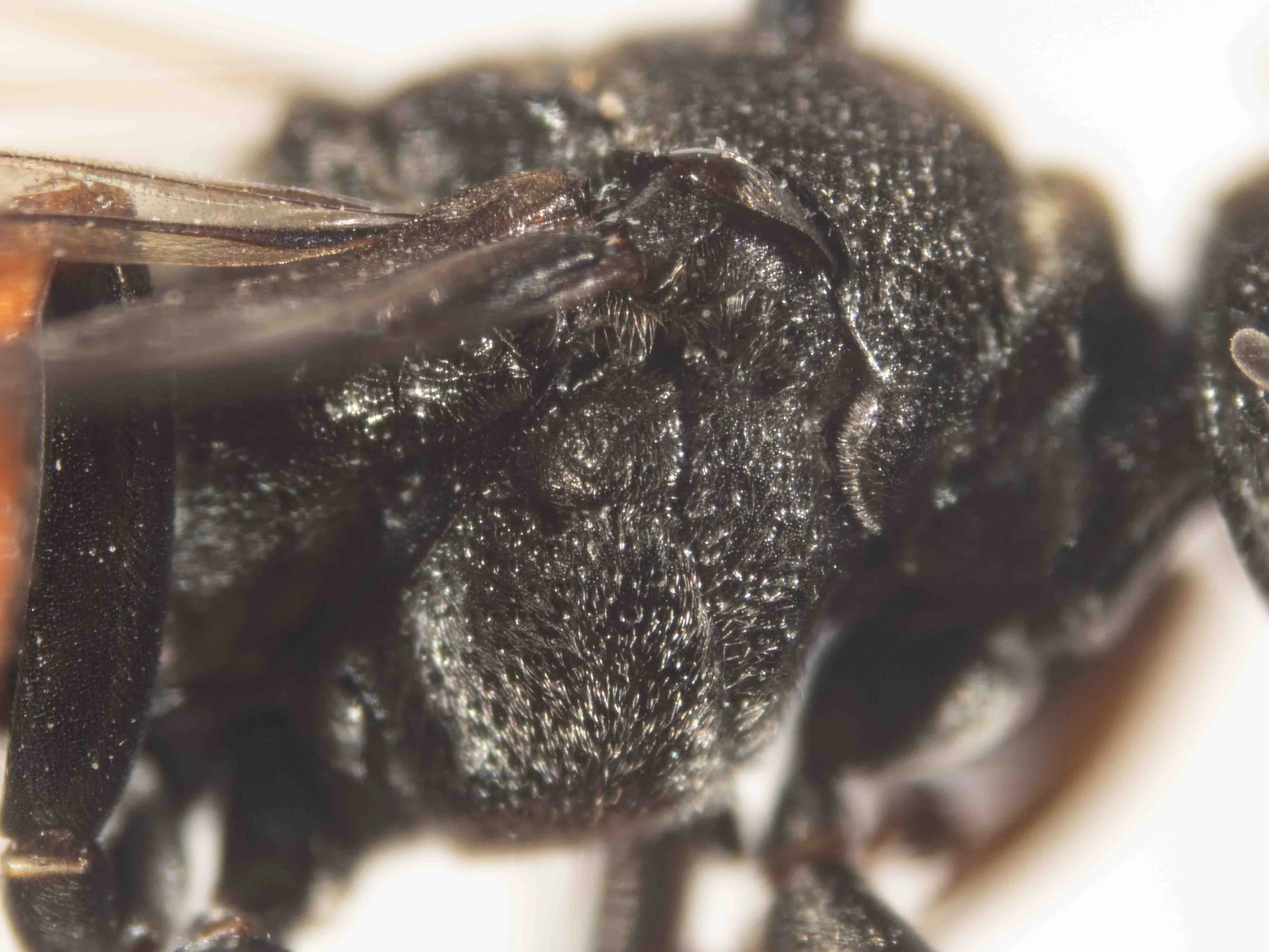
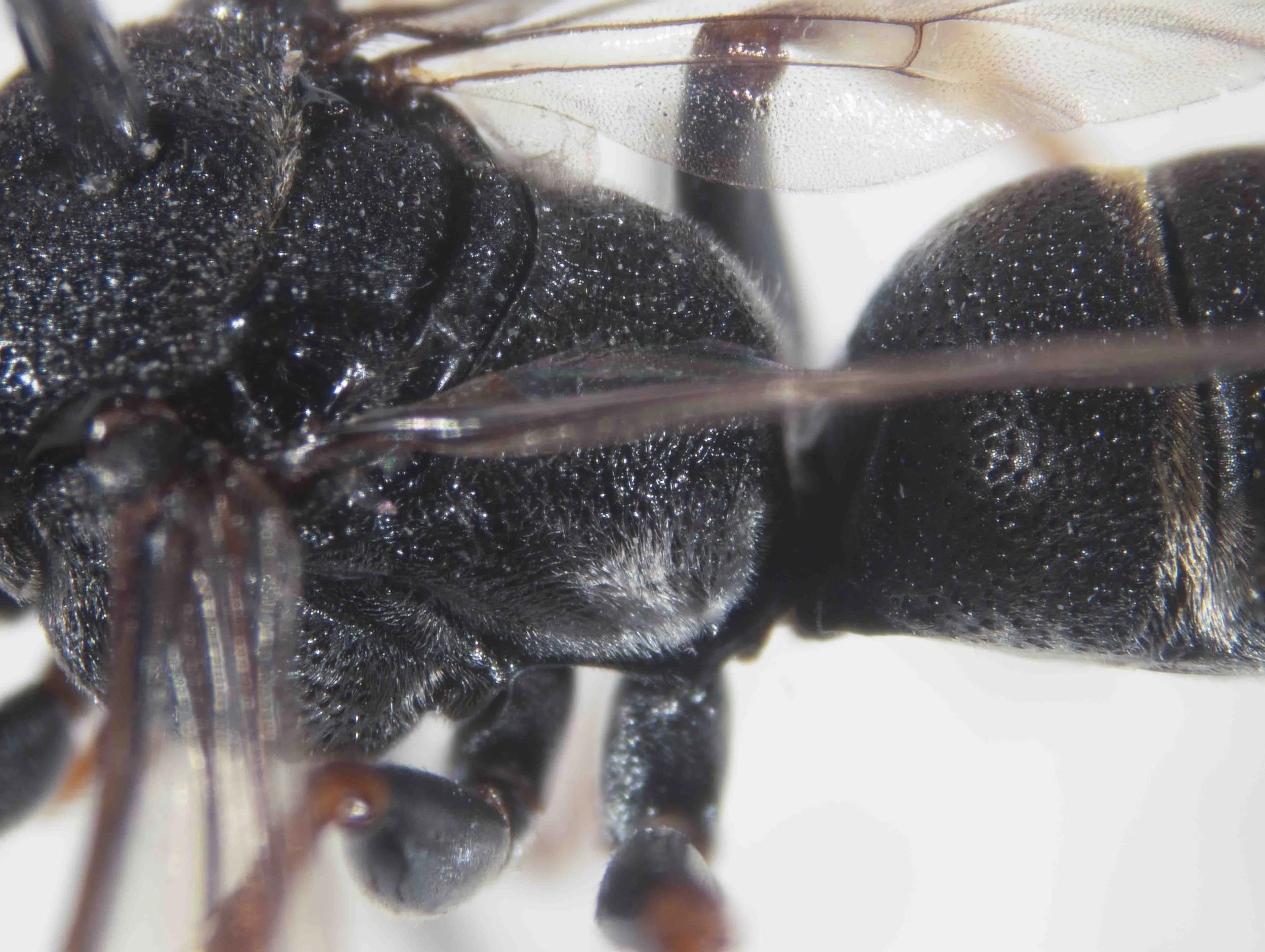
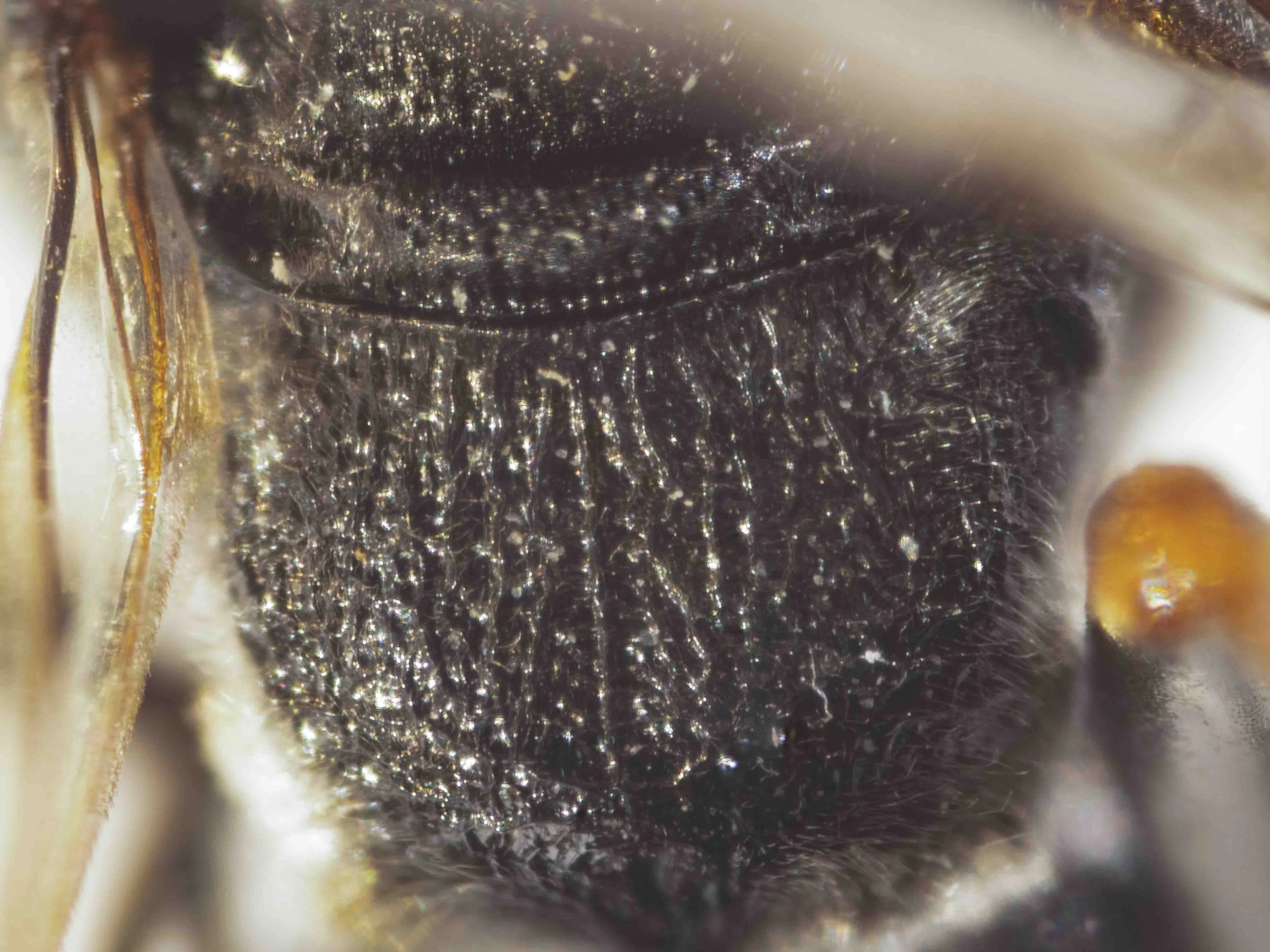
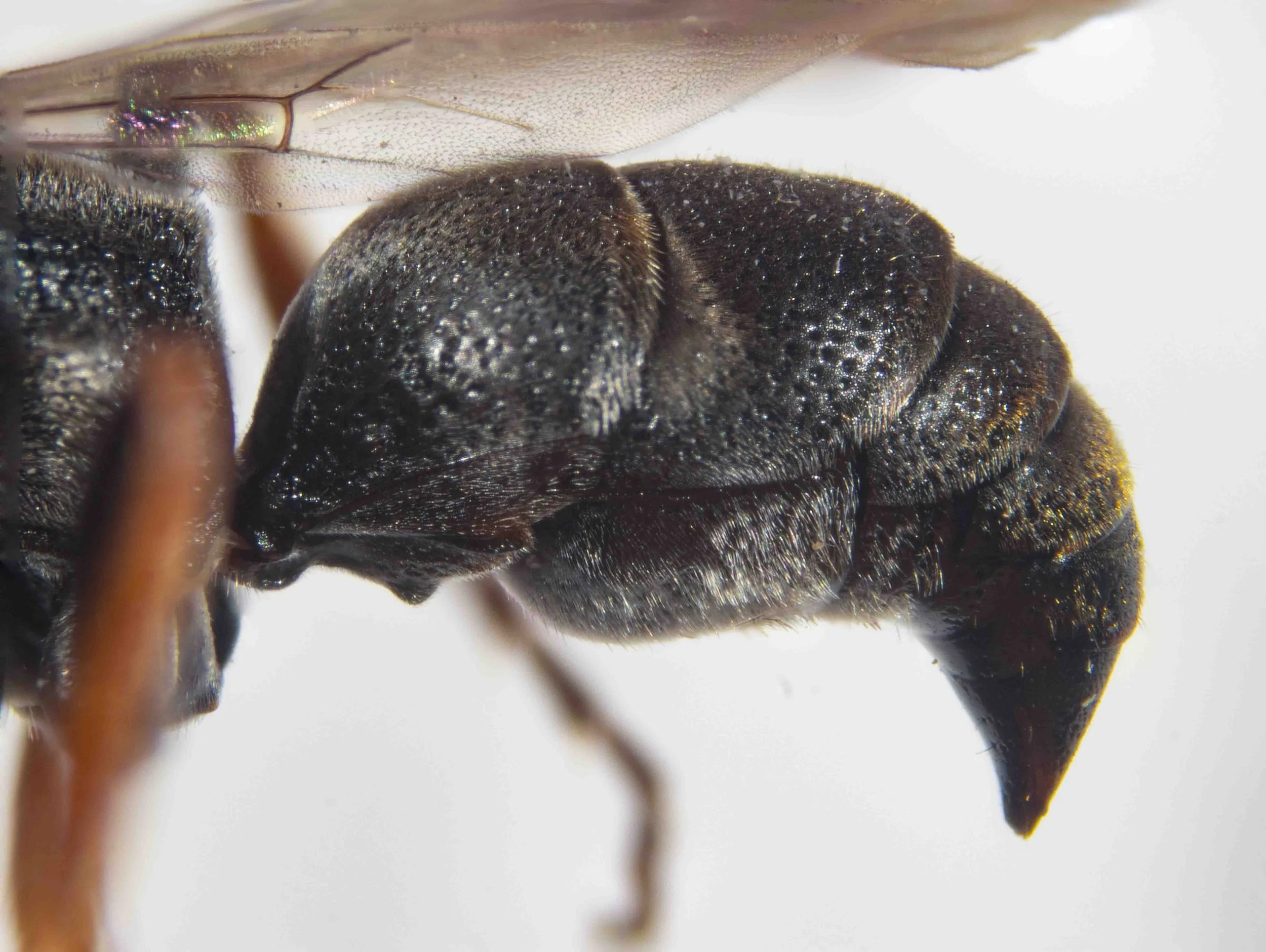
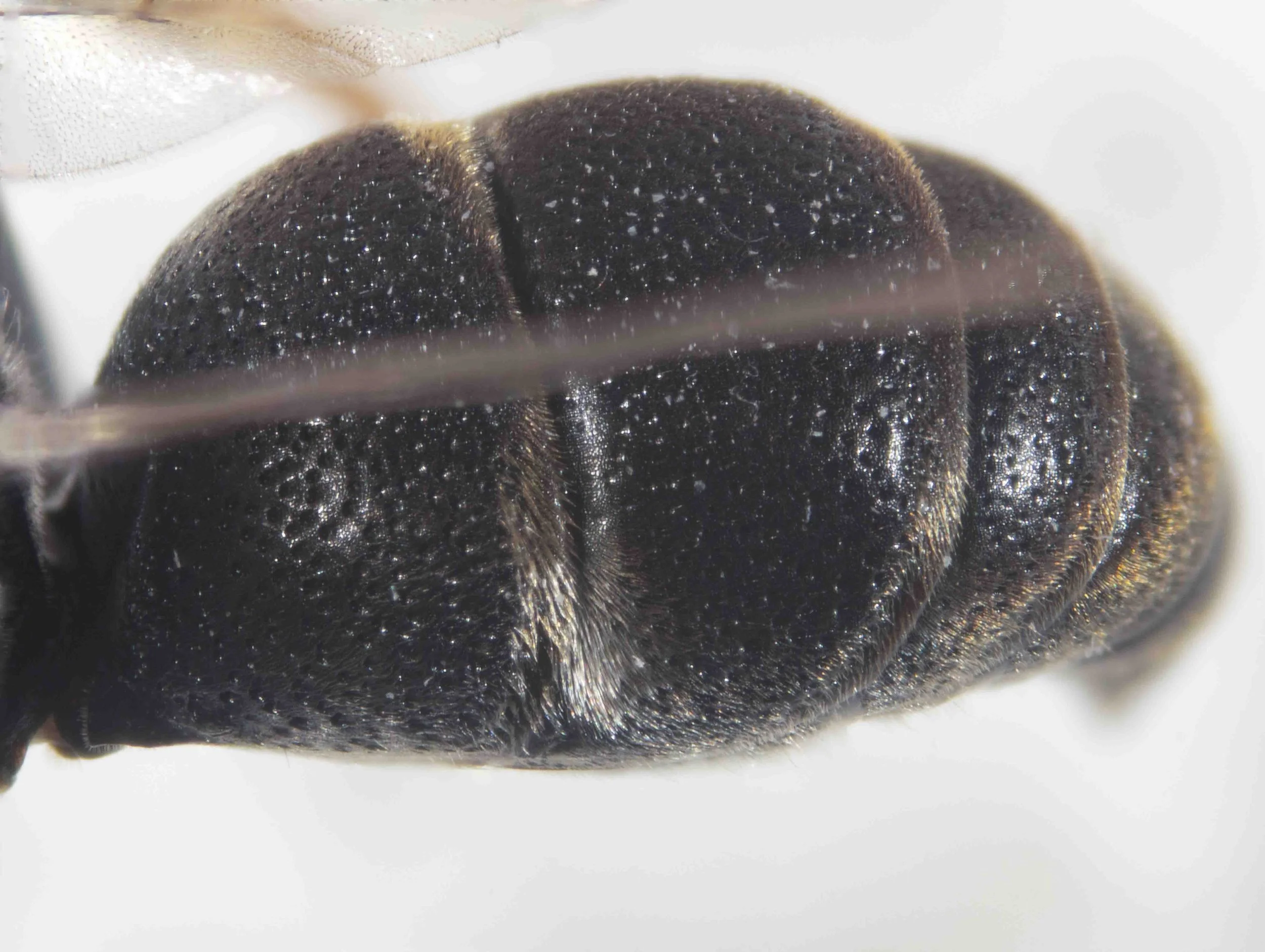
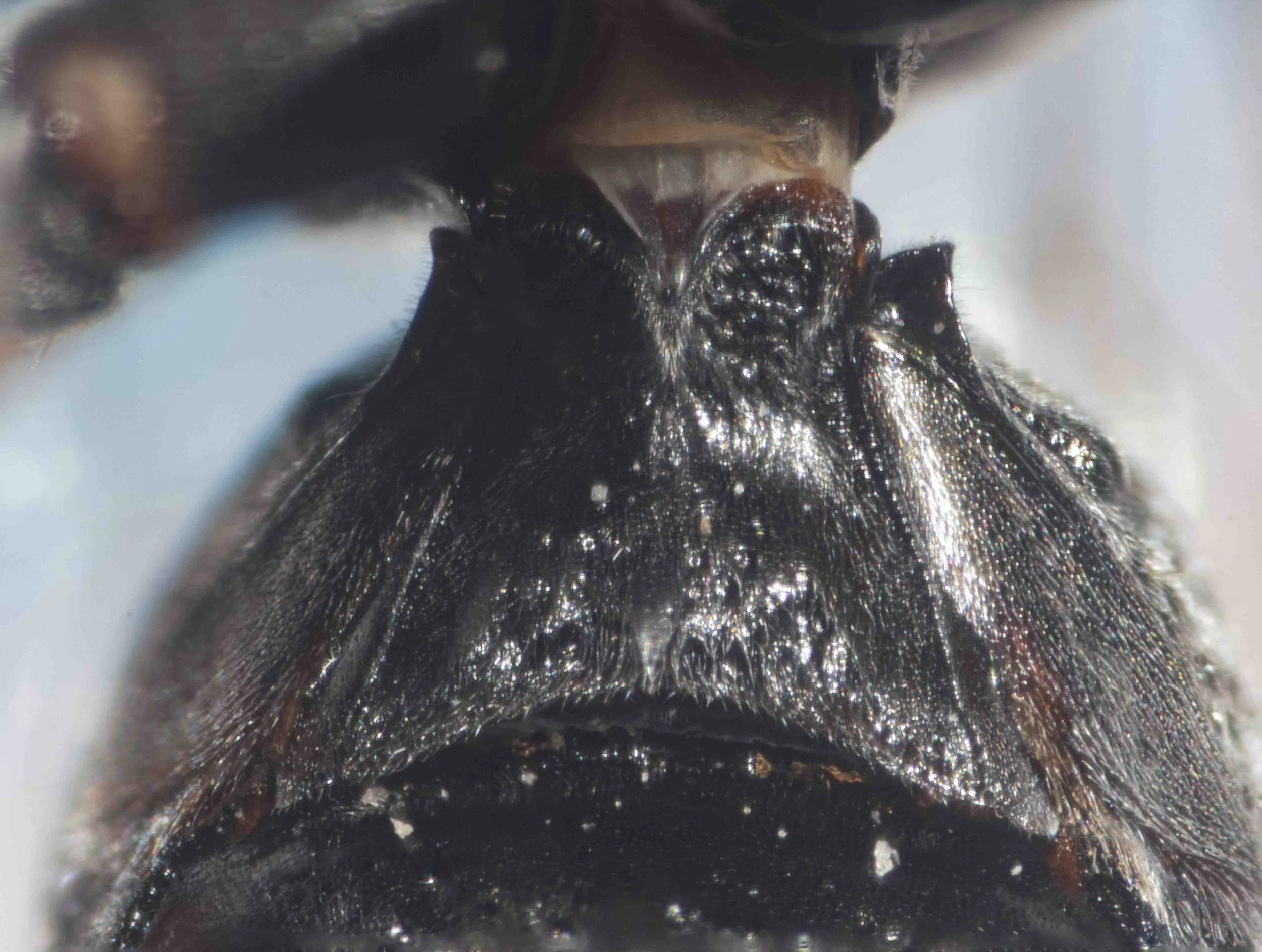
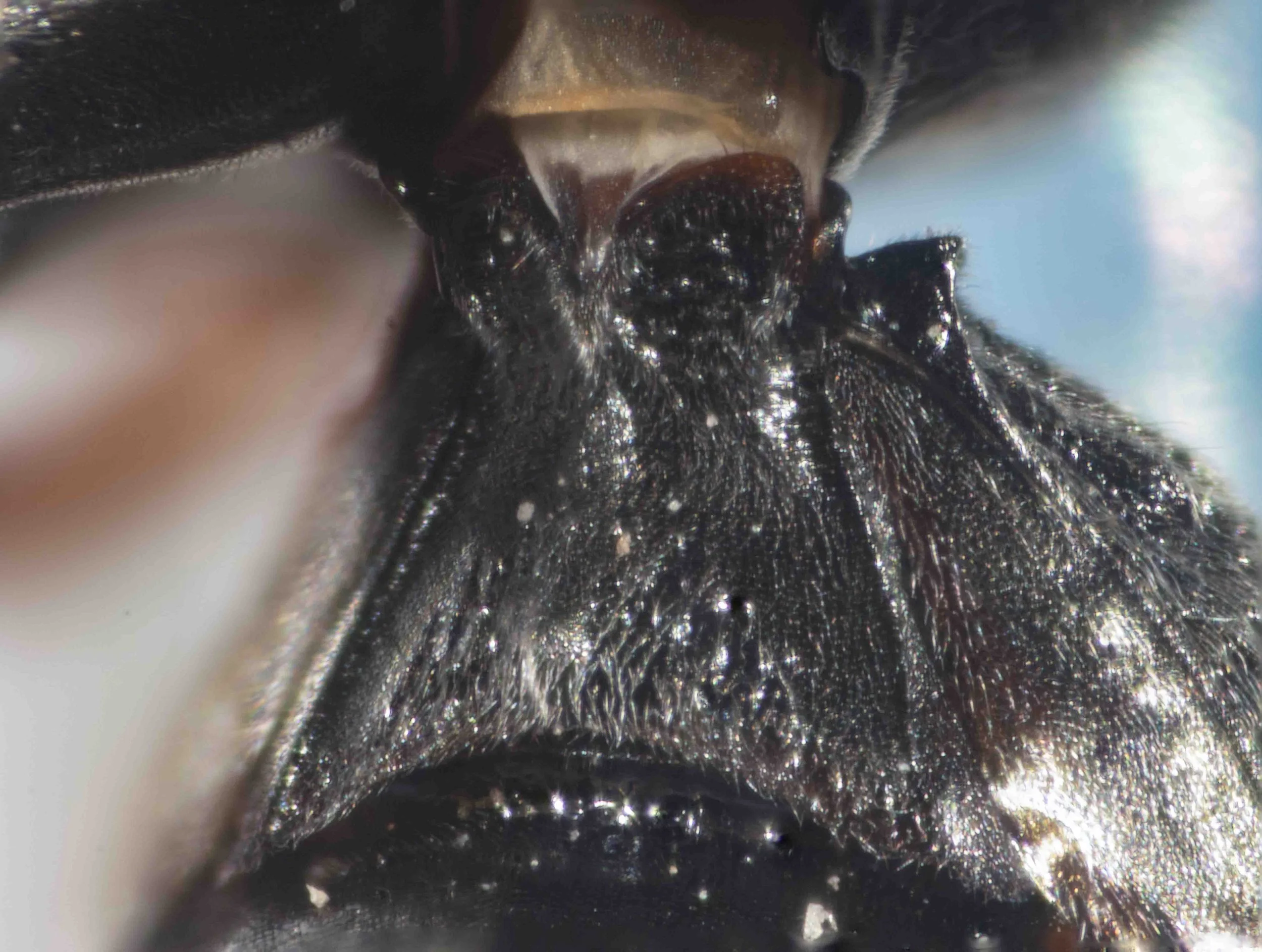
![GASTER [genus-level description: “Terminal tergum without pygidial plate.” ]](https://images.squarespace-cdn.com/content/v1/58ec80a8d2b857fe42e4f603/1786849848043-T9N4WB43YJ0IRPXY1ZM1/P8080043-2-Edit.jpg)
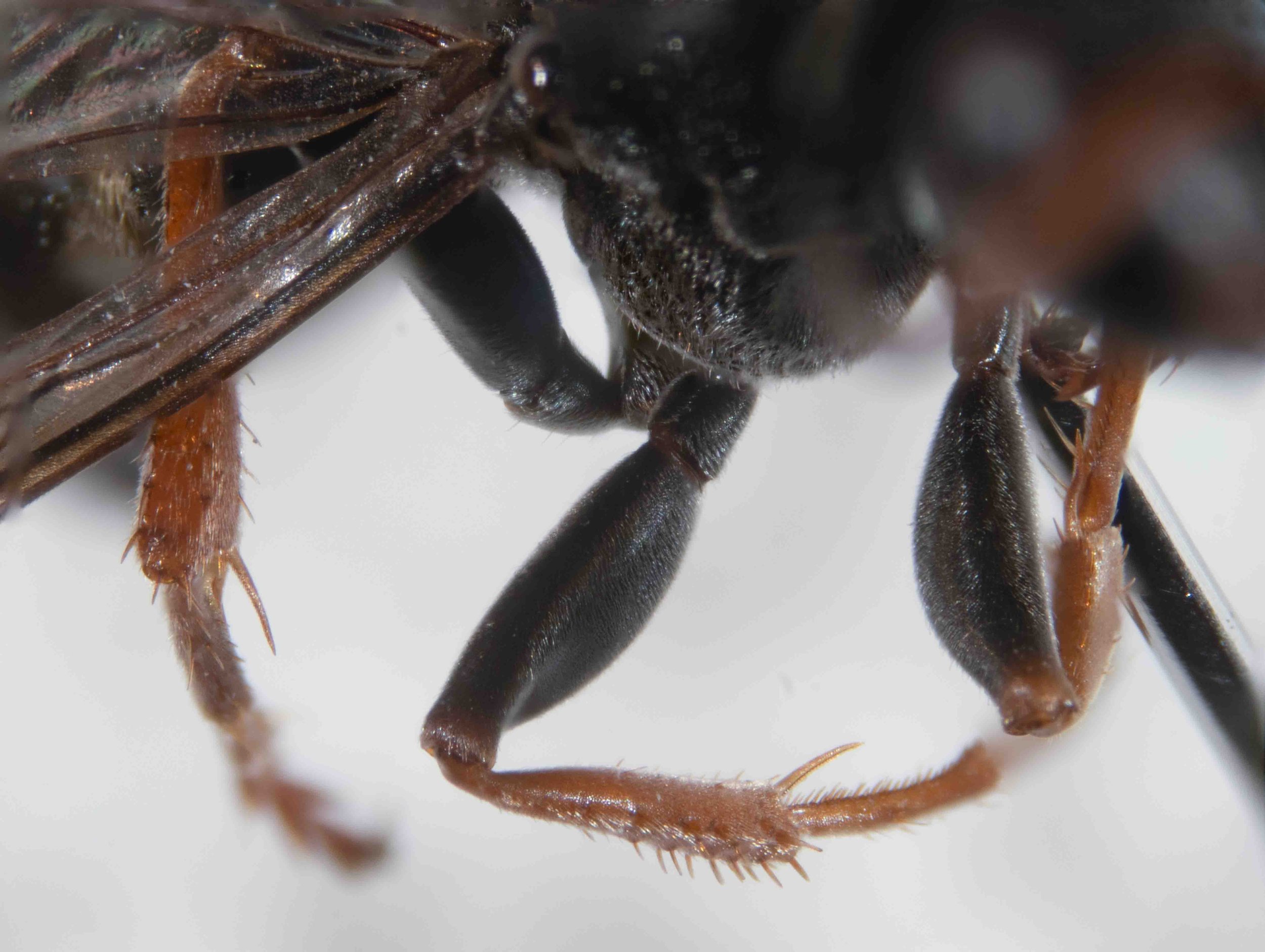
![LEGS “Foremetatarsus with 5-6 rake spines of which the distal one is distinctly shorter than the second tarsal segment.” [genus-level description: “Females with well developed tarsal rake and – at least indications of – a psammophore.” ]](https://images.squarespace-cdn.com/content/v1/58ec80a8d2b857fe42e4f603/1786840477419-U5BWREBL2YOFBPNRZ7I6/P8100093-Edit.jpg)
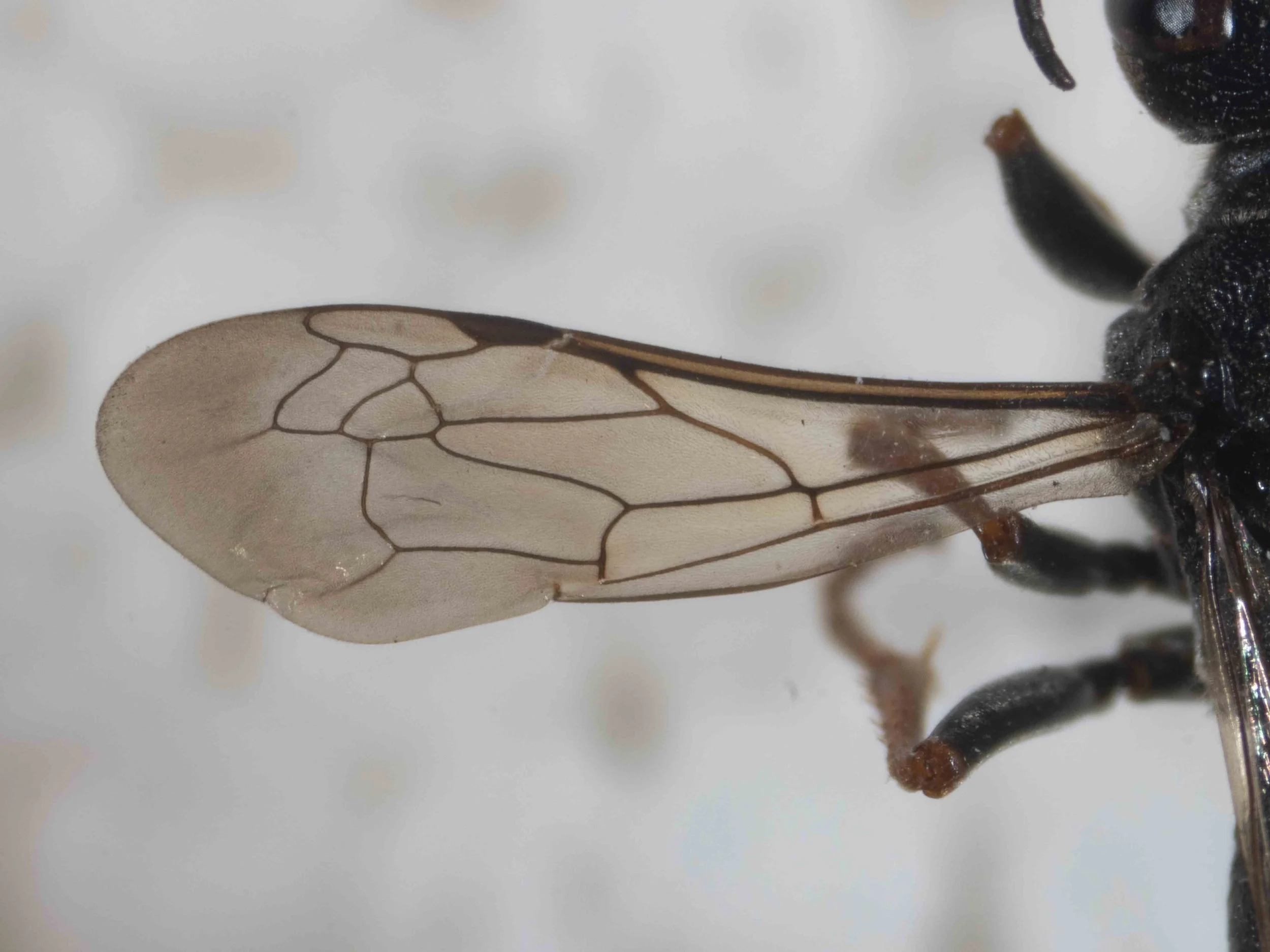
Sphodrotes punctuosa - male specific differences
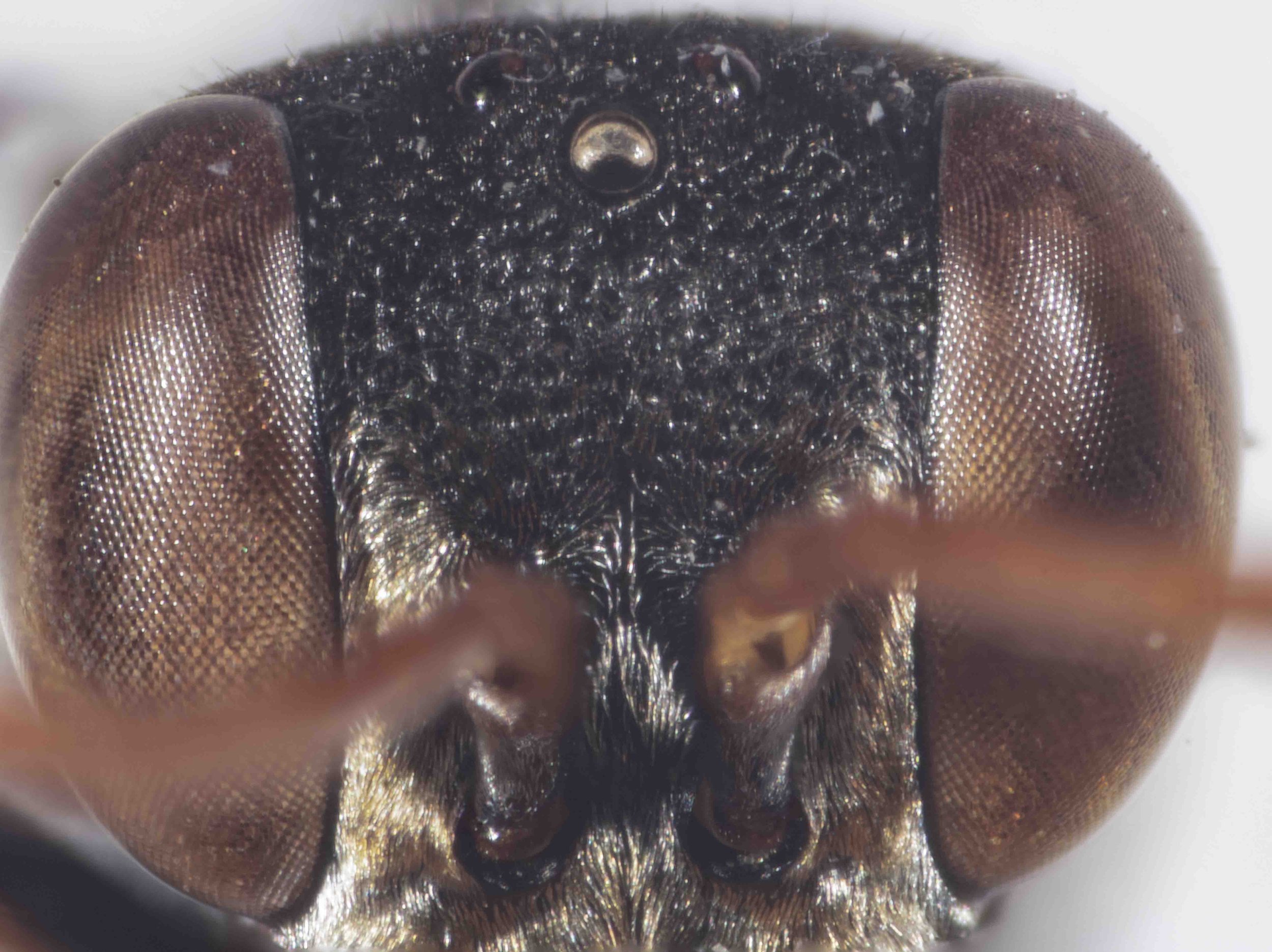
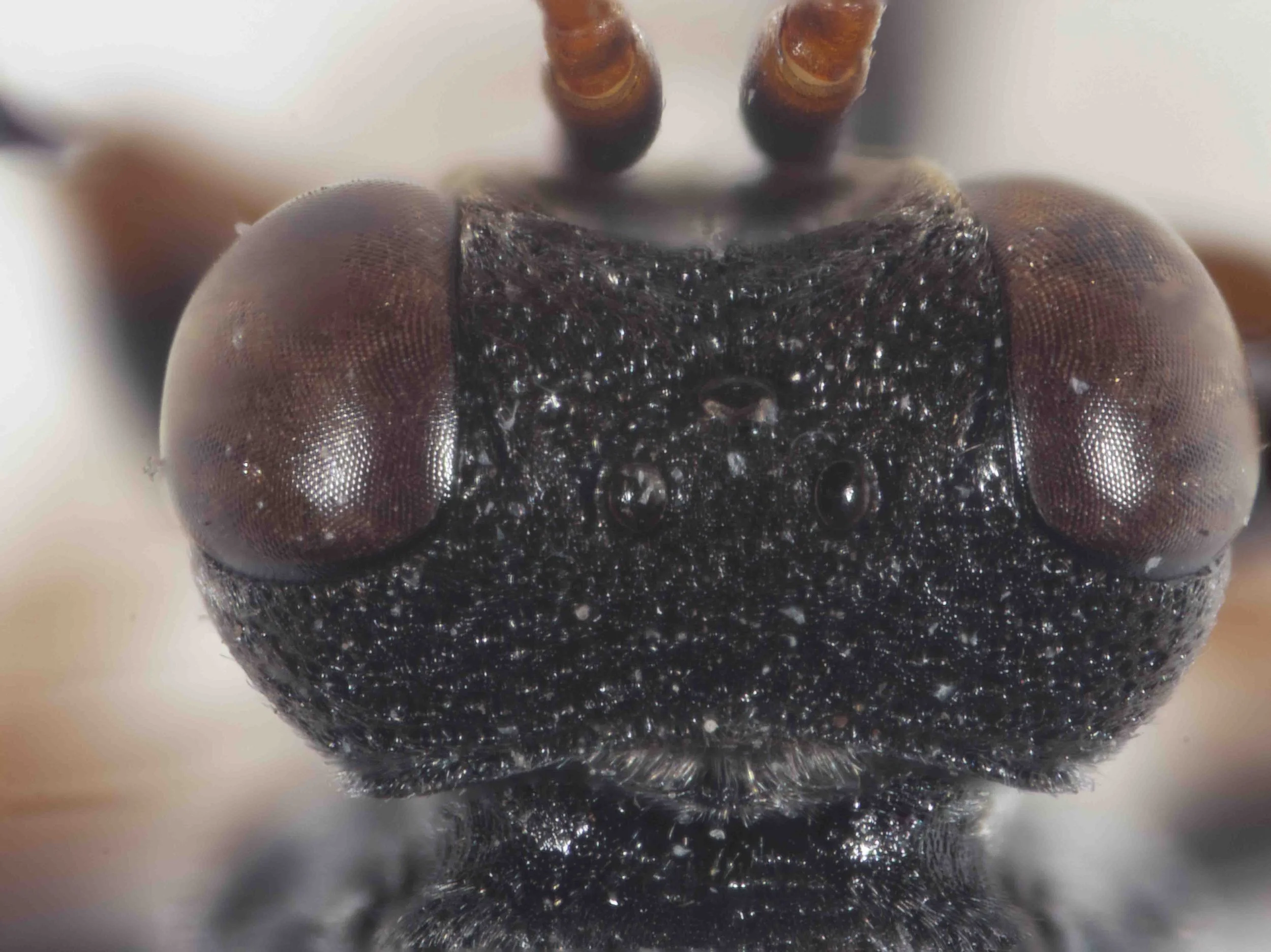
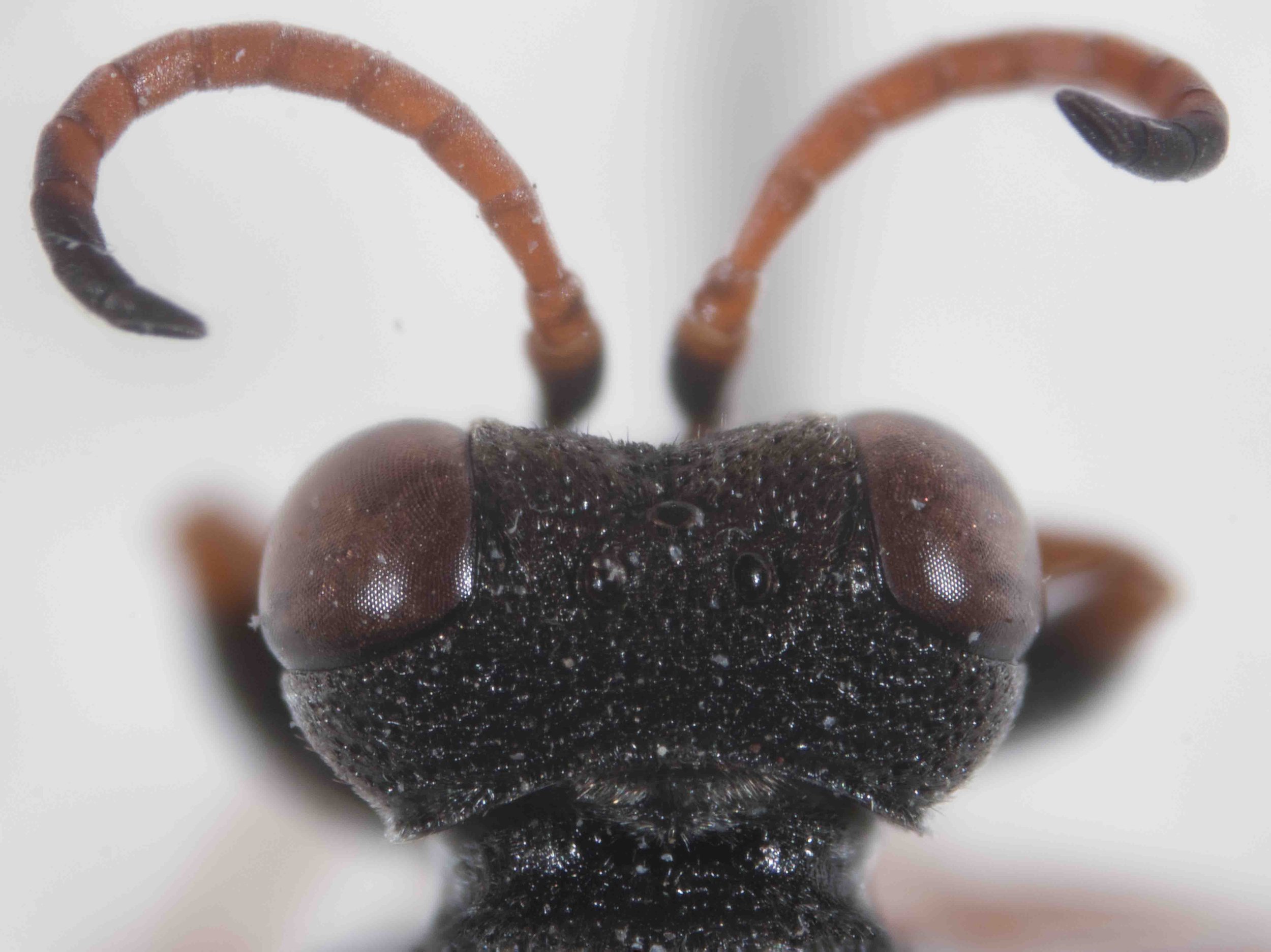
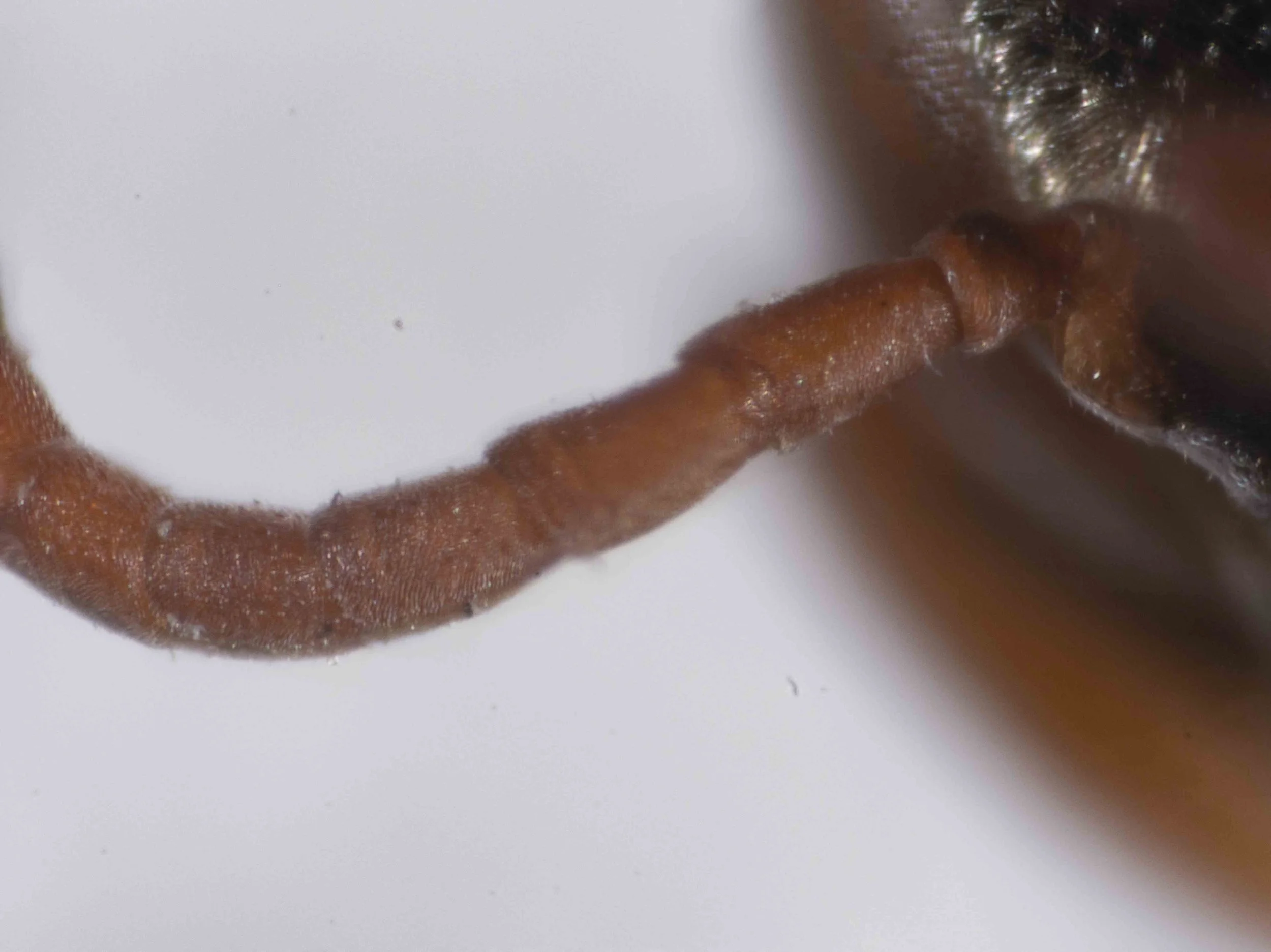
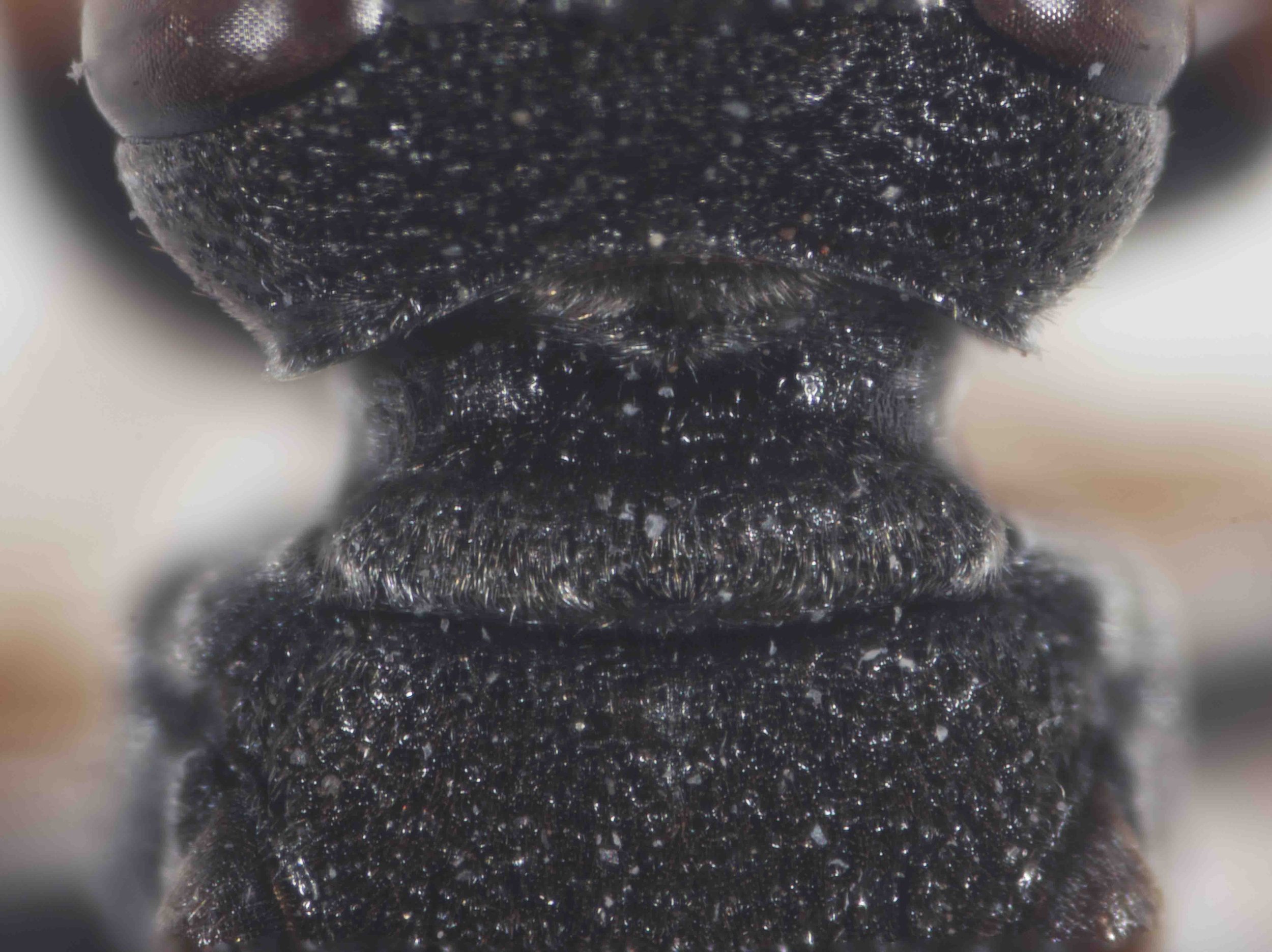
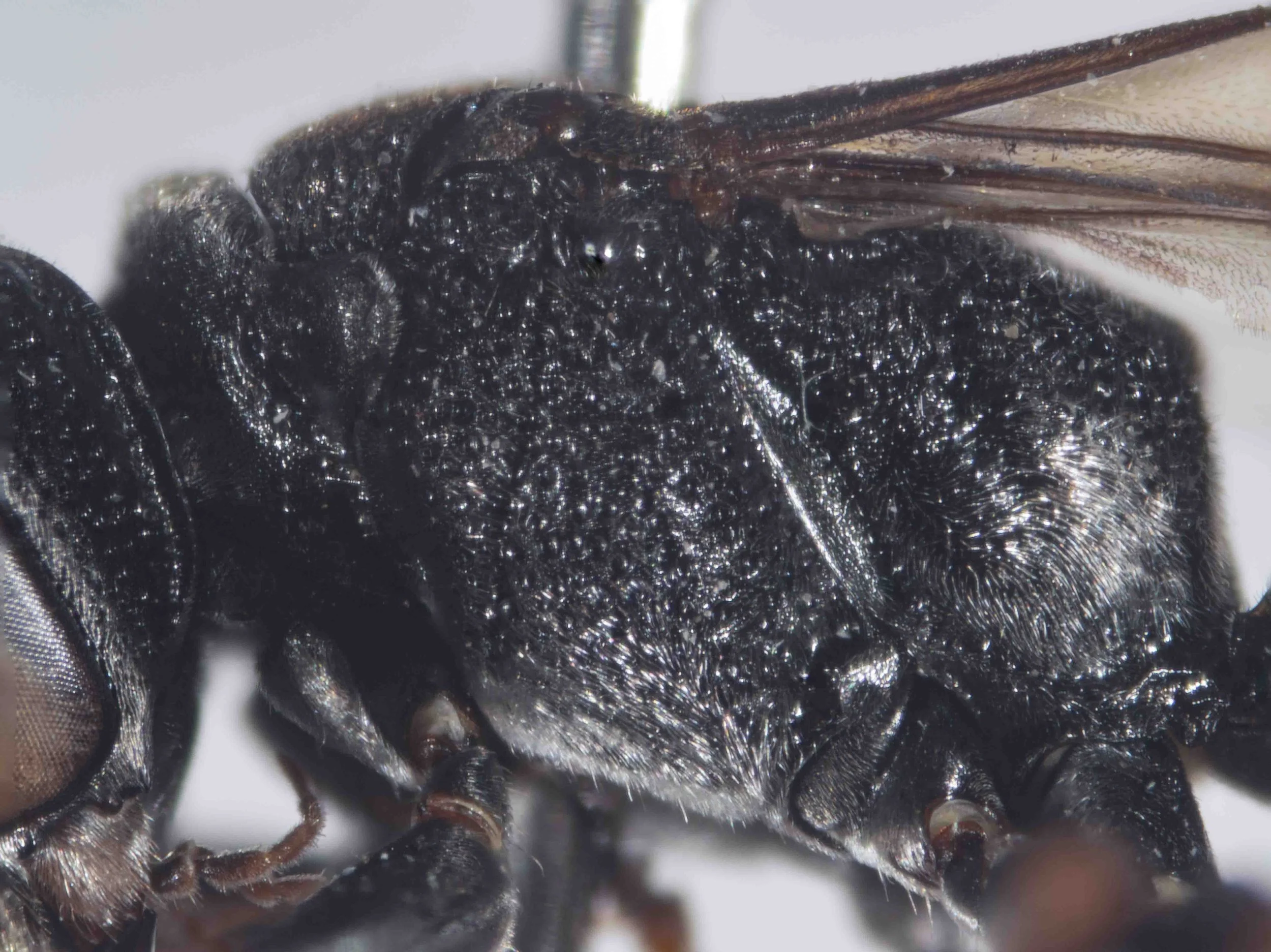
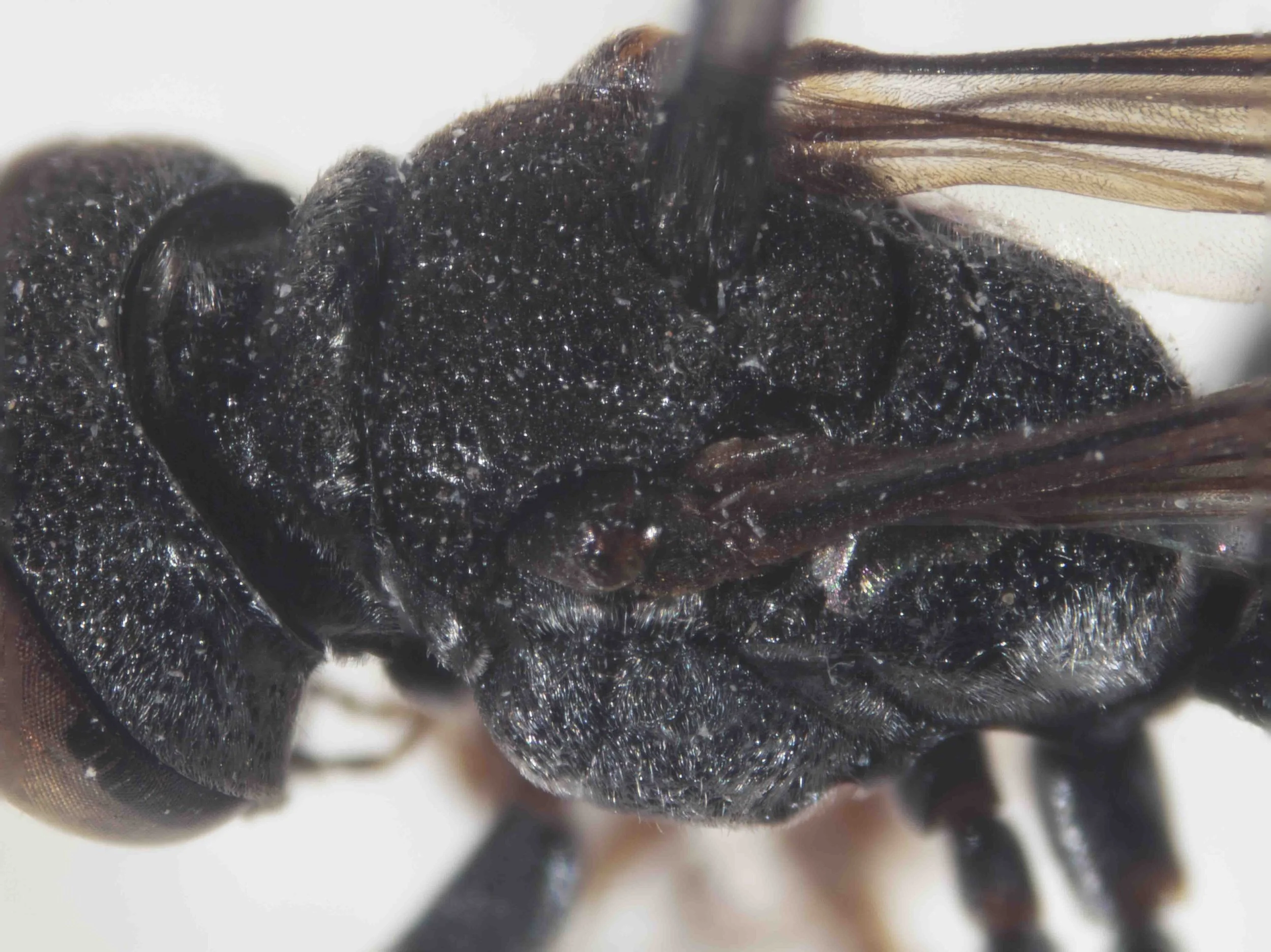
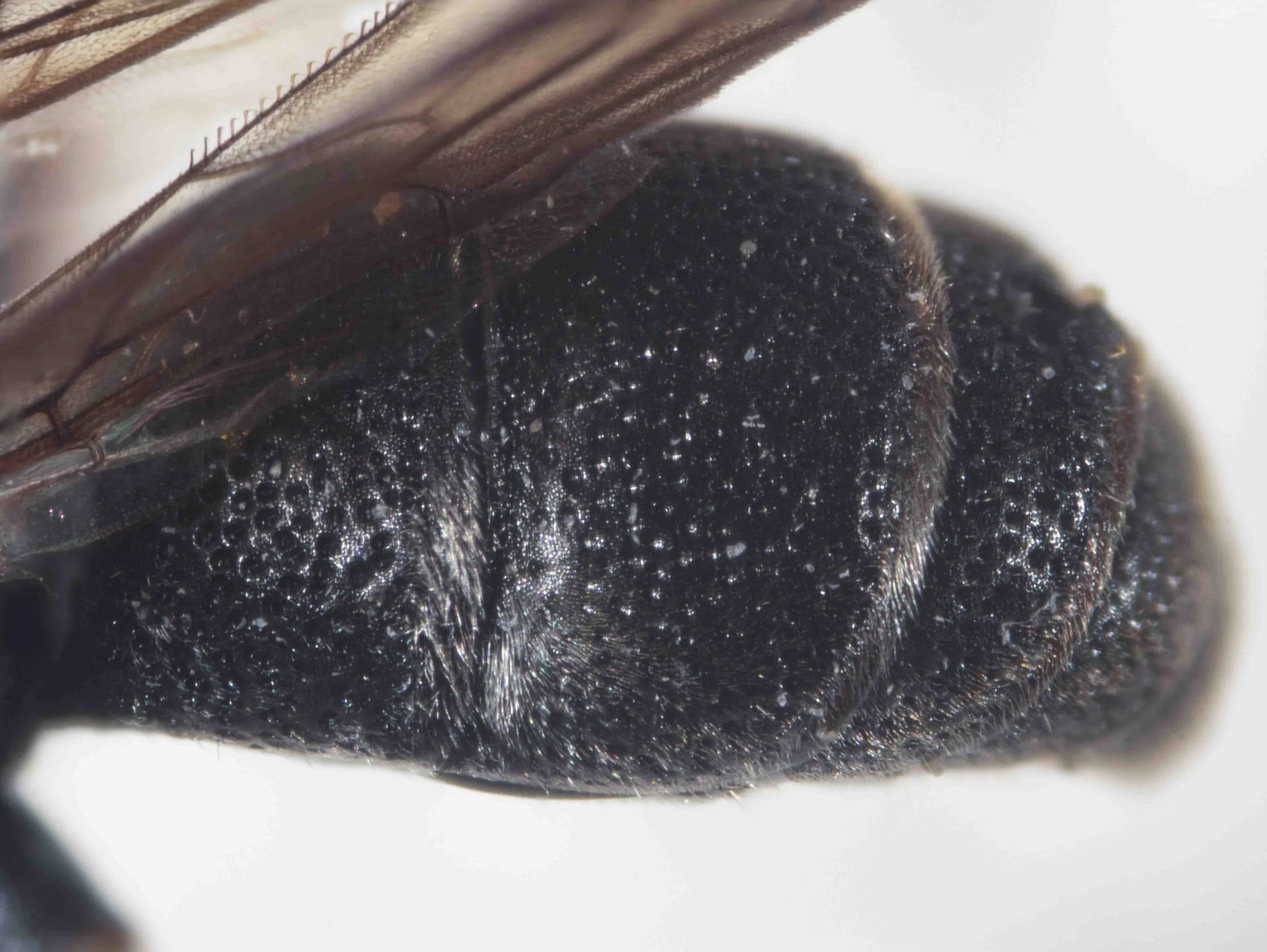
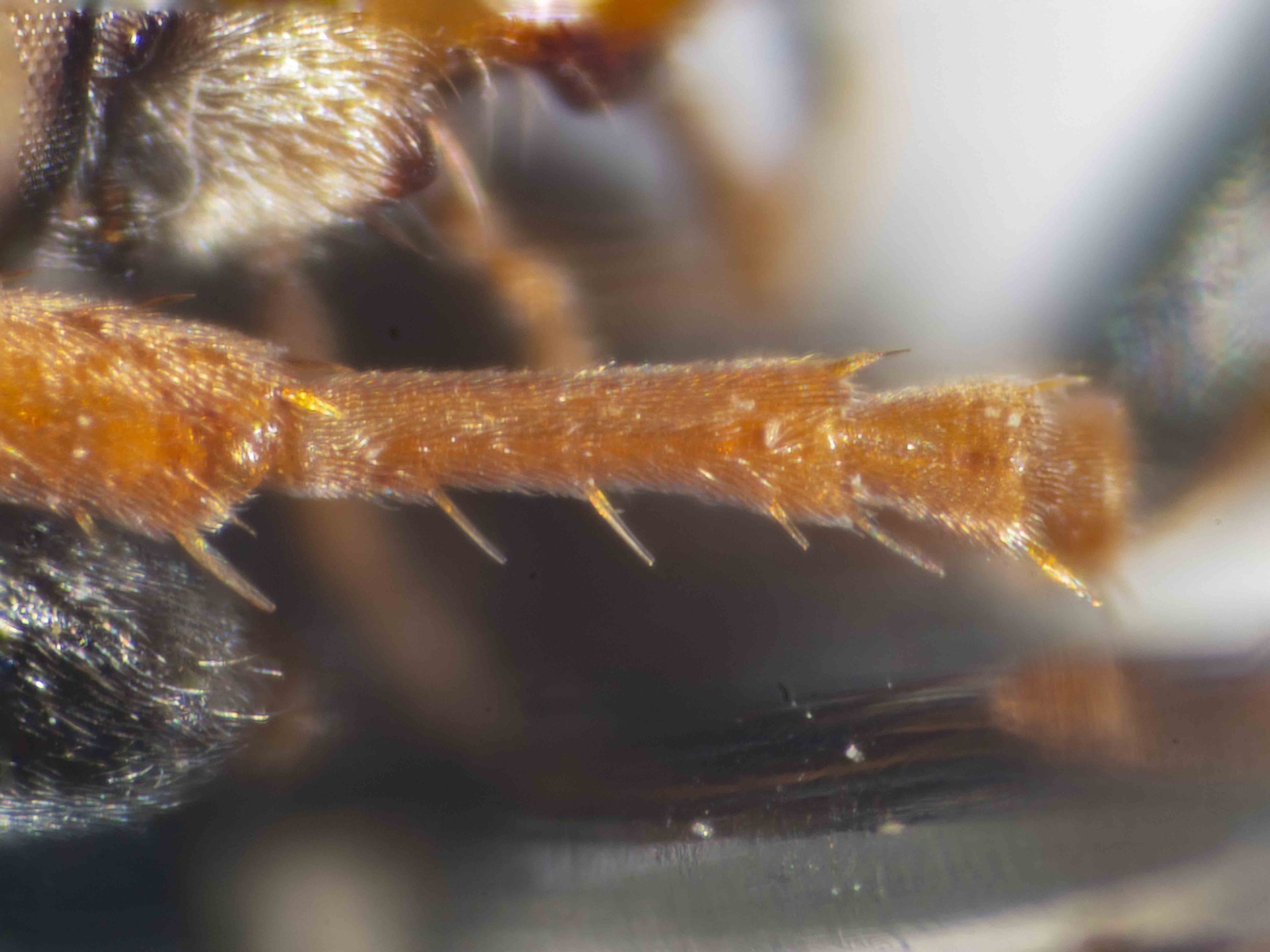
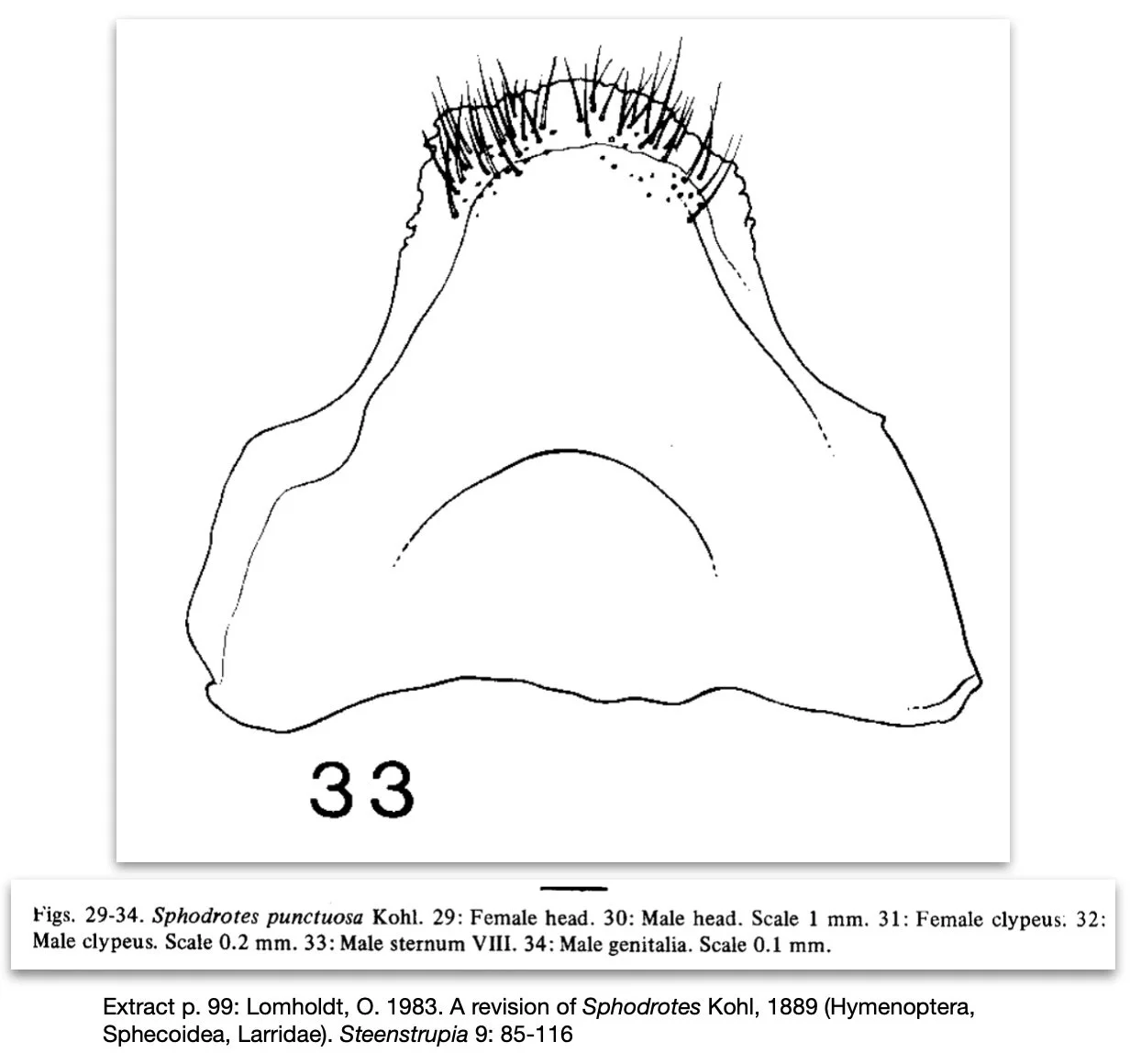
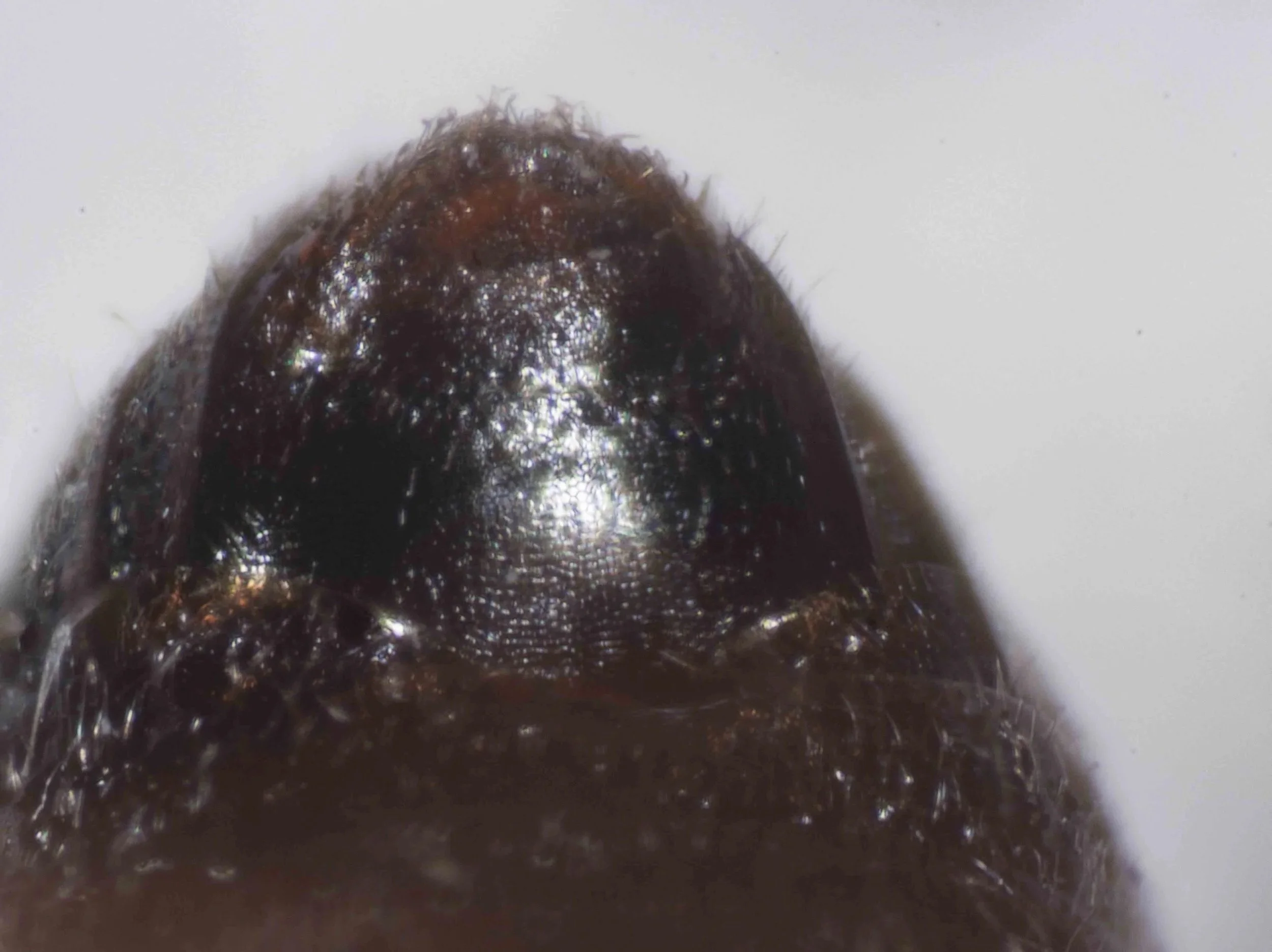
The following images compare specimen 2512C to Lomholdt’s (1983) description of S. punctuosa (p. 101). This description addresses only those characters that differ from the state seen in the female.
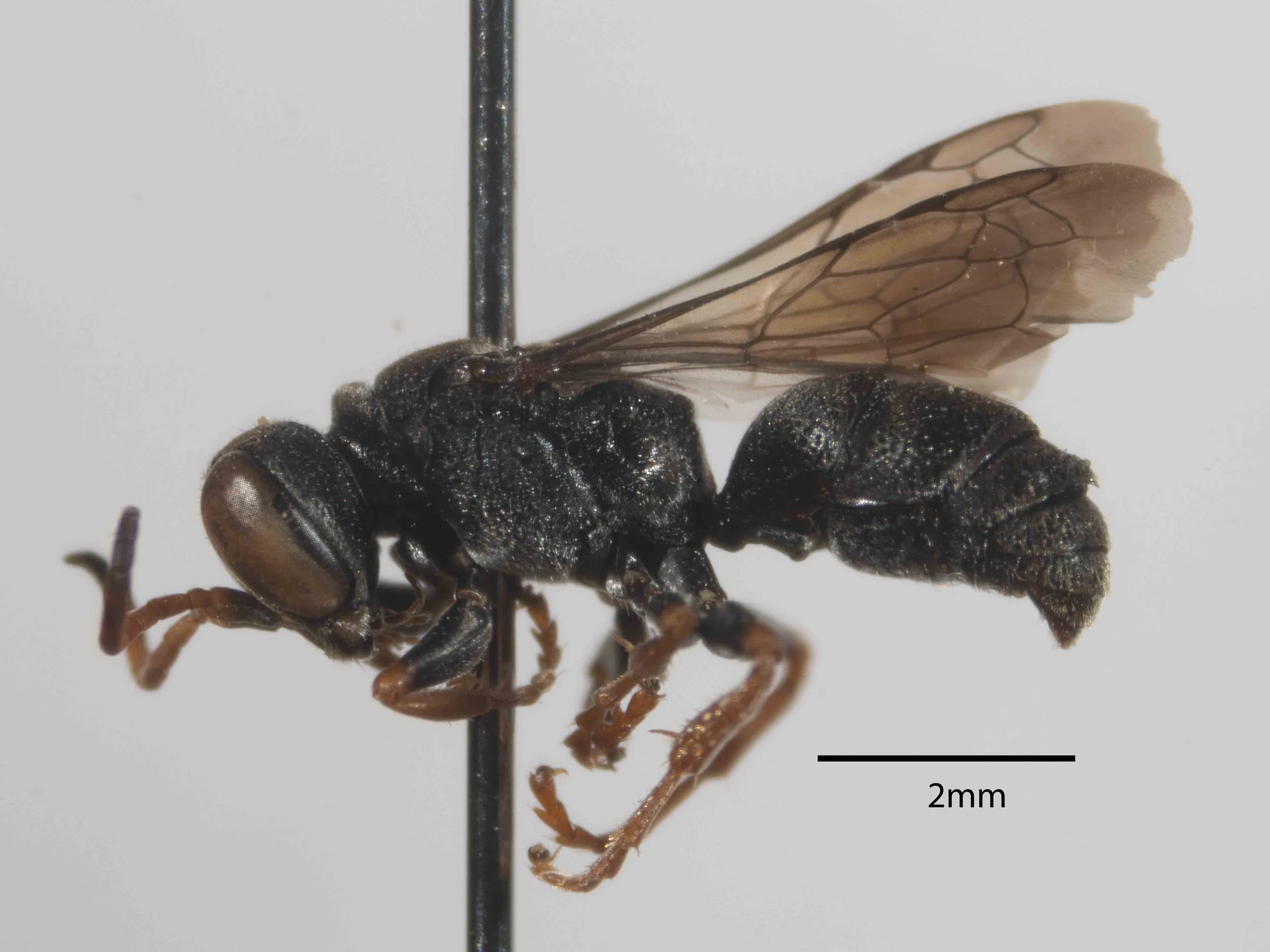
References
Lomholdt, O. 1983. A revision of Sphodrotes Kohl, 1889 (Hymenoptera, Sphecoidea, Larridae). Steenstrupia 9: 85-116 … freely available via link on Wikispecies page
Turner, R.E. 1914. Notes on fossorial Hymenoptera. XIII. A revision of the Paranyssoninae. Annals and Magazine of Natural History 8 14: 337-359
This is a workbook page … a part of our website where we record the observations and references used in making species identifications. The notes will not necessarily be complete. They are a record for our own use, but we are happy to share this information with others.