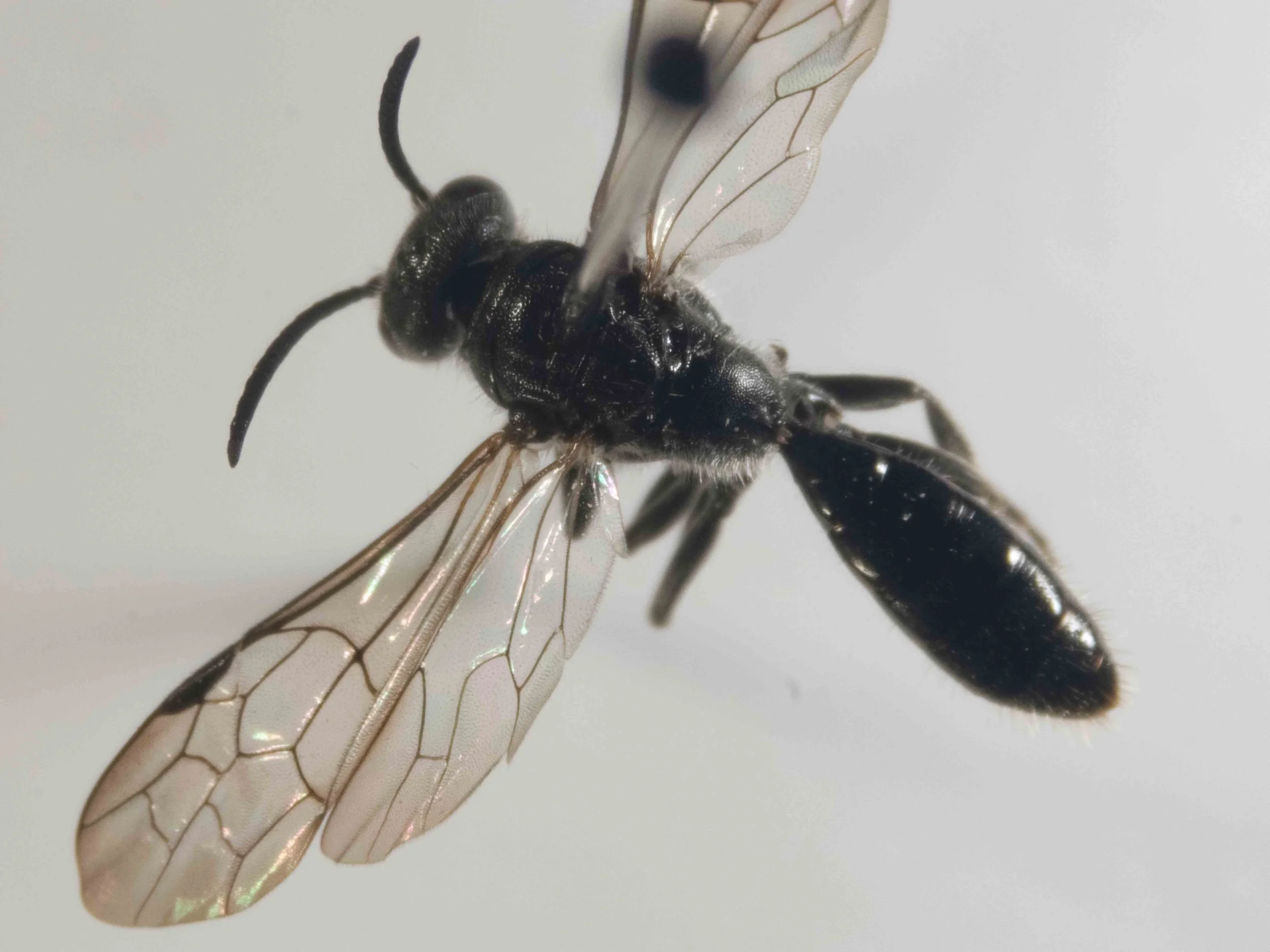
specimen 068
Workbook
Collected in Malaise trap GMP 66369 during the week 17th–24th October 2026
Appears identical to specimen #063, but is considerably larger
Tribe Agriomyini ?
This specimen remains a bit of a mystery. At this stage I’ve excluded all tribes except Agriomyini on the basis of:
small body size (8mm, or less in the case of #063)
hypopygium structure (simple, without apical spine, no sign of lateral spines)
metasoma shape (fusiform, without strong constrictions)
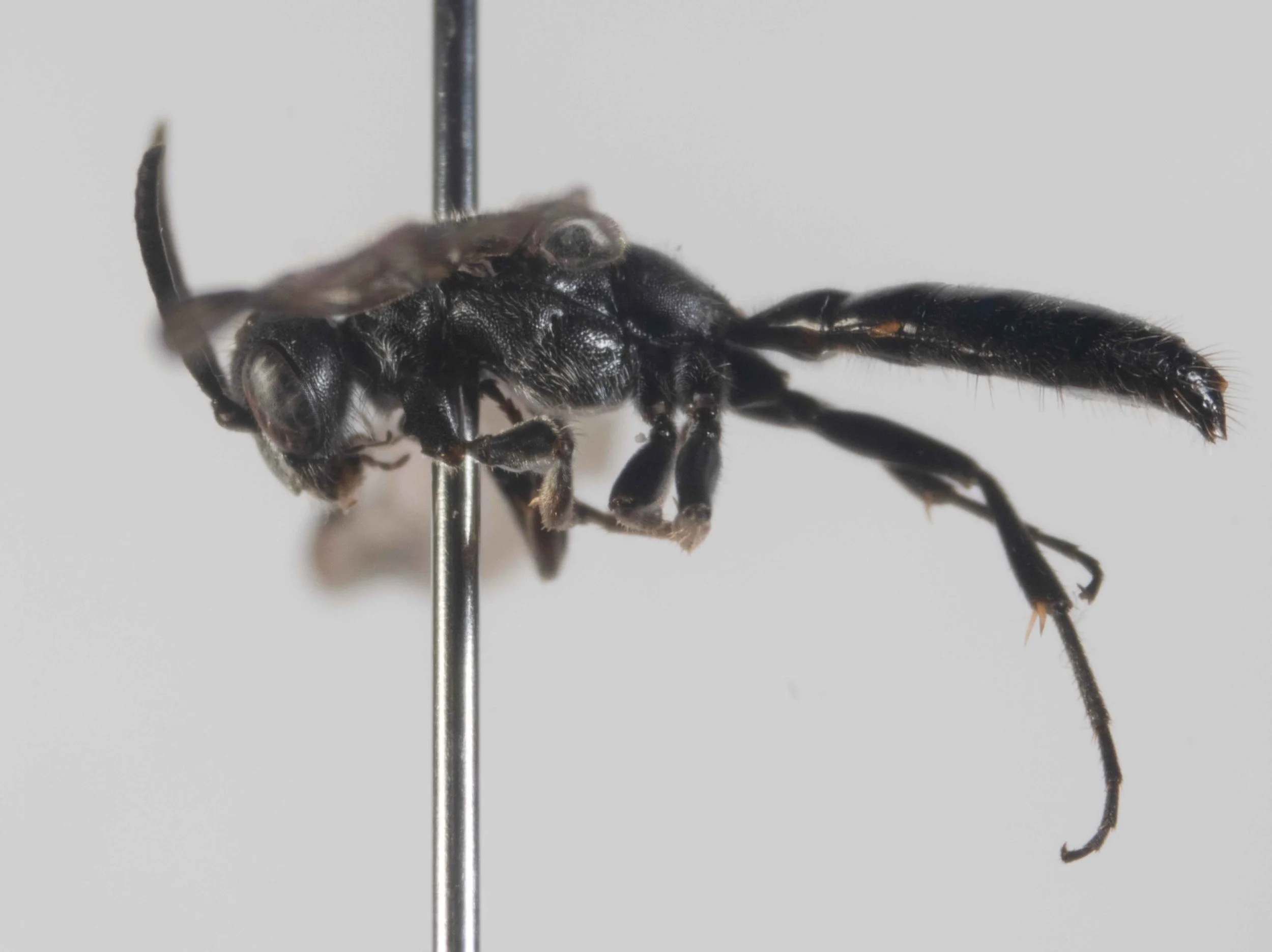
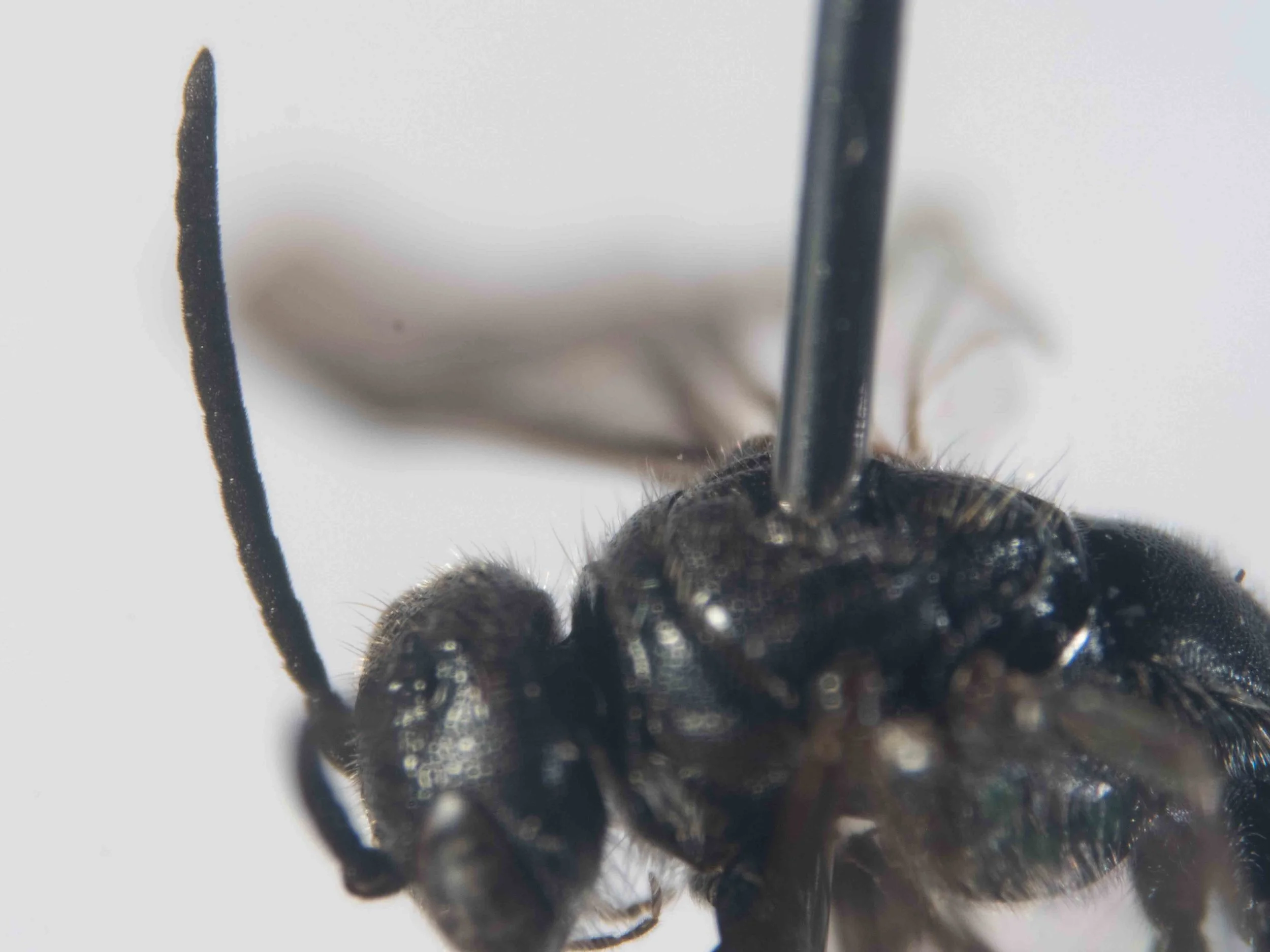
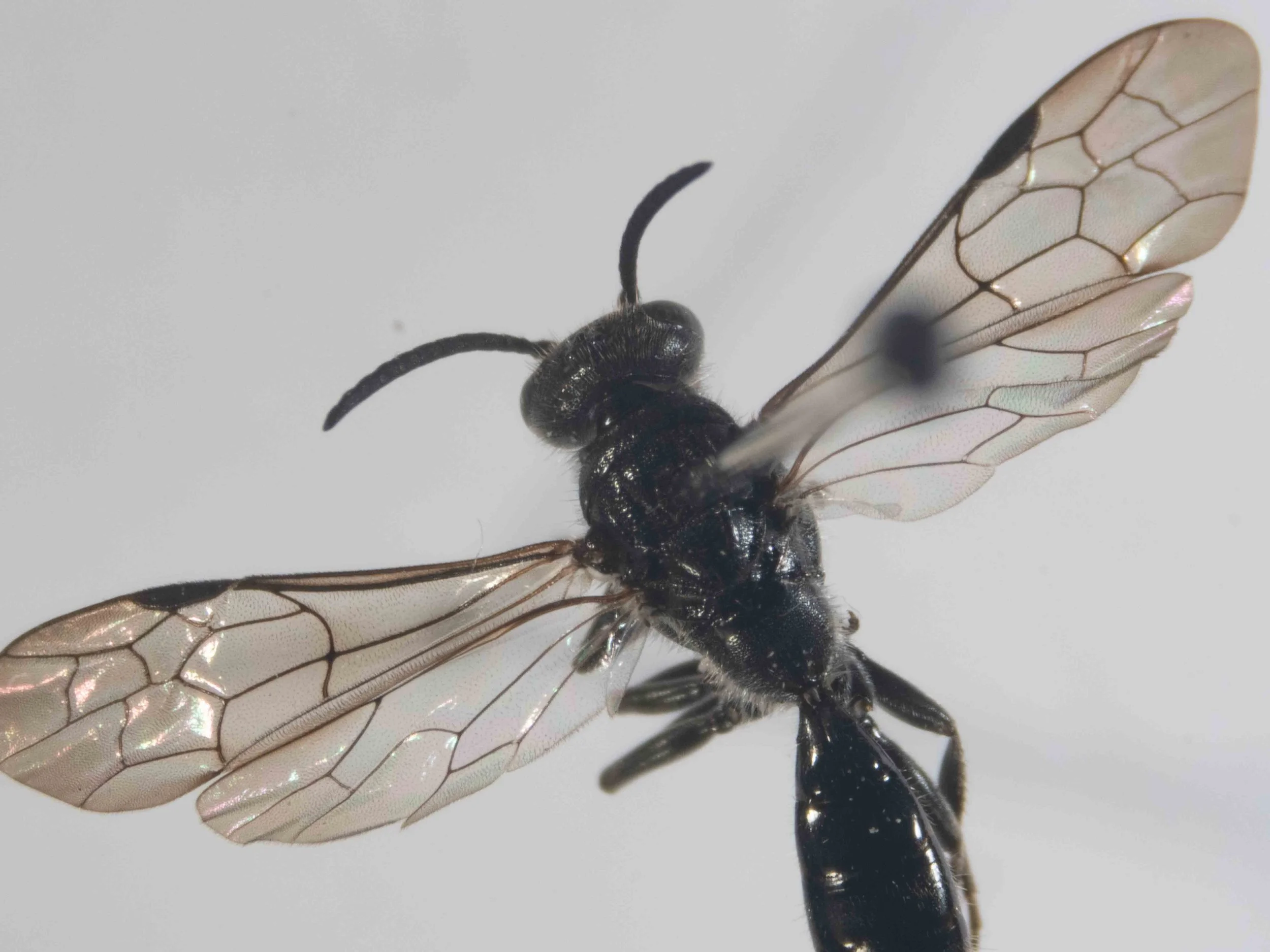
Procerothynnus ??
Procerothynnus. Size is an excellent match (4-8mm), the antennae are short (not reaching propodeum), and the hypopygium is also consistent with #068 (no apical spine, emarginate to rounded apically, with or without lateral spine or notch). BUT the diagnosis describes the colour as black “with yellowing markings including paired spots on some metasomal segments” (Brown 2025 p. 413).
Brown (2025) notes that this is a large genus, with many undescribed species, and many species poorly represented in collections. So it is possible that #068 represents an undescribed Procerothynnus.
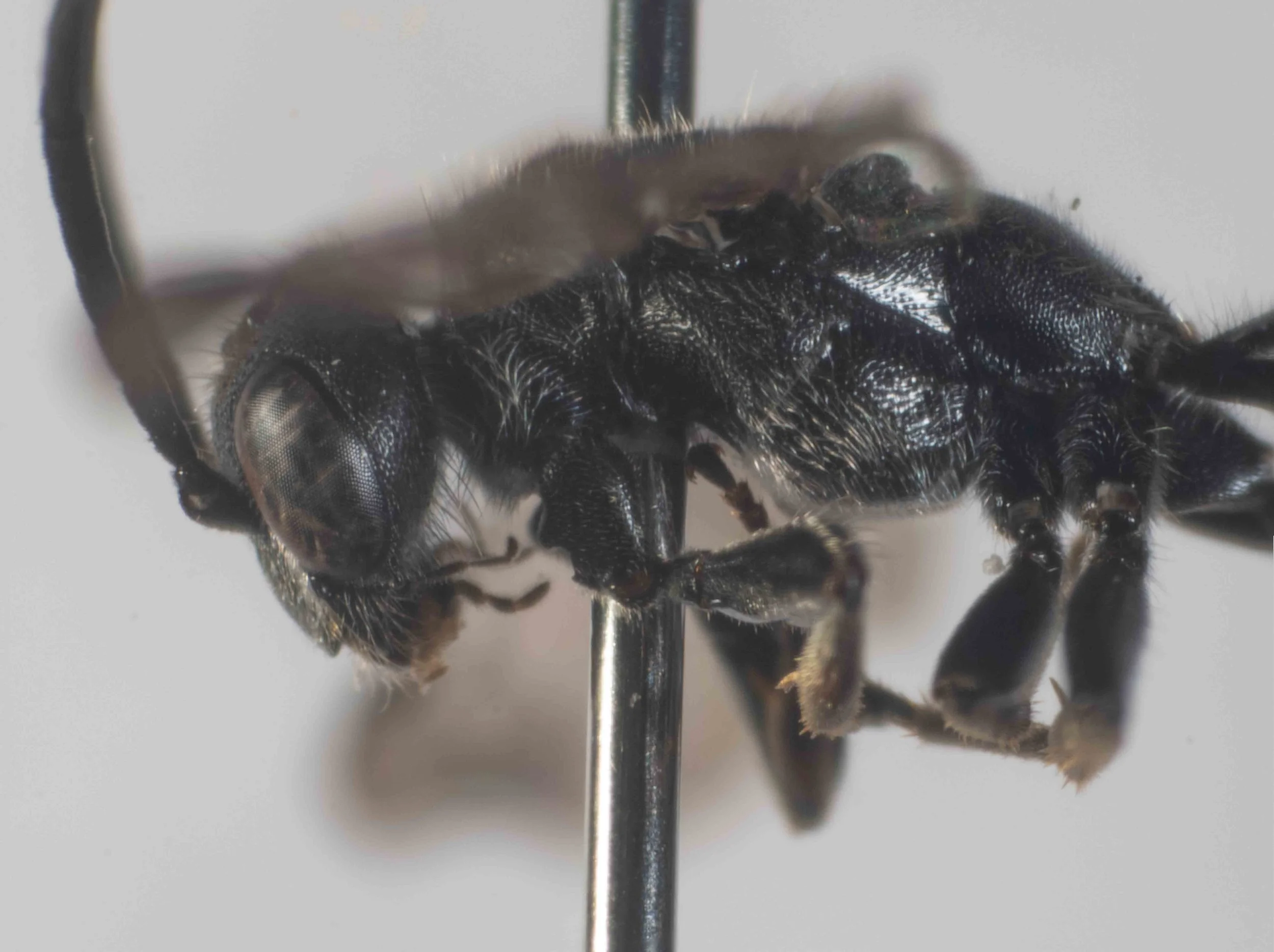
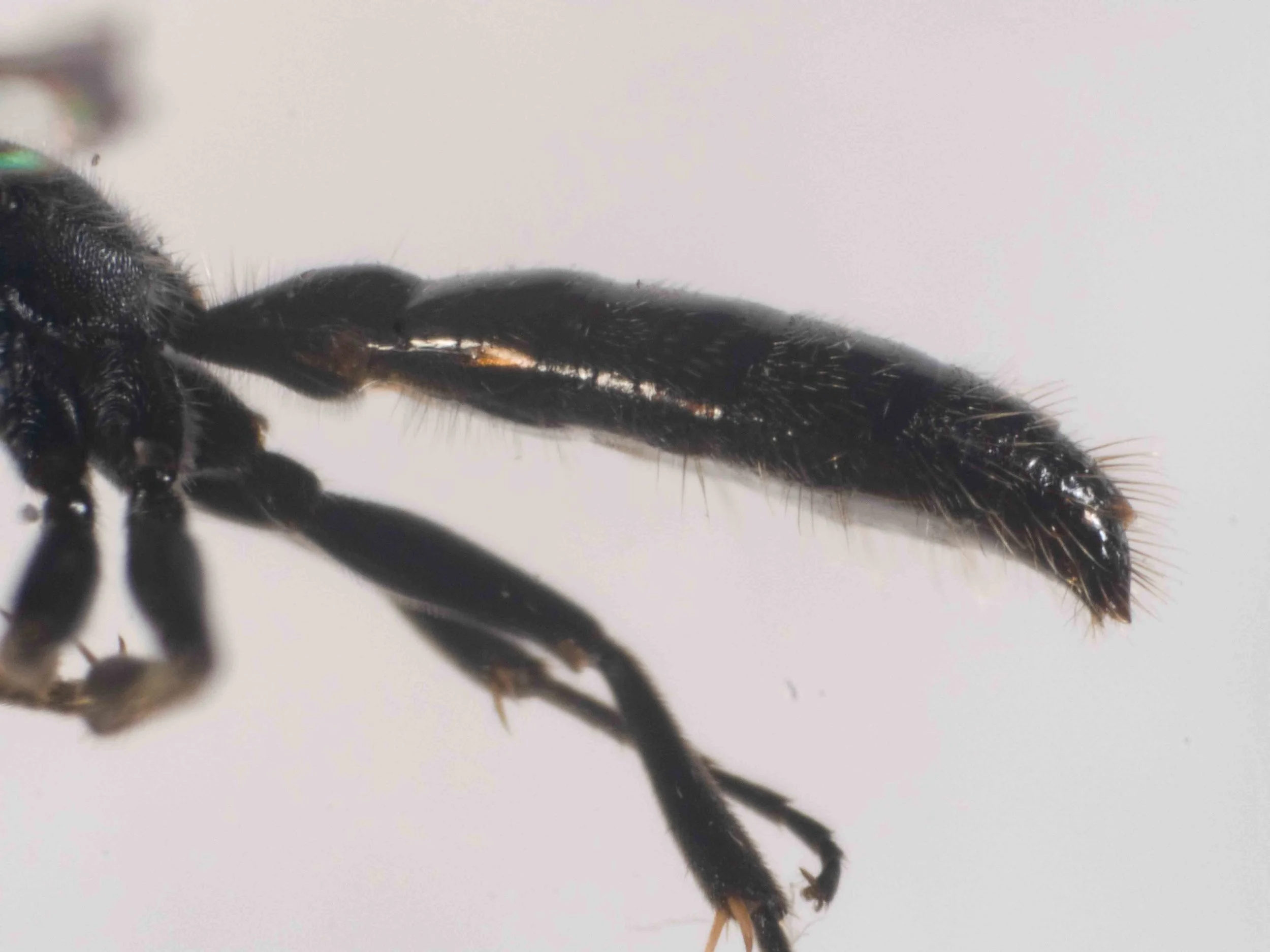
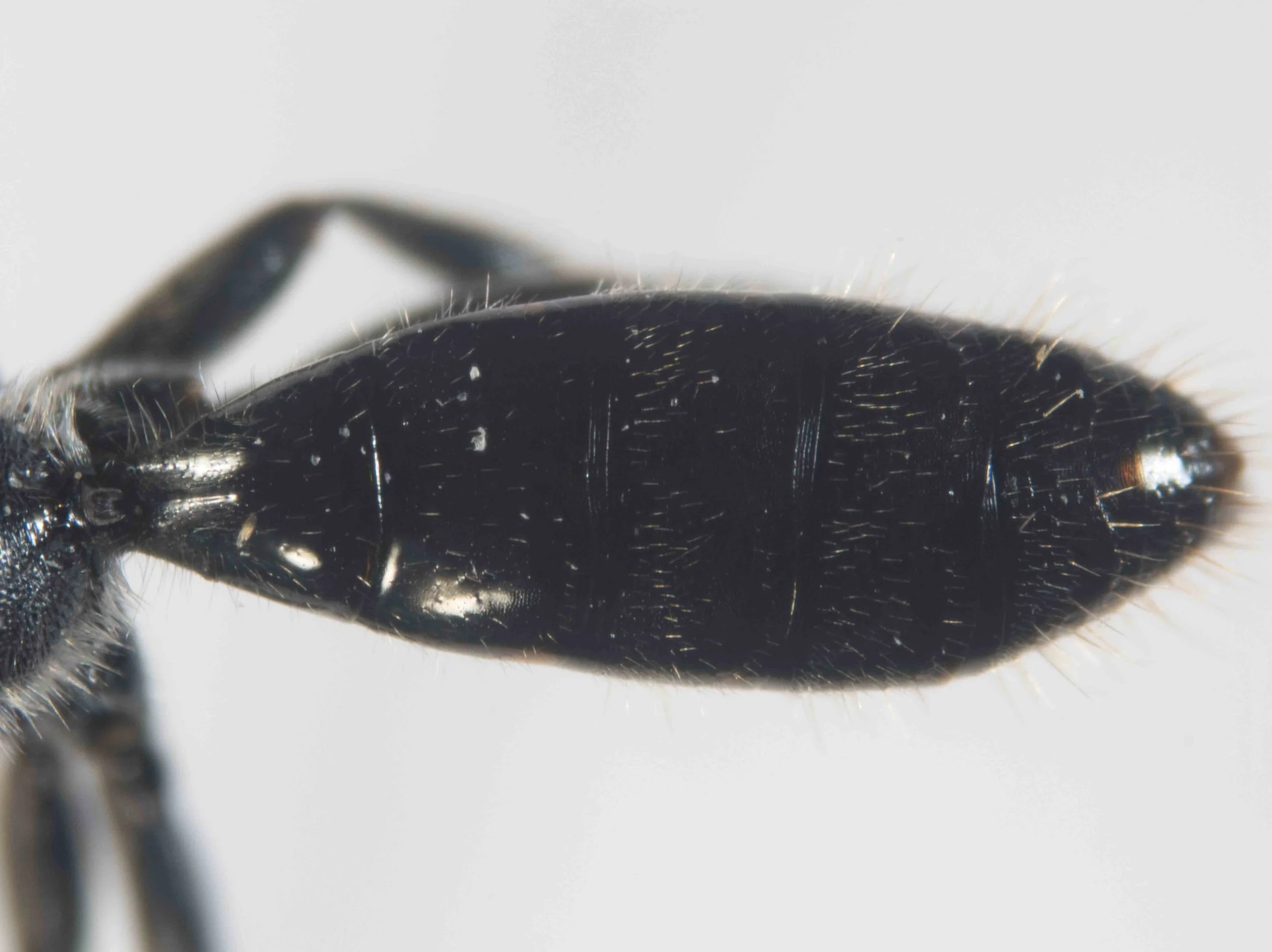
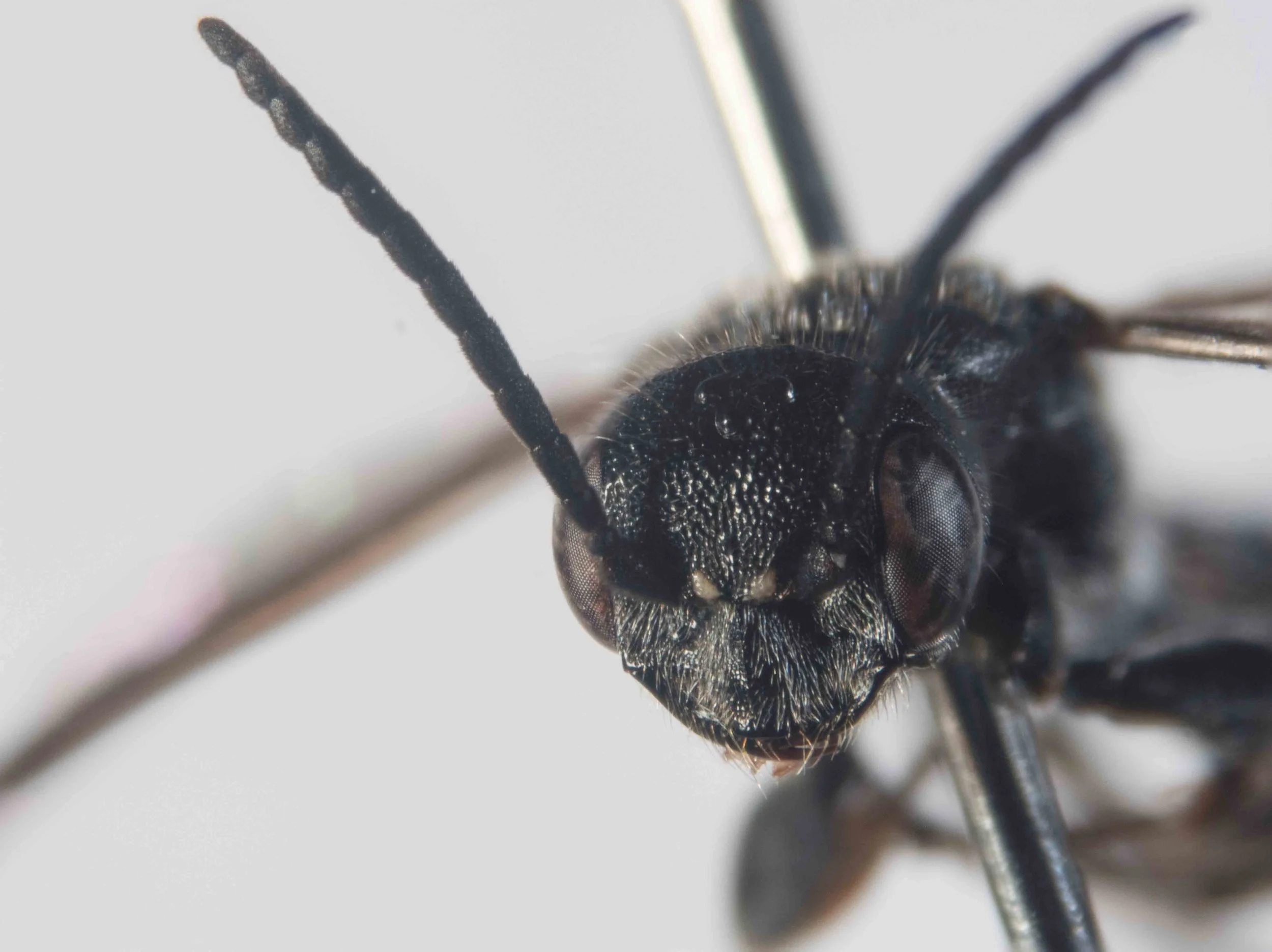
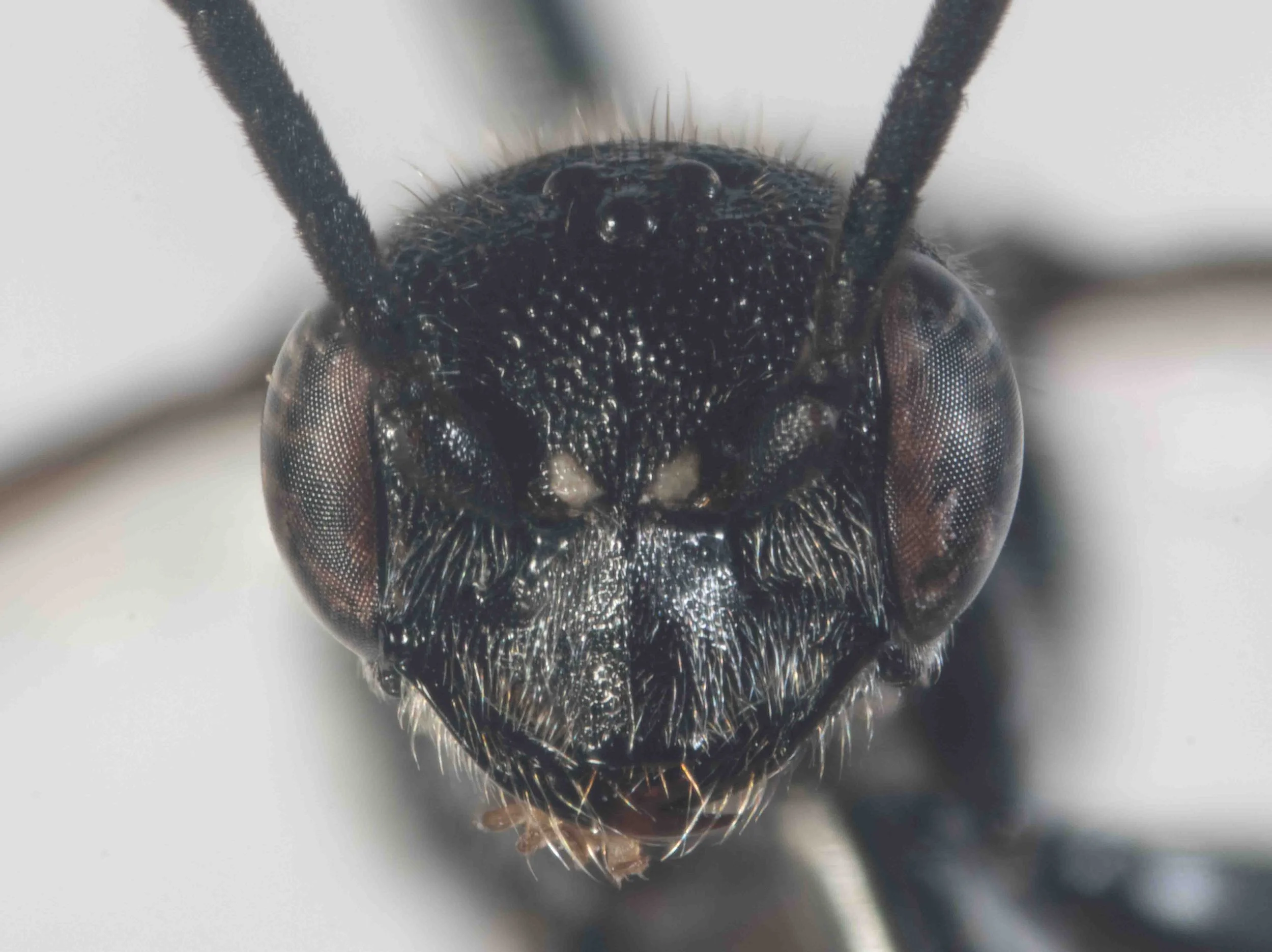
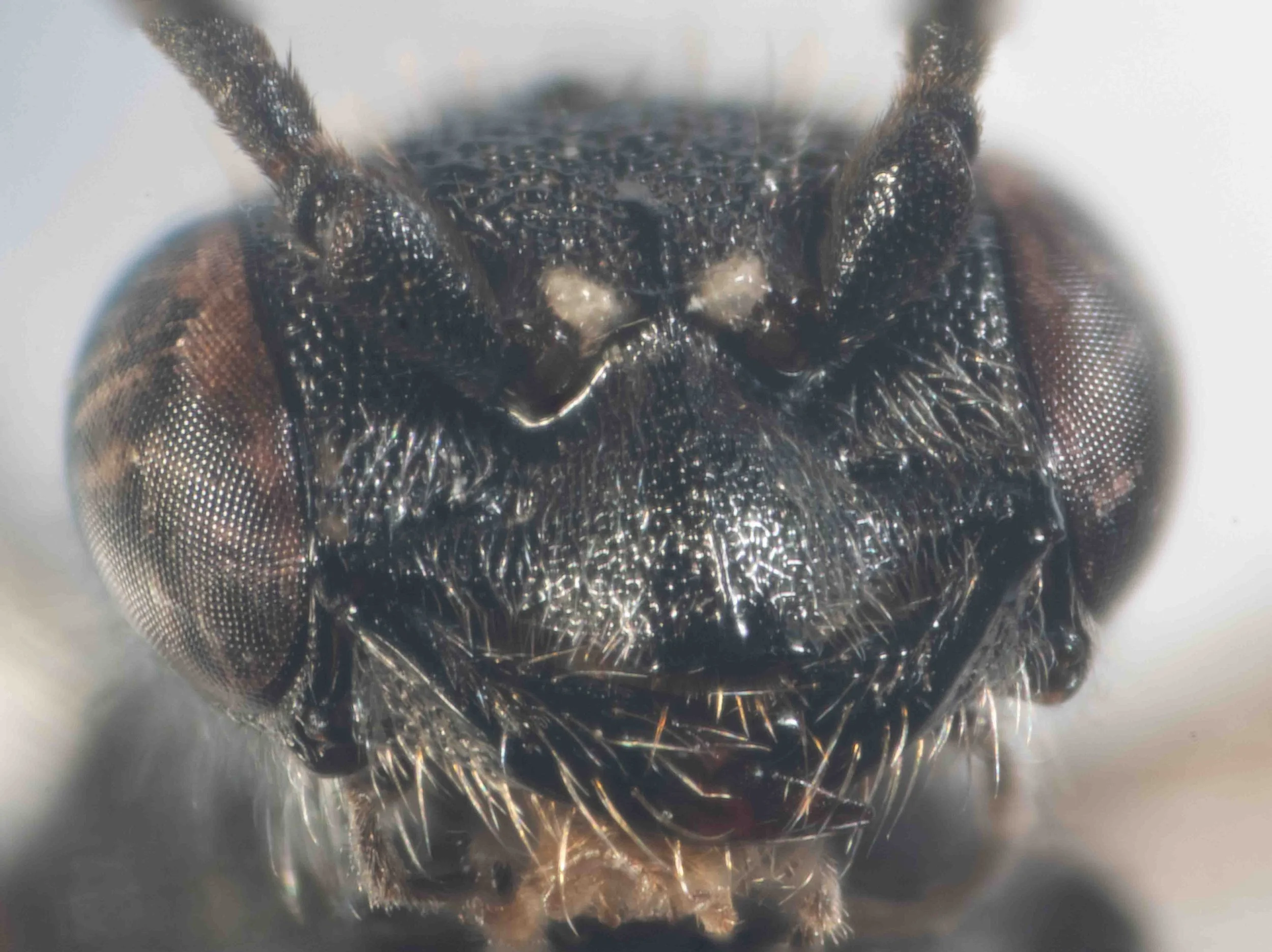
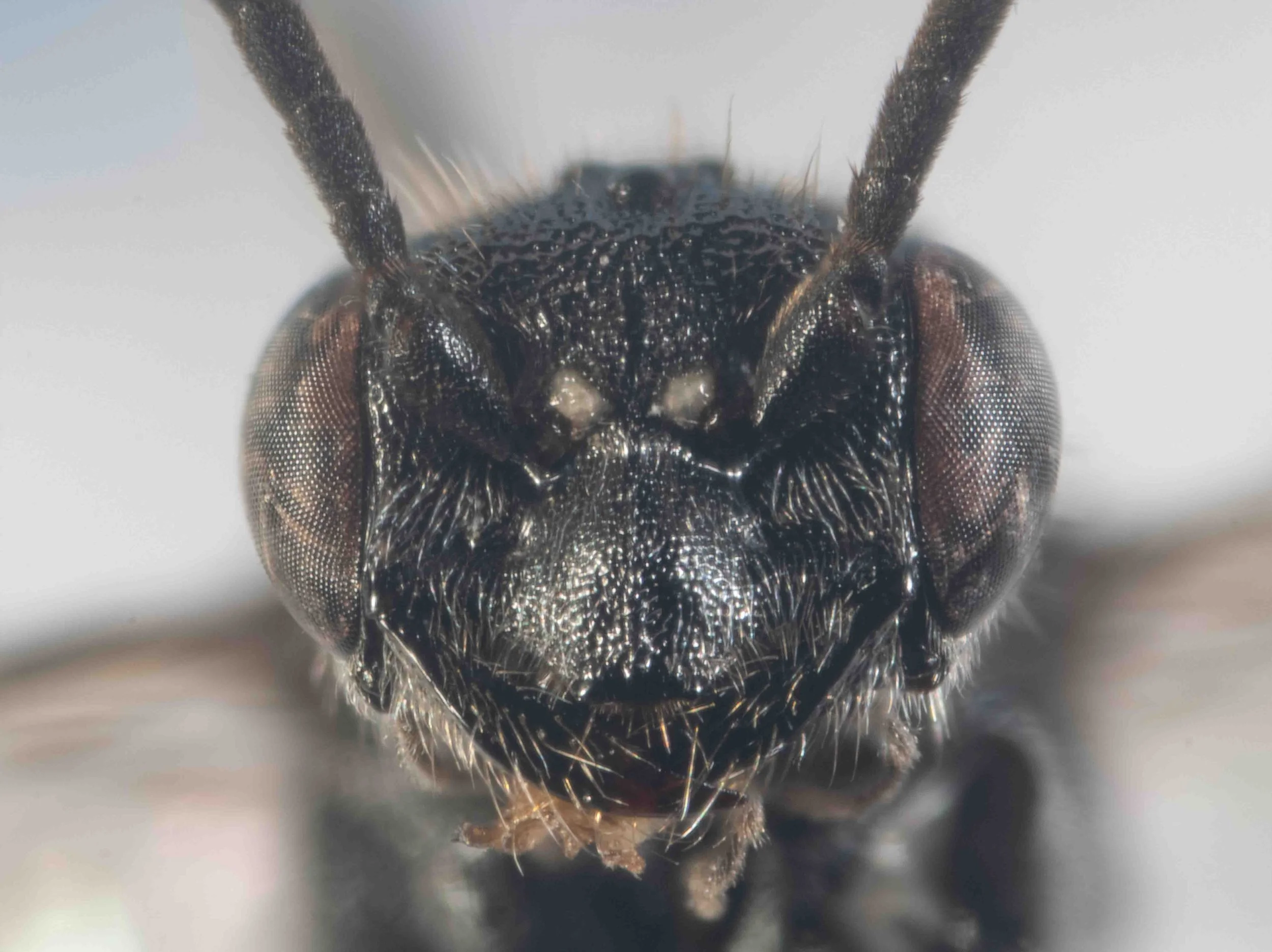
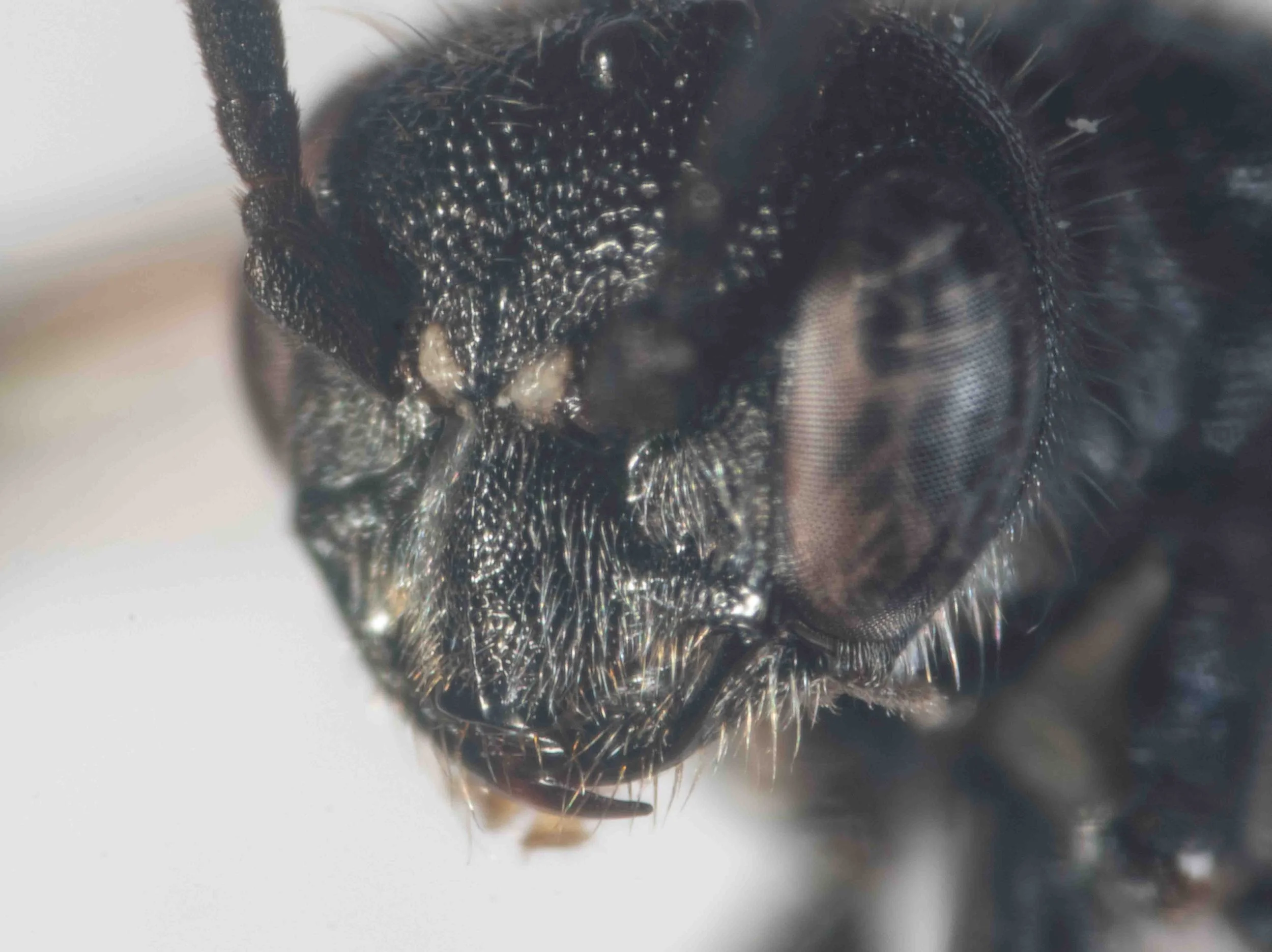
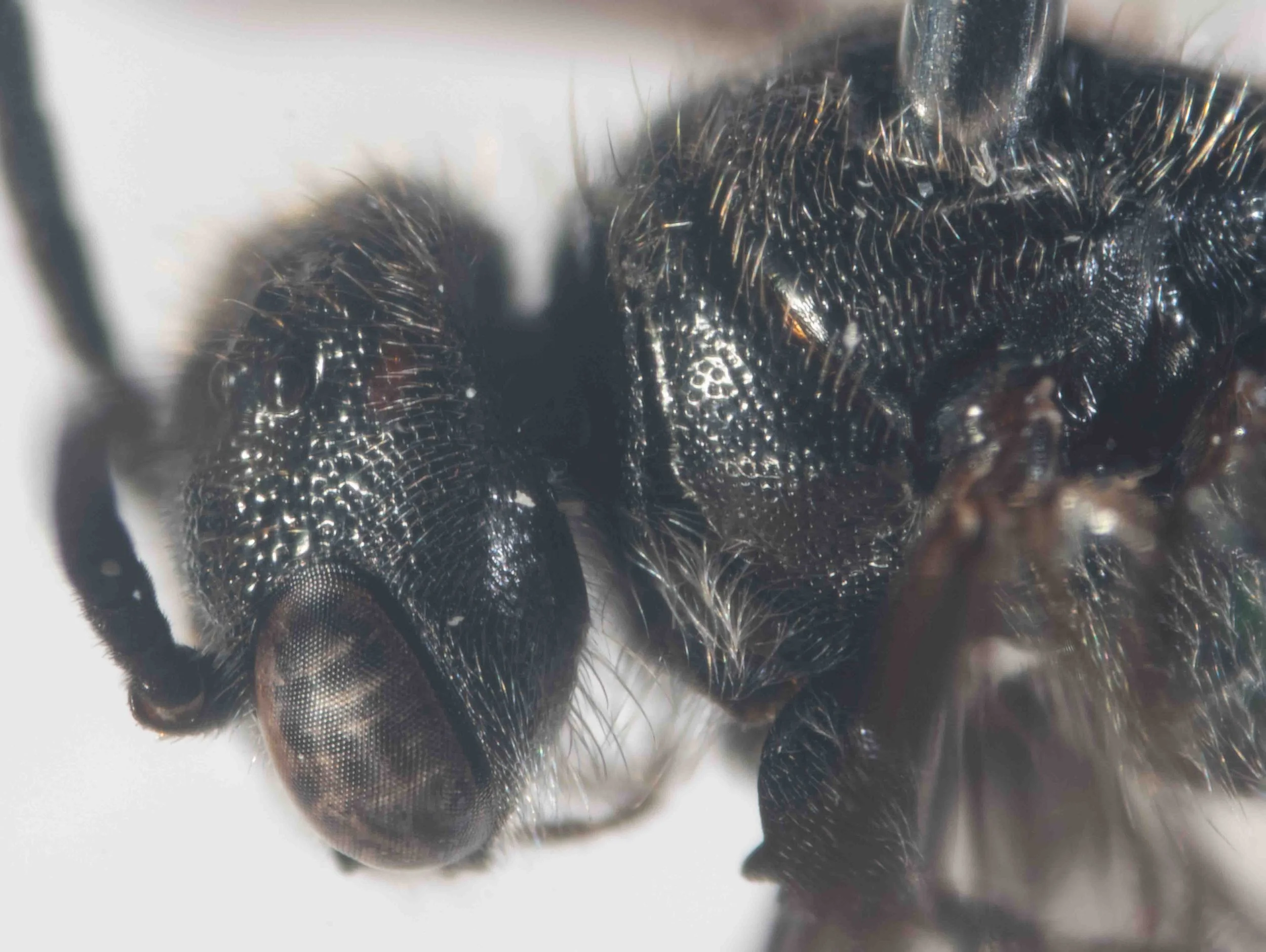
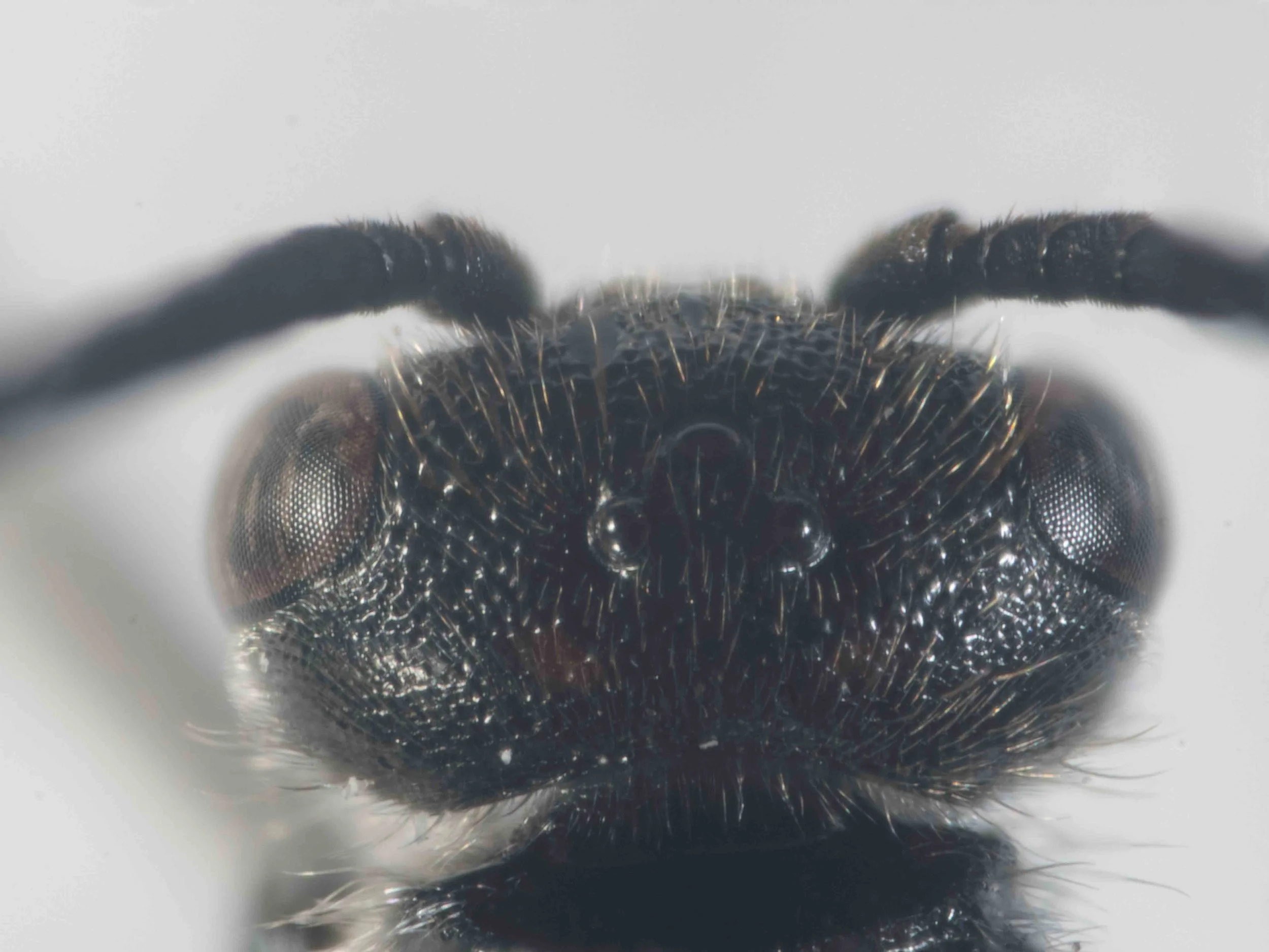
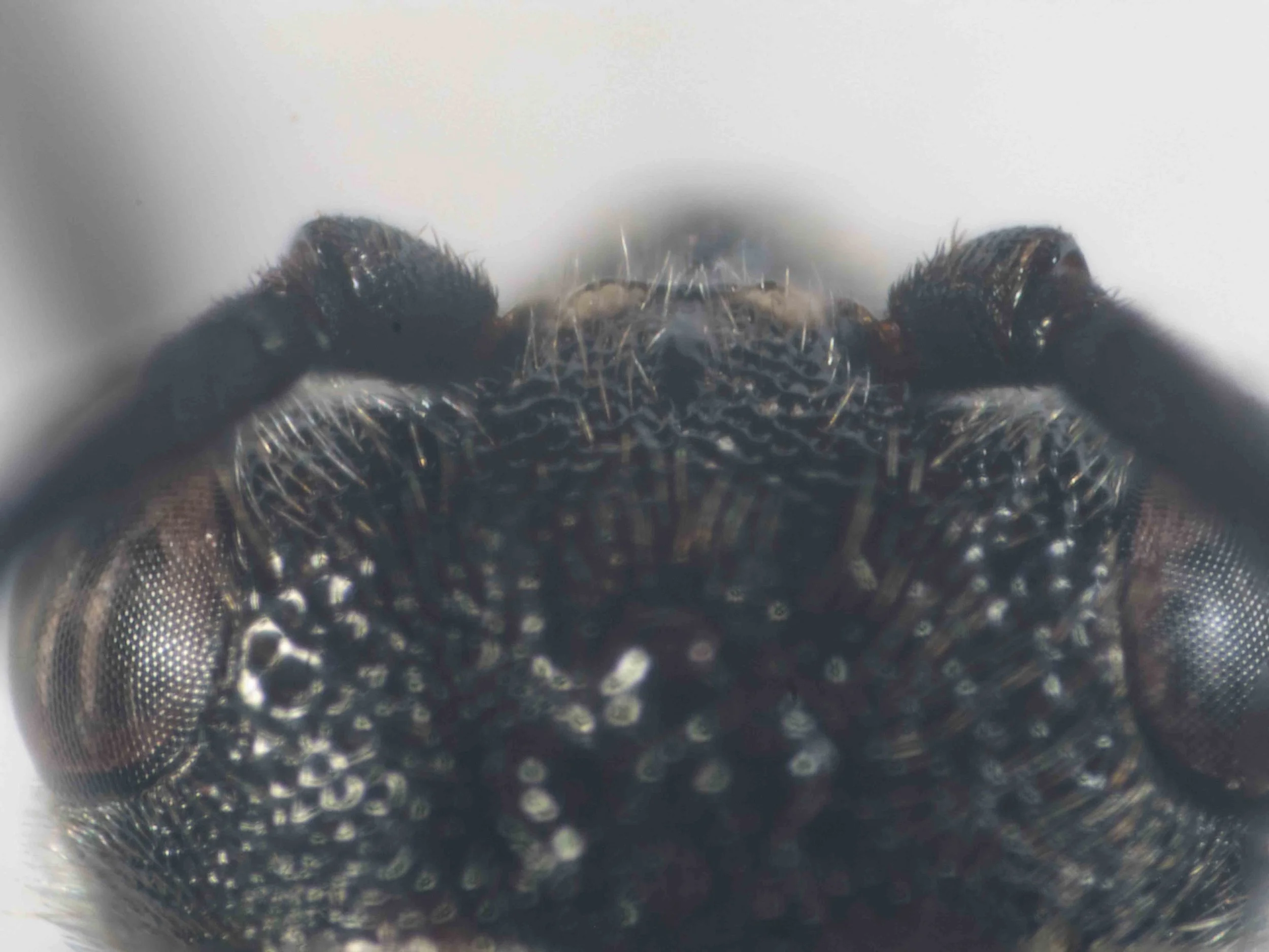
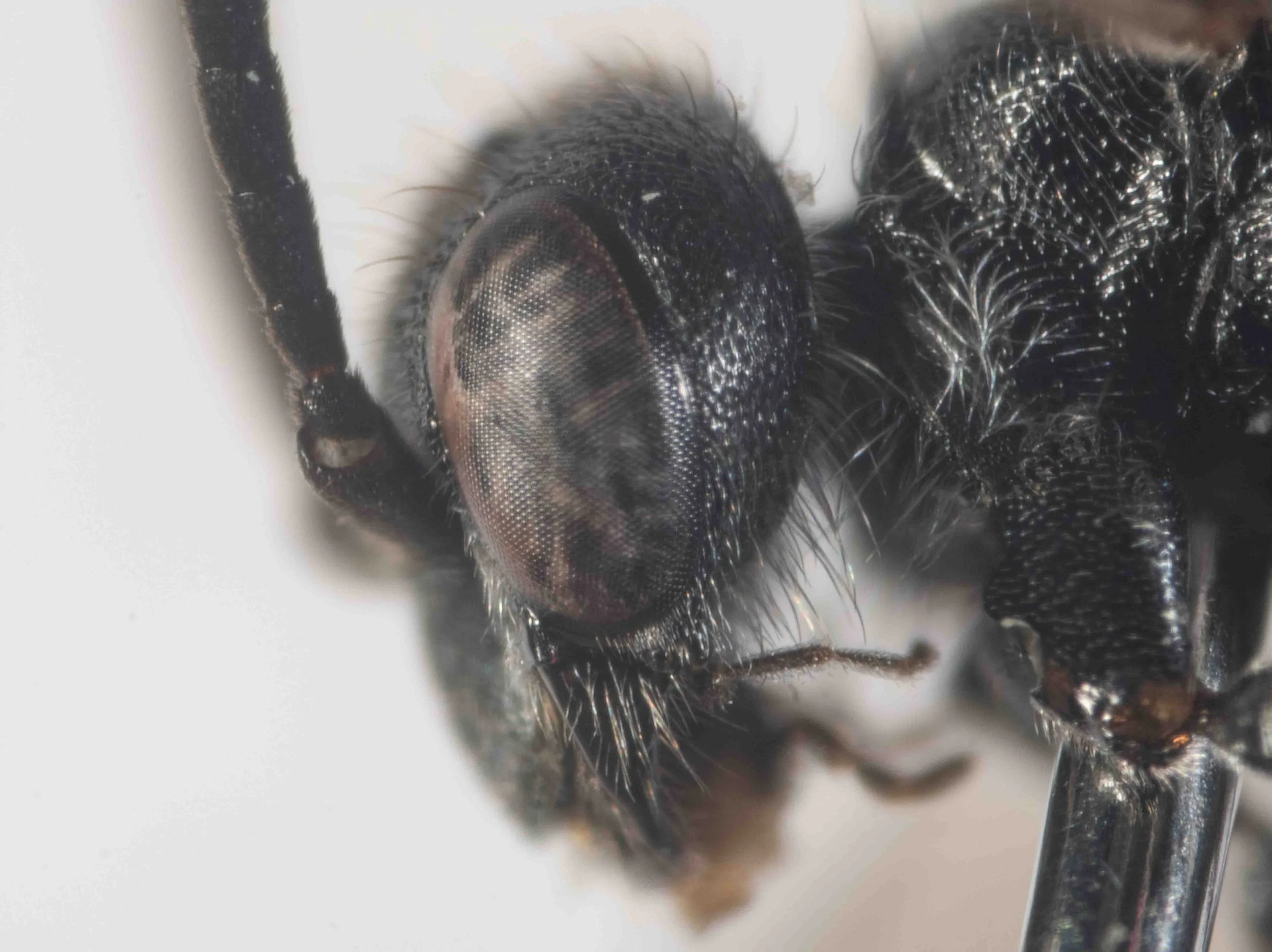
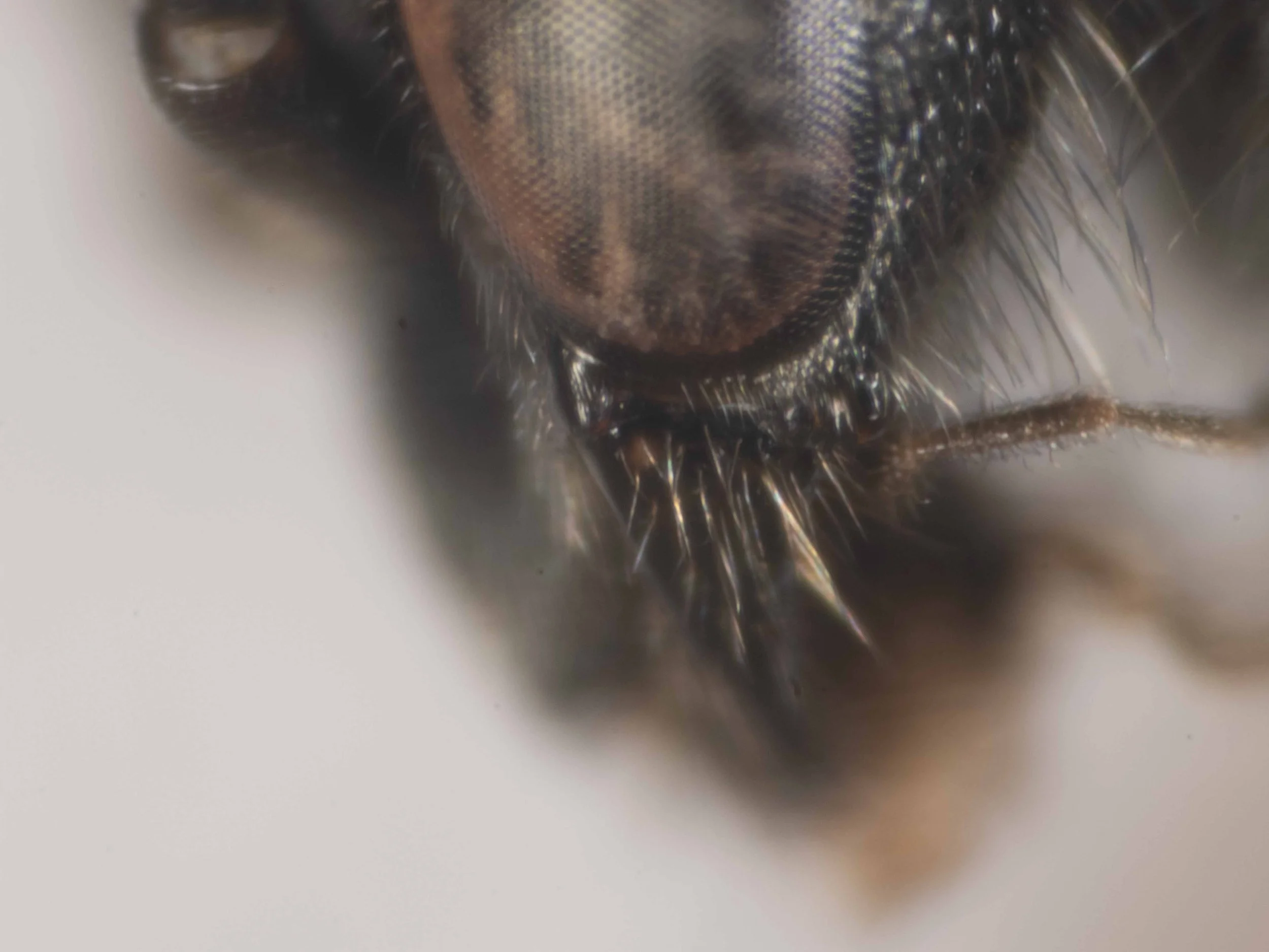
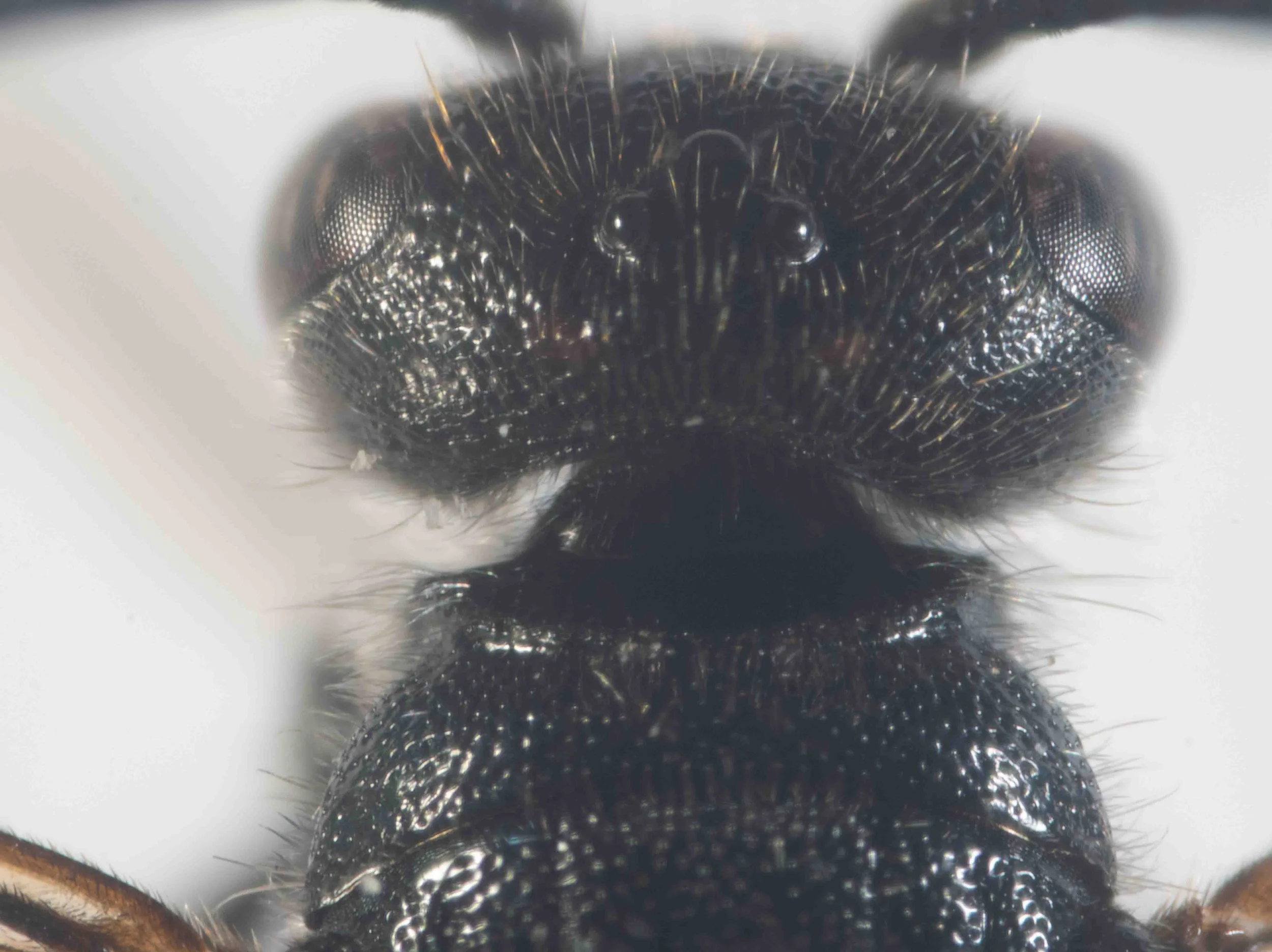
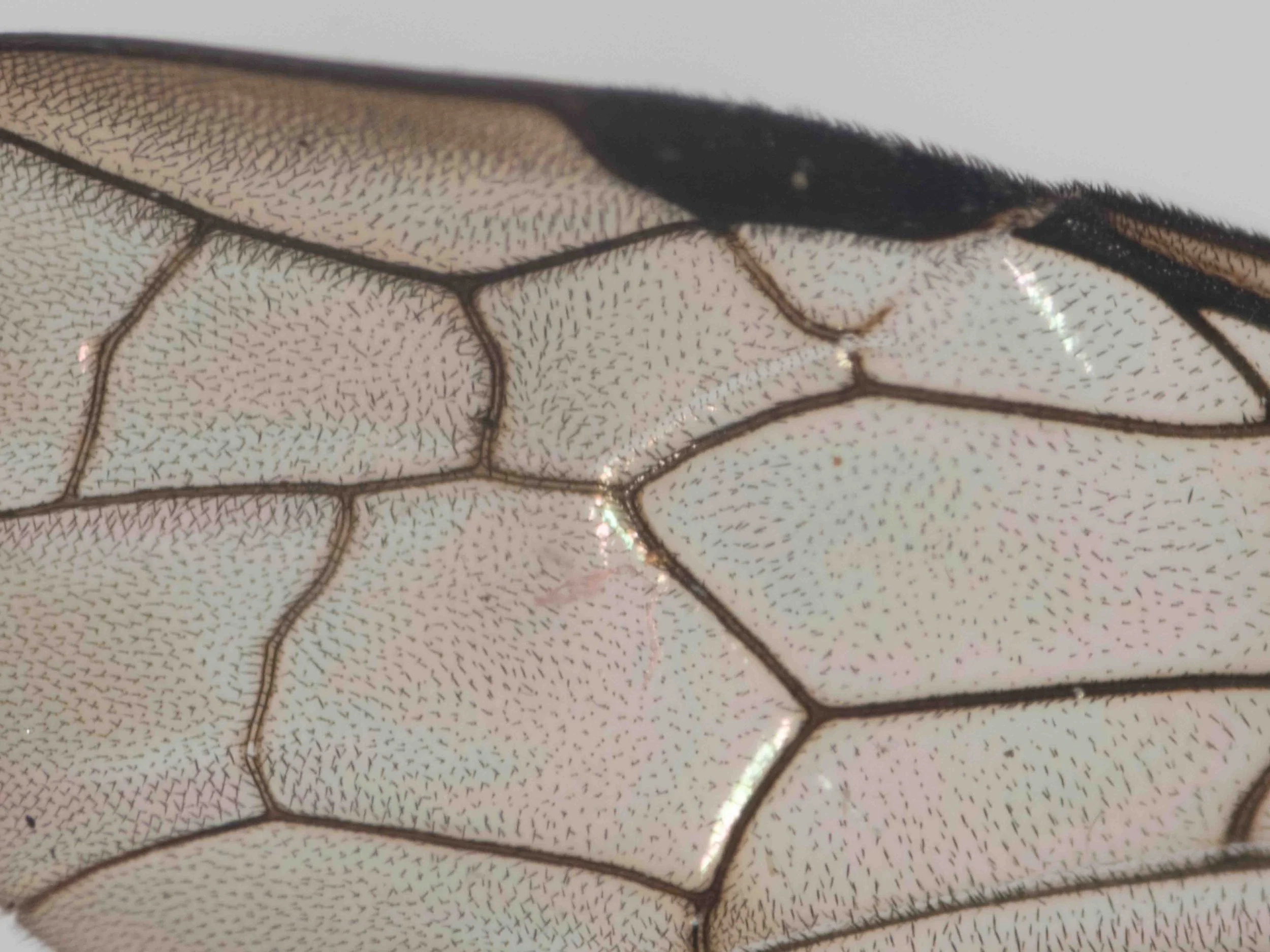
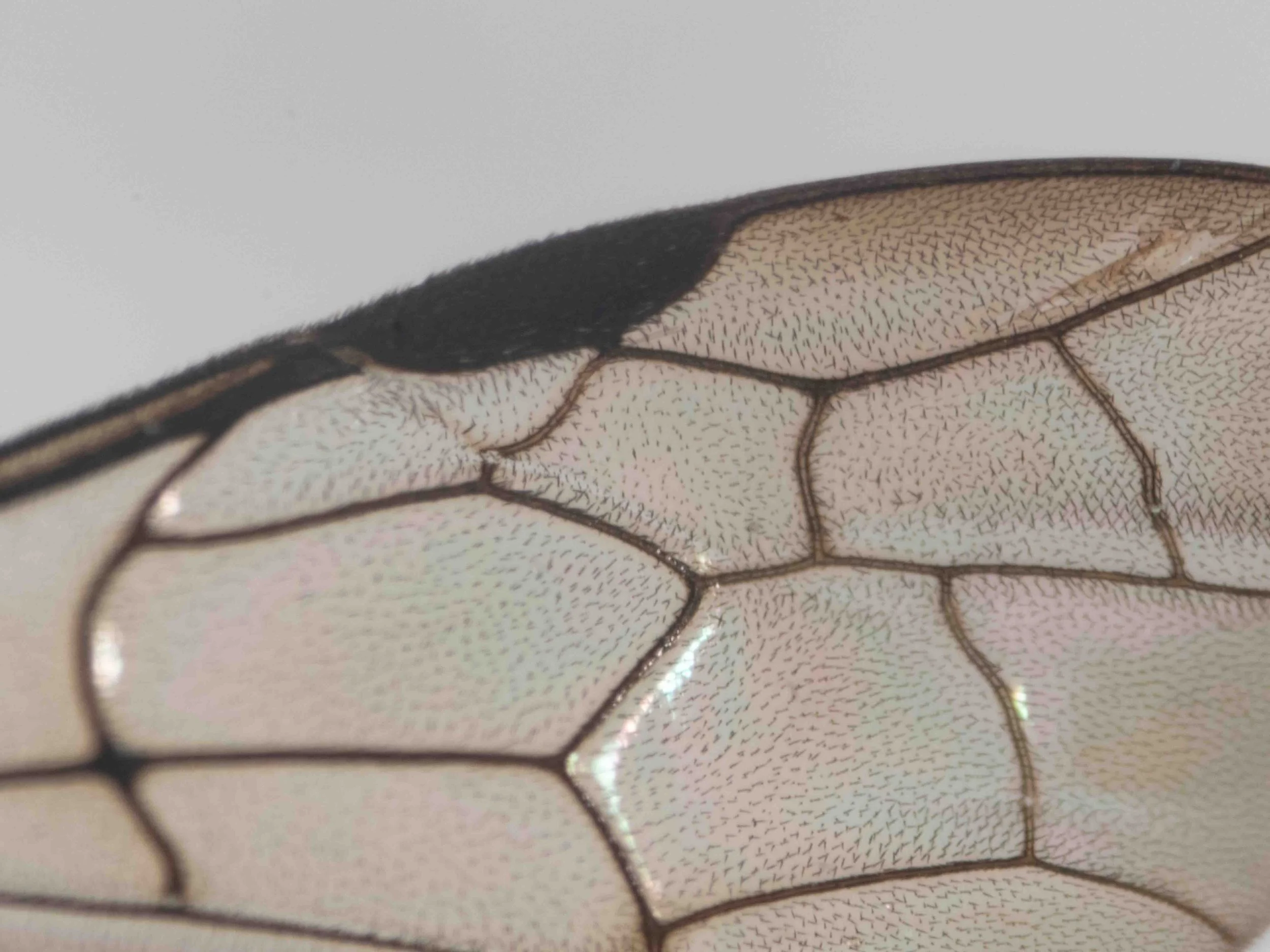
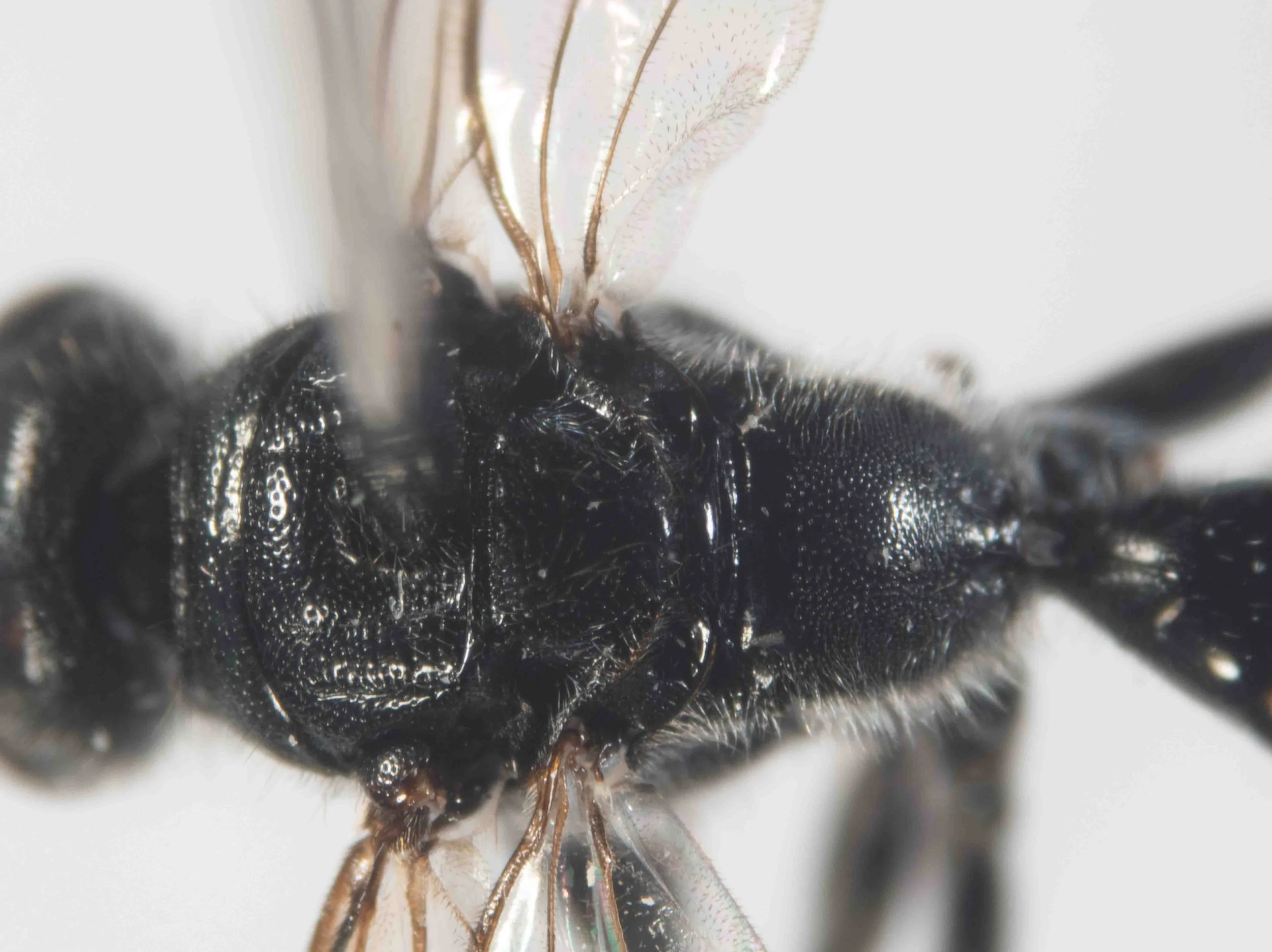
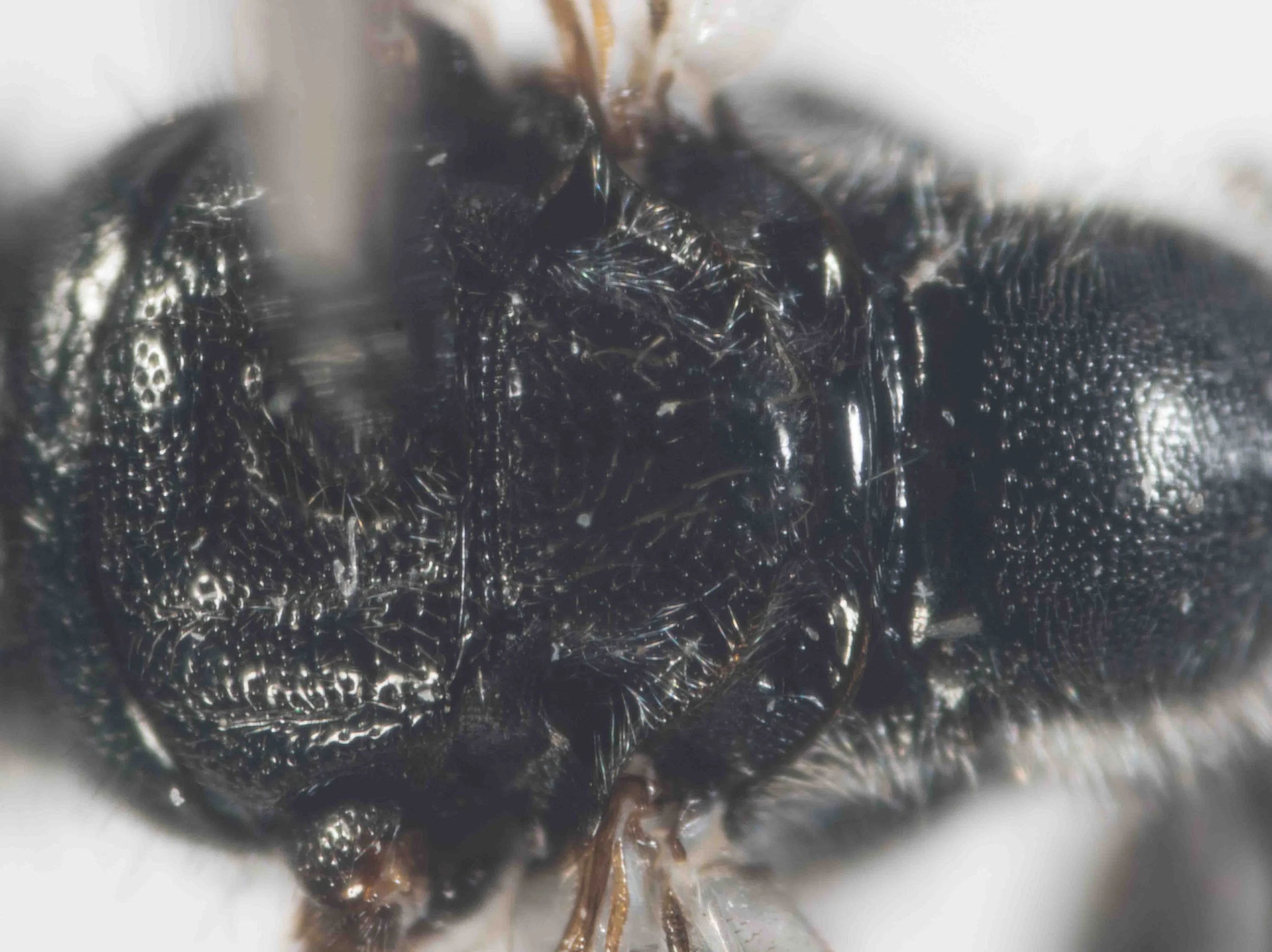
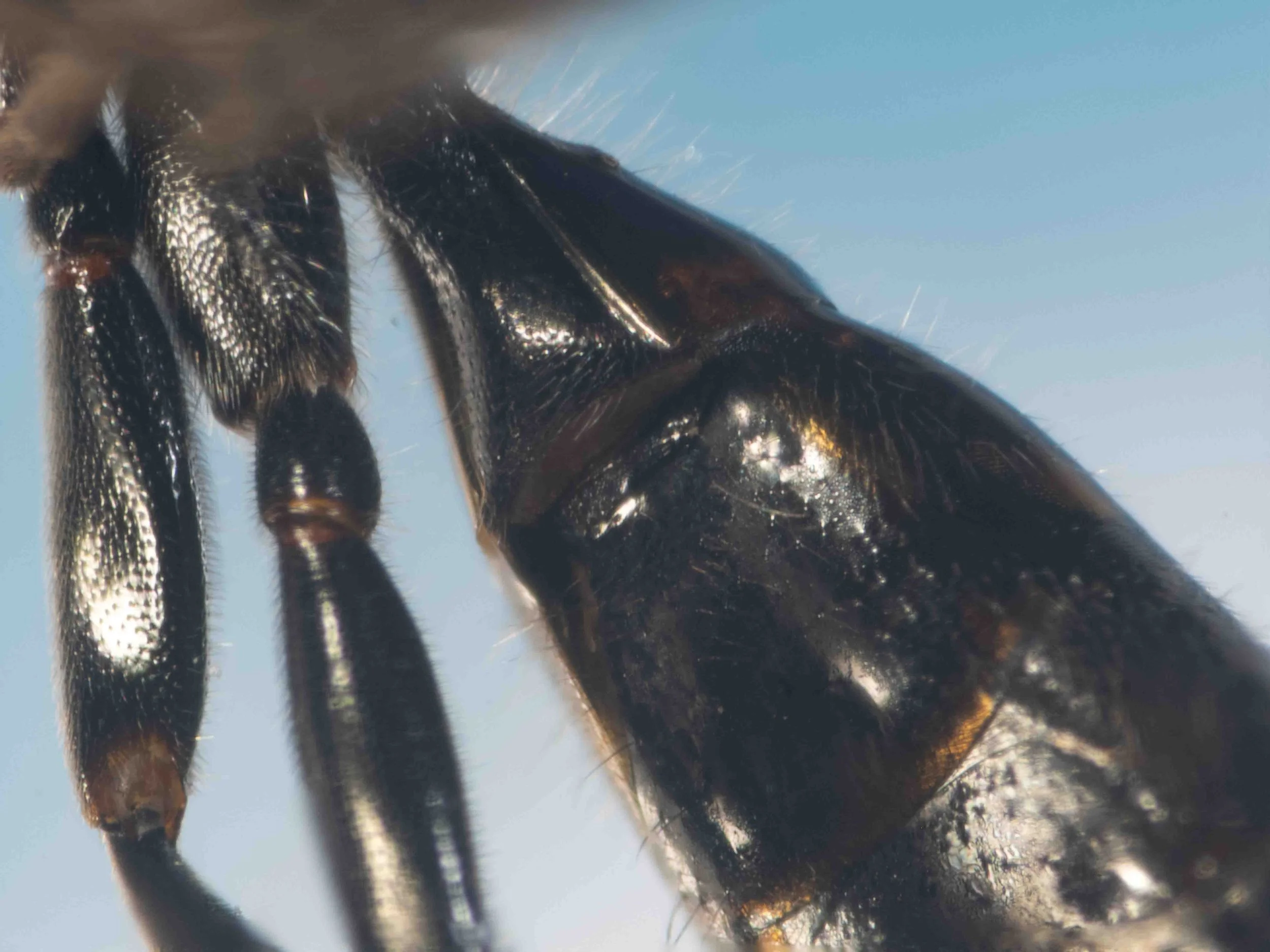
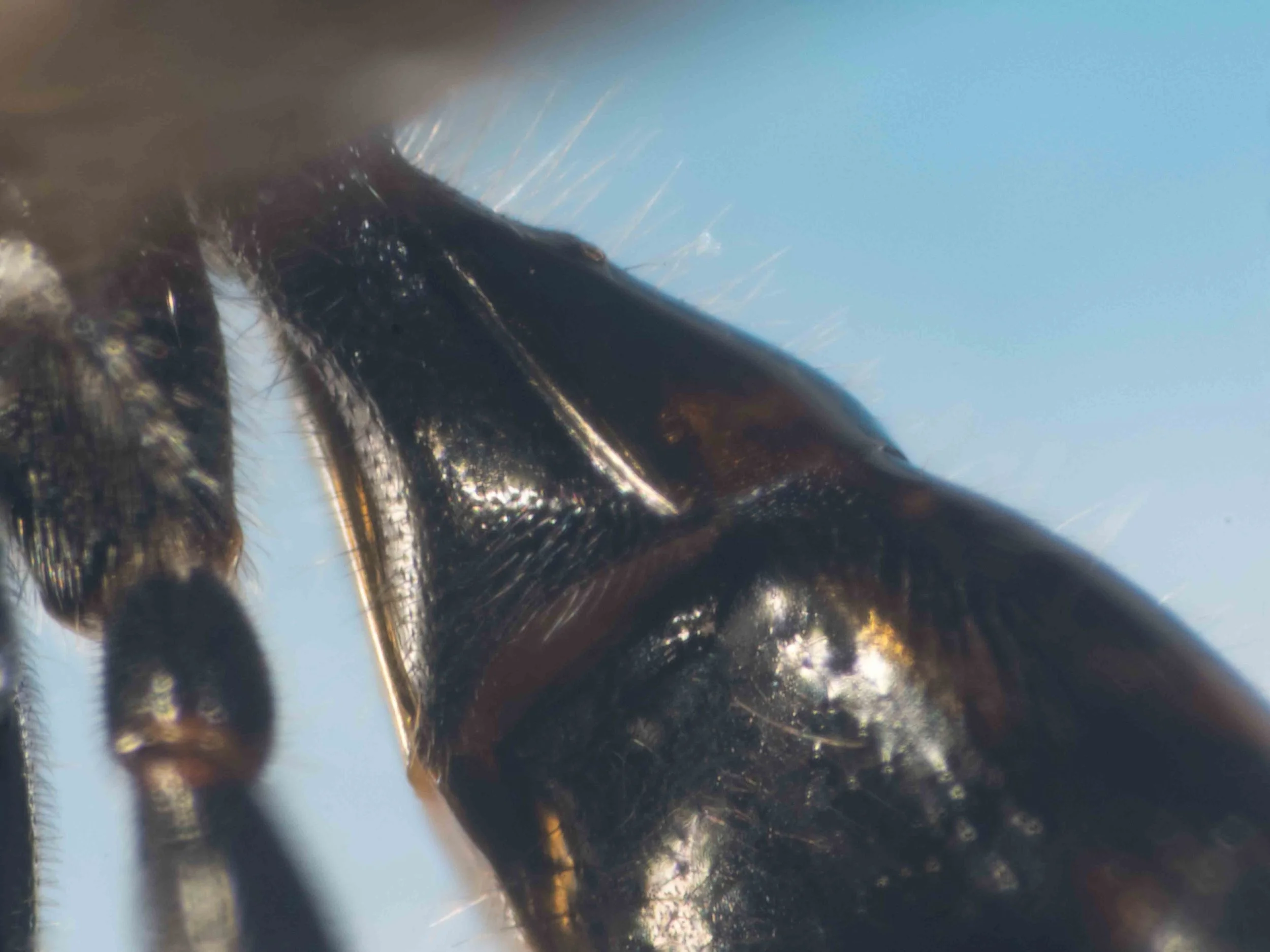
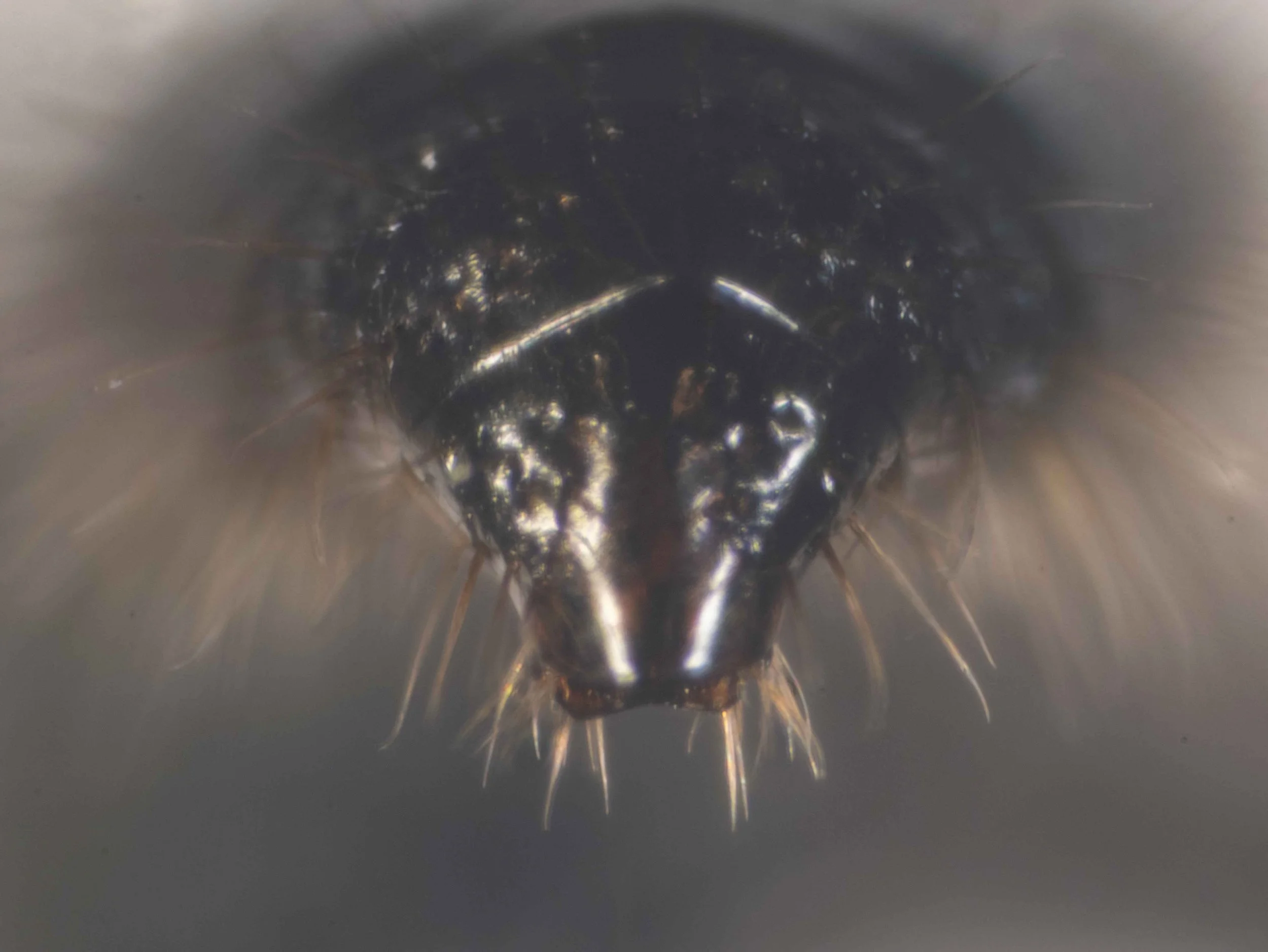
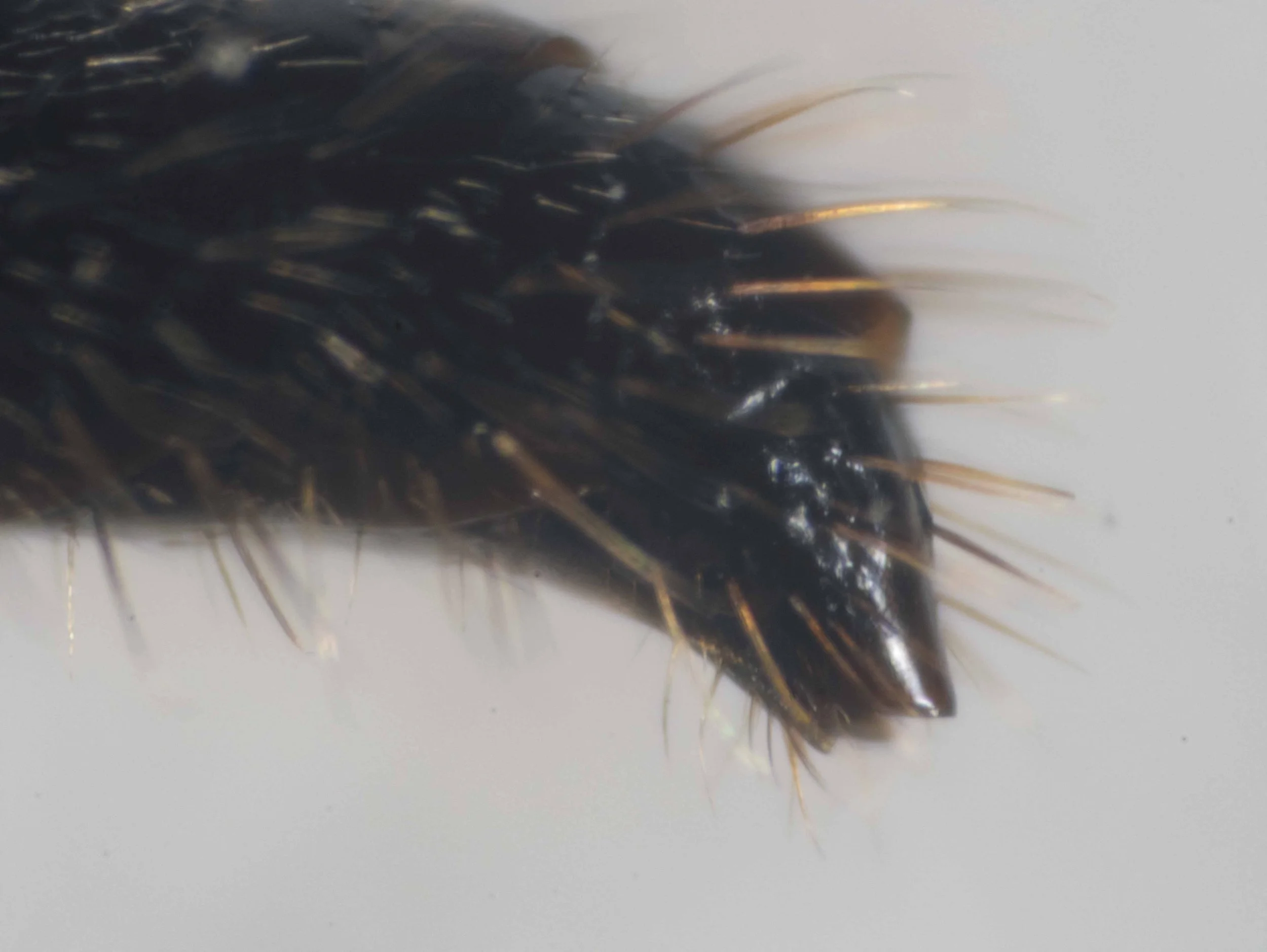
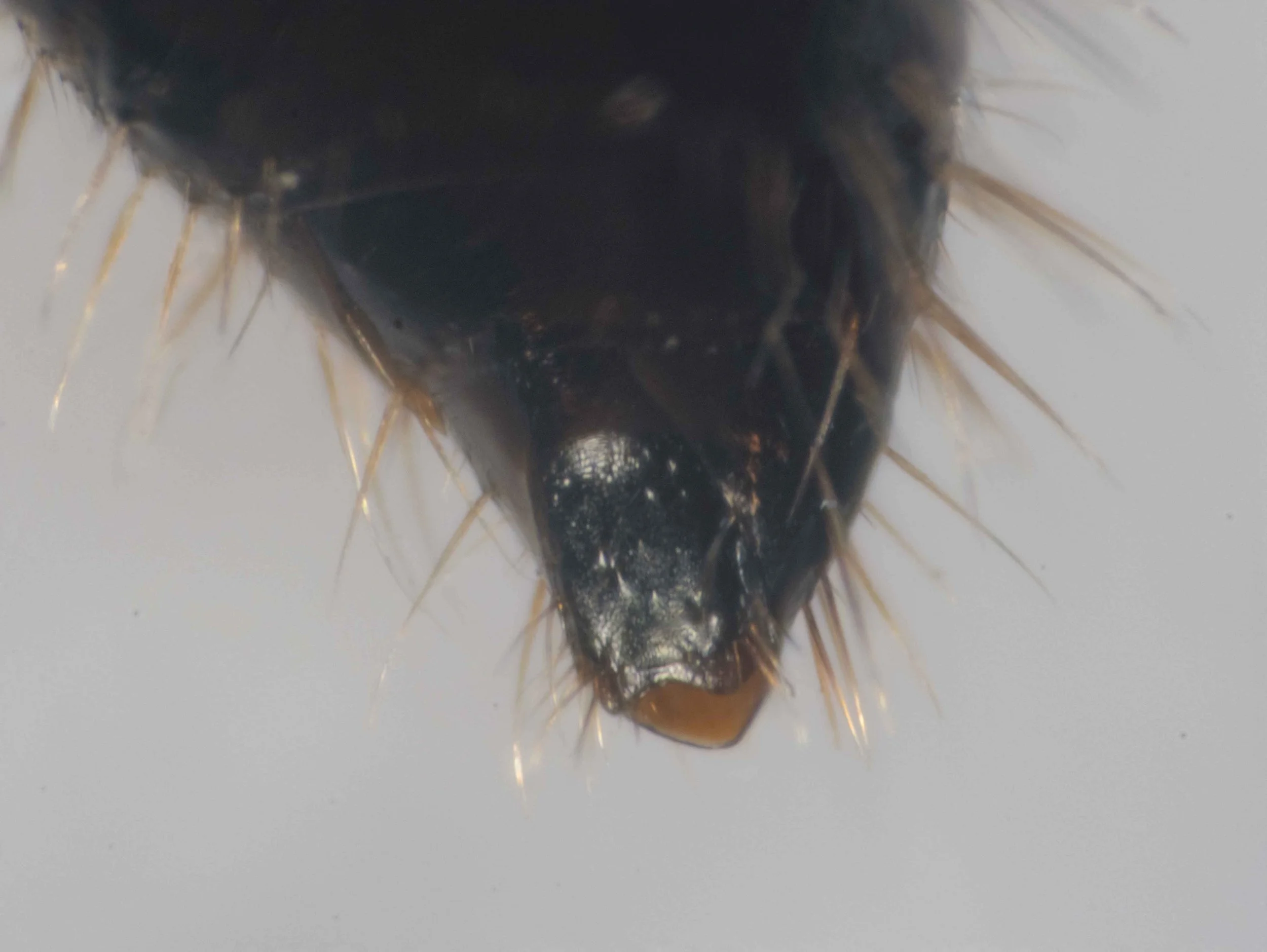
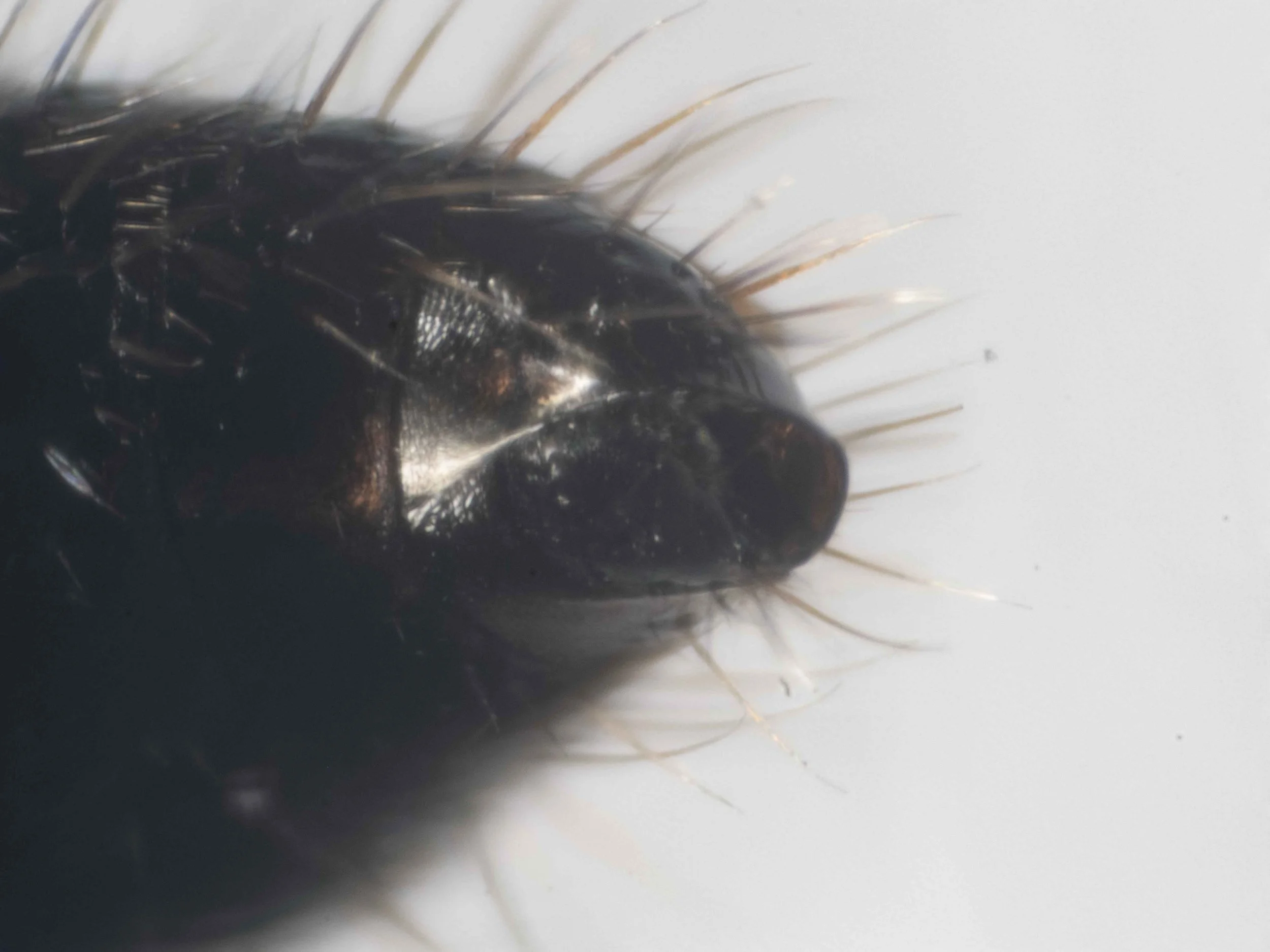
The following is my justification for excluding other options among the Thynnidae and Tiphiidae.
Thynninae: Agromyini
Family THYNNIDAE, based on:
3 submarginal cells & frons produced above antennal sockets (so not Tiphiidae: Tiphiinae)
Subfamily THYNNINAE, based on:
frons produced above antennal sockets (so NOT Anthoboscinae)
forewing with distinct 1r vein (so NOT Myzininae)
forewing with 2m-cu meeting SCIII (so NOT Diamminae)
Tribe Agriomyini most likely, based on:
forewing vein 1r weak or absent (so NOT Thynnini, and unlike most Tachynomyini)
head-body length 8mm (so NOT one of our local Thynnini genera, as none are less than 11mm, and most are considerably larger)
hypopygium apically emarginate (so not Eirone), without apical spine (so NOT Iswaroidini; NOT our local Thynnine genera; nor remaining Rhagigasterini)
S1 without anterior V-shaped carina (so NOT Rhagigasterini)
Tribe Tachynomyini eliminated by checking against each of the six genera, as follows:
hypopygium apically emarginate, without apical spin (so NOT Wrangathynnus, Phymatothynnus, Tachynomyia, Tachyphron, Tachynoides)
metasoma not ‘subpetiolate’ (so apparently NOT Ariphron)
While in most Ariphron species the hypopygium is spinose, the key lists one species from south-western WA, in which the hypopygium is “narrowly subtruncate with apical spine absent, lateral spines tooth-like”. The lateral spines in #068 are not toothlike, so I think I can discount this species.
[?? Note: the forewing location of the recurrent veins is more typical of Thynnini, with the 2nd and 3rd intervals of M subequal, and the 3rd longer than half 2r-m. ]
References
Brown, G. 2001. Status of the Ariphron generic group (Hymenoptera: Tiphiidae): A critical review. Australian Journal of Entomology 40: 23–40
Brown, G. 2025. Revision of the Australian Thynnidae and Tiphiidae (Hymenoptera). Zootaxa 5681 (1): 001-862 https://doi.org/10.11646/zootaxa.5681.1.1
This is a workbook page … a part of our website where we record the observations and references used in making species identifications. The notes will not necessarily be complete. They are a record for our own use, but we are happy to share this information with others.