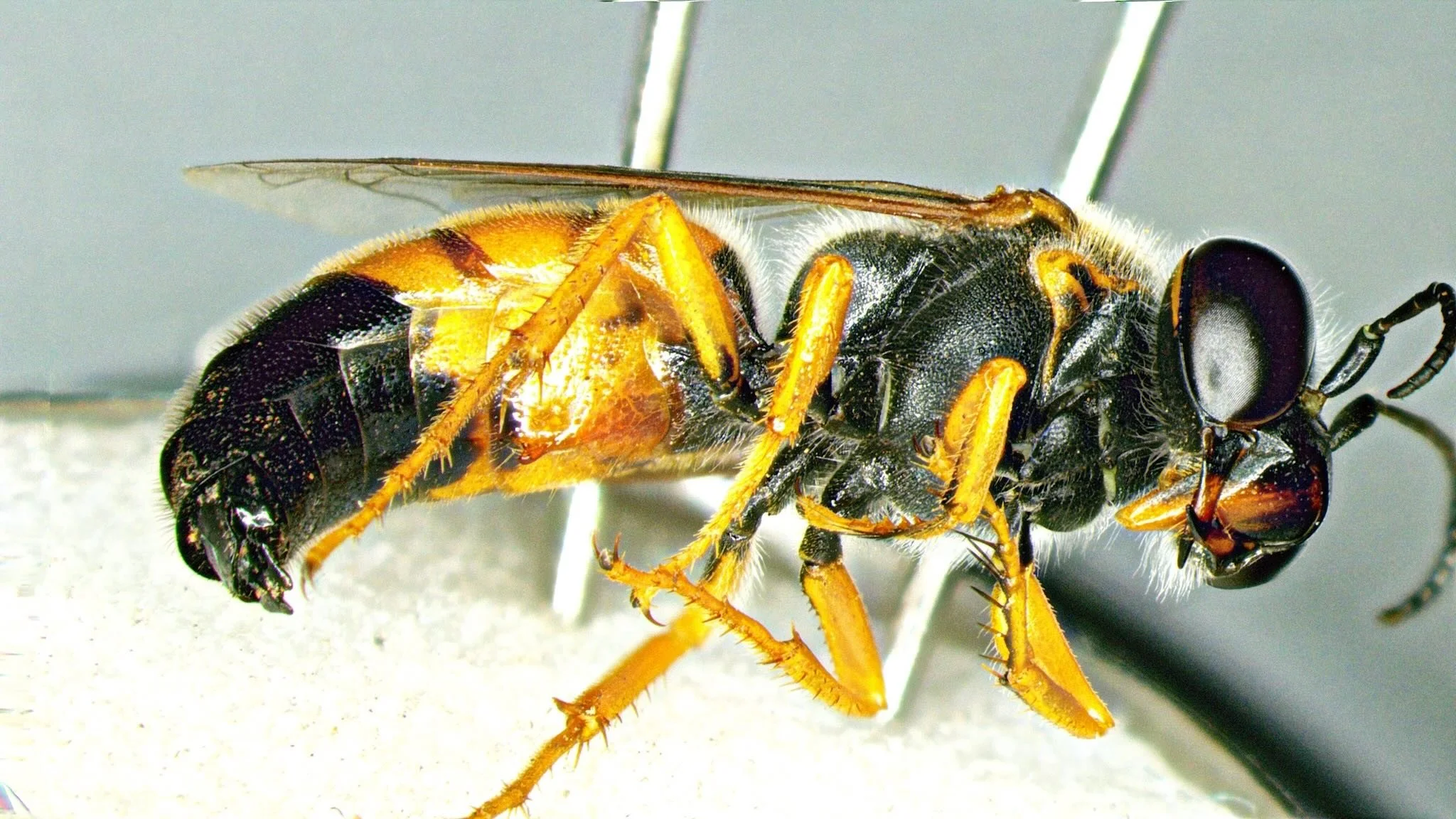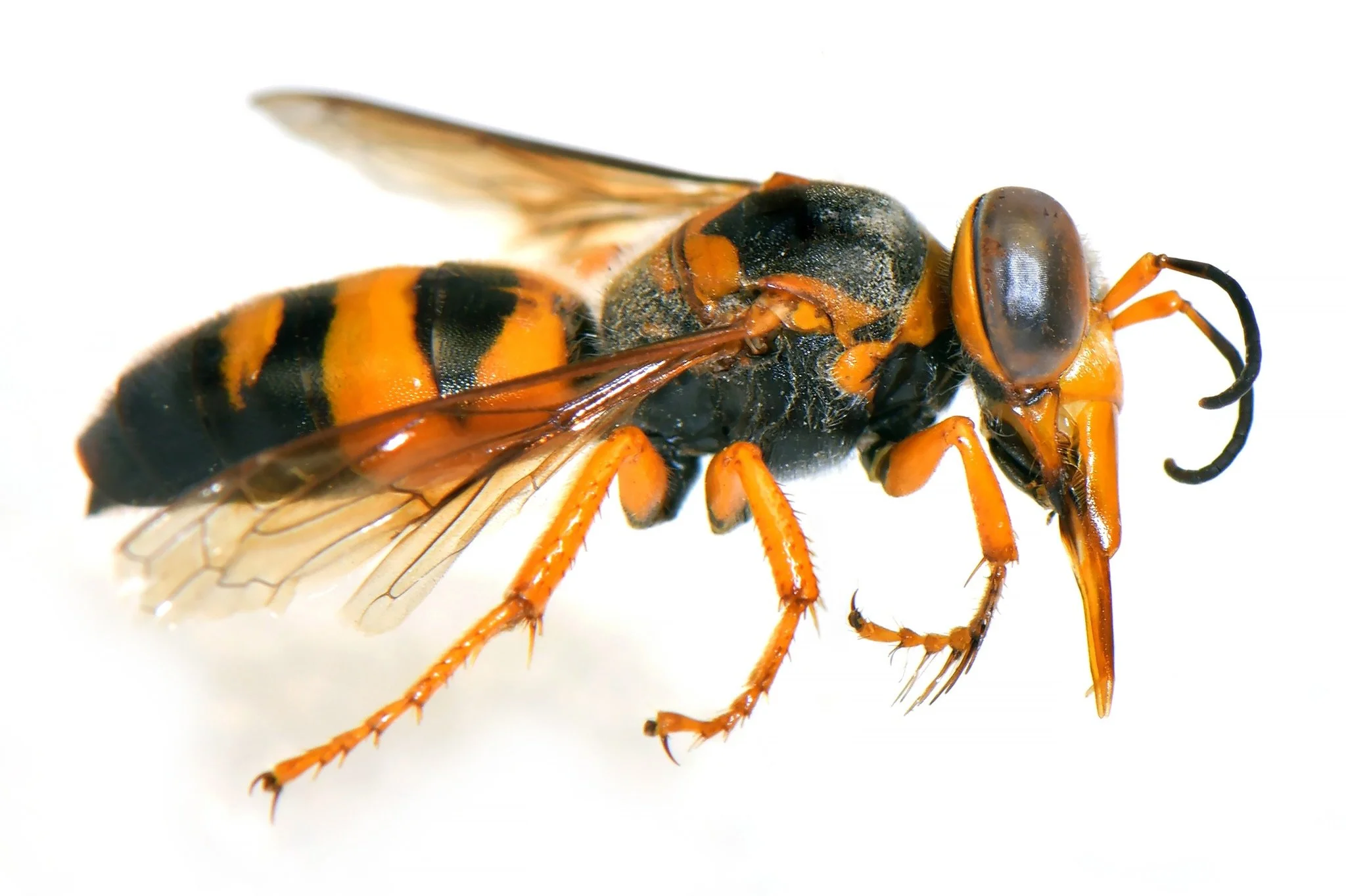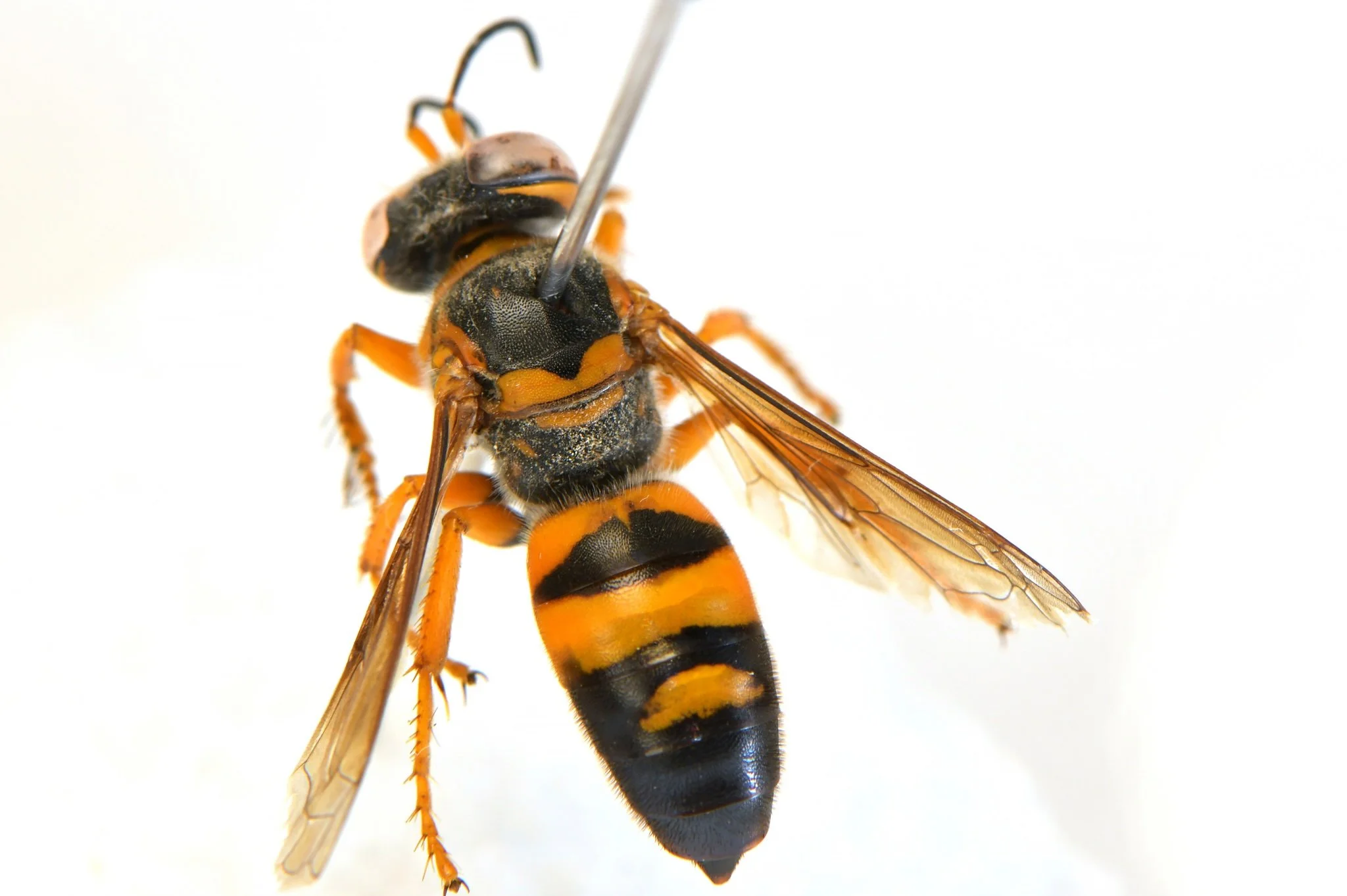
Bembix olba, B. wilcannia & the like

Workbook
cover image courtesy Kerry Stuart
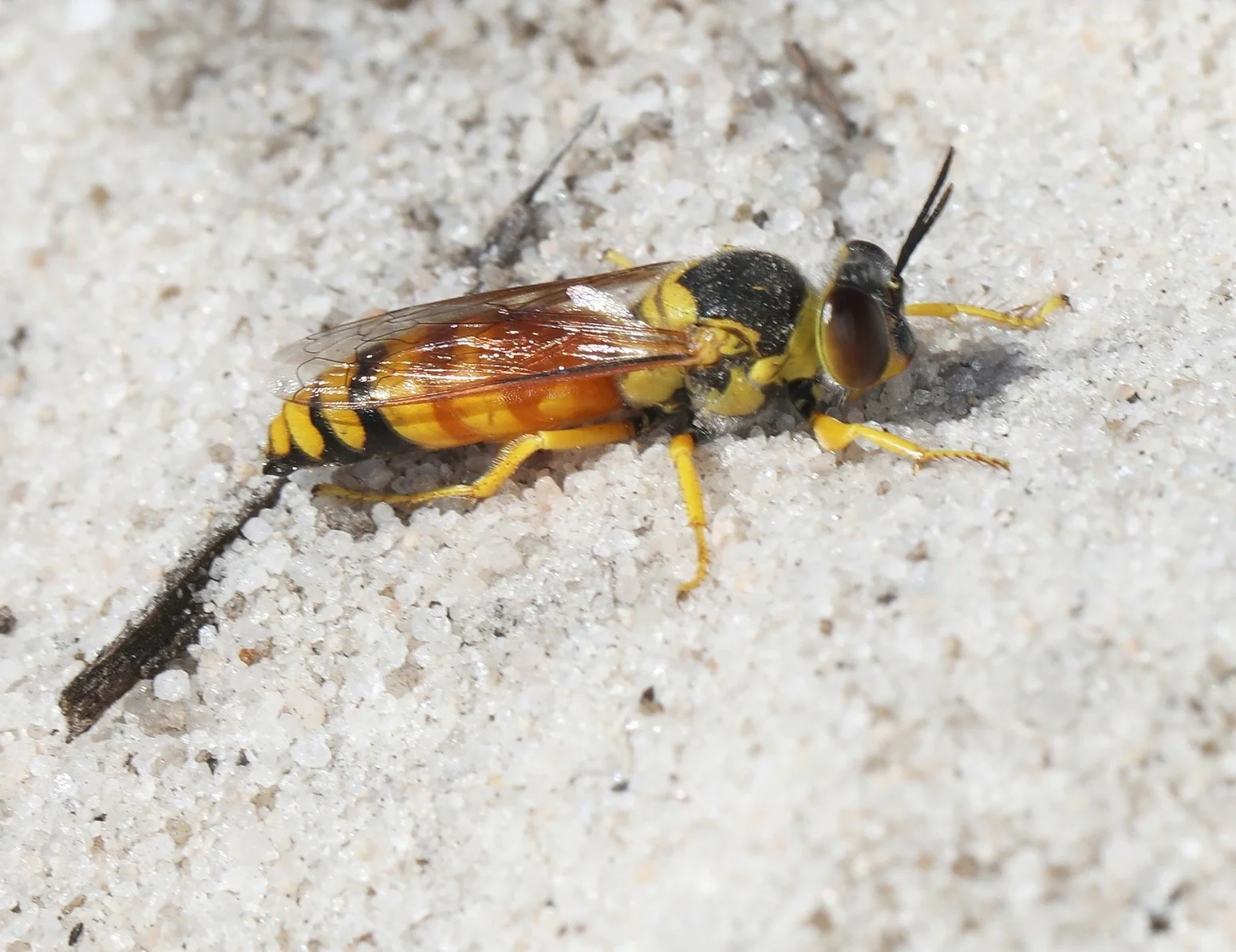
iNaturalist observation 342858697
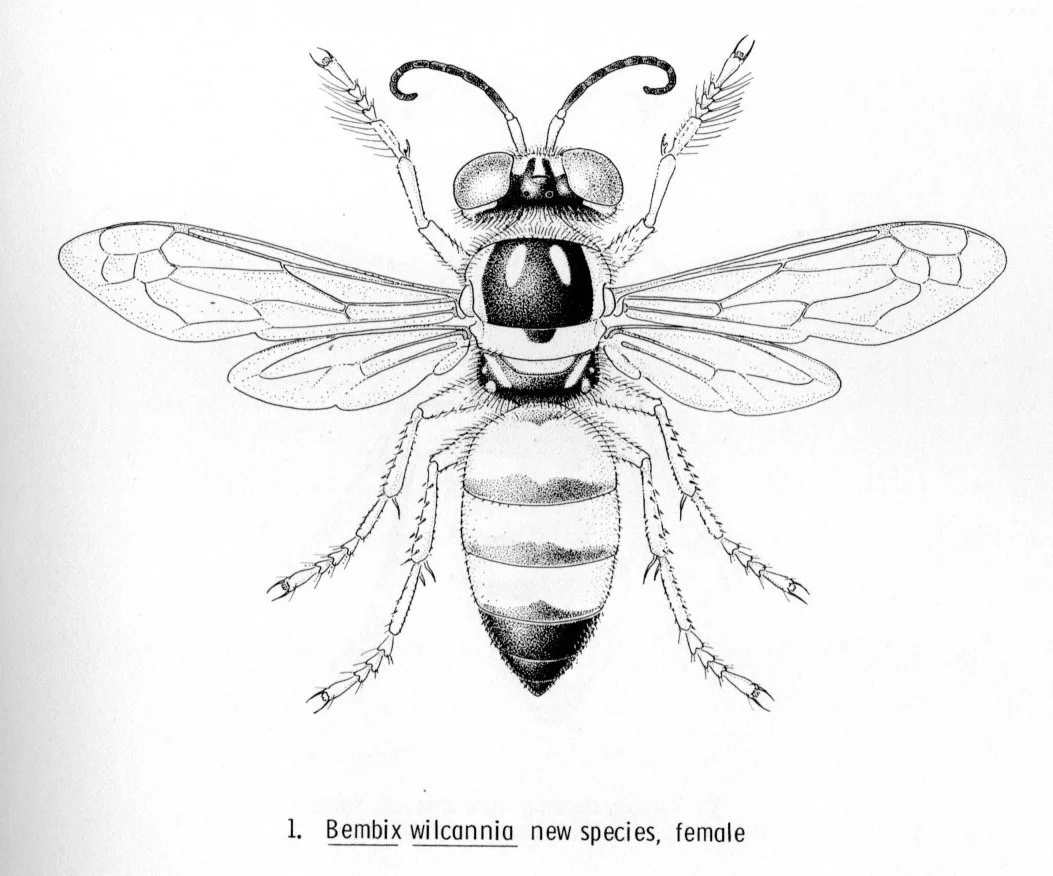
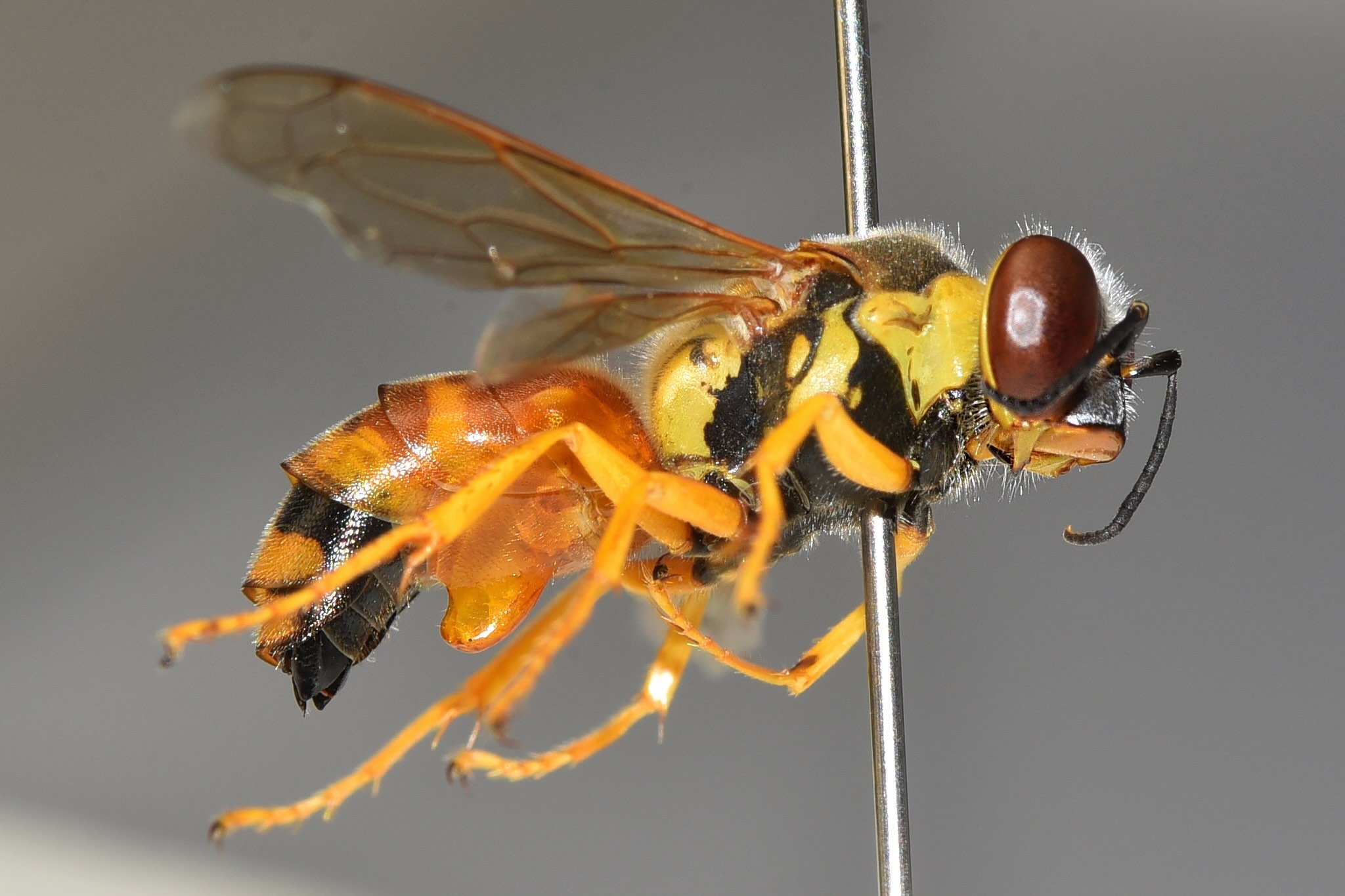
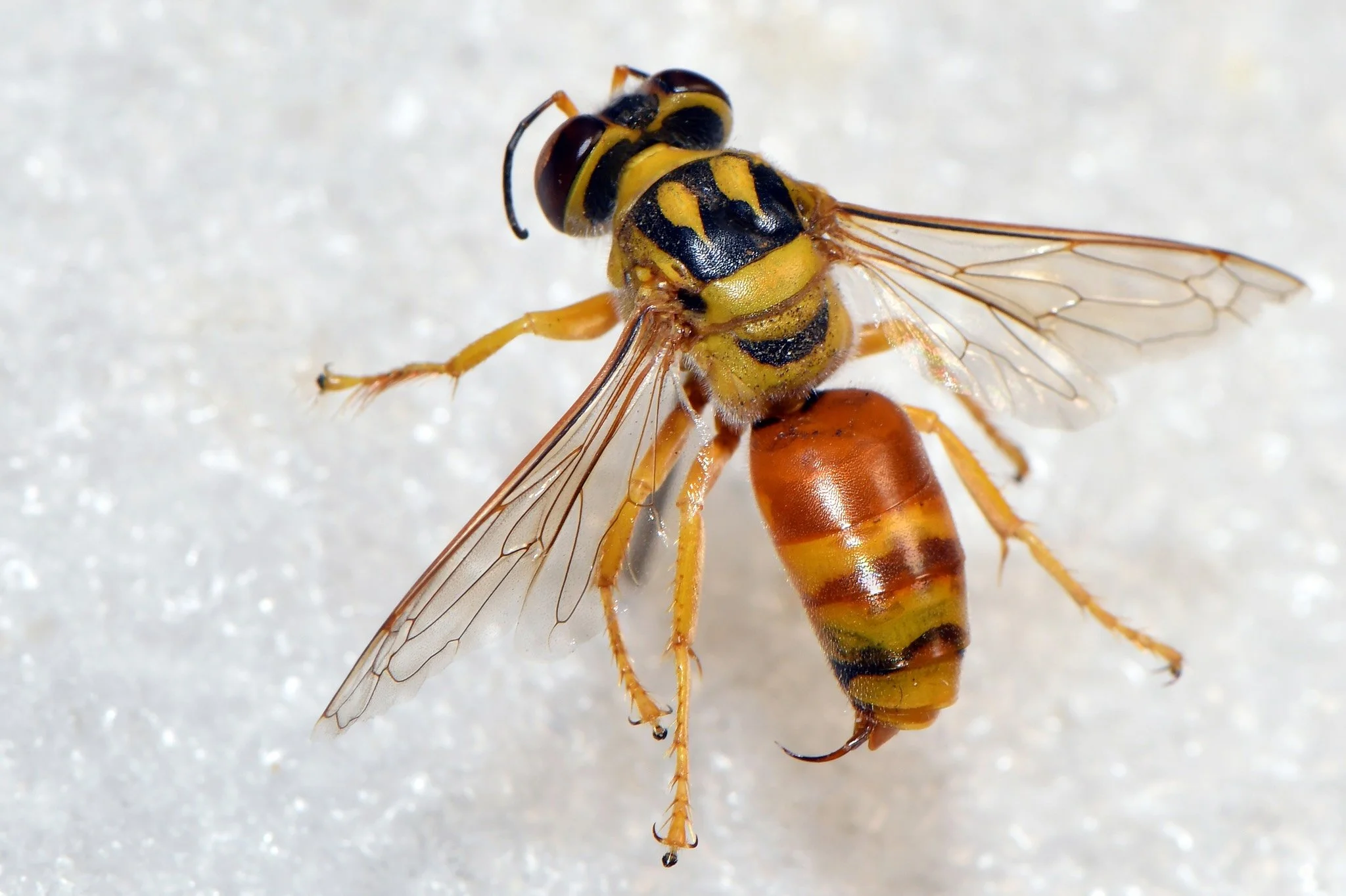
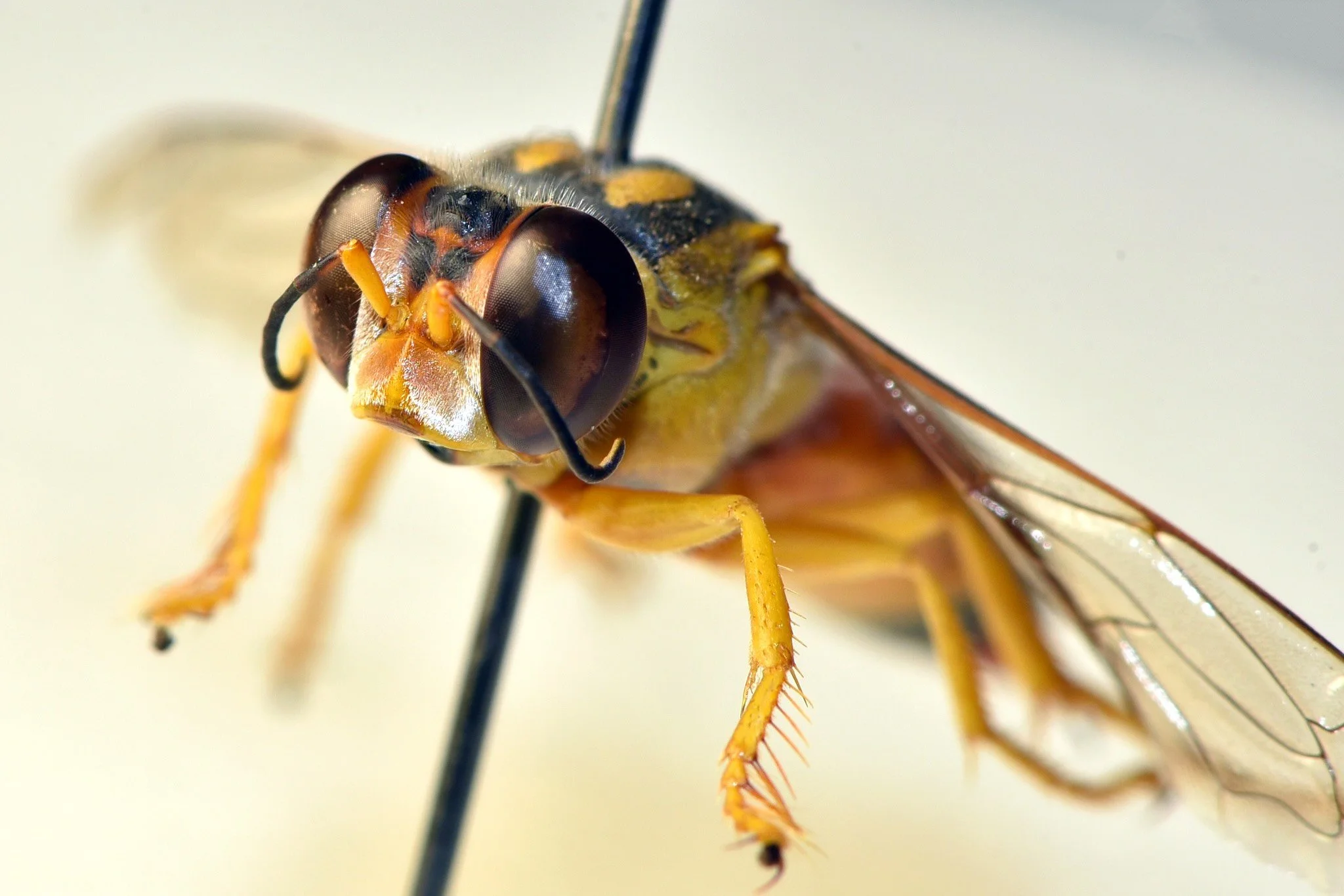
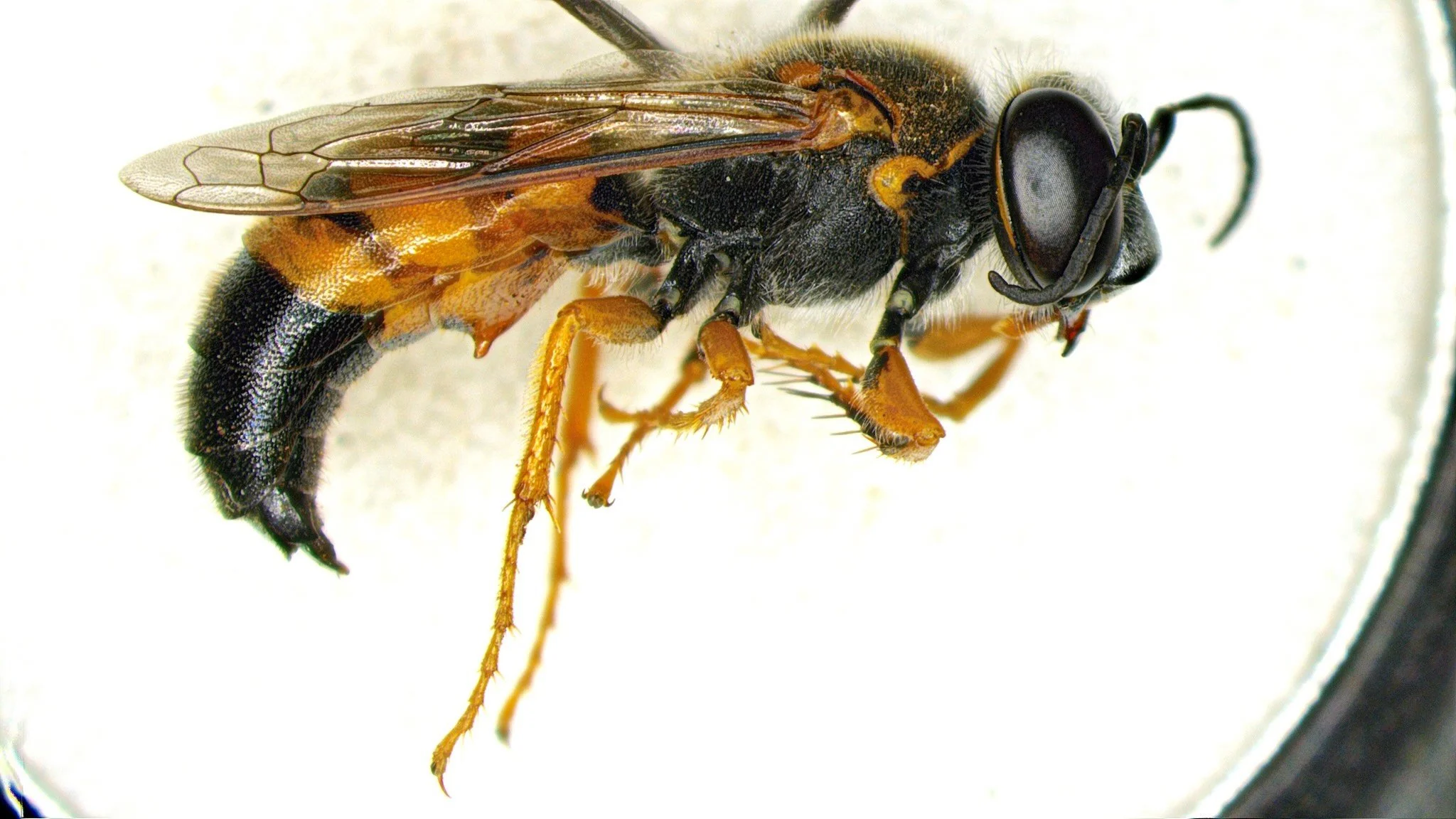
Following several iNaturalist observations of colourful Bembix, I was prompted to look a bit more closely at the differences between some of the candidate species. In particular, Bembix olba, B. aureofasciata, and B. wilcannia. All are extensively marked with orange, and they share many structural features.
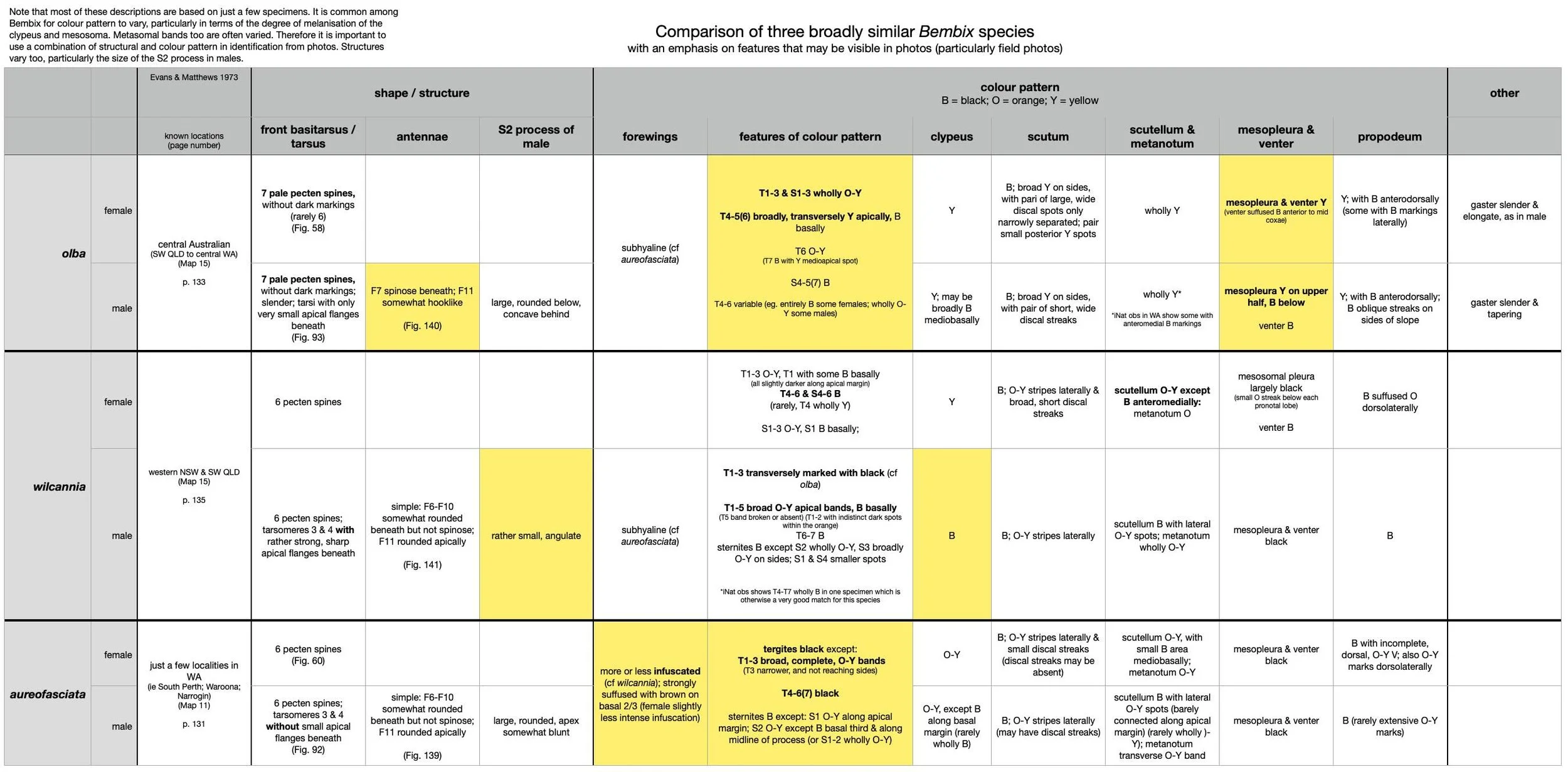
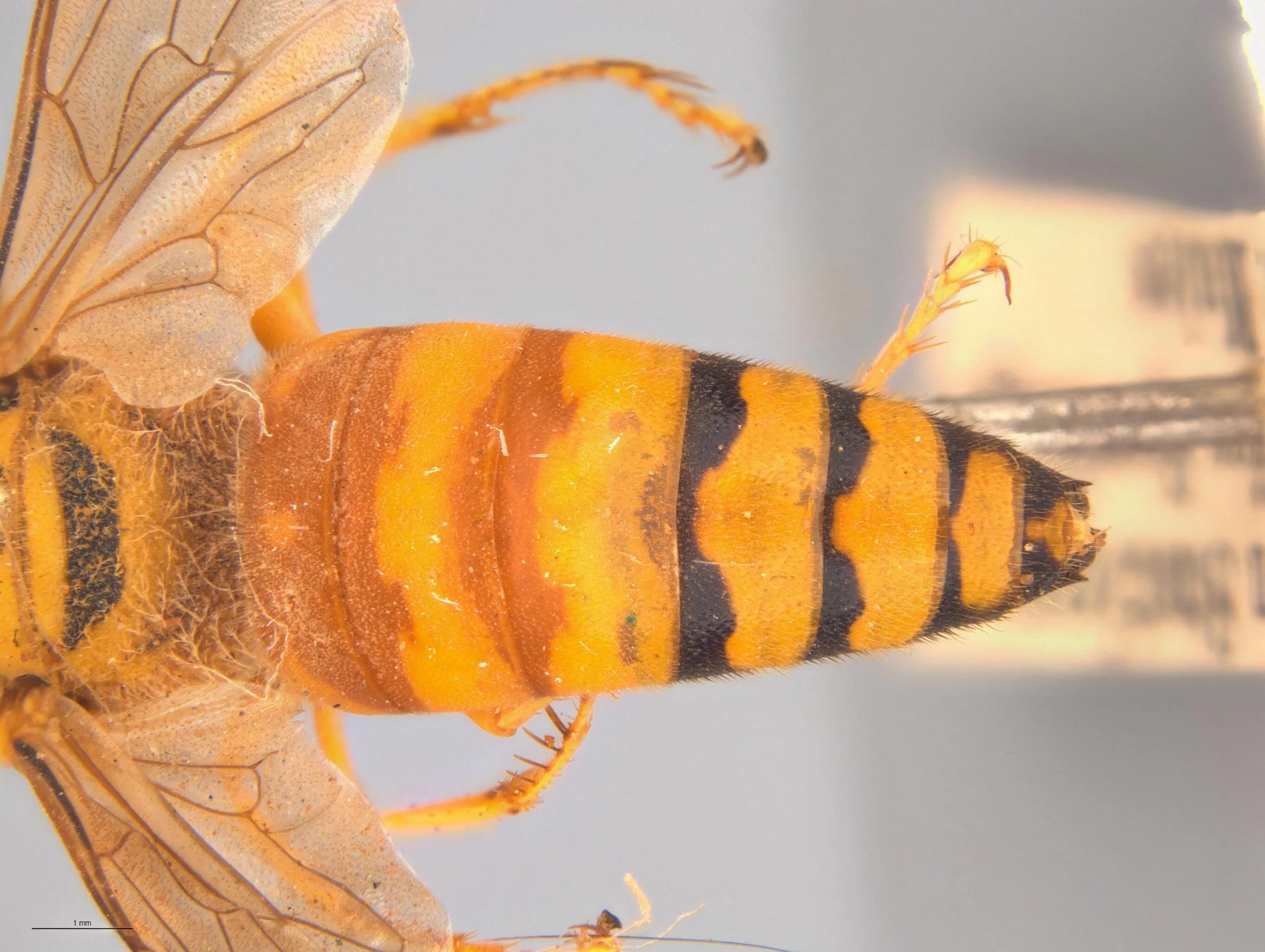
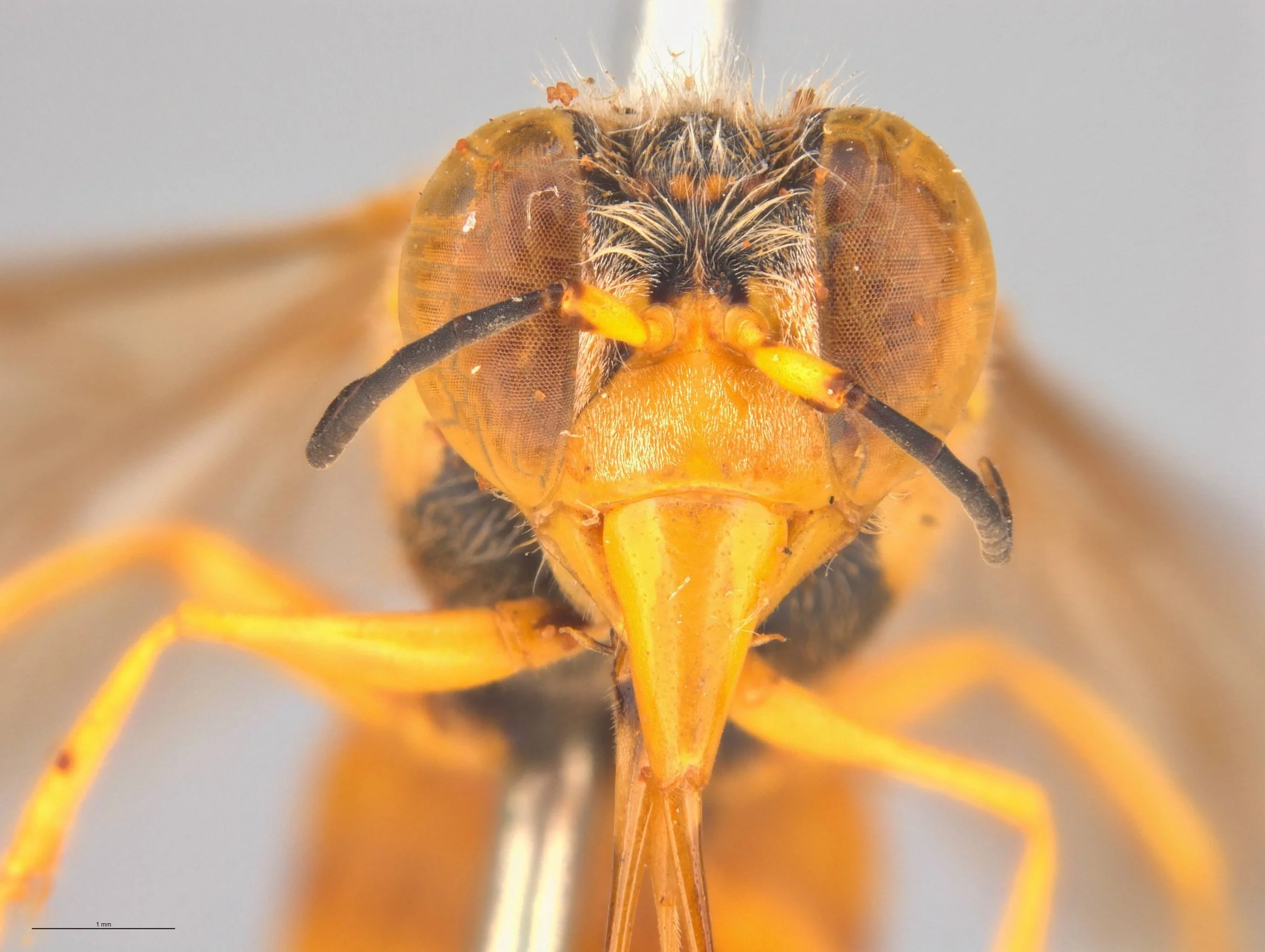
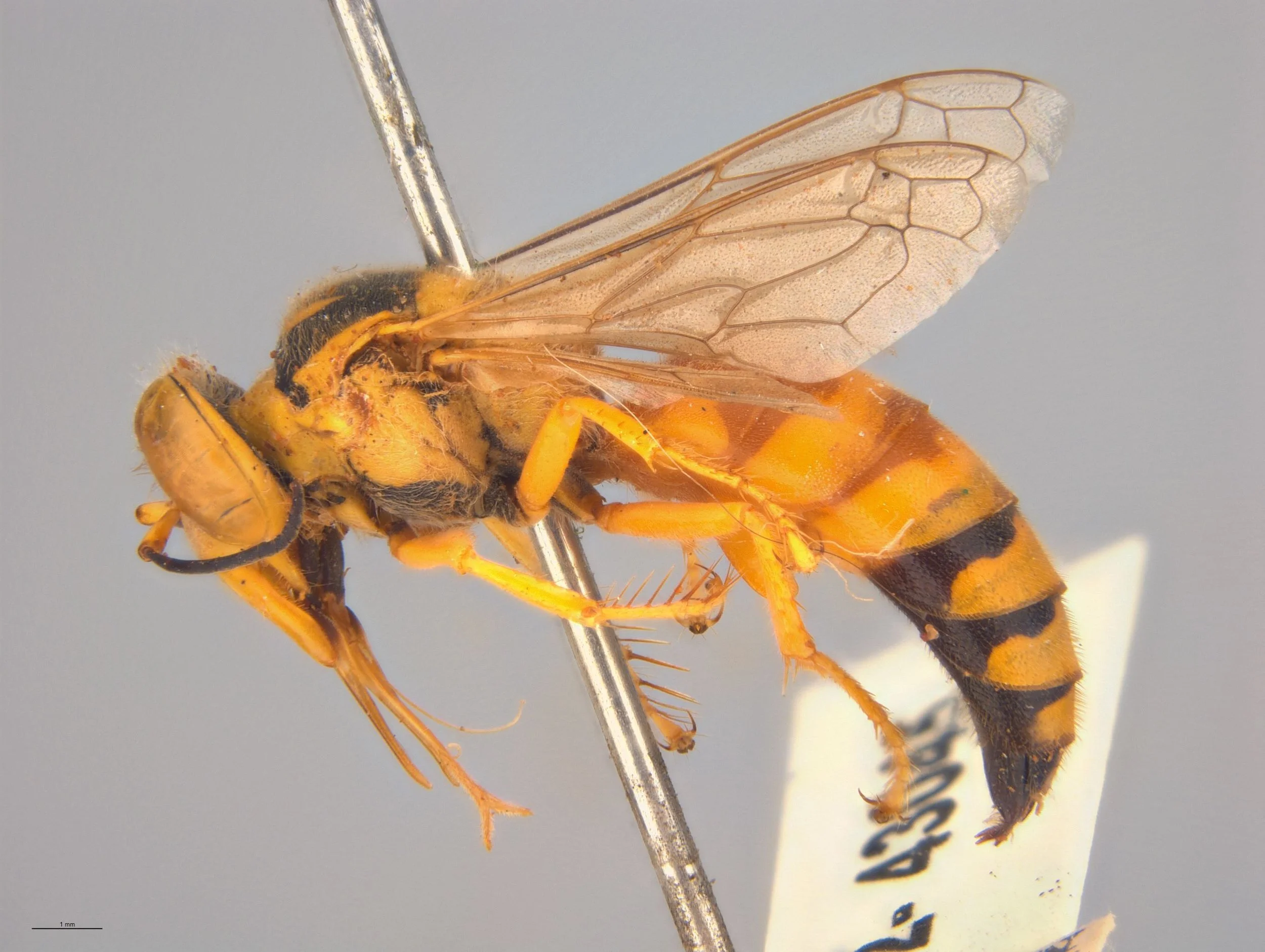
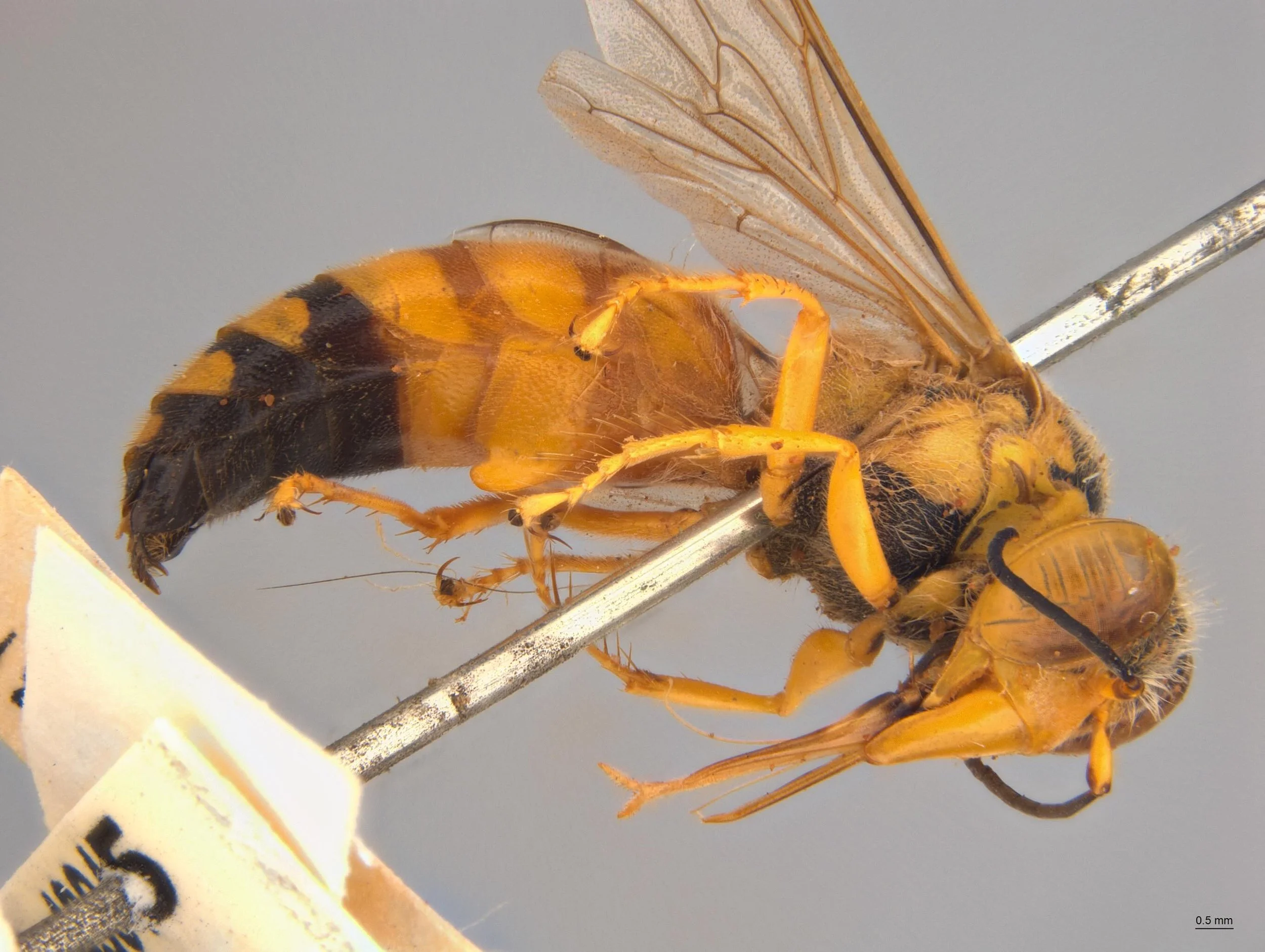
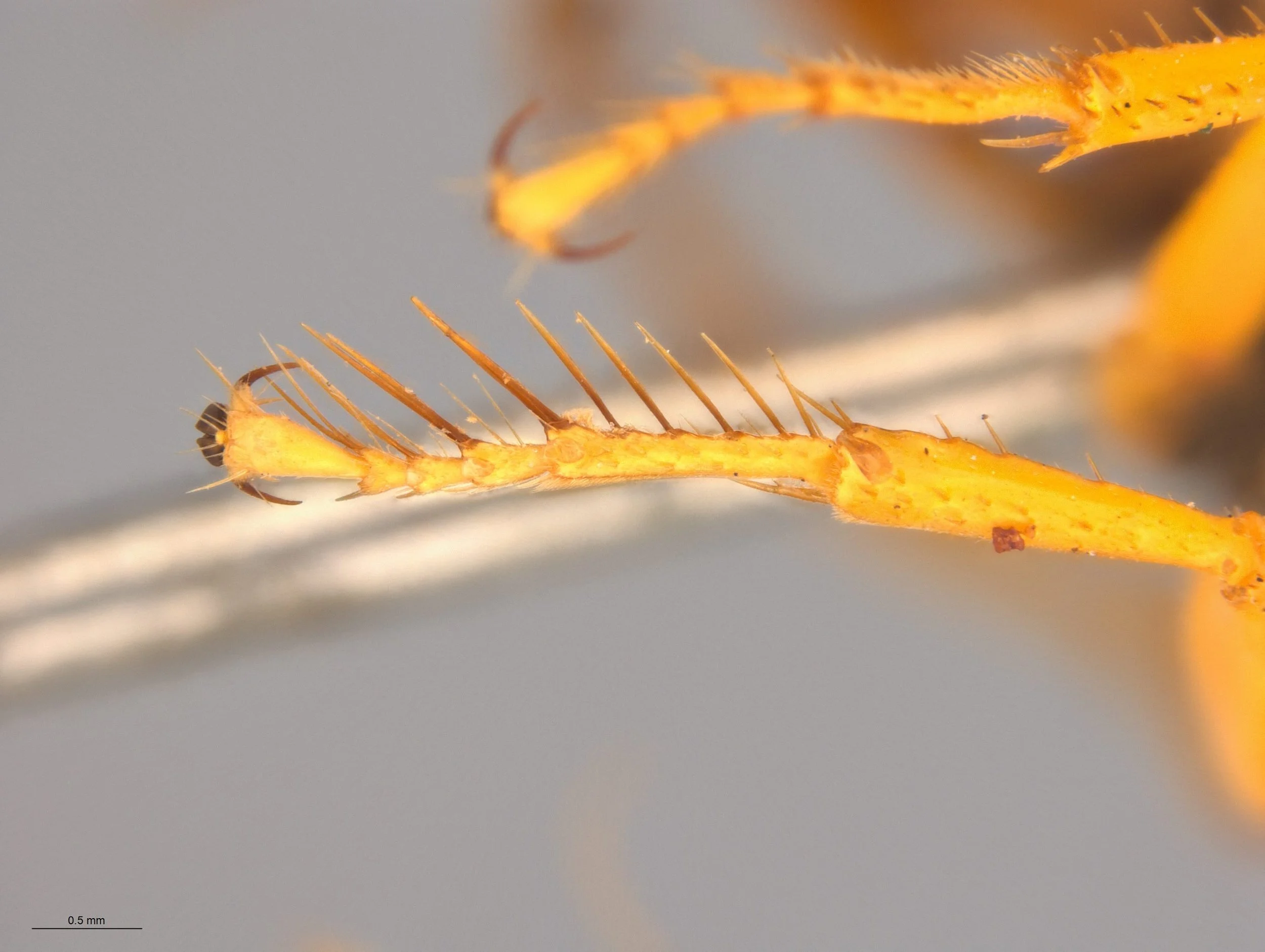
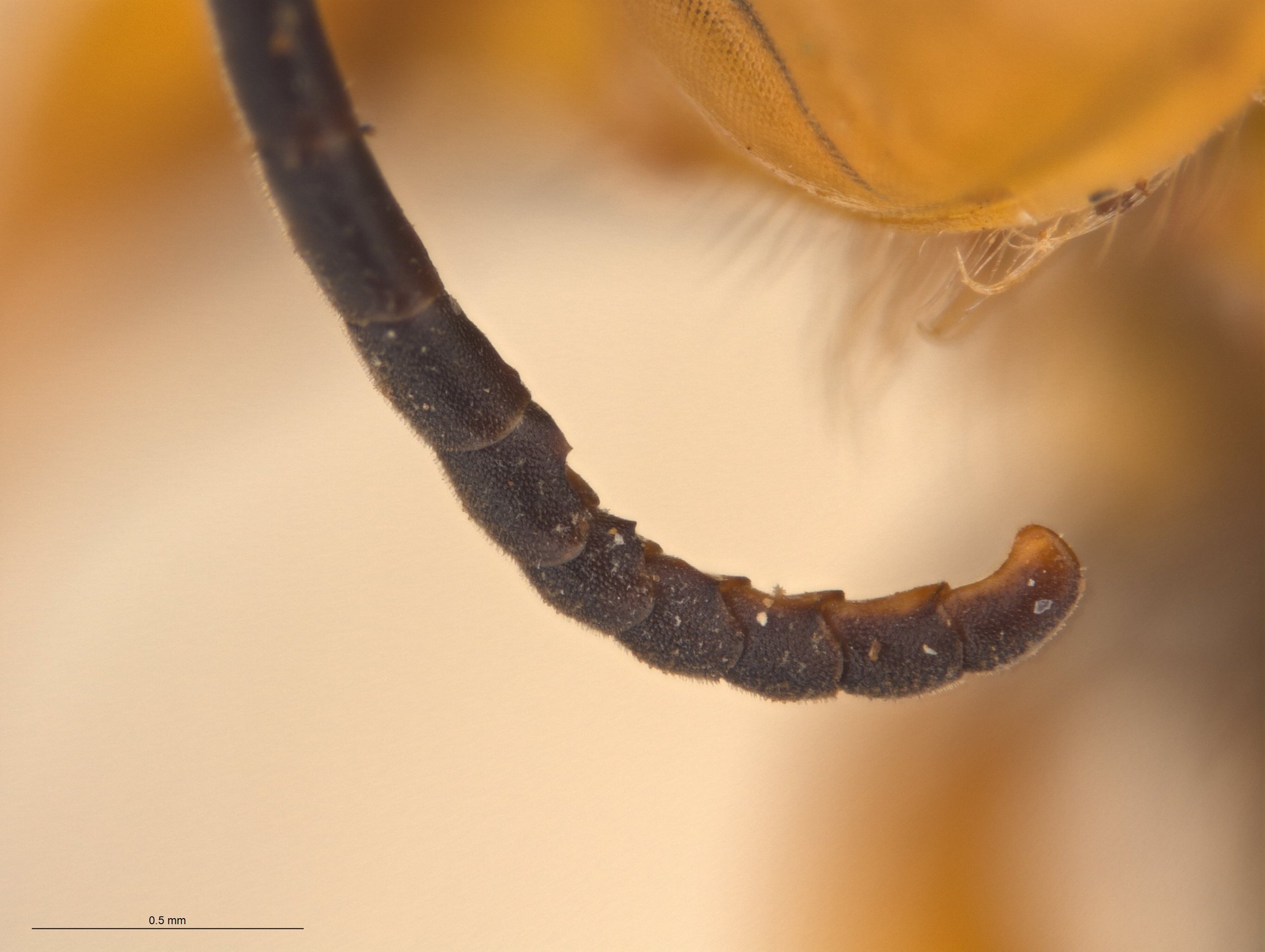
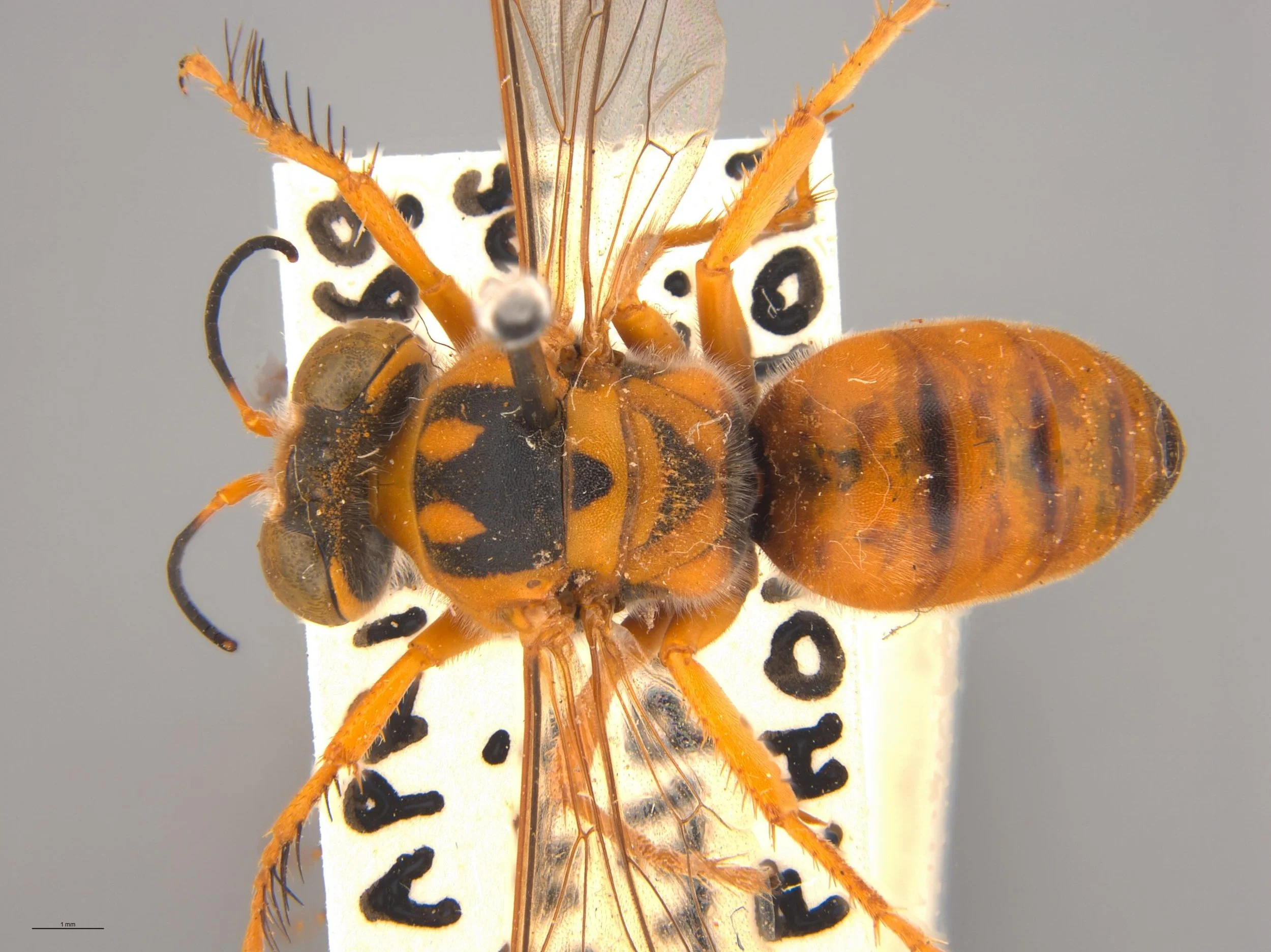
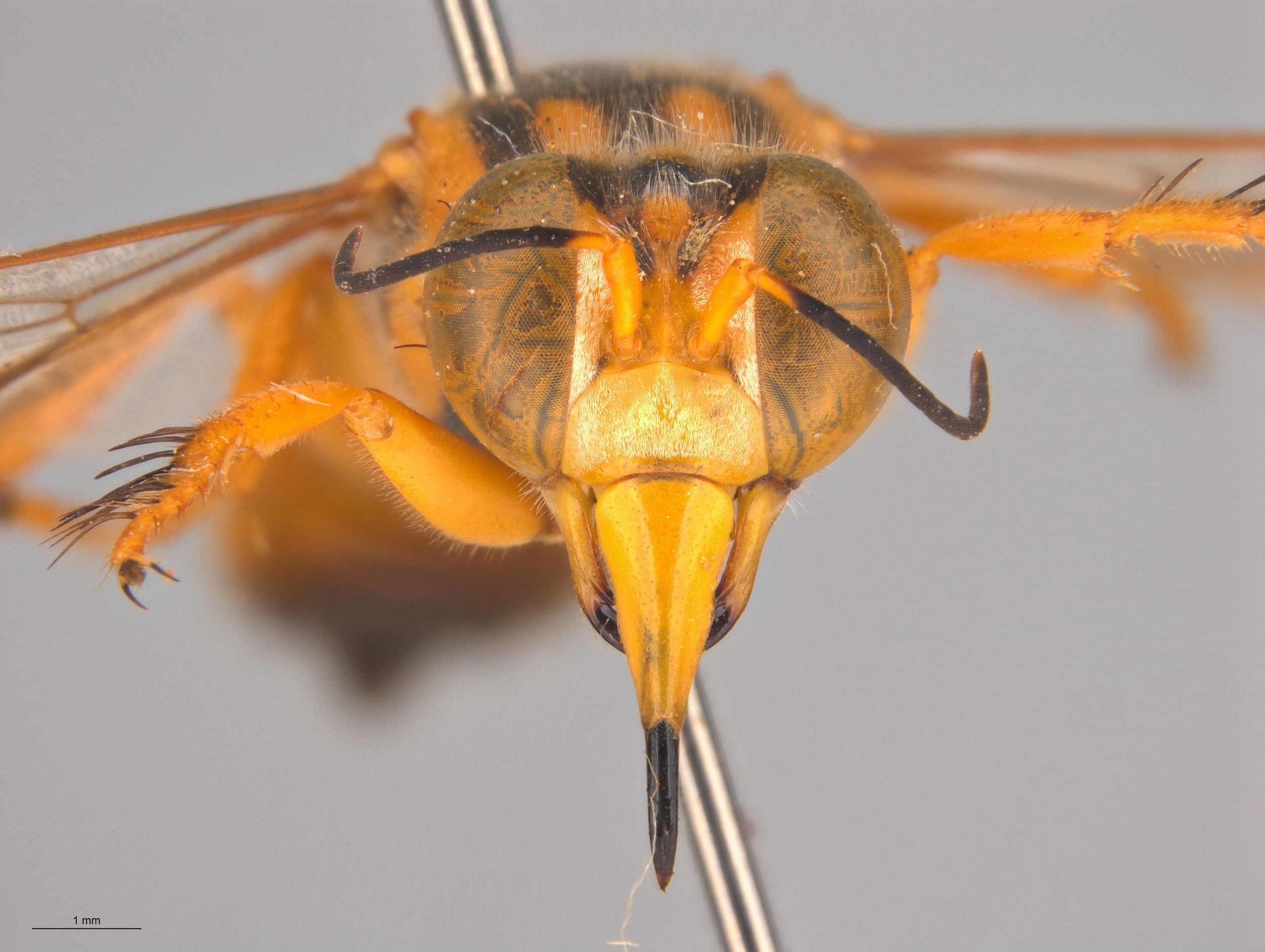
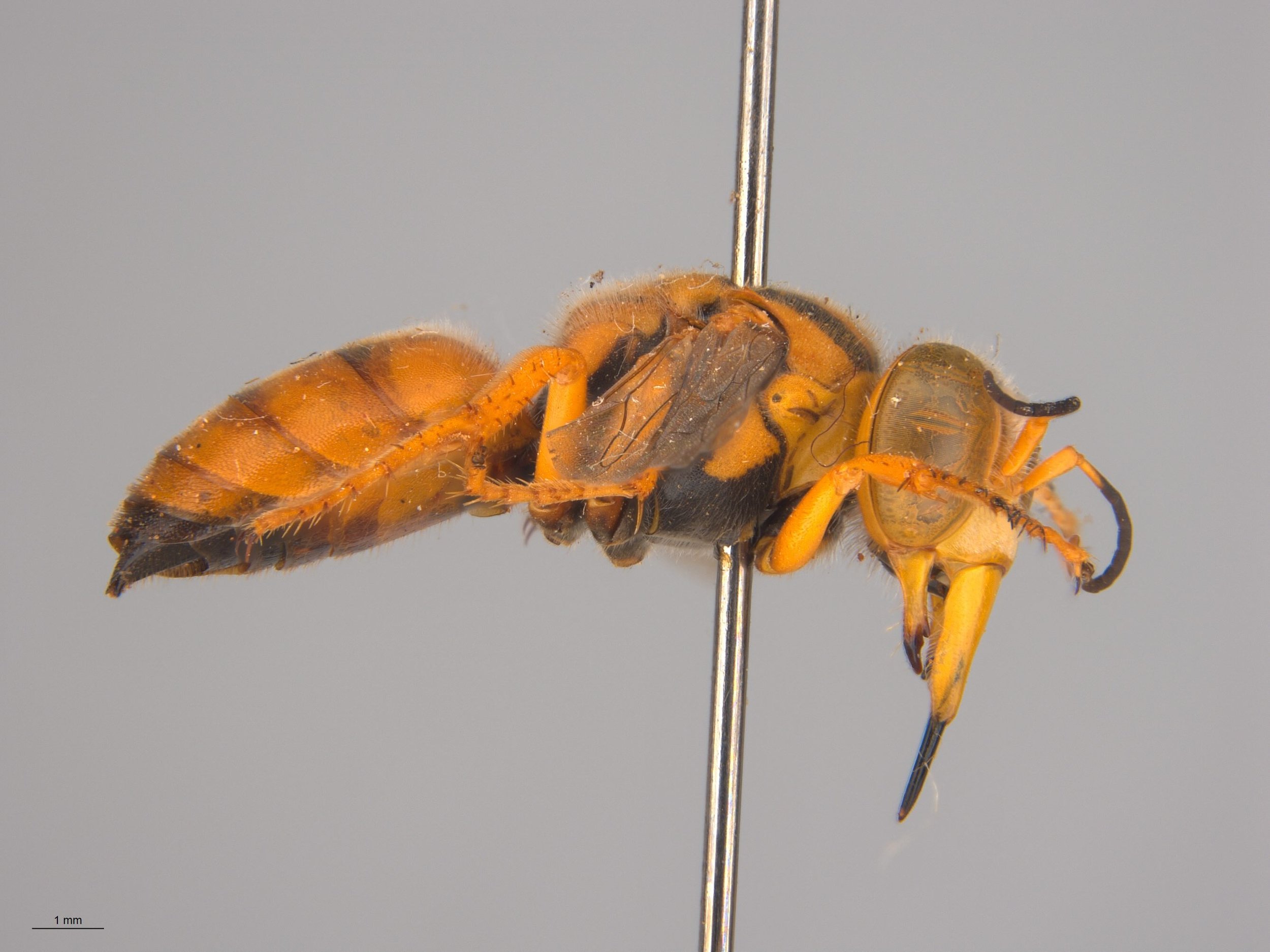
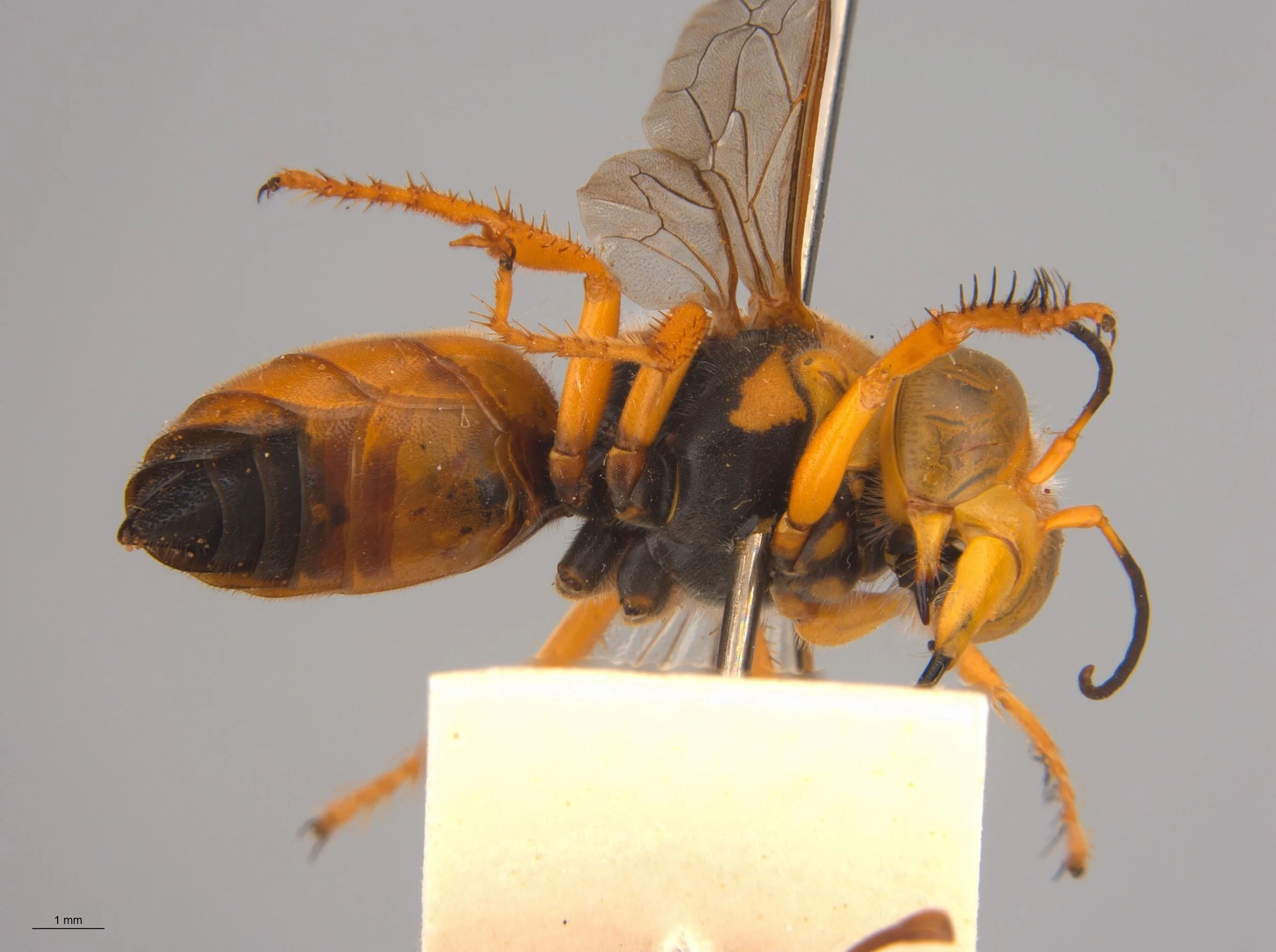
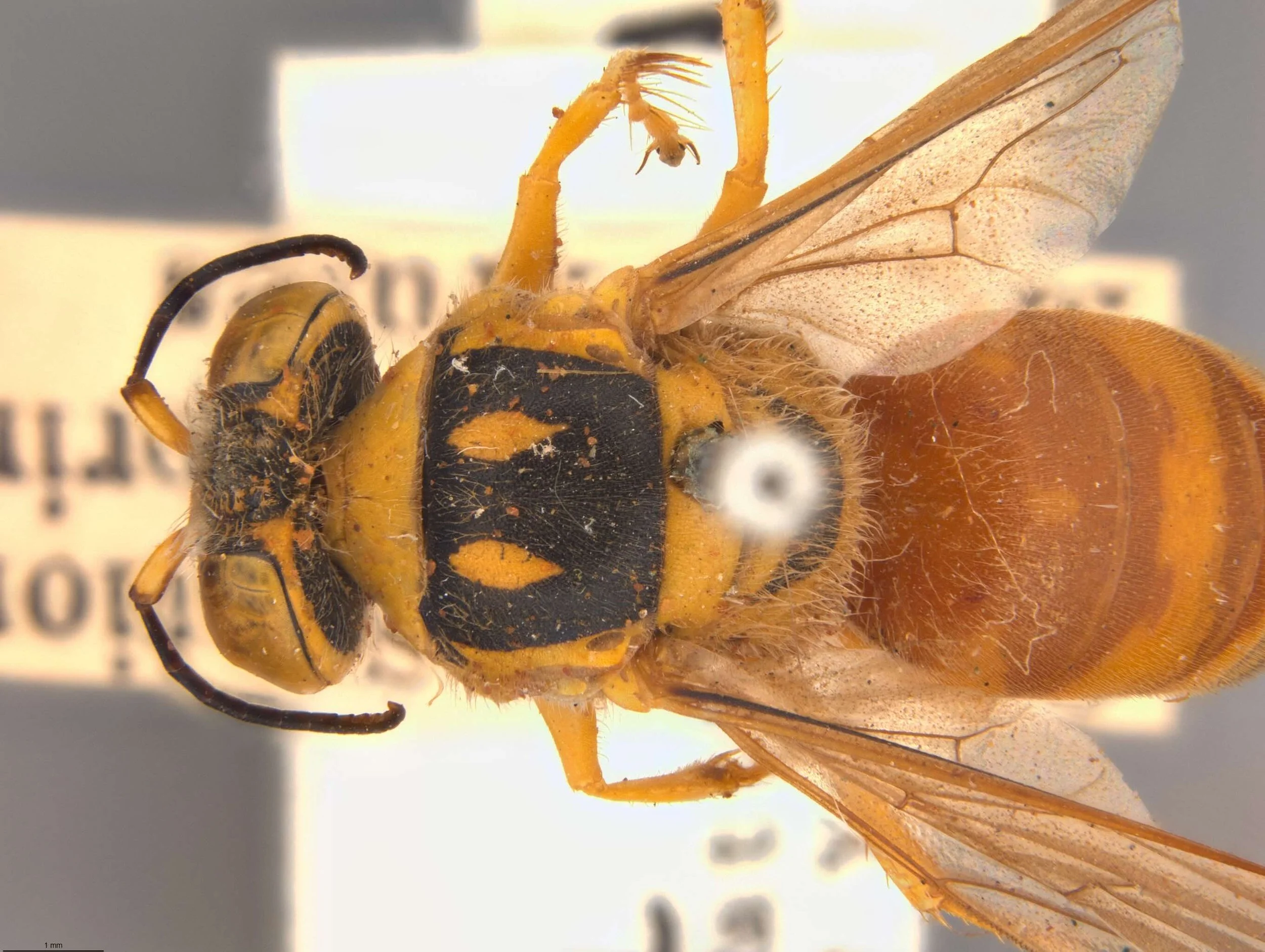
Special thanks to Dr Ben Parslow from SAMA for providing these images of type specimens:
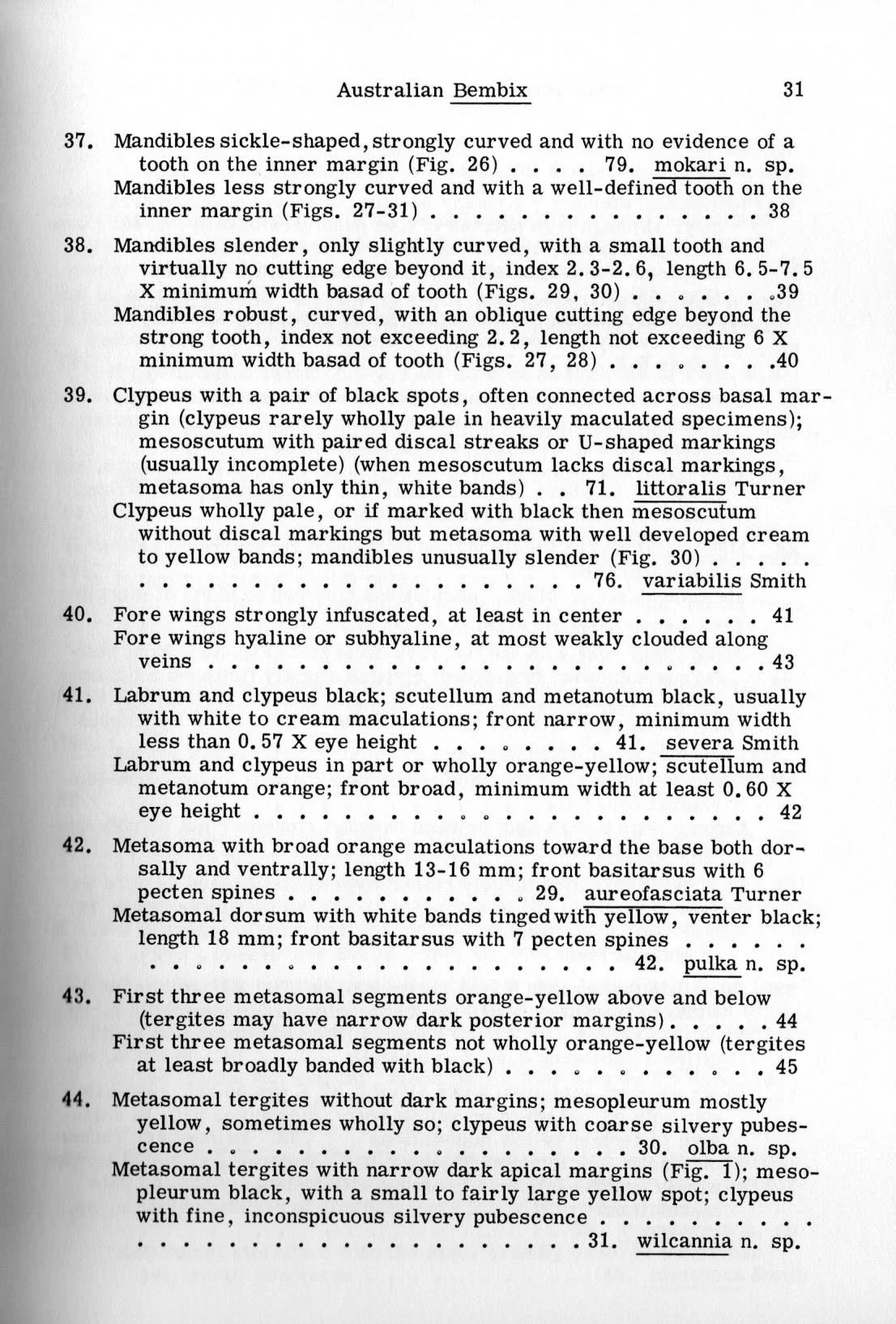
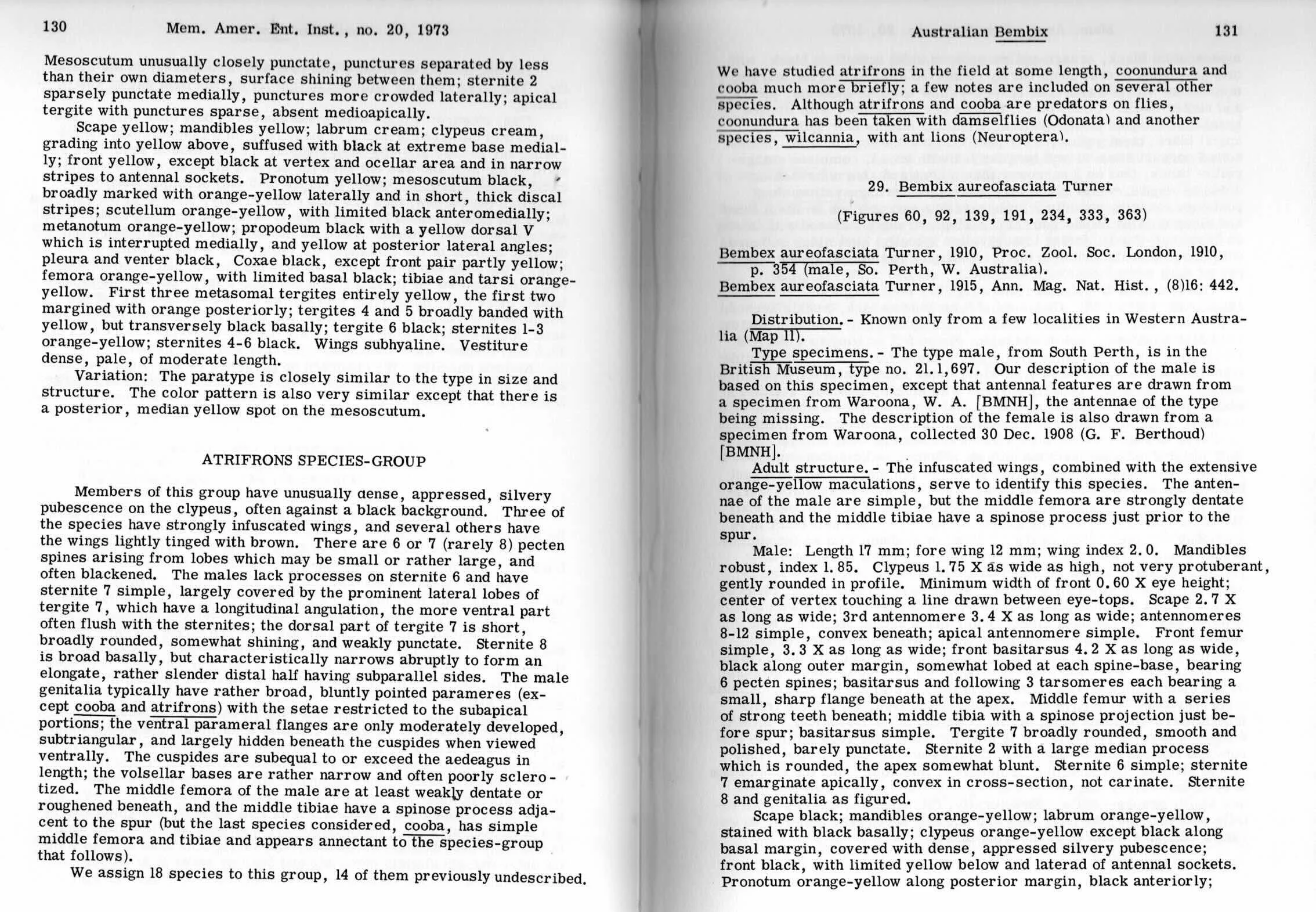
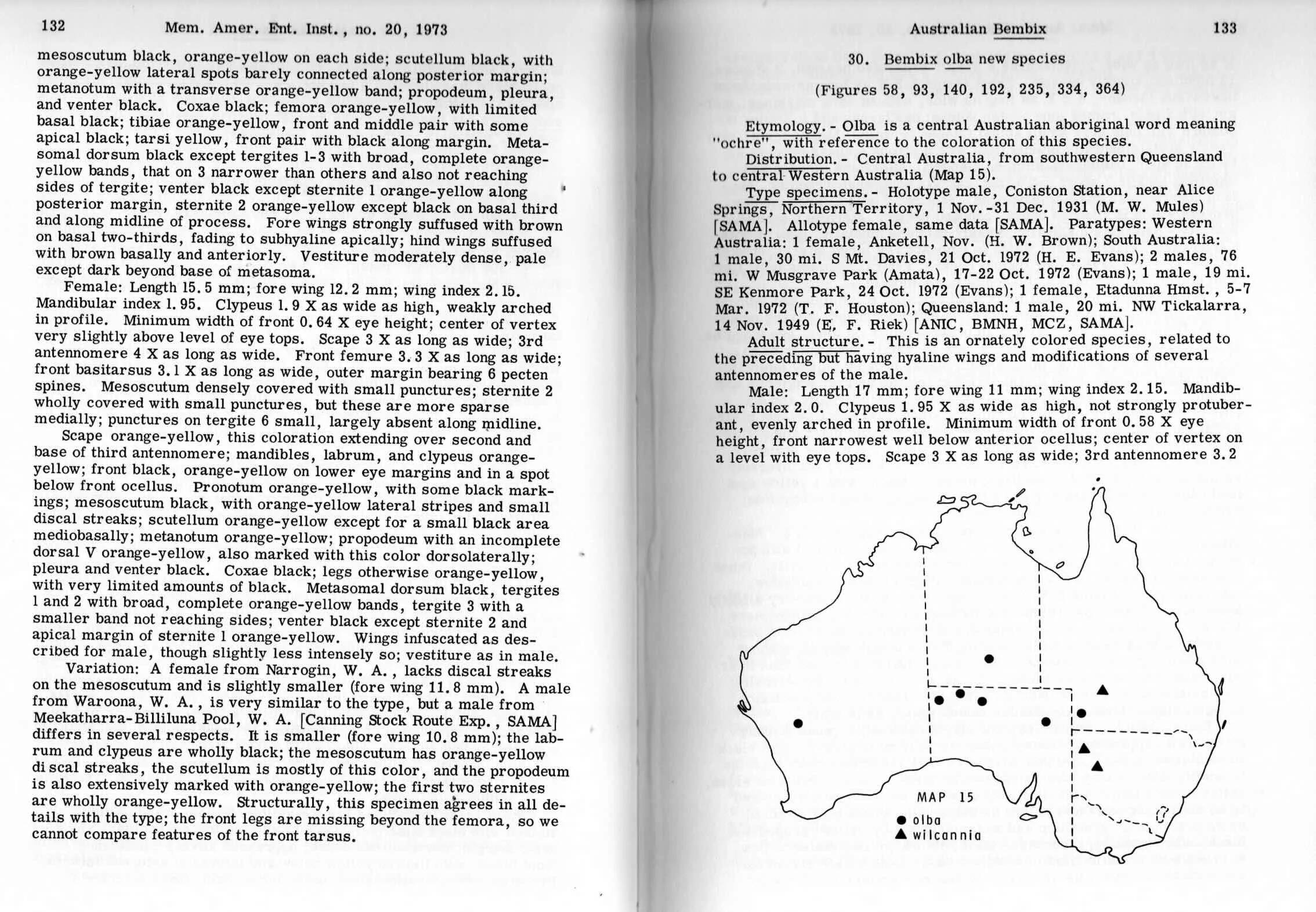
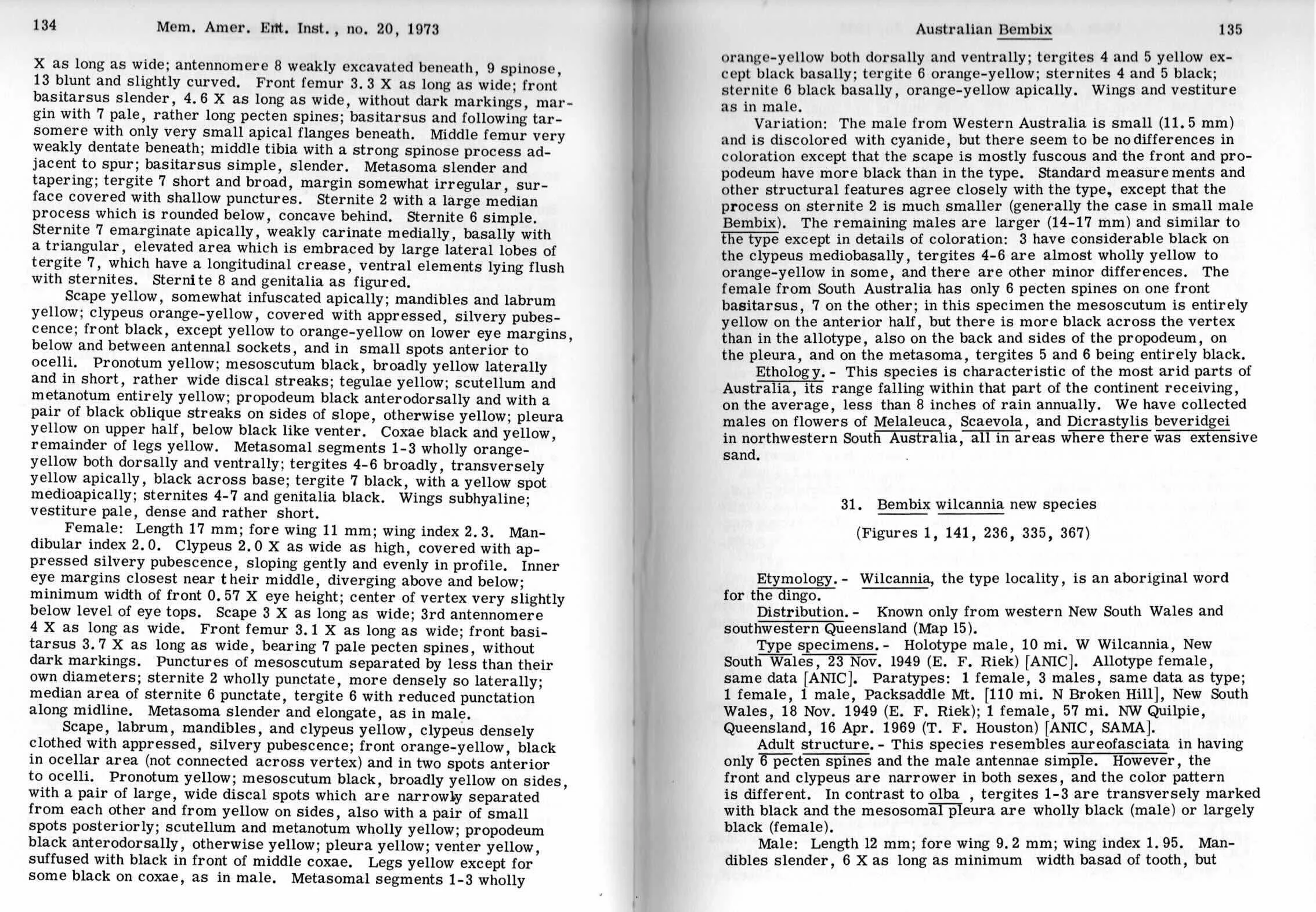
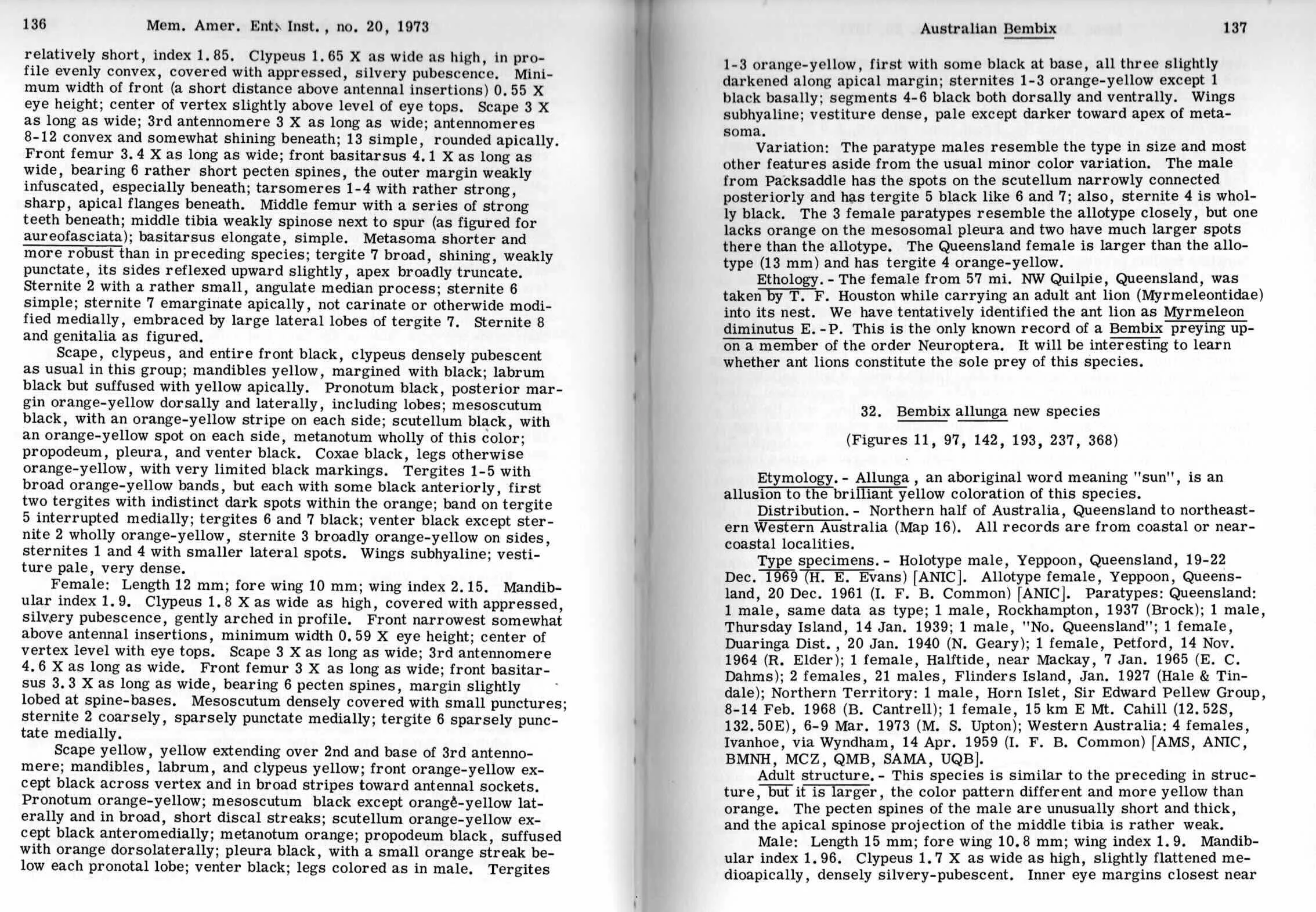
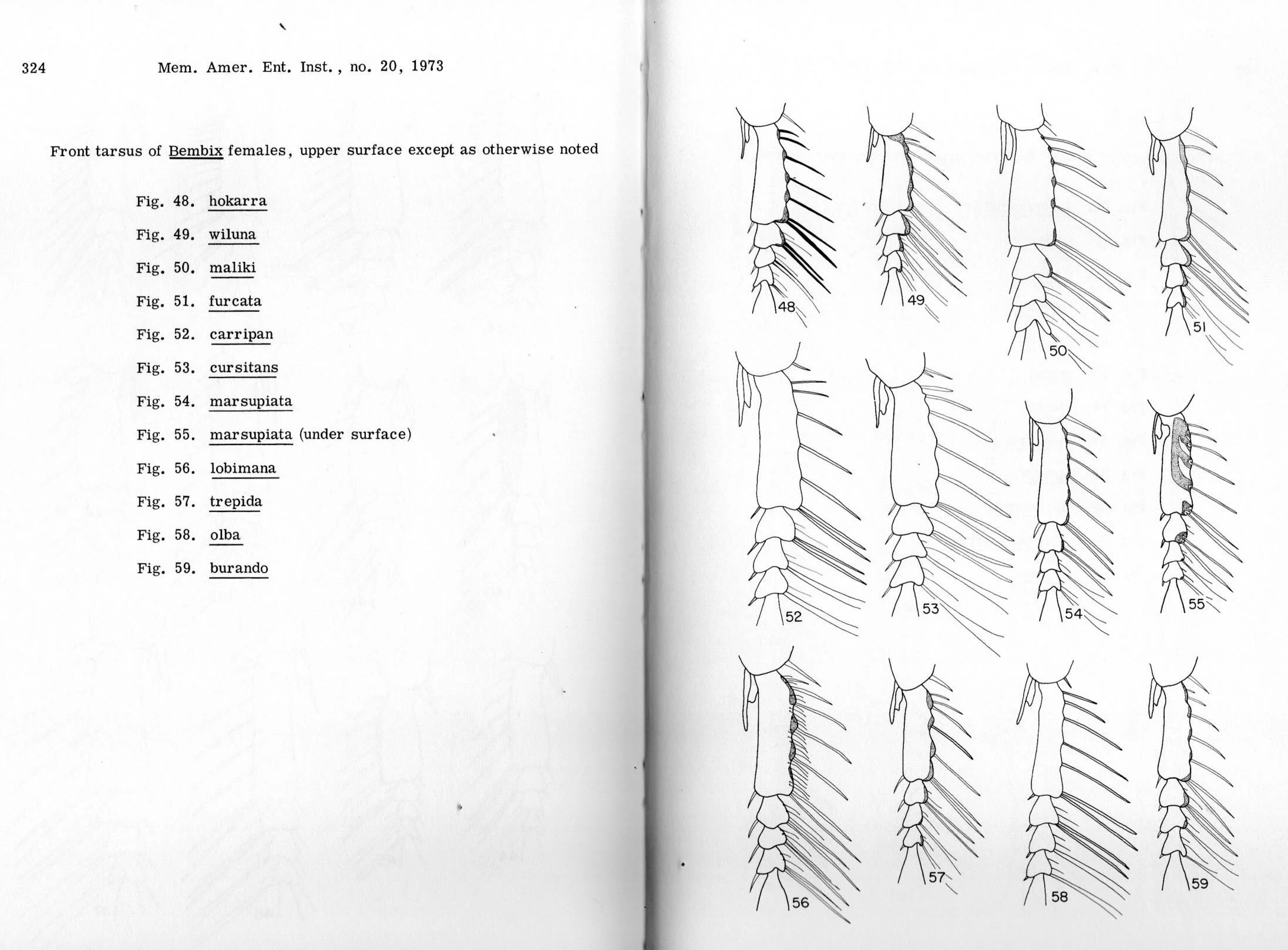
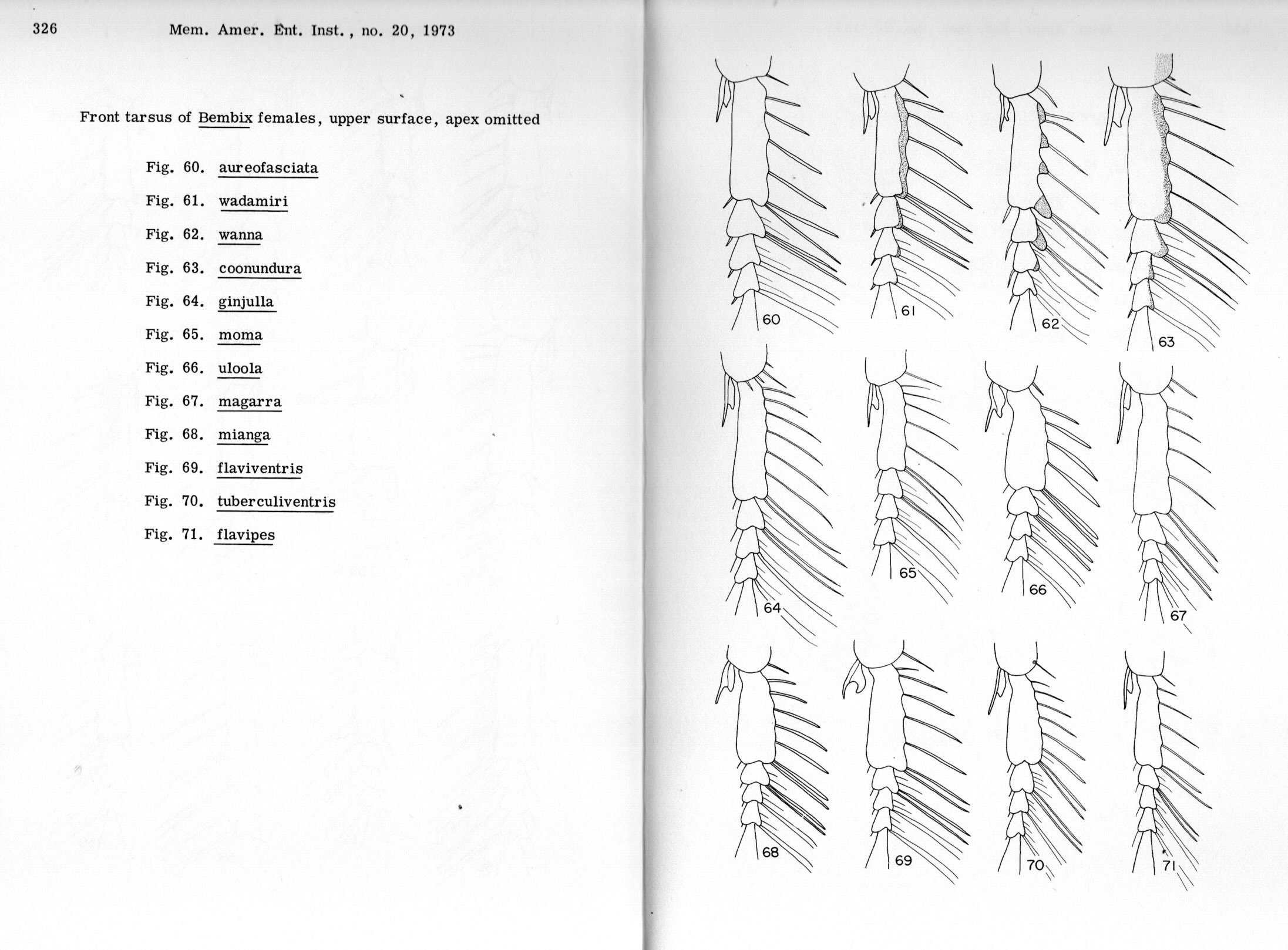
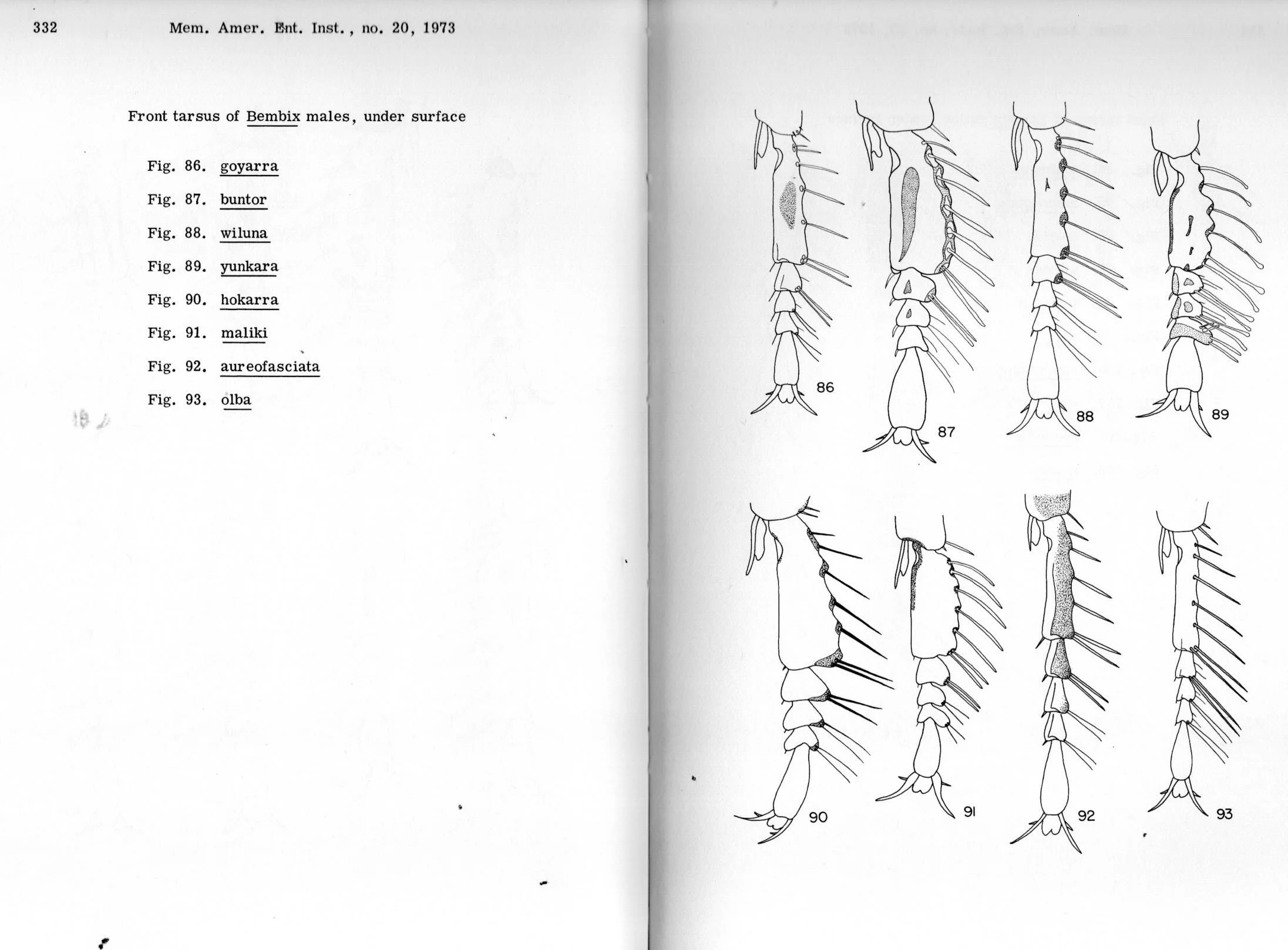
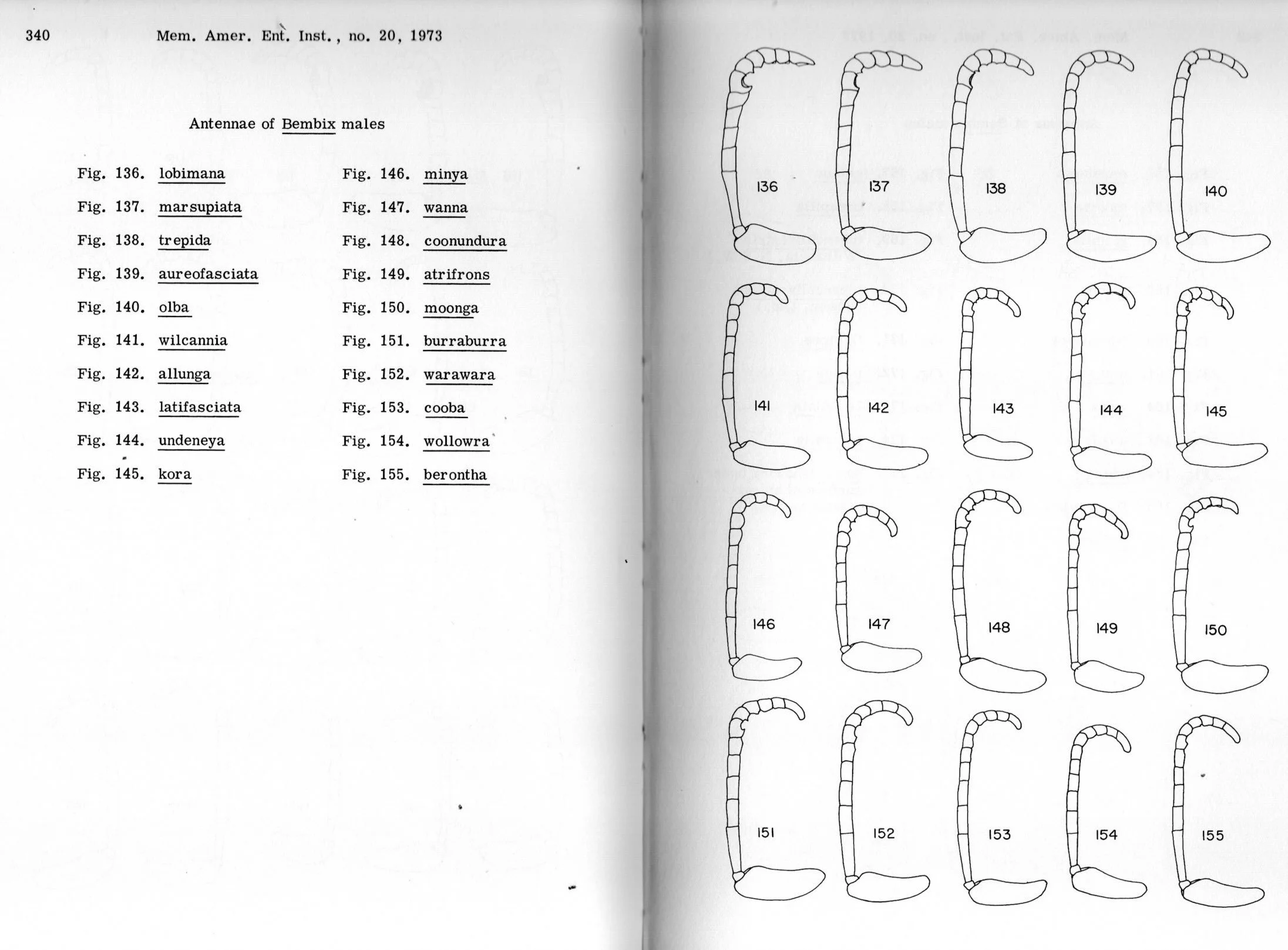
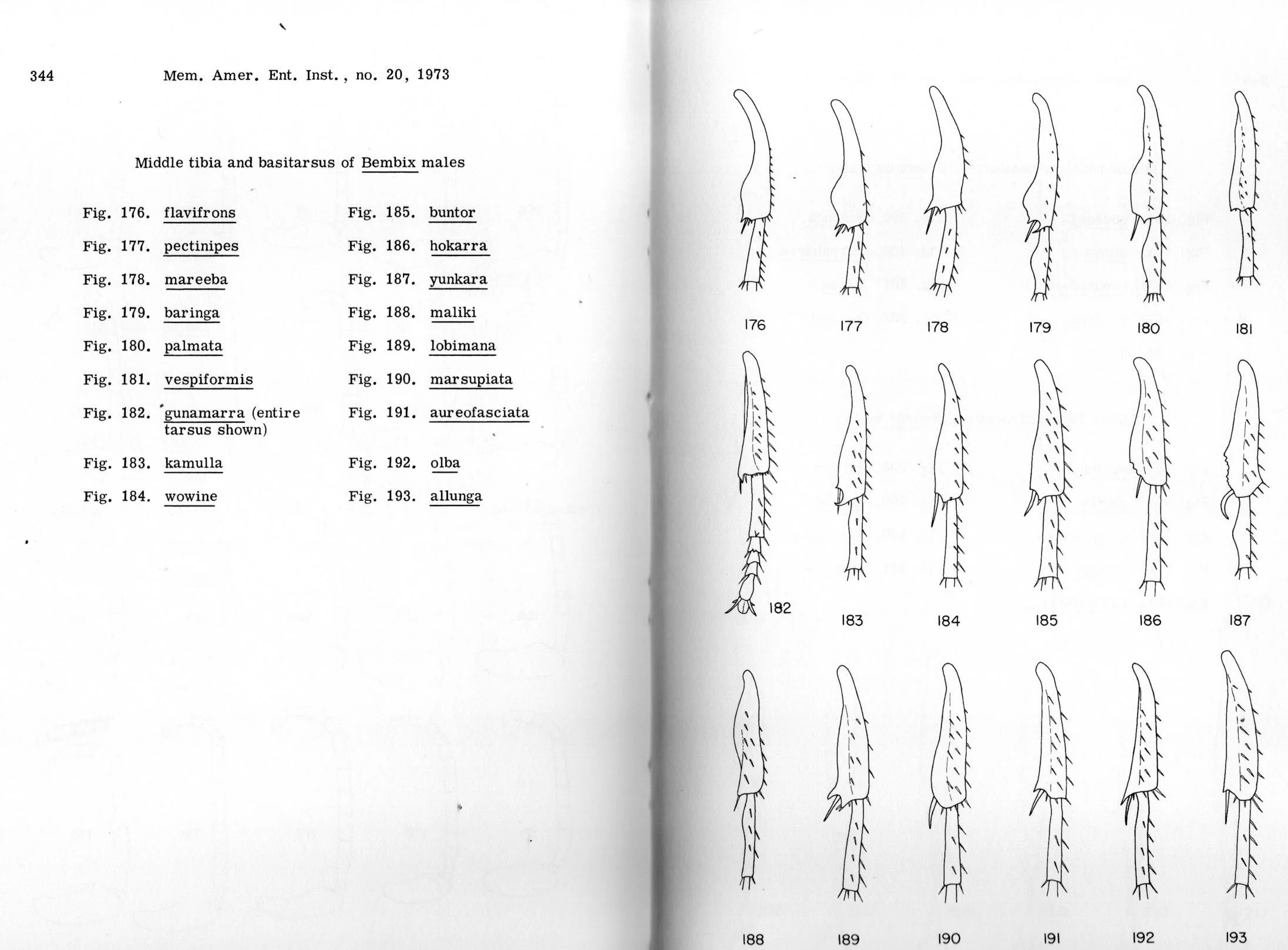
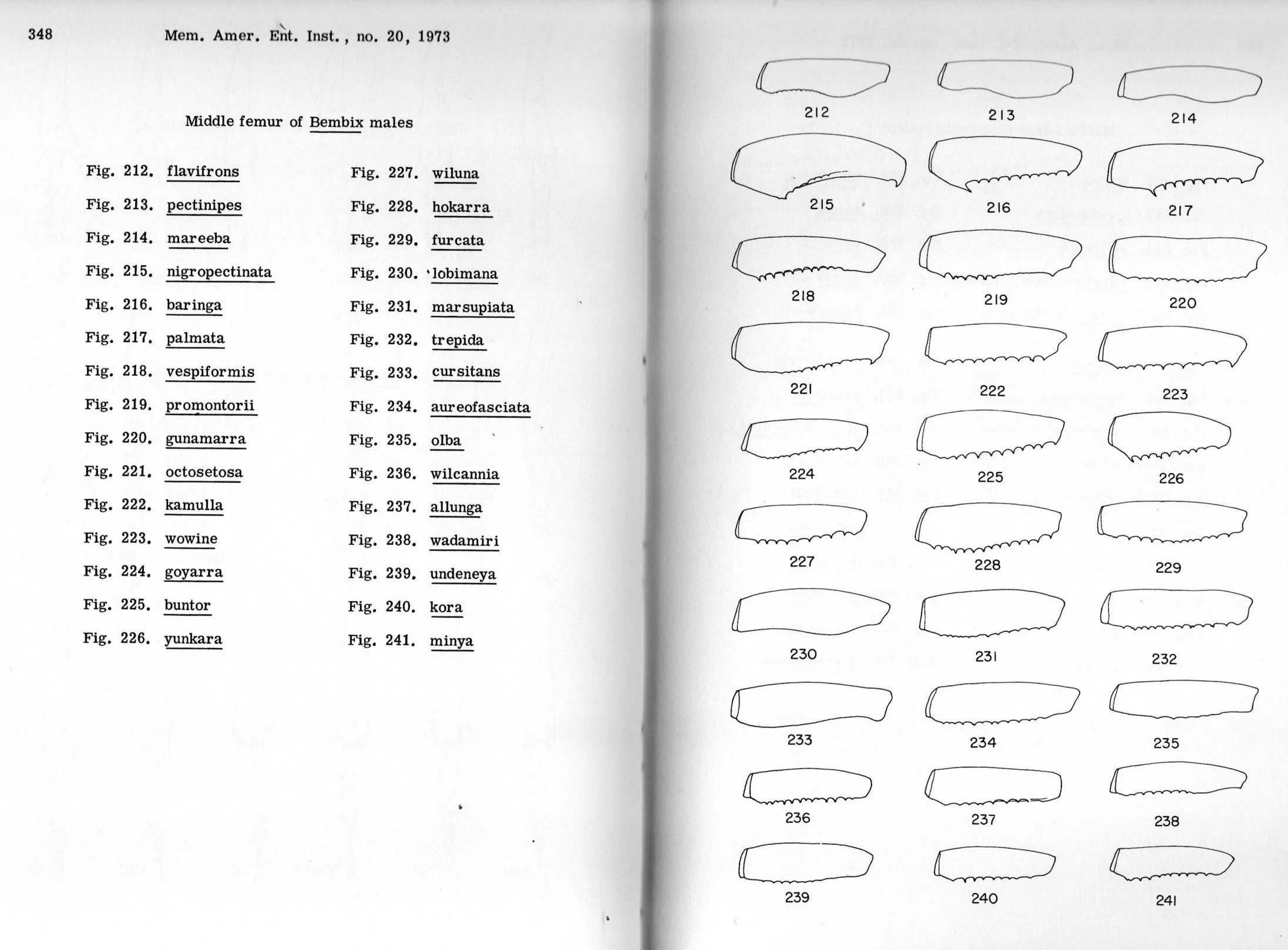
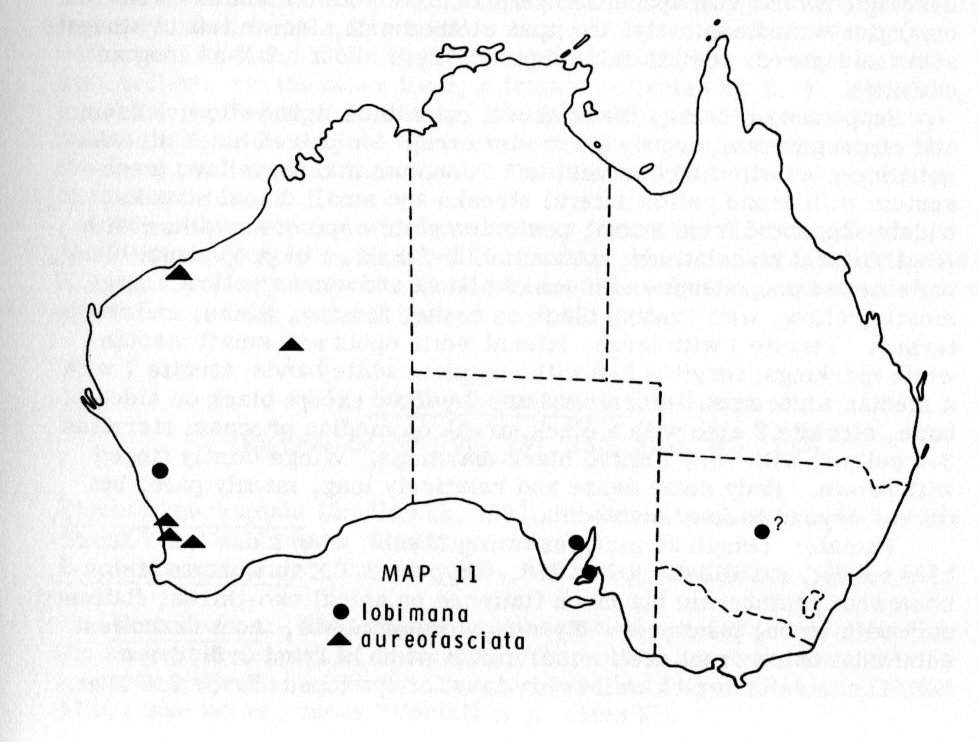
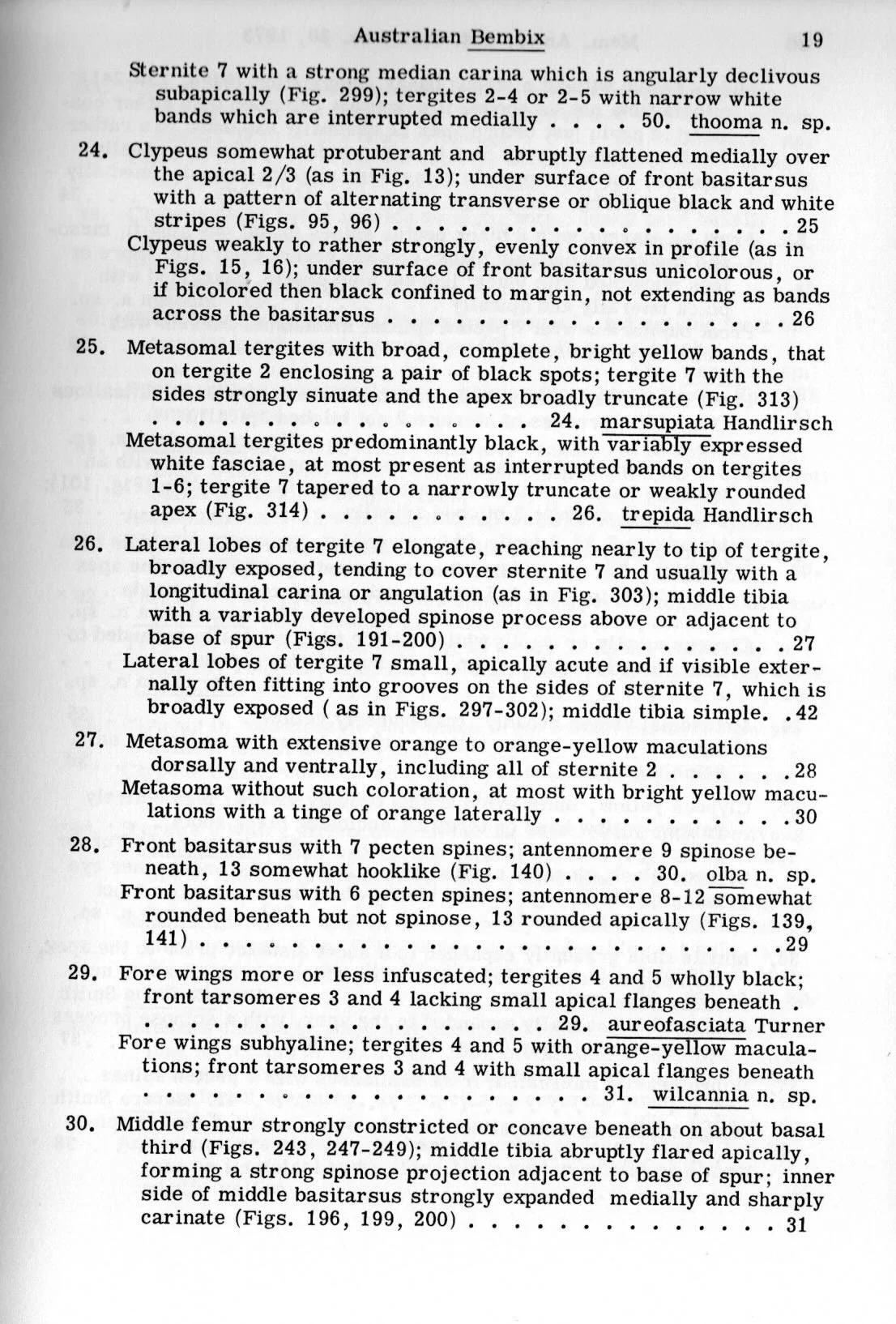
Relevant extracts from Evans & Matthews (1973)
Based on the above descriptions and type specimens, the following sightings from iNaturalist illustrate each of the three species.
(Note that these are my current suggested identifications only, so always check iNaturalist observation directly for latest comments, corrections or amendments from the iNaturalist community.)
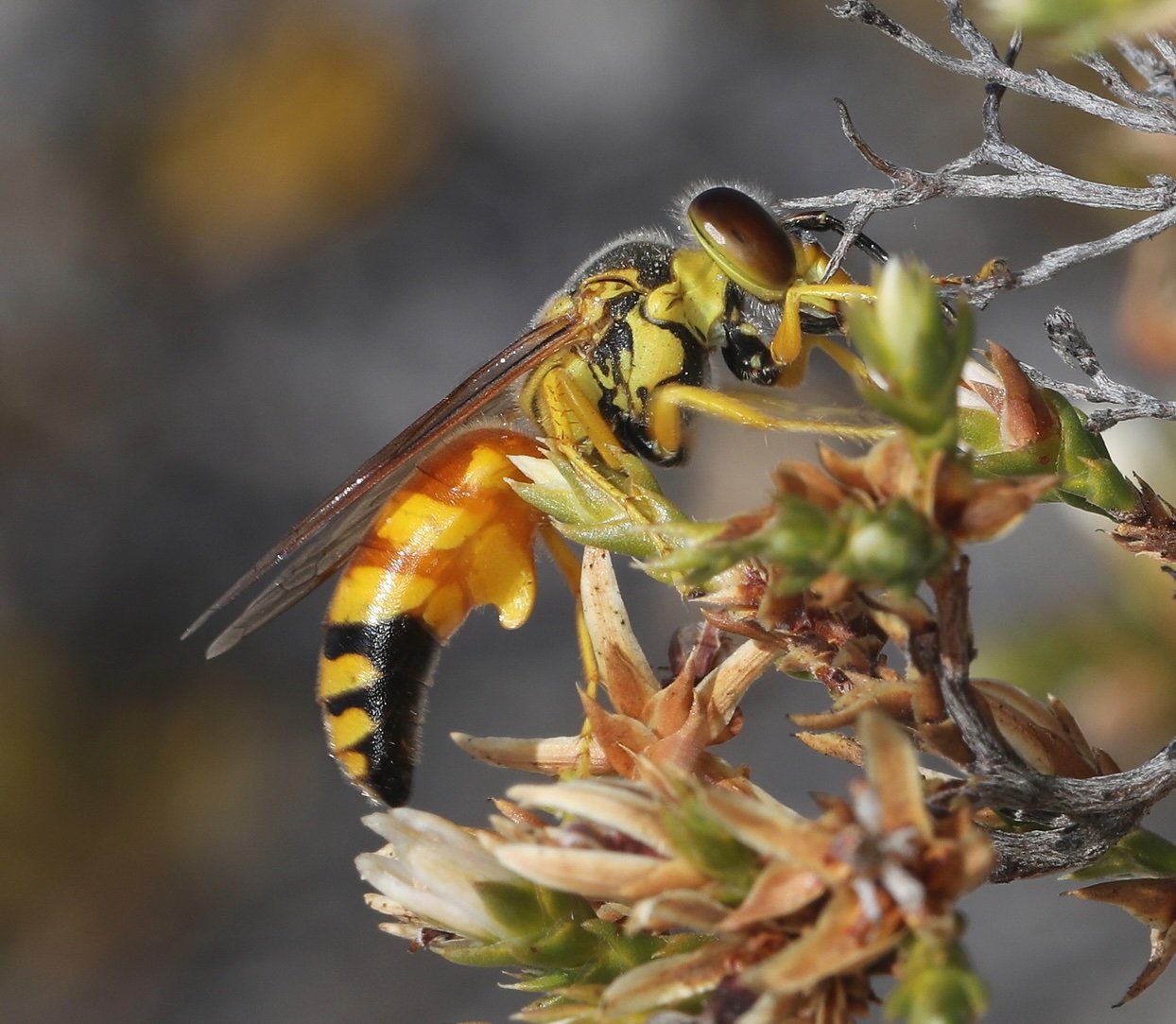
B. olba
- metasomal segments 1-3 entirely O-Y
- T4-6 broadly transversely Y apically
- S2 process large, rounded below, concave behind
- mesopleura Y above, B below (including venter)
image courtesy Kerry Stuart: https://inaturalist.ala.org.au/observations/342858697
B. olba
- metasomal segments 1-3 entirely O-Y
- T4-5 broadly transversely Y apically (T6 not visible here)
- S2 process large, rounded below, concave behind
- wings subhyaline (not heavily infuscated)
- mesopleura Y above, B below (including venter)
image courtesy Jean and Fred Hort: https://inaturalist.ala.org.au/observations/68527581
B. olba
- T1-3 entirely O-Y
- T4-6 extensively Y
- mesoscutum with broad, Y discal stripes
- wings subhyaline
- propodeum Y, with black patch anterodorsally
image courtesy Jean and Fred Hort: https://inaturalist.ala.org.au/observations/68527413
B. olba
- 7 pecten spines
- frons extensively O-Y, with limited black across & below ocelli
- mesopleura & venter Y
image courtesy Jean and Fred Hort: https://inaturalist.ala.org.au/observations/68527413
B. wilcannia
- T1-3 broad orange bands apically, B basally
- clypeus entirely black
- mesopleura & venter black
- S2 process small, angulate
image courtesy LGJ: https://inaturalist.ala.org.au/observations/337896162
B. wilcannia
- front basitarsus with 6 pecten spines
- front tarsomeres 3 & 4 with strong apical flanges beneath
image courtesy LGJ: https://inaturalist.ala.org.au/observations/337896162
B. aureofasciata
- infuscated wings
- mesopleura black
- T1-2 black with orange markings
- T3 orange mark not reaching sides
- T4-6 entirely black
image courtesy Jean and Fred Hort: https://inaturalist.ala.org.au/observations/68678881
B. aureofasciata
- T1-3 with O-Y markings, T3 narrower & not reaching sides
- propodeum black, with small/limited orange markings
image courtesy Jean and Fred Hort: https://inaturalist.ala.org.au/observations/68678881
Reference
Evans, H.E. & Matthews, R.W. 1973. Systematics and Nesting Behavior of Australian Bembix Sand Wasps. Memoirs of the American Entomological Institute, Number 20.
This is a workbook page … a part of our website where we record the observations and references used in making species identifications. The notes will not necessarily be complete. They are a record for our own use, but we are happy to share this information with others.