Perga affinis (PERGINAE) PW043 & PW106
Workbook
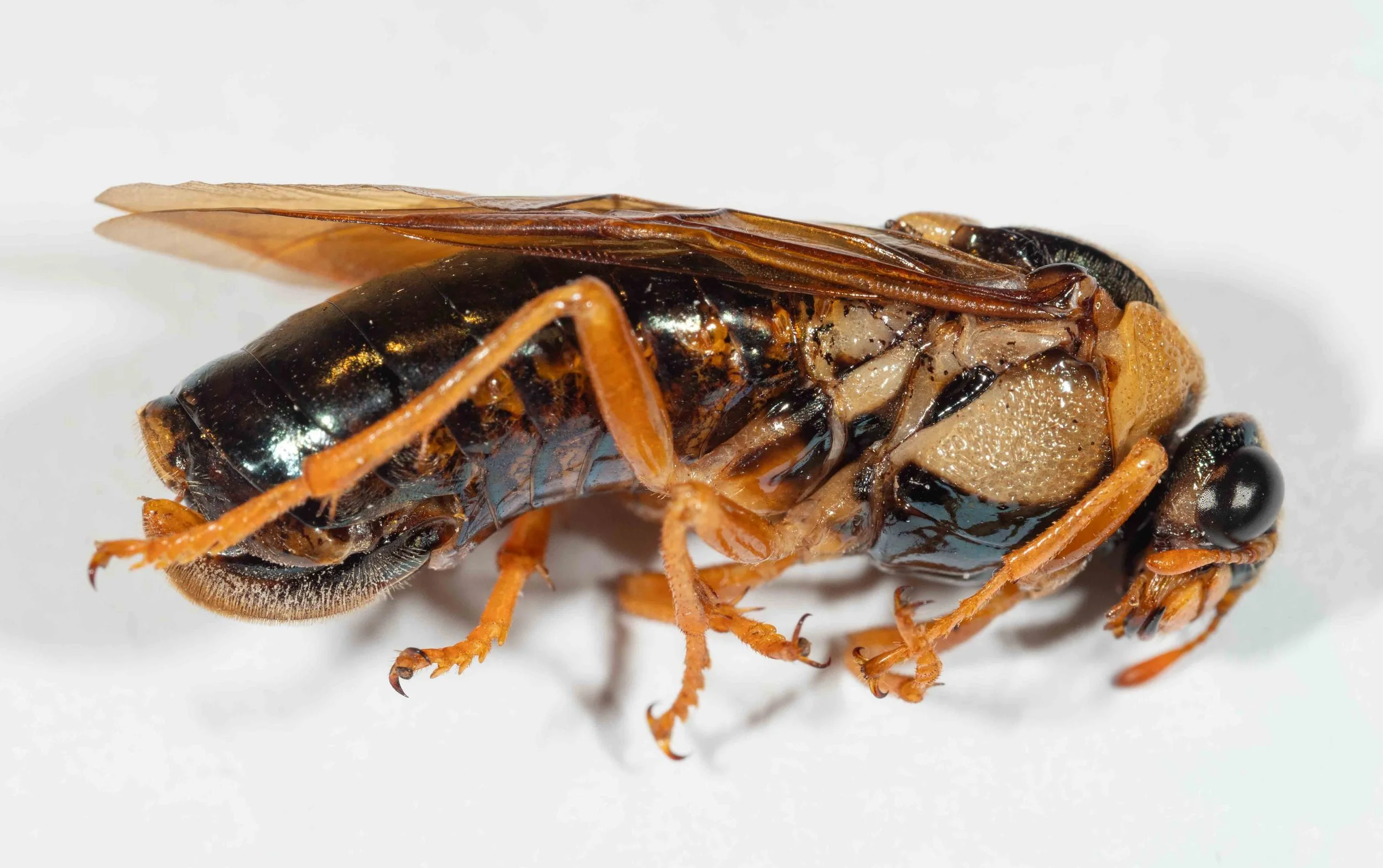
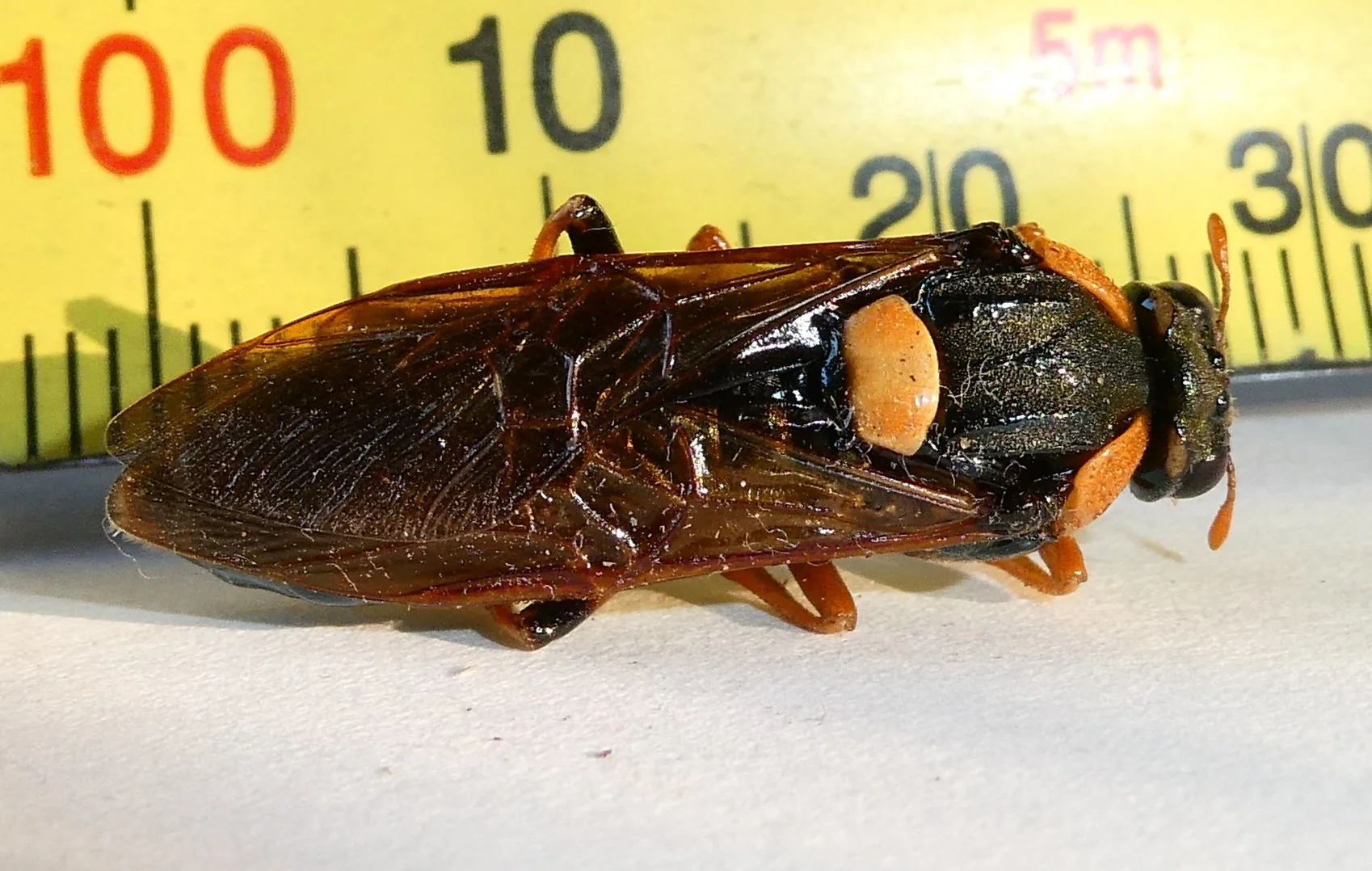
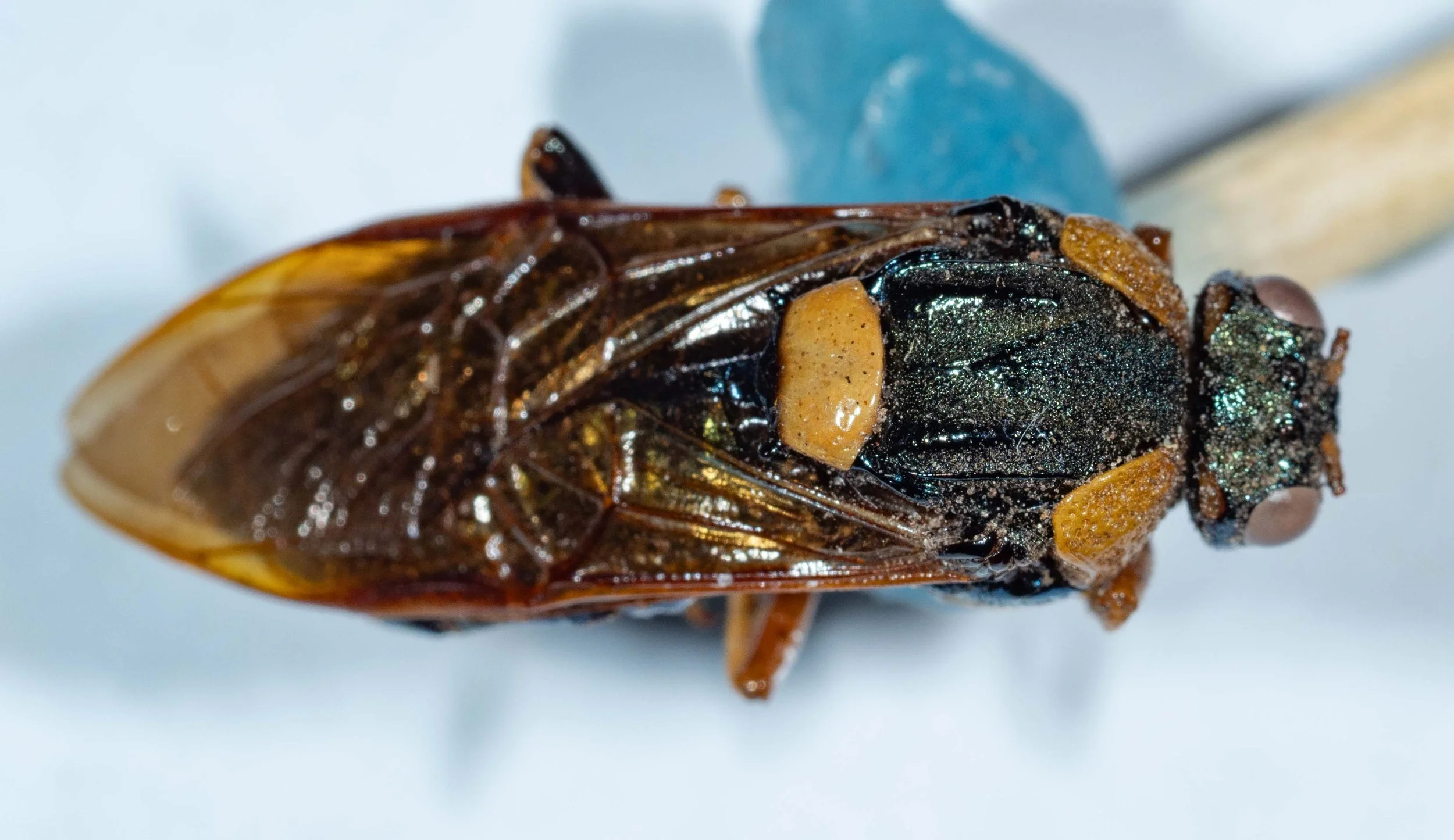
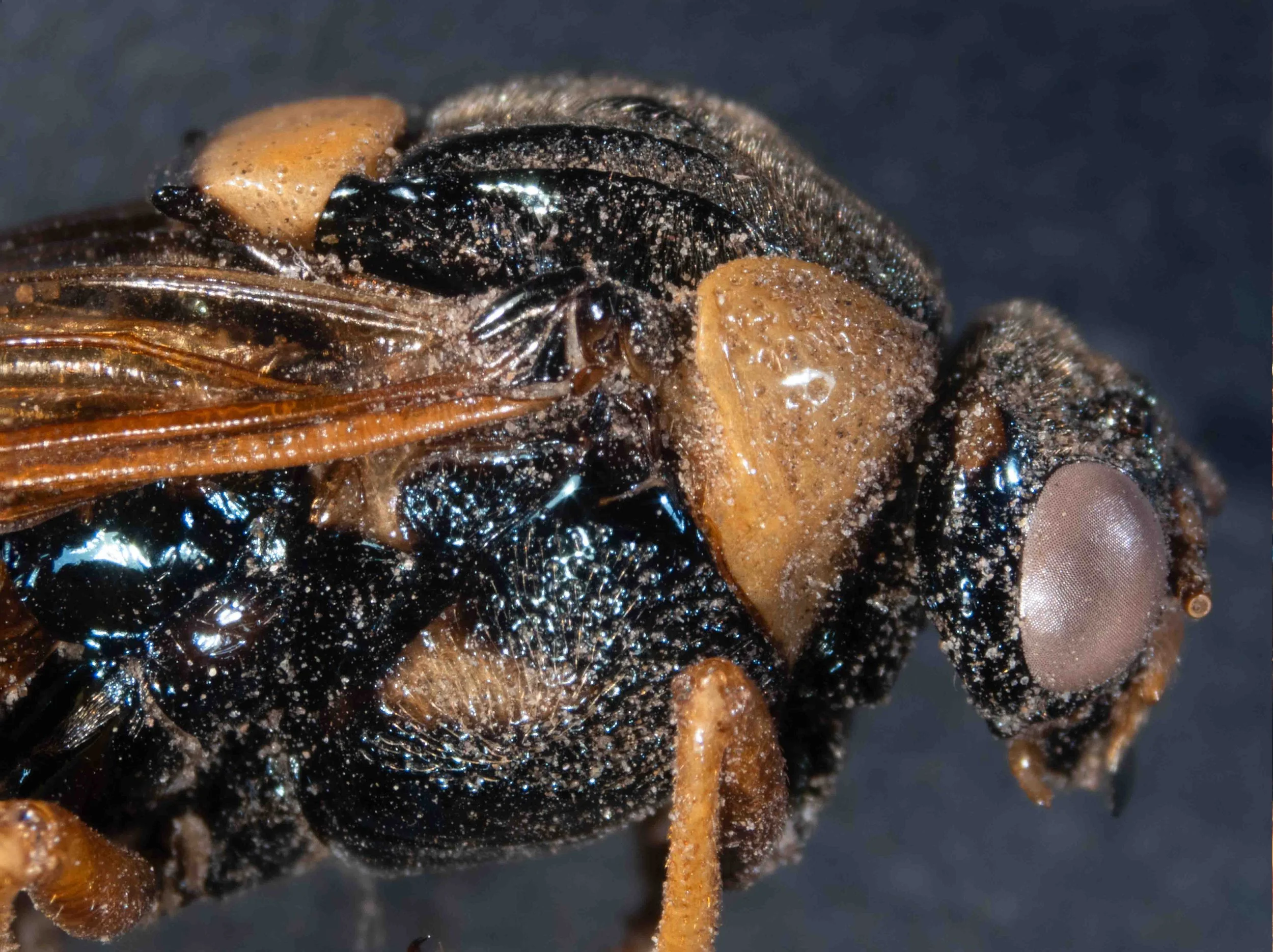
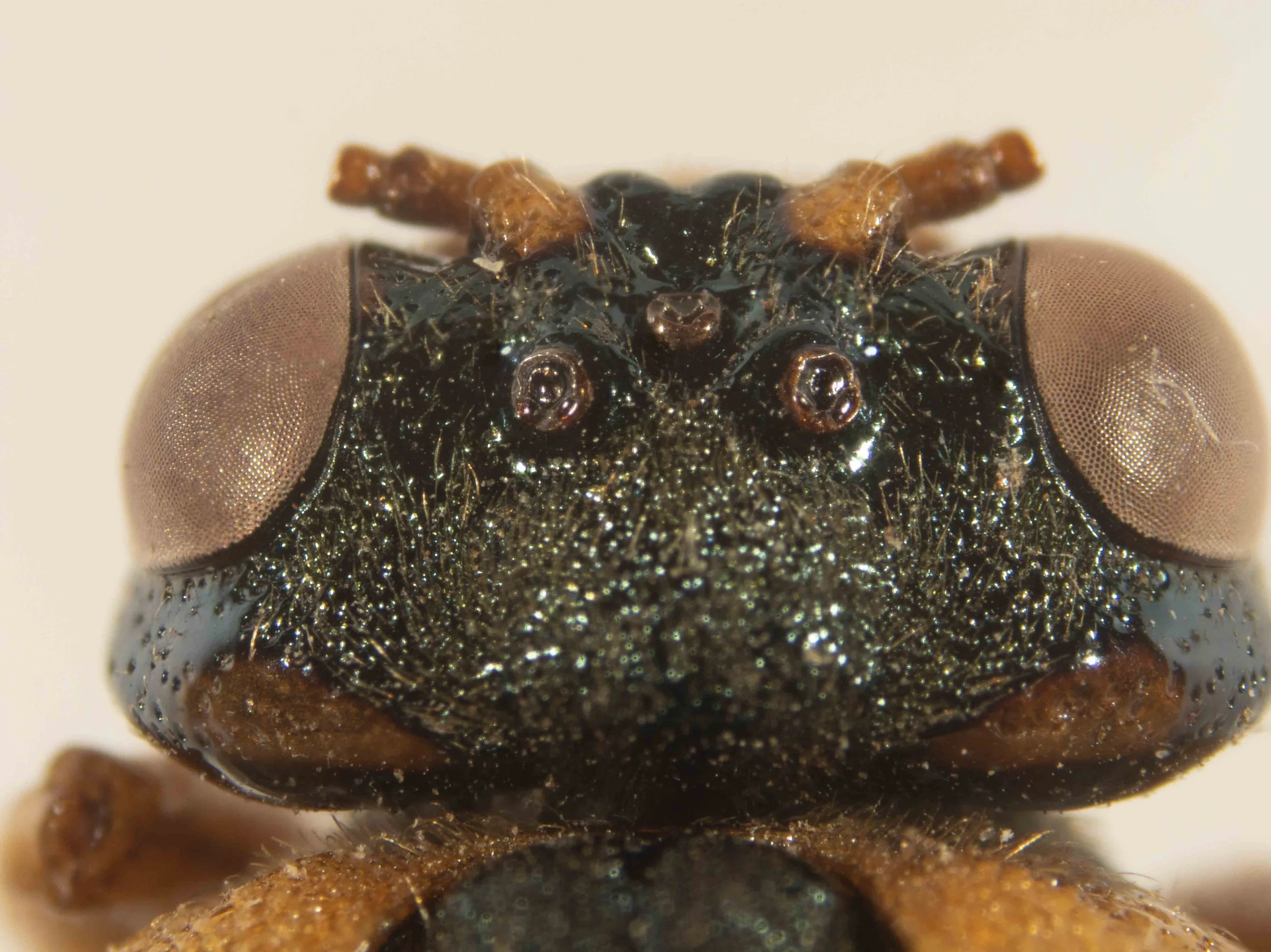
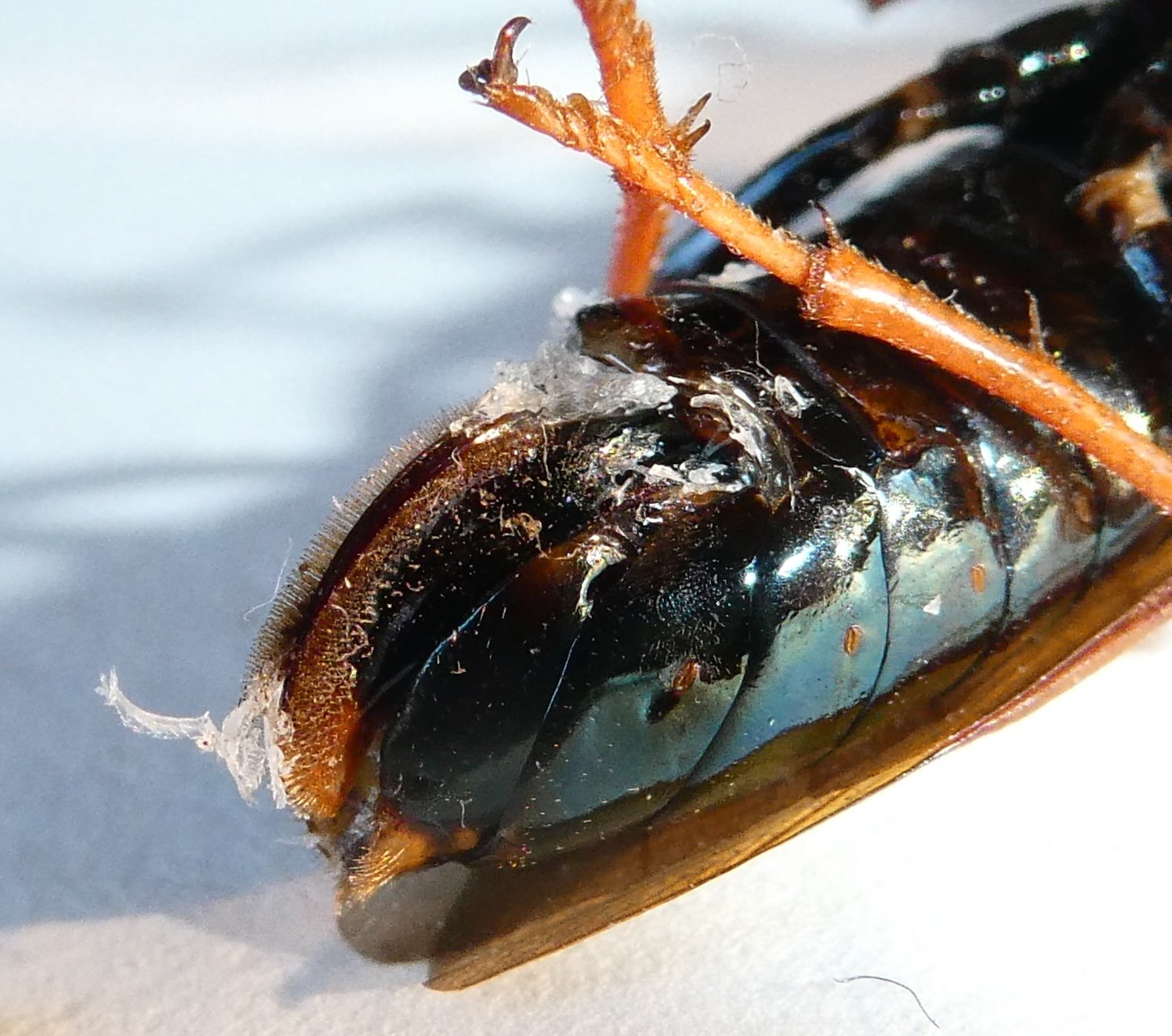
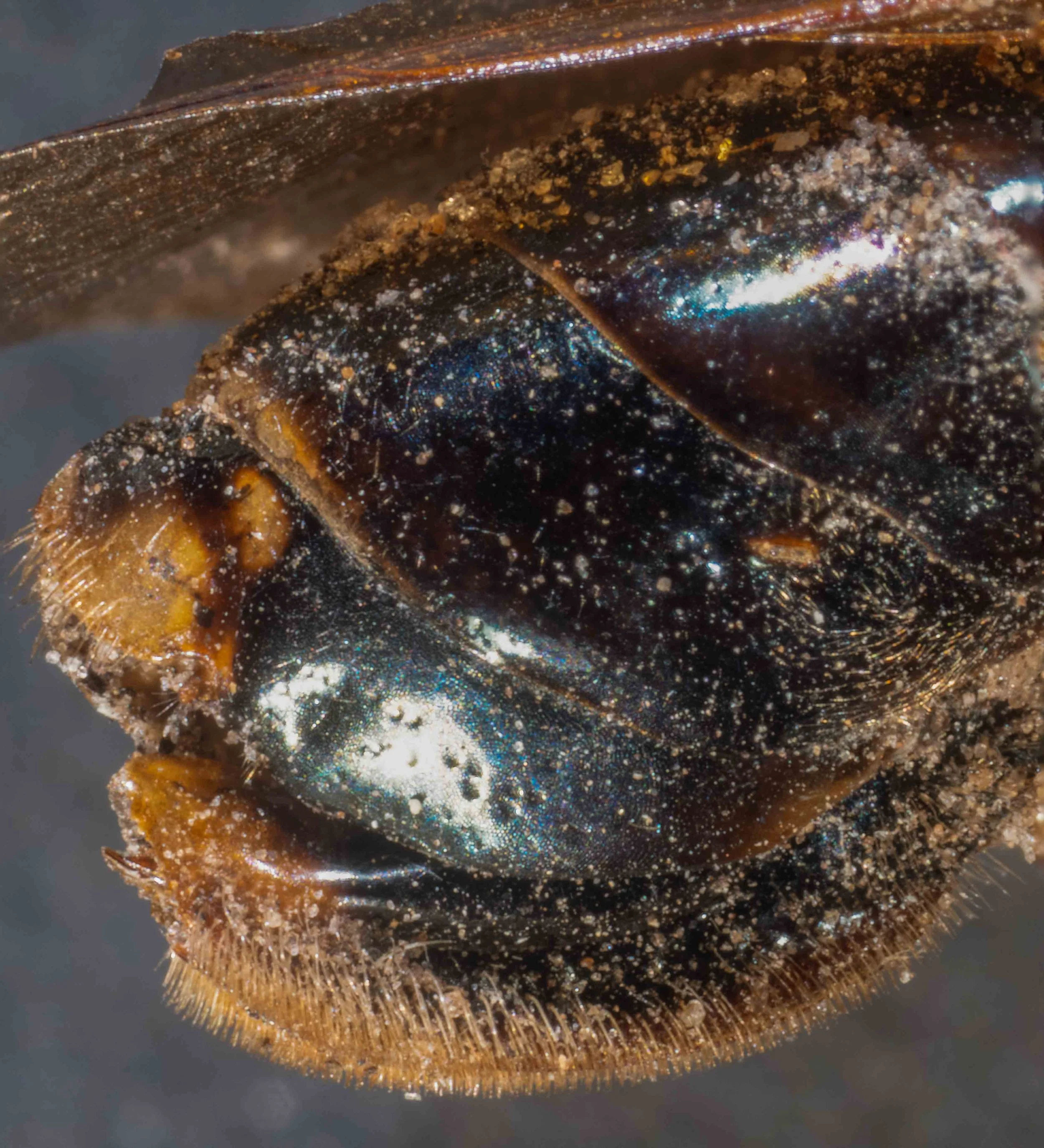
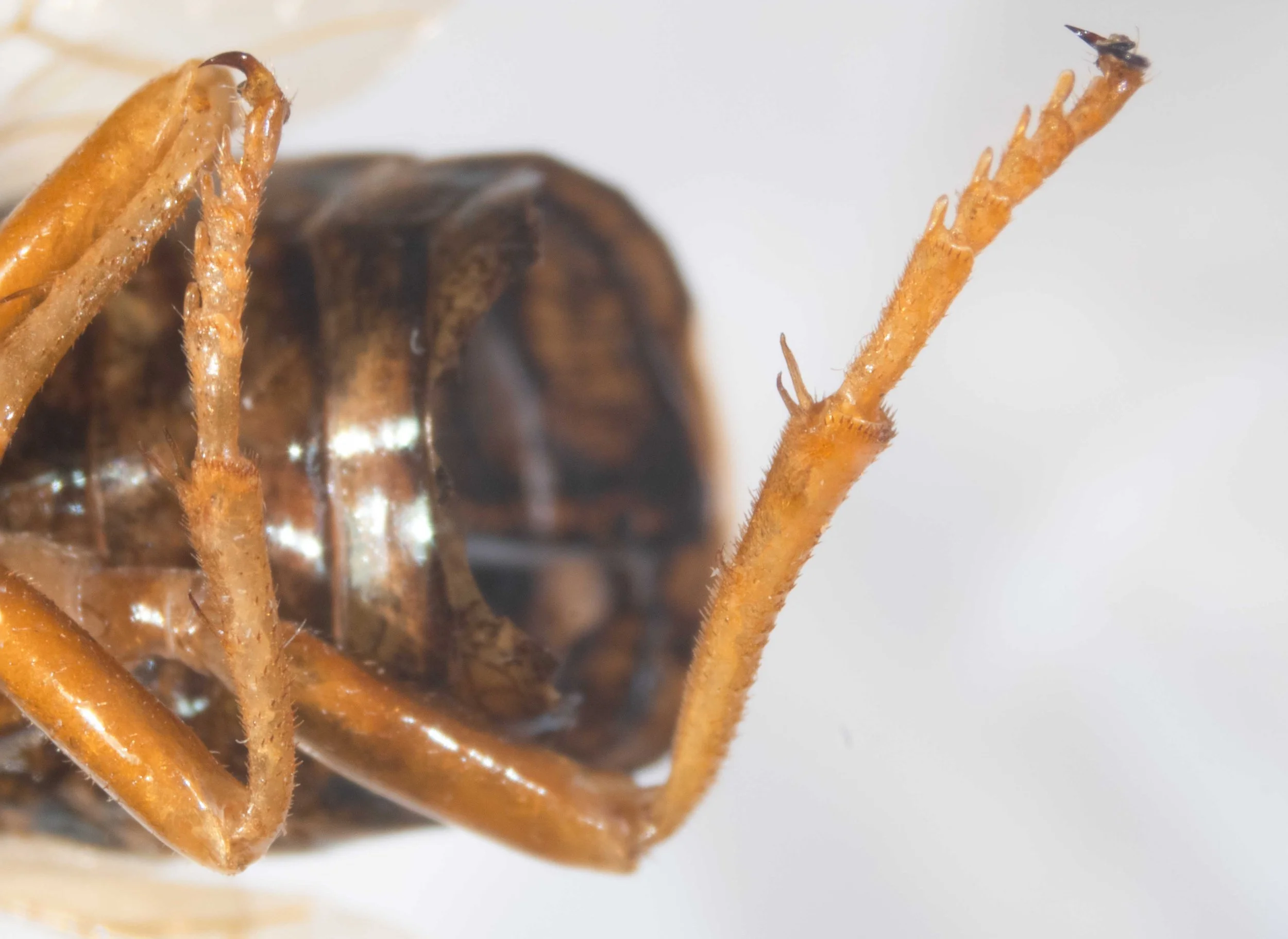
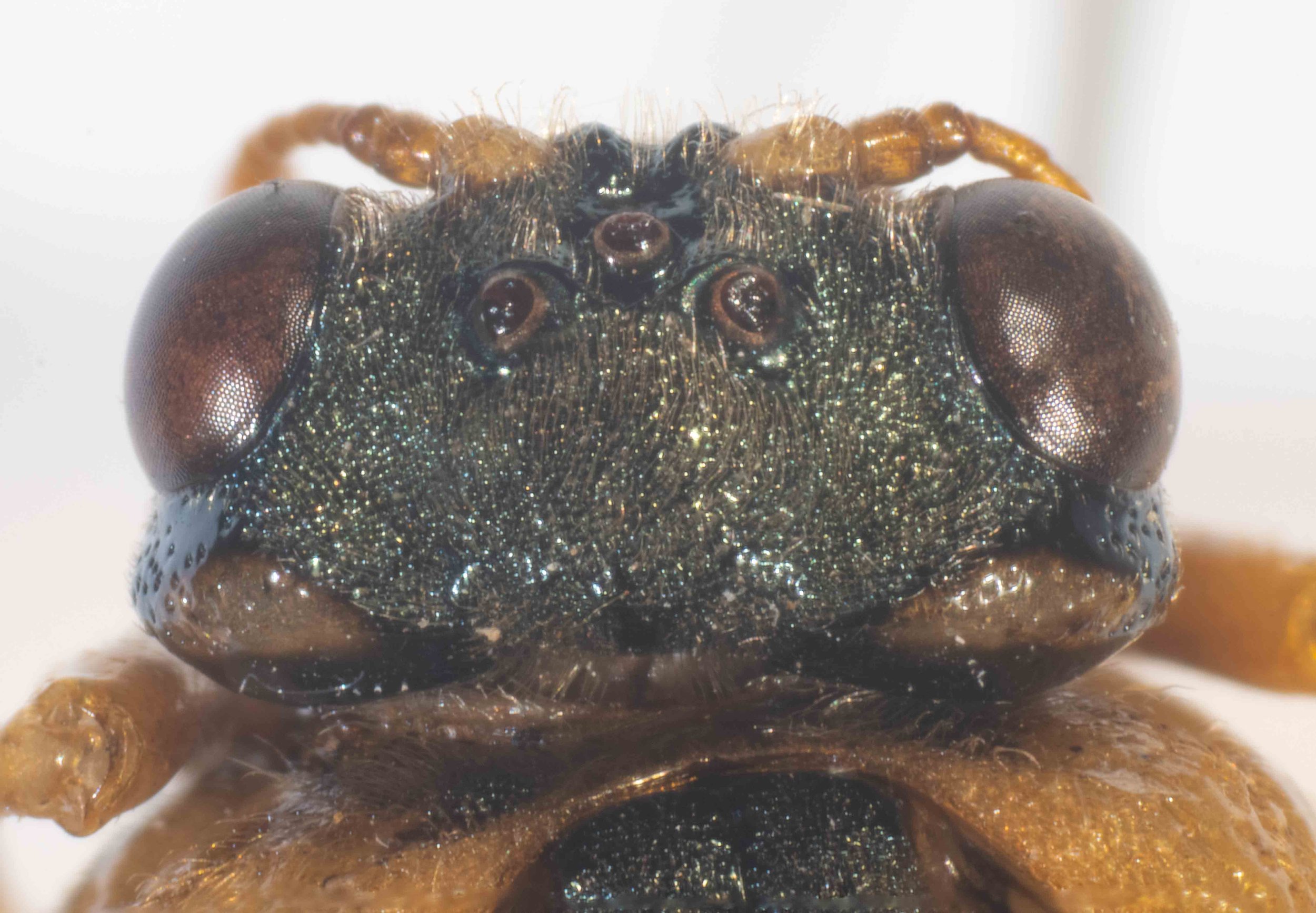
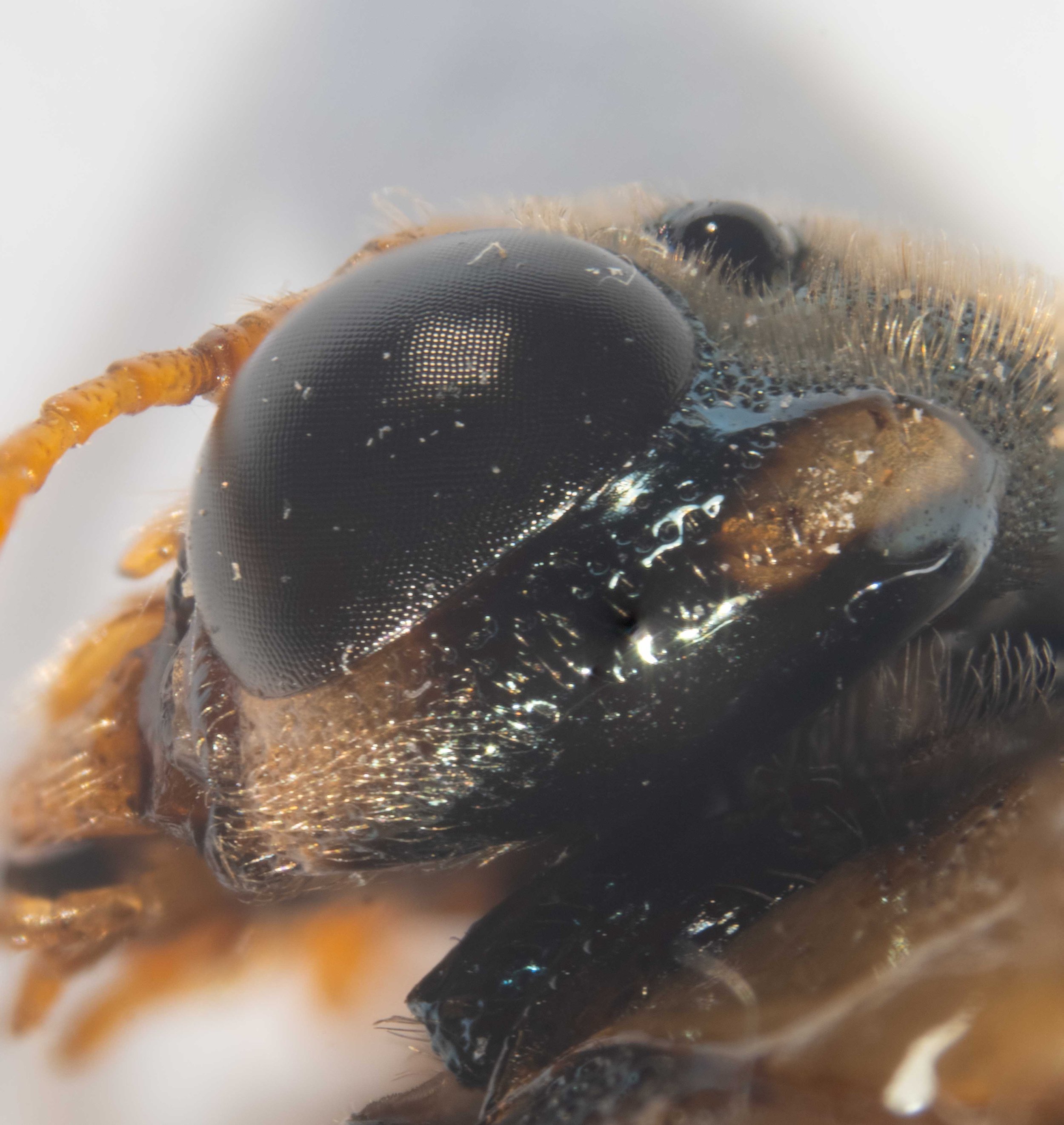
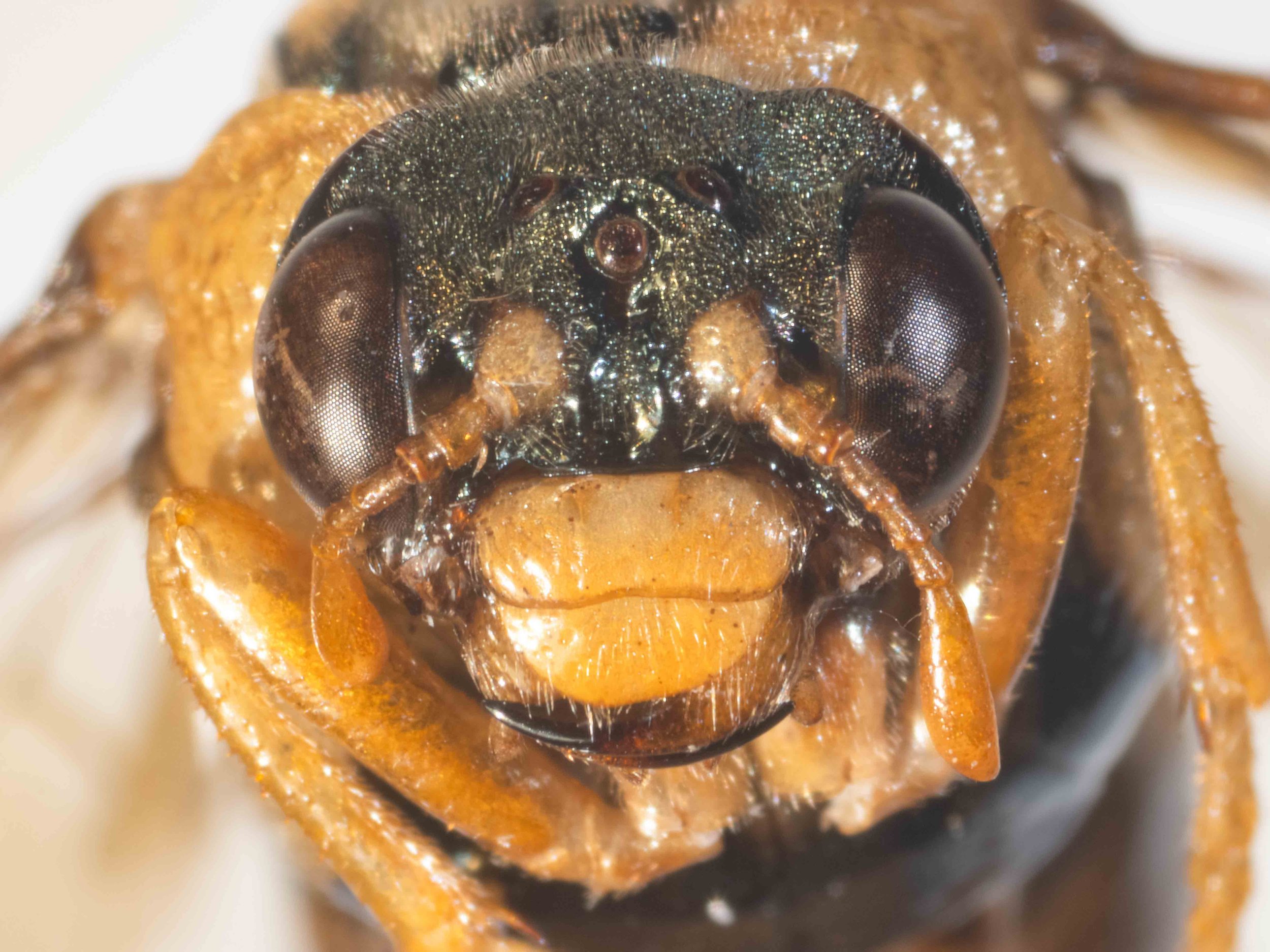
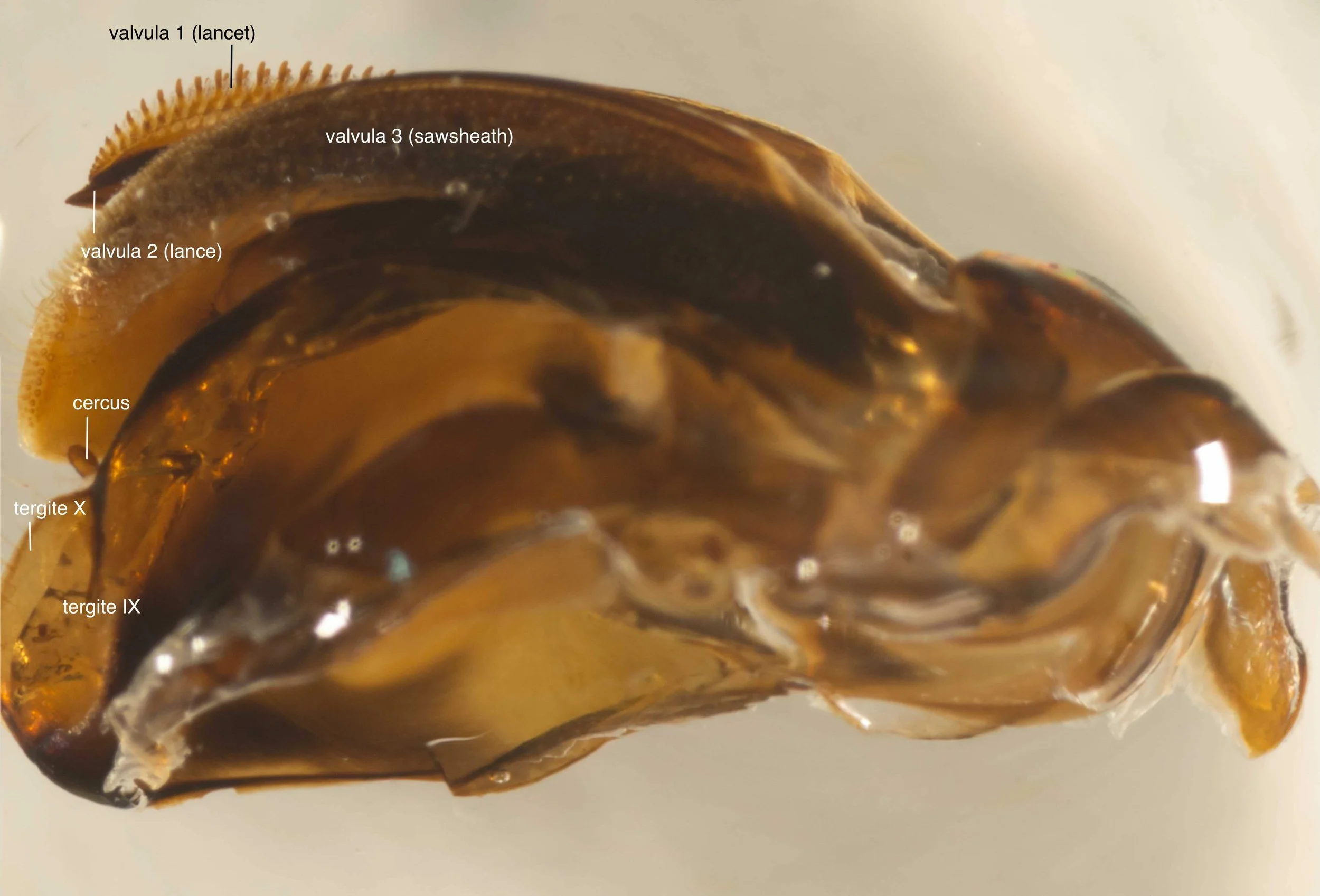
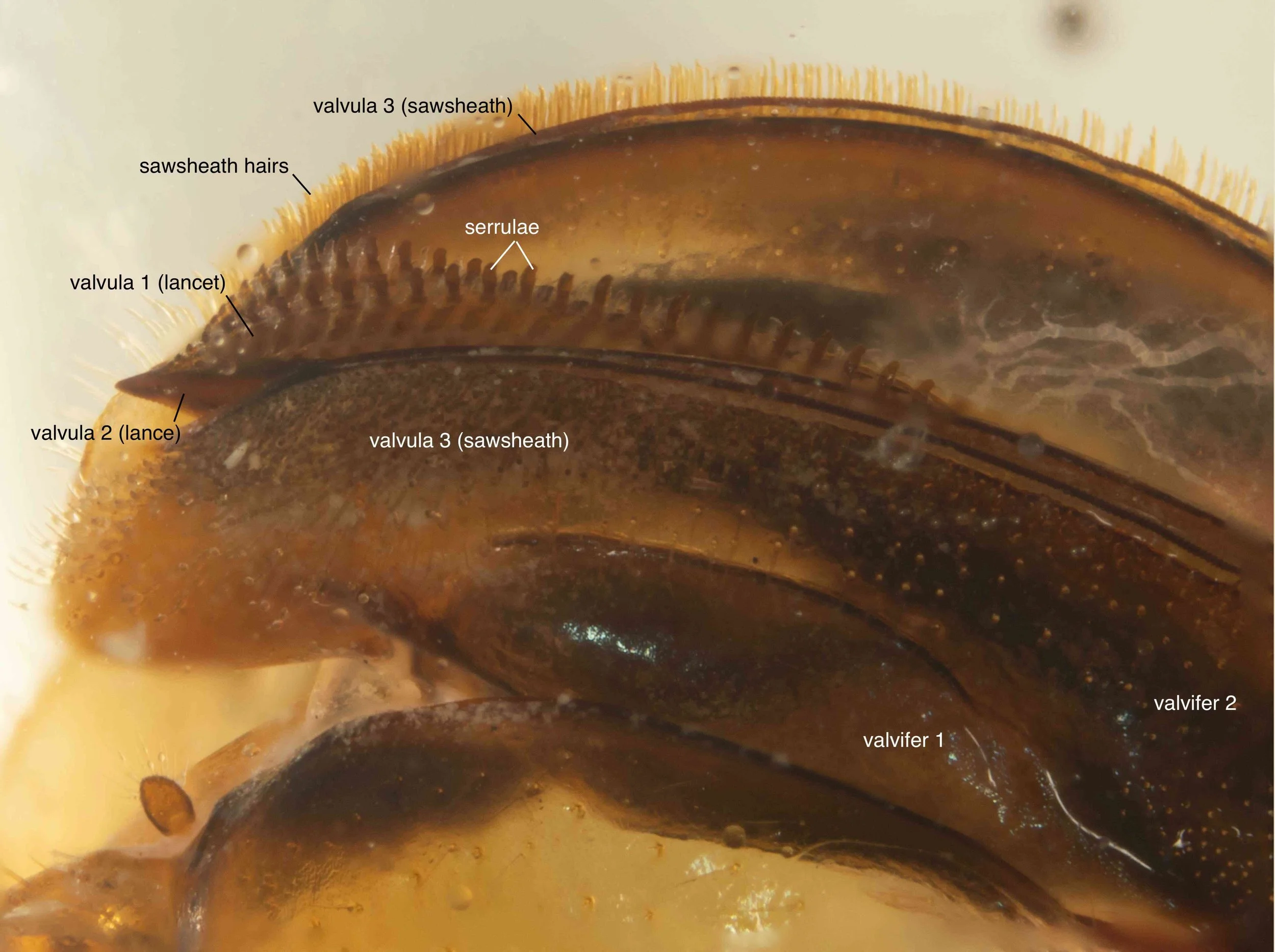
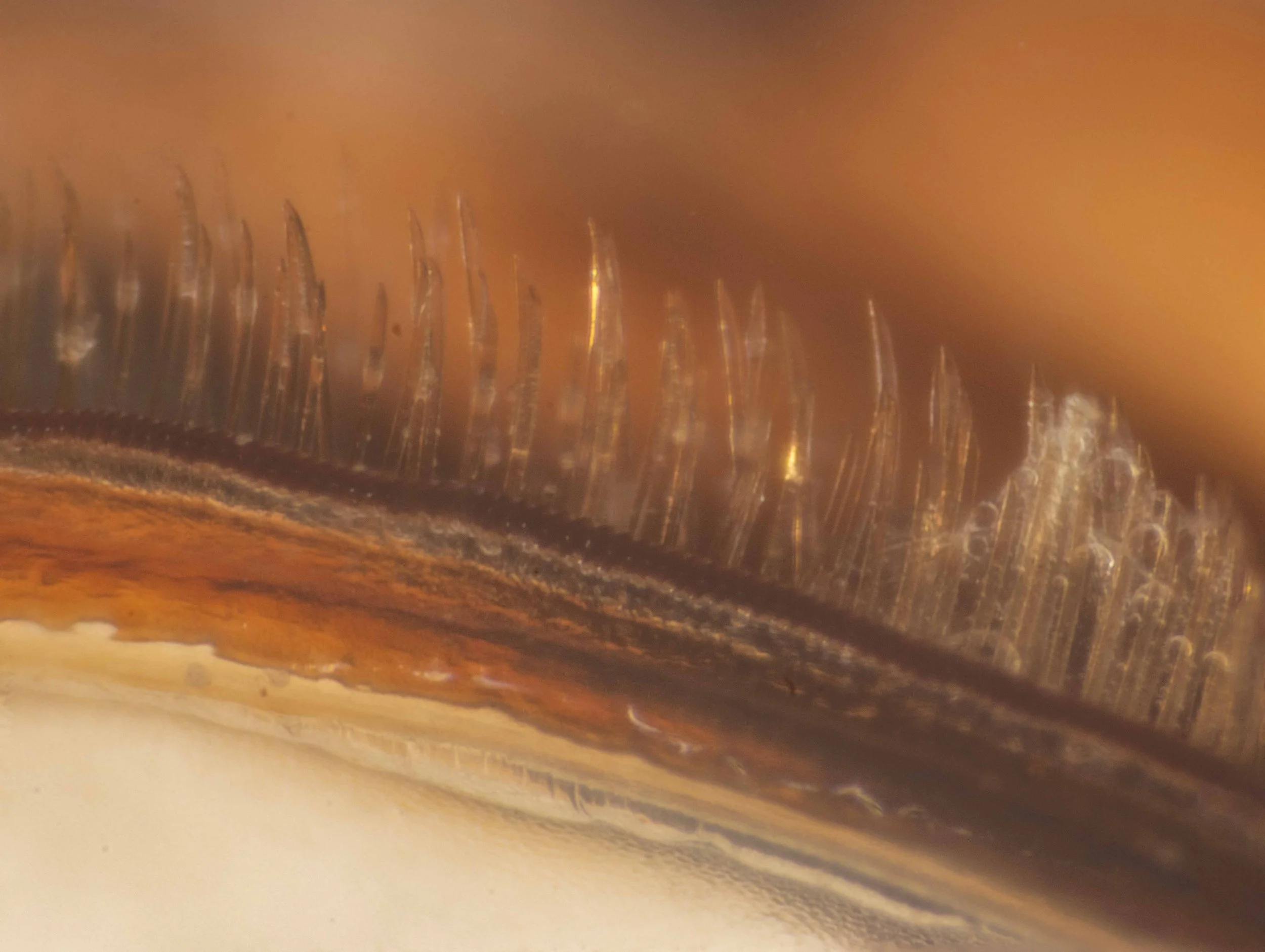
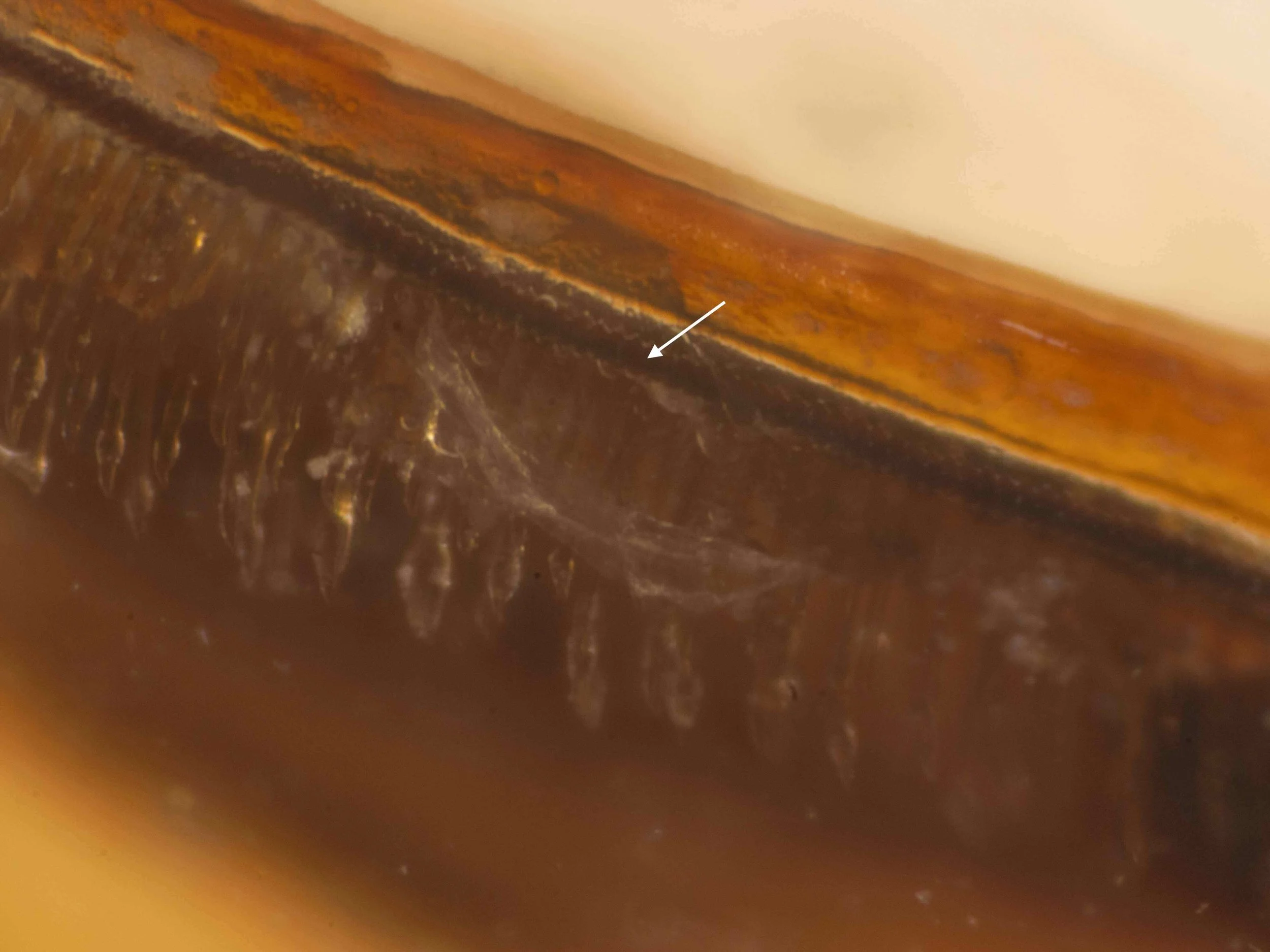
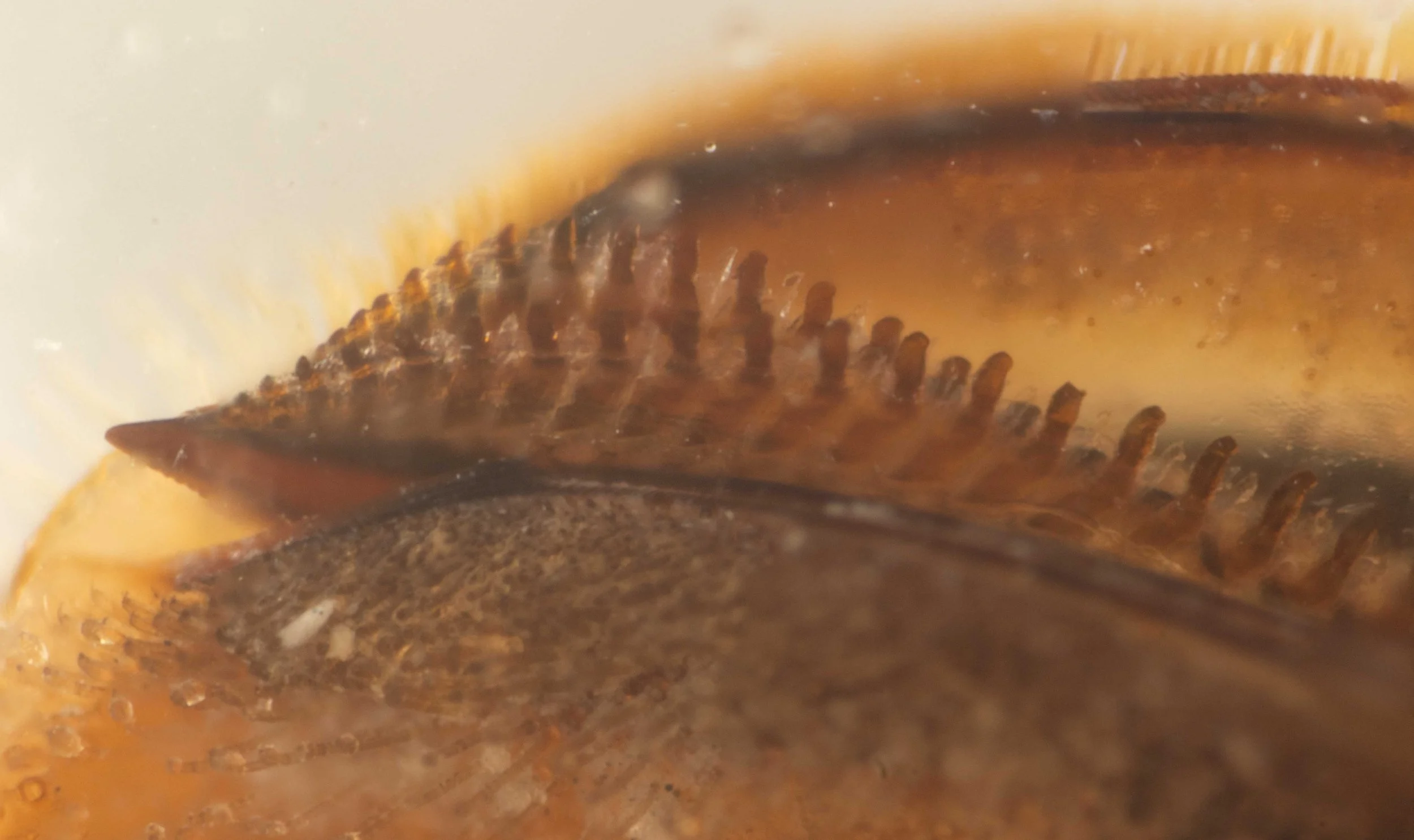
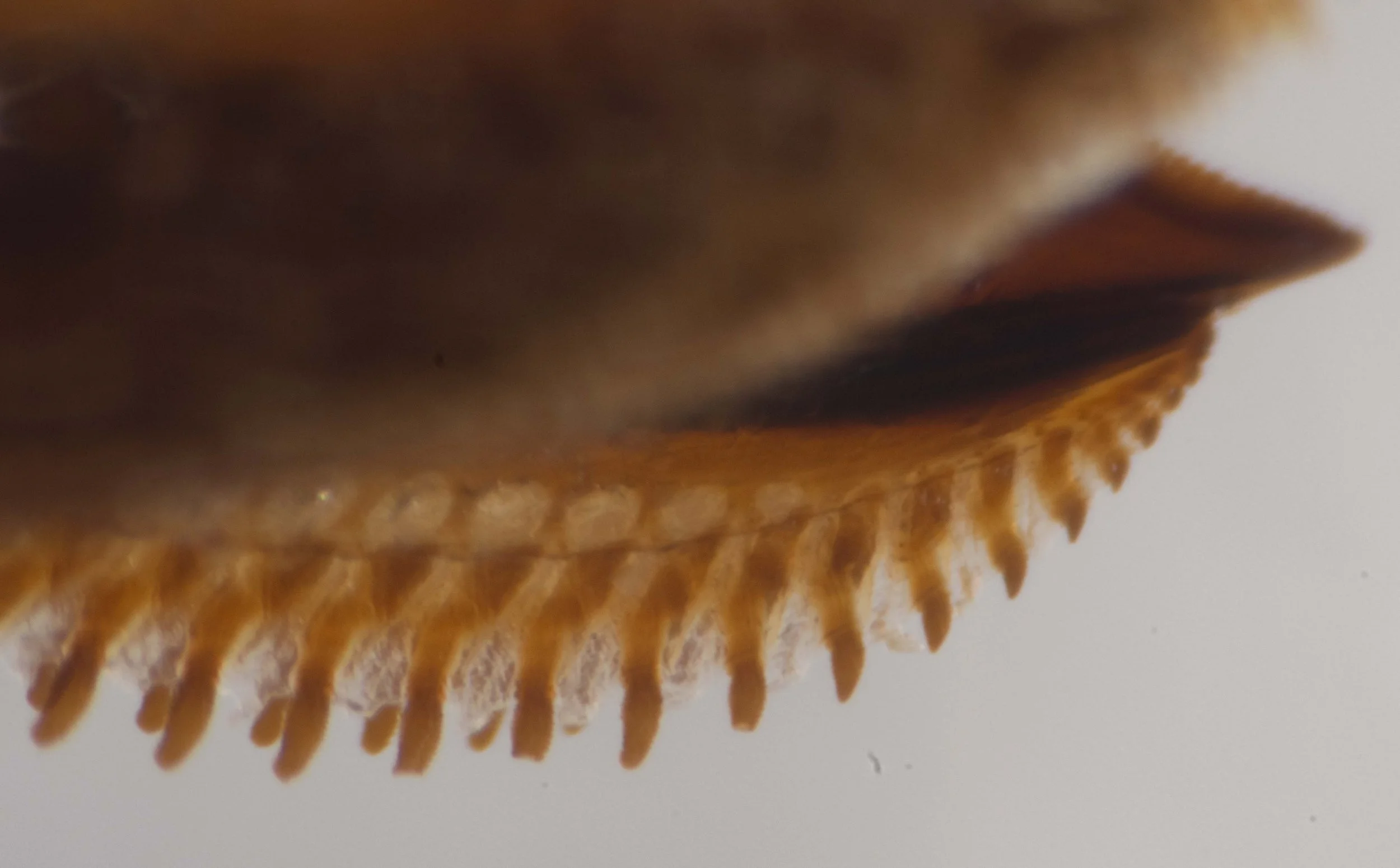
This notes page shows detailed images of specimens of adult Perga affinis females collected in the field or raised from larvae. Particular attention is paid to body parts that are diagnostic for species identification, in particular for separation from Perga dorsalis.
Many thanks to the iNaturalists who have generously donated these specimens for analysis - Chris Seager and Jenny Emeny.
Female from Chris Seager, Mt. Barker SA
This female is one of a number of adults raised by Chris from a clutch of larvae first observed feeding on a Eucalyptus cosmophylla tree at her home in Mt. Barker SA in June 2024. The larvae were allowed to continue feeding on that vegetation and by September had developed to a late stage.
Early in October 23 larvae descended into leaf-litter mulch placed close to the trunk. They were transferred to a terrarium where they subsequently pupated. 7 females and 2 males emerged in the following late February to early March.
The female examined here eclosed on 5th March.
Images (except for first) taken ~2 months after eclosion
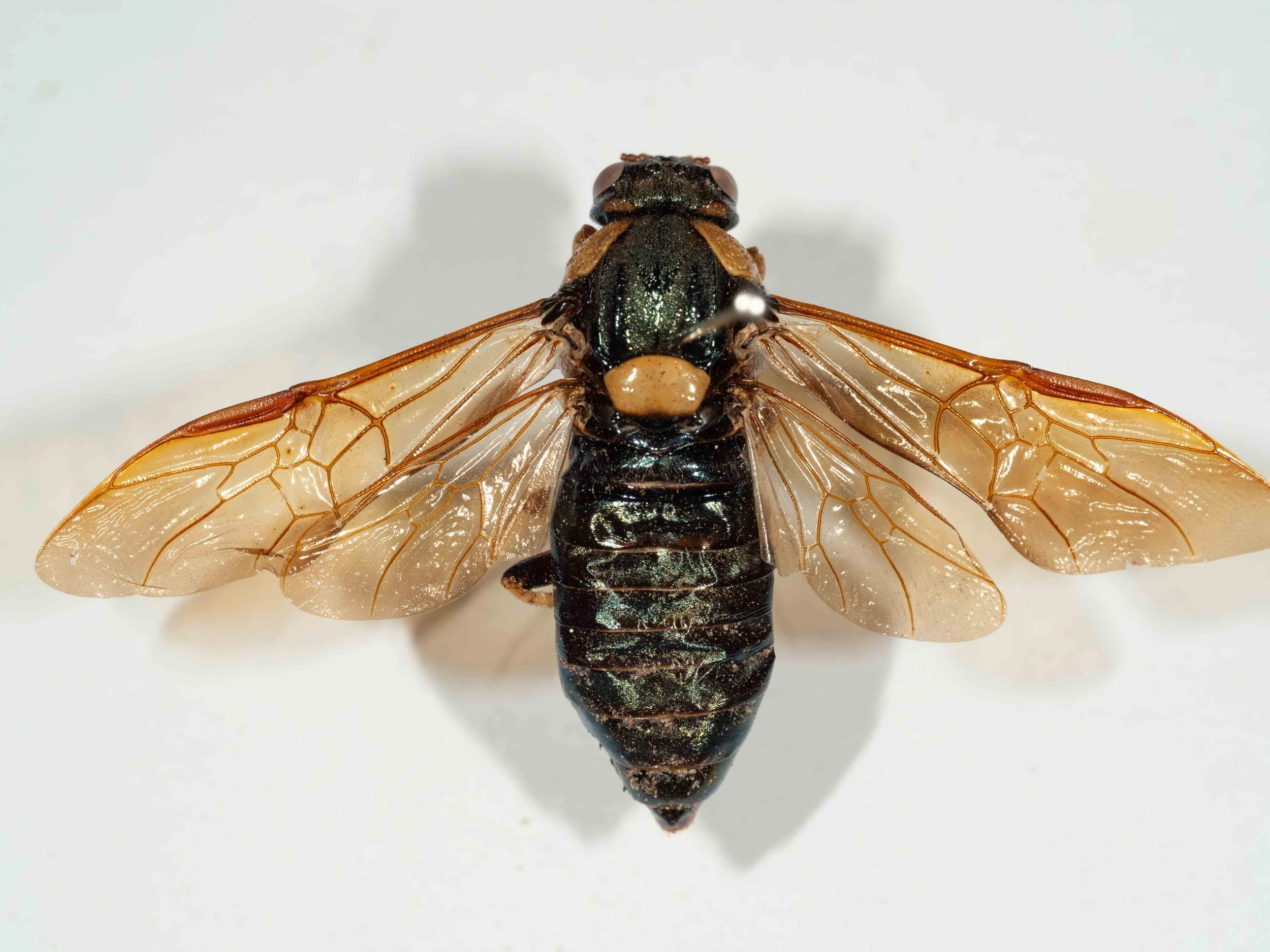
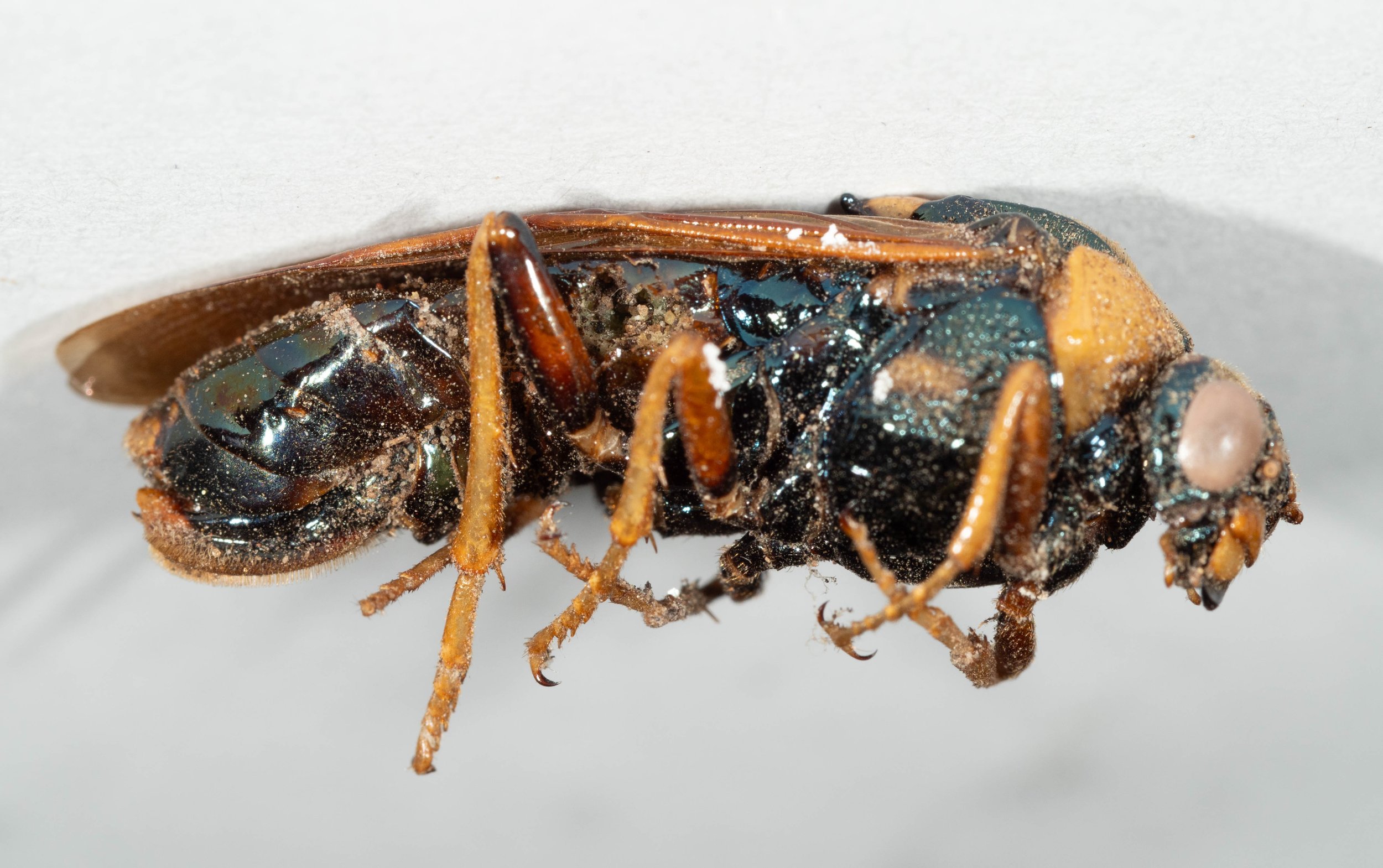
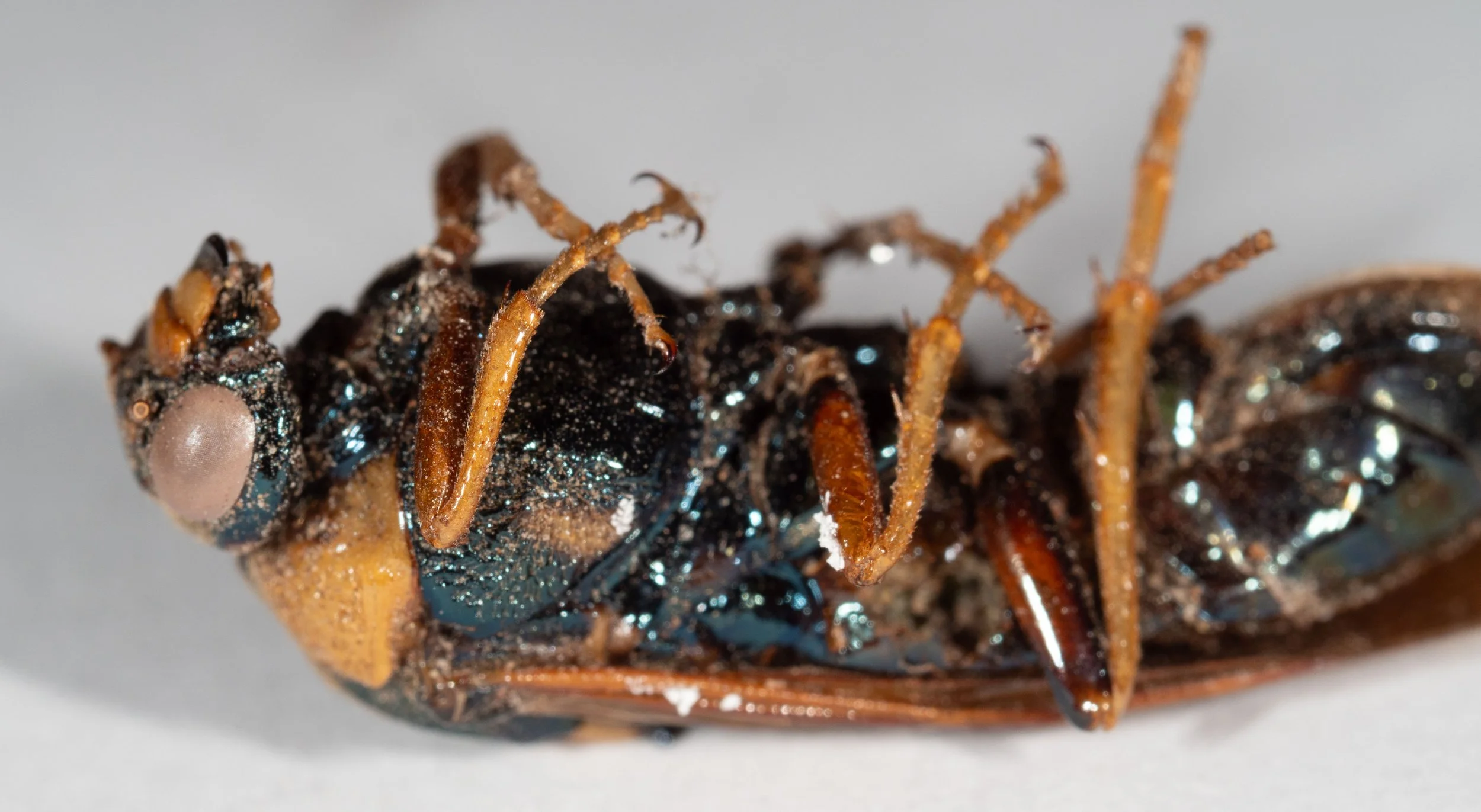
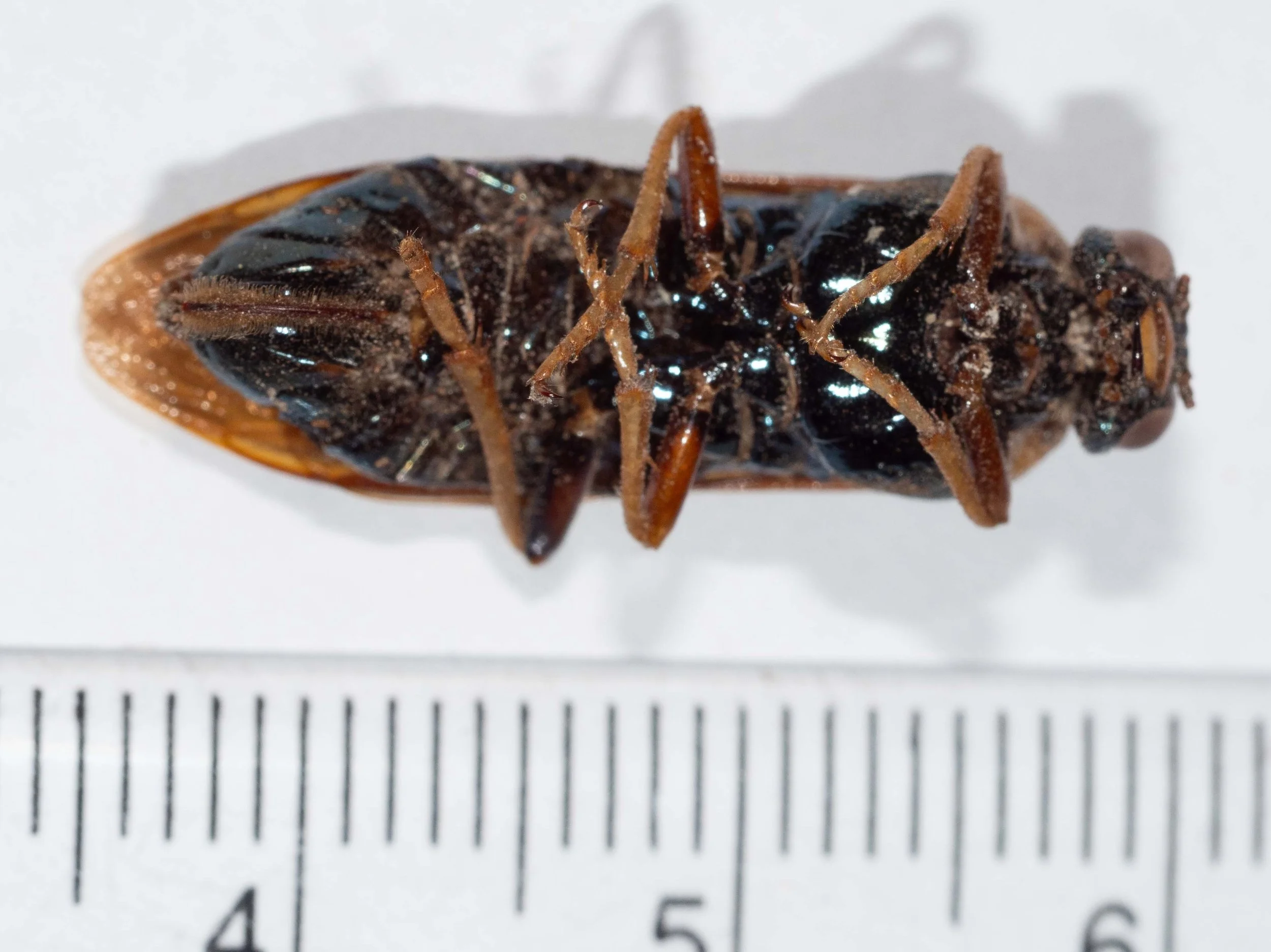
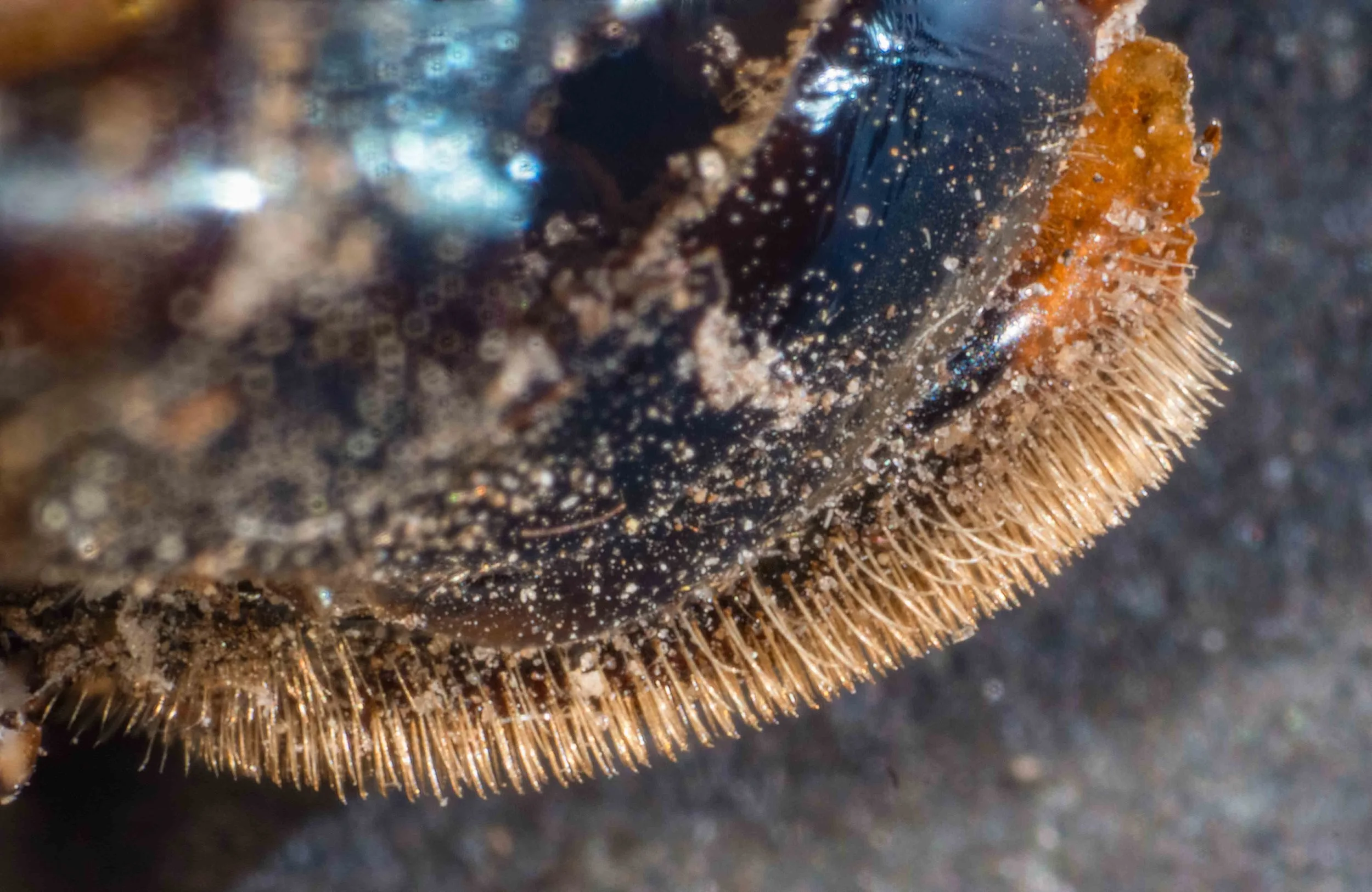
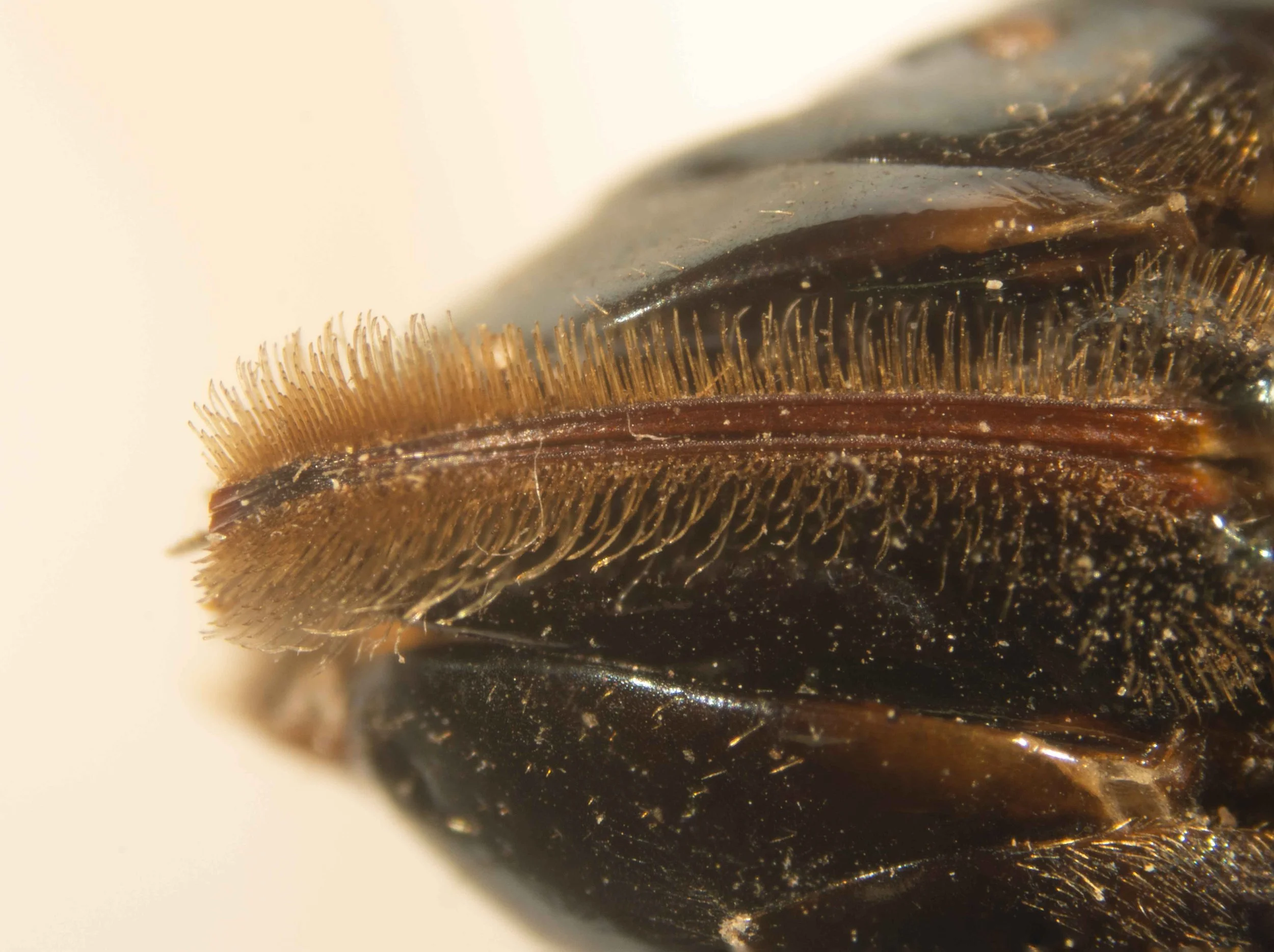
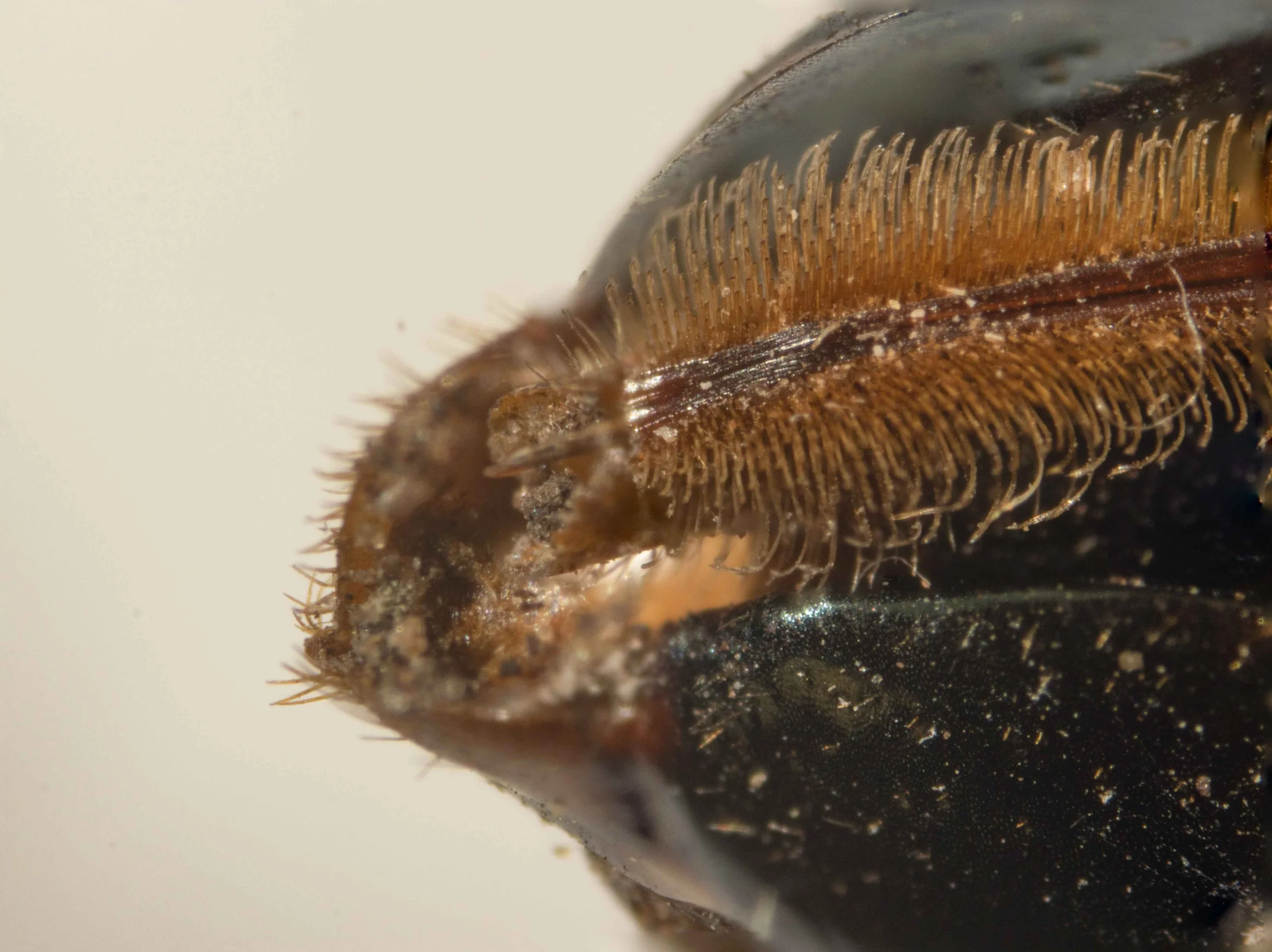
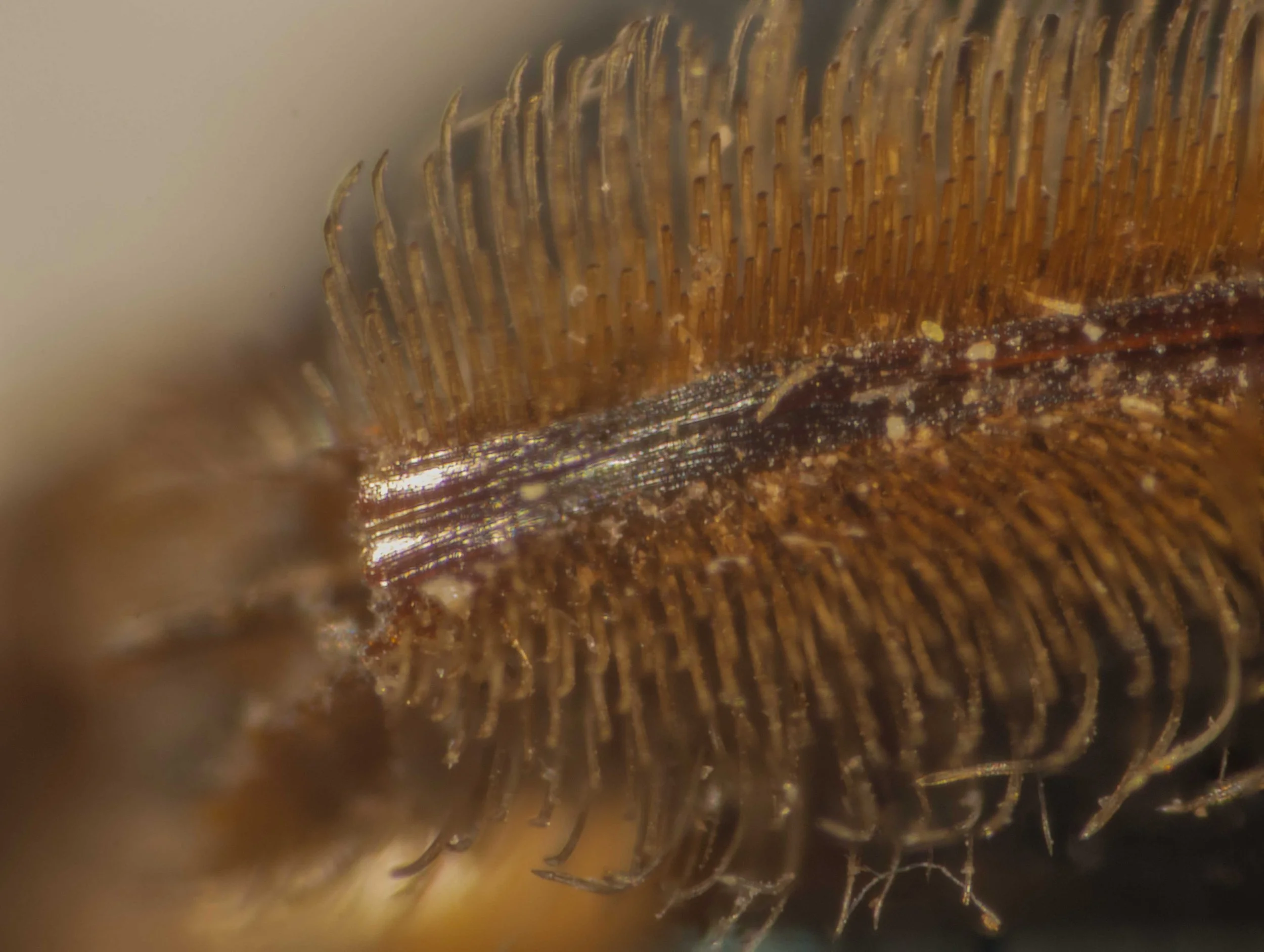
DNA barcoding
A hind leg was removed from this specimen for DNA barcoding of the COI gene by Erinn Fagan-Jeffries. This showed a 99.70% sequence similarity to the BOLD P. affinis specimen PERGI043-12 from Stefan Schmidt and a 97.72% similarity to a P. affinis specimen collected by James Peake (iNaturalist observation) at Warrandyte, Vic.
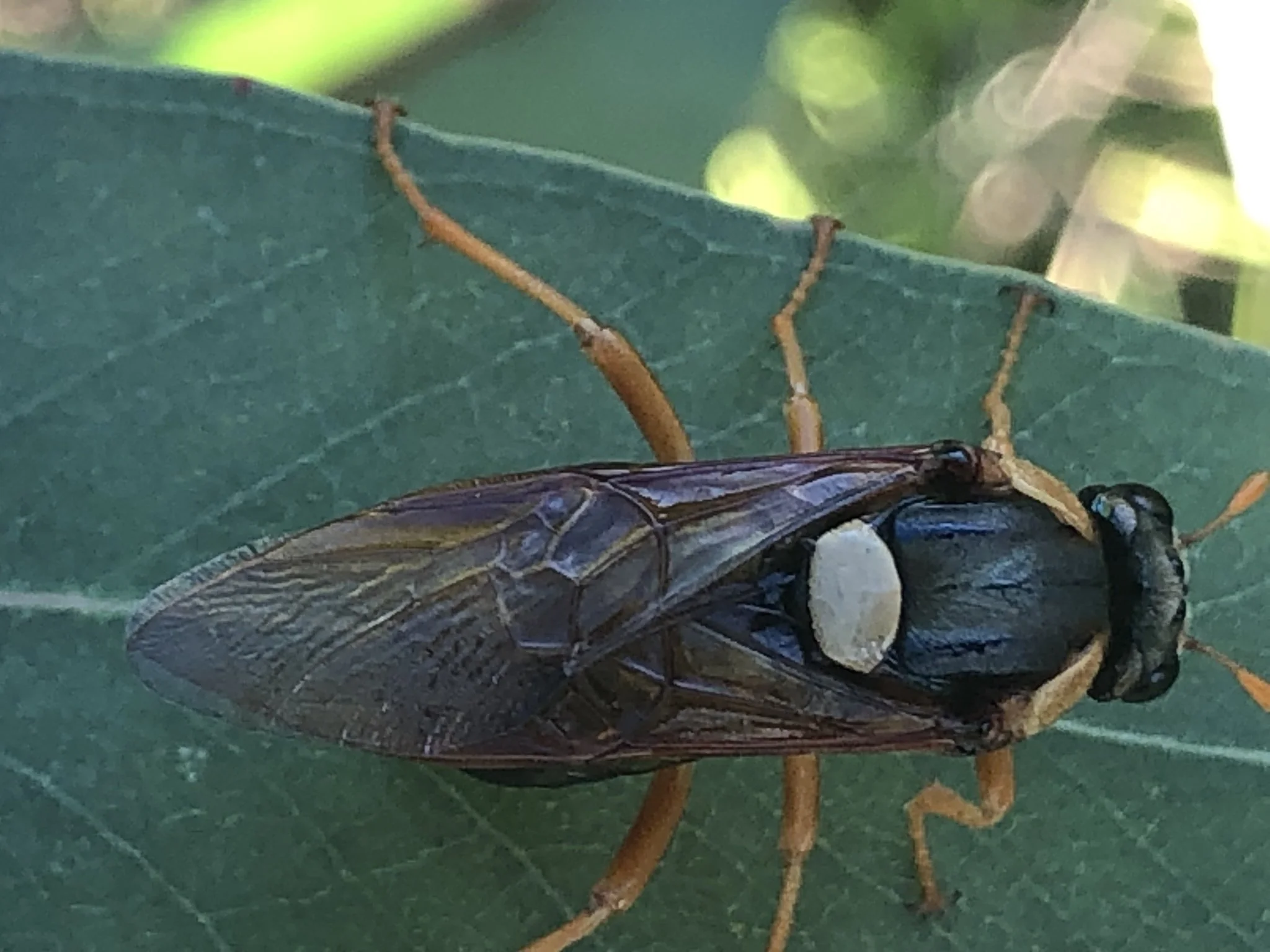
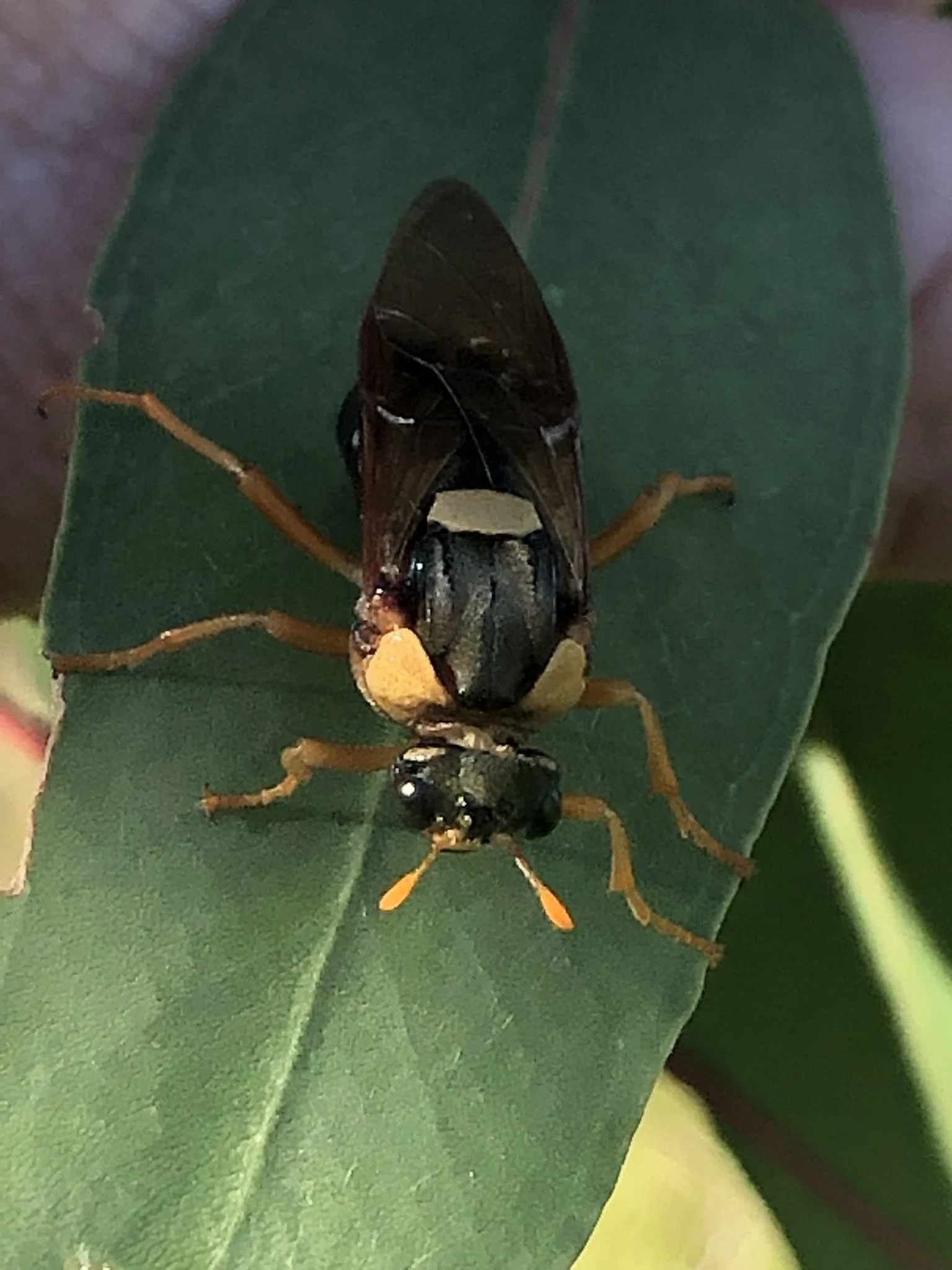
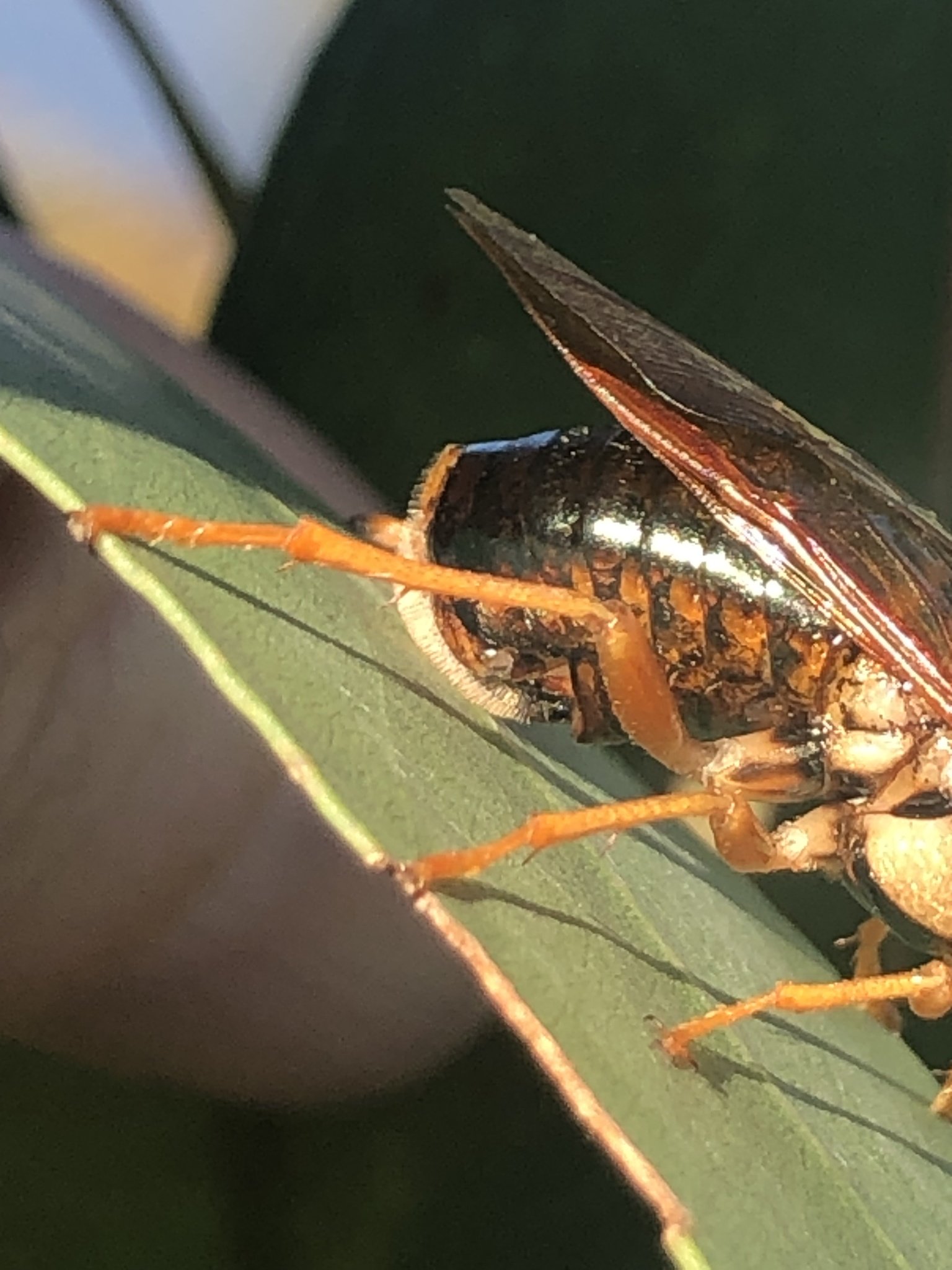
Female from Jenny Emeny, Warrnambool VIC
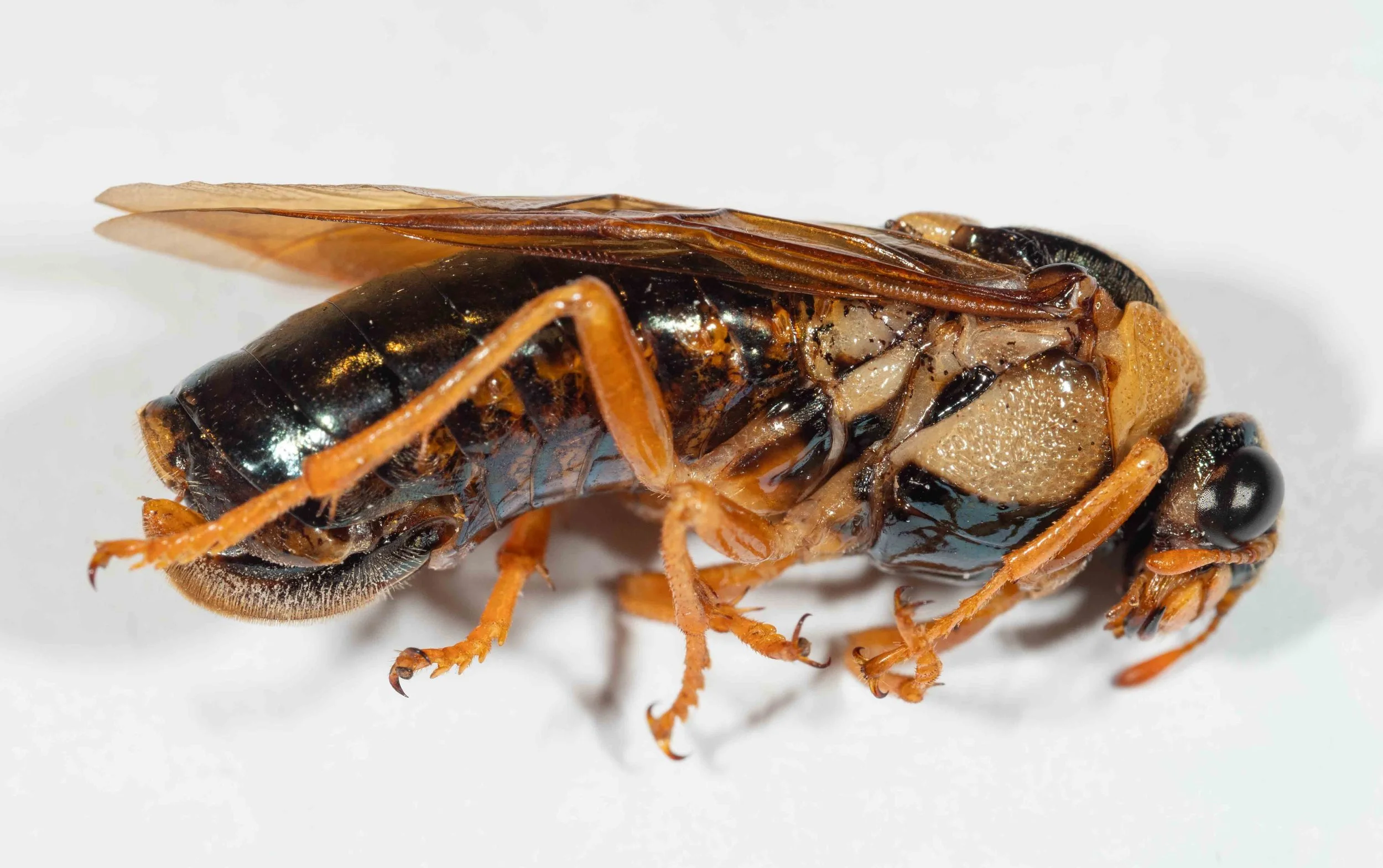
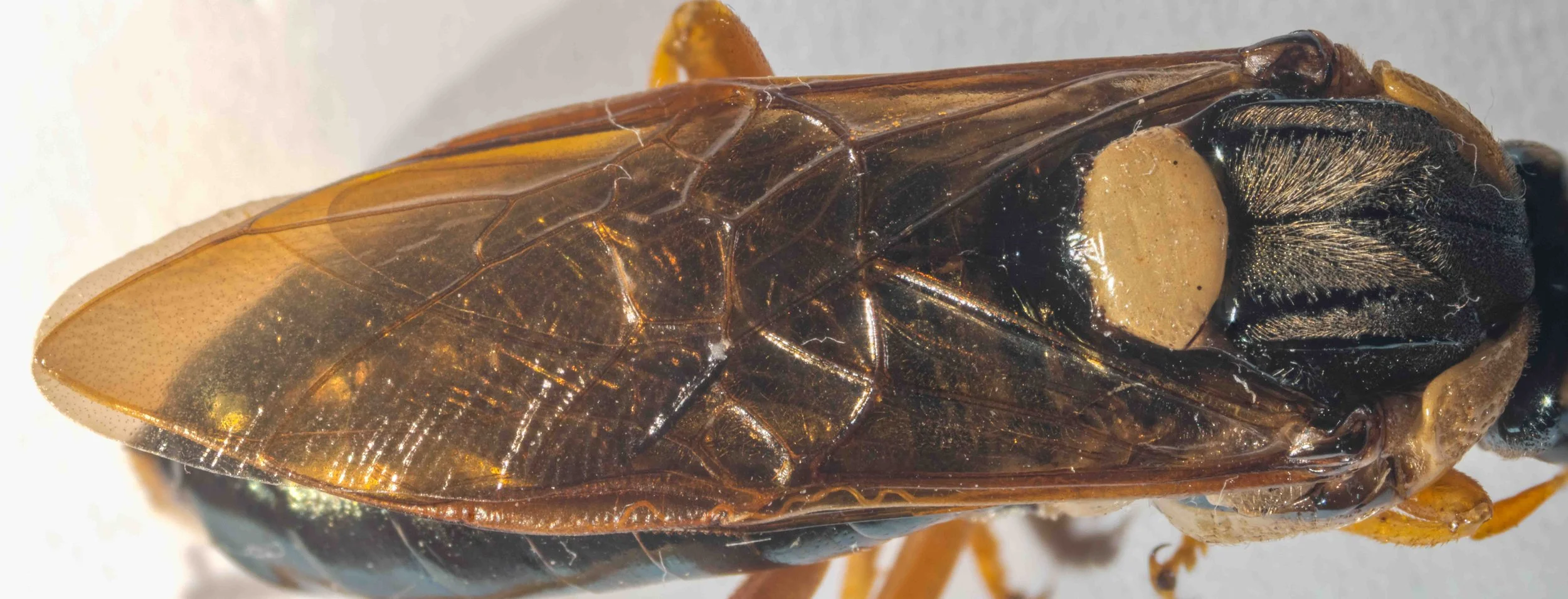
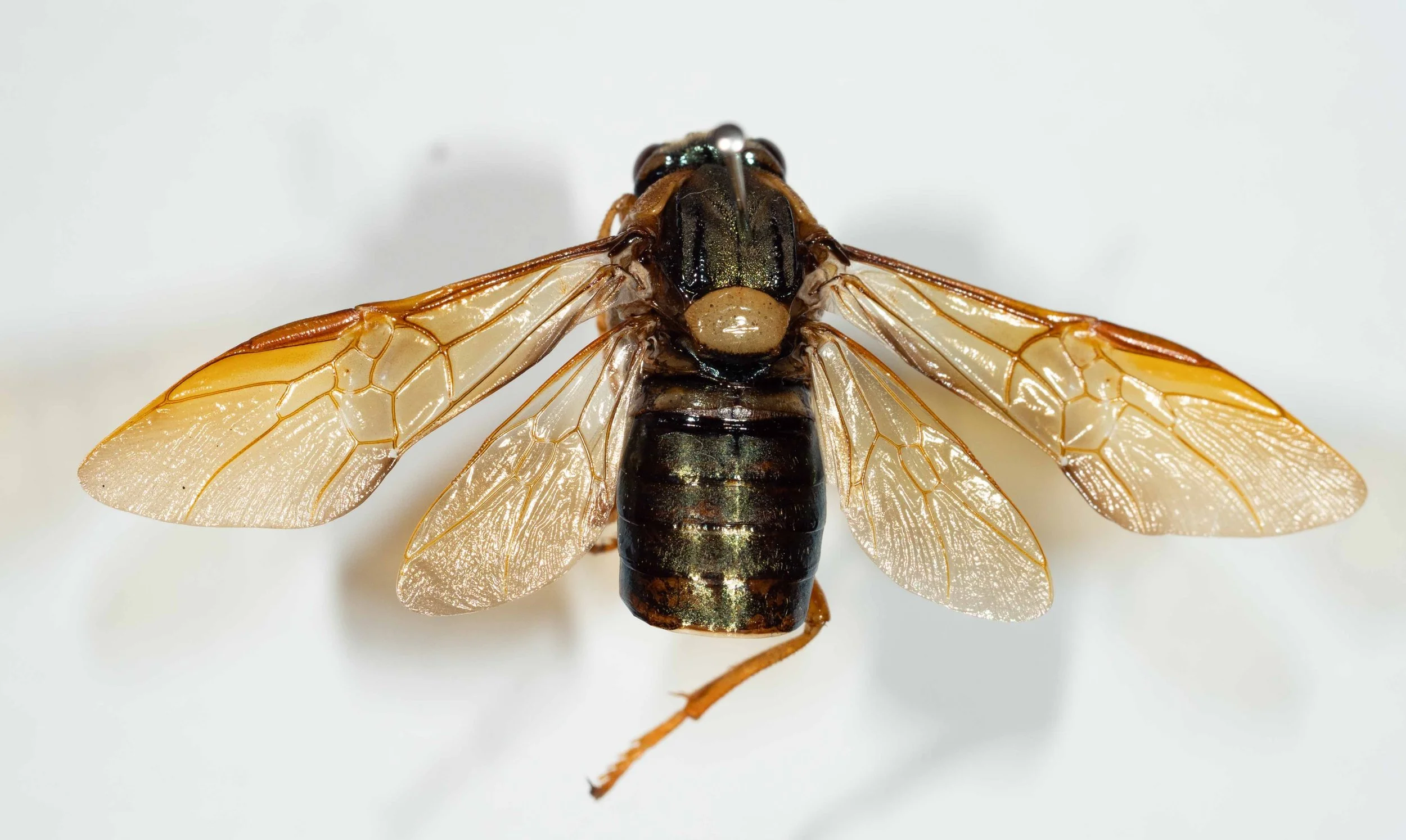
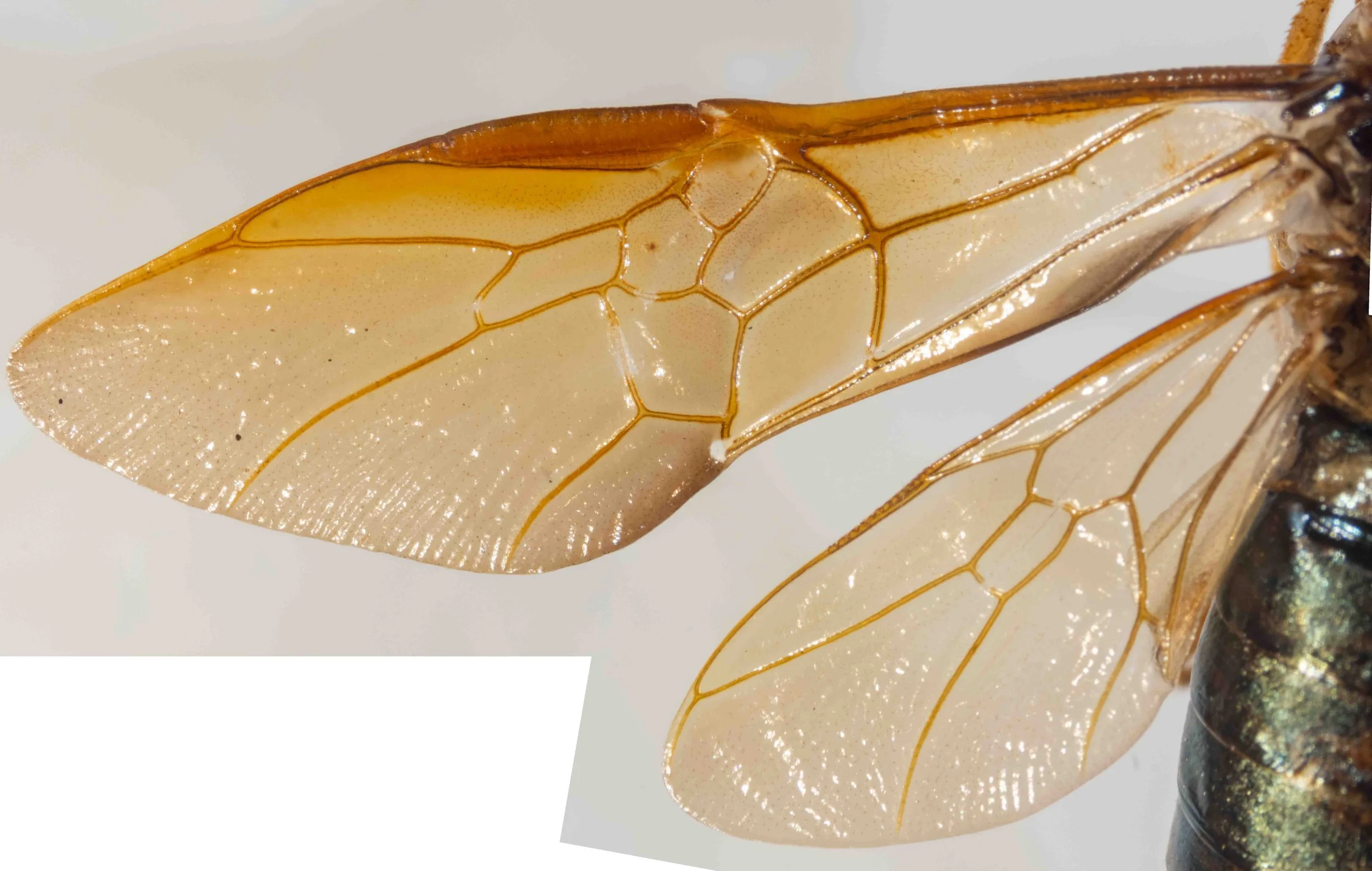
This female was collected in the field on March 31, 2026. It was straddling a eucalypt leaf, probably about to start abrading the leaf surface.
Images of living insect
Images of euthanised insect
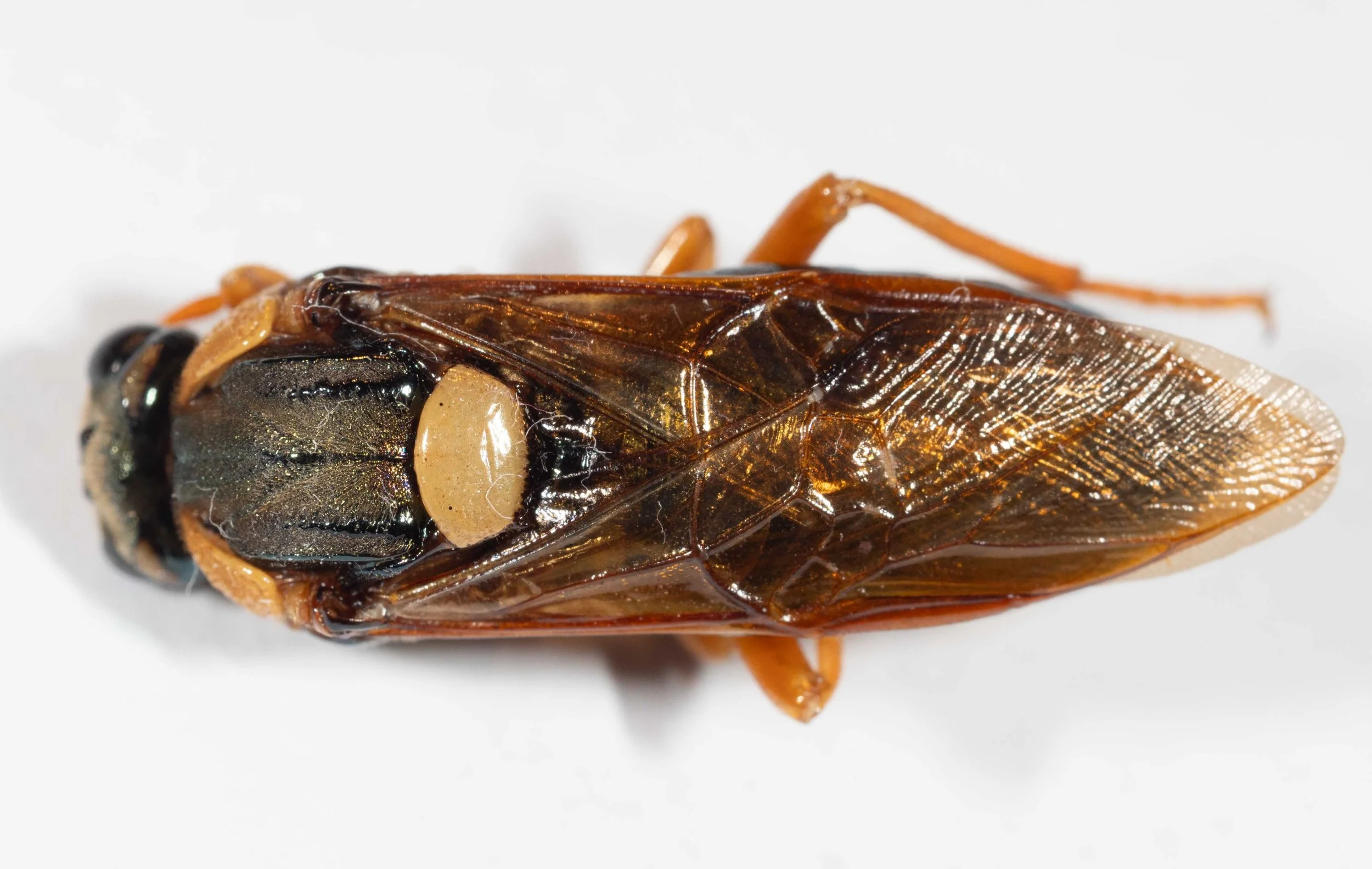
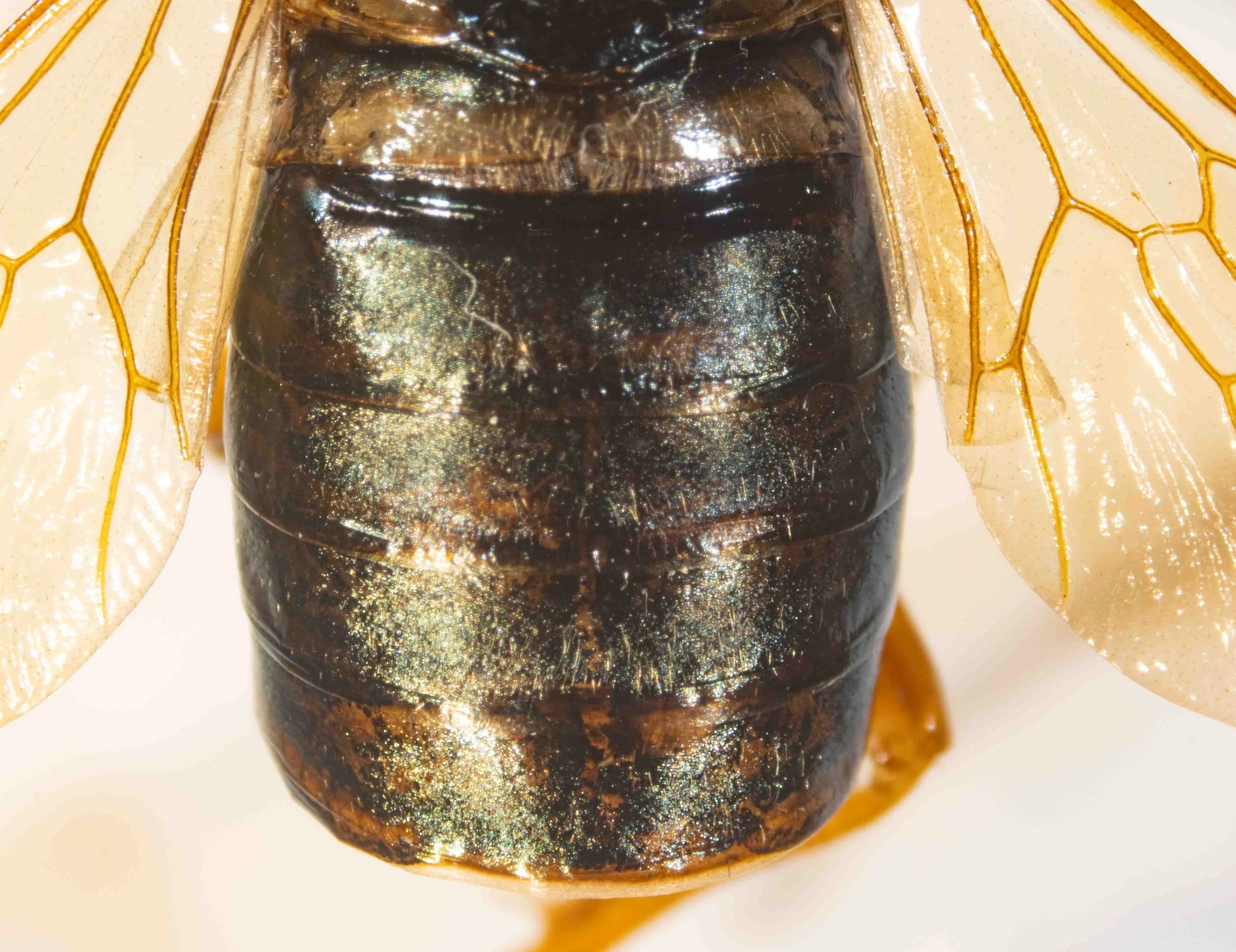
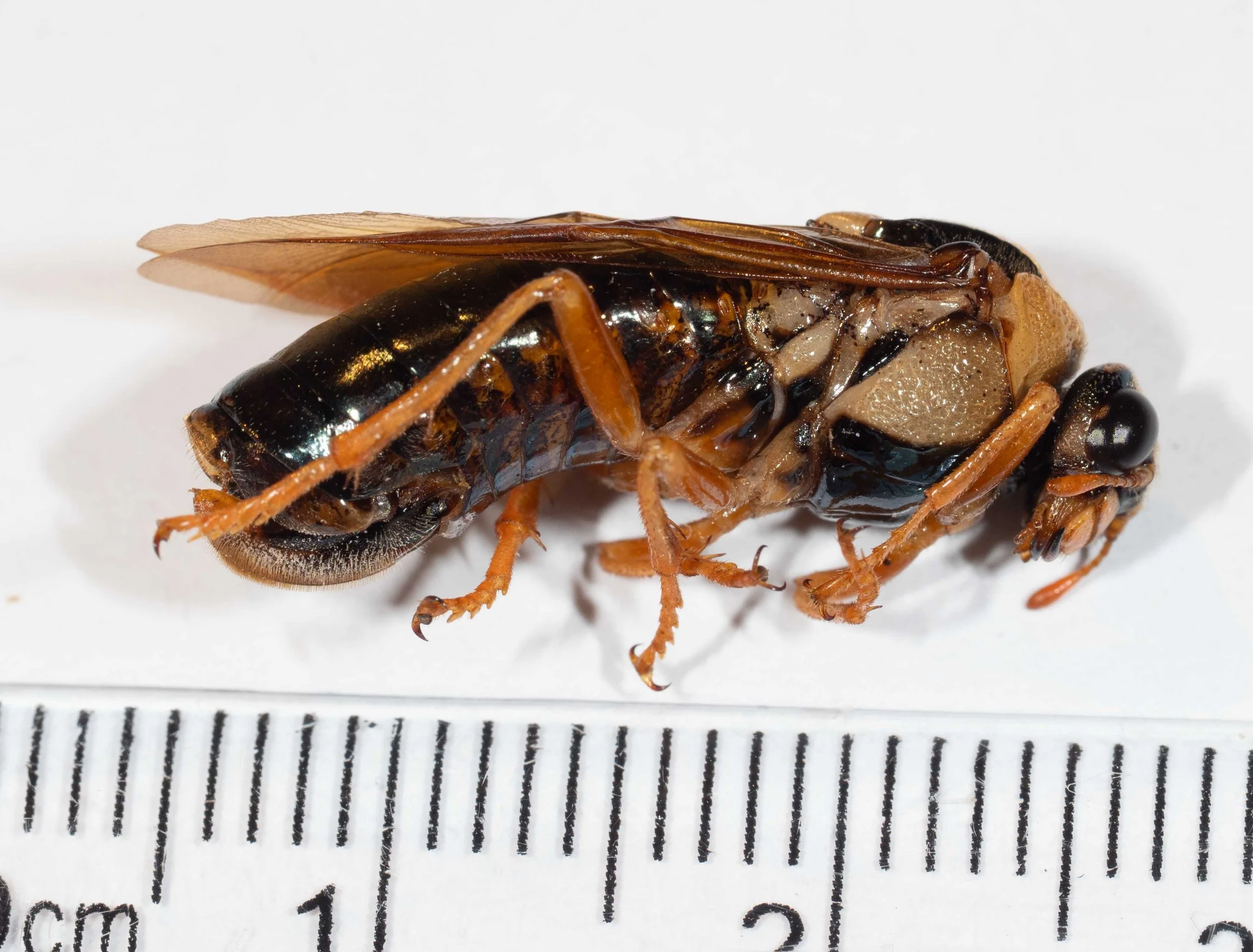
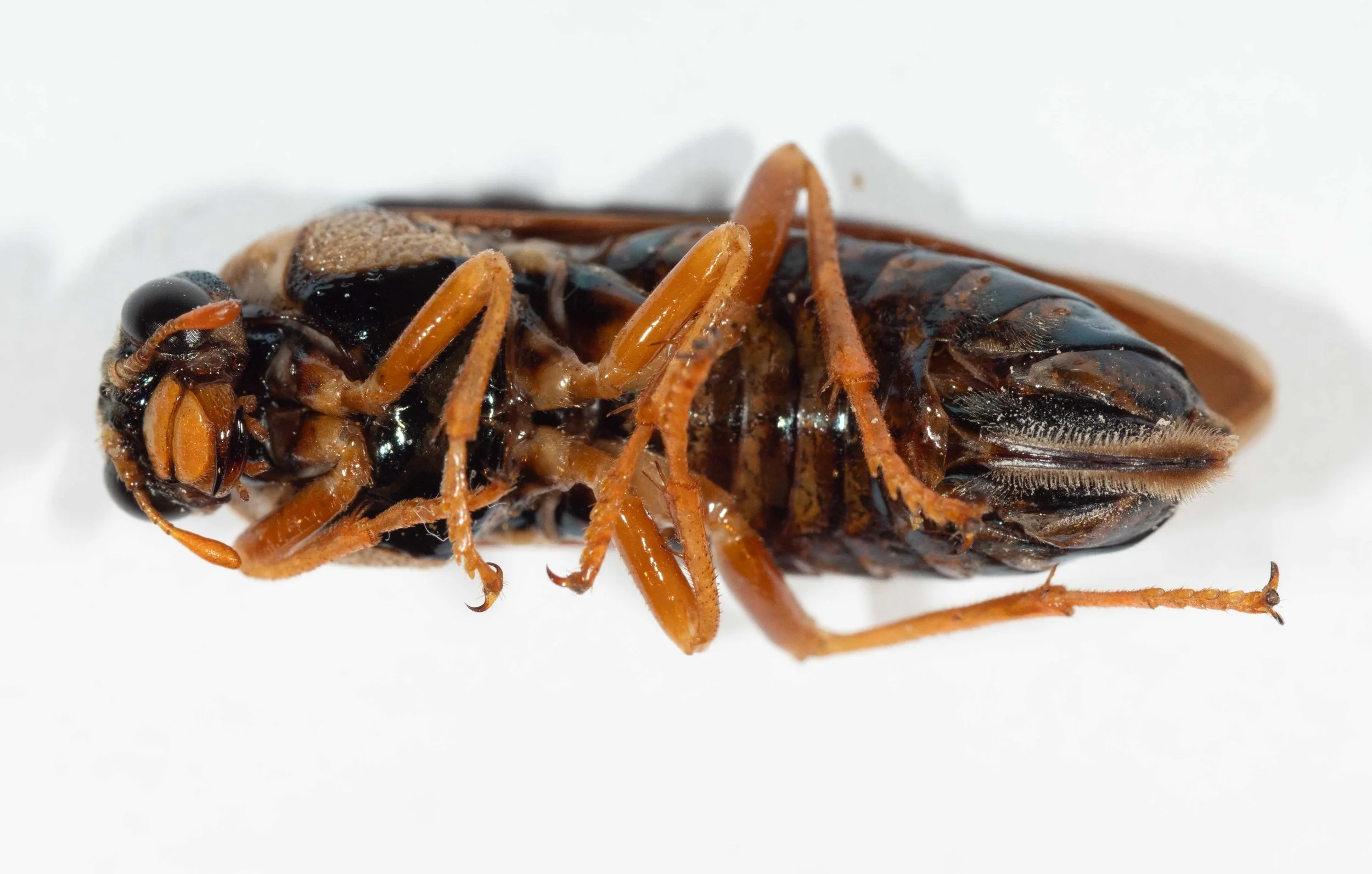
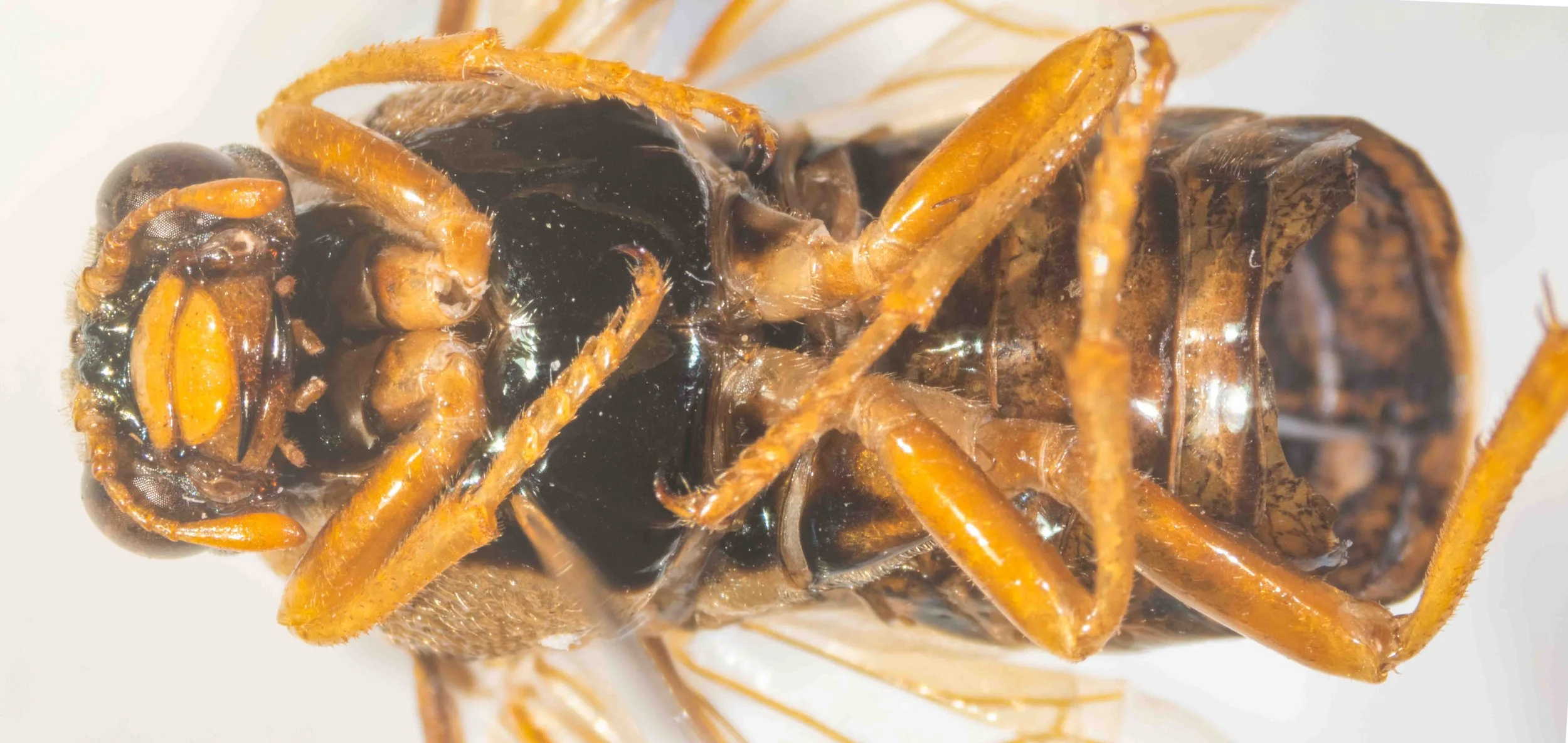
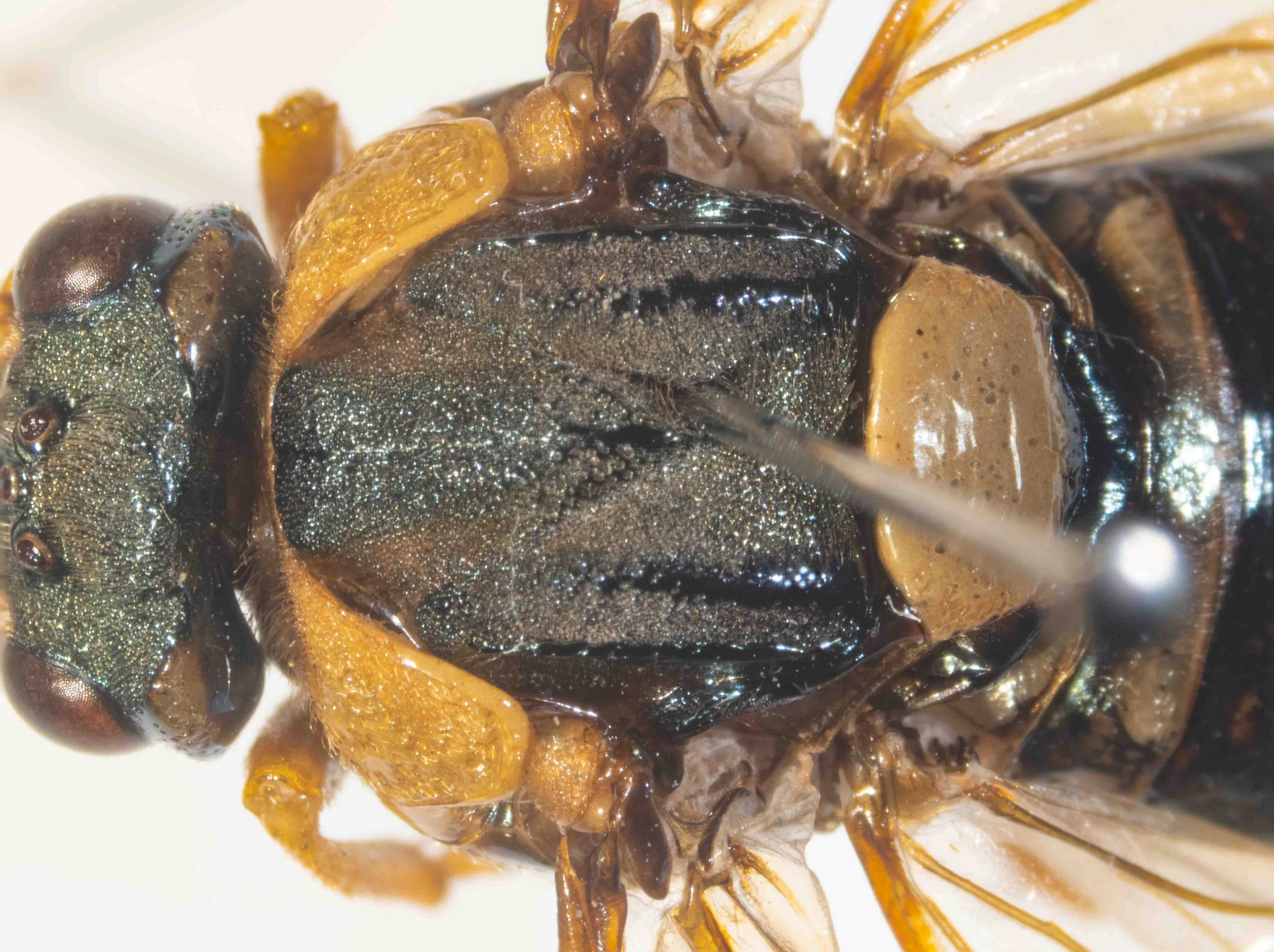
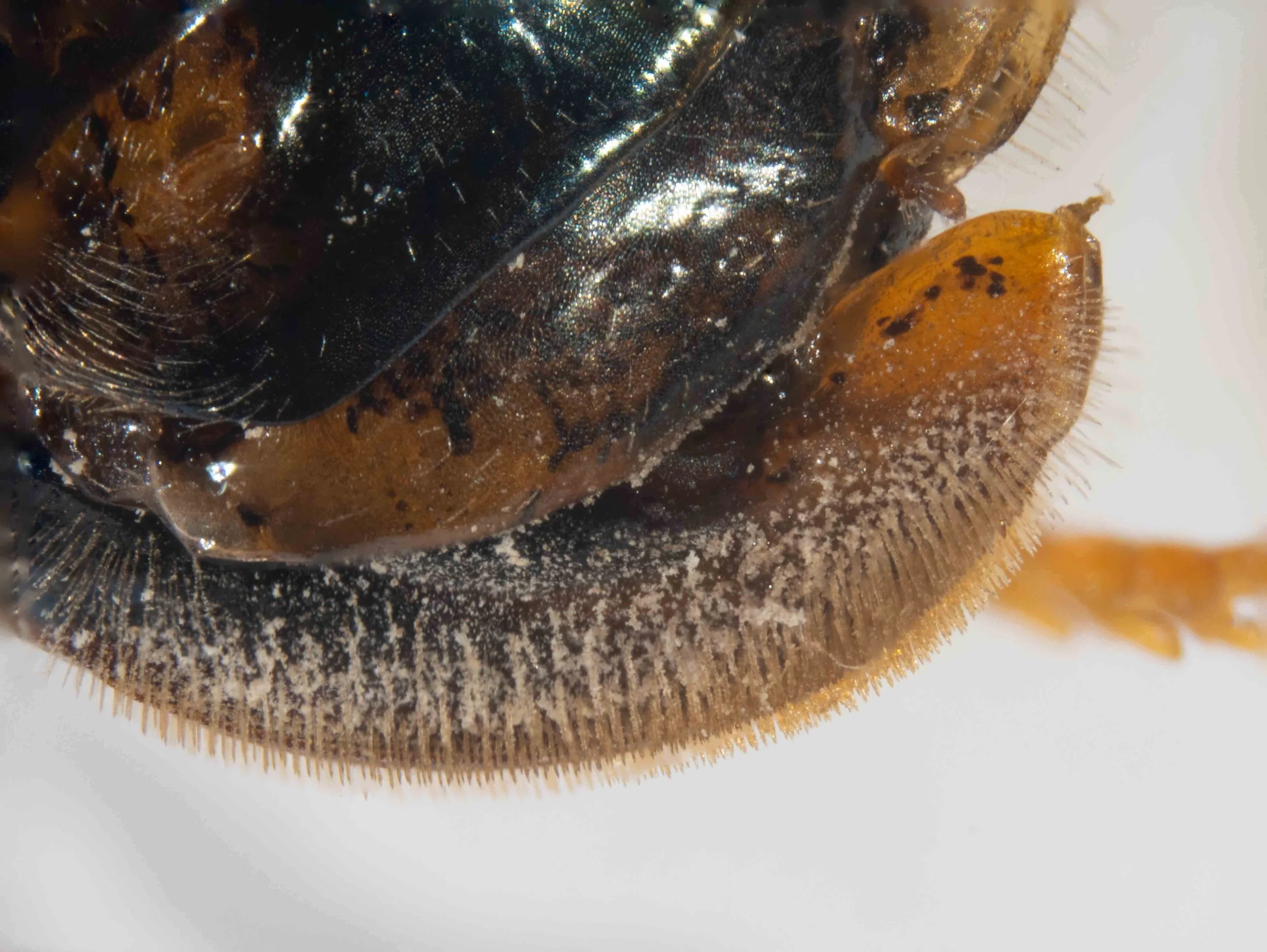
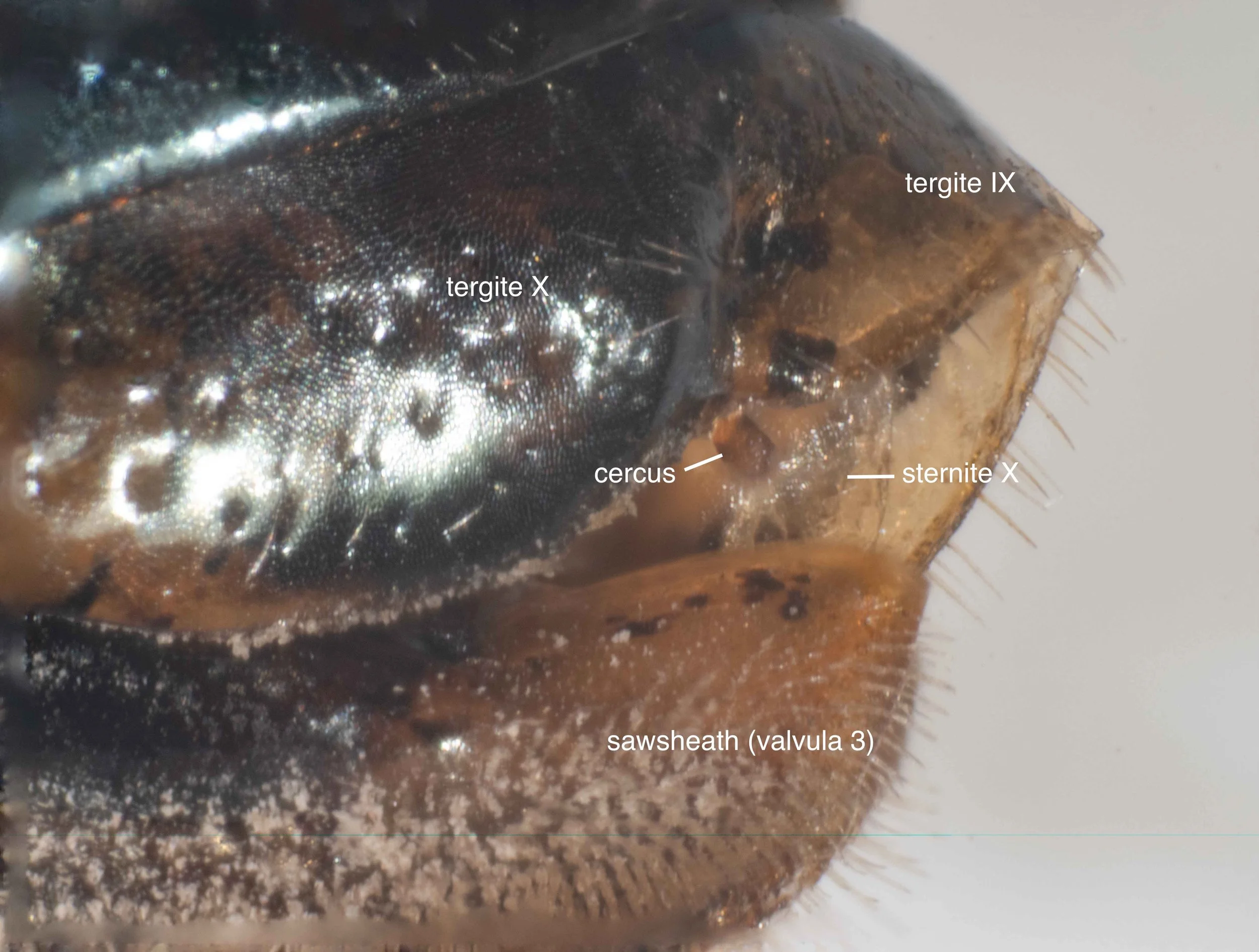
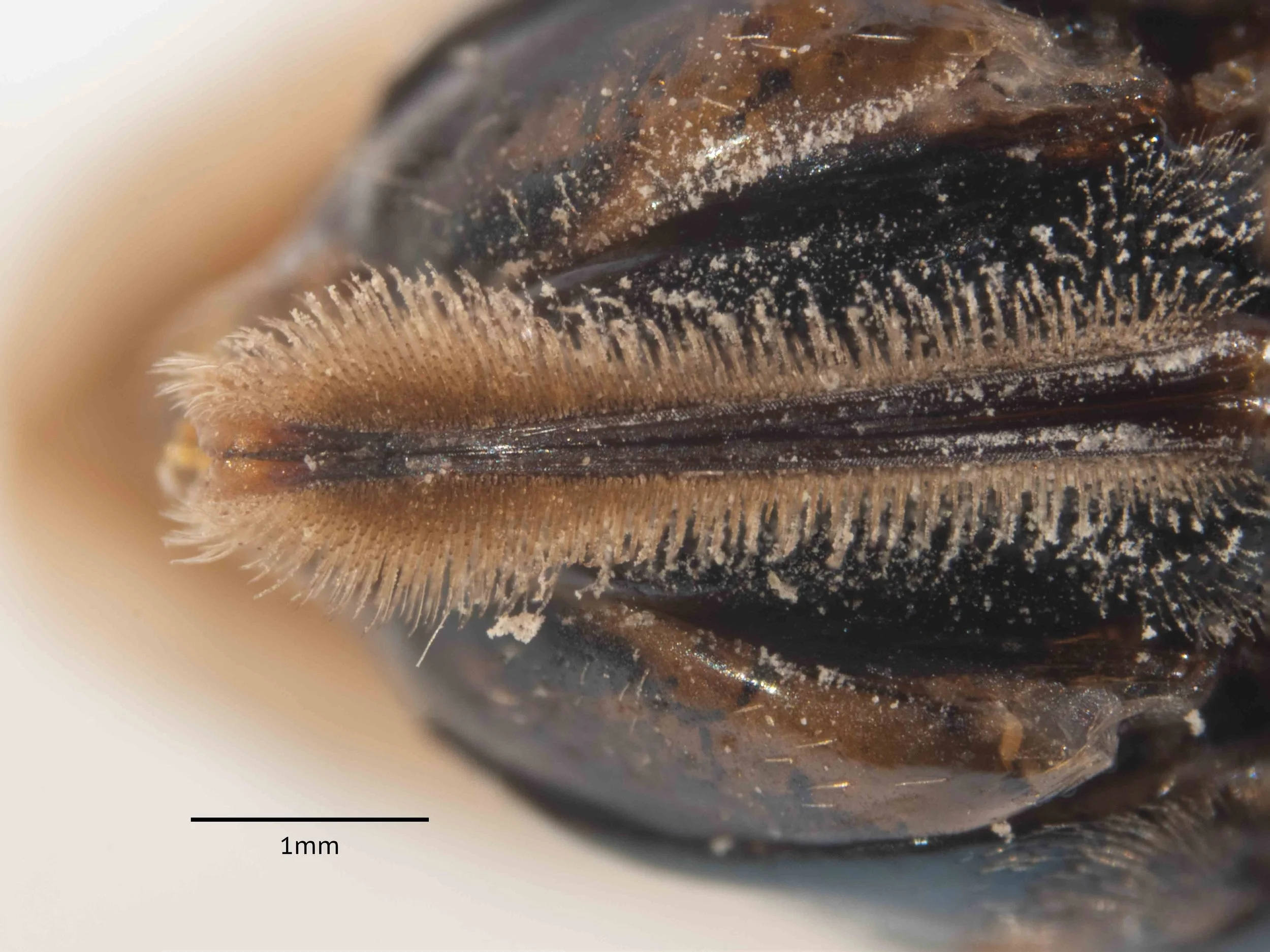
DNA barcoding
The left hind leg was removed from this specimen on 10/4/26 and stored in 100% ethanol in the freezer, ready for DNA barcoding.
Summary
These two Perga affinis females are very similar, differing in only the following features:
colour of ventral region of genae (black vs. orange)
colour of pleurae (all black except for yellow spot on mesepimeron vs. all yellow except for small black areas)
colour of dorsal side of hind femora (black vs. dark orange)
Carne (1962) notes a tendency for the pigmentation of the mesepimeron of the adult female Perga affinis to vary from black to pale yellow.
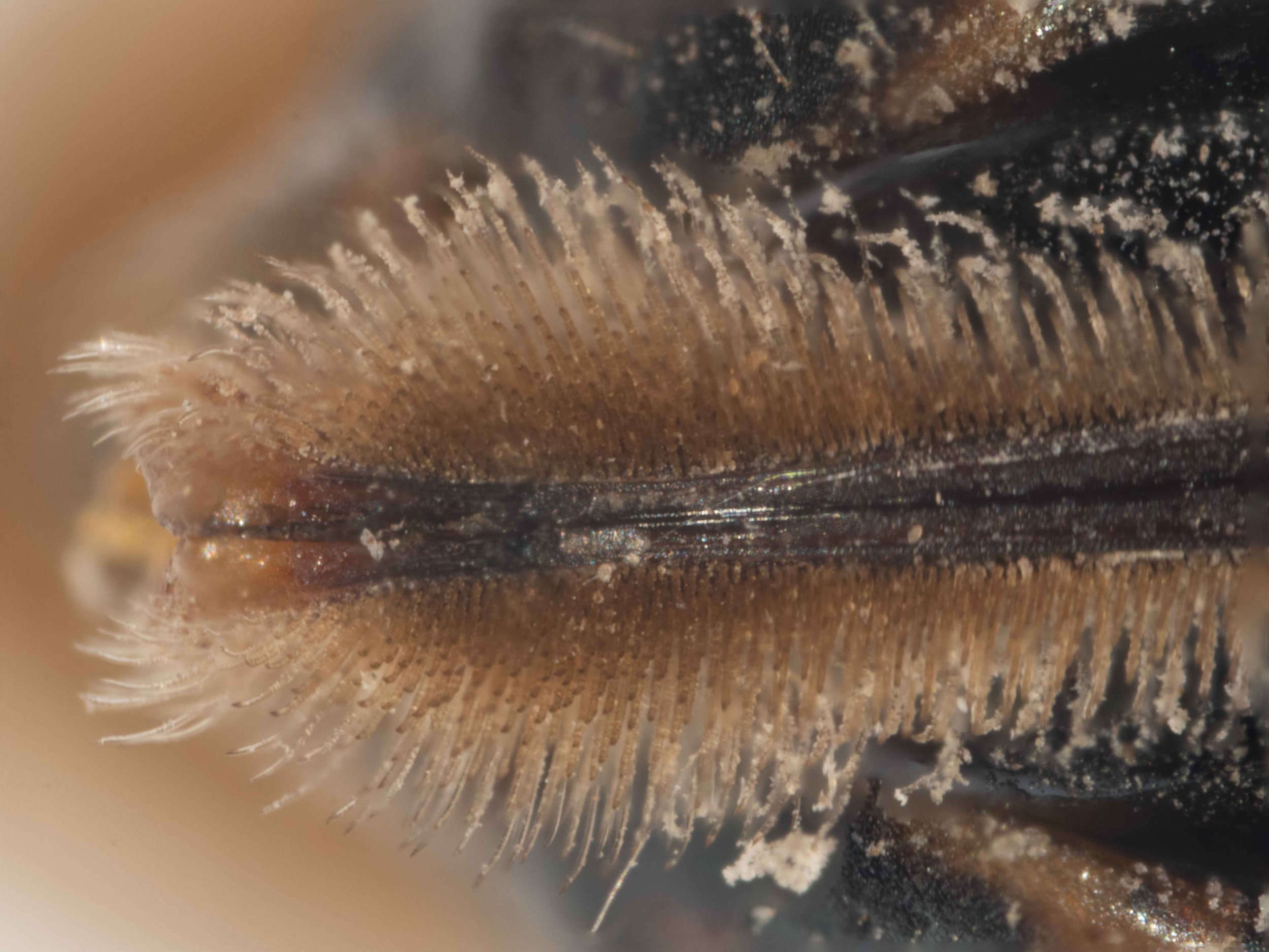
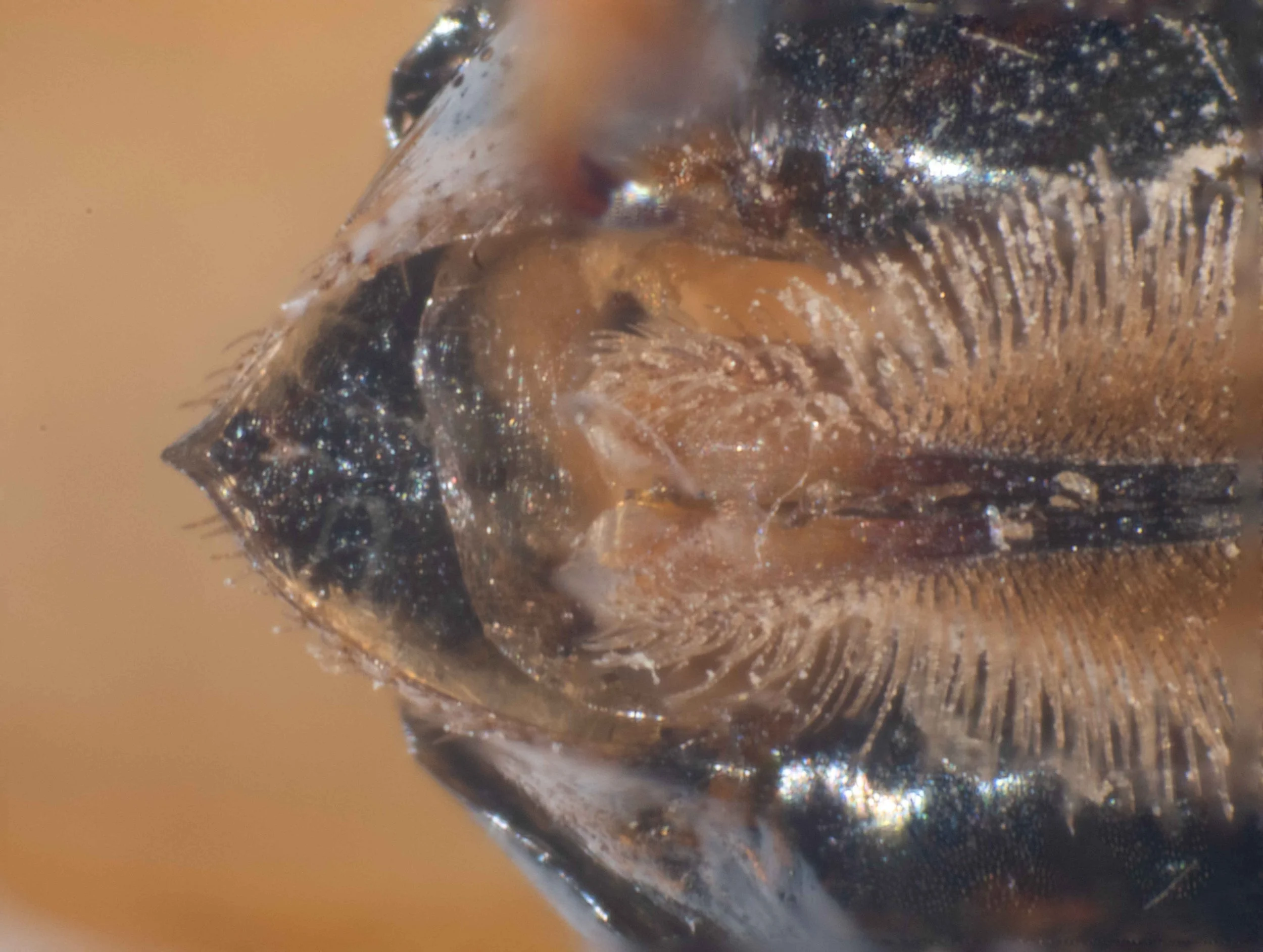
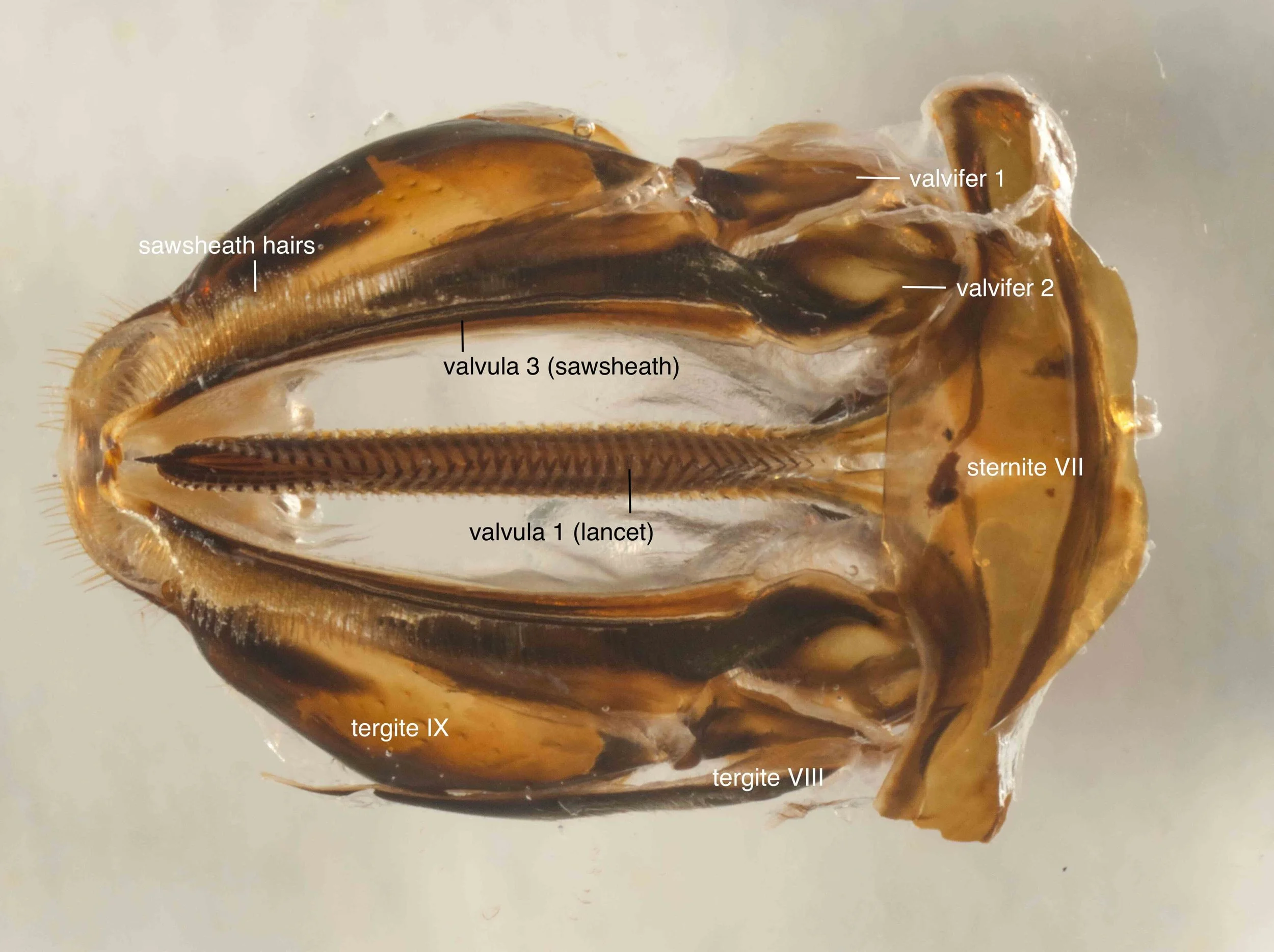
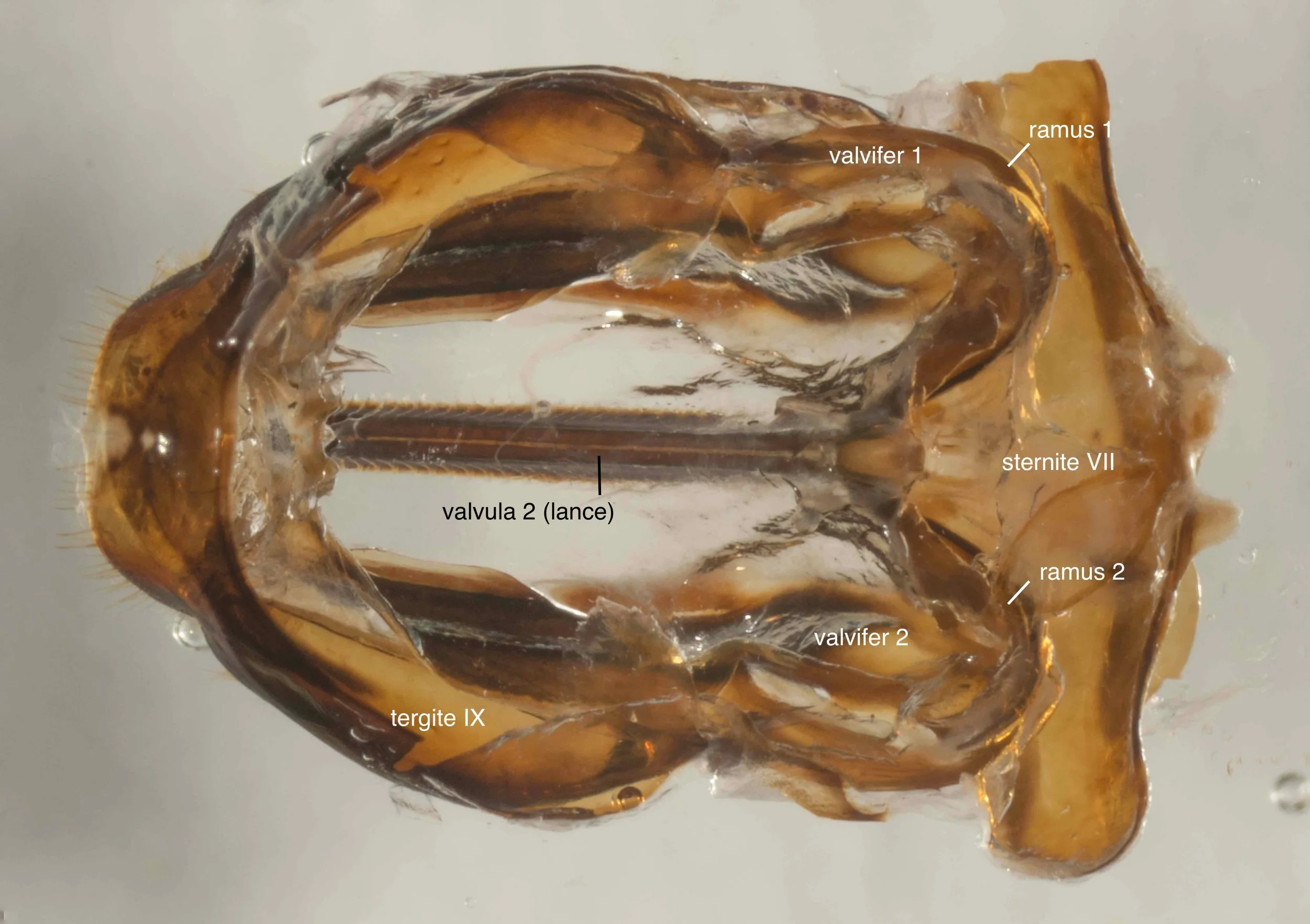
All other features are identical, in particular the morphology and spacing of the hairs (bristles) on the sawsheath and the length of the sawbench, which other authors have considered to be diagnostic features for separation of P. affinis and P. dorsalis (Benson, 1939; Carne, 1962; Riek, 1962).
References
Benson, R.B. 1939. A revision of the Australian sawflies of the genus Perga Leach, sens. lat. (Hymenoptera, Symphyta). The Australian Zoologist 9: 324-357.
Carne, P.B. 1962. The characteristics and behaviour of the saw-fly Perga affinis affinis (Hymenoptera). Australian Journal of Zoology 10: 1-34.
Riek, E.F. 1961. The distribution and inter-relationships of Perga affinis Kirby and Perga dorsalis Leach (Hymenoptera, Symphyta). Proceedings of the Linnean Society of New South Wales 86: 237-240.
This is a workbook page … a part of our website where we record the observations and references used in making species identifications. The notes will not necessarily be complete. They are a record for our own use, but we are happy to share this information with others