Bee collection
Workbook
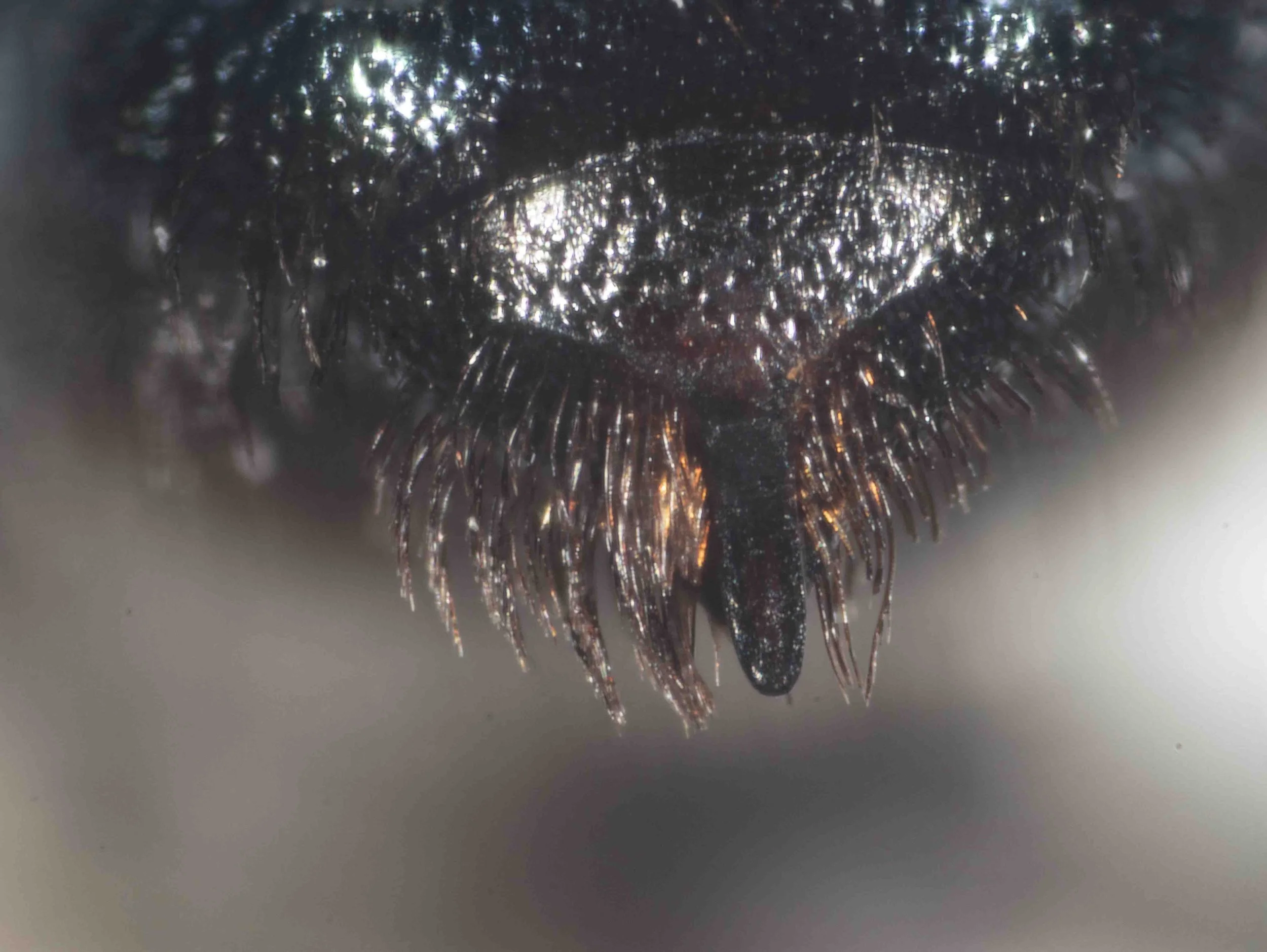
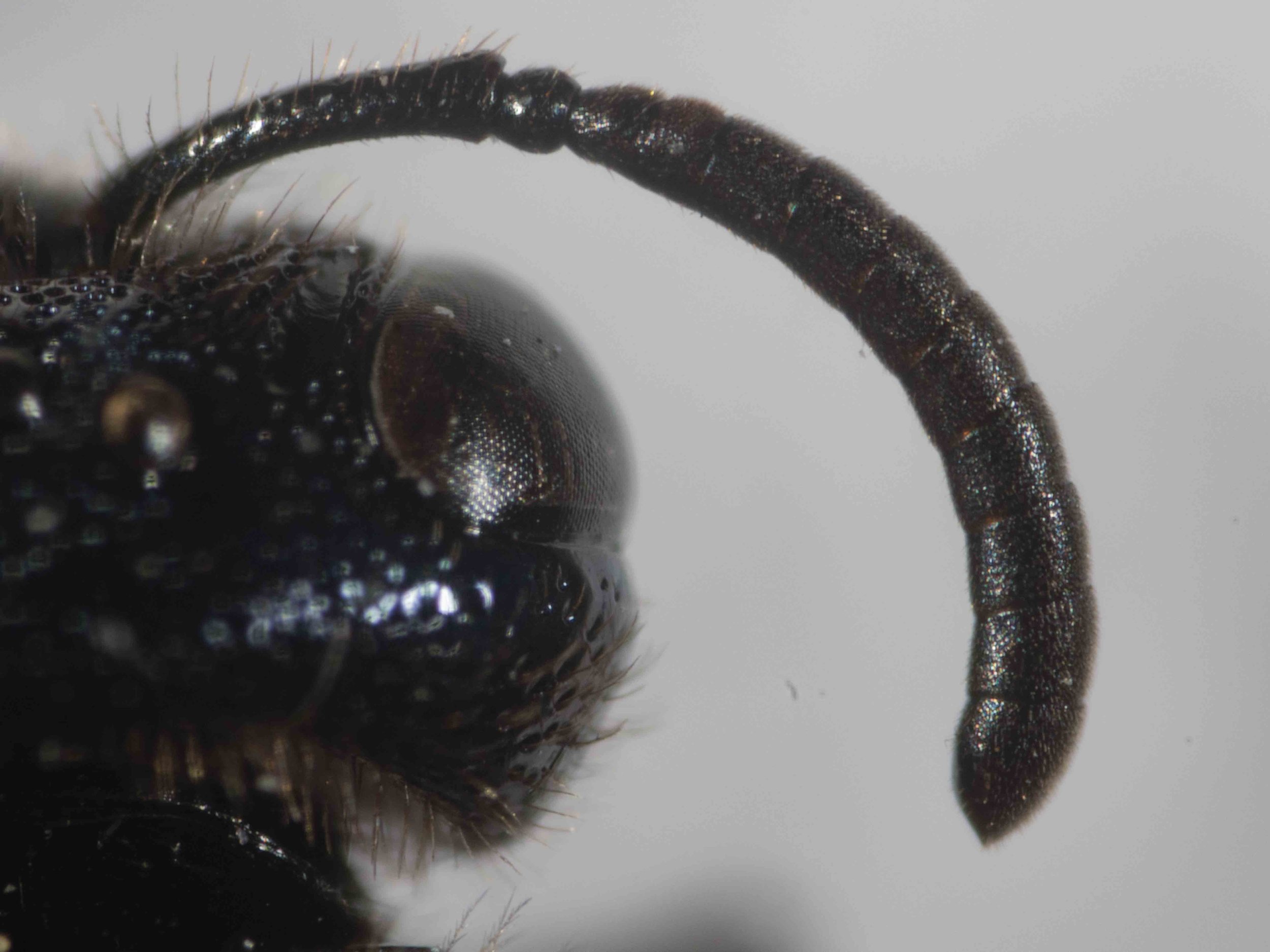
Although bees fall outside my main taxonomic area of interest, they are nearby. Indeed, some crabronids are more closely related to bees than they are to other crabronids. That’s my excuse for taking time out to look more closely at the variety of bees turning up in the Malaise traps this year.
This is not a comprehensive or in depth study. I’ve simply taken a set of images of select bees from the collection before sending them off to Canada for barcoding (see information here).
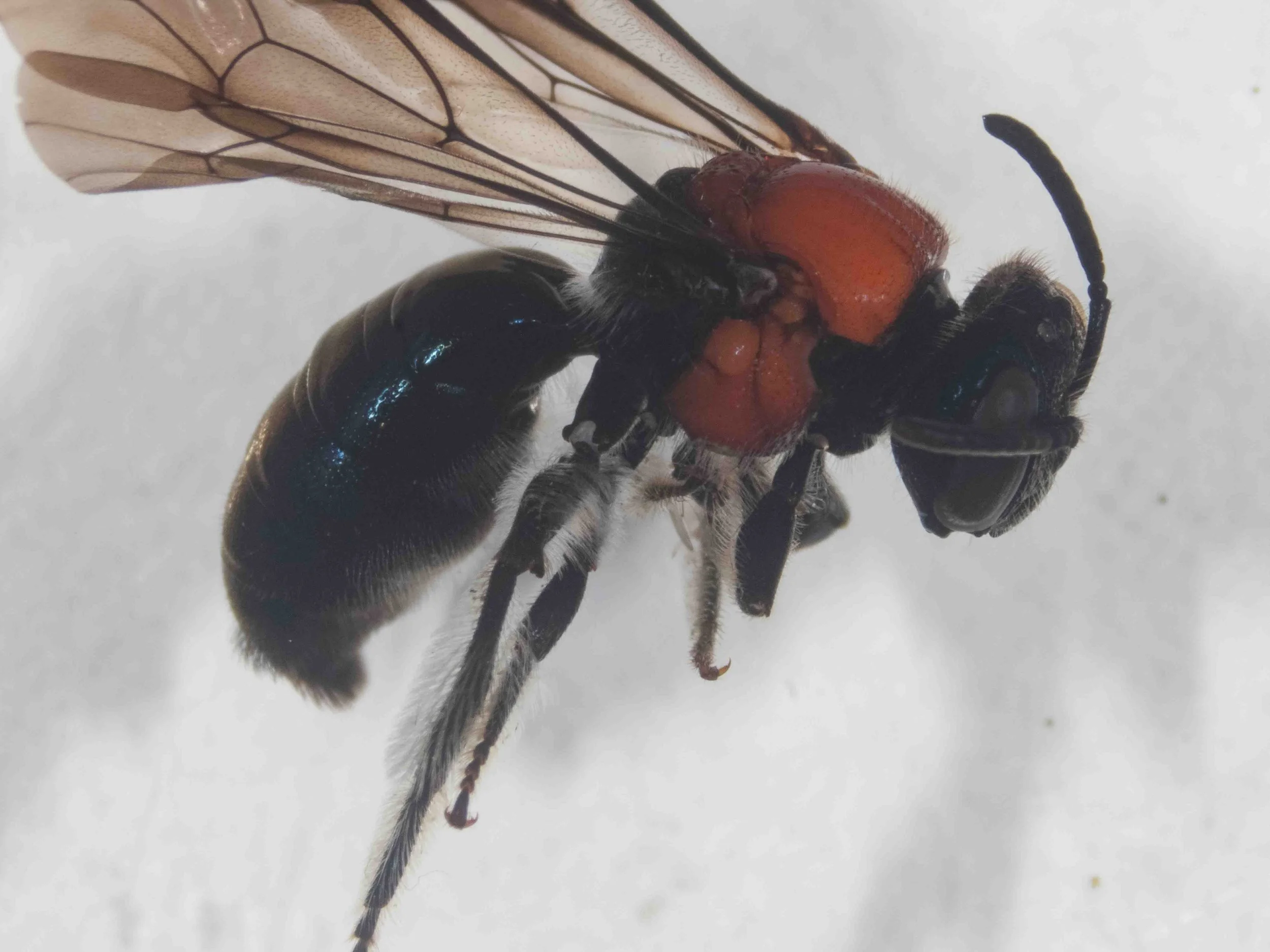
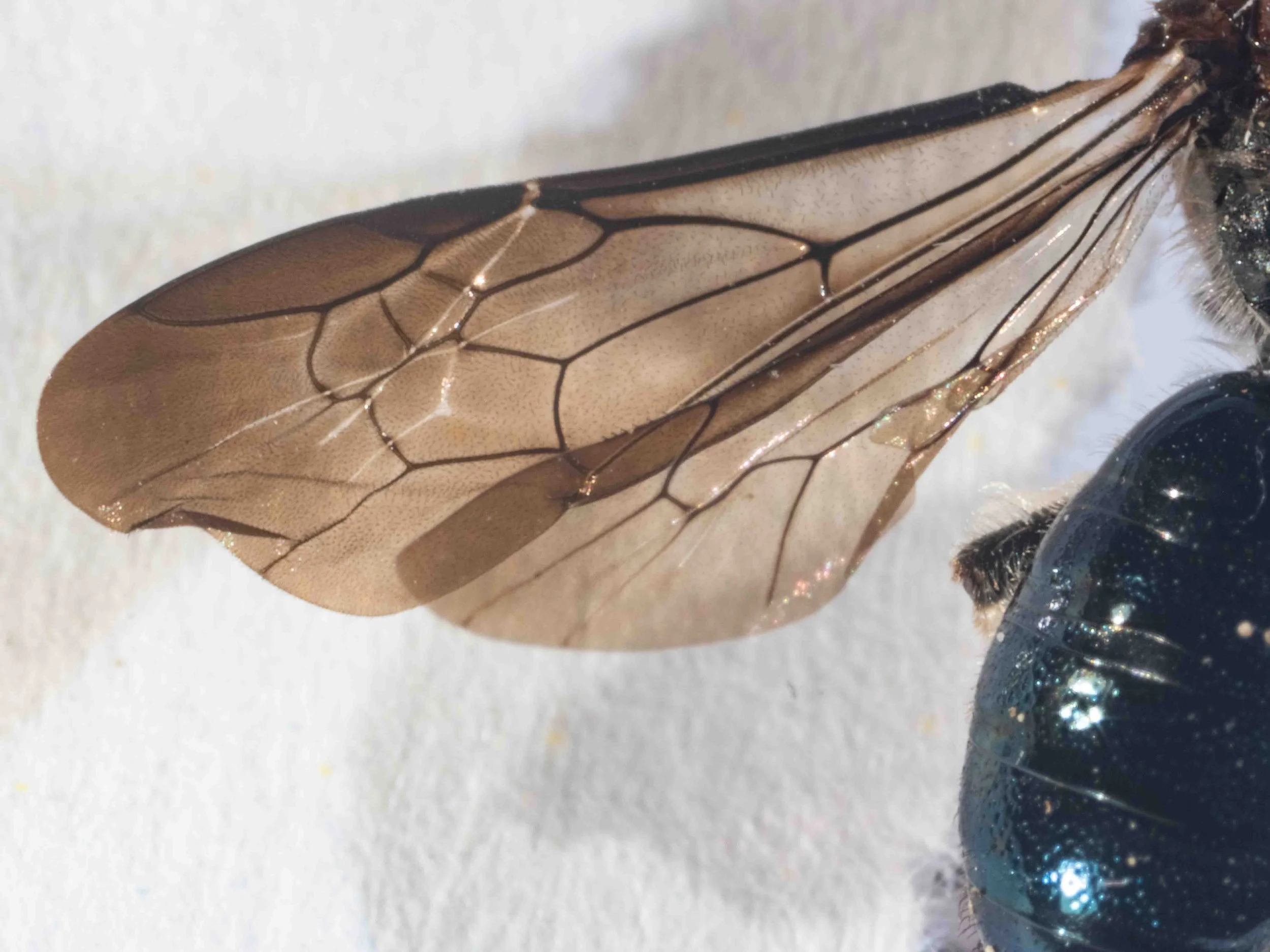
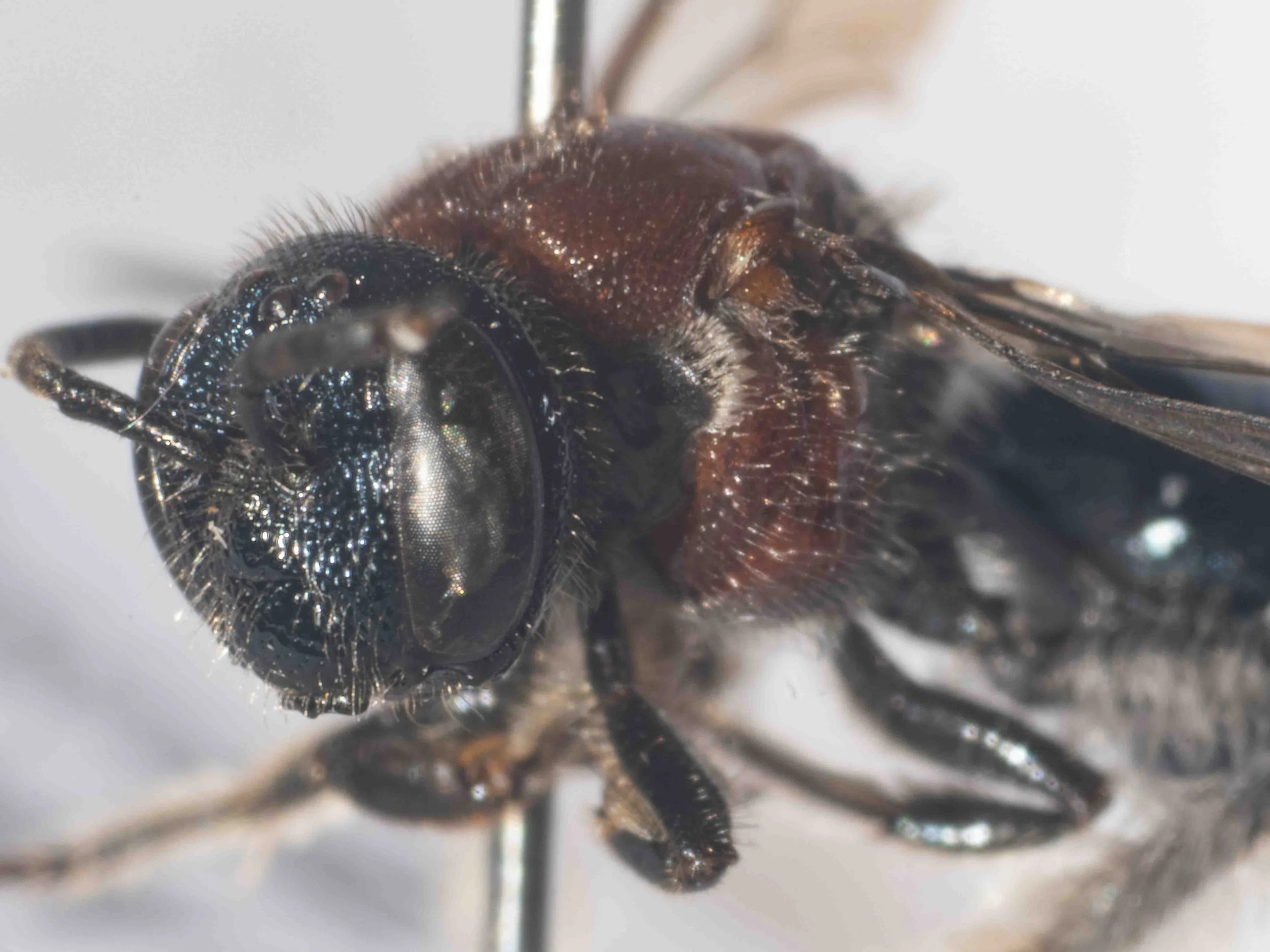
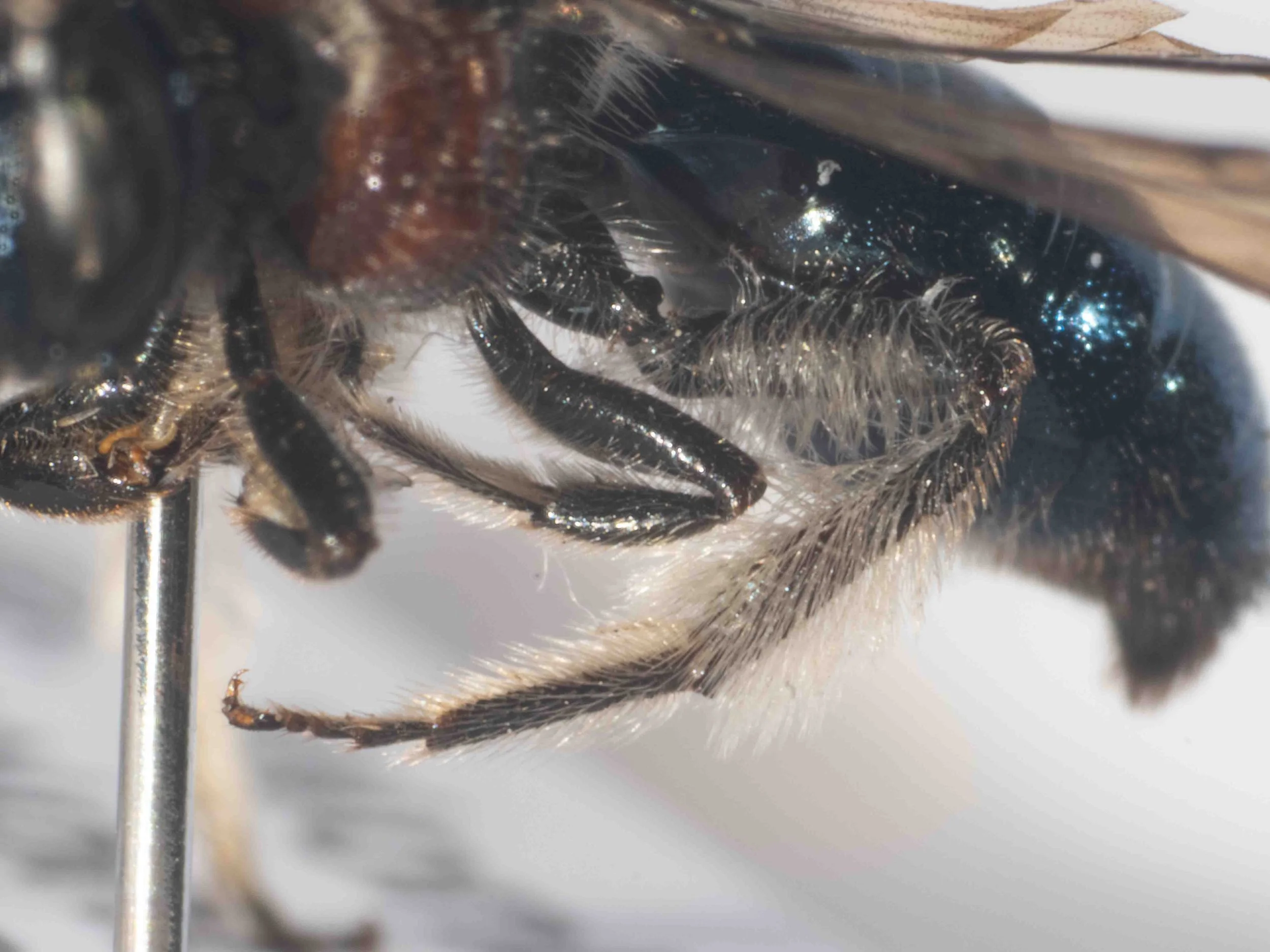
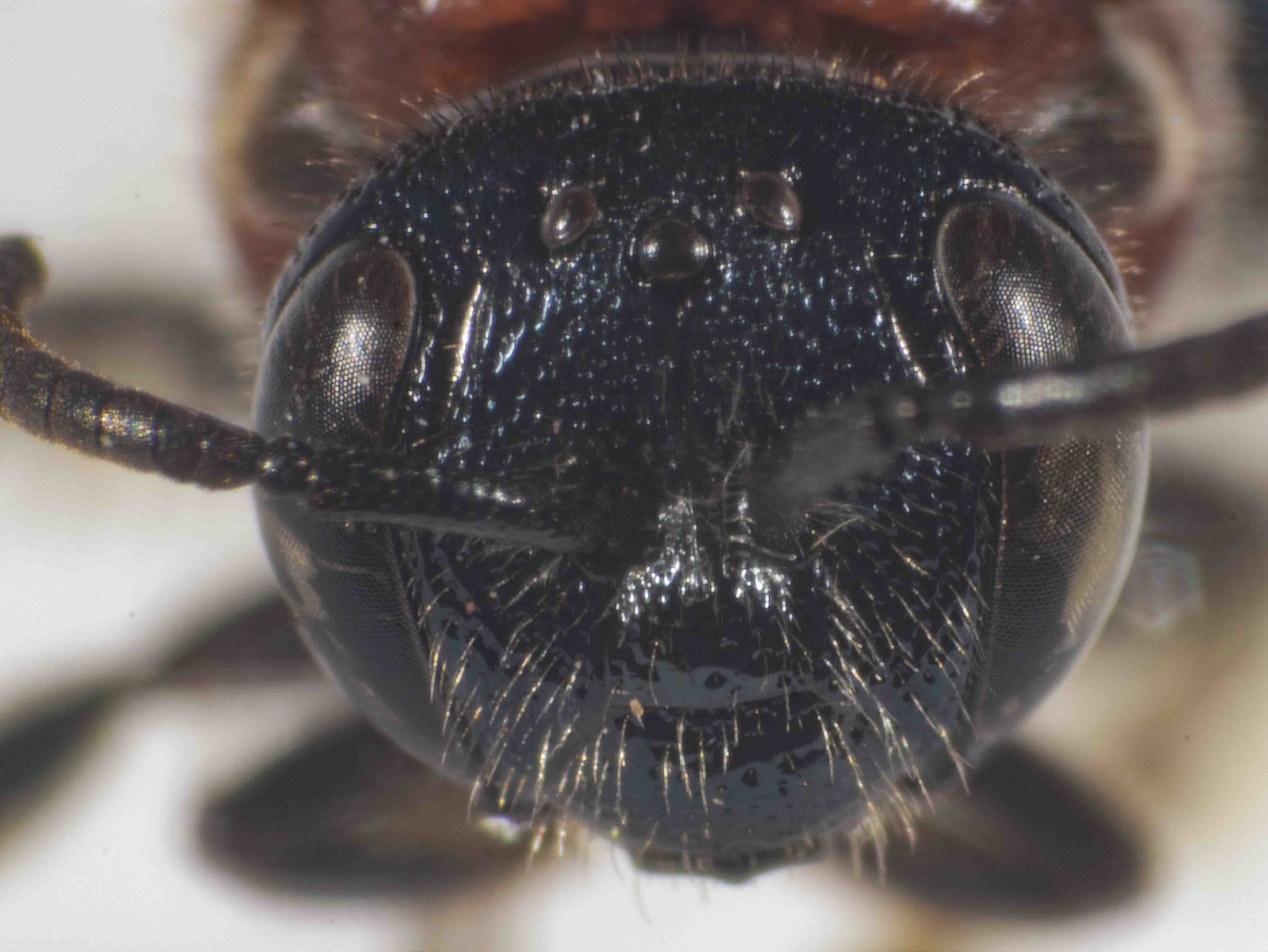
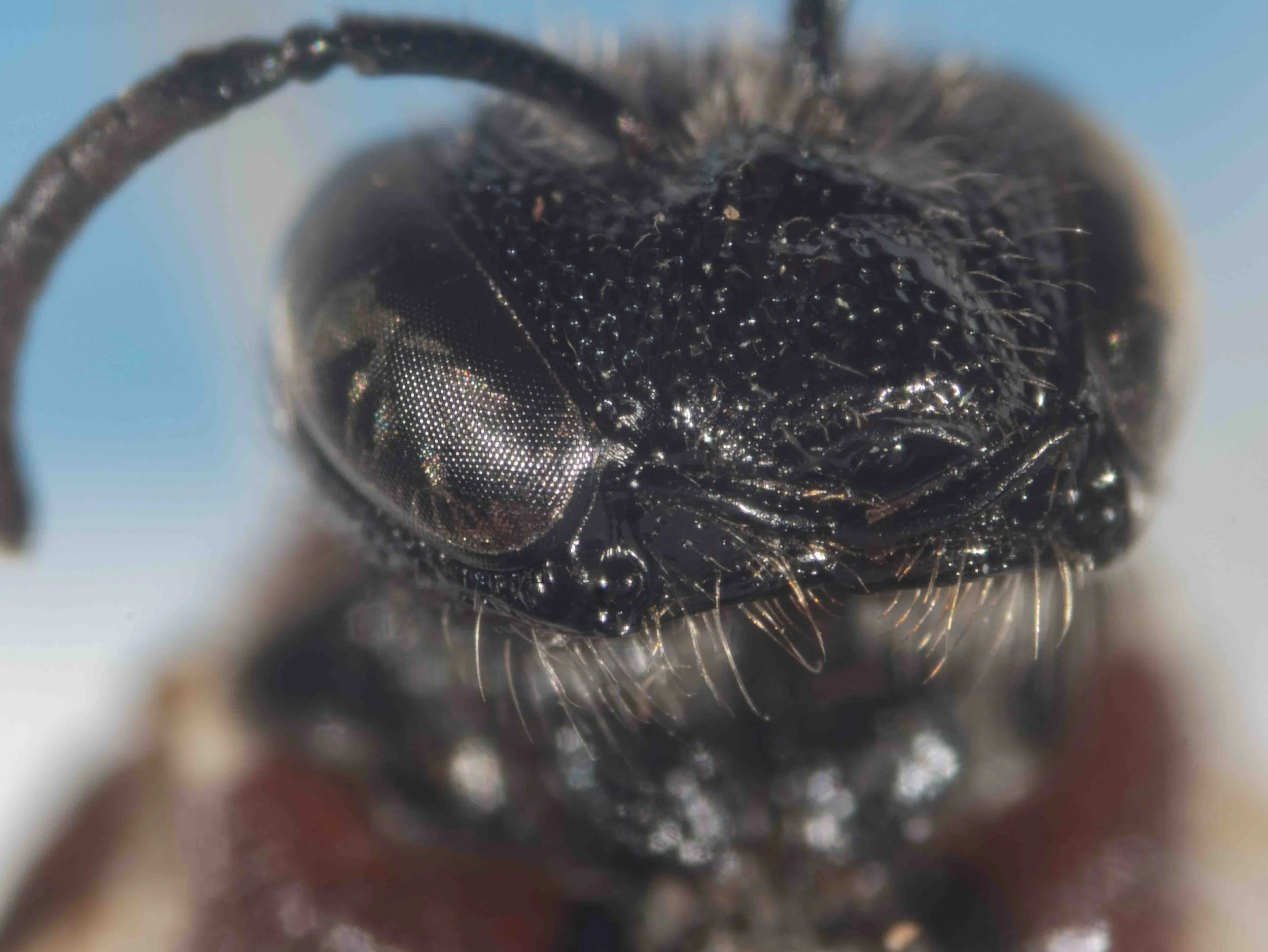
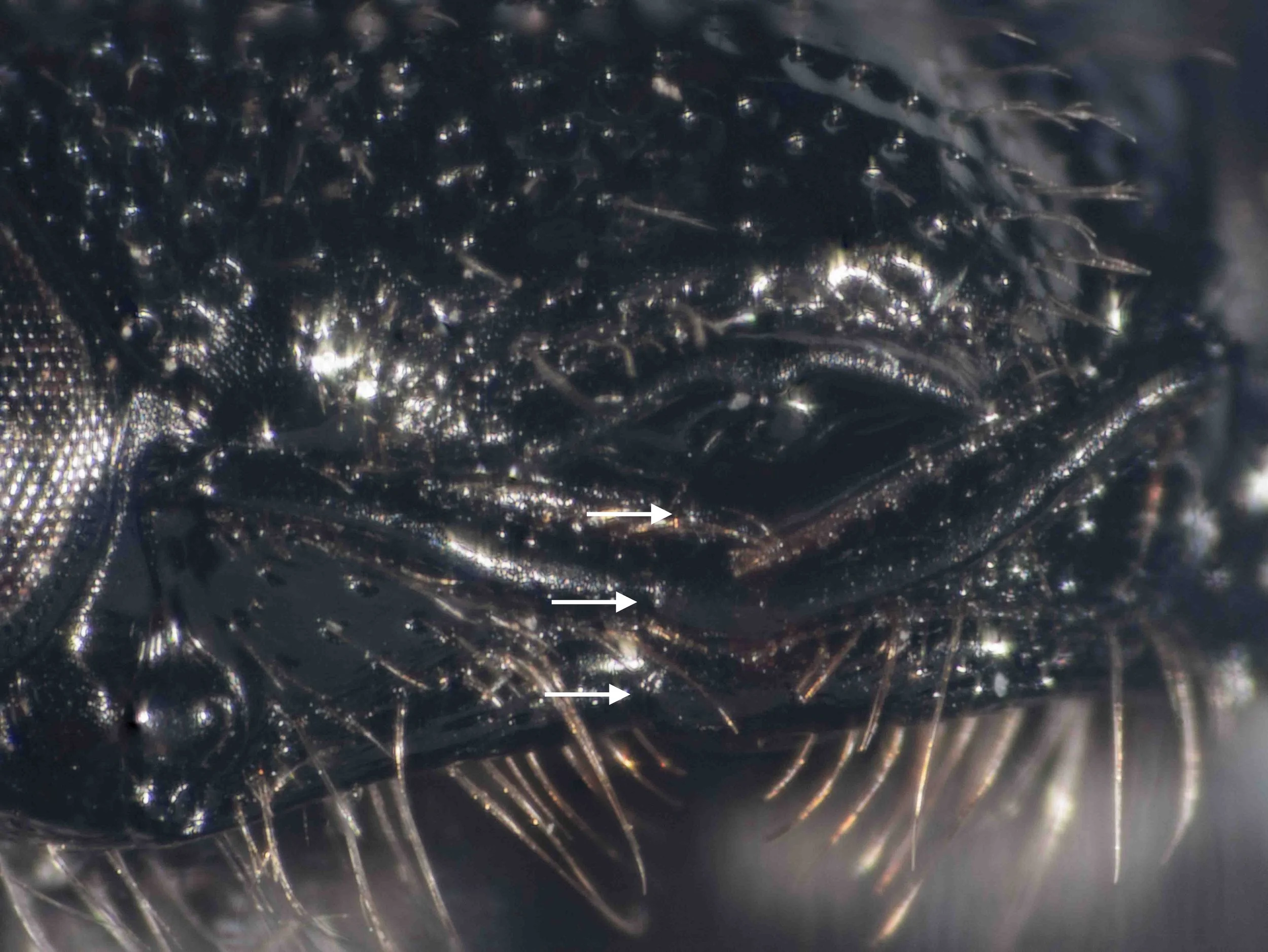
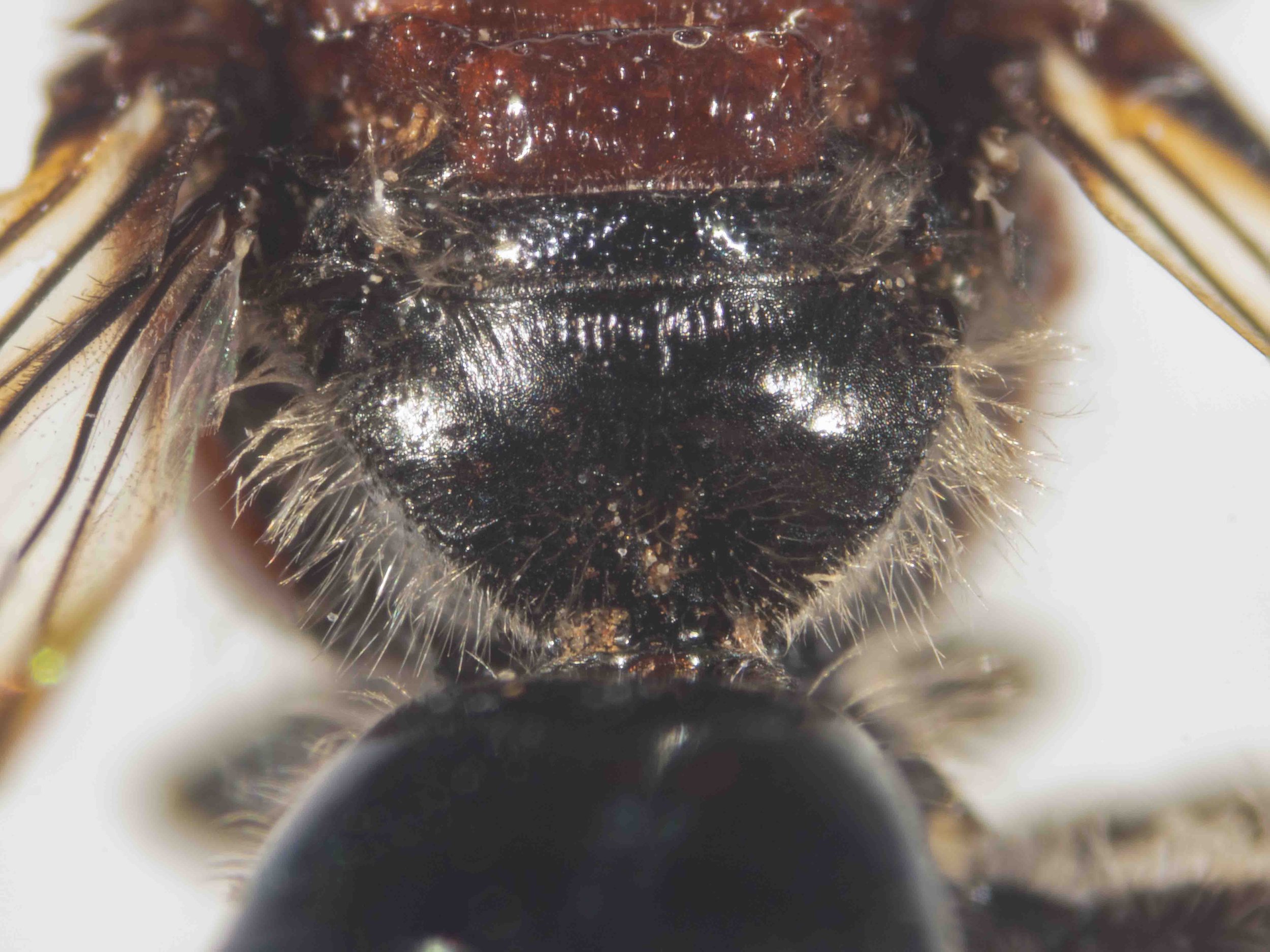
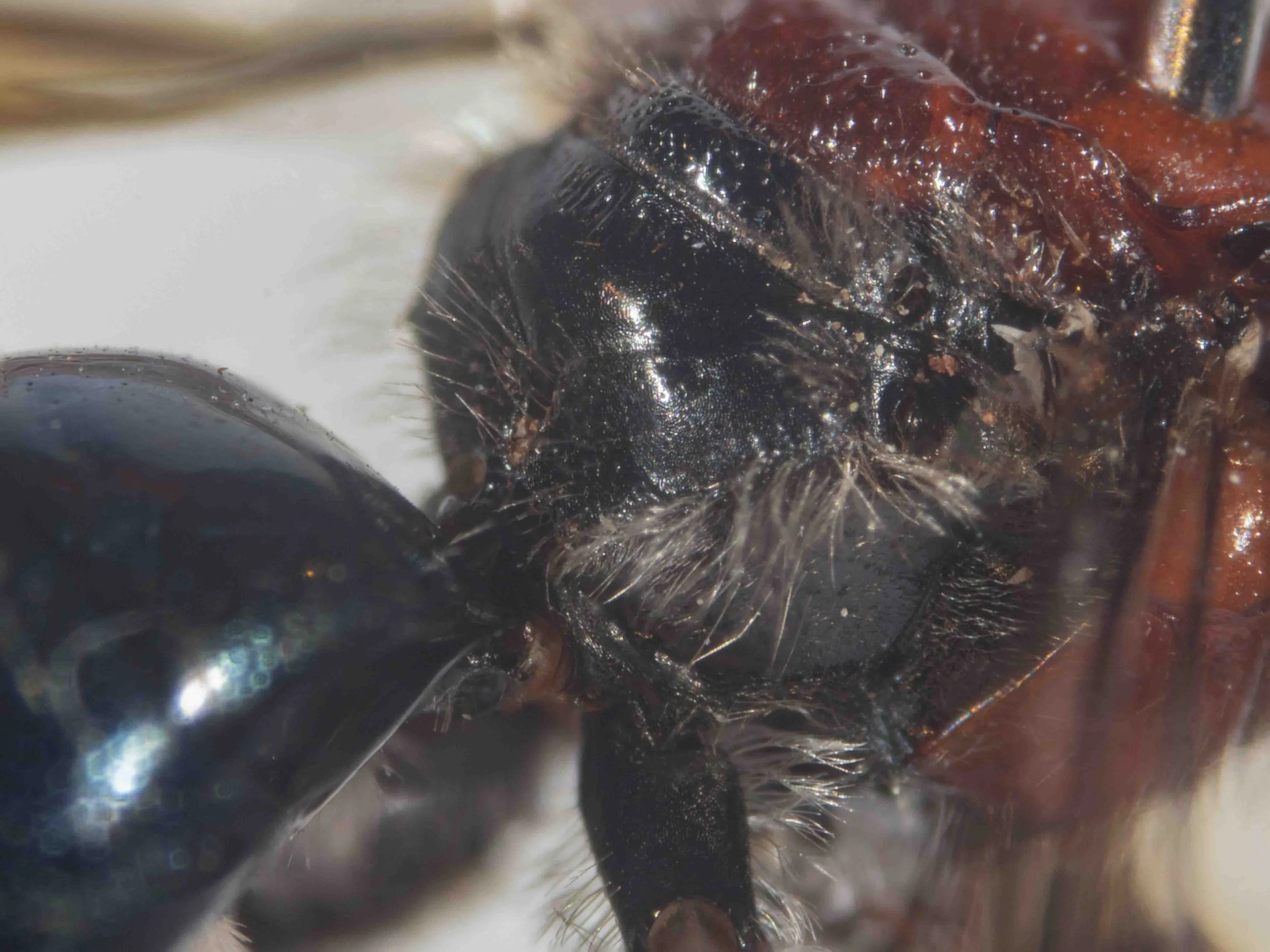
Specimen #002 – Callomelitta picta
(COLLETIDAE: Callomelittinae)
Identification based on description by Houston (p. 99-100, 2018).
https://inaturalist.ala.org.au/observations/351921183
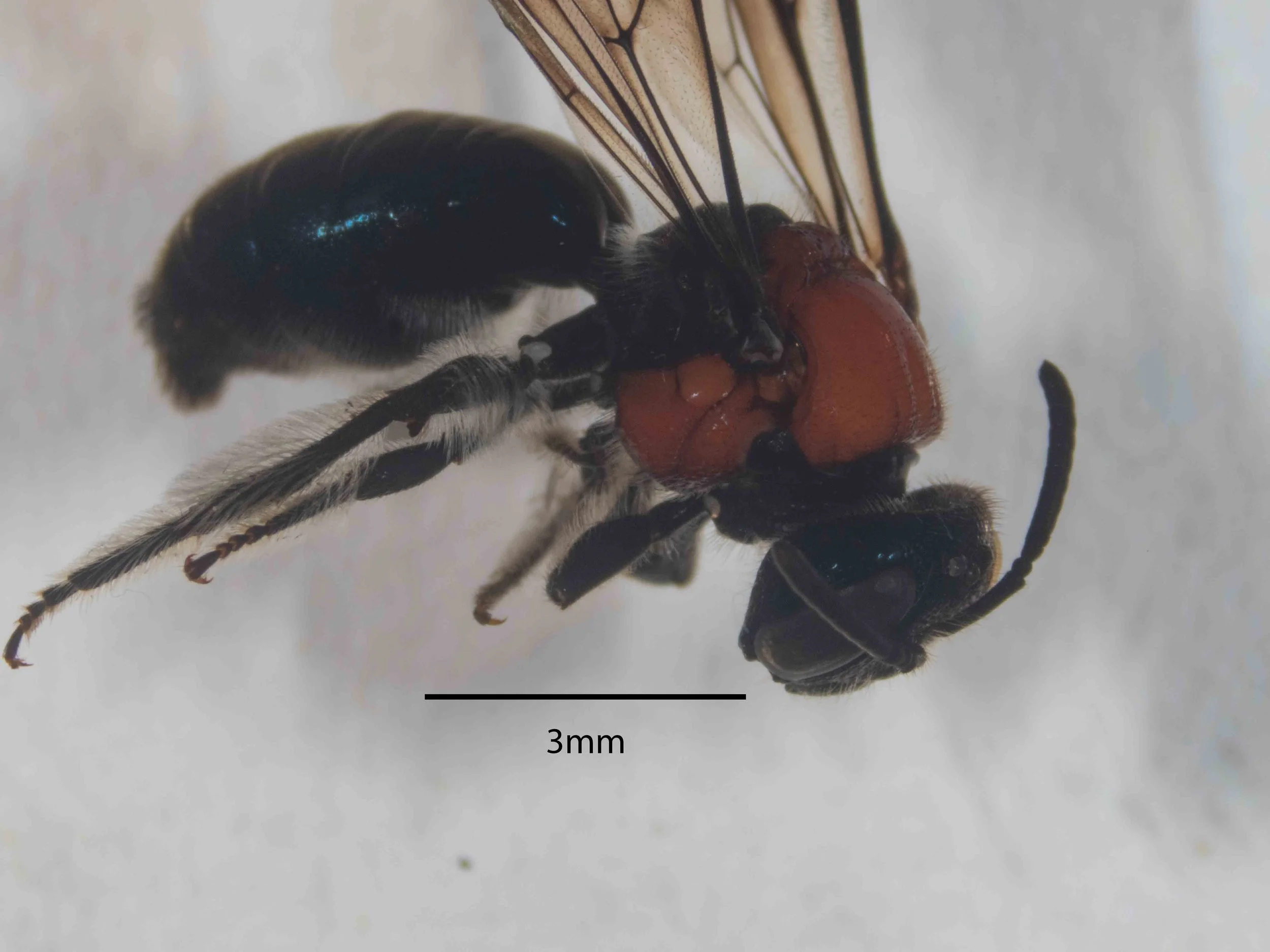
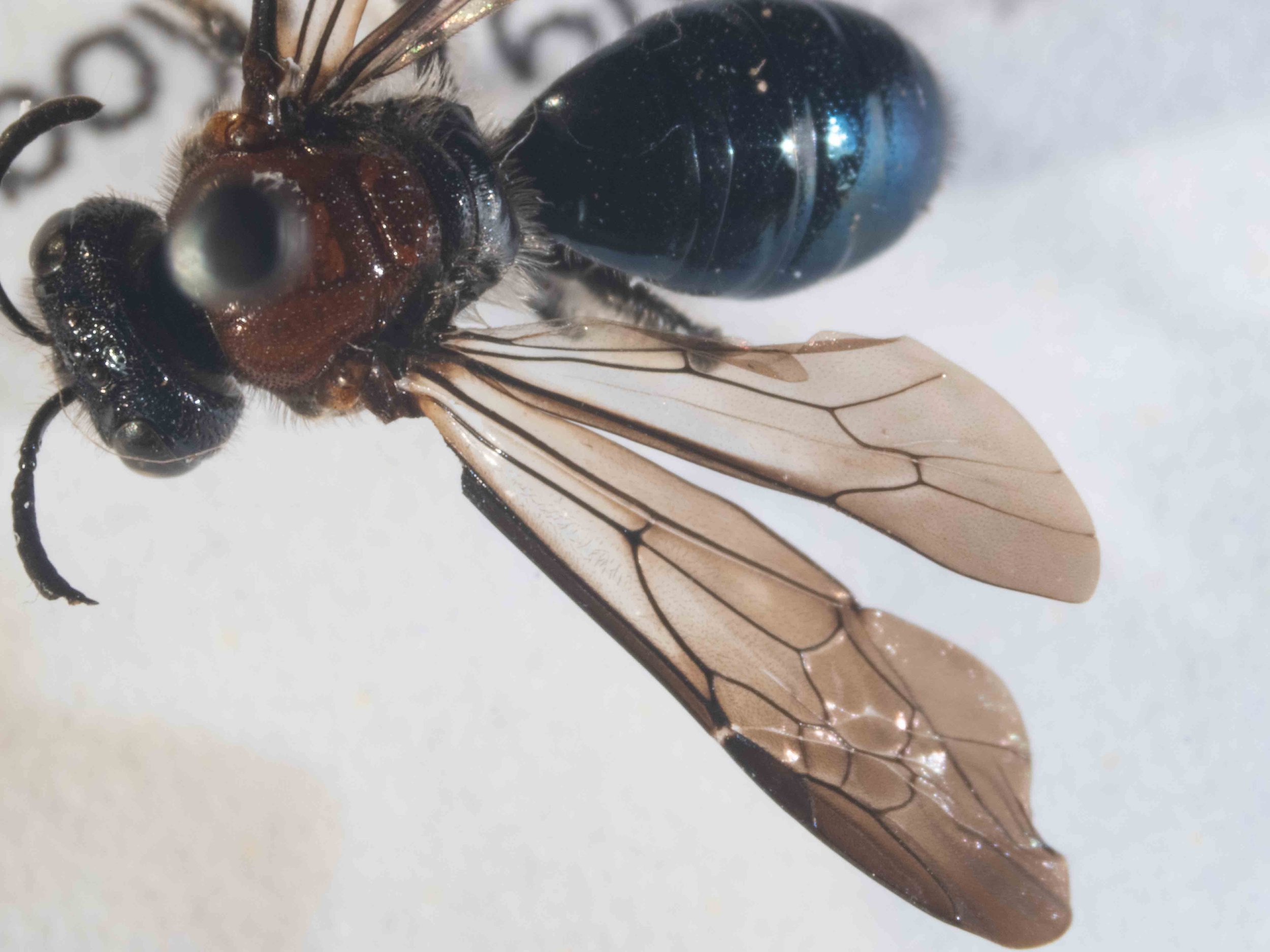
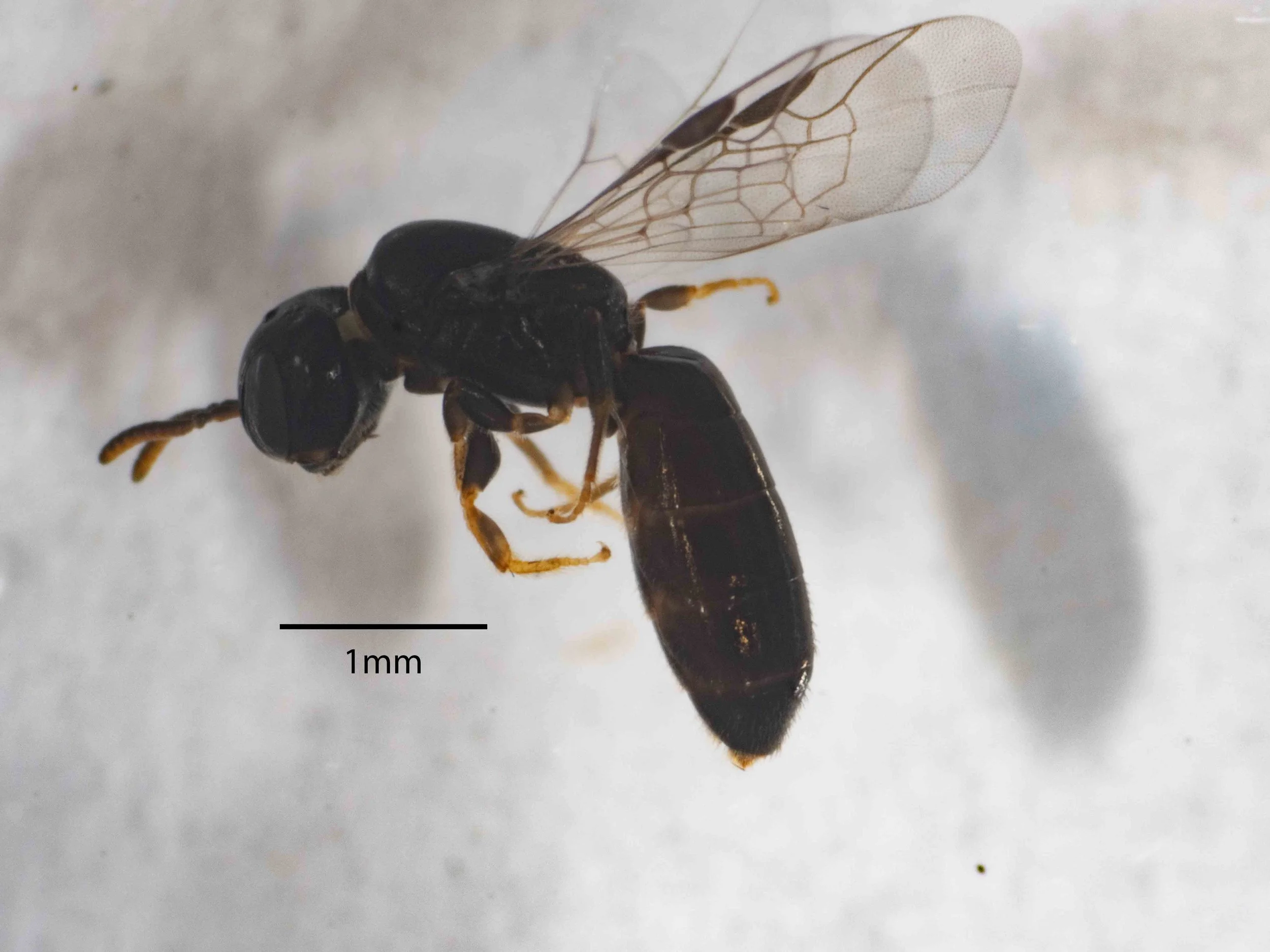
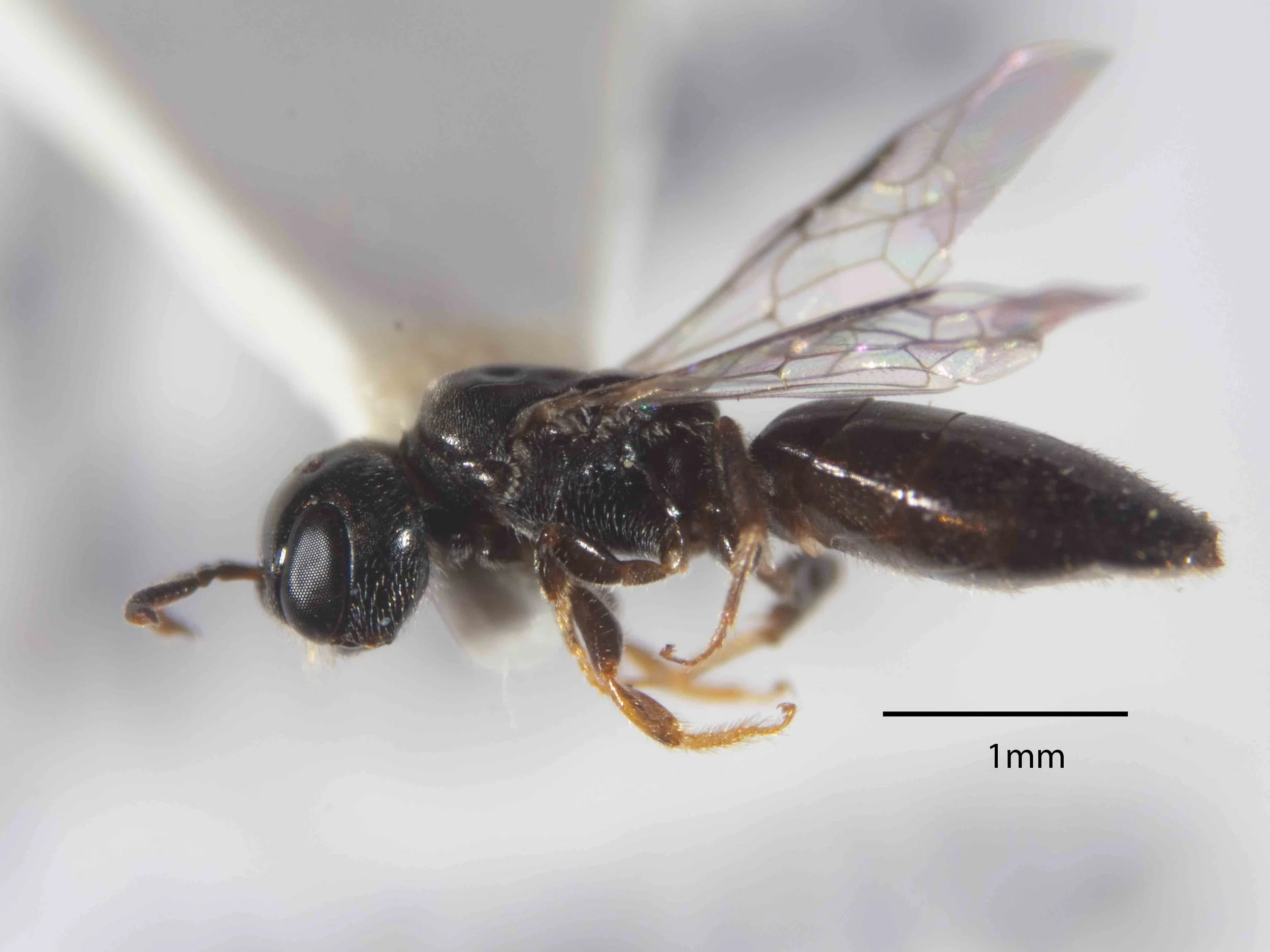
Specimen #012 – Euryglossina
(COLLETIDAE: Euryglossinae)
Identification based on genus diagnosis in Houston (pp 128-30, 2018).
https://inaturalist.ala.org.au/observations/352163705
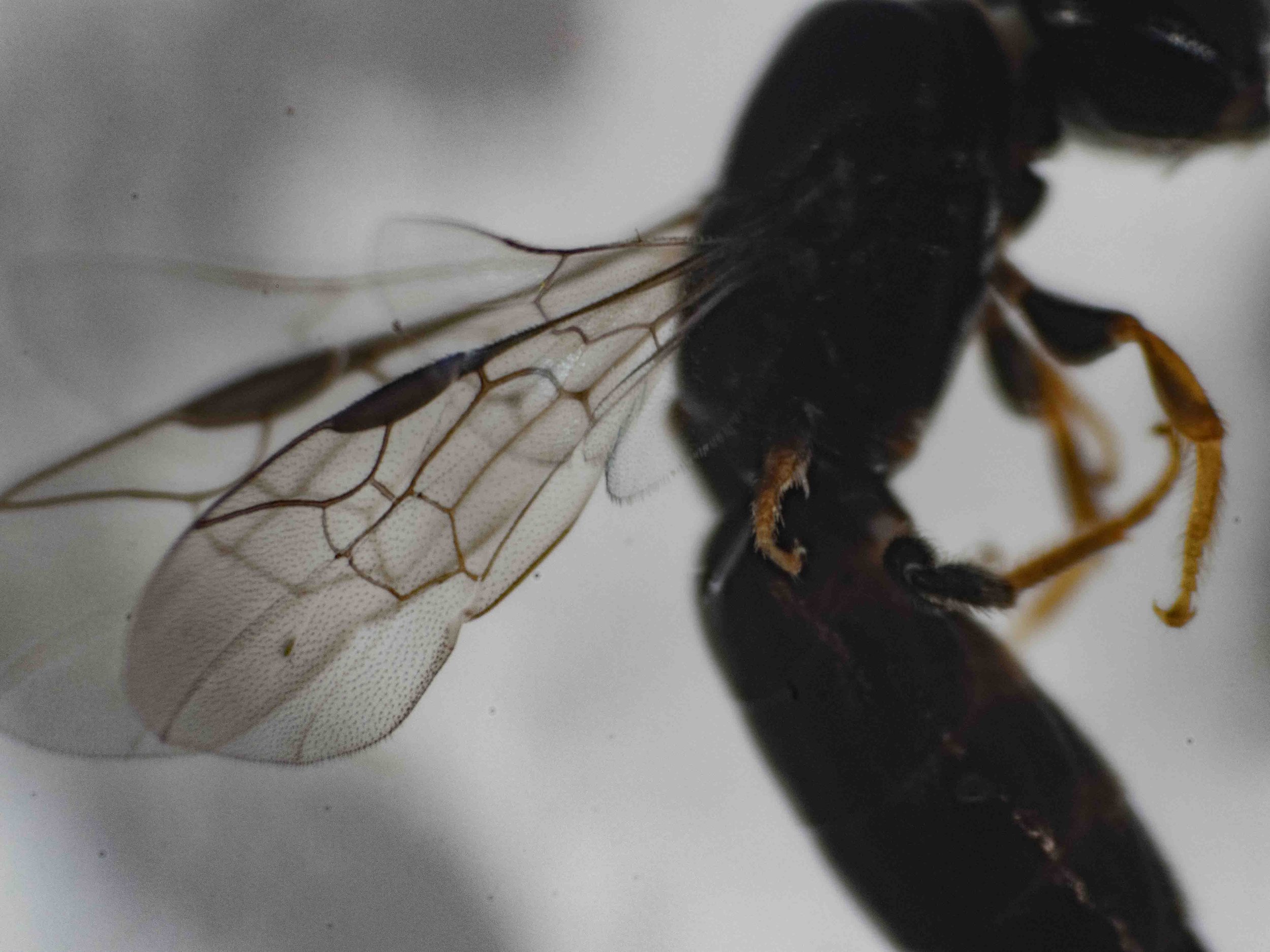
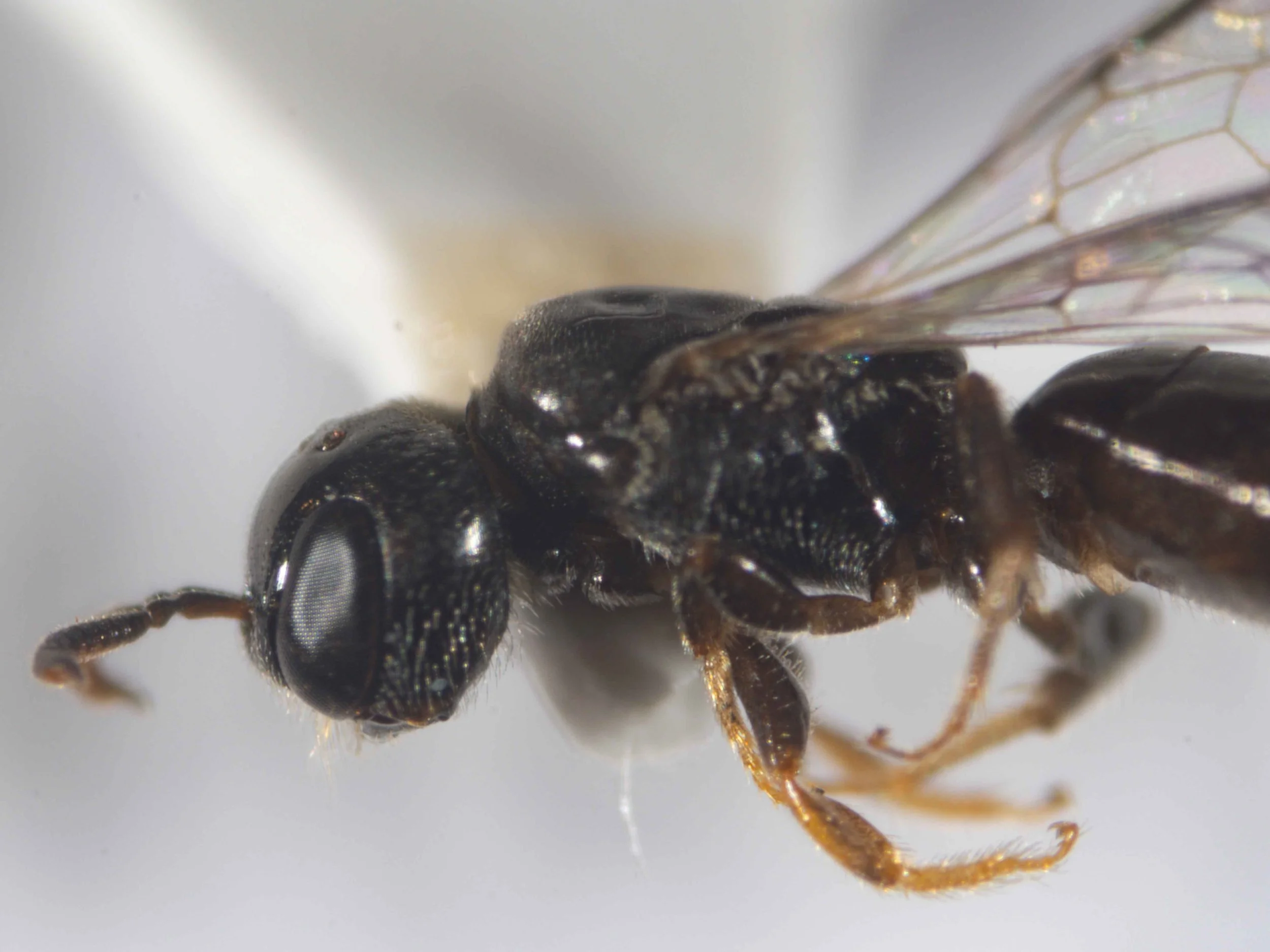
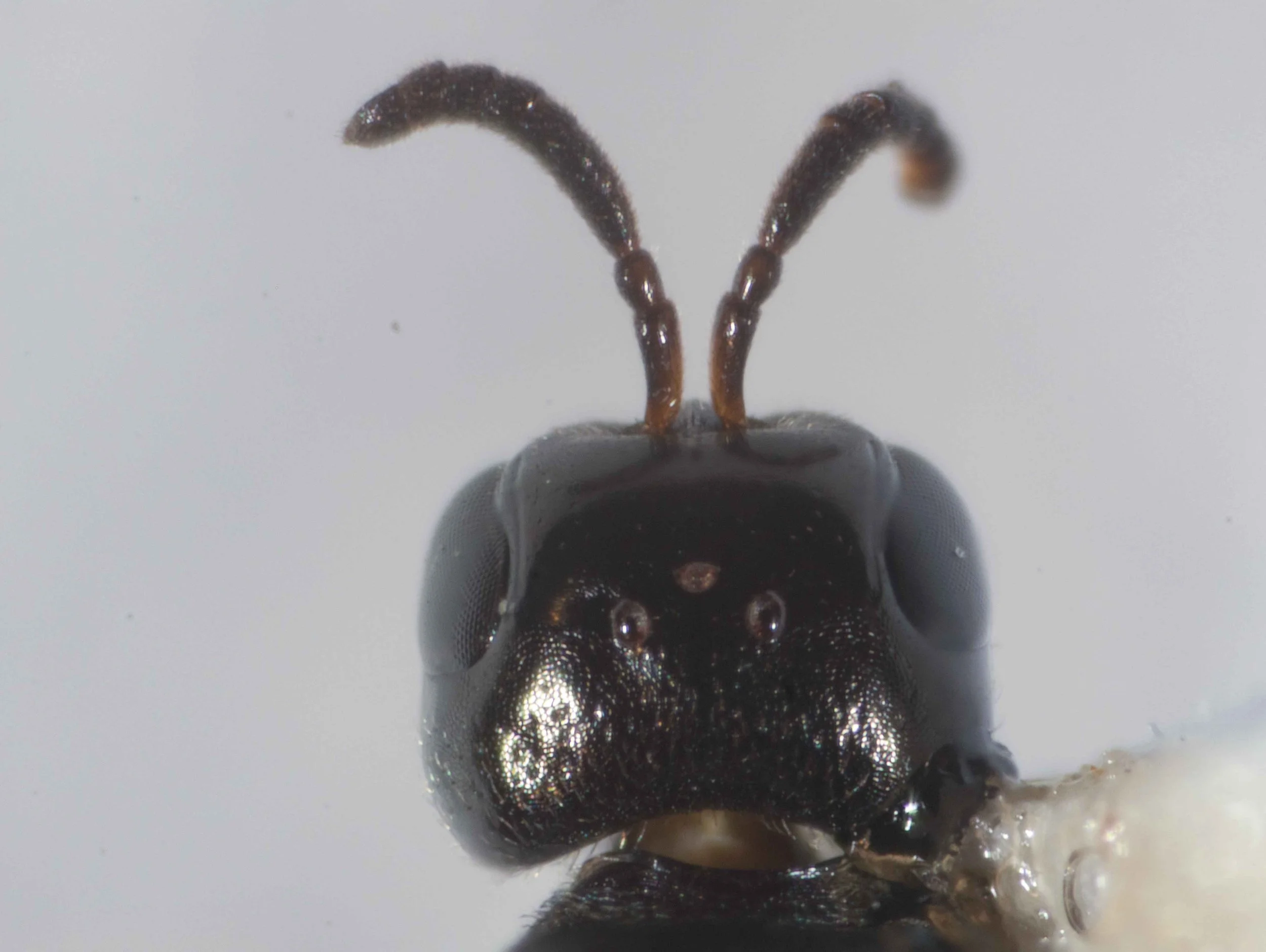
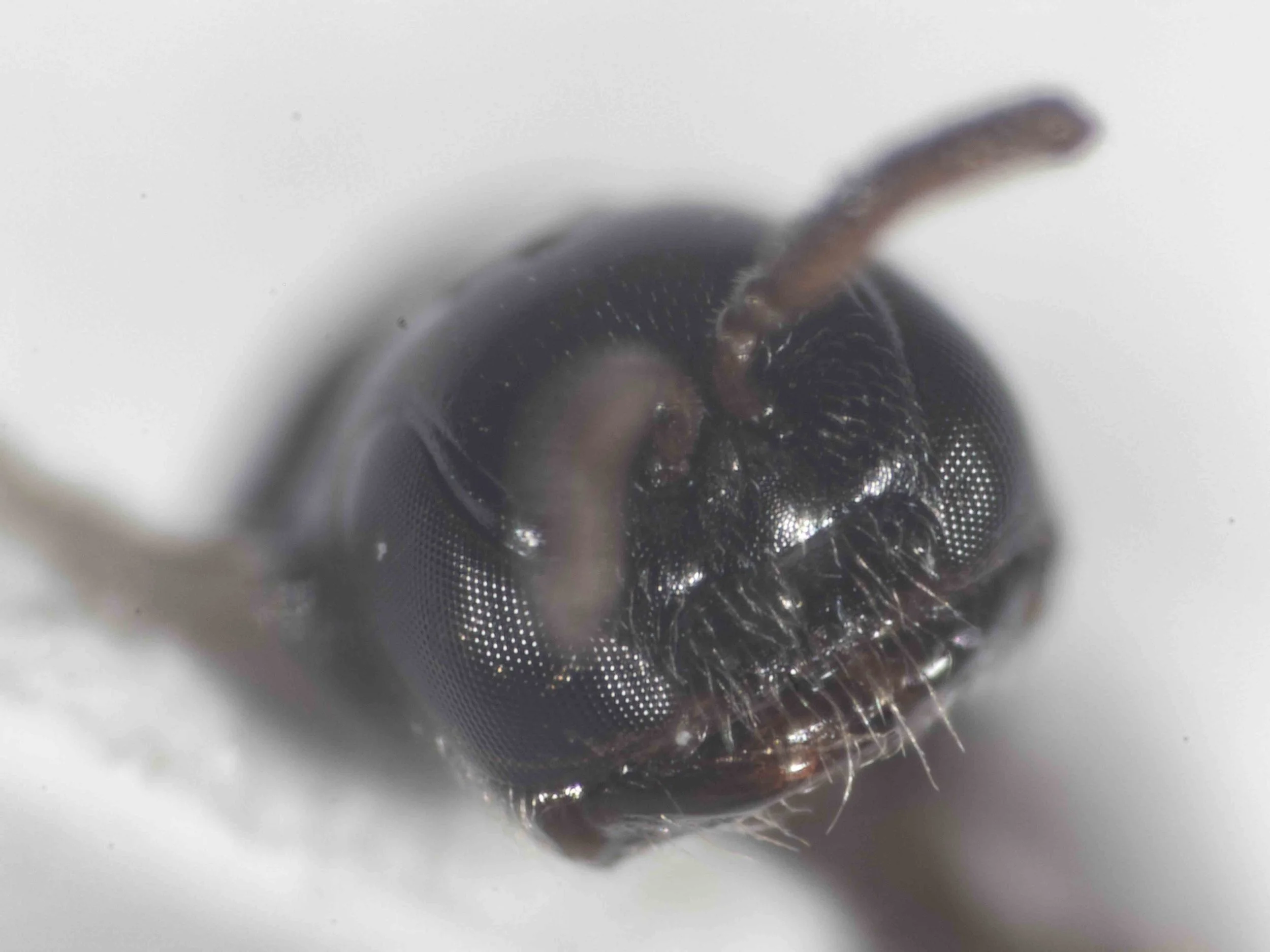
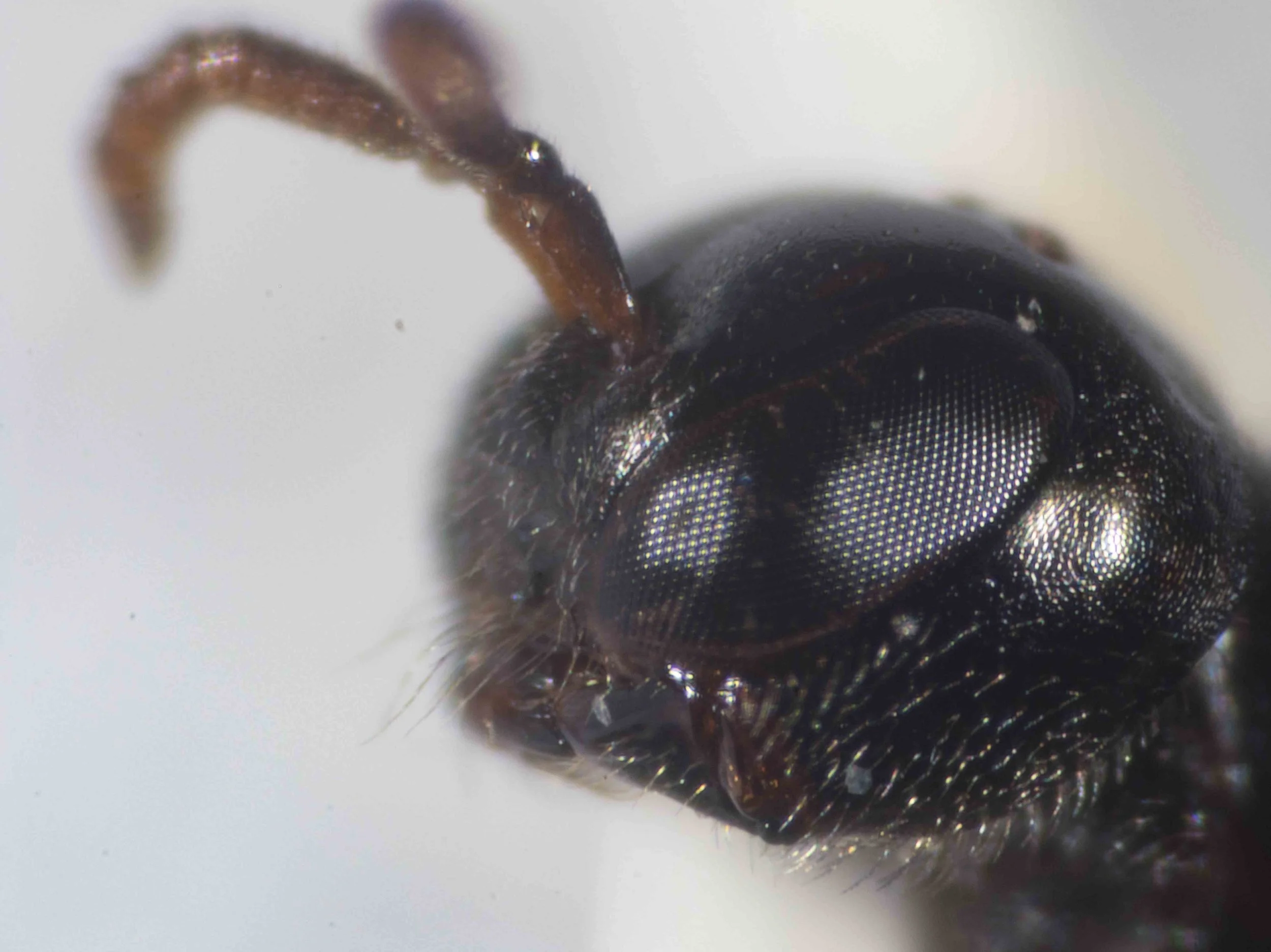
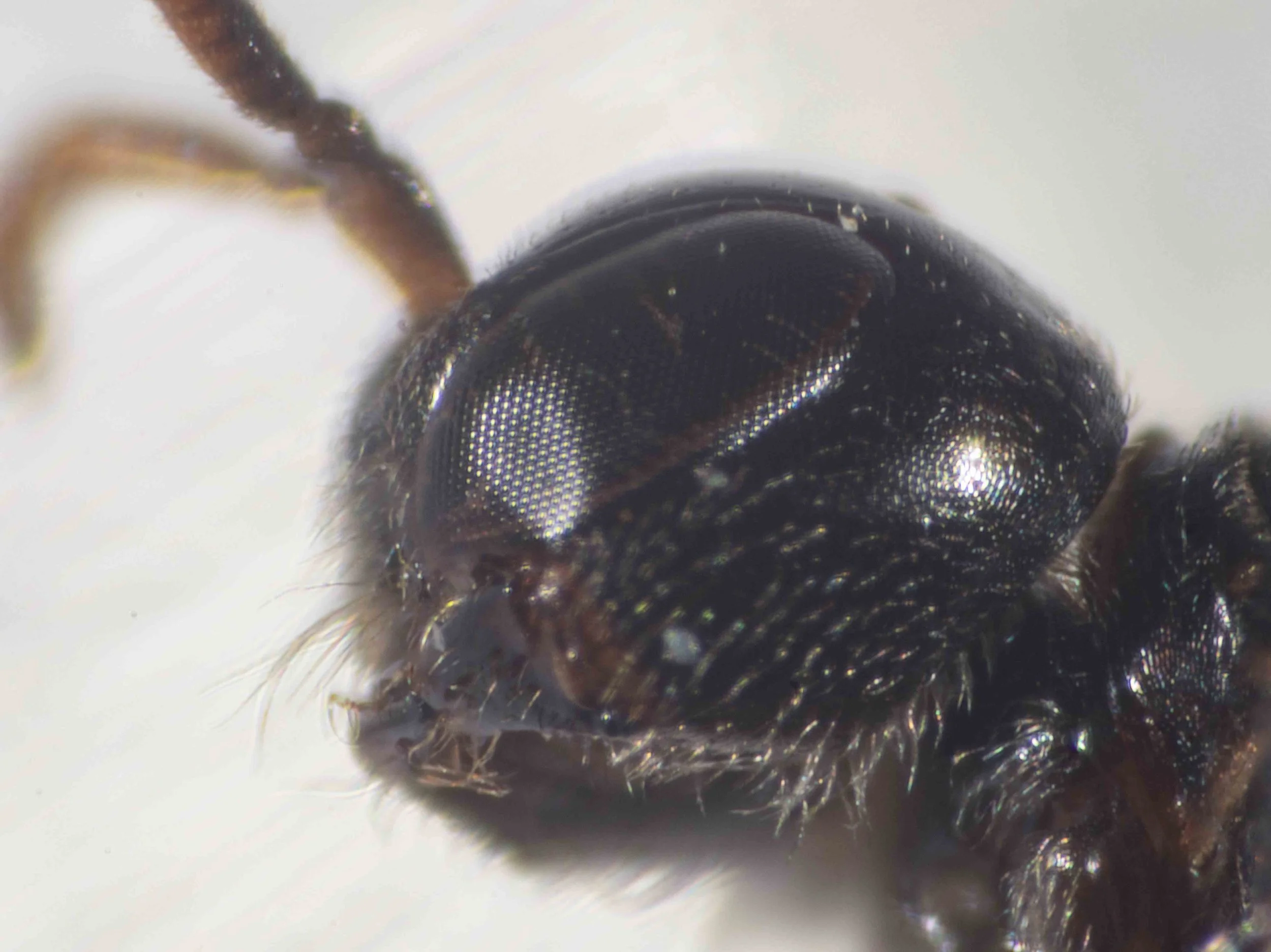
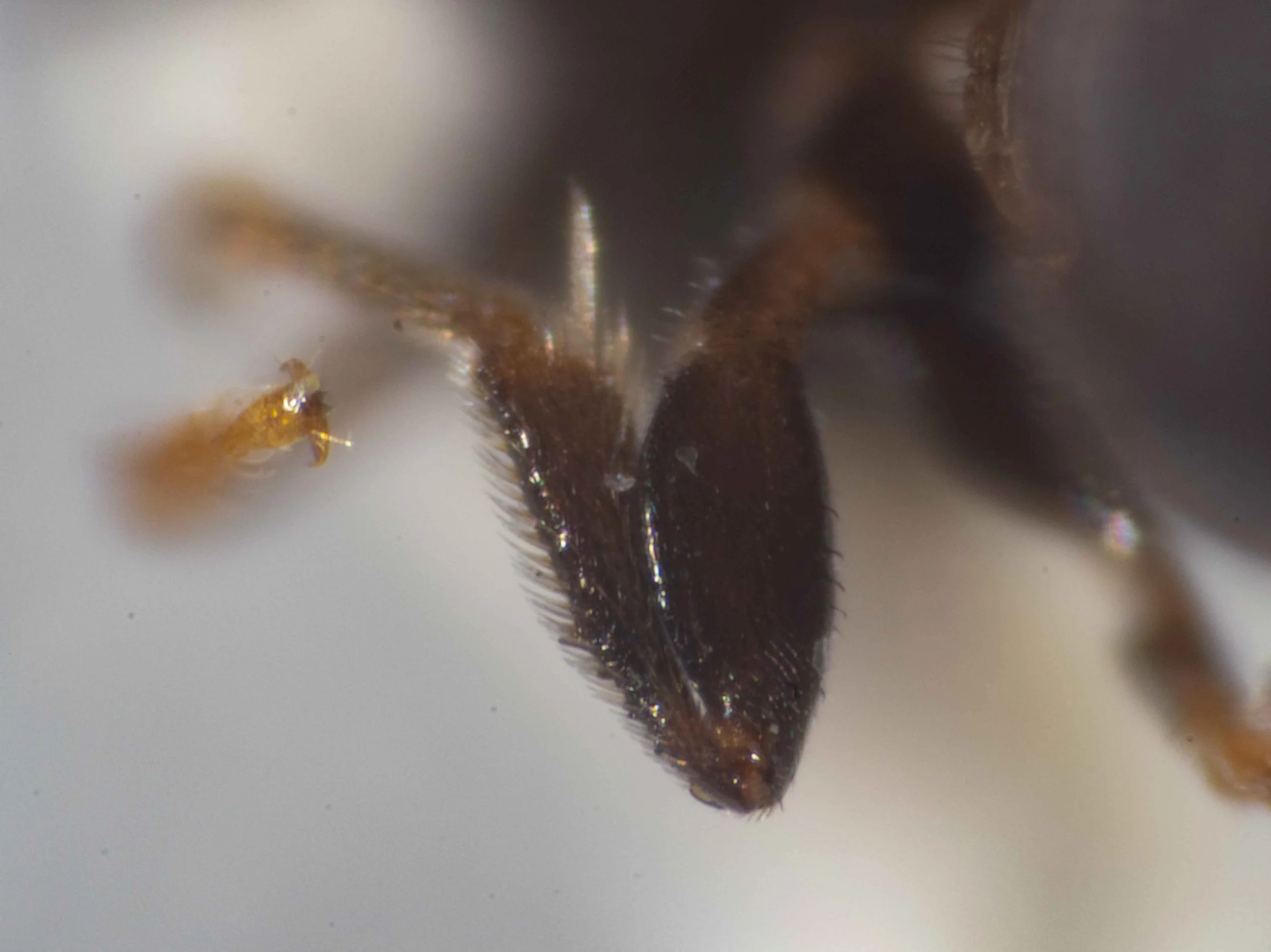
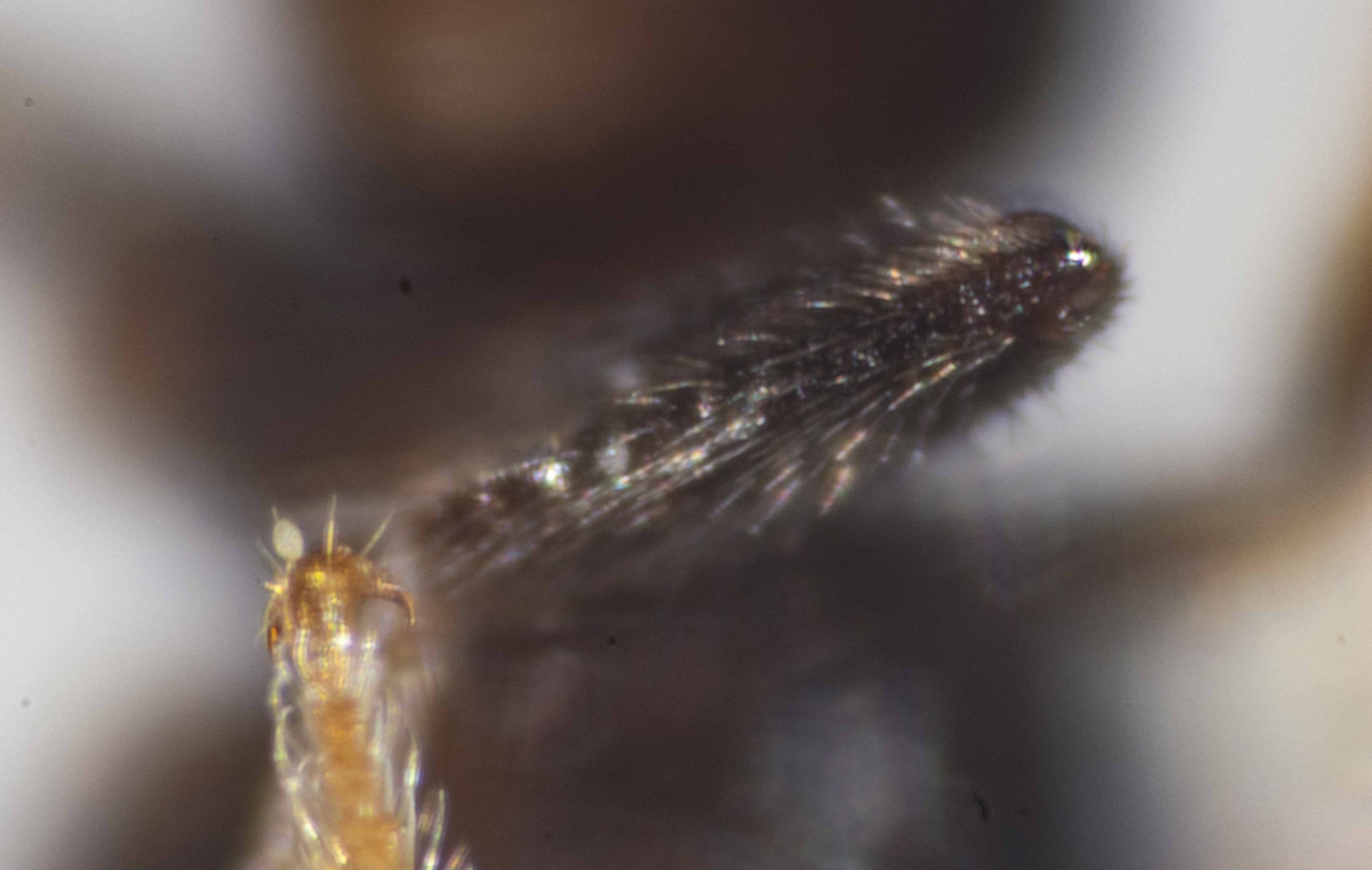
Specimen #022 – Lasioglossum peraustrale
(HALICTIDAE; Halictinae; subgenus Australictus)
Identification based on species description in Houston (p181, 2018).
https://inaturalist.ala.org.au/observations/352460207
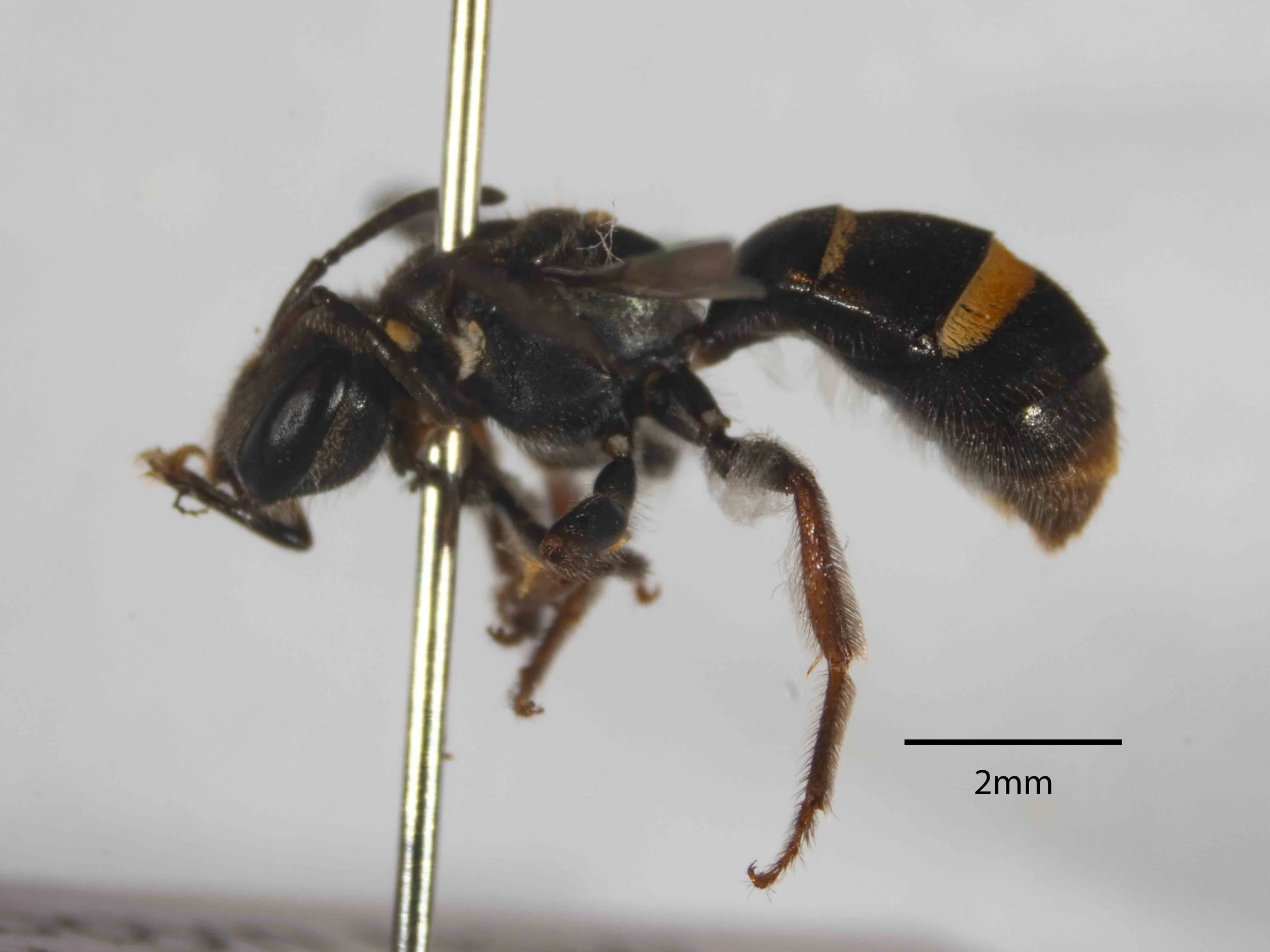
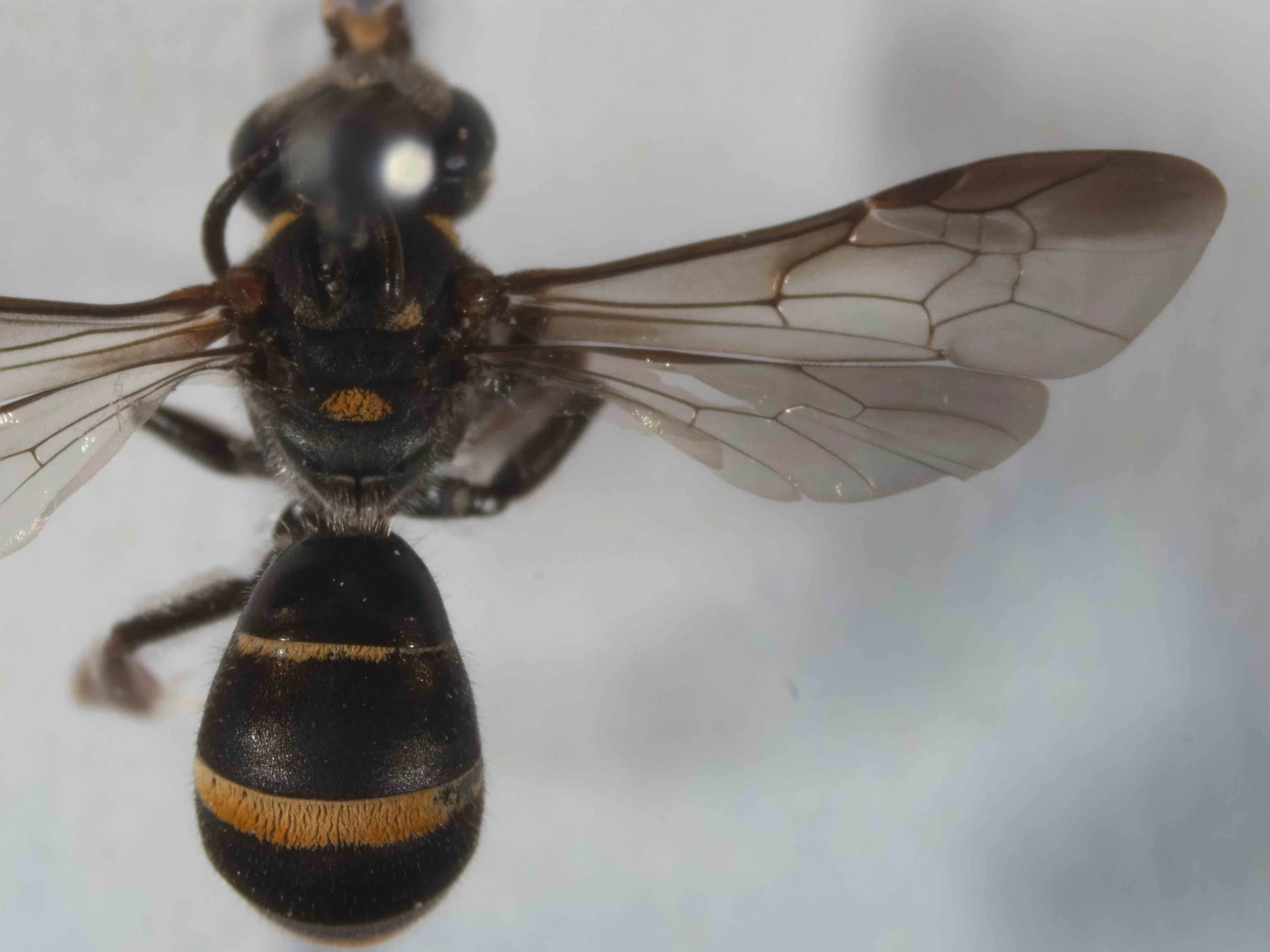
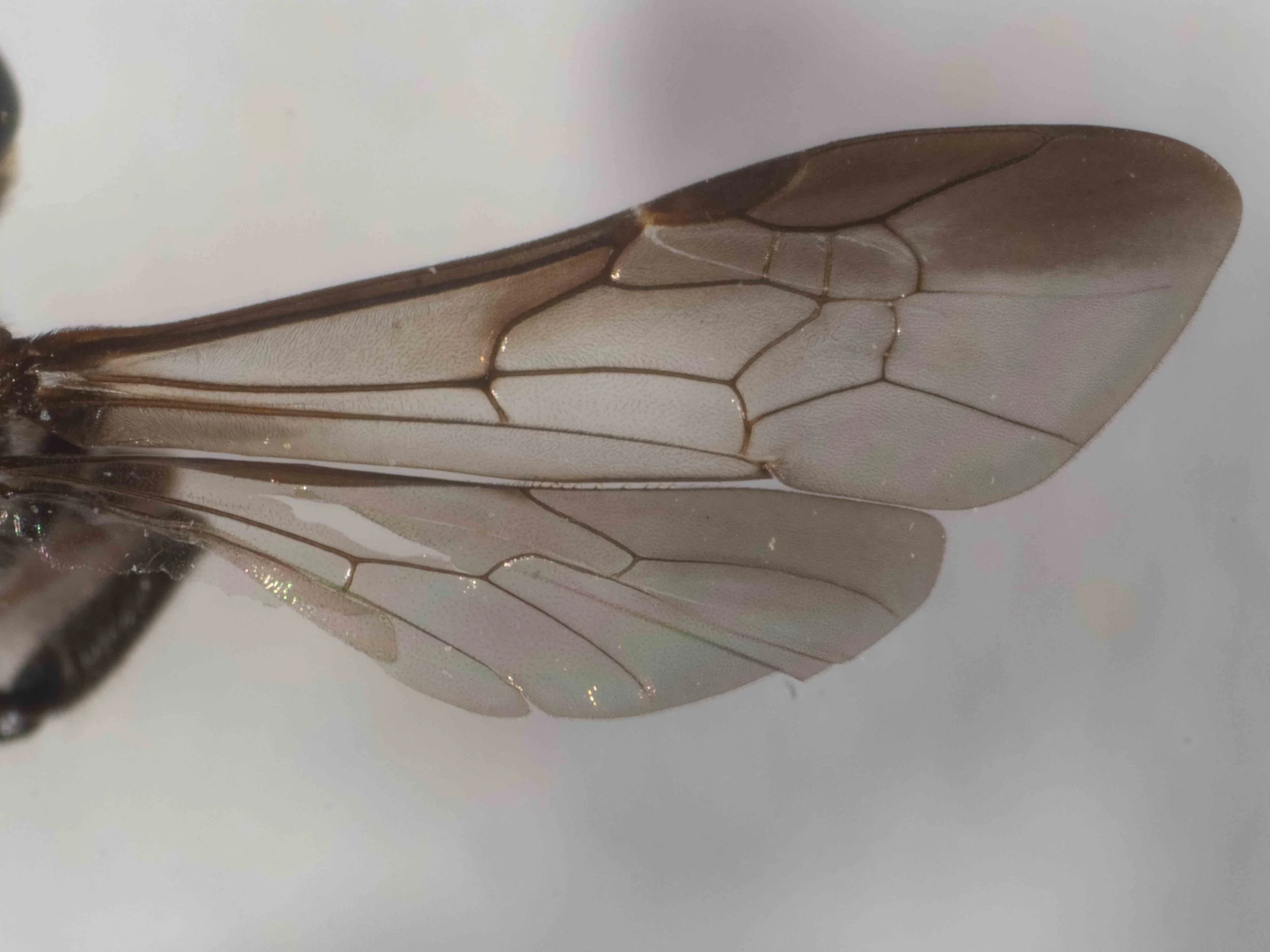
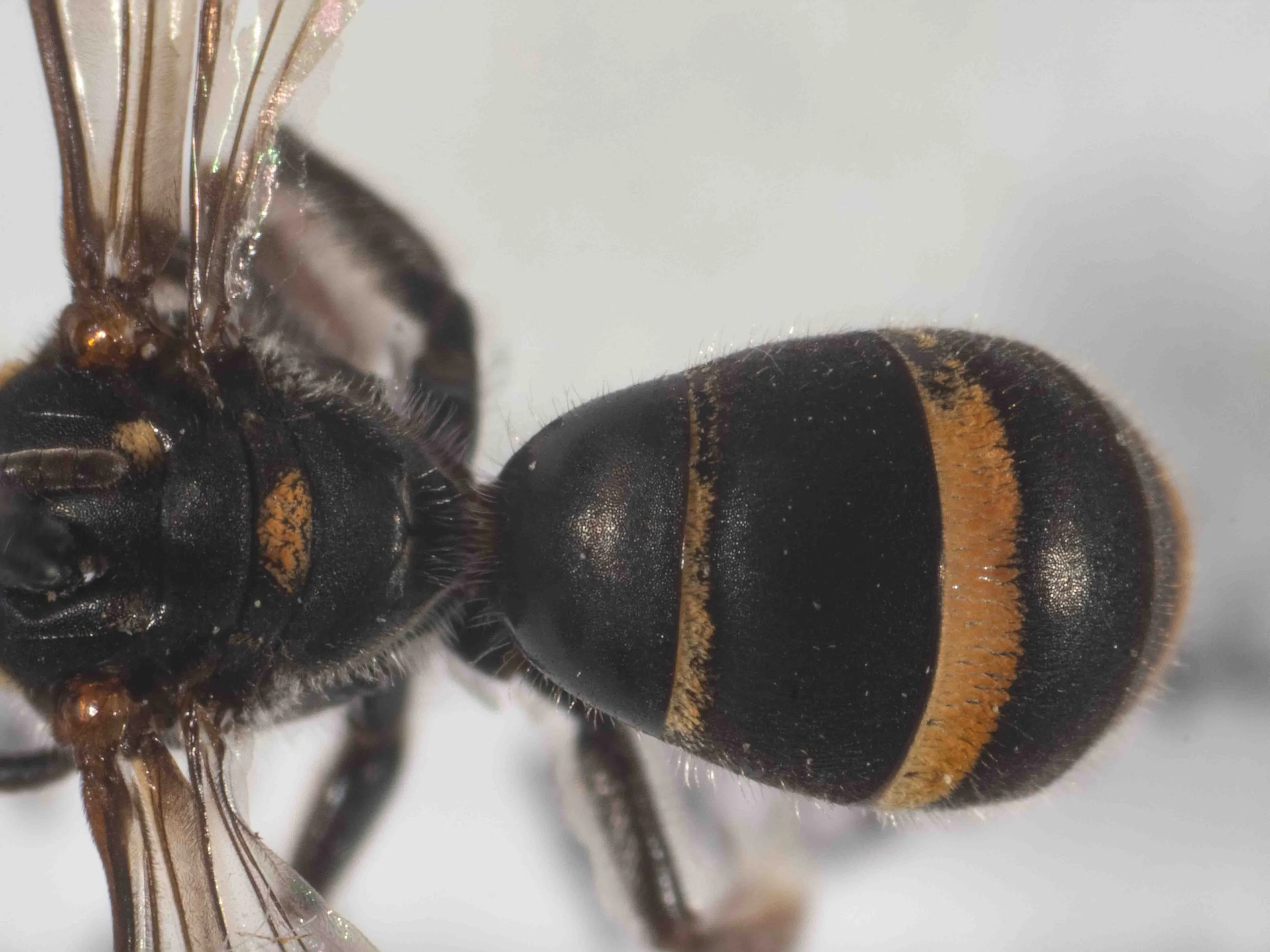
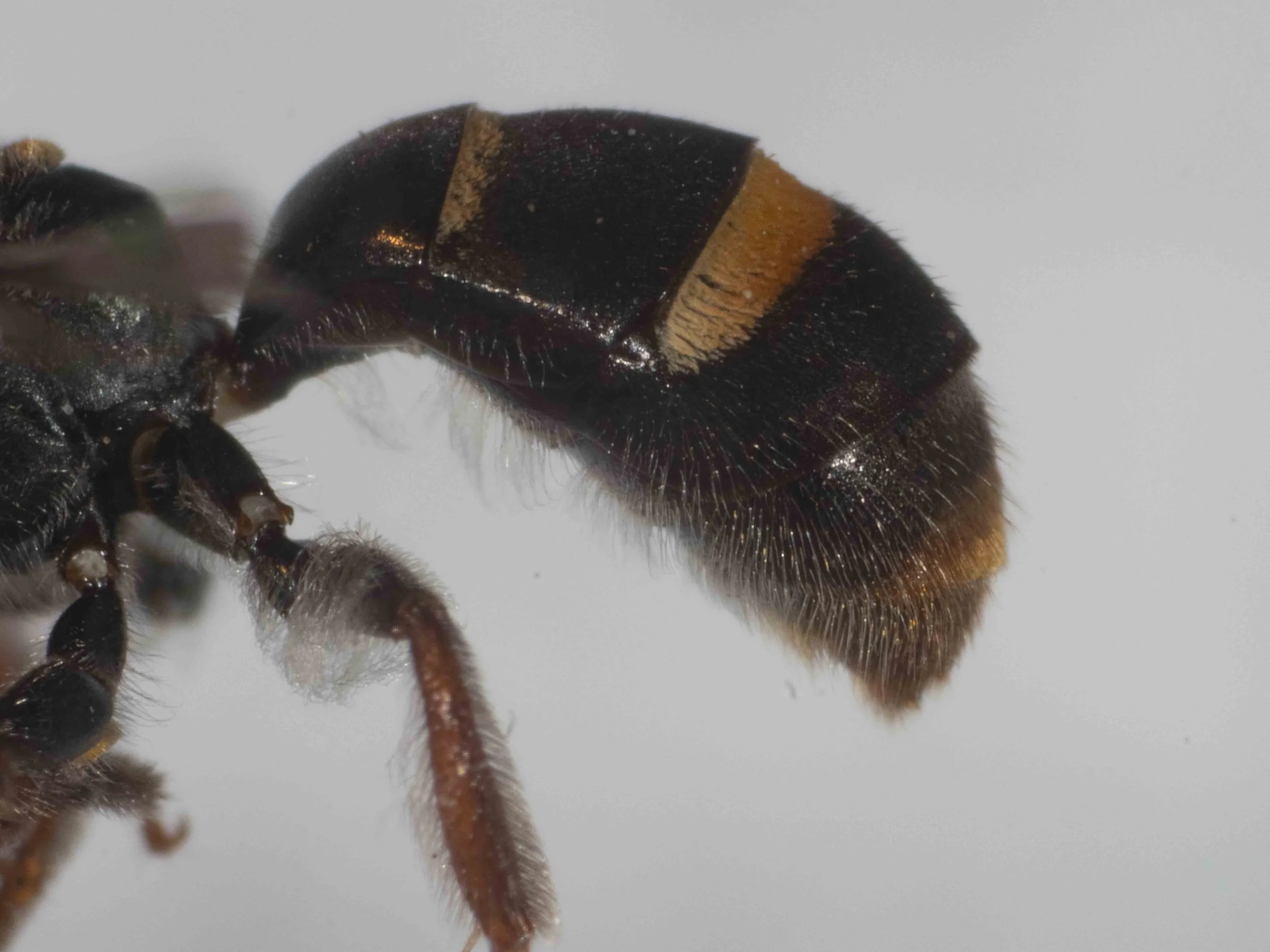
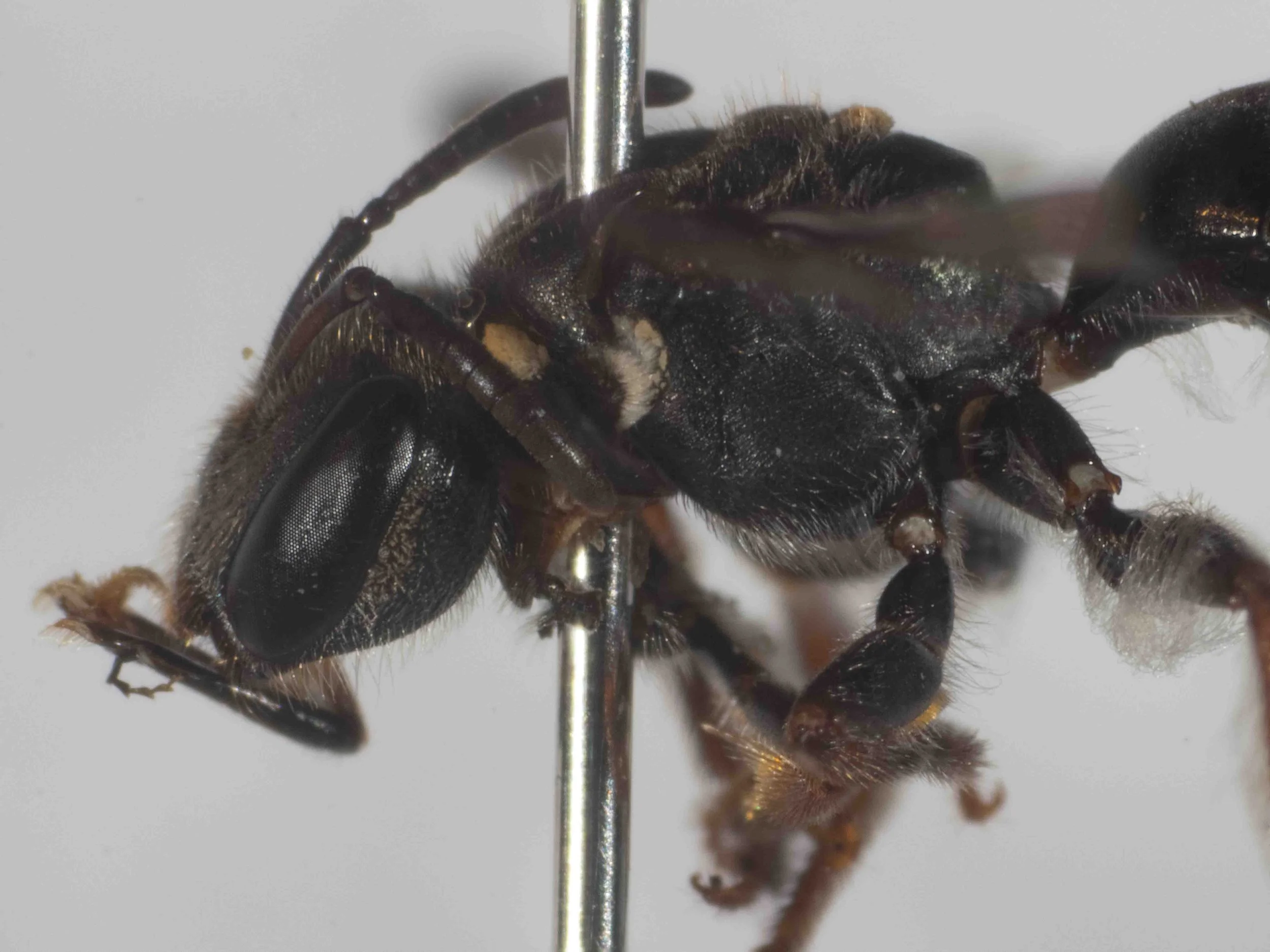
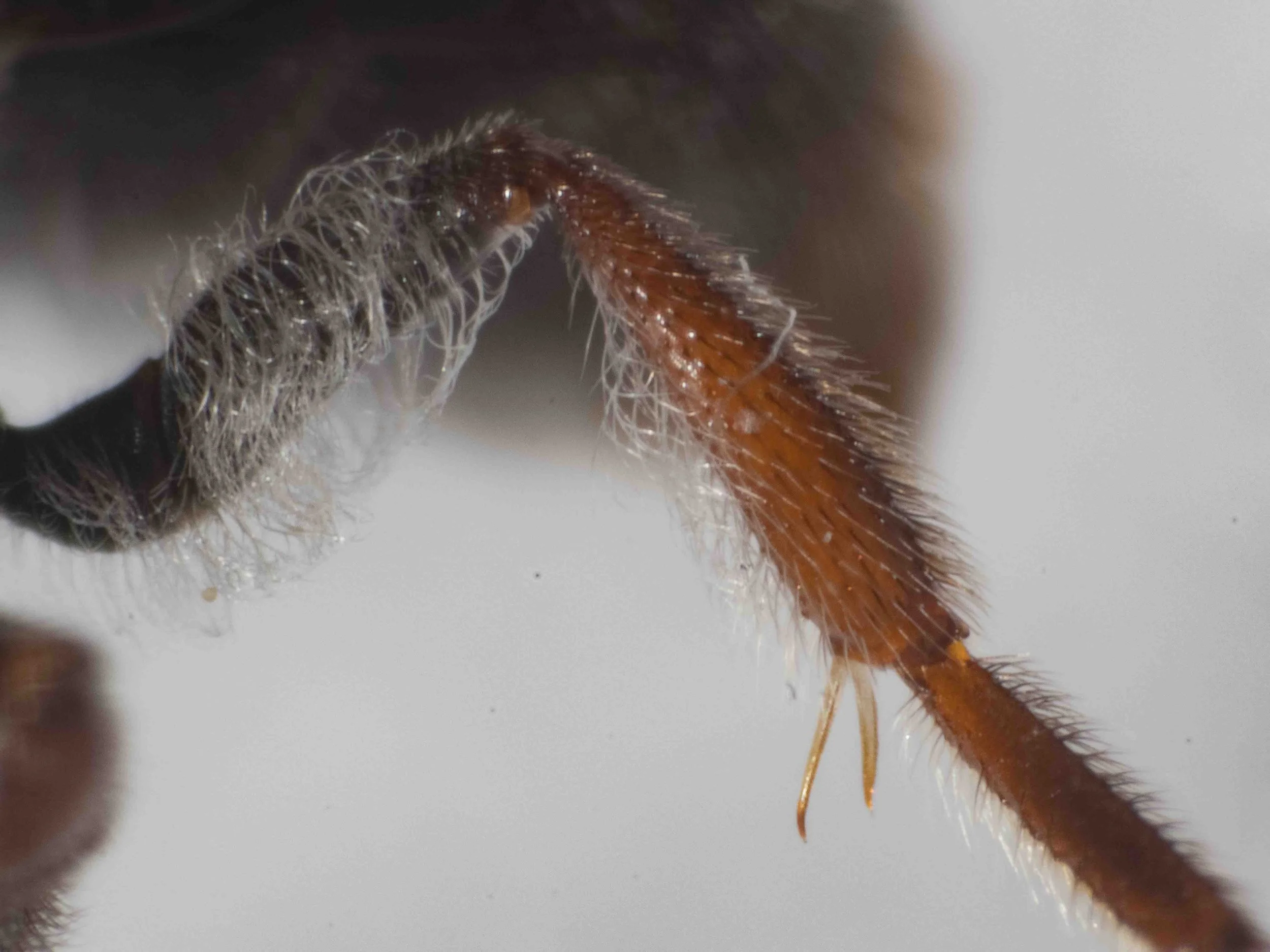
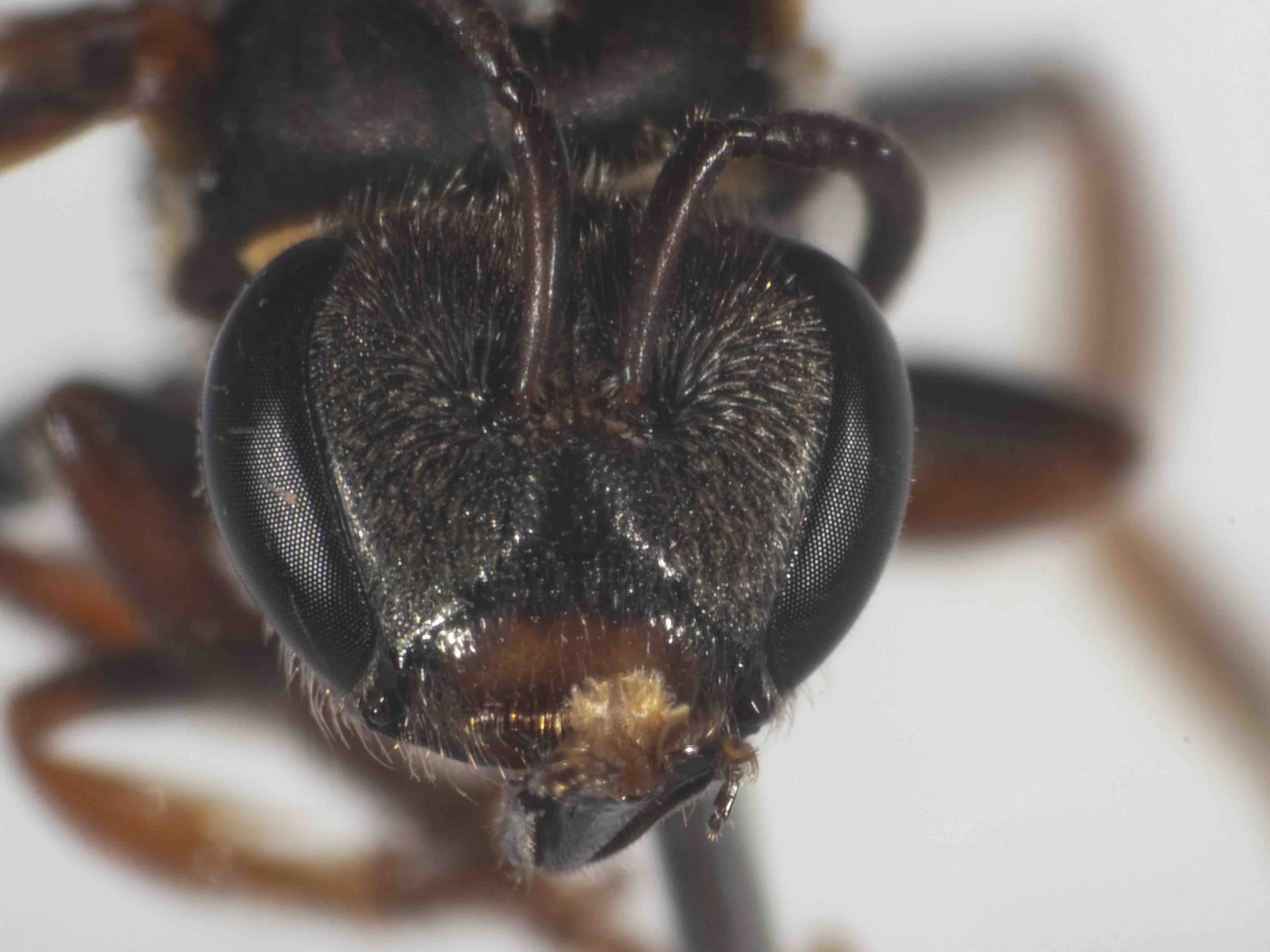
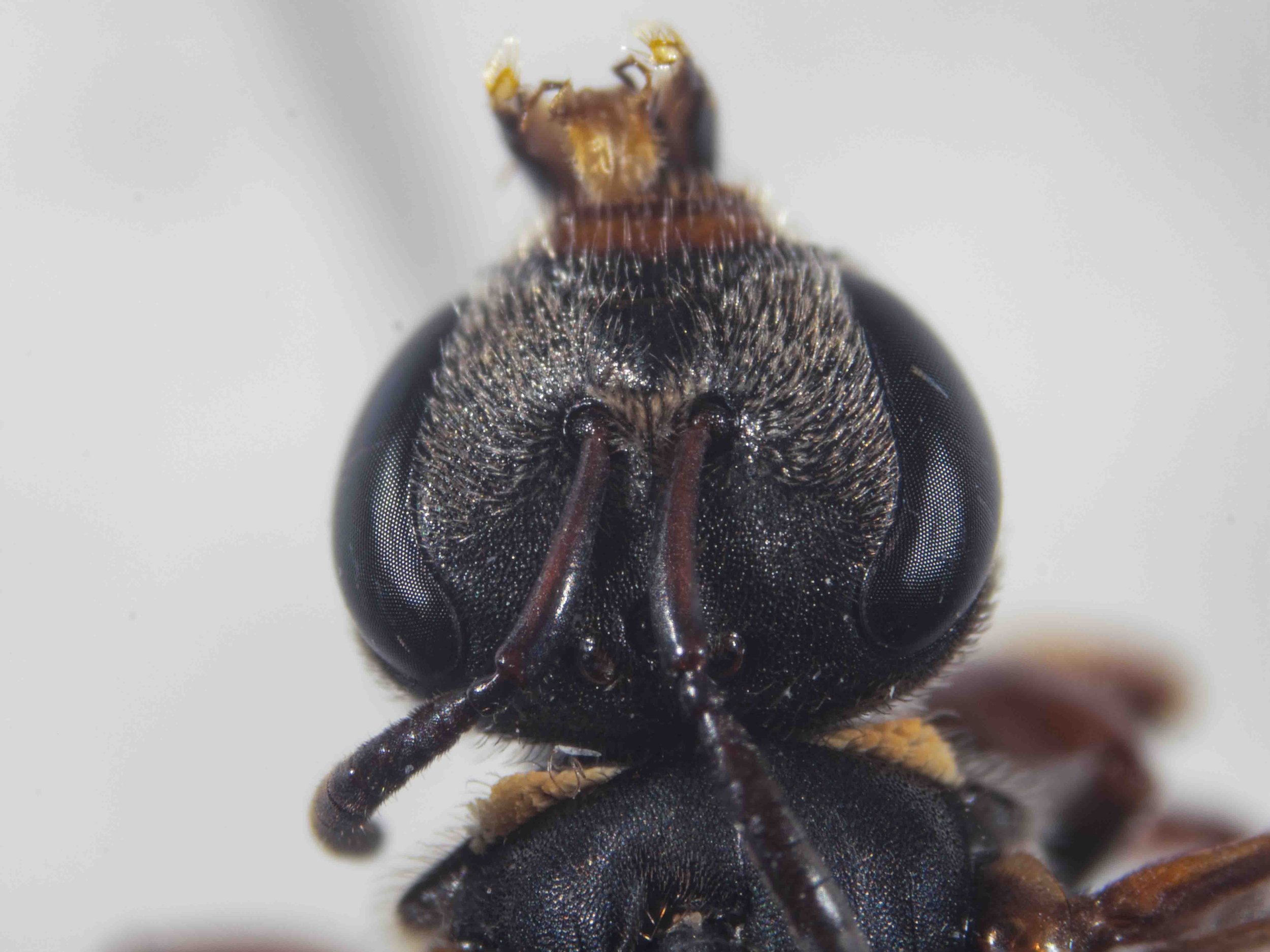
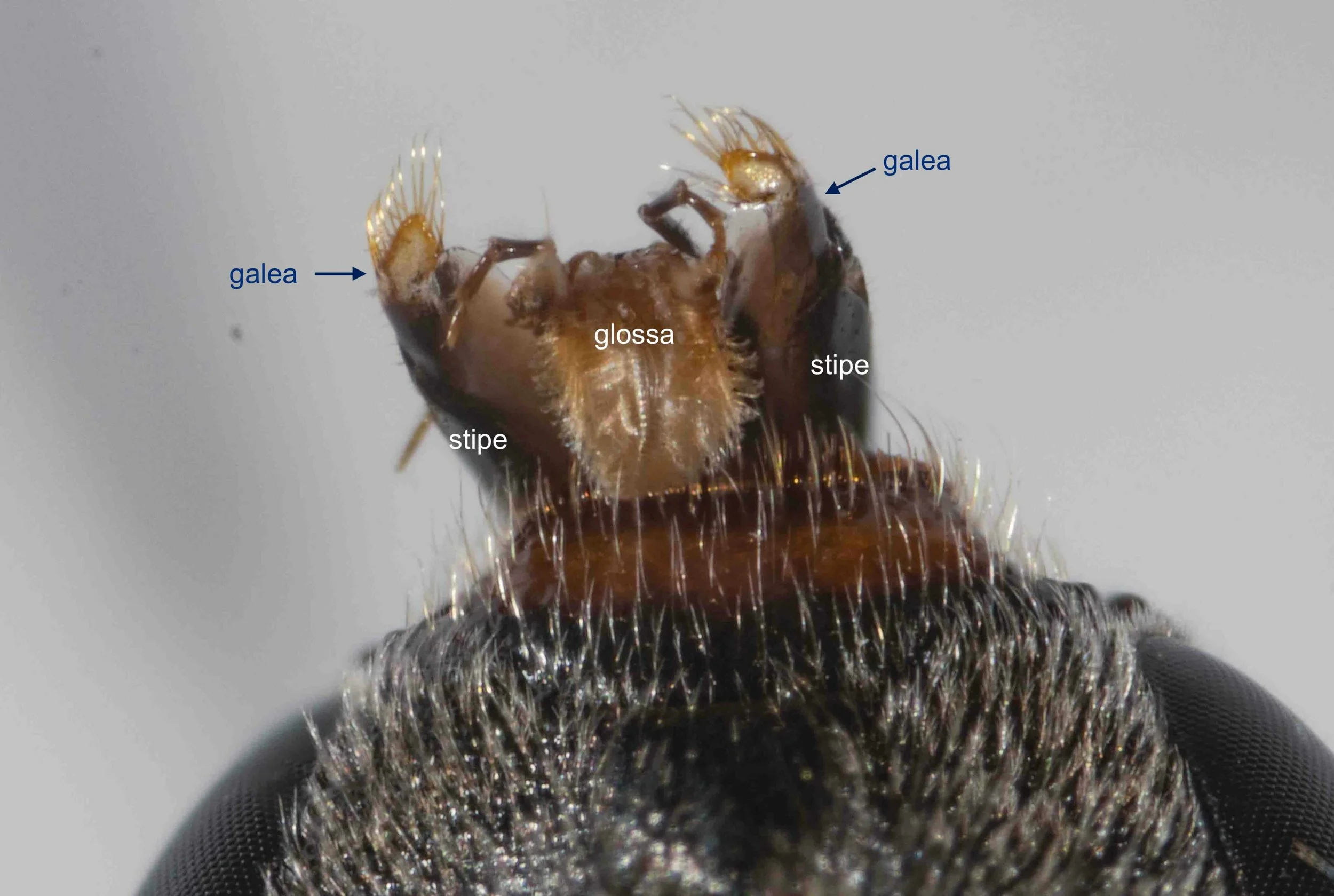
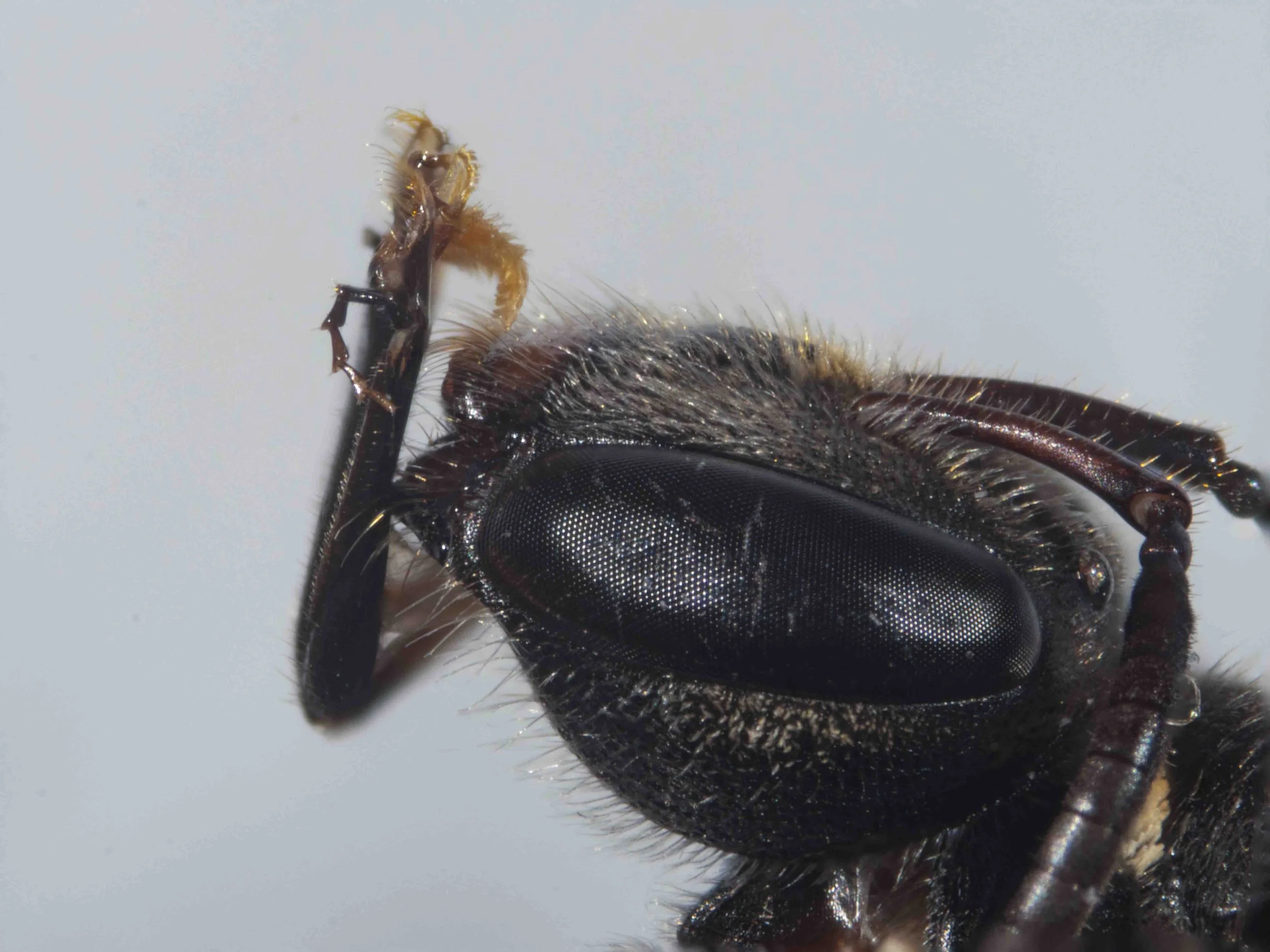
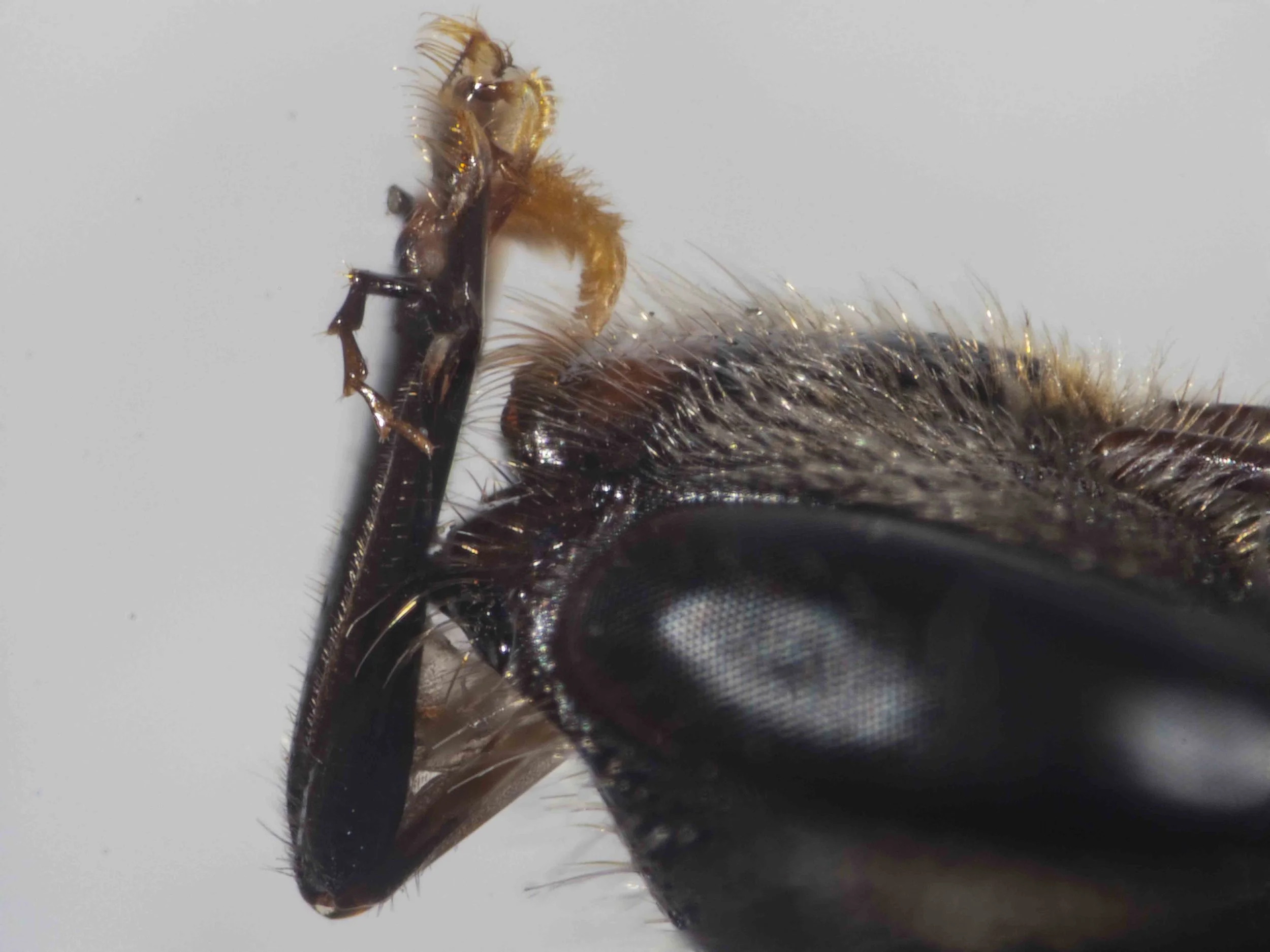
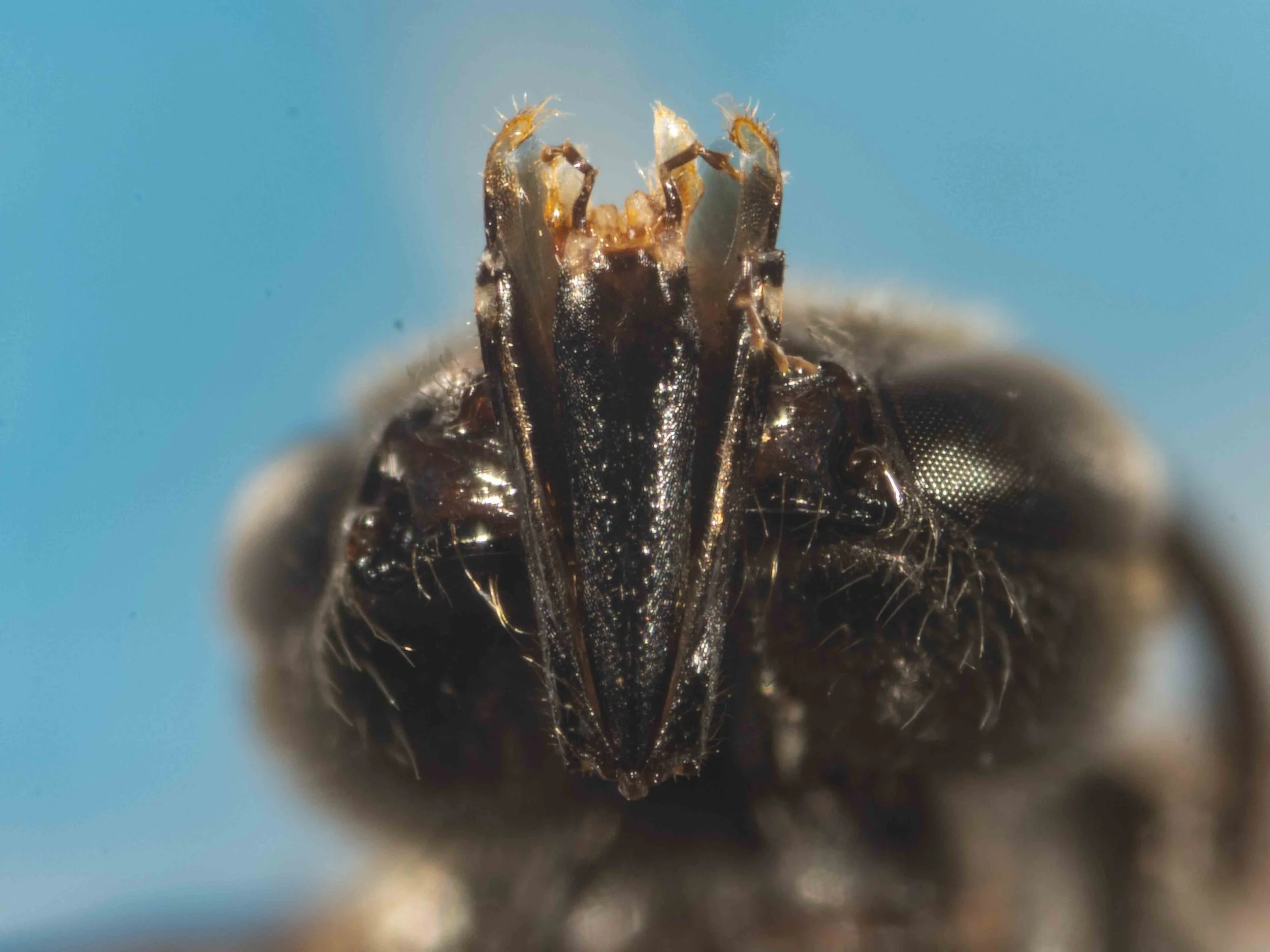
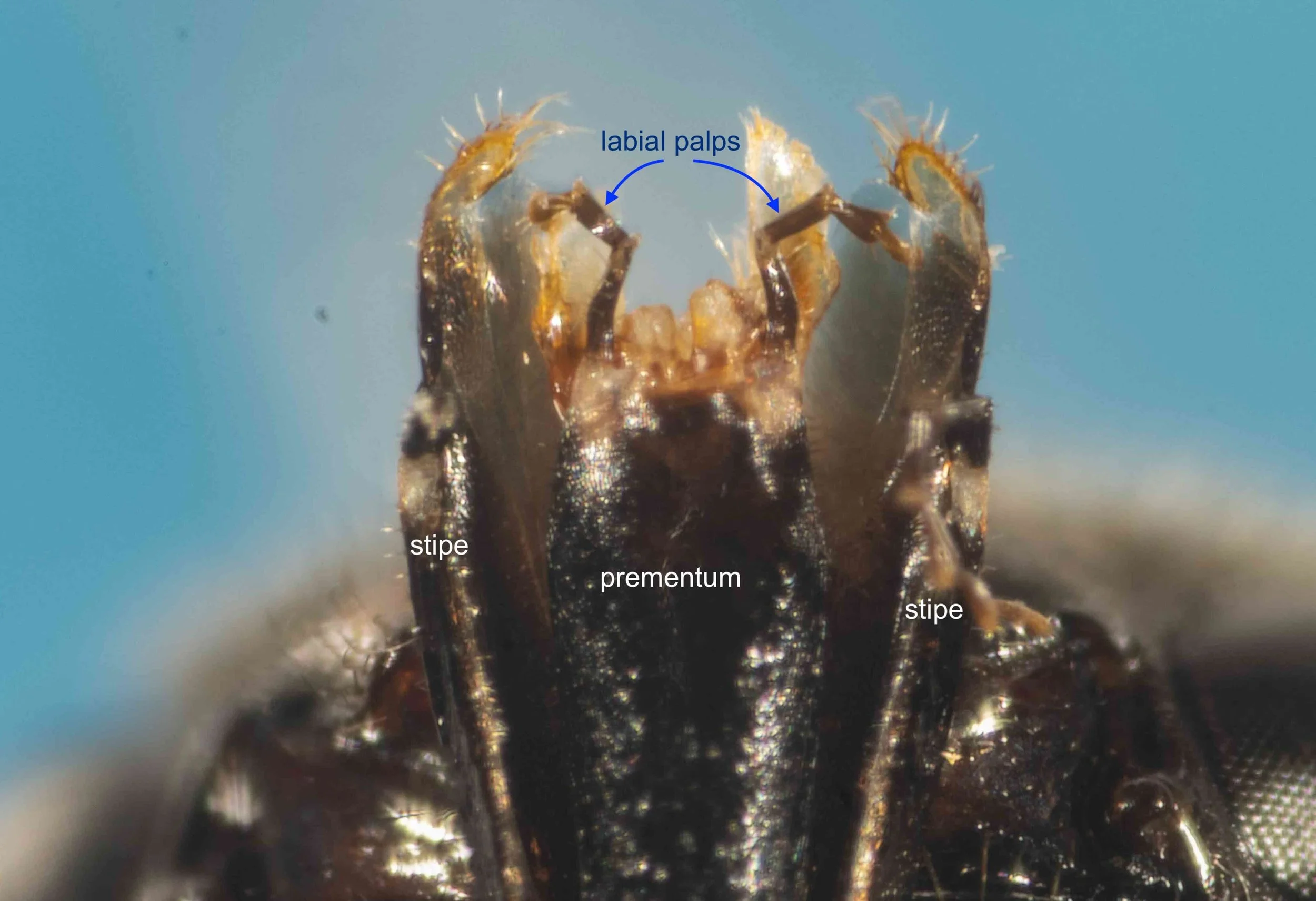
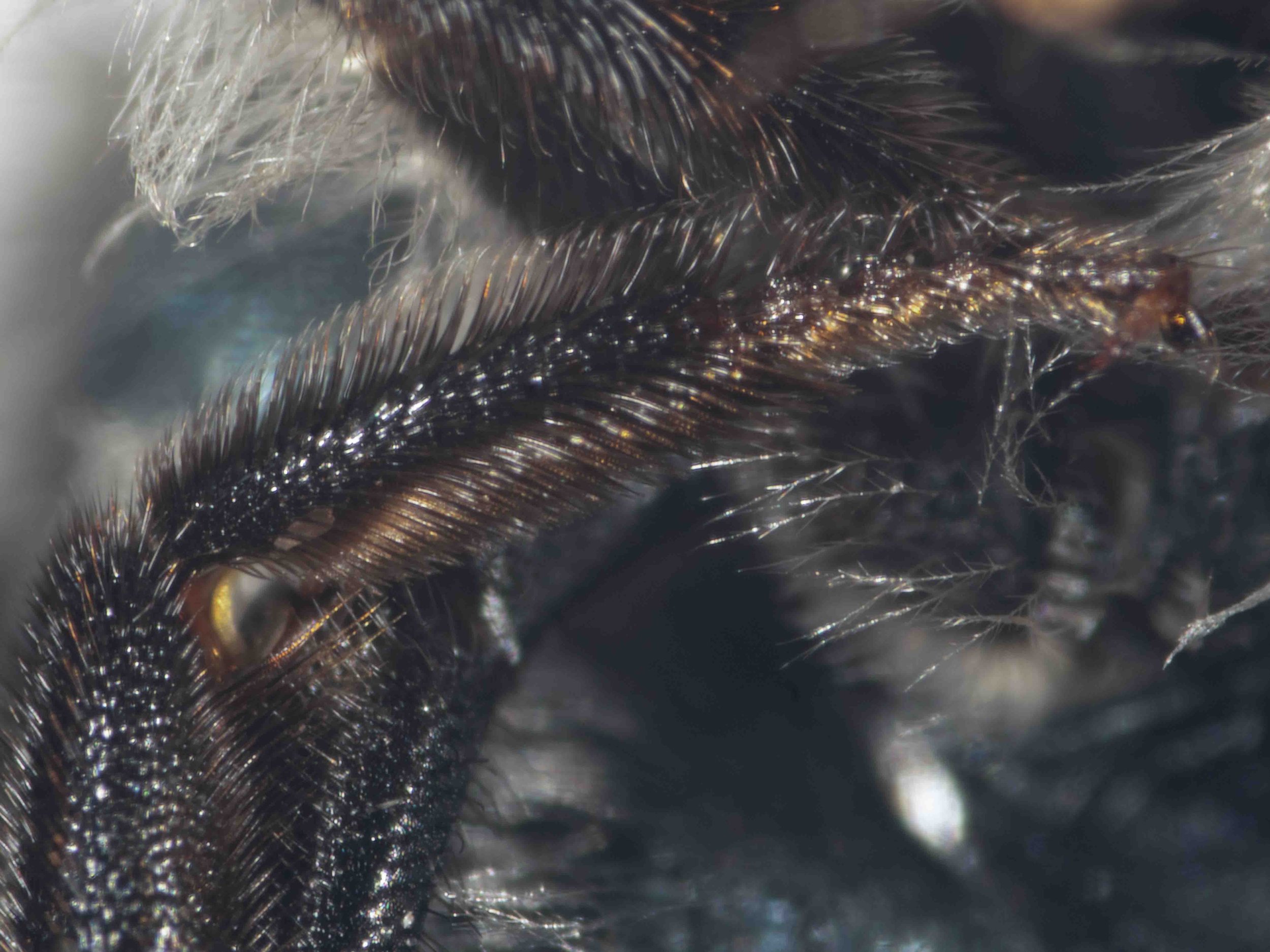
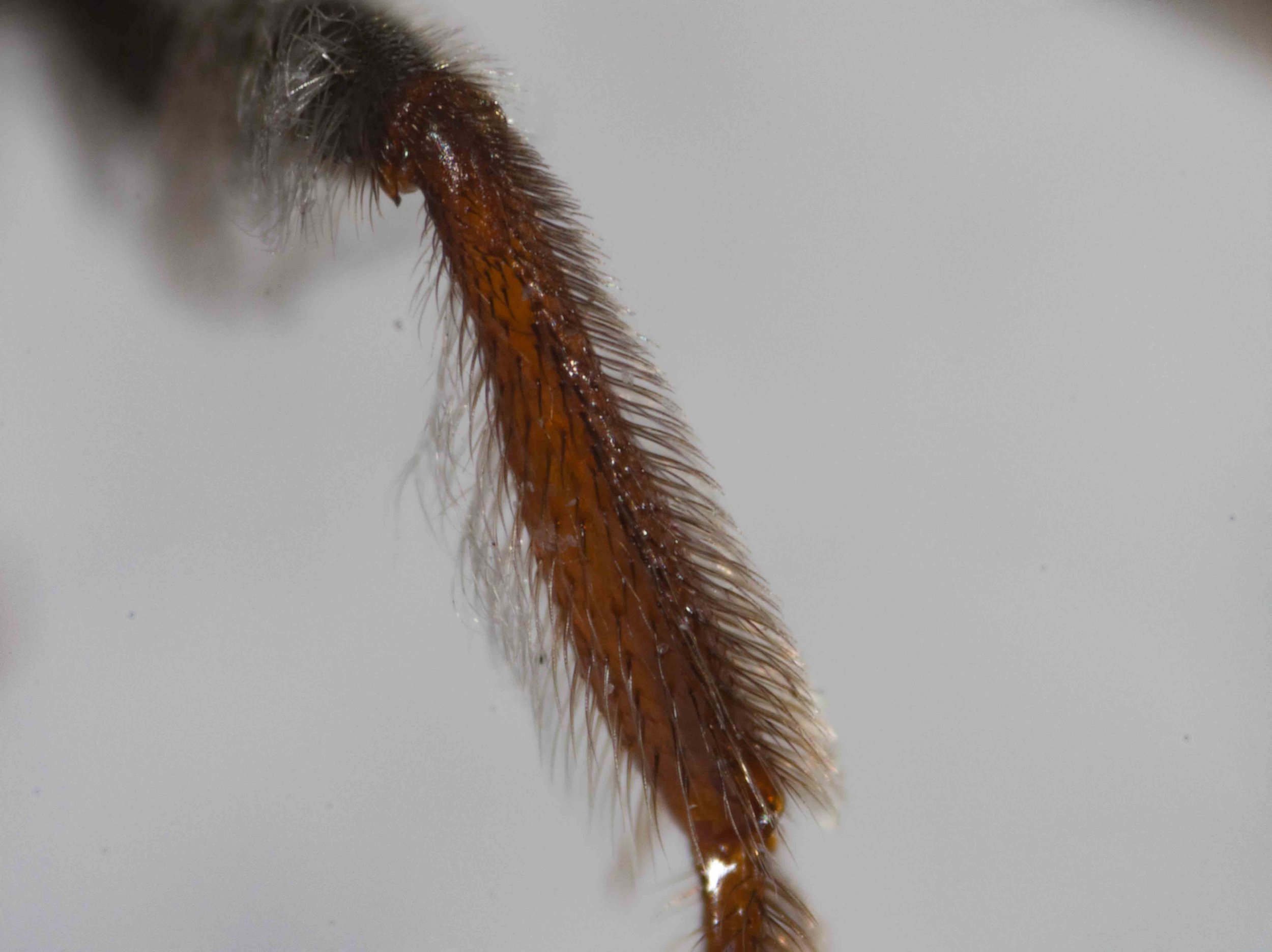
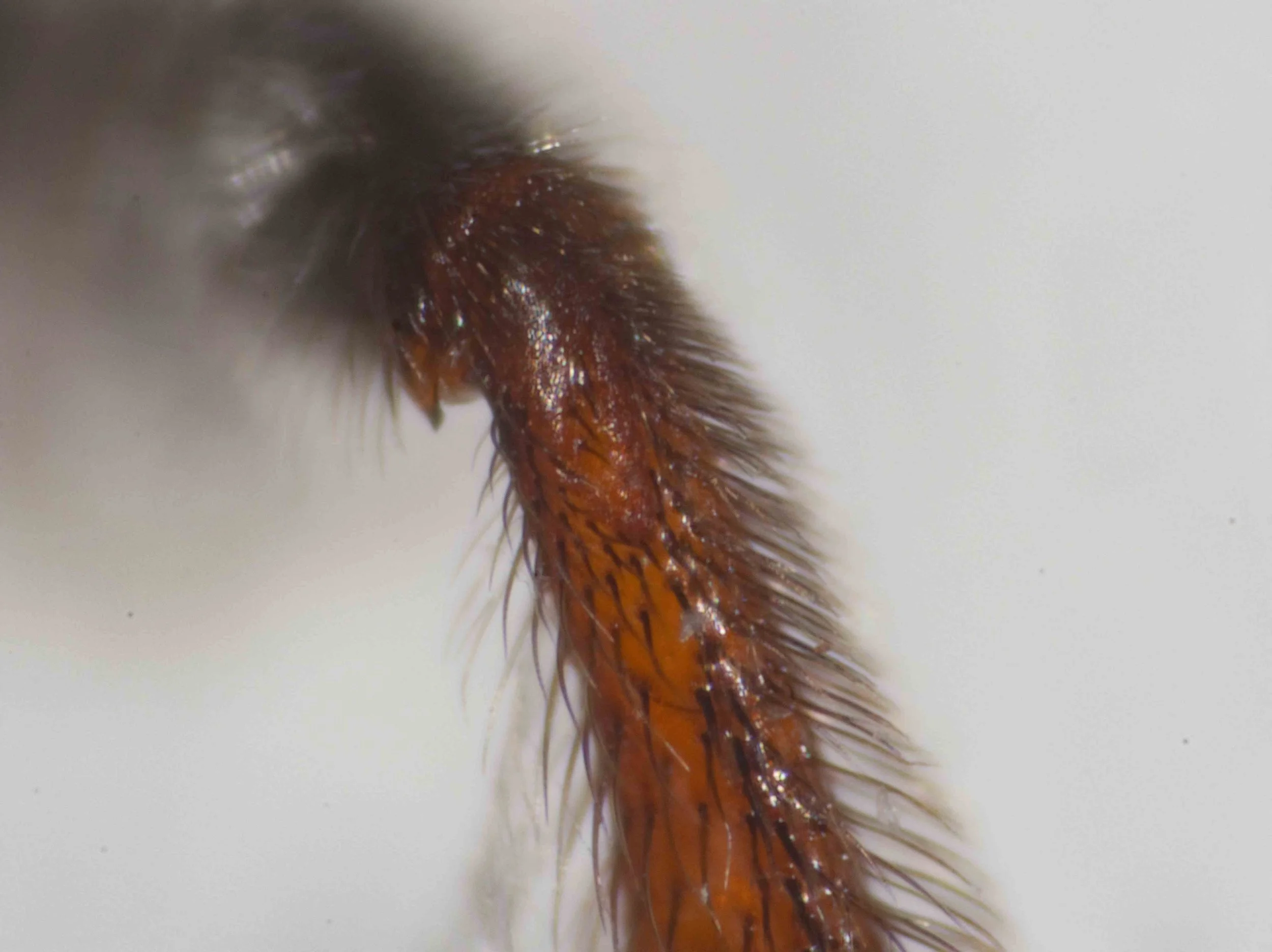
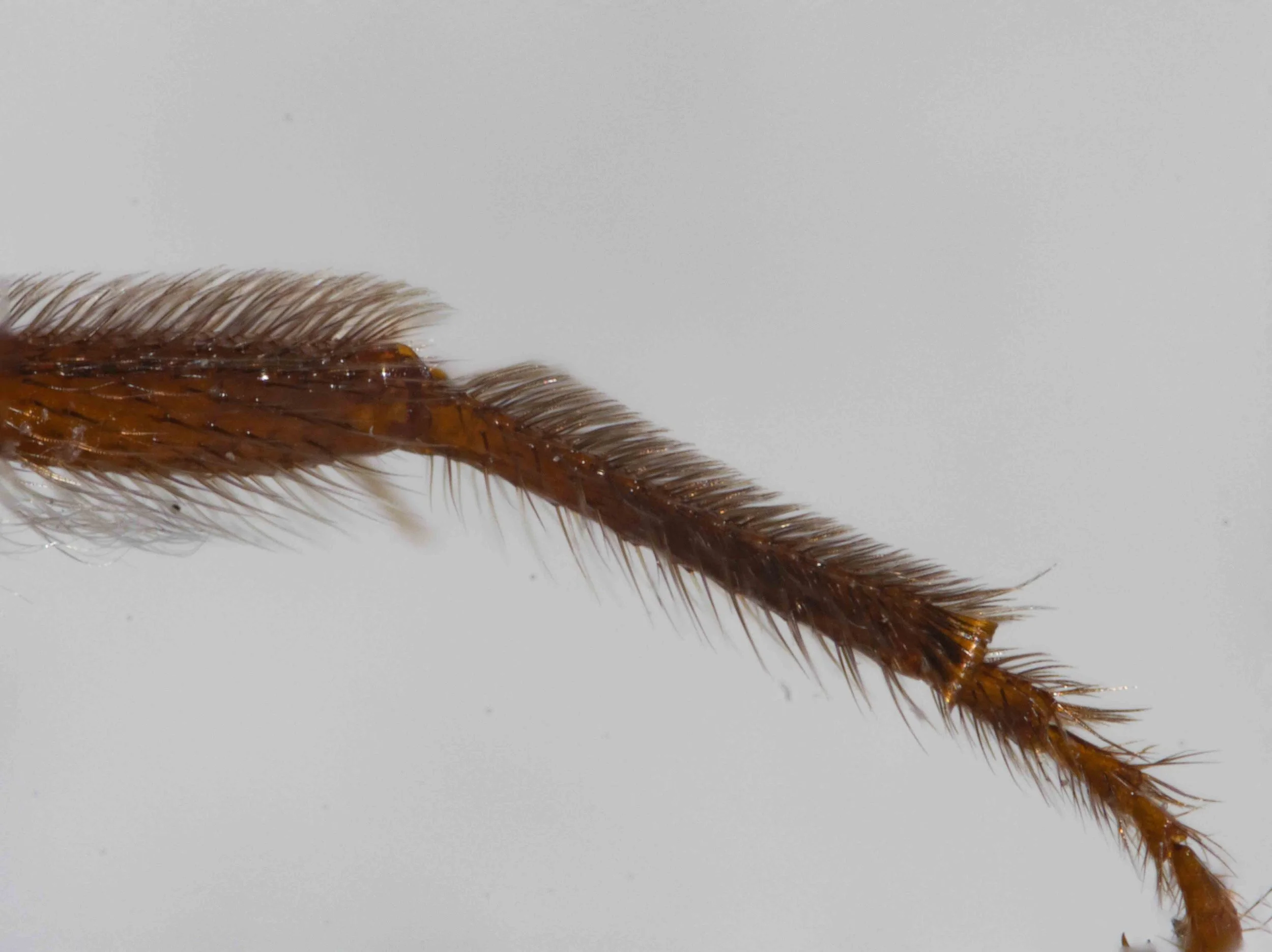
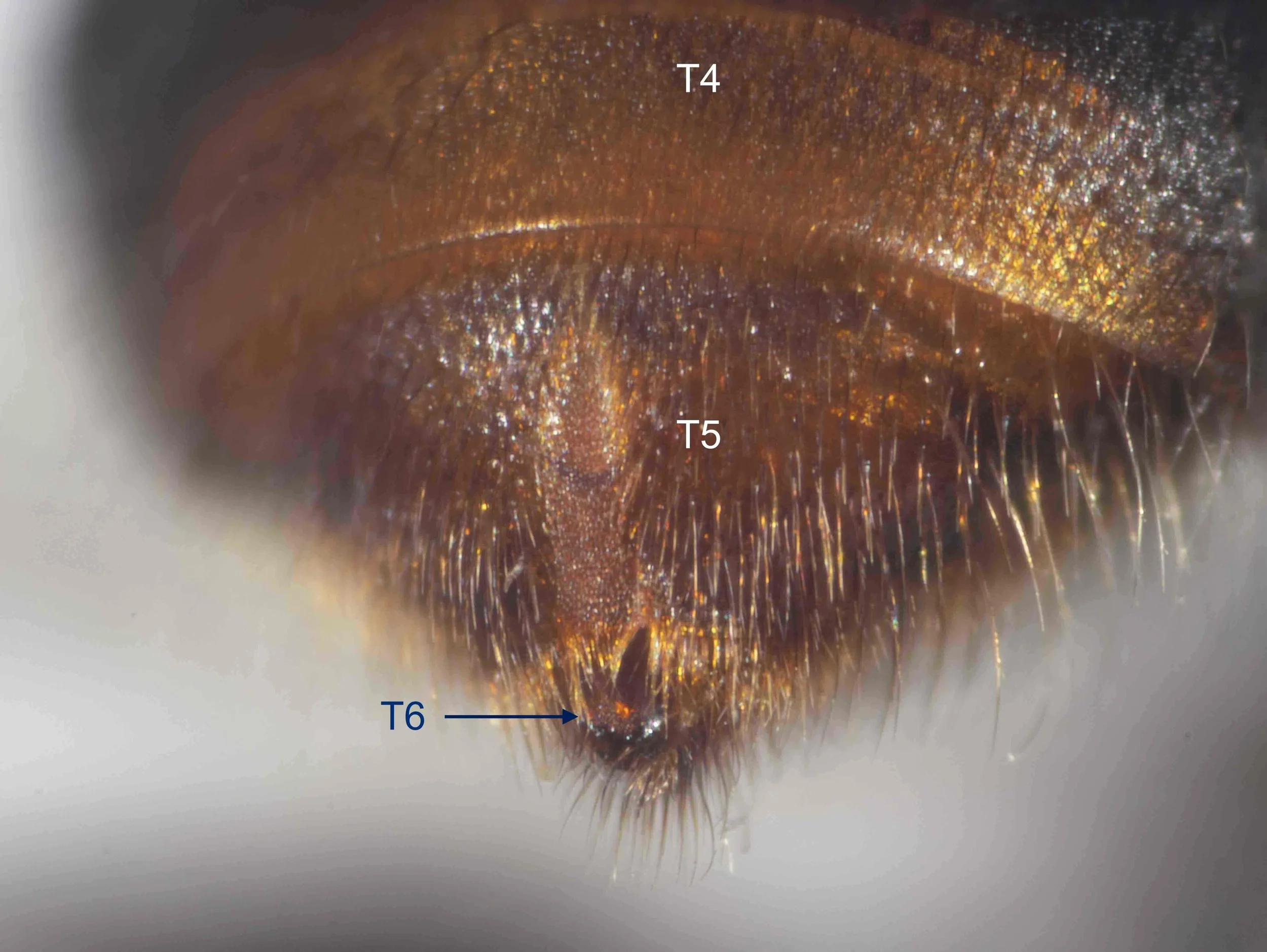
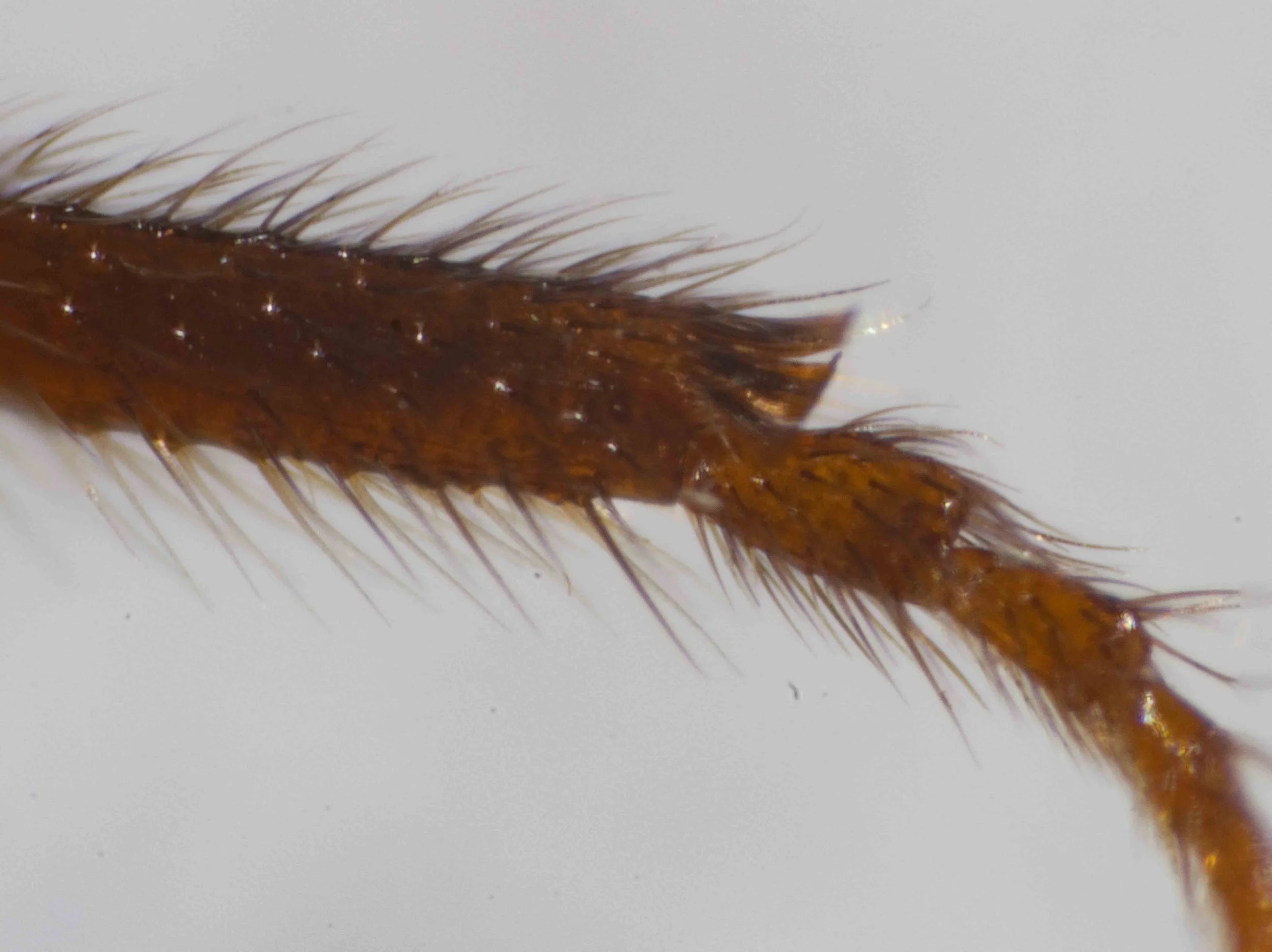
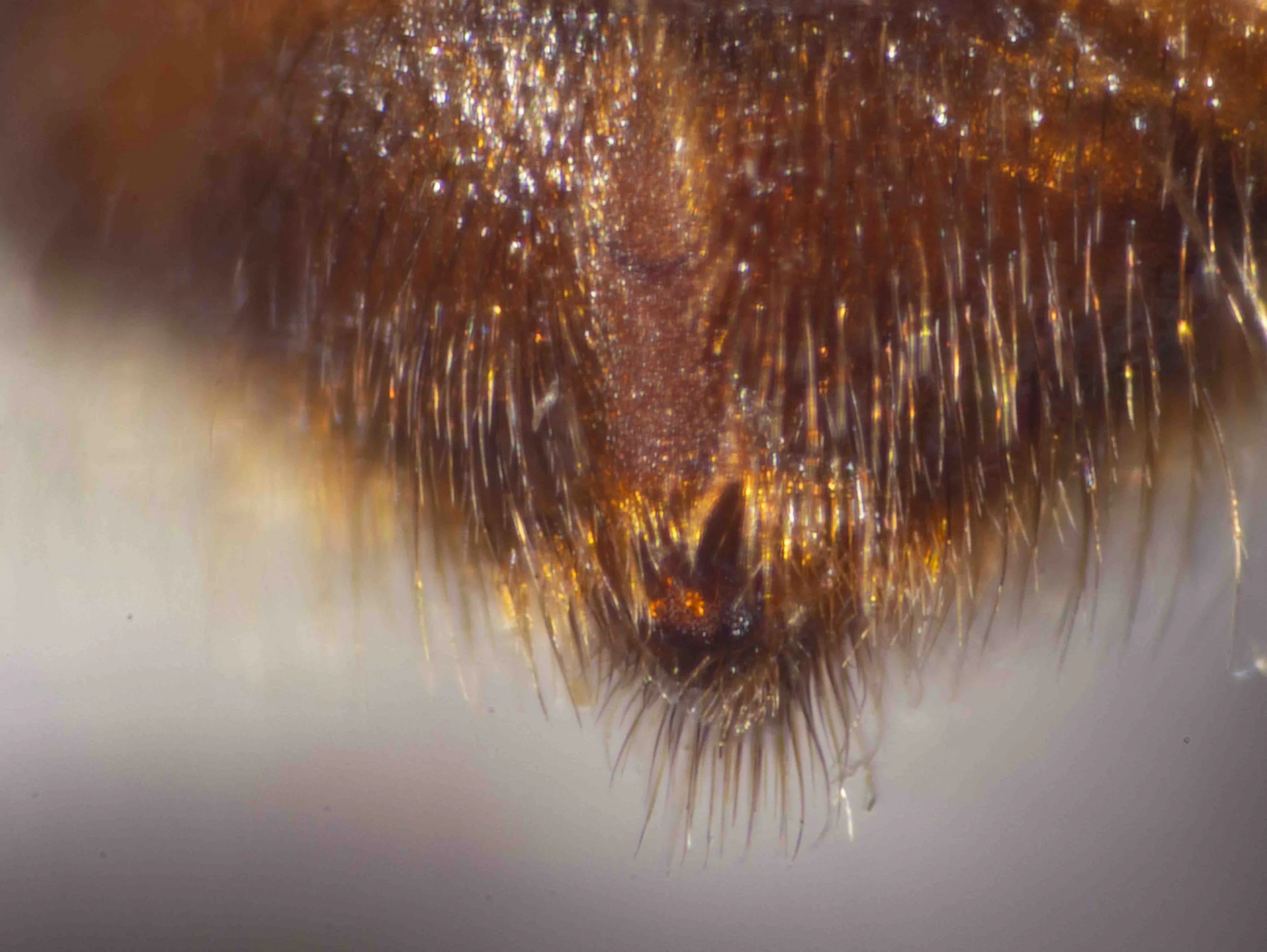
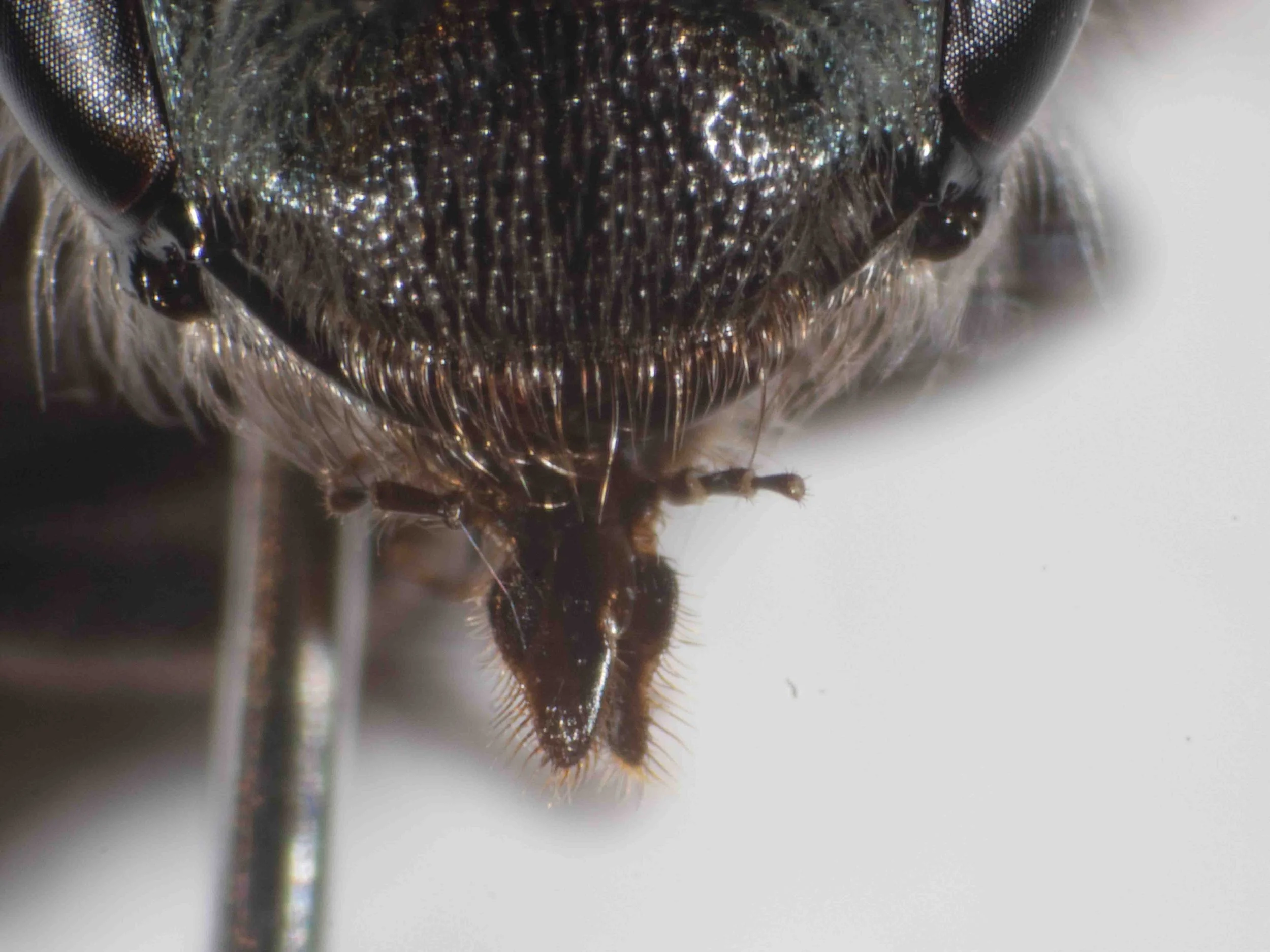
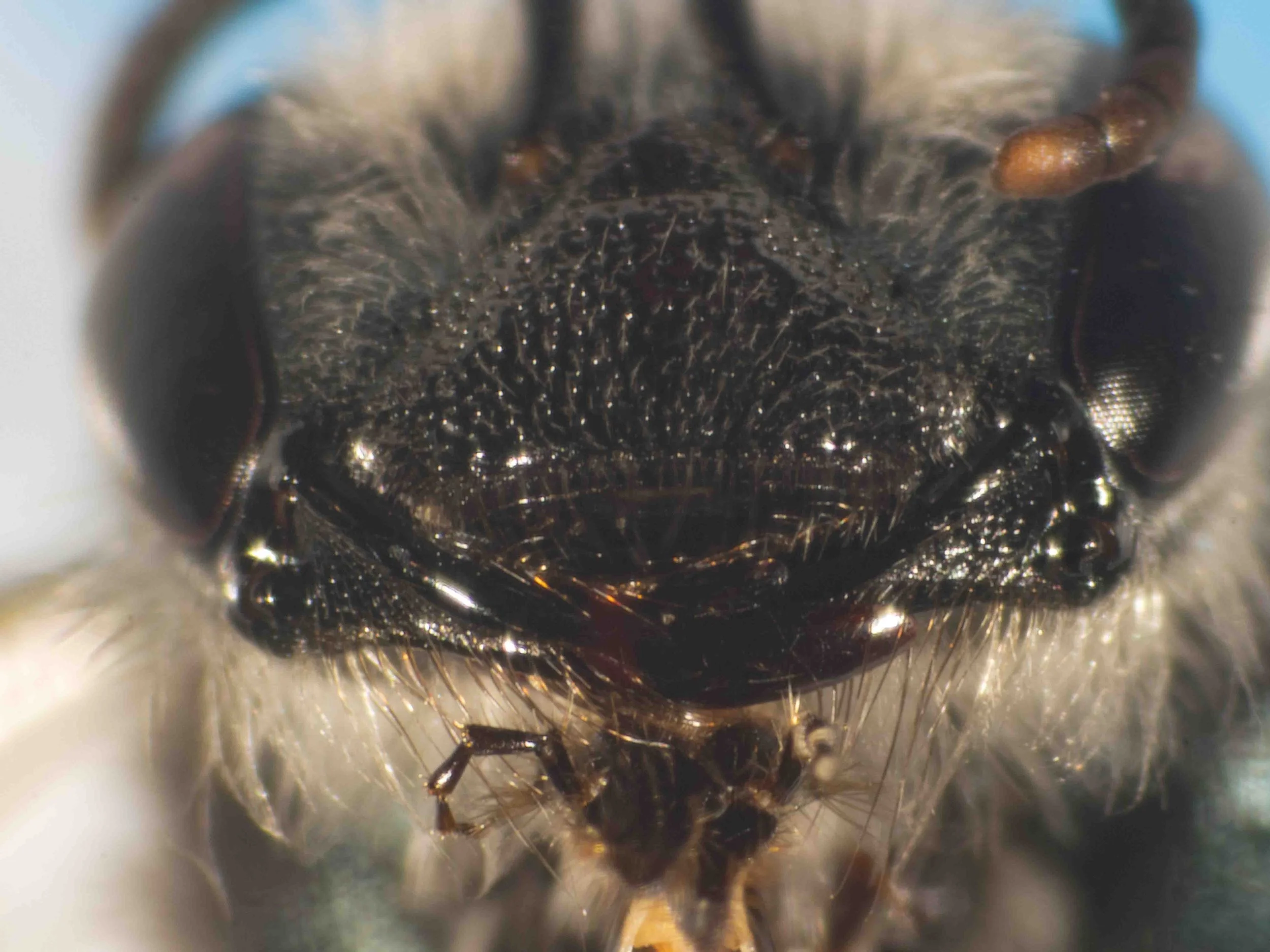
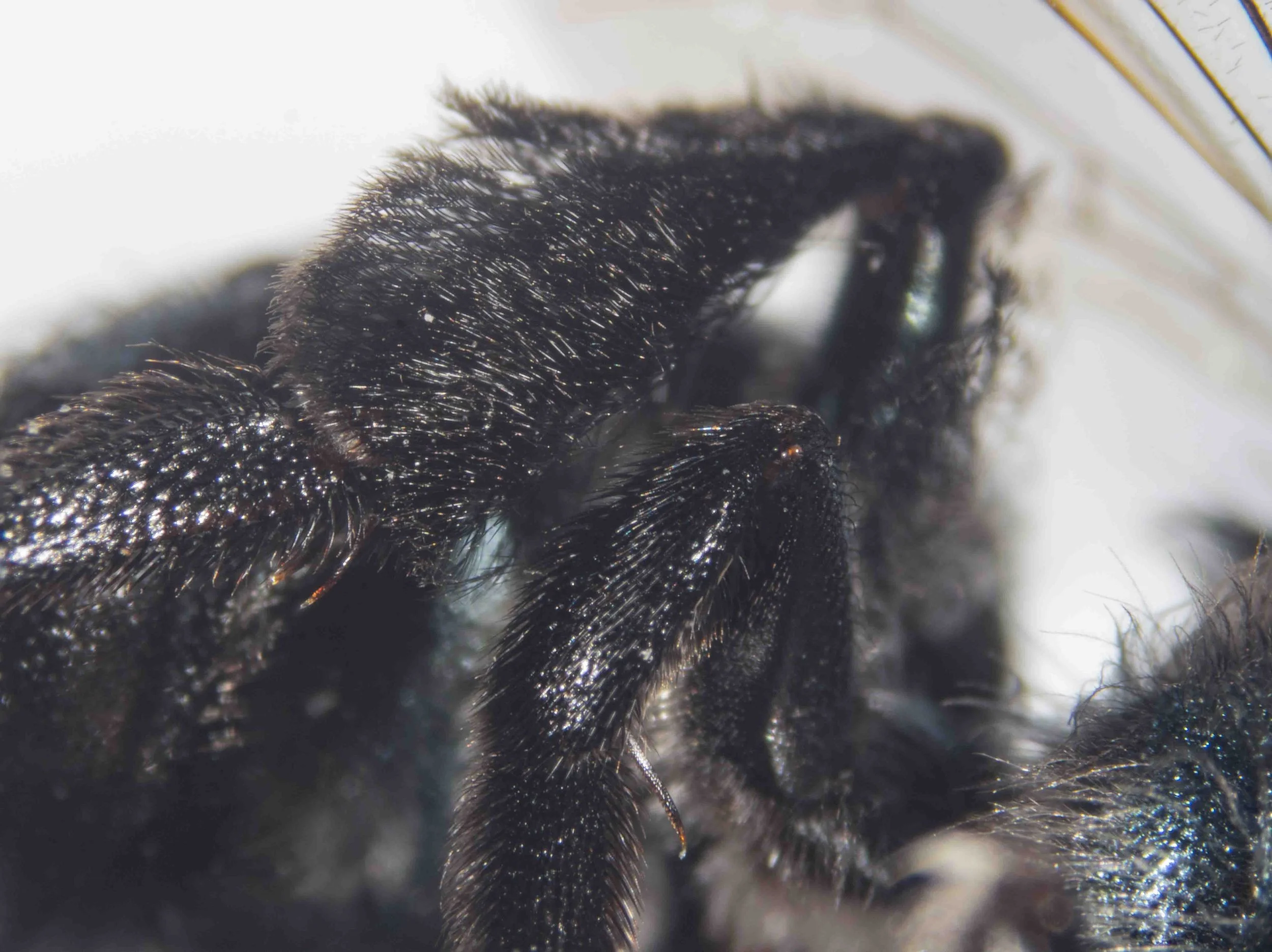
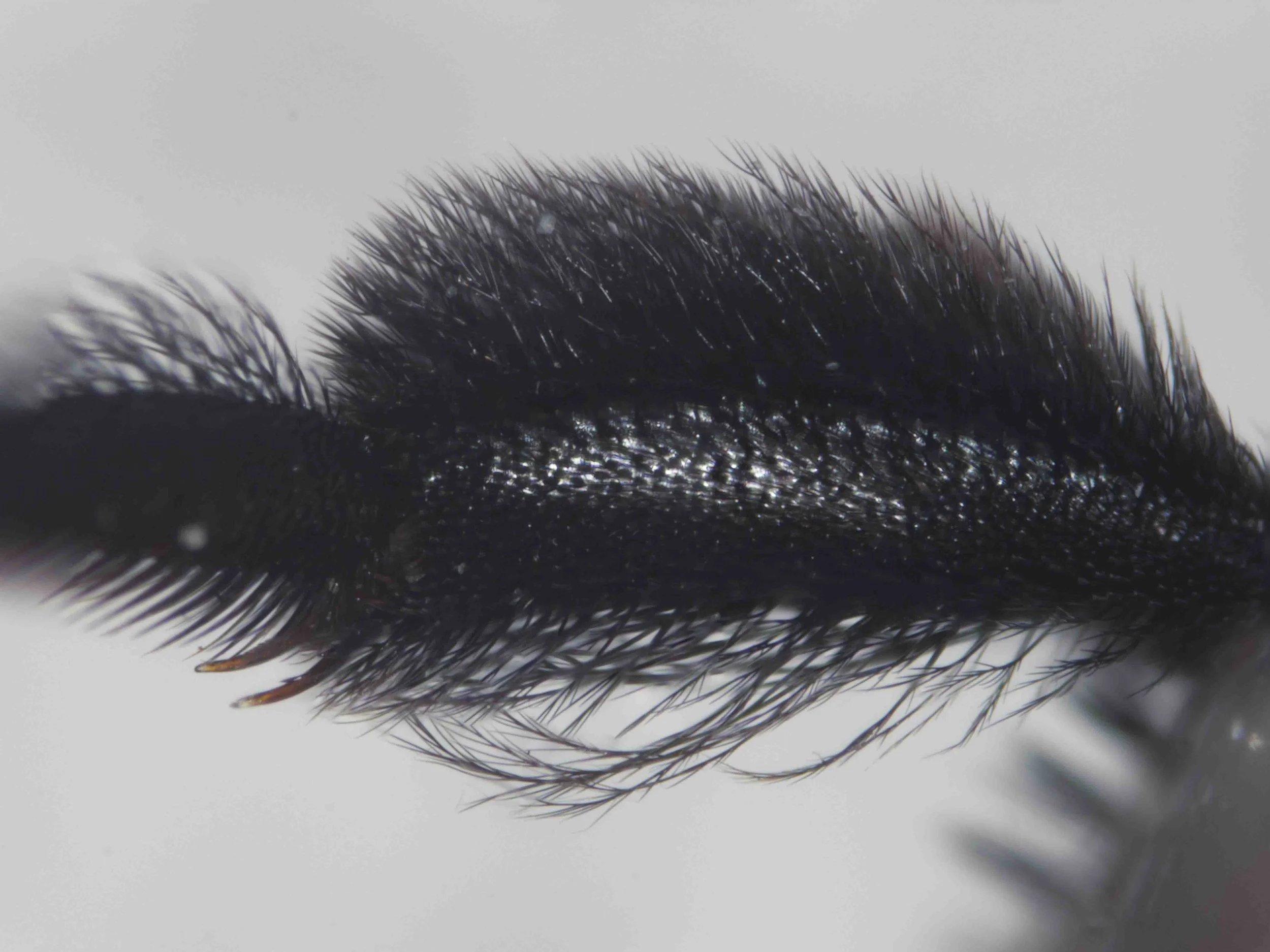
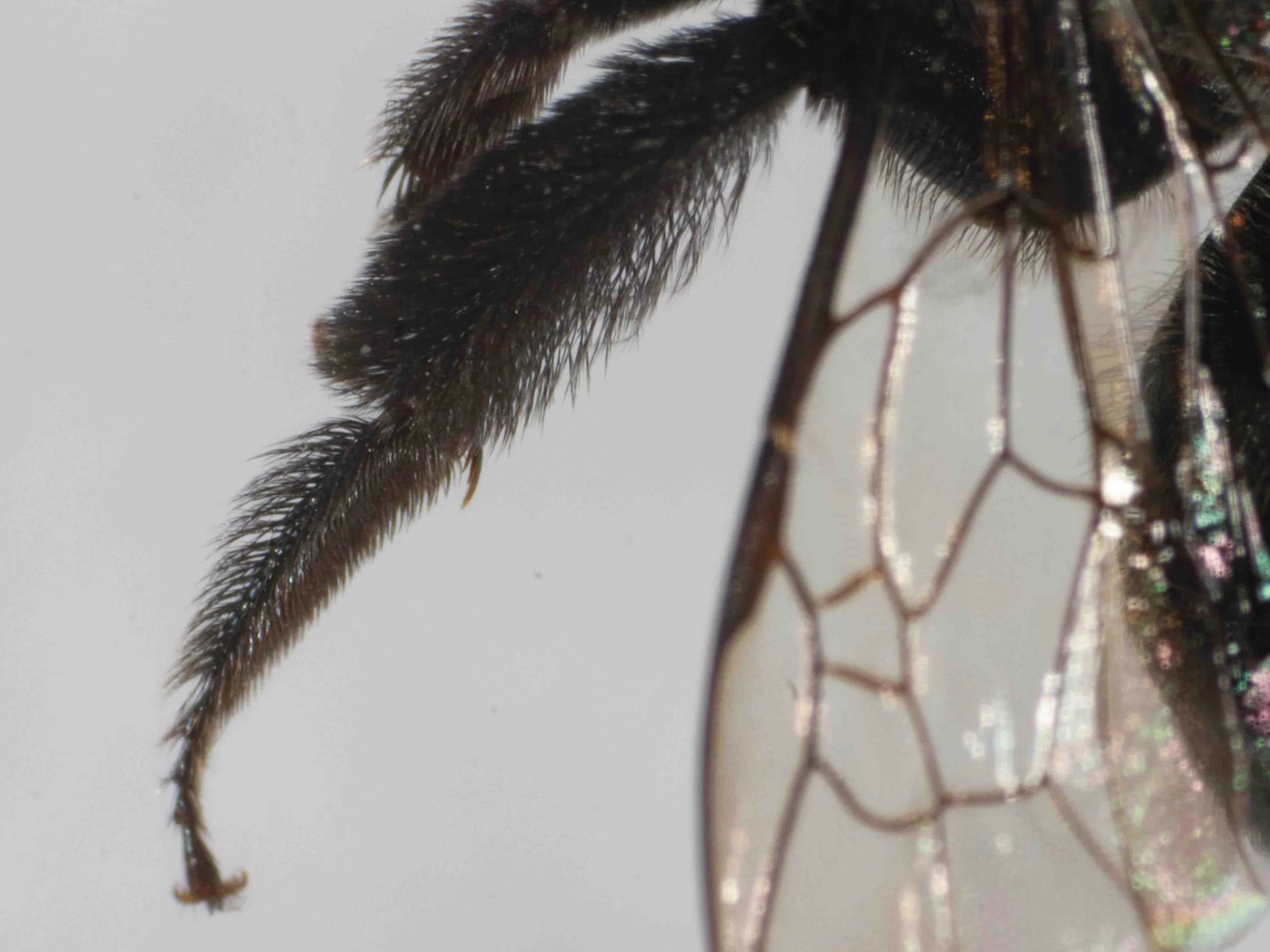
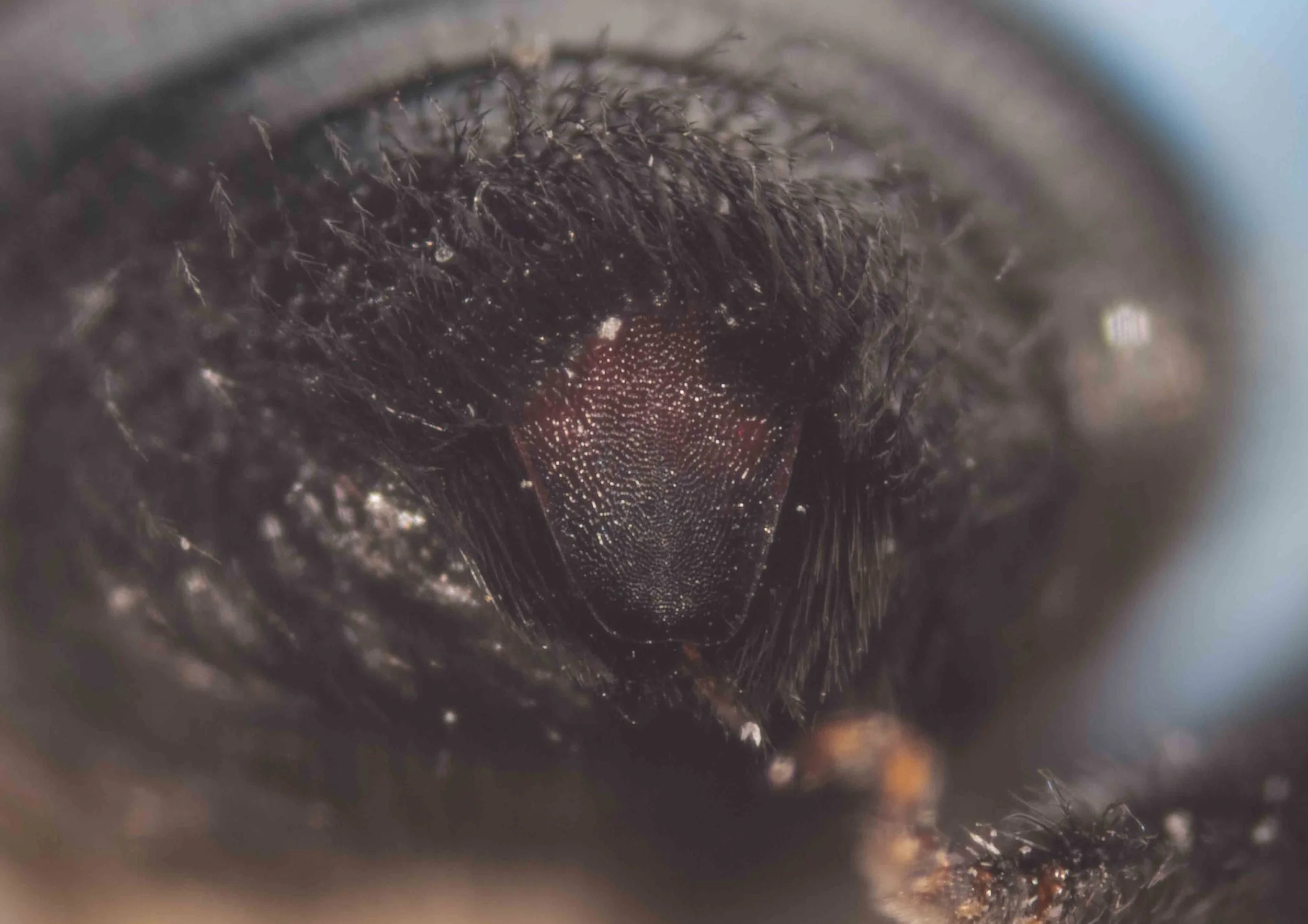
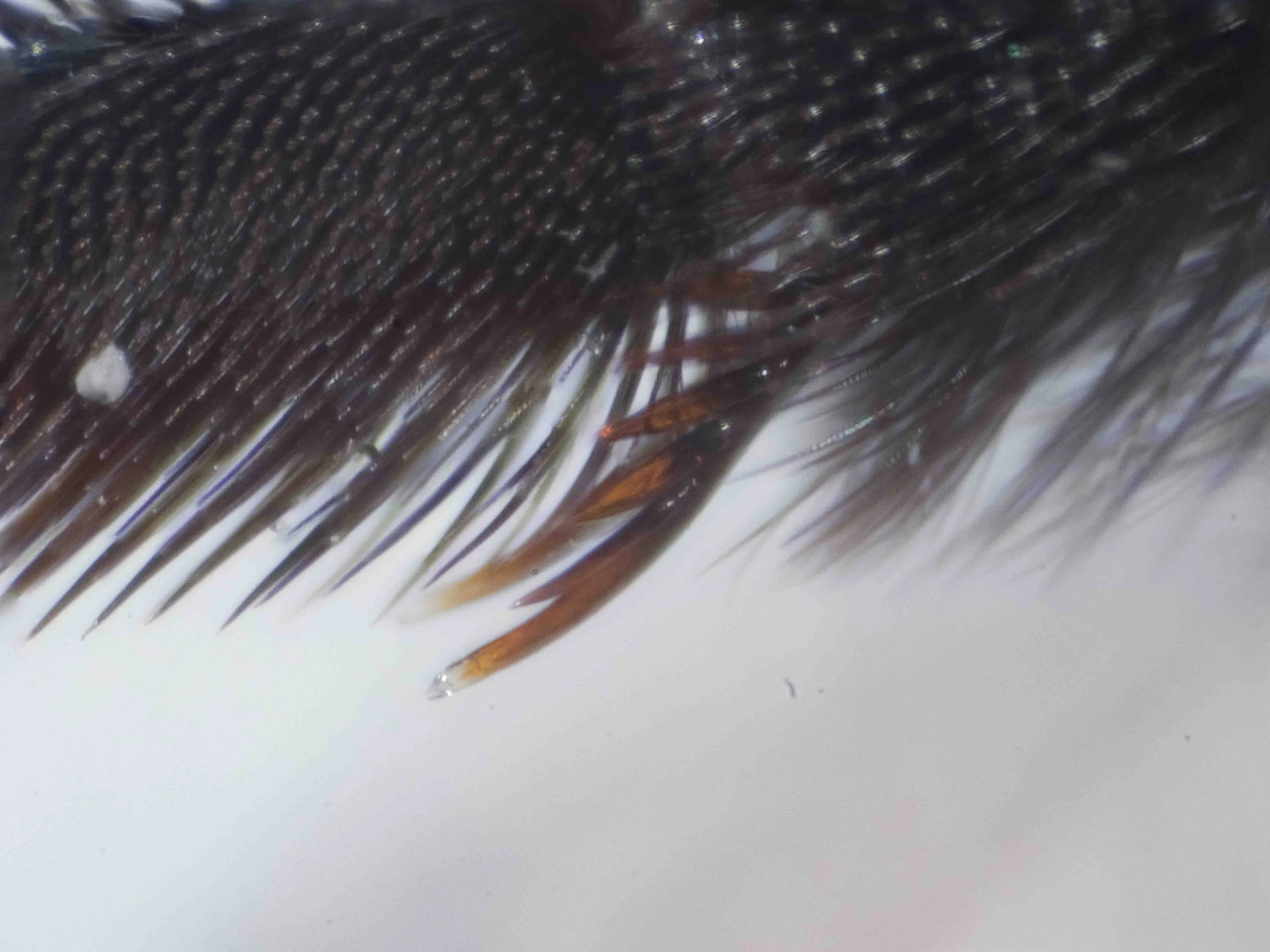
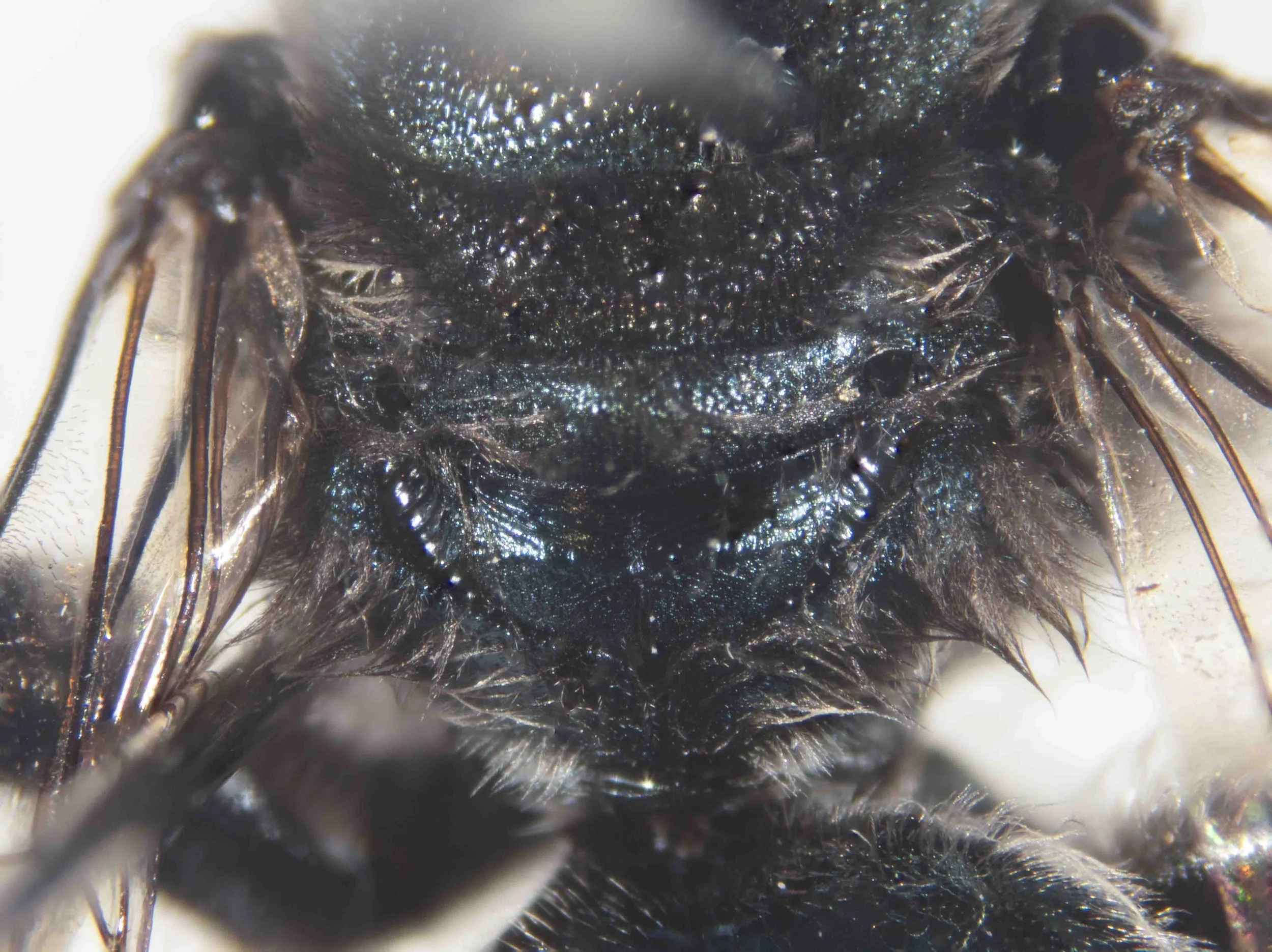
Specimen #026 – Leioproctus carinatus
(COLLETIDAE: Colletinae: tribe Paracolletini)
Following a suggestion from the iNaturalist community, L. carinatus looks a strong candidate ID (Maynard 2013).
Quite different to L. plumosus (one of my initial candidates), as the scopae are black, whereas those of L. plumosus are extensively pale (see images OZCAM (from QVMAG) and PaDIL). https://inaturalist.ala.org.au/observations/353150745
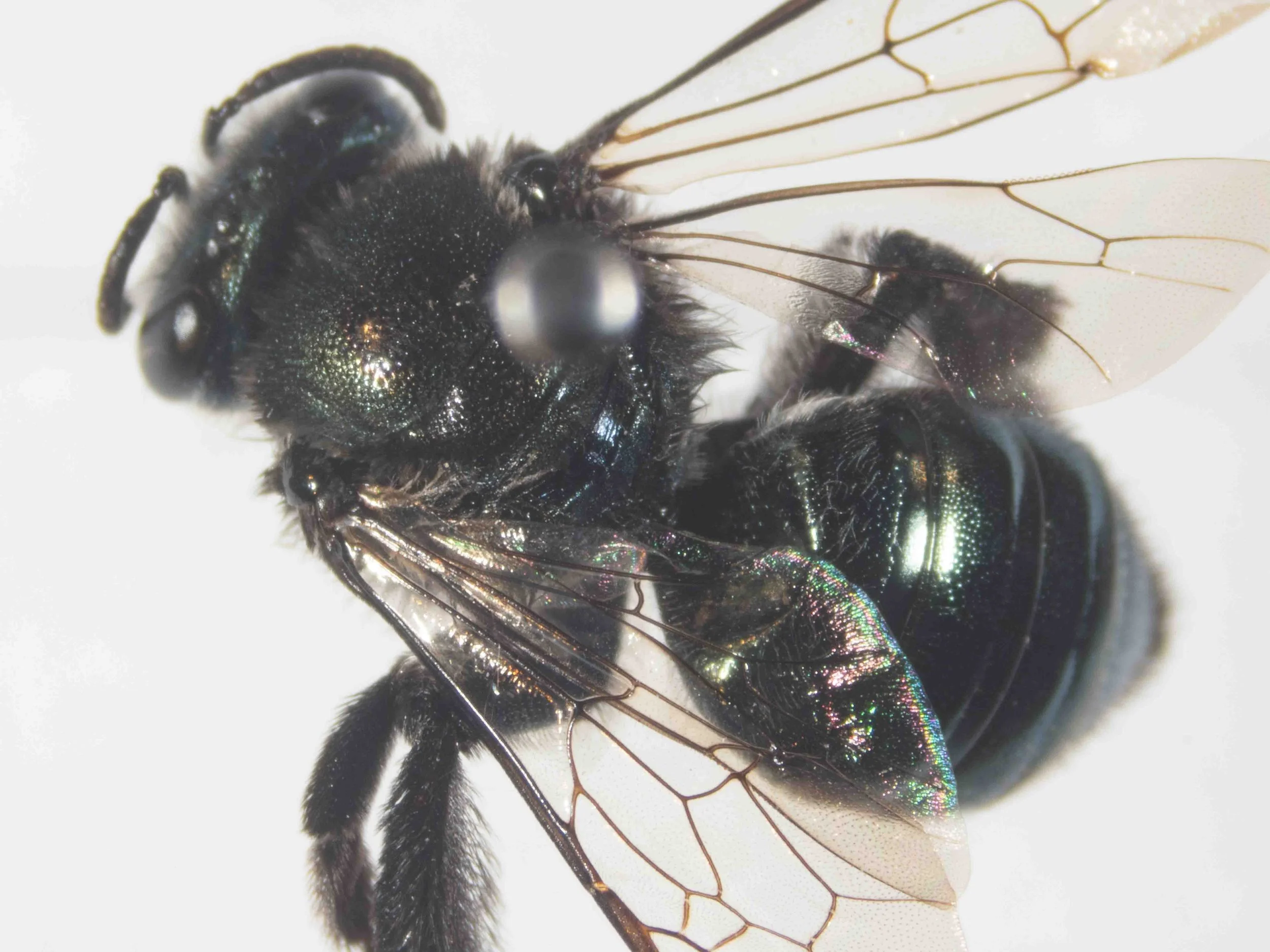
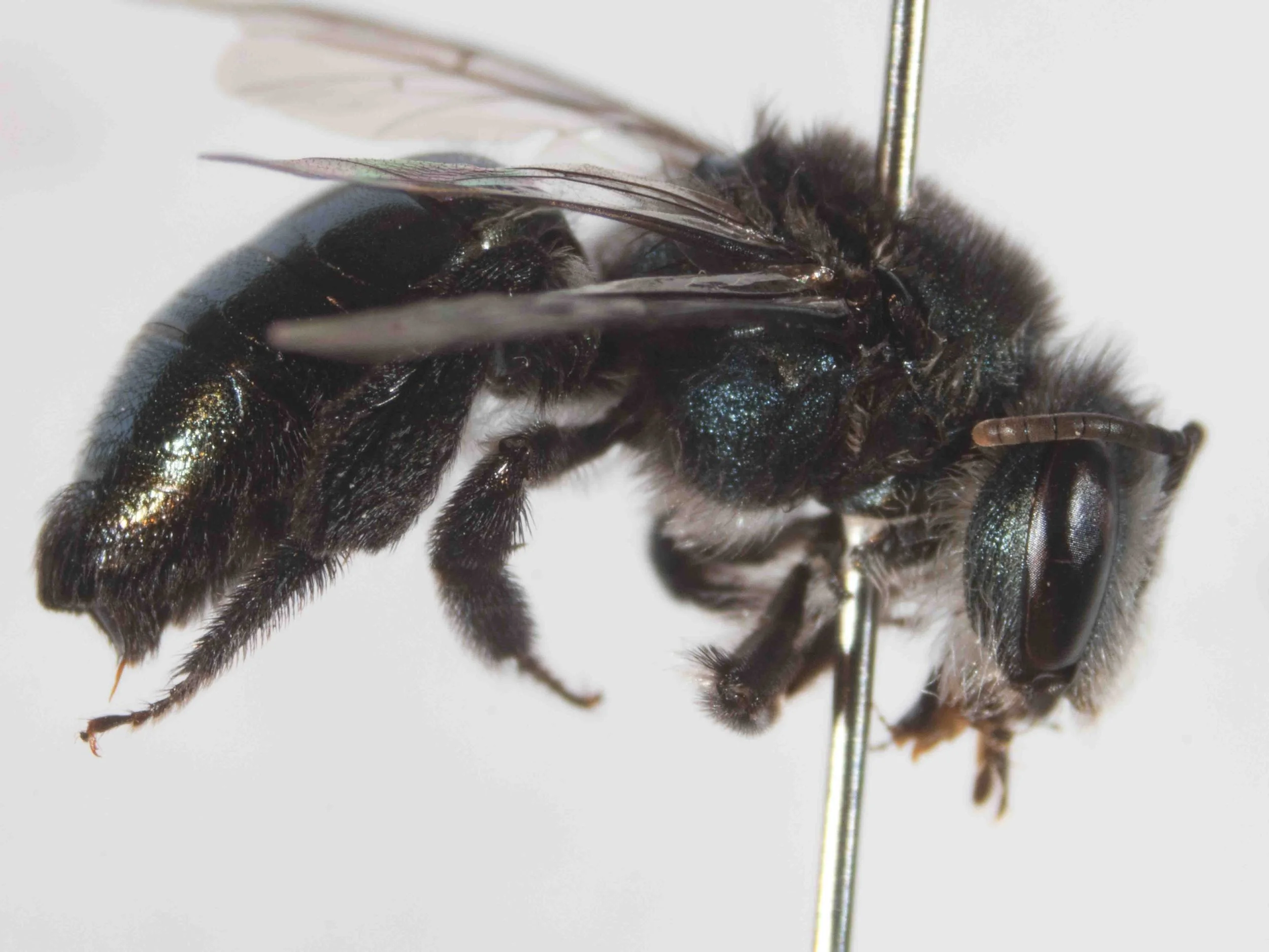
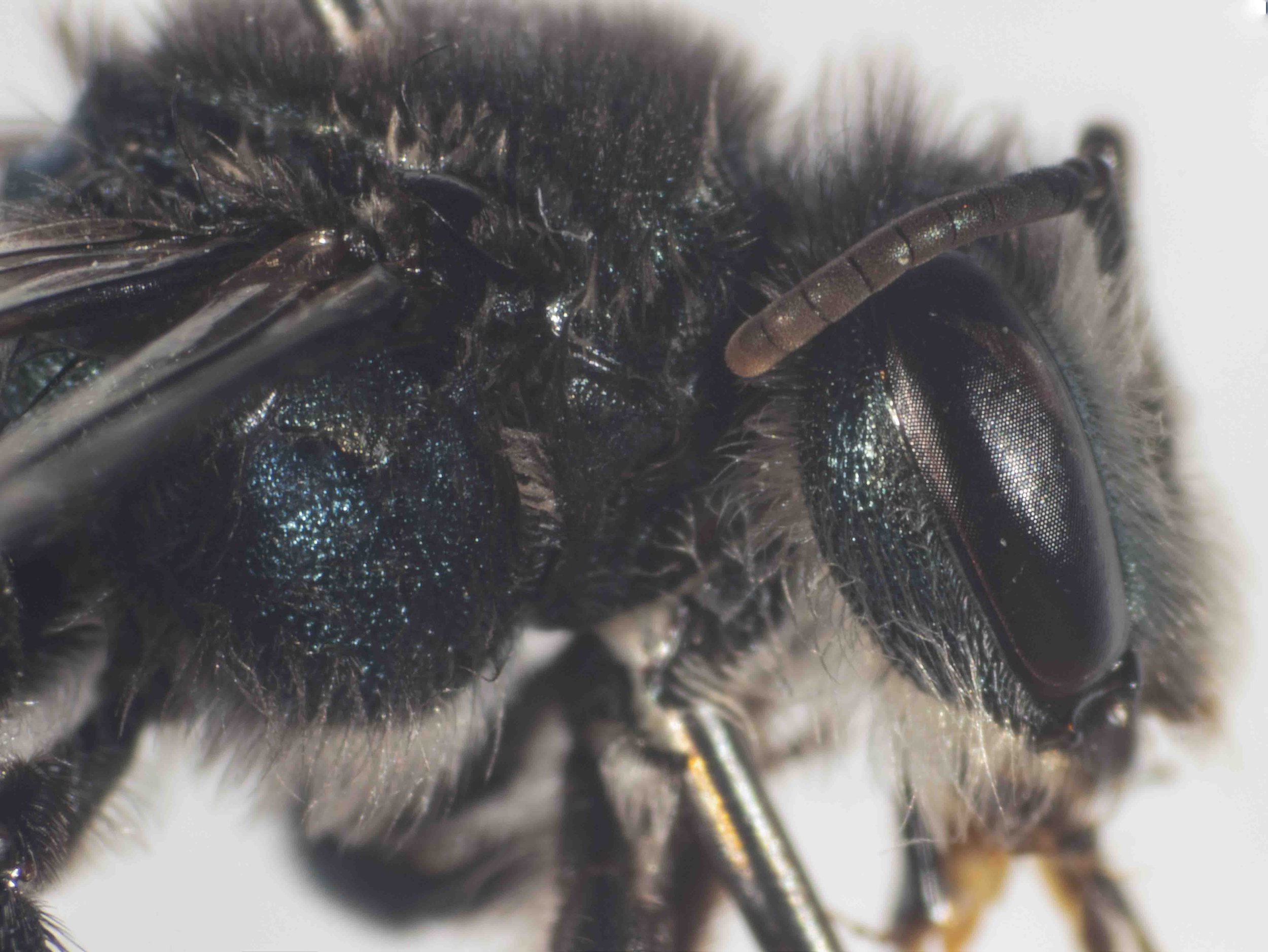
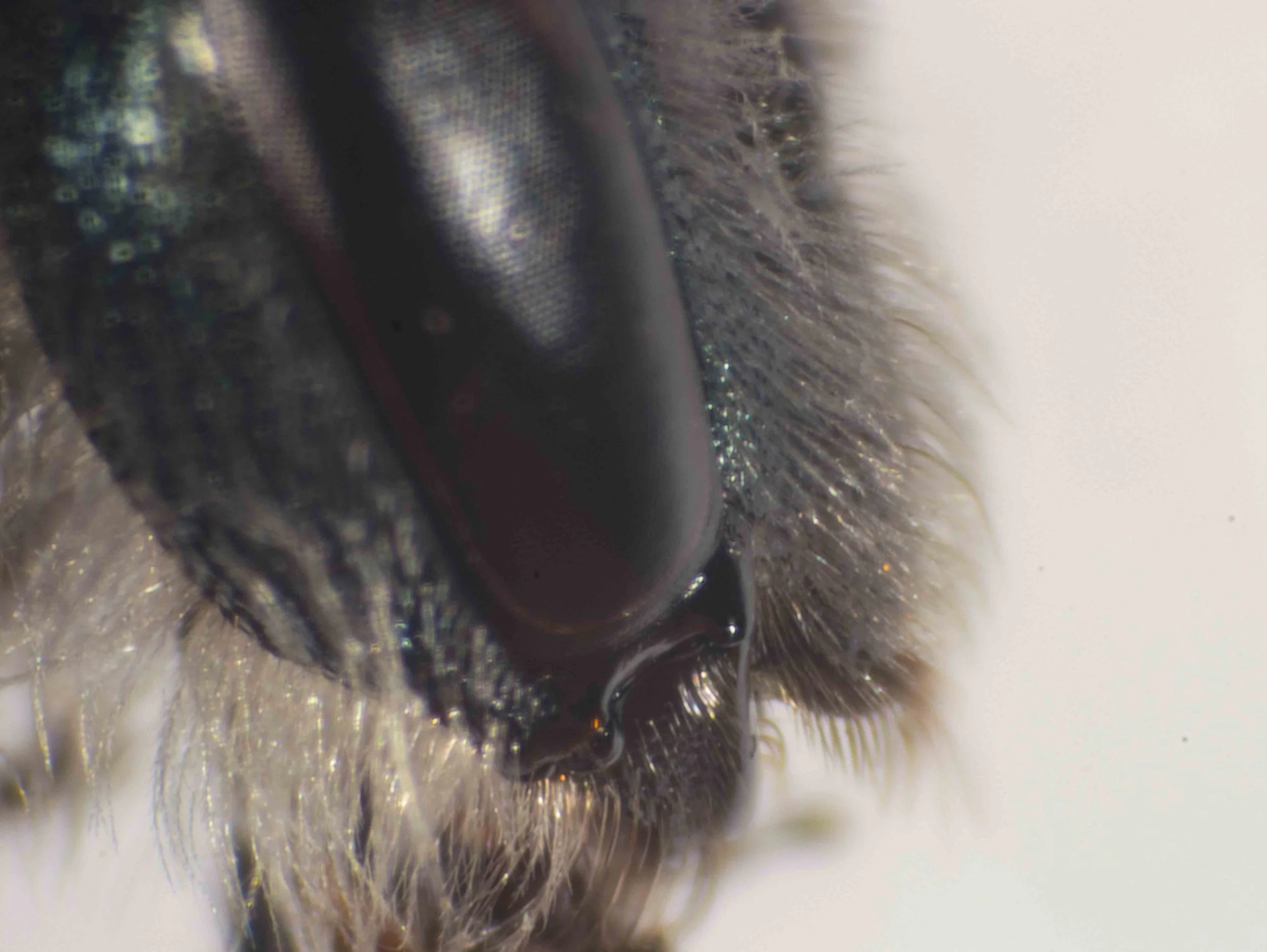
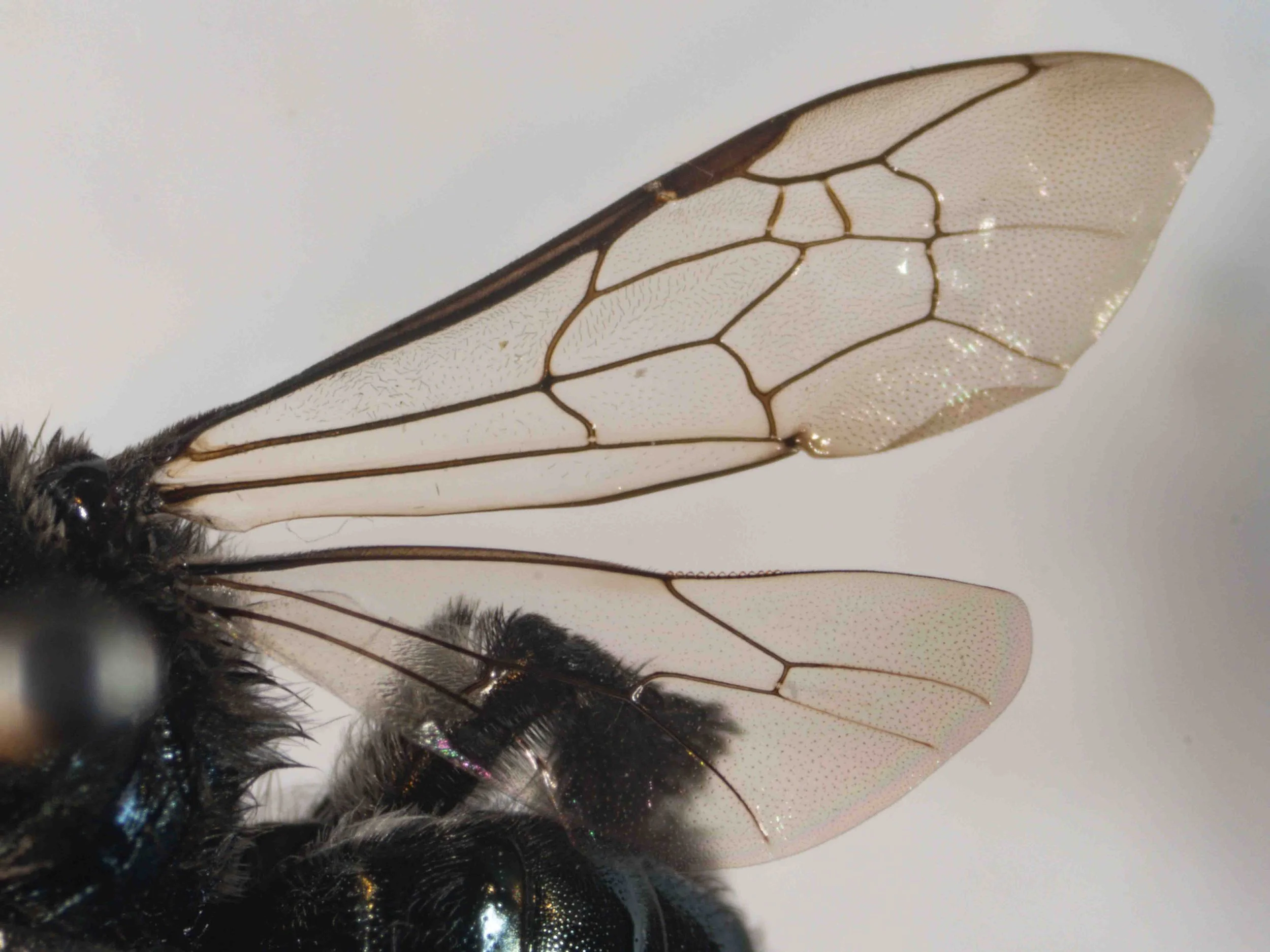
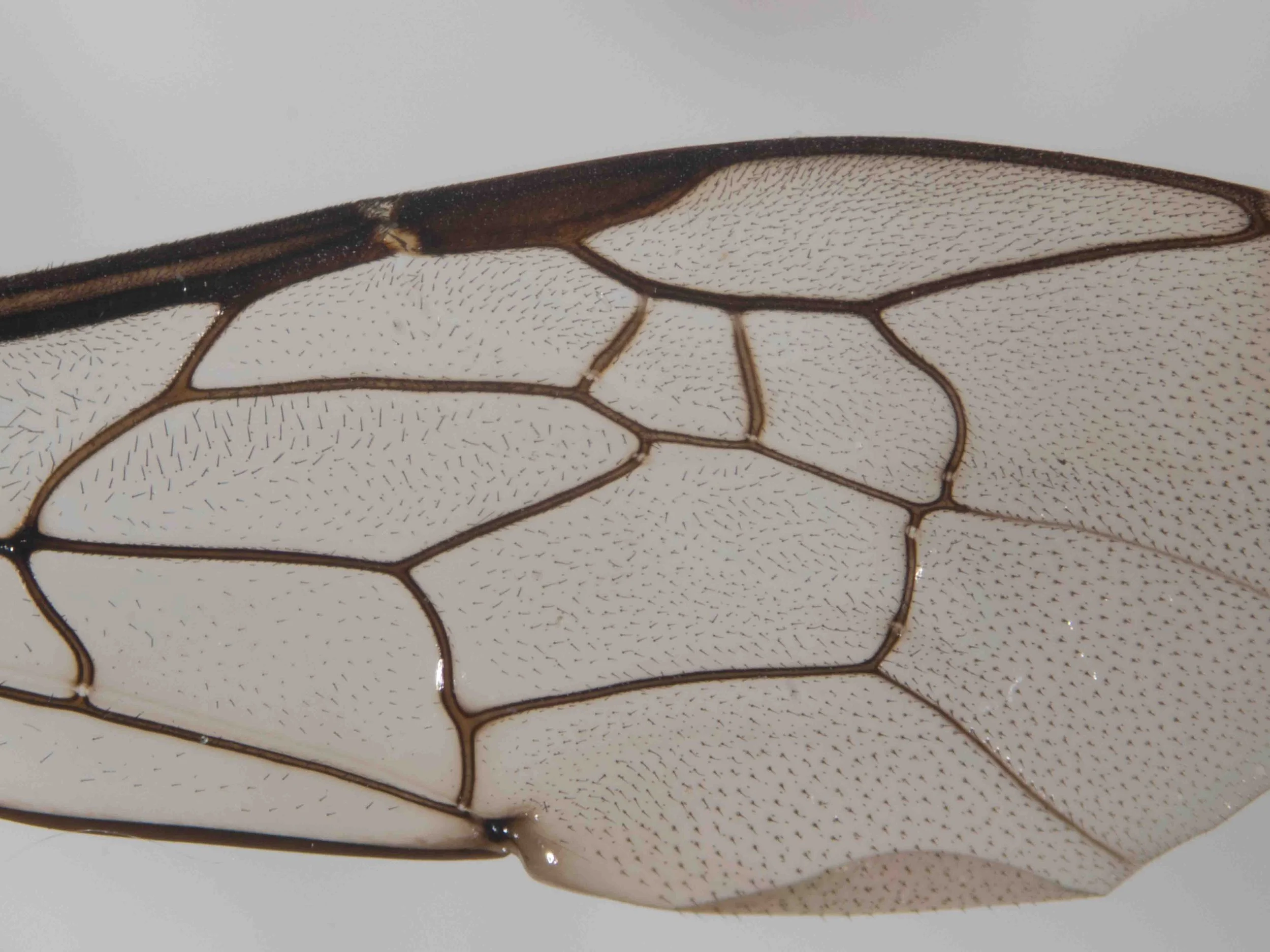
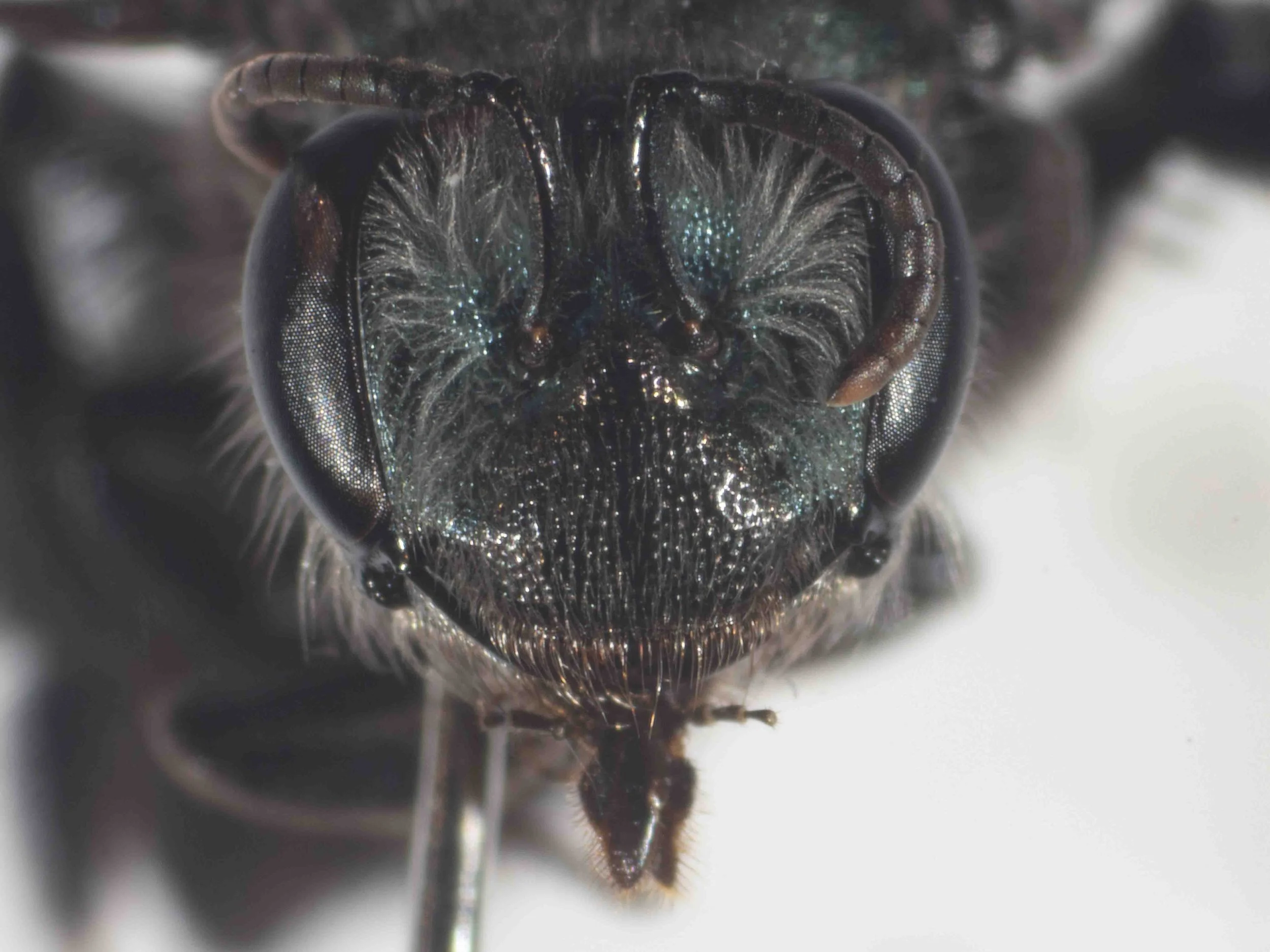
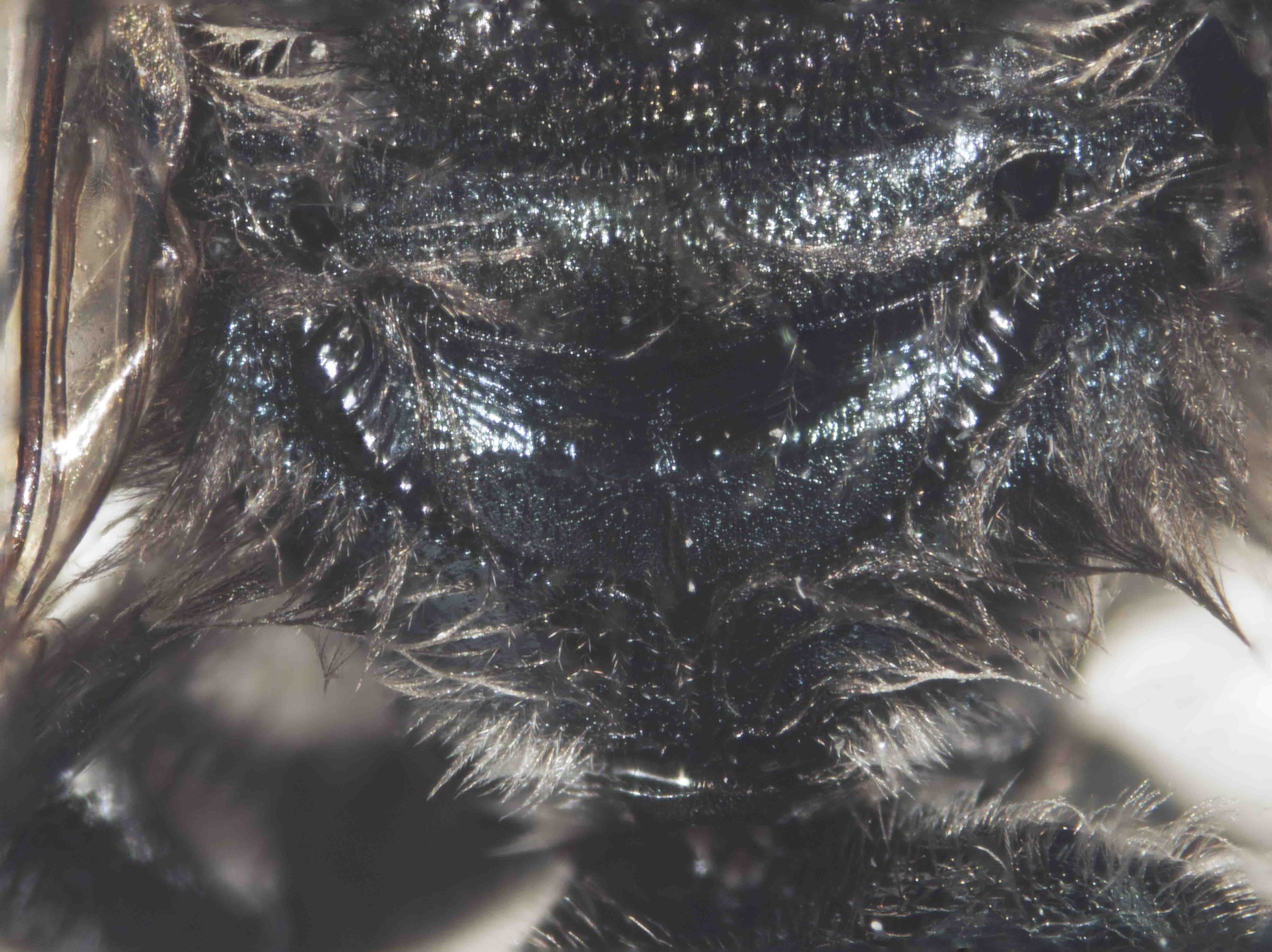
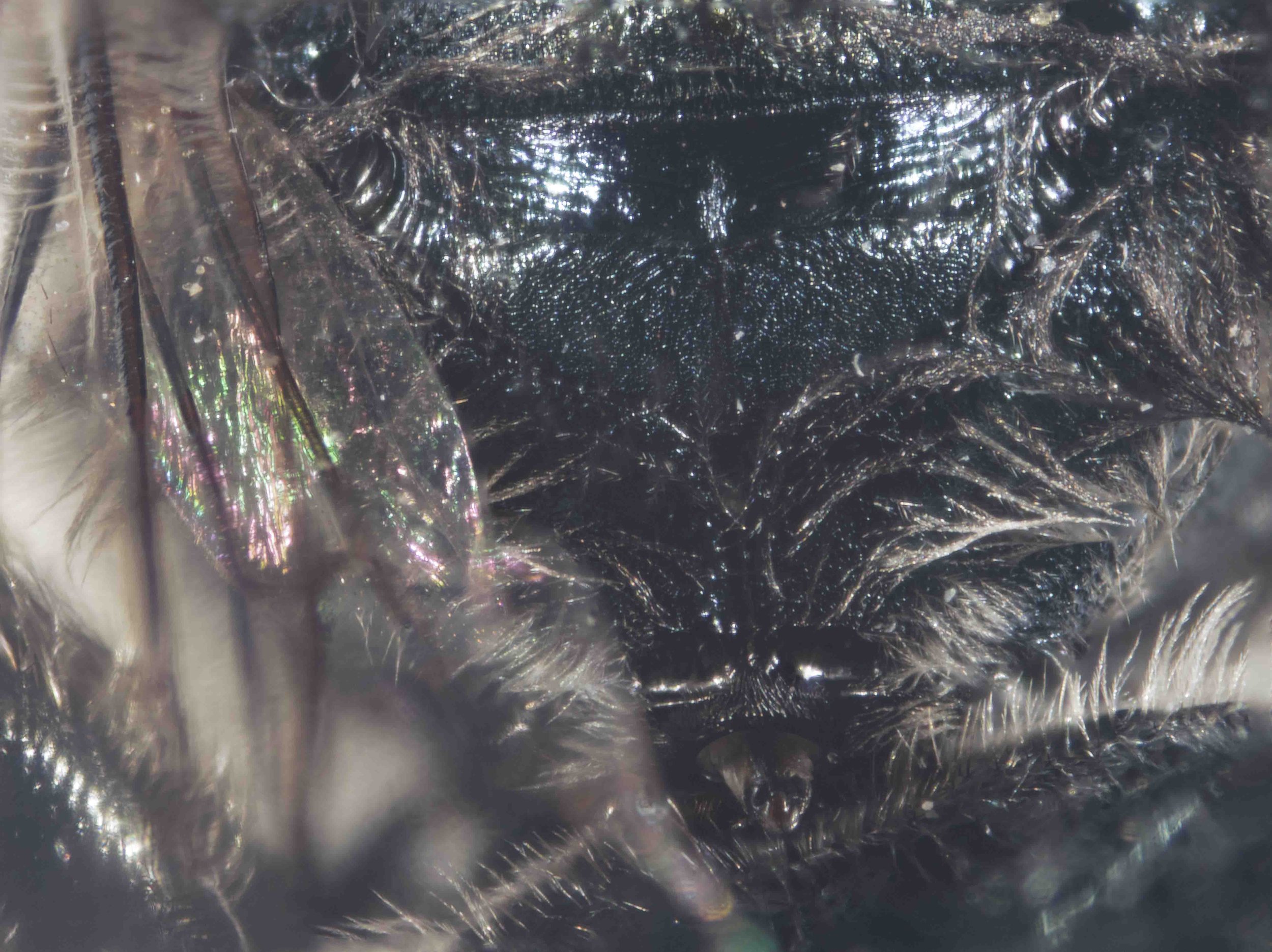
Specimen #023 – Callomelitta antipodes
(COLLETIDAE: Callomelittinae)
Identification based on description and images Houston (pp. 99-100, 2018).
https://inaturalist.ala.org.au/observations/347402402
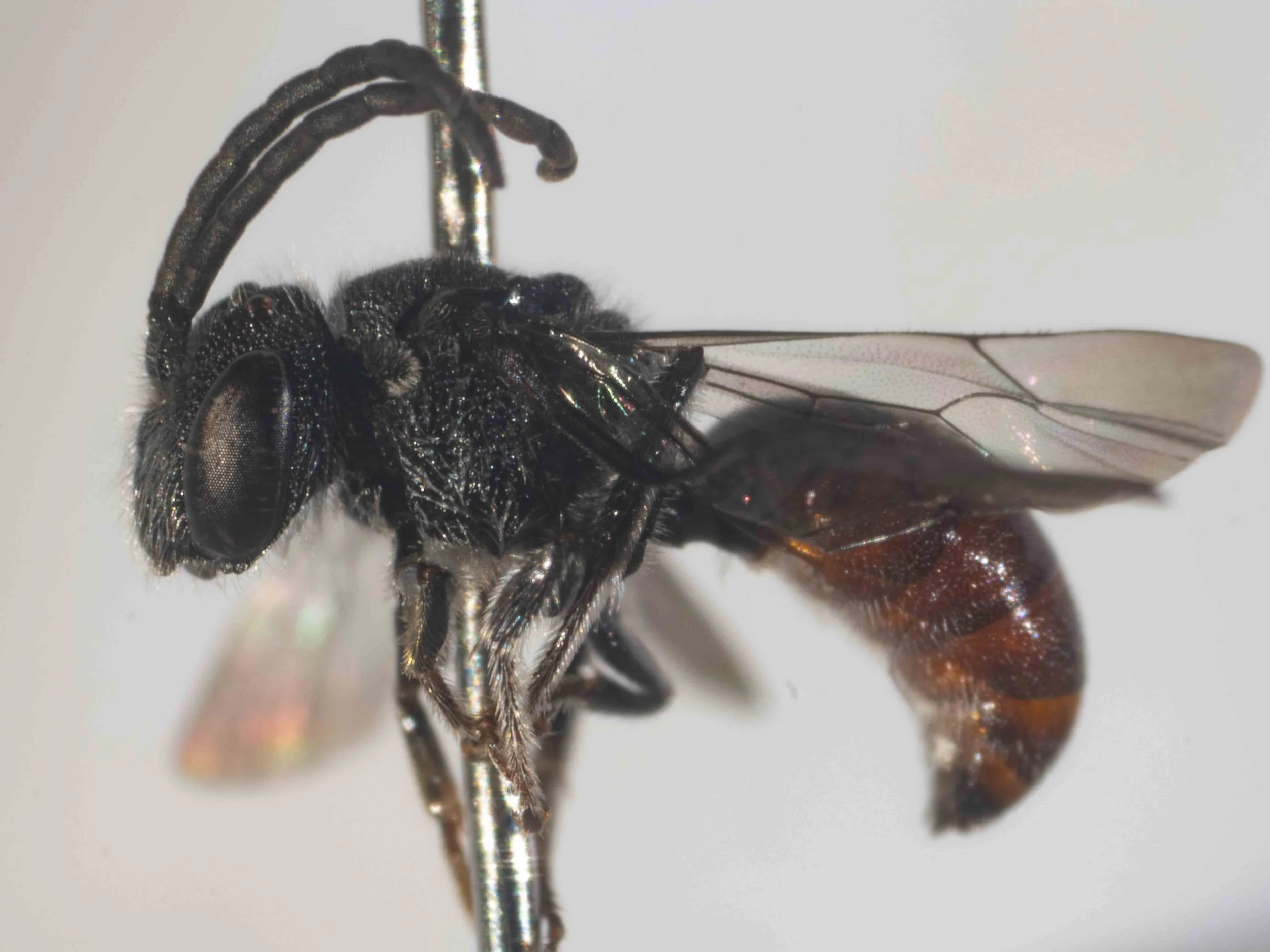
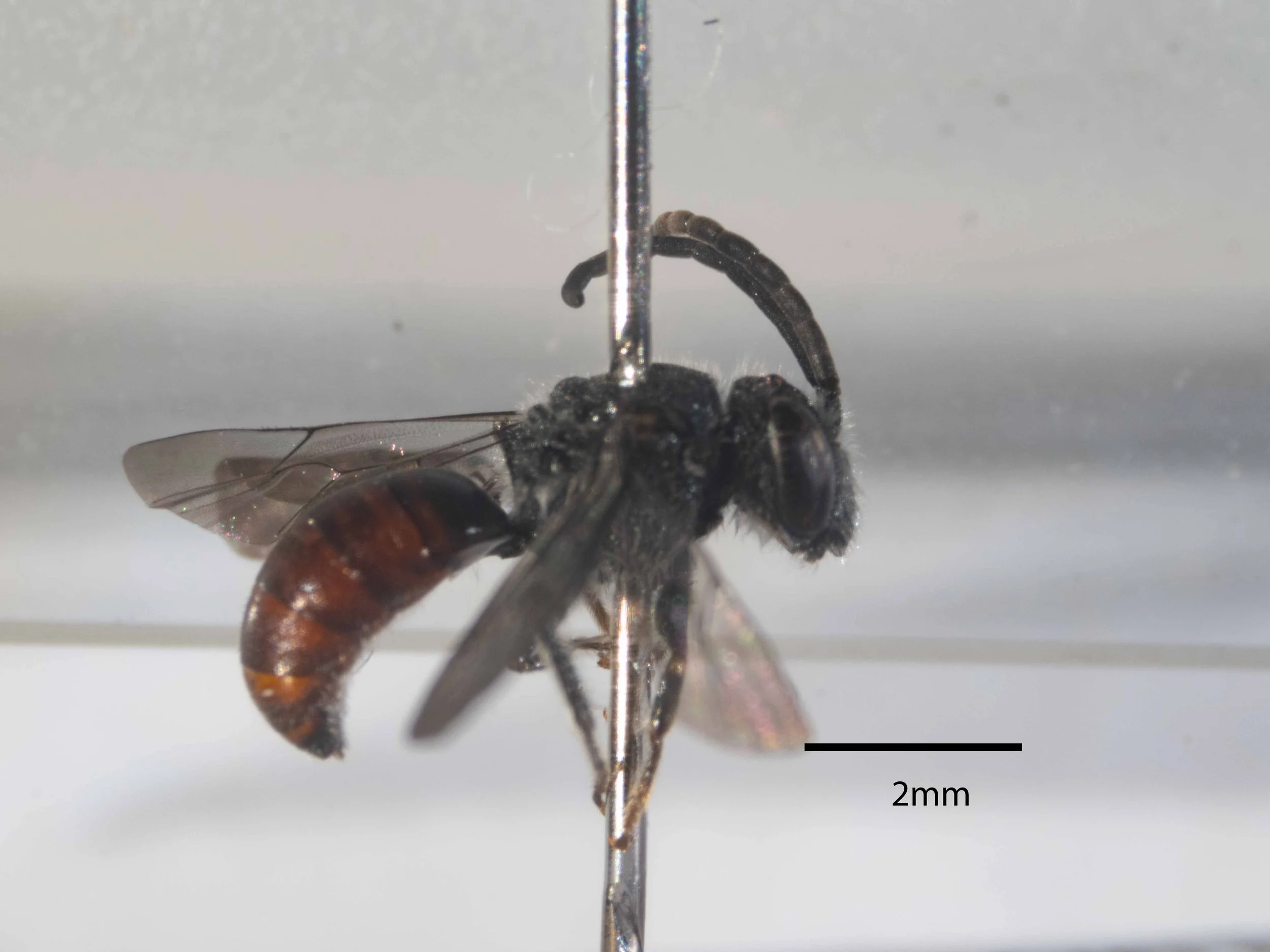
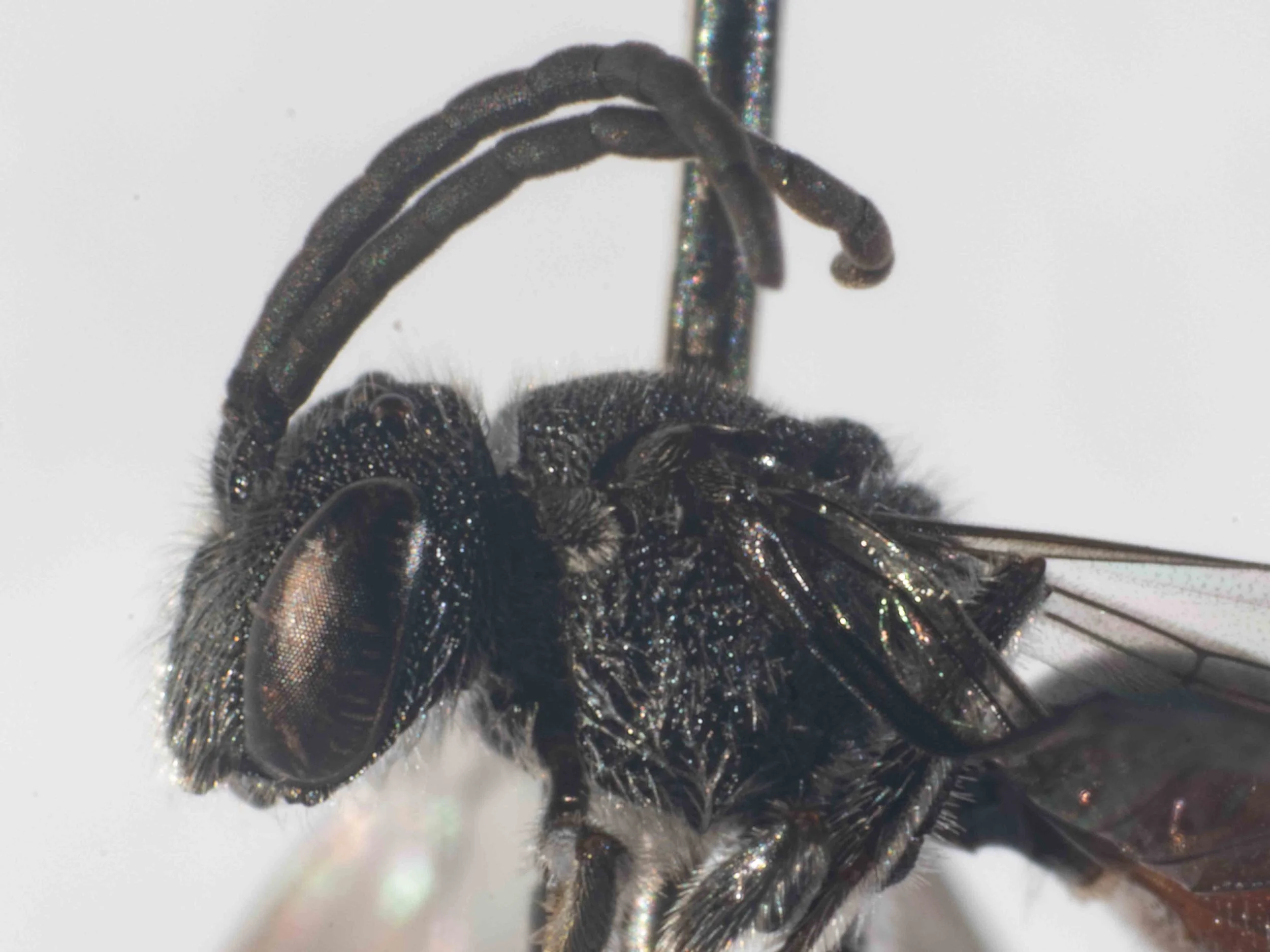
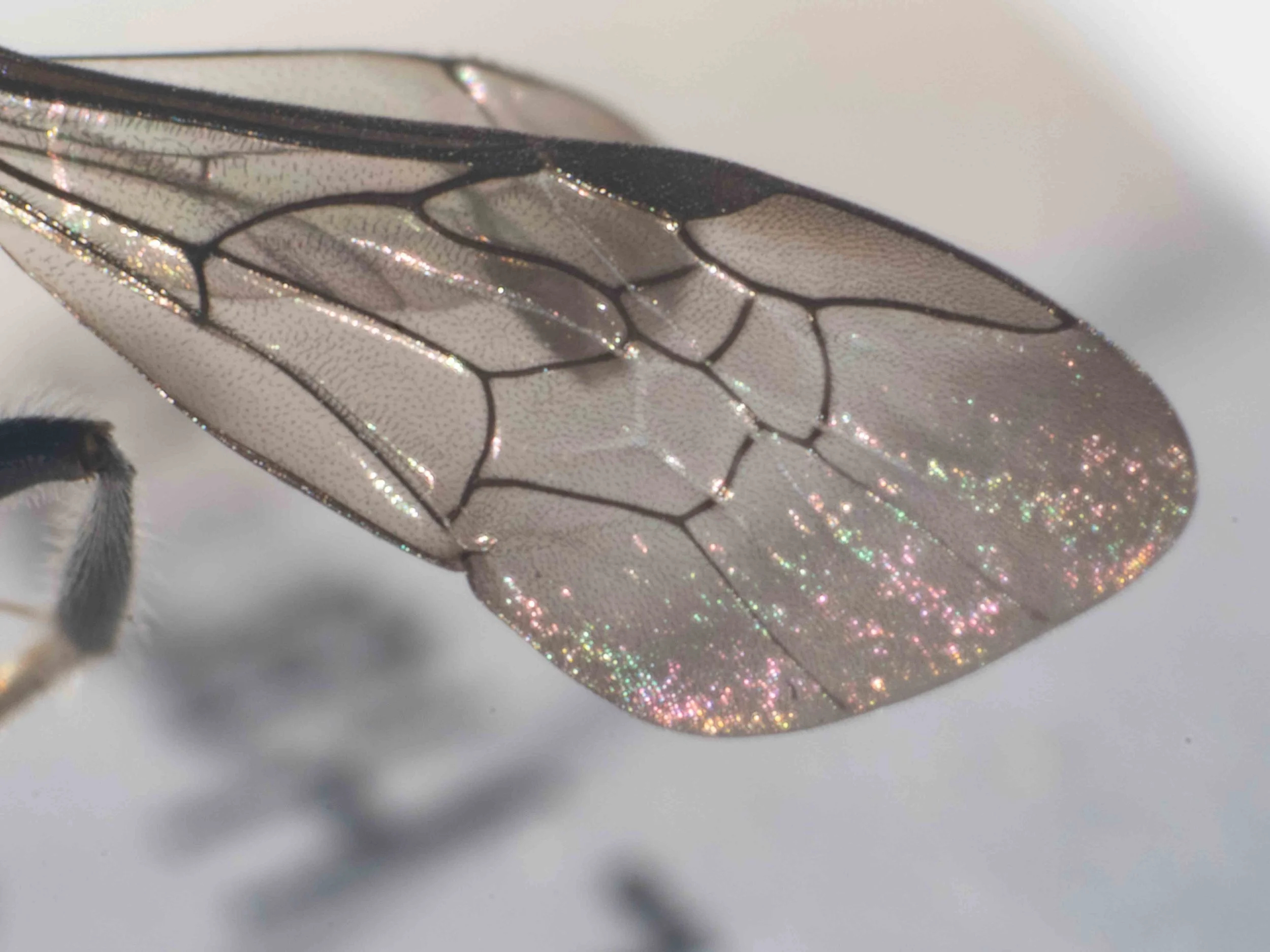
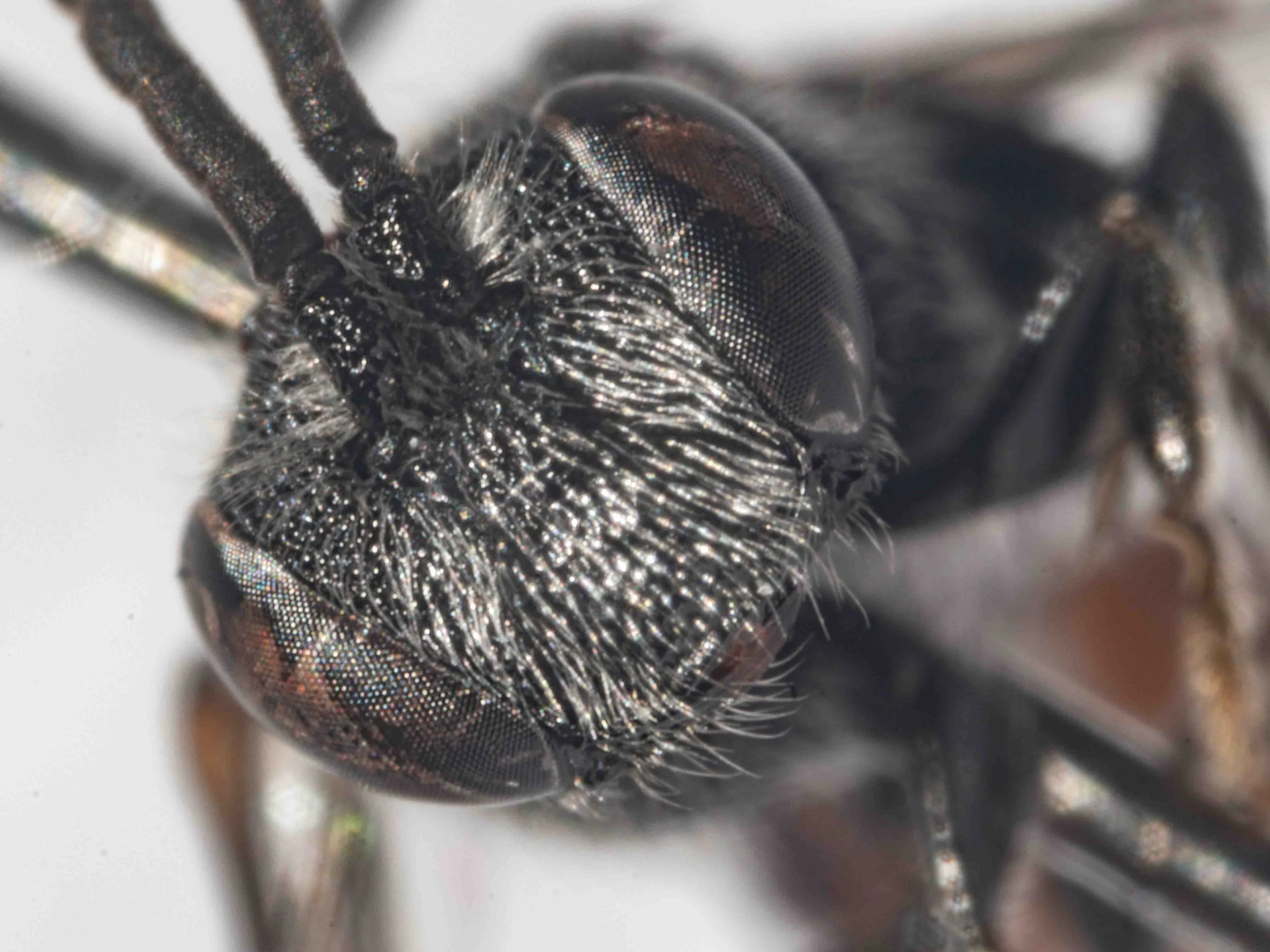
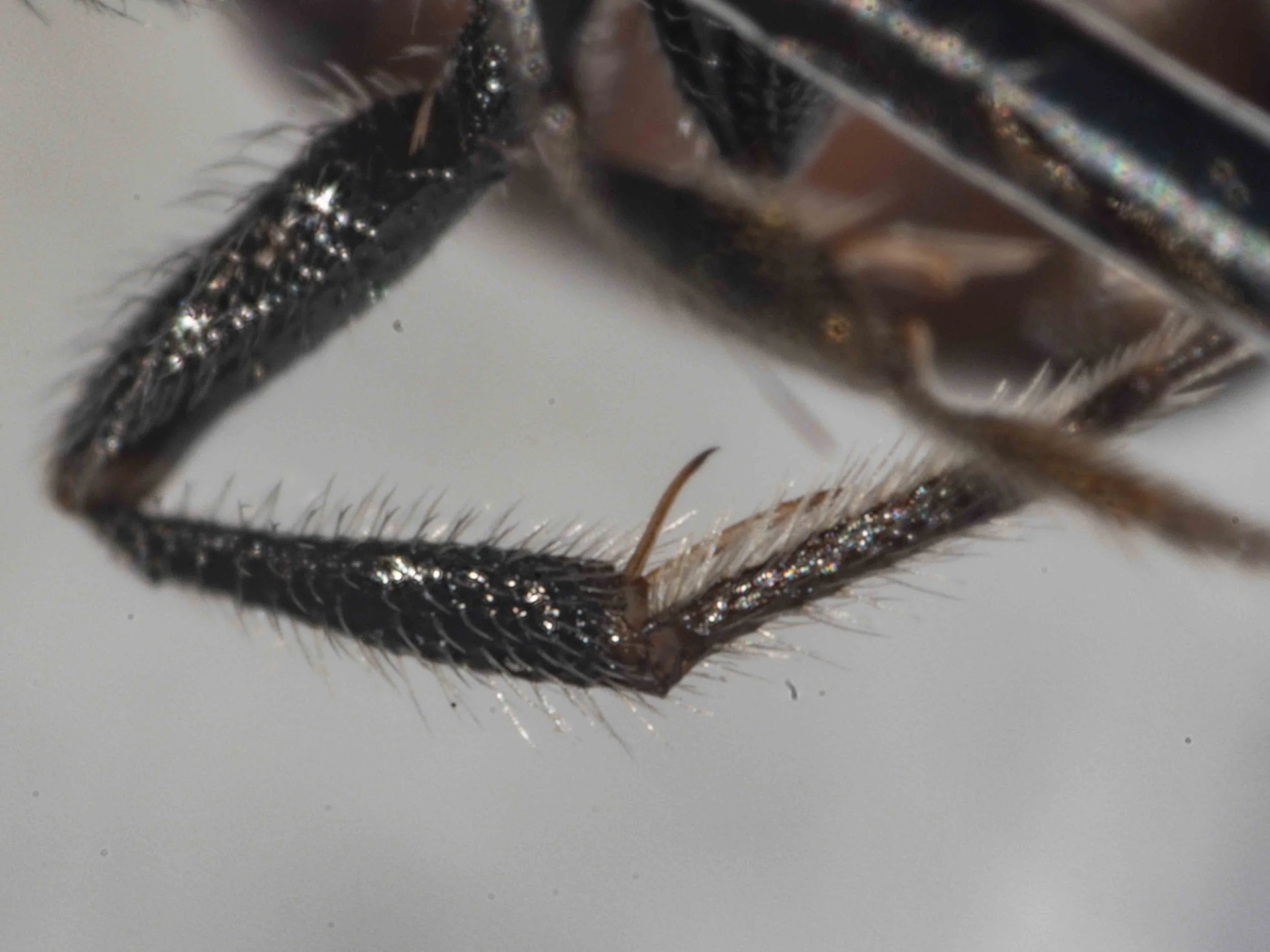
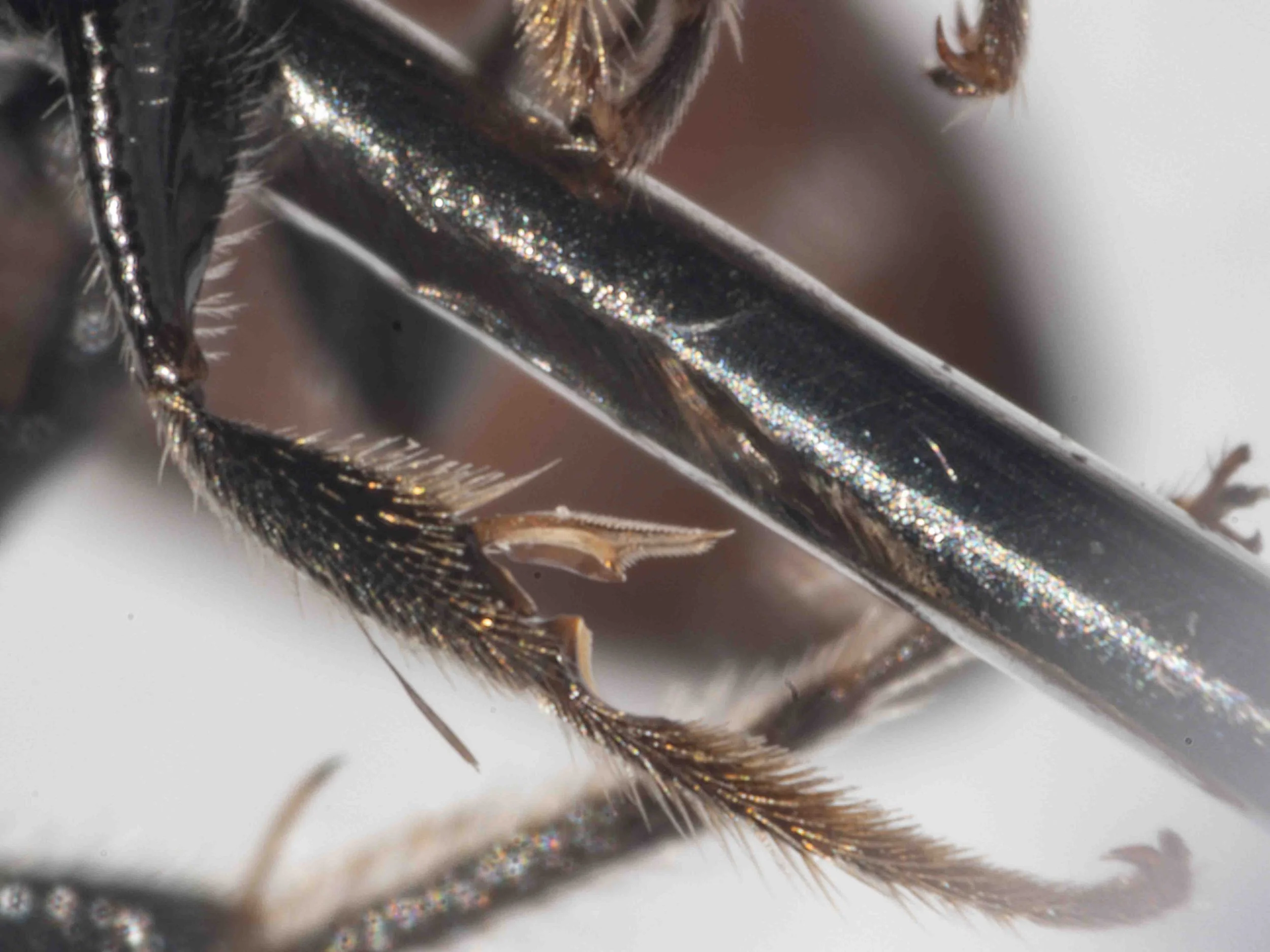
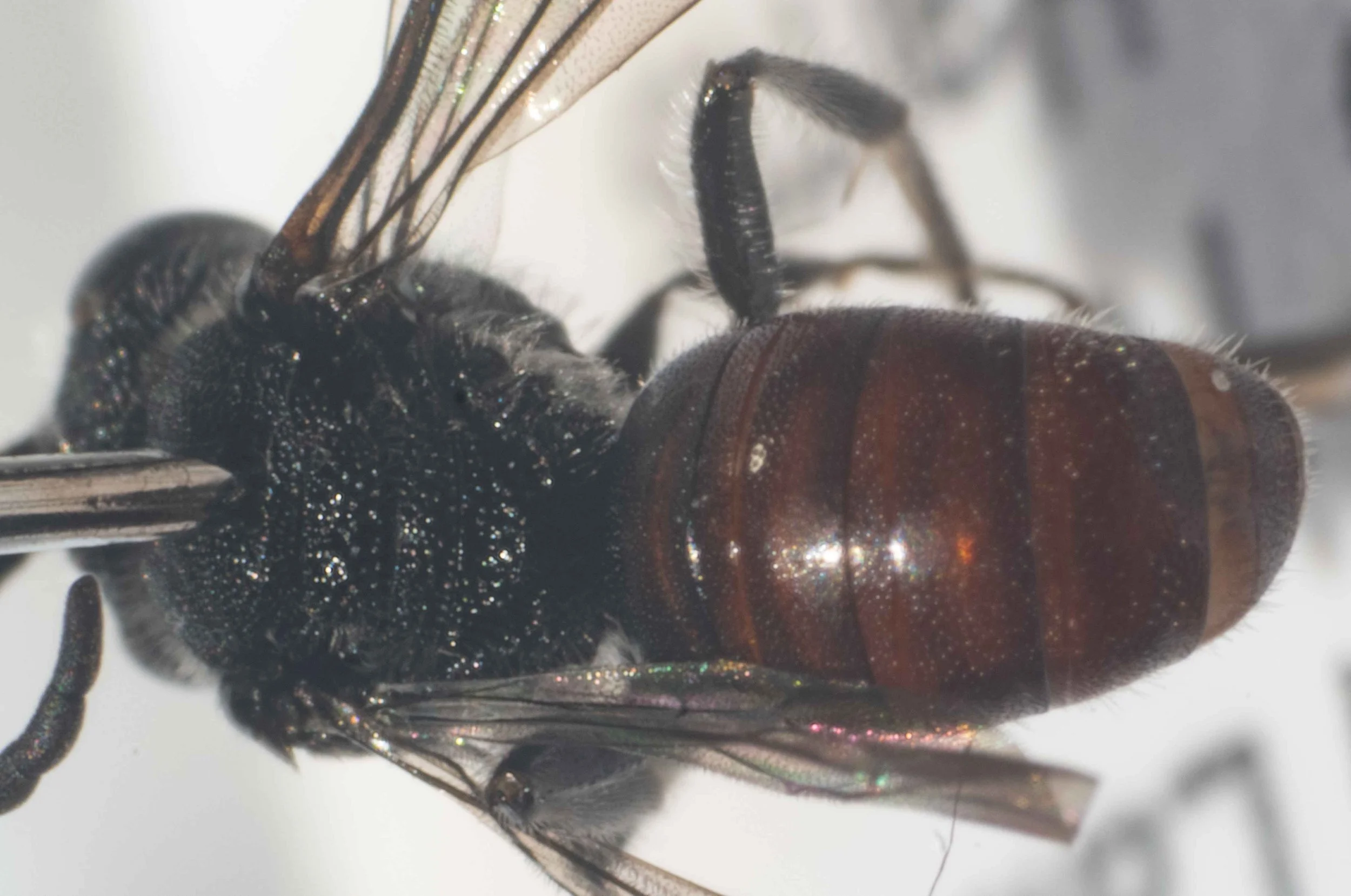
Specimen #017 – Callohesma (flavopicta ?)
(COLLETIDAE: Euryglossinae)
While it seems a good match for Callohesma flavopicta, based on description in Exley 1974, I have left it at genus for now. Exley noted that the taxon may be differentiated into several species in the future, and indeed the specimens on BOLD fall out into four distinct BINs.
https://inaturalist.ala.org.au/observations/347676840
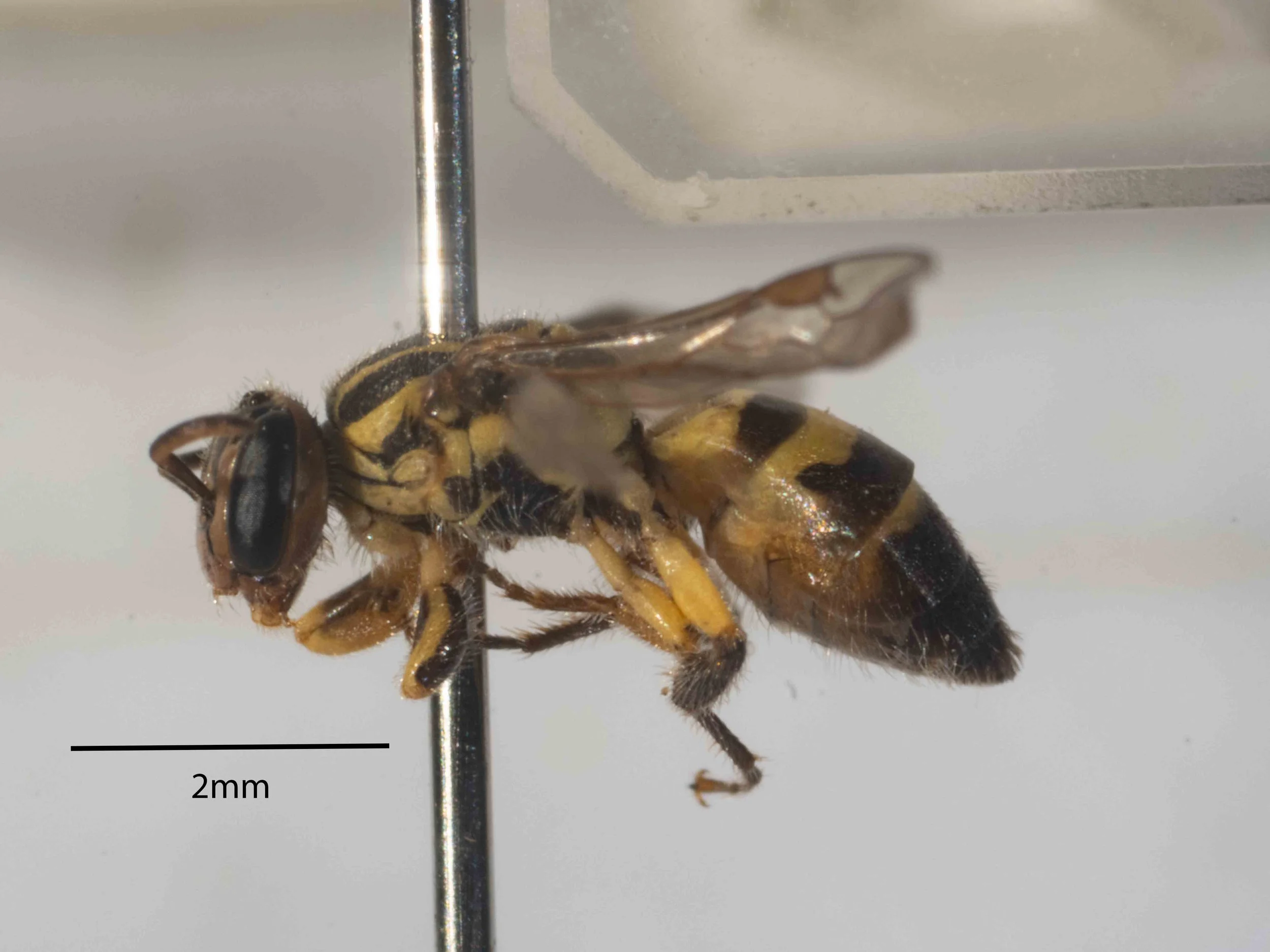
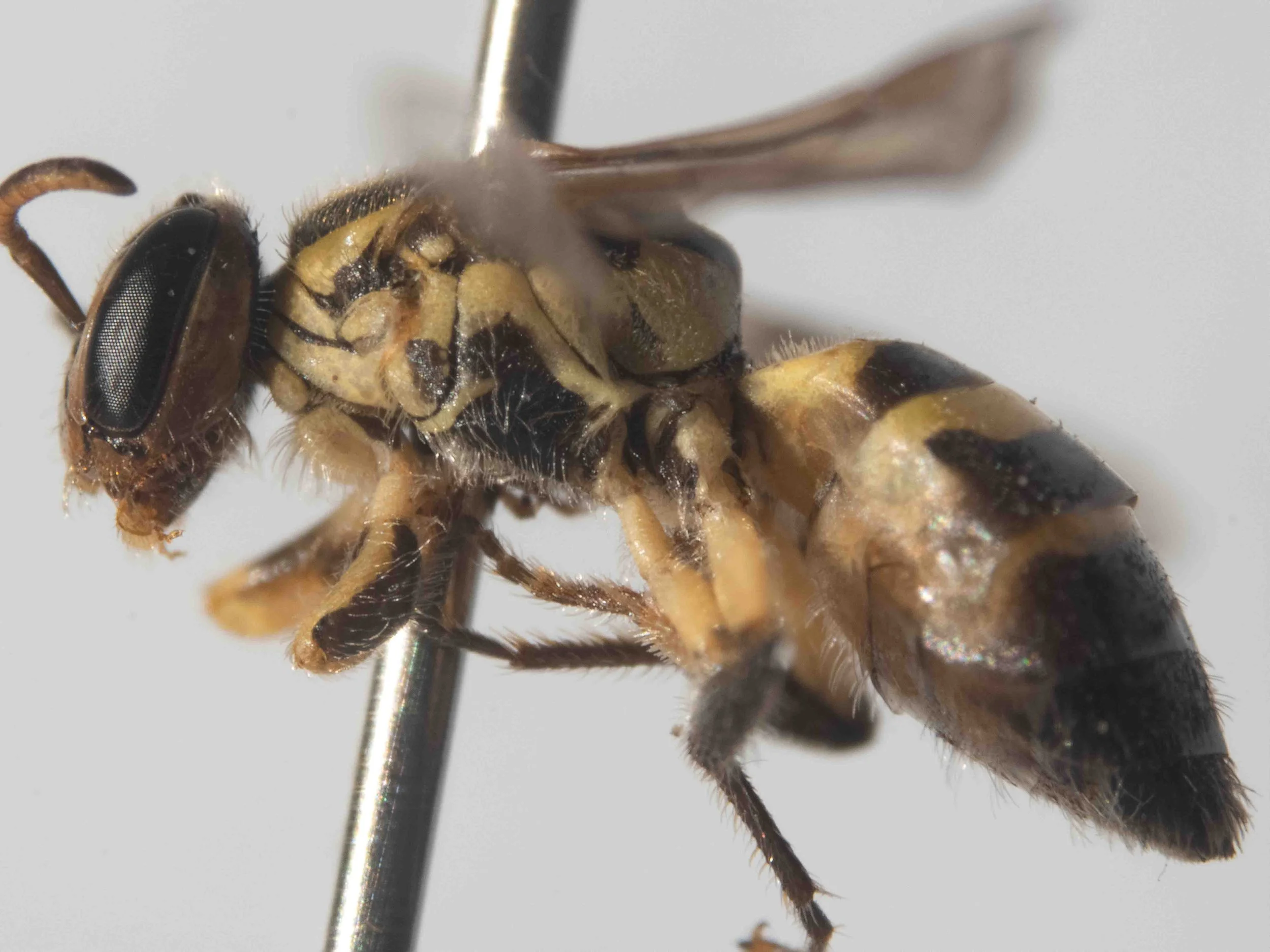
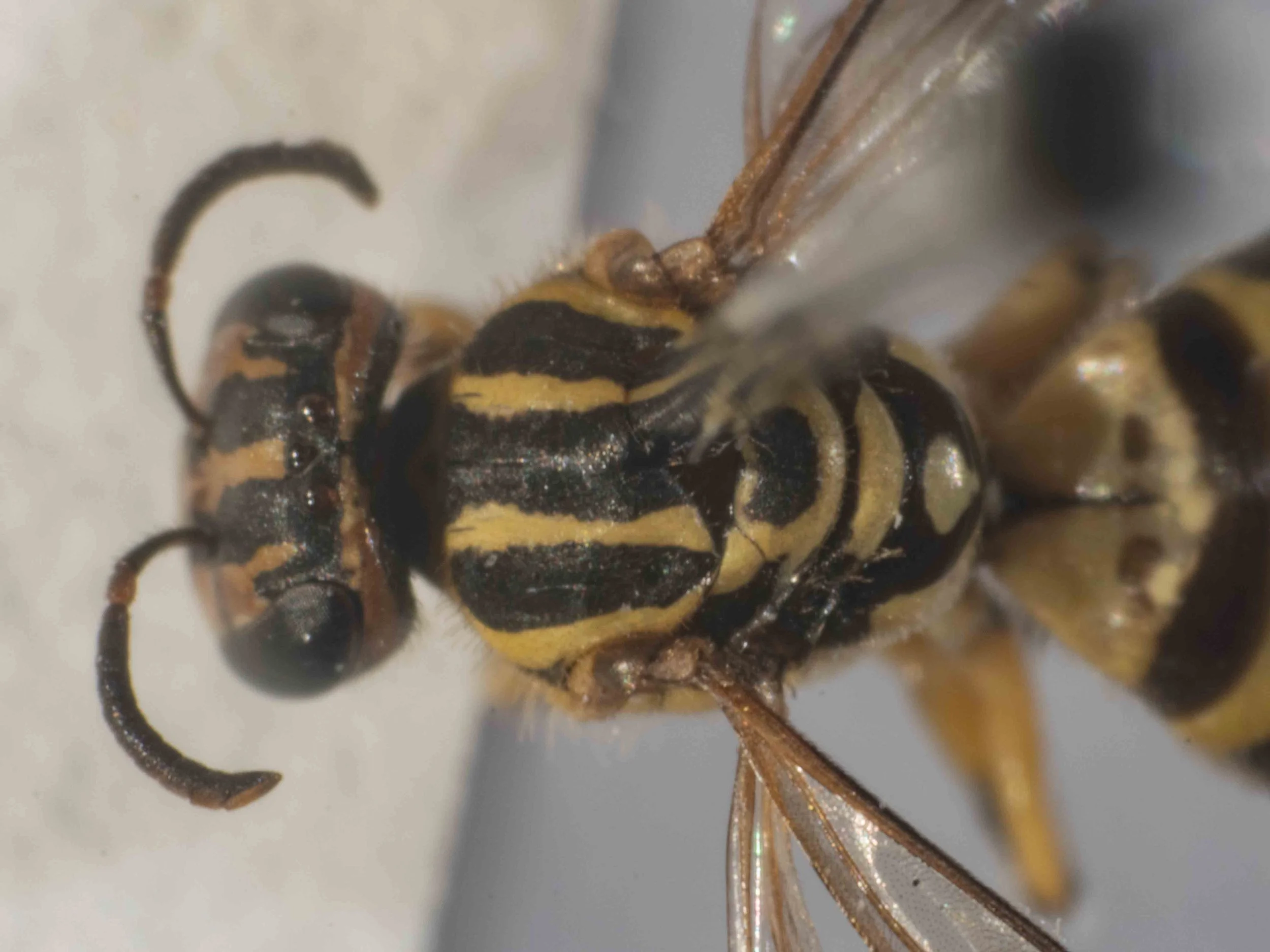
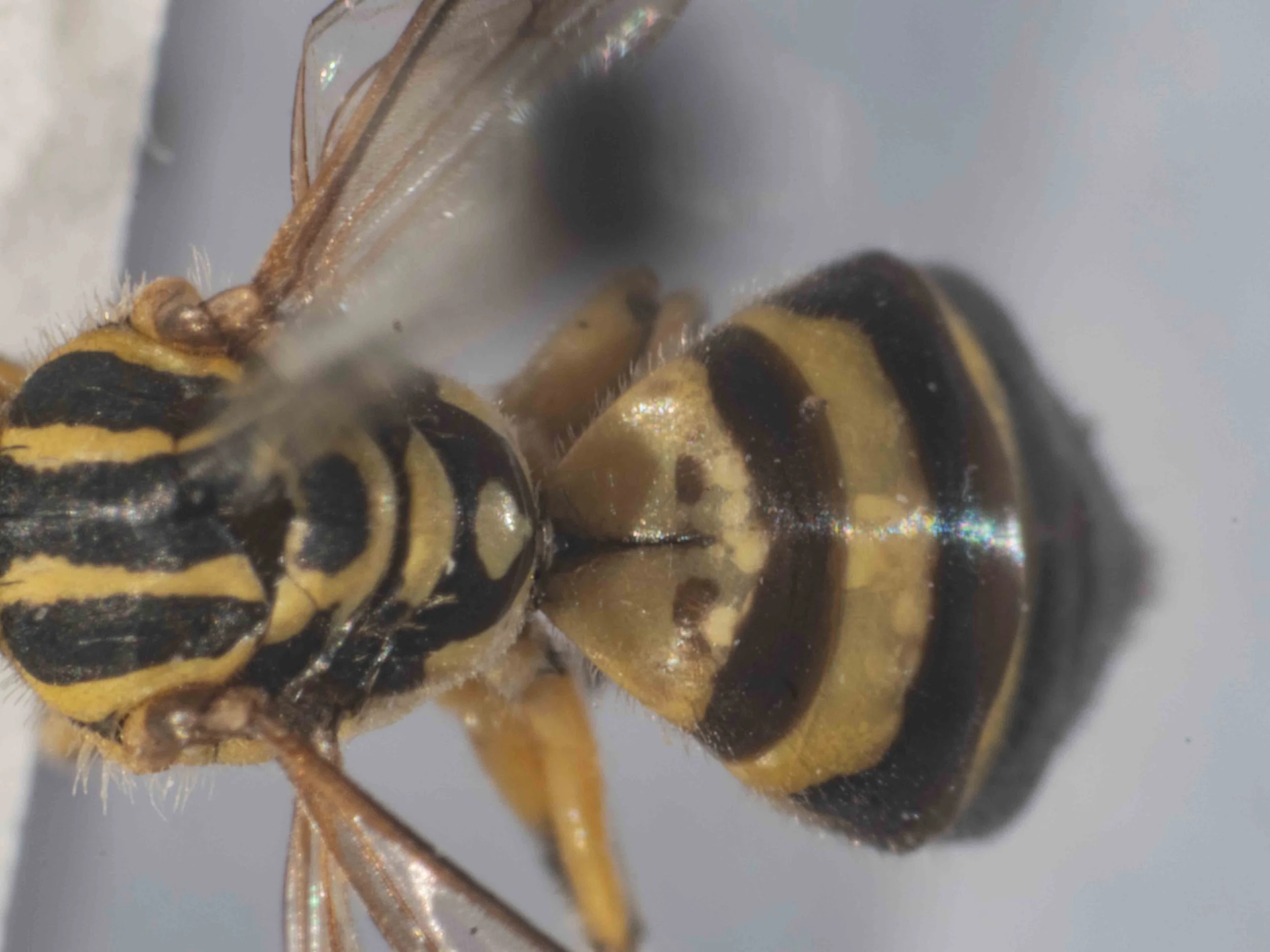
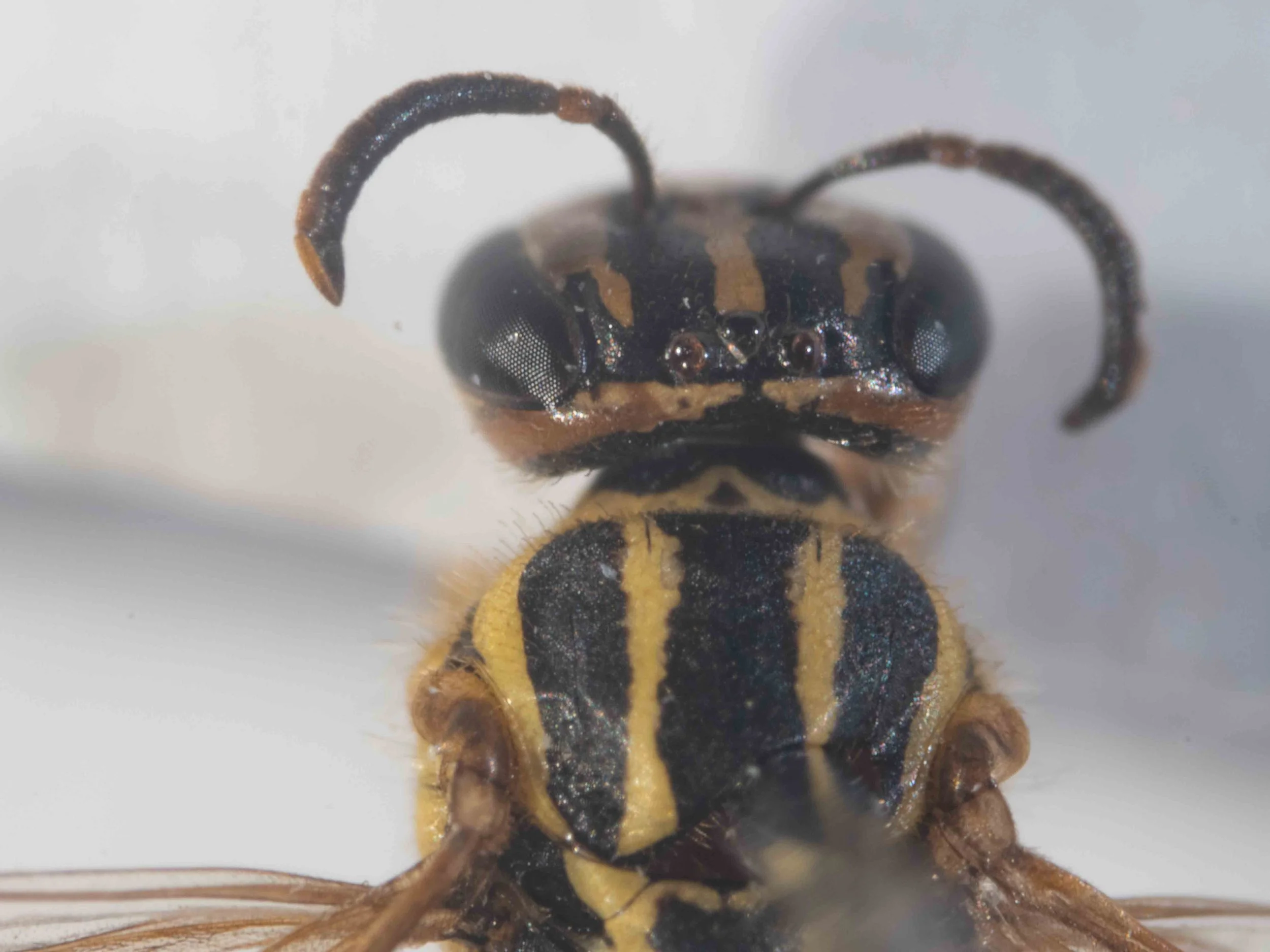
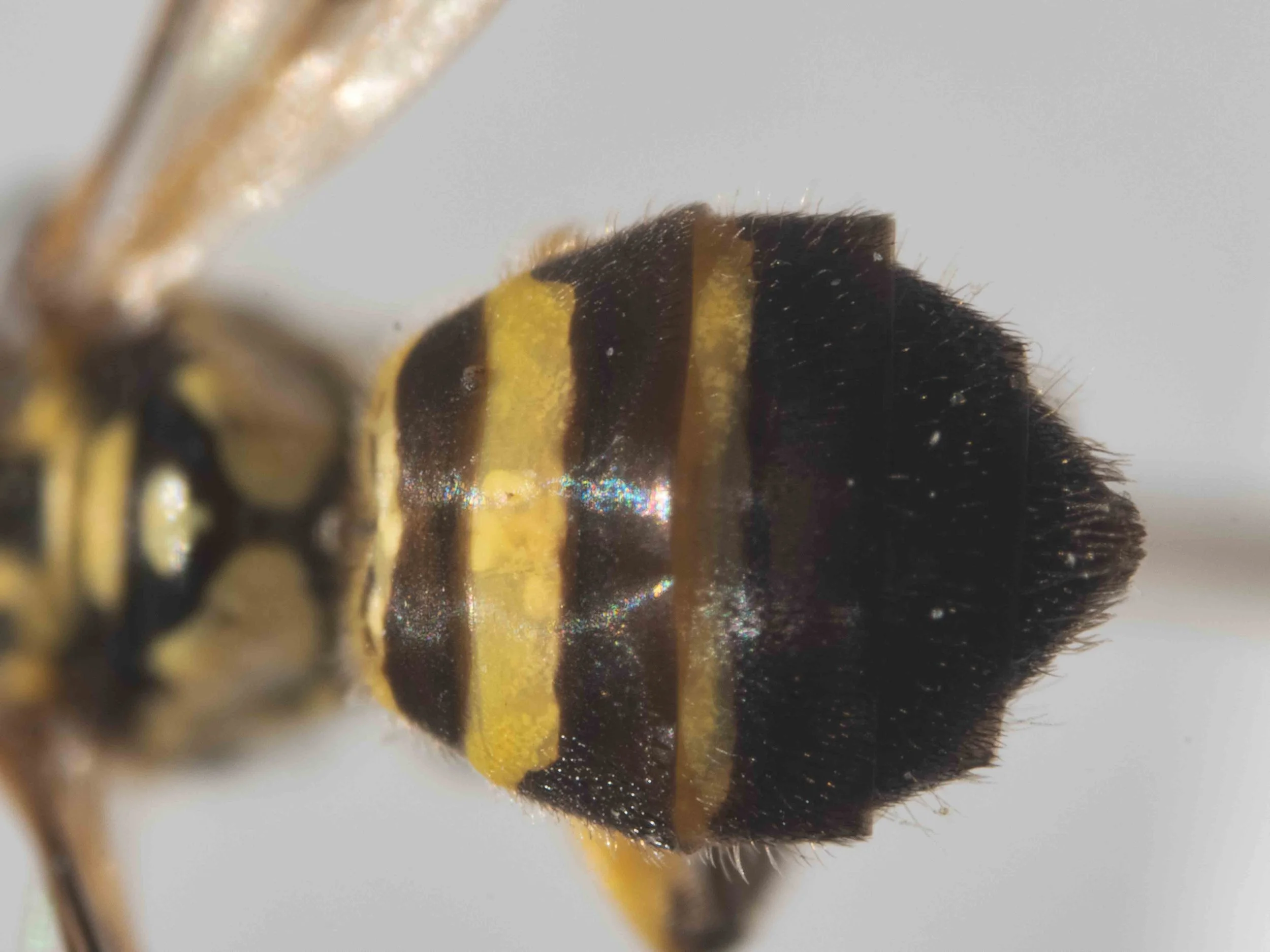
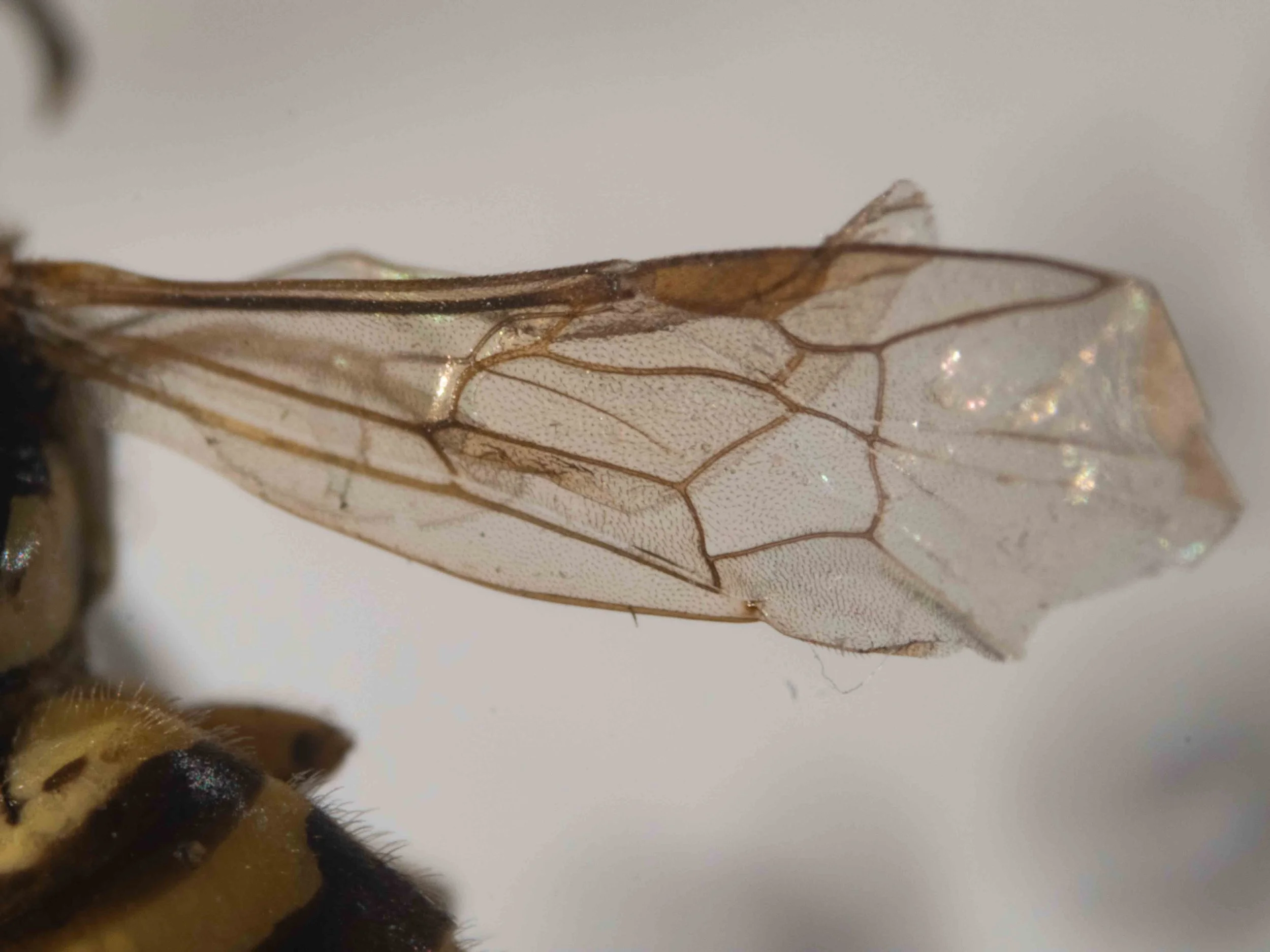
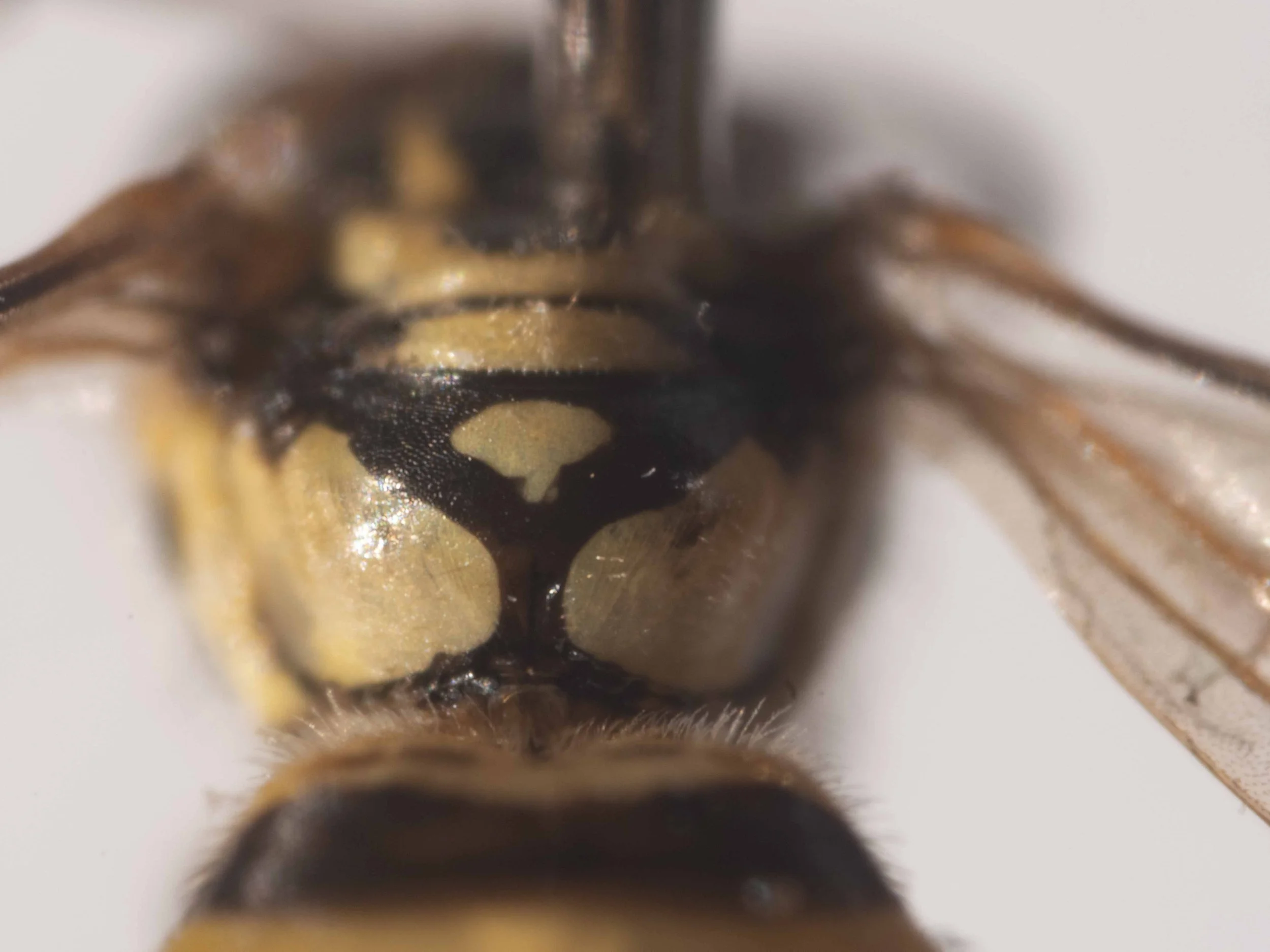
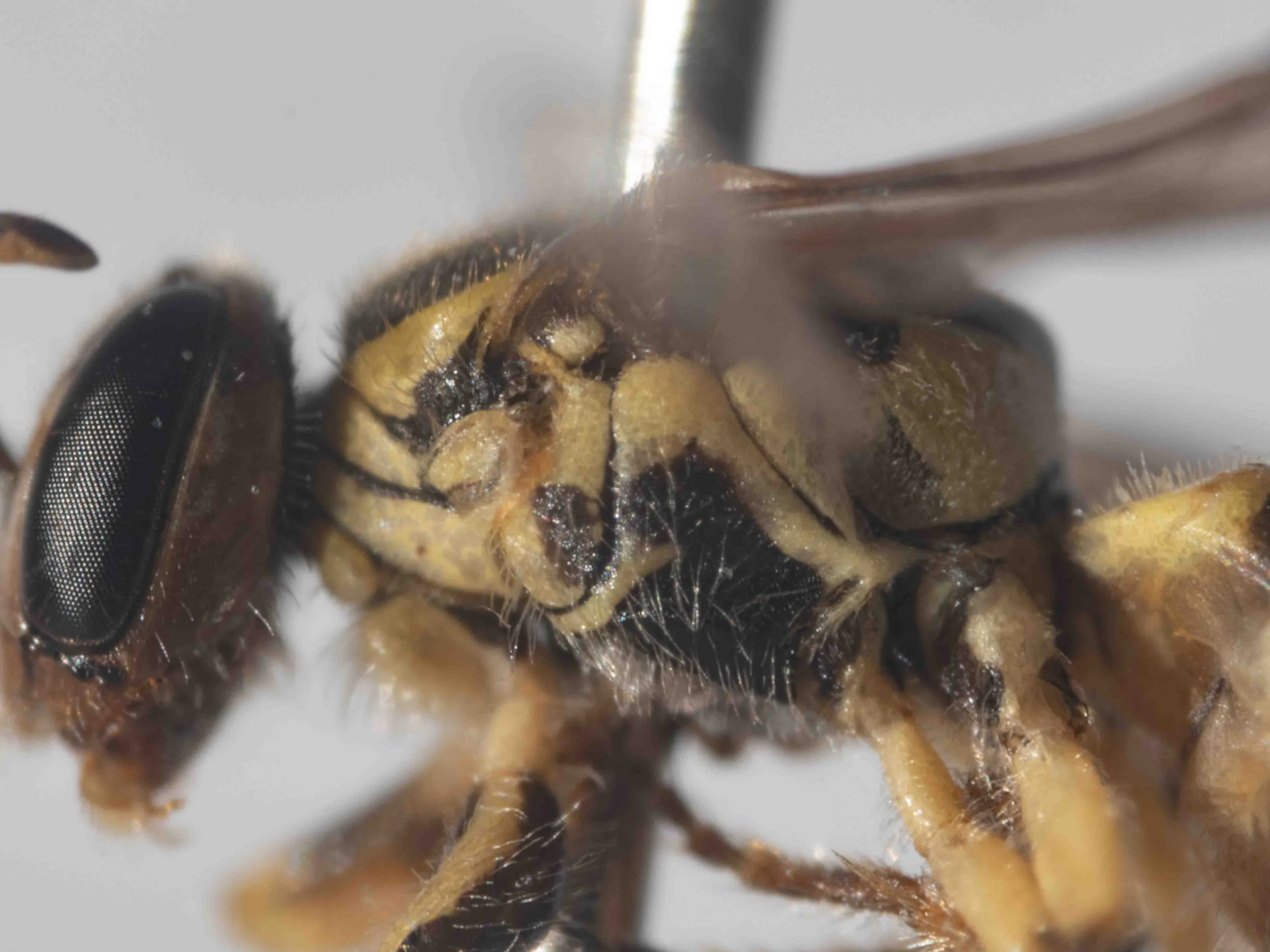
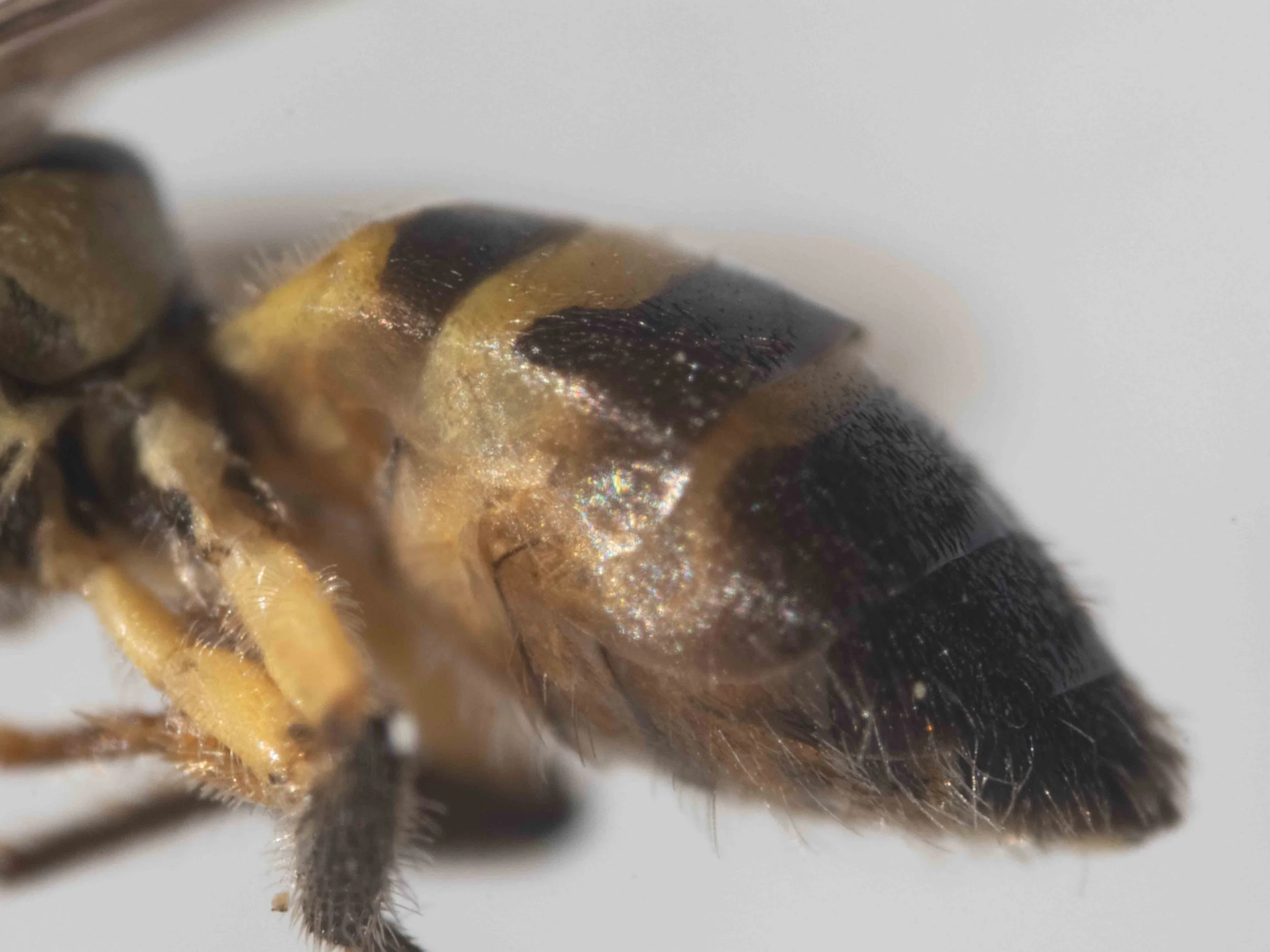
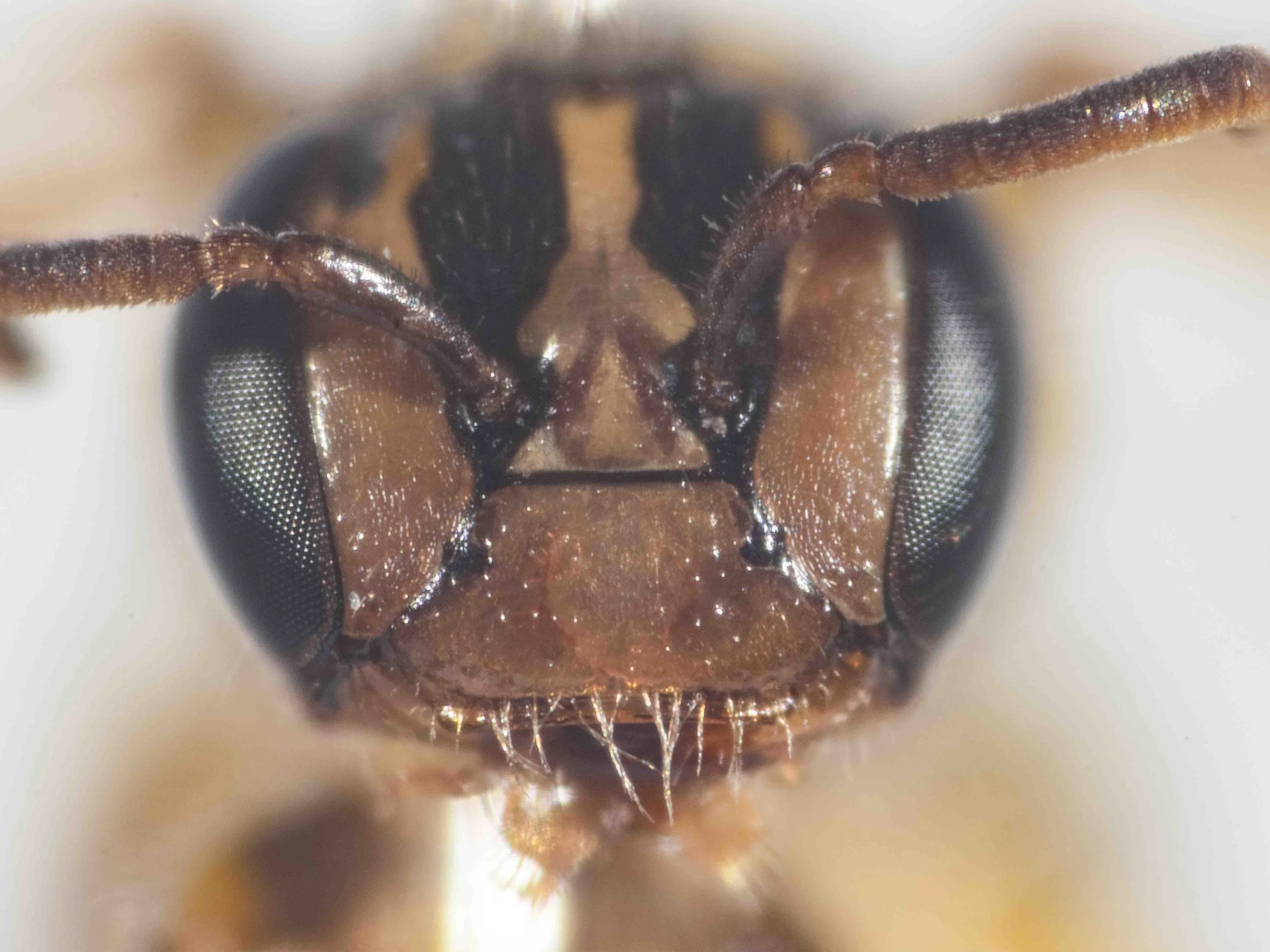
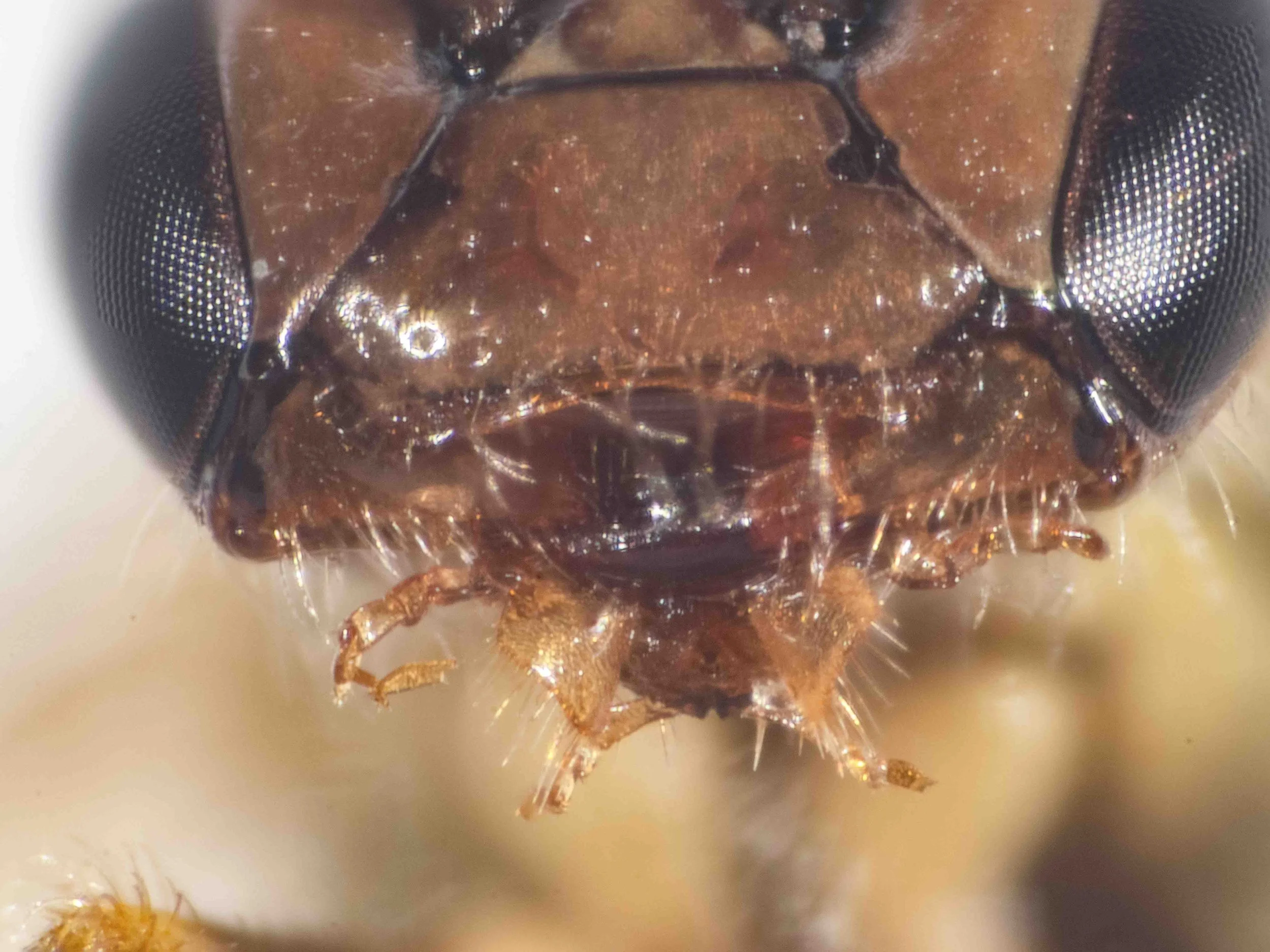
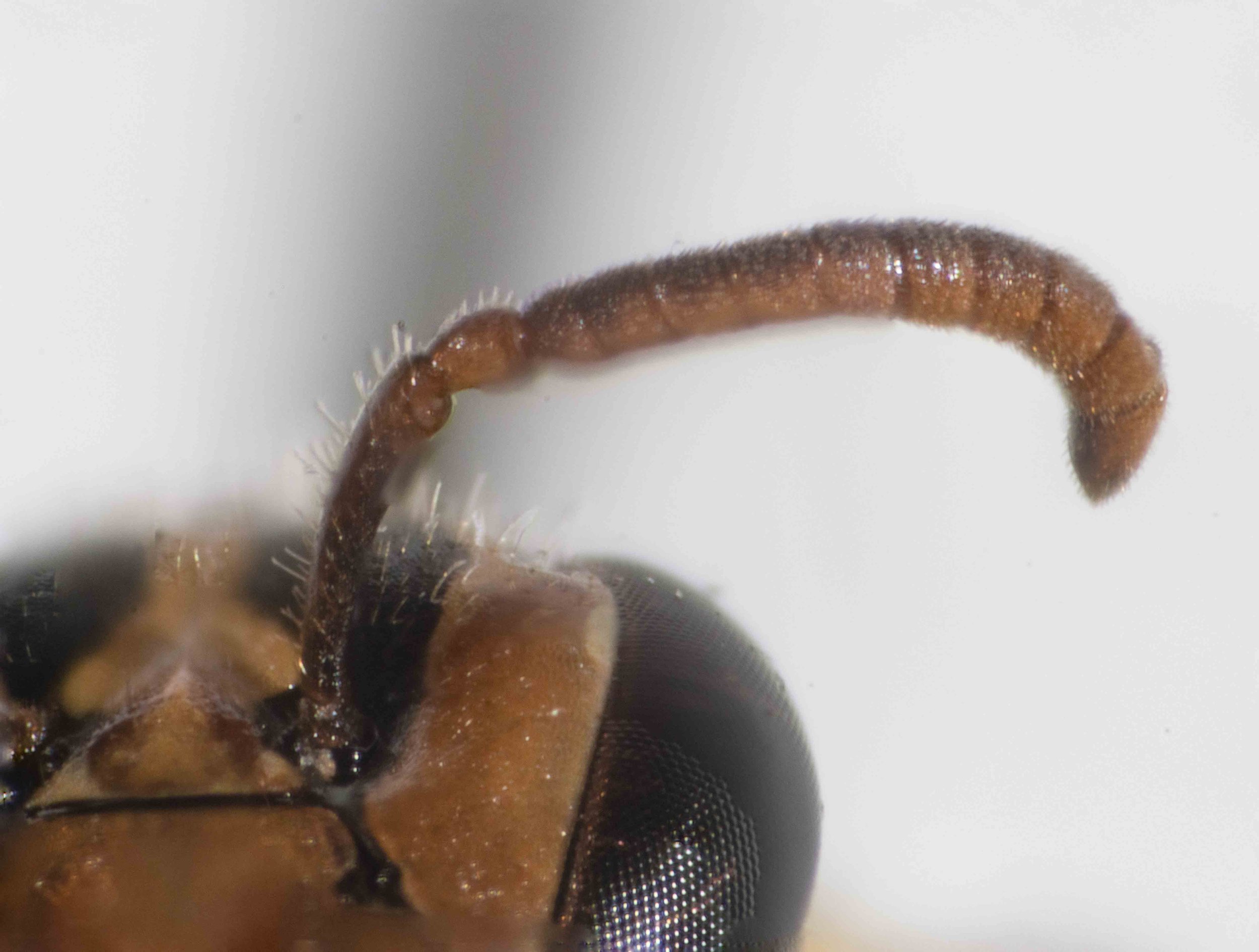
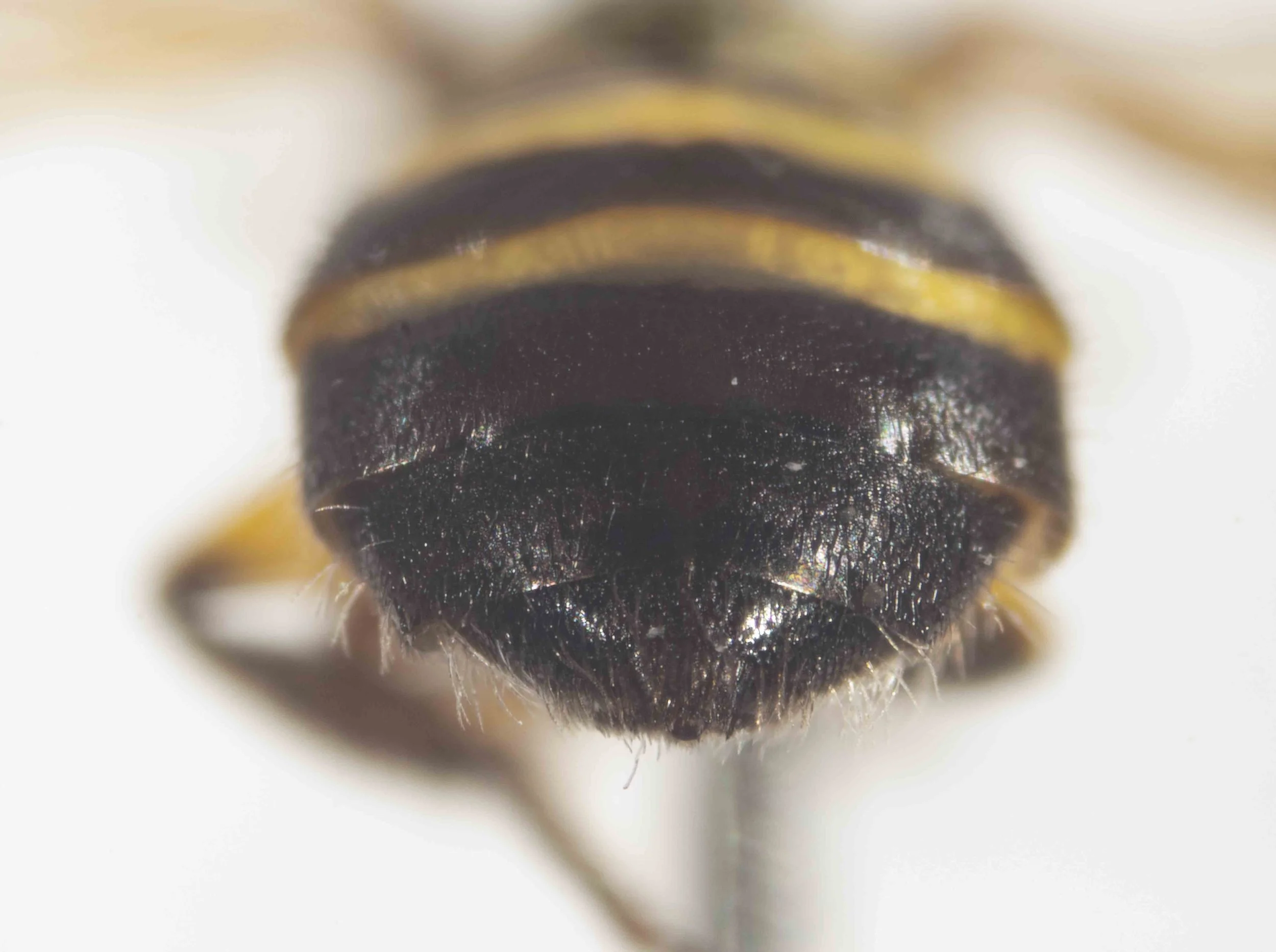
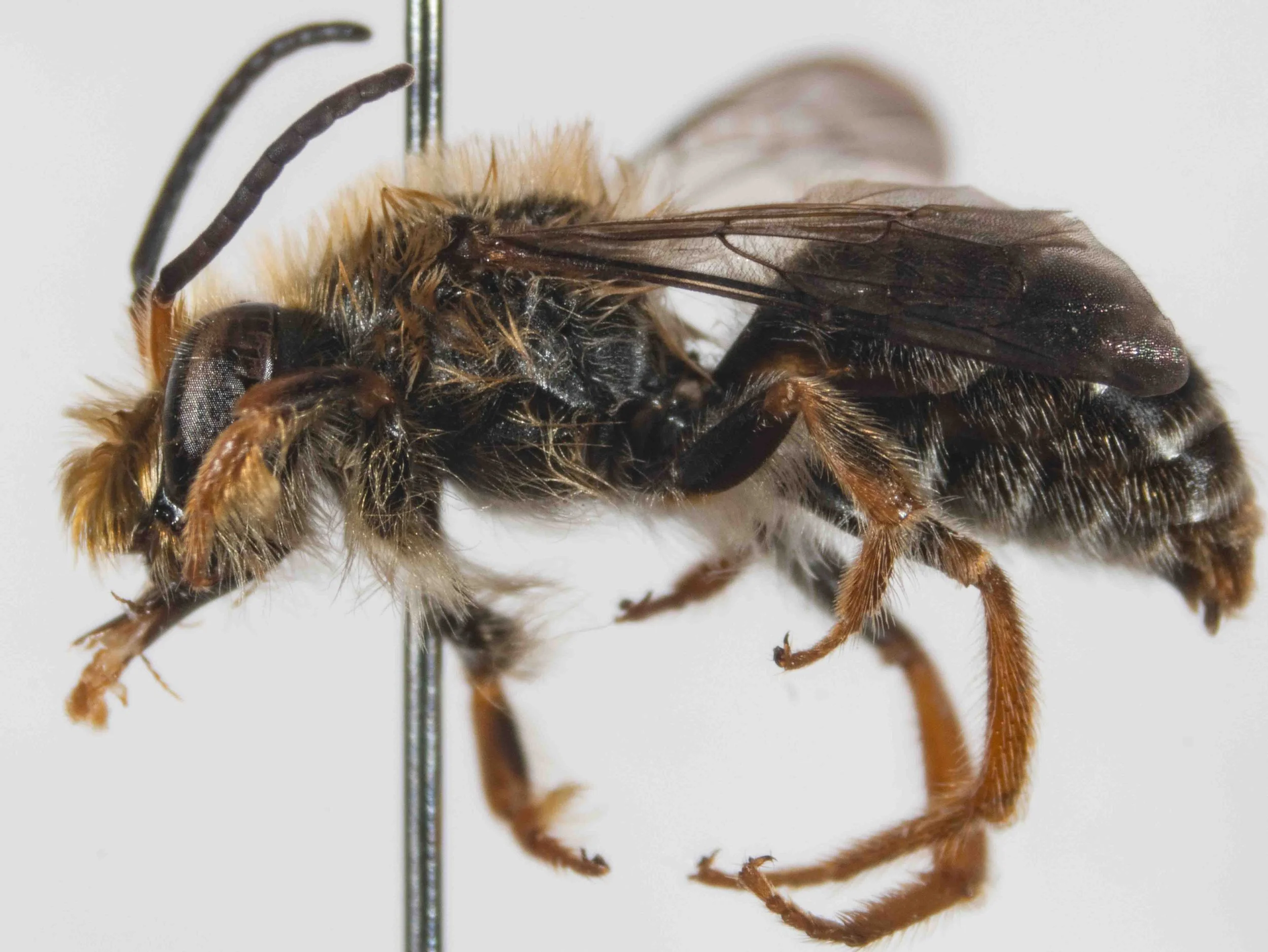
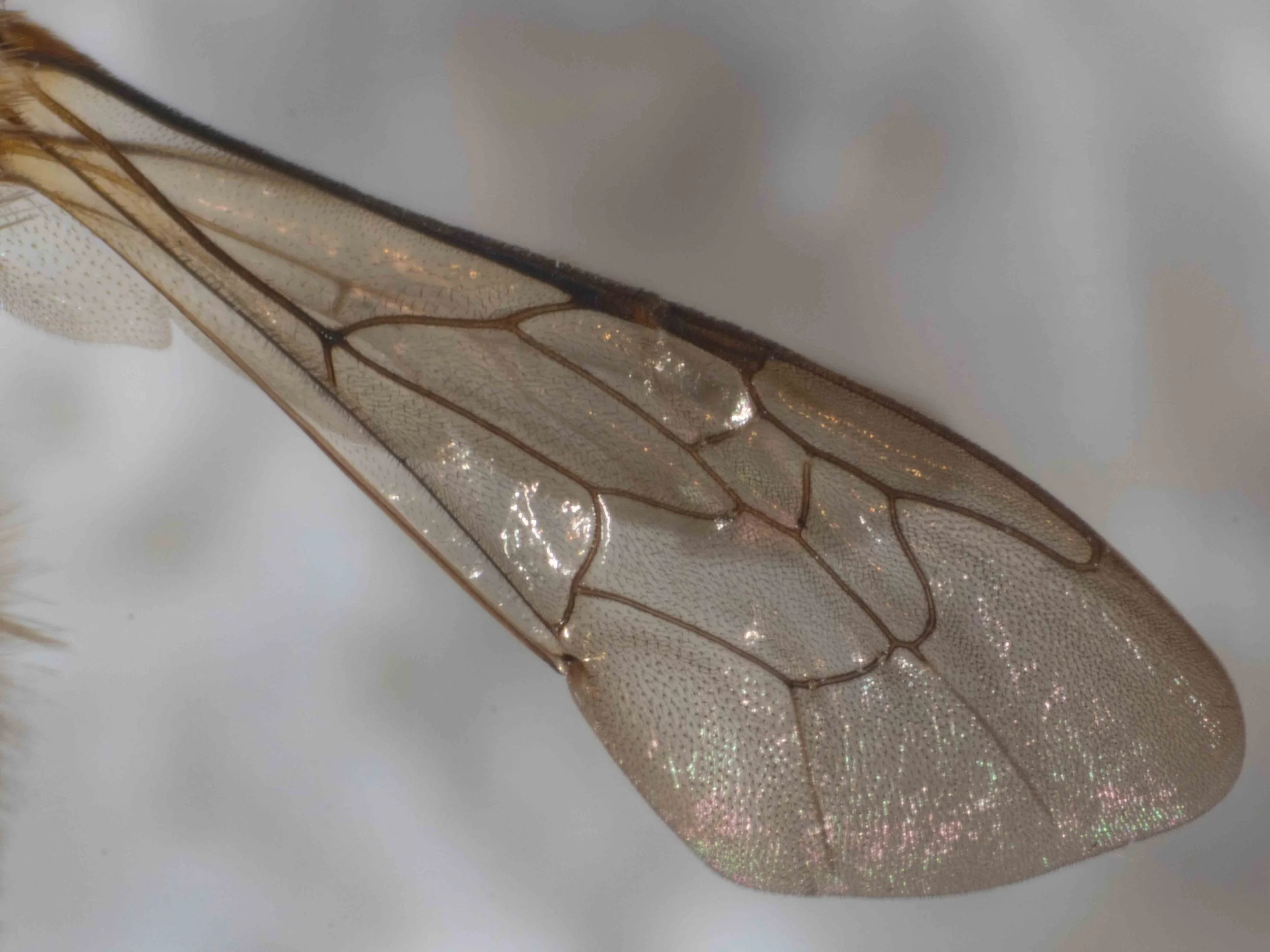
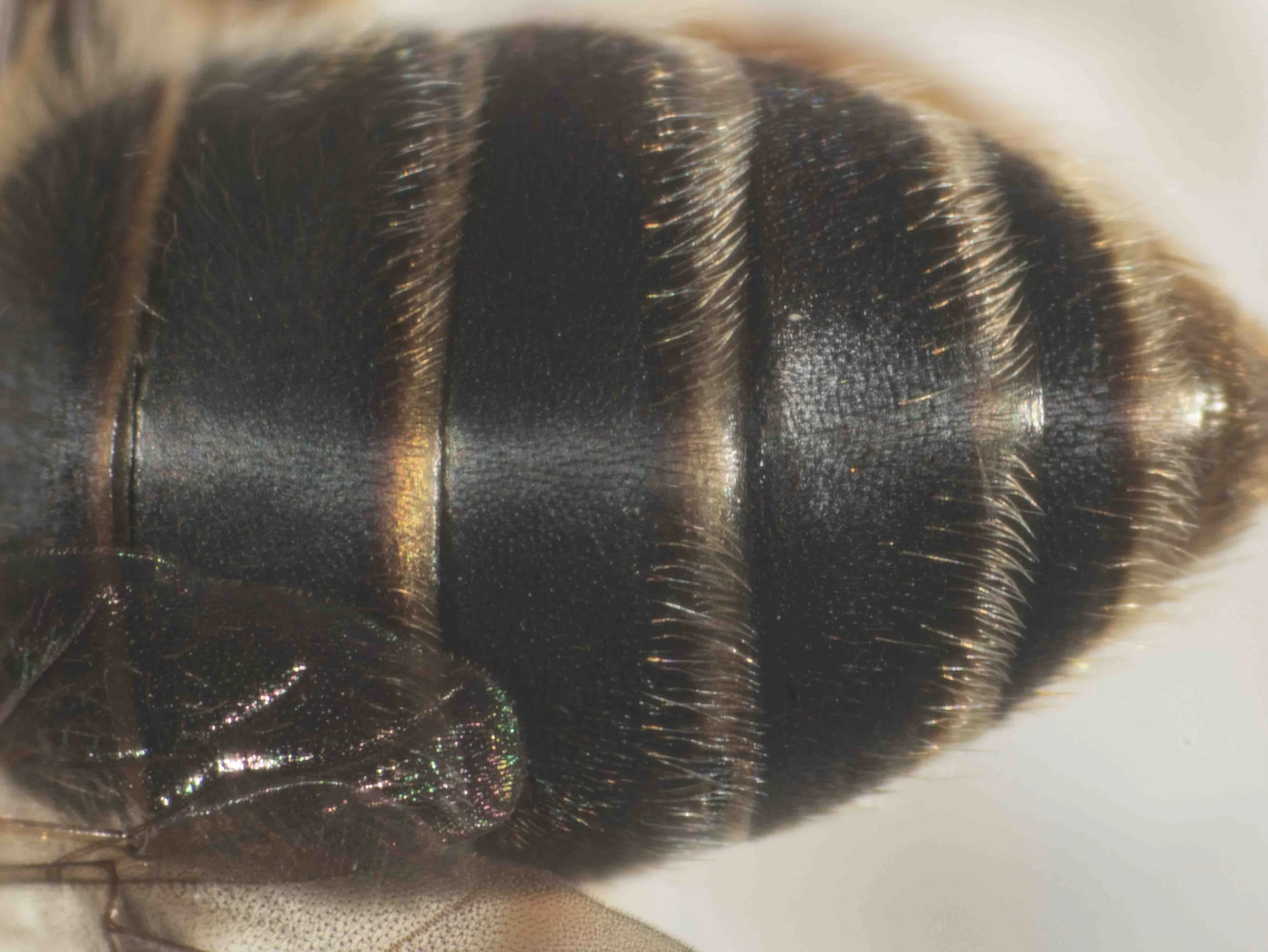
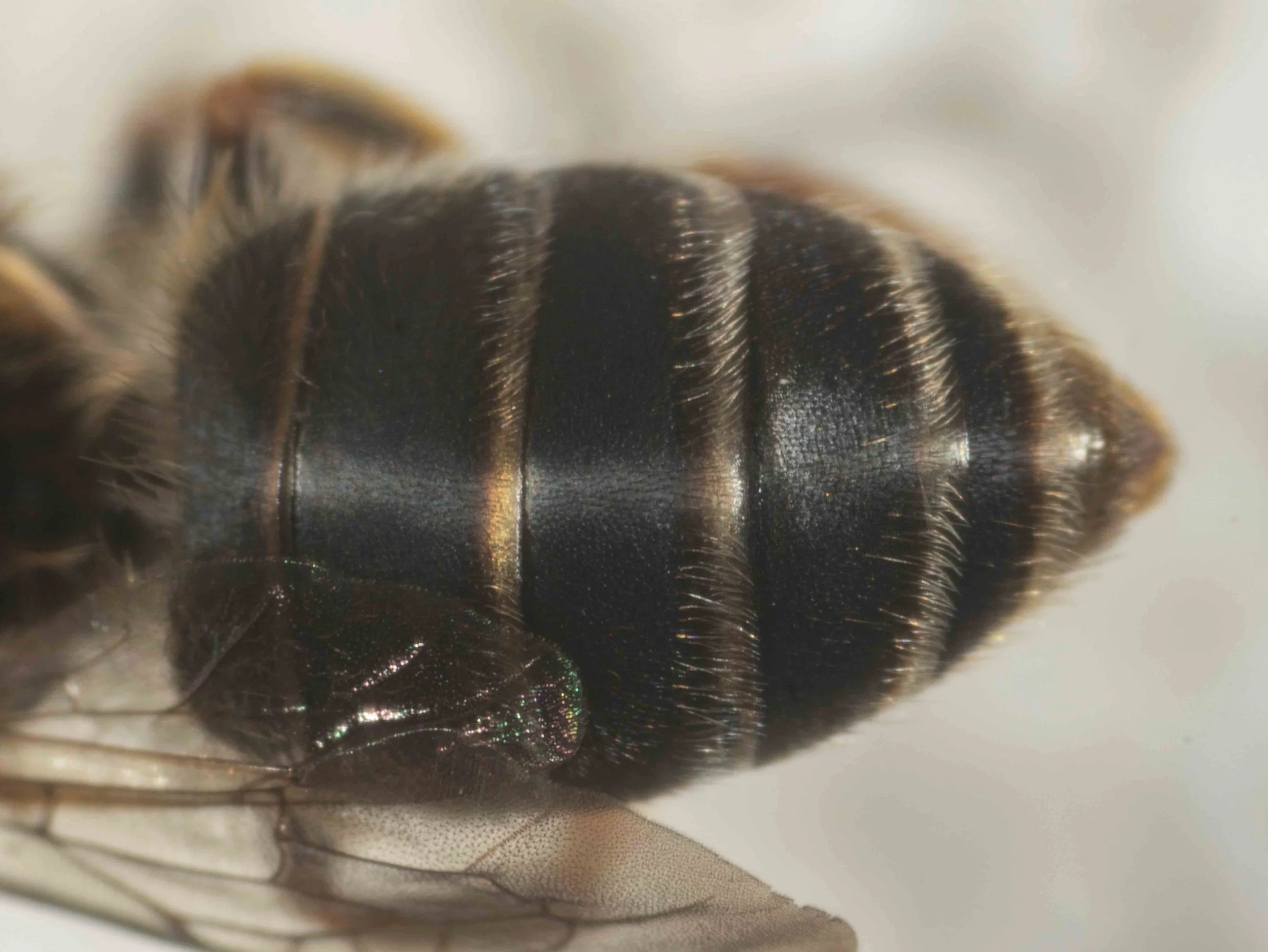
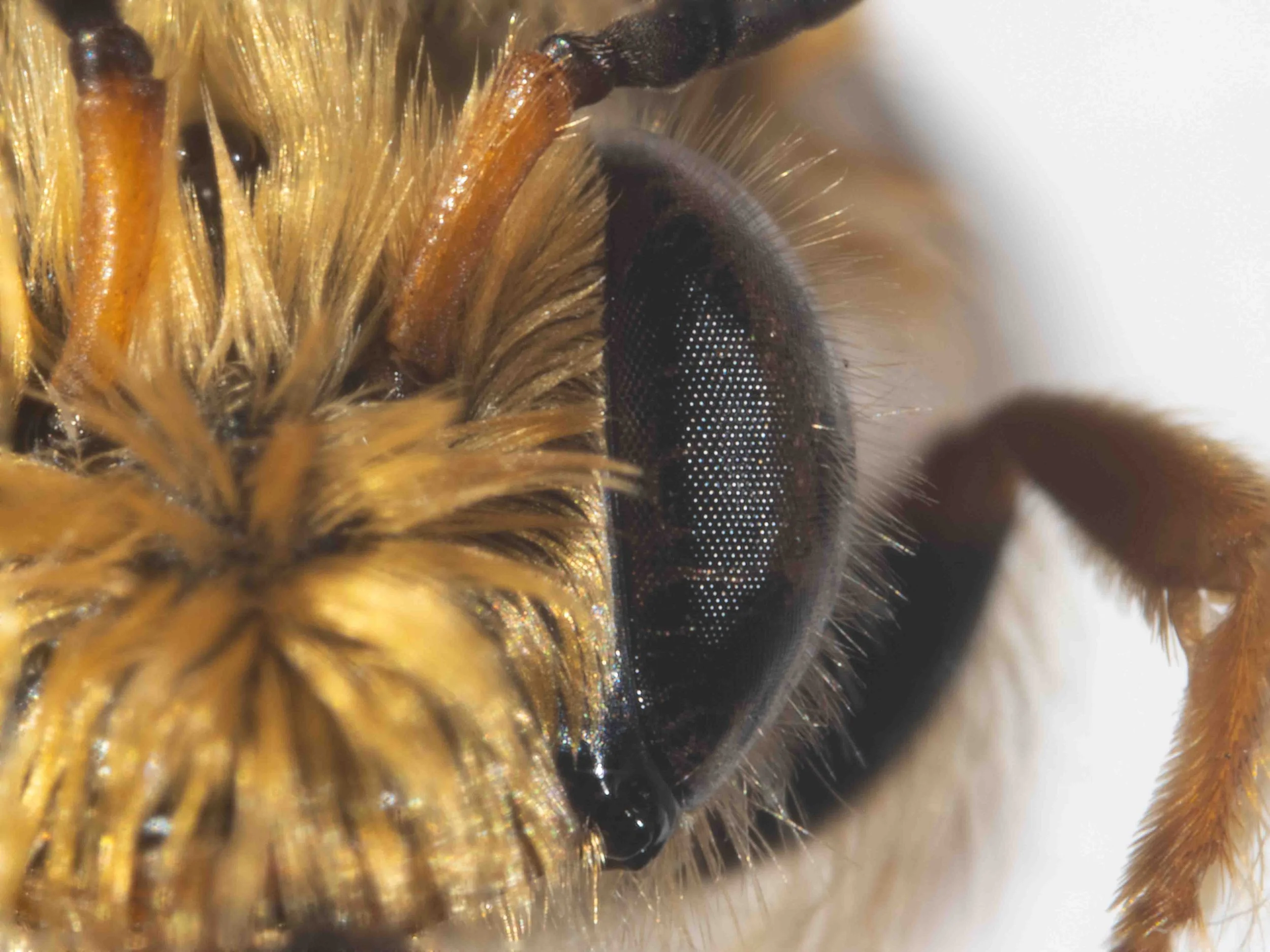
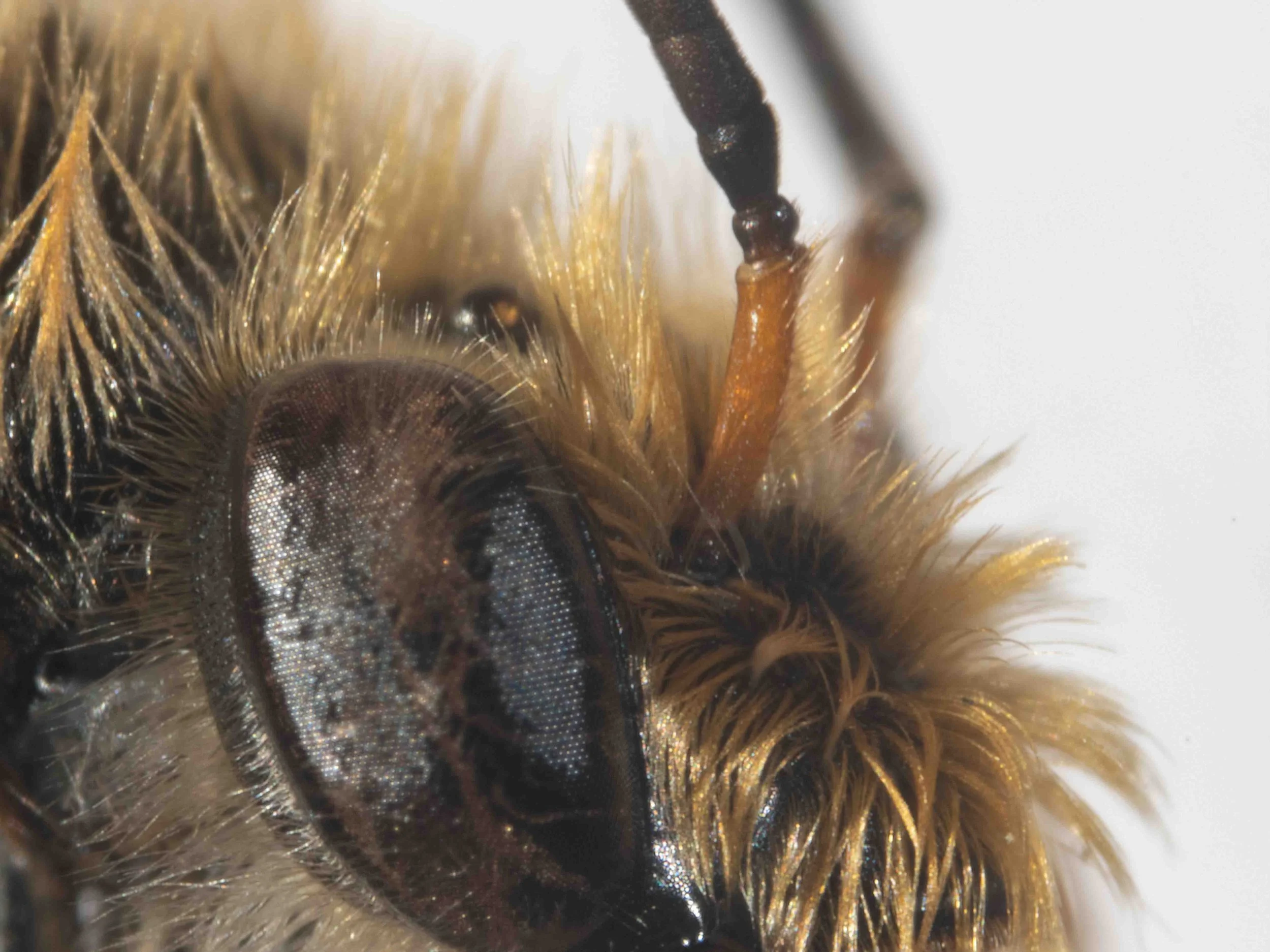
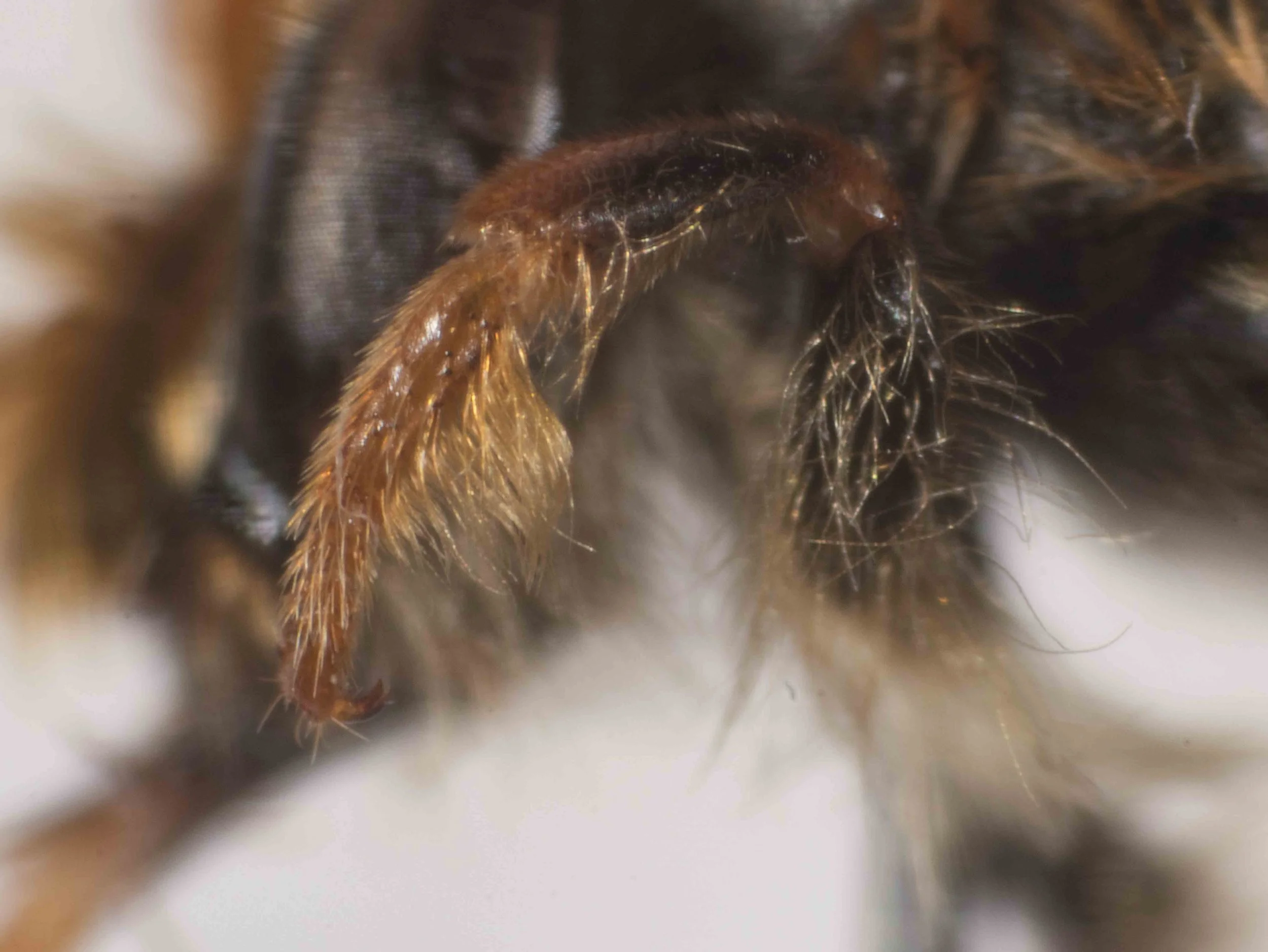
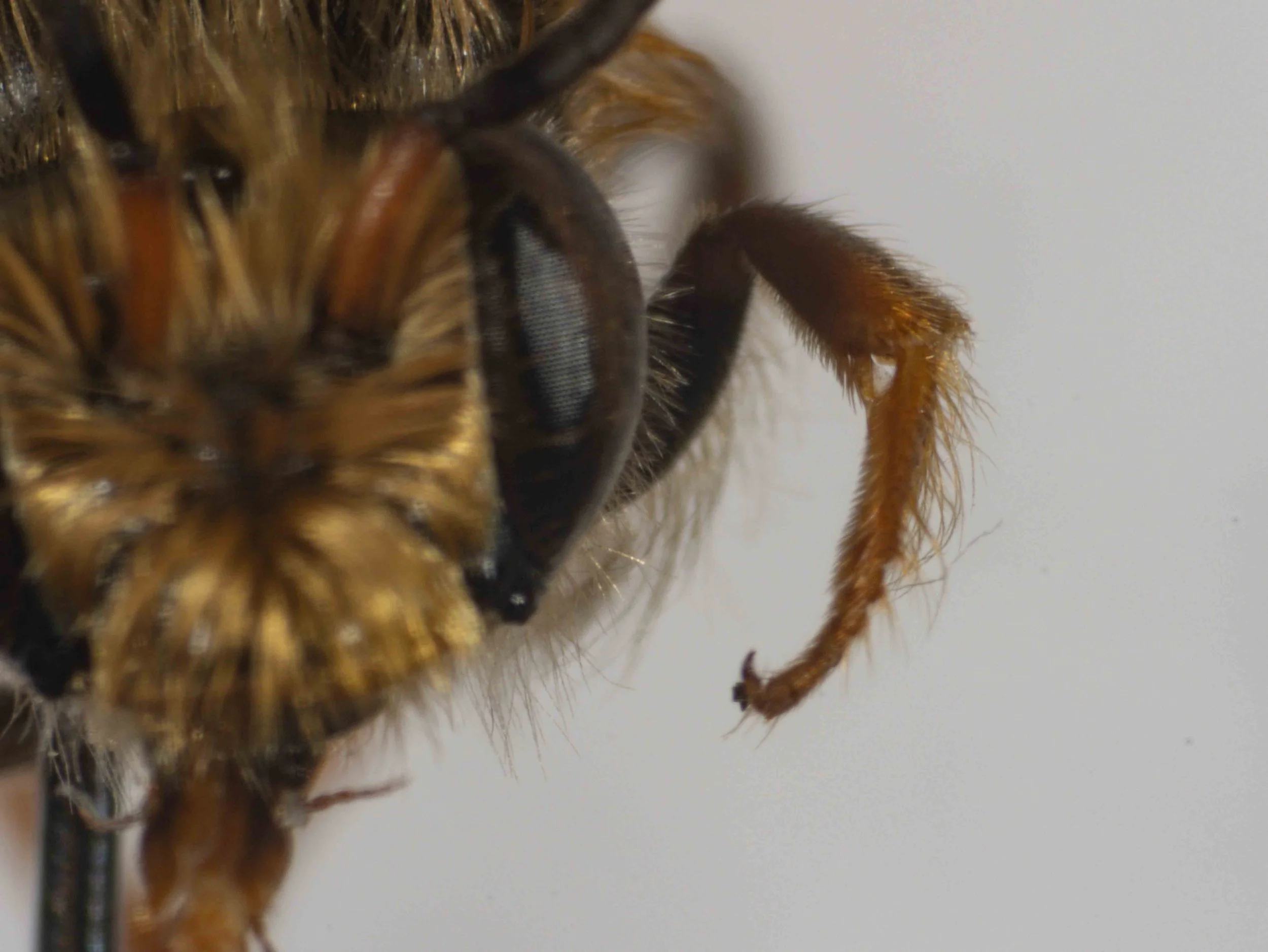
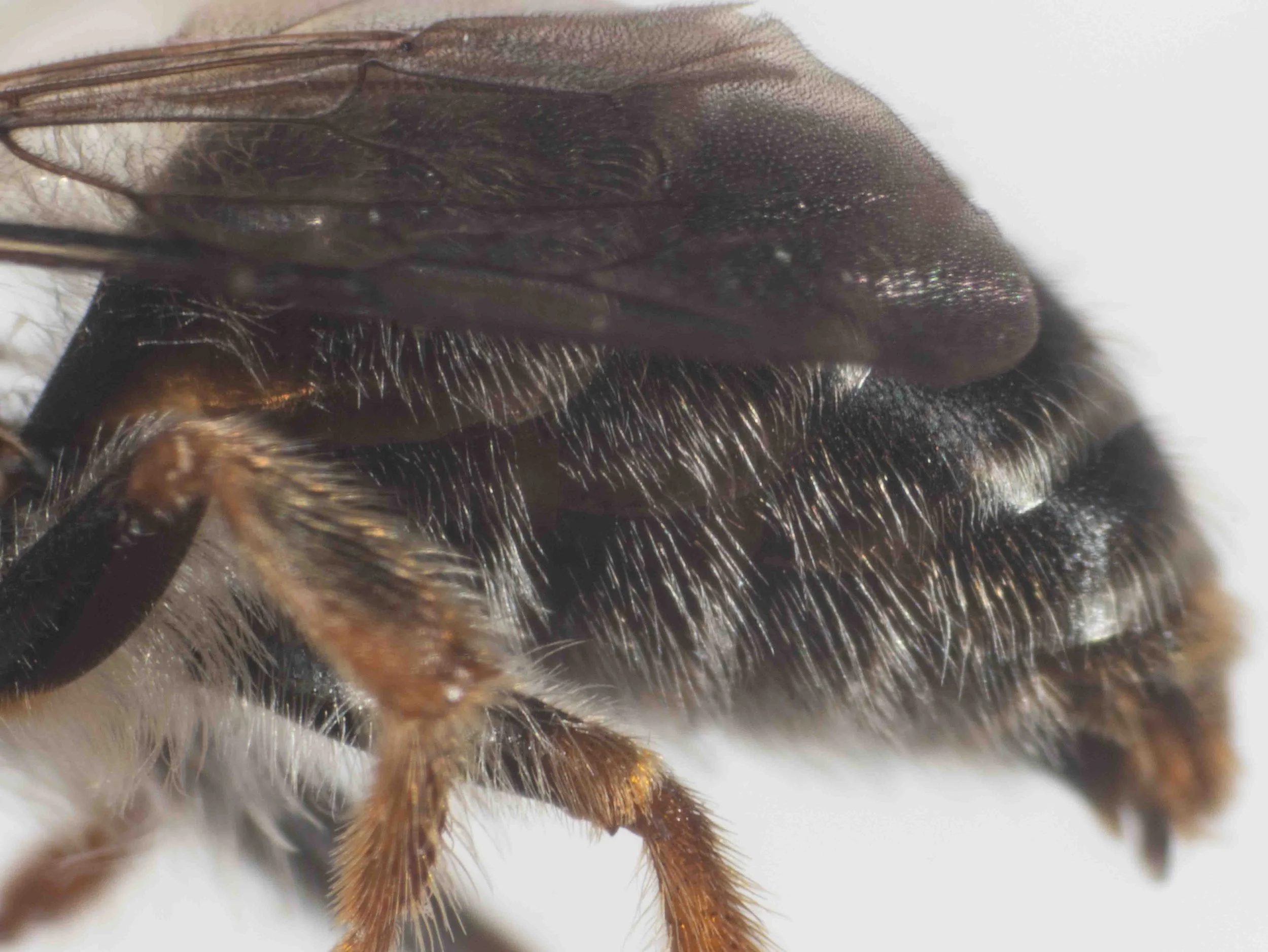
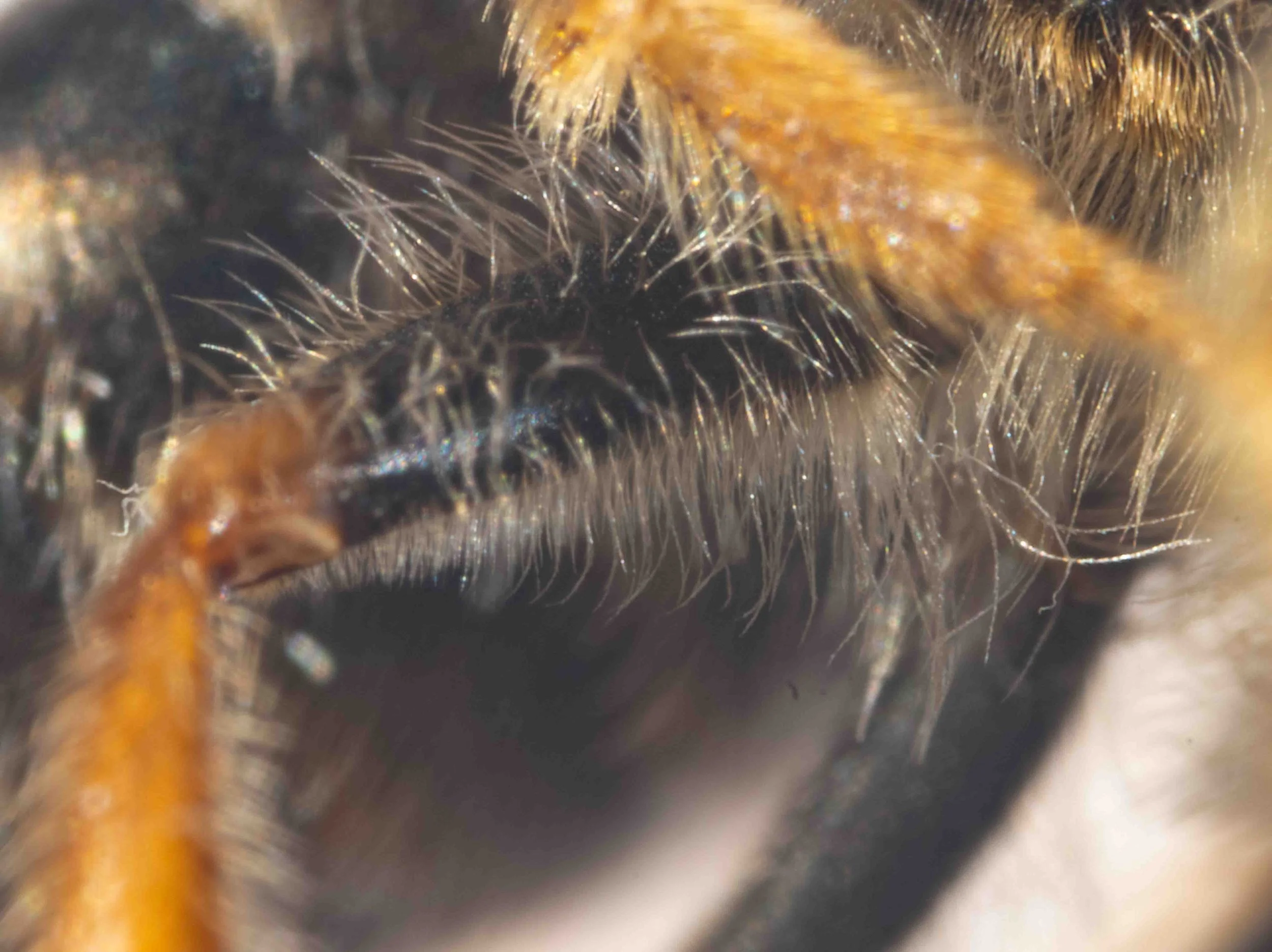
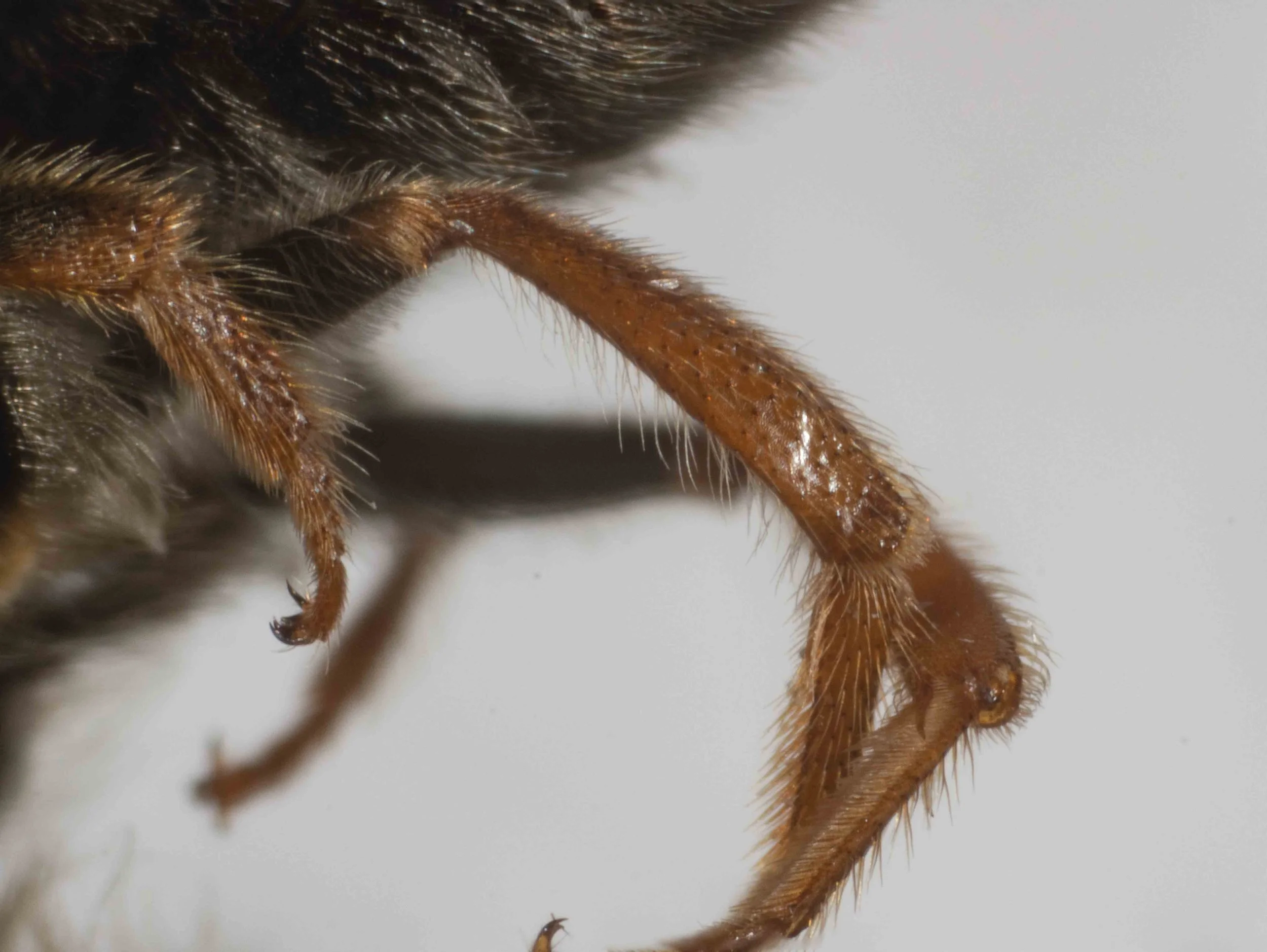
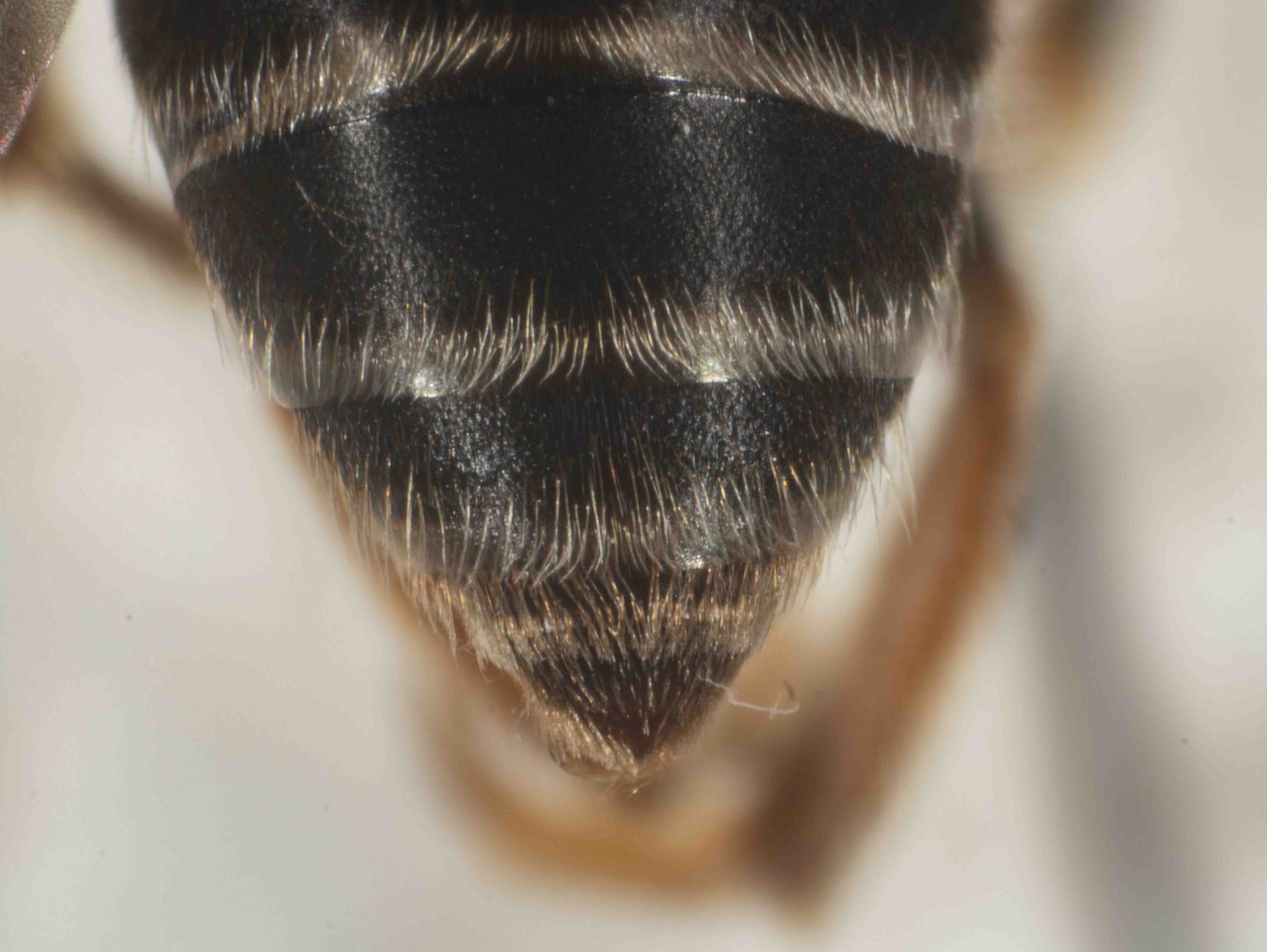
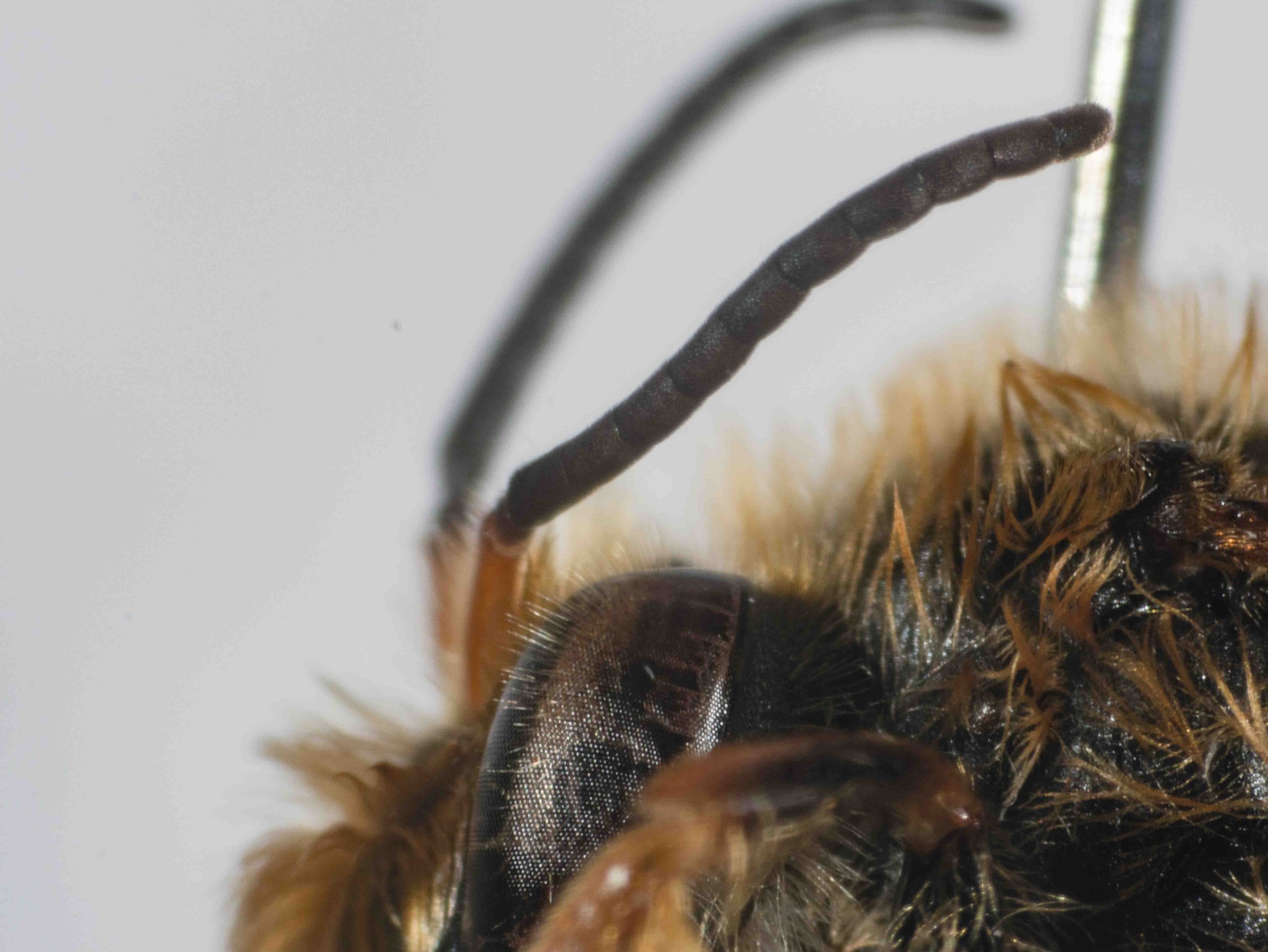
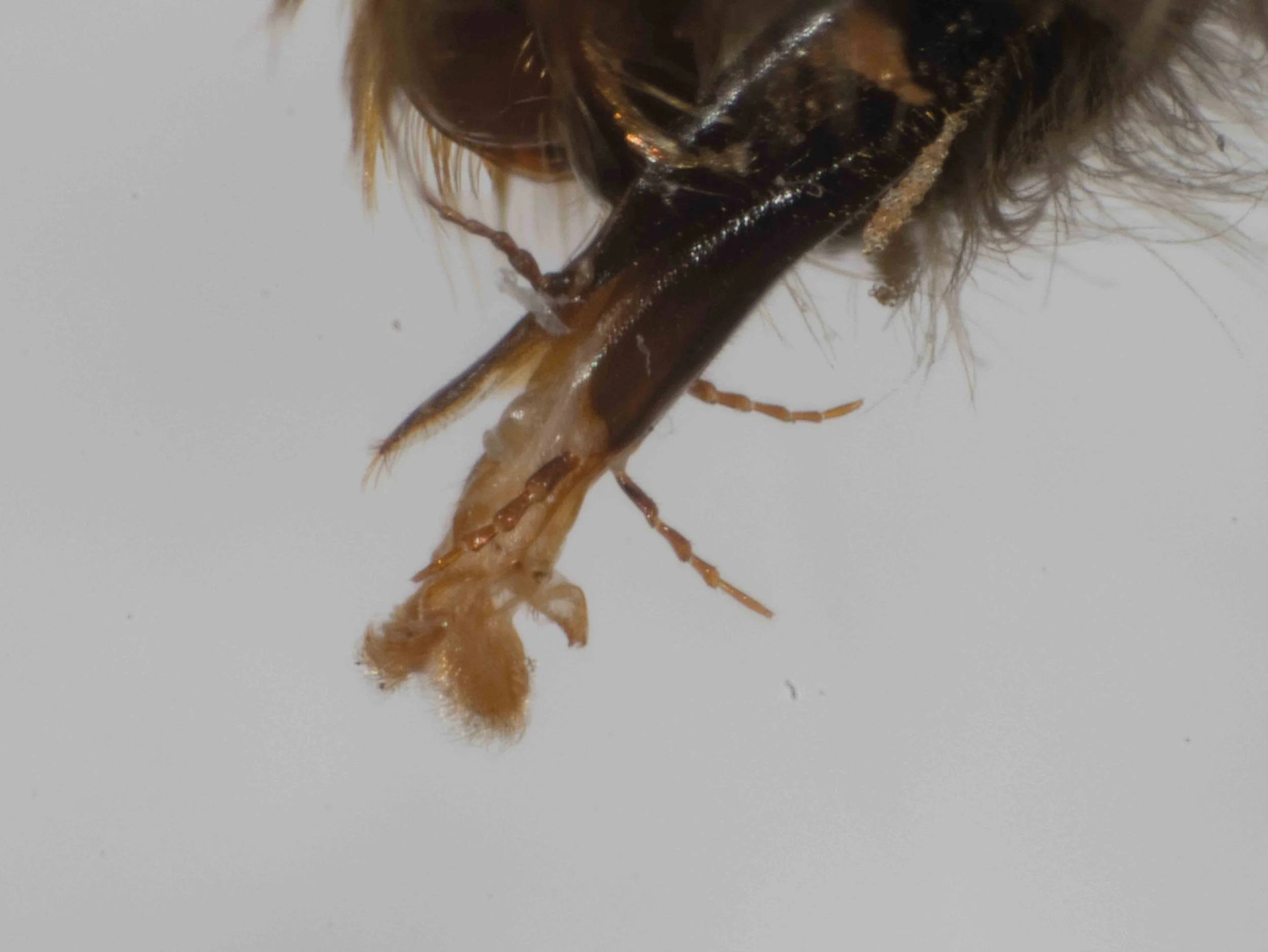
Specimen #029 - Trichocolletes orientalis
(COLLETIDAE: Neopasiphaeinae)
This species is widespread in the southeast of Australia, from Brisbane area south to Victora and Adelaide. It has been collected from Nadgee Nature Reserve … so we know it occurs here. The authors (Batley & Houston 2012) note that it is commonly misidentified in collections as T. venustus. Males can be distinguished from sympatric species such as T. venustus, T. aeratus, T. fuscus, and T. tenuiculus by features including scape and leg colour, width of metasomal bands, plume on front basitarsus.
The annotations below draw from the key and species descriptions by Batley & Houston (2012).
References
Abbott, P. 2022. Native Bees of the ACT and NSW South Coast. Published by Peter Abbott
Batley, M, and Houston, T.F. 2012. Revision of the Australian bee genus Trichocolletes Cockerell (Hymenoptera: Colletidae: Paracolletini). Records of the Australian Museum 64(1): 1–50. http://dx.doi.org/10.3853/j.0067-1975.64.2012.1589
Exley, E.M. 1974. Revision of the subgenus Callohesma Michener (Apoidea : Colletidae). Australian Journal of Zoology, Supplementary Series 26. pp. 1-58
Houston, T. 2018. A Guide to Native Bees of Australia. CSIRO Publishing, Clayton South, Vic.
This is a workbook page … a part of our website where we record the observations and references used in making species identifications. The notes will not necessarily be complete. They are a record for our own use, but we are happy to share this information with others.