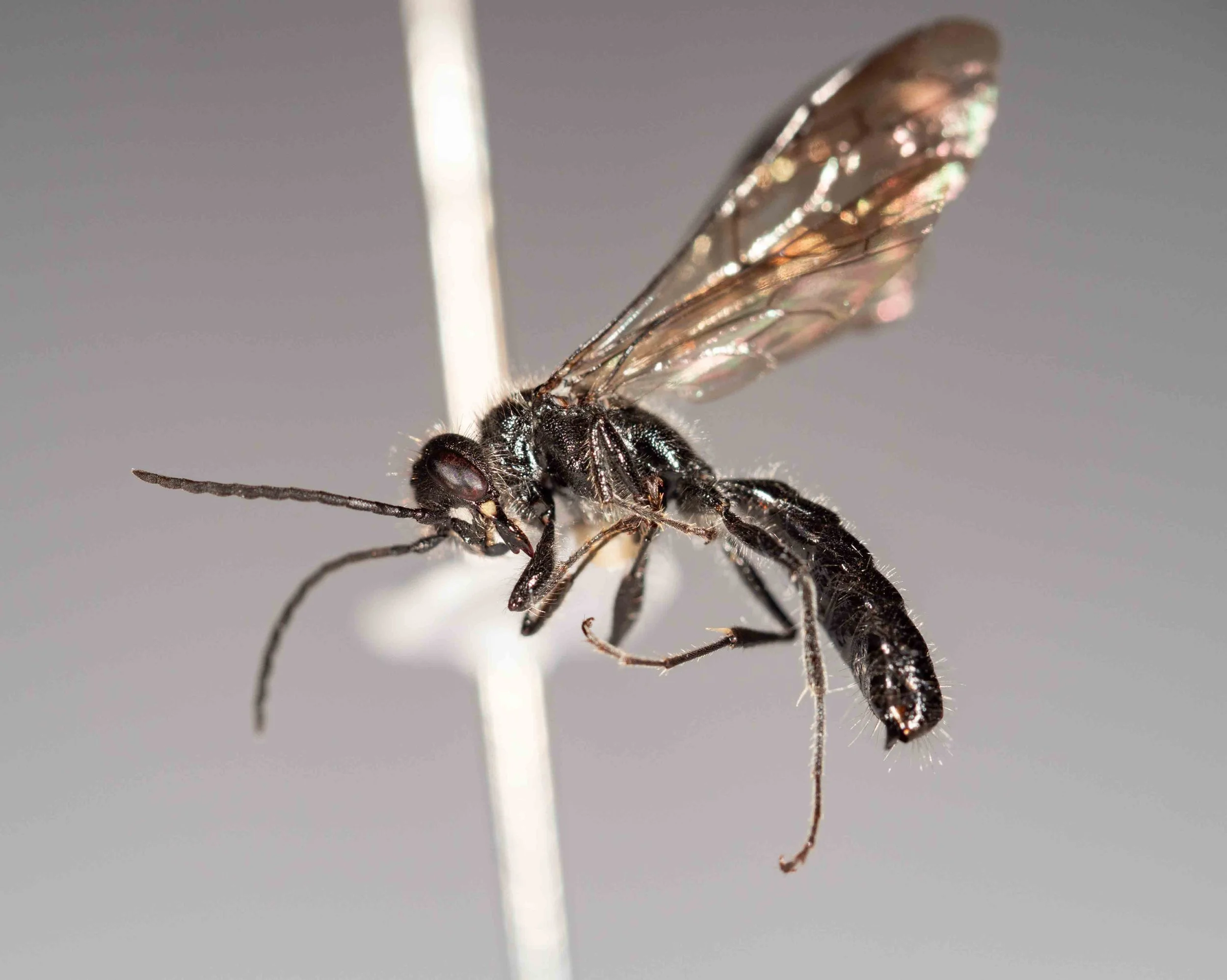
Phymatothynnus (specimen 091)
Workbook
Collected in Malaise trap (GMP66372) during the week 7th – 14th November 2026 (specimen ID #091)
THYNNINAE: Tachynomini: Phymatothynnus
Having worked through the various options, I am reasonably confident that this is Phymatothynnus. The genus is known from our local region, and meets the diagnostic criteria described by Brown (2025).
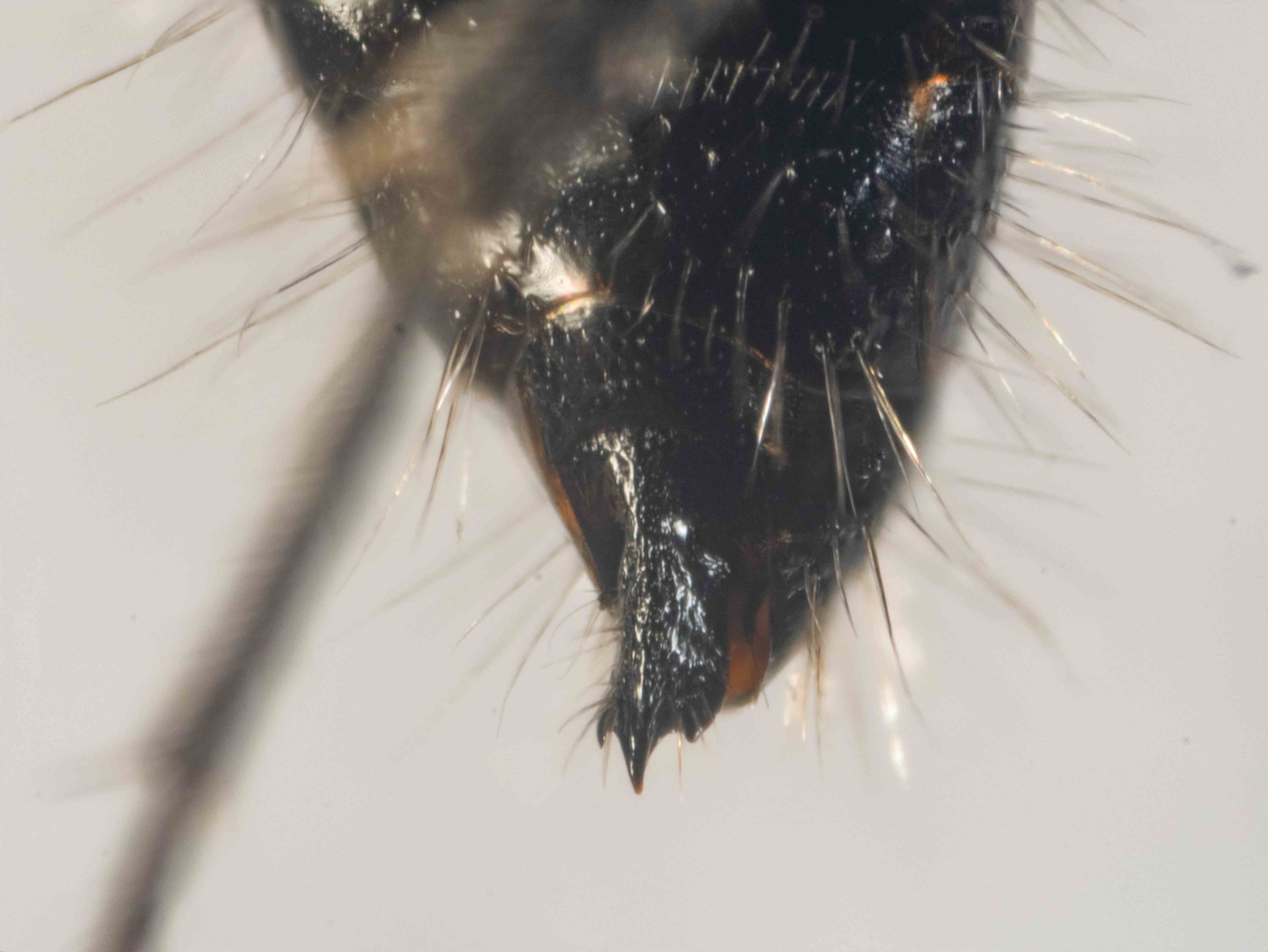
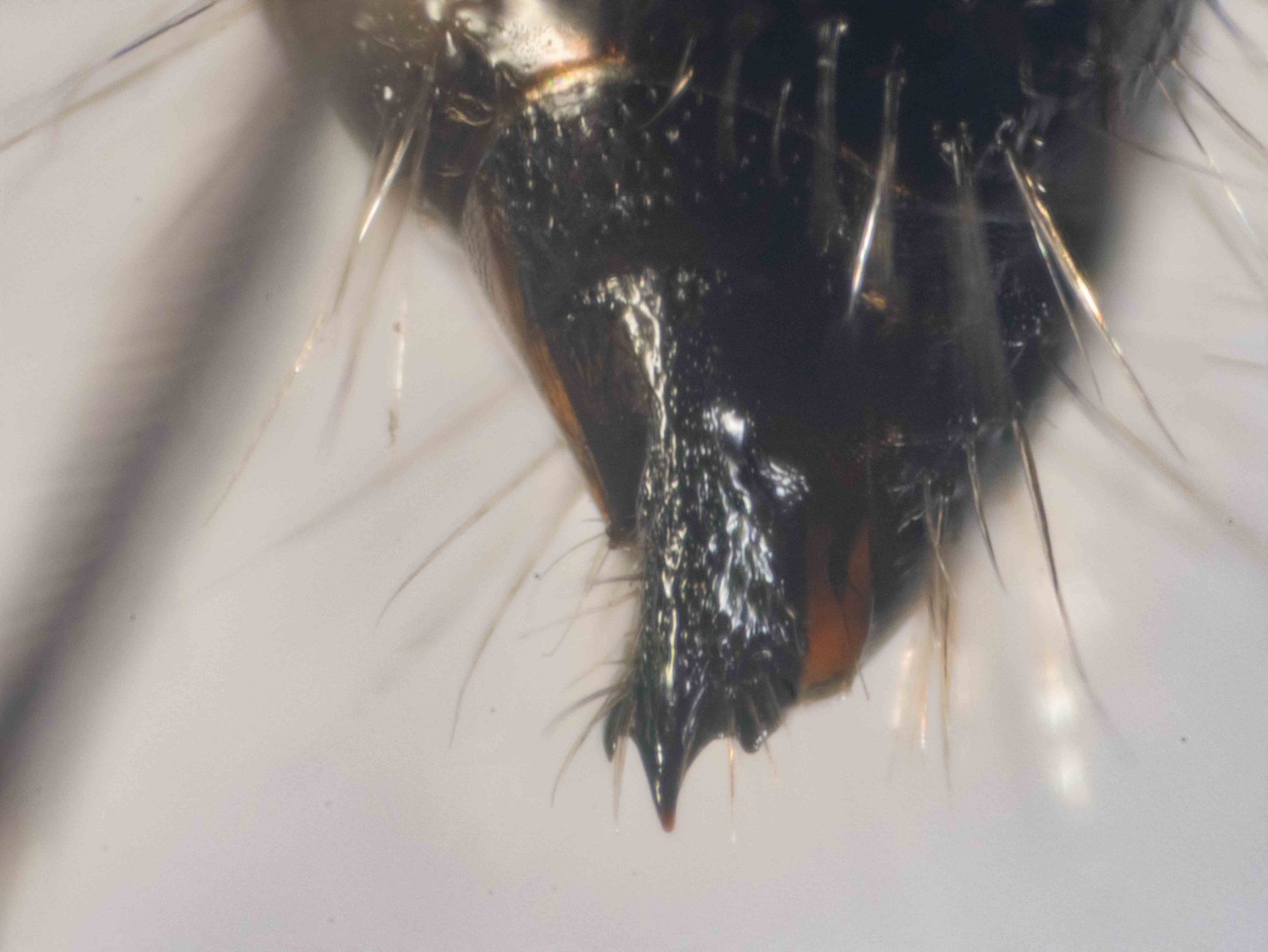
Specimen #091 is quite distinct from other specimens I’ve identified to this genus (#042 and #070). The hypopygium is trispinose, the mandibles and clypeus have white spots, and the wings are infuscated.
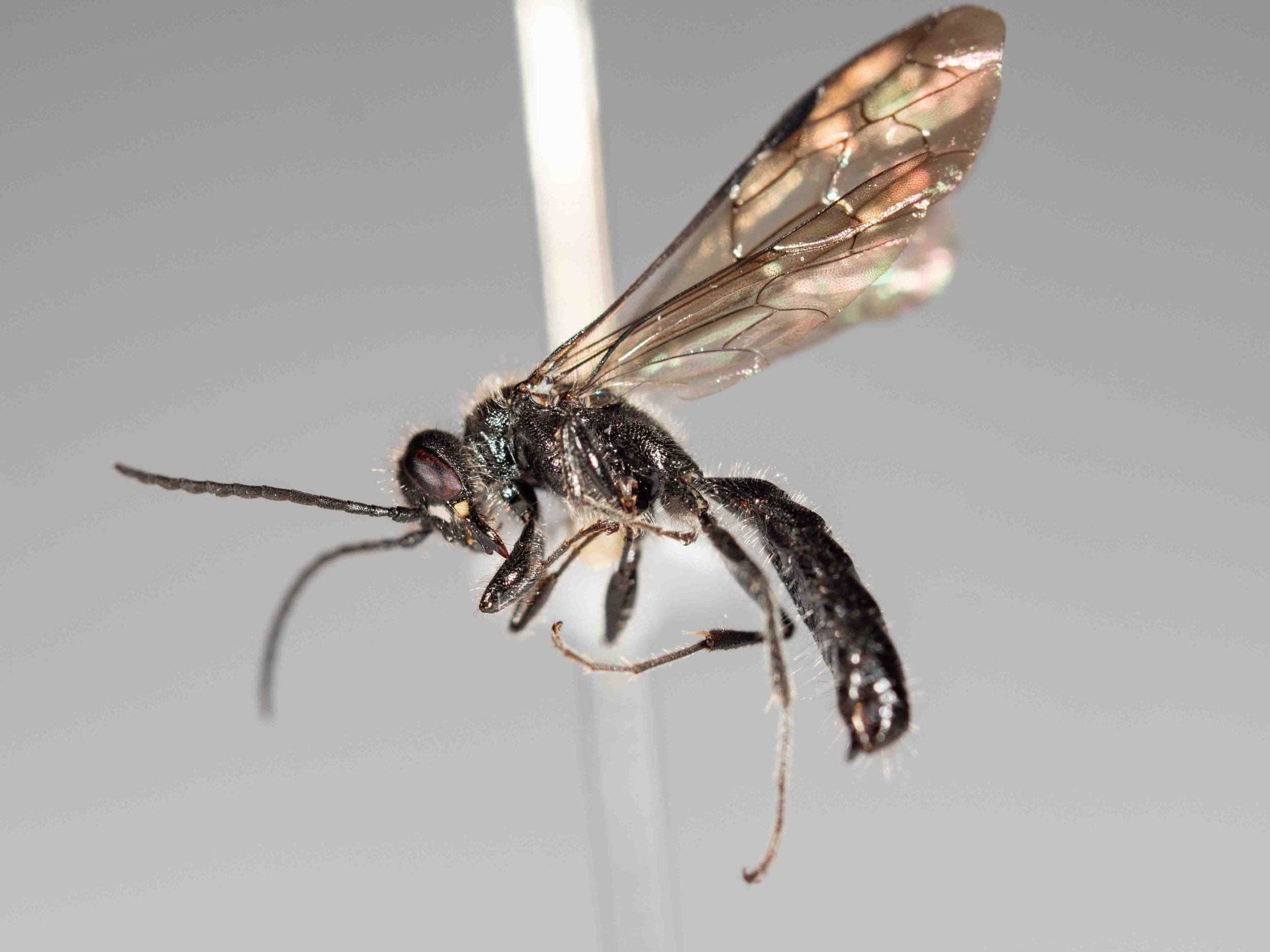
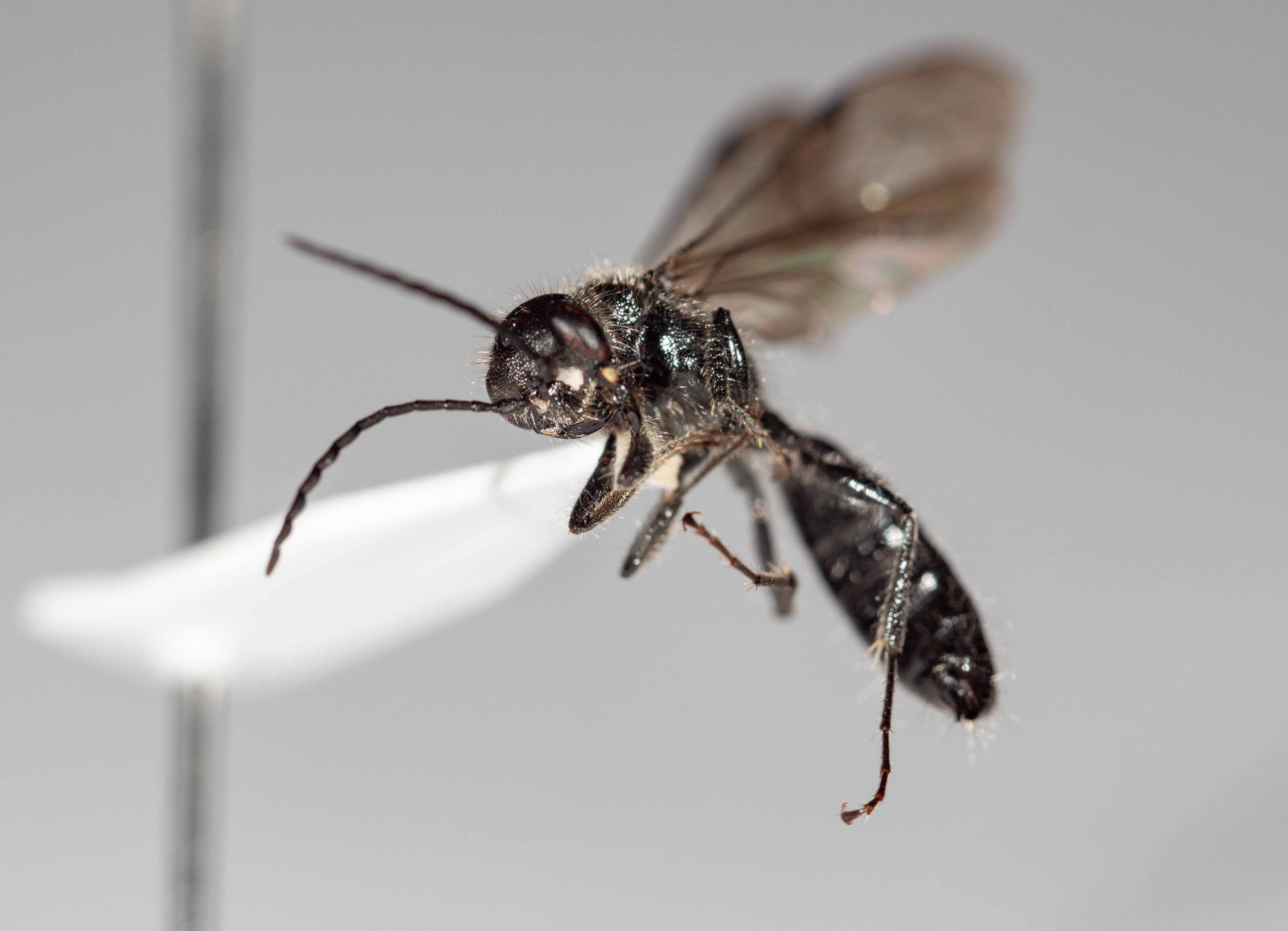
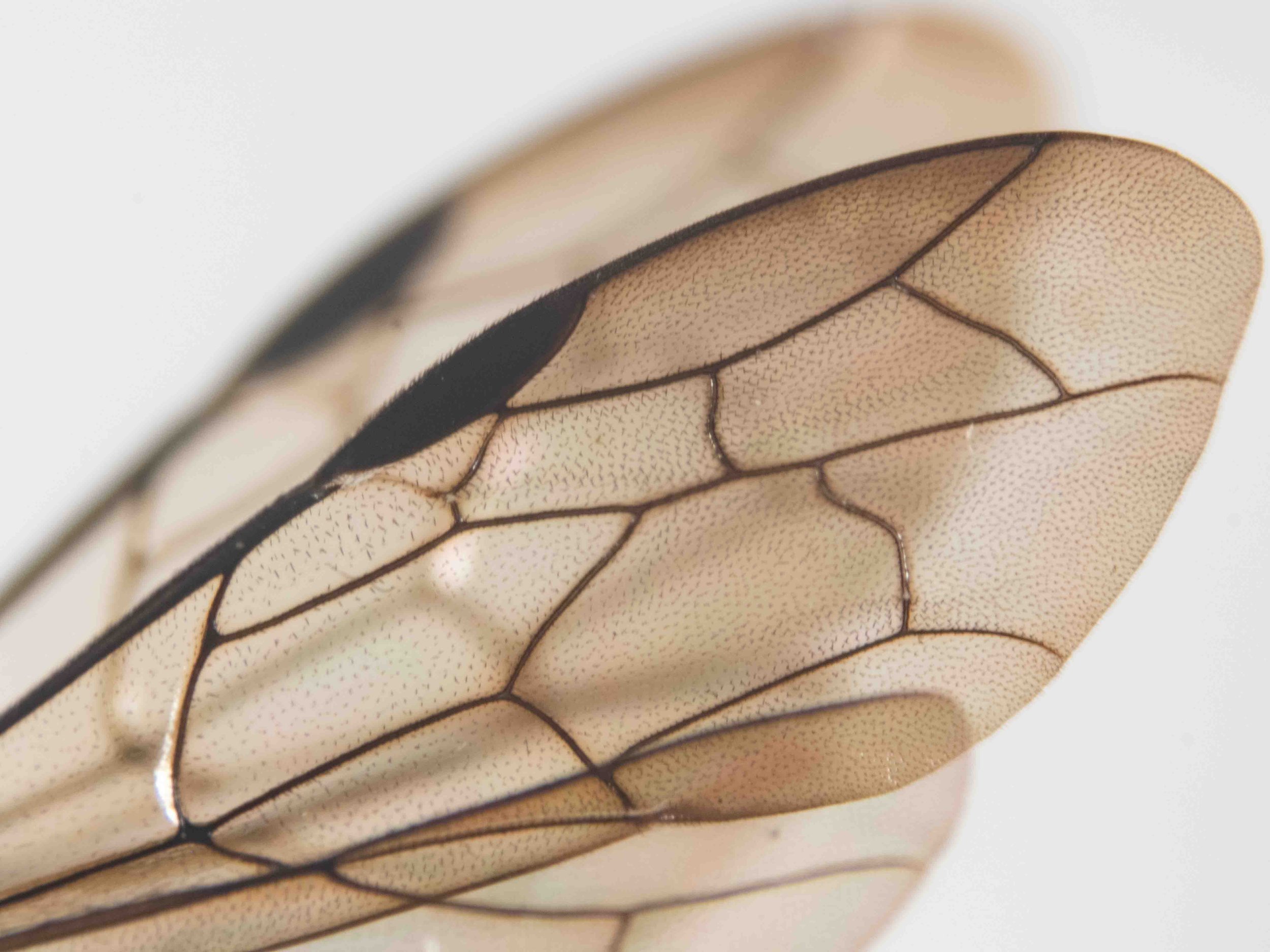
Specimen #091 looks near to Ph. monilicornis, which Brown notes is a species complex. There are differences though, including the apparent length of the hypopygium, and the pale head markings.
The other option in the key (Brown 2025) is Ph. aratus, but Turner’s description differs significantly in colour pattern from #091.
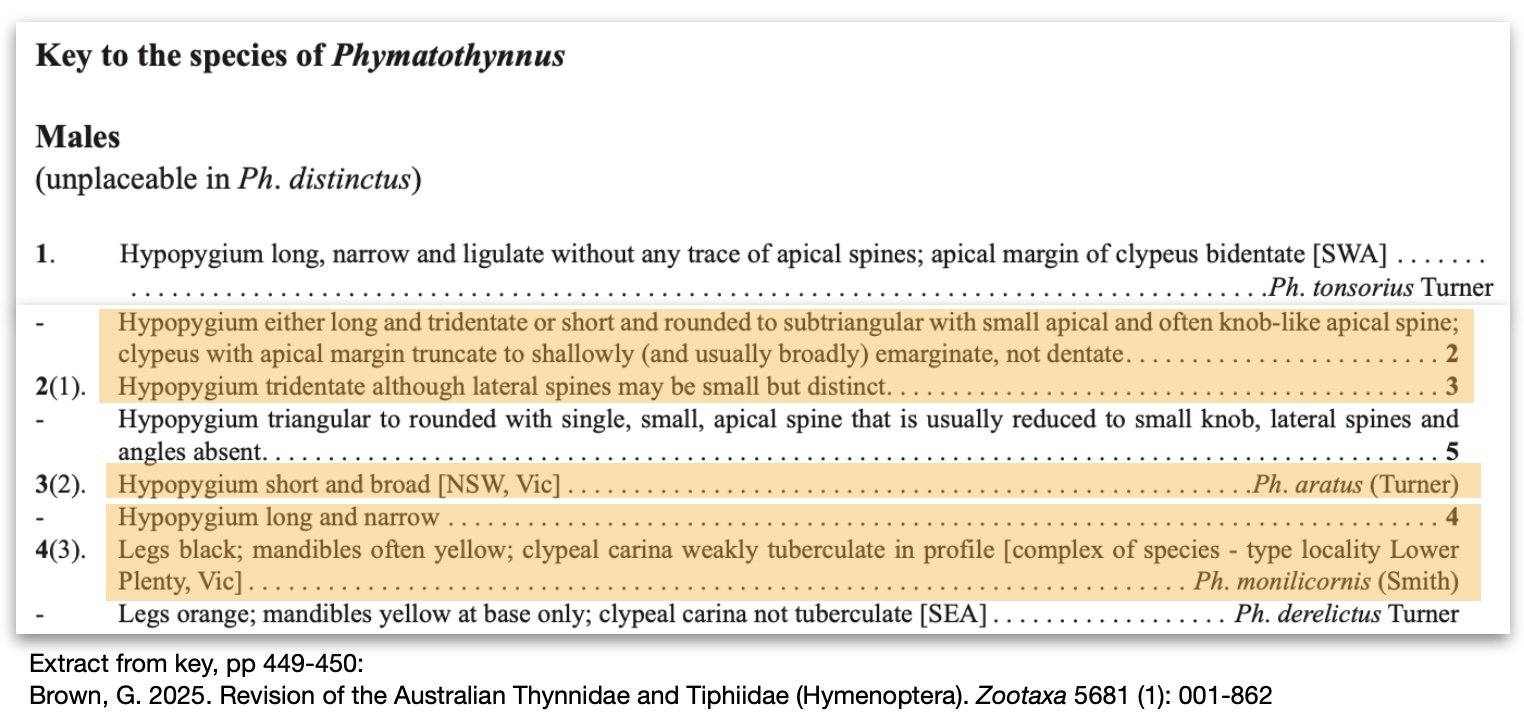
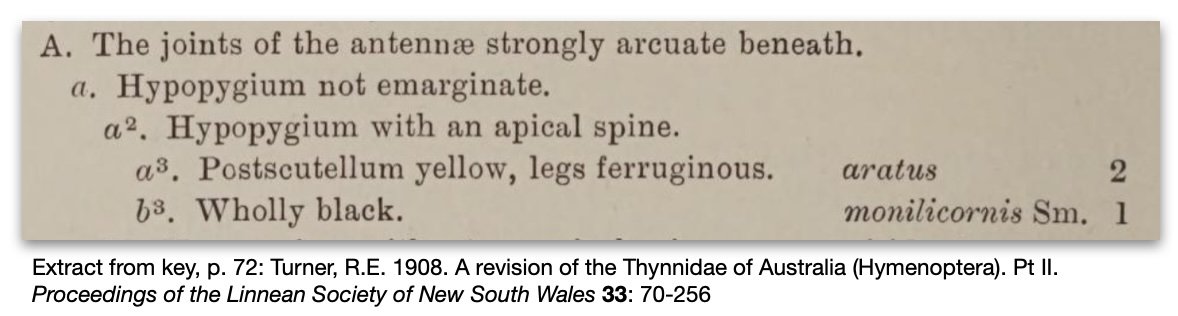
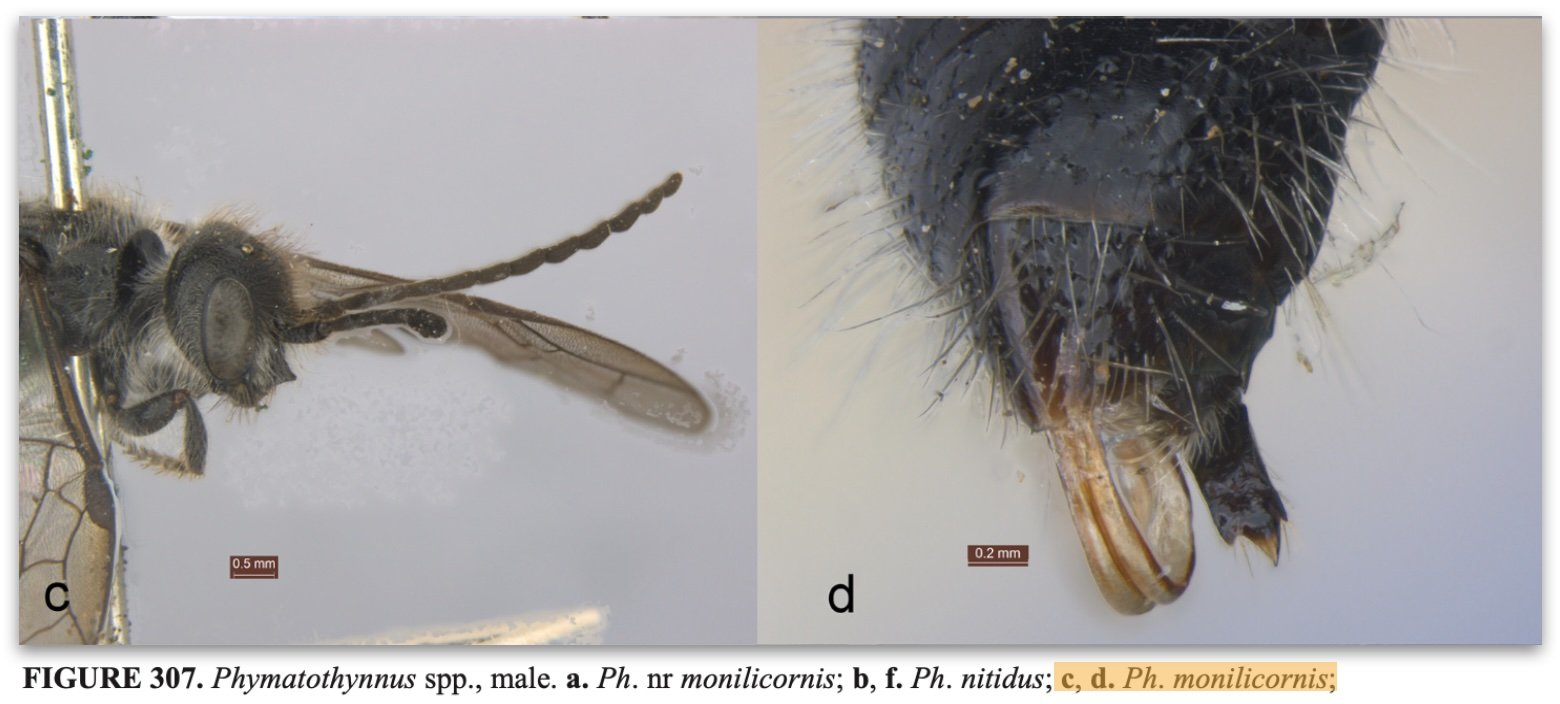
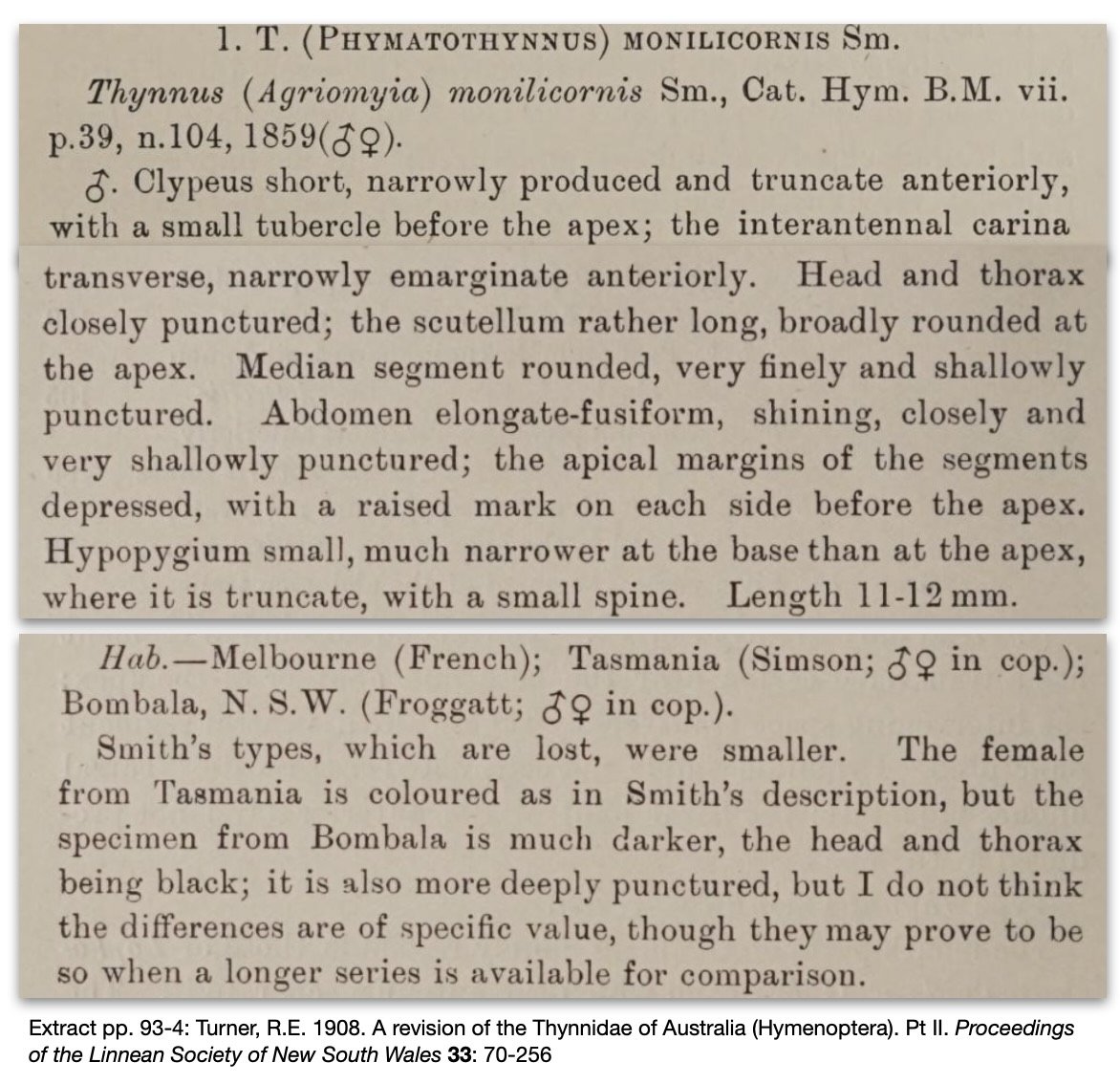
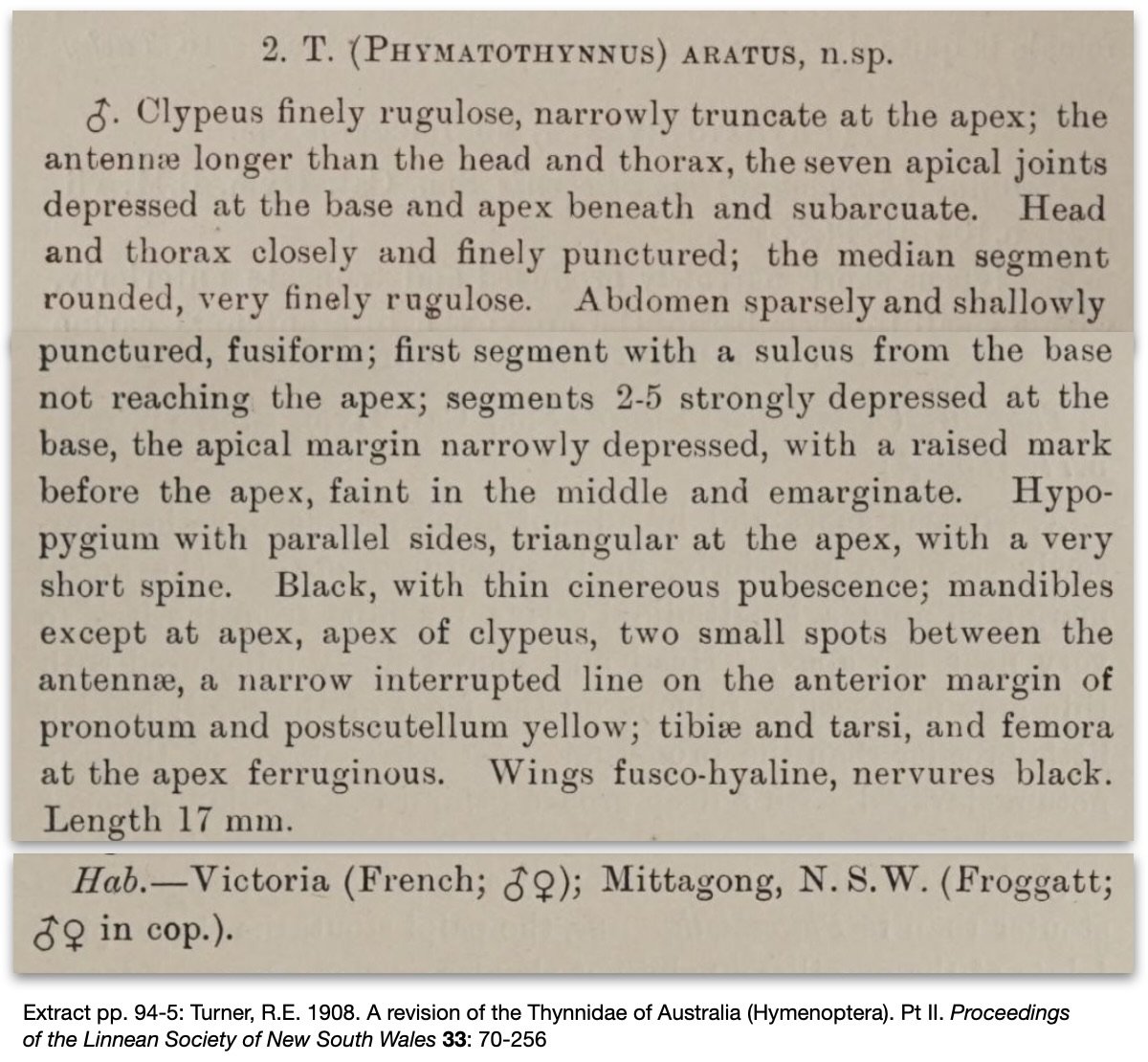
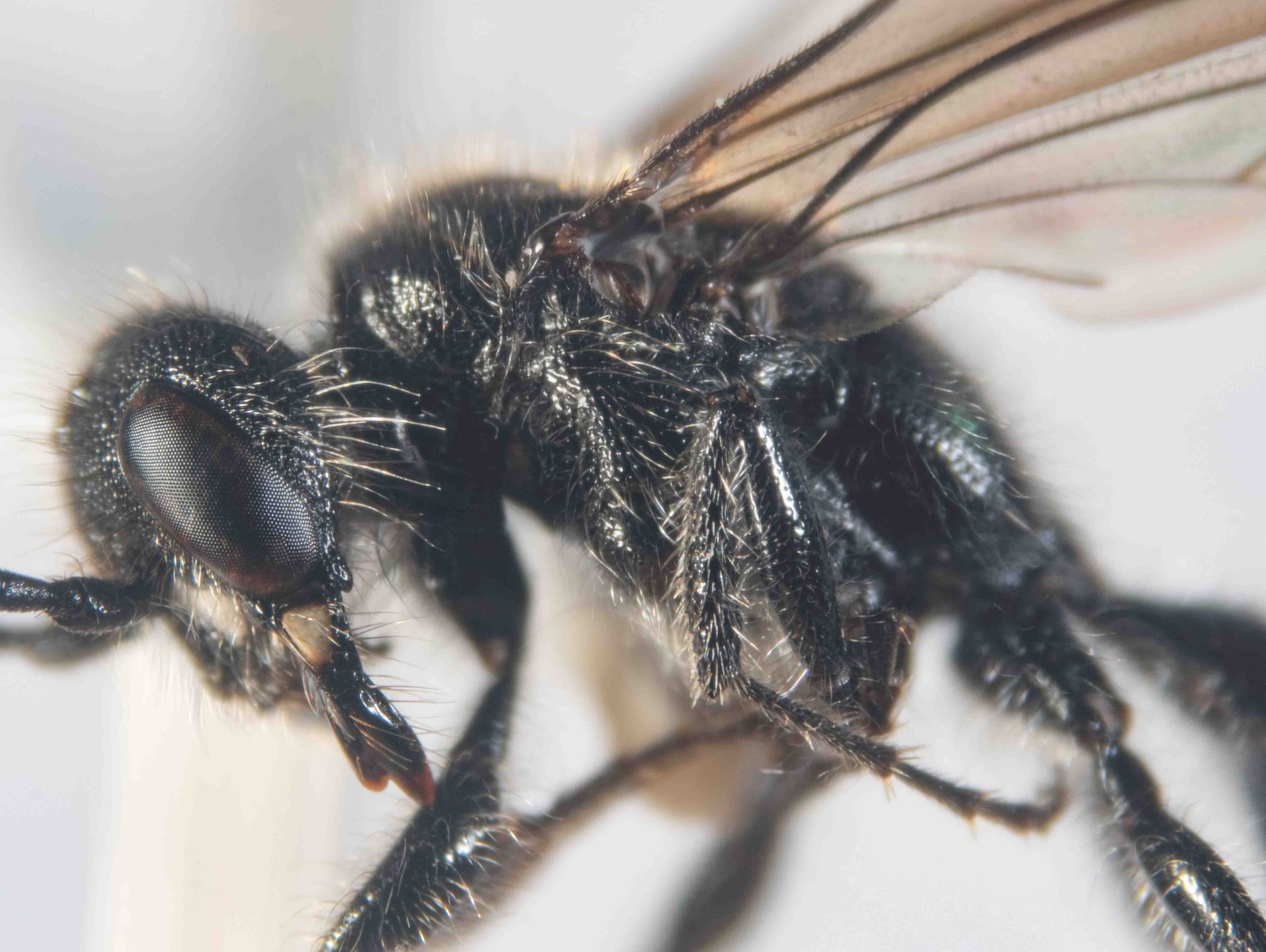
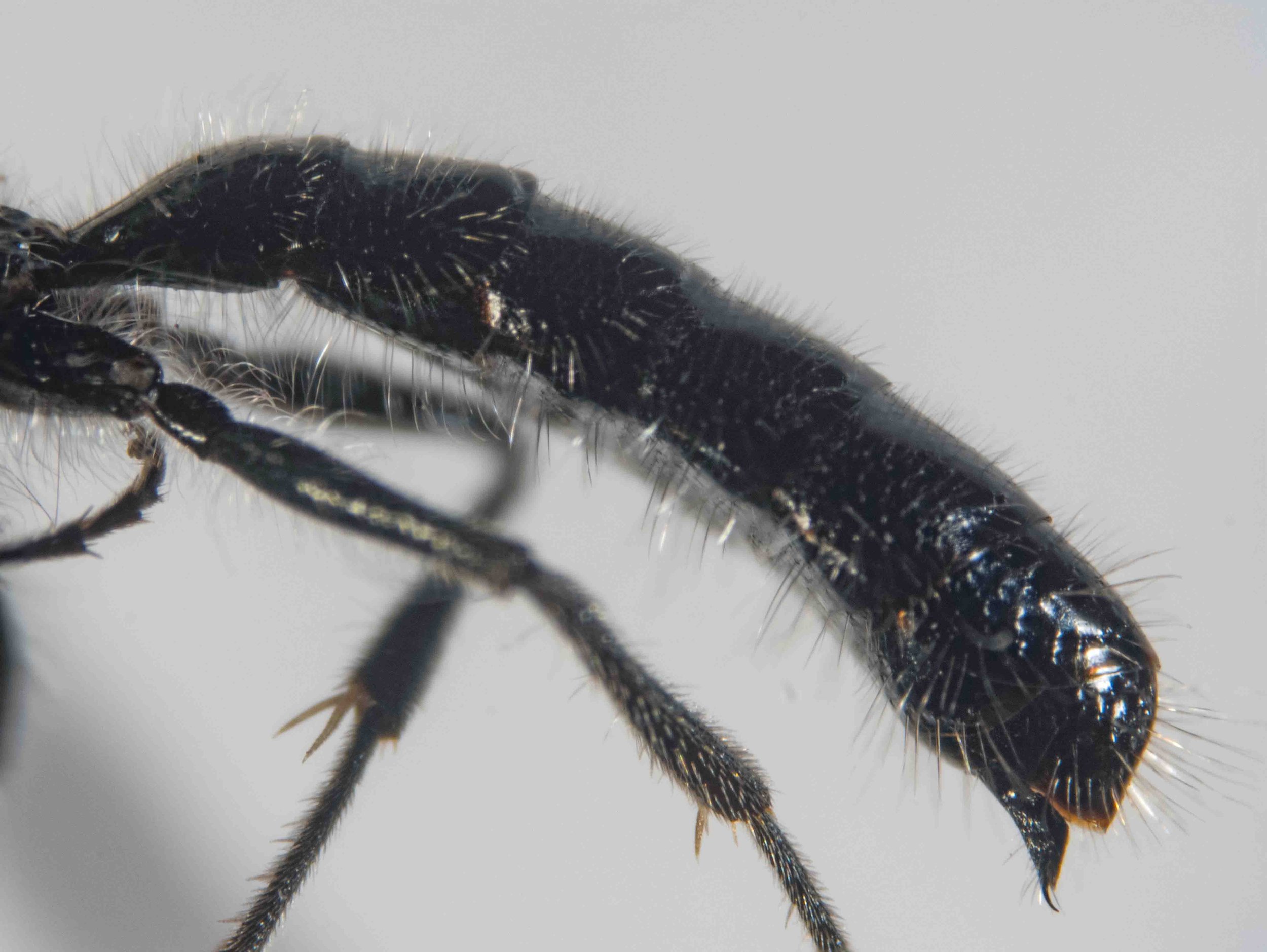
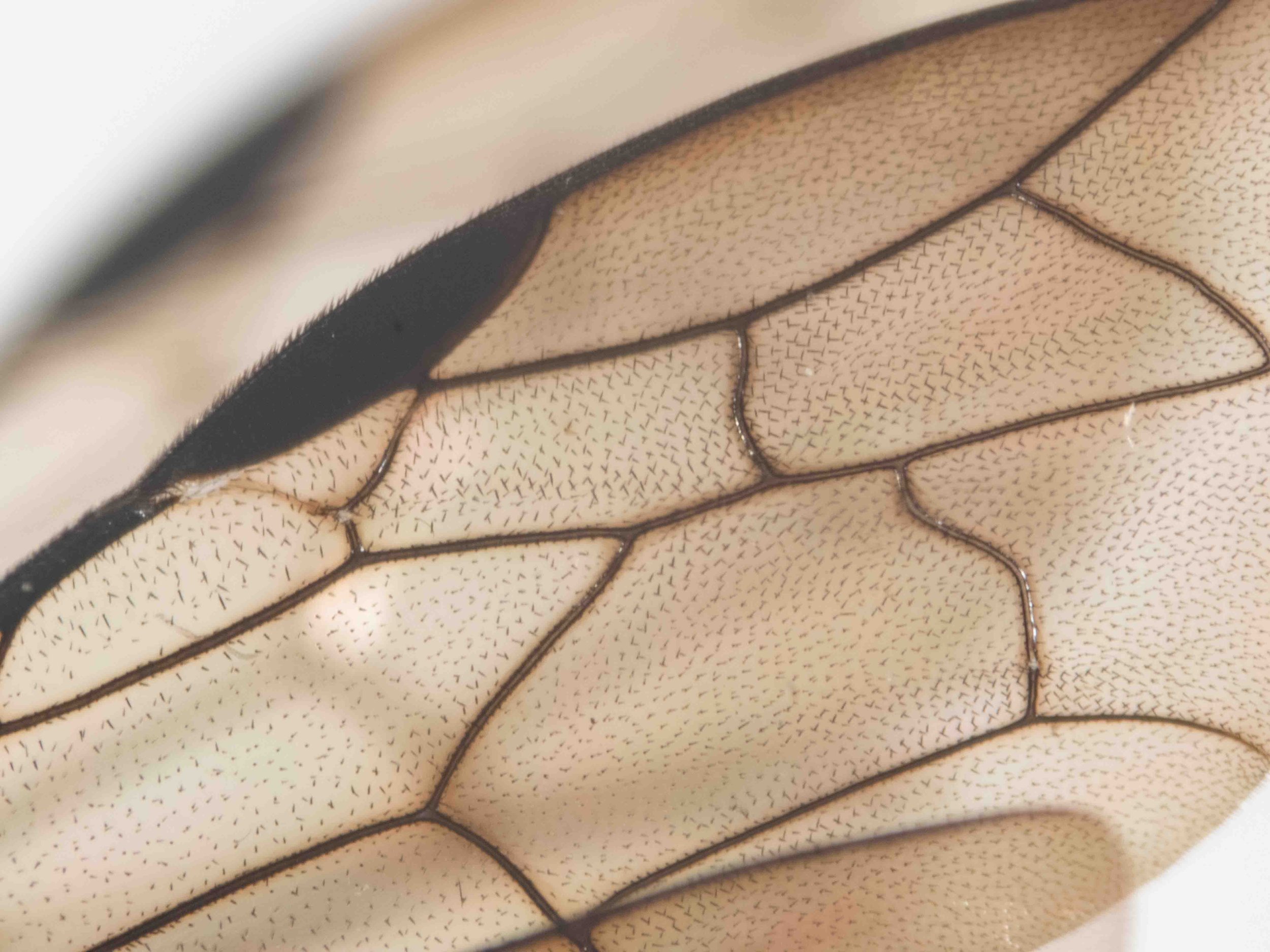
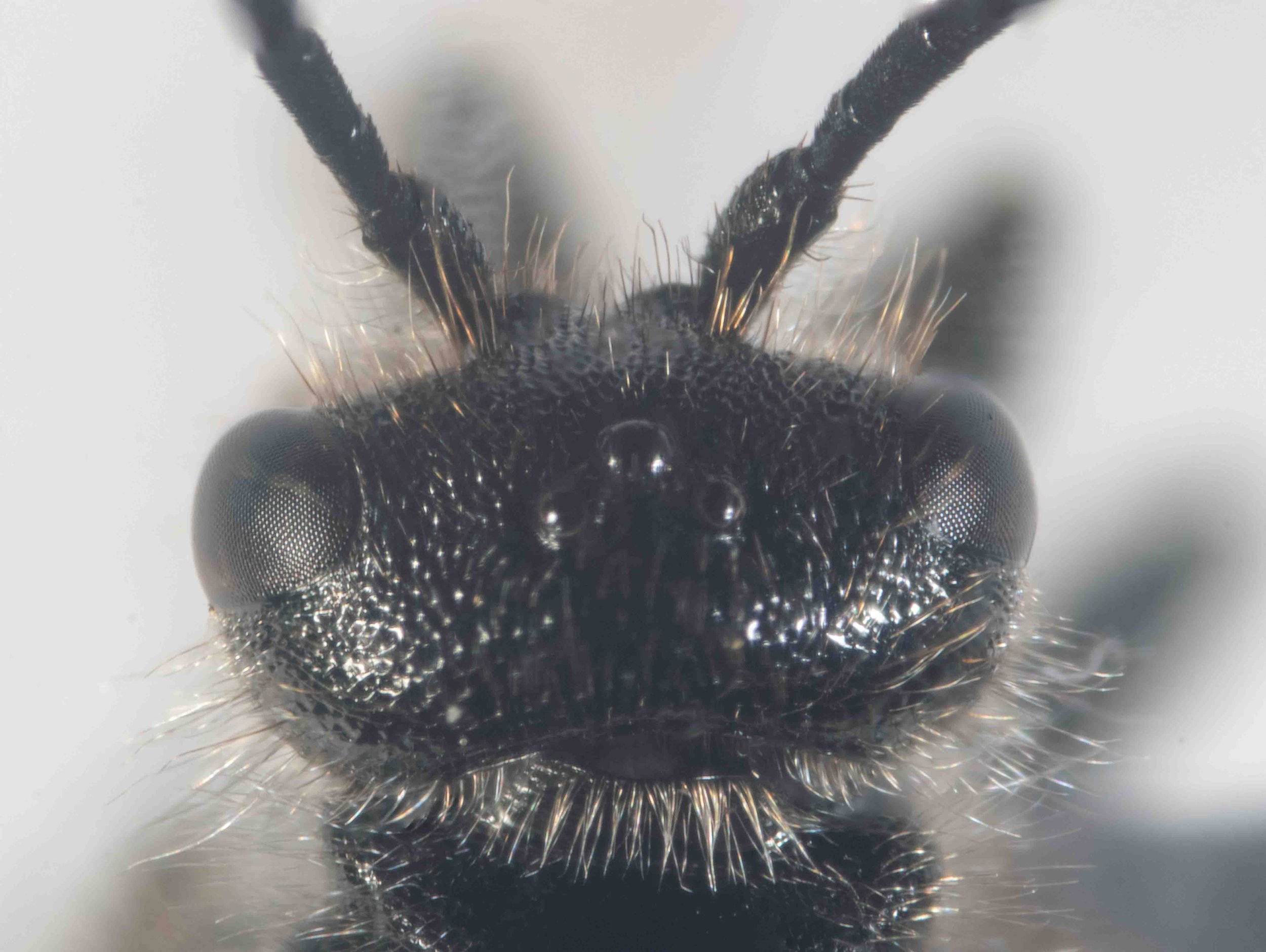
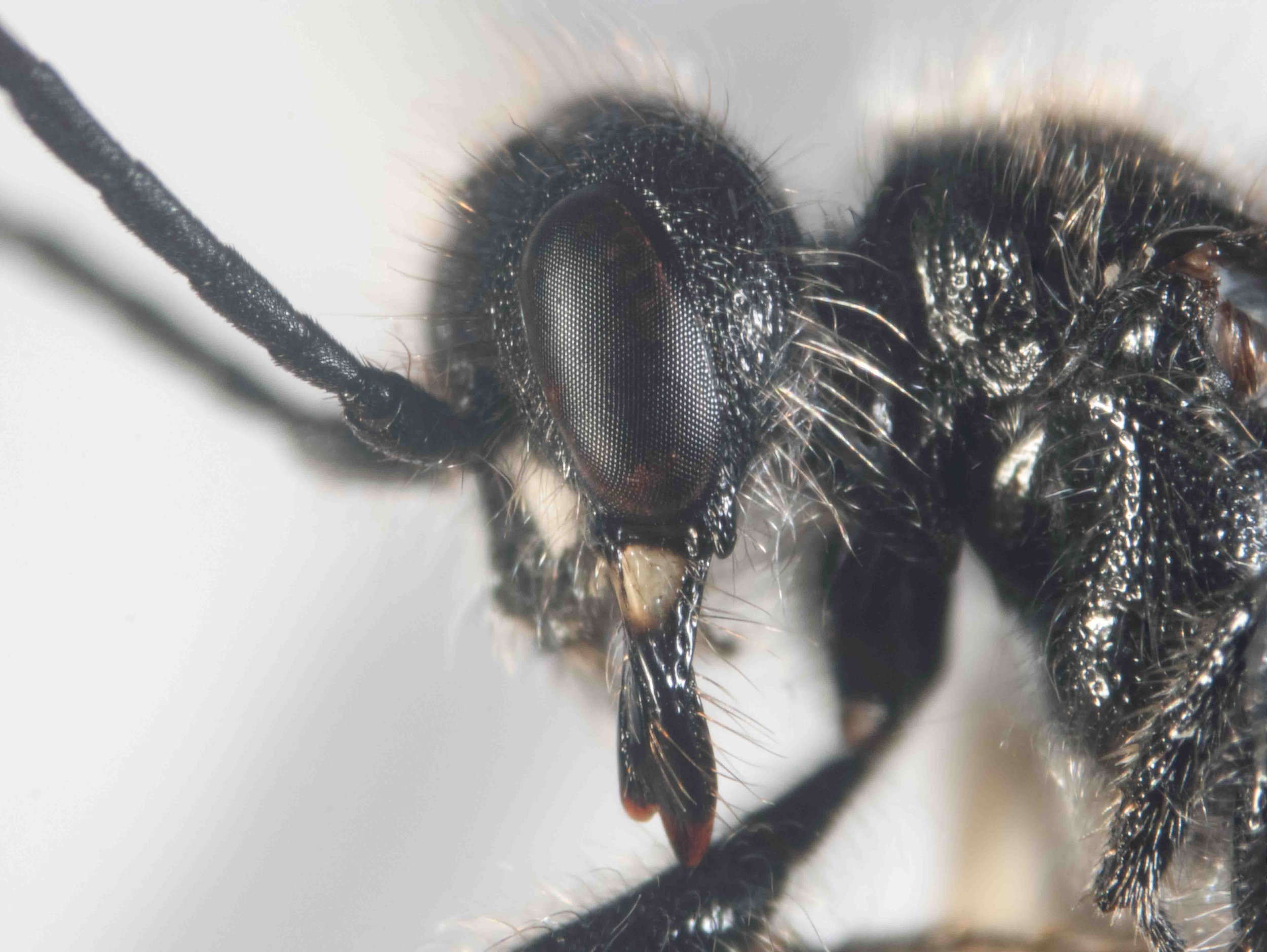
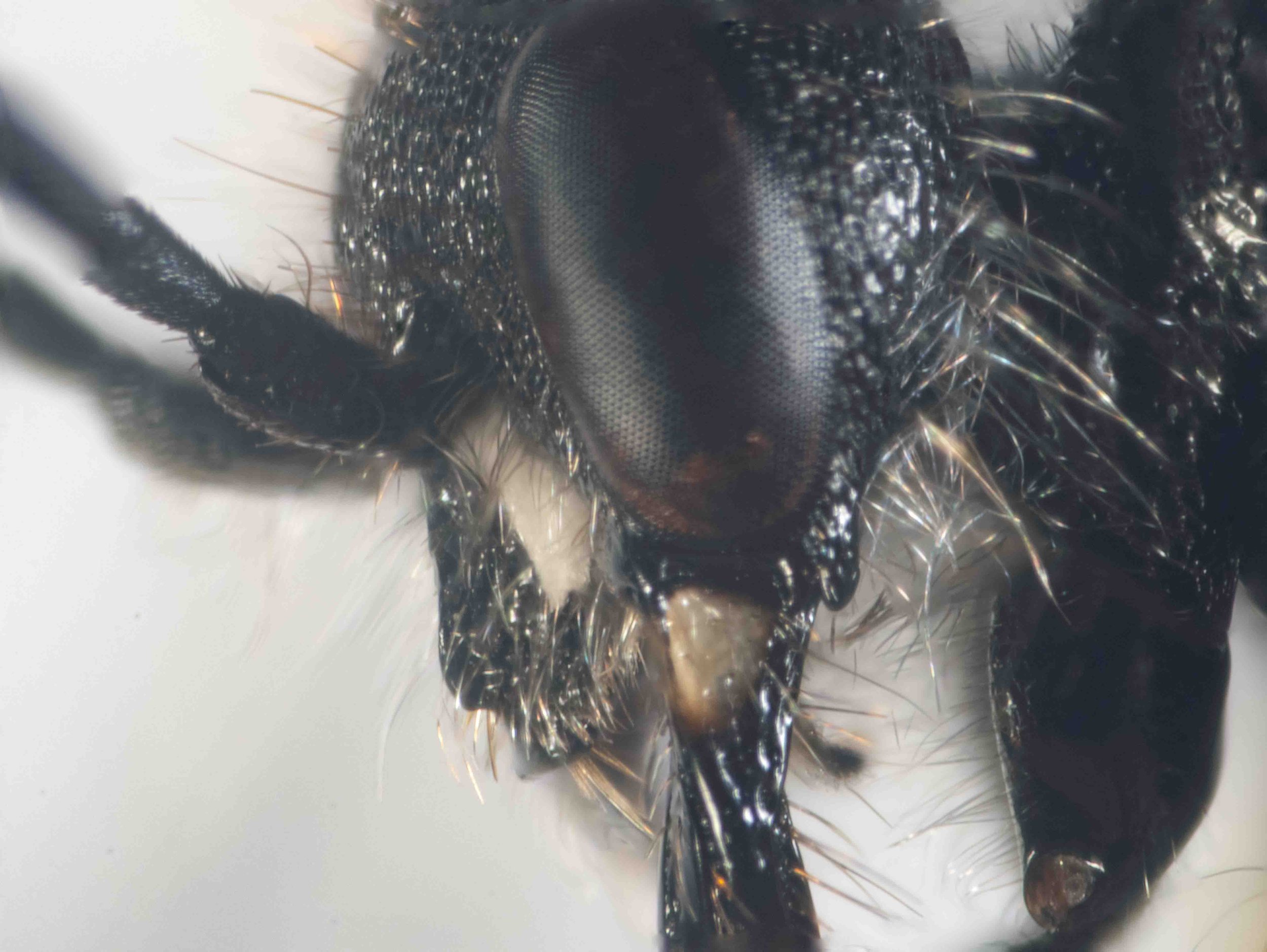
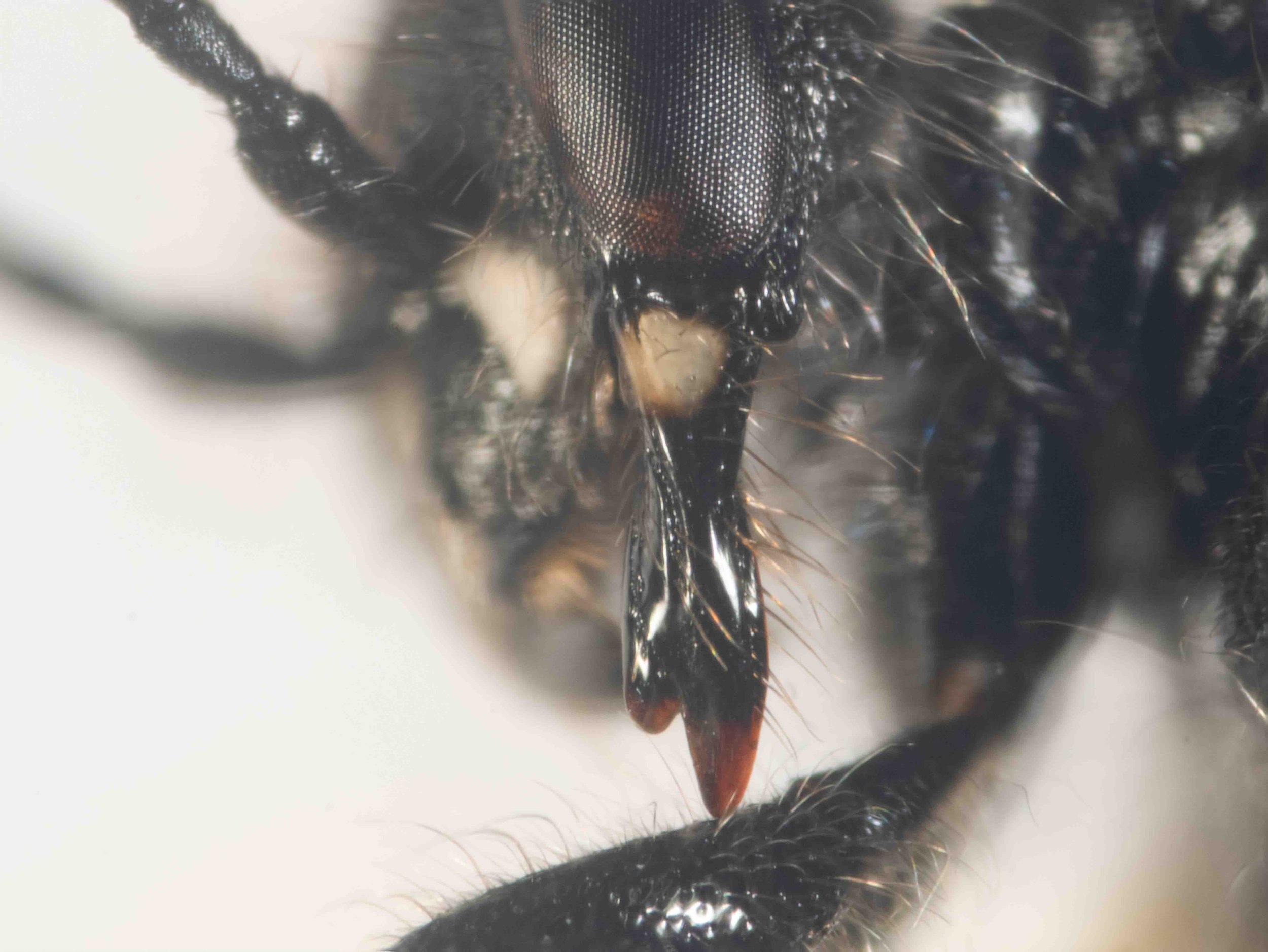
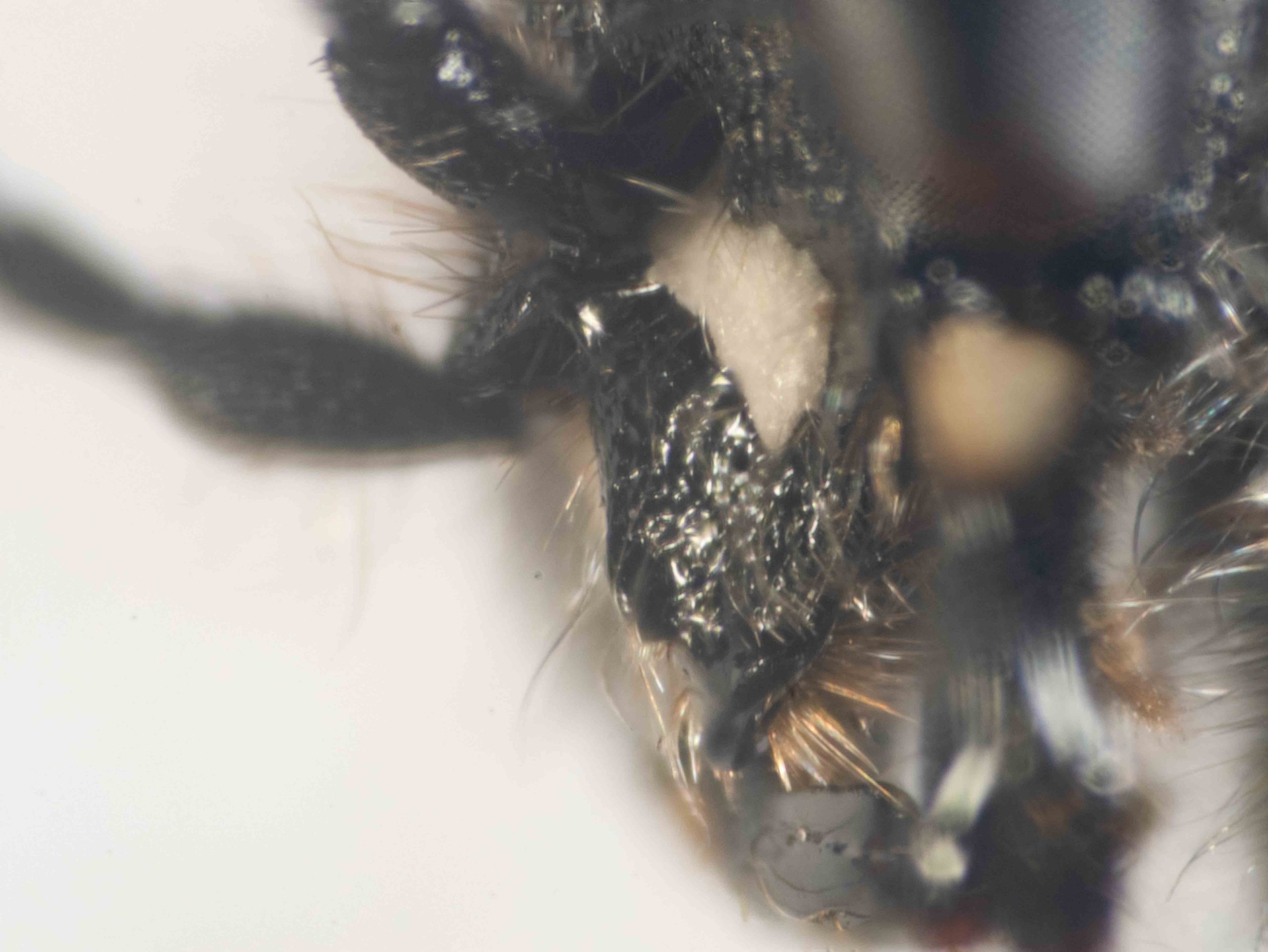
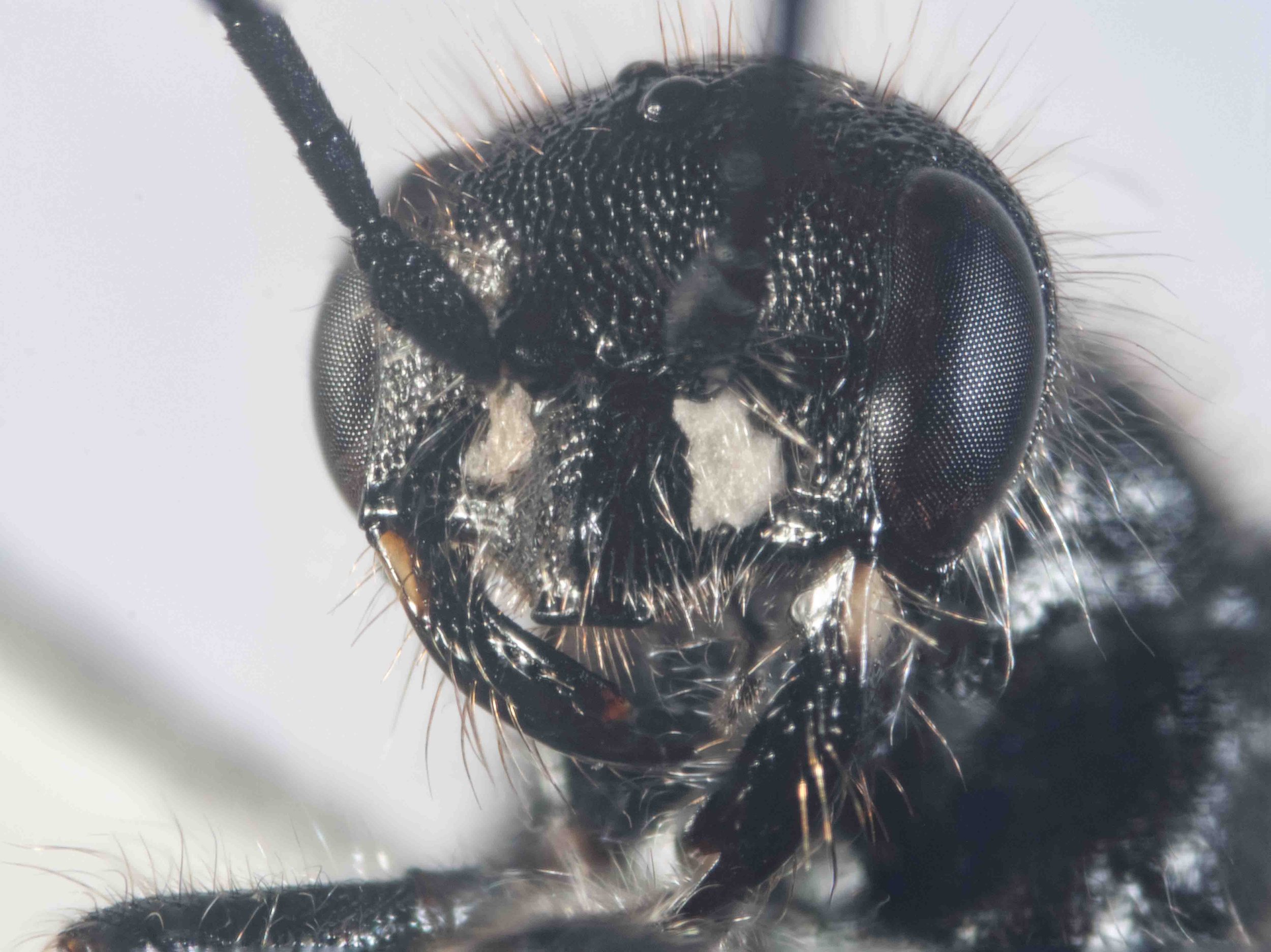
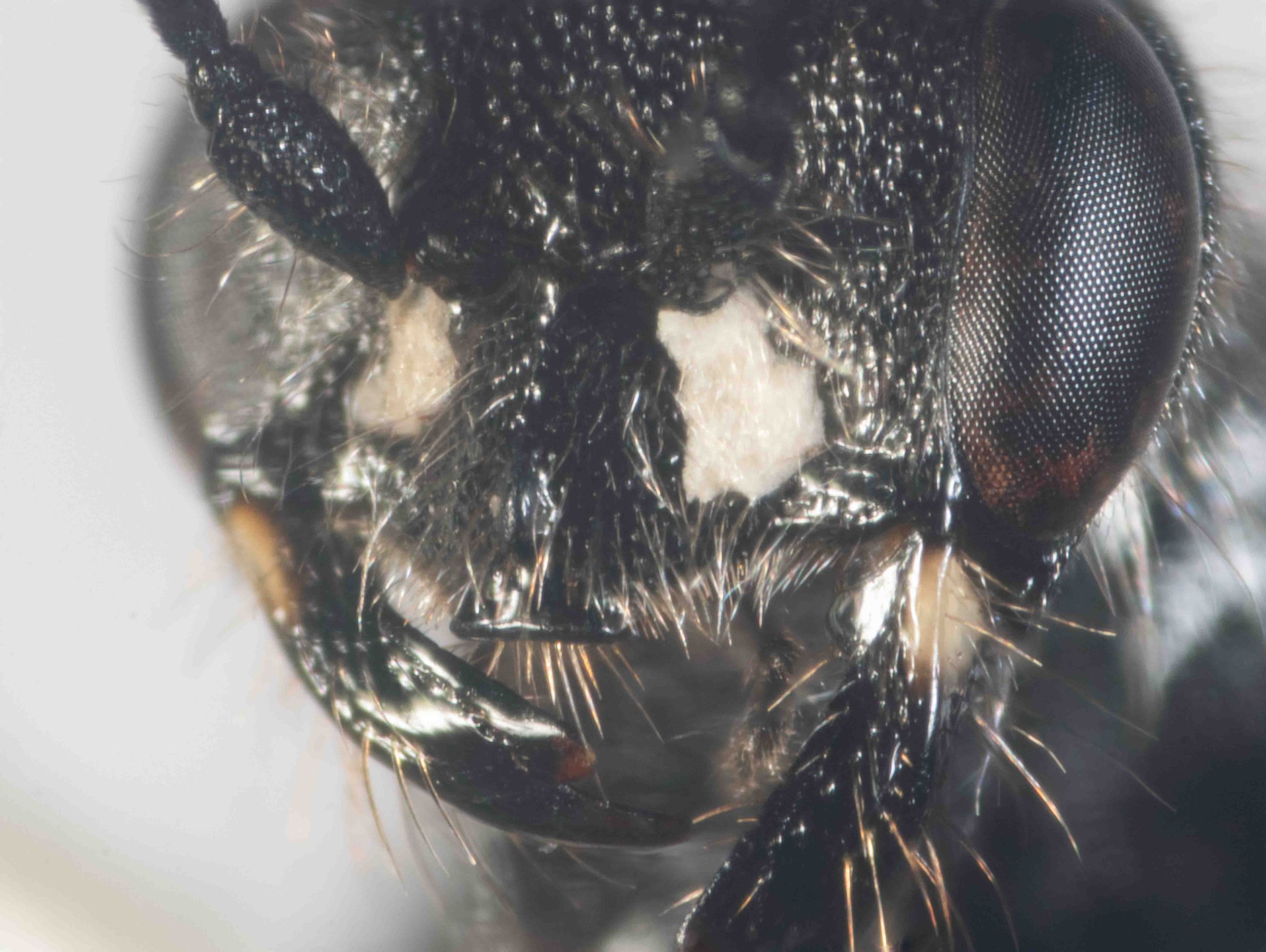
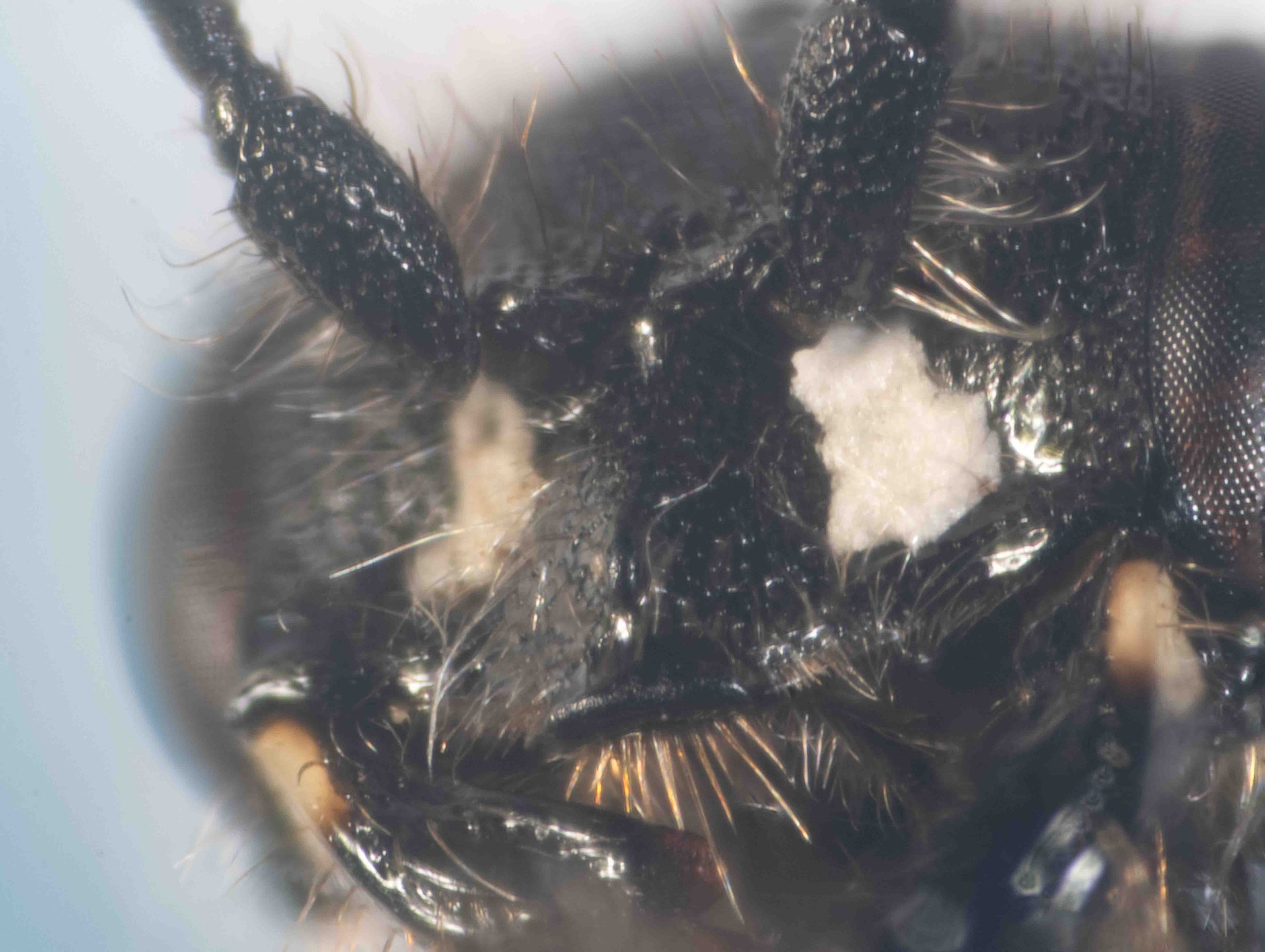
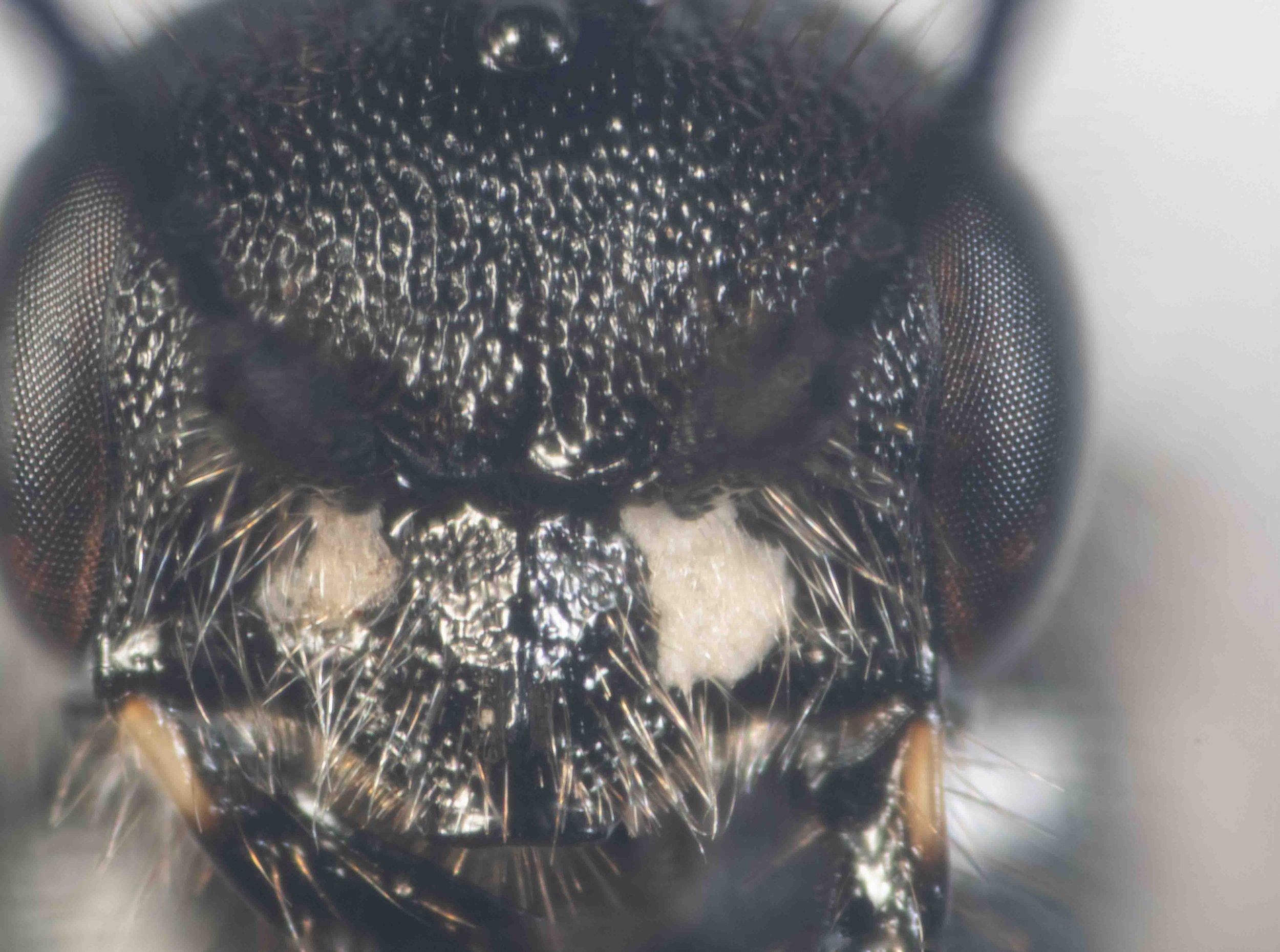
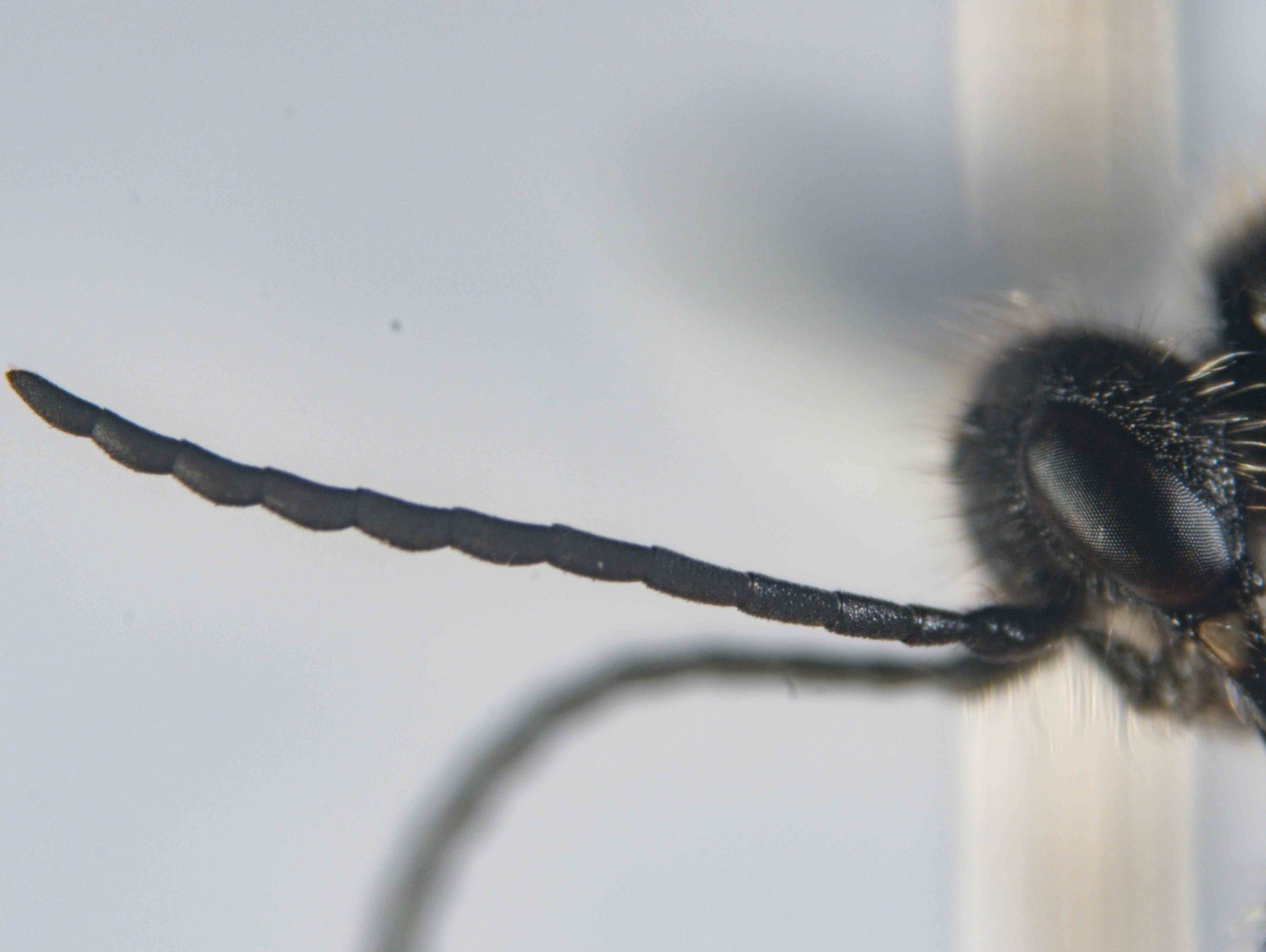
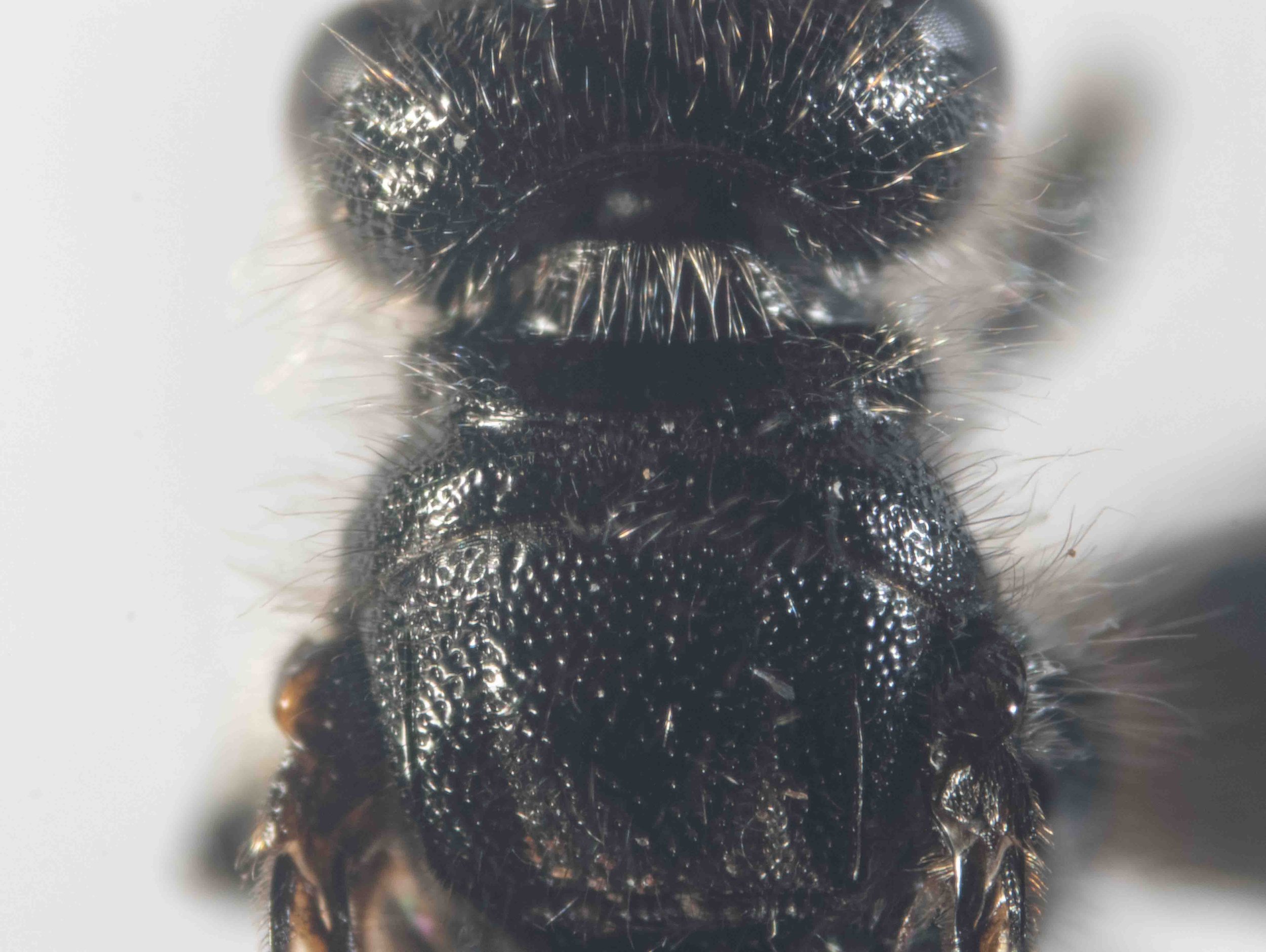
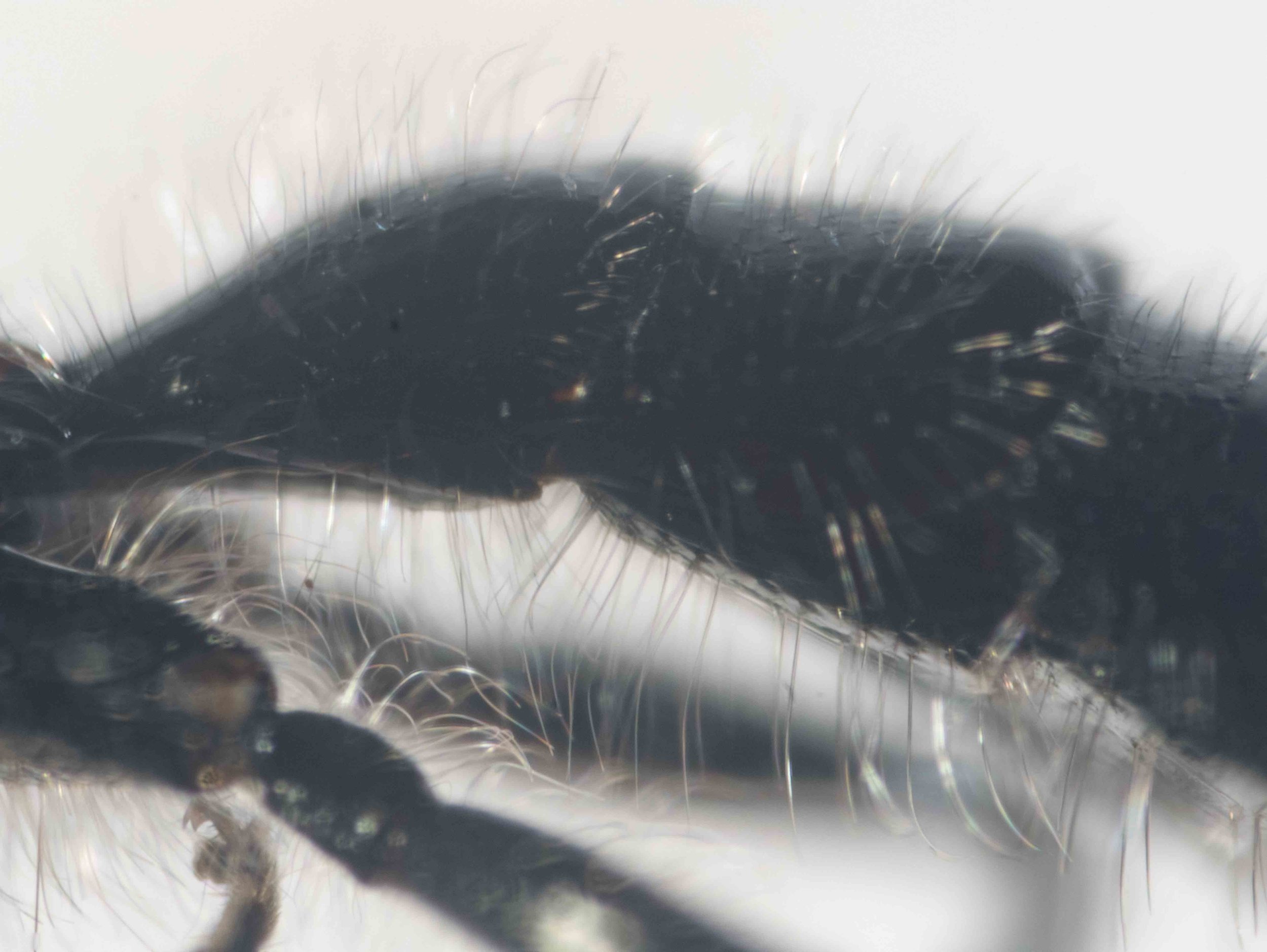
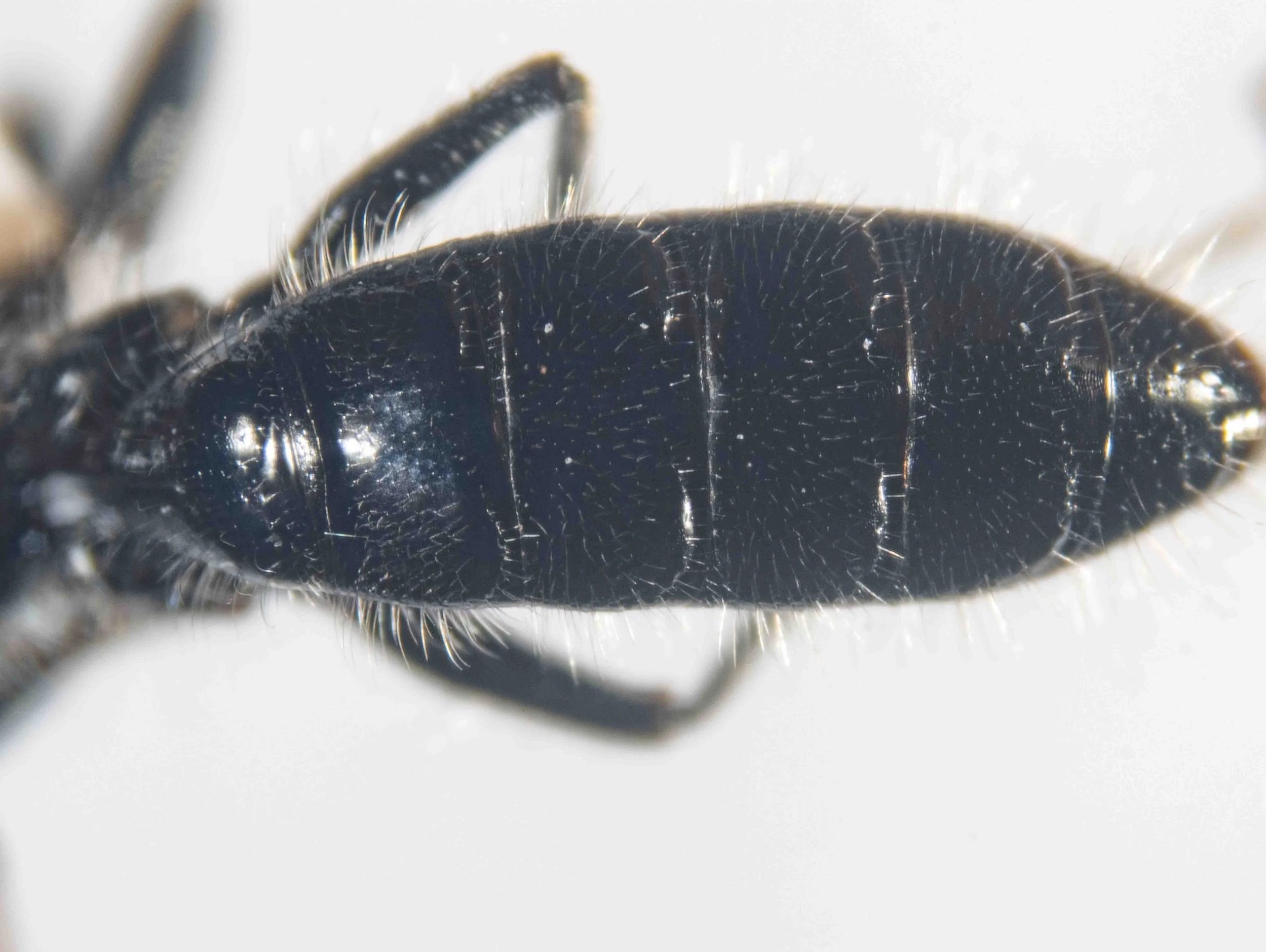
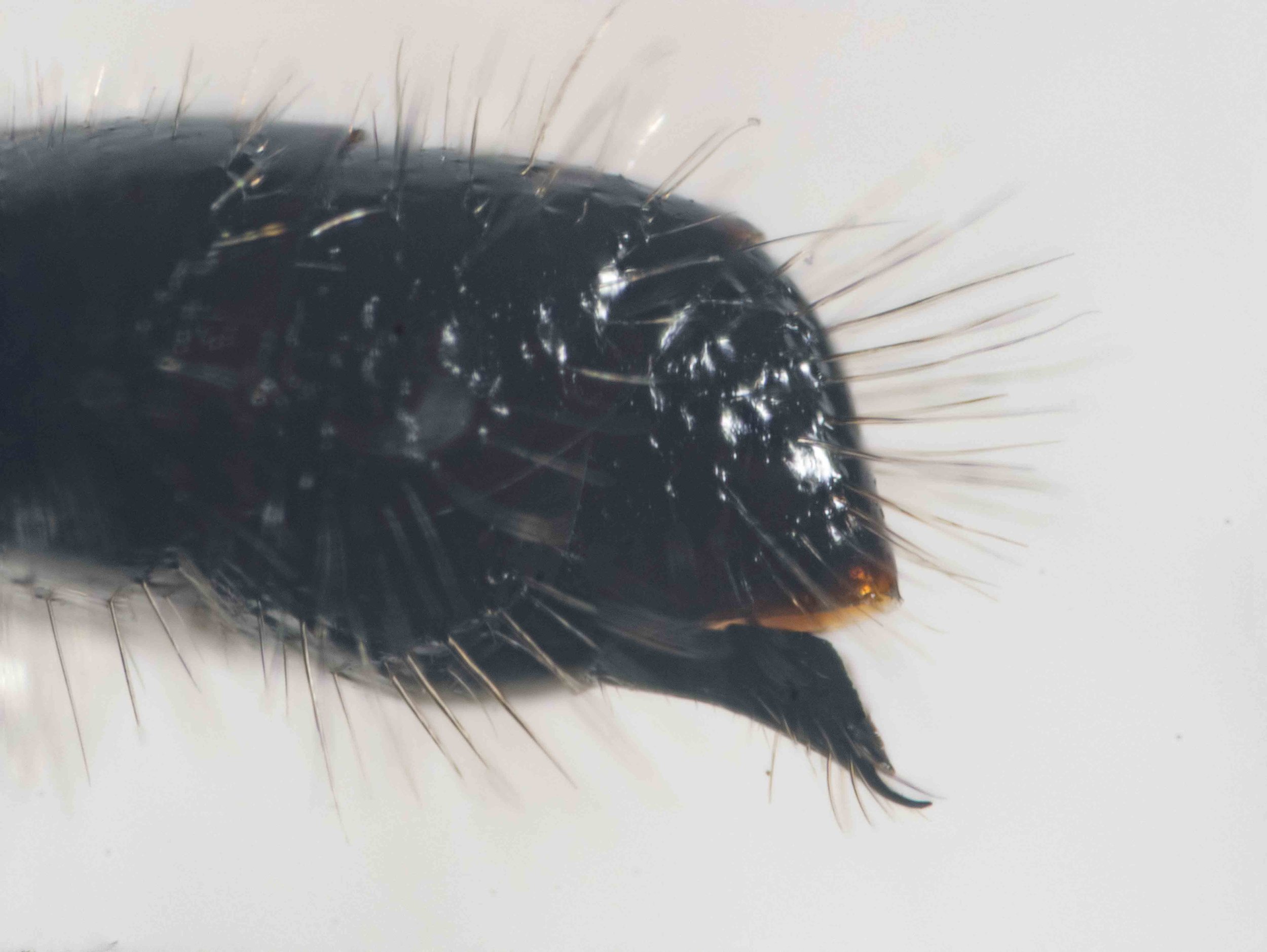
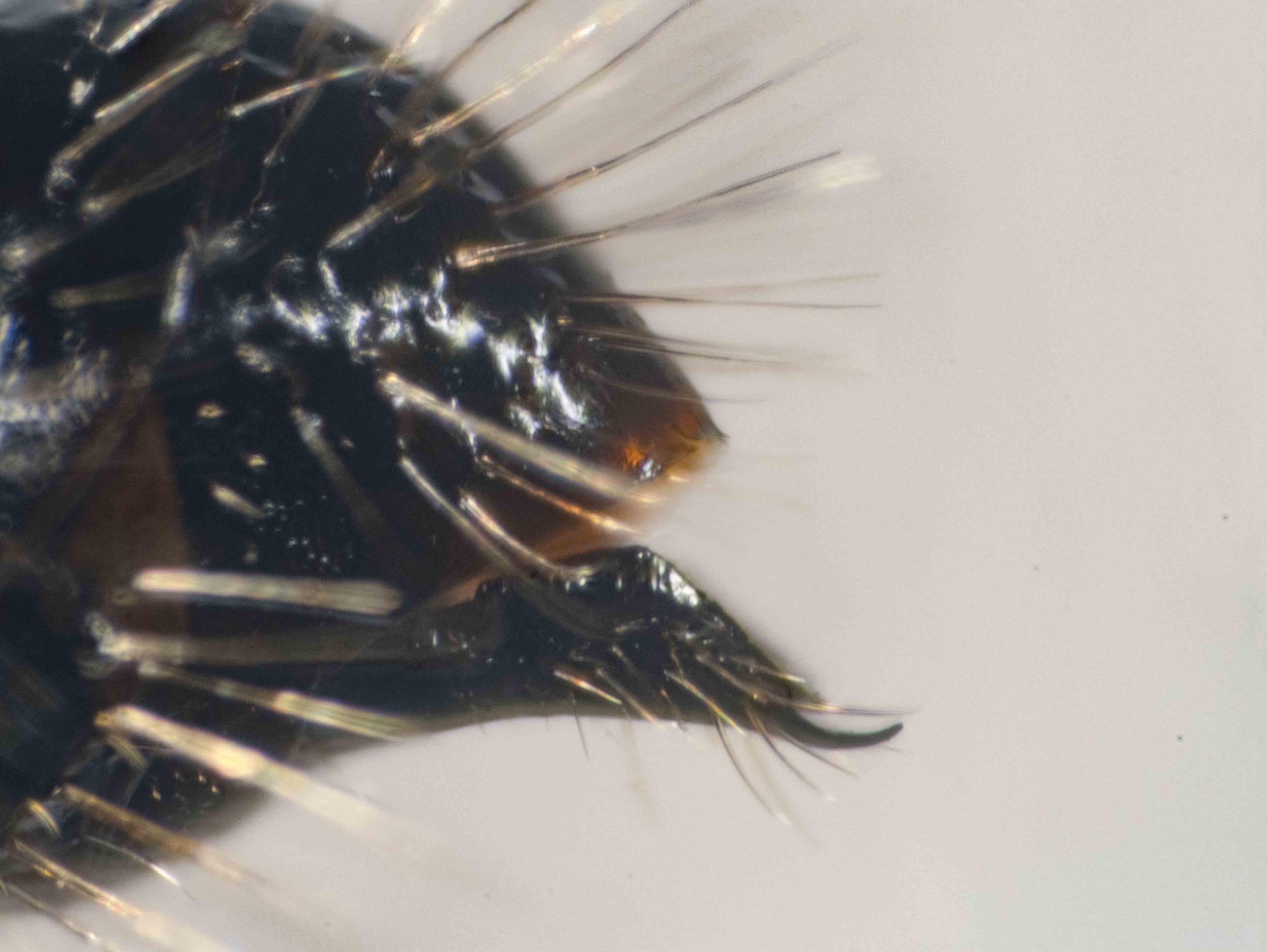
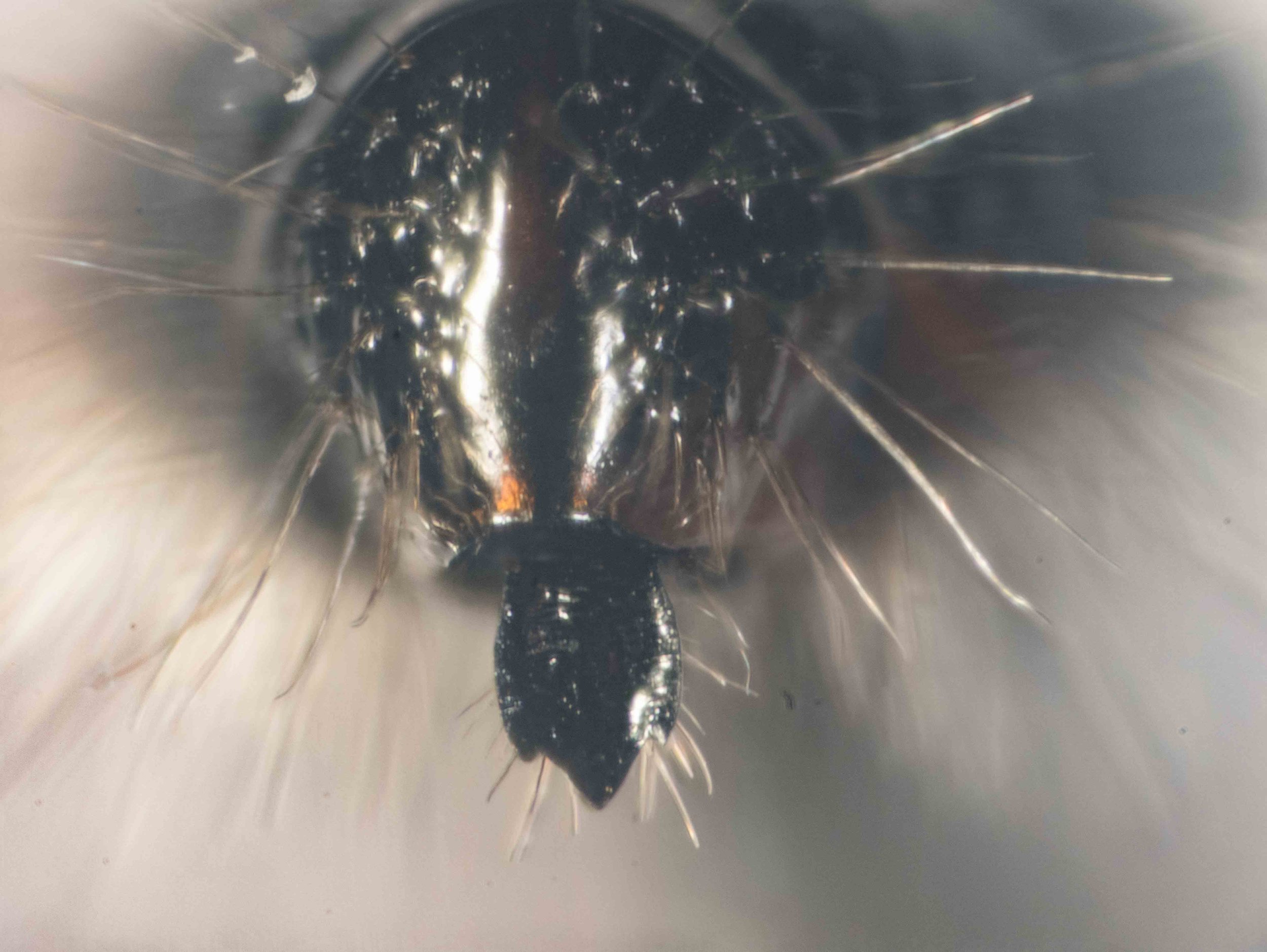
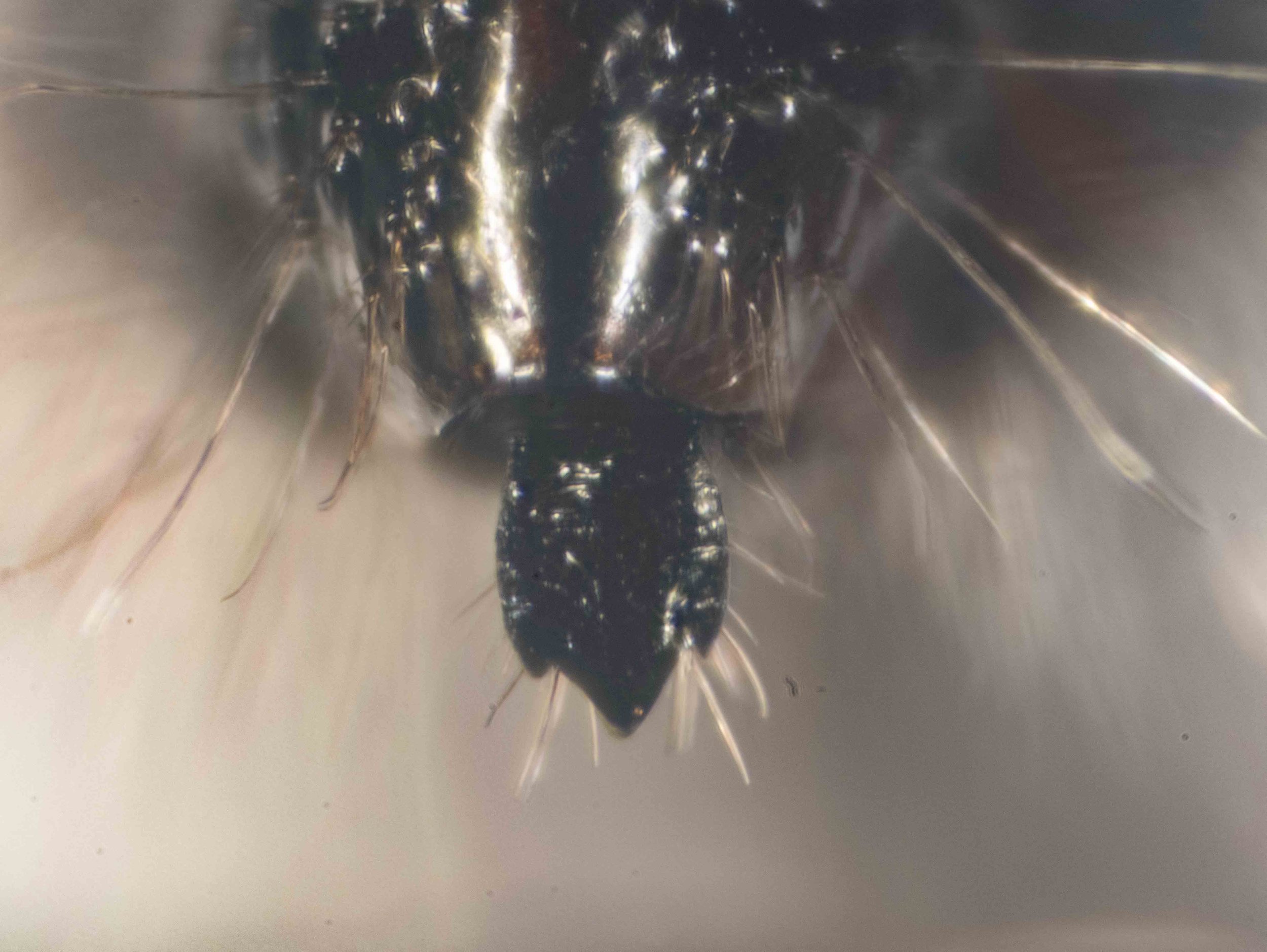
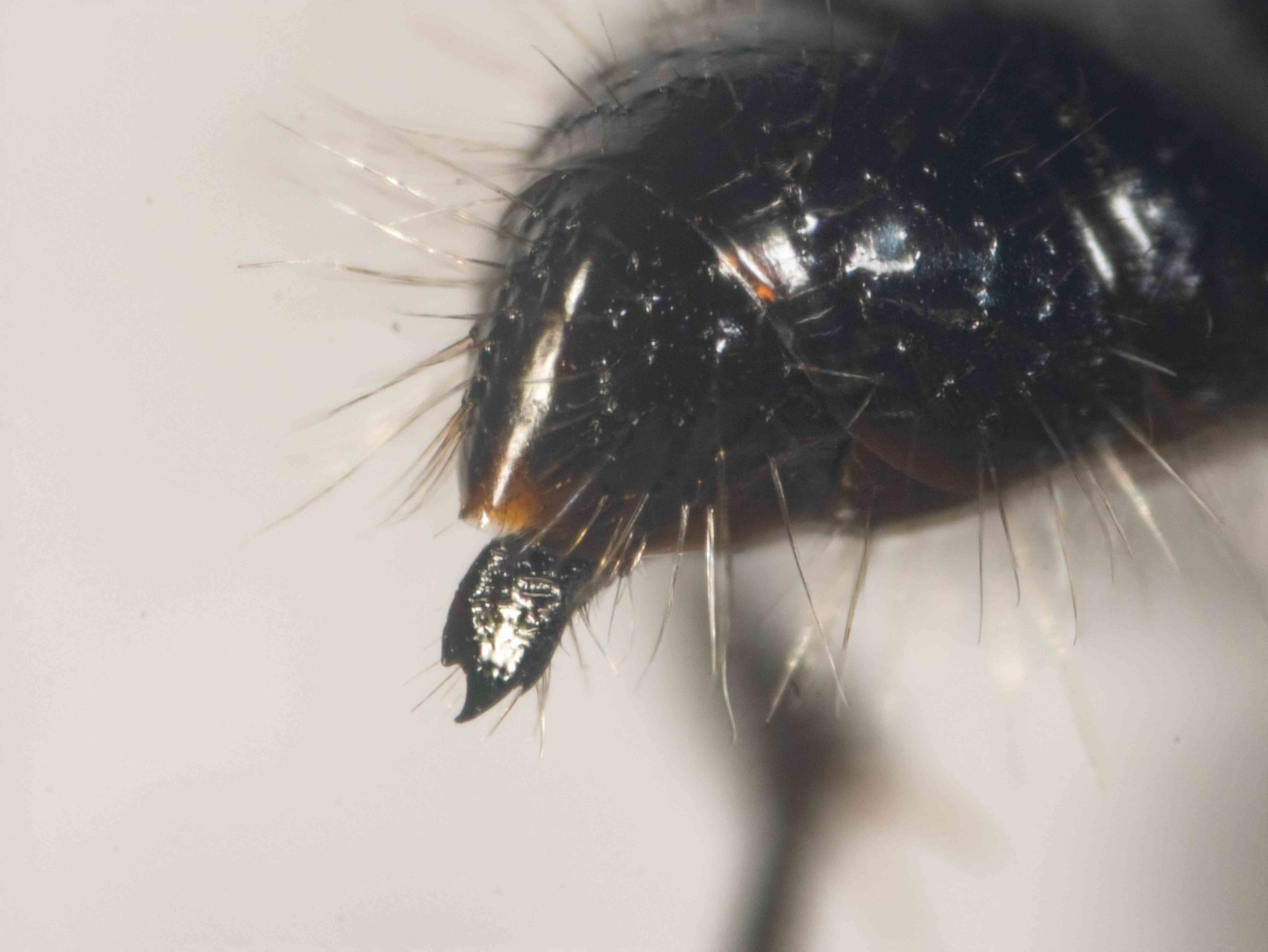
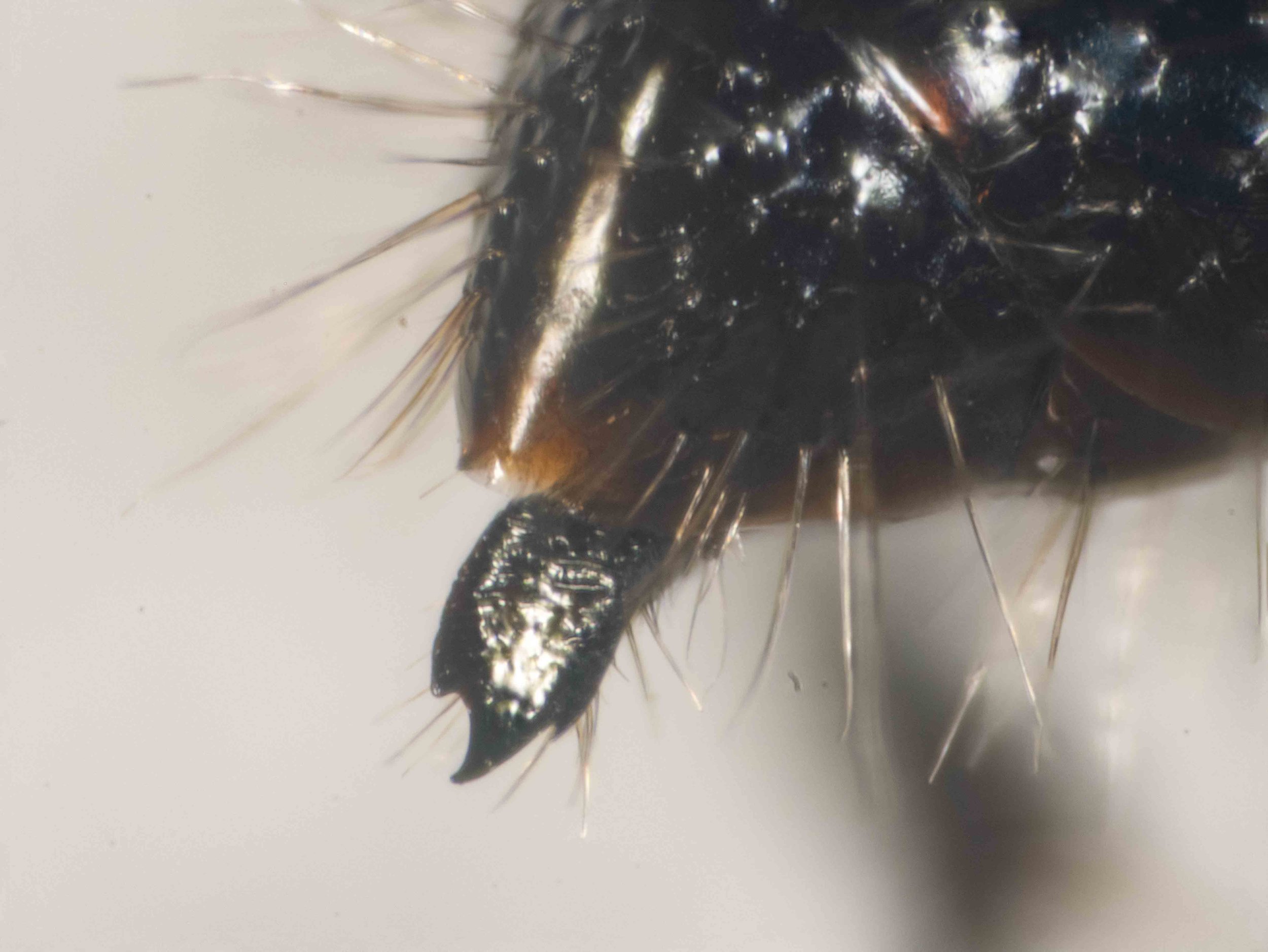
The following is my justification for excluding other options among the Thynnidae and Tiphiidae.
Thynninae: Tachynomyini: Phymatothynnus
Family THYNNIDAE, based on:
3 submarginal cells & frons produced above antennal sockets (so not Tiphiidae: Tiphiinae)
Subfamily THYNNINAE, based on:
frons produced above antennal sockets (so NOT Anthoboscinae)
forewing with 1r vein, albeit weak (so NOT Myzininae)
forewing with 2m-cu meeting SCIII (so NOT Diamminae)
I exclude Rhagigasterini, Iswaroidini, and Thynnini, based on:
hypopygium spinose (so NOT Eirone)
apical spine of hypopygium short and not strongly upturned (so NOT other Rhagigasterini genera)
1r vein of forewing relatively weak, sclerotised only for a short distance (so NOT Thynnini)
epipygium WITHOUT apical transverse carina (so NOT Iswaroidini)
pronotum not obviously short (generally unlike Tachynomini, but see below)
I exclude Agriomyini, as #091 matches none of the nine genera known from south-eastern Australia:
vertex without two brown spots (so NOT Aelothynnus, Aulacothynnus, Chilothynnus)
clypeus with sagittal carina (so NOT Aelothynnus, Neozeleboria)
clypeus with regular sagittal carina, NOT broad and flat (so NOT Agriomyia)
hypopygium effectively trispinose, with larger apical spine and pair lateral spines (so NOT Agriomyia, Aulacothynnus, Chilothynnus, Pentazeleboria, Procerothynnus, Zeleboria, Psammothynnus)
As further test against Tachynomini:
metasomal segments not constricted (so NOT Wrangathynnus)
metasoma NOT subpetiolate (ie T1 NOT longer than wide) (so NOT Ariphron)
genae without digitate process (so NOT Tachynomia)
head NOT strongly concave posteriorly or fringed with long setae (so NOT Tachynomia, Tachyphron, Tachynoides)
… which leaves Psammatothynnus as a good match.
References
Brown, G. 2025. Revision of the Australian Thynnidae and Tiphiidae (Hymenoptera). Zootaxa 5681 (1): 001-862 https://doi.org/10.11646/zootaxa.5681.1.1
This is a workbook page … a part of our website where we record the observations and references used in making species identifications. The notes will not necessarily be complete. They are a record for our own use, but we are happy to share this information with others.