
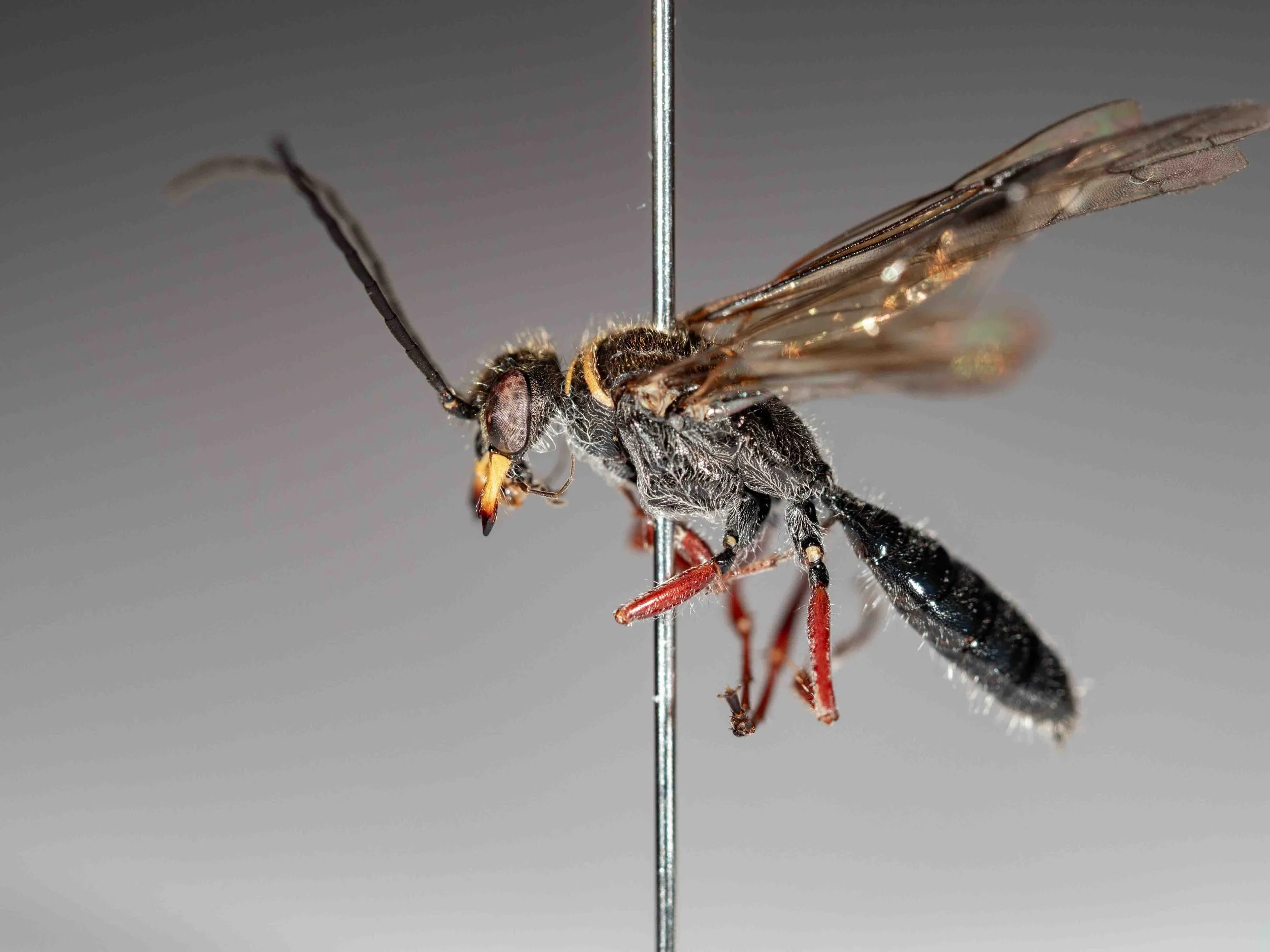
Neozeleboria (specimen 086)
Workbook
Collected in Malaise trap (GMP66424) during the week 7th–14th November 2026 (specimen ID #086)
THYNNINAE: Agriomyini: Neozeleboria
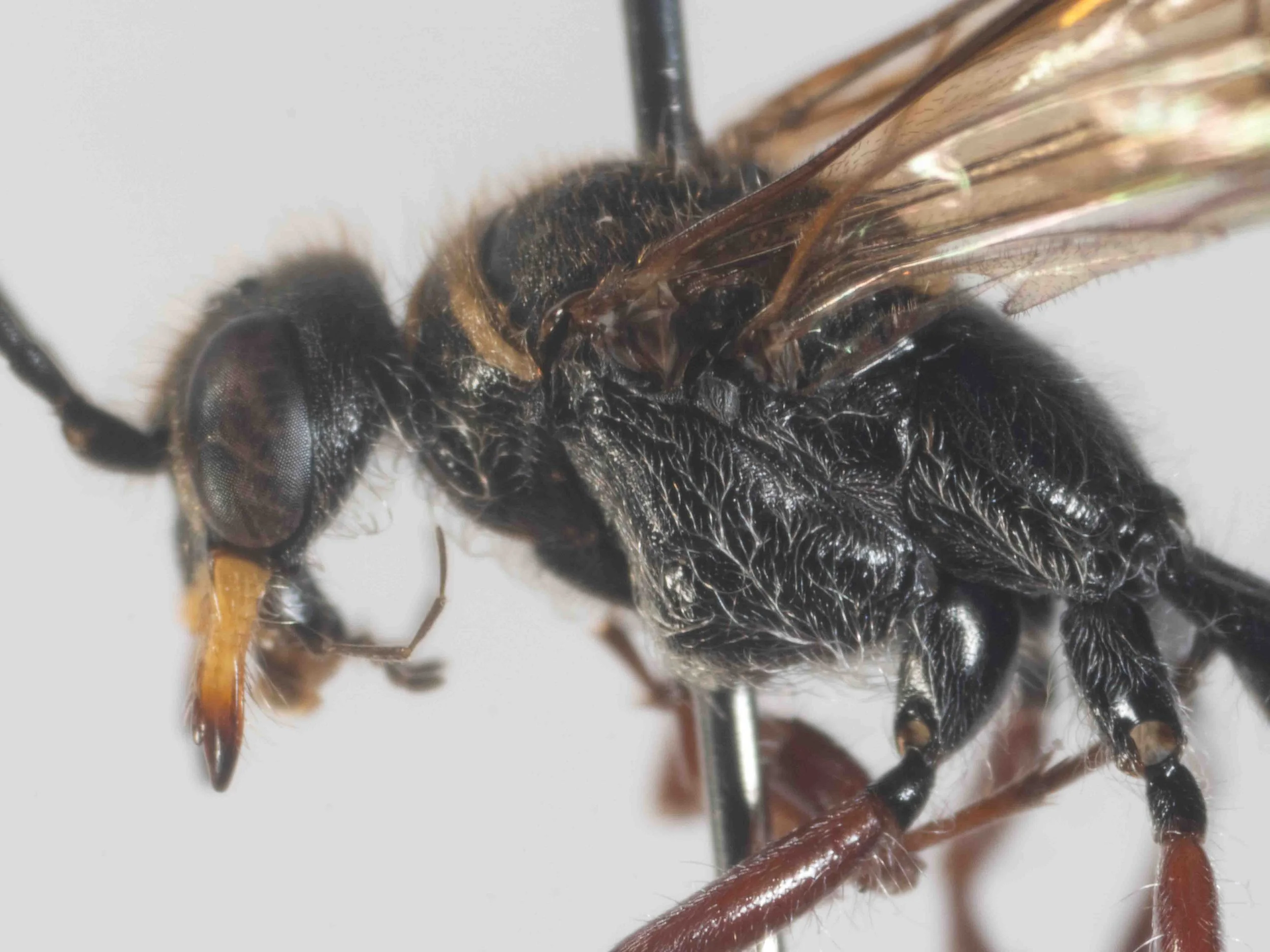
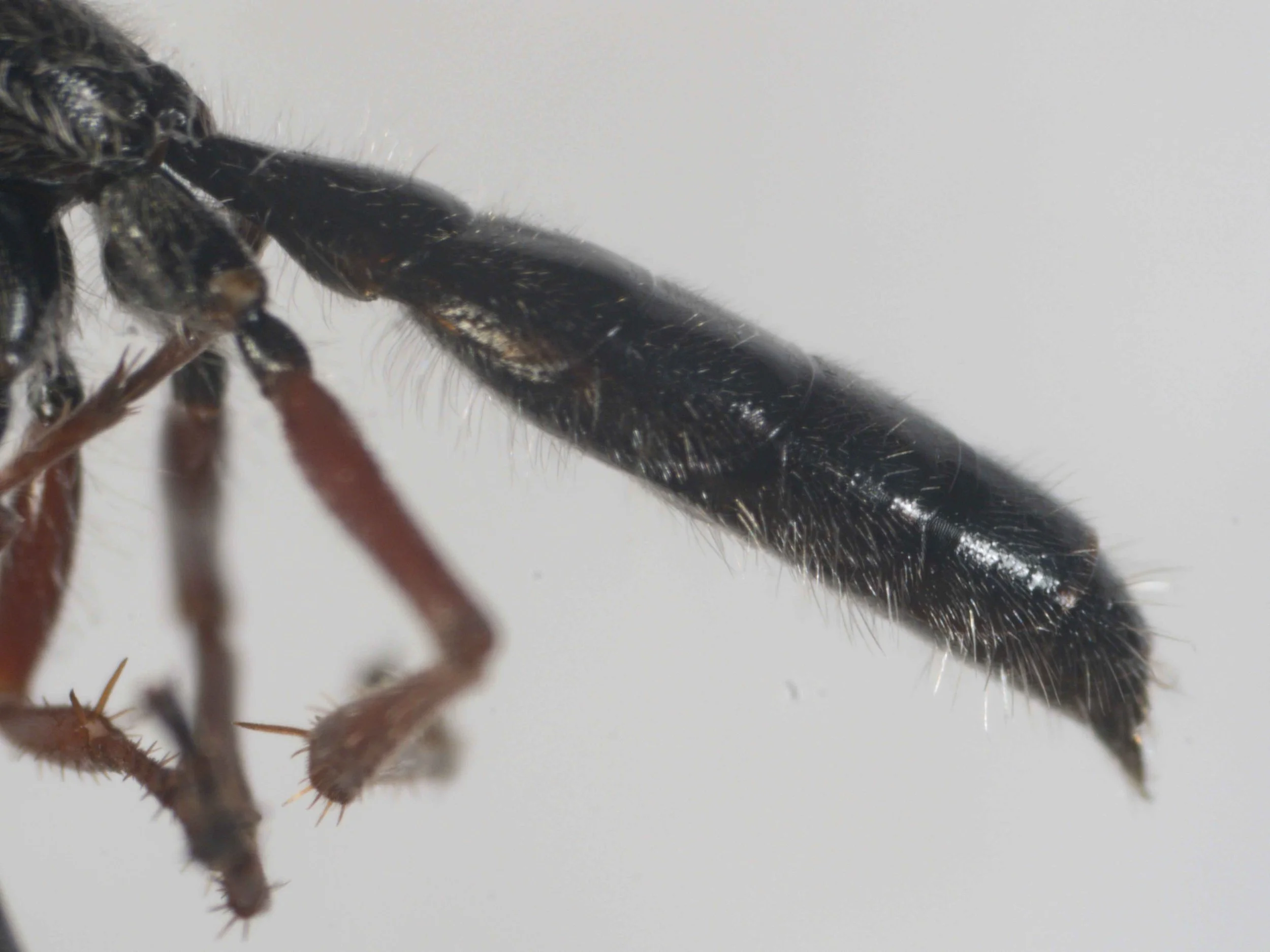
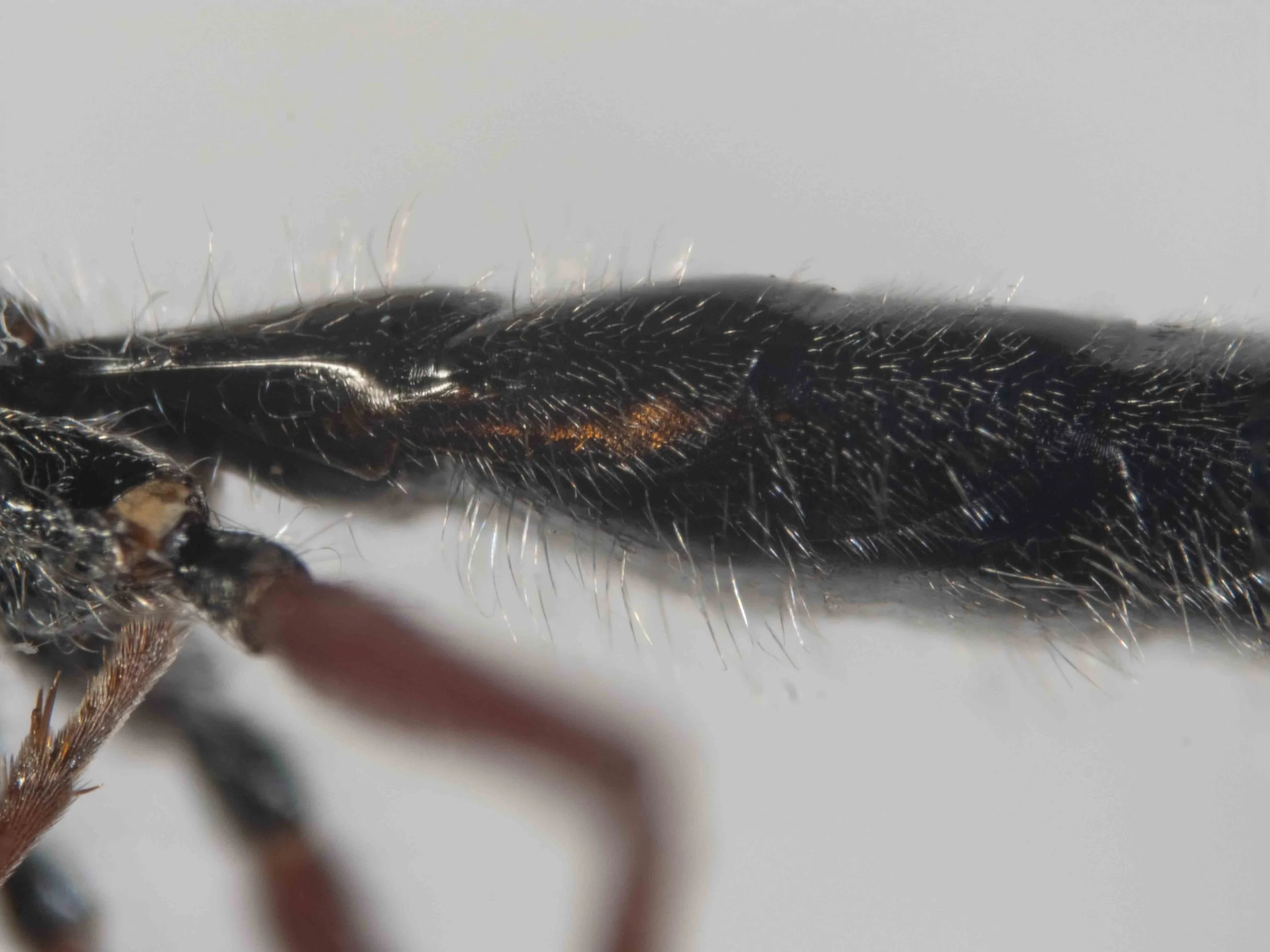
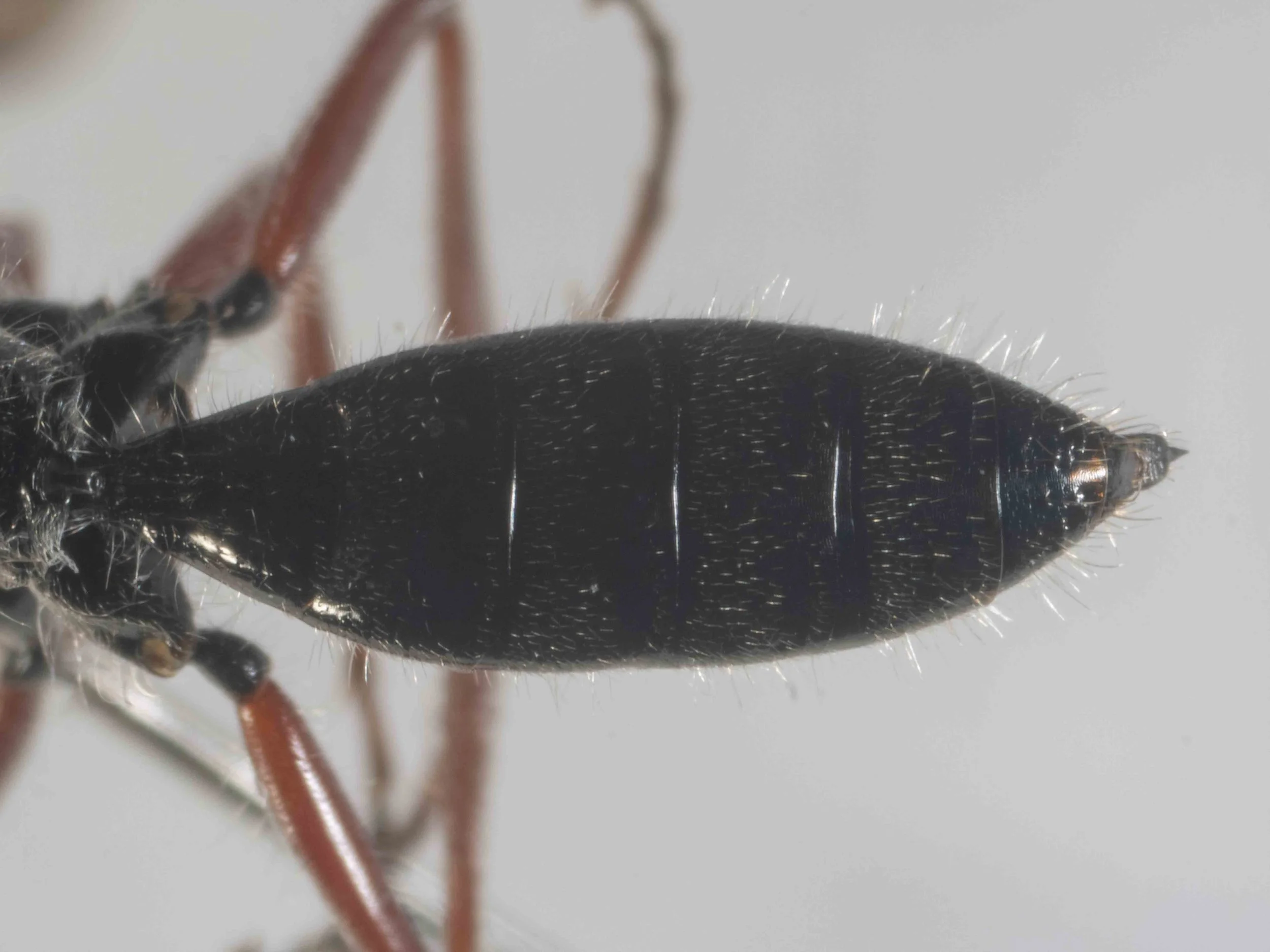
Having worked through the various options, I am confident that specimen #086 is Neozeleboria. It aligns with the diagnostic criteria Brown (2025) listed for the genus, including:
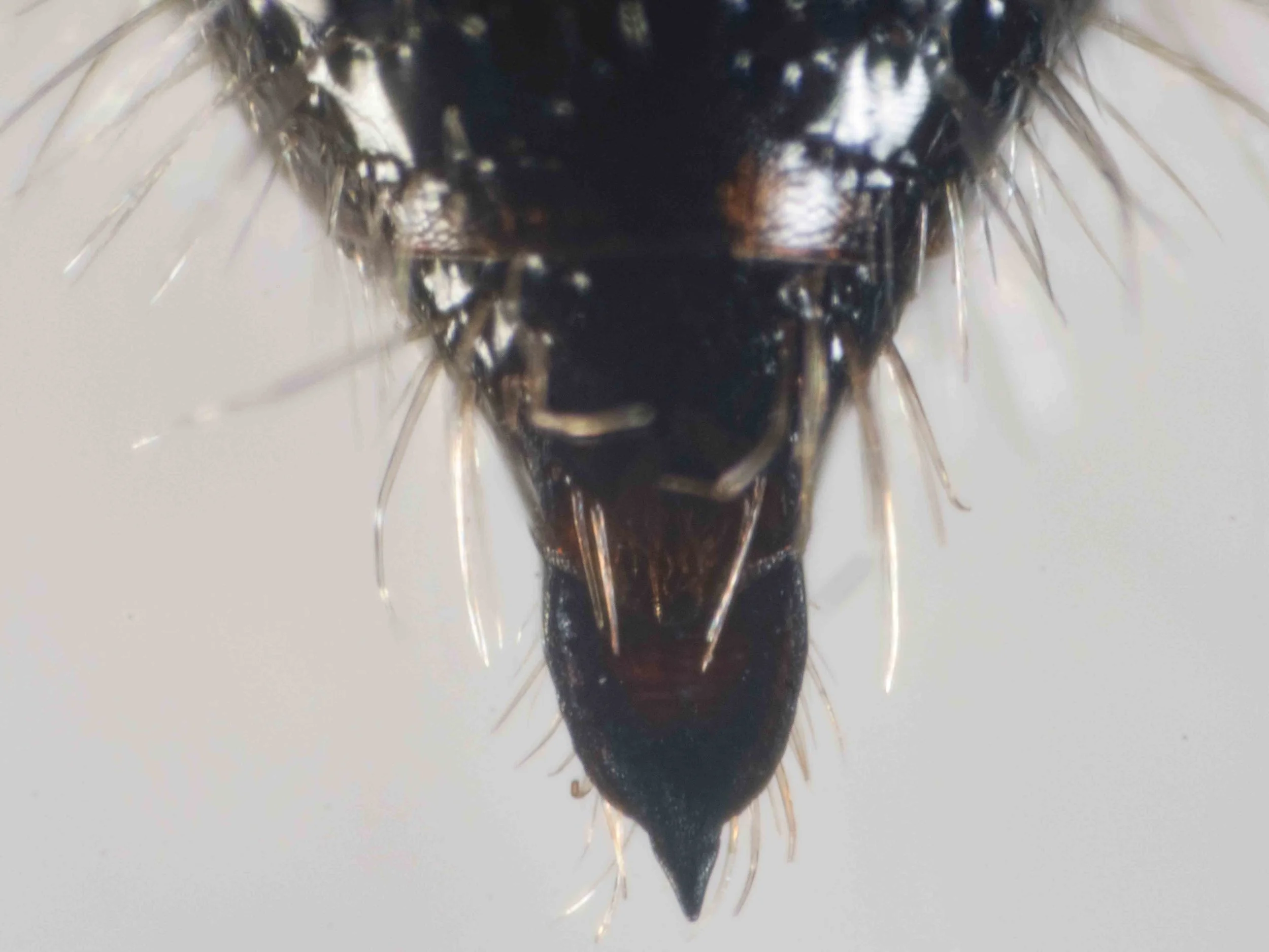
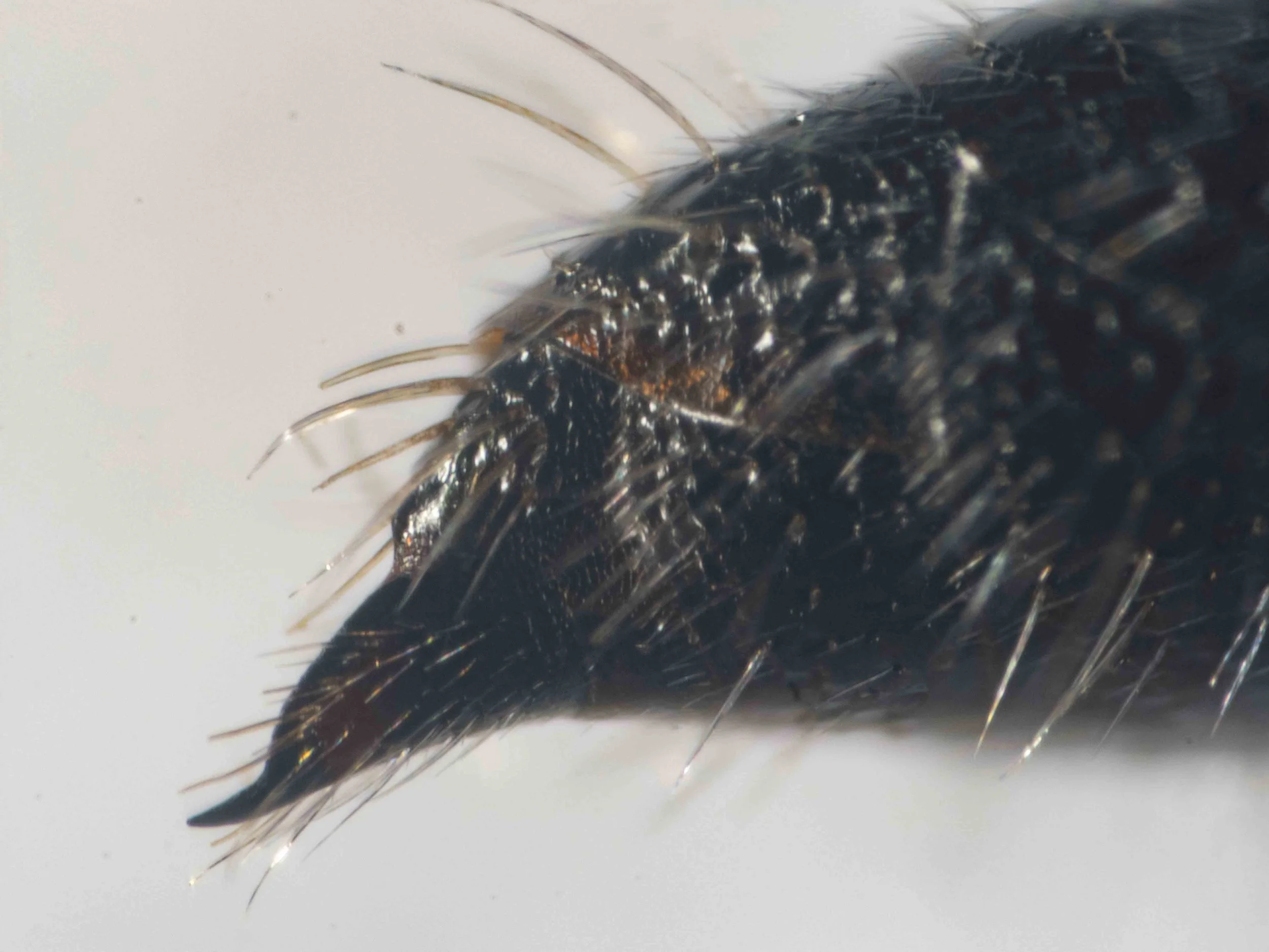
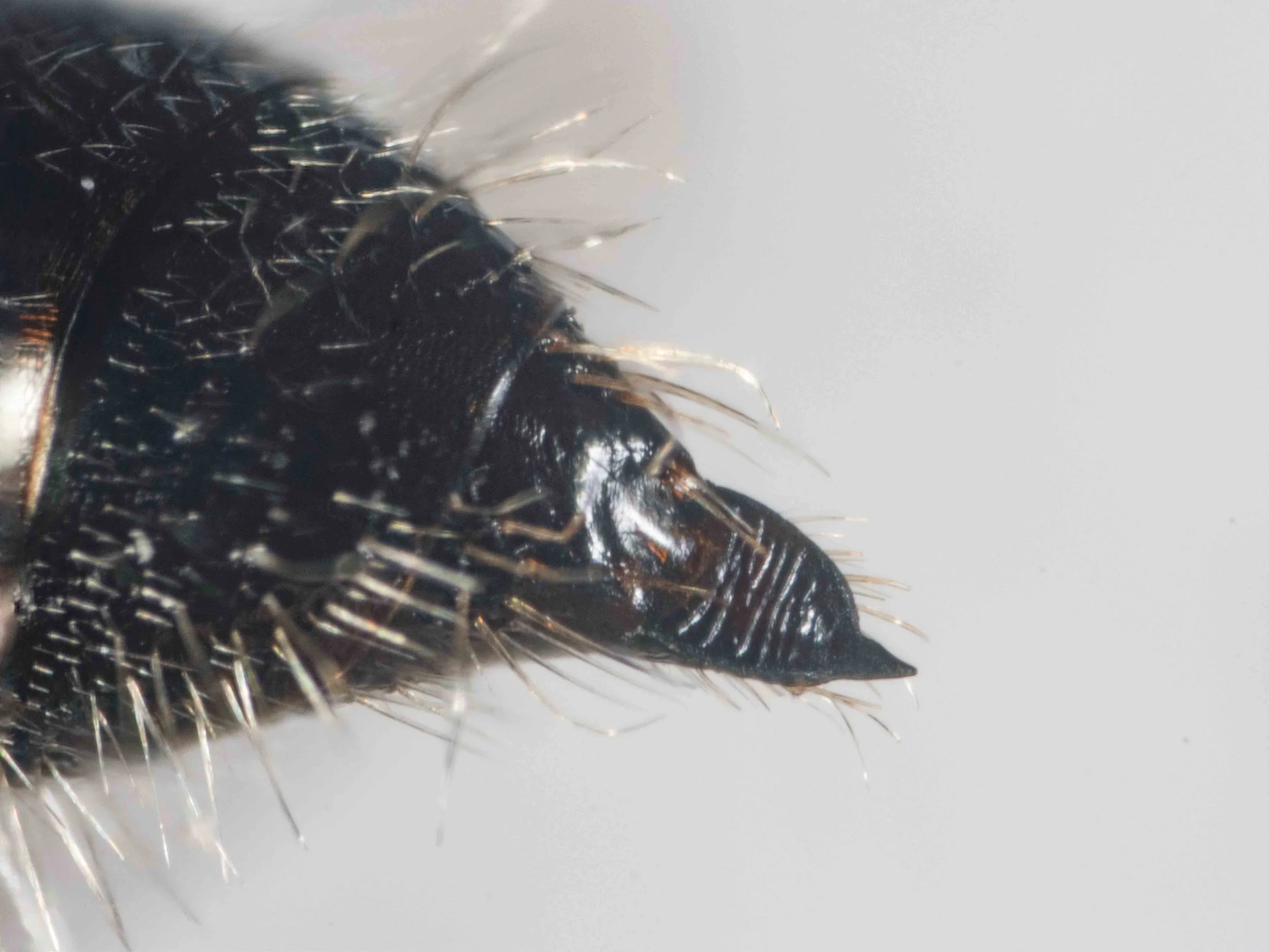
epipygium convex, without apical carina
hypopygyium with single apical spine
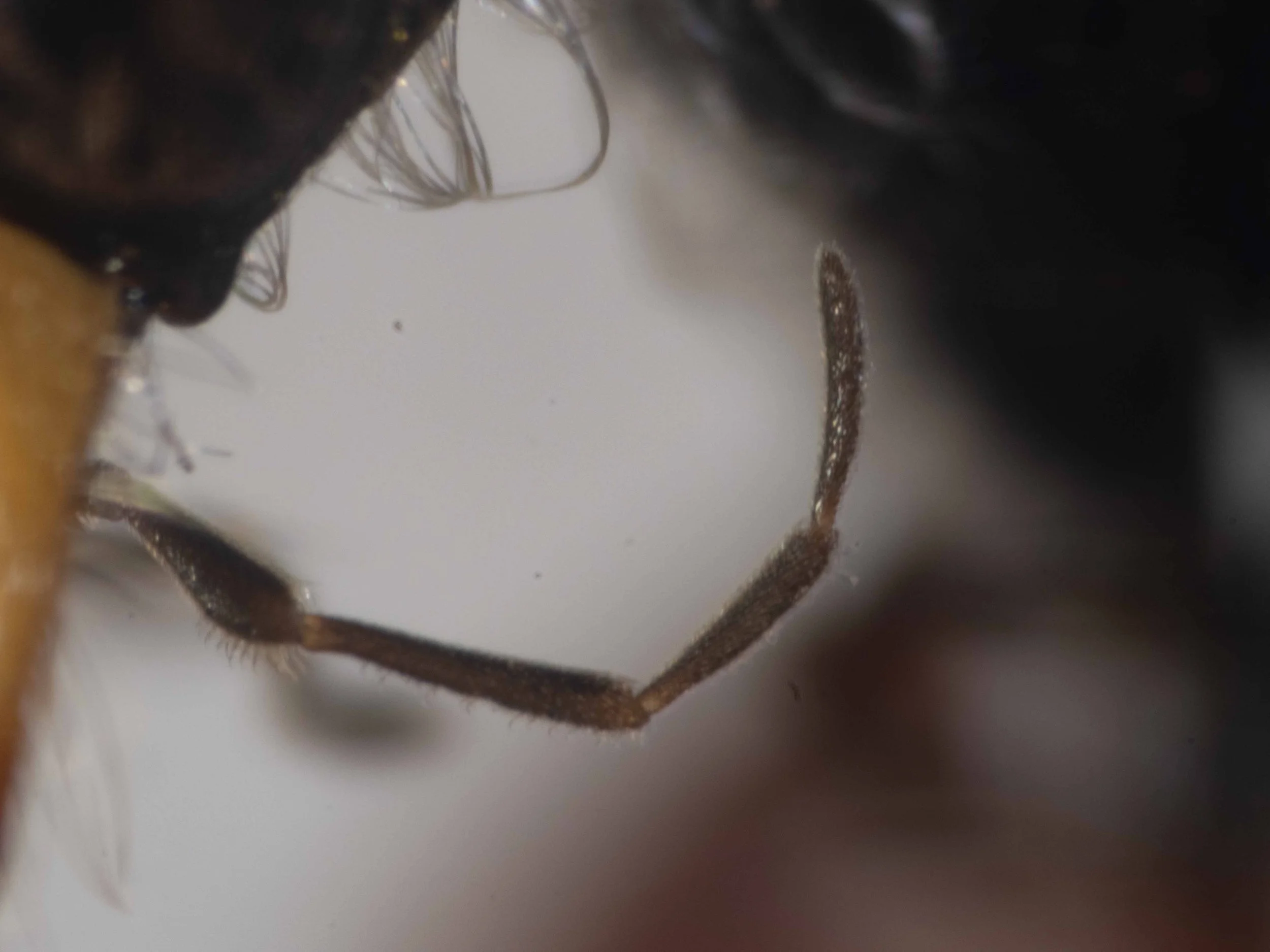
antennal prominence raised above level of clypeus basally
apical three segments of maxillary palps elongate
body length 7-15mm
clypeus without sagittal carina
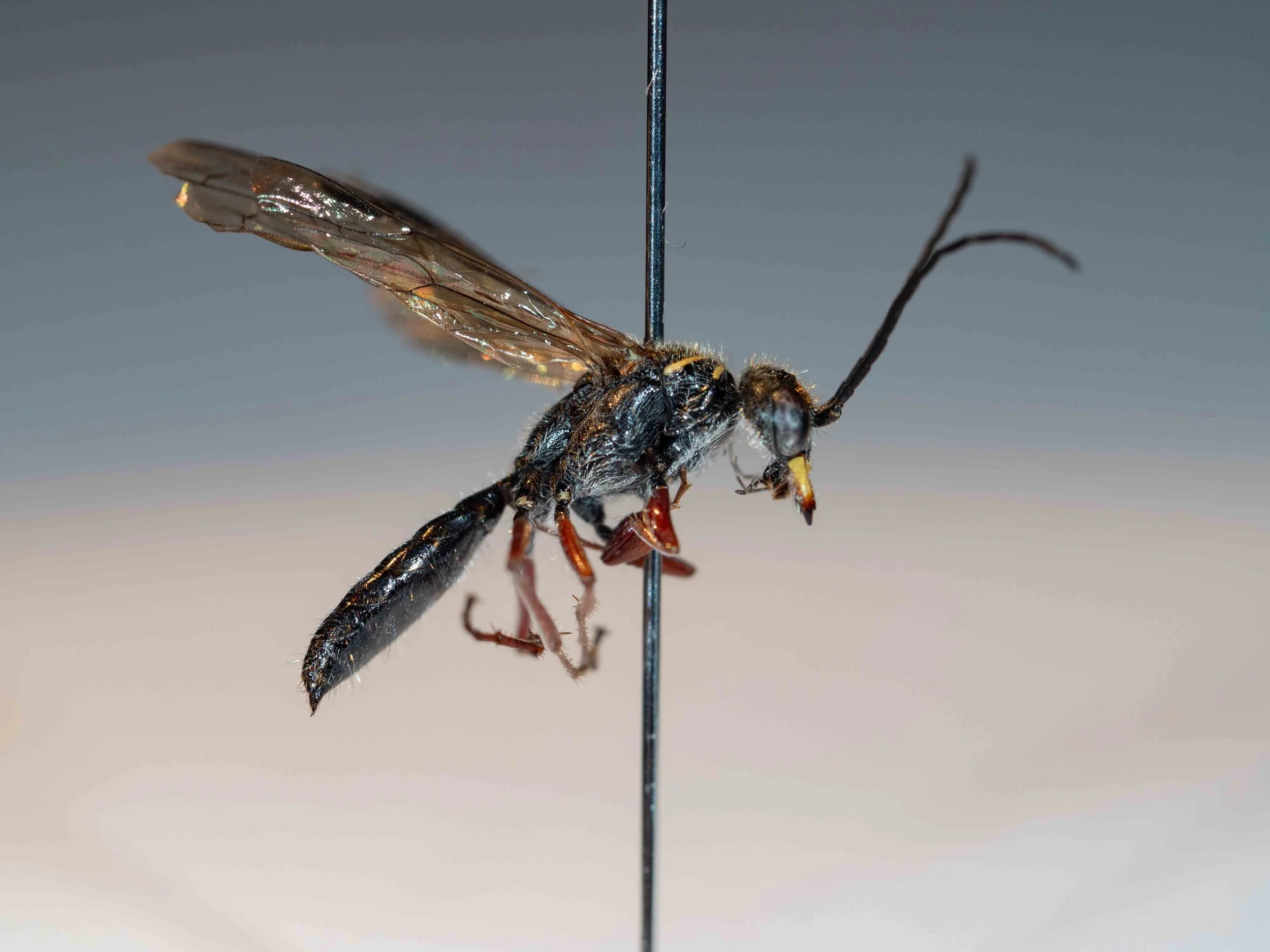
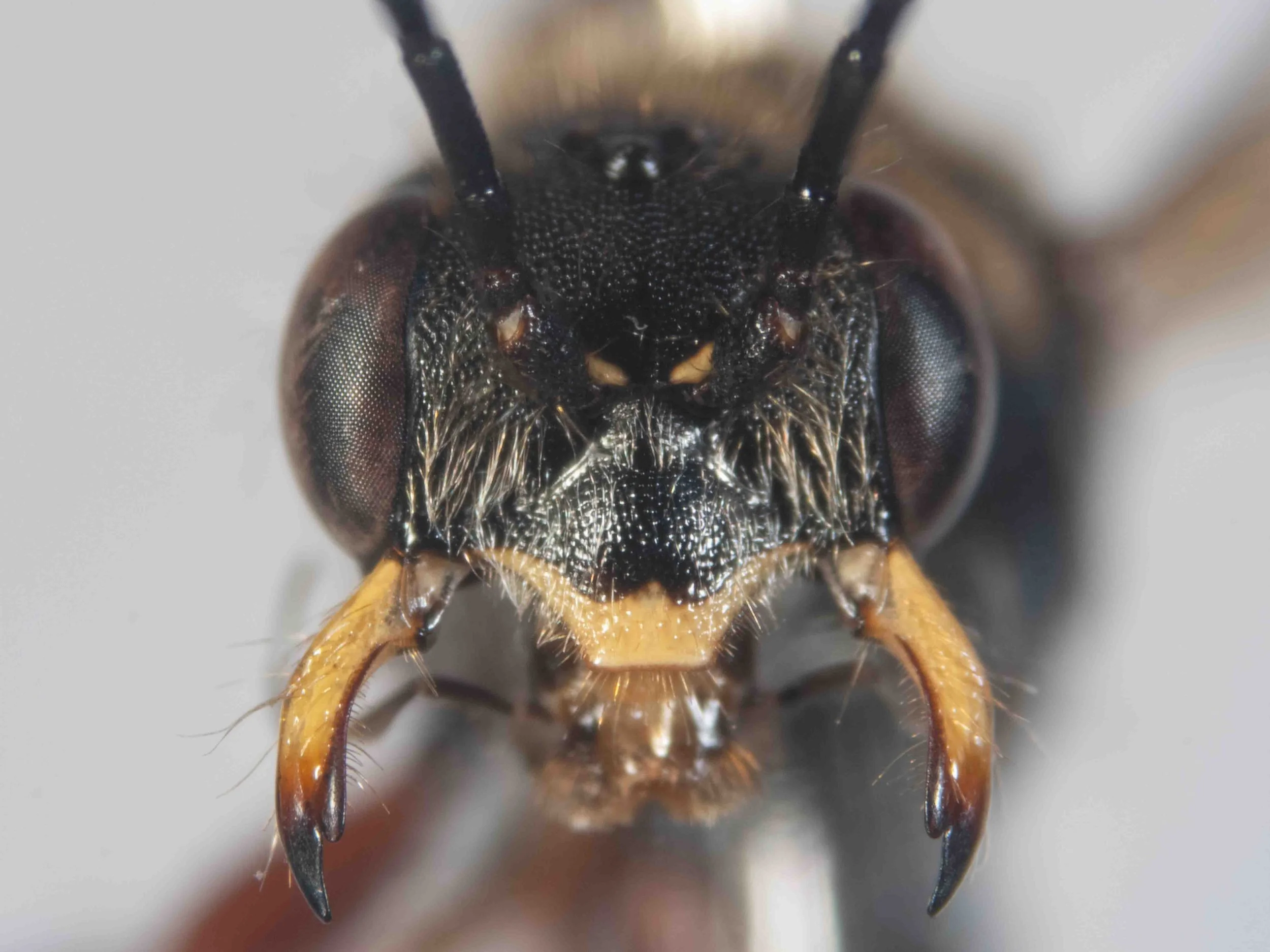
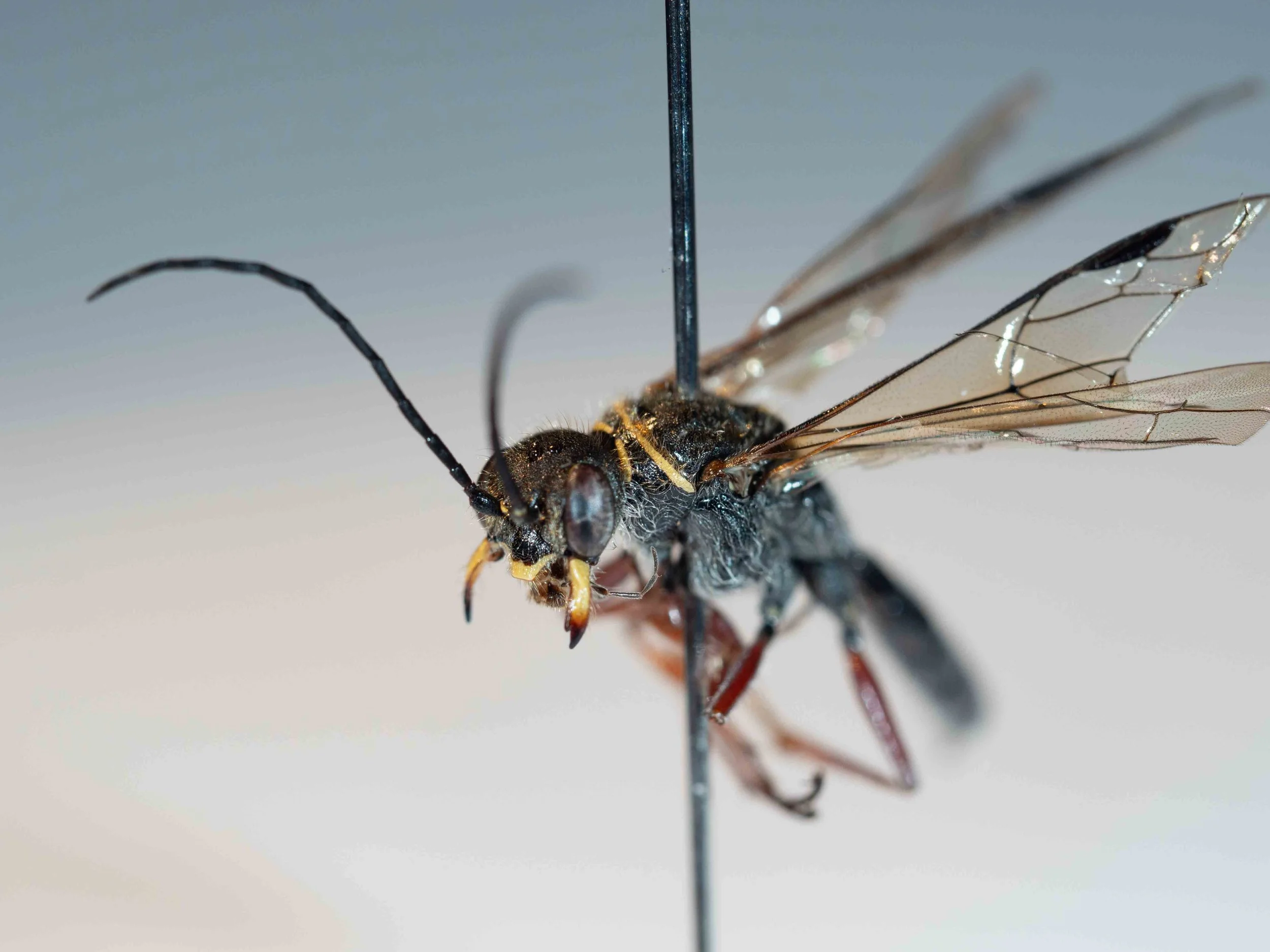
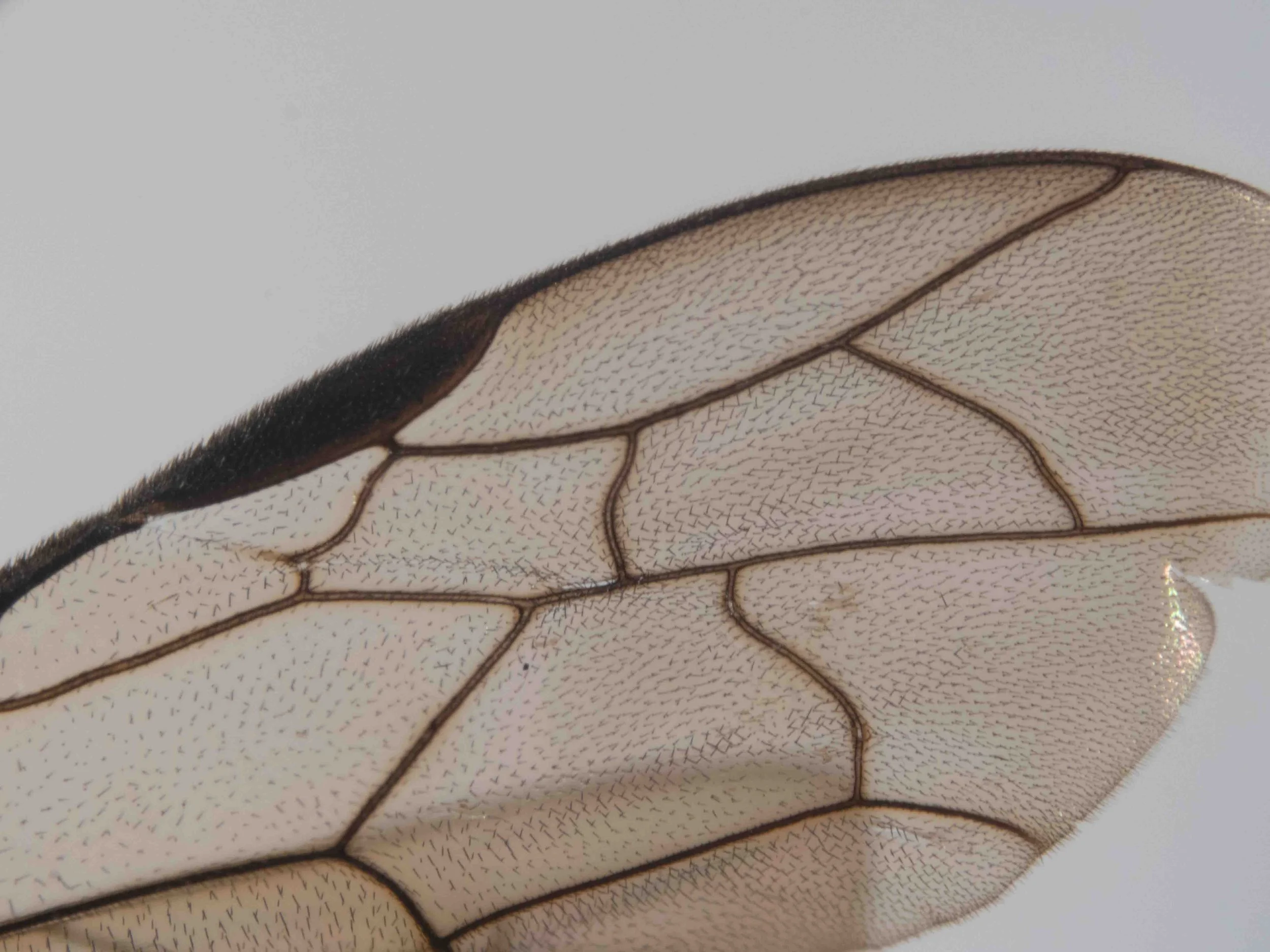
undescribed species near Neozeleboria formicifera
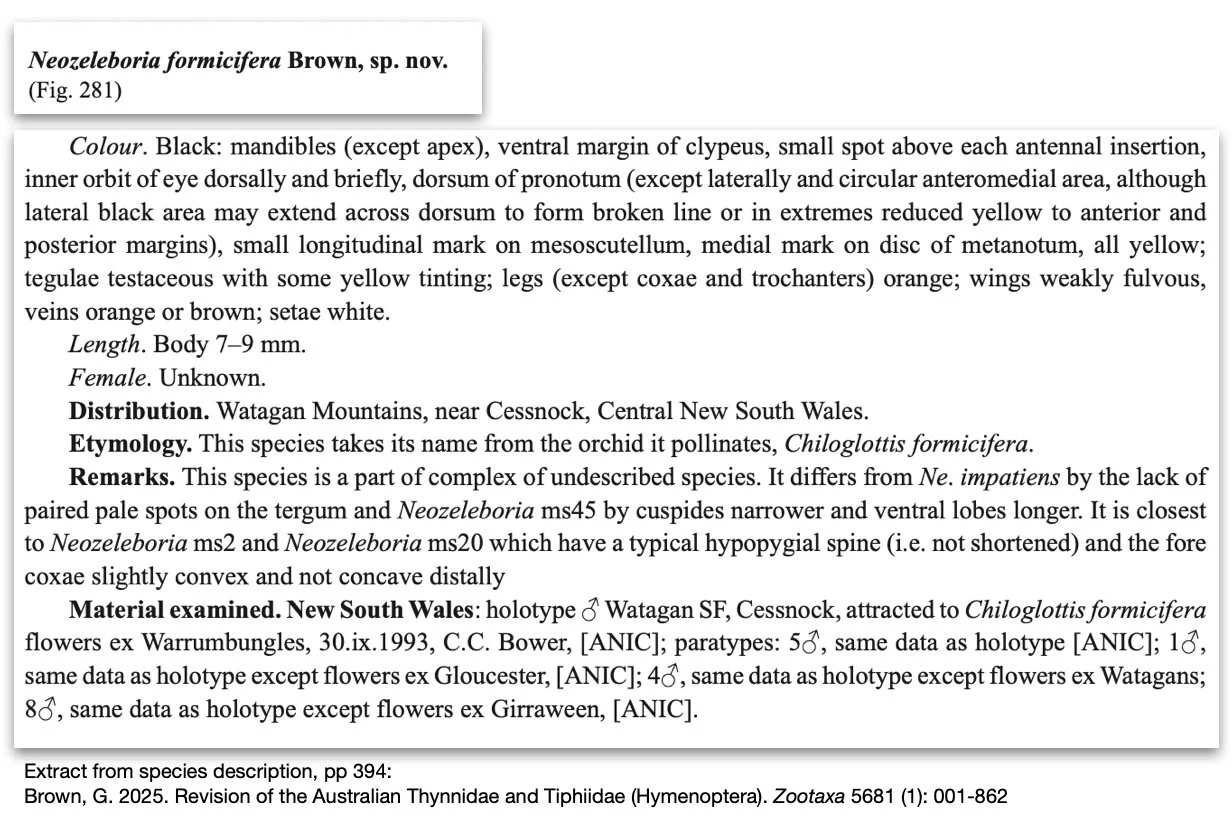
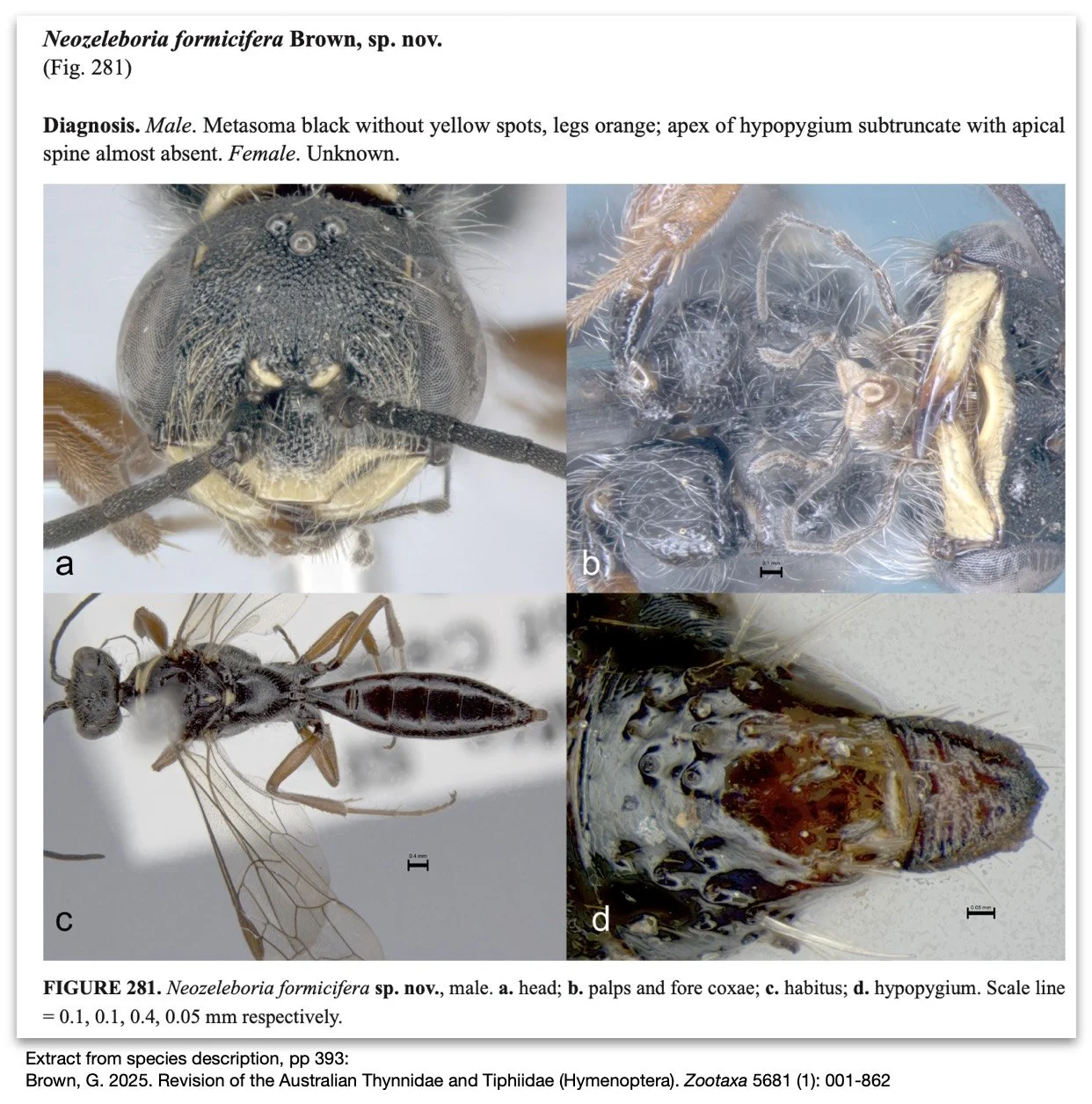
Specimen #086 appears to be an undescribed species within the Neozeleboria formicifera complex. It differs in size and also in the apical spine of the hypopygium. That is:
#086 is 13mm in length (Ne. formicifera is 7-9mm)
#086 has a short, triangular apical spine on the hypopygium (Ne. formicifera has the spine ‘almost absent’)
Note: Neozeleboria ms25 is the other possibility, depending on how I interpret Brown’s description of the hypopygium (‘subparallel and apically truncate’ or ‘apically rounded’). See Key step 37, below.
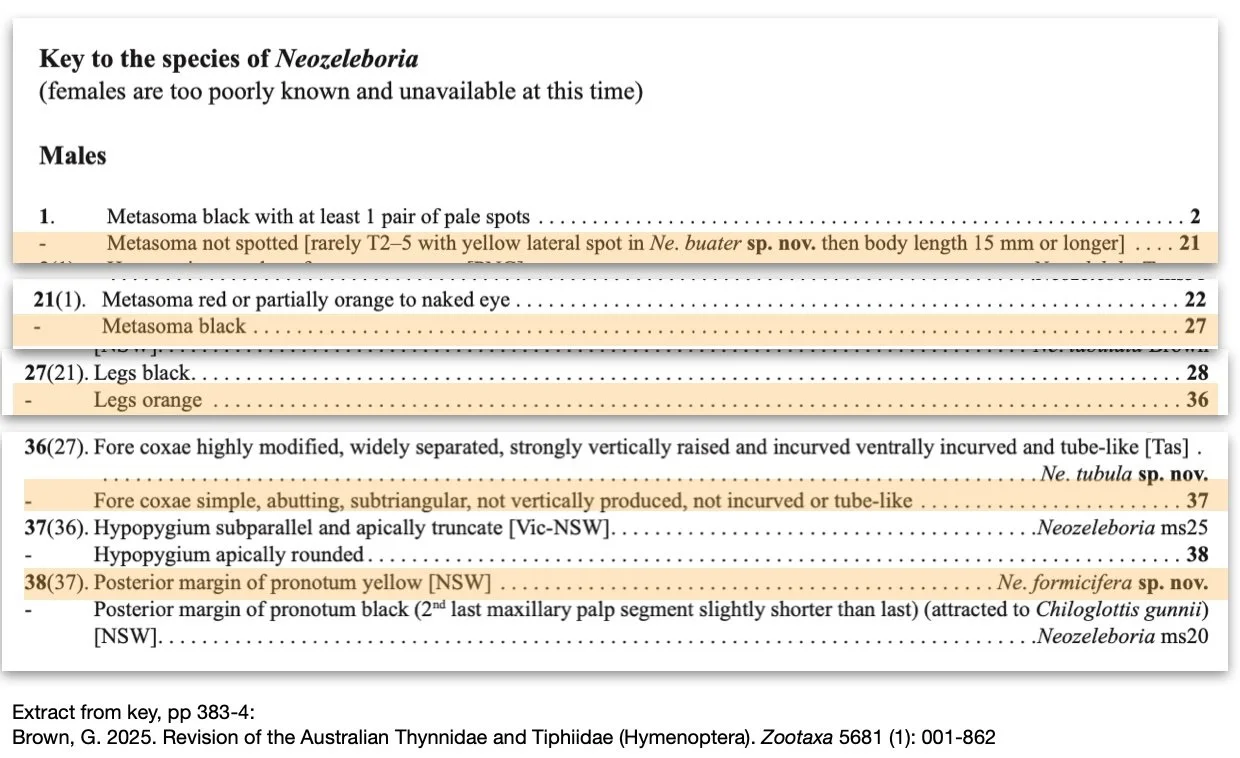
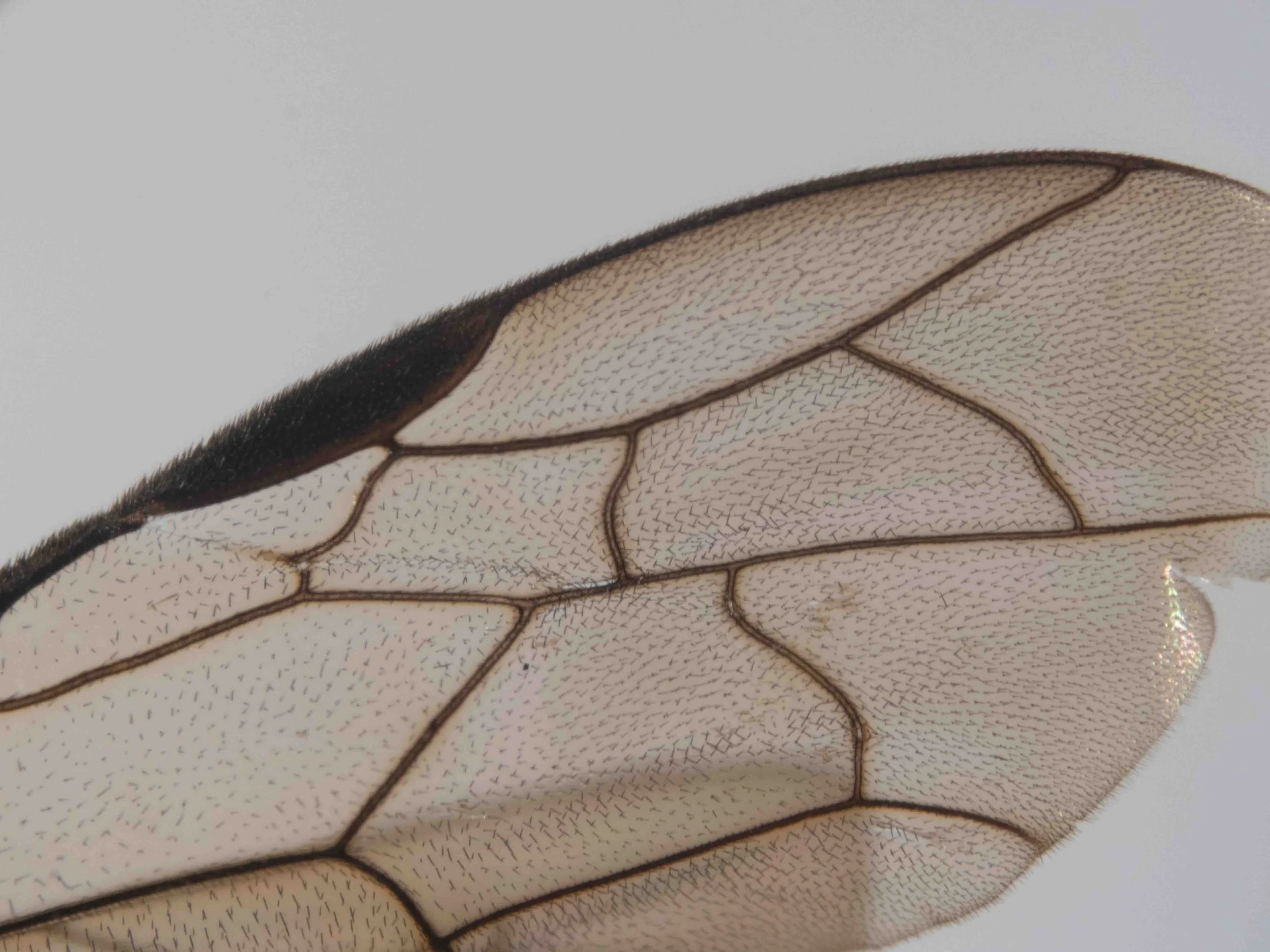
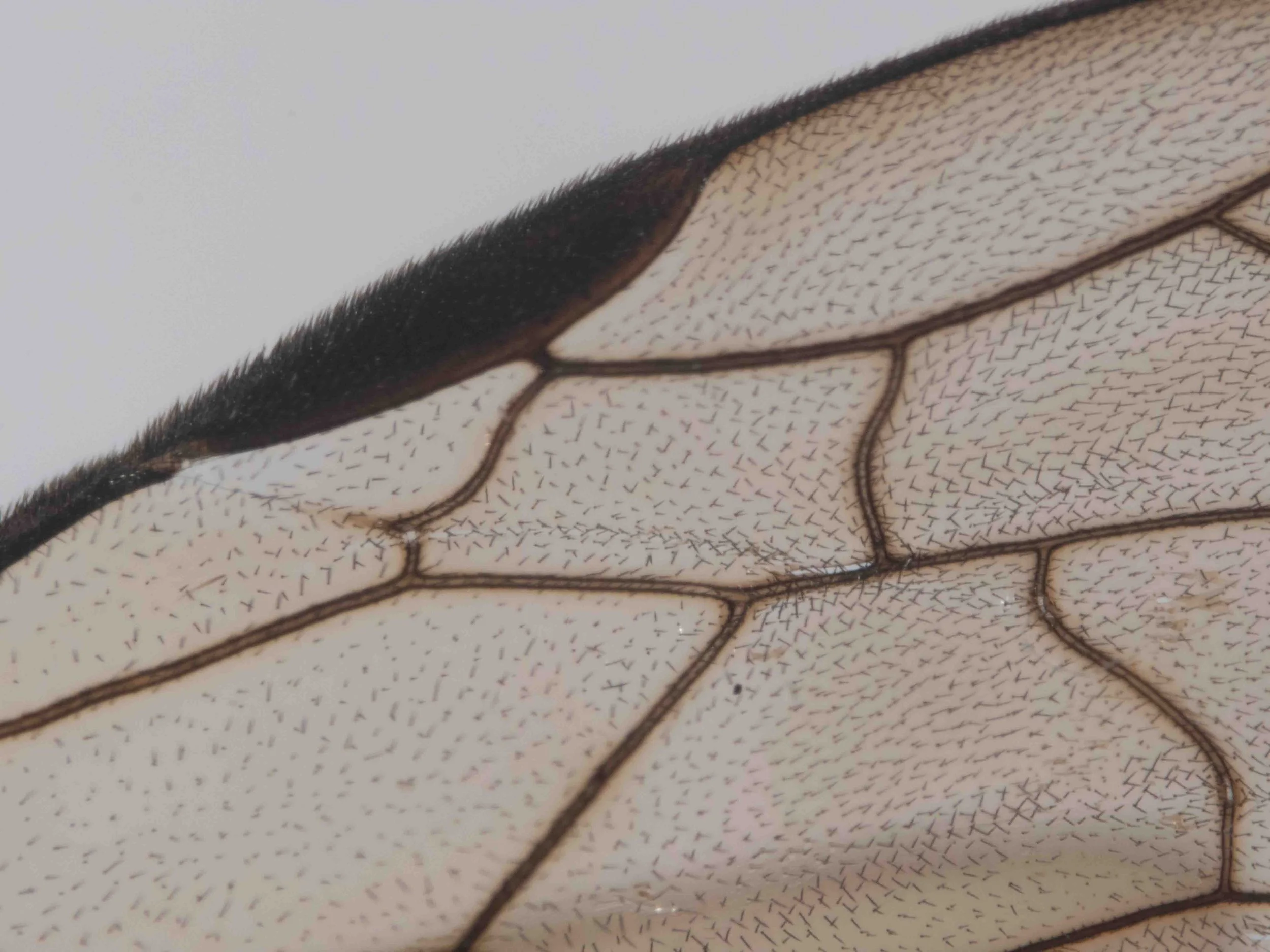
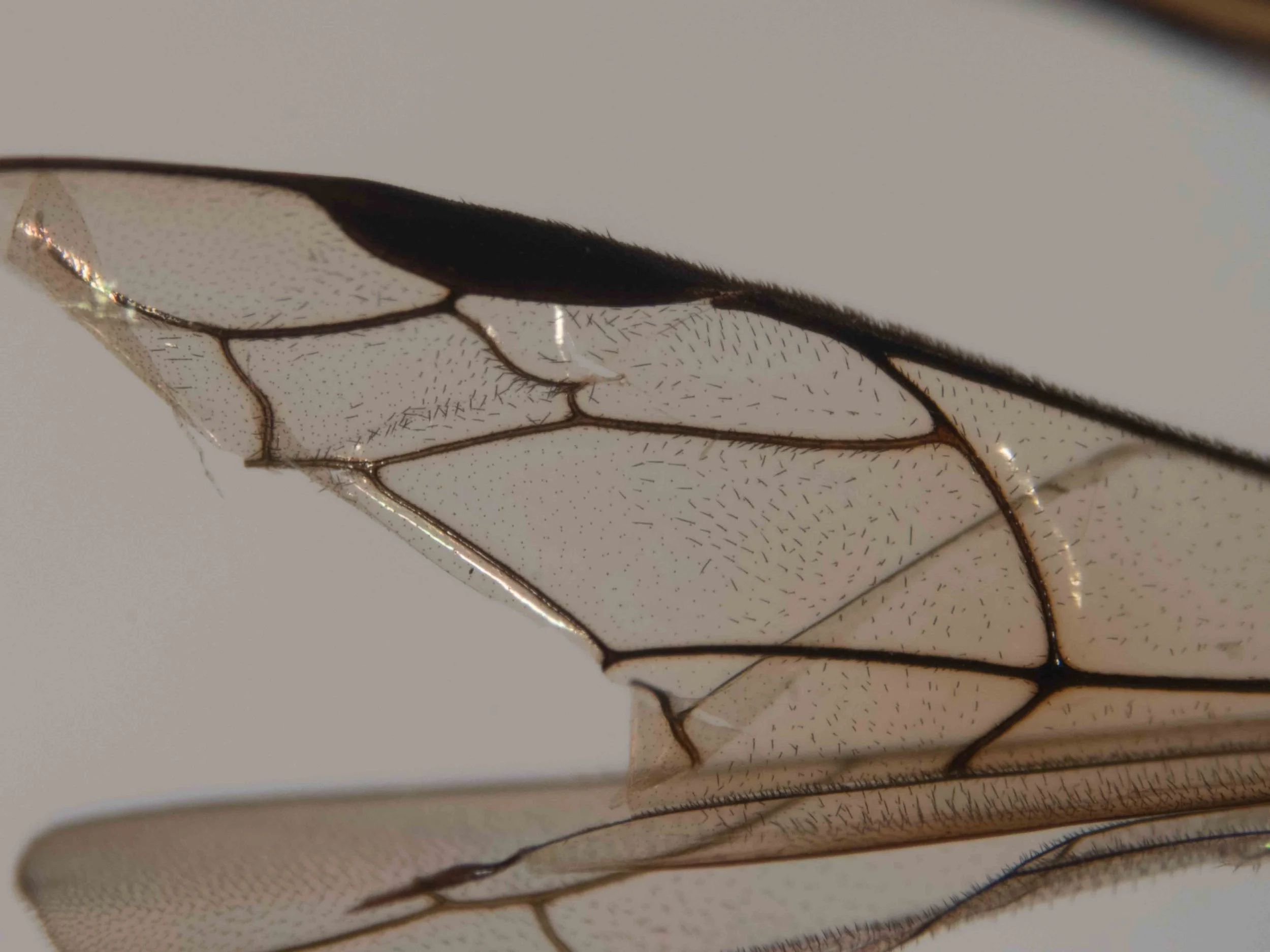
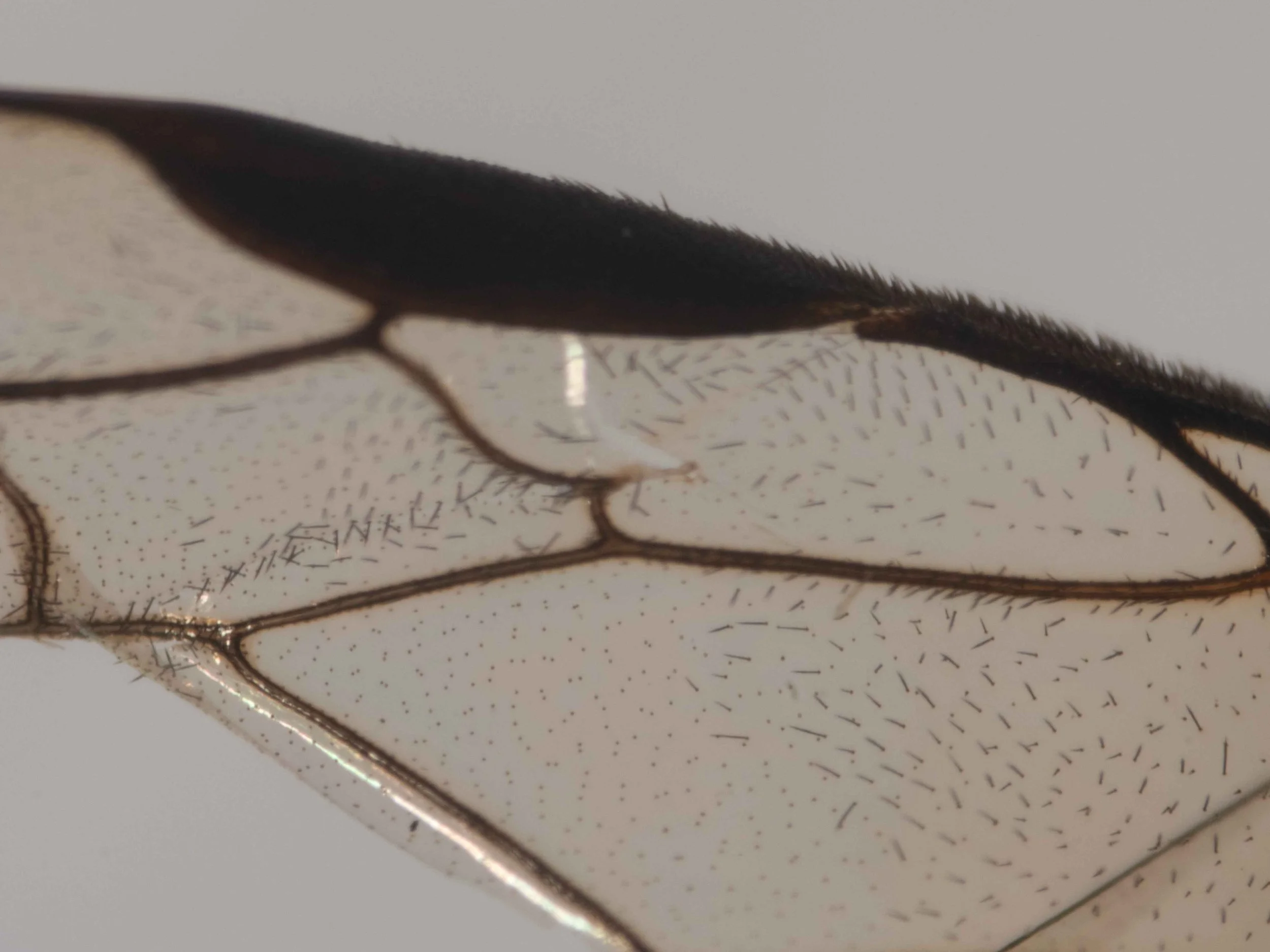
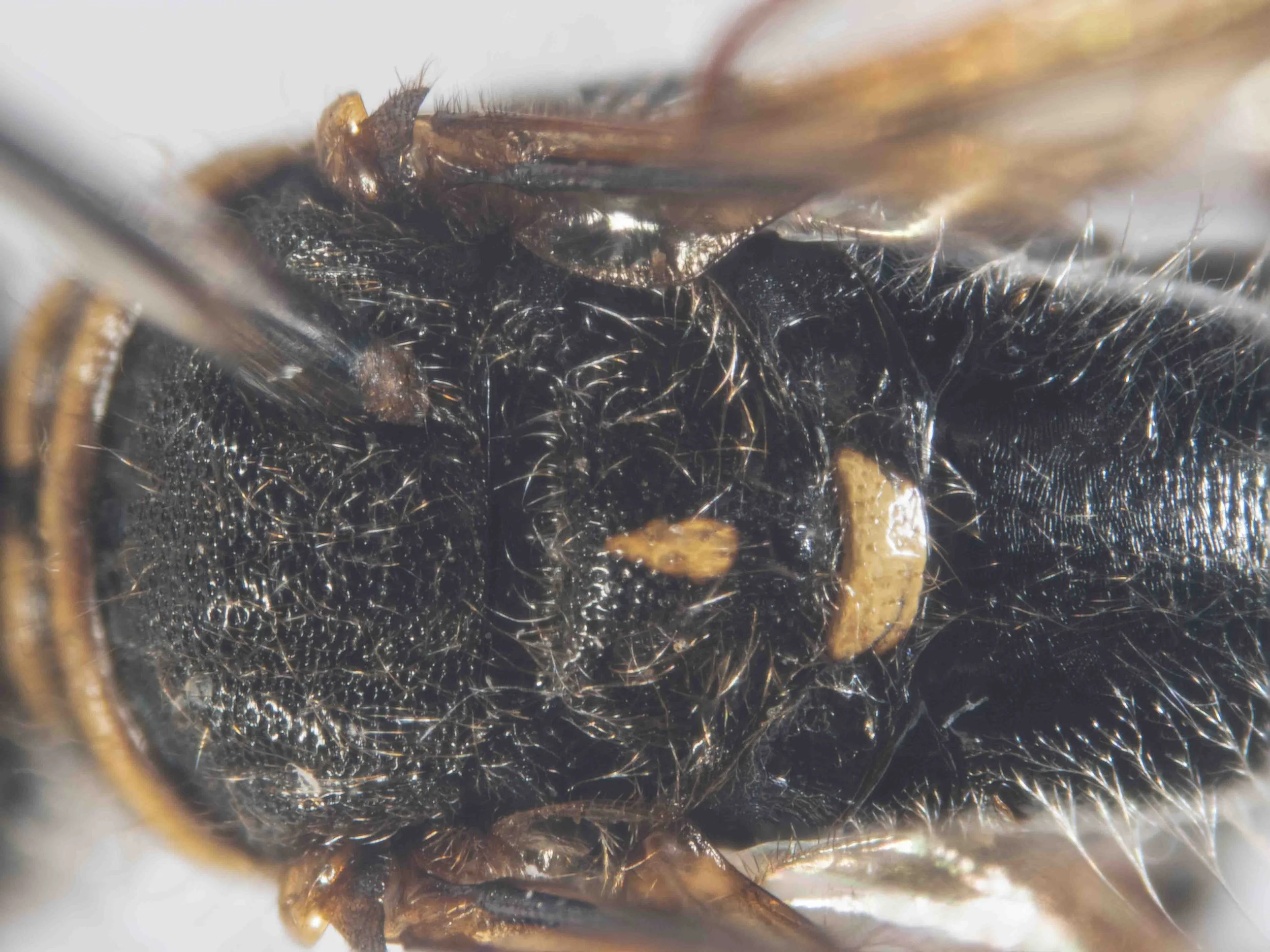
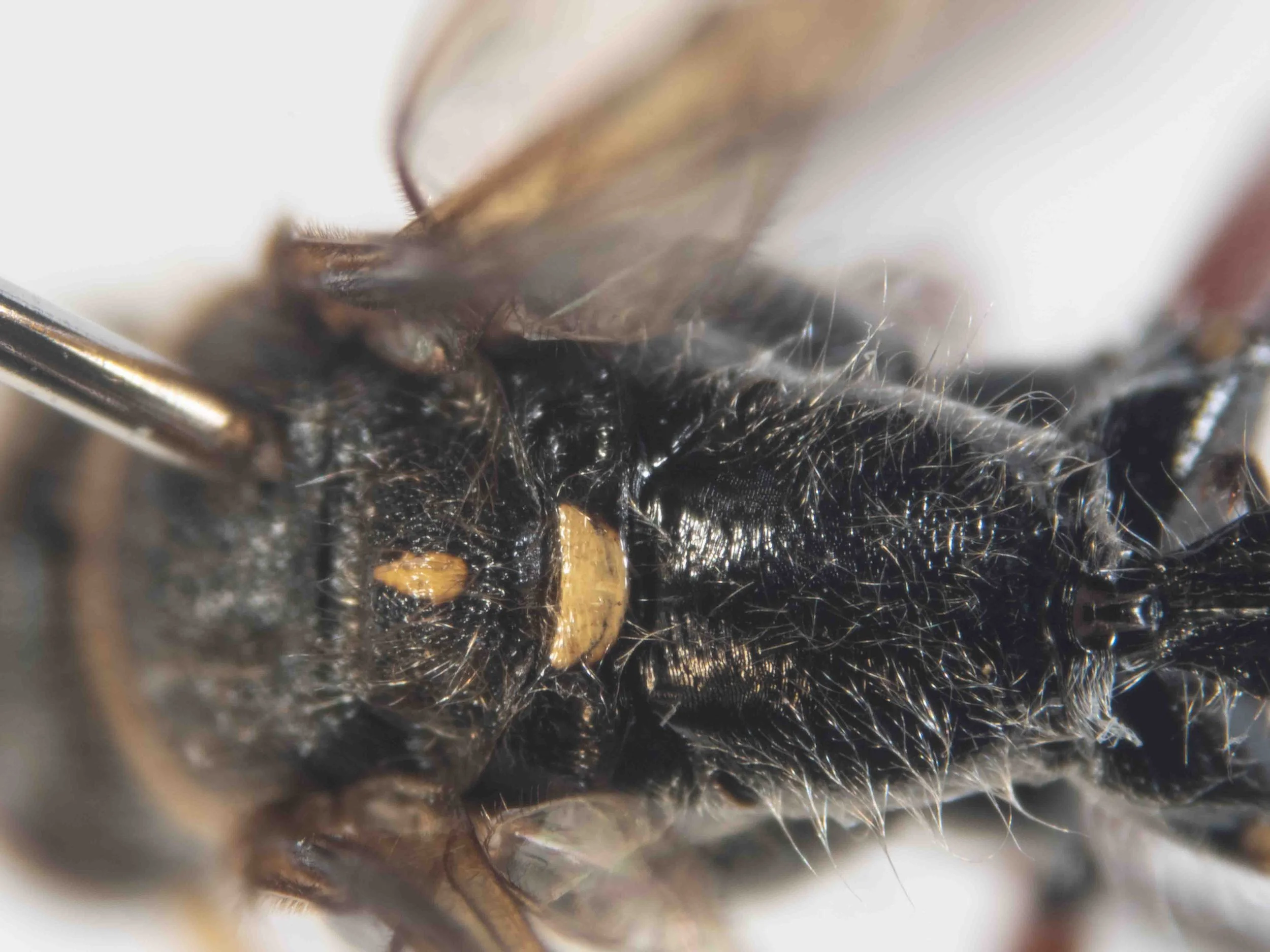
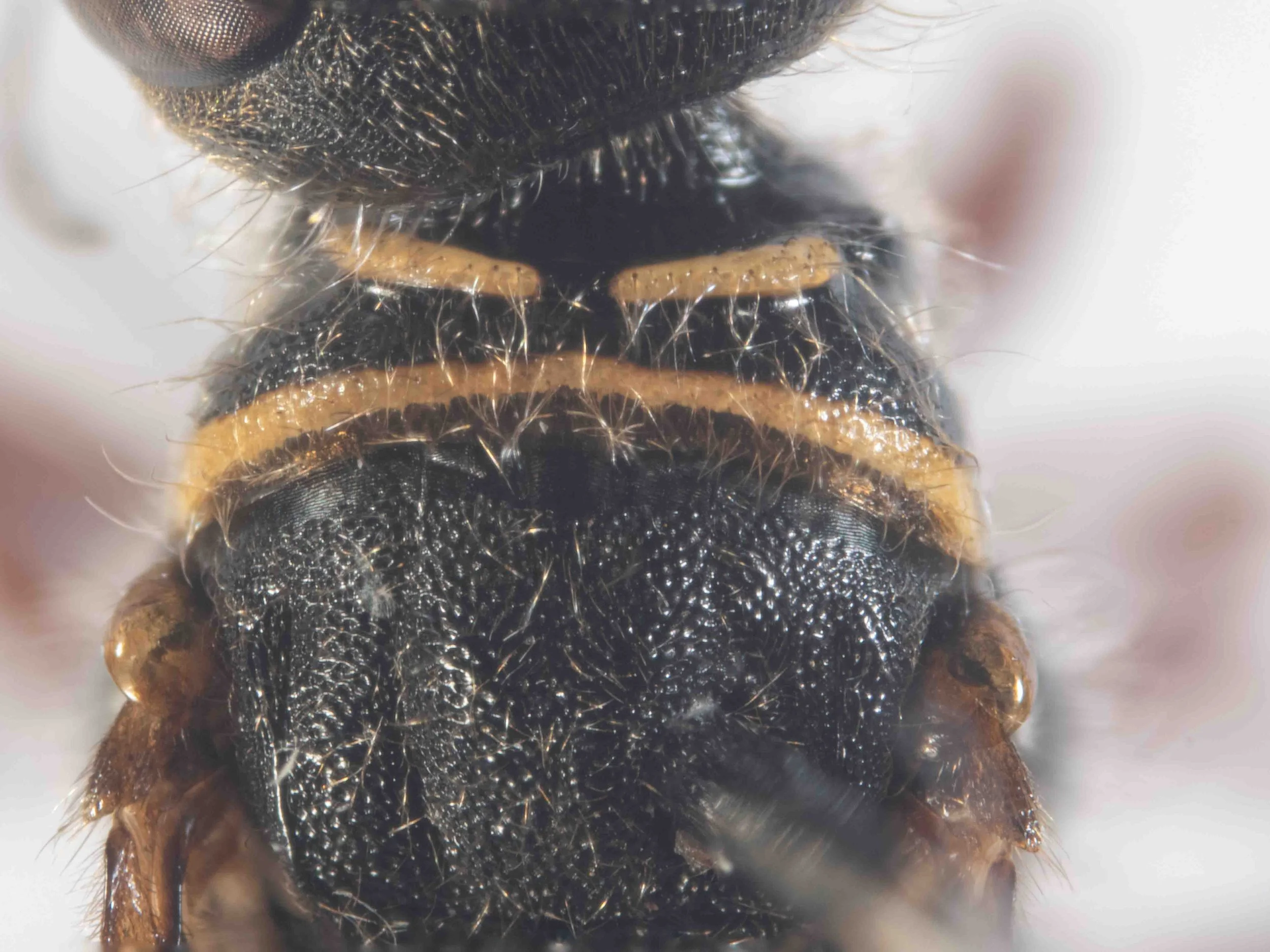
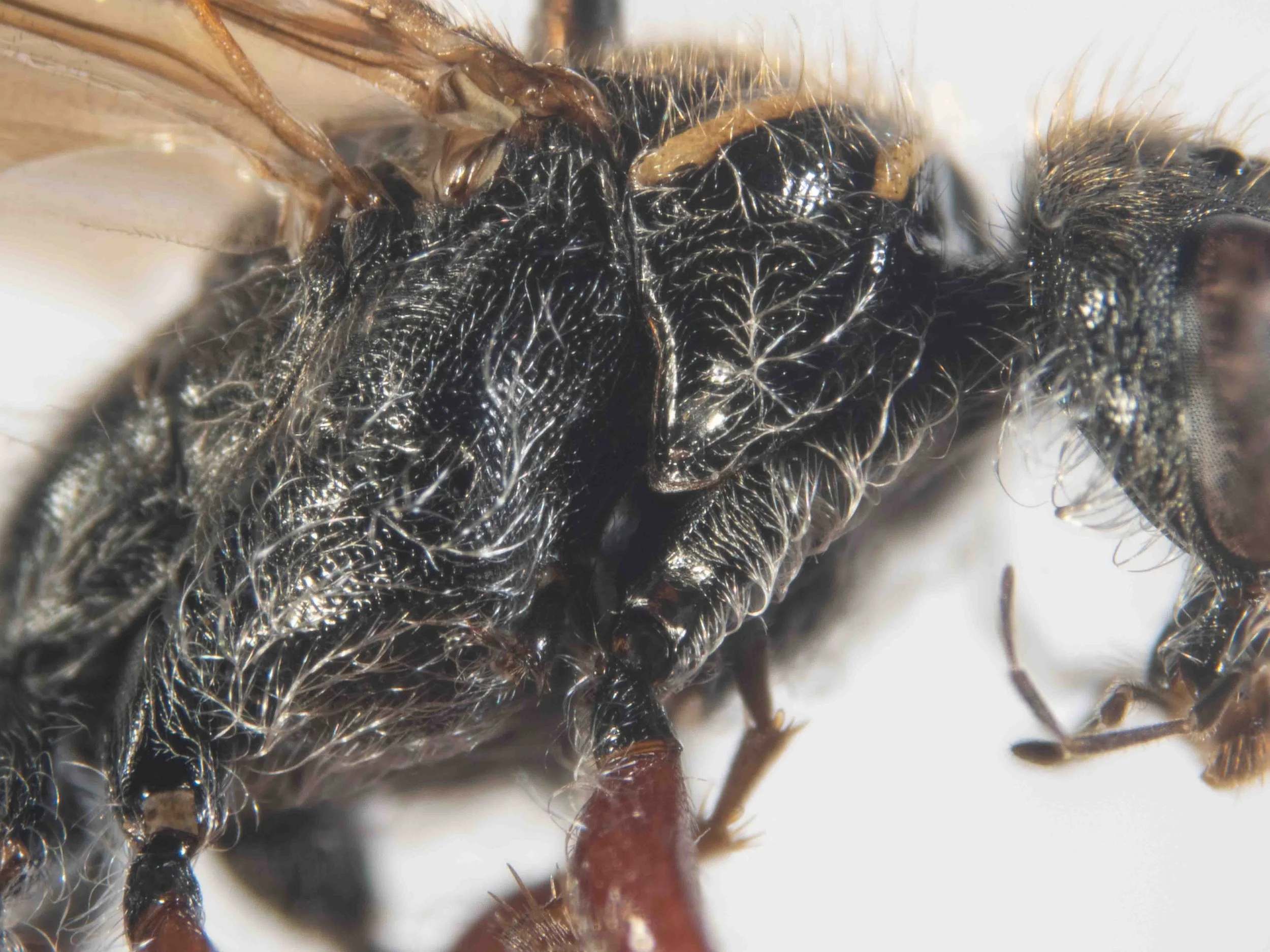
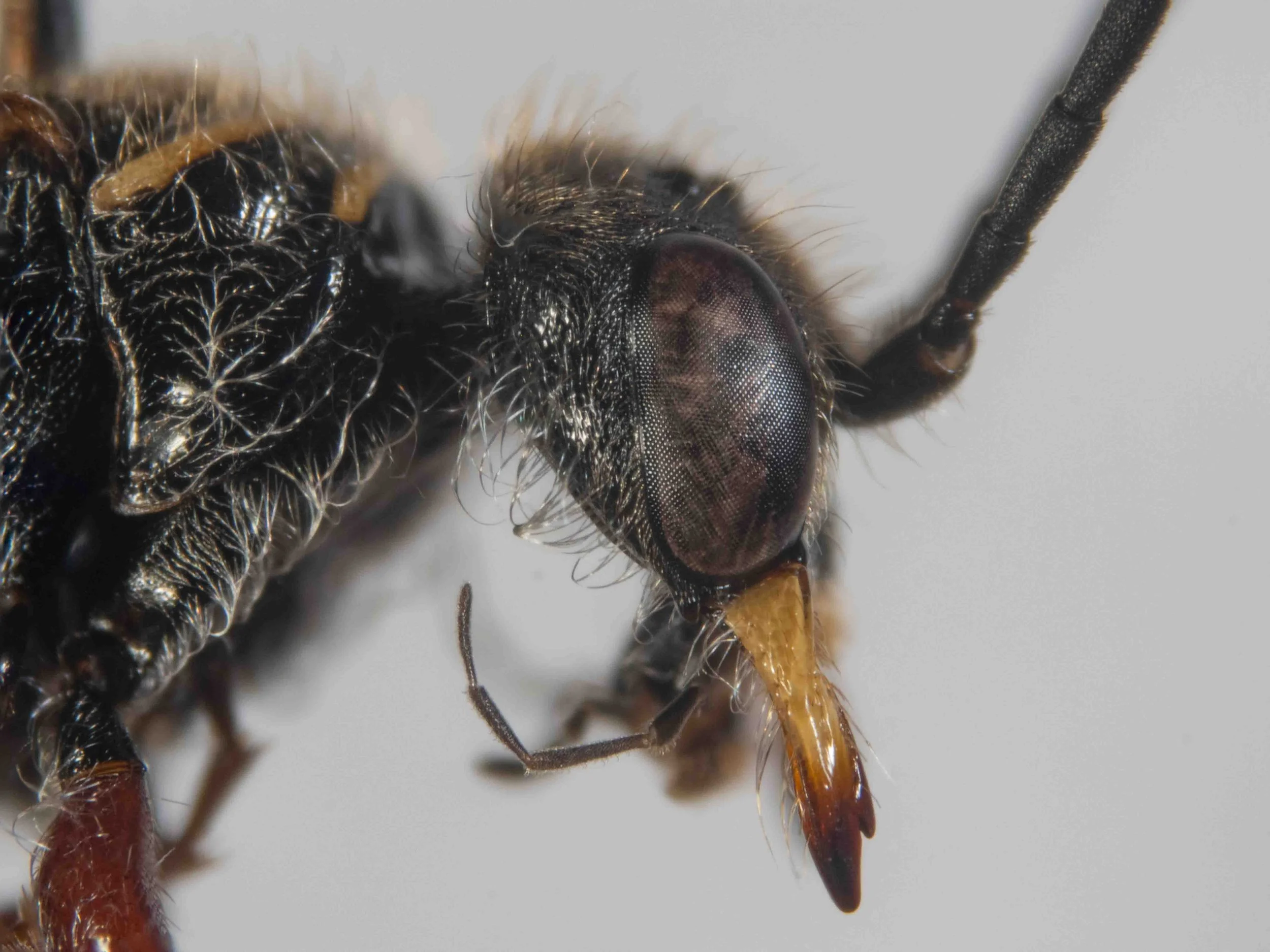
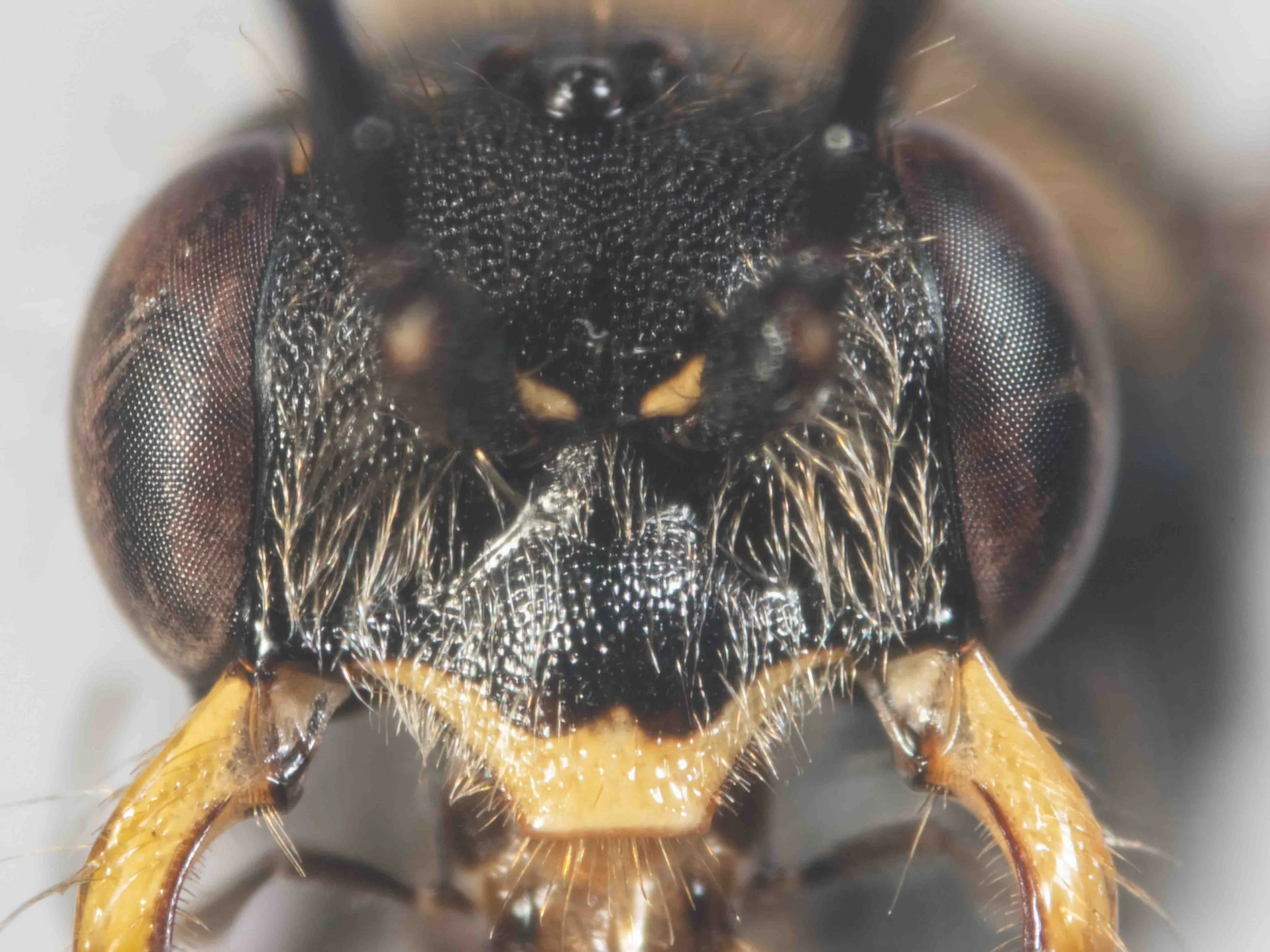
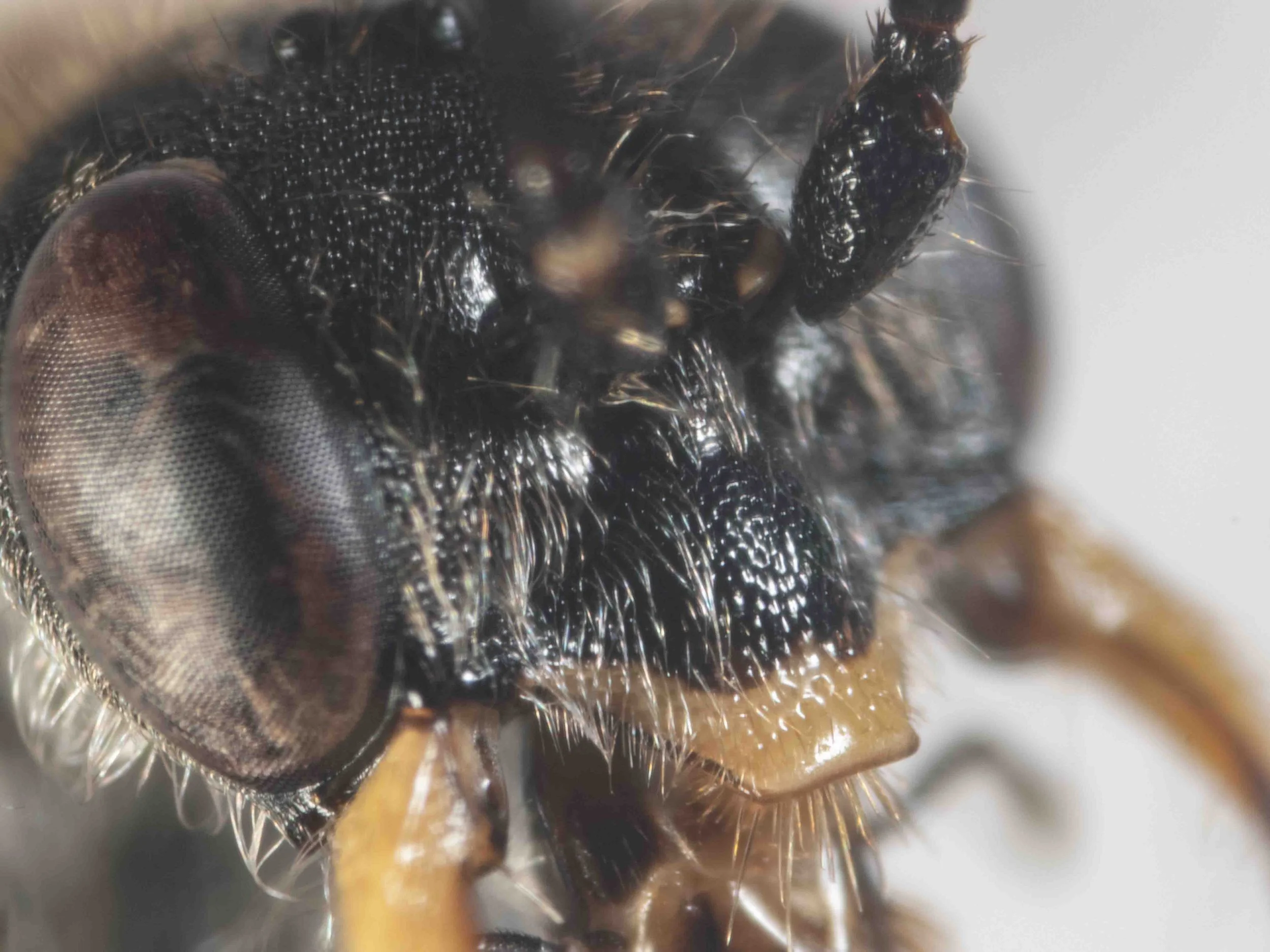
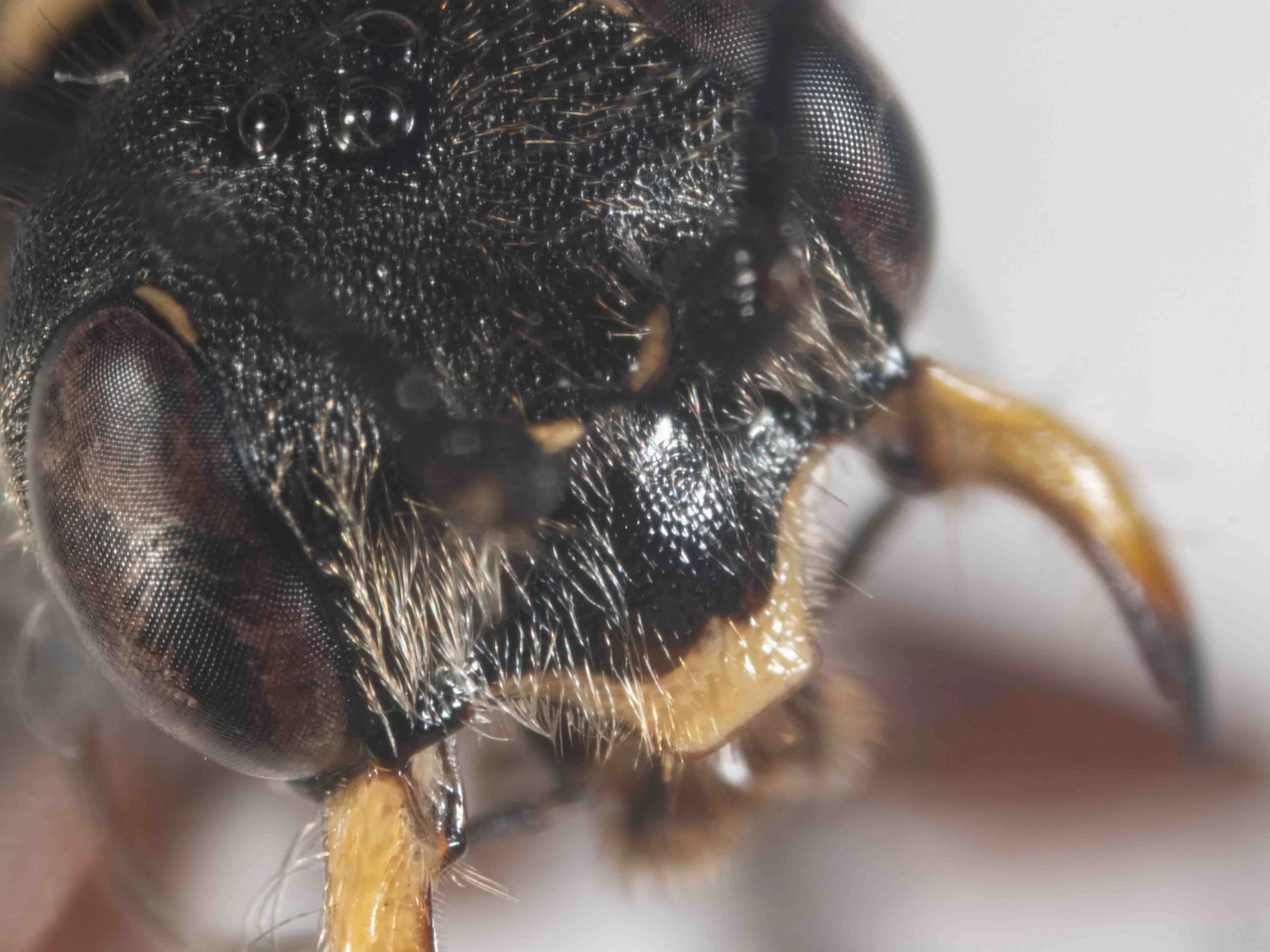
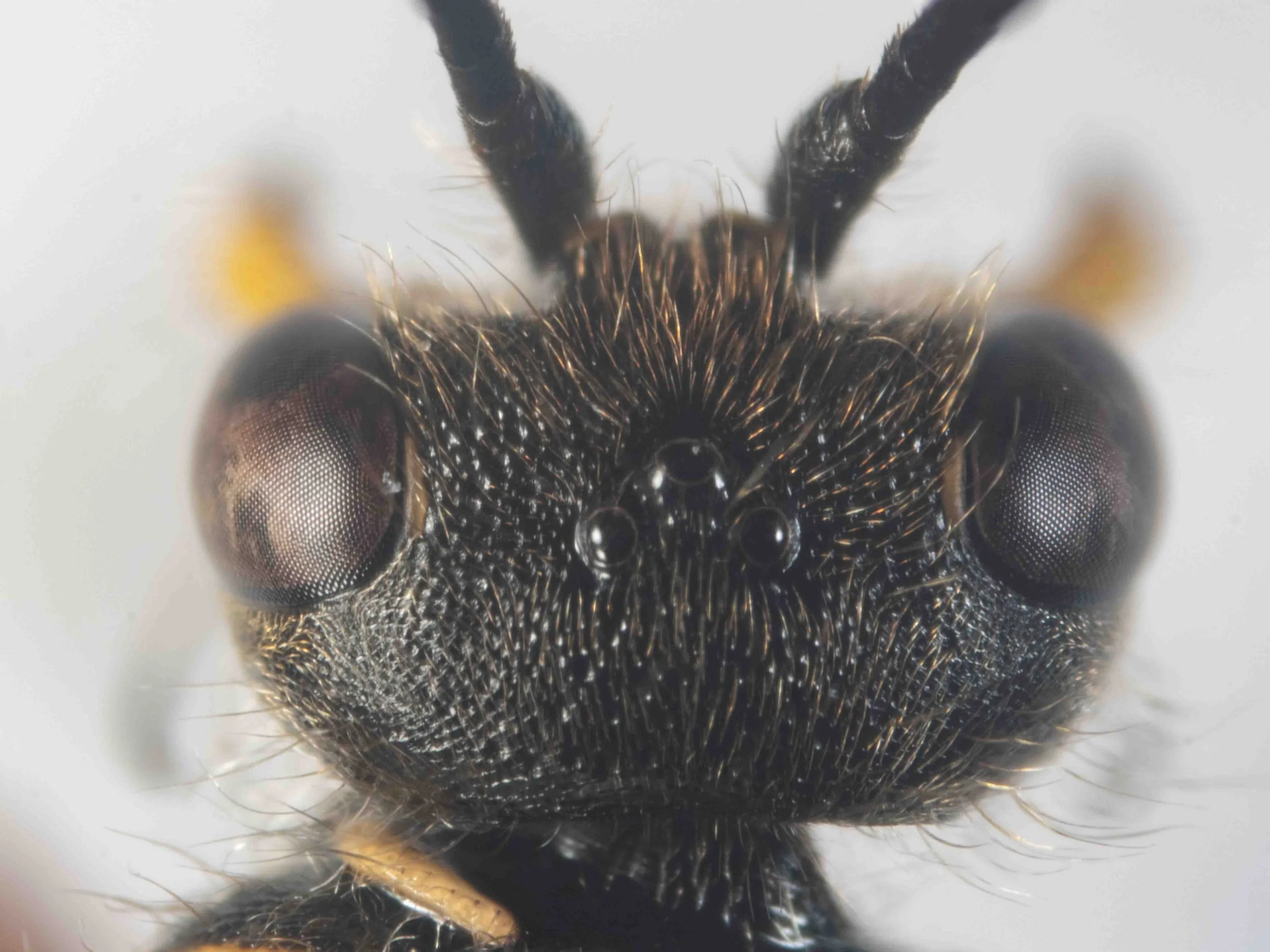
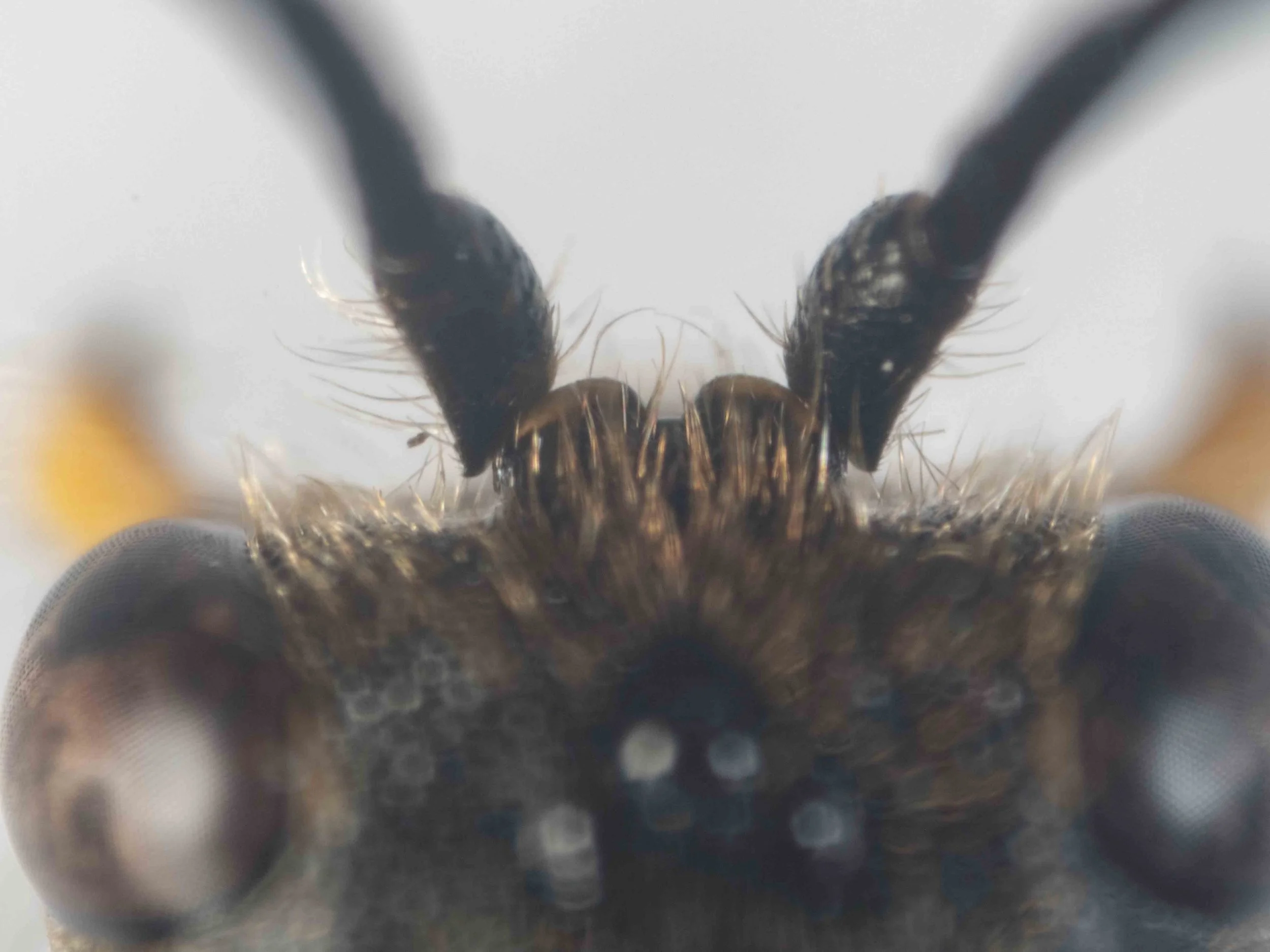
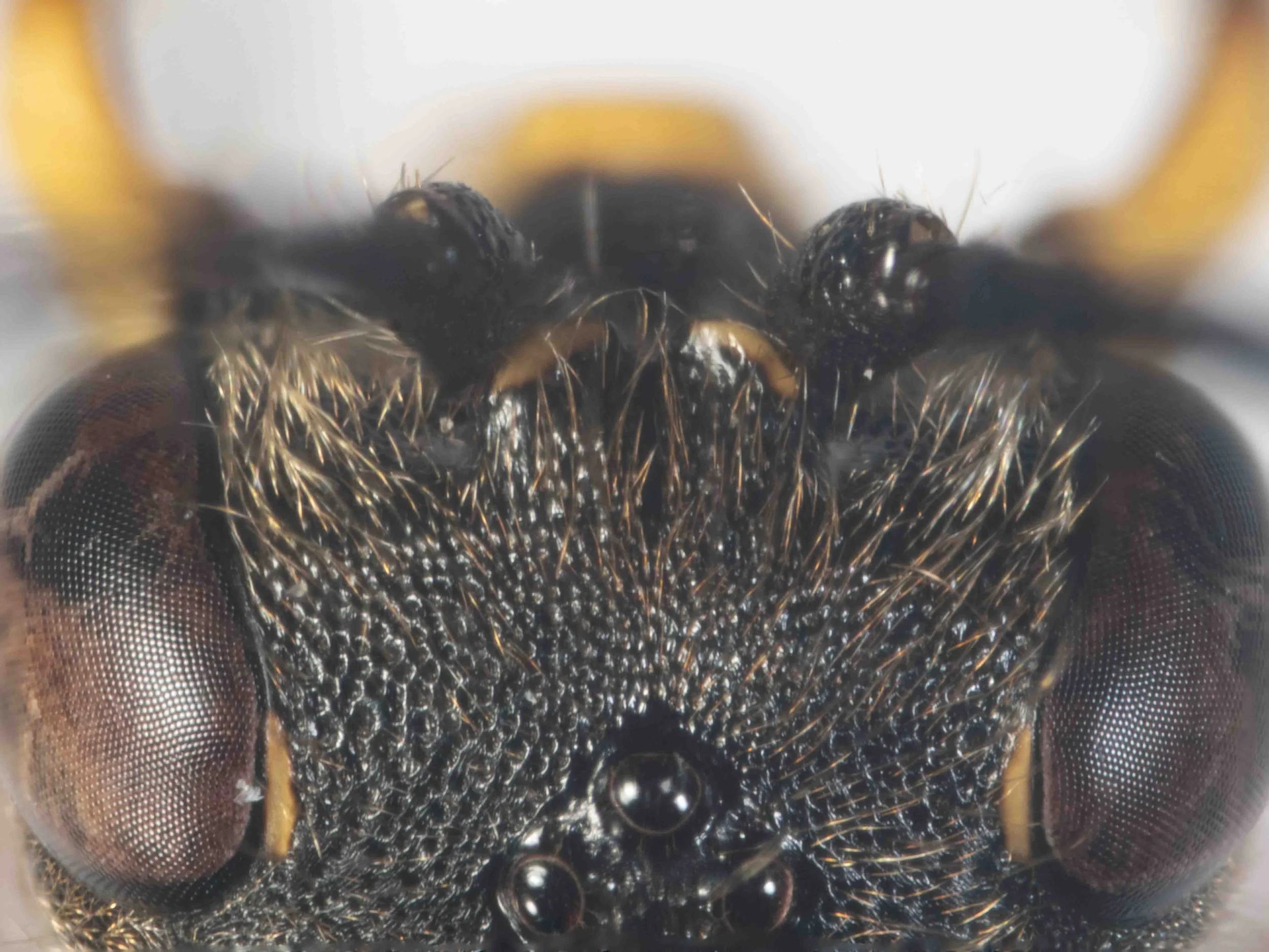
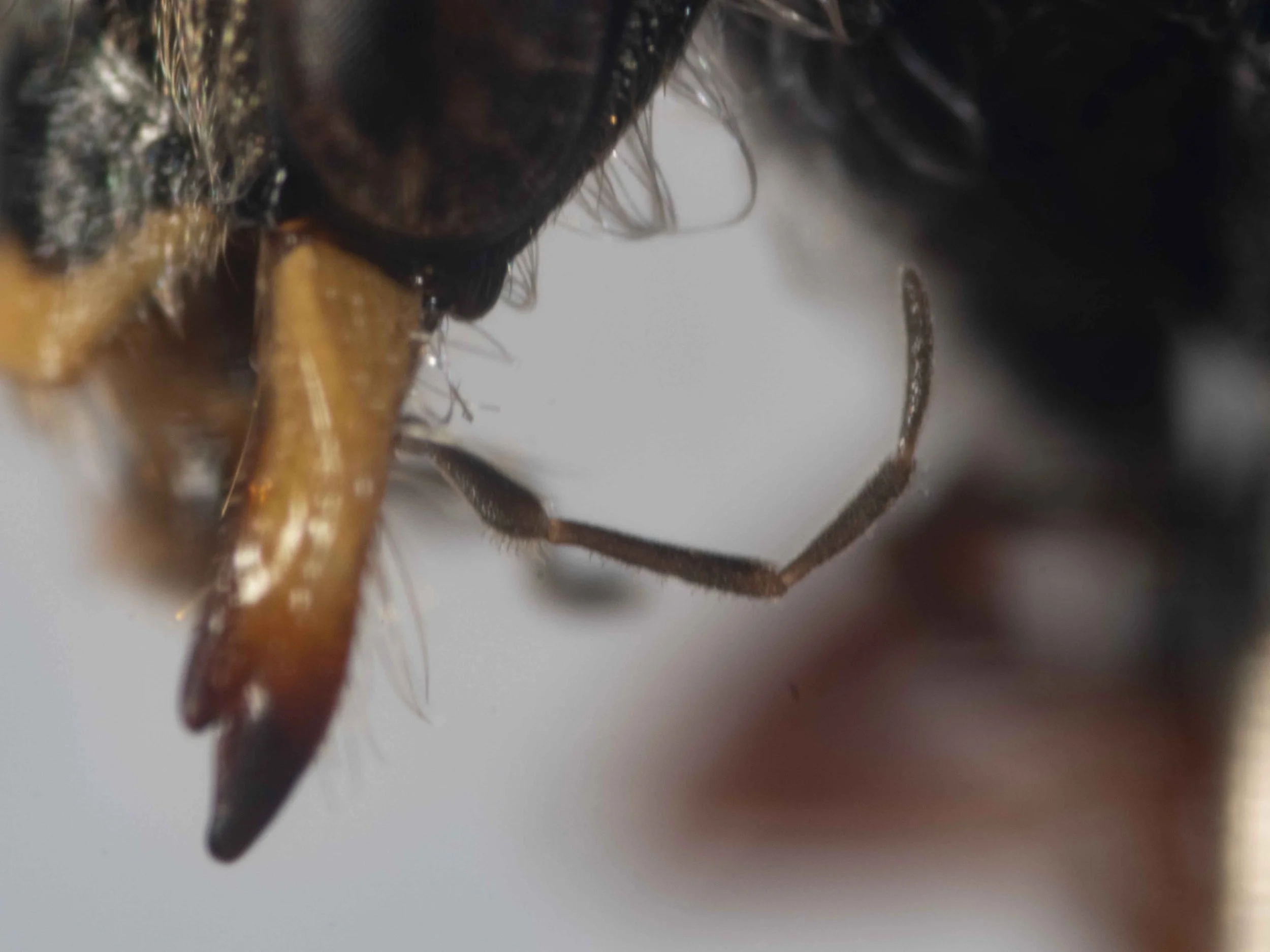
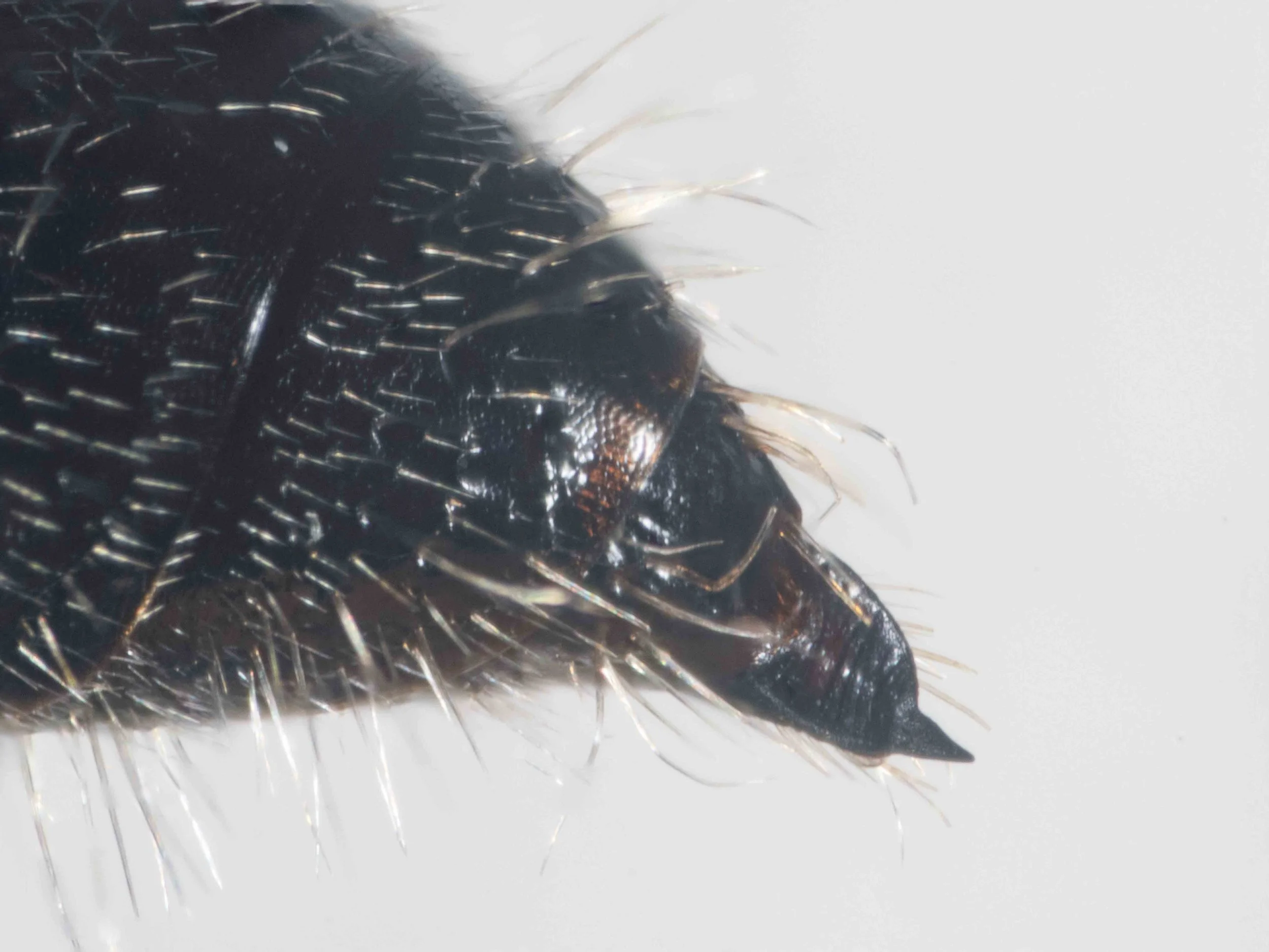
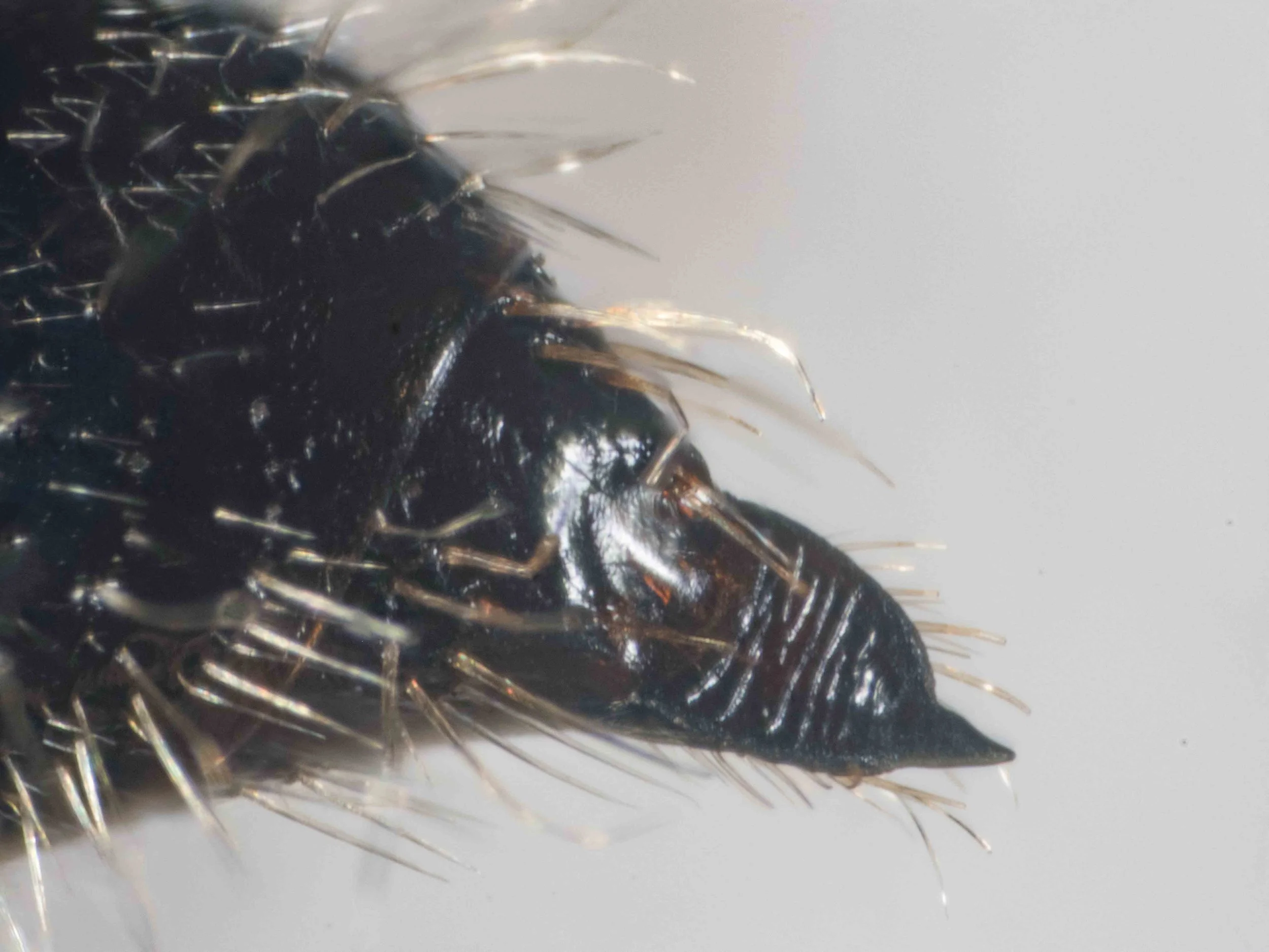
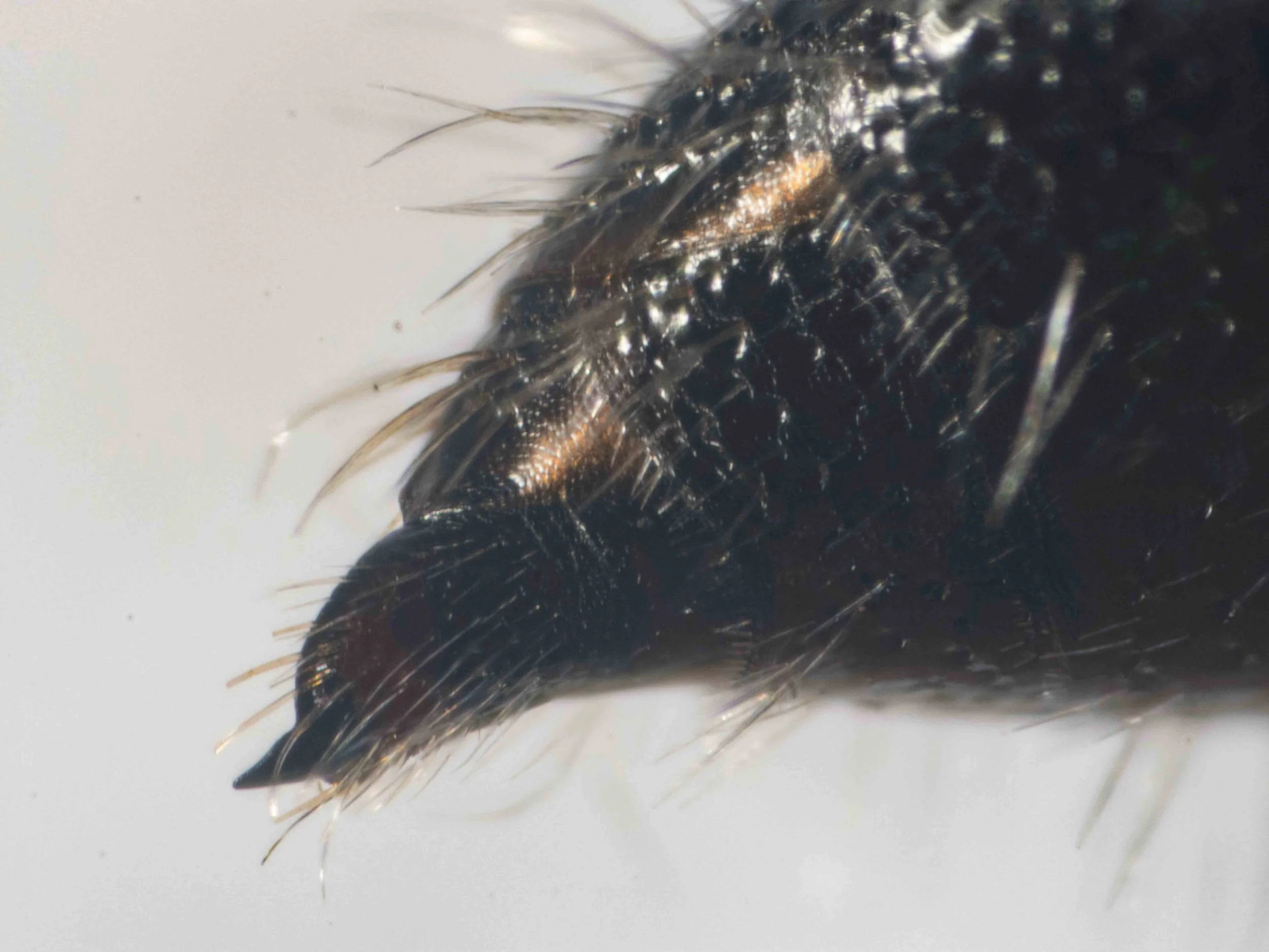
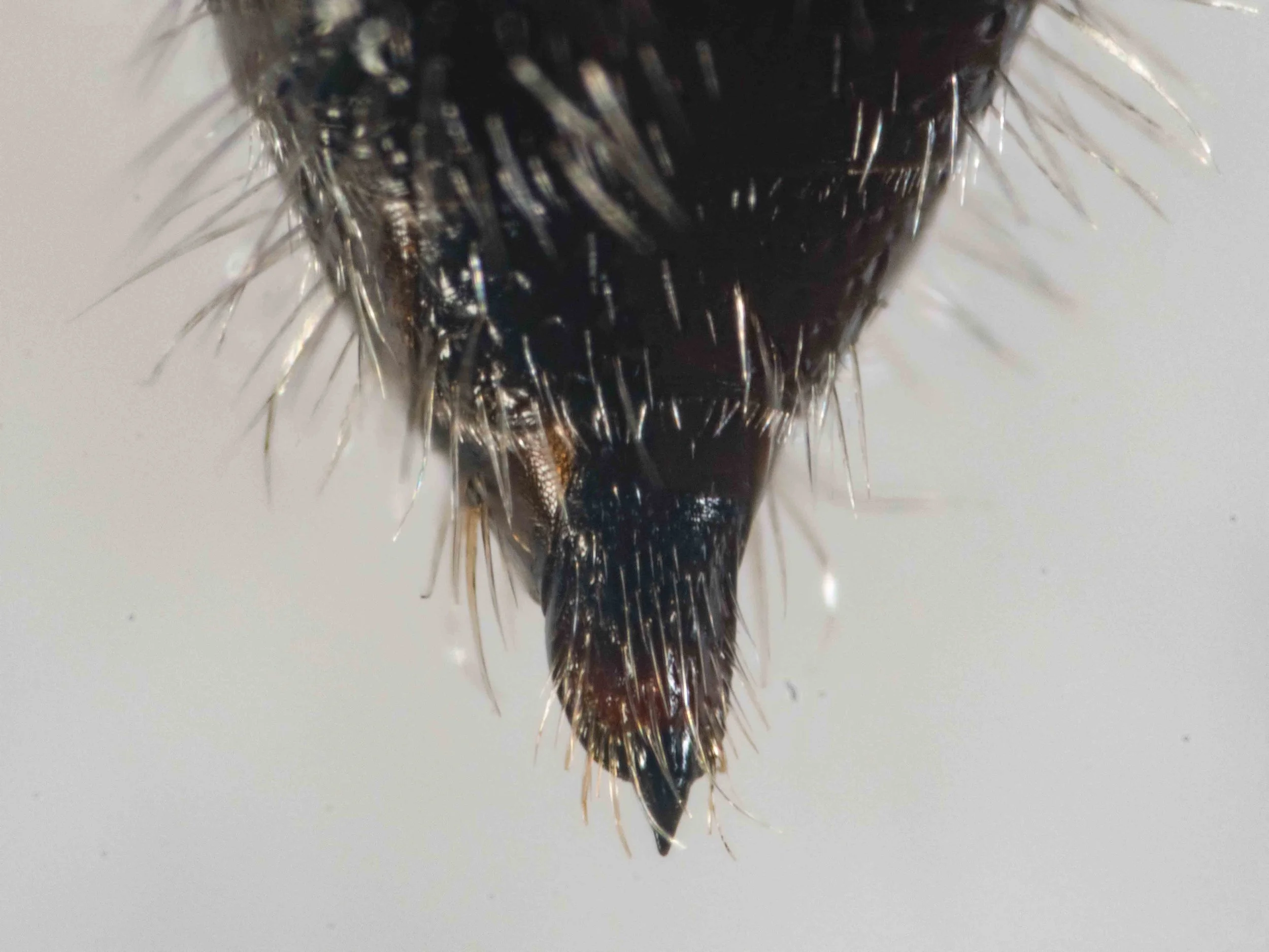
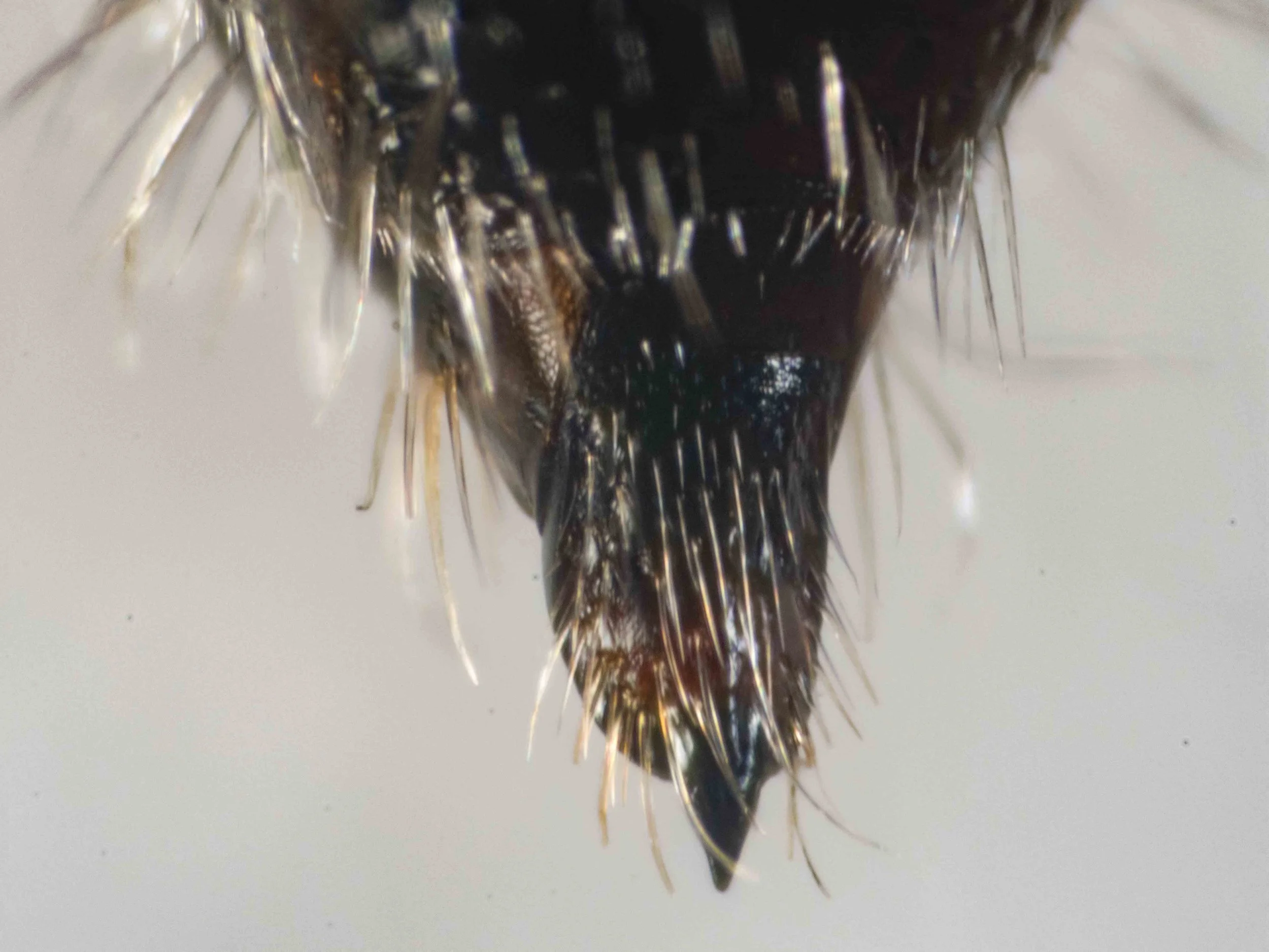
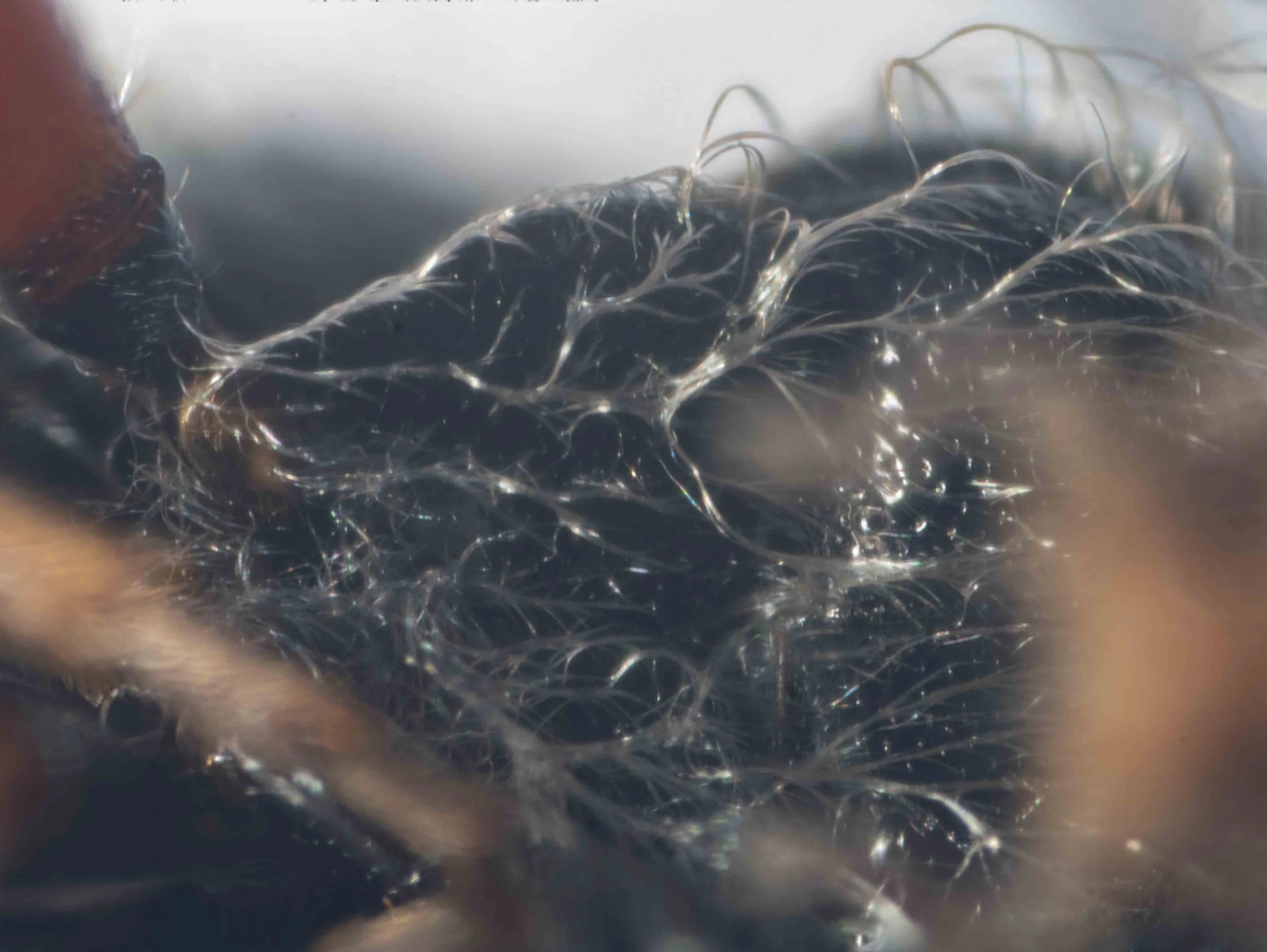
The following is my justification for excluding other options among the Thynnidae and Tiphiidae.
Thynninae: Agriomyini: Neozeleboria
Family THYNNIDAE, based on:
3 submarginal cells & frons produced above antennal sockets (so not Tiphiidae: Tiphiinae)
Subfamily THYNNINAE, based on:
frons produced above antennal sockets (so NOT Anthoboscinae)
forewing with 2m-cu meeting SCIII (so NOT Diamminae)
pronotum with anterior transverse groove (so NOT Myzininae)
NOT Rhagigasterini, Thynnini, Iswaroidini, based on:
hypopygium with apical spine (so NOT Eirone)
metasoma fusiform, without constrictions between segments (so NOT rest of Rhagigasterini)
vein 1r of forewing weak, just a trace (so NOT Thynnini)
epipygium without transverse apical carina (so NOT Iswaroidini)
NOT Tachynomini, based on:
metasomal segments NOT constricted (so NOT Wrangathynnus)
hypopygium with single apical spine and no apparent lateral spines (so NOT Ariphron, Phymatothynnus, Tachynomia, Tachyphron, Tachynoides)
Among the Agriomyia genera known from SE Australia, only Neozeleboria is consistent with the features seen in specimen #086:
vertex without pair of brown spots (so NOT Aeolothynnus, Aulacothynnus, Chilothynnus)
apical segments of maxillary palps elongate (so NOT Aeolothynnus)
clypeus without sagittal carina (so NOT Agriomyia, Aulacothynnus, Chilothynnus, Zeleboria)
antennae long (so NOT Procerothynnus)
hypopygium with single apical spine and no apparent lateral spines (so NOT Chilothynnus, Pentazeleboria, Procerothynnus, Zeleboria, Psammothynnus)
References
Brown, G. 2025. Revision of the Australian Thynnidae and Tiphiidae (Hymenoptera). Zootaxa 5681 (1): 001-862 https://doi.org/10.11646/zootaxa.5681.1.1
This is a workbook page … a part of our website where we record the observations and references used in making species identifications. The notes will not necessarily be complete. They are a record for our own use, but we are happy to share this information with others.