
Pterygophorus from Windellama & Kings Hwy
Workbook
Identification of Pterygophorinae sawfly larvae which have been reported by Penny Gullan and Roger Farrow to defoliate Melaleuca spp. on the Southern Tablelands.
At Penny and Peter Cranston’s property at Windellama, south east of Goulburn, they feed on Melaleuca armillaris and another Melaleuca sp. For many years, they have been inundated with larvae which seek out their deck when mature.
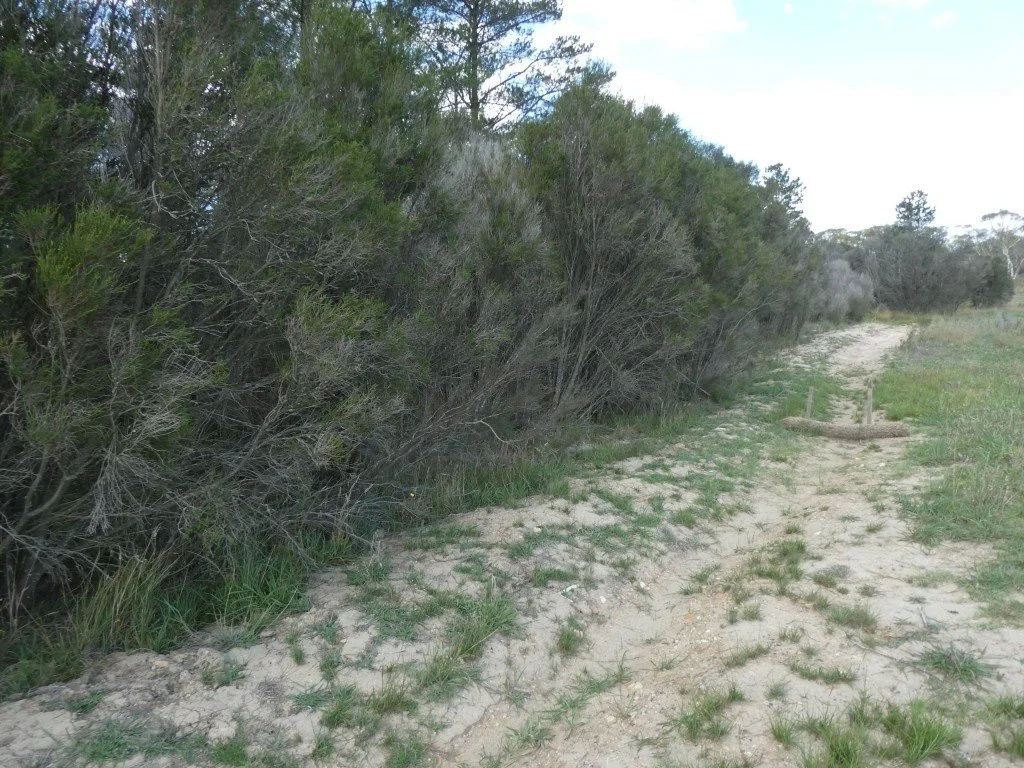
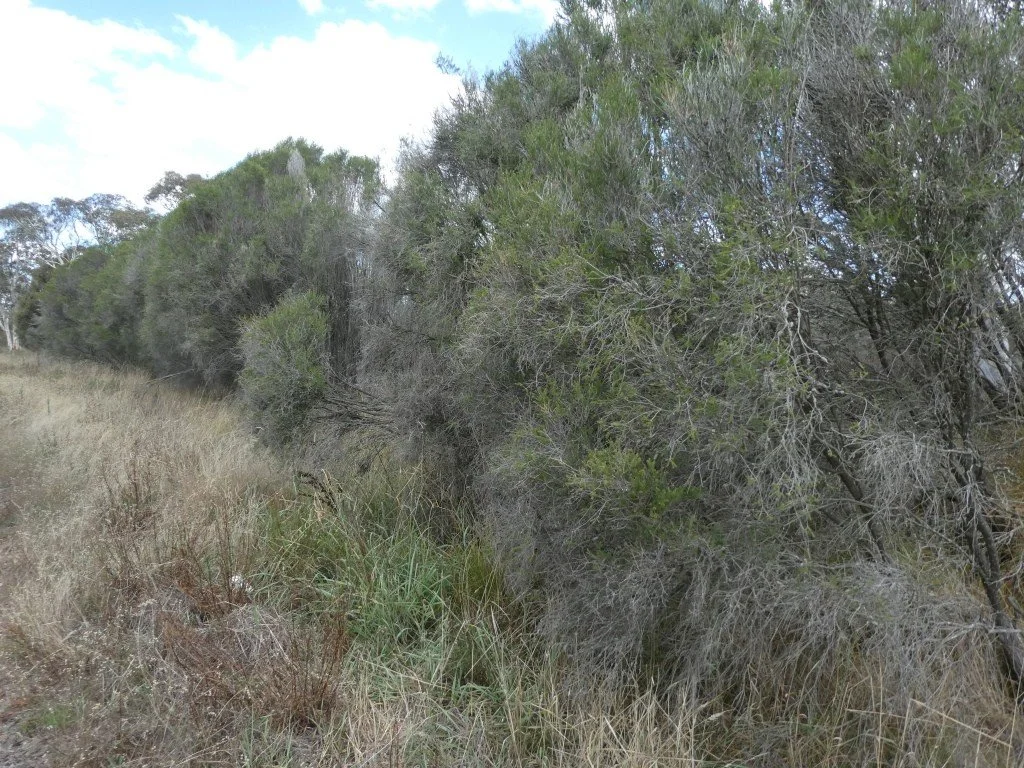
Roger reports widespread defoliation of Melaleuca parvistaminea by similar larvae at various points along the Kings Highway - shown in photos below.

Windellama adults
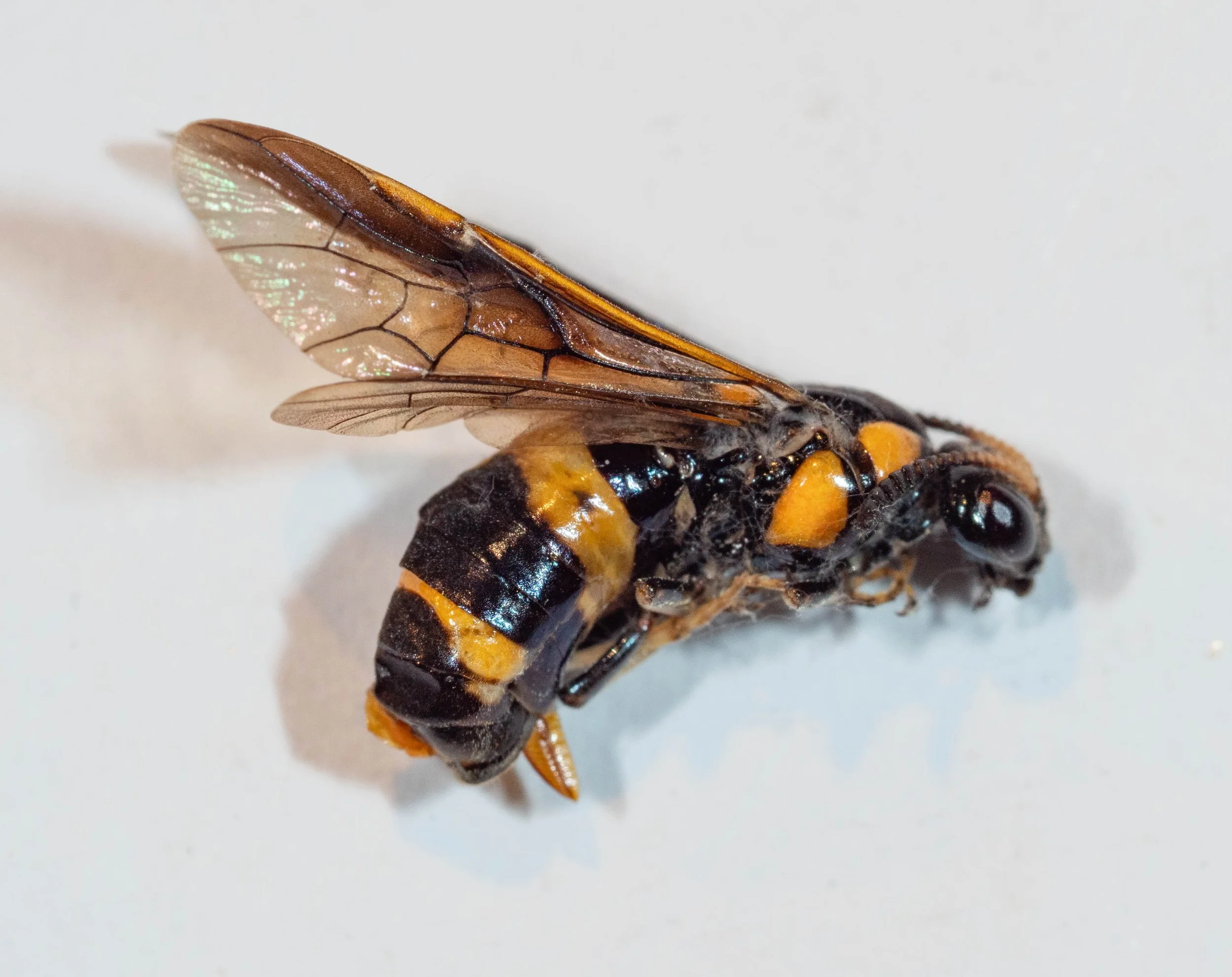
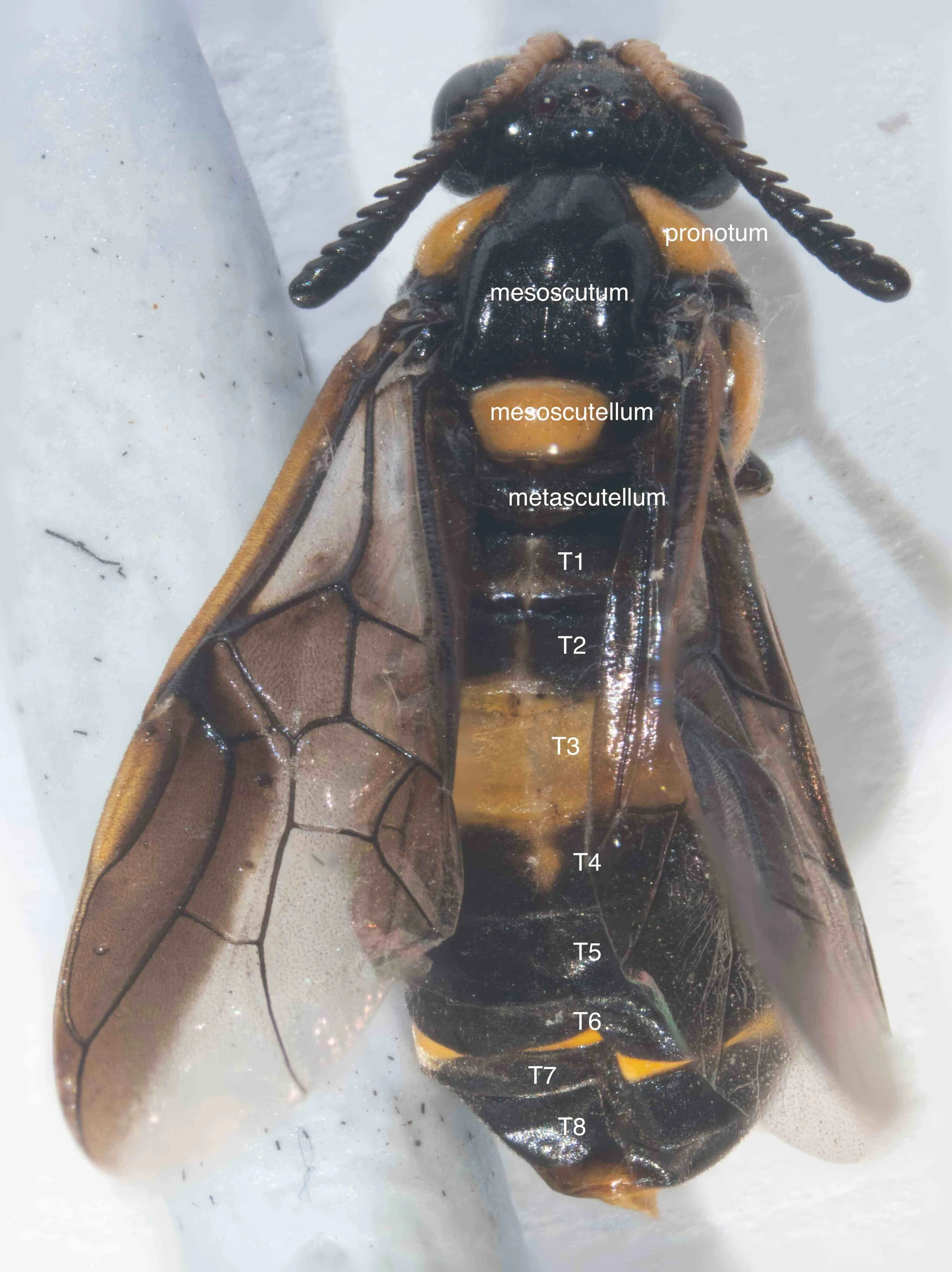
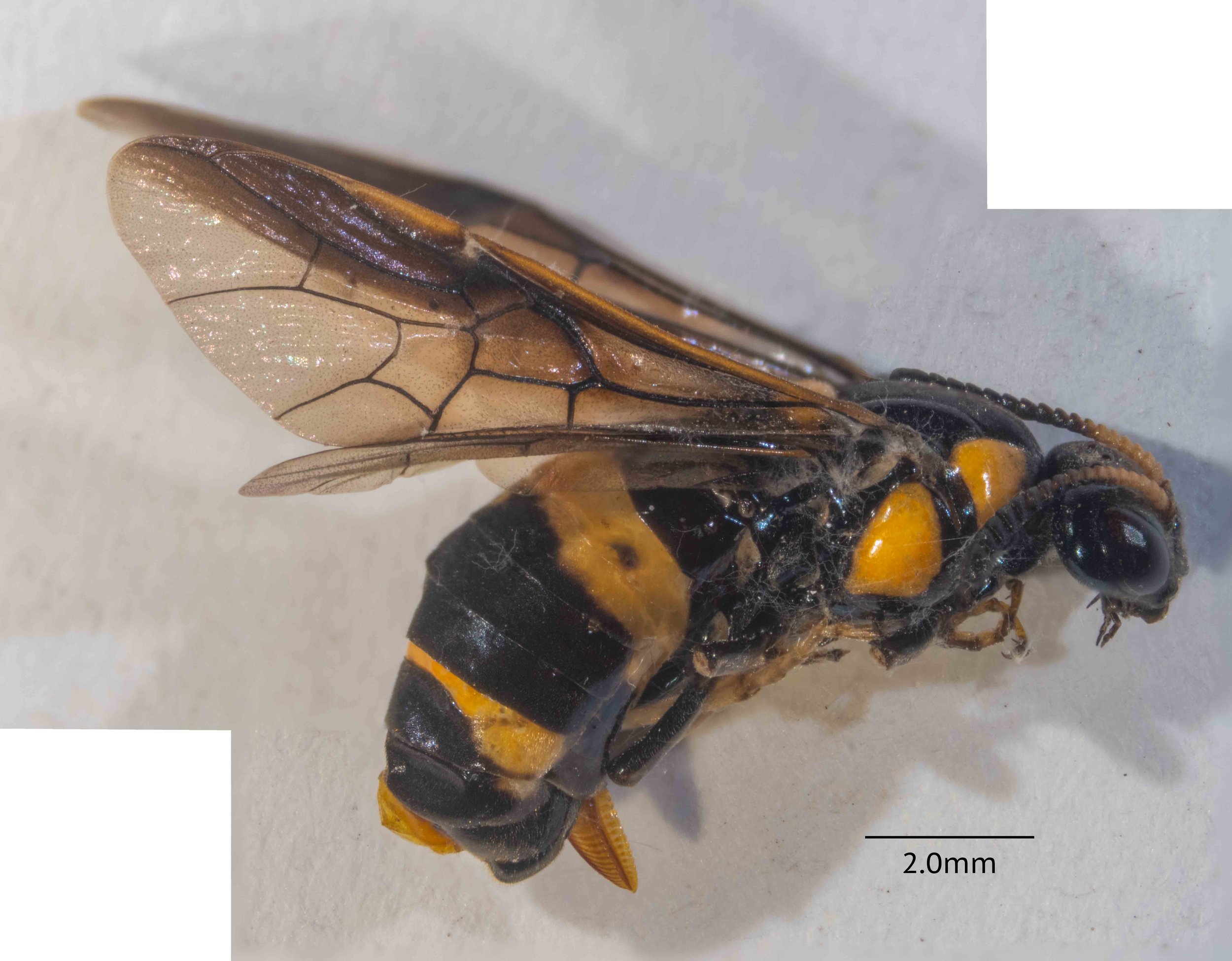
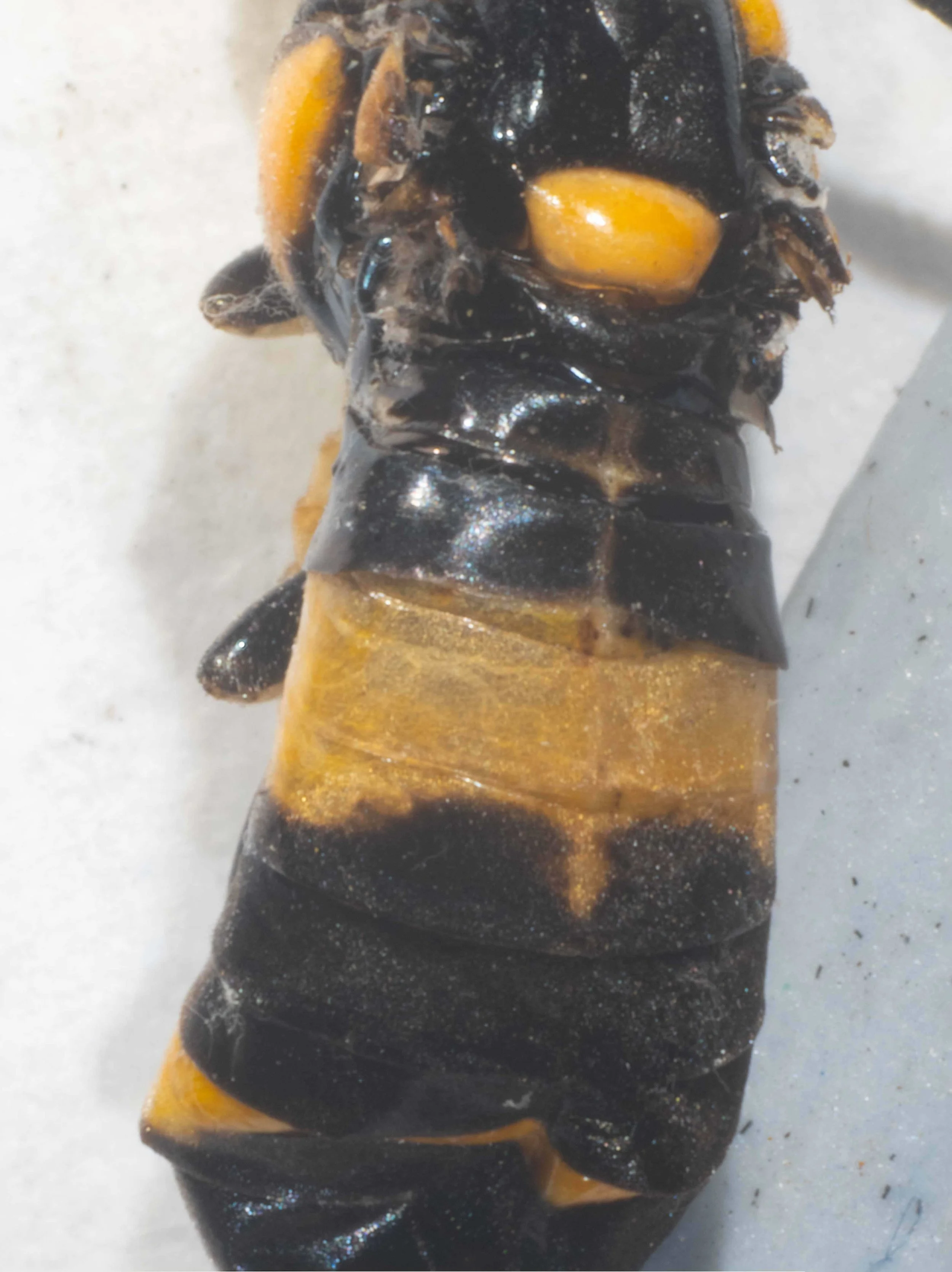
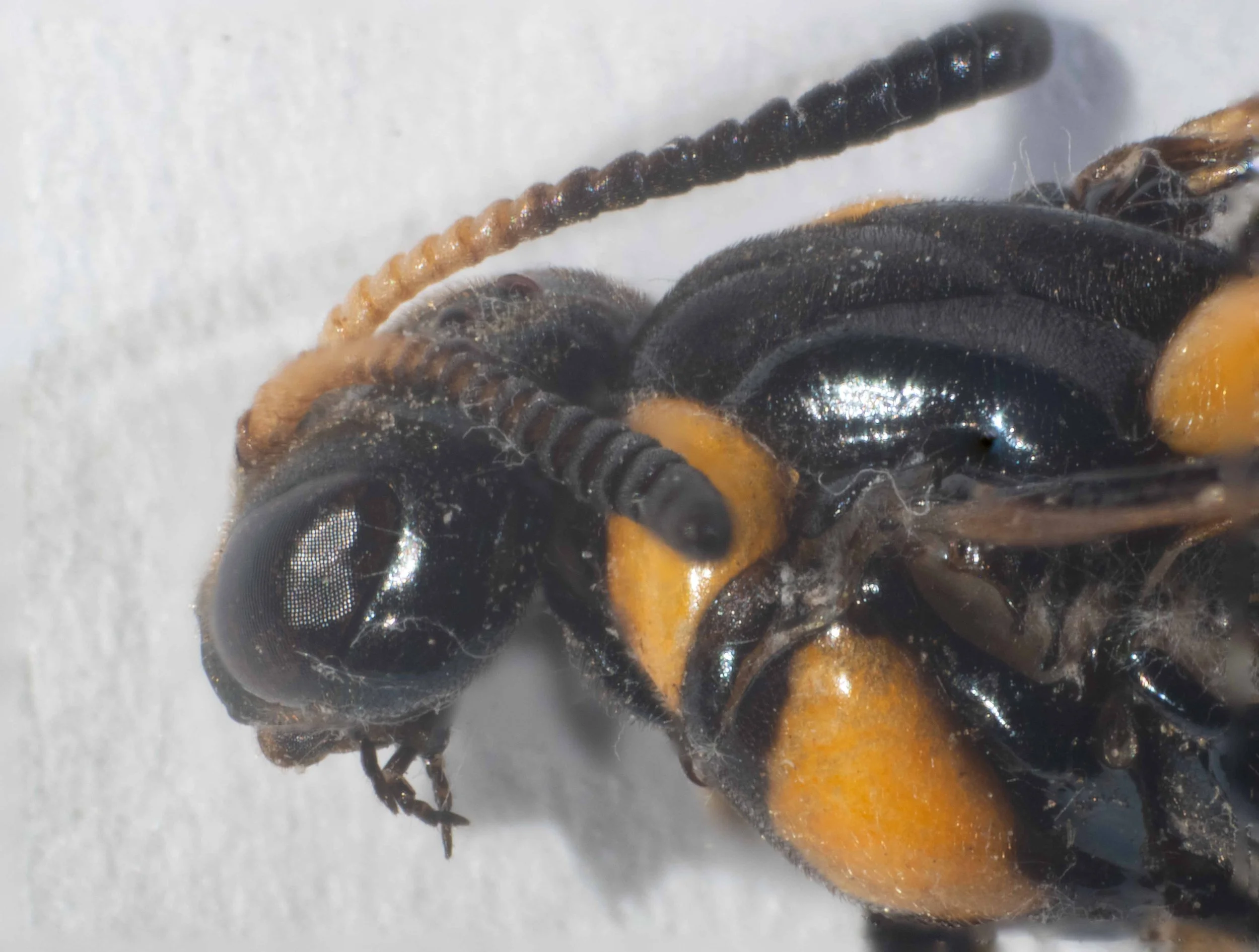
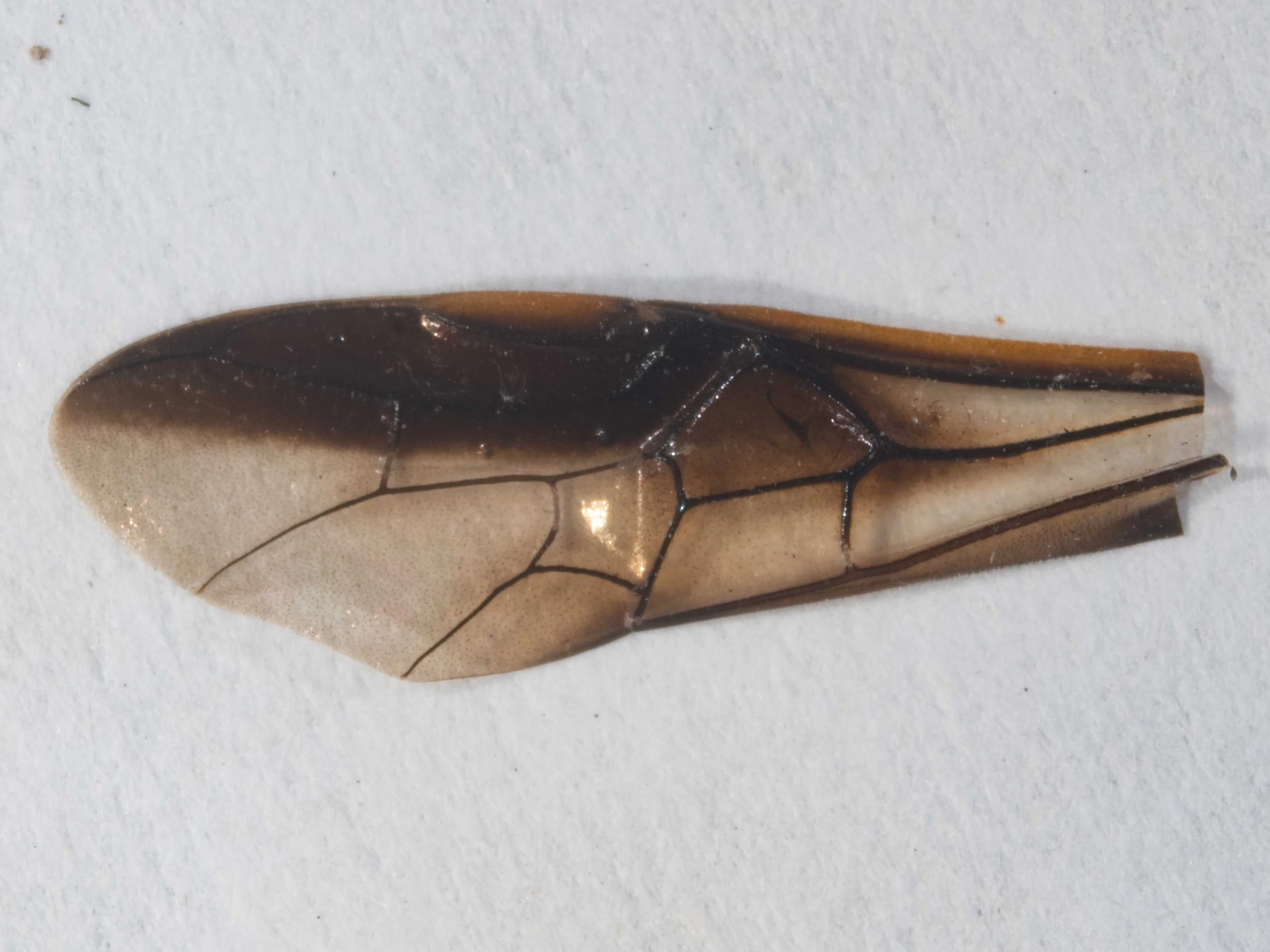
Penny collected adult females at Windellama on 17th December, 2025. One of these is shown below (collection #PW073)
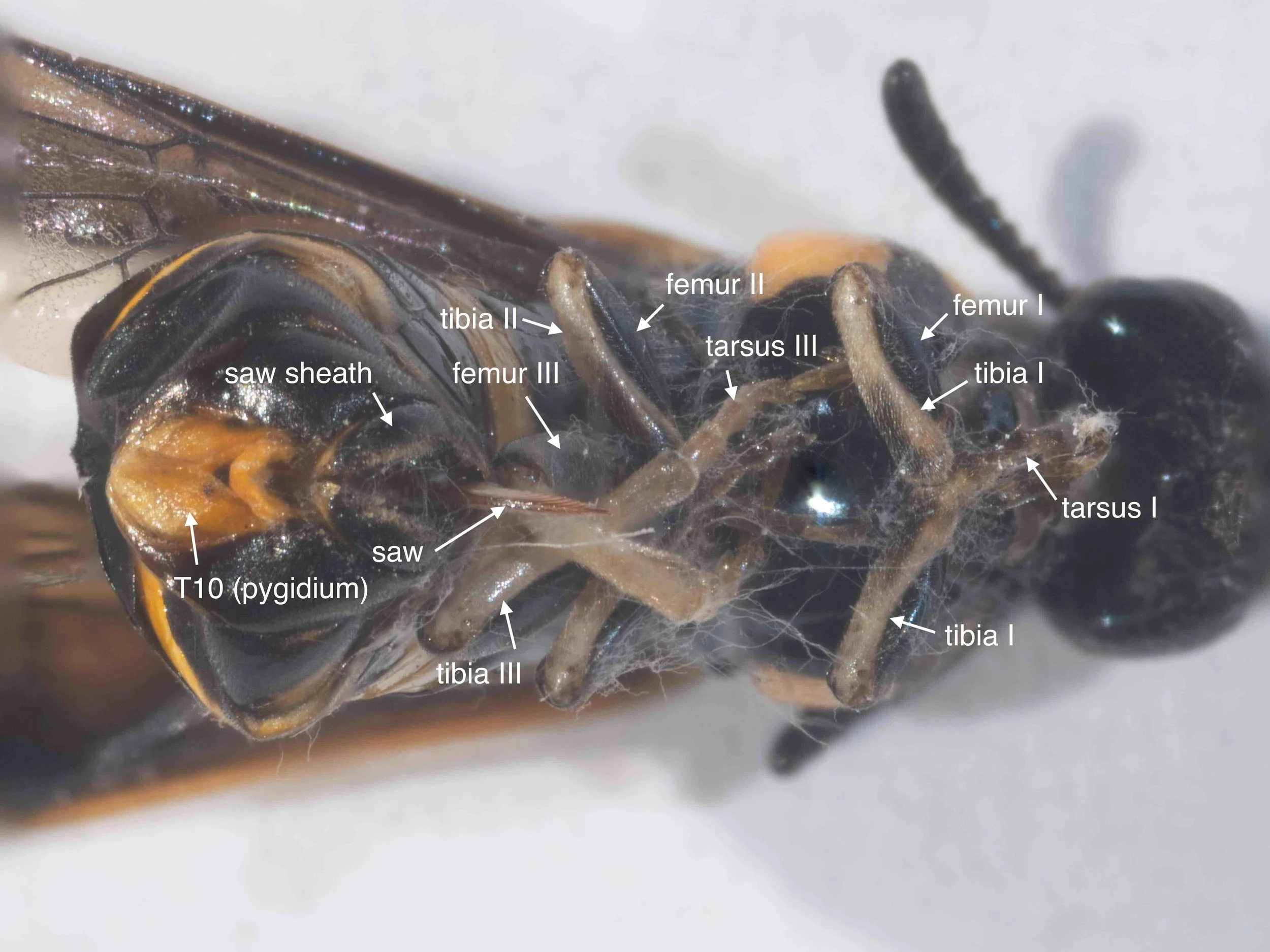
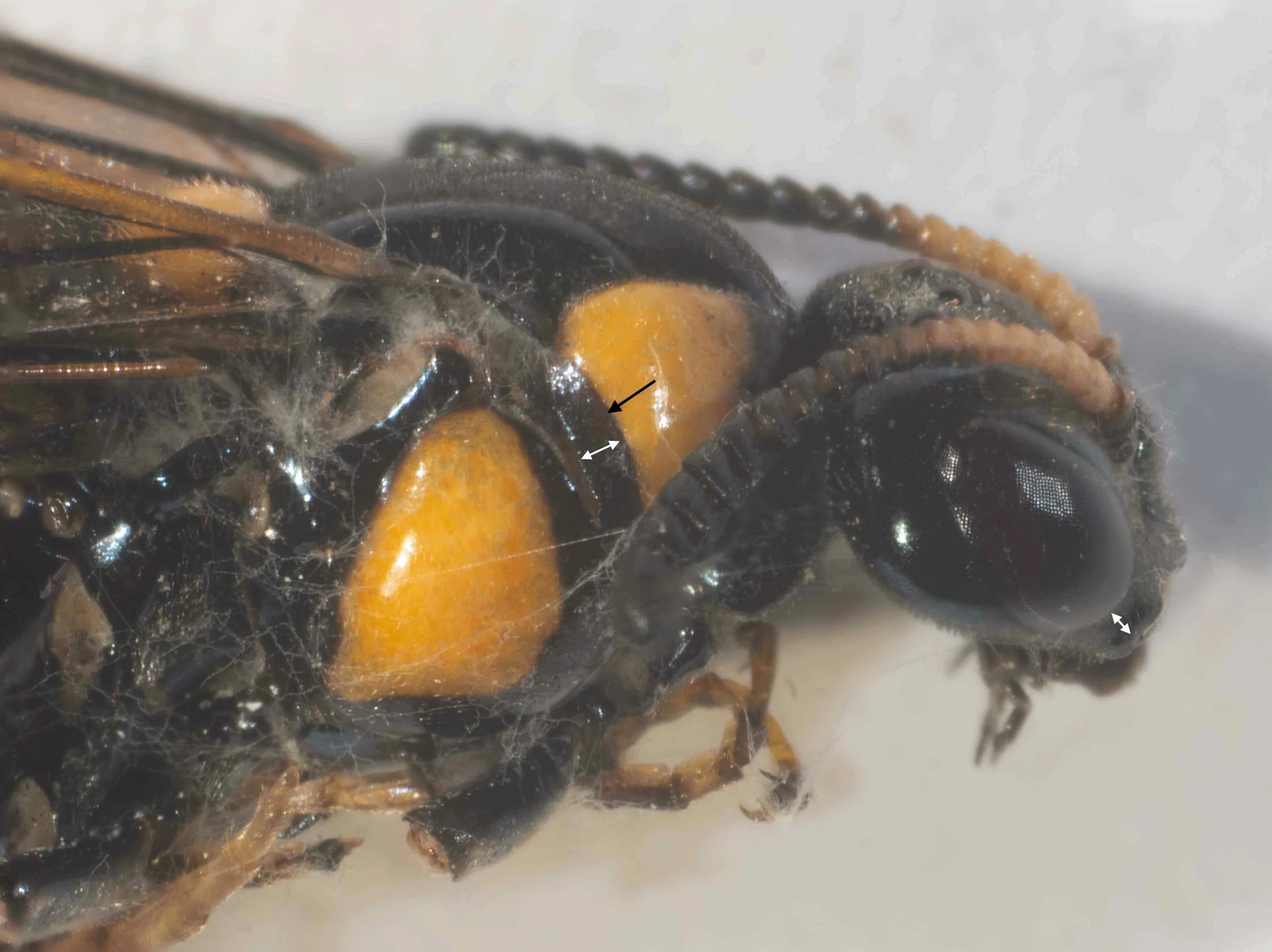
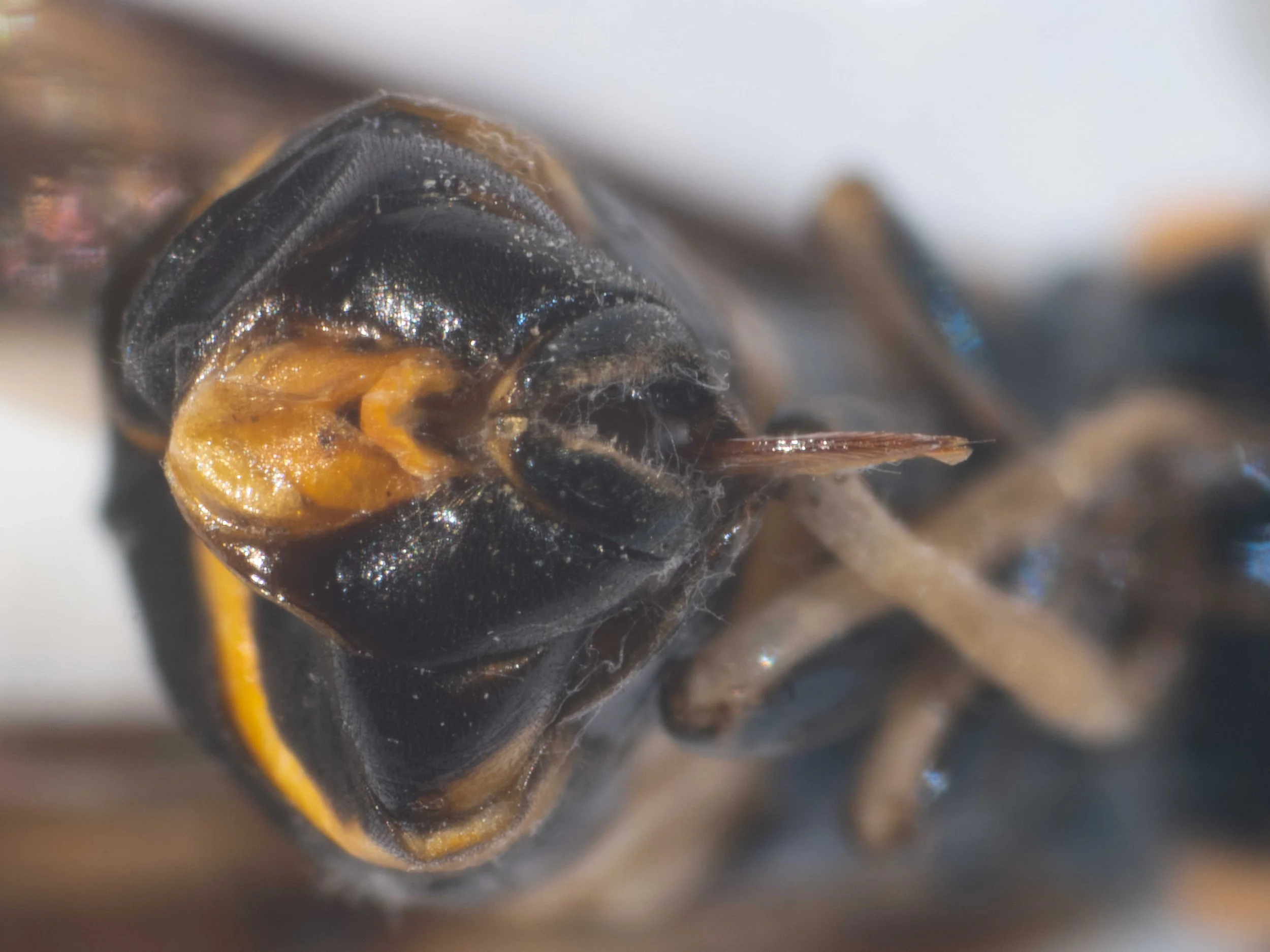
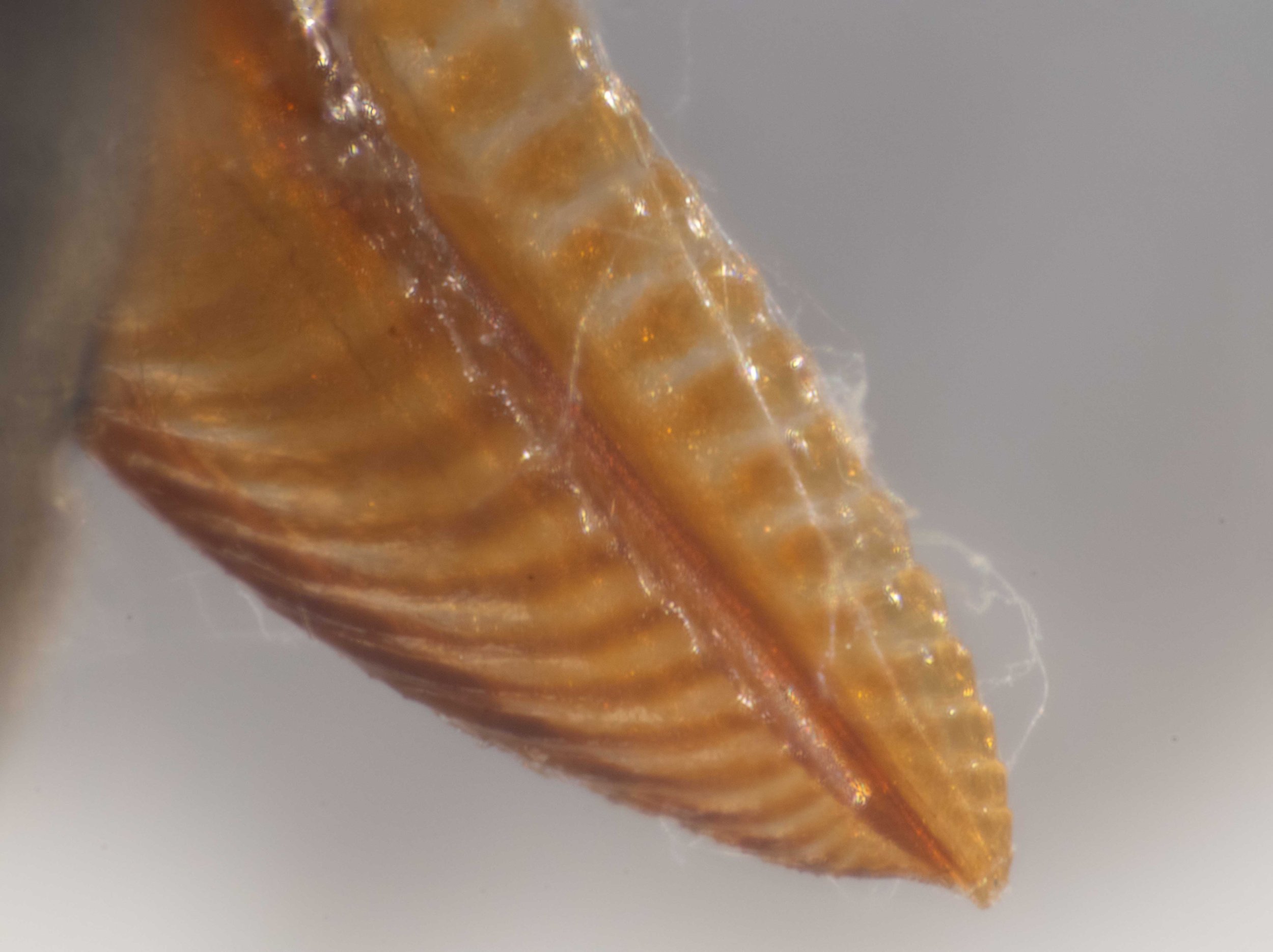
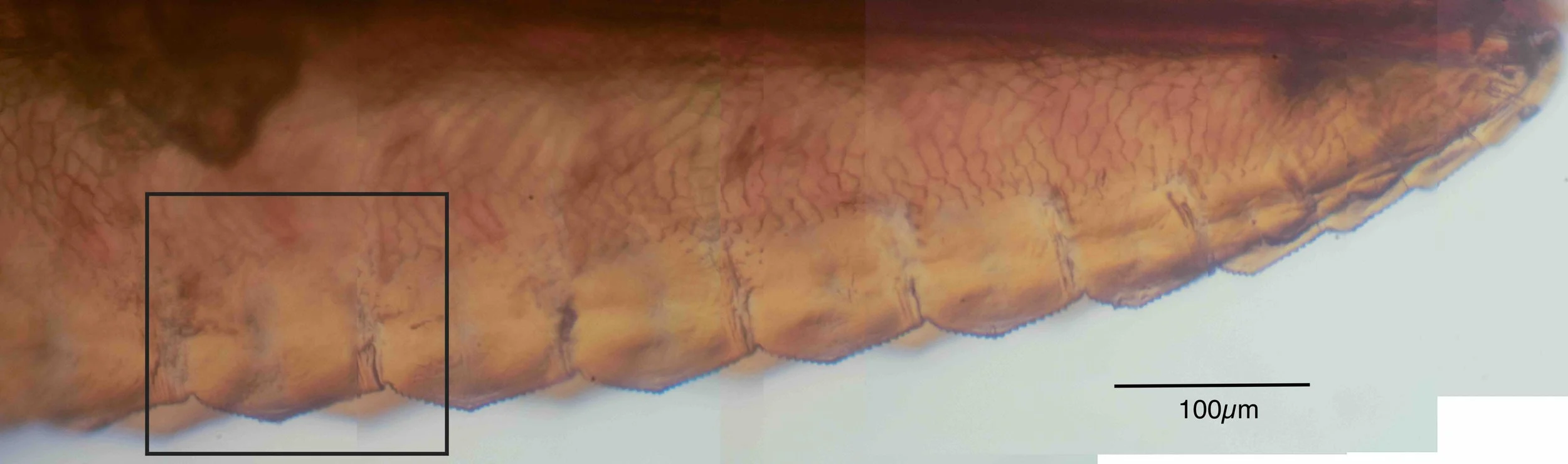
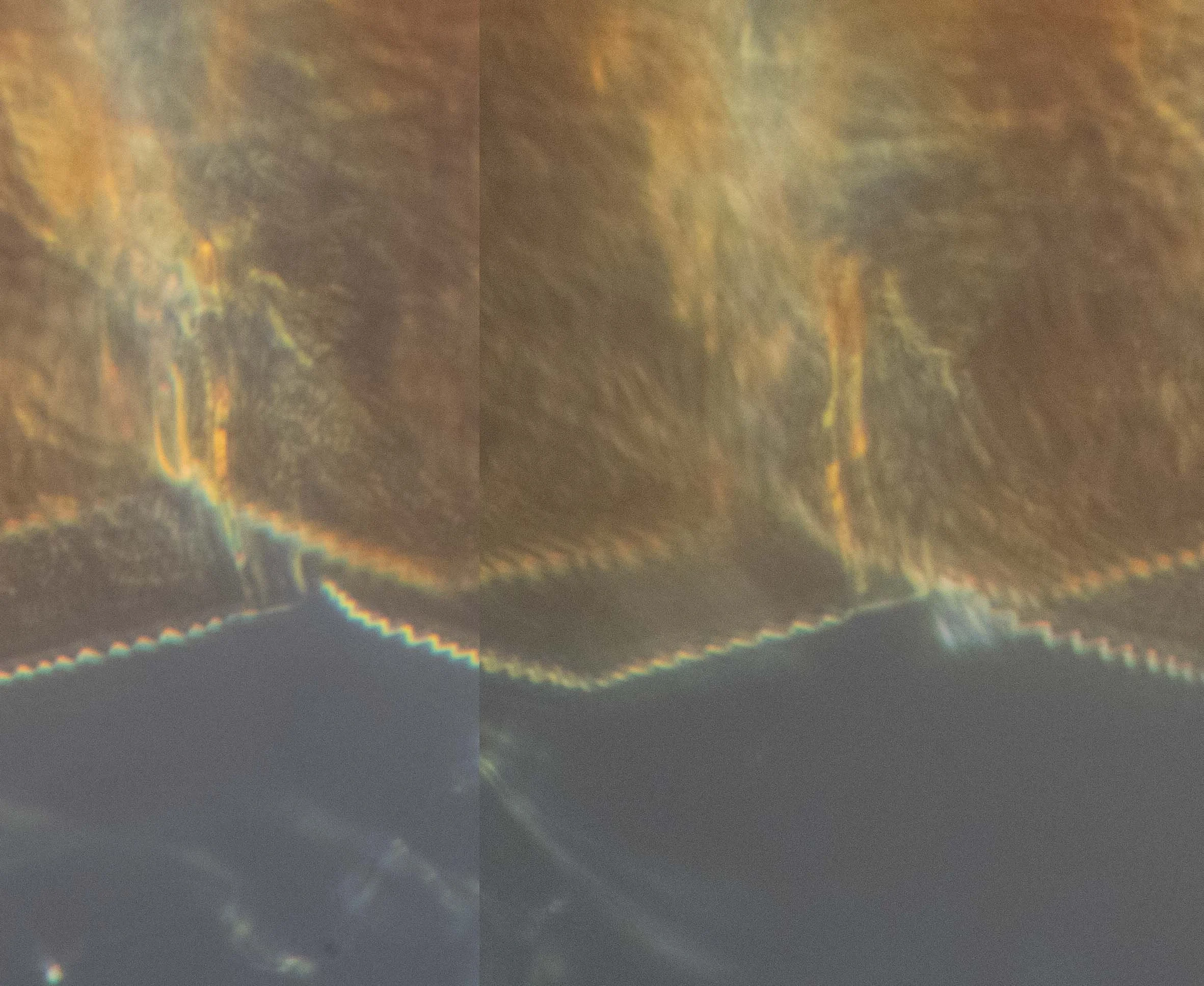
High resolution image of lancet of saw
Summary:
This female is a good match to Pterygophorus cinctus. There are only minor differences (colour of hind tibia, number of serrulae on saw teeth, exact number of antennomeres) to the description by Benson (1938) and to other specimens I have collected at Wonboyn and Bellingen.
It differs in key diagnostic features from other Pterygophorus spp. P. insignis, P. facielongus and P. turneri, as detailed on this notes page.
Windellama larvae
26th February 2026
Penny checked her larvae at Windellama on two ornamental Melaleuca armillaris. One branch has a few clusters of yellow larvae - between 10 to 13-14 mm long - but otherwise only single larvae seen. These were about 5mm long 3 weeks ago.
Kings Highway adults
Roger and Christine have seen females on two occasions apparently ovipositing on fresh regrowth of Melaleuca parvistaminea.
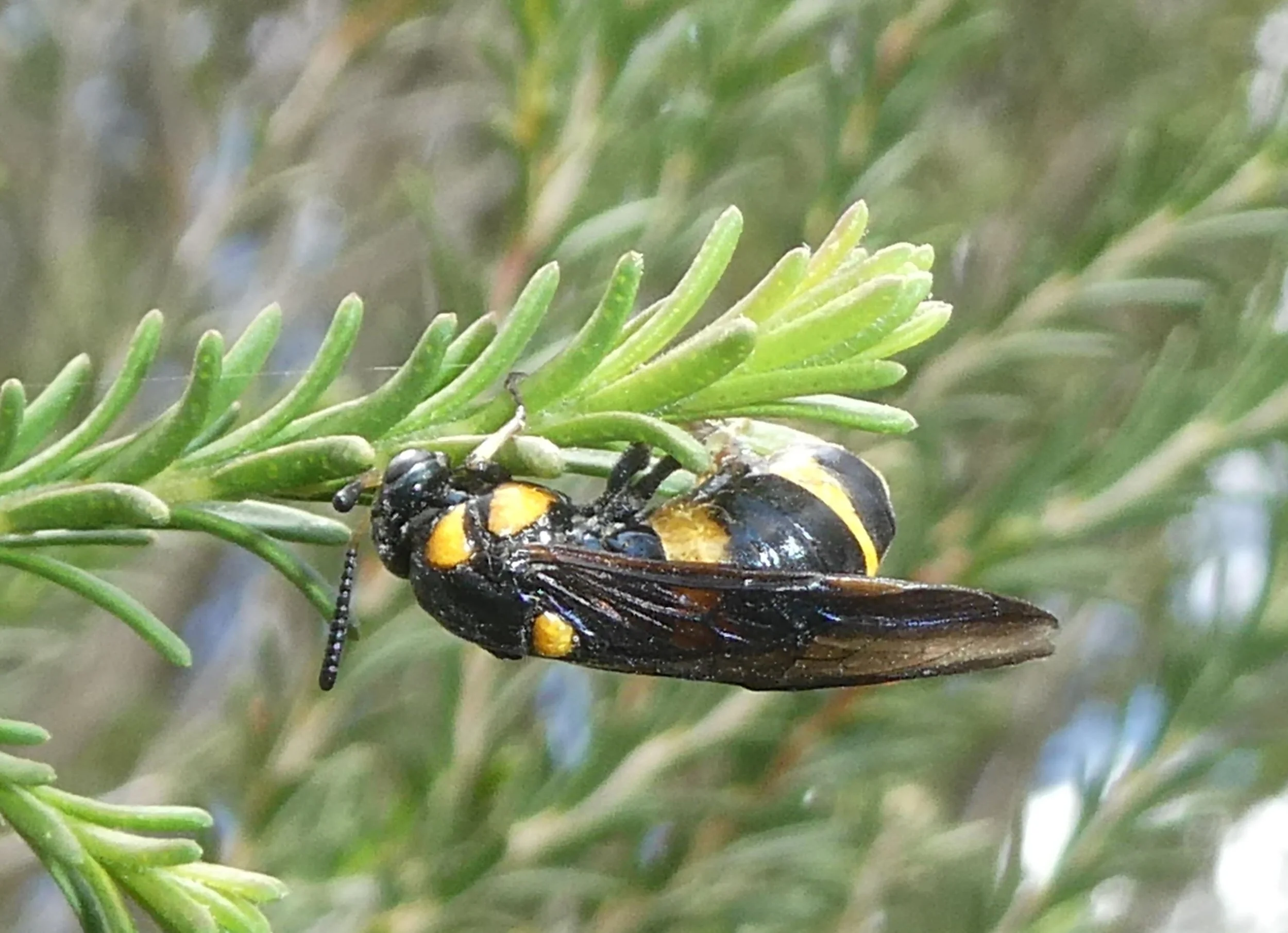
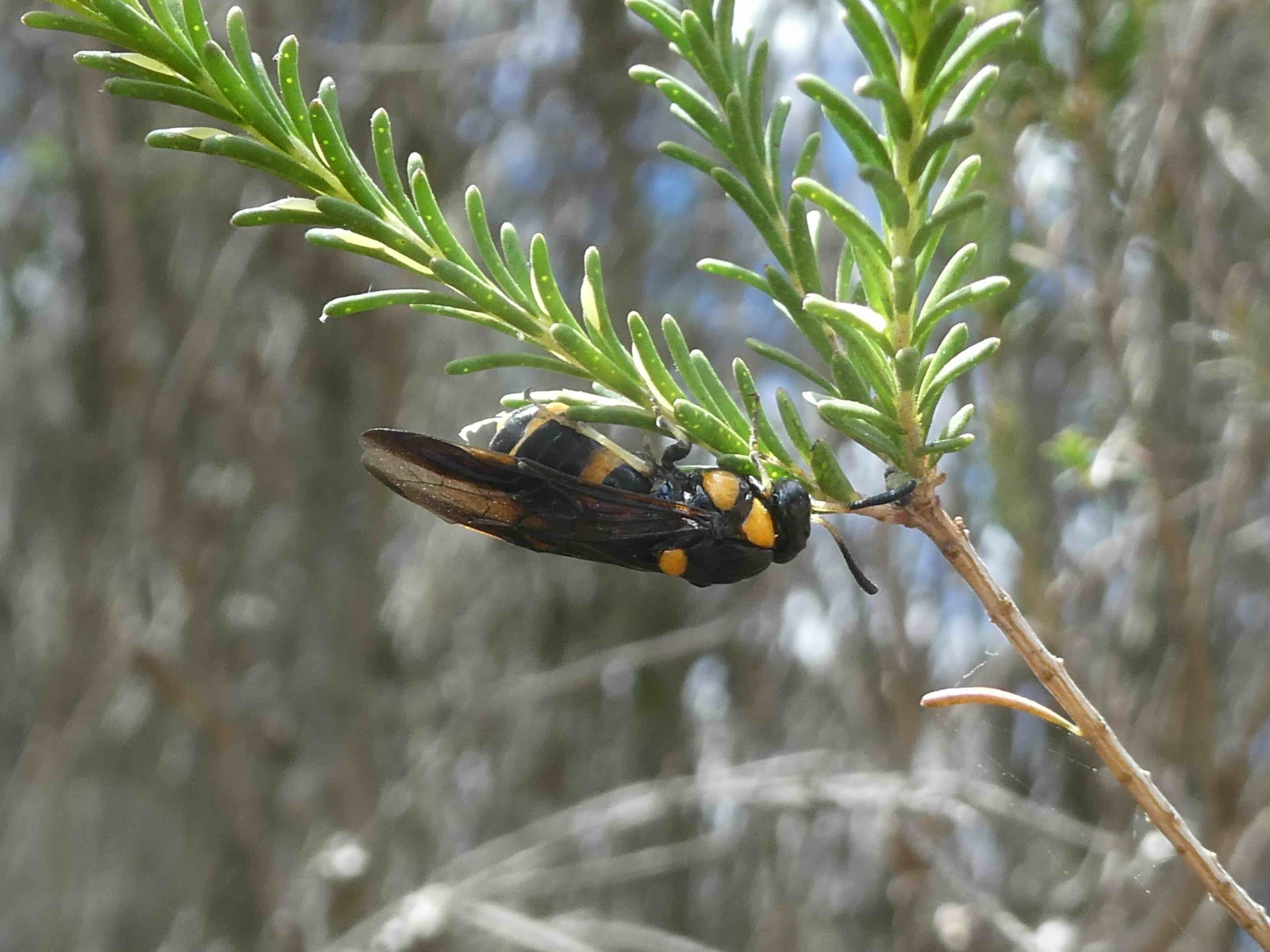
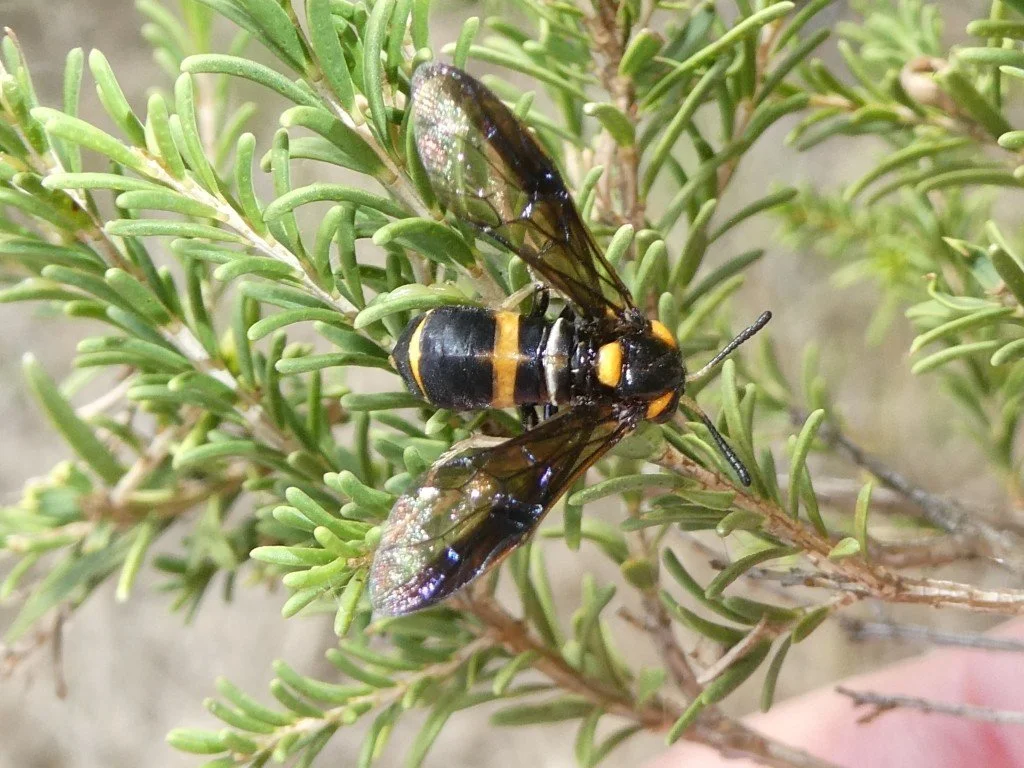
Roger sent me two females - #1, #2 shown below - collected on 26/12/25 and pinned.
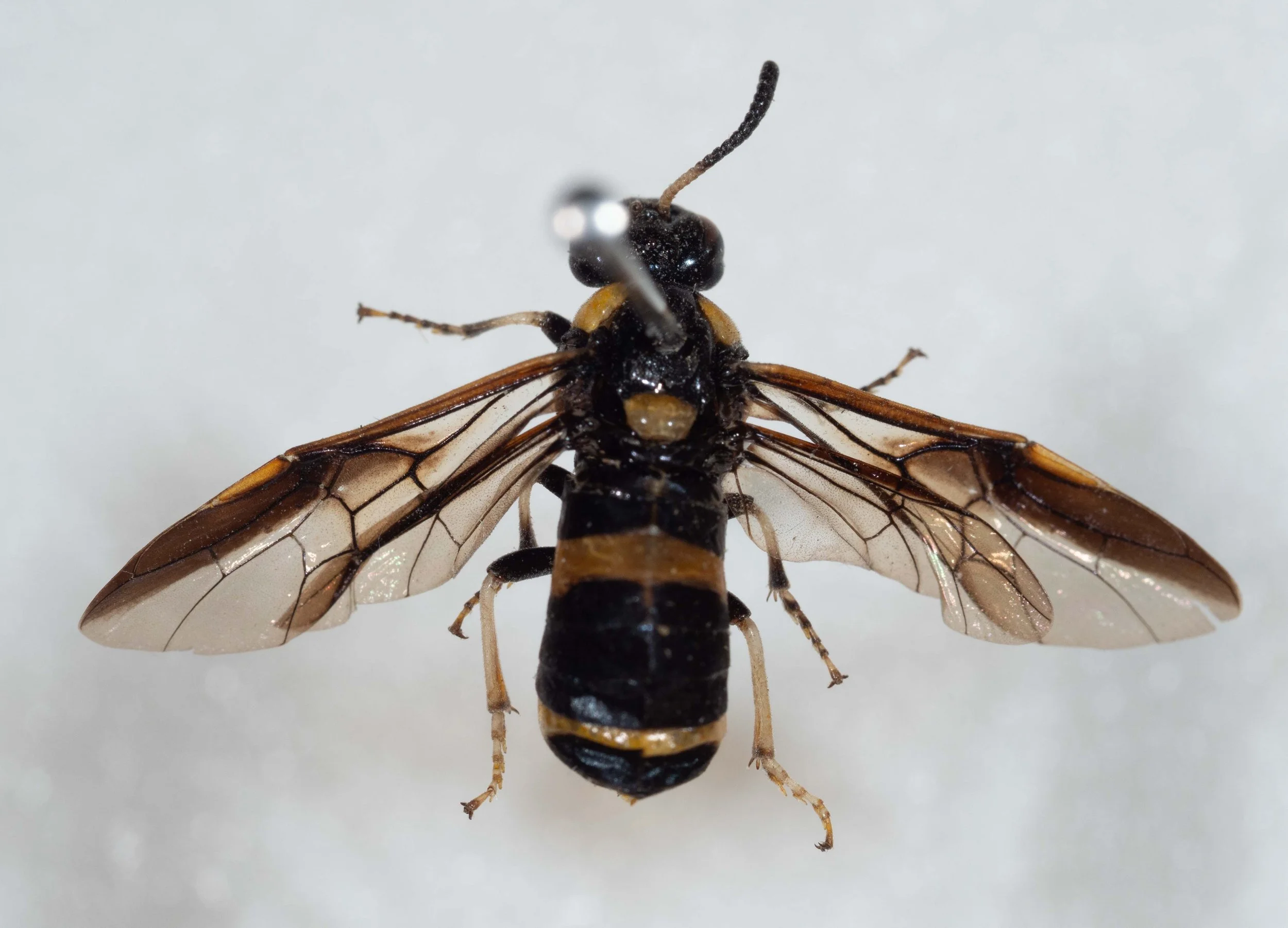
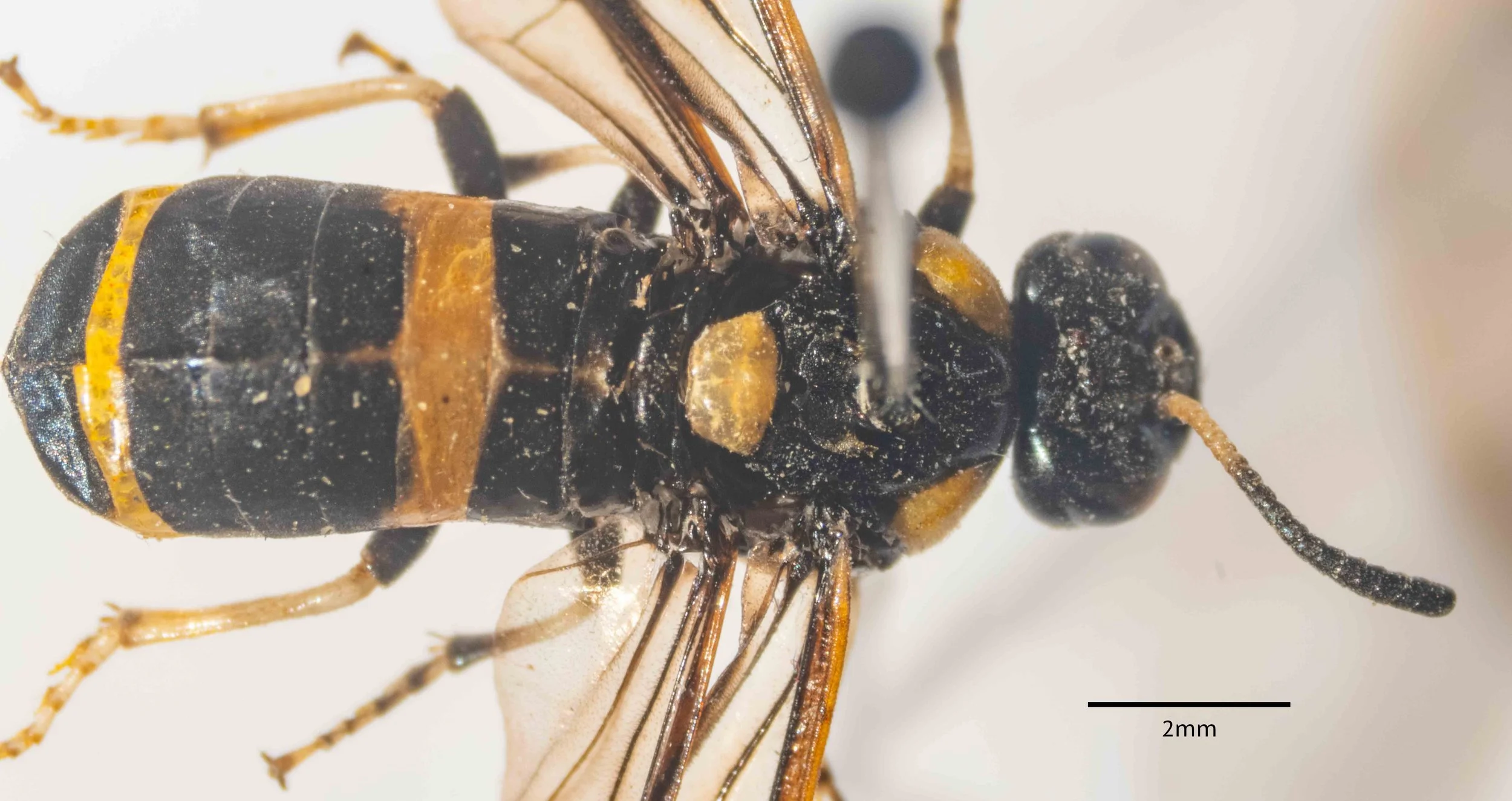
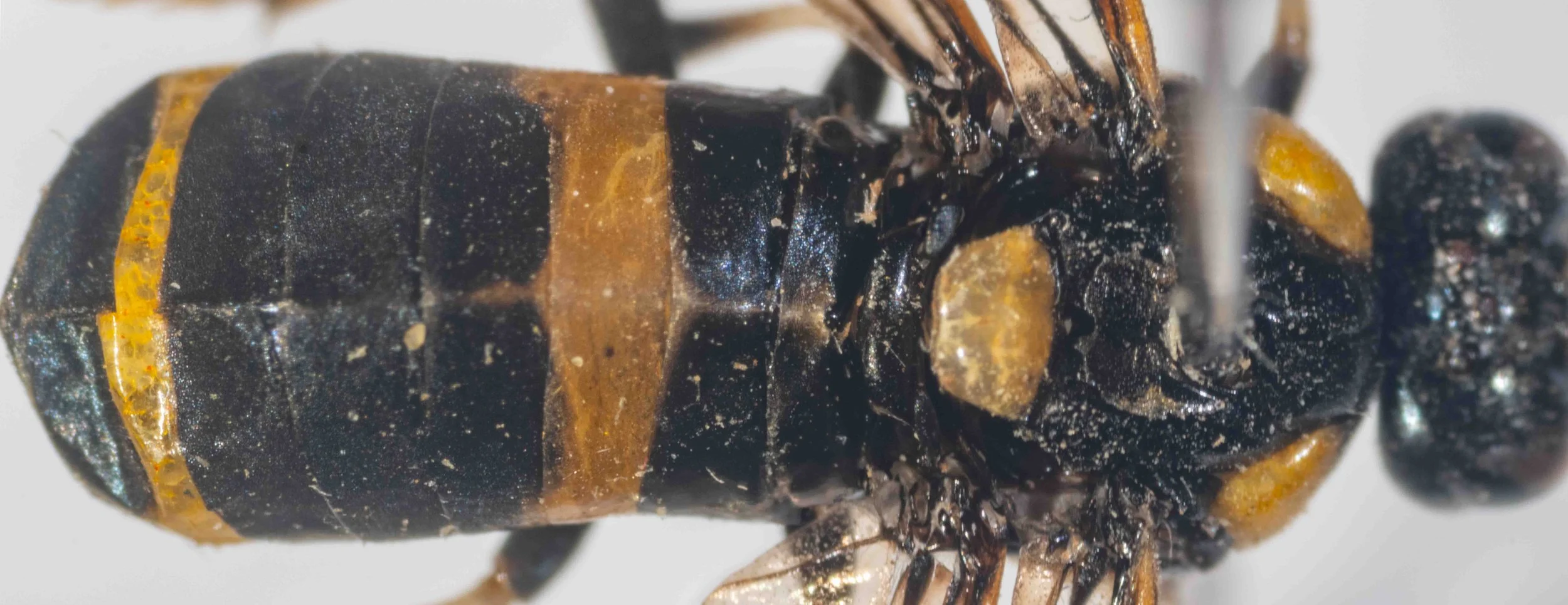
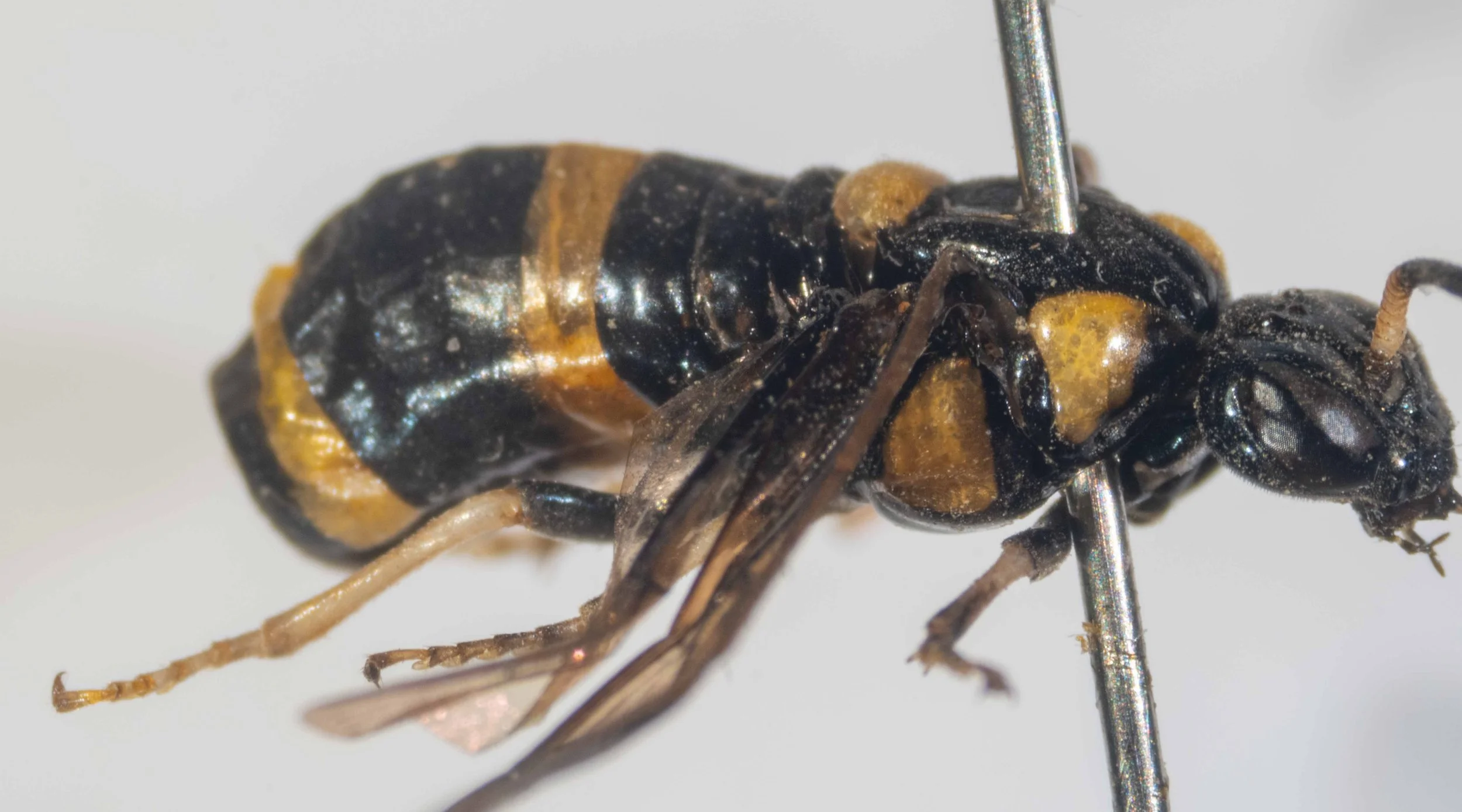
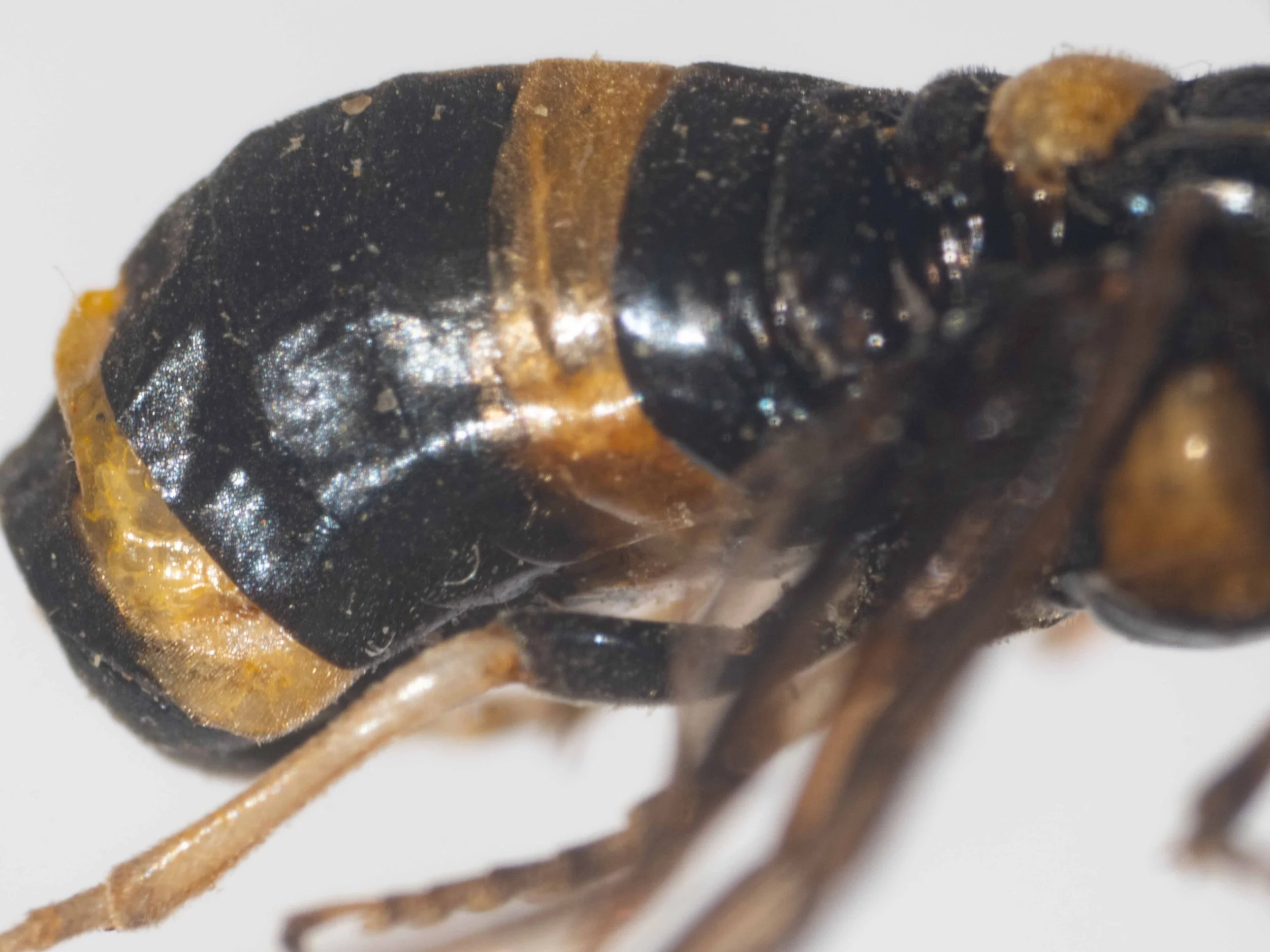
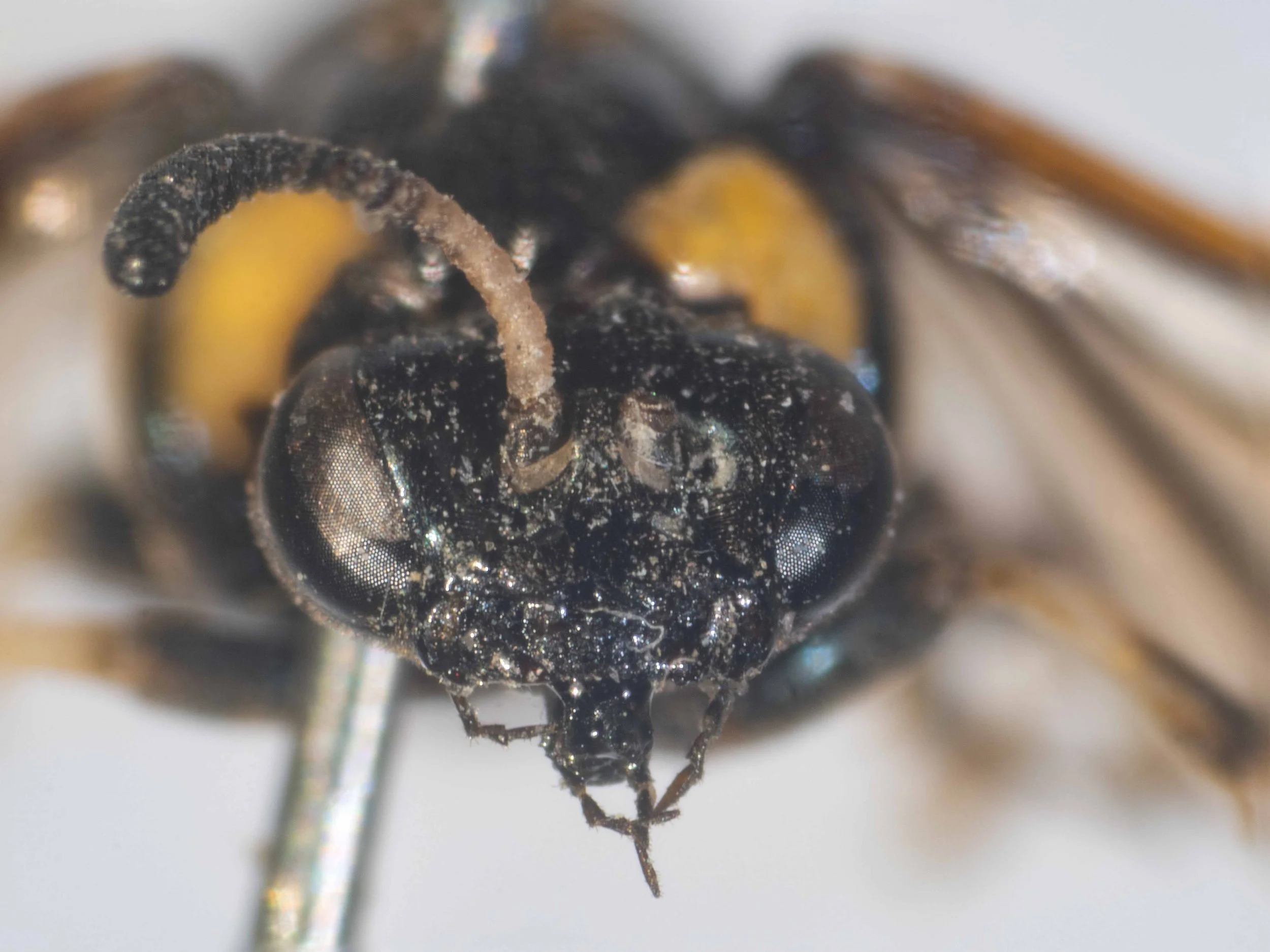
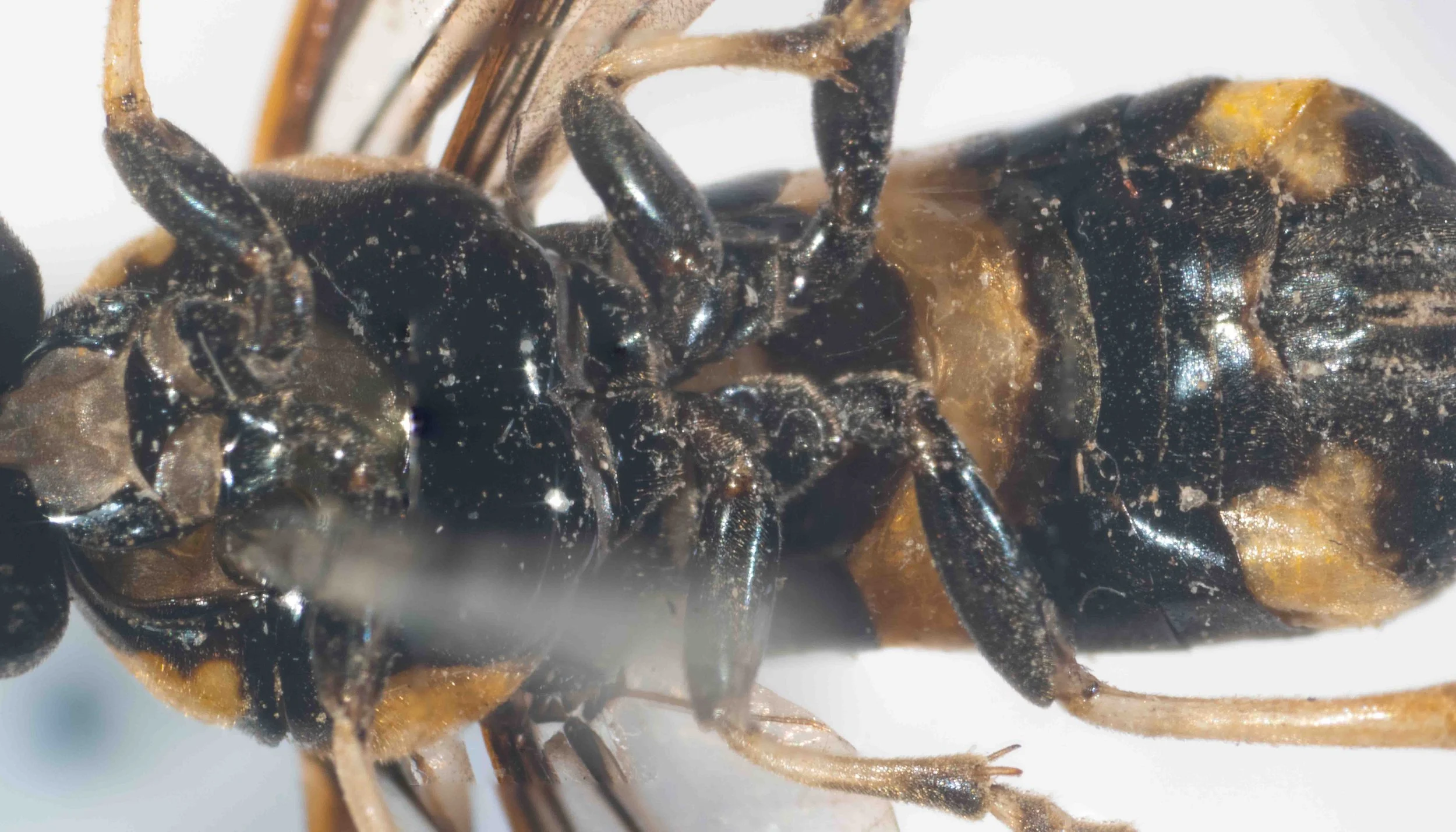
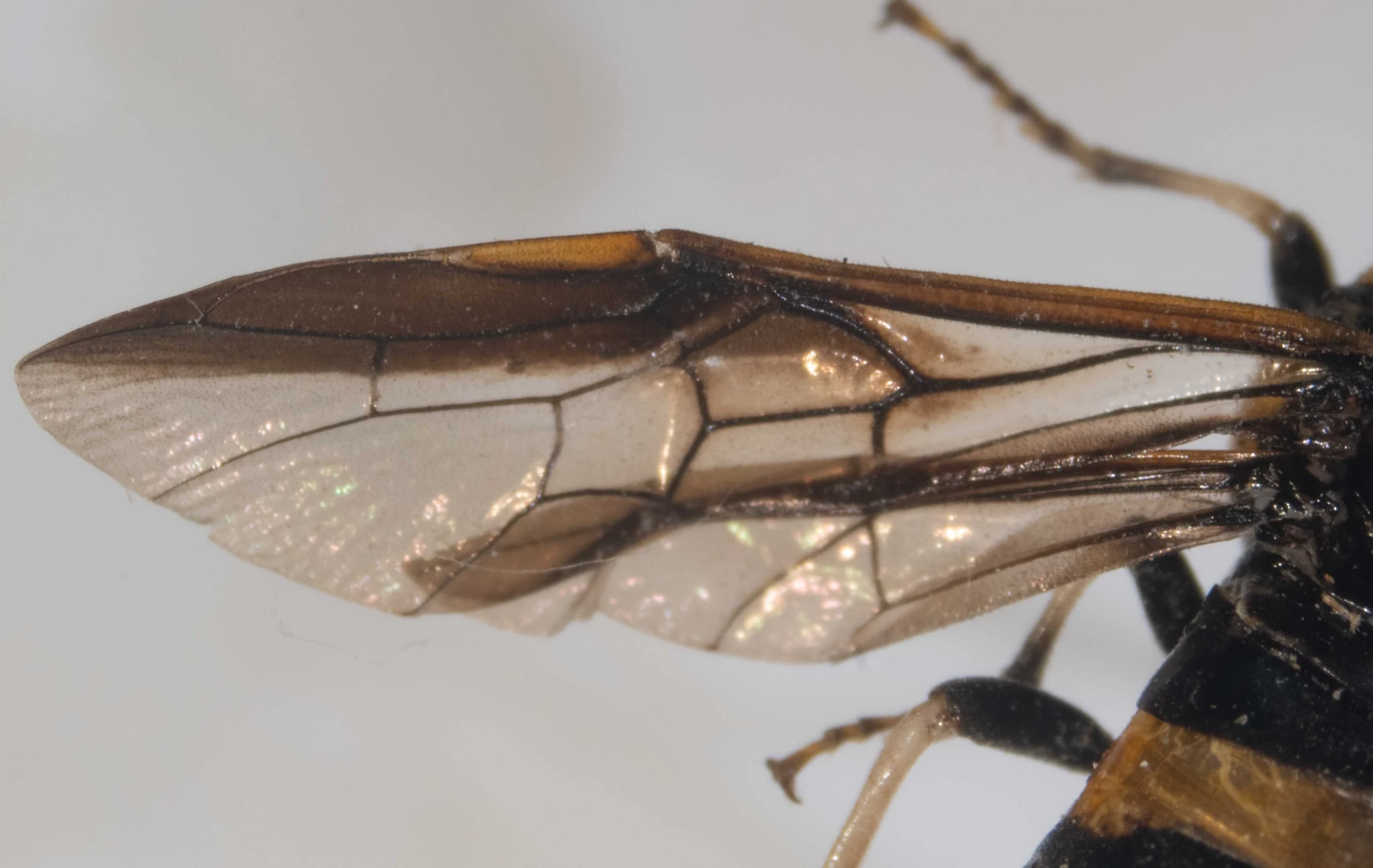
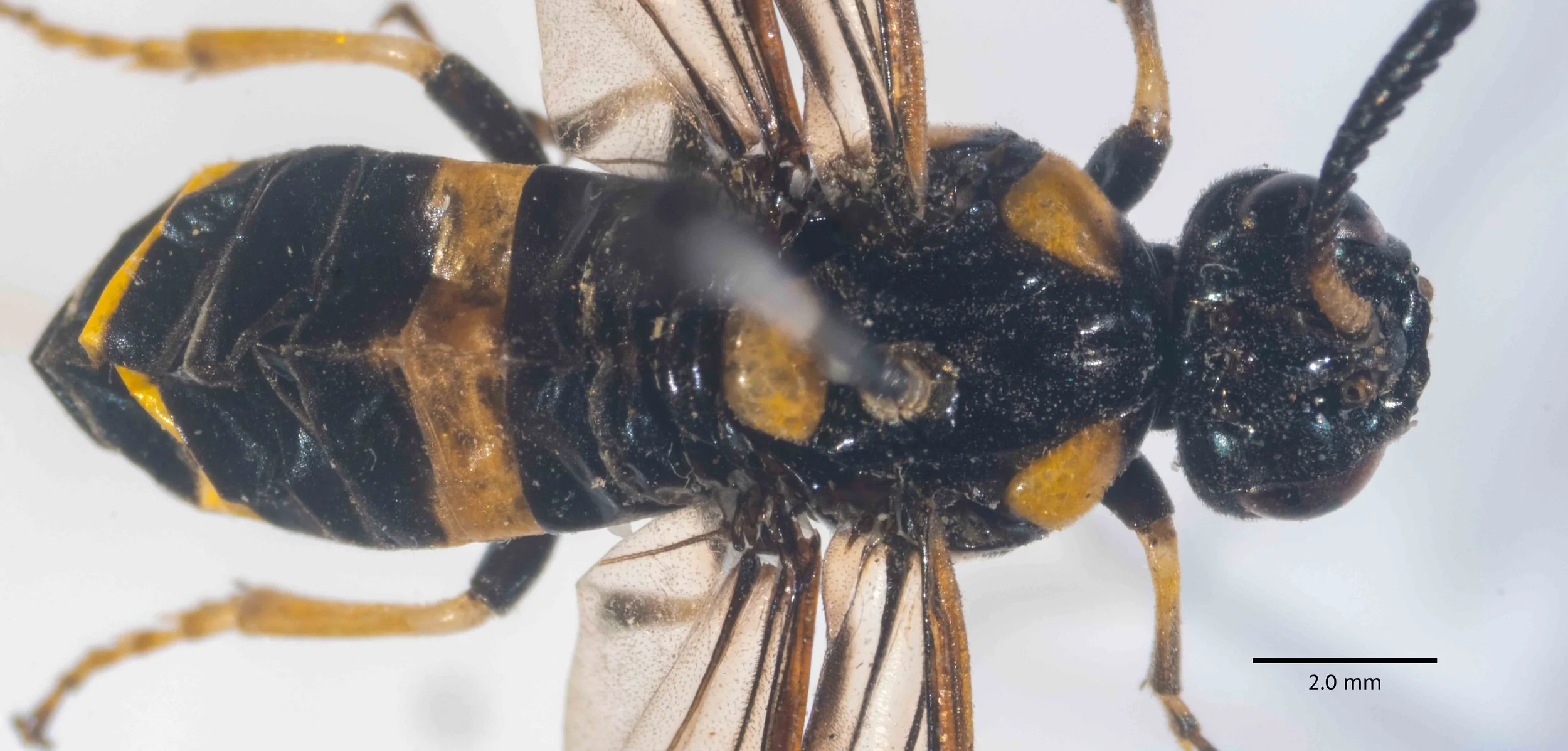
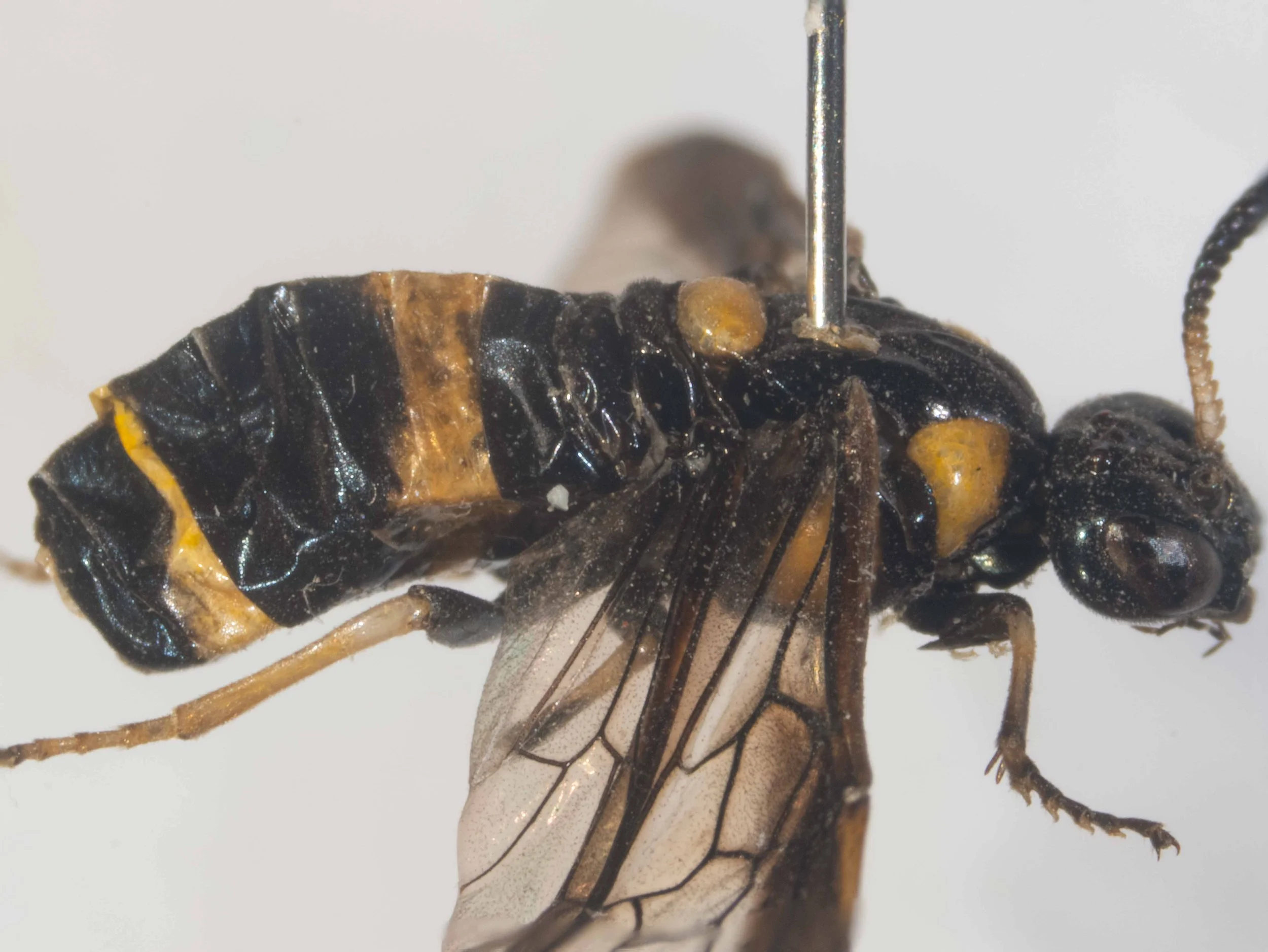
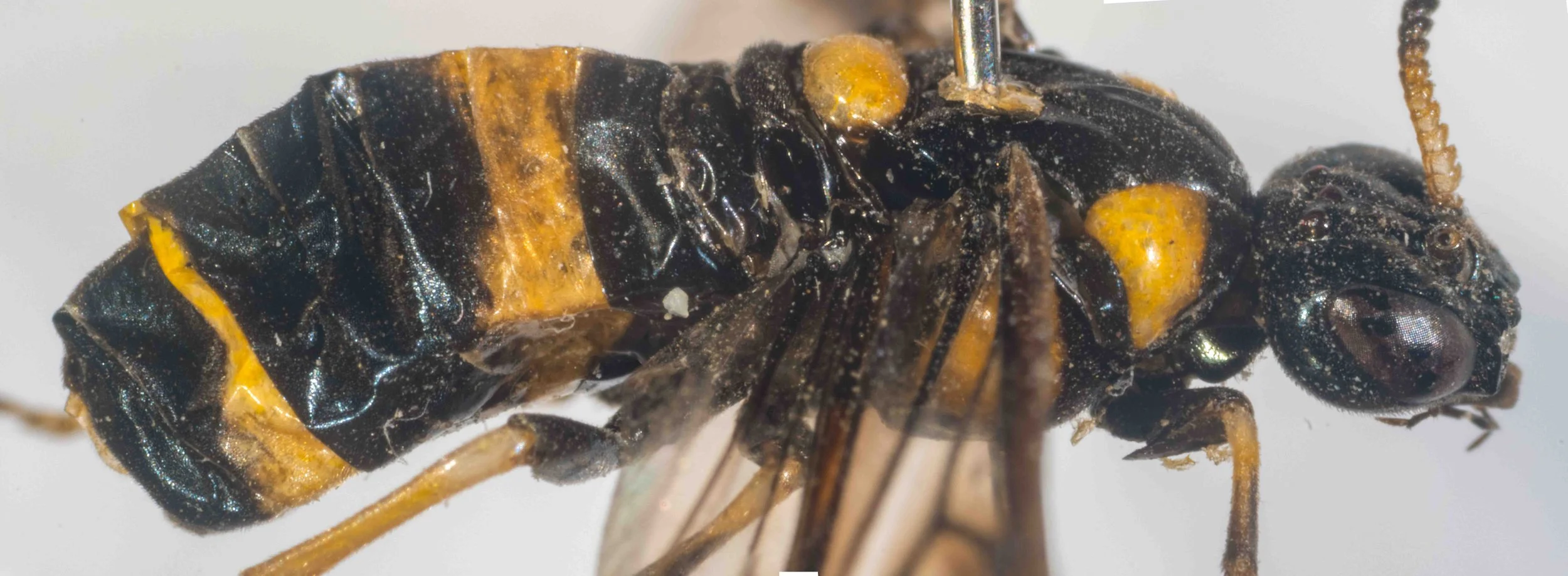
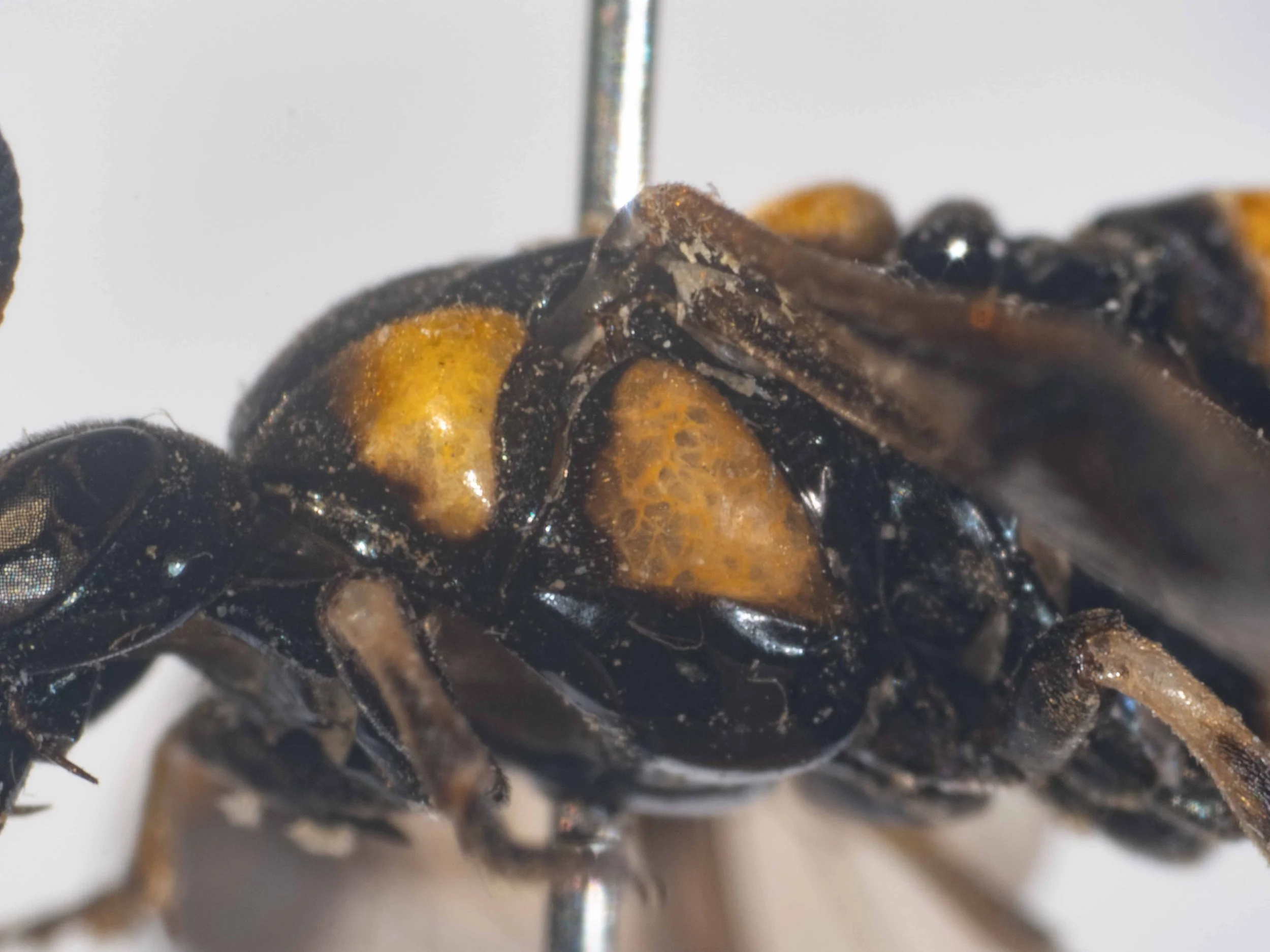
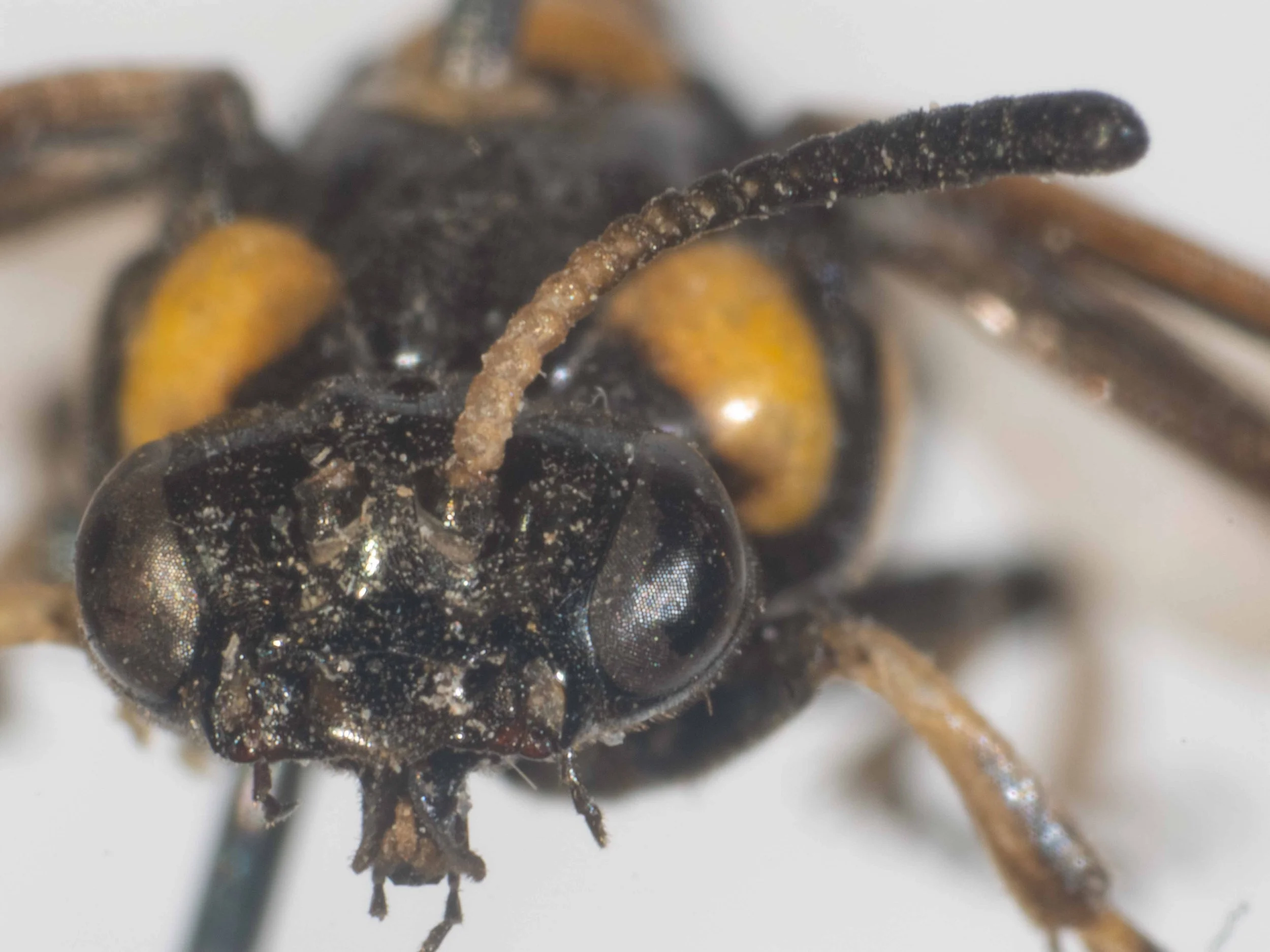
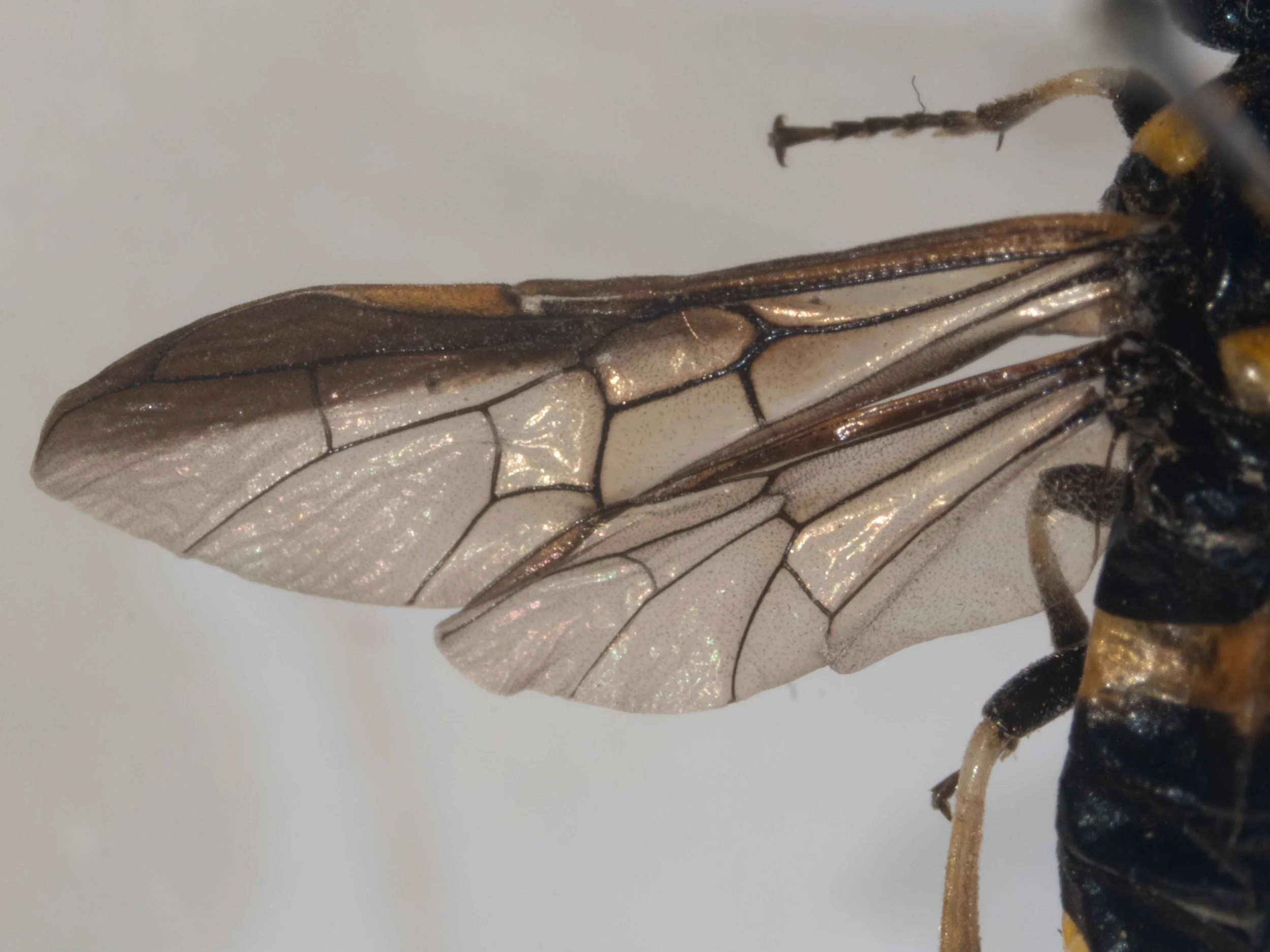
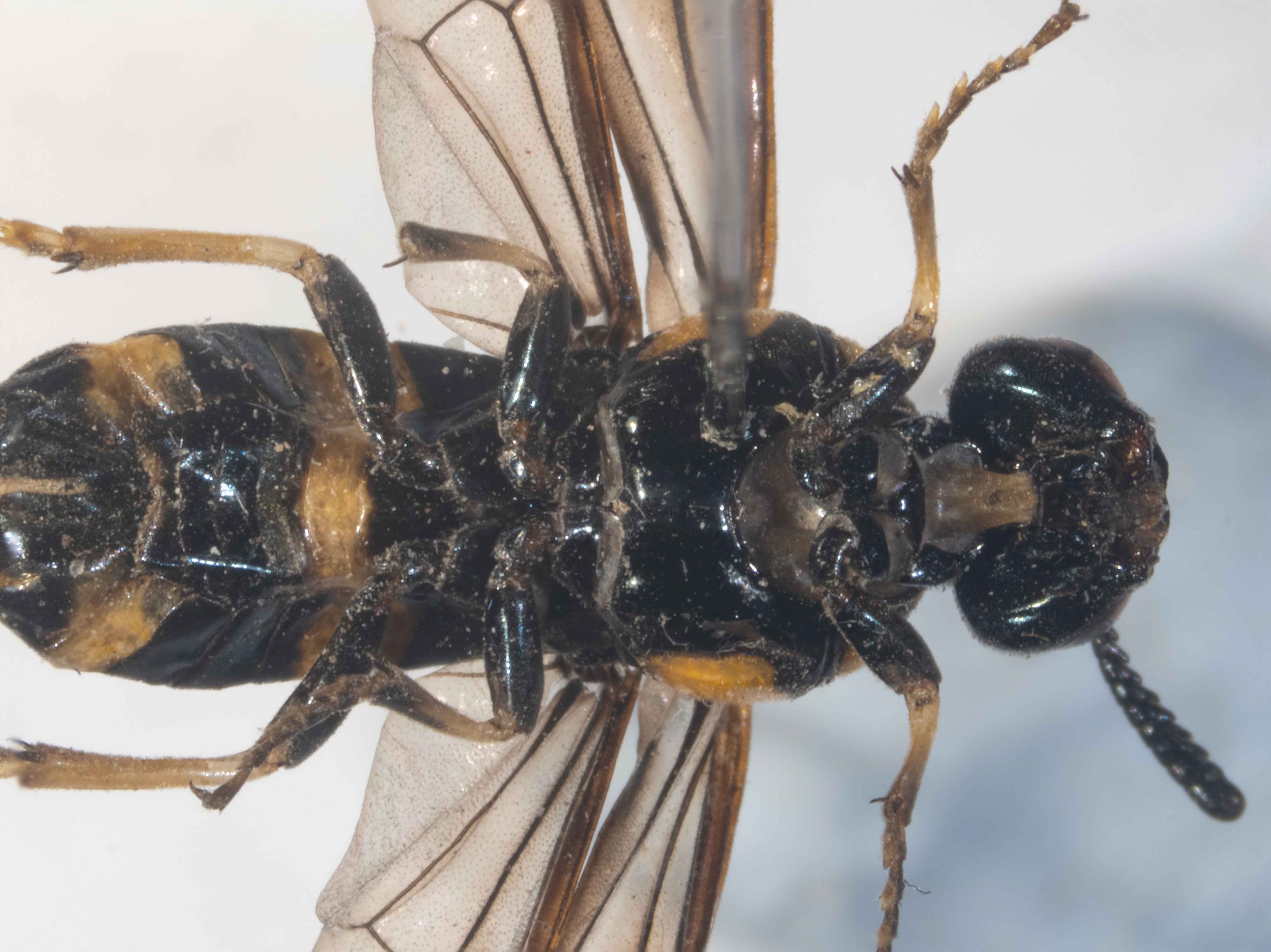
Comparing the various body parts of these two females with the female collected by Penny at Windellama, it is apparent that they are the same species - Pterygophorus cinctus.
Kings Highway larvae
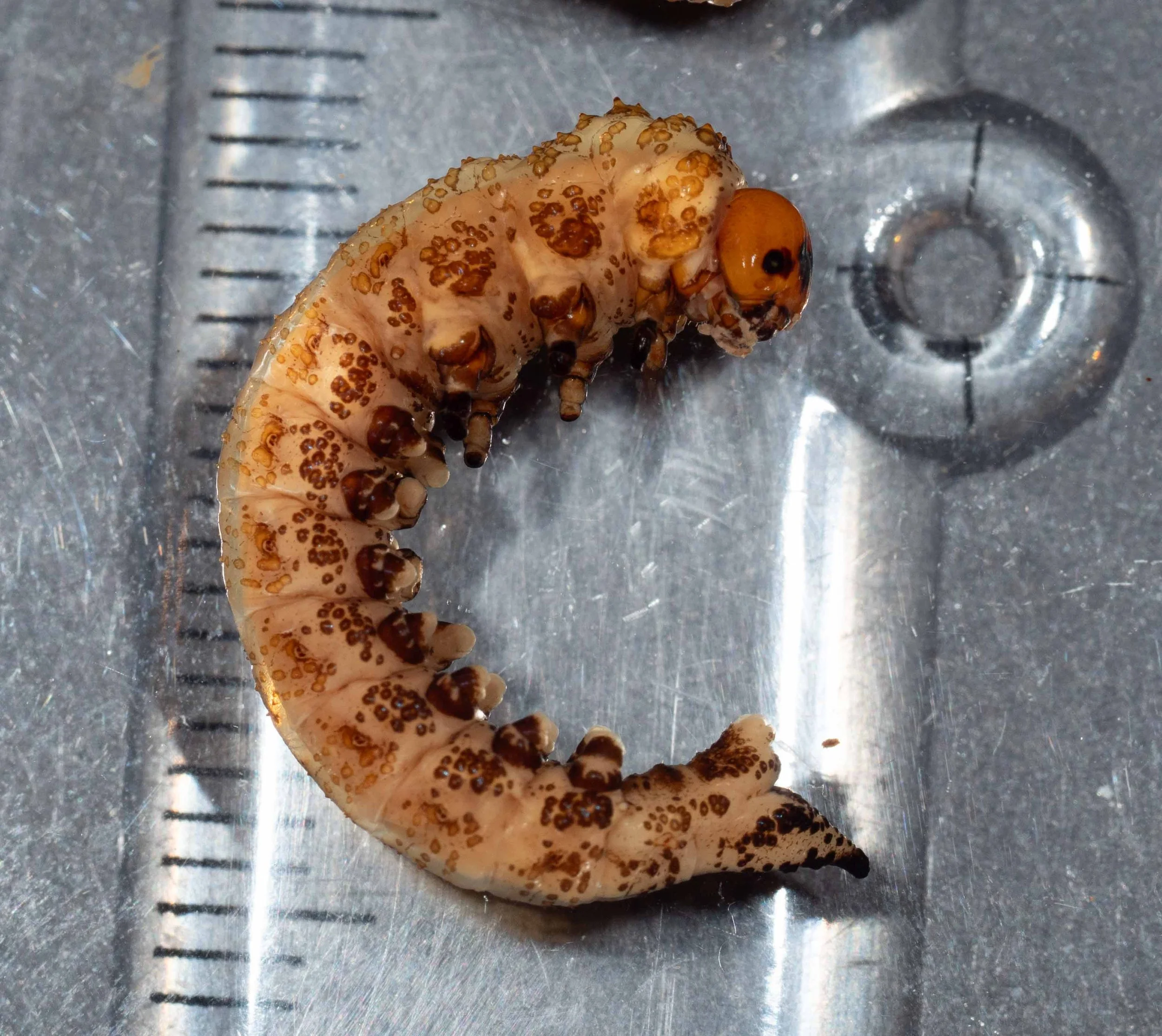
Roger photographed collected larvae defoliating Melaleuca parvistaminea on several occasions - Scott Nature Reserve in April 2010, Doughboy TSR on 8/4/2025 and 1 km north of Mayfield Rd intersection on 22/2/2026.
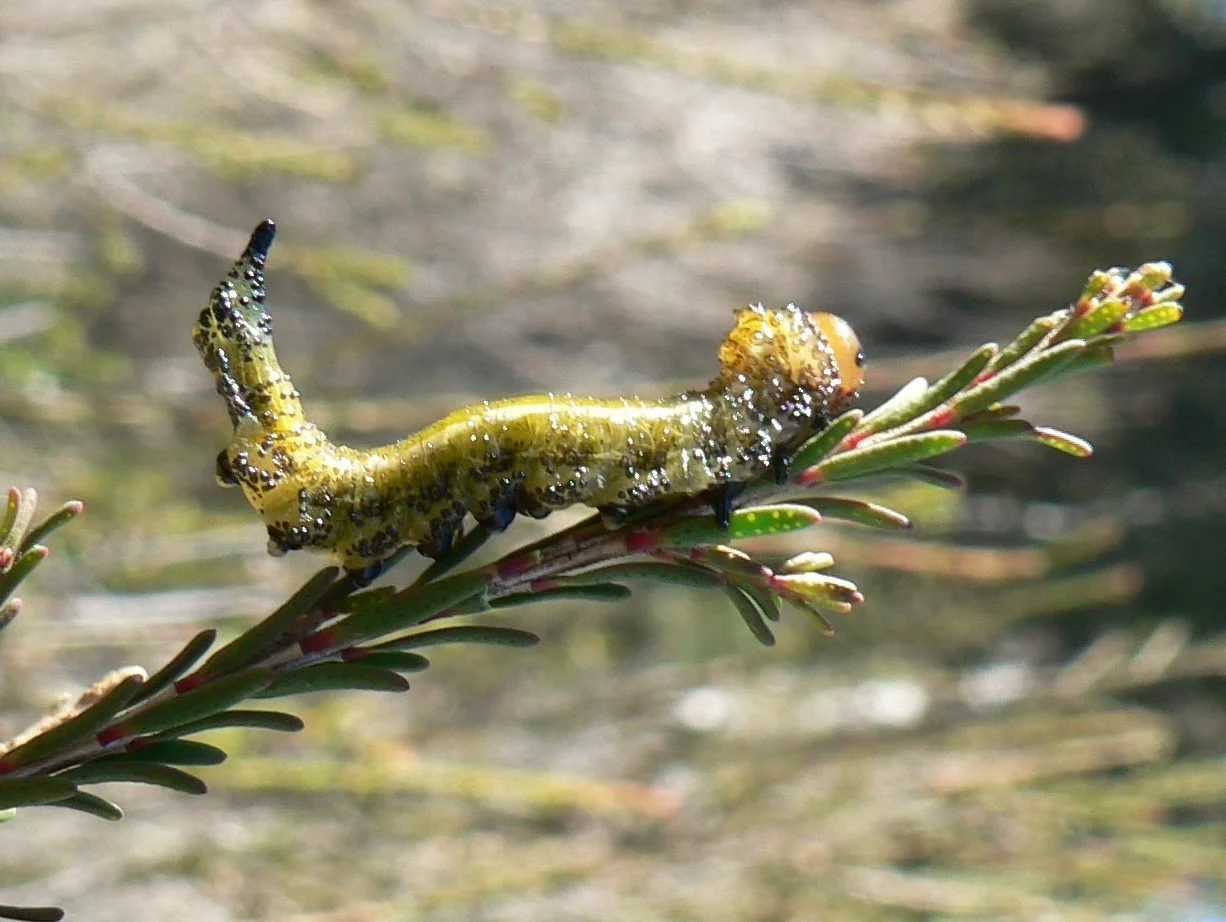
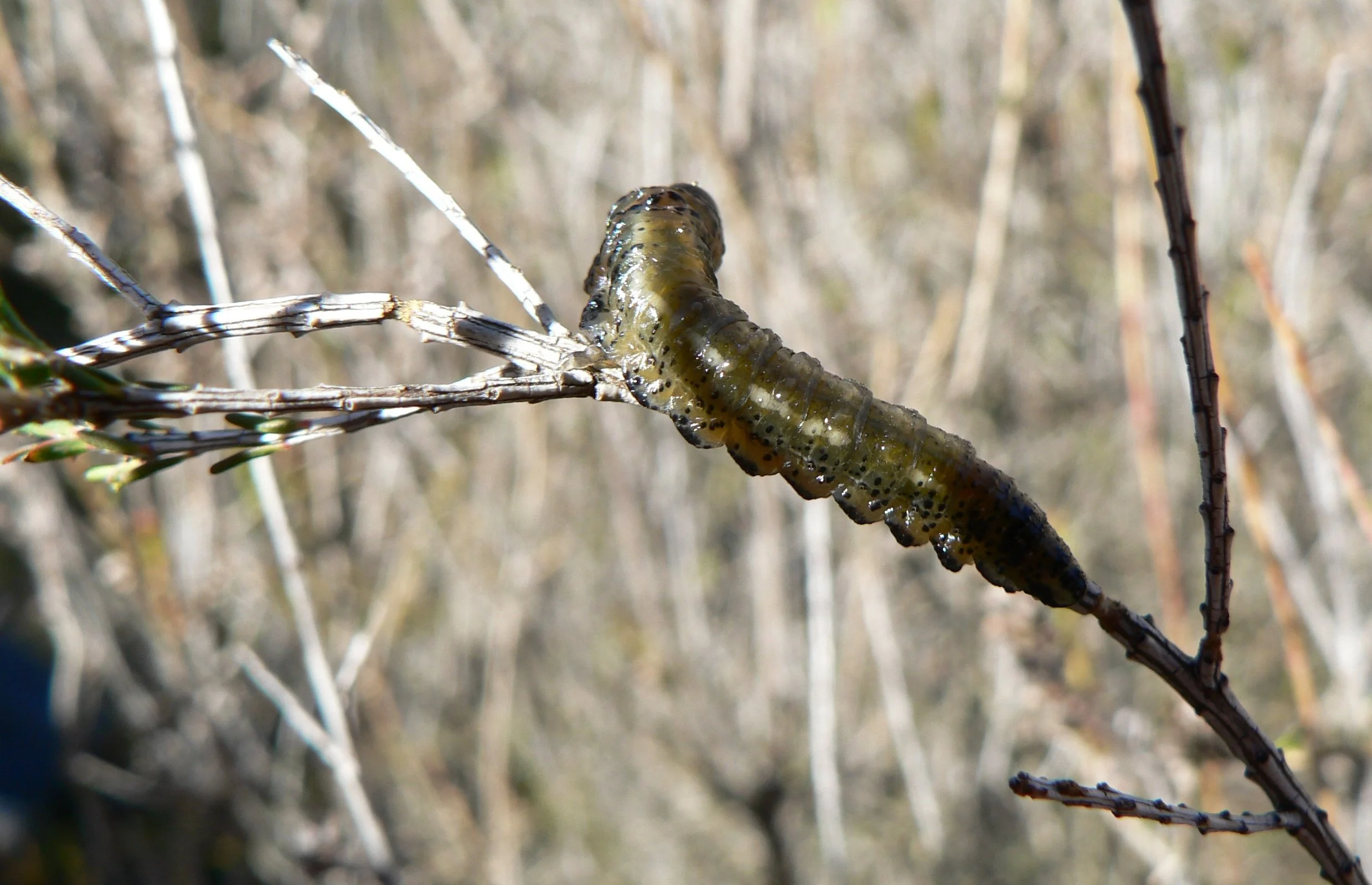
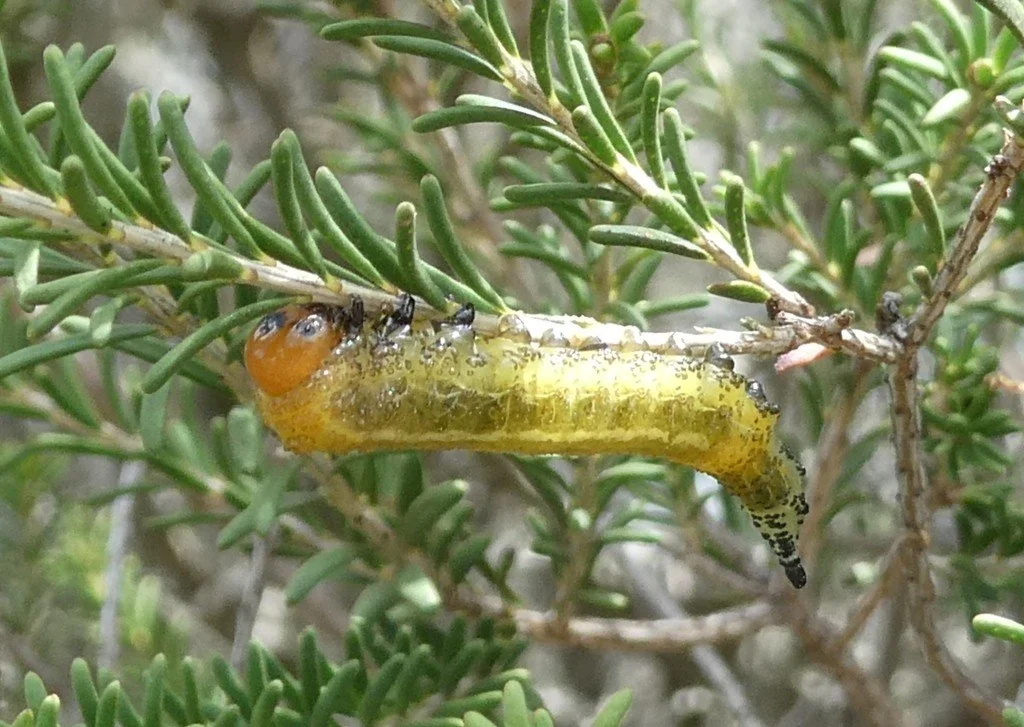
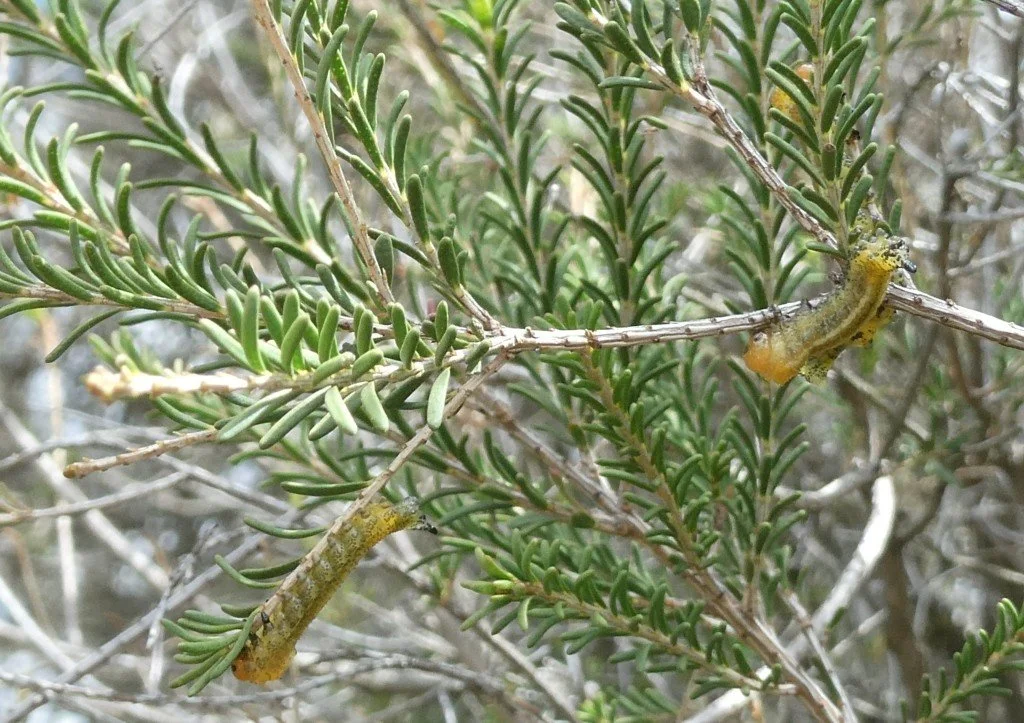
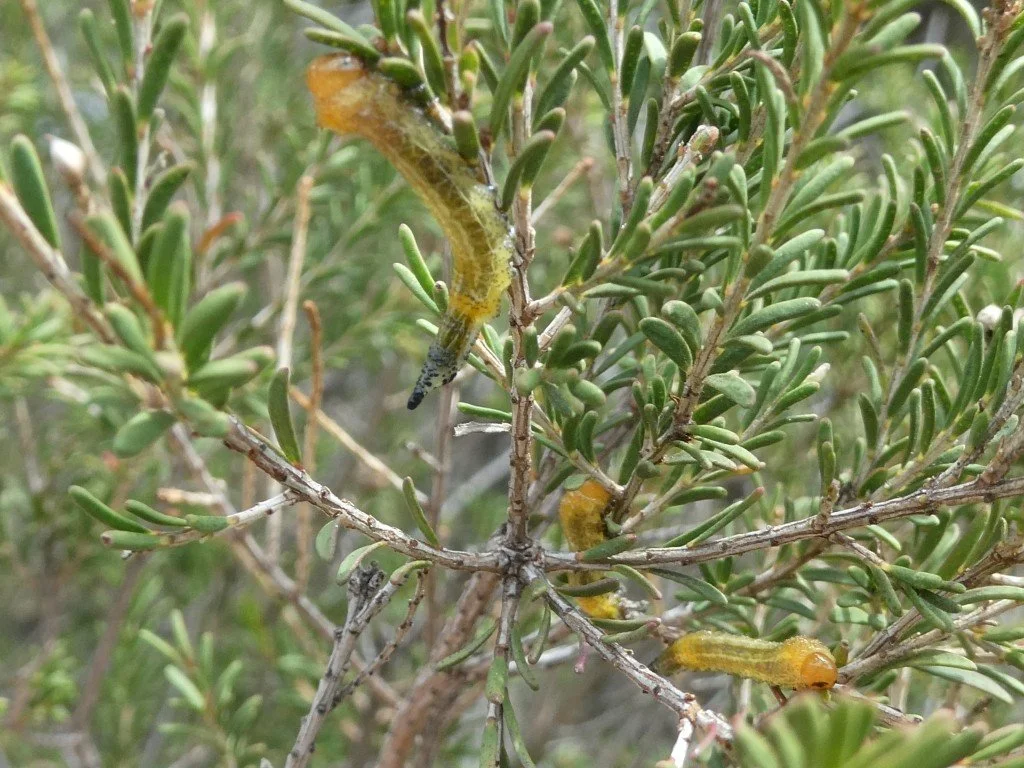
He collected two larvae, shown below, at Doughboy TSR on 8th April 2025 (collection #PW074).
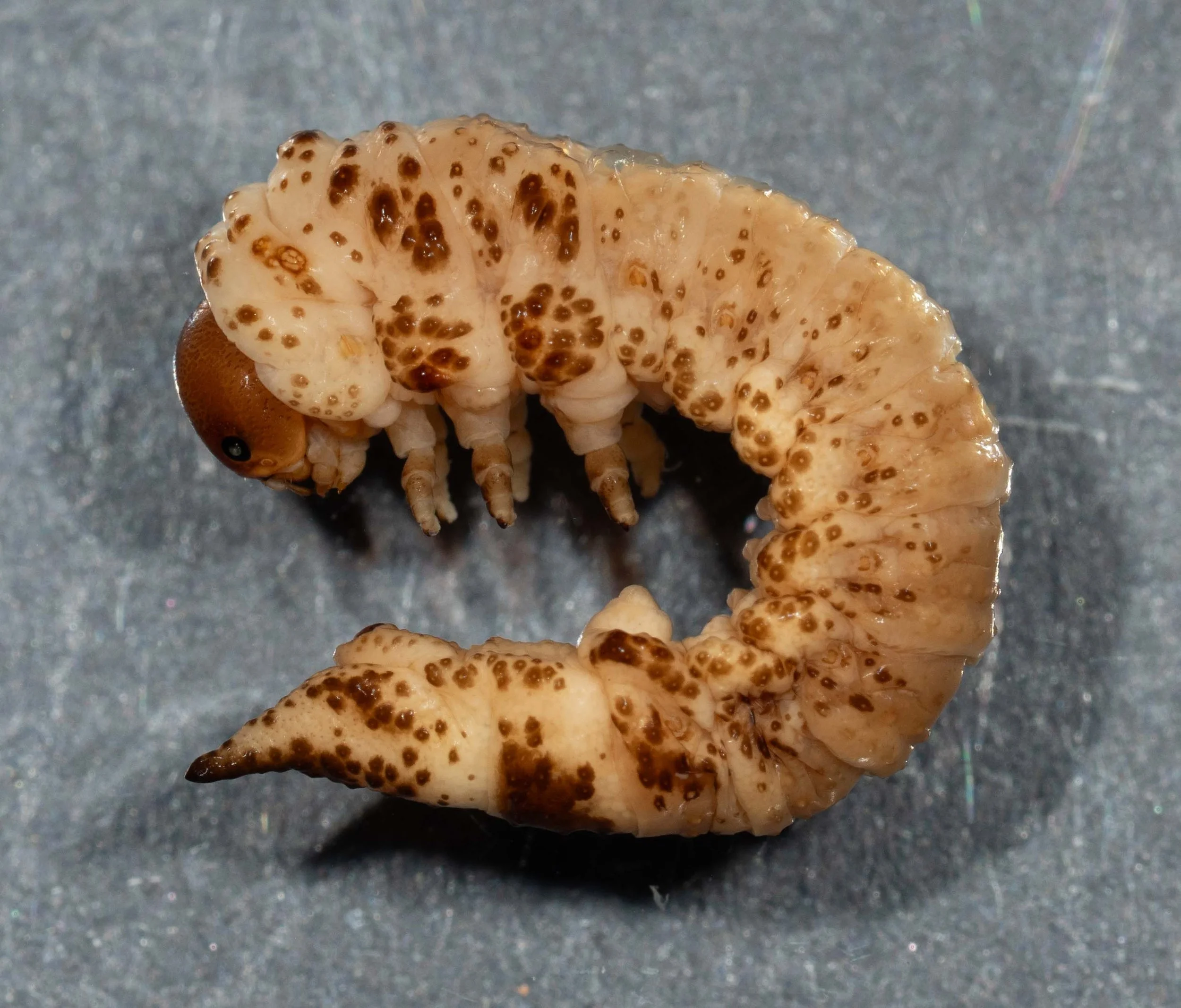
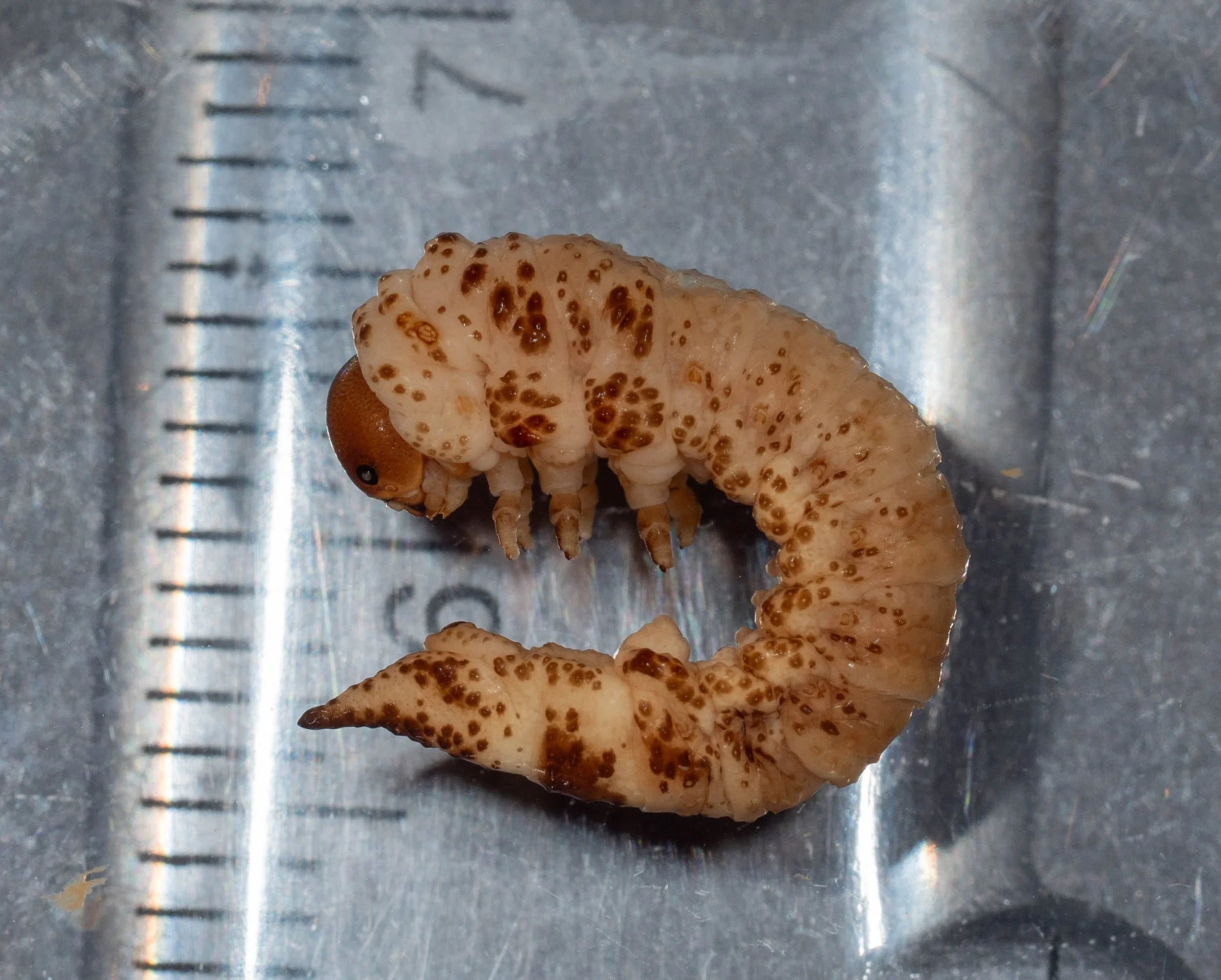
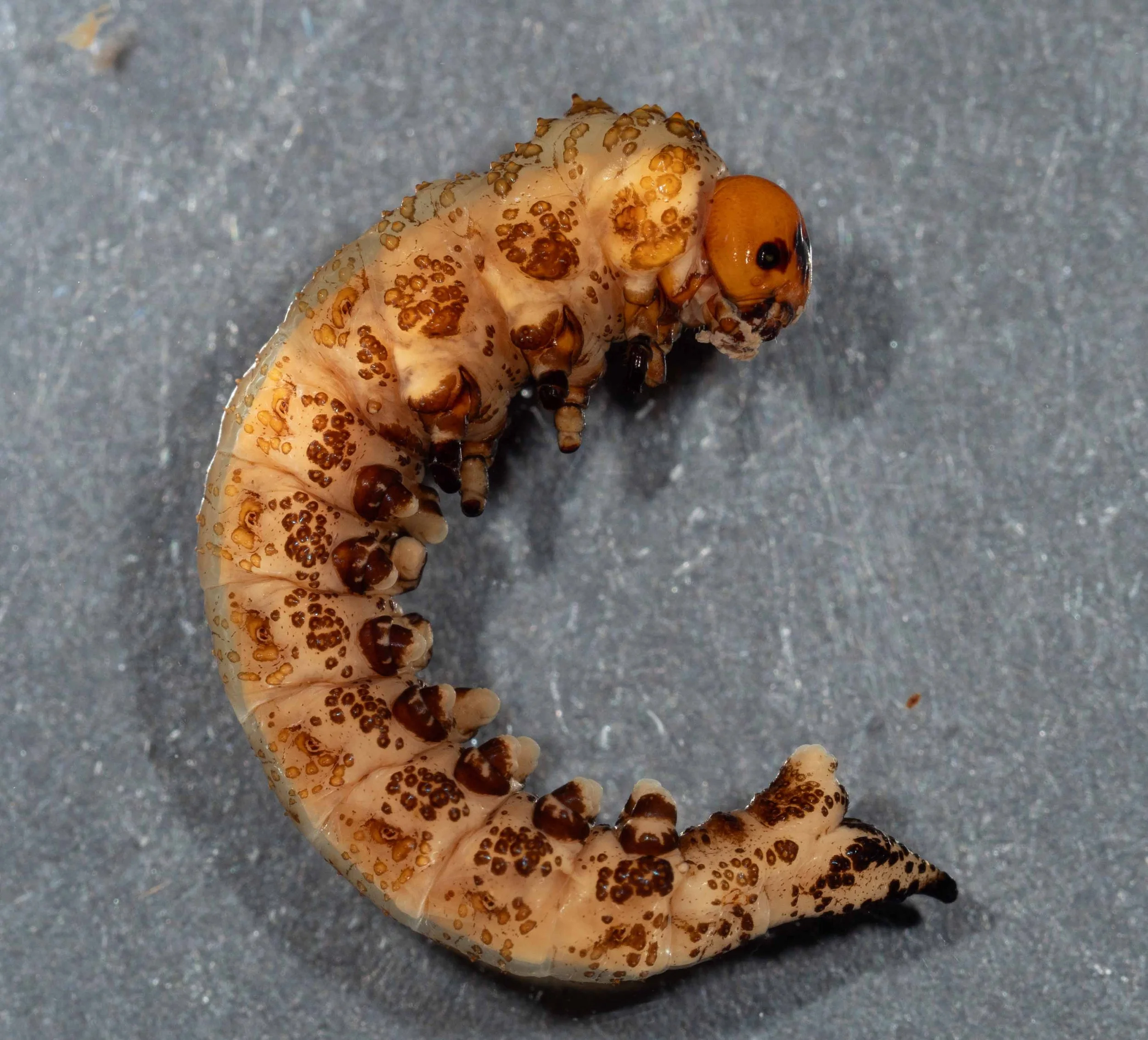
References:
Benson, R.B. (1938) “A revision of the genus Pterygophorus Klug, sensu lato, with the description of two new genera (Hymenoptera, Symphyta)”. Annals and Magazine of Natural History 1: 610-625.
This is a workbook page … a part of our website where we record the observations and references used in making species identifications. The notes will not necessarily be complete. They are a record for our own use.