
Perga dorsalis (Perginae) PW100
Workbook
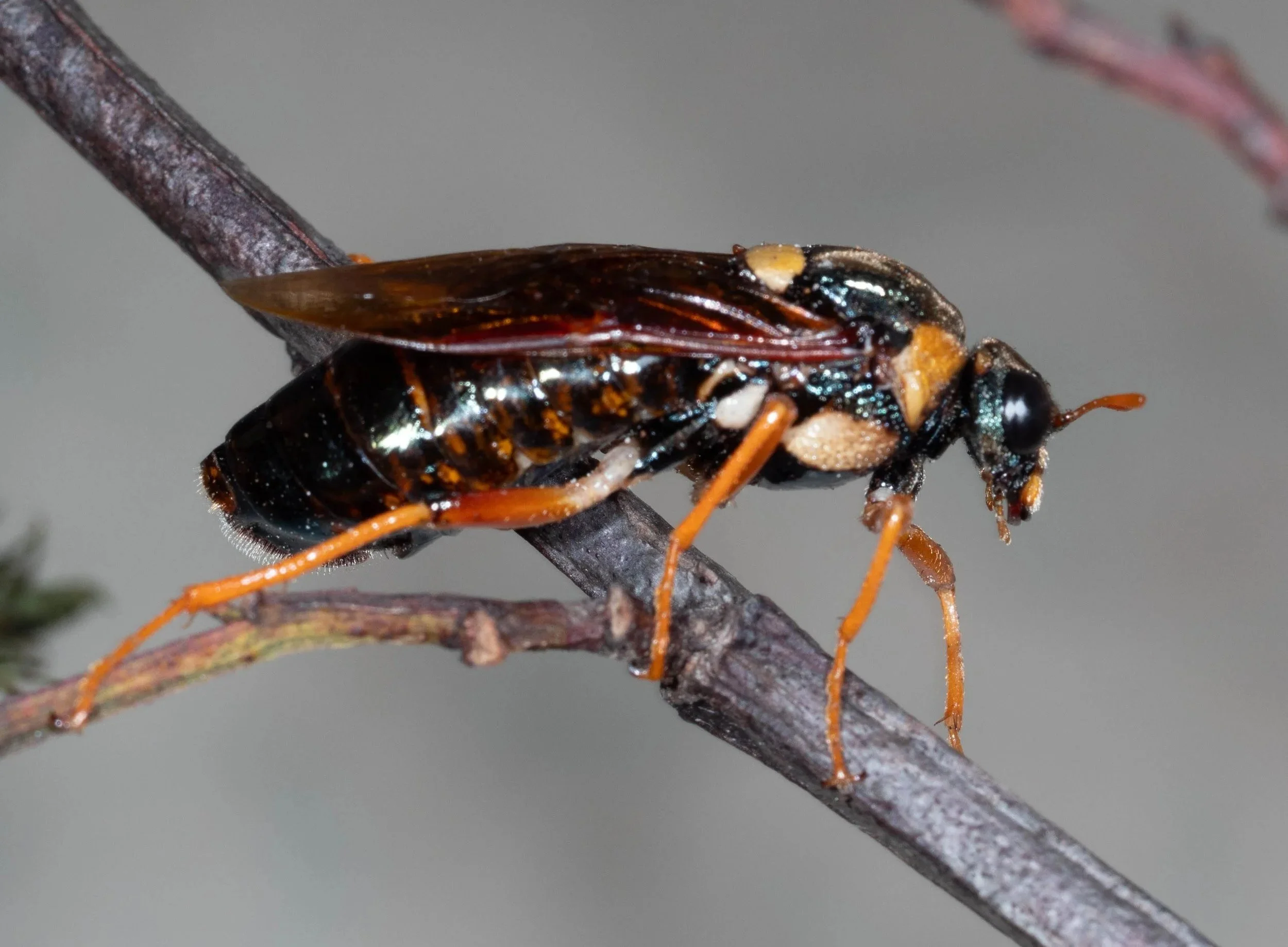
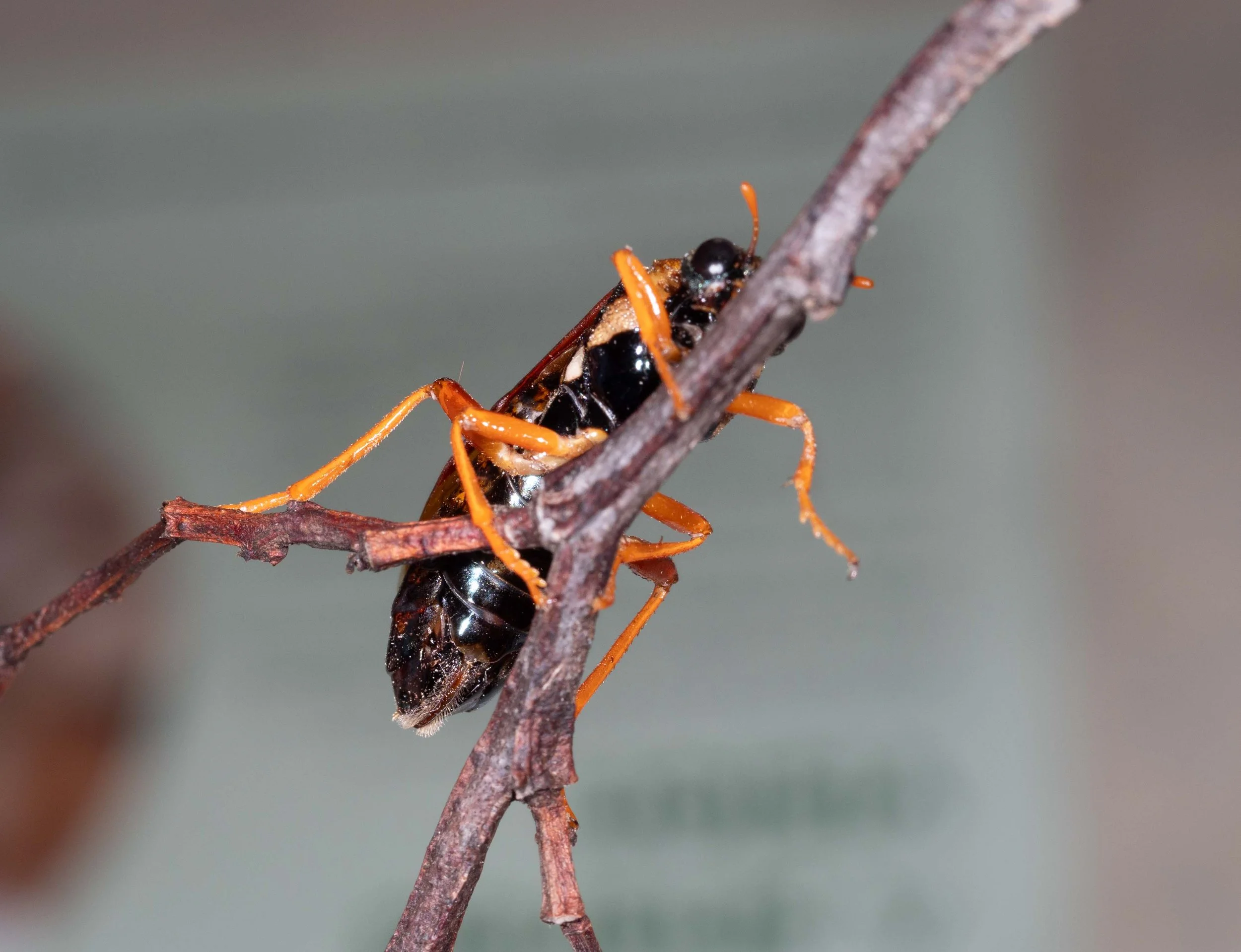
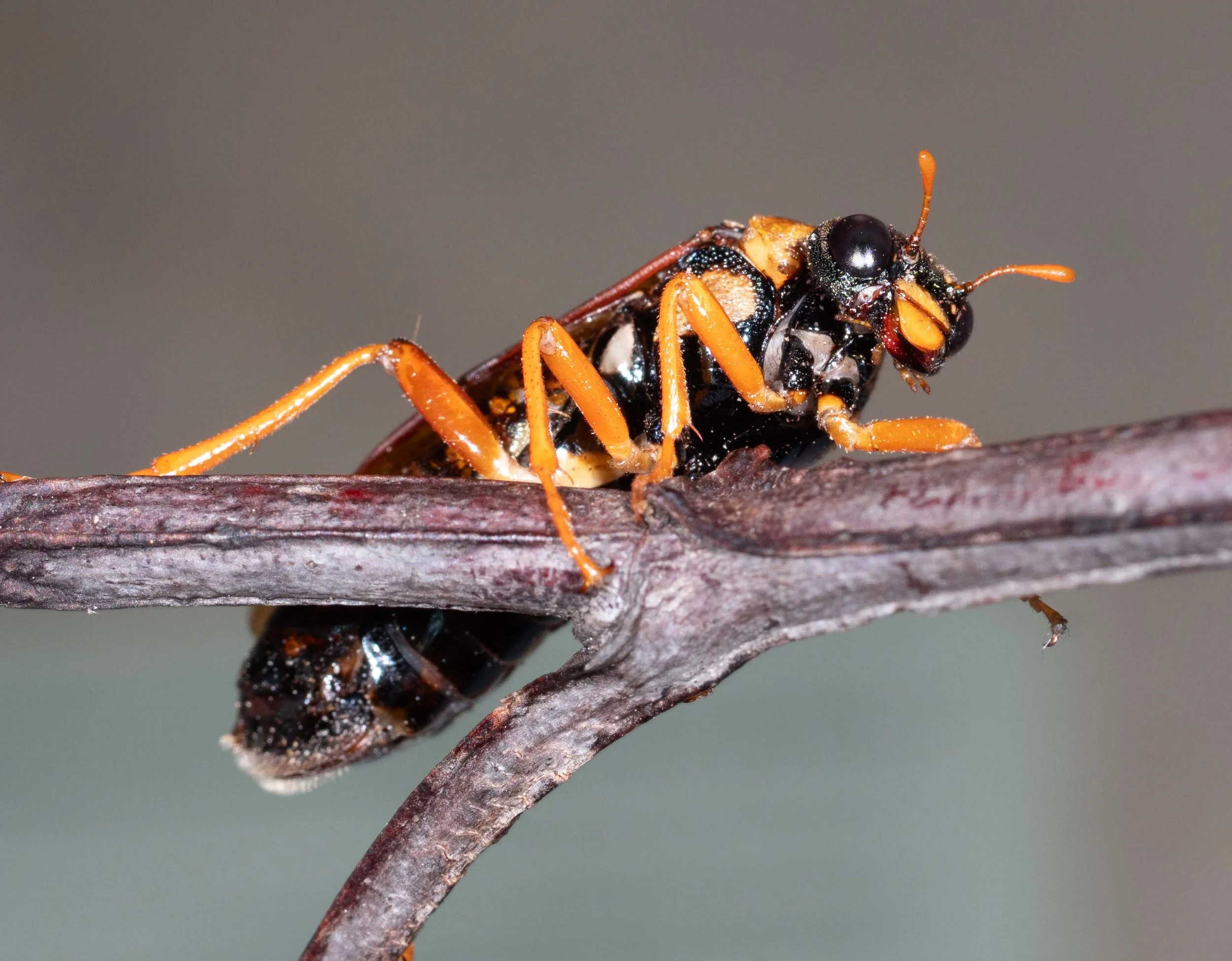
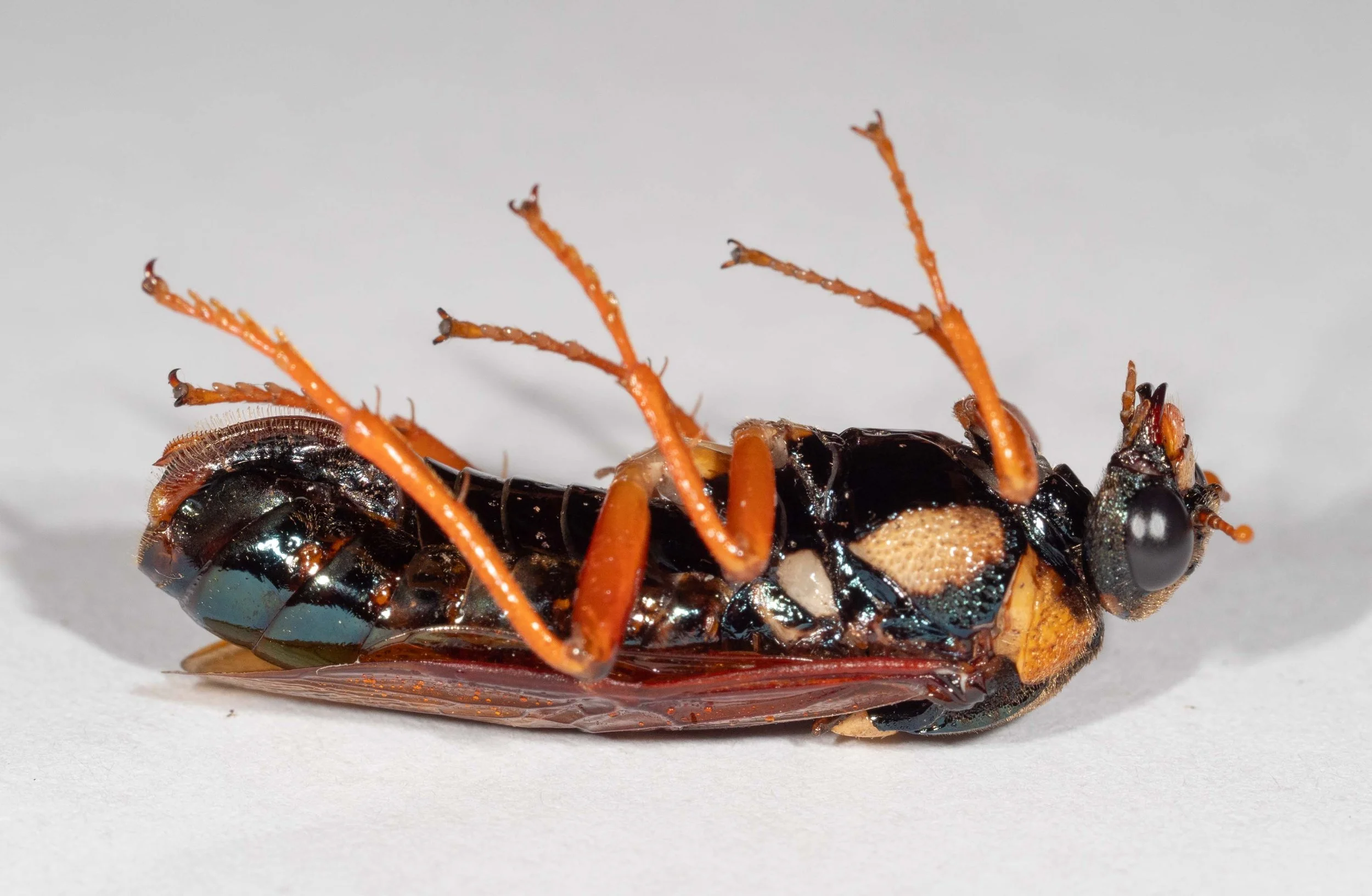
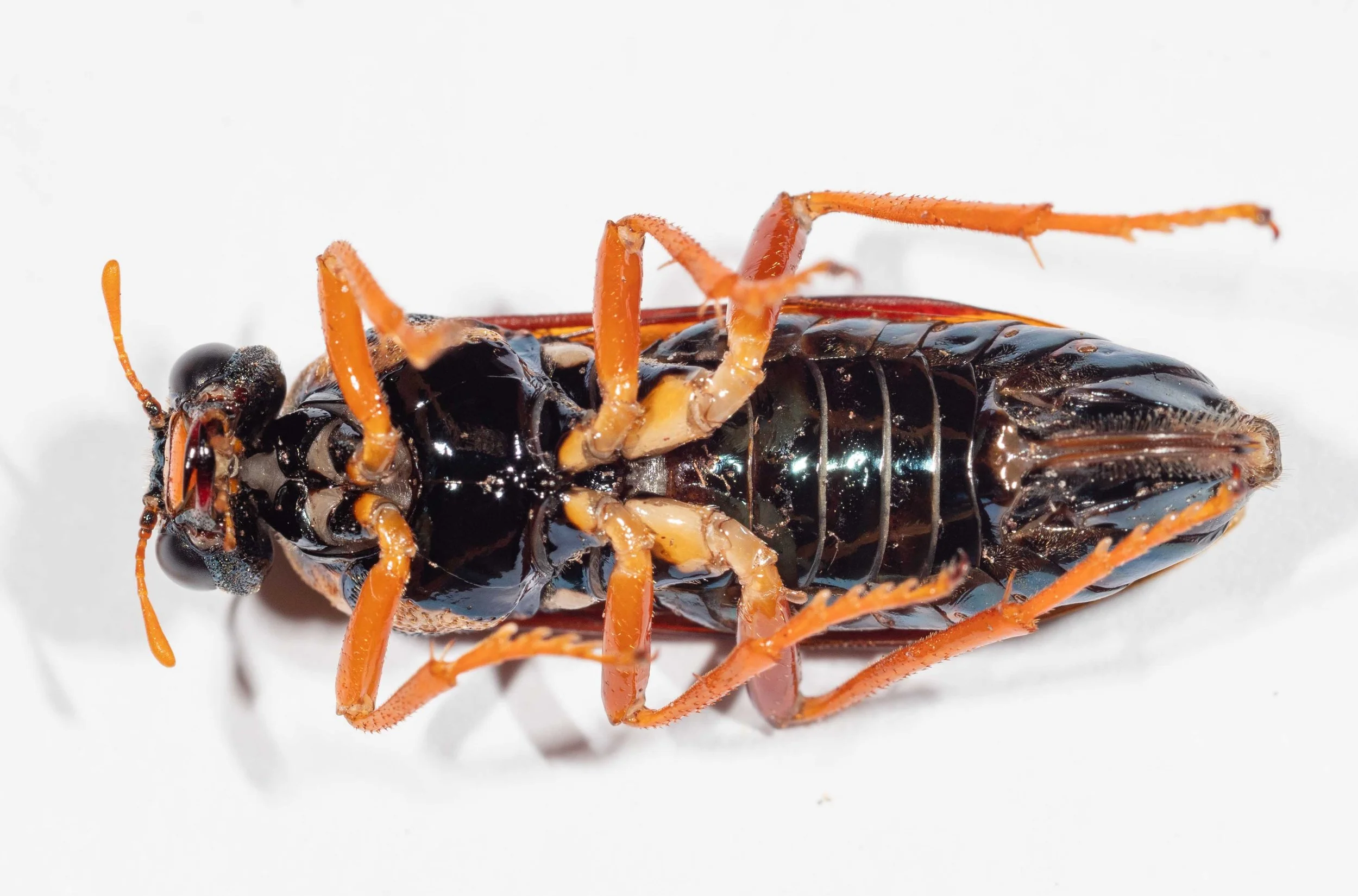
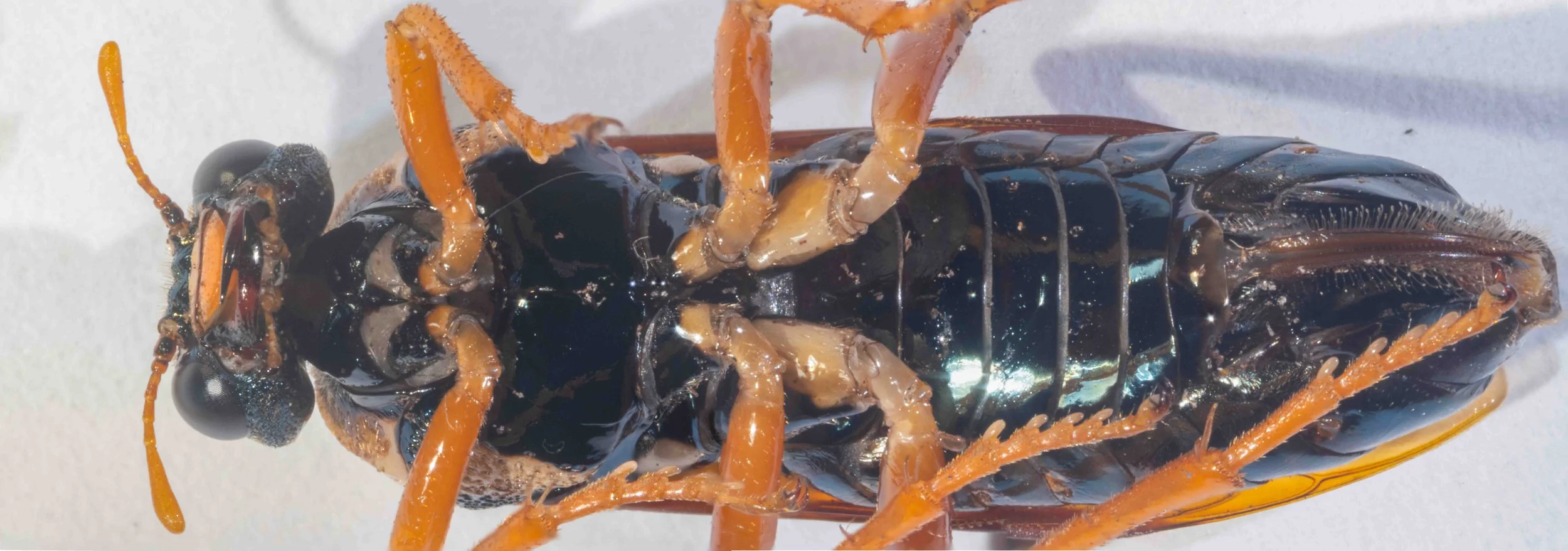
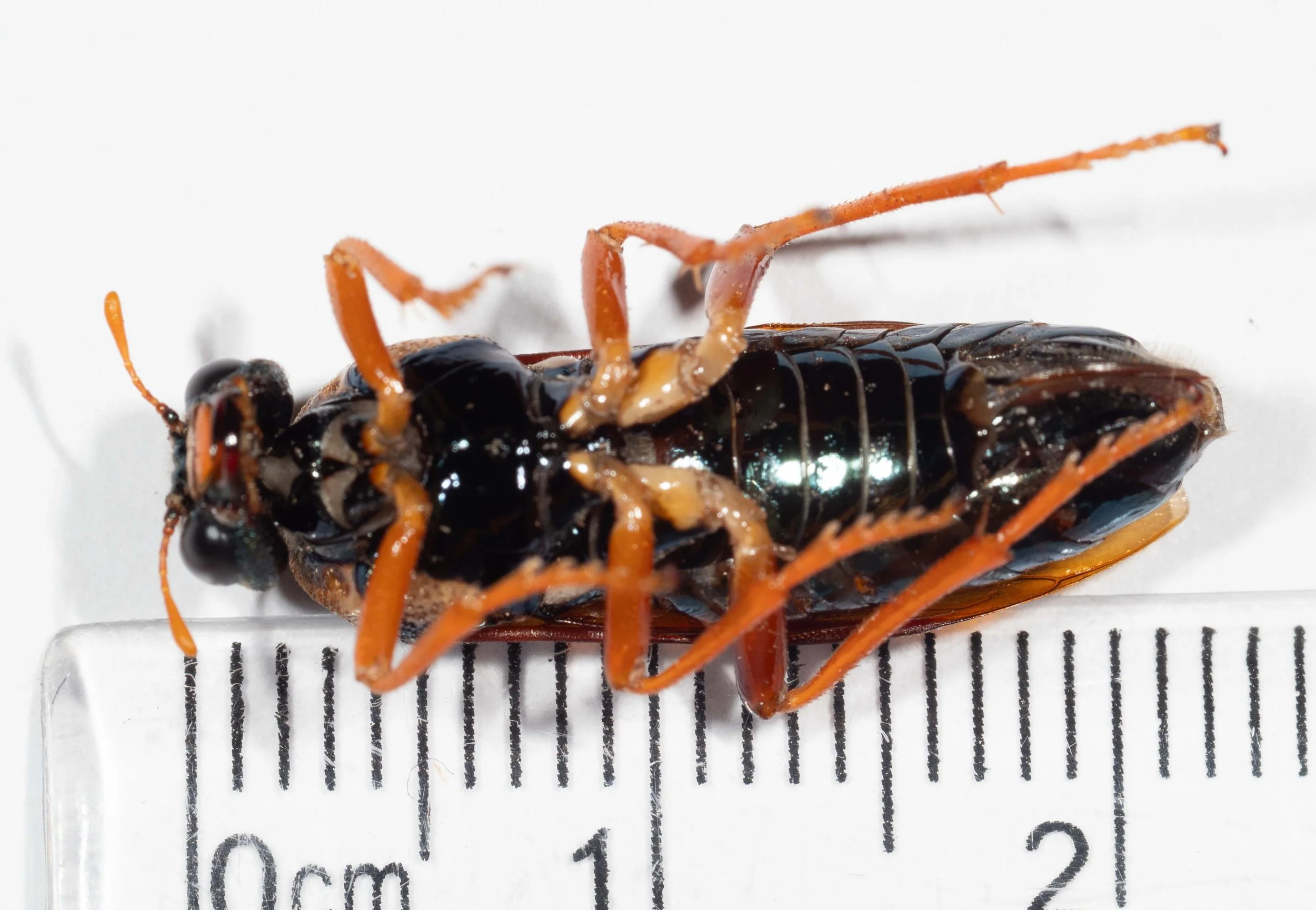
I provide here a detailed description of an adult female sawfly reared from a batch of larvae collected in our forest.
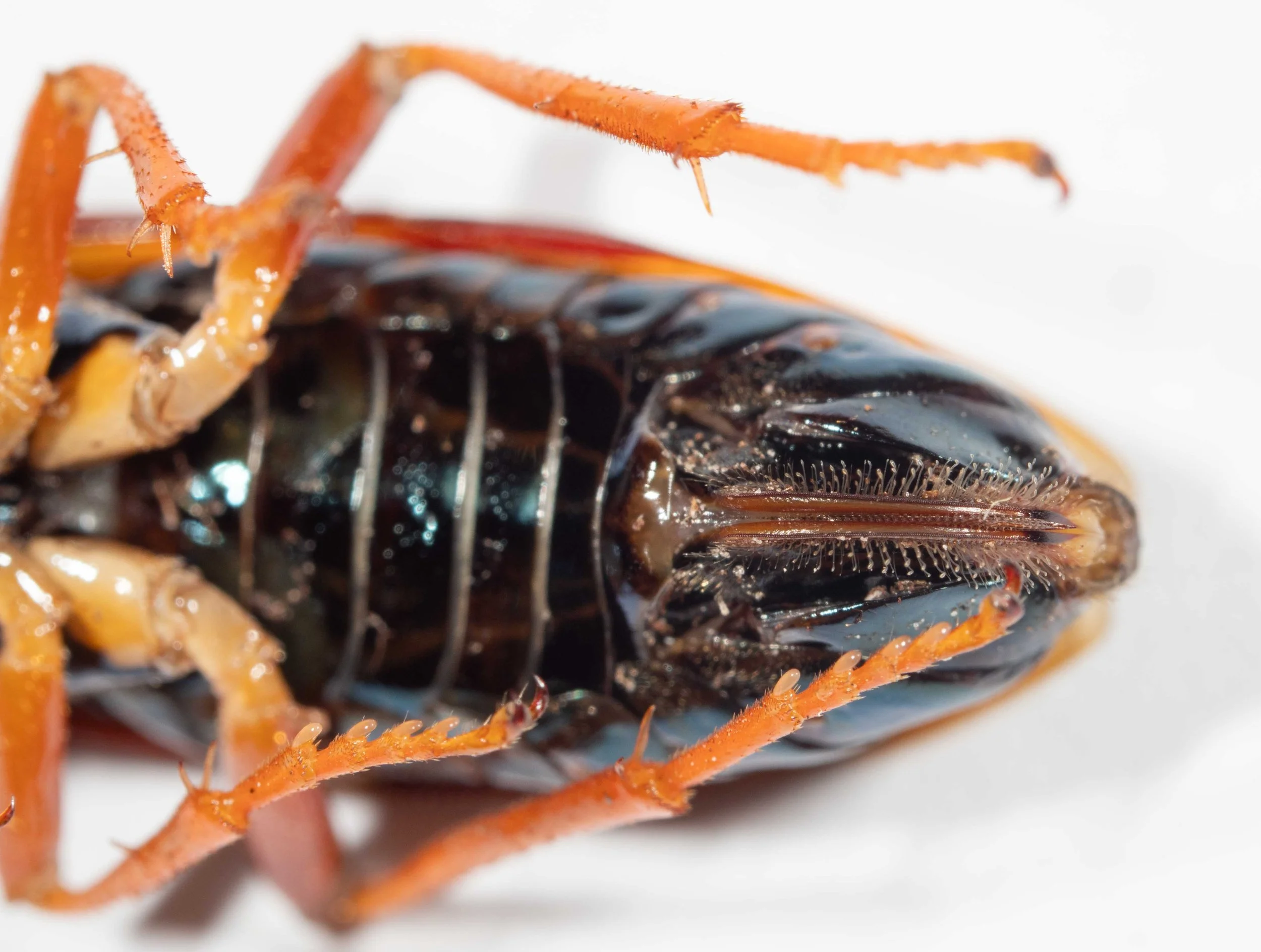
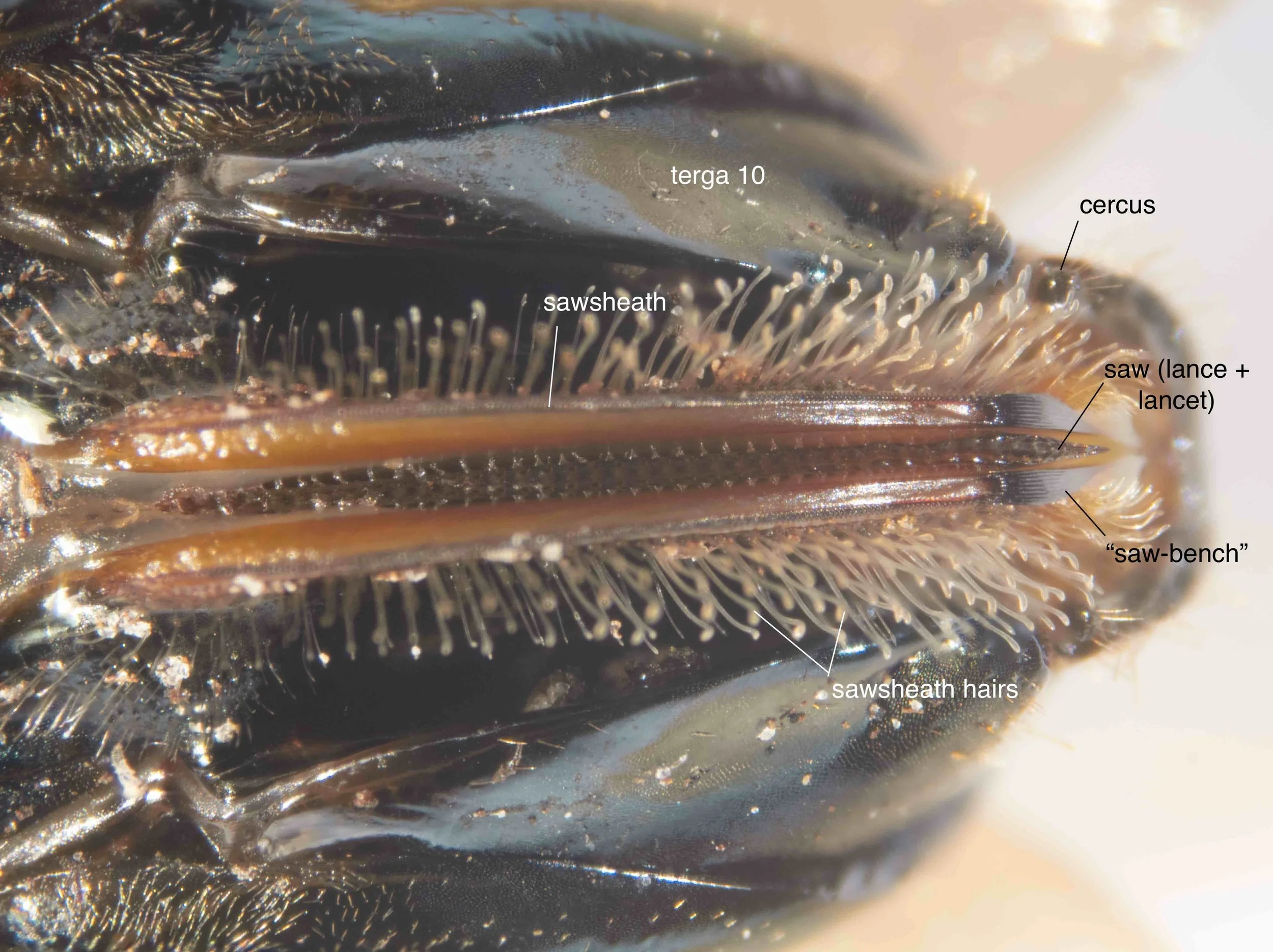
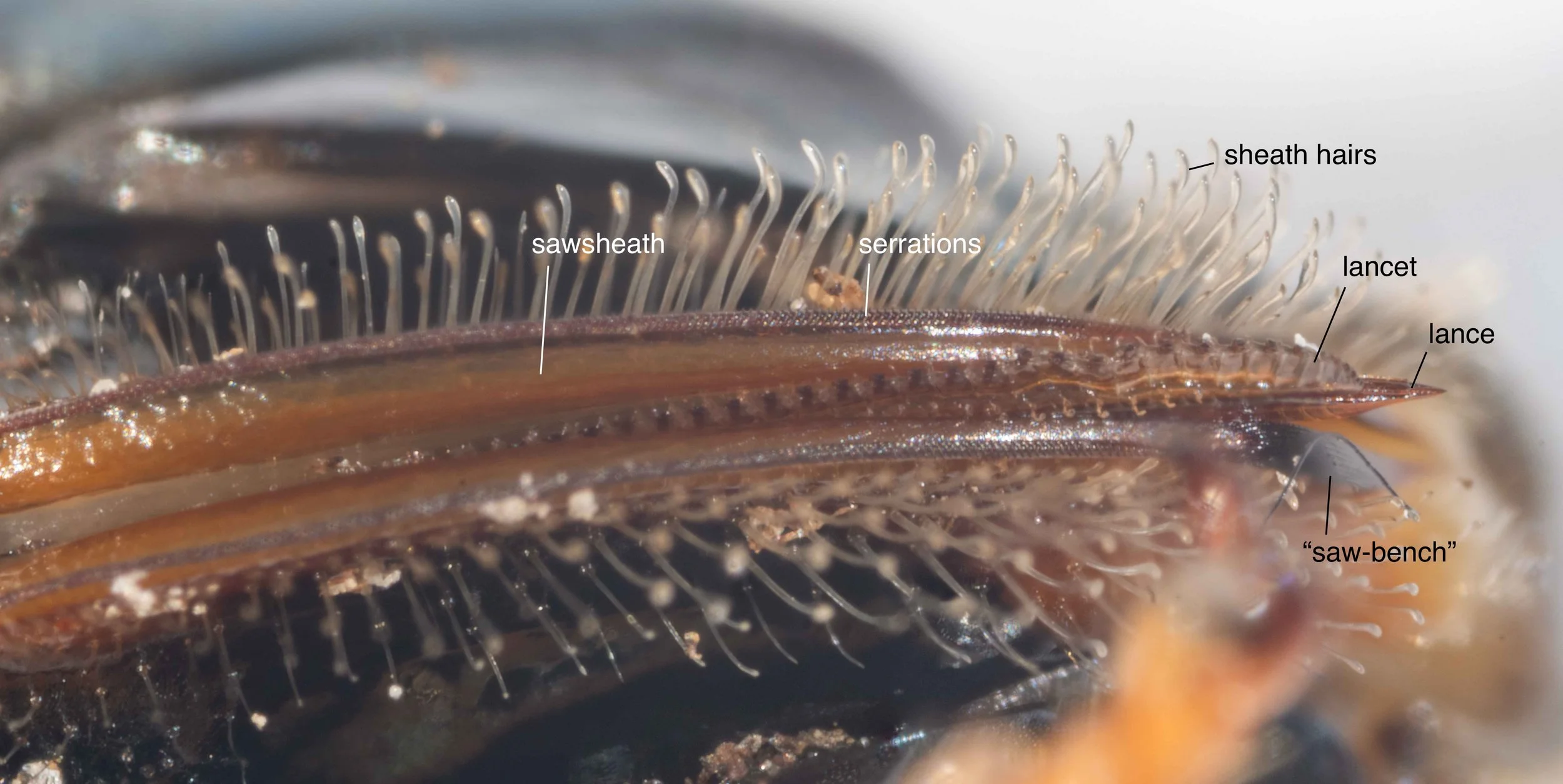
This female shows a diagnostic feature - the morphology and arrangement of hairs on the sawsheath - which identifies it as Perga dorsalis, separating it from Perga affinis.
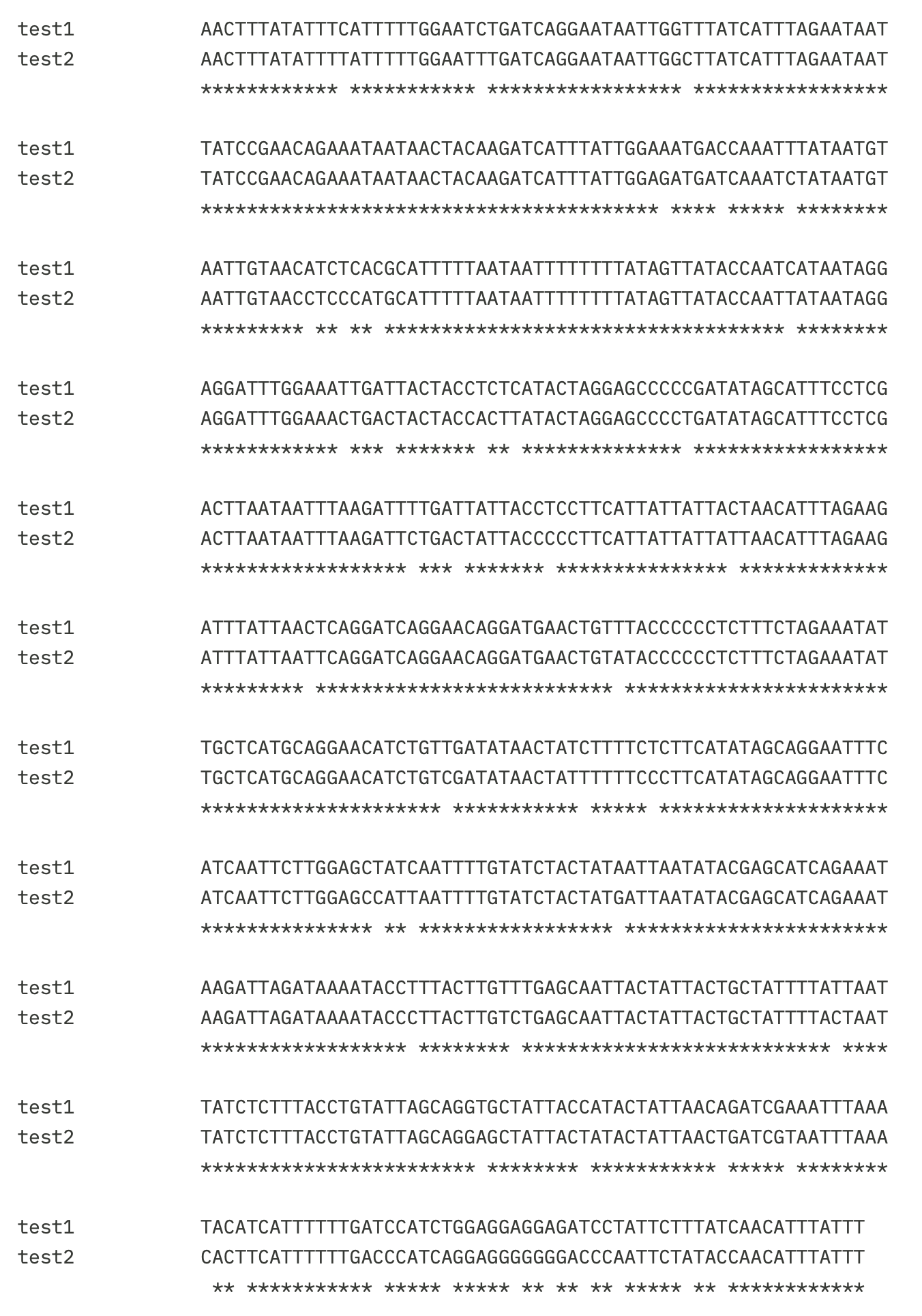
DNA barcoding of the COI gene carried out by Erinn Fagan-Jeffries shows a 6.7% difference in sequence between this specimen and published sequences for Perga affinis, confirming their species separation.
Rearing of adult female from larvae collected at home, October 9th
On October 9th 2025 a large cluster (at least 20) of larvae was found in an upper branch of a juvenile eucalypt (probably E. globoidea), just behind the biolytix irrigation area. They were around 5cm long and a distinctive grey colour.
They were collected as an intact clump on their day-roost branch and transferred to a metal cage with dead leaf litter in the bottom. See this page for details of rearing of these larvae.
The first adult eclosed from the pupae developing from this clutch of larvae on 17th February 2026 - see iNaturalist observation. Collection number #PW100. Pupal duration = 107 days.
Images of living insect
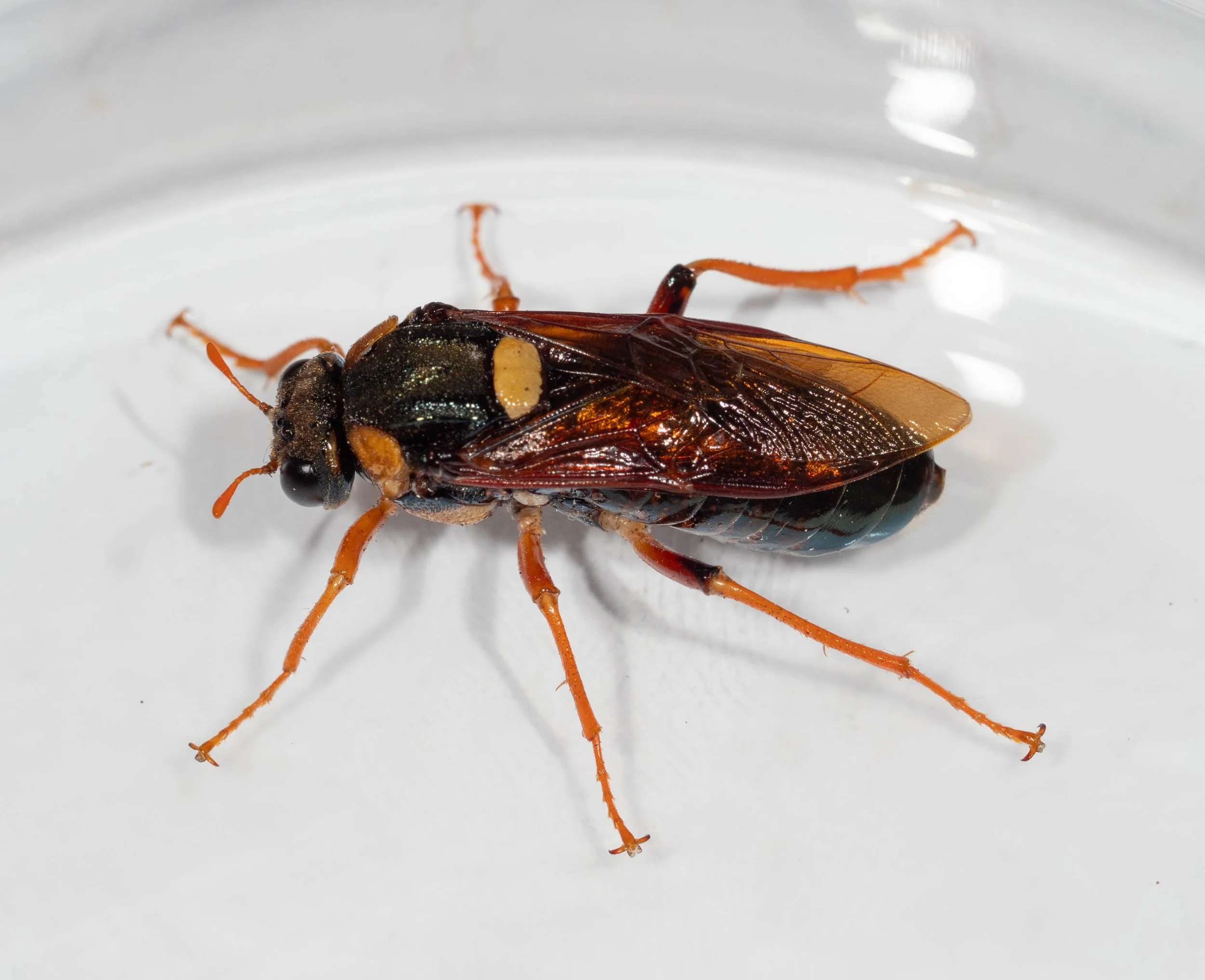
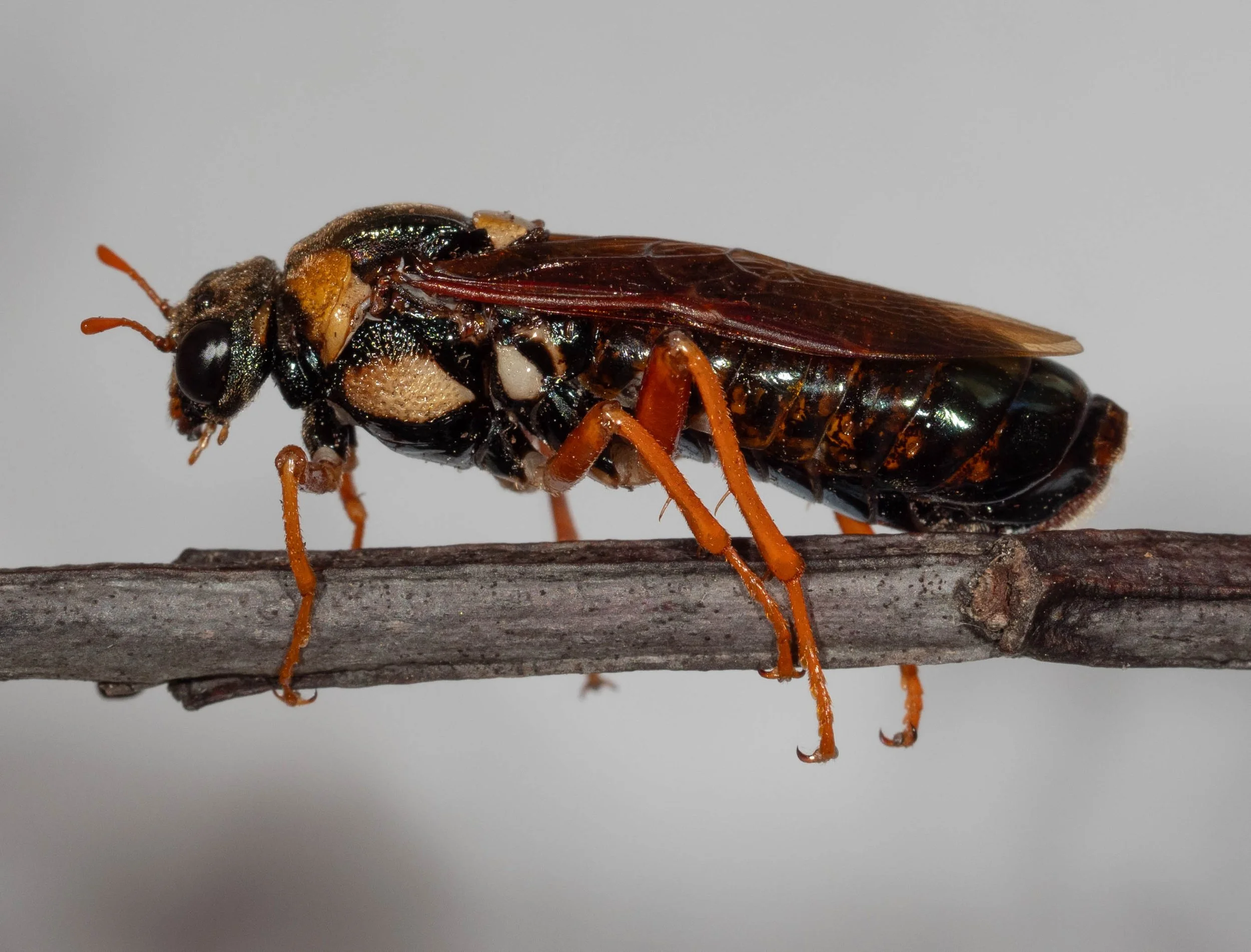
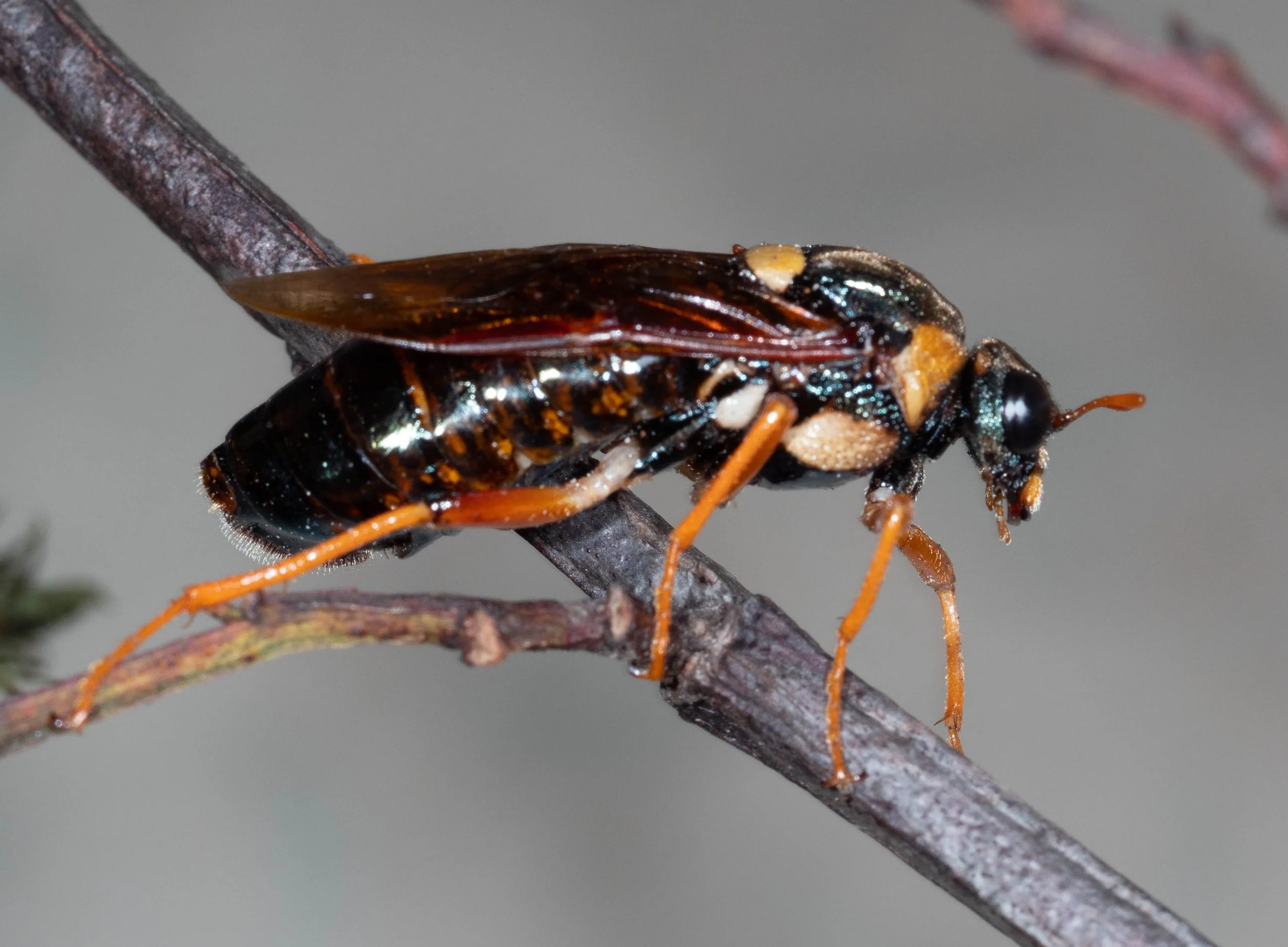
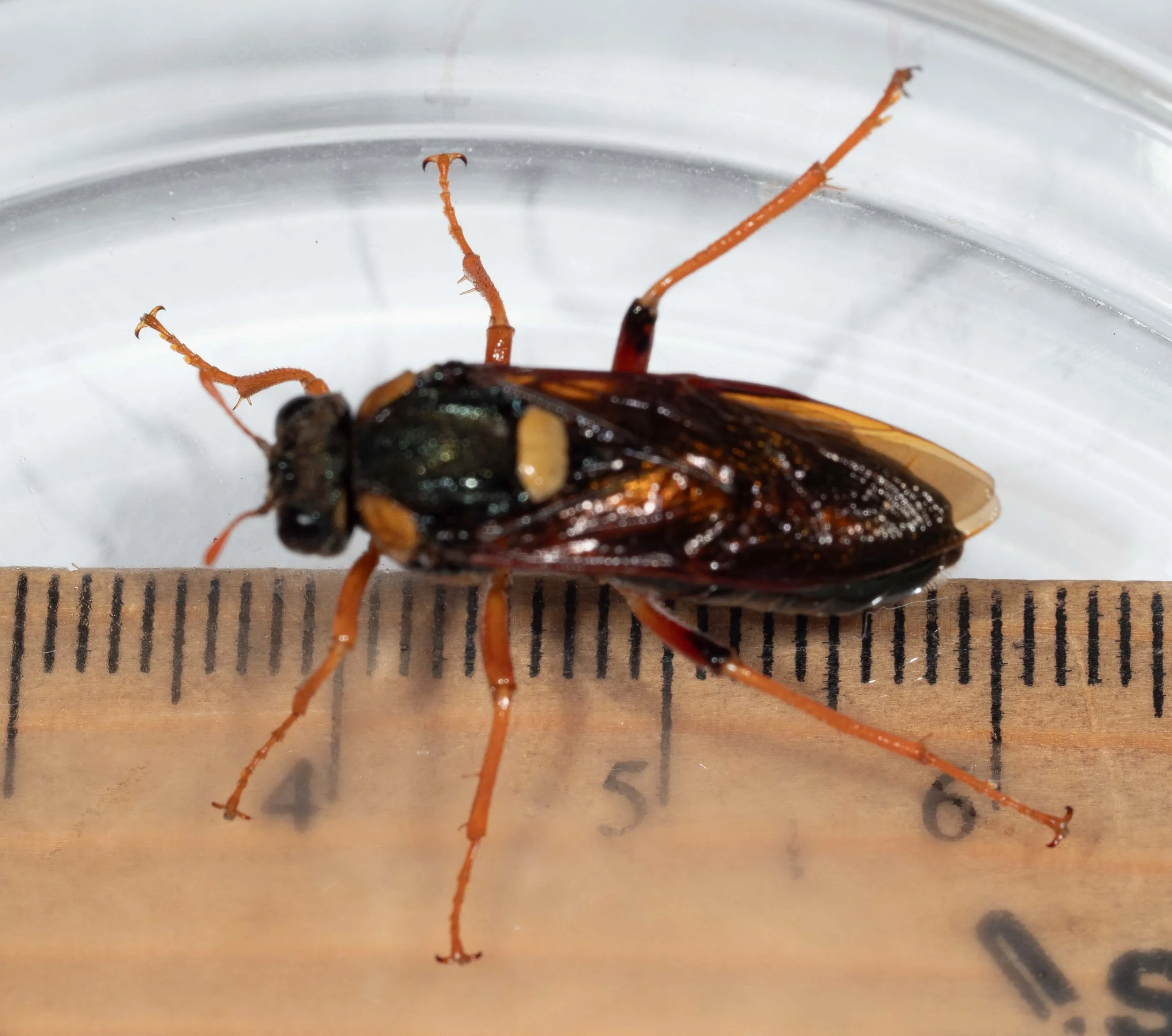
Images of euthanised insect
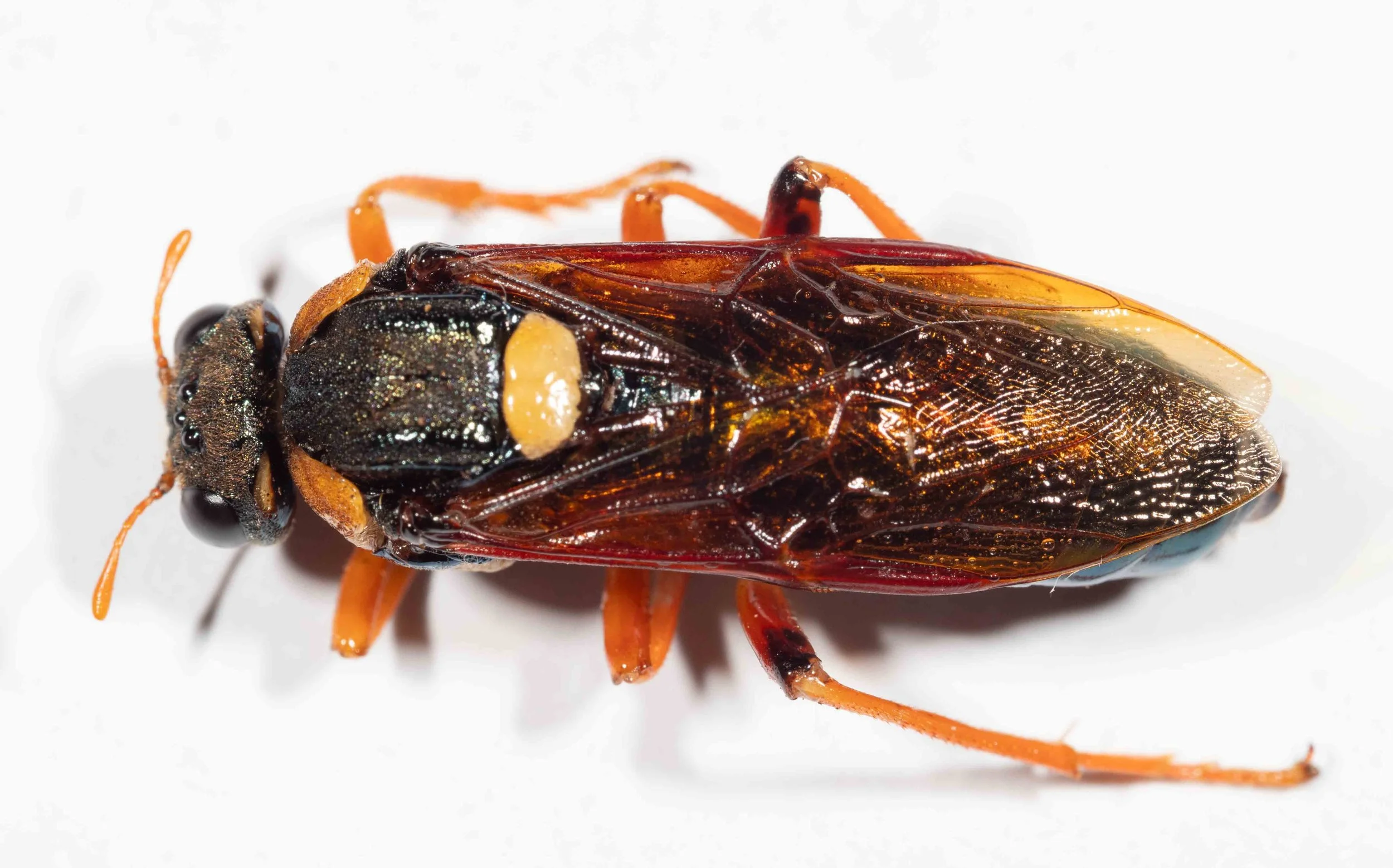
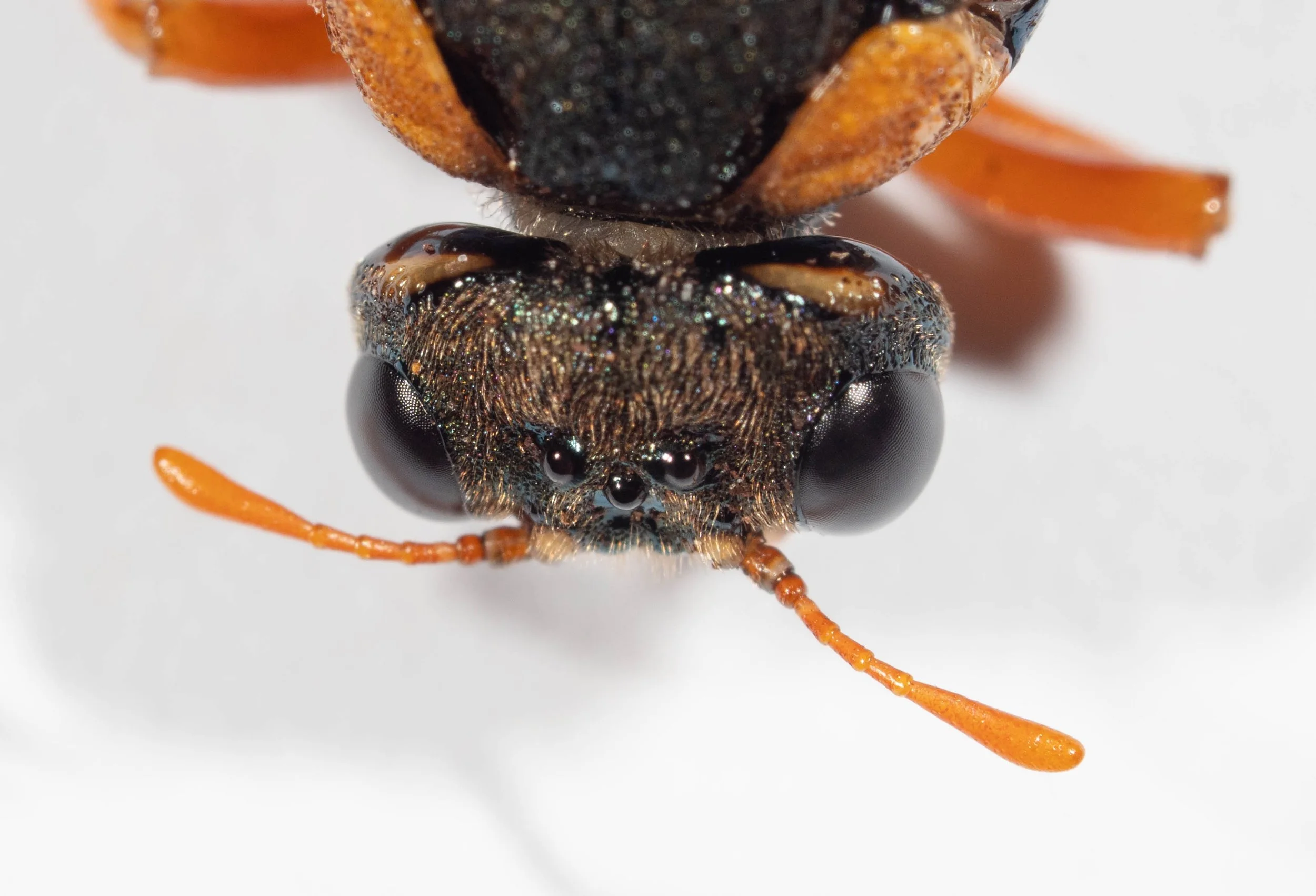
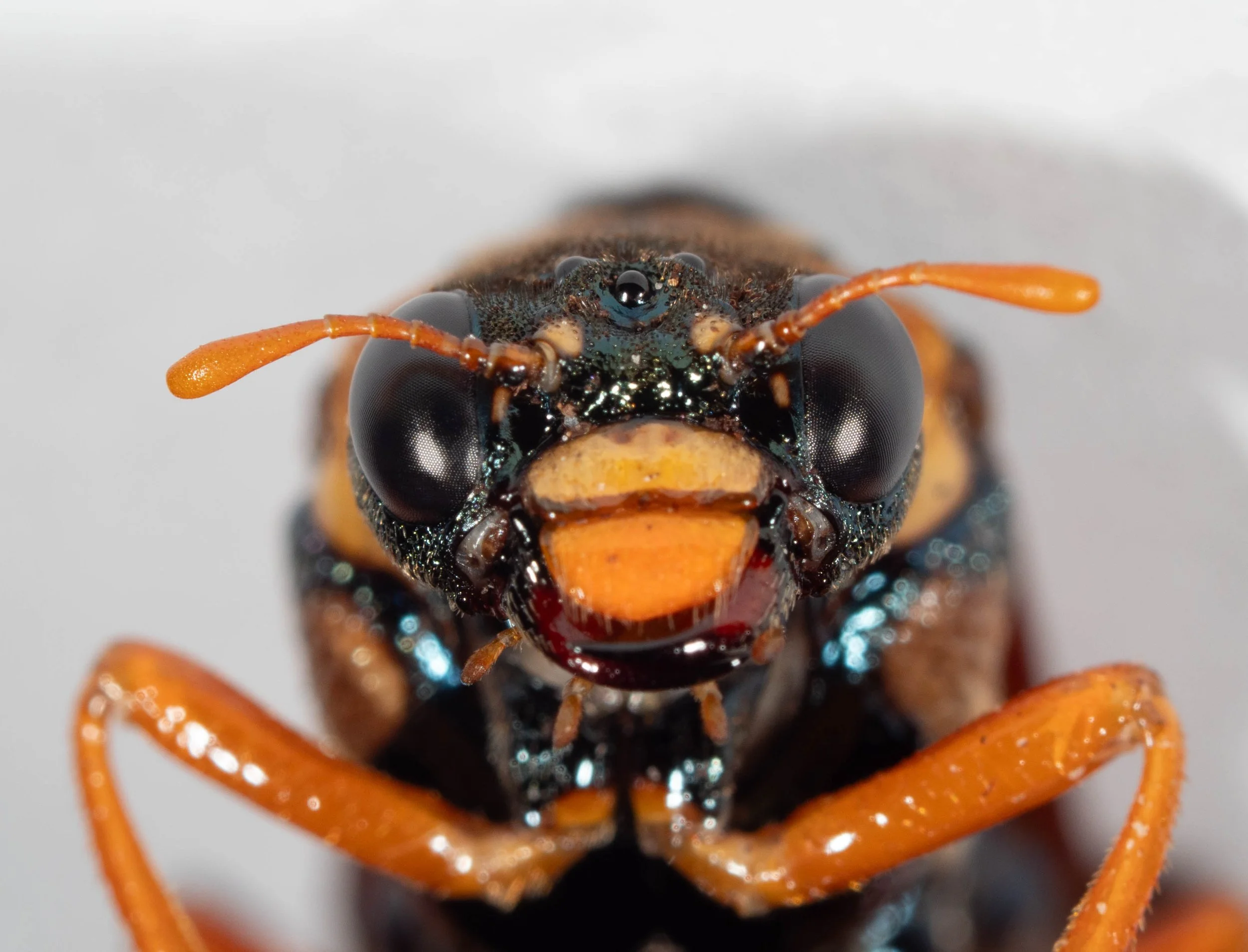
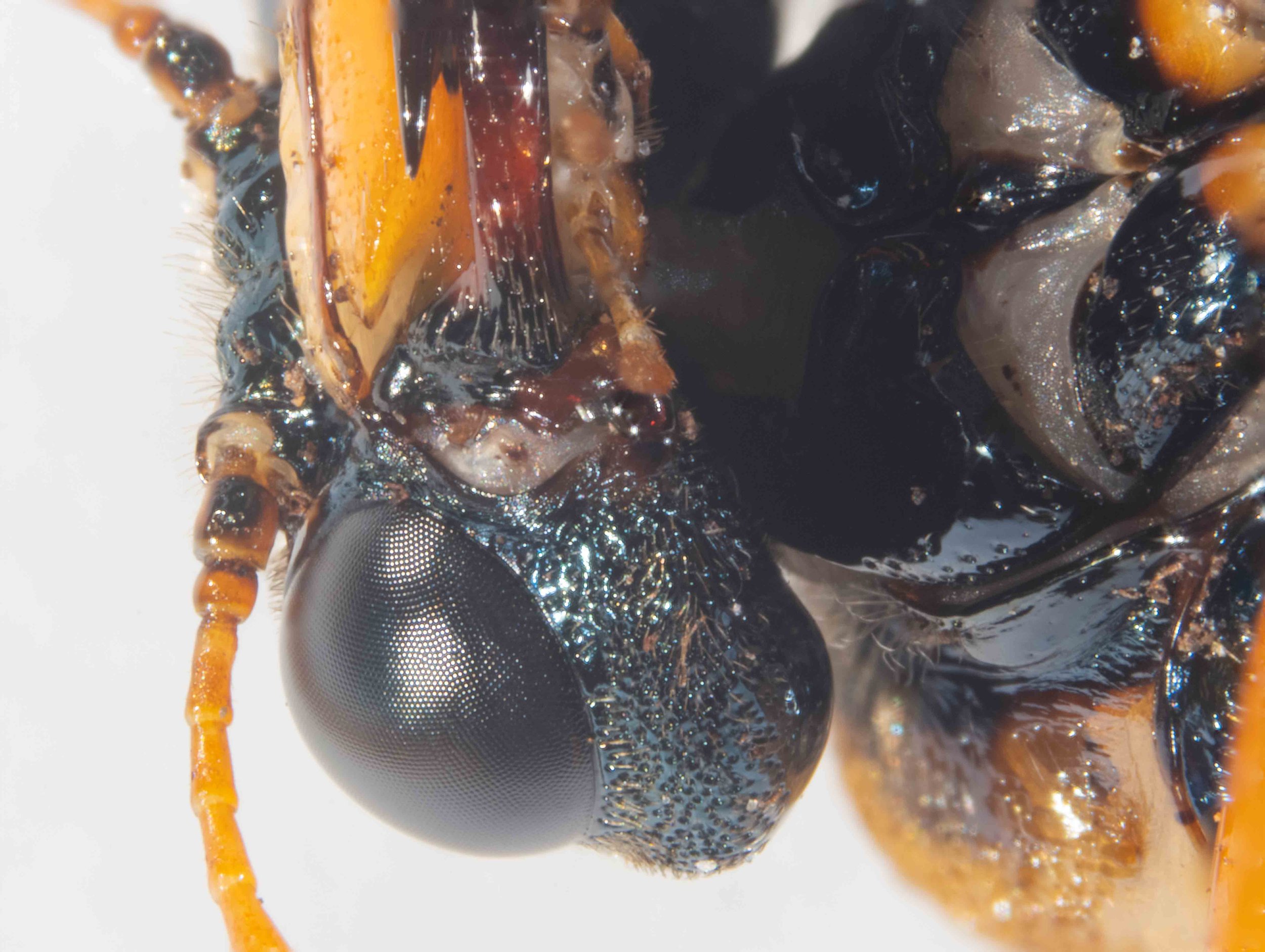
Images of pinned insect
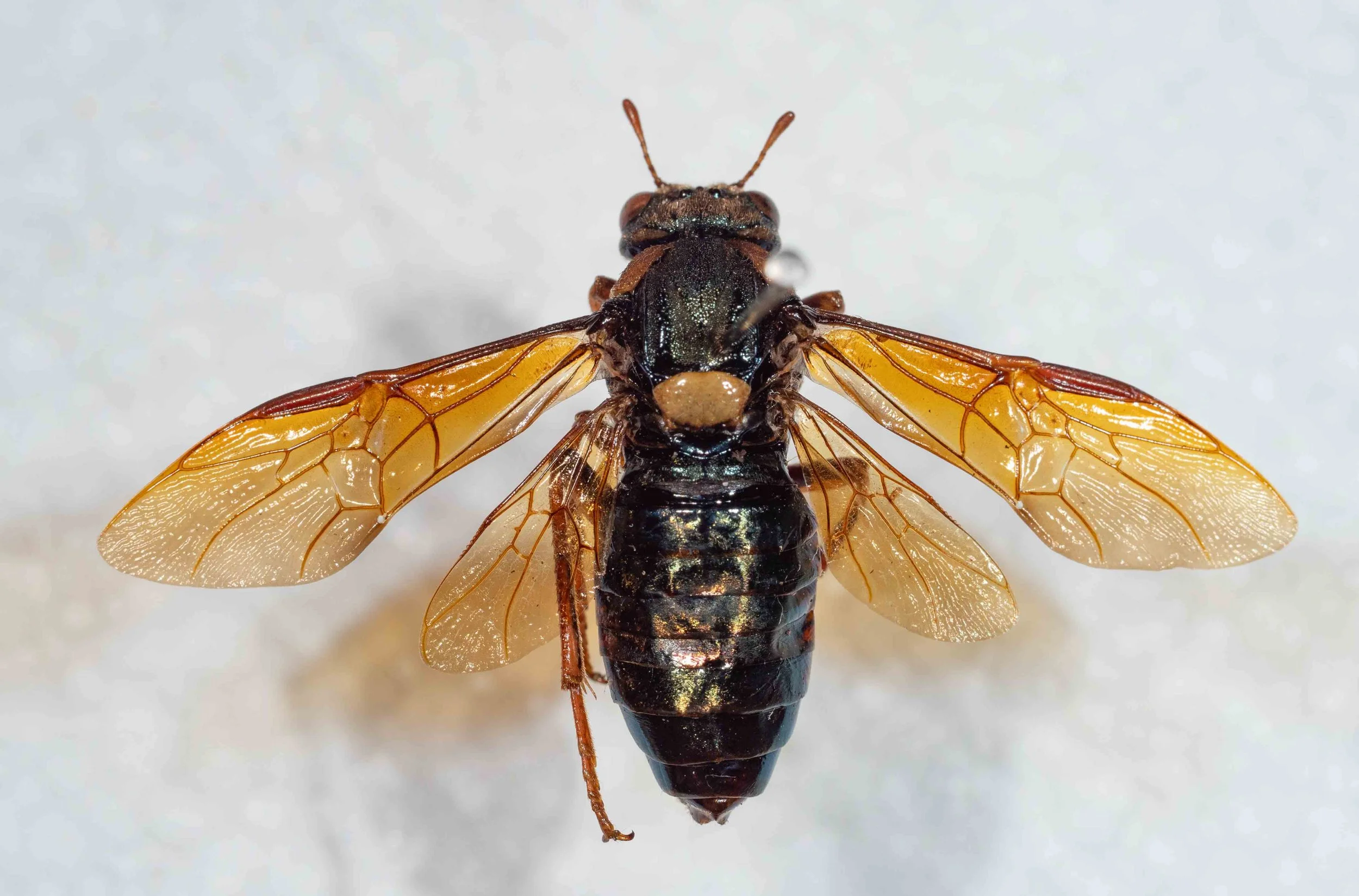
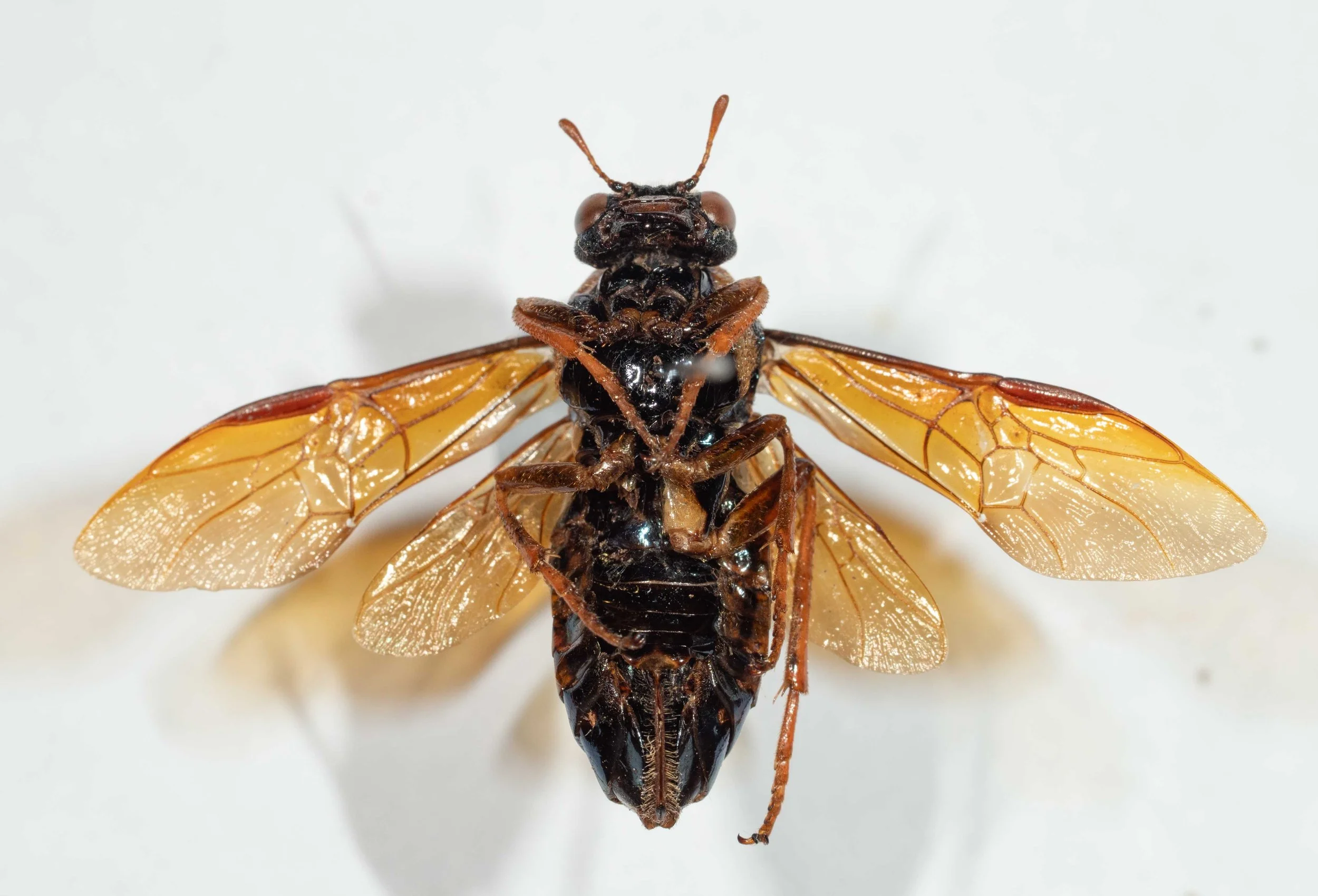
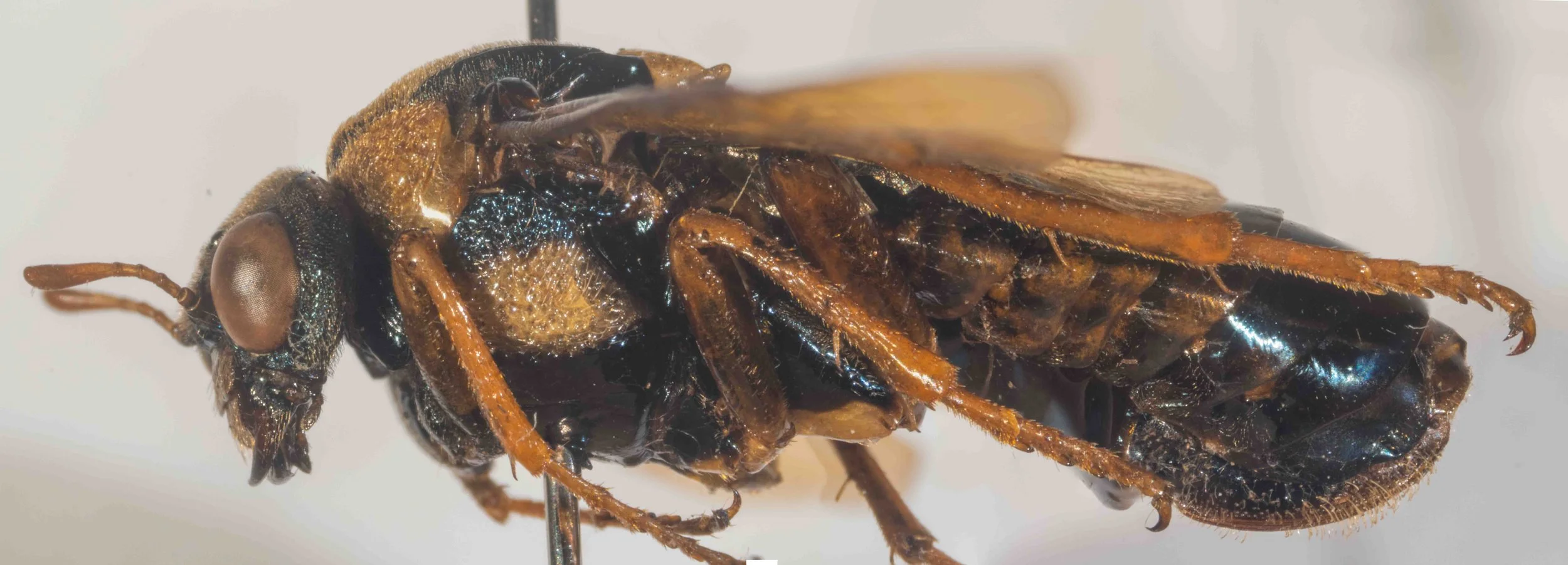
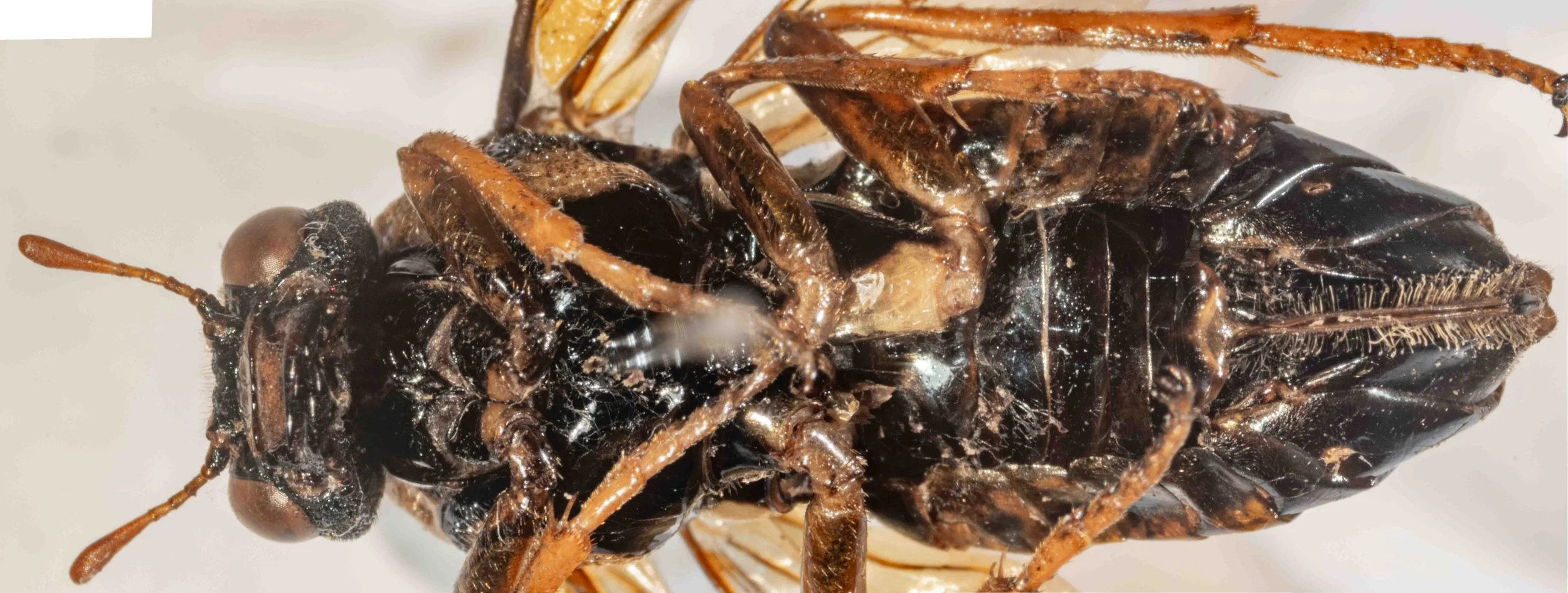
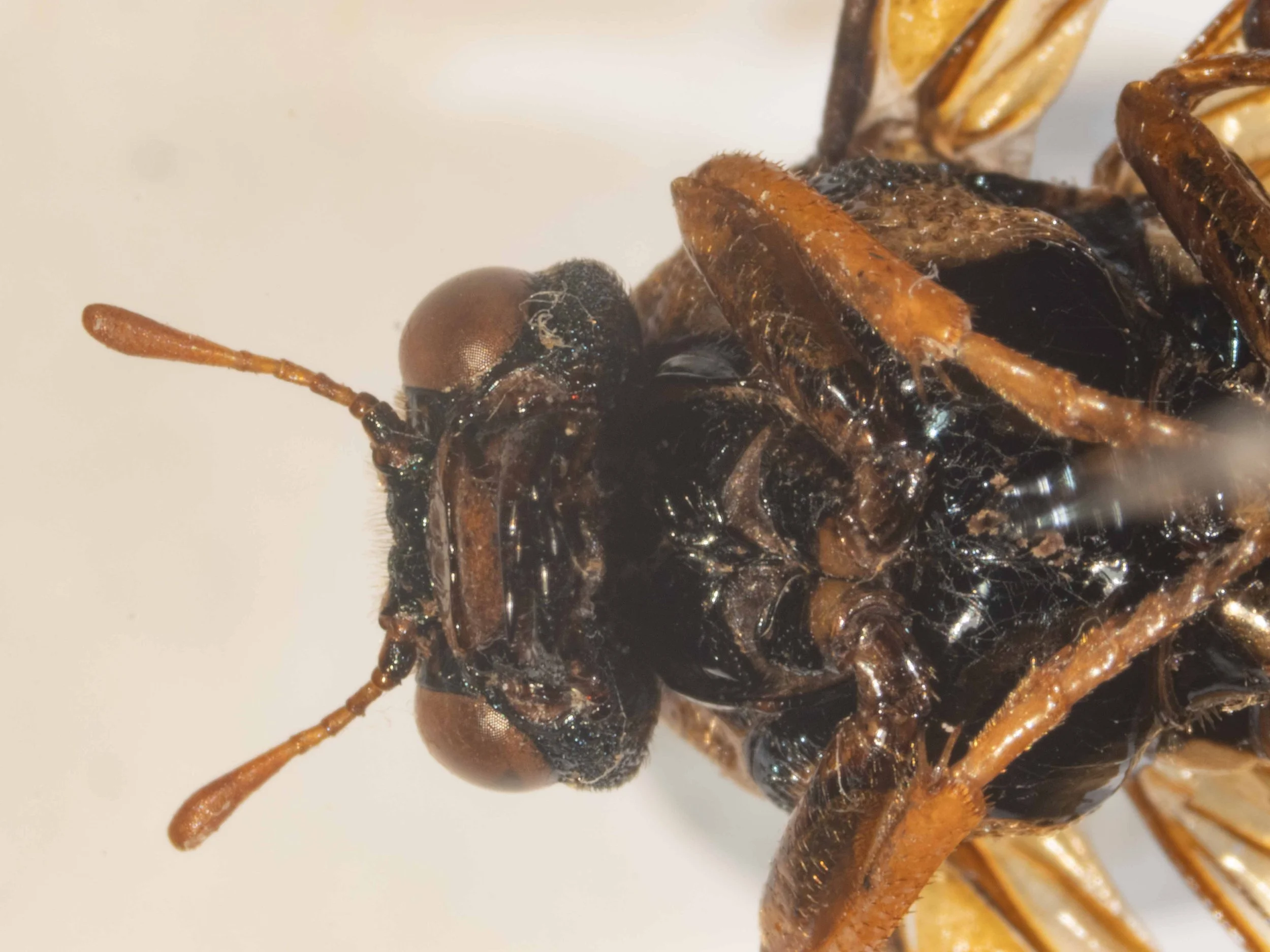
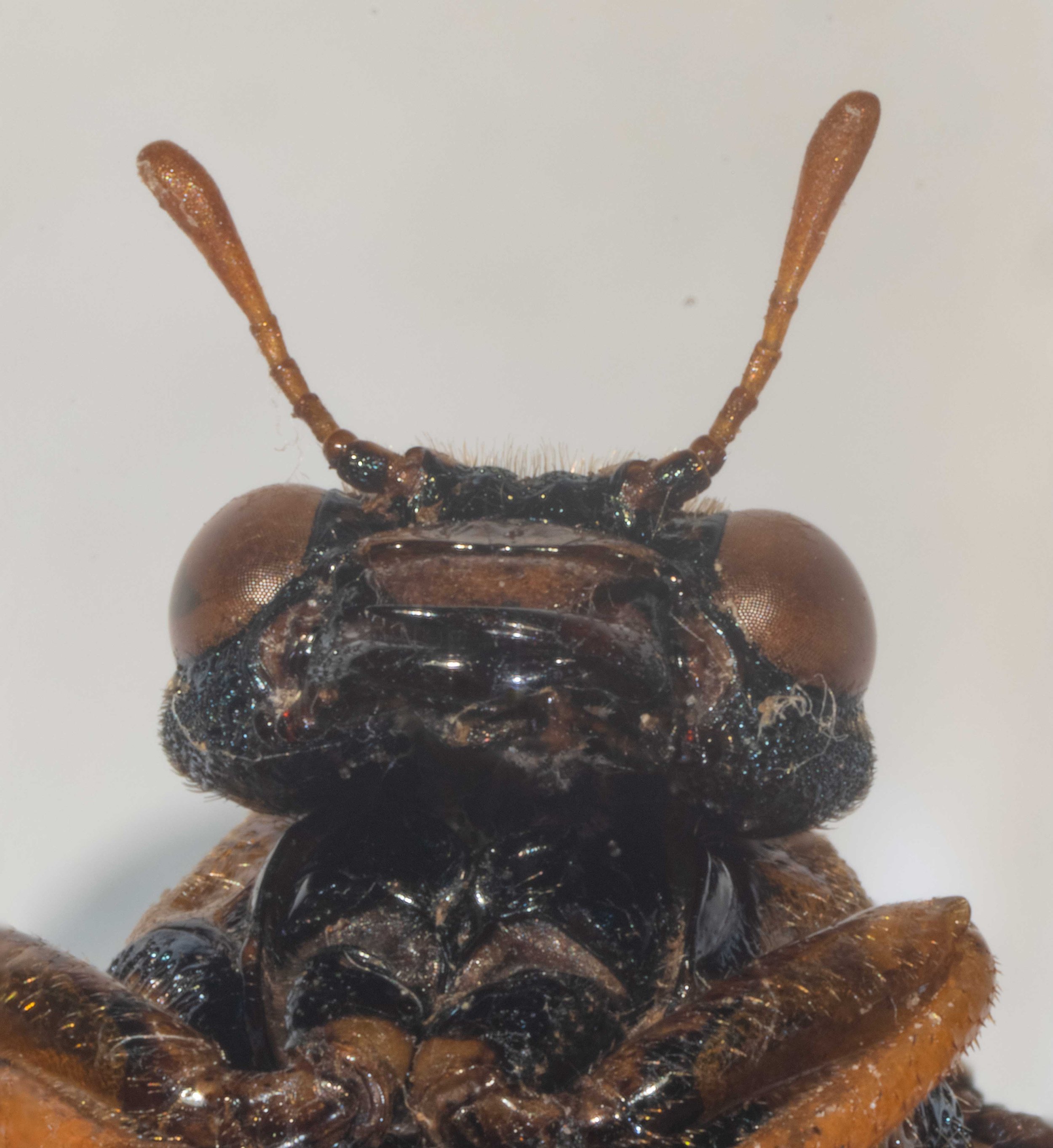
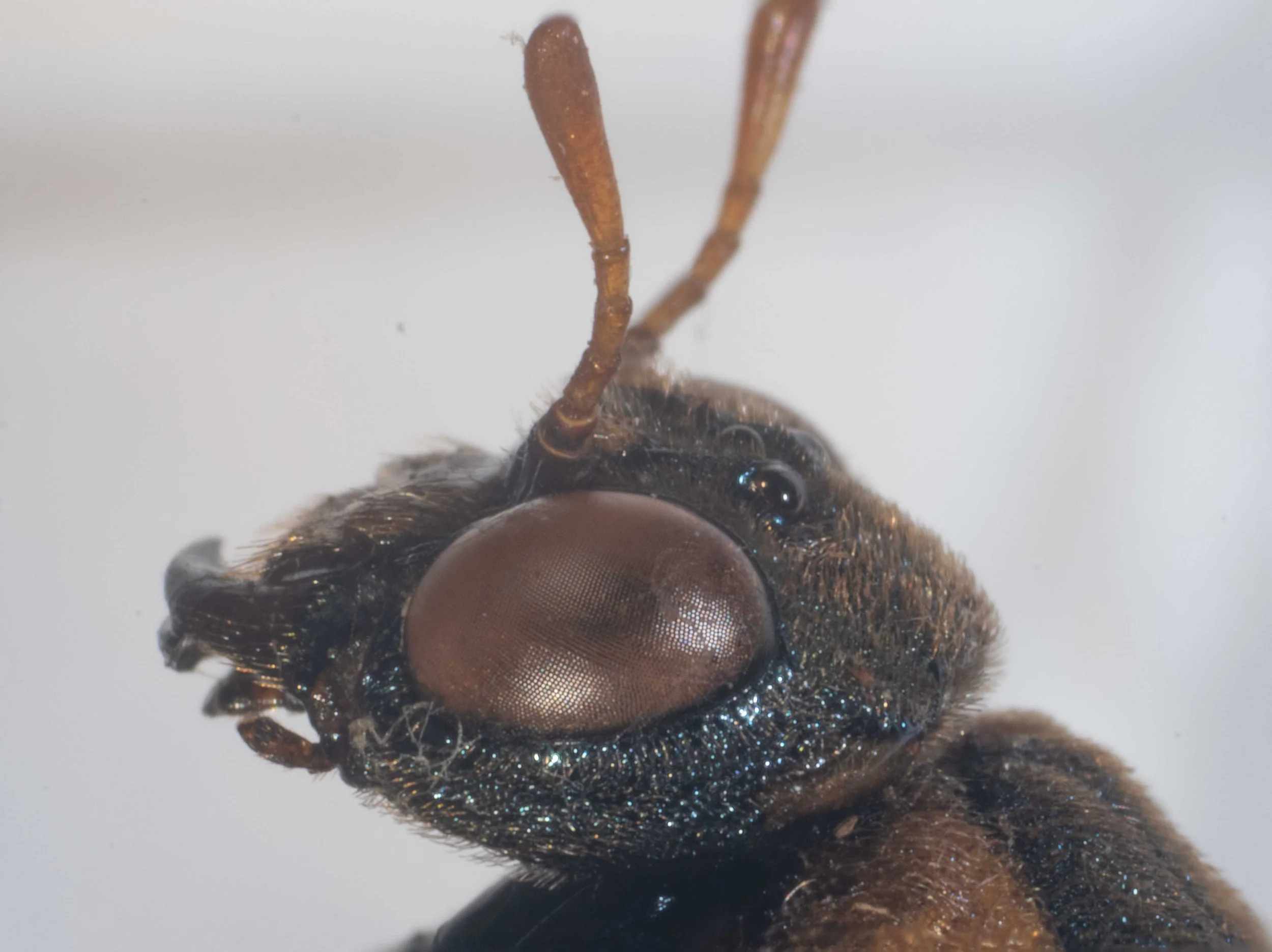
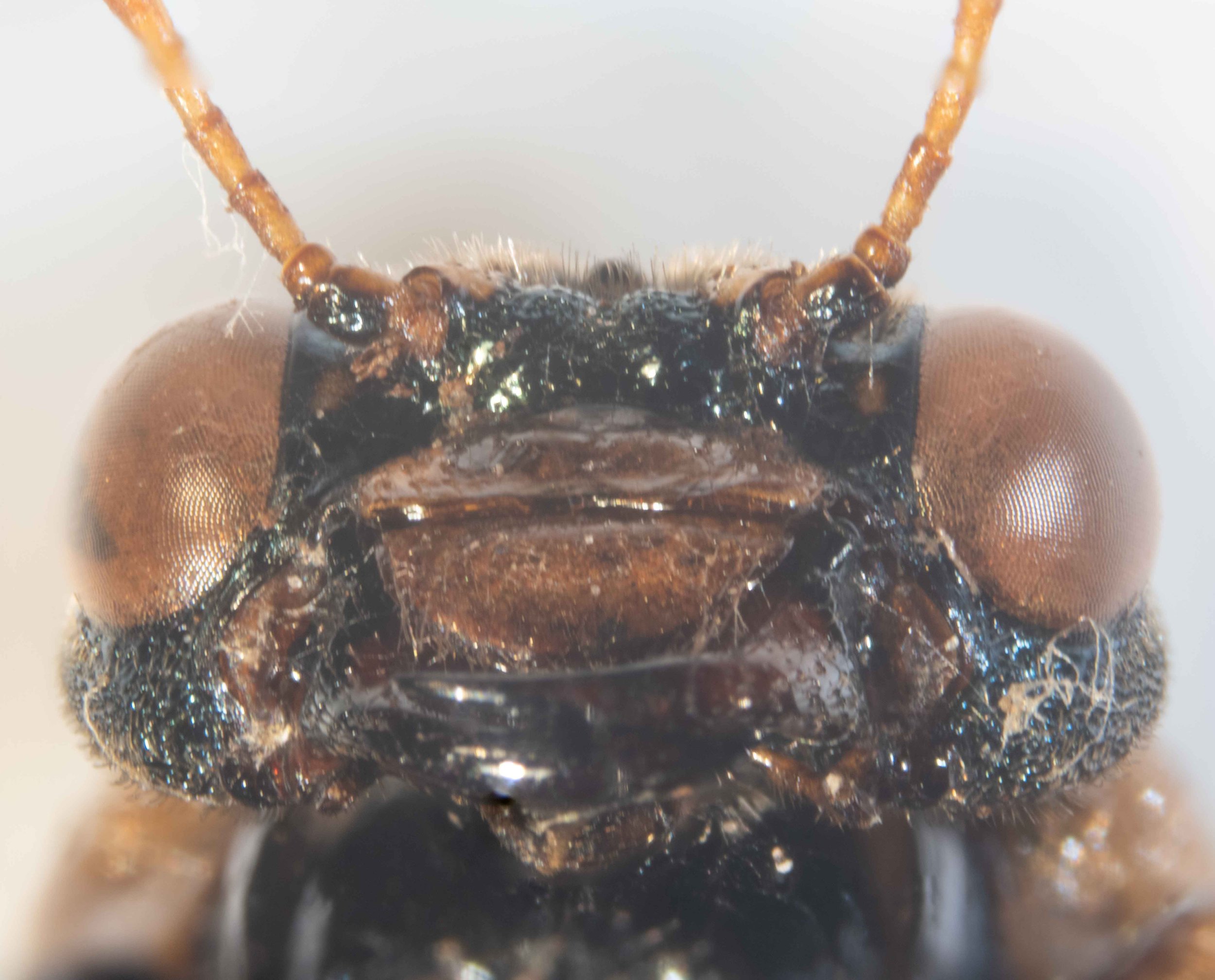
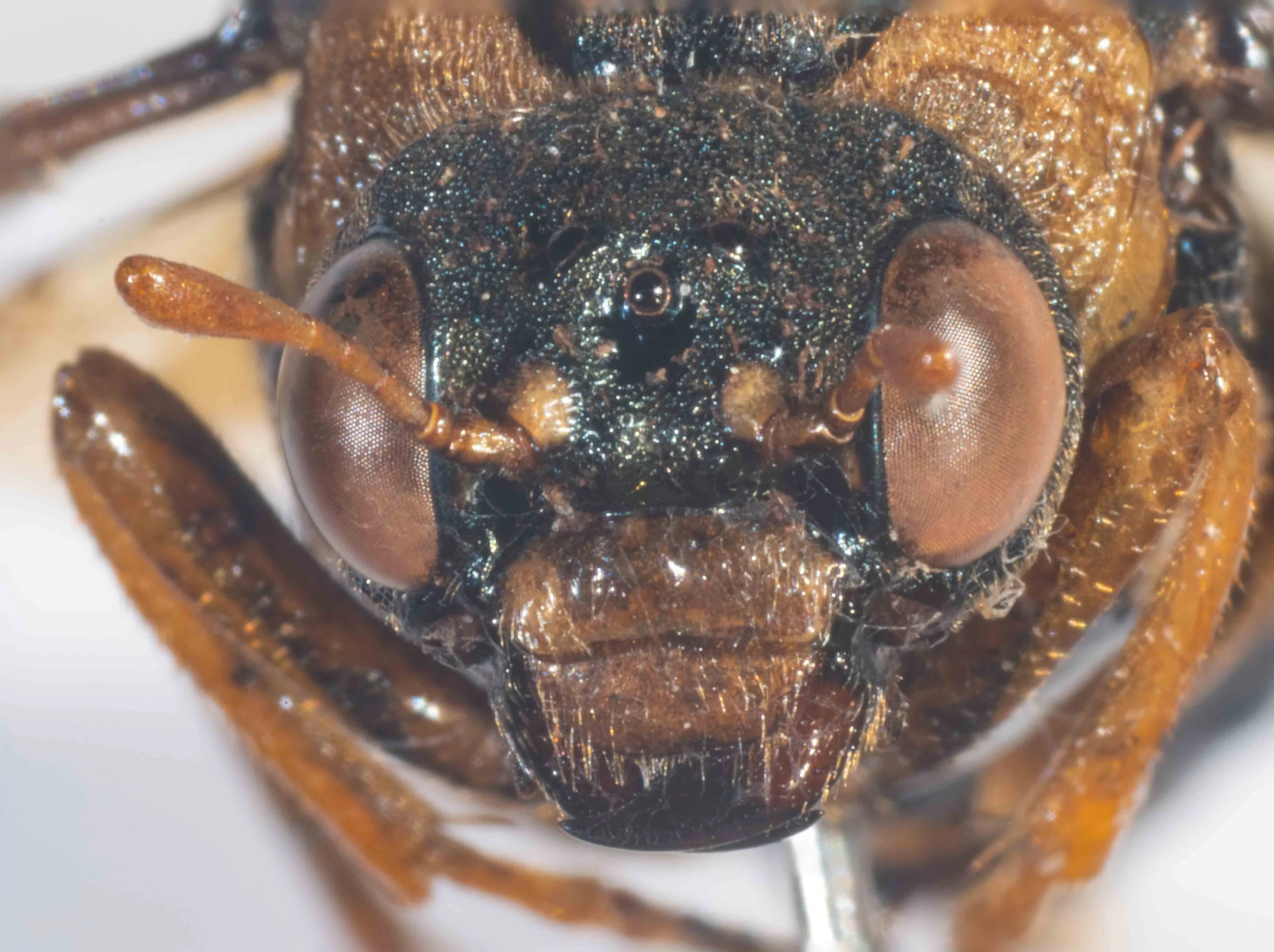
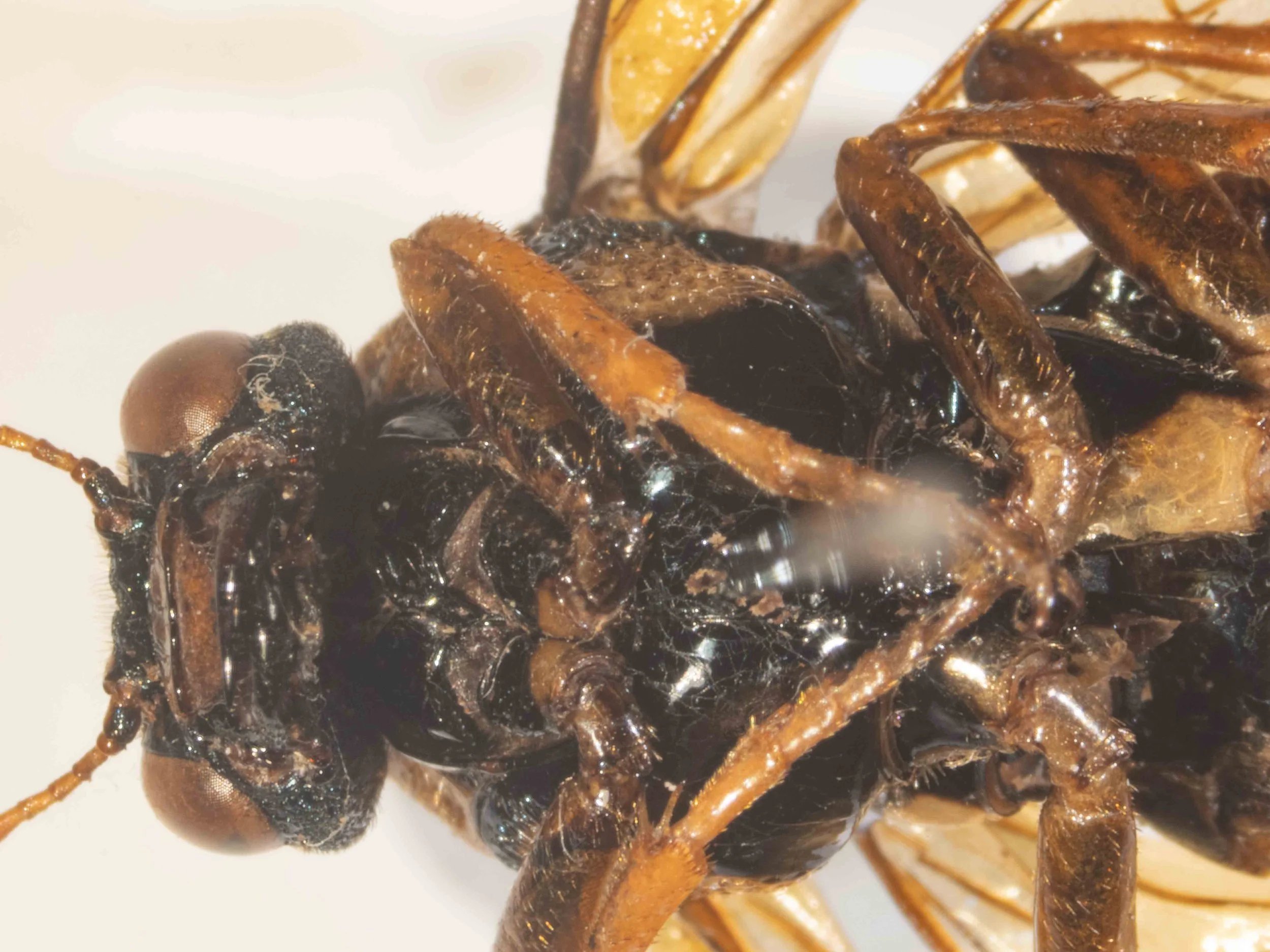
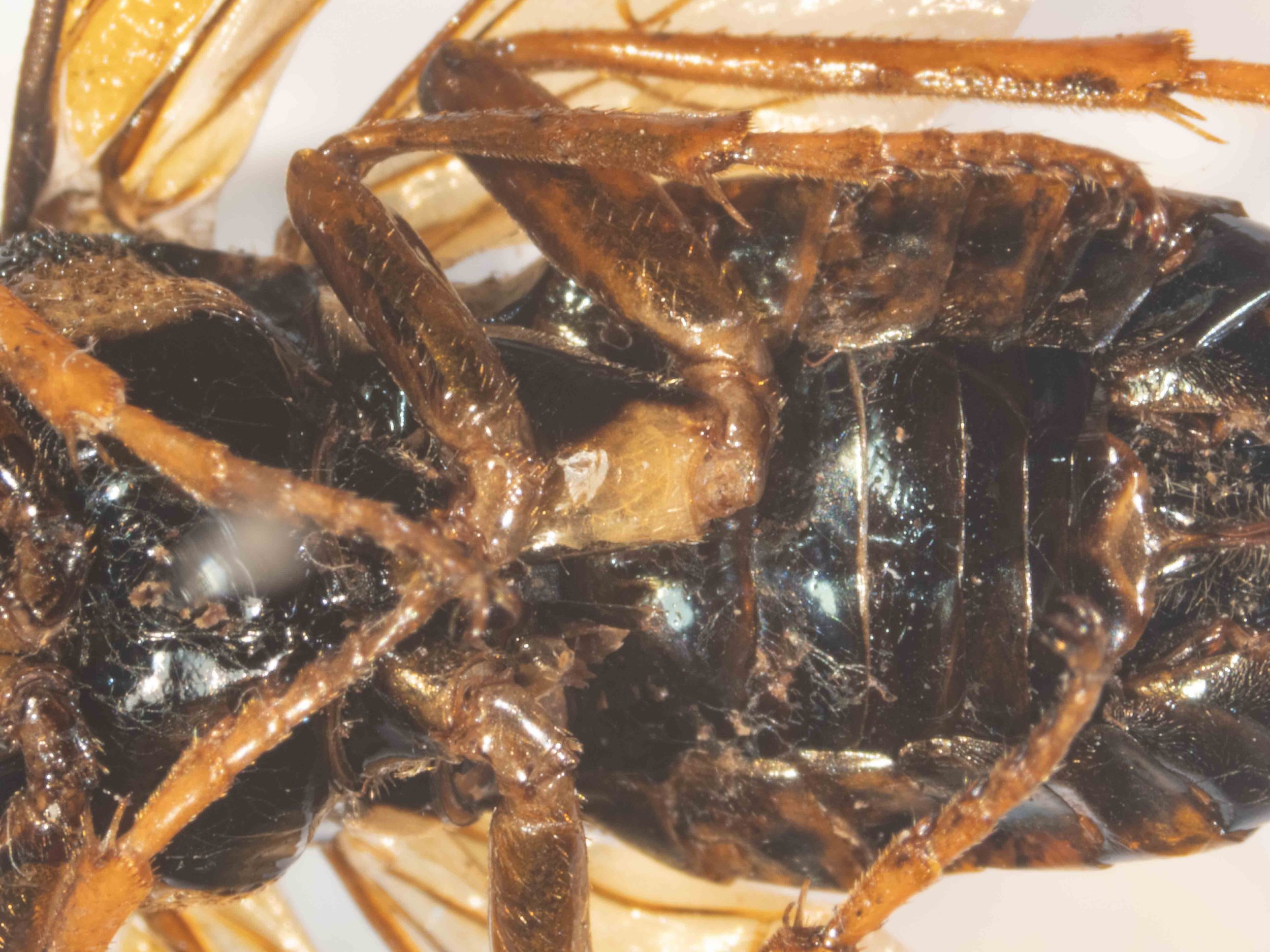
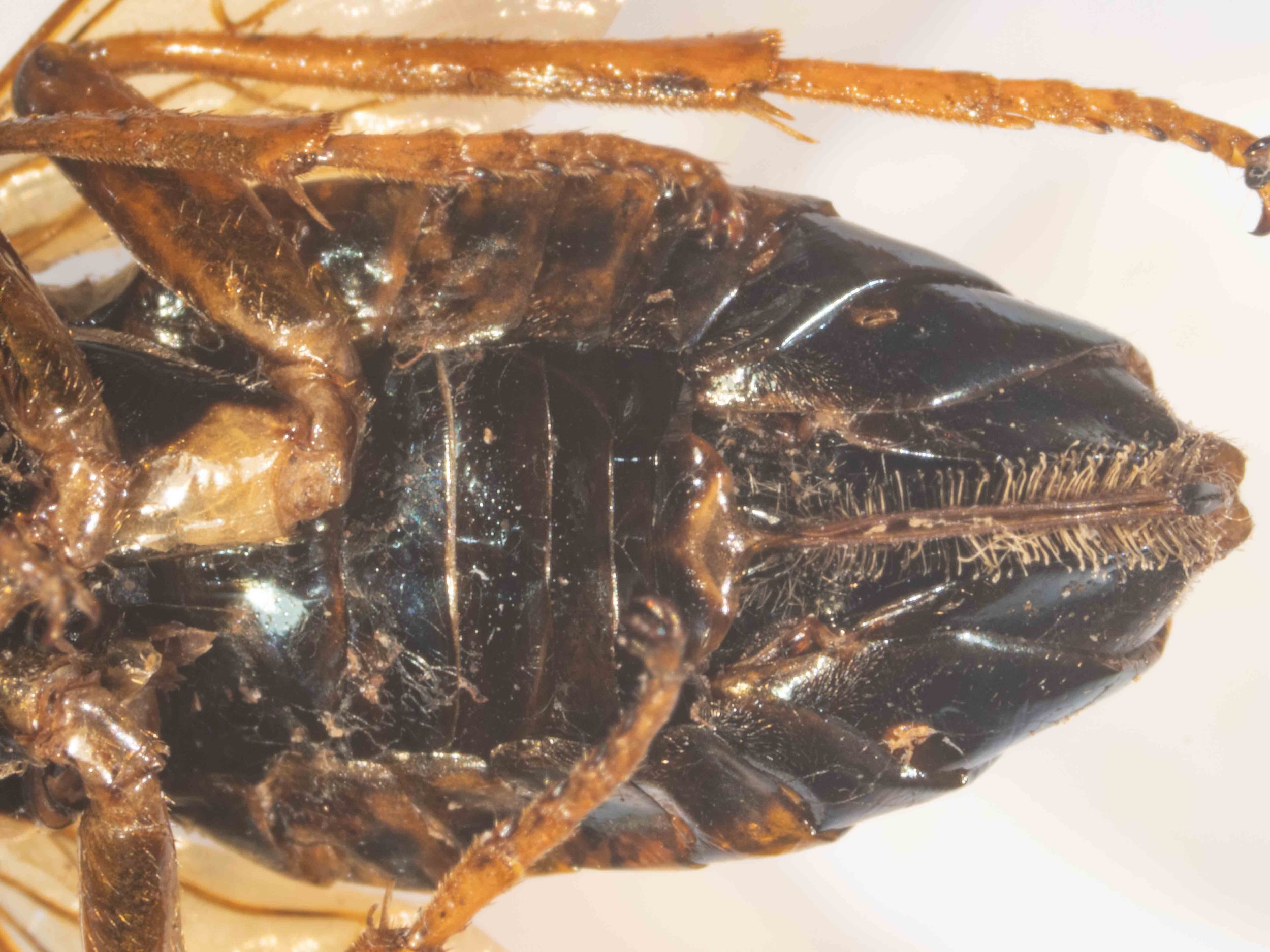
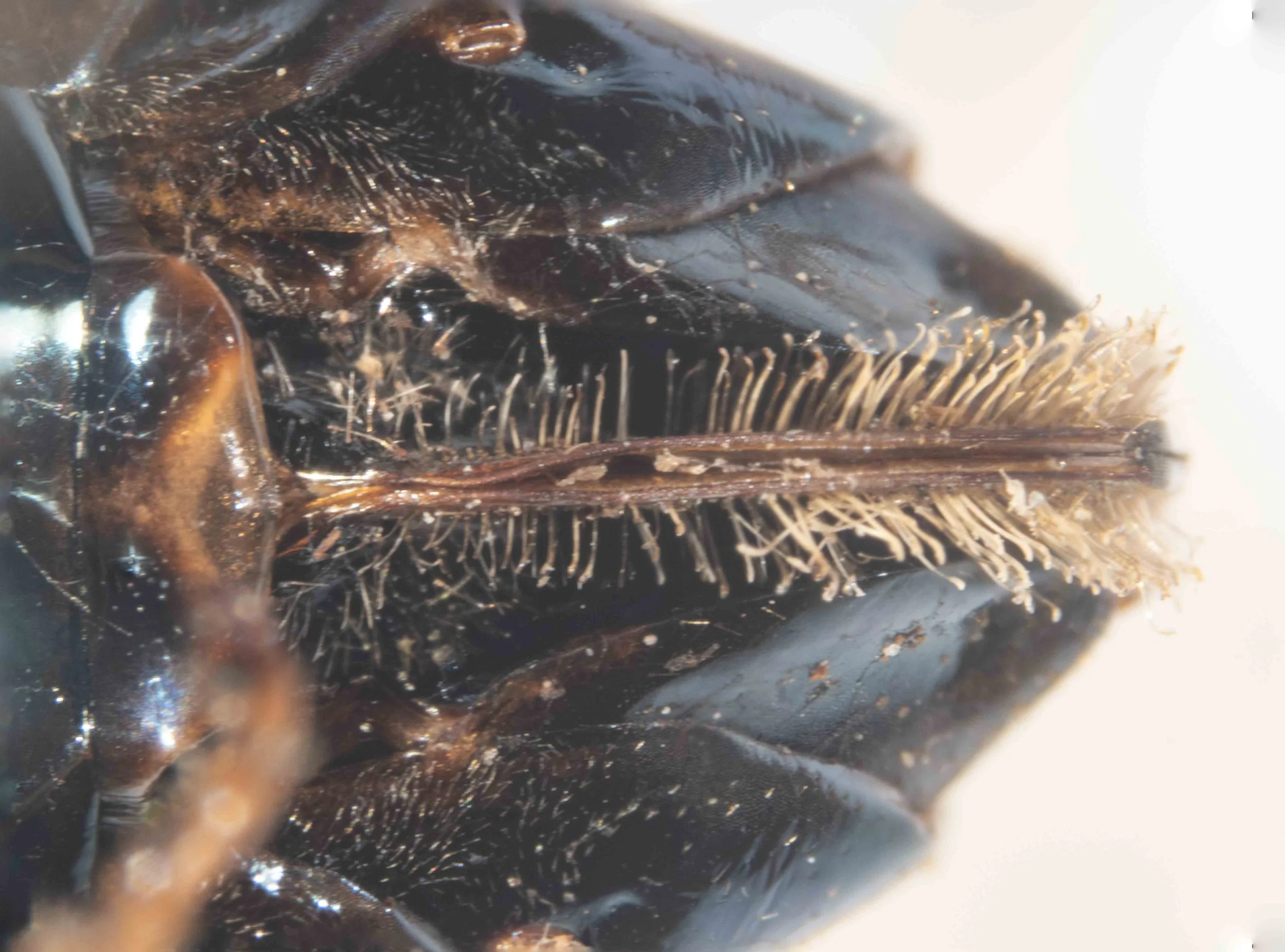
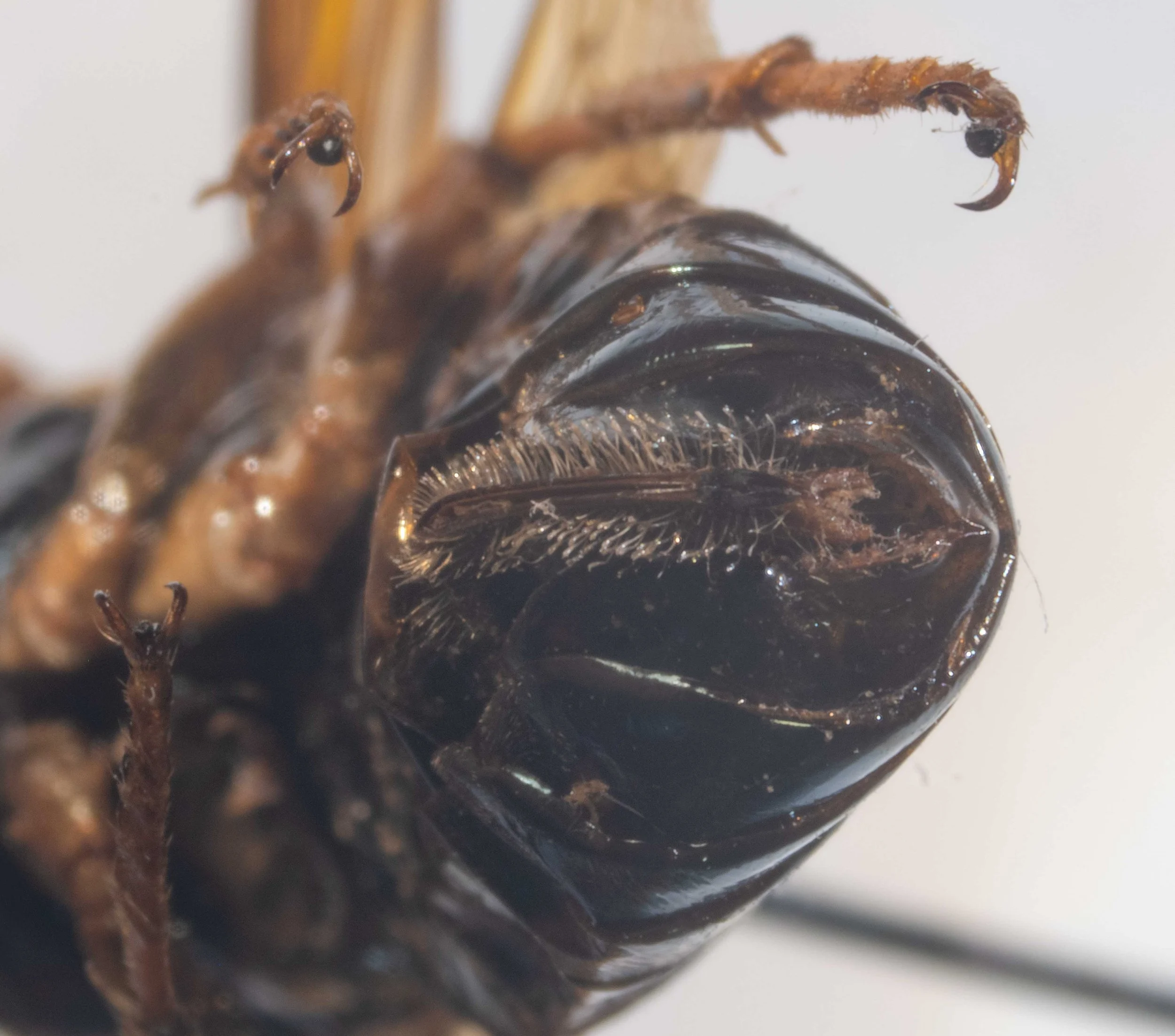
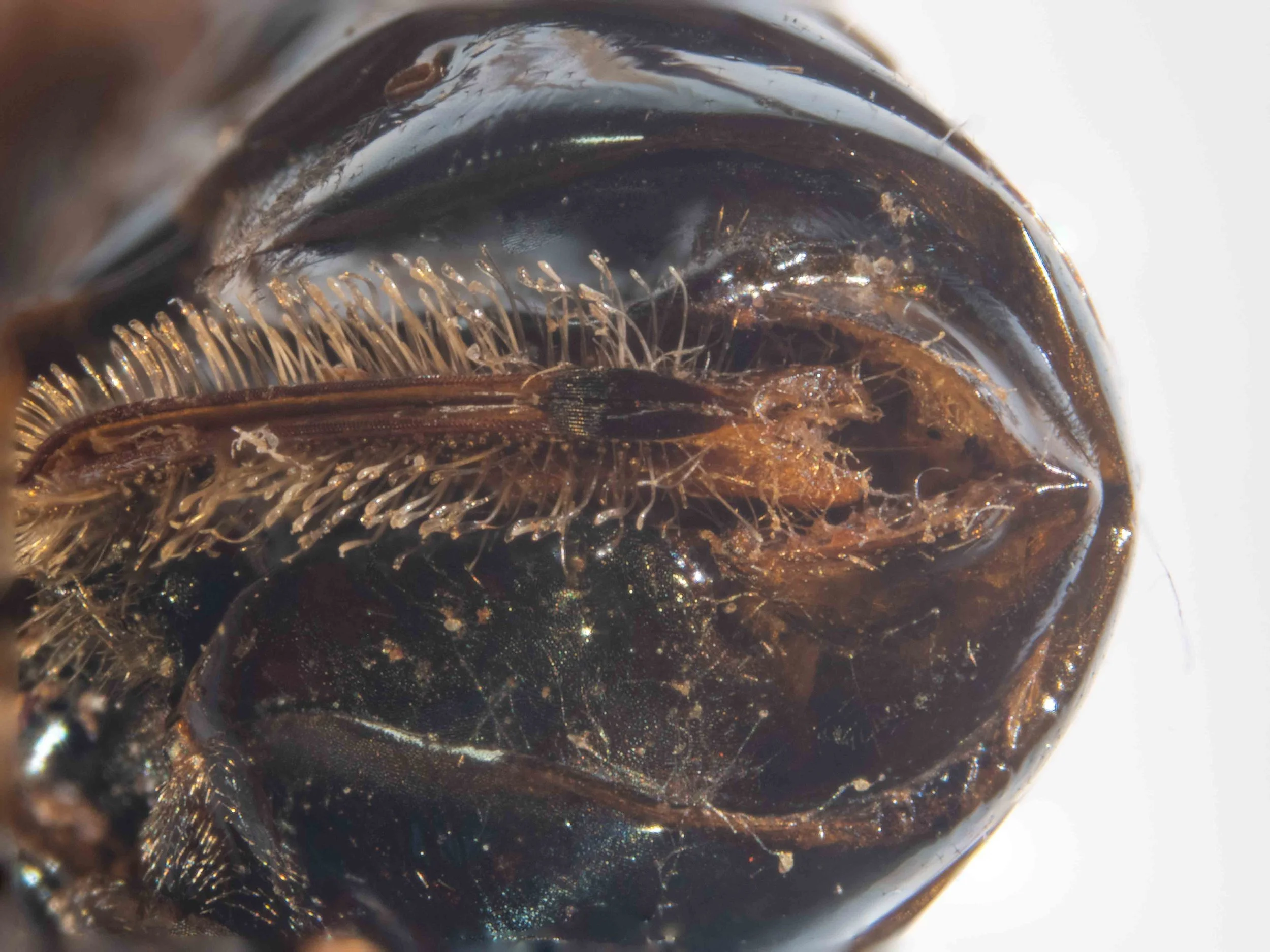
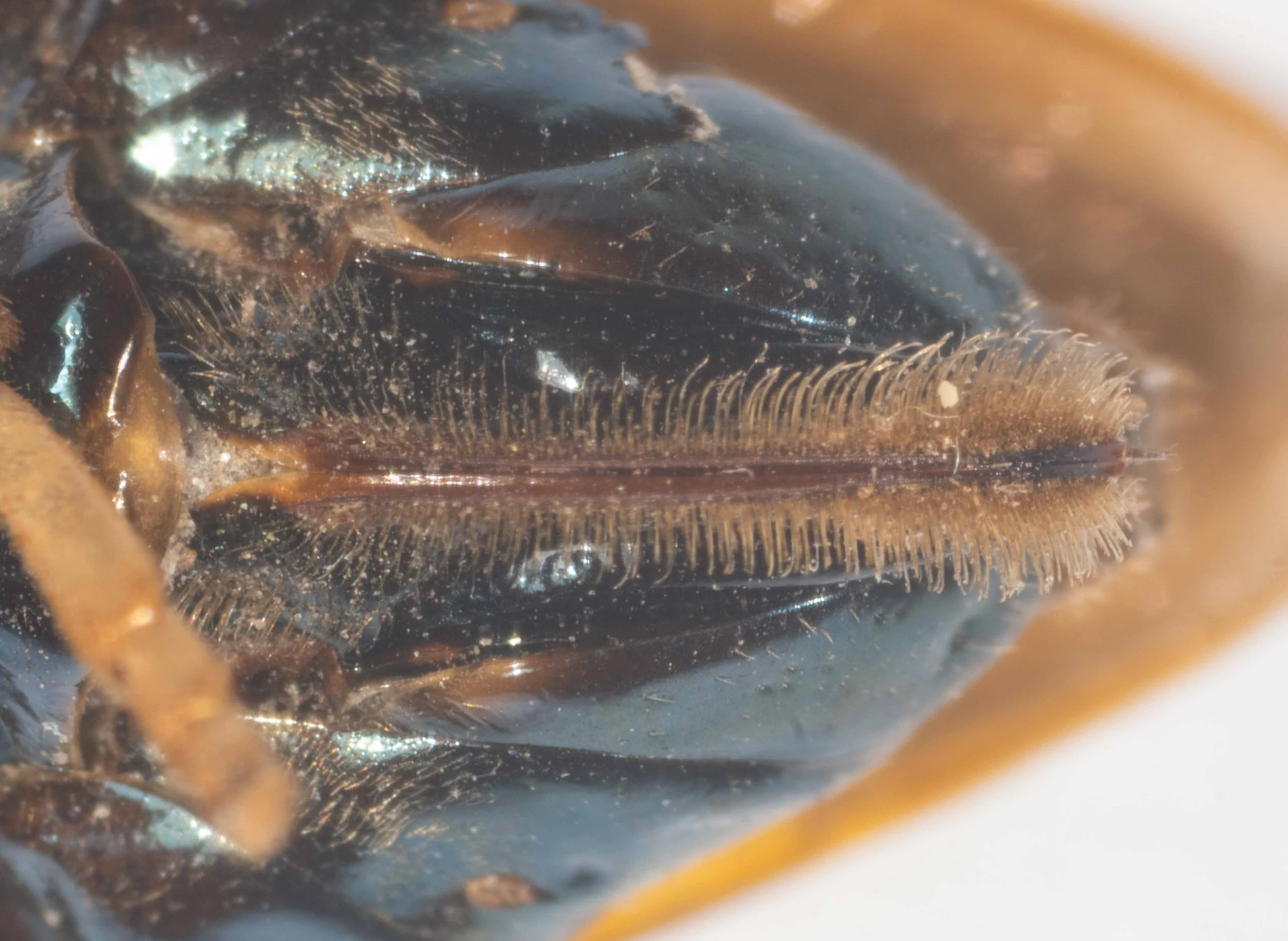
Images of sawsheath
Sawsheath imaged at high magnification - shows sheath hair morphology described for Perga dorsalis (Benson, 1939; Riek, 1961)
DNA barcoding
Hind leg removed from this specimen, mailed to Erinn Fagan-Jeffries on 16/3/26 for DNA barcoding. COI sequence received on 12/11/26.
Comparison between sequence of this specimen (test1 - PW100) and female Perga affinis reared by Chris Seager from larvae collected at Mt. Barker SA (test2 - PW043) - see this notes page. 6.7% difference between these specimens, supporting species separation.
Whole pinned #PW100 specimen sent to BOLD on 9/10/2026 for DNA barcoding.
References:
Benson, R.B. 1939. “A revision of the Australian sawflies of the genus Perga Leach, sens. lat. (Hymenoptera, Symphyta)”. The Australian Zoologist 9: 324-357. “ Biodiversity Heritage Library link.
Carne, P.B. 1962. “The characteristics and behaviour of the saw-fly Perga affinis affinis (Hymenoptera). Australian Journal of Zoology 10: 1-34.
Riek, E. F. 1961. “The distribution and inter-relationships of Perga affinis Kirby and Perga dorsalis Leach (Hymenoptera, Symphyta)”. Proc. Linnean Soc. NSW 86, 237-240. Biodiversity Heritage Library link.
This is a workbook page … a part of our website where we record the observations and references used in making species identifications. The notes will not necessarily be complete. They are a record for our own use, but we are happy to share this information with others.