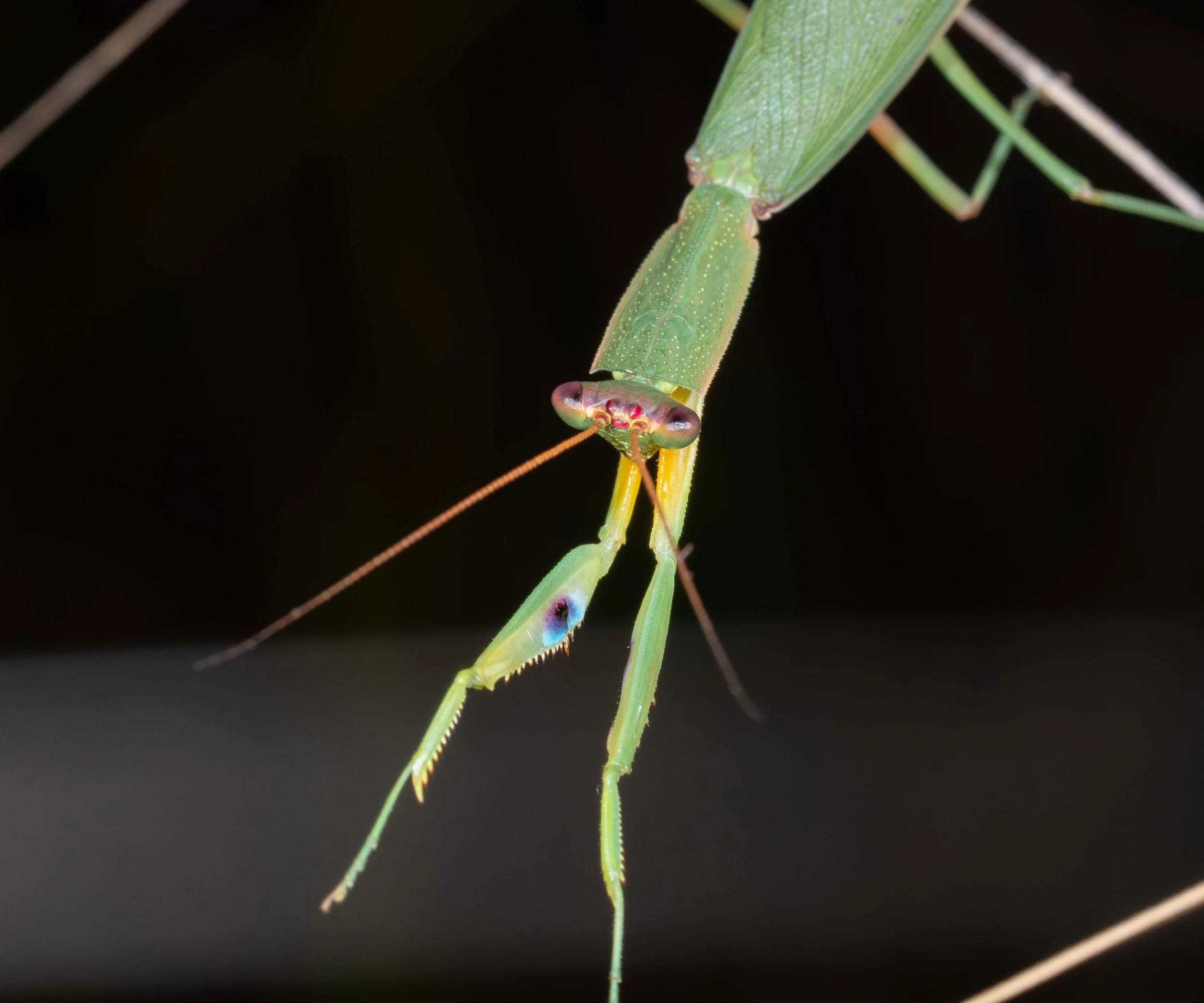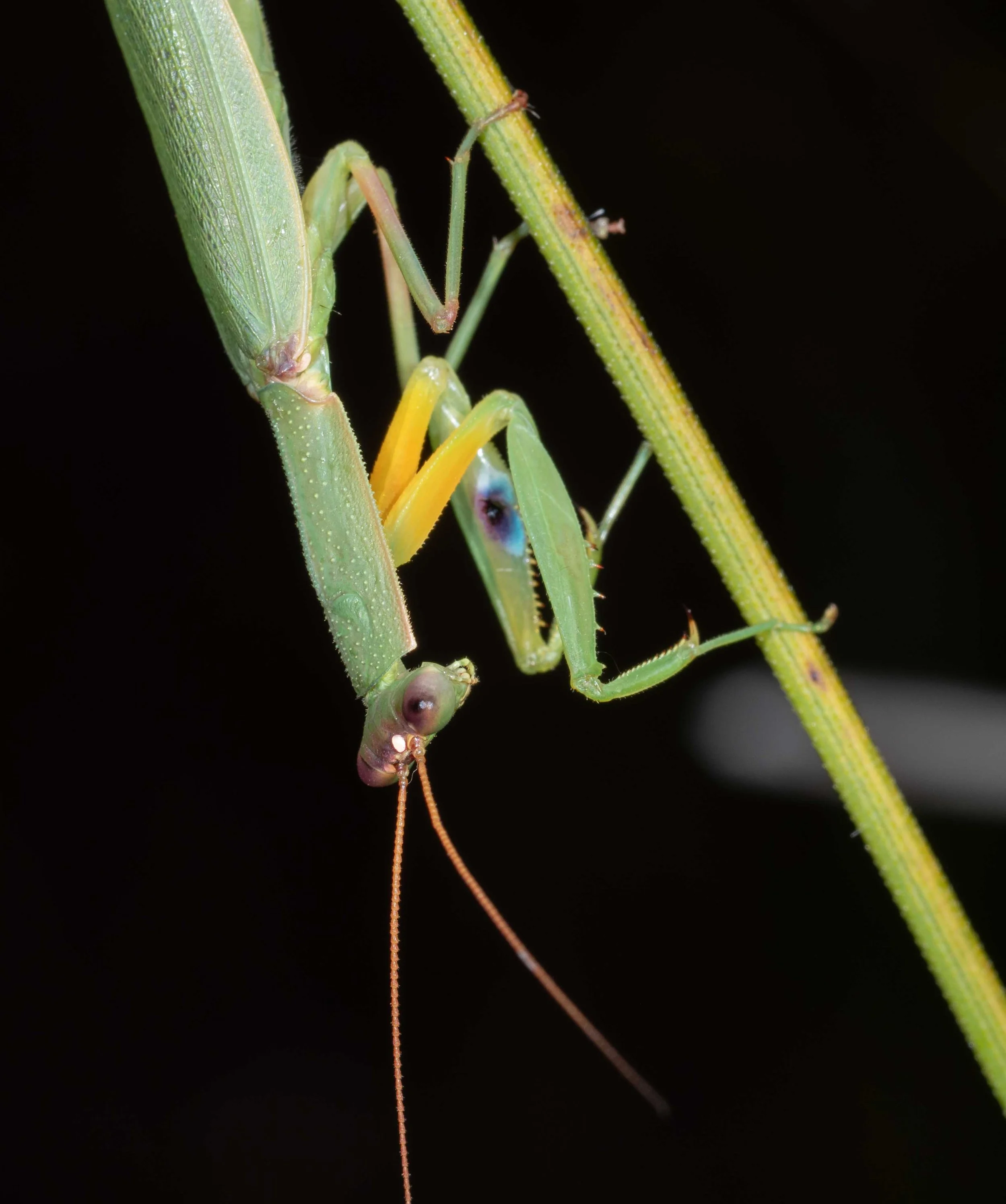
Night moves

A warm, calm summers night. All quiet … except for the occasional calls of gliders and possums, the screeching of crickets, croaking frogs, and the rustle of small hidden mammals. So not so quiet at all. Plus there’s plenty of silent action in the undergrowth.
Here are a few of those out and about on 24th January, 2026.
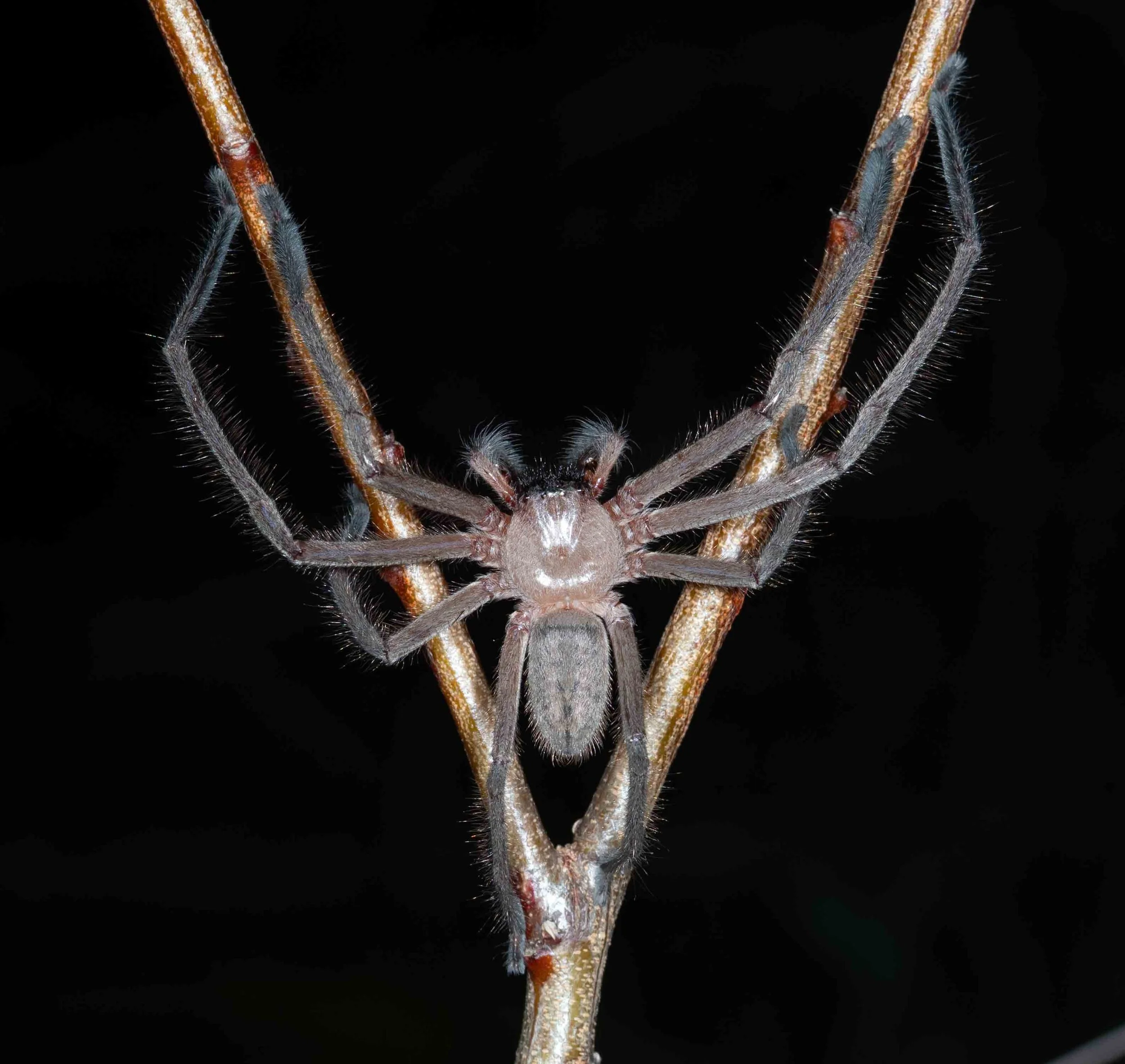
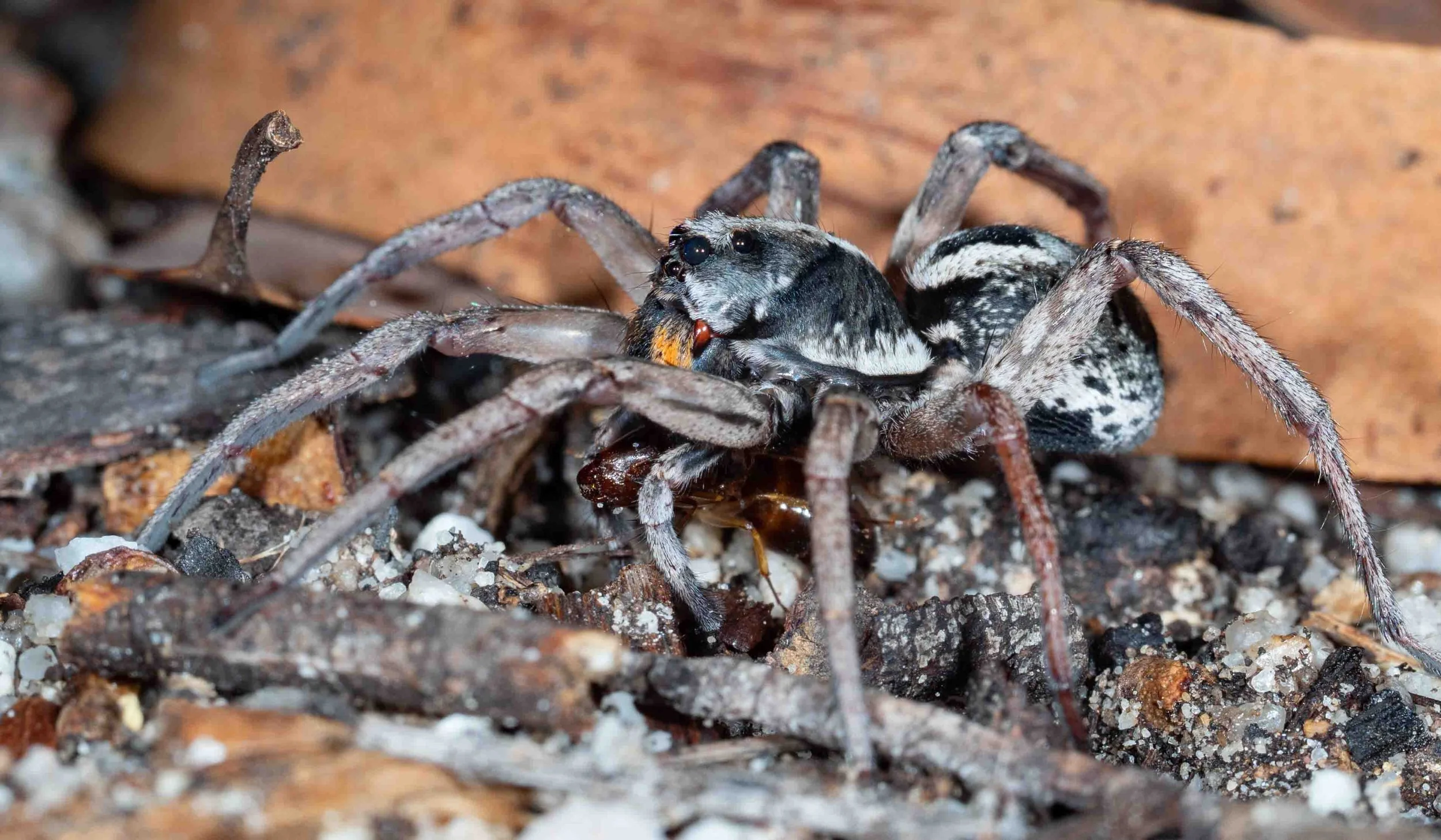
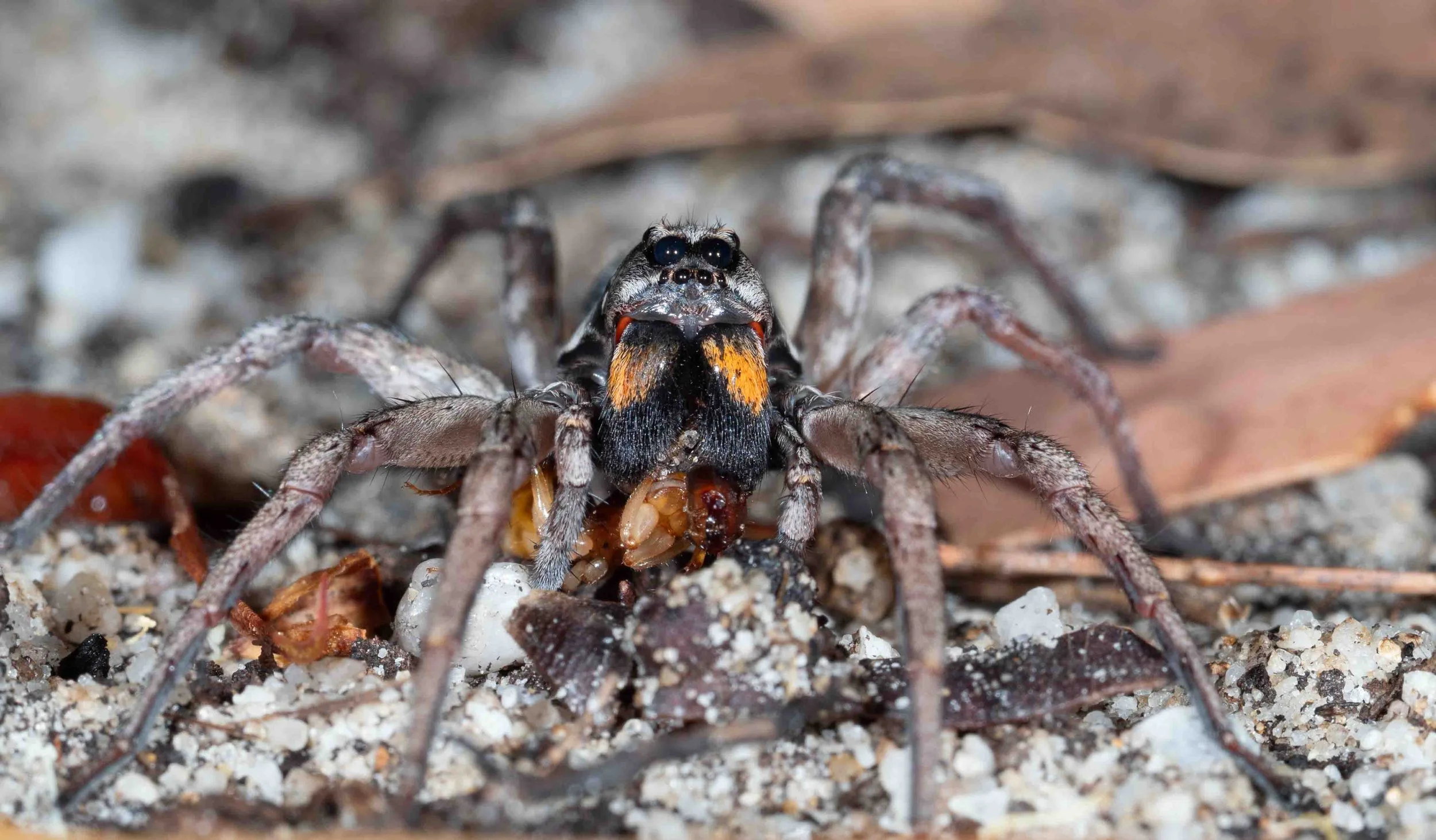
A large, lone spider astride a twig catches my eye with its near-perfect symmetry.
Delena cancerides (‘social huntsman’) - male
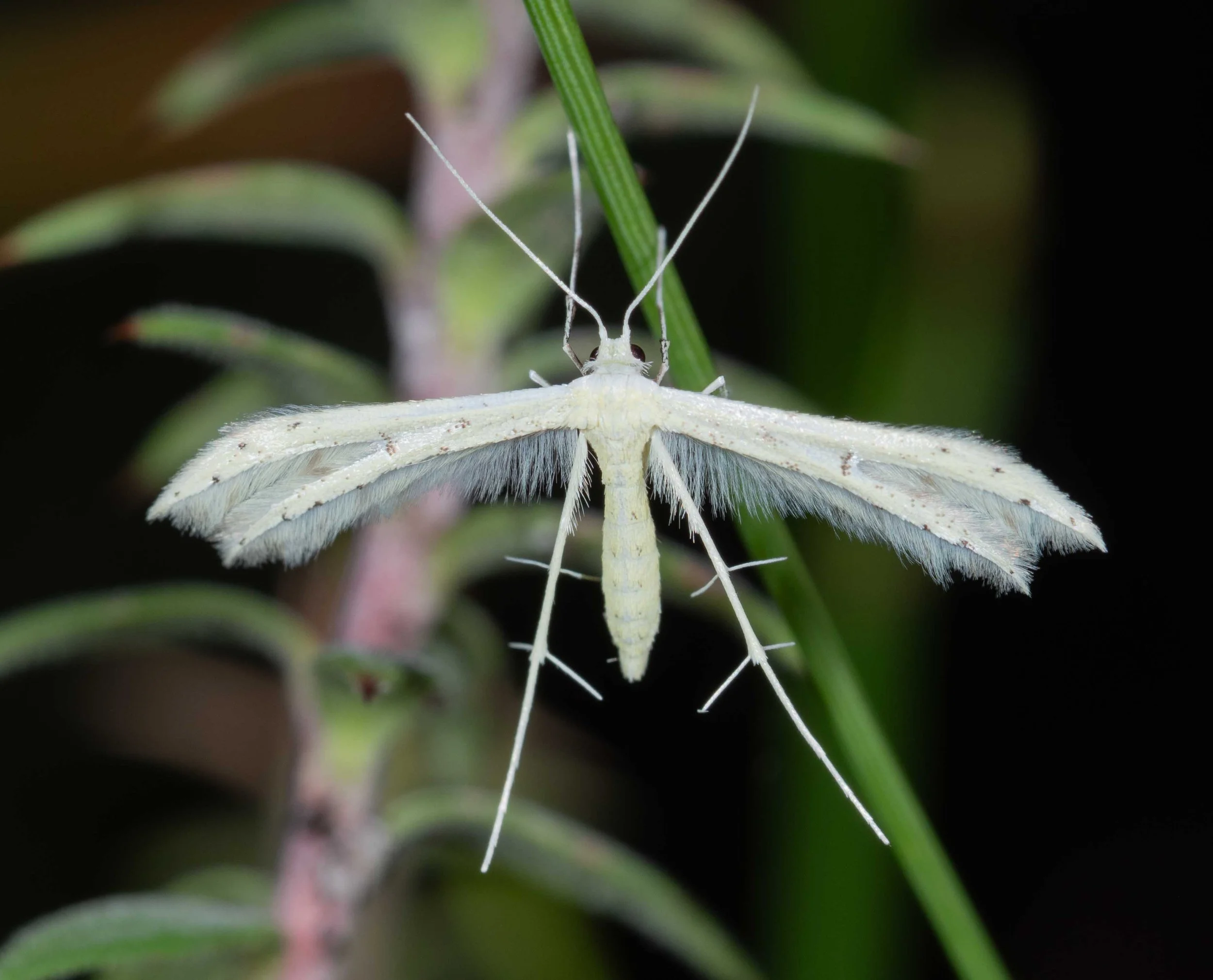
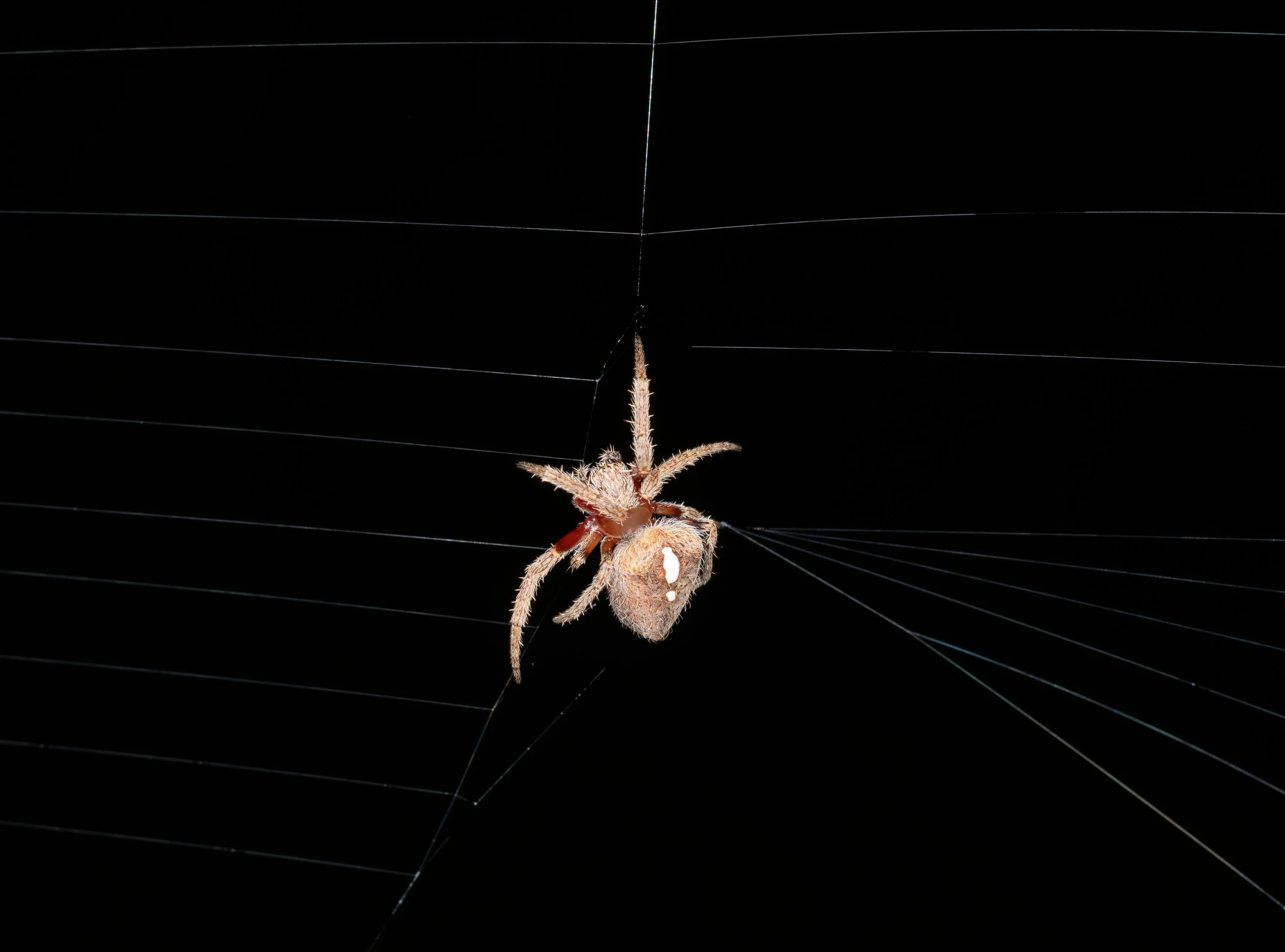
More delicate symmetry suspended from the low vegetation.
Imbophorus aptalis (plume moth)
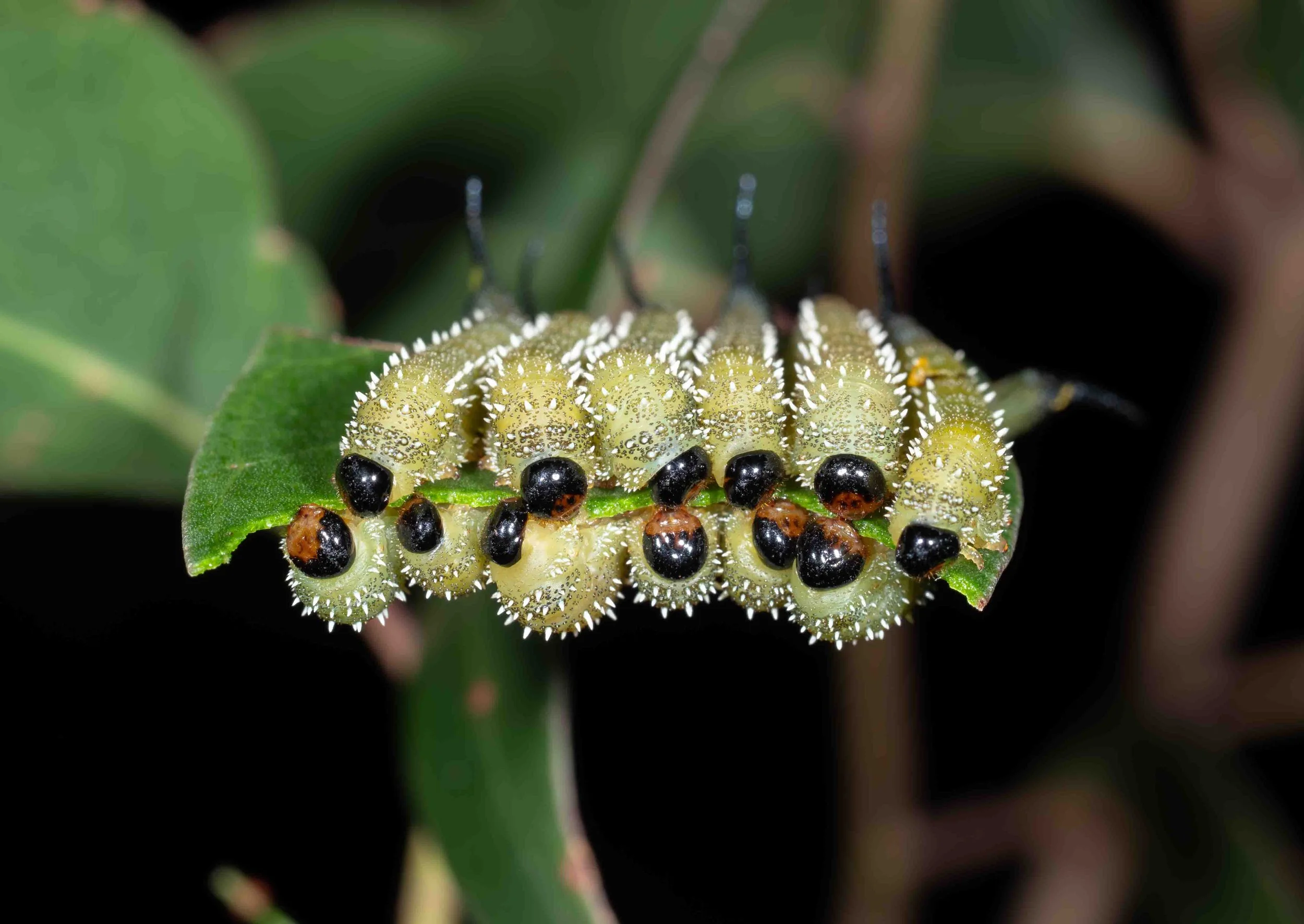
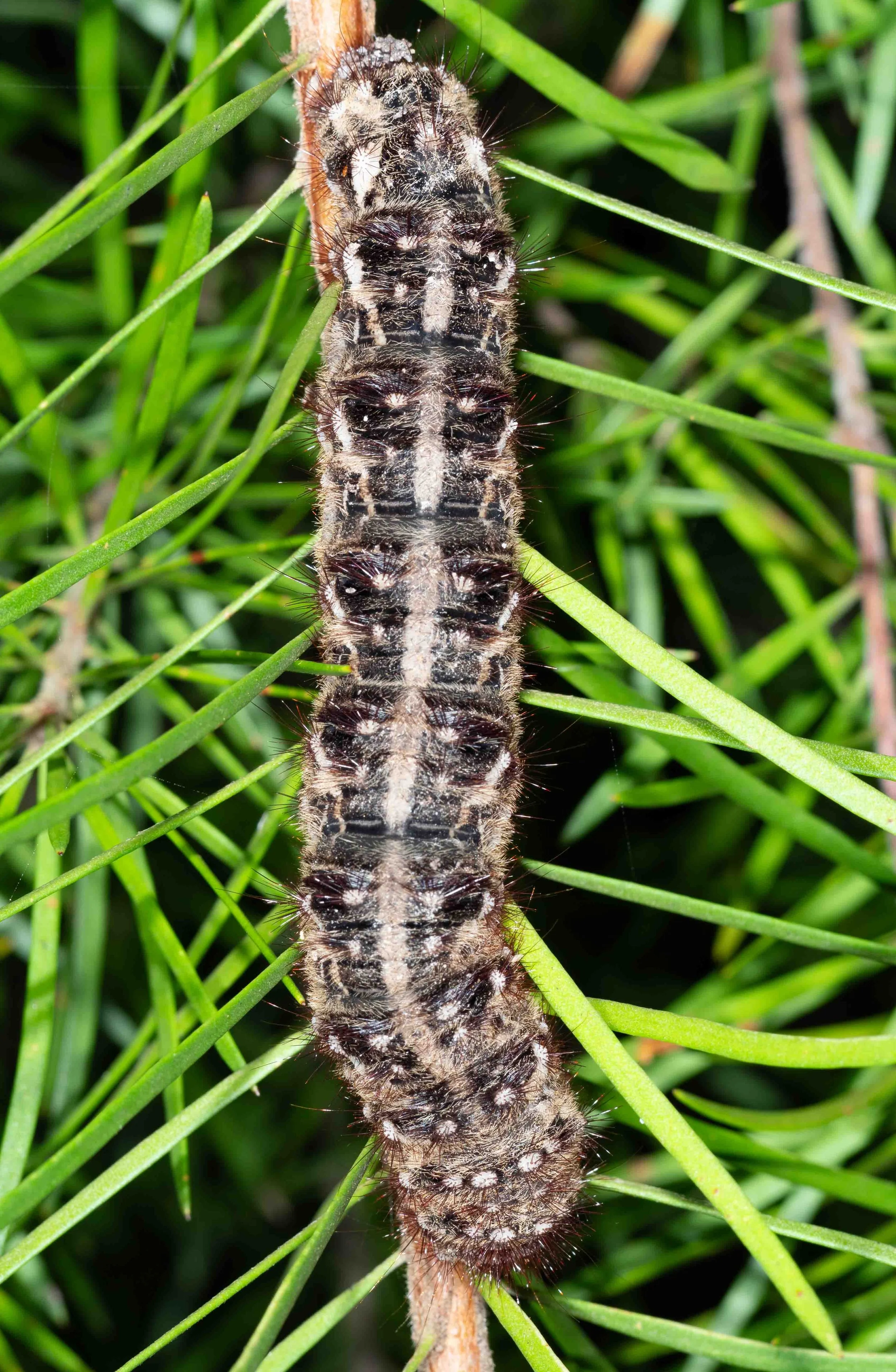
Sawfly larvae are typically gregarious, and it is common to see them neatly aligned when feeding. More lovely symmetry! These were rapidly devouring a eucalypt leaf.
perhaps Lophyrotoma
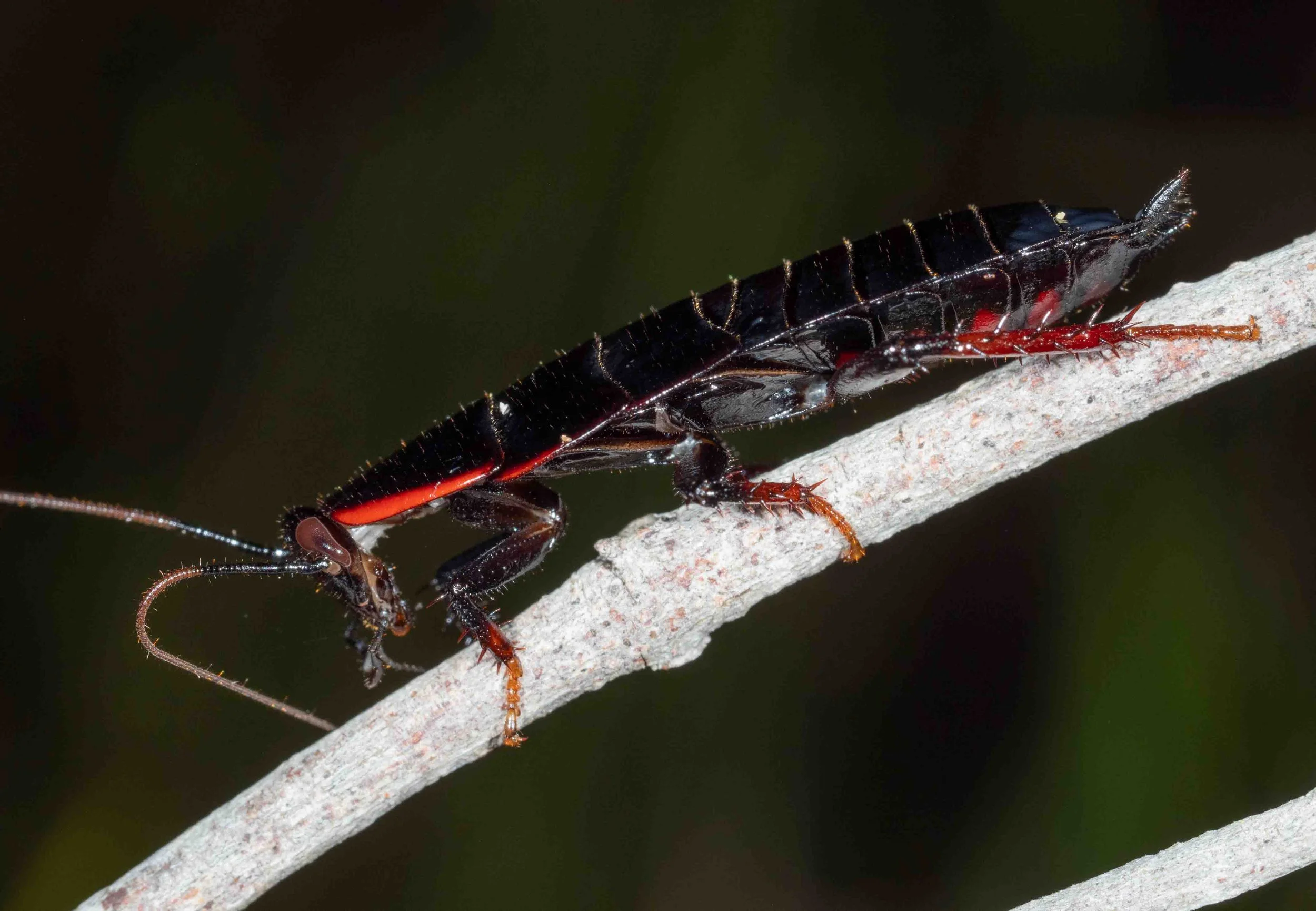
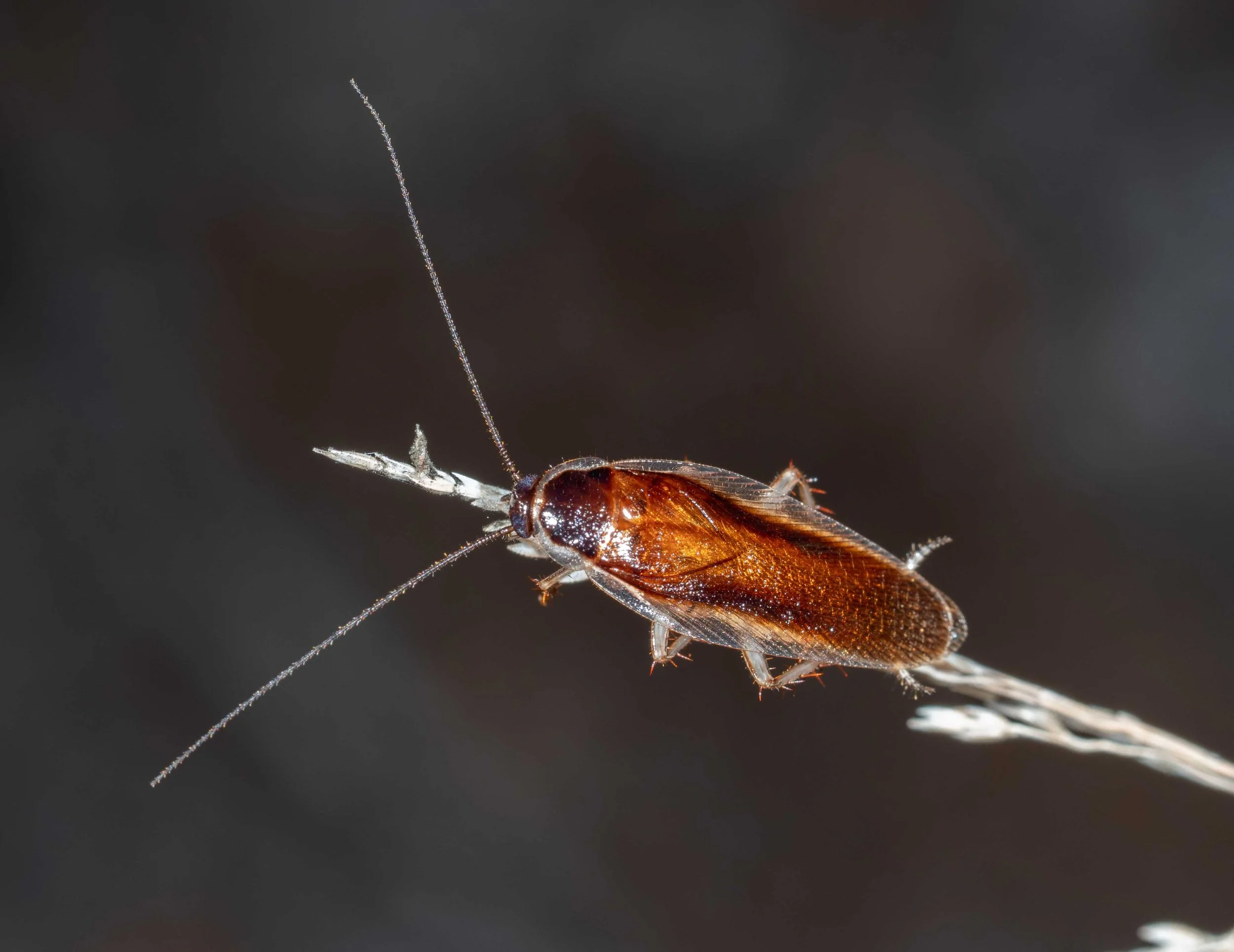
Forest cockroaches are many and varied, some with striking colour patterns. They are typically hidden in the leaf litter or under bark during the day … but at night it is not uncommon to find them out and about.
Platyzosteria (litter runner cockroach)
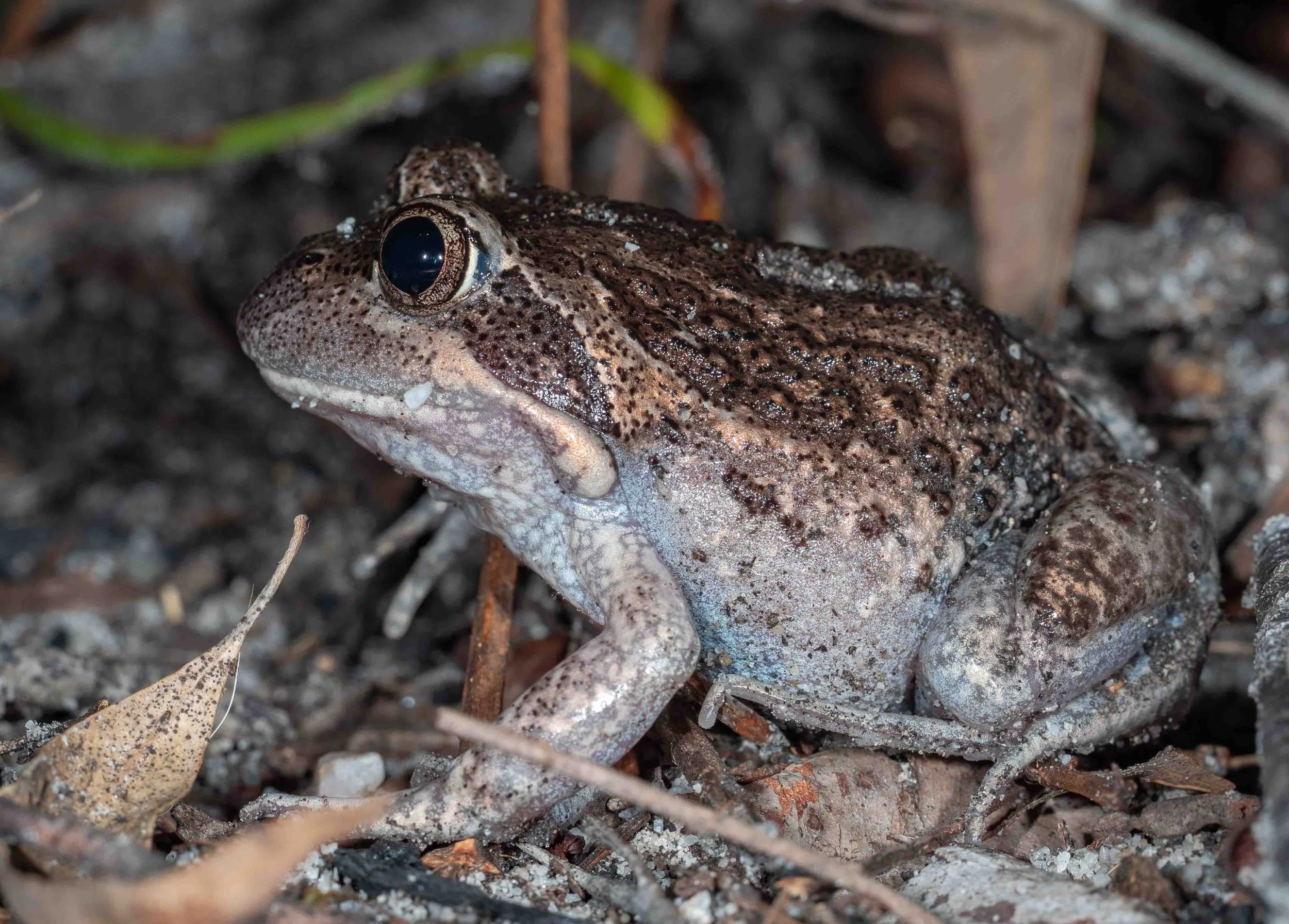
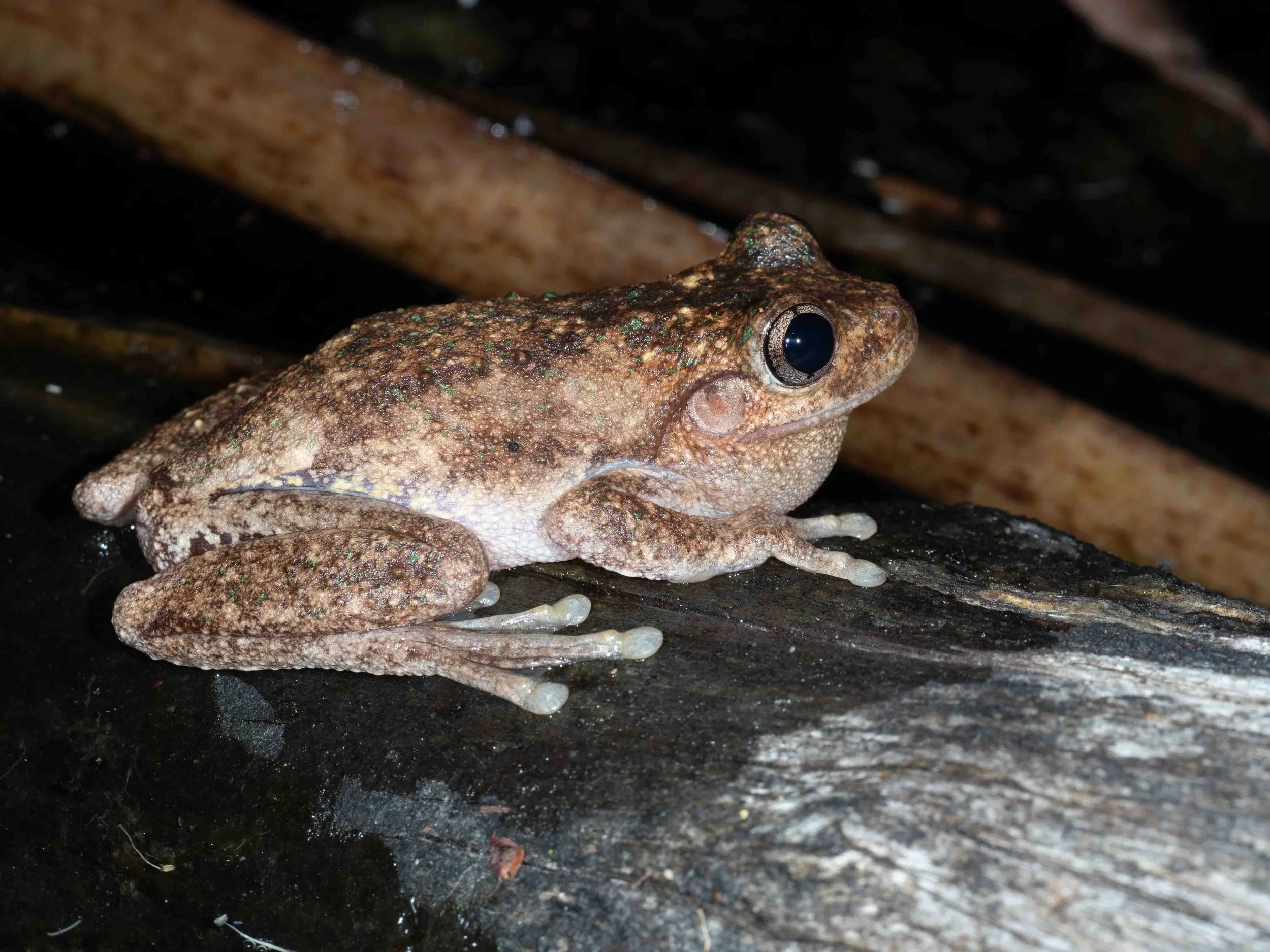
A species we hear at the pond only occasionally. They have been making their presence known since the heavy rain last week. This one was deep in forest, far removed from any standing water. And very obliging for the camera!
Limnodynastes dumerilii (Eastern Banjo Frog; Pobblebonk)
Common and widespread in forests and woodlands.
Johnrehnia (forest cockroach)
10:15pm
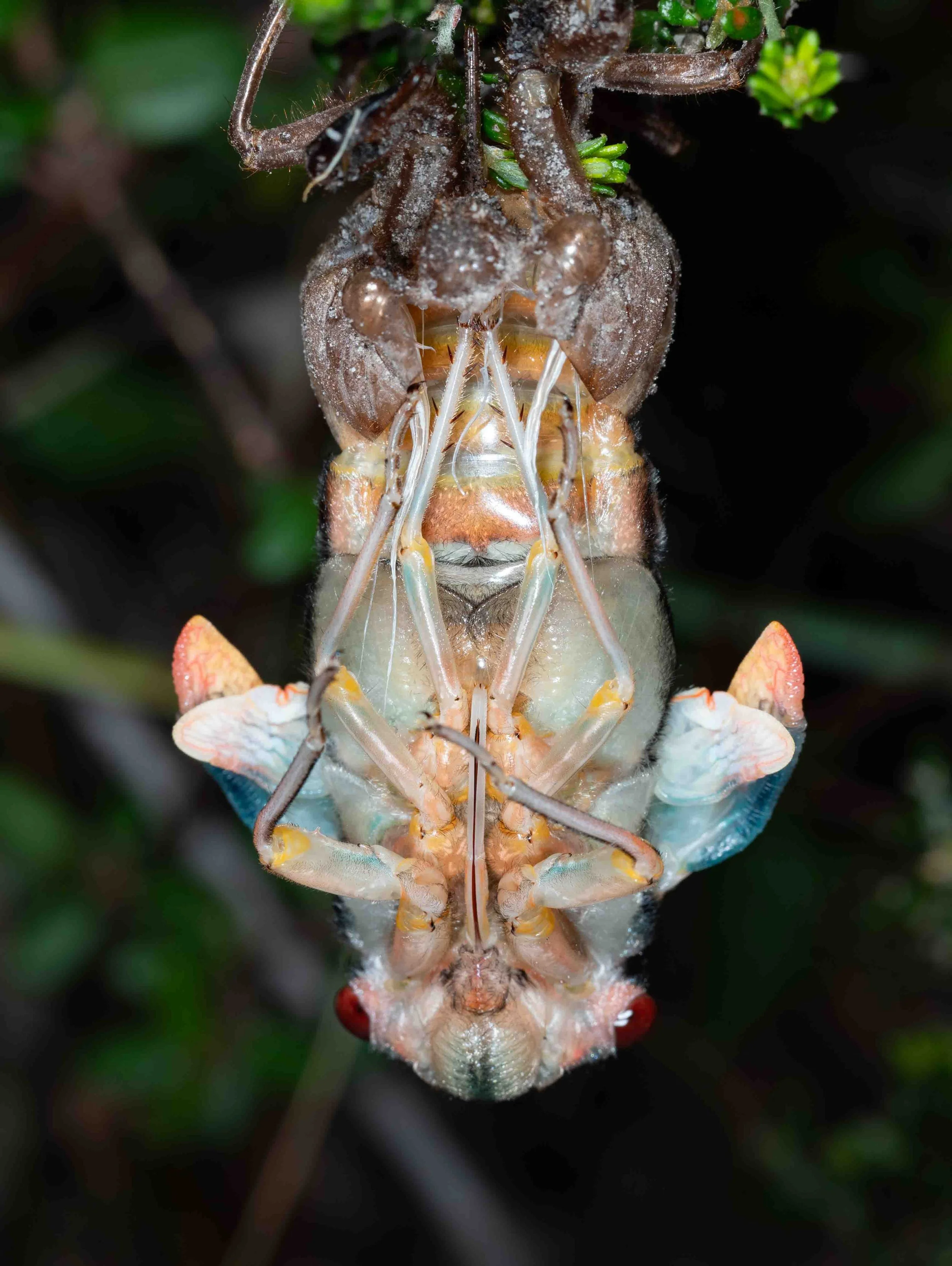
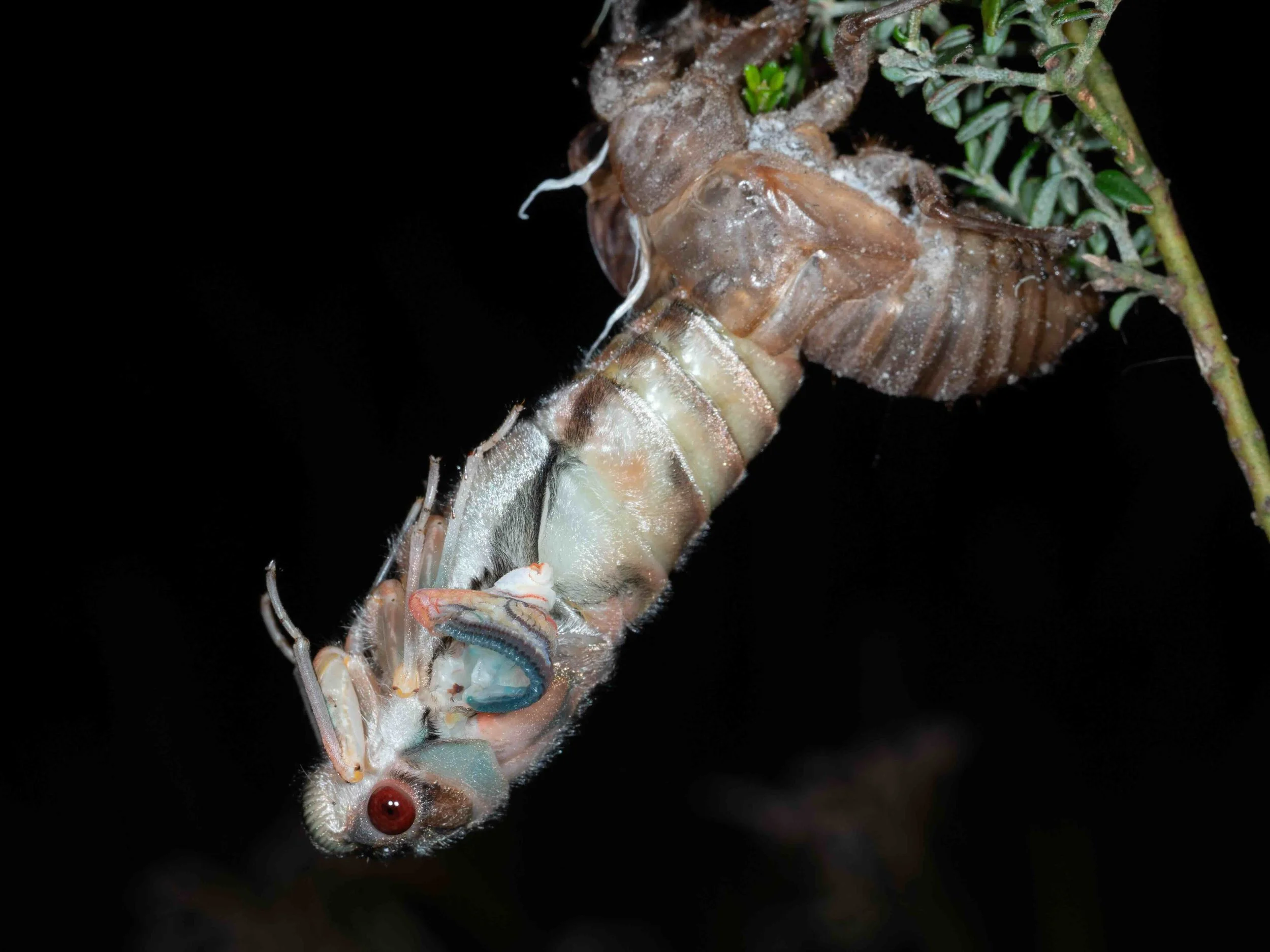
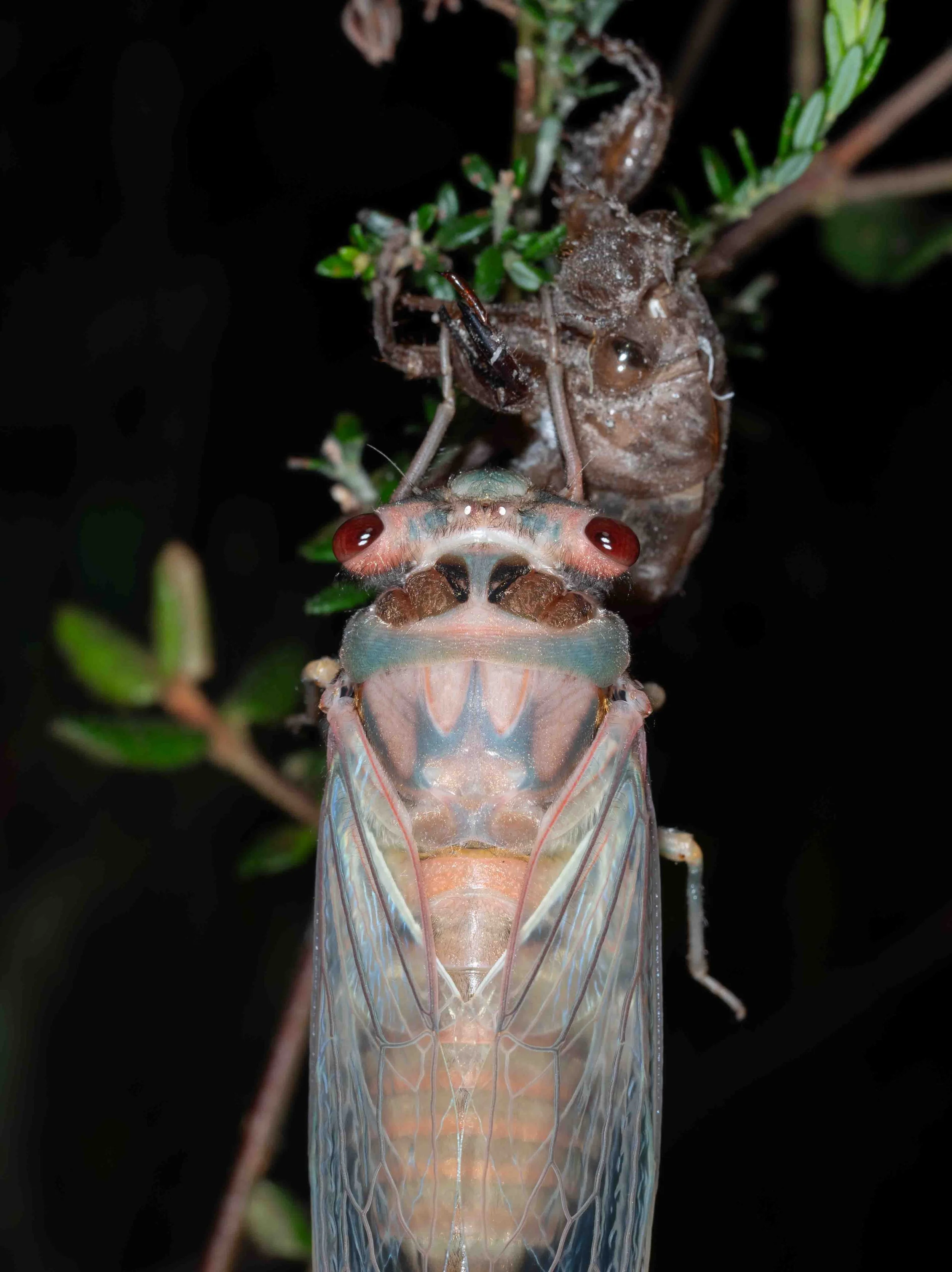
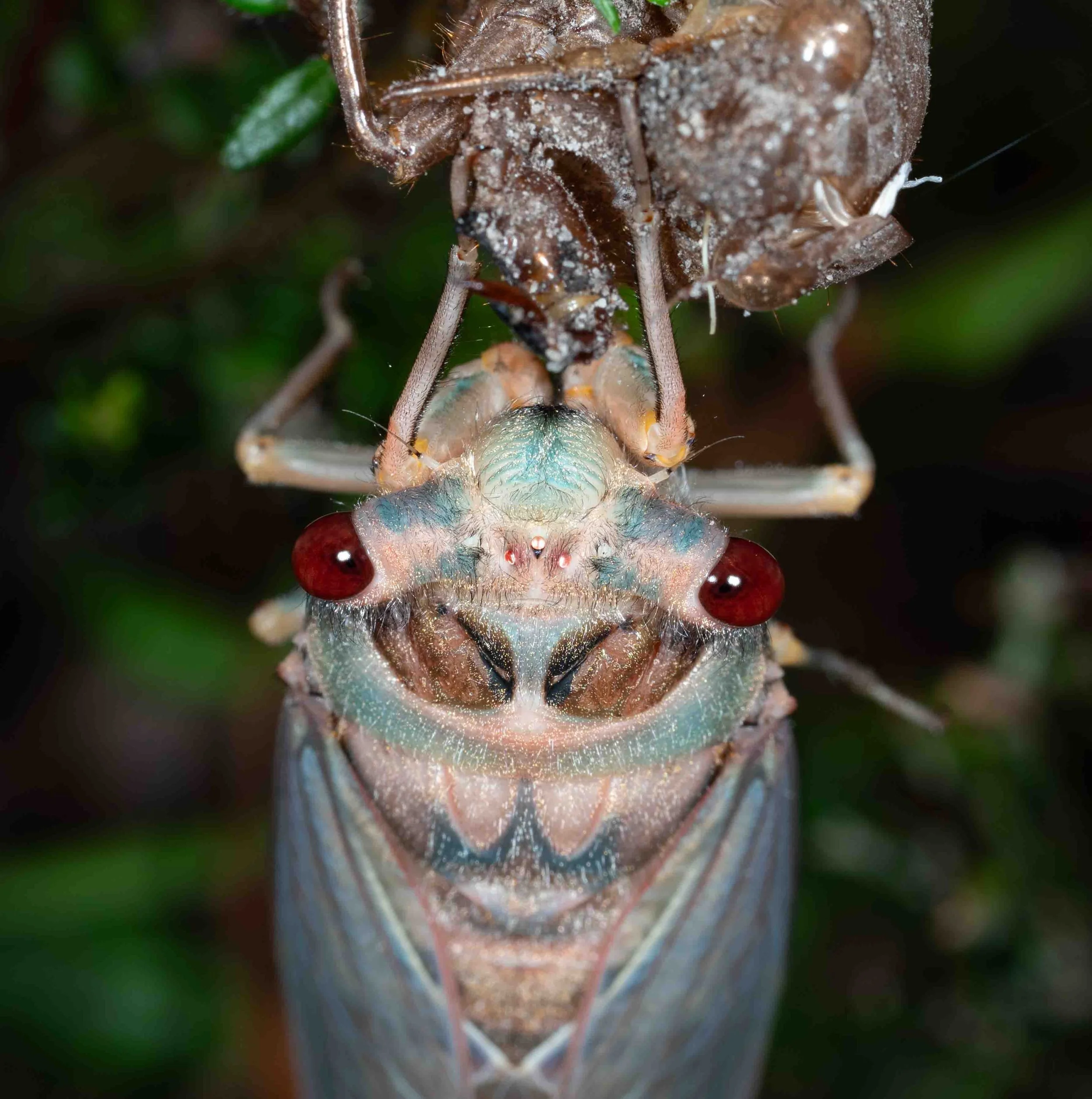
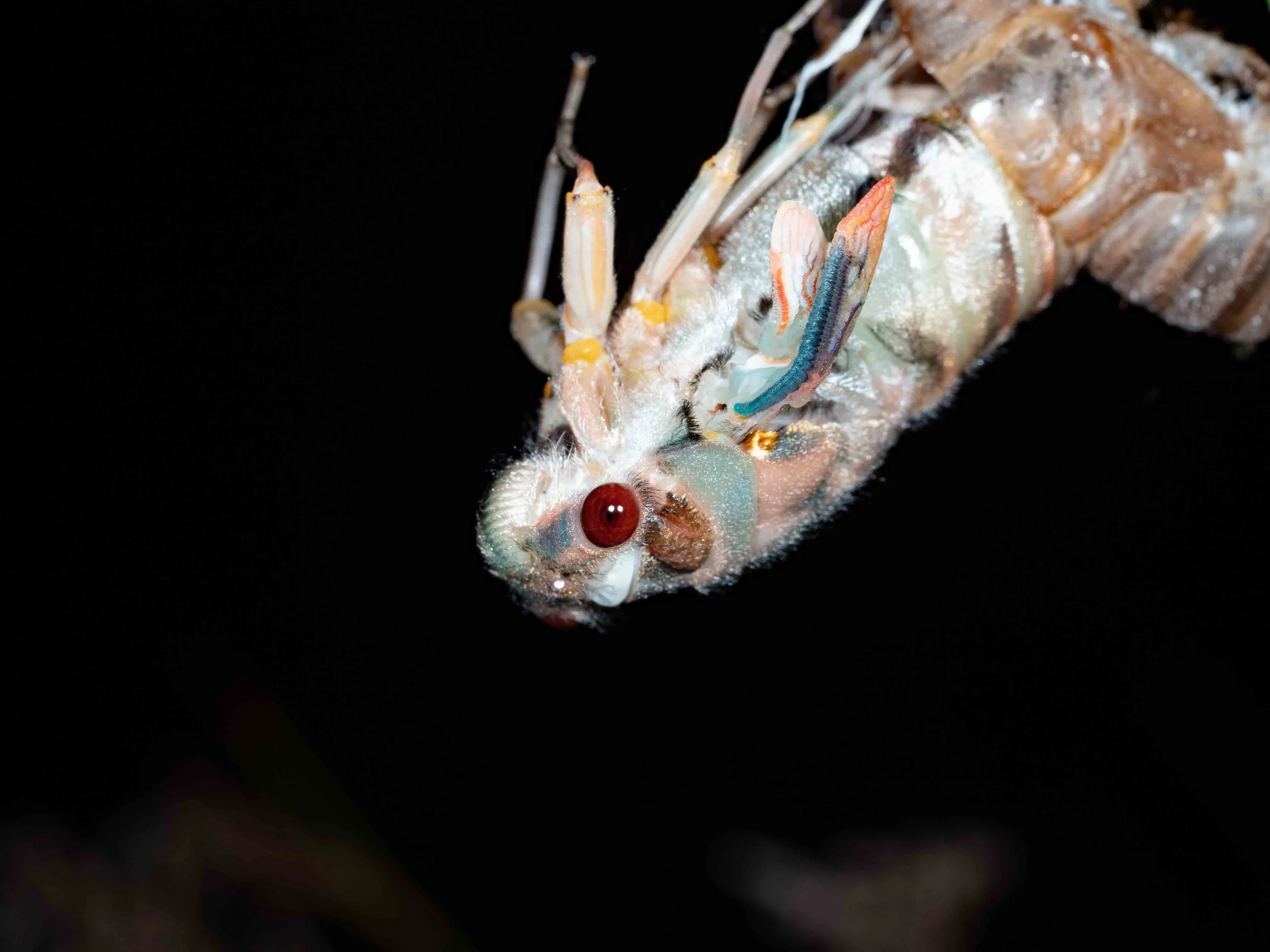
Recent warm days have brought the summer cicada chorus to life. By day most are out of sight, high in forest canopy. So it was a special treat to find this one just emerging after many months (or perhaps years) spent underground.
Psaltoda moerens (Redeye Cicada)
1:00am
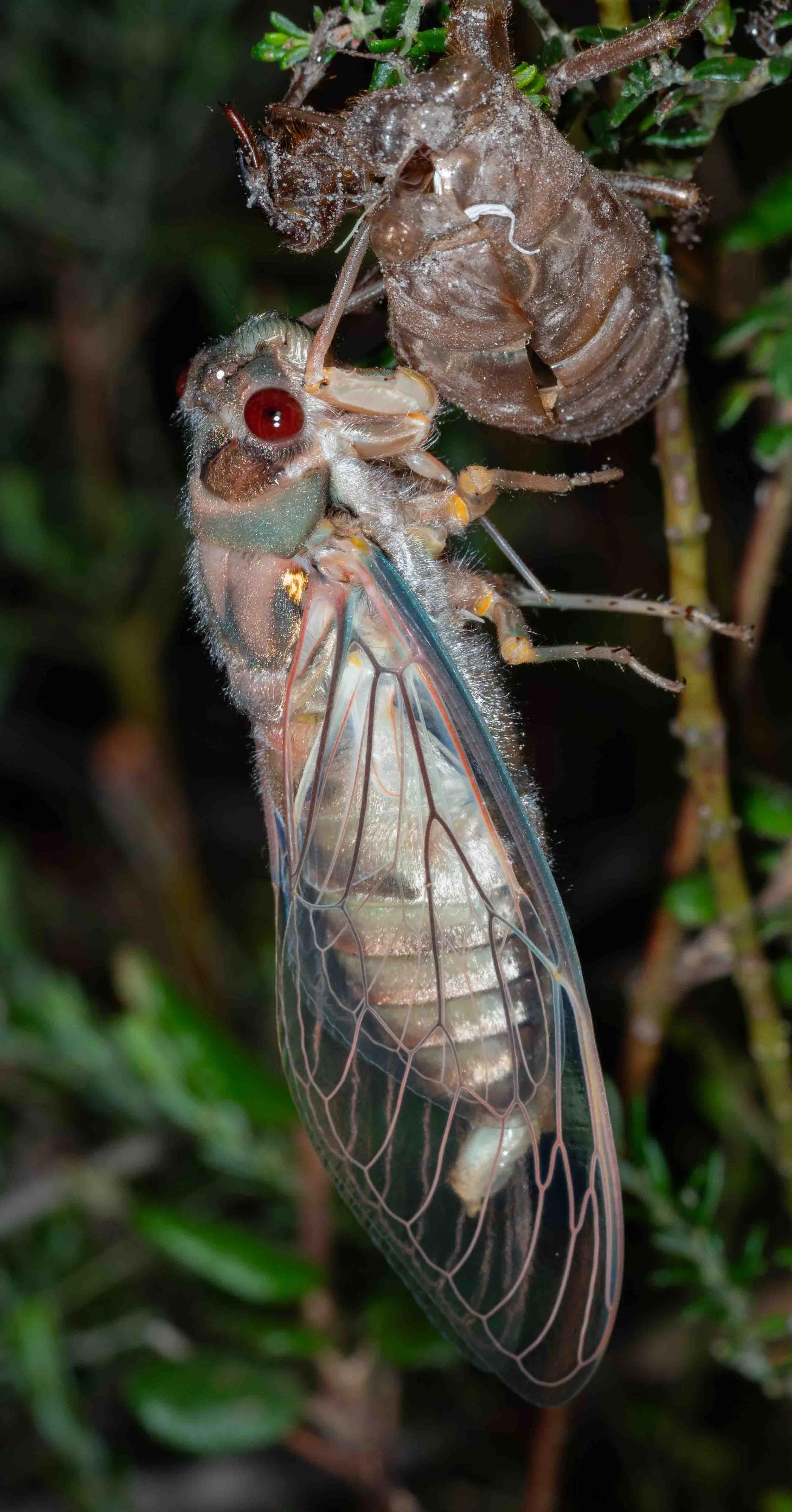
By morning, the entire body will be jet black. Indeed, it took me a while to recognise the species. Even the wings will develop distinctive dark ‘infuscations’, characteristic of the species but not at all evident yet.
Psaltoda moerens (Redeye Cicada)
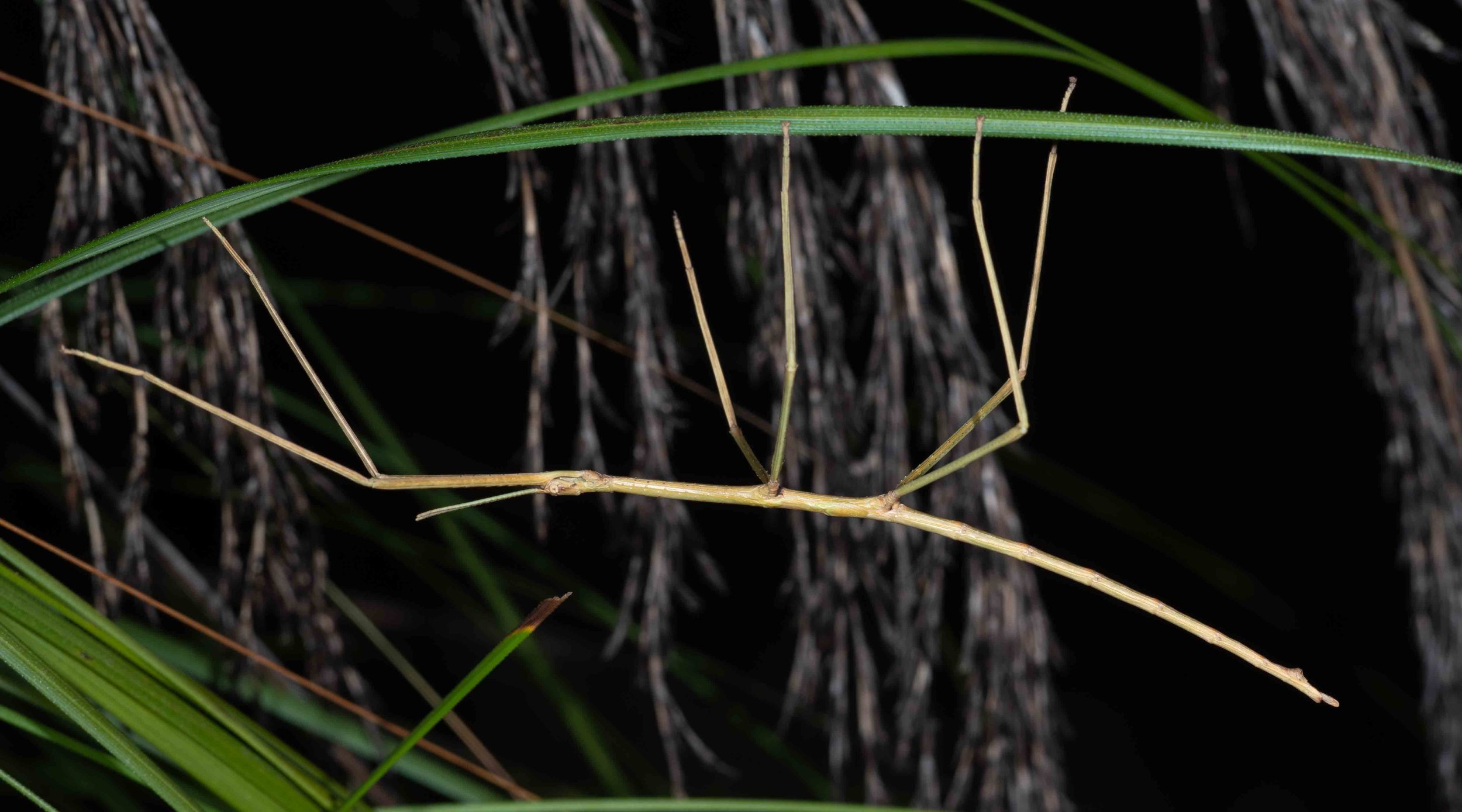
A small, delicate nymph – and a species we see often.
Ctenomorpha marginipennis (Margin-winged Stick Insect)
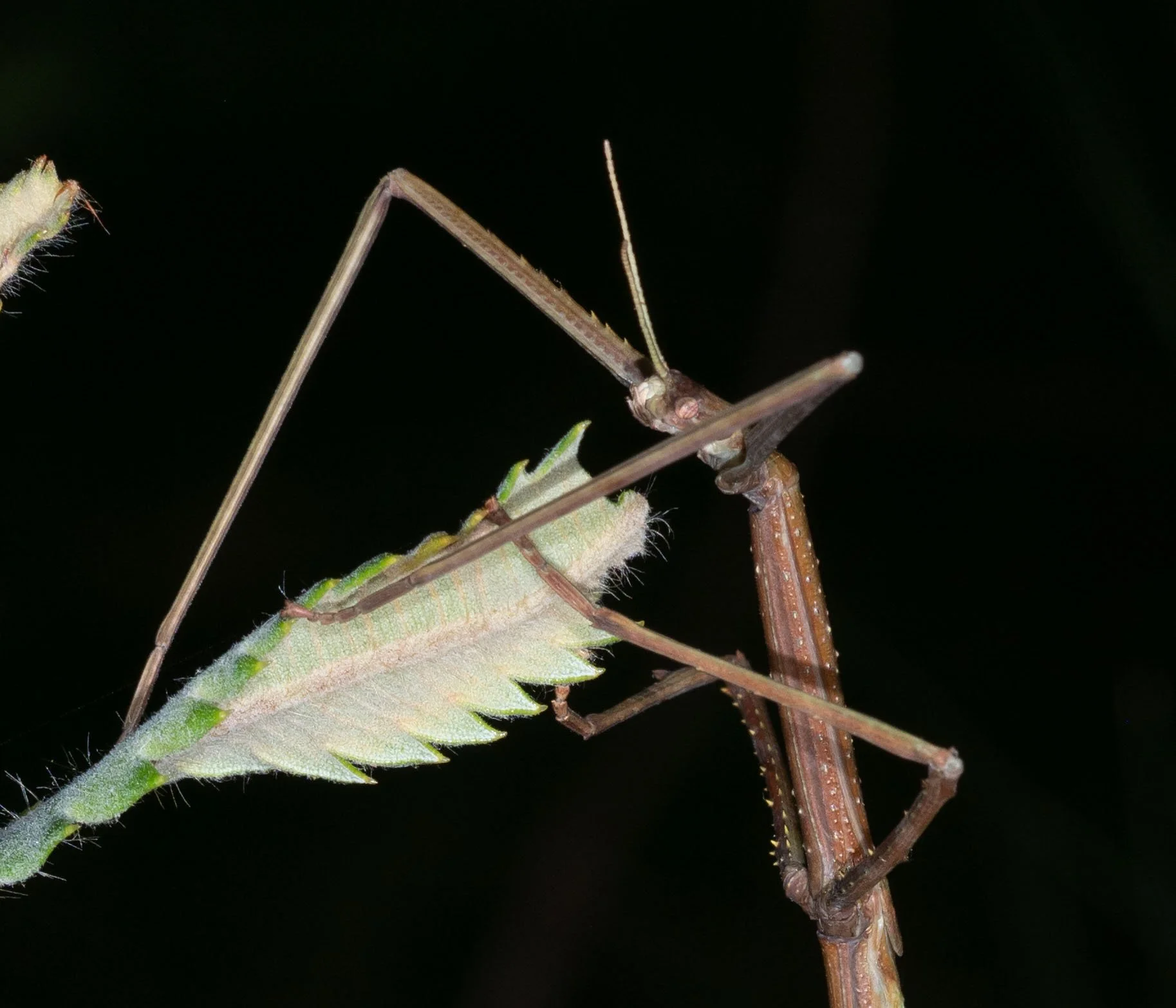
13cm in length, but apparently still a nymph (based on the short wings). Phasmids are vegetarians, this one munching away on the tough leaves of a young Banksia.
Ctenomorpha marginipennis (Margin-winged Stick Insect)
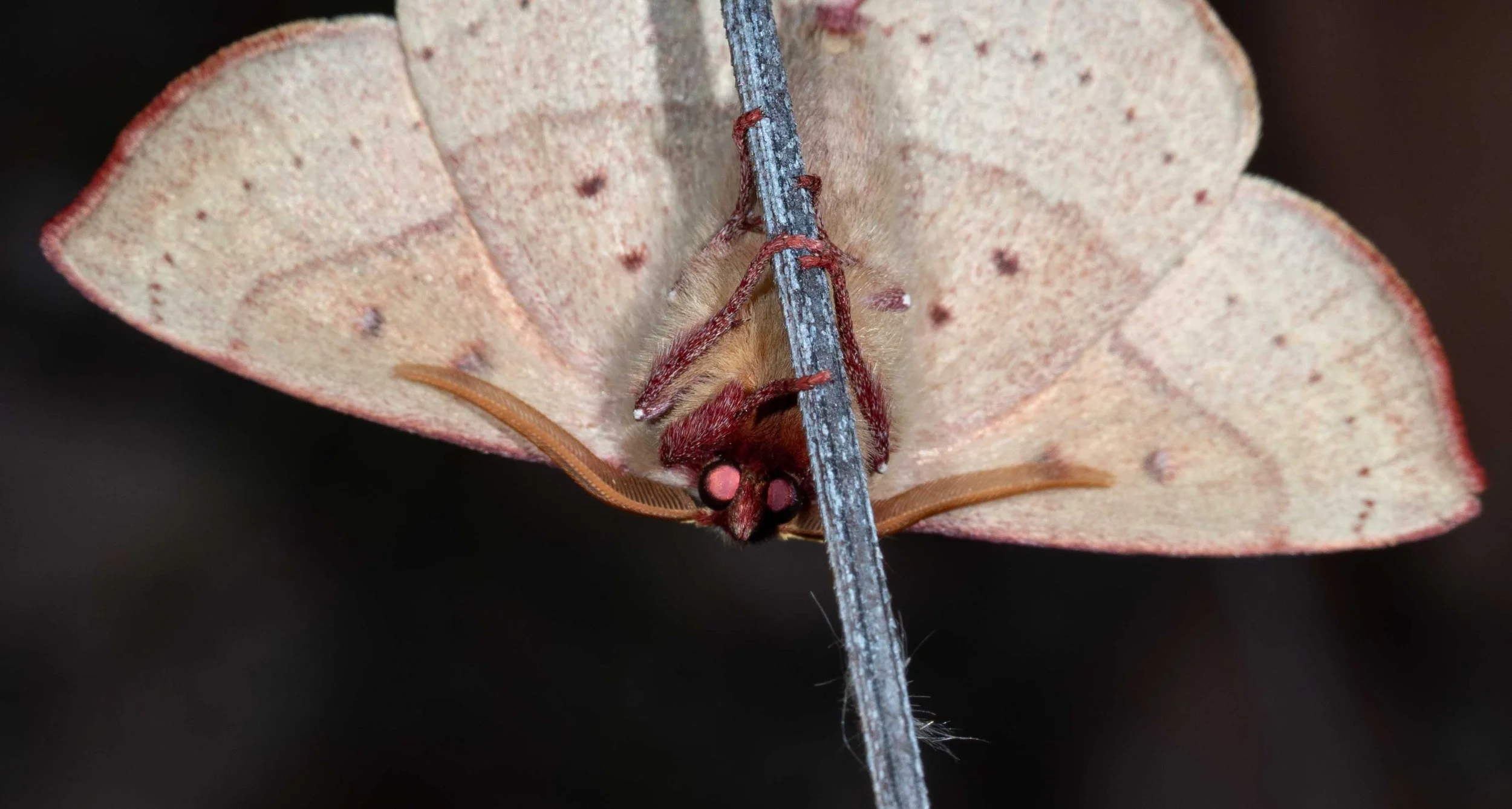
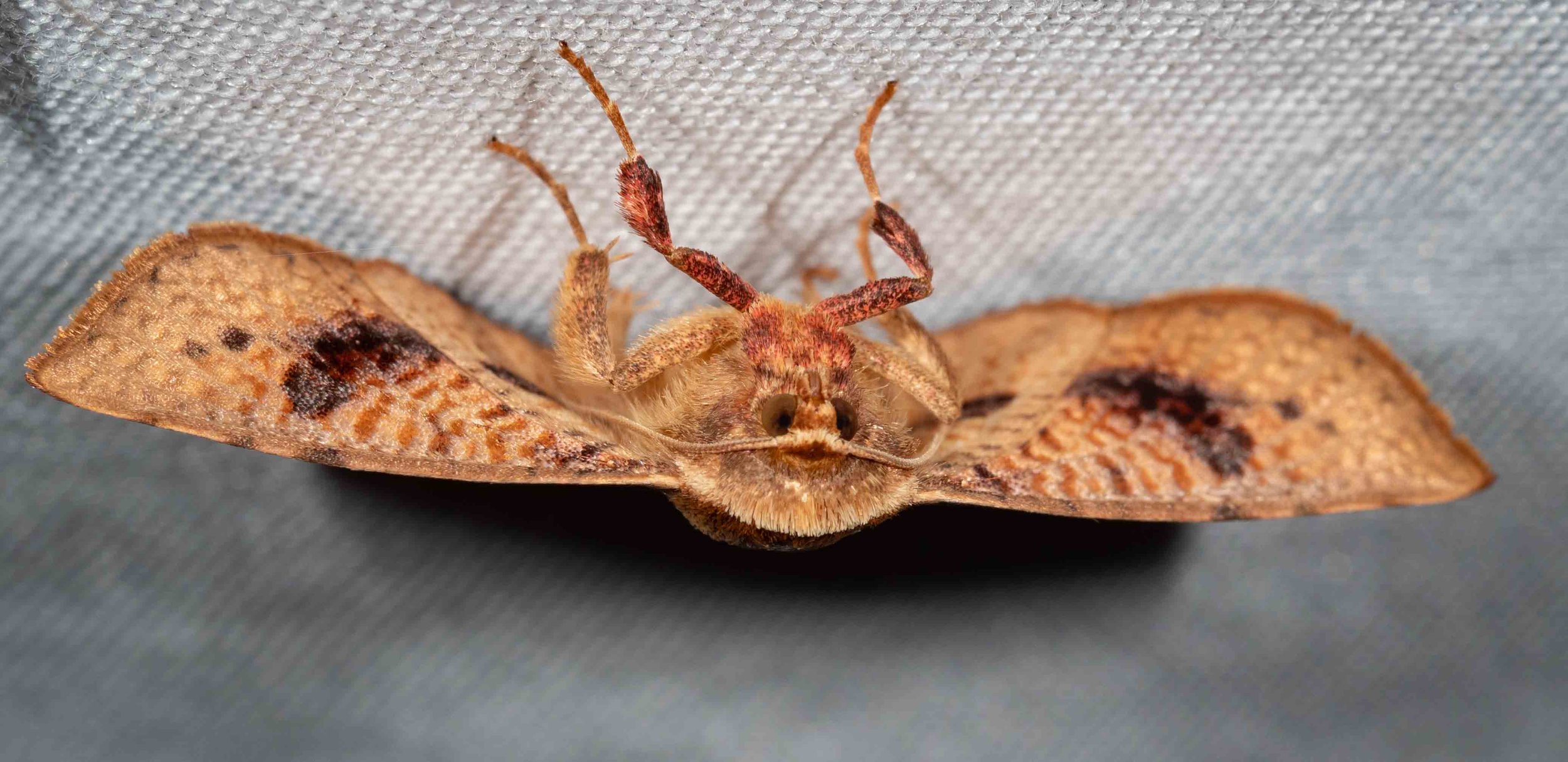
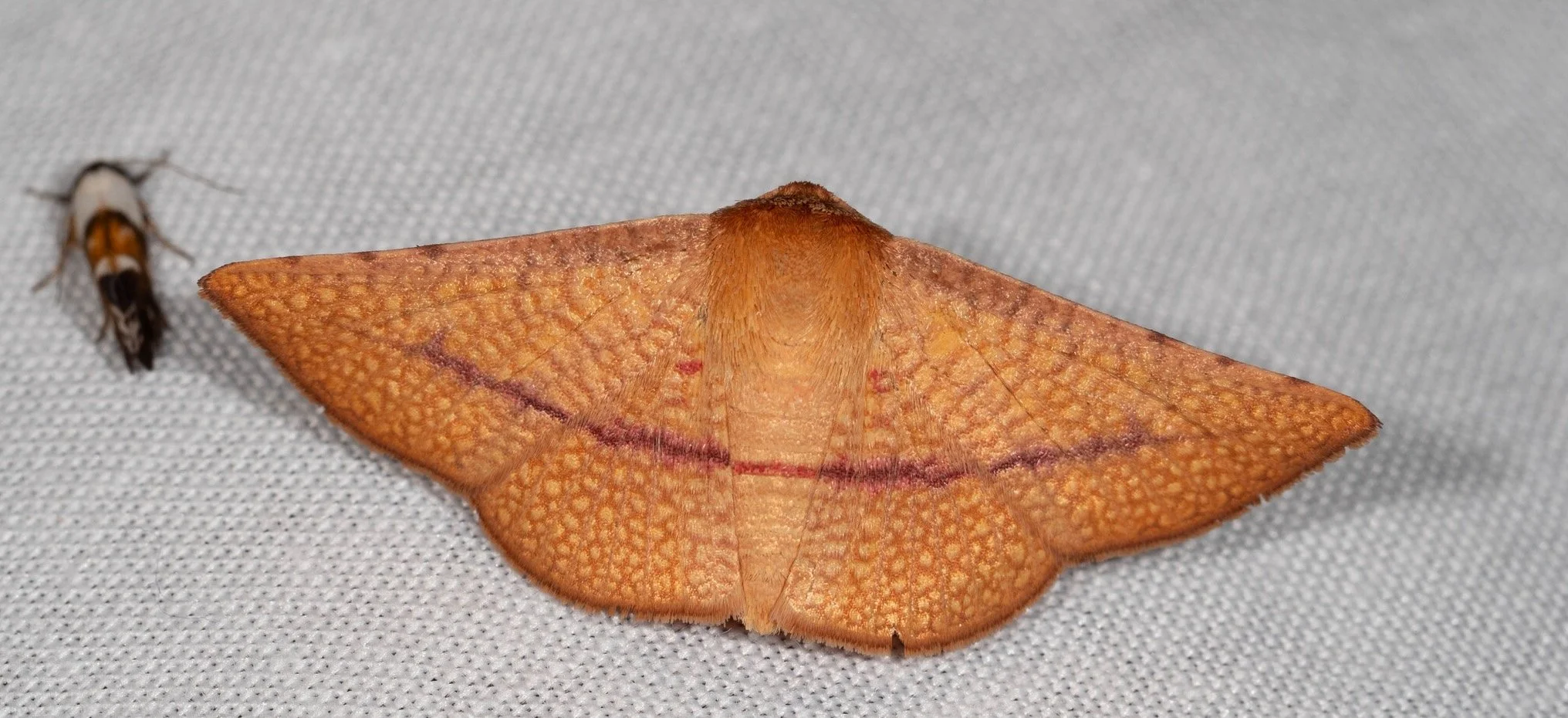
One of our more common, medium-sized moths. The impressive antennae mark this one a male
Anthela acuta
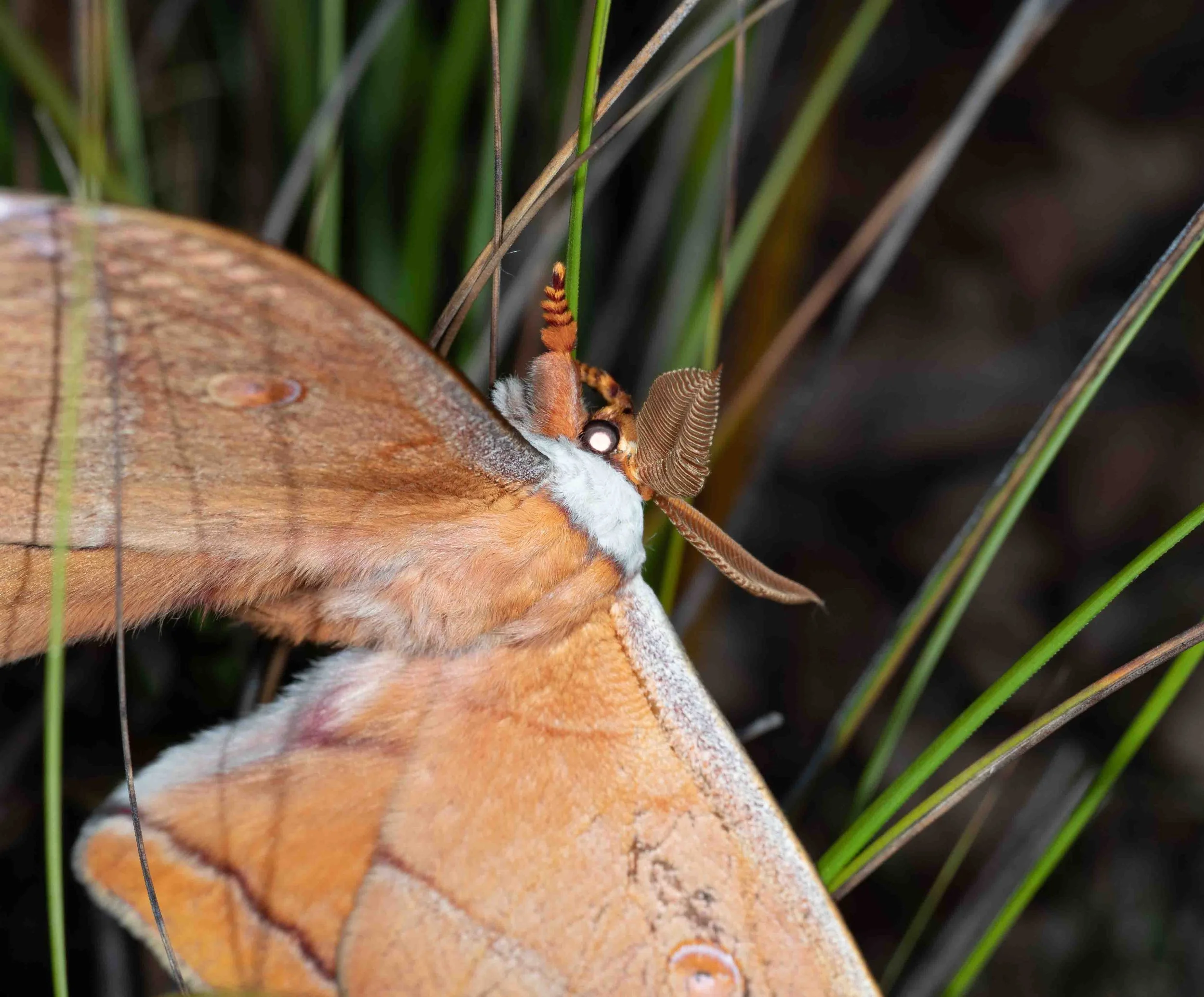
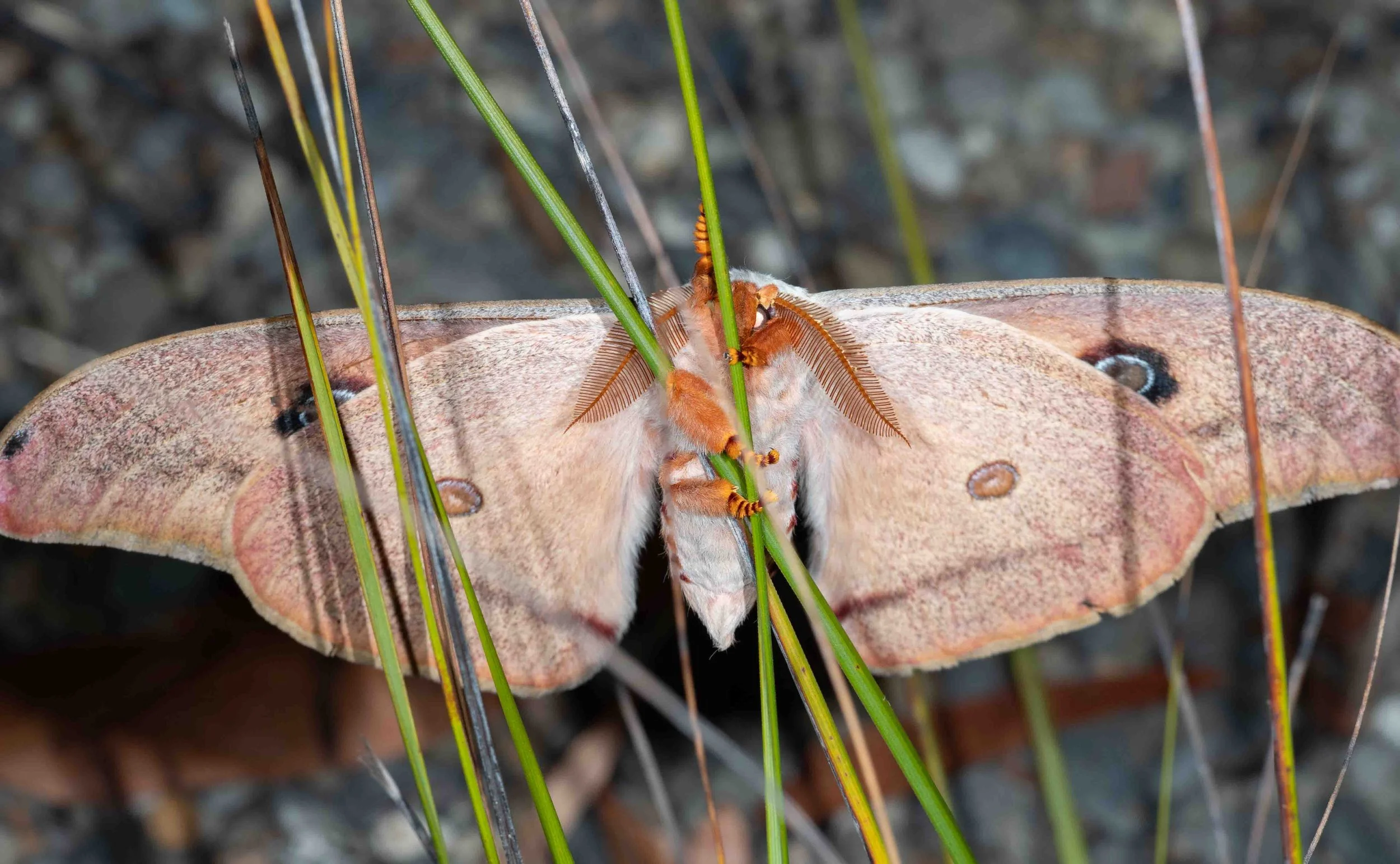
A male … the antennae are the clue.
Opodiphthera helena (gum moth)
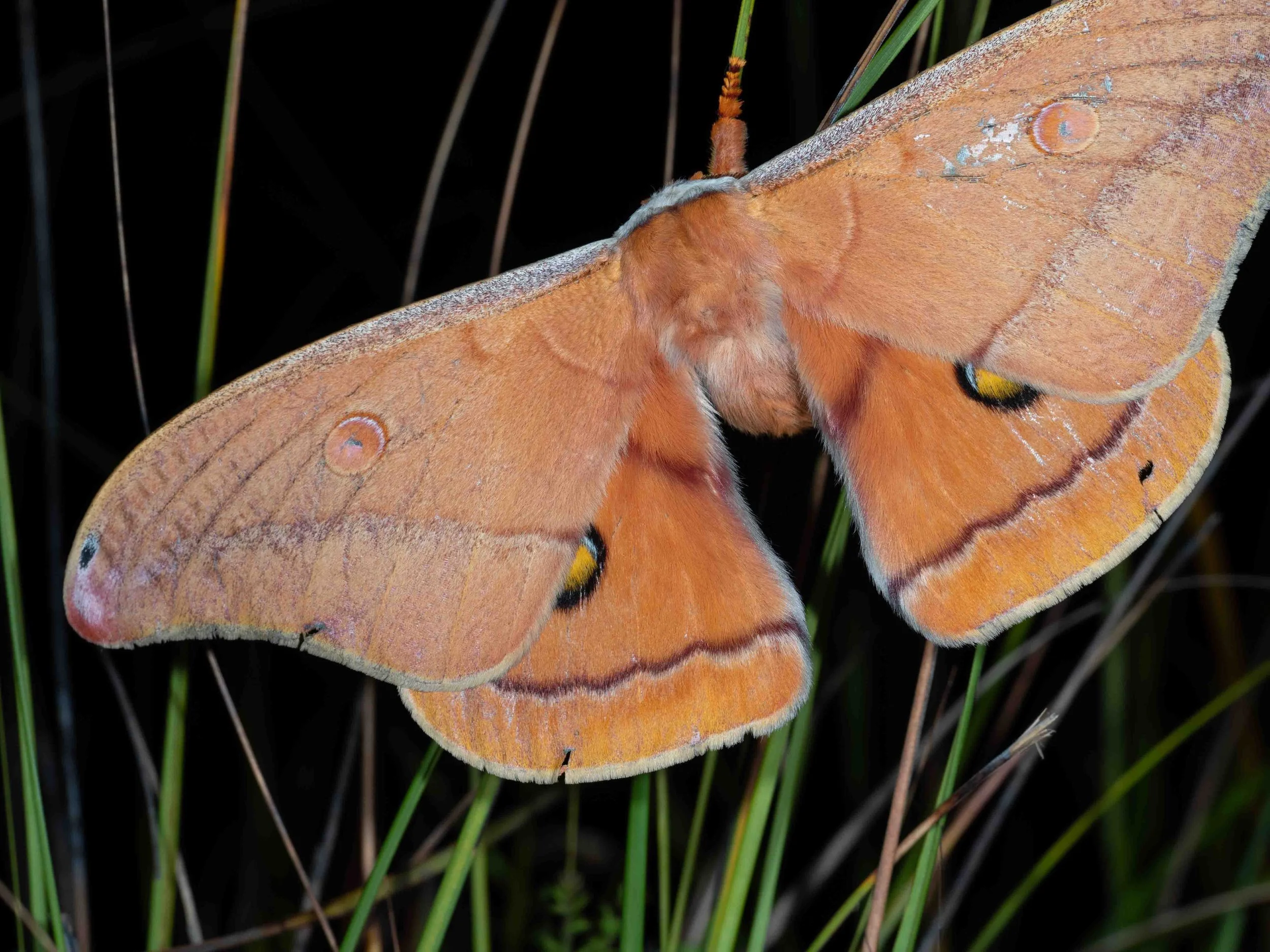
With a wing span of 13cm, sightings of these gentle giants are always a treat.
Opodiphthera helena (gum moth)
Like the adults, the caterpillars are sensational – large and colourful, feeding in the open on eucalypt leaves. Yet we have never seen one! Perhaps they are out of our reach, high in the forest canopy.
Opodiphthera helena (gum moth)
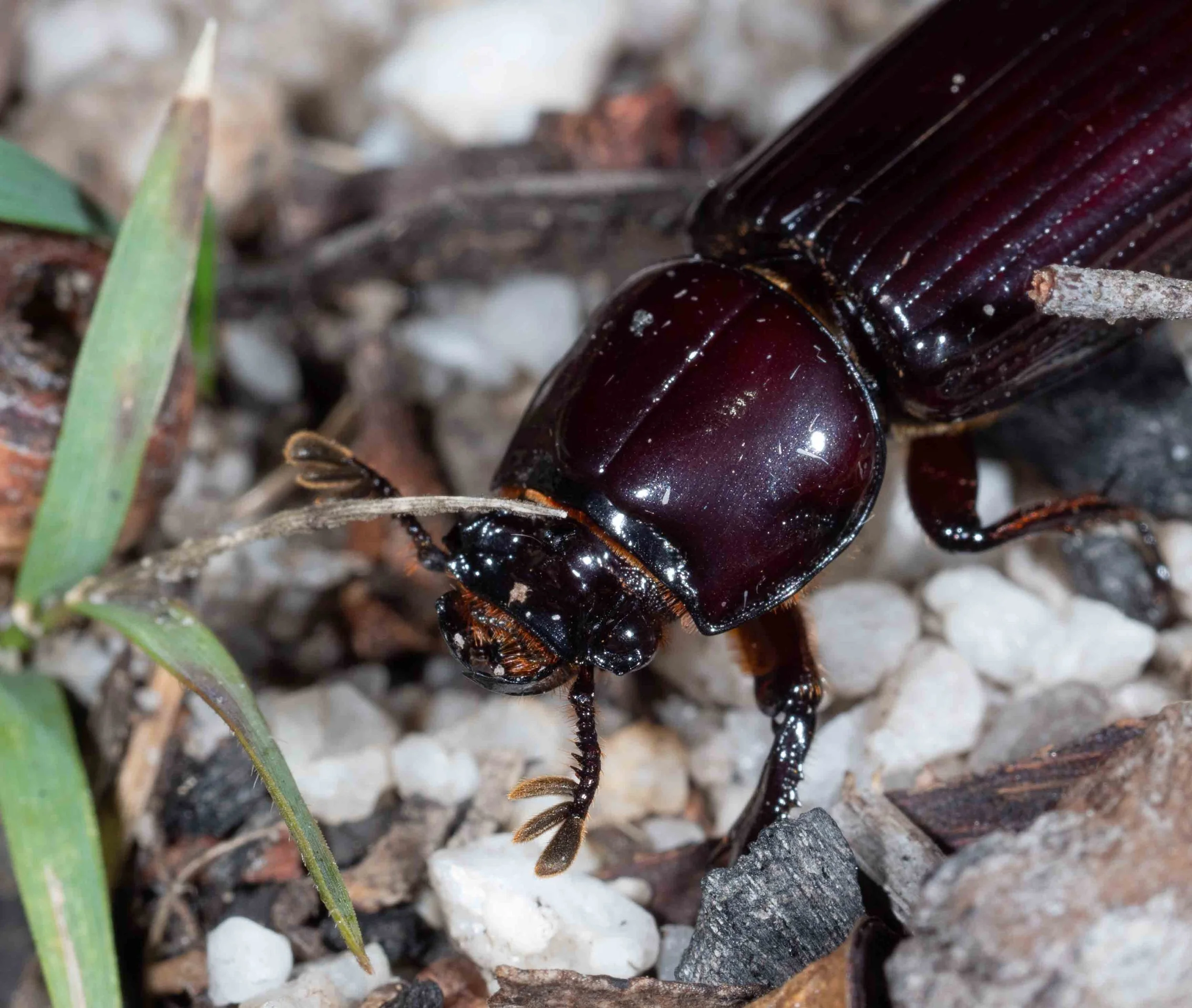
There is something particularly endearing about passalid beetles. They live in family groups, the adults caring for their growing larvae under rotting logs. And they’re vocal! When disturbed, they buzz in a way that is clearly audible to humans.
Aulacocyclus edentulus (Bess beetle)
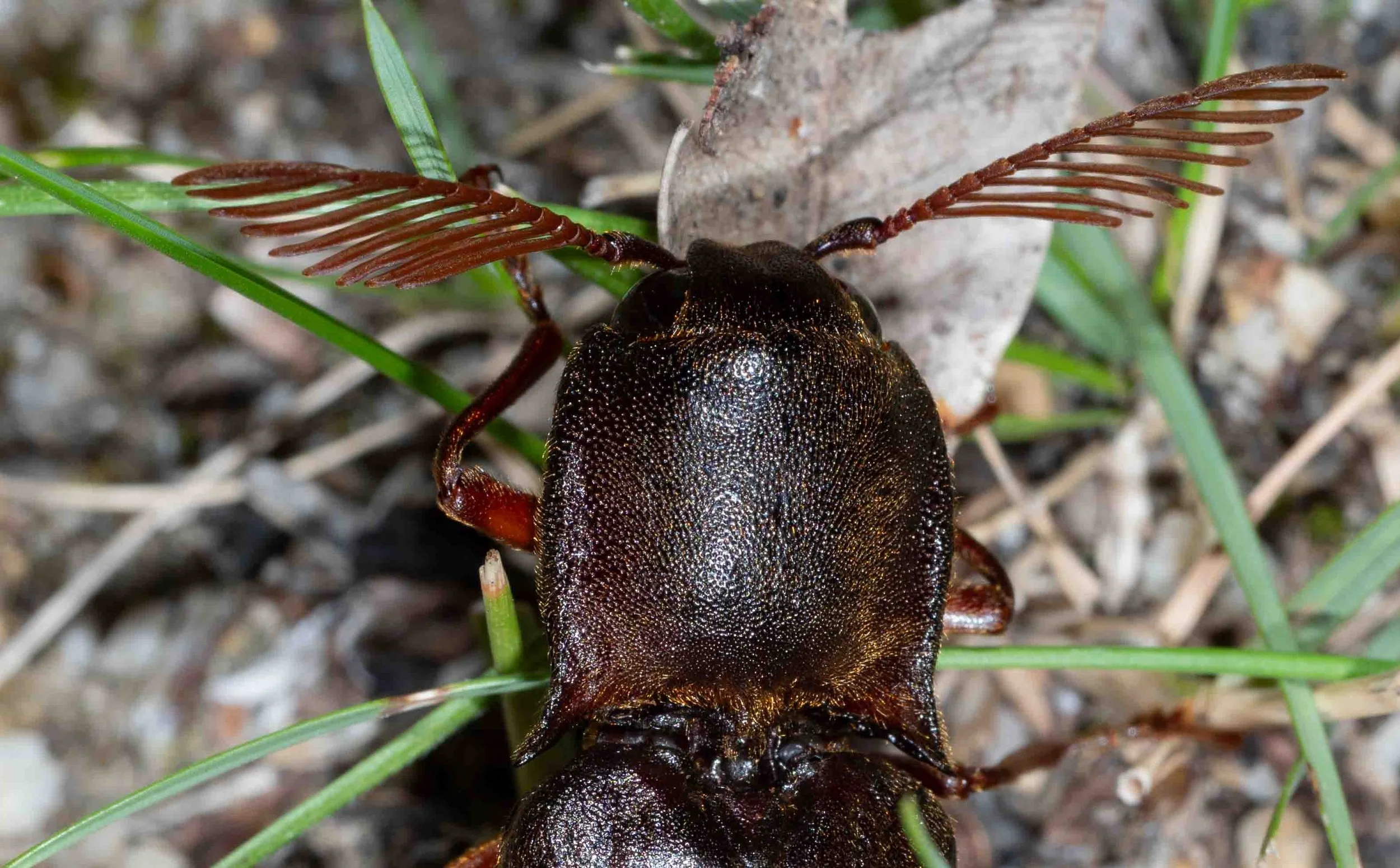
Click beetles can be devilishly difficult to identify, but this one is distinguished by its large size (36mm long) … and those extraordinary antennae!
Pseudotetralobus (click beetle)
Nearly 8cm long, but a caterpillar we’ve never seen before. The adults are familiar – although we saw none this night. Unsurprising, as they tend to fly in April-May. So I’m guessing this huge caterpillar will soon pupate.
Chelepteryx chalepteryx (White-stemmed Acacia Moth)
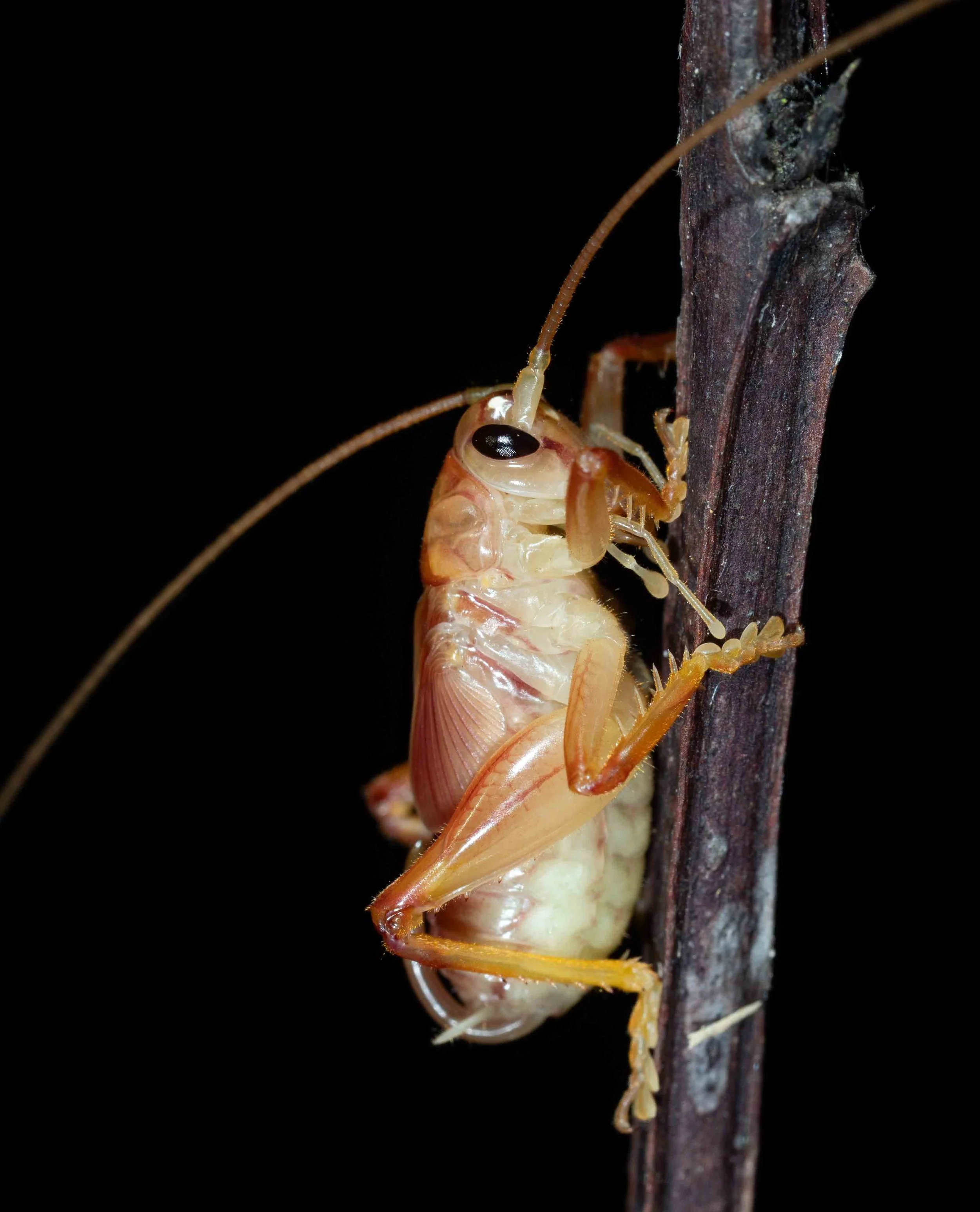
The soft body of this cricket must make it particularly vulnerable to predators and desiccation. A nocturnal lifestyle makes sense. This is a nymph.
genus uncertain (raspy cricket)
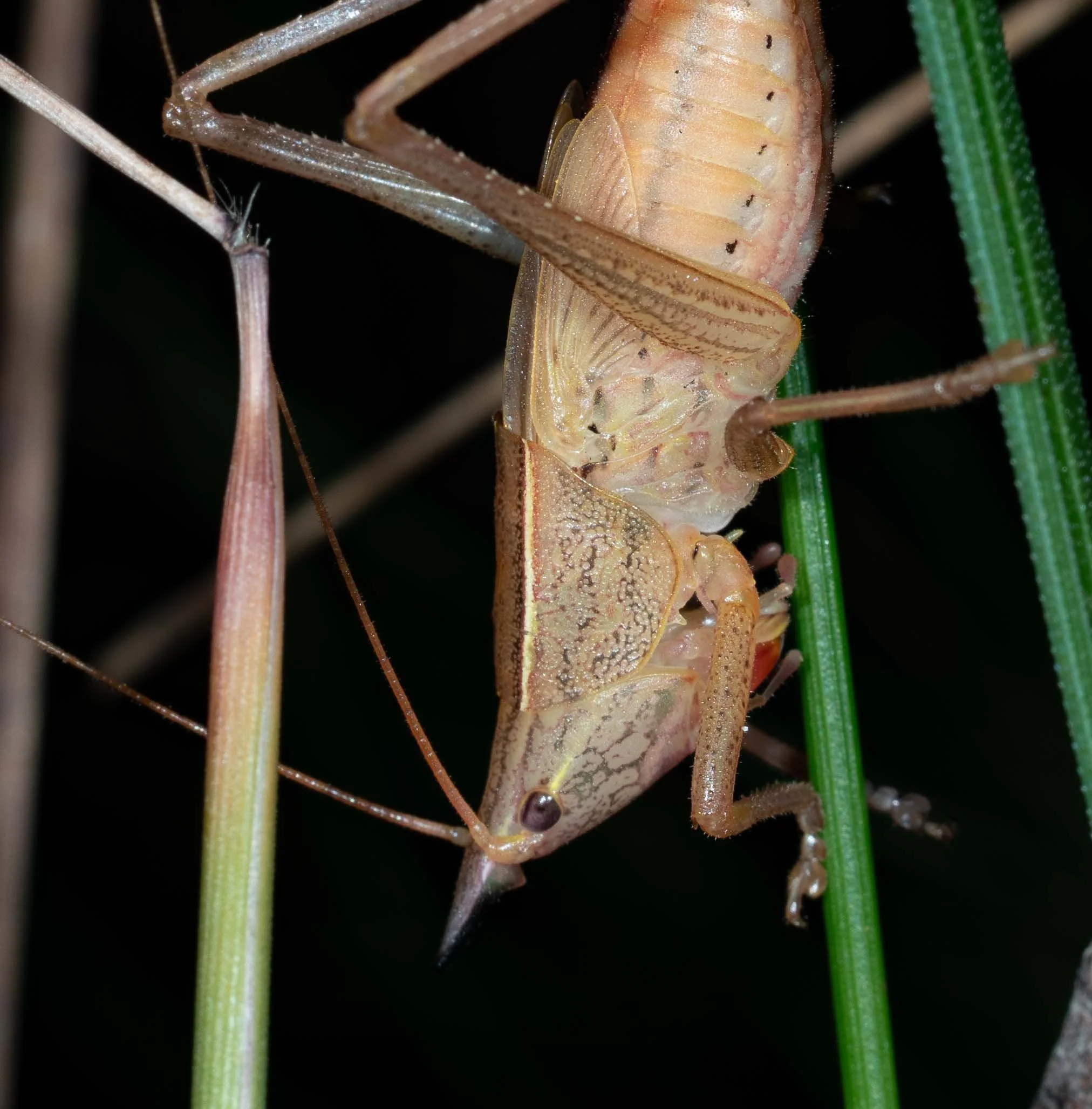
Another nymphal orthopteran.
Pseudorhynchus mimeticus (Mimicking Snout-Nose)
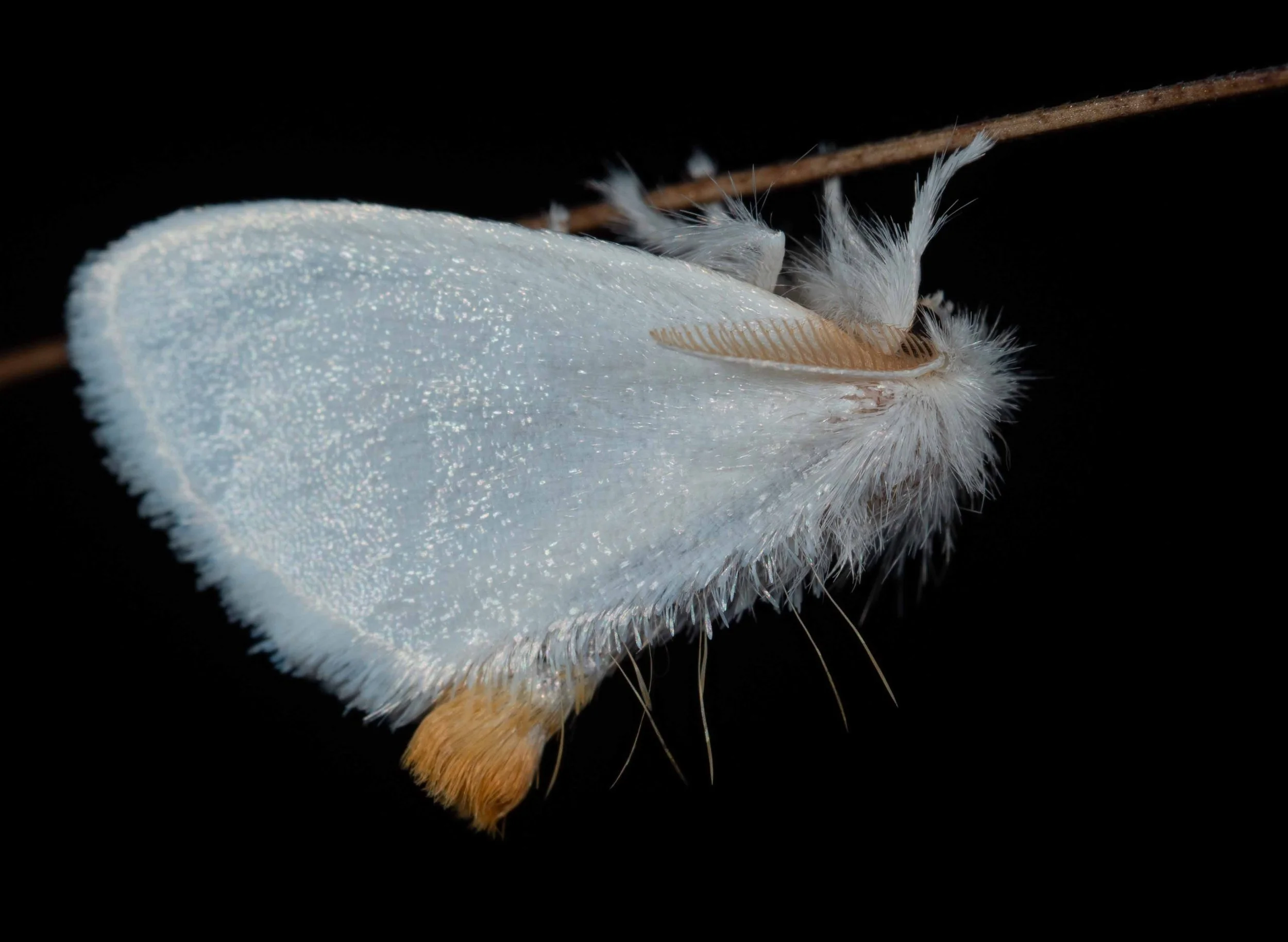
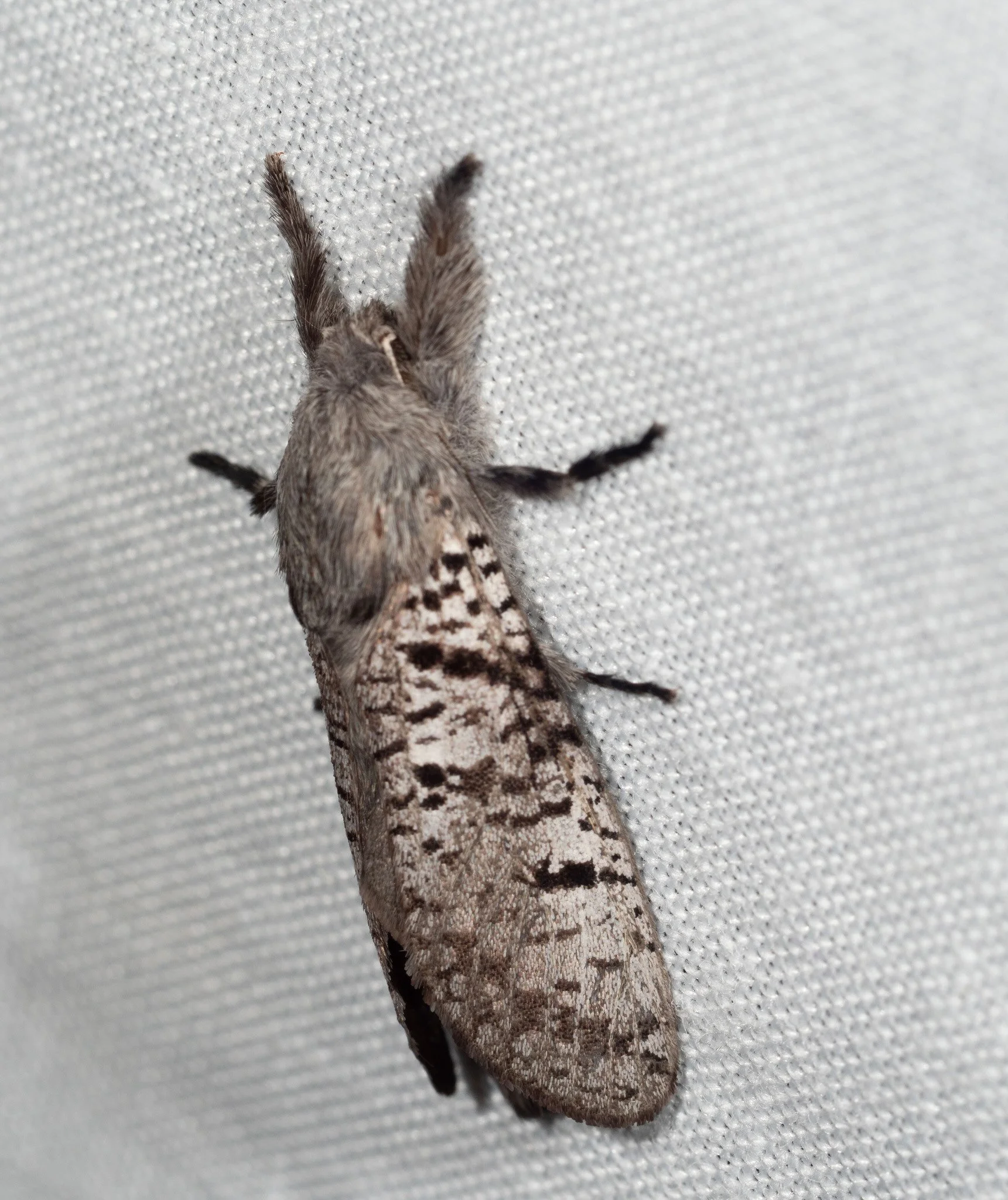
In this family, both sexes have branched antennae. The clue that this is a female is the tuft of orange scales at the tip of the abdomen. These are deposited when she lays her eggs, providing a degree of protection and support for the egg mass.
Acyphas chionitis (tussock moth)
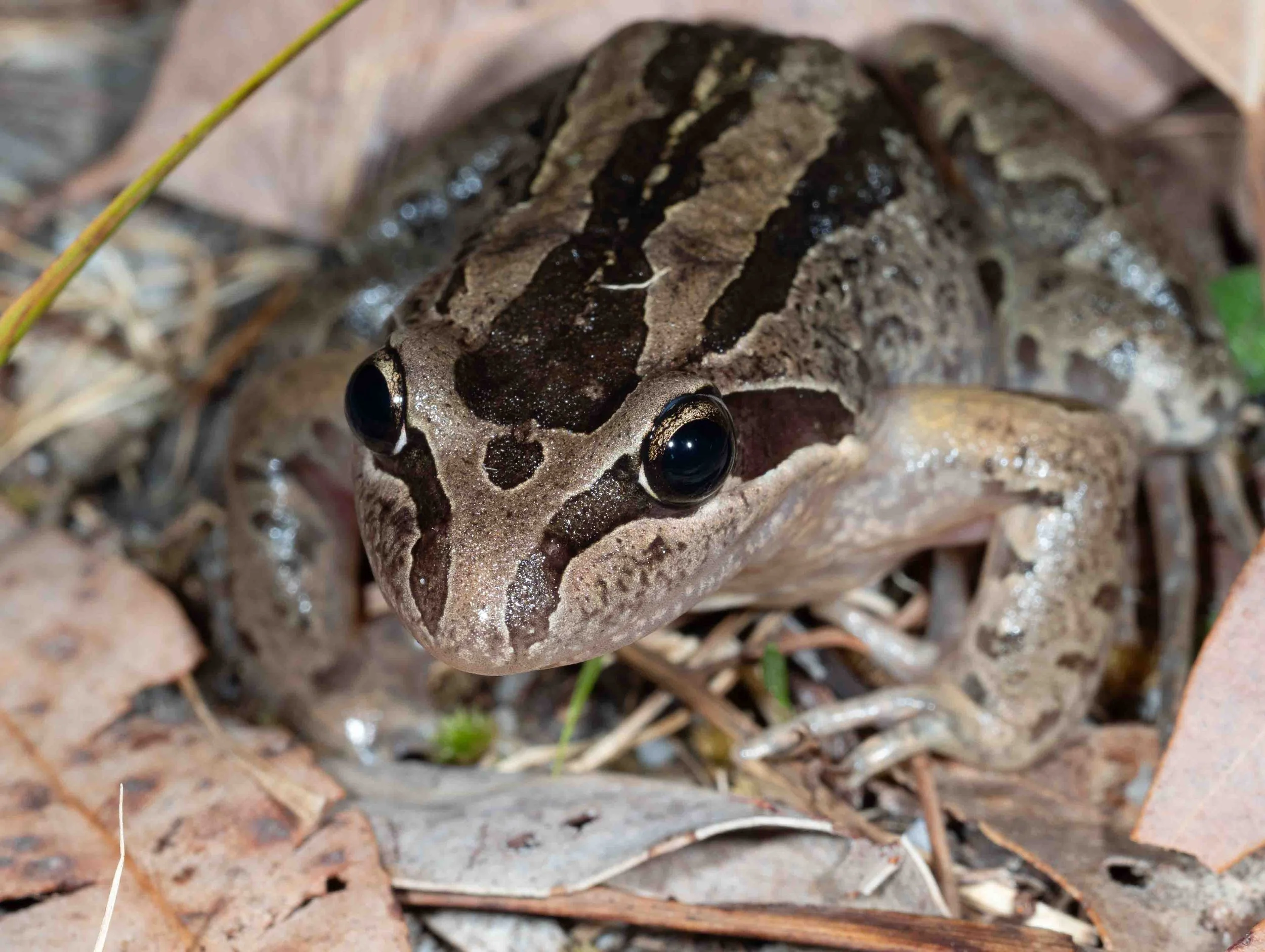
One of several large species of frogs out and about this night. This species lives under rocks or logs close to permanent water. Predictably, this one was alongside our small frog pond.
Limnodynastes peronii (Striped Marsh Frog)
In contrast to the Striped Marsh Frog, this species spends much of its adult life well away from water … including in tall trees. They come to water to breed. This male was calling loudly from a log in the frog pond.
Pengilleyia peronii (Peron’s Tree Frog)
In addition to prowling the forest tracks for half the night, we were regularly checking a light sheet. It is a standard method for moth surveying, and we periodically sample nocturnal insect activity this way. Our current home list for moths stands at 675 species – and it’s unlikely to stand for long. With each new moth sheet we typically add four or five new species! This night was no exception. We recorded at least 39 moth species, including three novel ones … and we weren’t being particularly rigorous, ignoring many of the tiny moths.
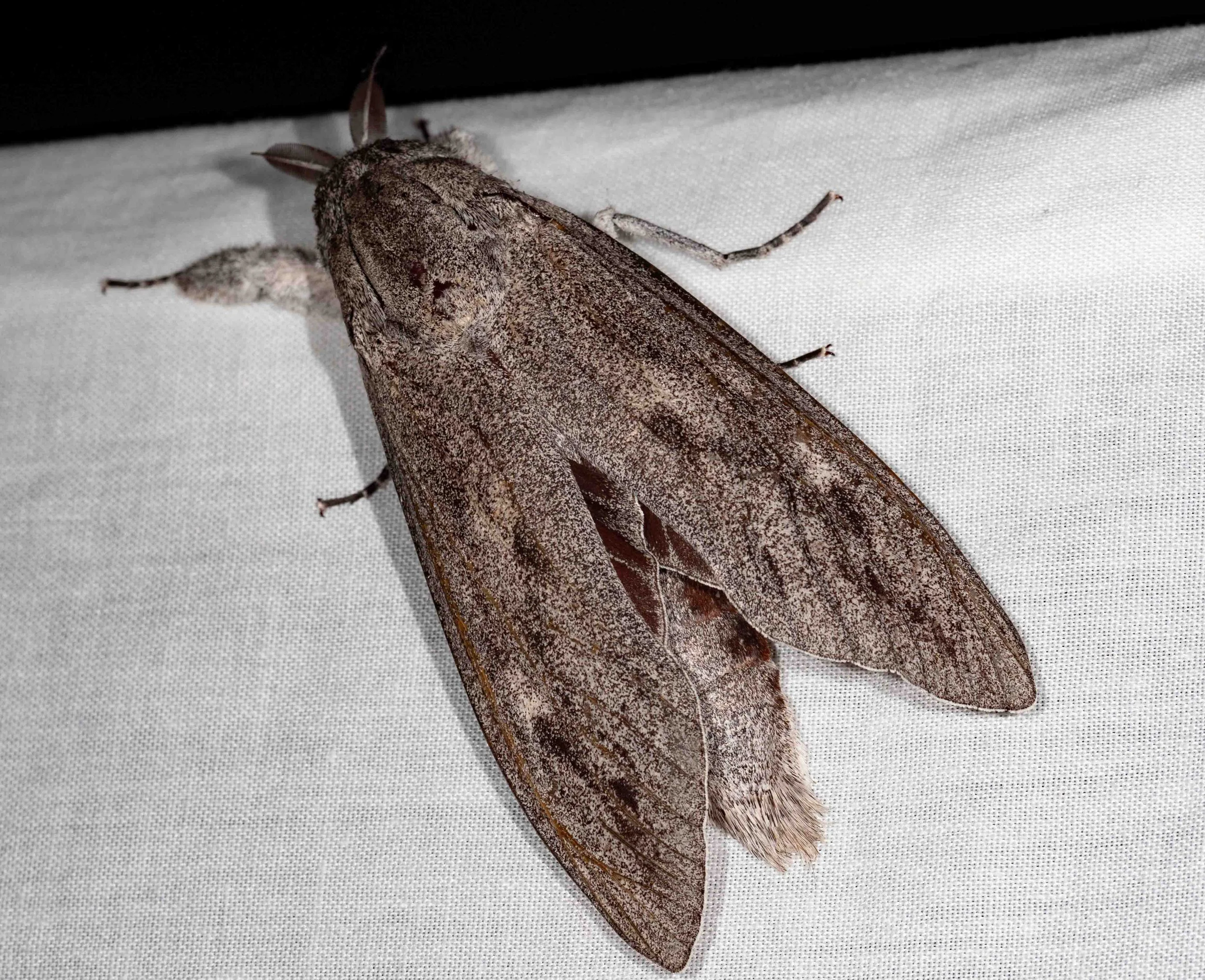
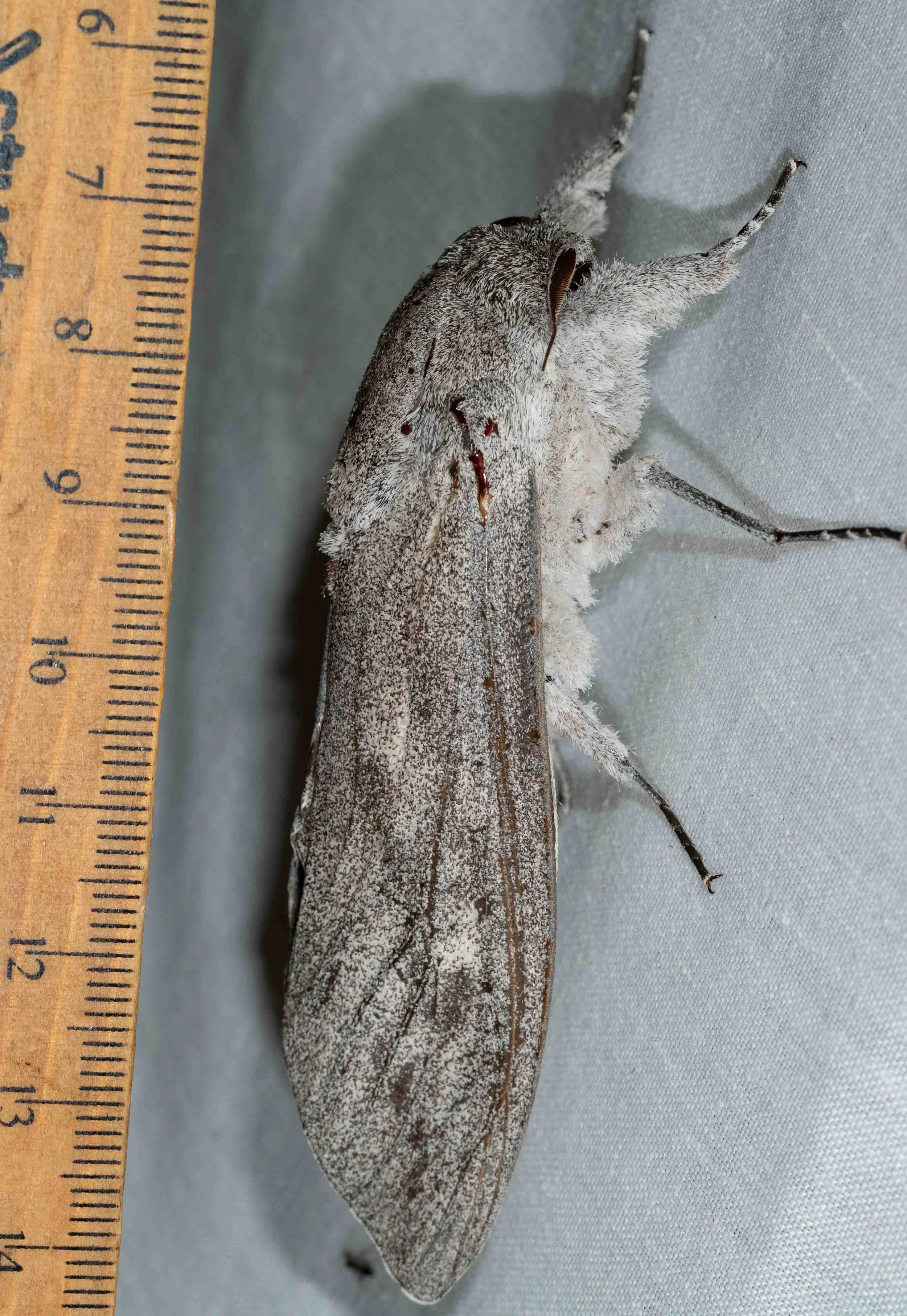
A massive moth – and a new one for our home list.
Endoxyla cinereus (Giant Wood Moth)
A giant indeed! According to the Australian Museum website, this species is the heaviest moth in the world, “with some females weighing up to 30 grams”. Record-breaker or not, this is an impressive insect.
Endoxyla cinereus (Giant Wood Moth)
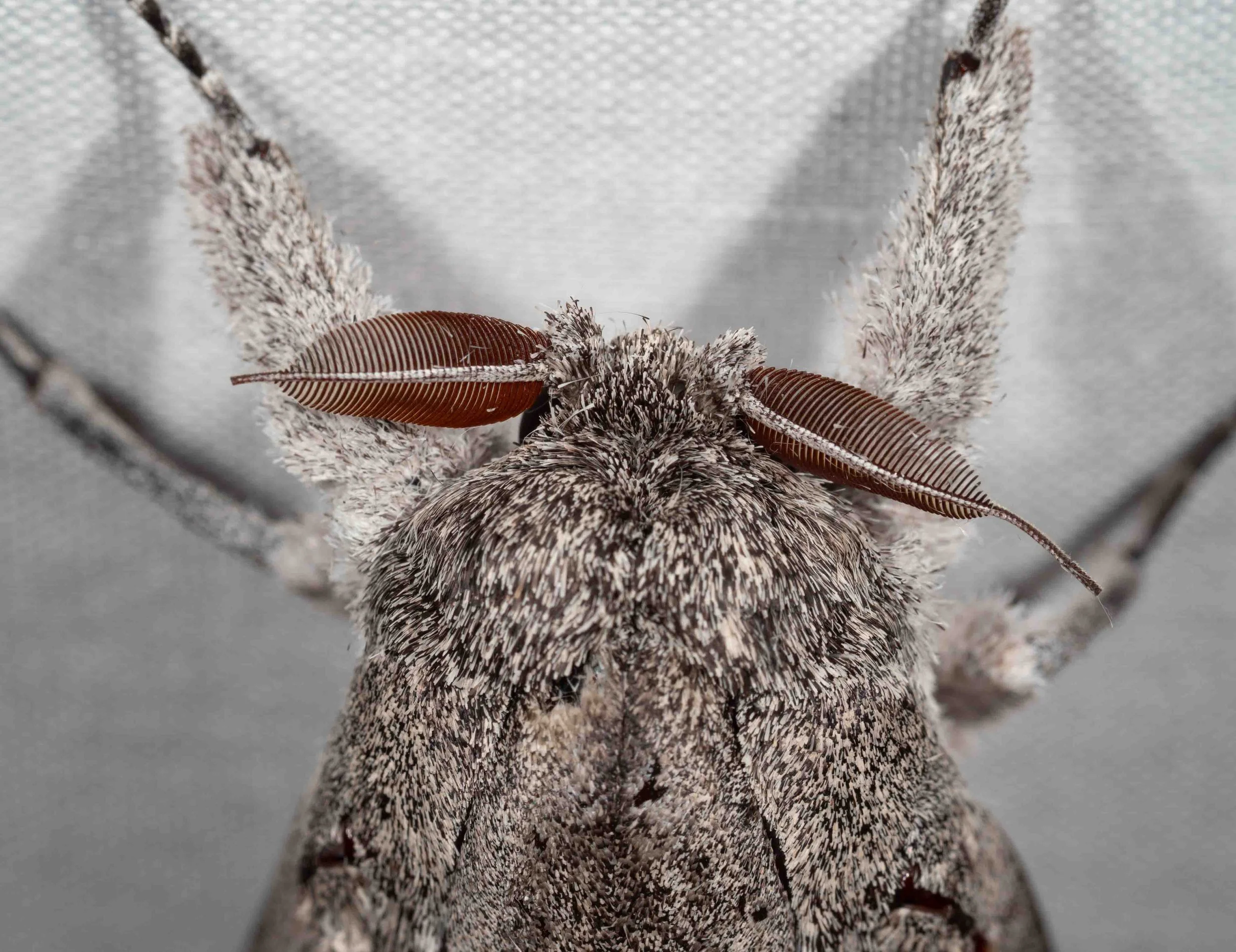
The feathery antennae are a sex marker in this species. So this one is a male. I look forward to seeing the even larger female sometime.
Endoxyla cinereus (Giant Wood Moth)
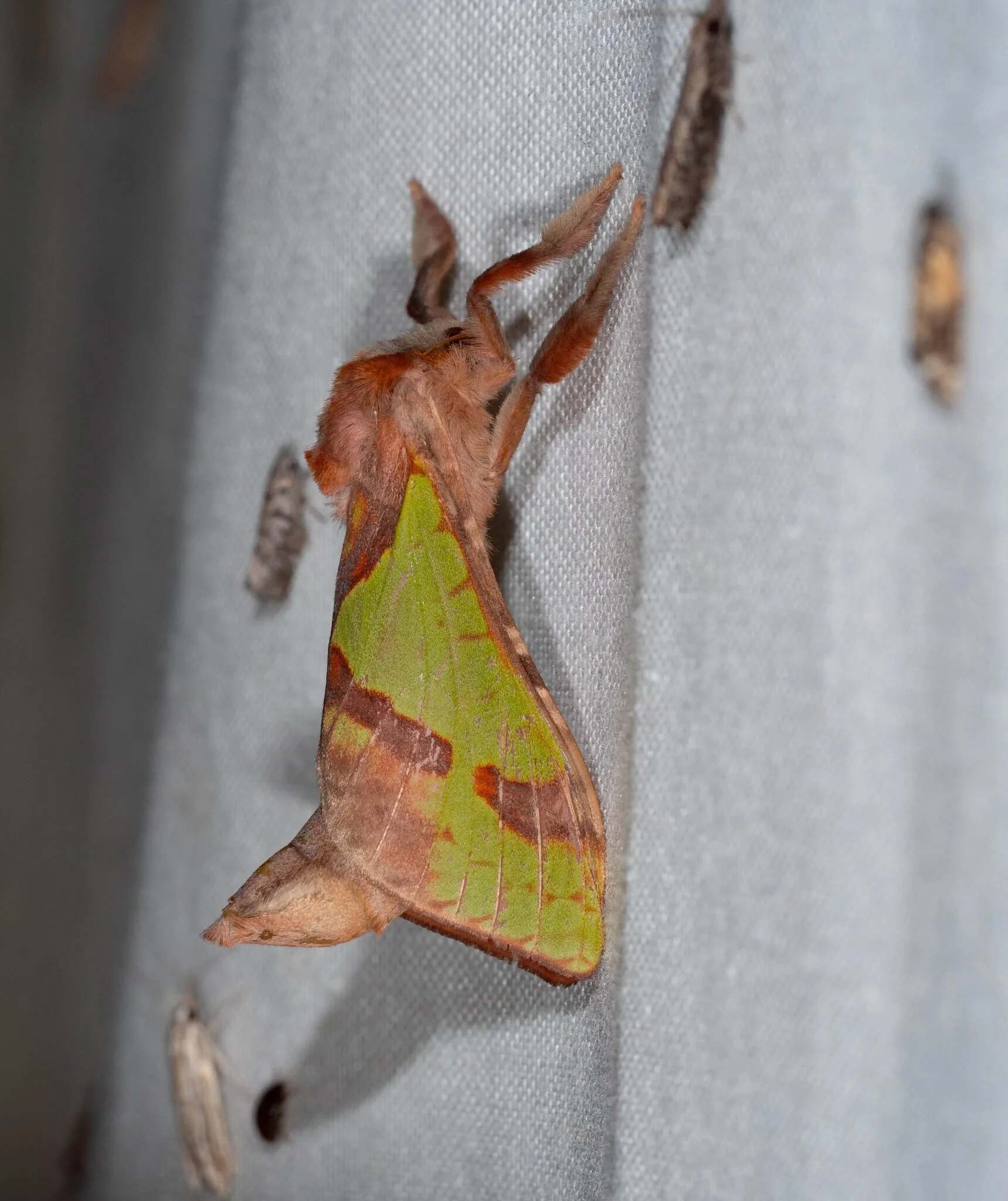
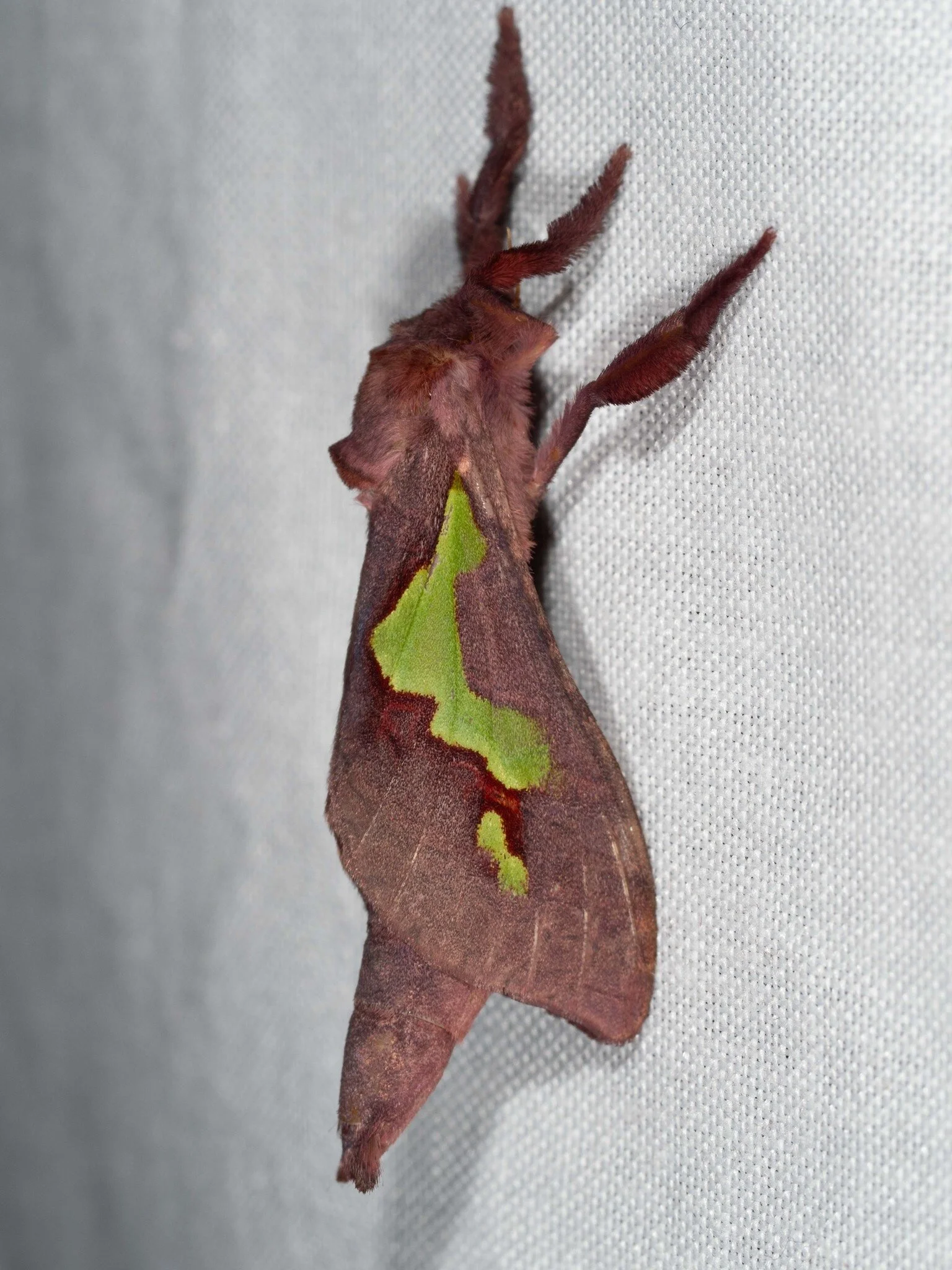
Despite the name, these moths are not so commonly seen as adults. We do see evidence of the larvae throughout the forest, with their characteristic sac-like retreats on the trunks of young Acacia. This is only our second sighting of an adult … and our first was just three weeks ago. Males are even more colourful, being almost entirely bright green. However, they rarely come to lights. We hope to spot one soon, when prowling the forest trails by torchlight.
Aenetus ligniveren (Common Splendid Ghost Moth)
A second Aenetus female on the same night! We thought this momentous enough … until we later realised that it was actually a different species of this beautiful genus. Again, a female. This was an especially exciting (and surprising) find. There are fewer than 50 sightings on iNaturalist, and none anywhere nearly so far south. Needless to say, another first for the home list.
Aenetus lewinii (Lewin’s Splendid Ghost Moth)
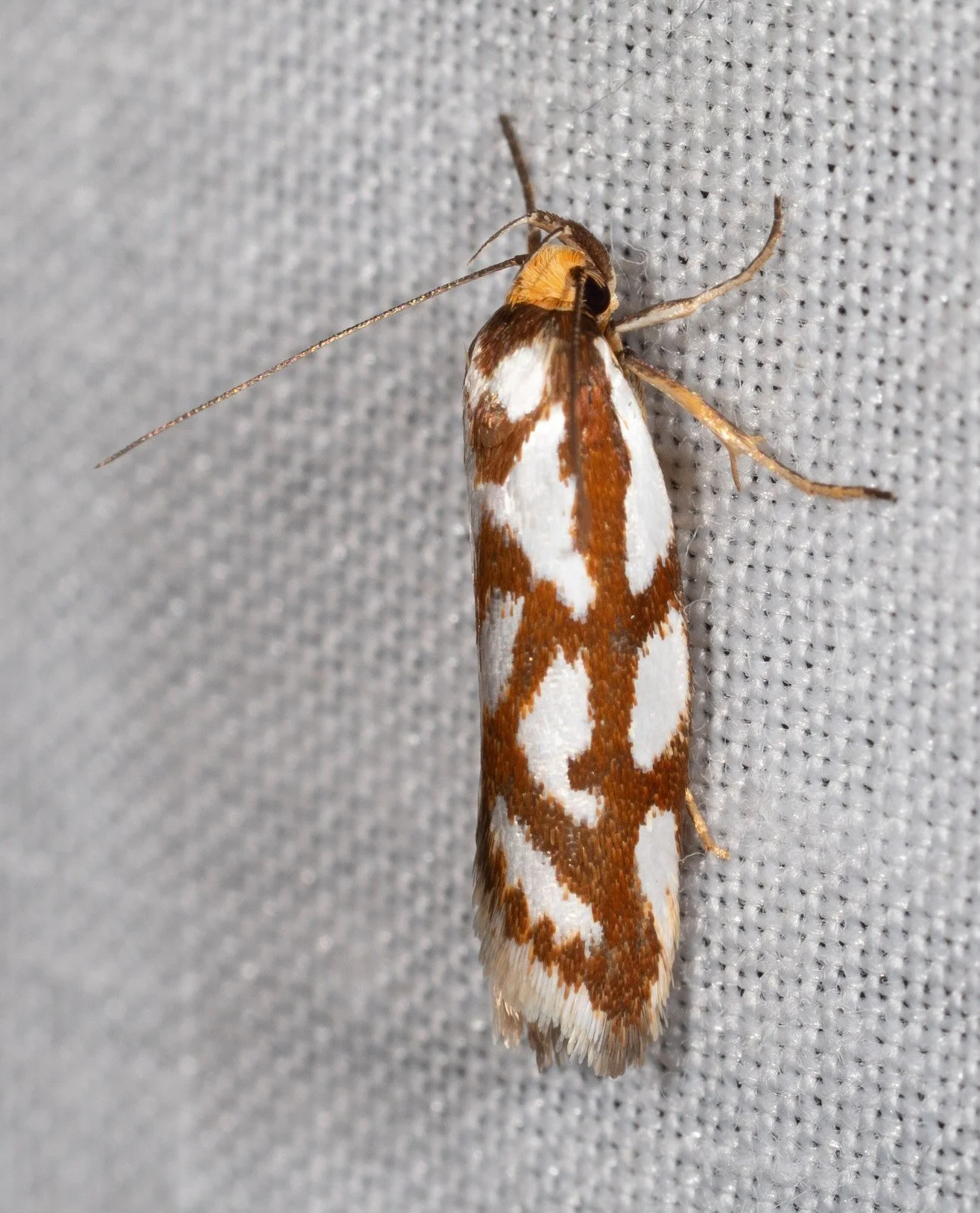
One more for the list. And yet another species not commonly seen, even though its range includes the Melbourne area … which is something of a hotspot for moth watchers.
Myrascia bracteatella (concealer moth)
A rather stunning moth and yet another new one for home … although it is a widespread and rather common species.
Aglaopus pyrrhata (picture-winged moth)
This is also the first member of this family we have recorded here.
Aglaopus pyrrhata (picture-winged moth)
Another regular. And another for which we are near the southern limit of its range.
Aglaosoma variegata (Patterned Notodontid)
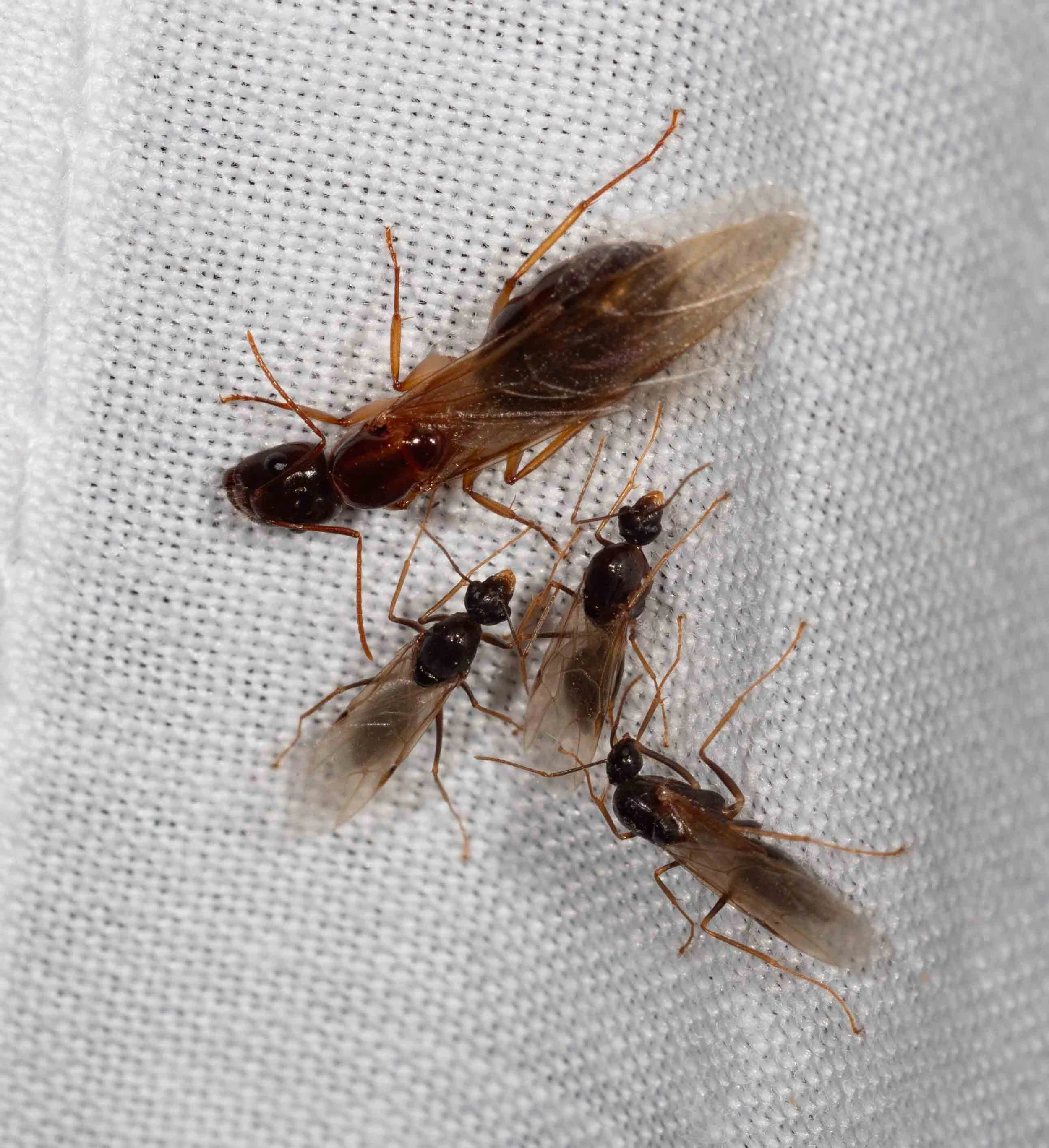
The warm night air was also filled with swarming ants. Here a large female has drawn several smaller males.
Camponotus (sugar ants)
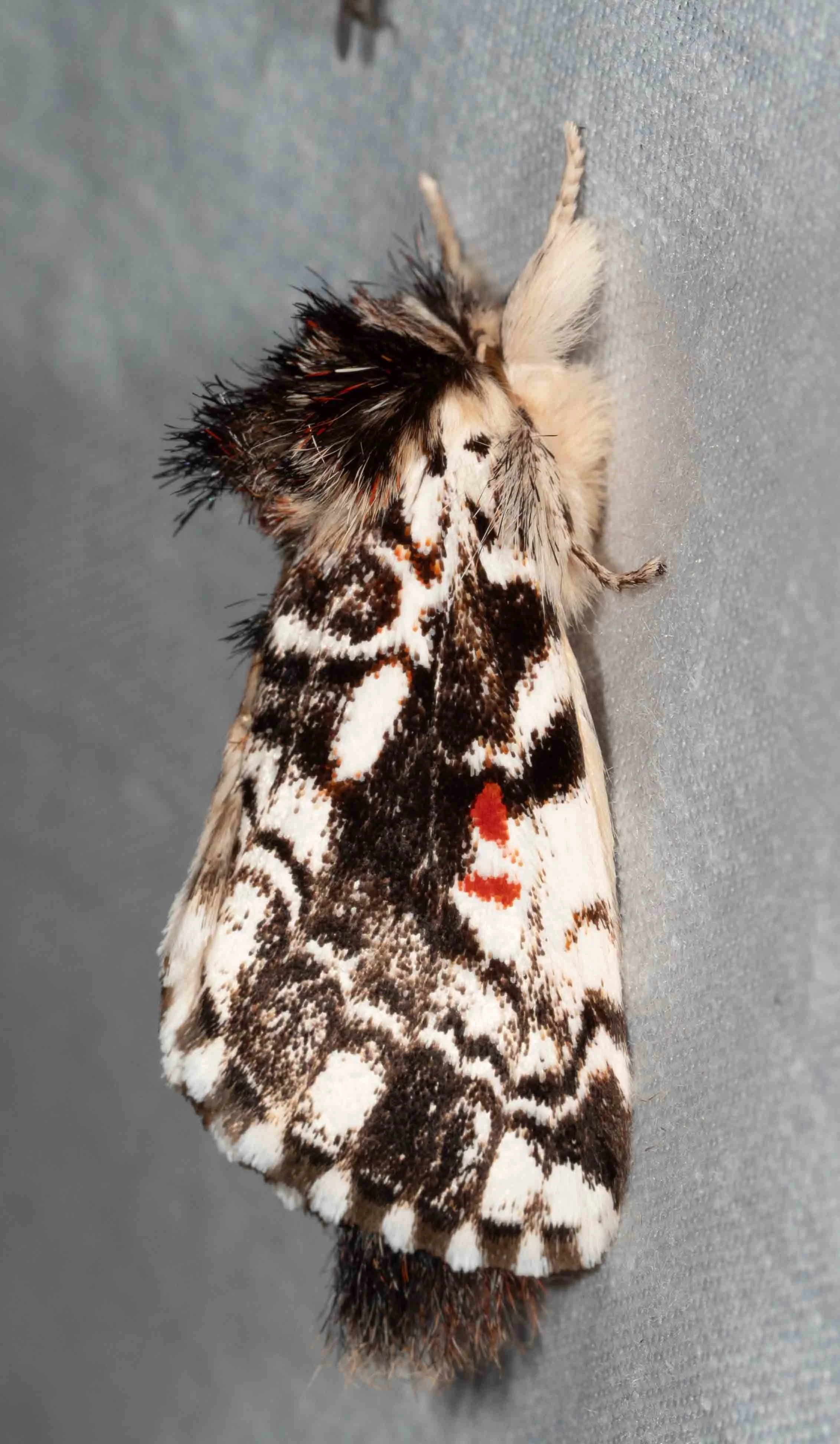
Not entirely new for us, but only our second ever sighting.
Sympycnodes rhaptodes (leopard moth)
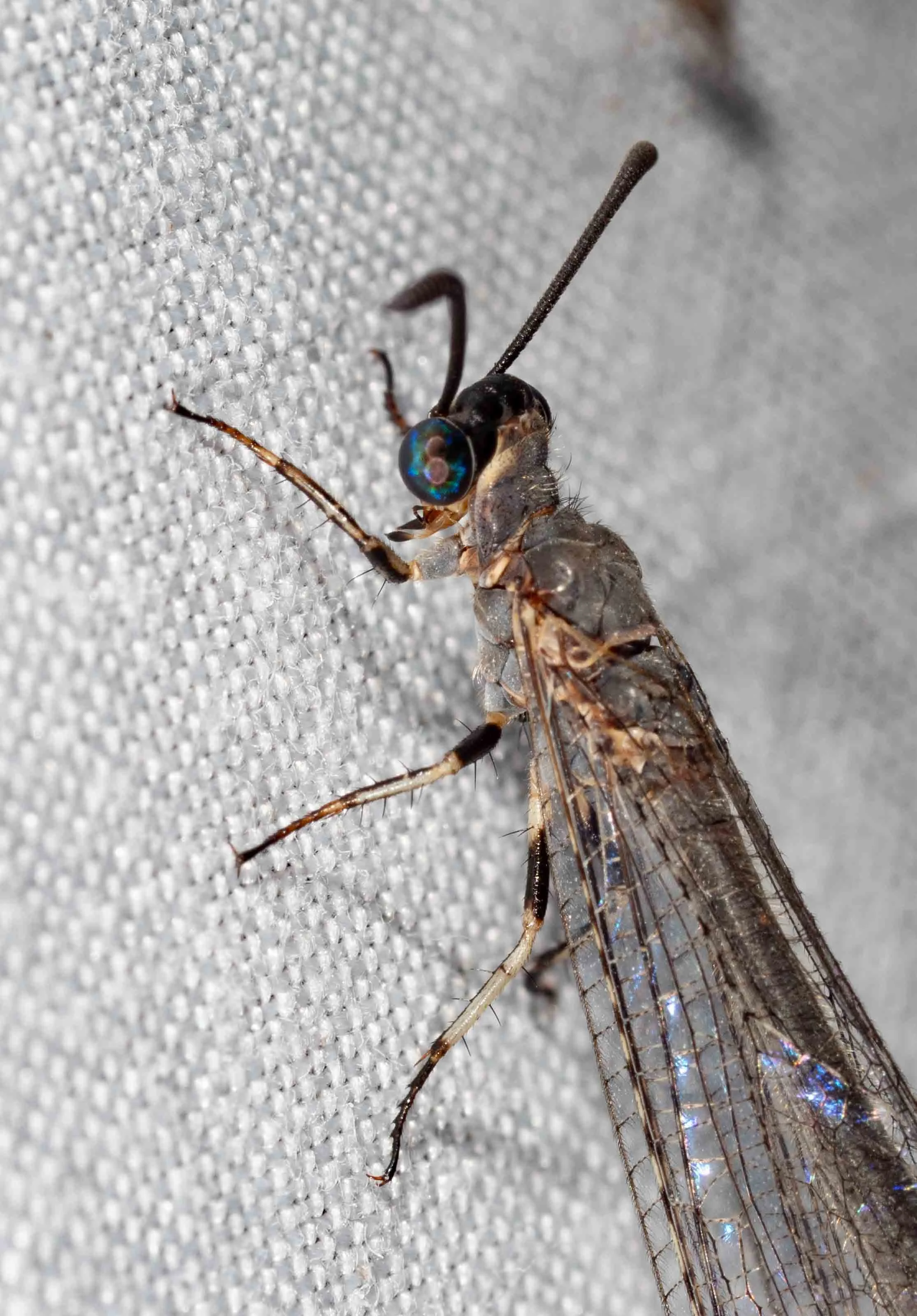
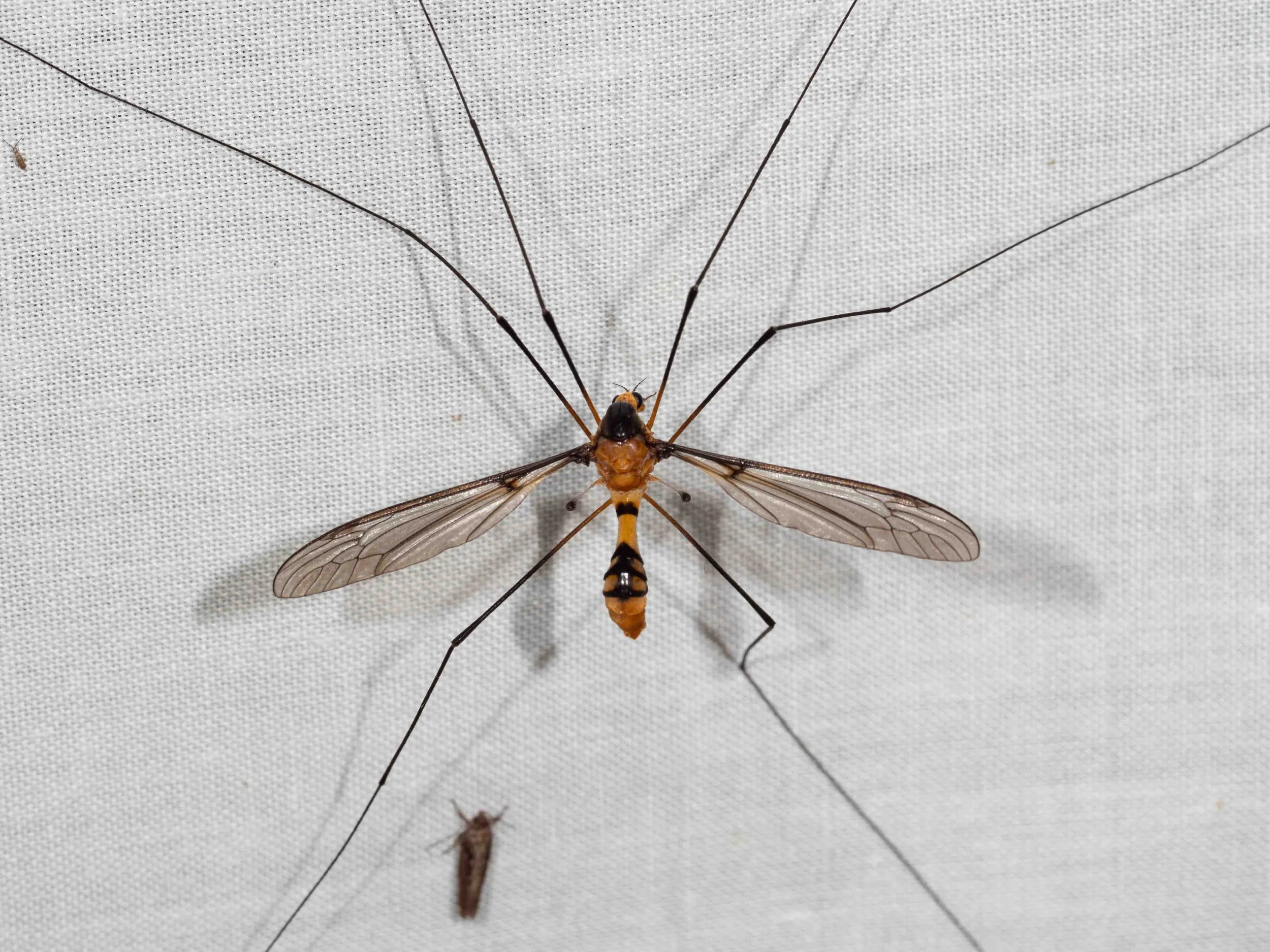
Lacewings are usually represented at a light sheet.
Myrmeleon acer (Common Brown Antlion)
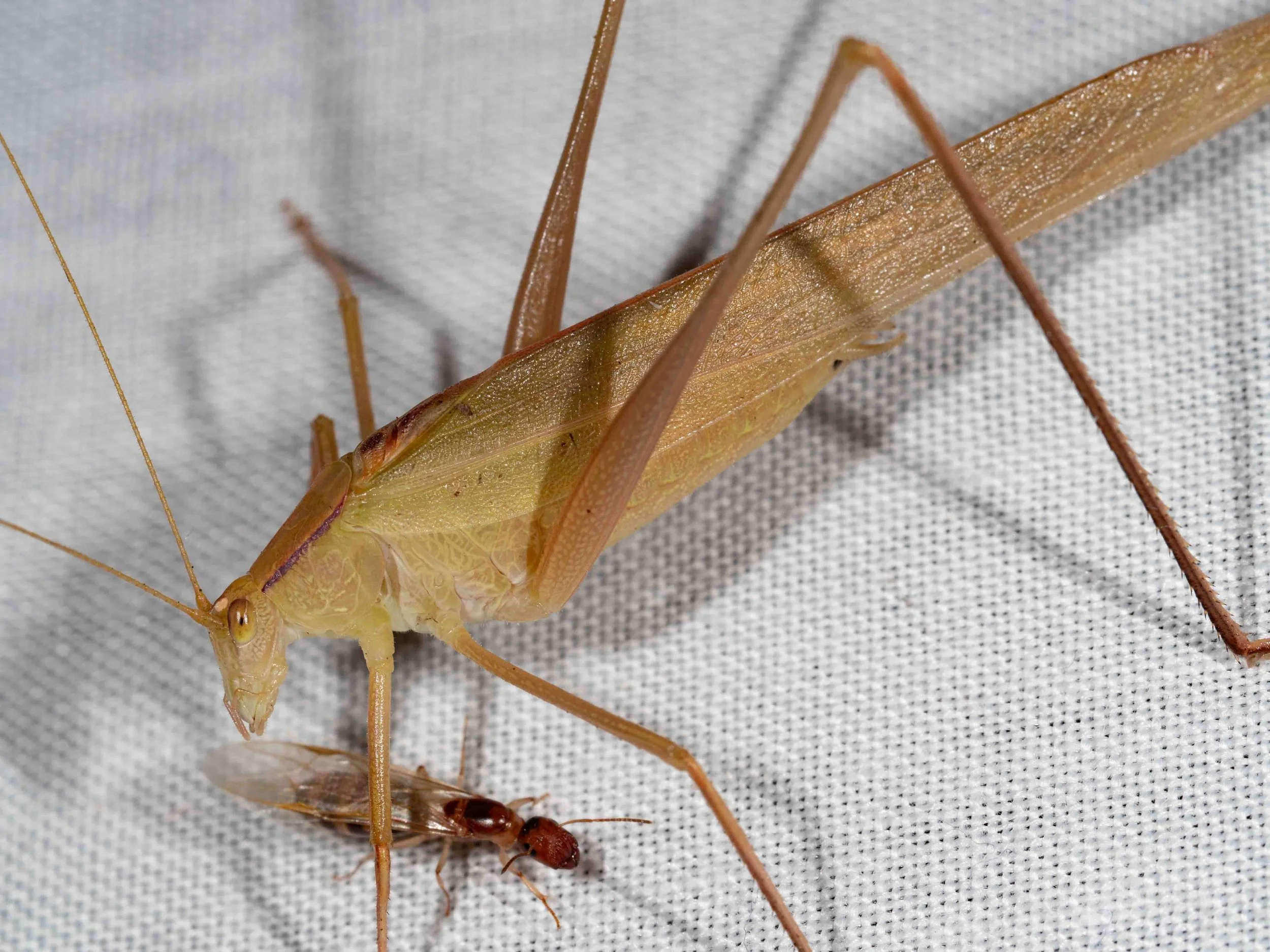
Katydids too are attracted to light.
Polichne spinulosa (katydid)
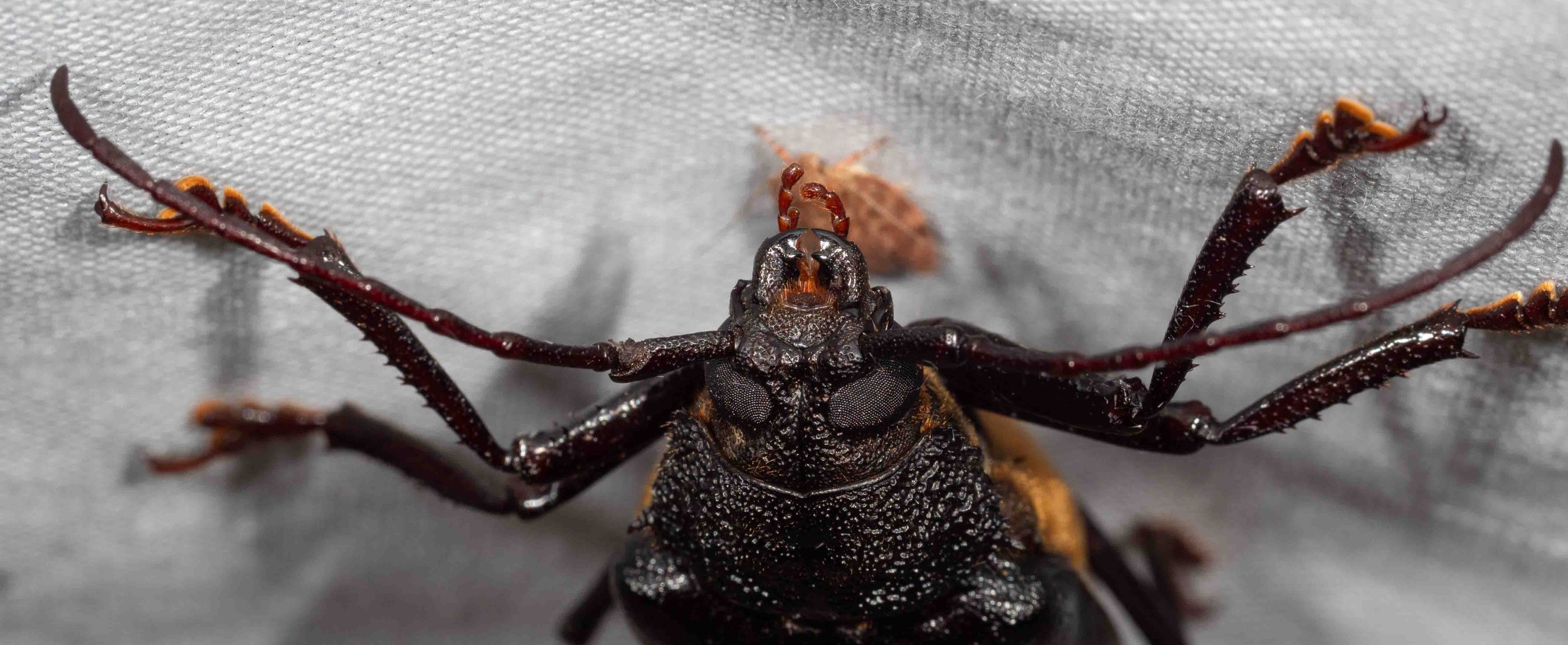
These large, ferocious-looking beetles were about in numbers. They are regular attendees at January light sheets.
Cnemoplites australis (longhorn beetle)
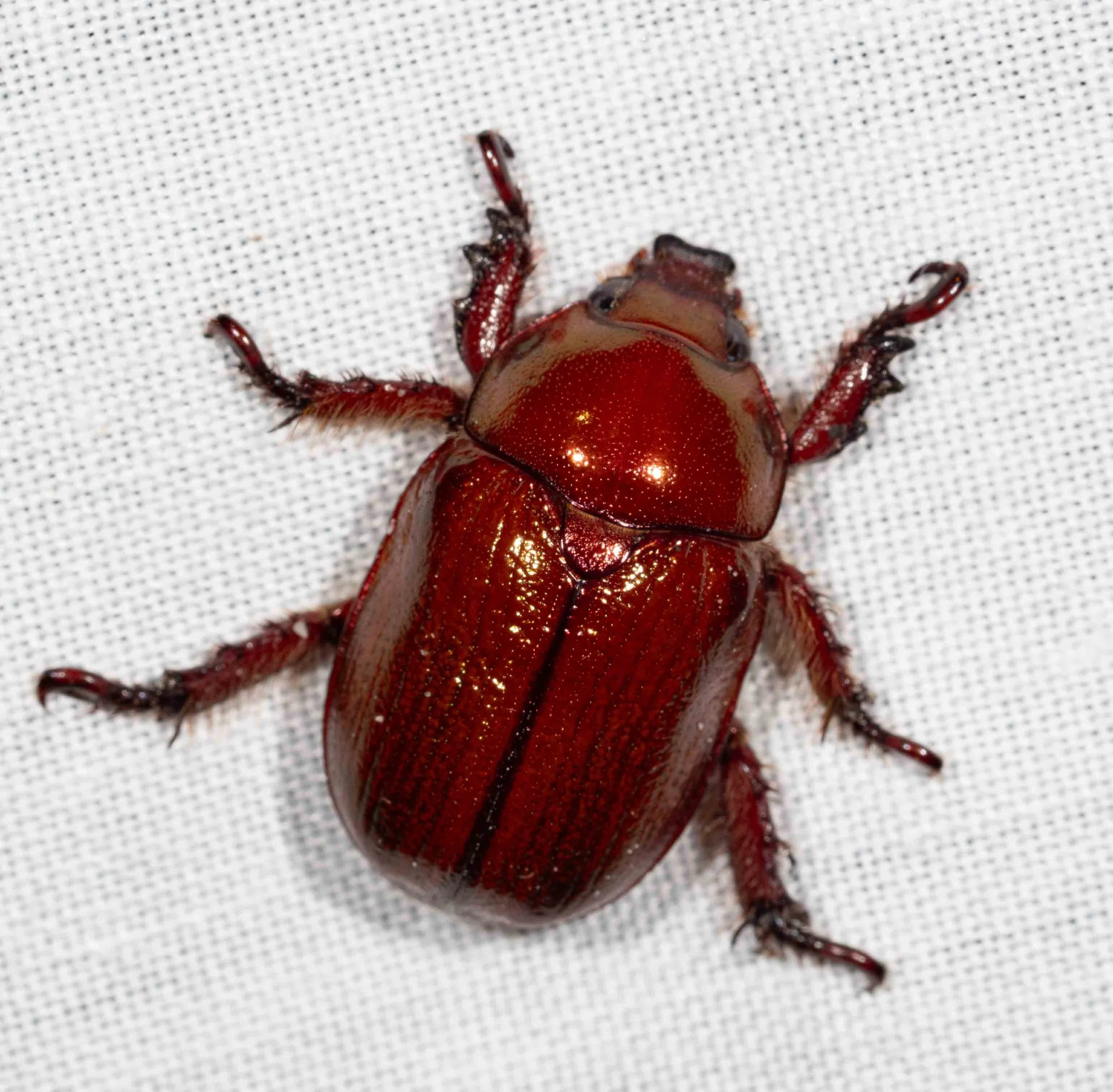
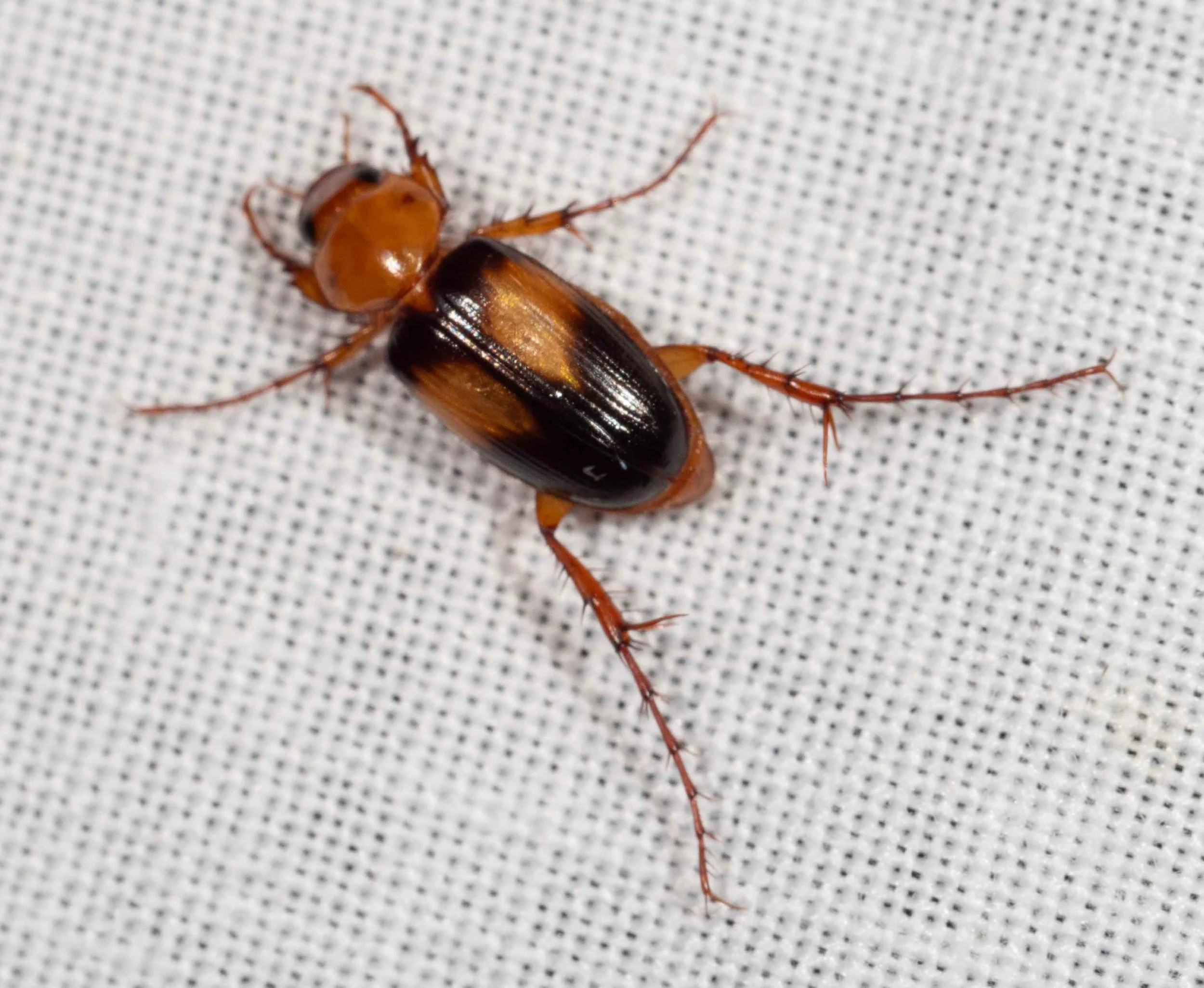
Another summer regular, and a close relative of the iconic ‘Christmas beetle’ (genus Anoplognathus). These relatively large beetles feed both as larvae and as adults: the larvae on decaying wood, compost or roots; the adults on leaves and flowers.
Schizognathus burmeisteri (shining leaf chafer)
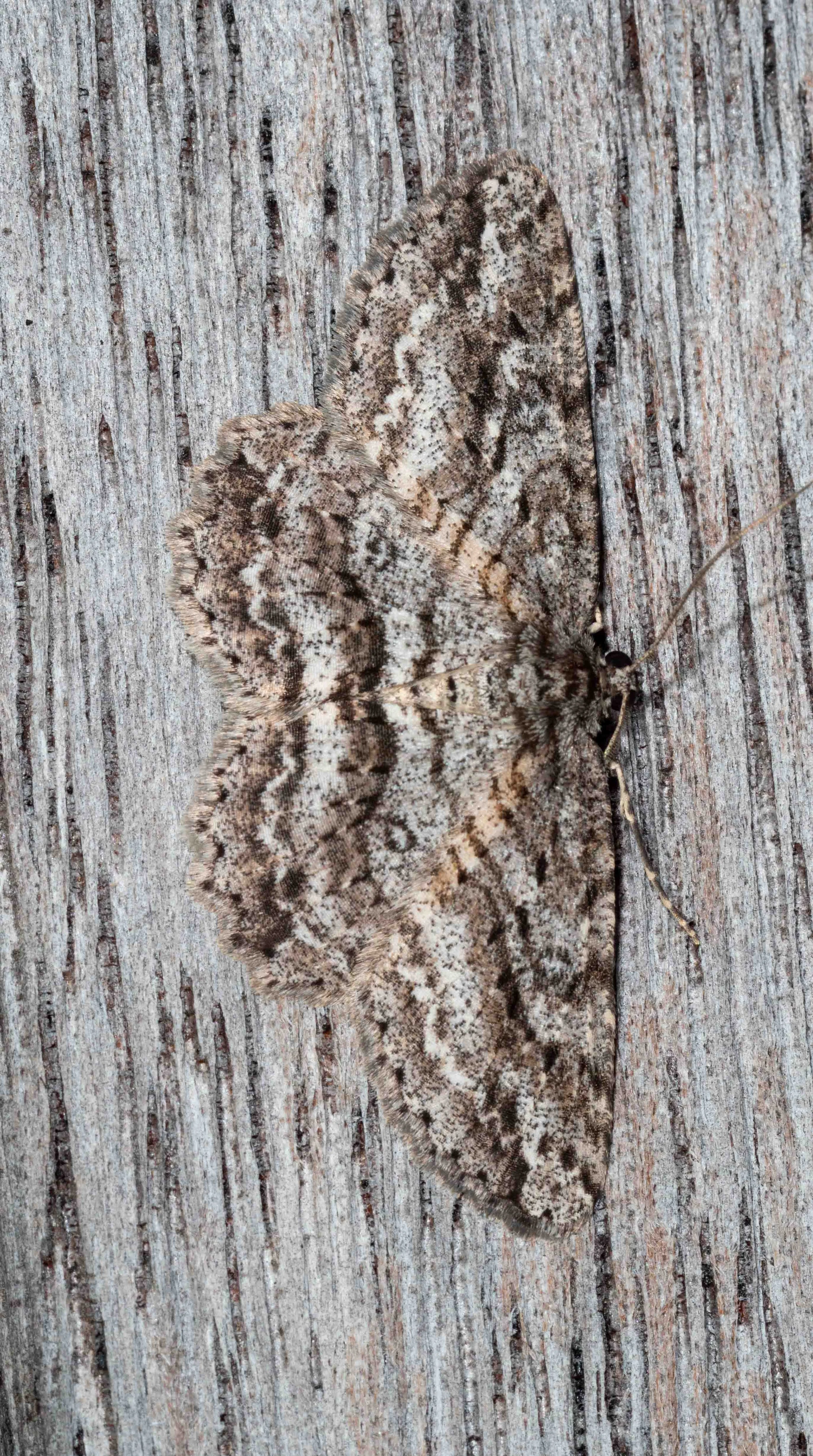
Not on the sheet, but on the post alongside. I suspect the orientation is deliberate, enhancing the camouflage effect.
Ectropis fractaria (Ringed Bark Moth)
Yet another beetle drawn to the bright light.
Phyllotocus bimaculatus (nectar scarab)
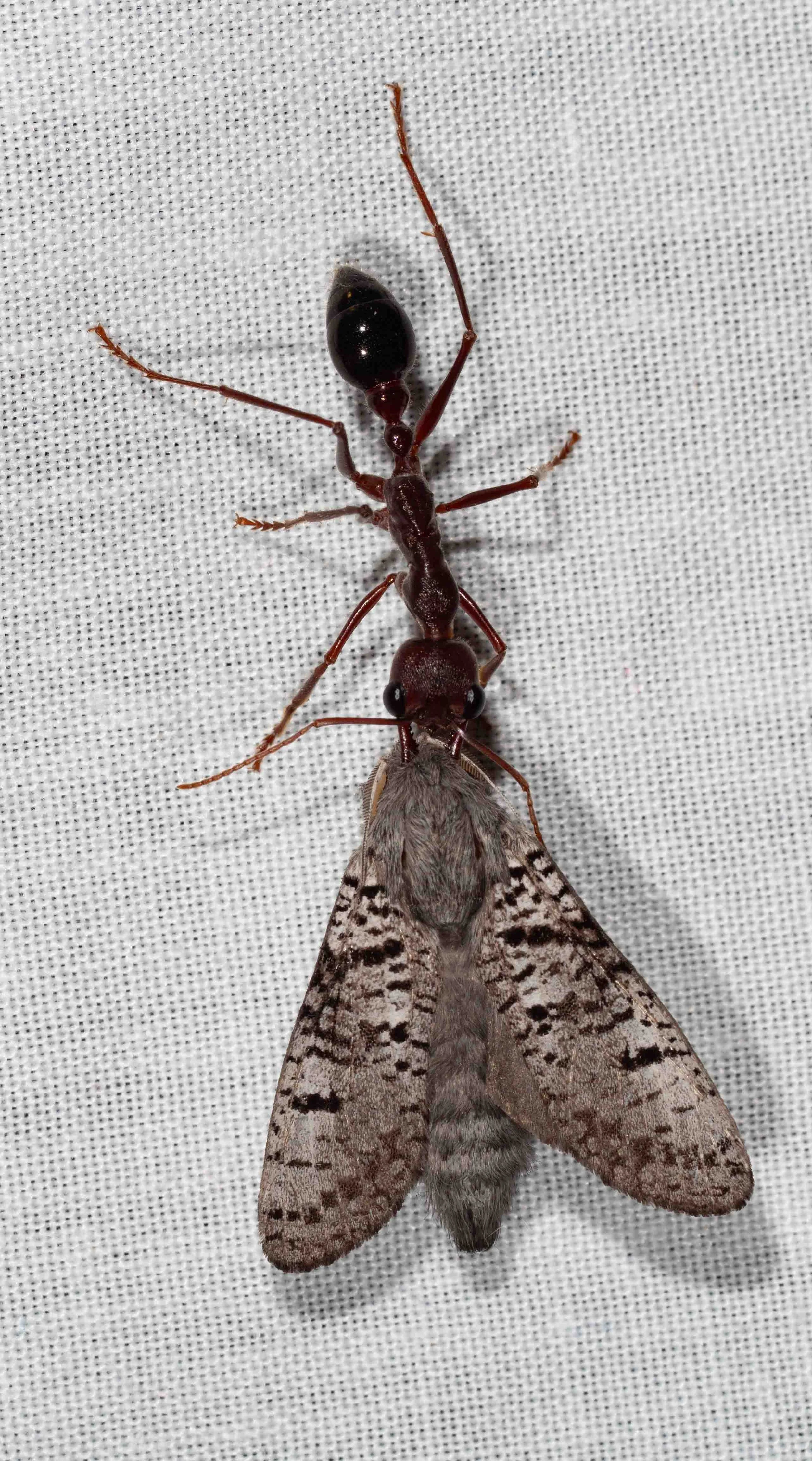
The activity around the light also attracts the opportunists. The leopard moth succumbed to the depradations of a large bull ant.
Myrmecia (bull ant)
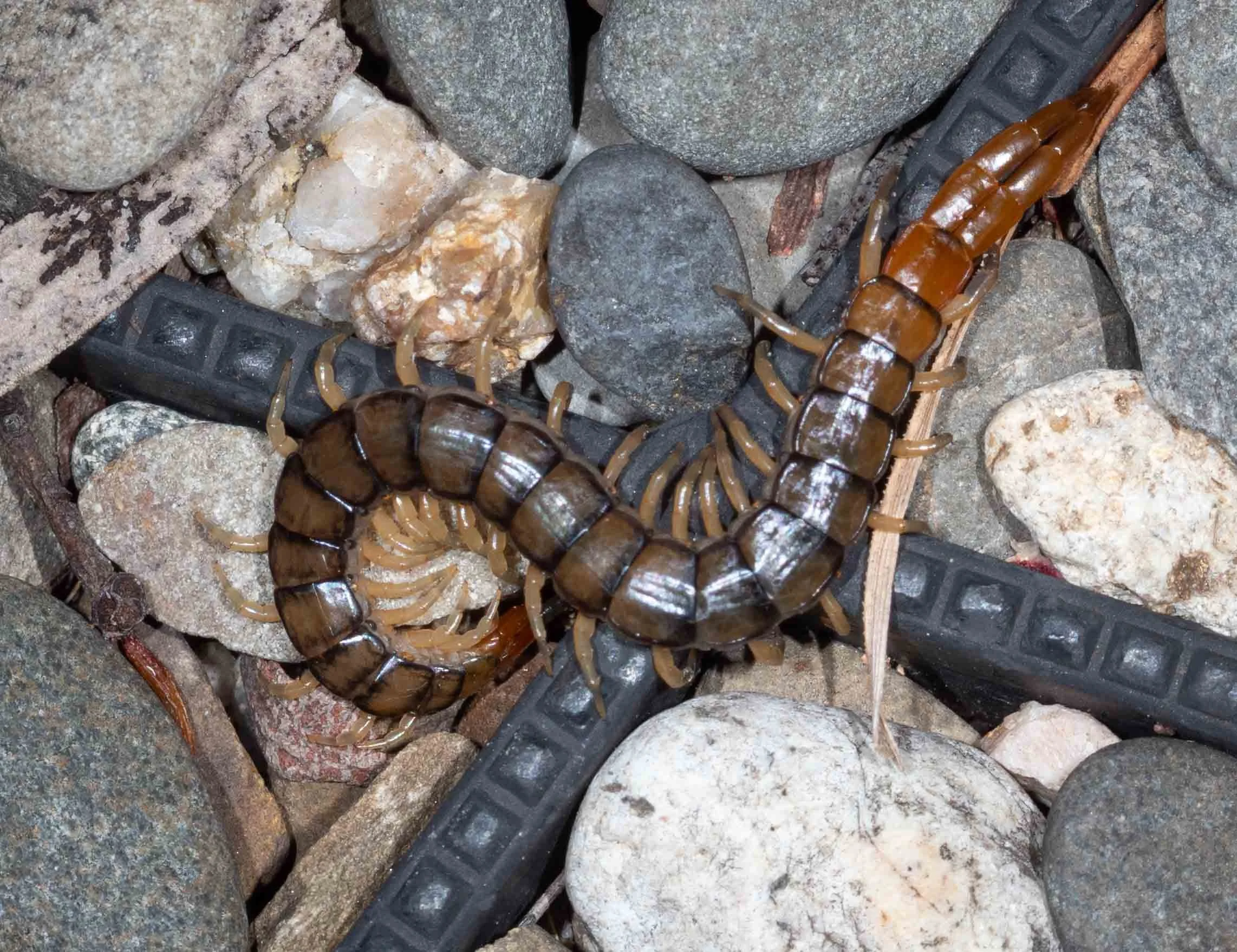
Another hunter taking advantage of the action, this one searching the ground beneath the light.
Cormocephalus westwoodi (Westwood's Green Centipede)
While the frogs were still about this night, the chorus was nothing compared to the cacophony of last week. After 270mm of rain in just two days, they were very excited!