1
2
3
4
5
6
7
8
9
10
11
12
13
14
15
16
17
18

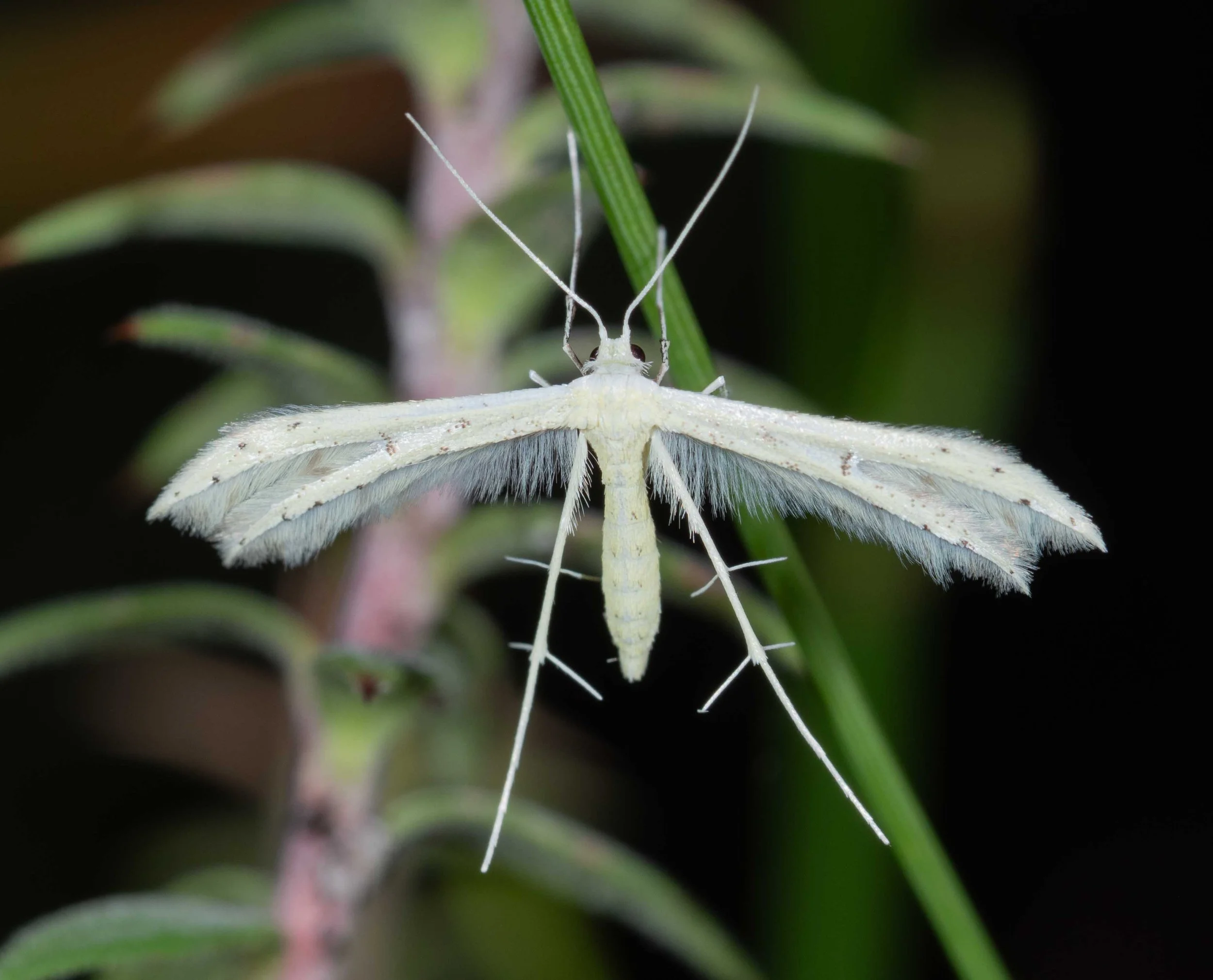
More delicate symmetry suspended from the low vegetation.
Imbophorus aptalis (plume moth)
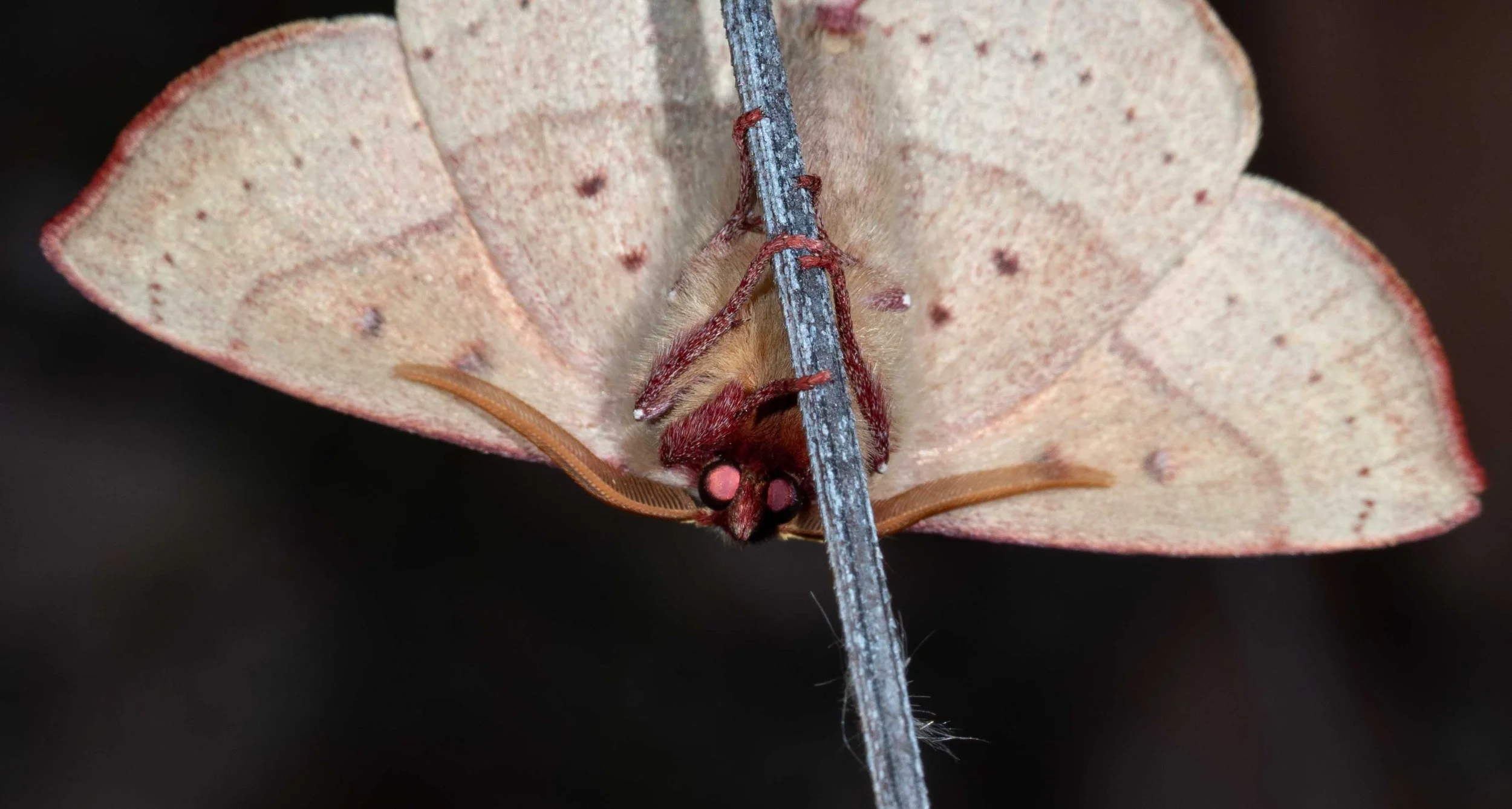
One of our more common, medium-sized moths. The impressive antennae mark this one a male
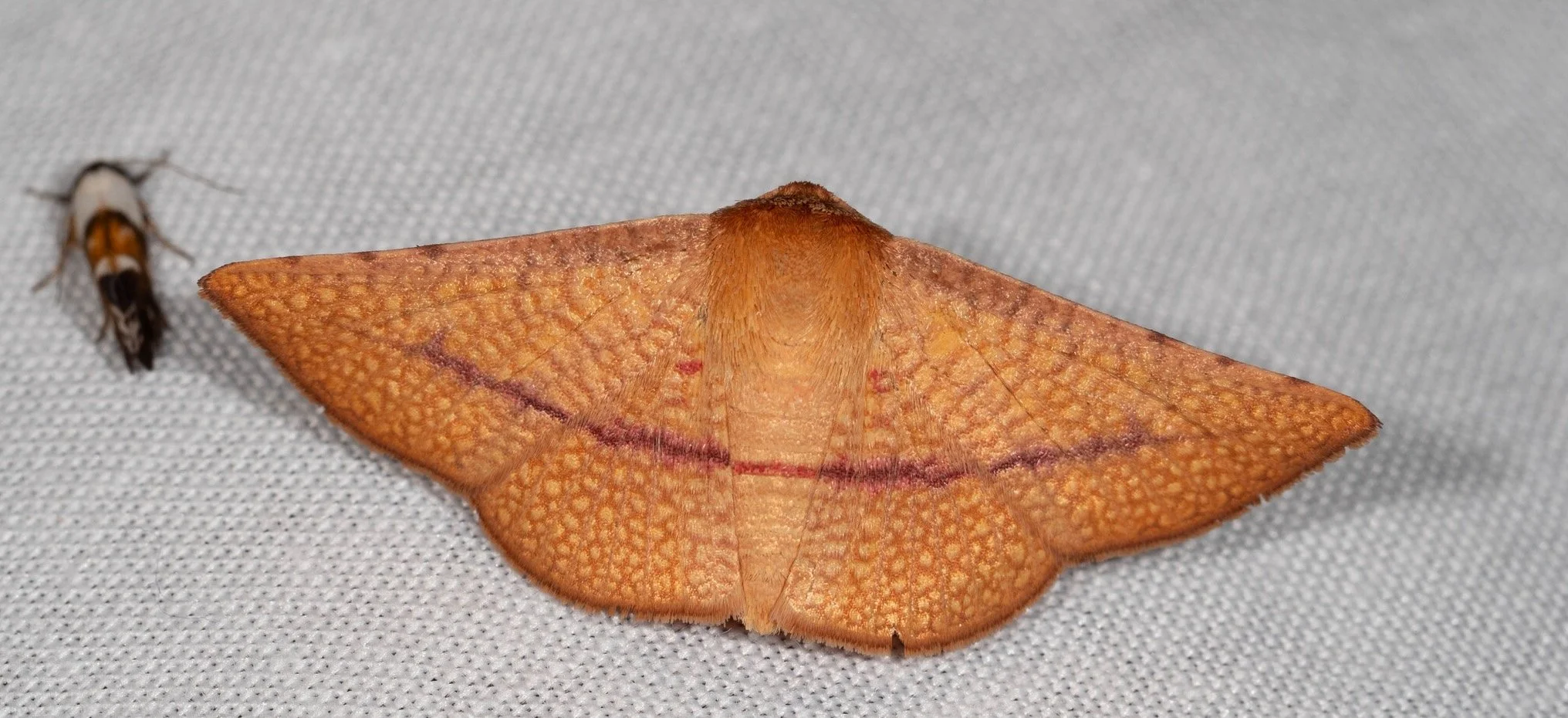
Anthela acuta
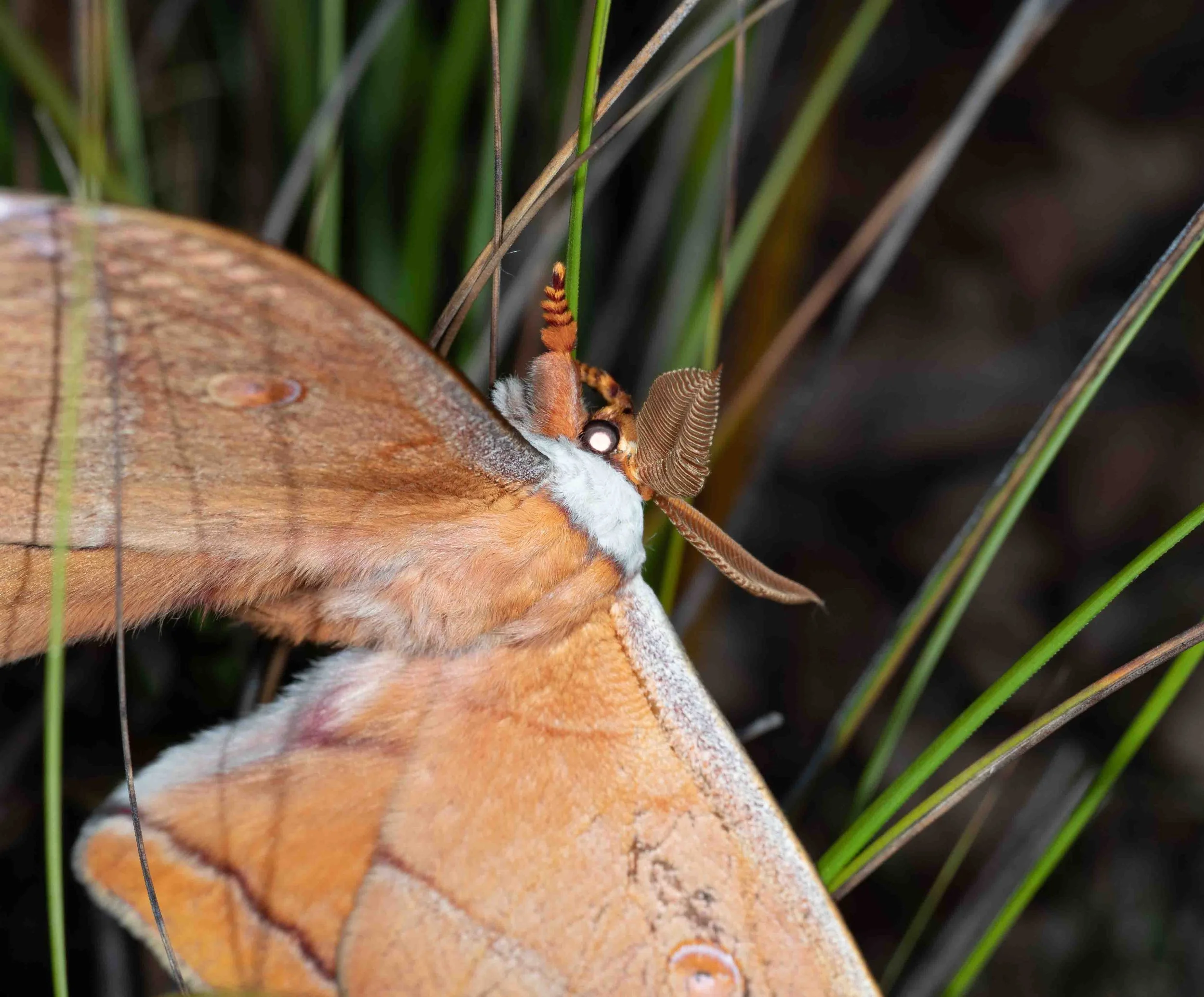
A male … the antennae are the clue.
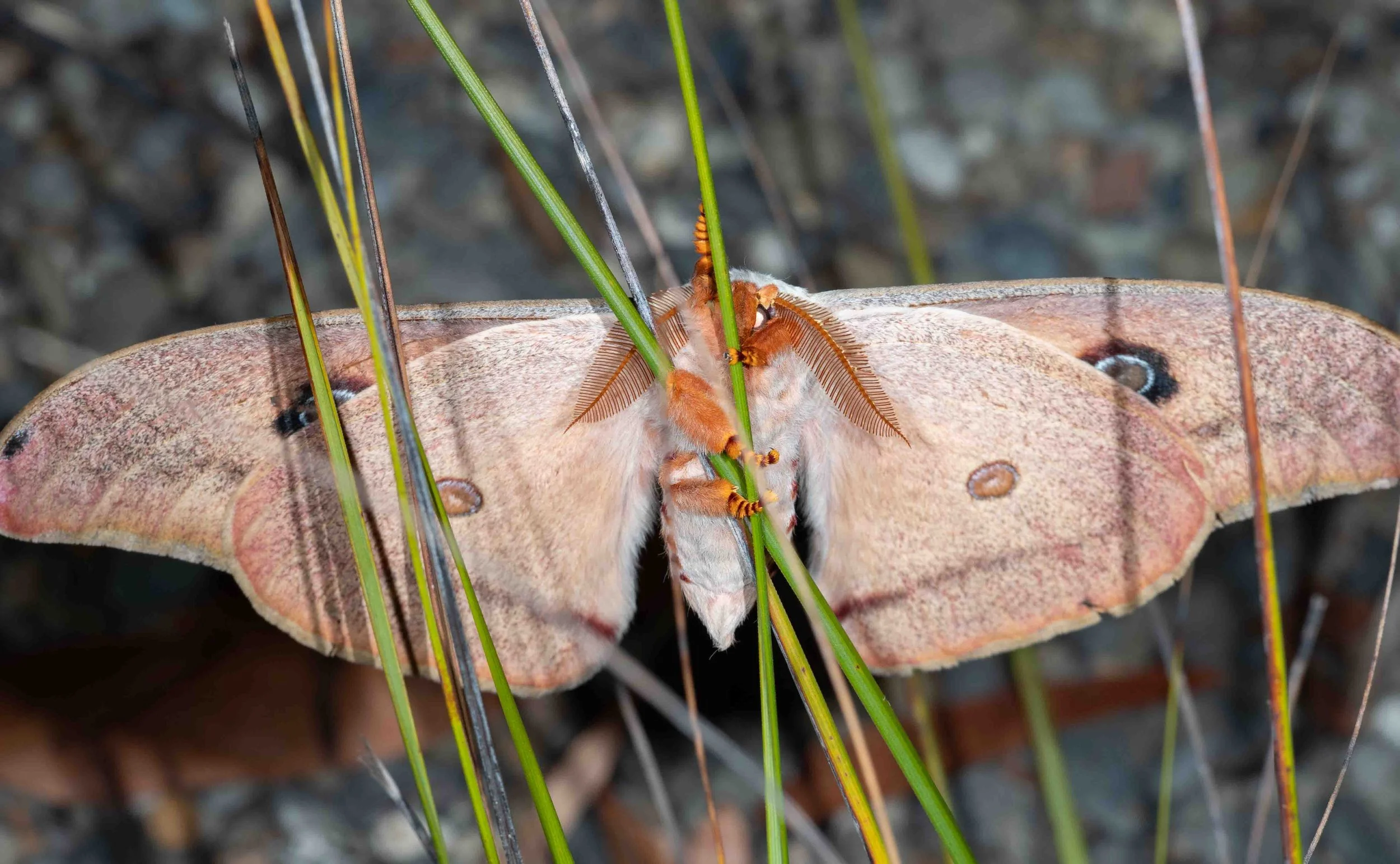
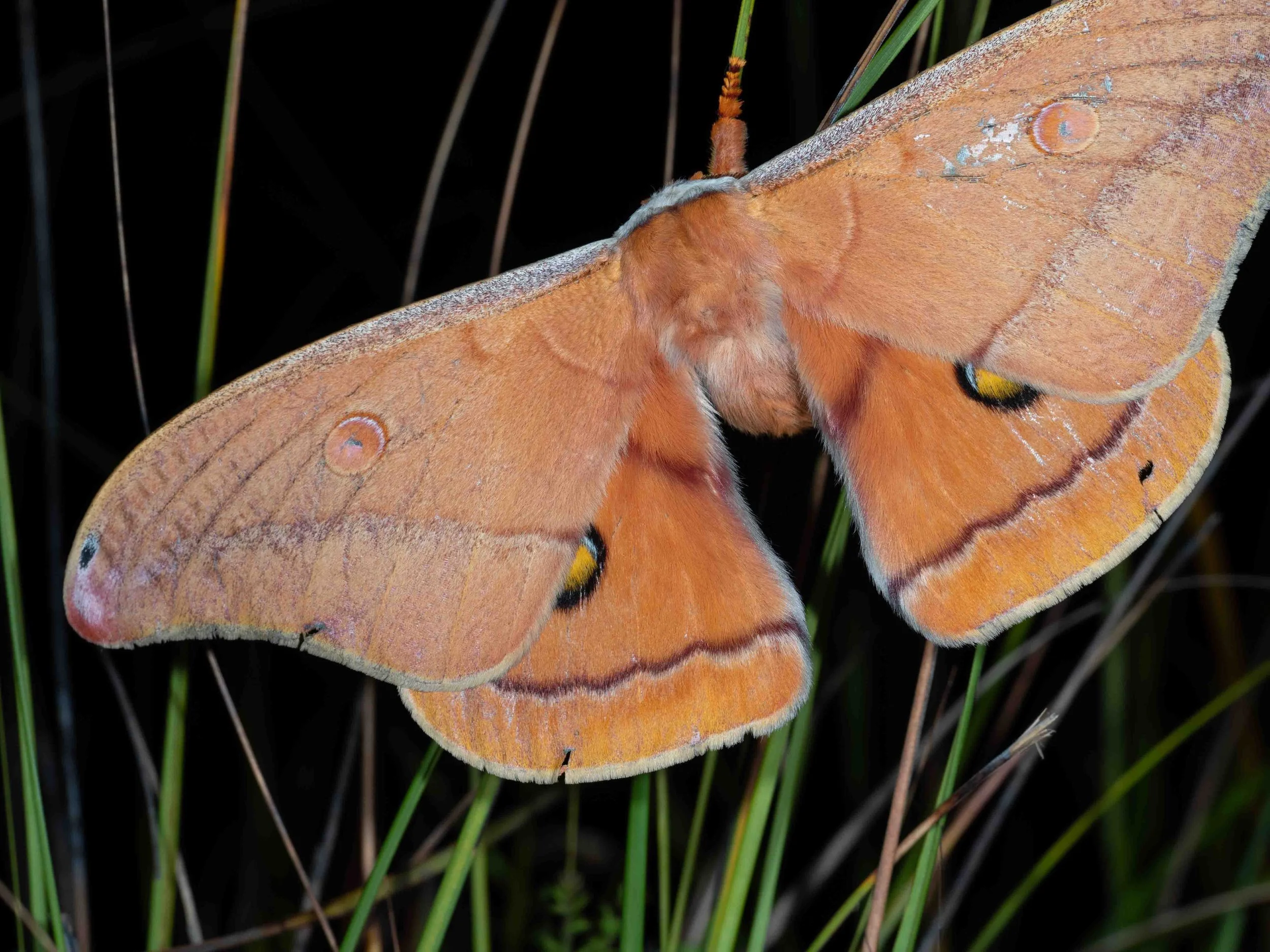
Opodiphthera helena (gum moth)
With a wing span of 13cm, sightings of these gentle giants are always a treat.
Opodiphthera helena (gum moth)
Like the adults, the caterpillars are sensational – large and colourful, feeding in the open on eucalypt leaves. Yet we have never seen one! Perhaps they are out of our reach, high in the forest canopy.
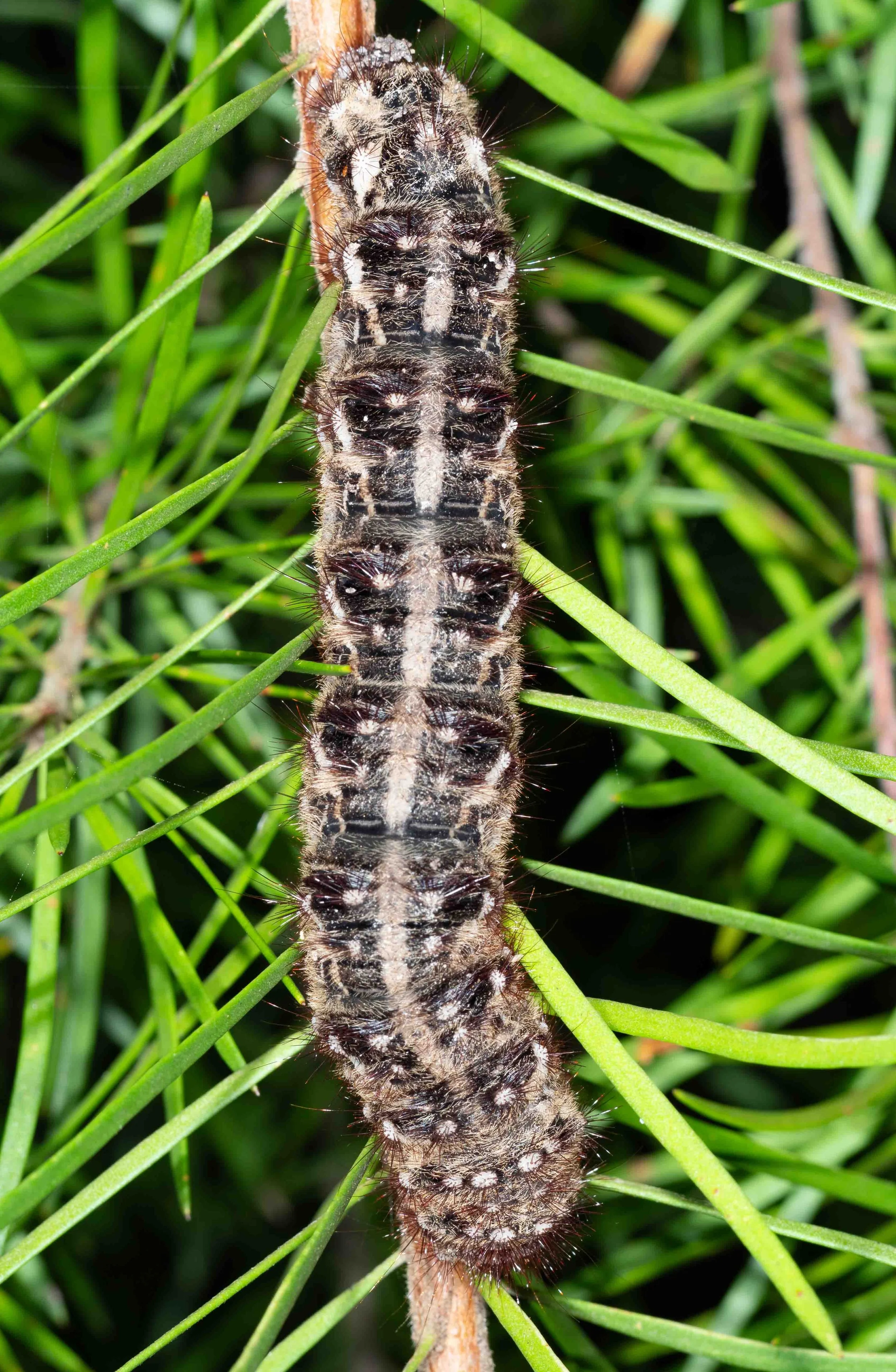
Opodiphthera helena (gum moth)
Nearly 8cm long, but a caterpillar we’ve never seen before. The adults are familiar – although we saw none this night. Unsurprising, as they tend to fly in April-May. So I’m guessing this huge caterpillar will soon pupate.
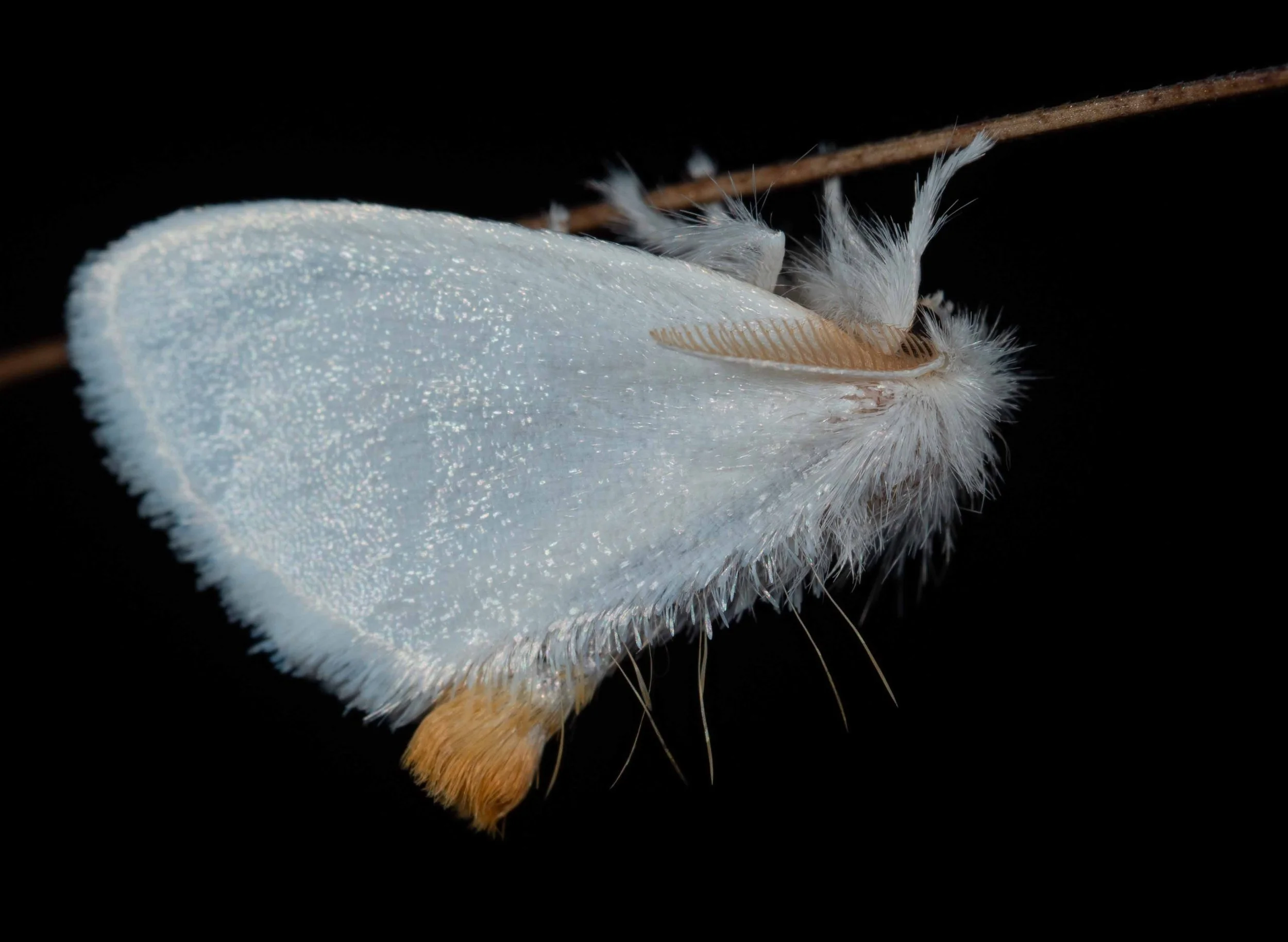
Chelepteryx chalepteryx (White-stemmed Acacia Moth)
In this family, both sexes have branched antennae. The clue that this is a female is the tuft of orange scales at the tip of the abdomen. These are deposited when she lays her eggs, providing a degree of protection and support for the egg mass.
Acyphas chionitis (tussock moth)
A massive moth – and a new one for our home list.
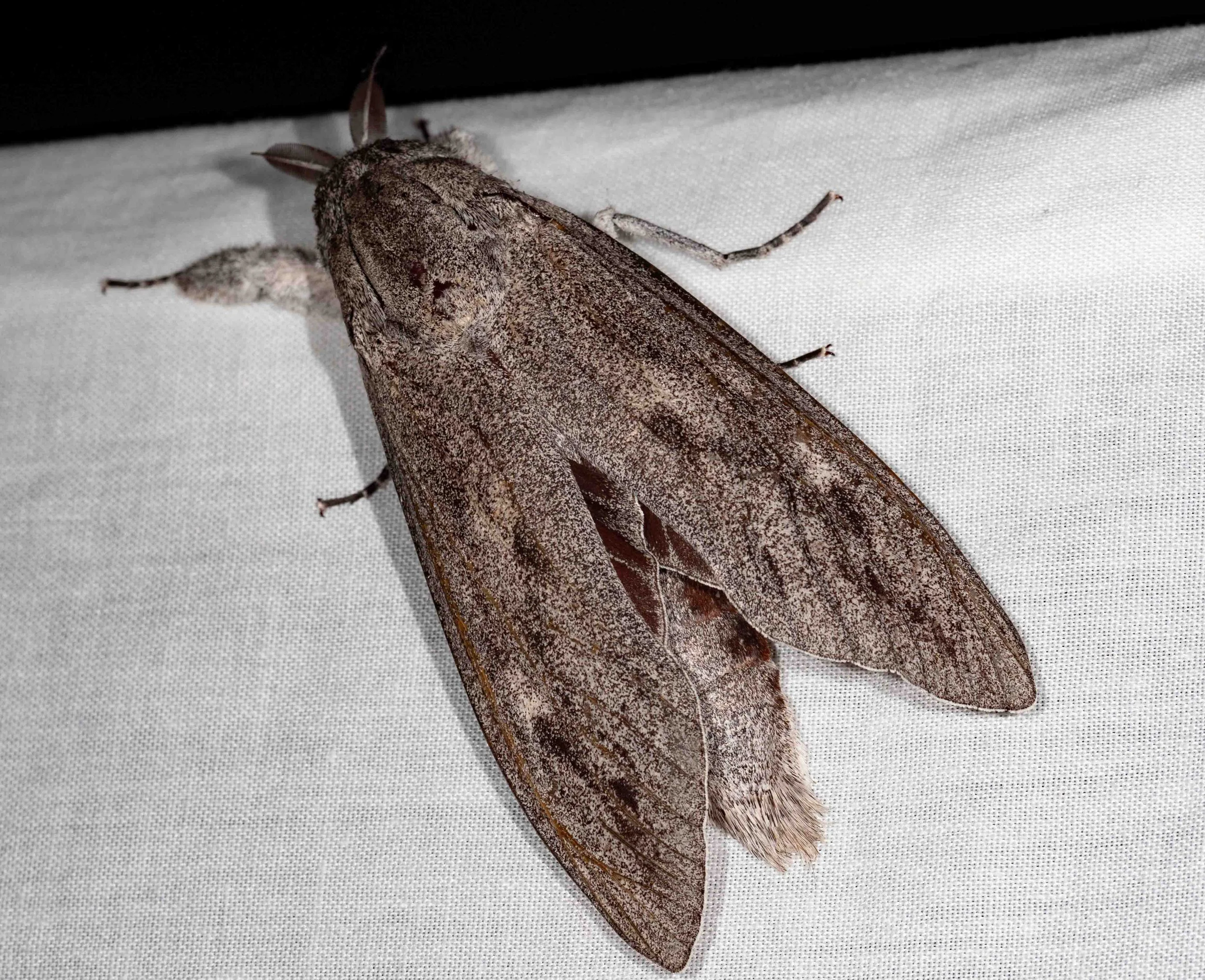
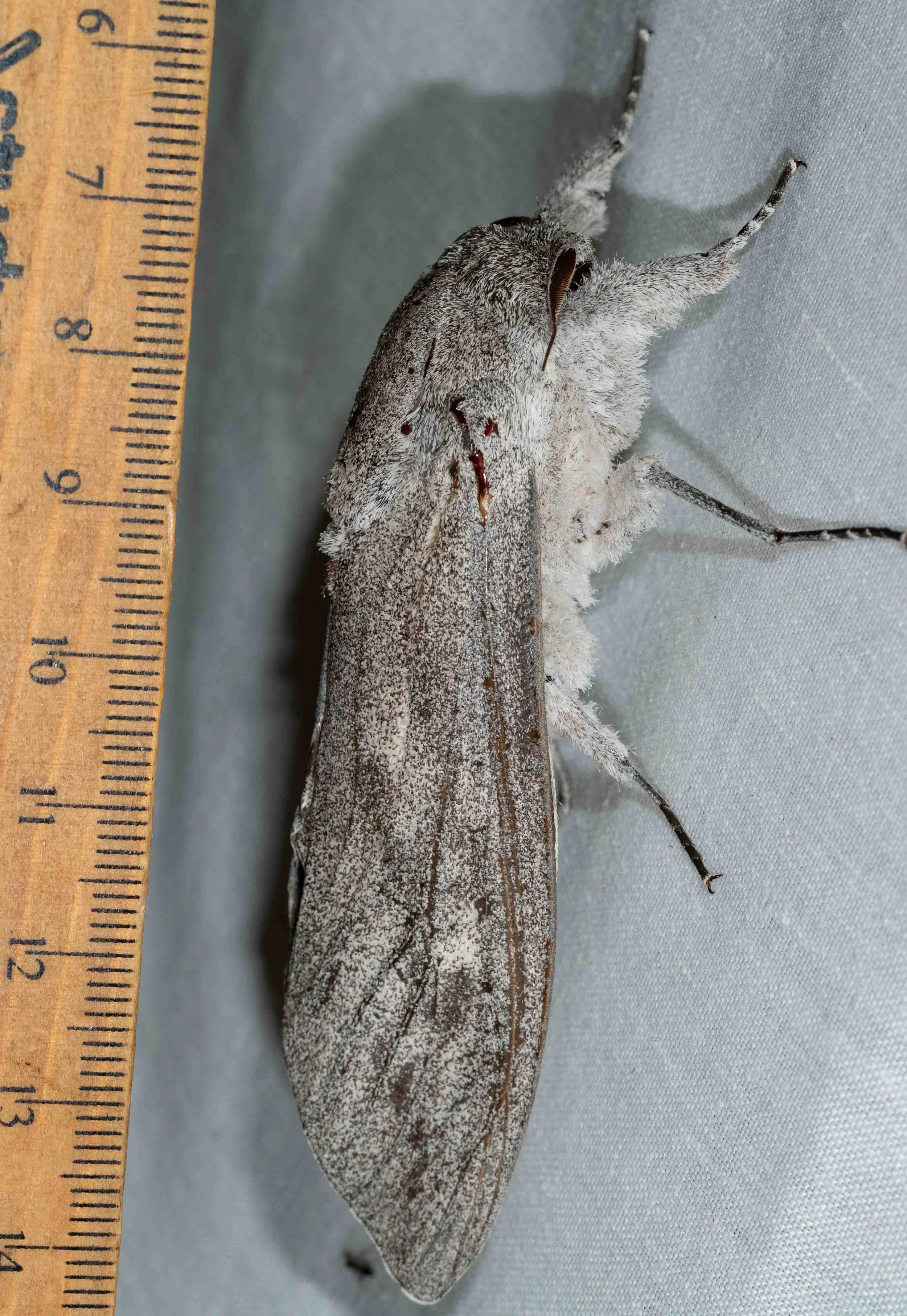
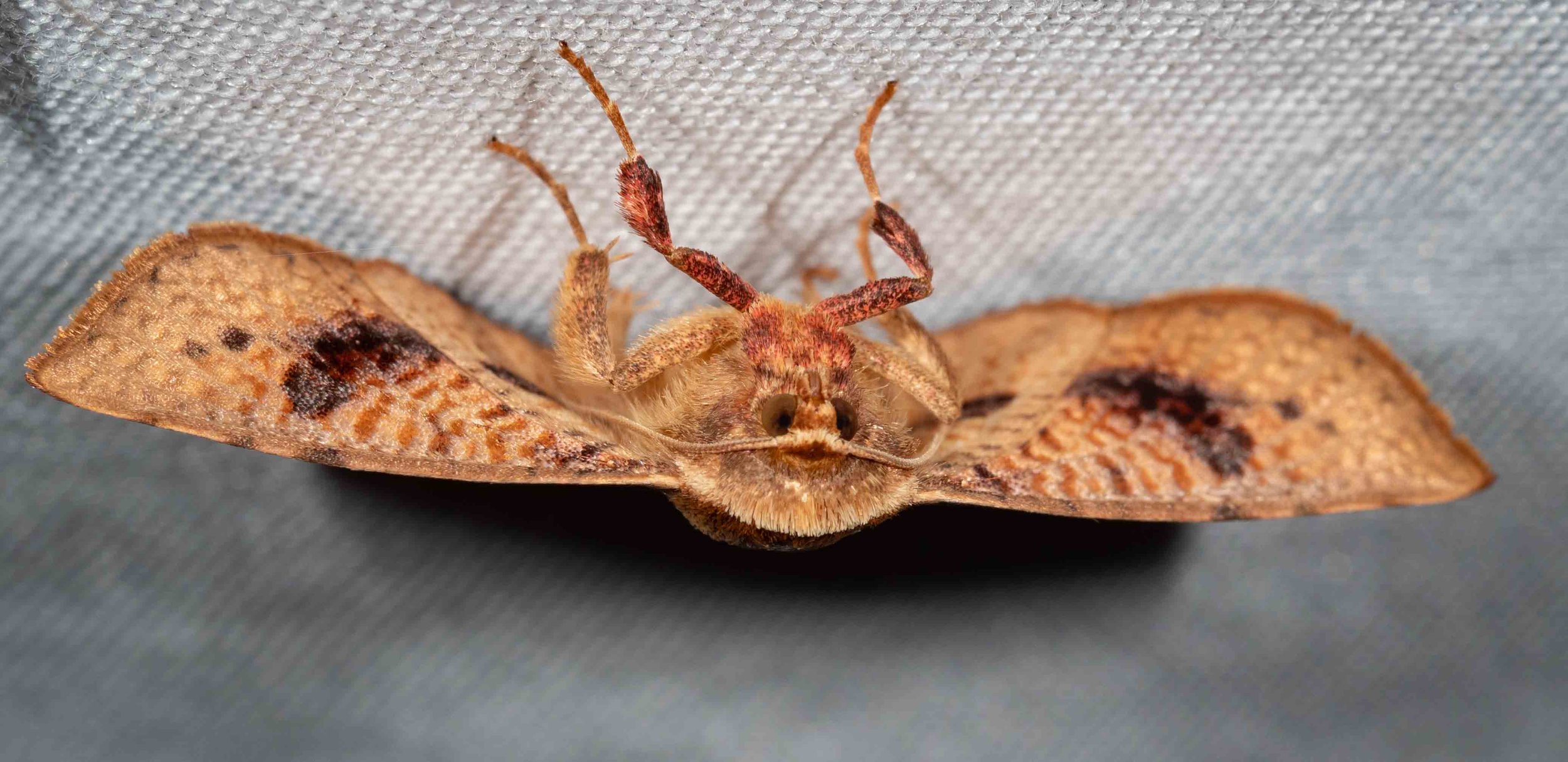
Endoxyla magnifica (wood moth)
Magnificent indeed! This is one seriously large insect. And one not often seen. There are currently just 18 identified sightings on iNaturalist. That’s not many, given the very active community of ‘mothers’ in eastern Australia!
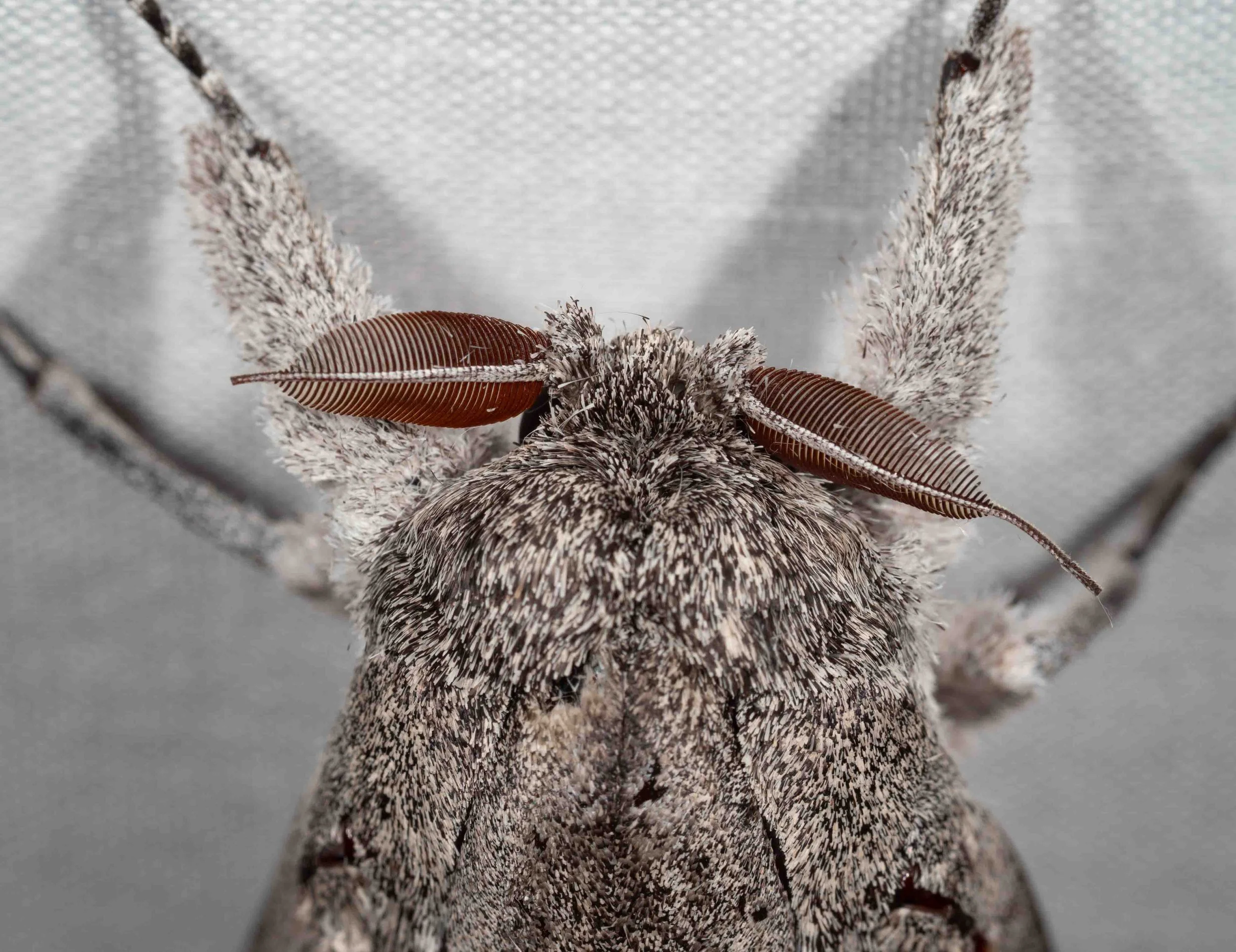
Endoxyla magnifica (wood moth)
The feathery antennae are a sex marker in this species. So this one is a male.
Endoxyla magnifica (wood moth)
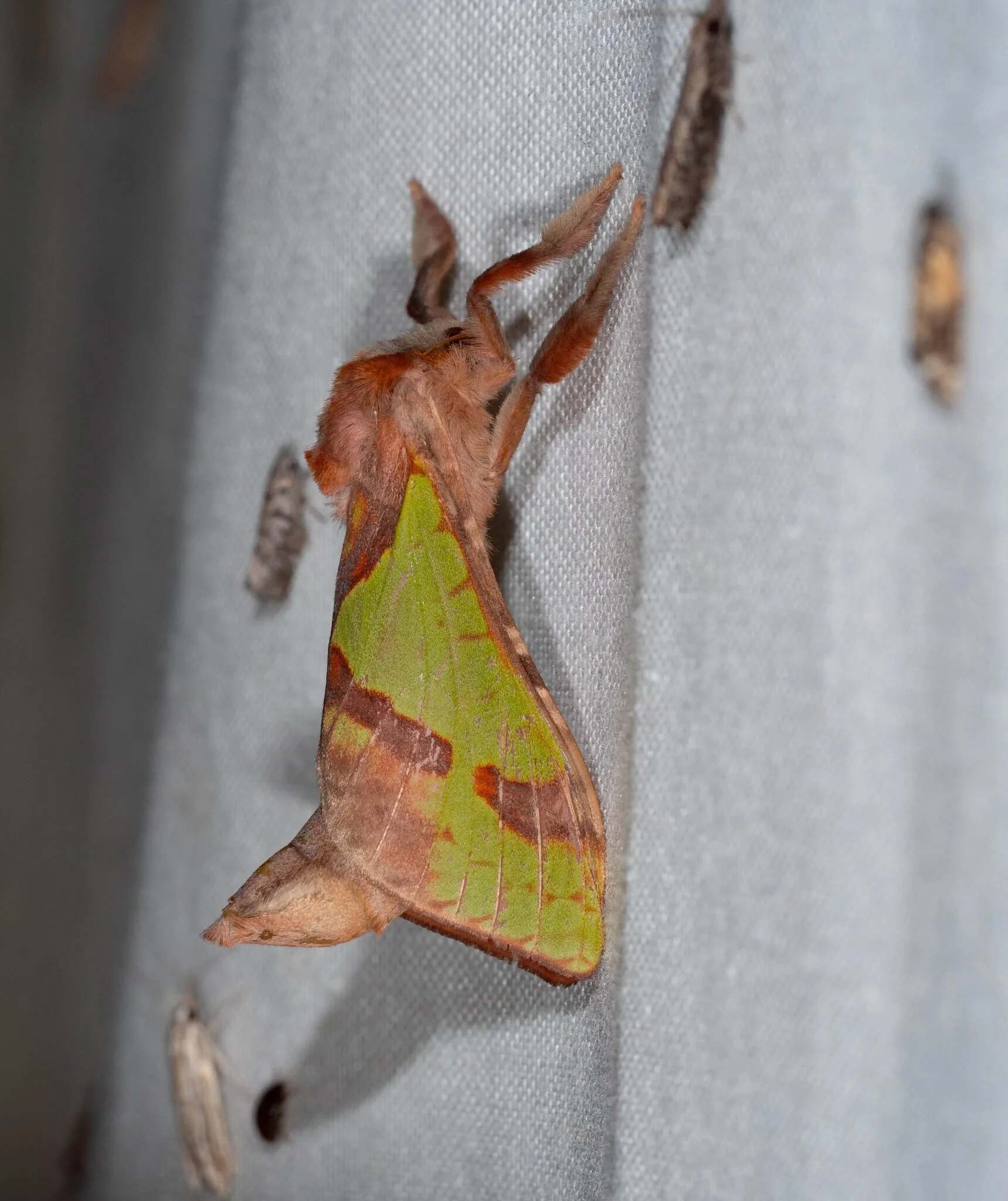
Despite the name, these moths are not so commonly seen as adults. We do see evidence of the larvae throughout the forest, with their characteristic sac-like retreats on the trunks of young Acacia. This is only our second sighting of an adult … and our first was just three weeks ago. Males are even more colourful, being almost entirely bright green. However, they rarely come to lights. We hope to spot one soon, when prowling the forest trails by torchlight.
Aenetus ligniveren (Common Splendid Ghost Moth)
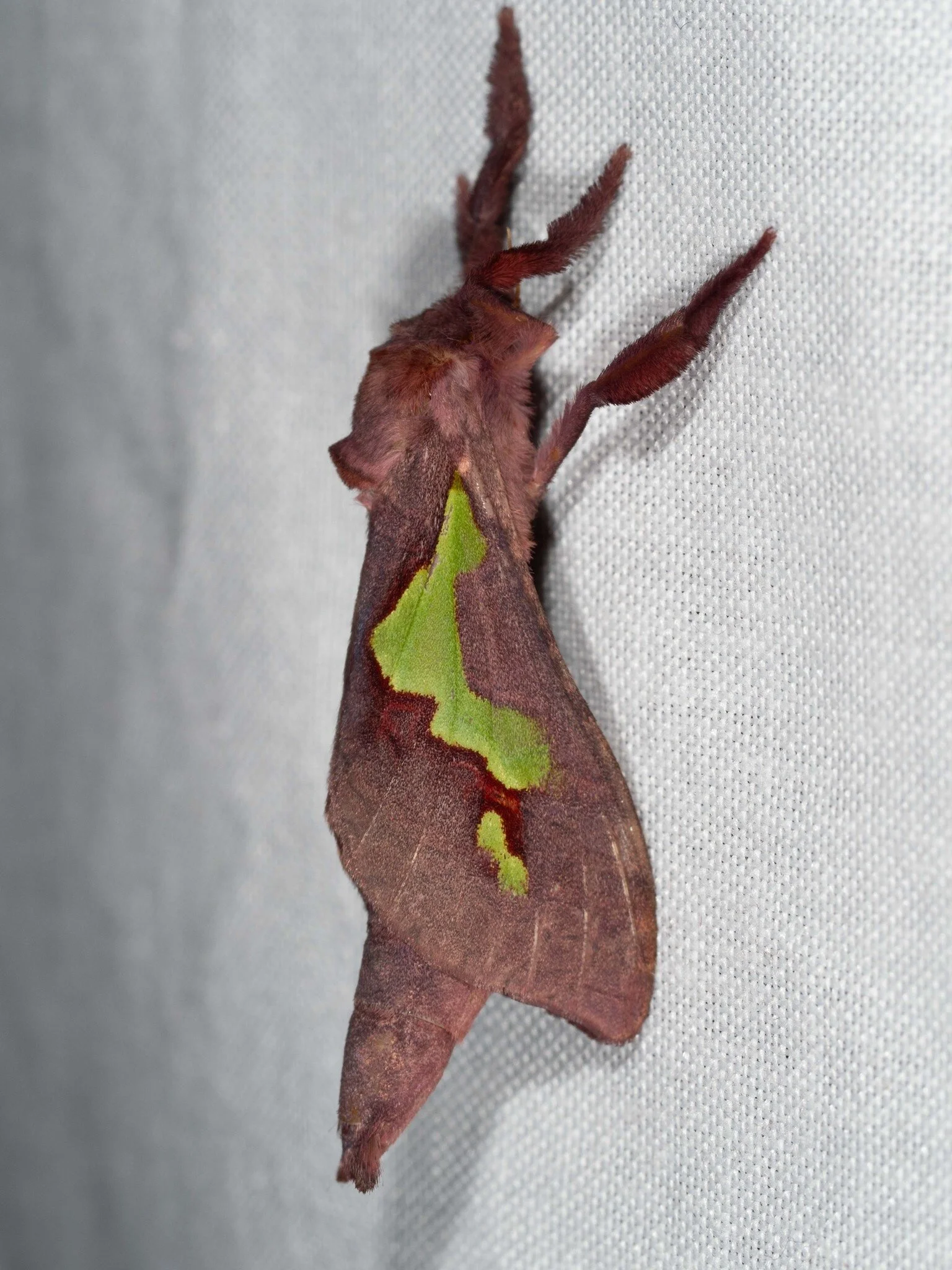
A second Aenetus female on the same night! We thought this momentous enough … until we later realised that it was actually a different species of this beautiful genus. Again, a female. This was an especially exciting (and surprising) find. There are fewer than 50 sightings on iNaturalist, and none anywhere nearly so far south. Needless to say, another first for the home list.
Aenetus lewinii (Lewin’s Splendid Ghost Moth)
One more for the list. And yet another species not commonly seen, even though its range includes the Melbourne area … which is something of a hotspot for moth watchers.
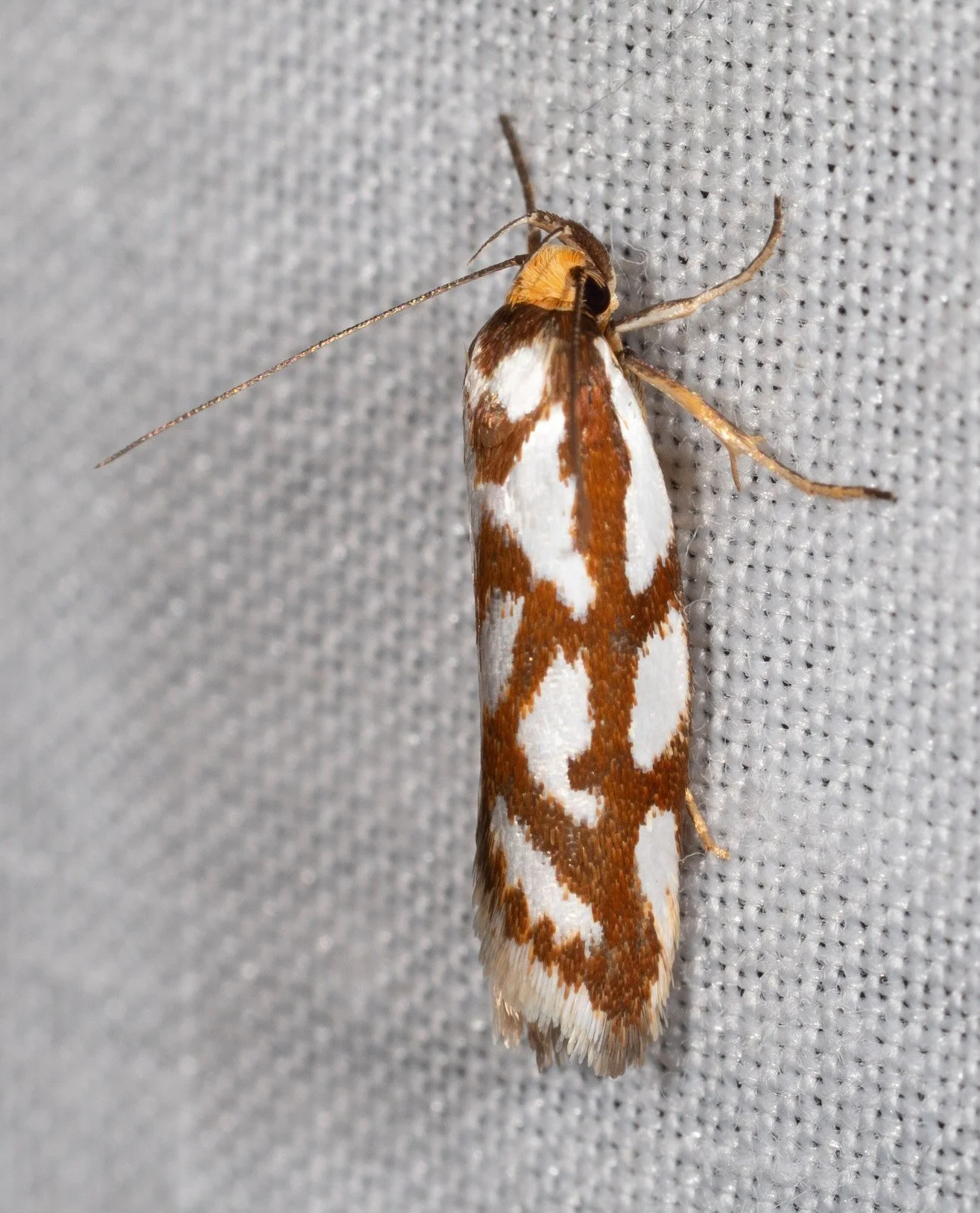
Myrascia bracteatella (concealer moth)
A rather stunning moth and yet another new one for home … although it is a widespread and rather common species.
Aglaopus pyrrhata (picture-winged moth)
This is also the first member of this family we have recorded here.
Aglaopus pyrrhata (picture-winged moth)
Another regular. And another for which we are near the southern limit of its range.
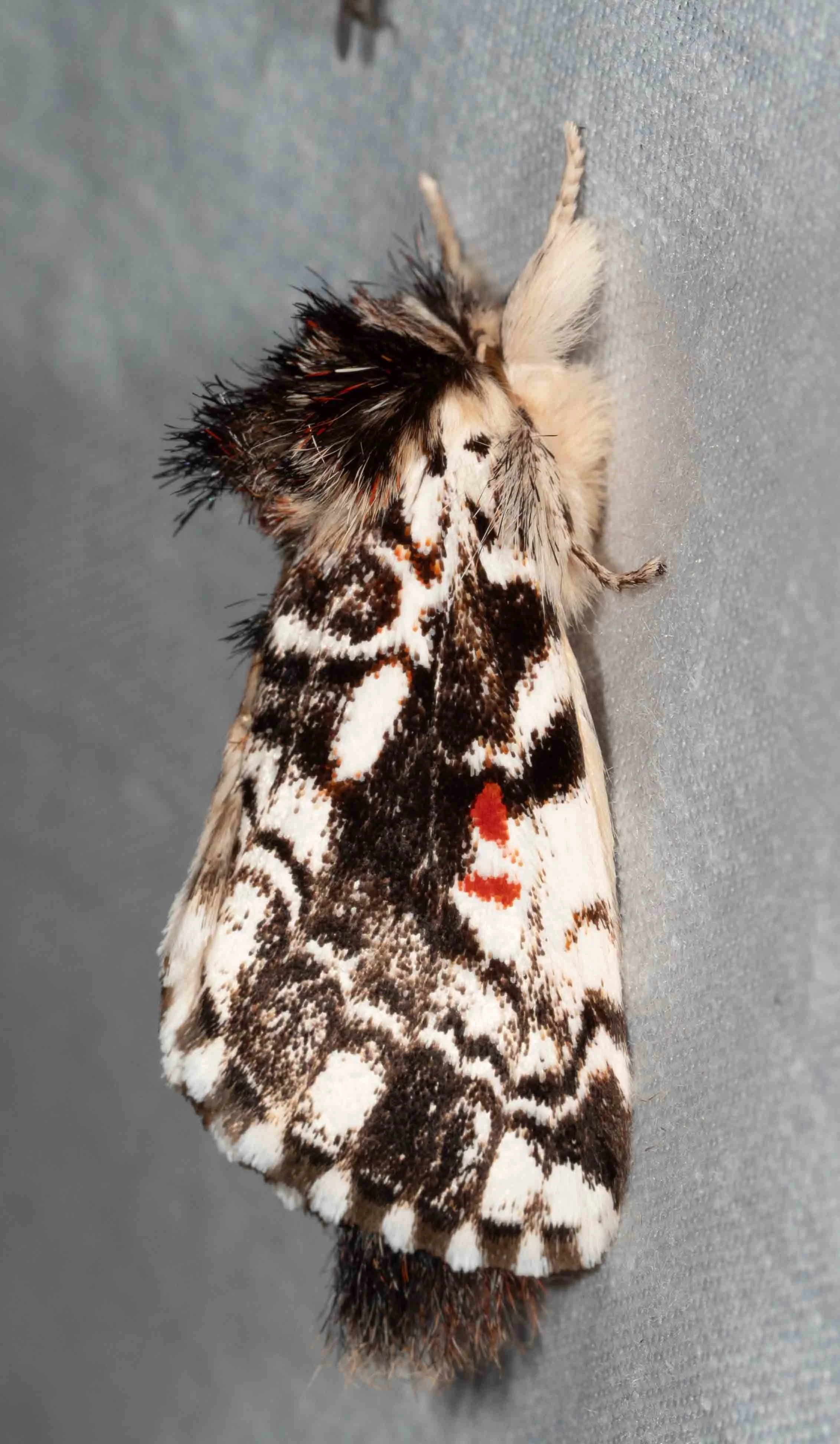
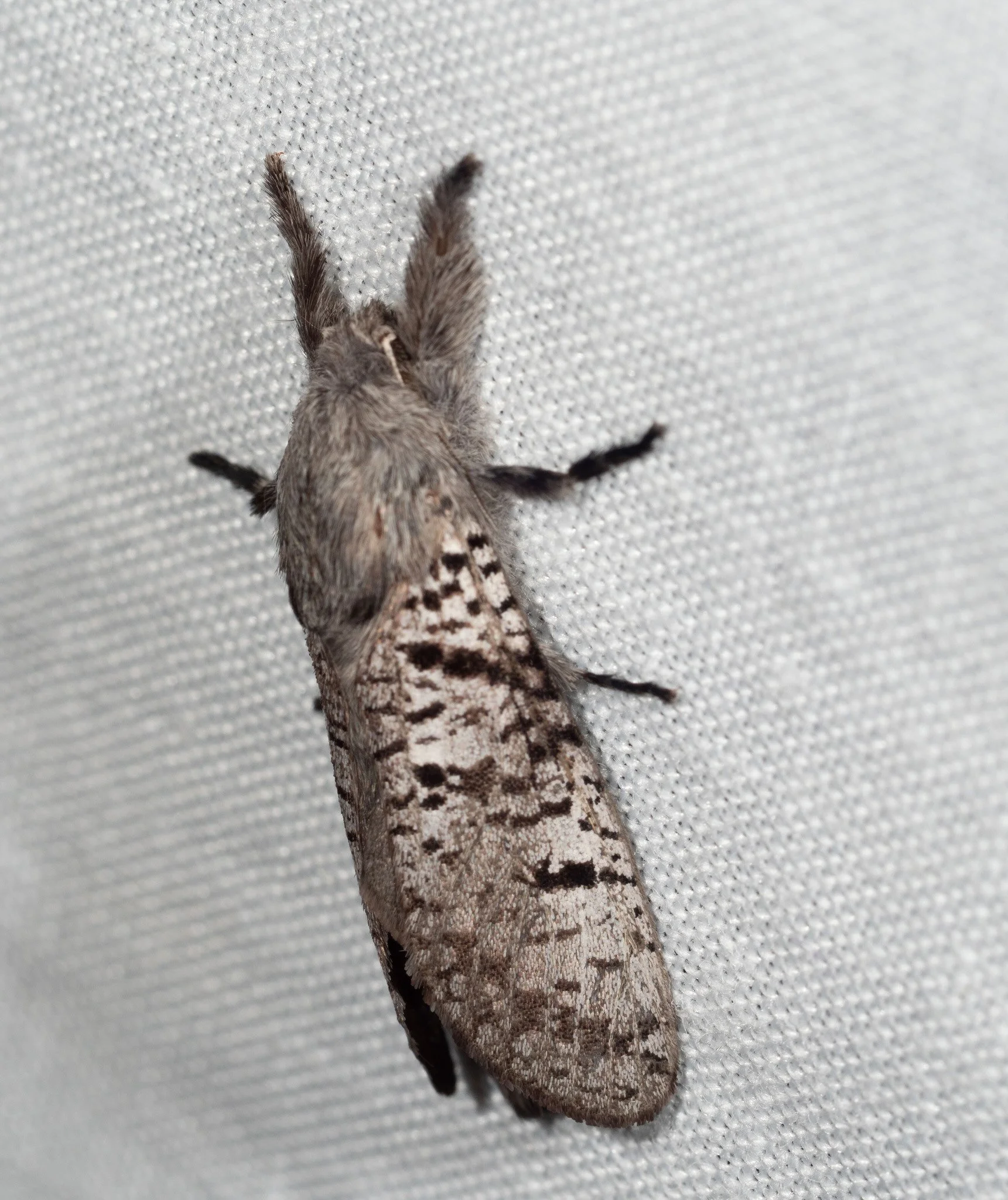
Aglaosoma variegata (Patterned Notodontid)
Not entirely new for us, but only our second ever sighting.
Sympycnodes rhaptodes (leopard moth)
Not on the sheet, but on the post alongside. I suspect the orientation is deliberate, enhancing the camouflage effect.
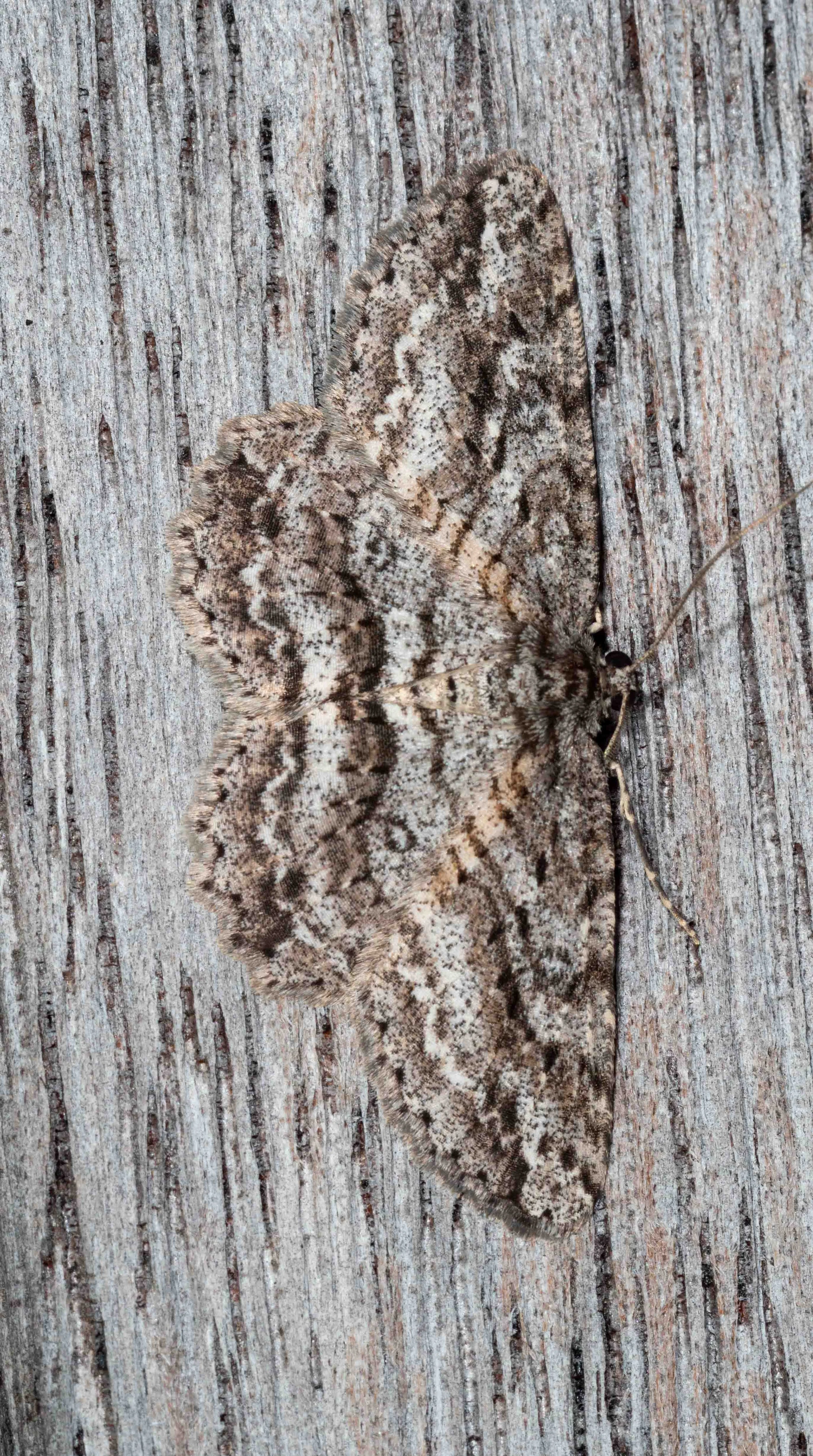
Ectropis fractaria (Ringed Bark Moth)