
Tachynomyia fervens (specimen 2610C)
Workbook
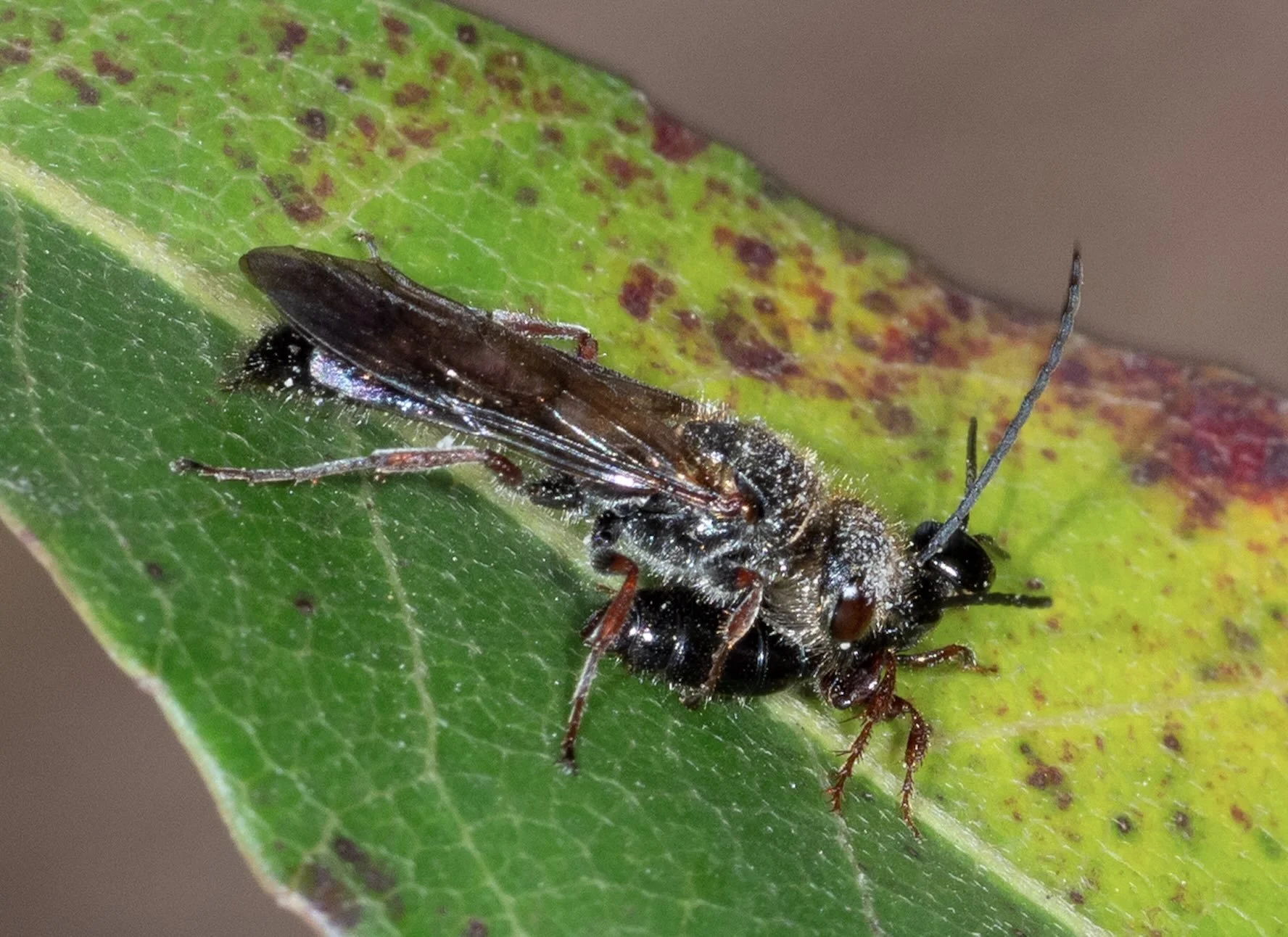
Specimen collected by hand 13th Oct 2026, found on leaf with female (also collected, as Specimen 2610D).
Thynninae: Tachynomini: Tachynomyia
Having worked through the various options, I am confident that this is Tachynomyia. The genus is known from our local region, and meets the diagnostic criteria described by Brown (2025).
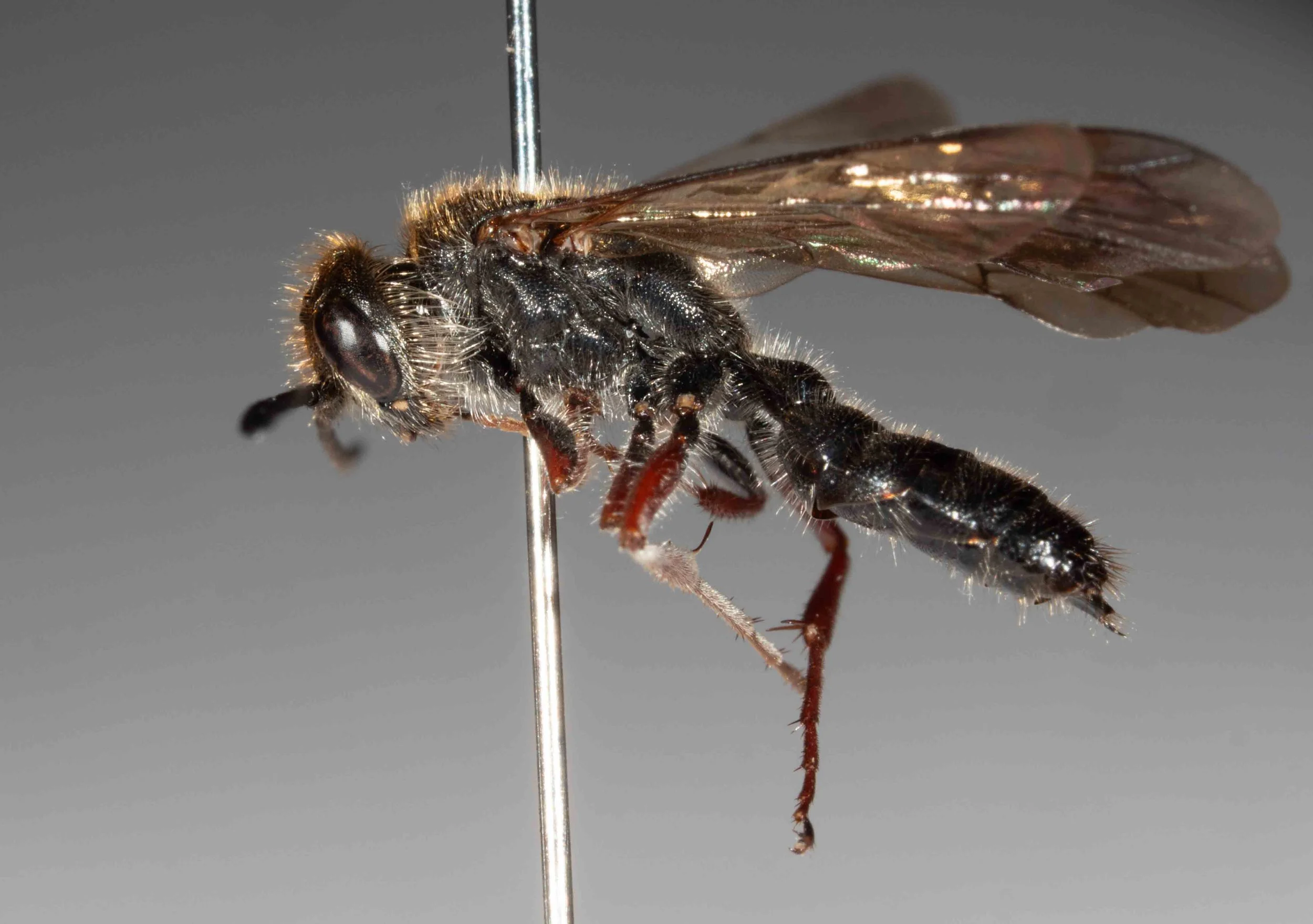
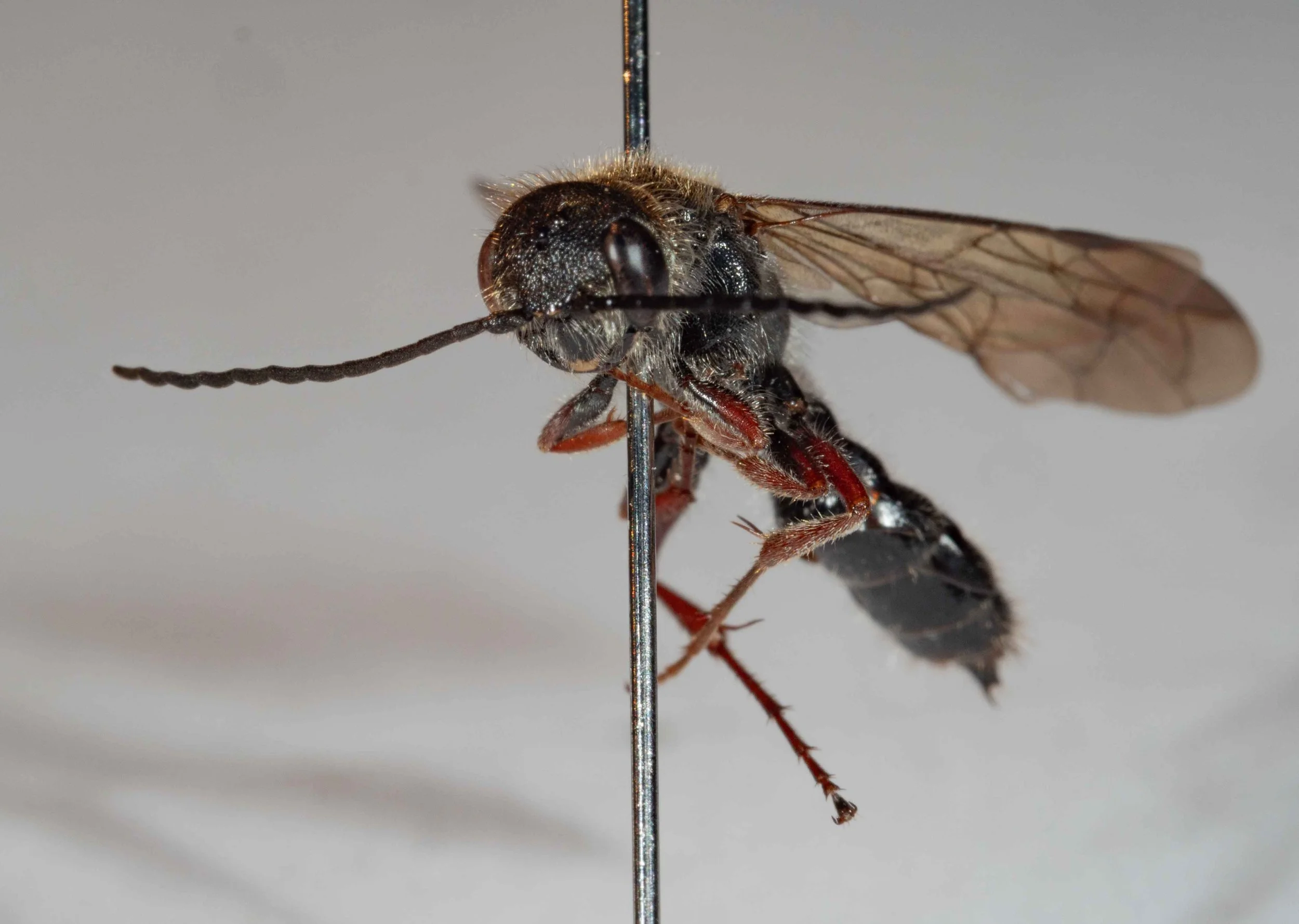
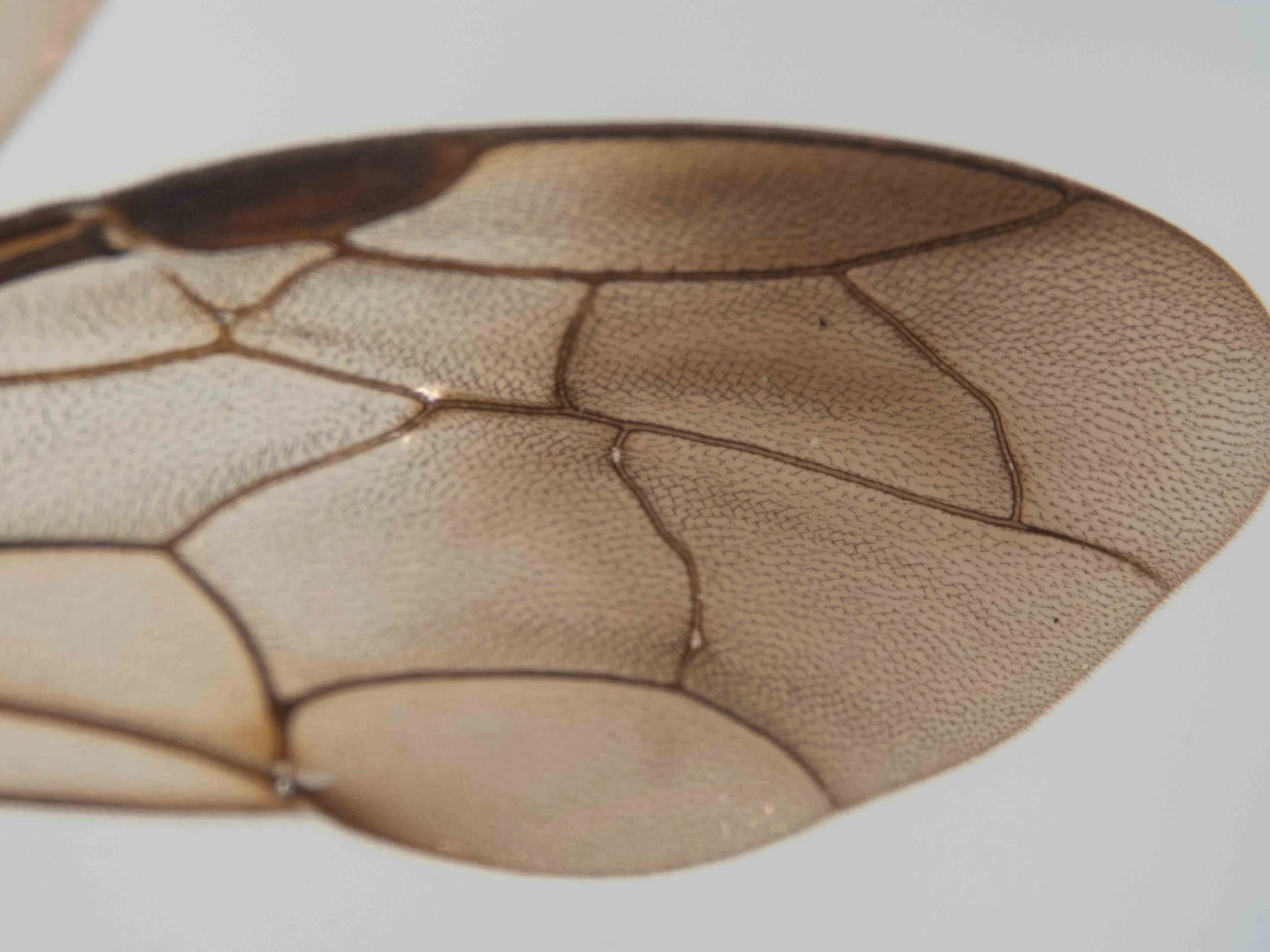
Notable diagnostic features of male Tachynomyia include:
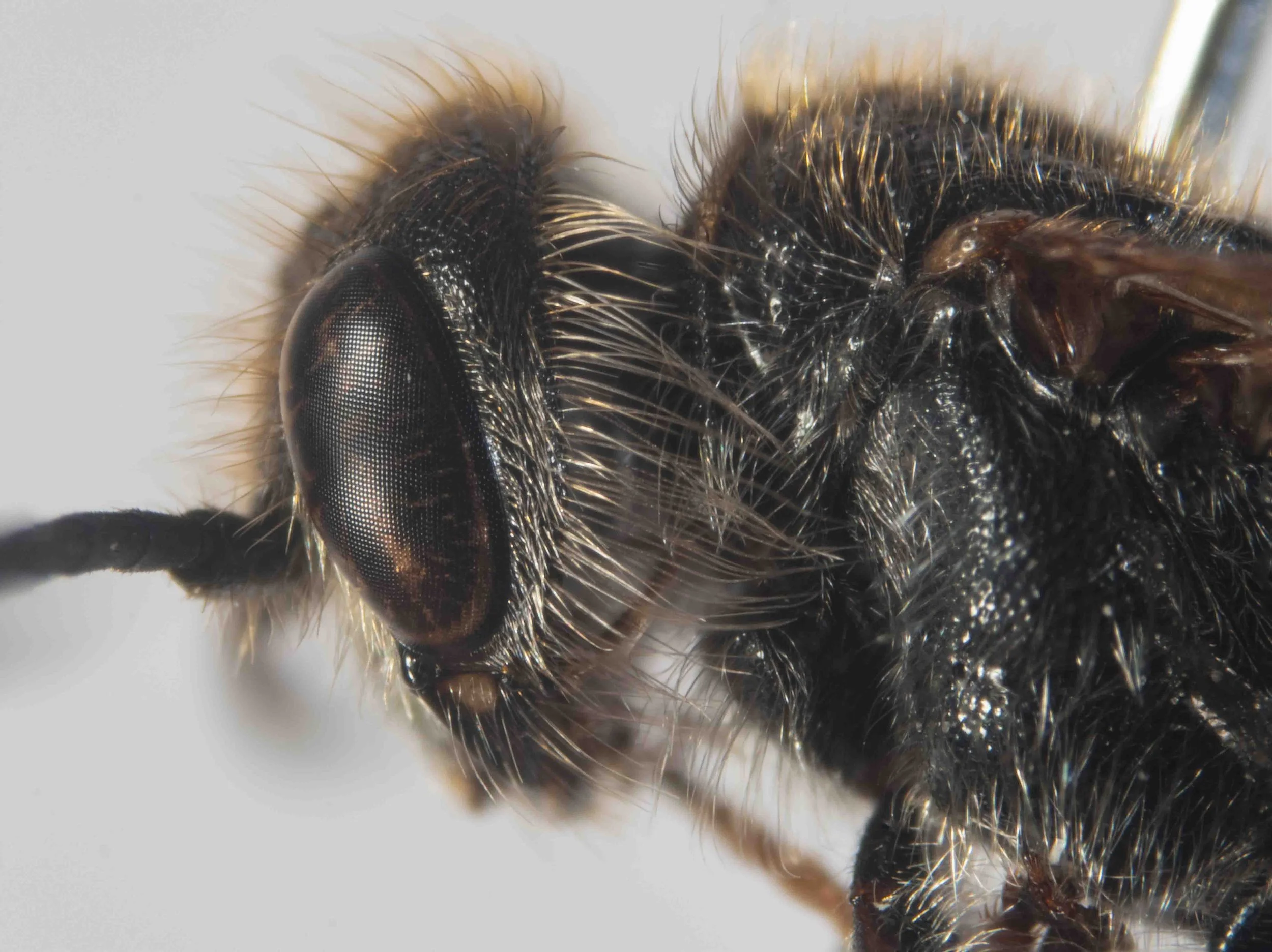
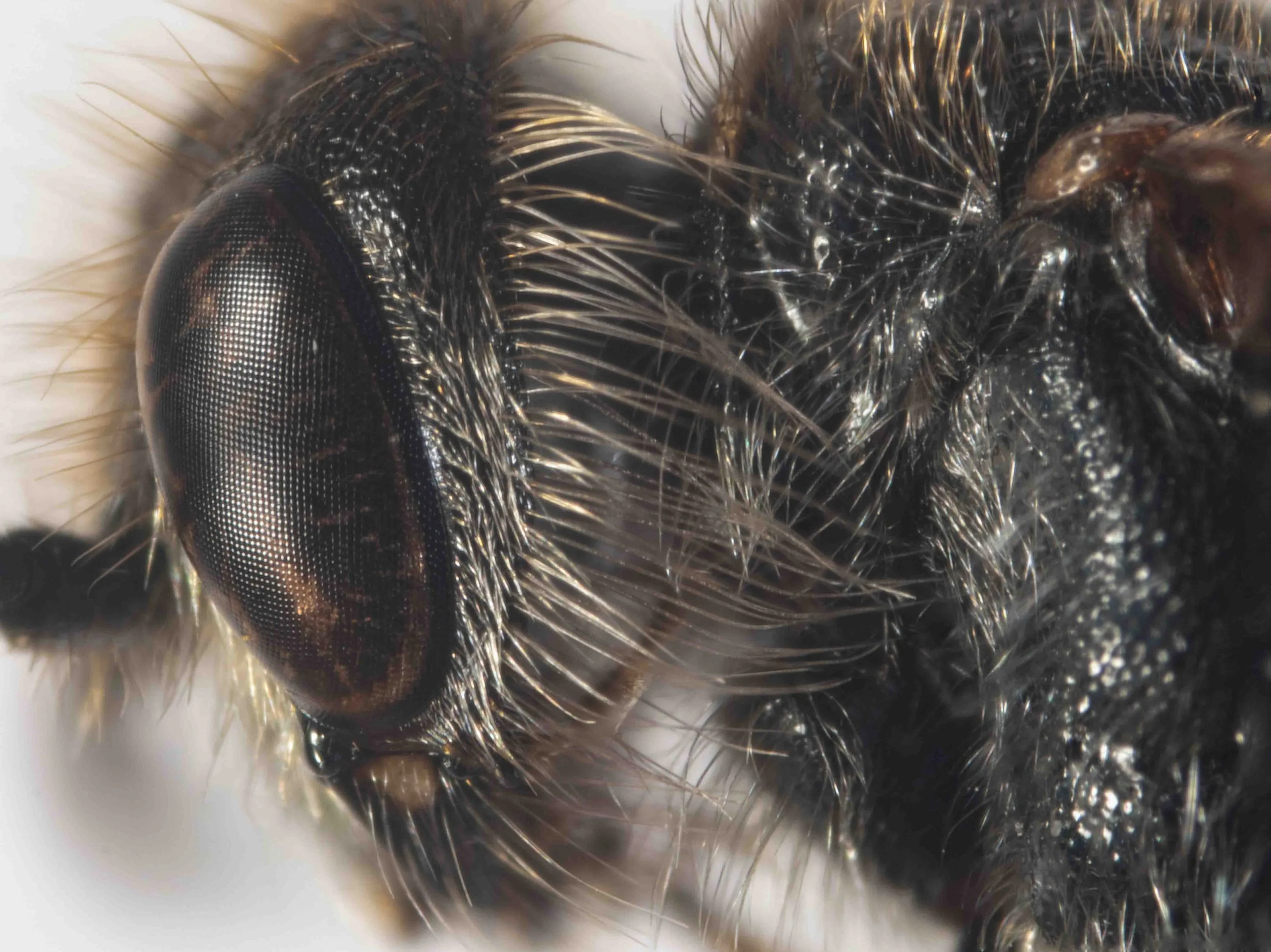
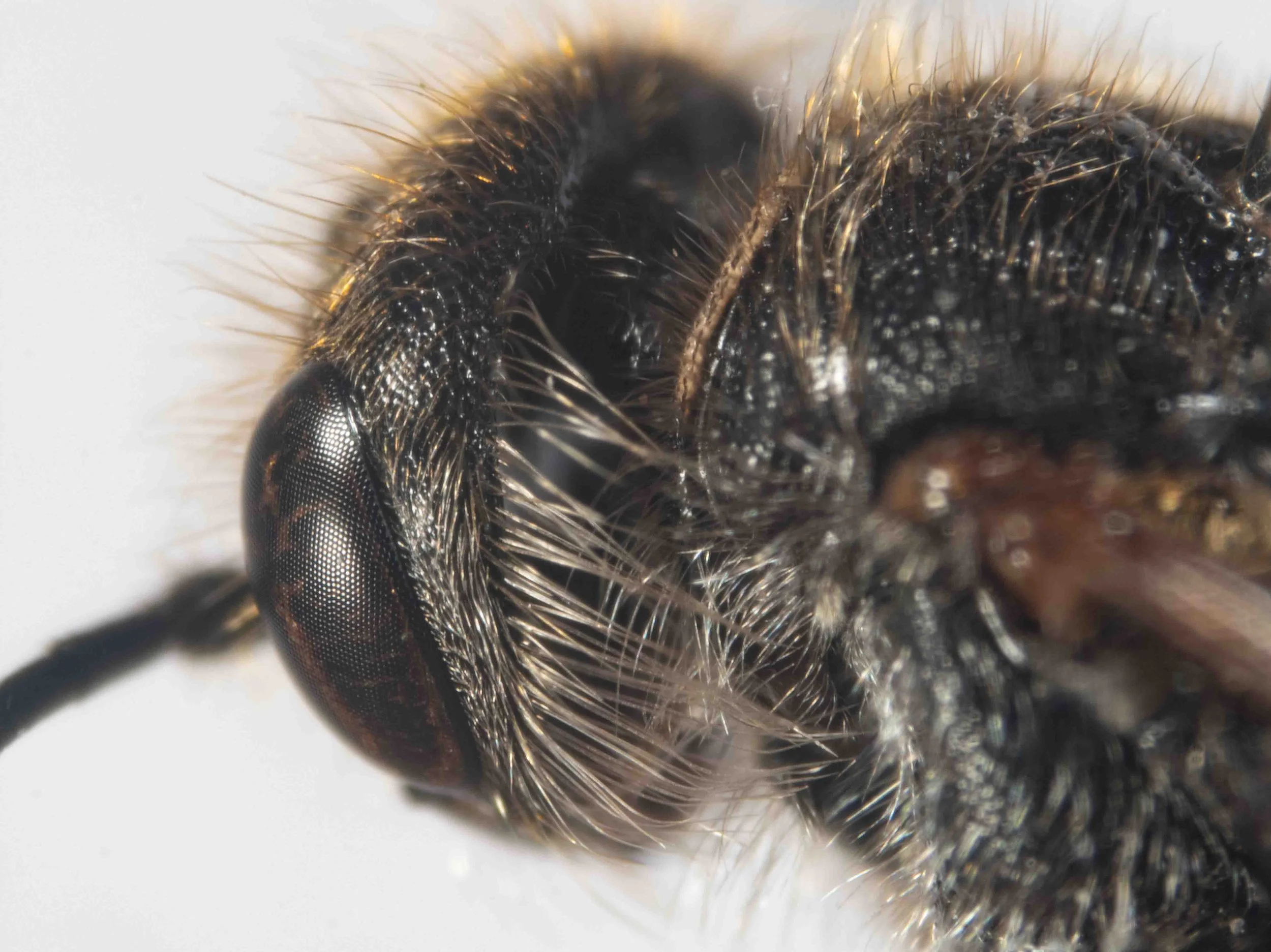
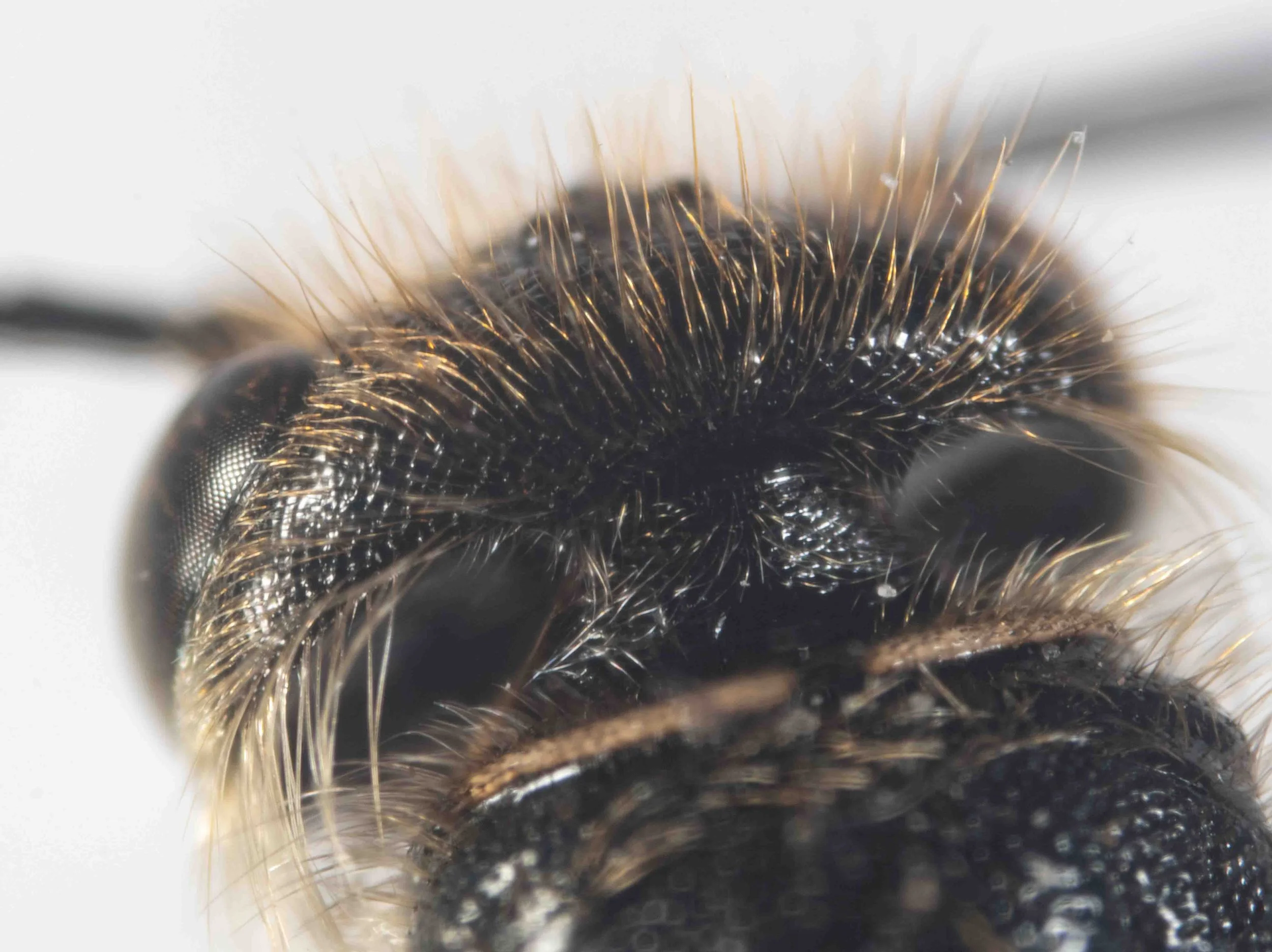
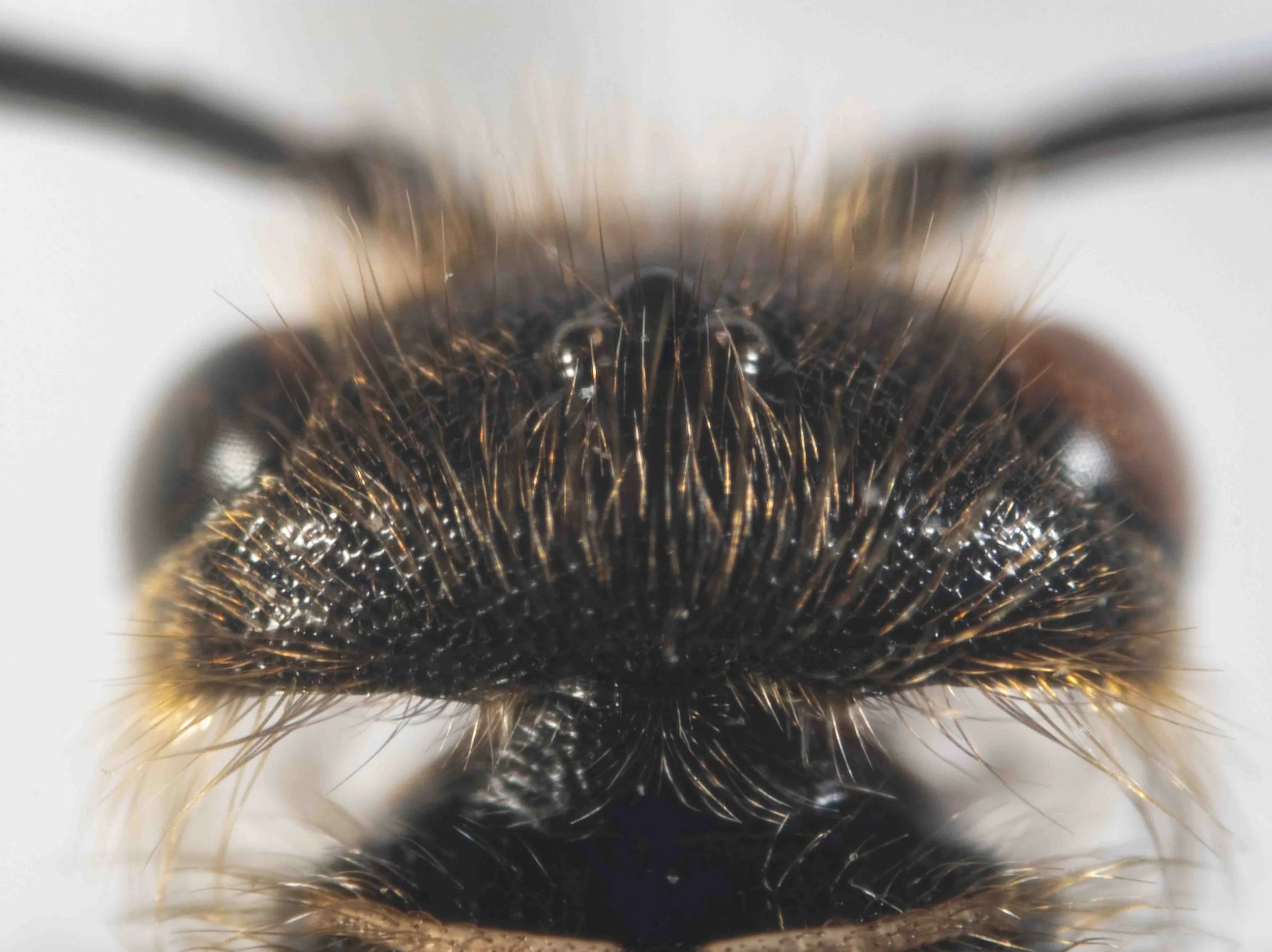
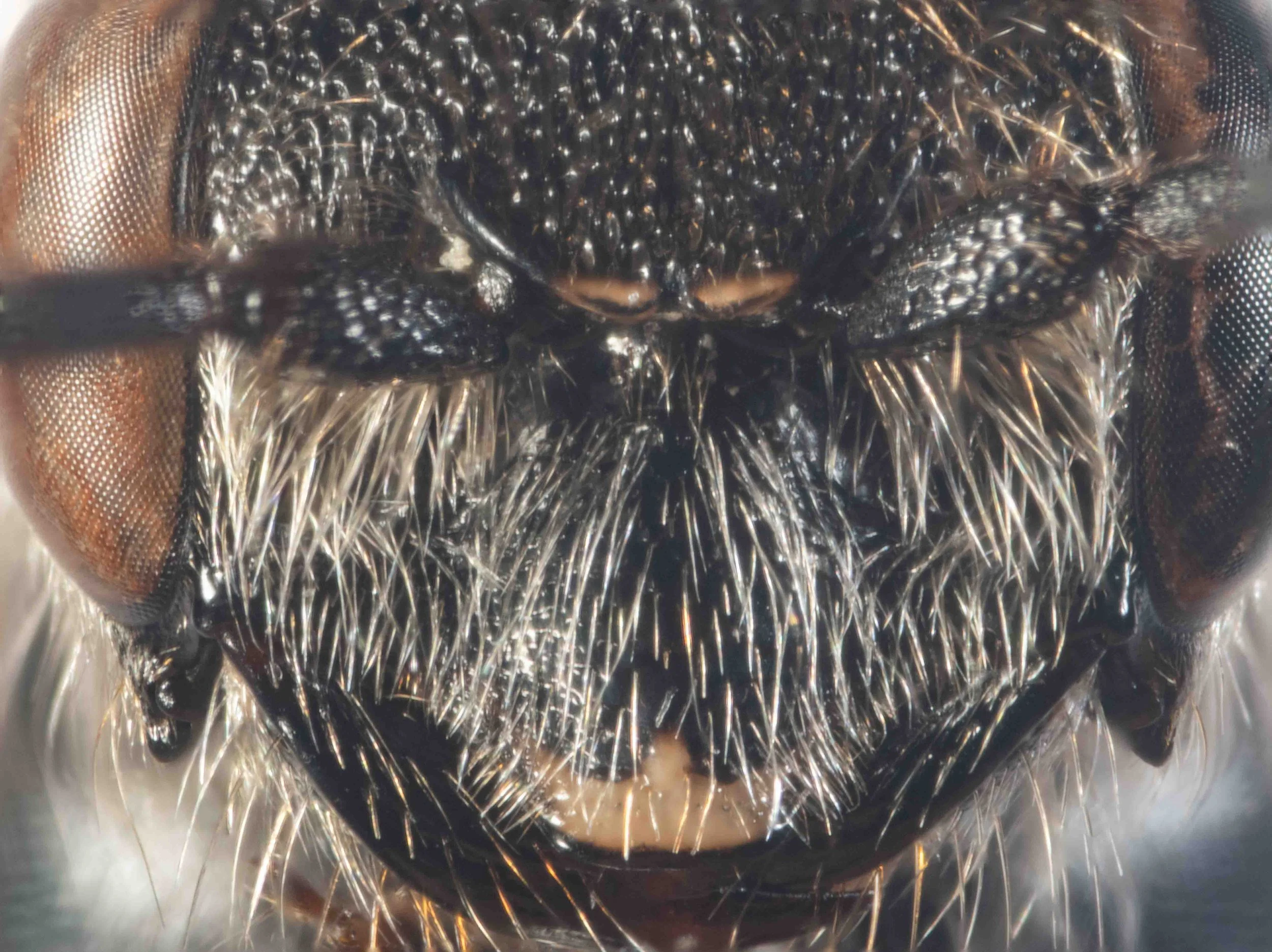
head strongly concave posteriorly, concavity with carinate margin and fringe of long setae
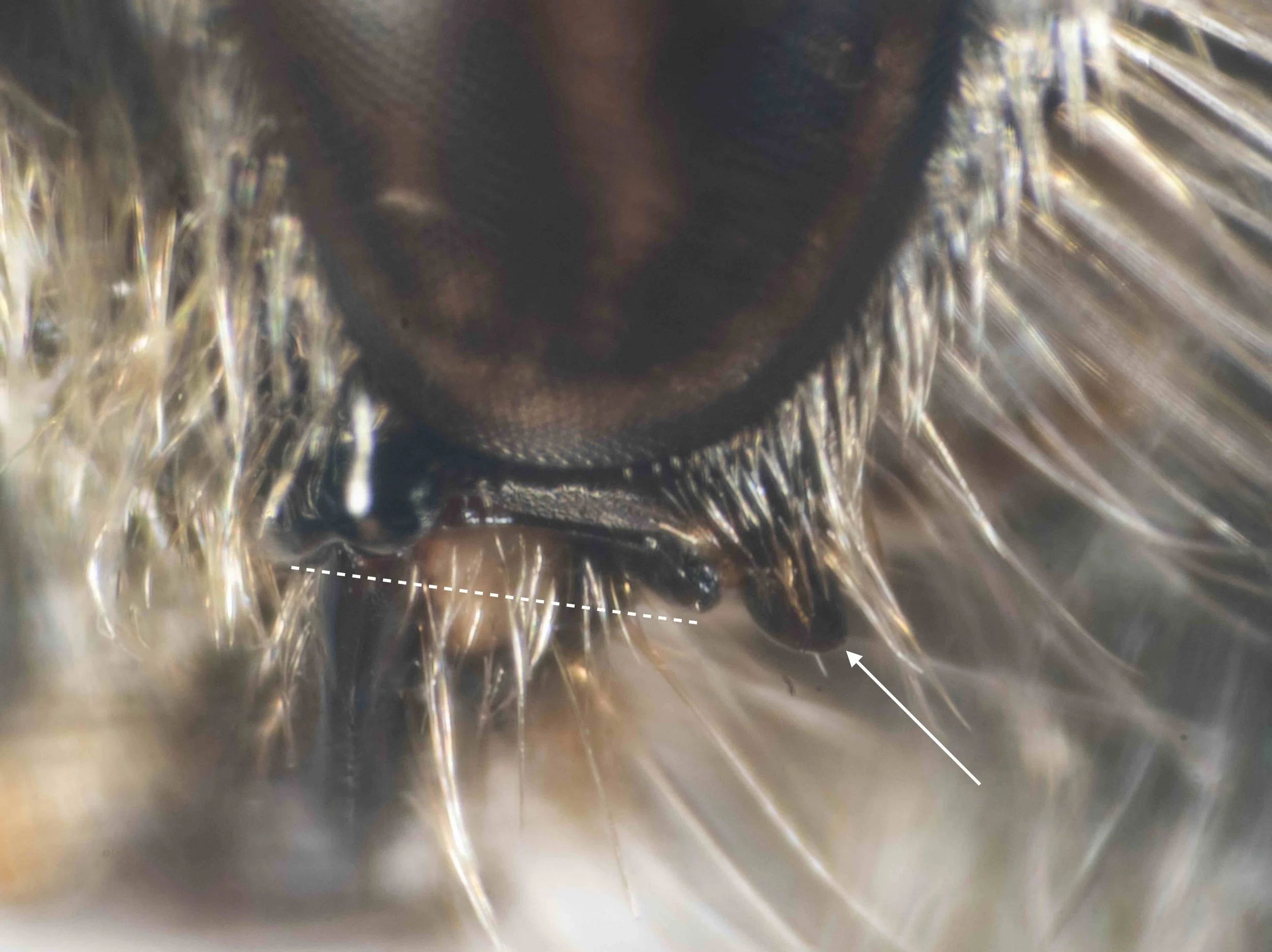
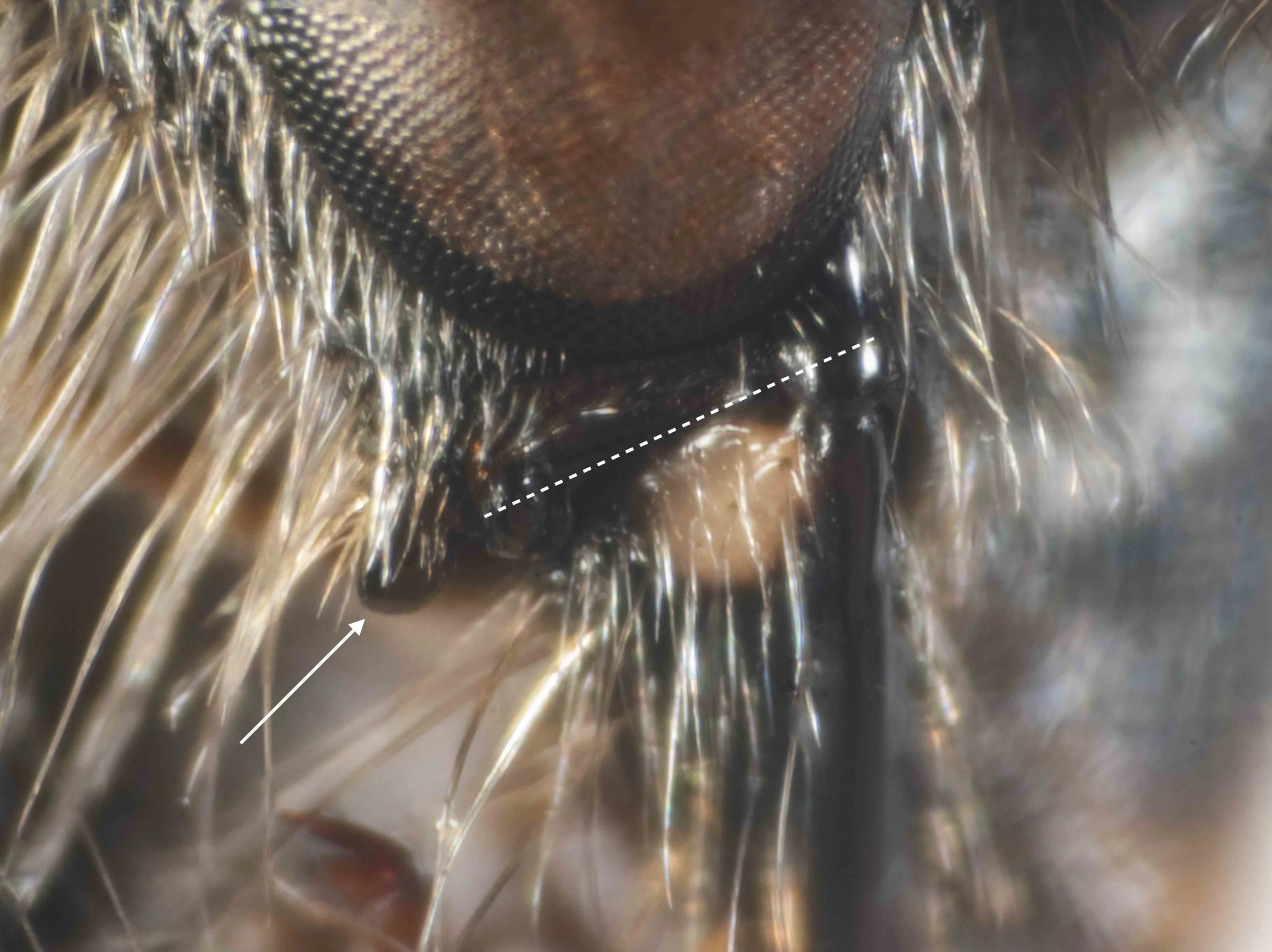
gena with digitate process near base of mandible
Tachynomyia fervens
Specimen 2610C keys out to Tachynomia fervens, a species known from southeastern Australia, including the Melbourne region. In comparison with Figure 317 (Brown 2025), it looks a match. Although Figure 317 does not show the apical part of the forewings, I note that the original species description includes “wings hyaline, the marginal cell with a slight fuscous cloud” (Smith 1859).
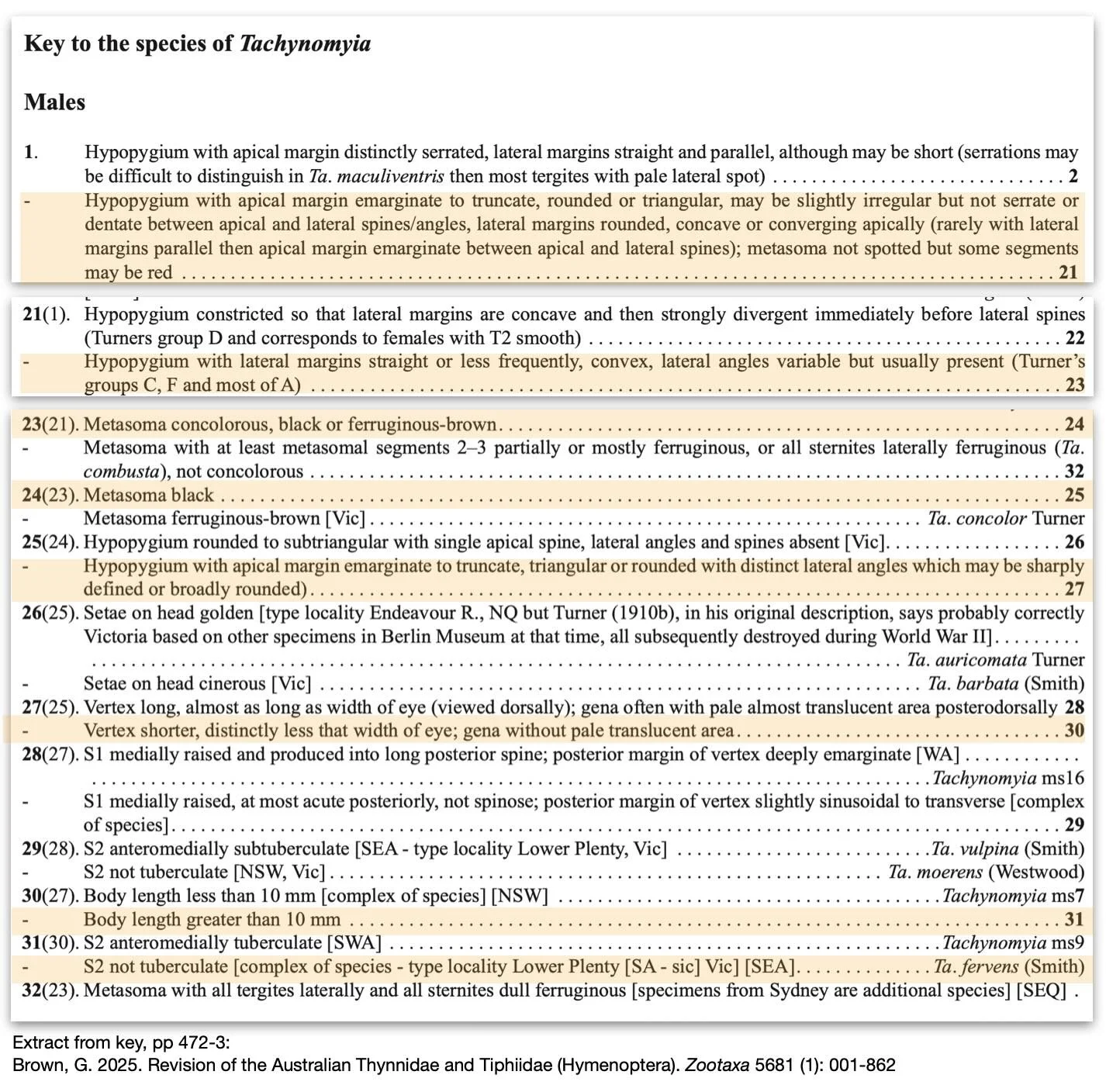
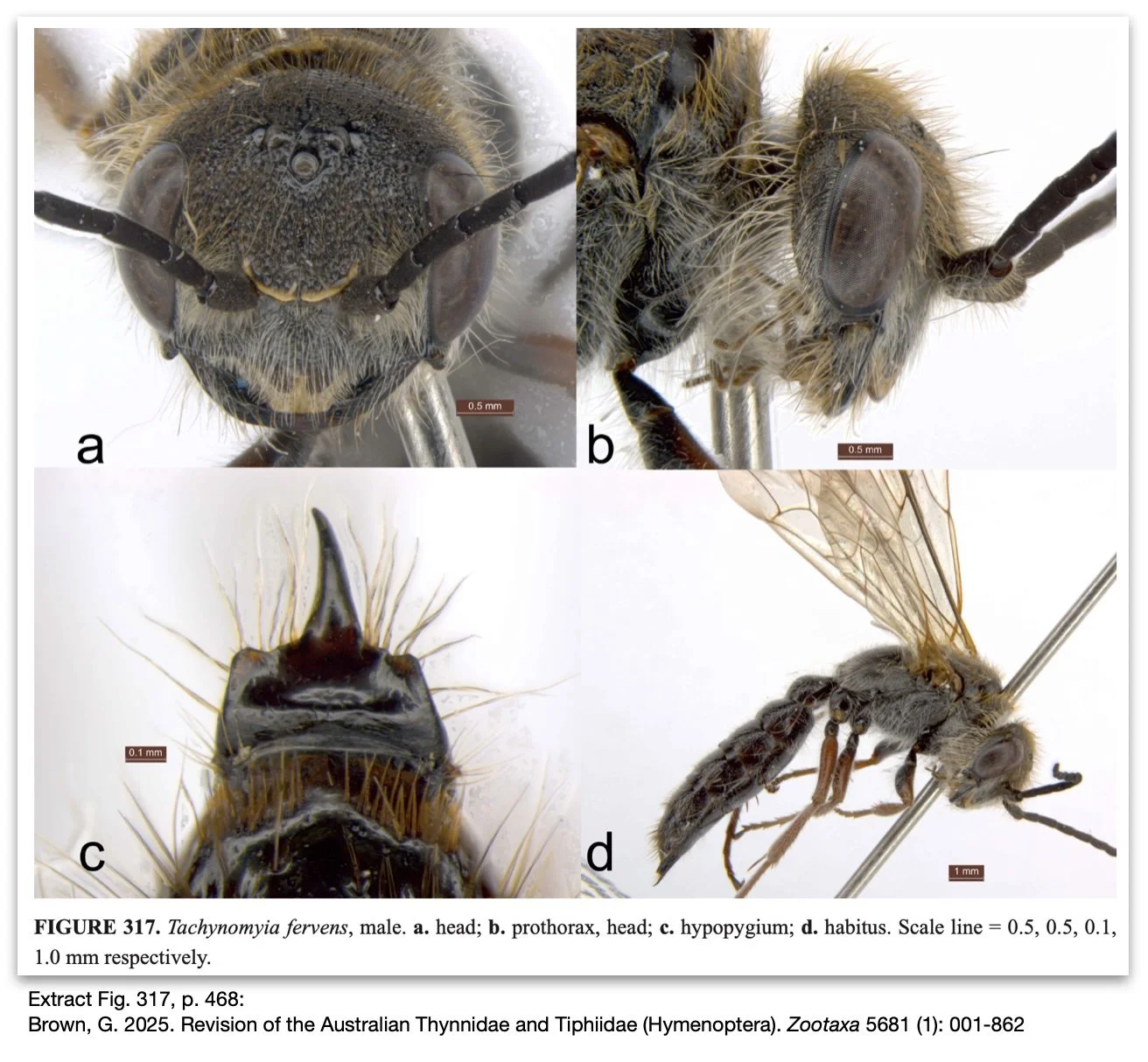
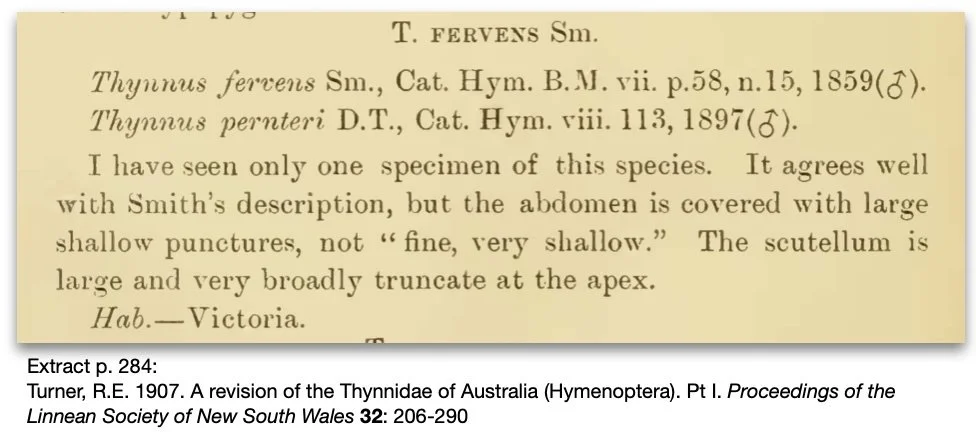
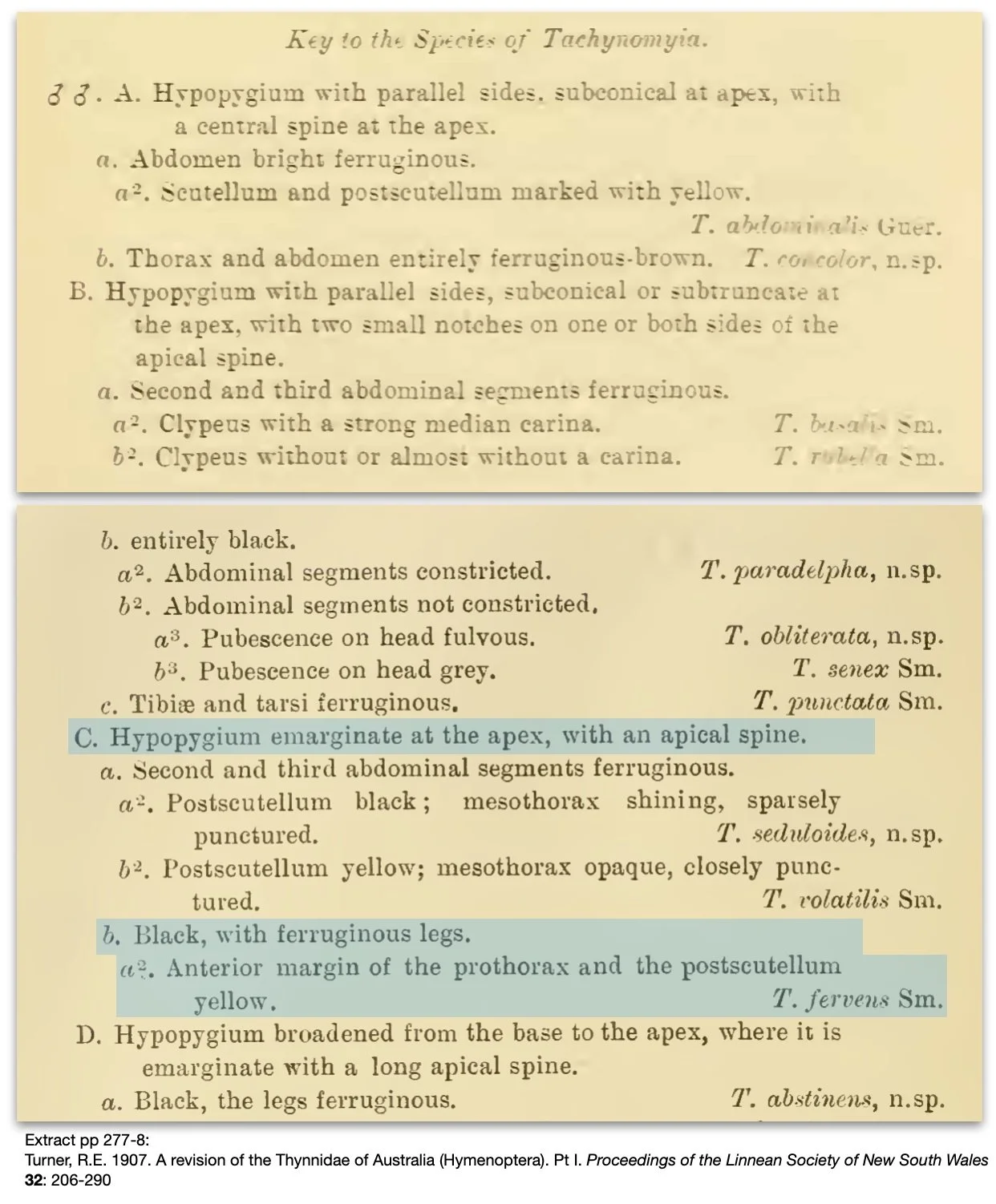
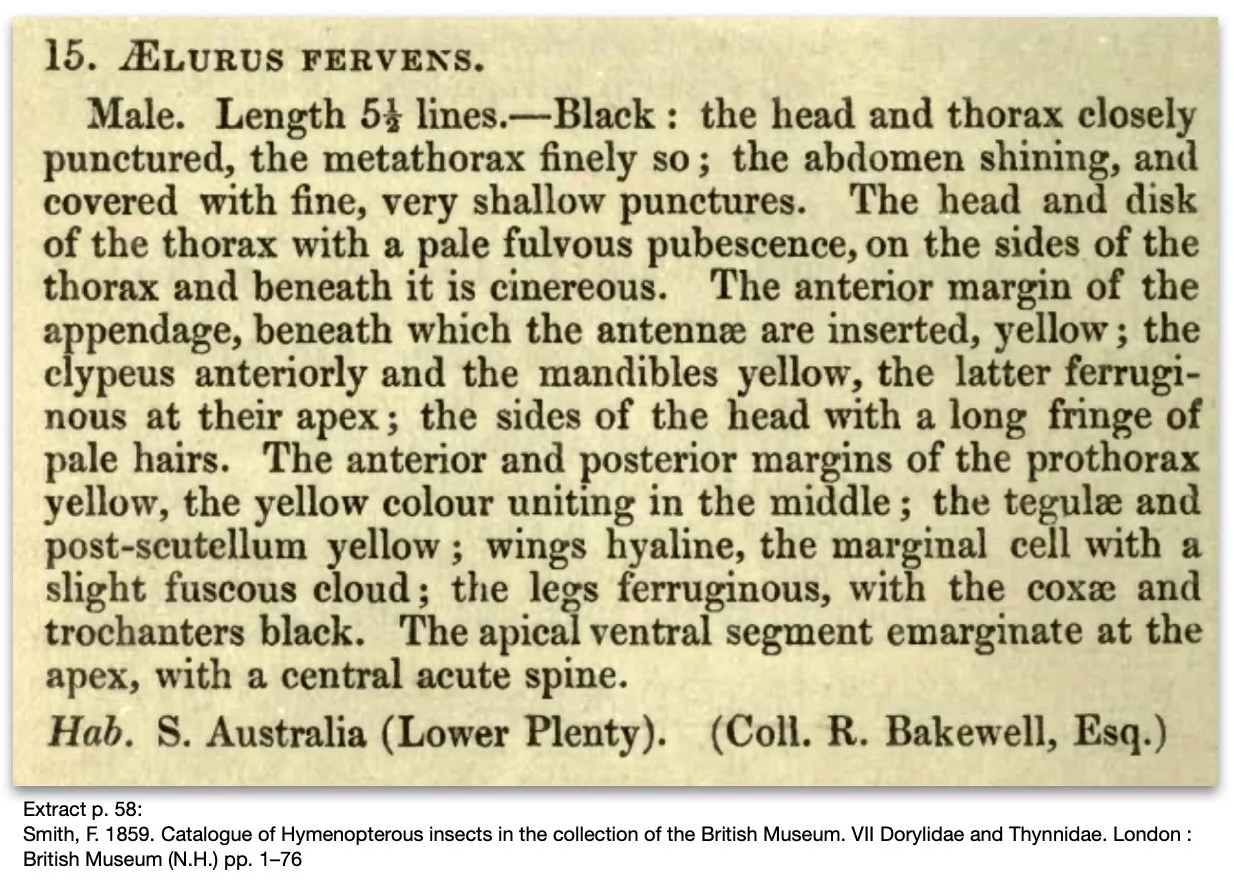
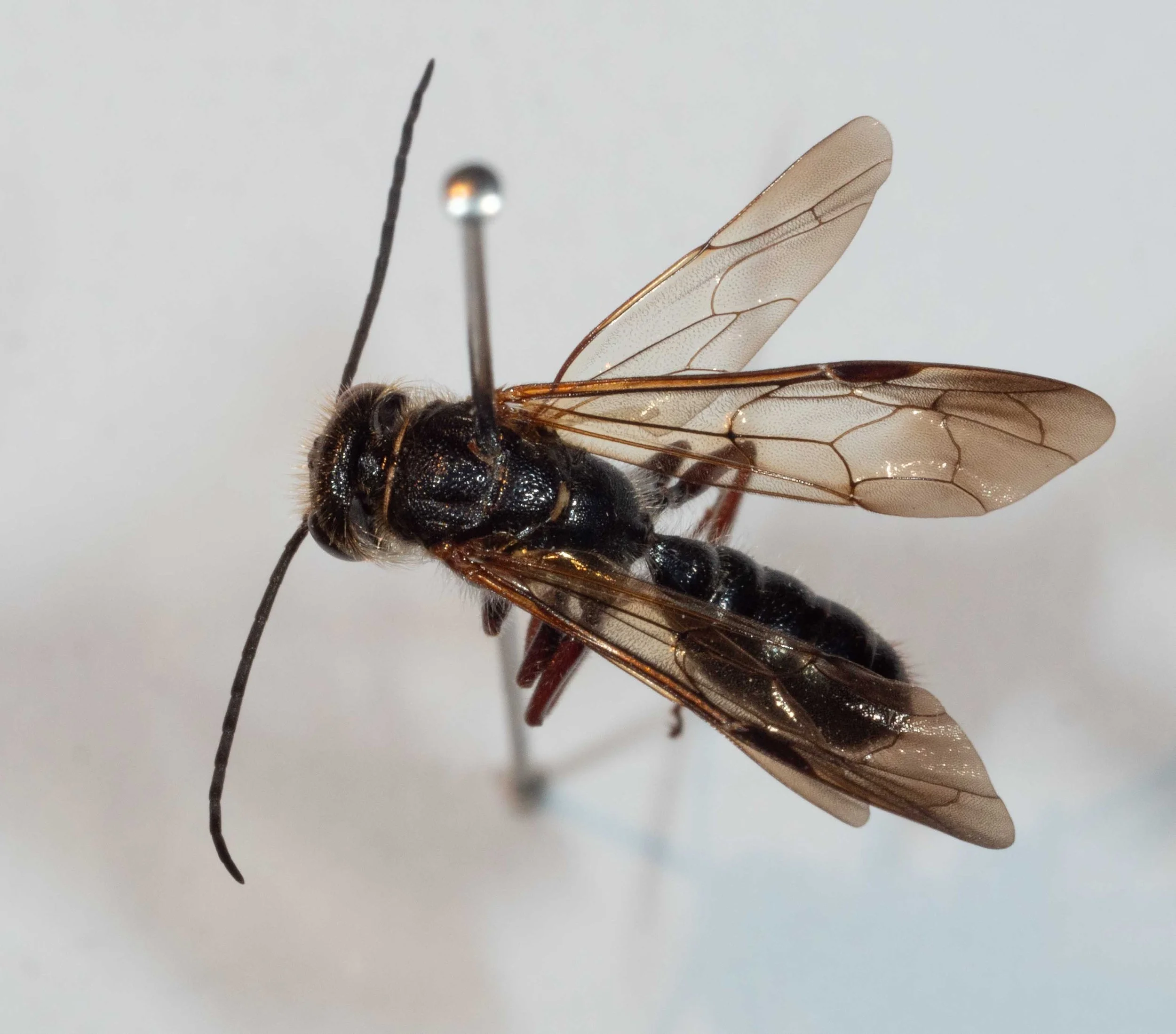
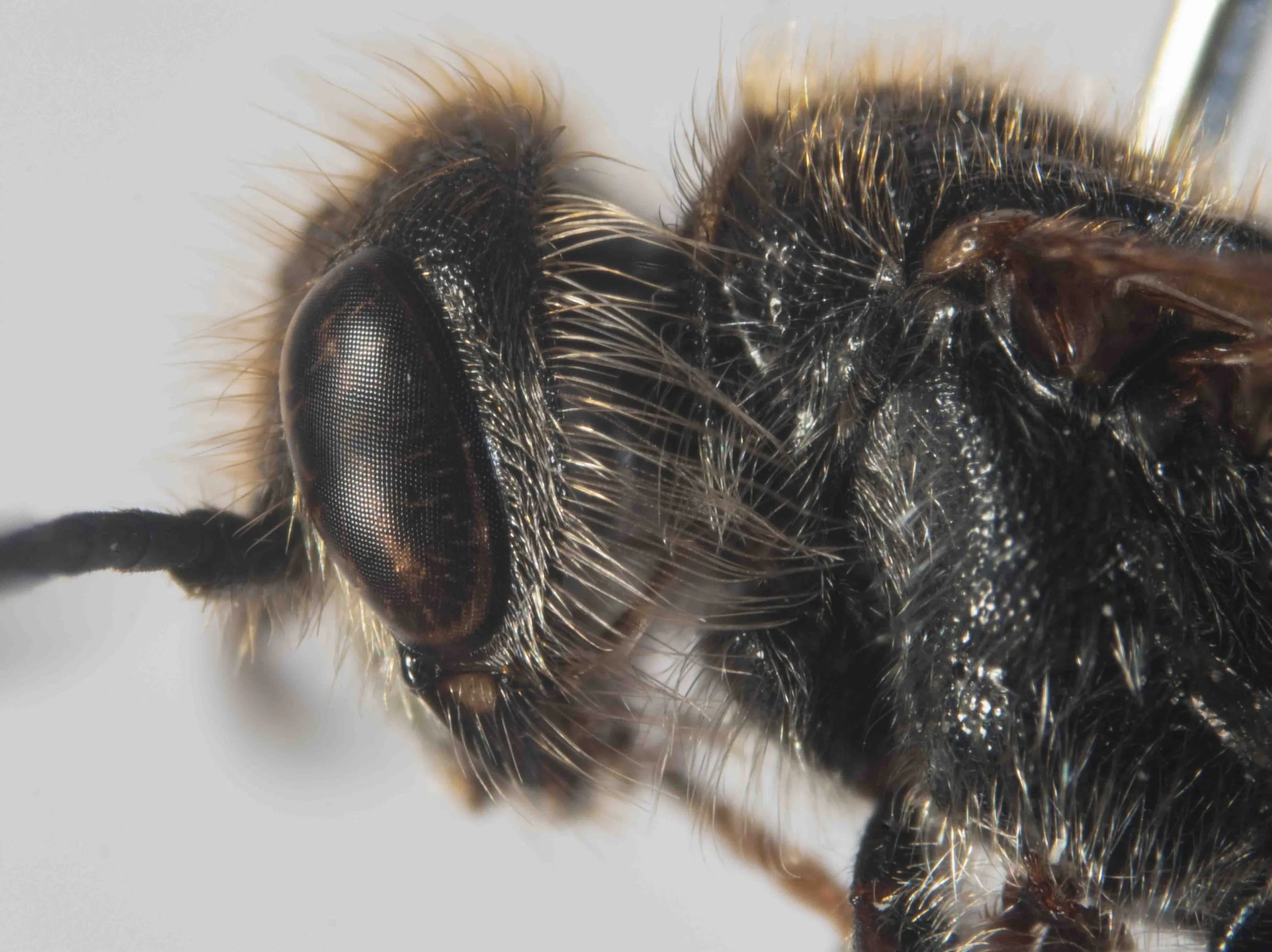
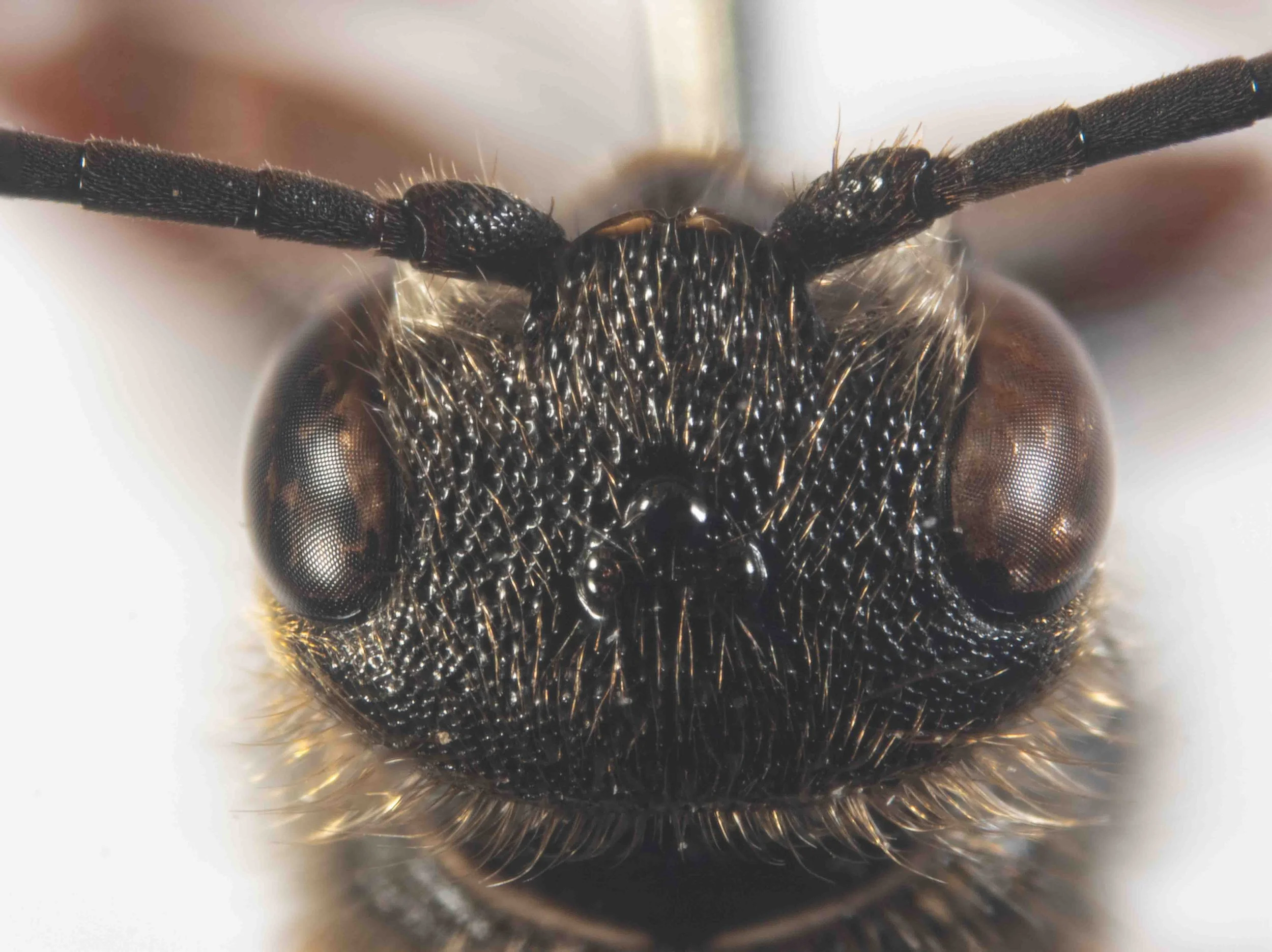
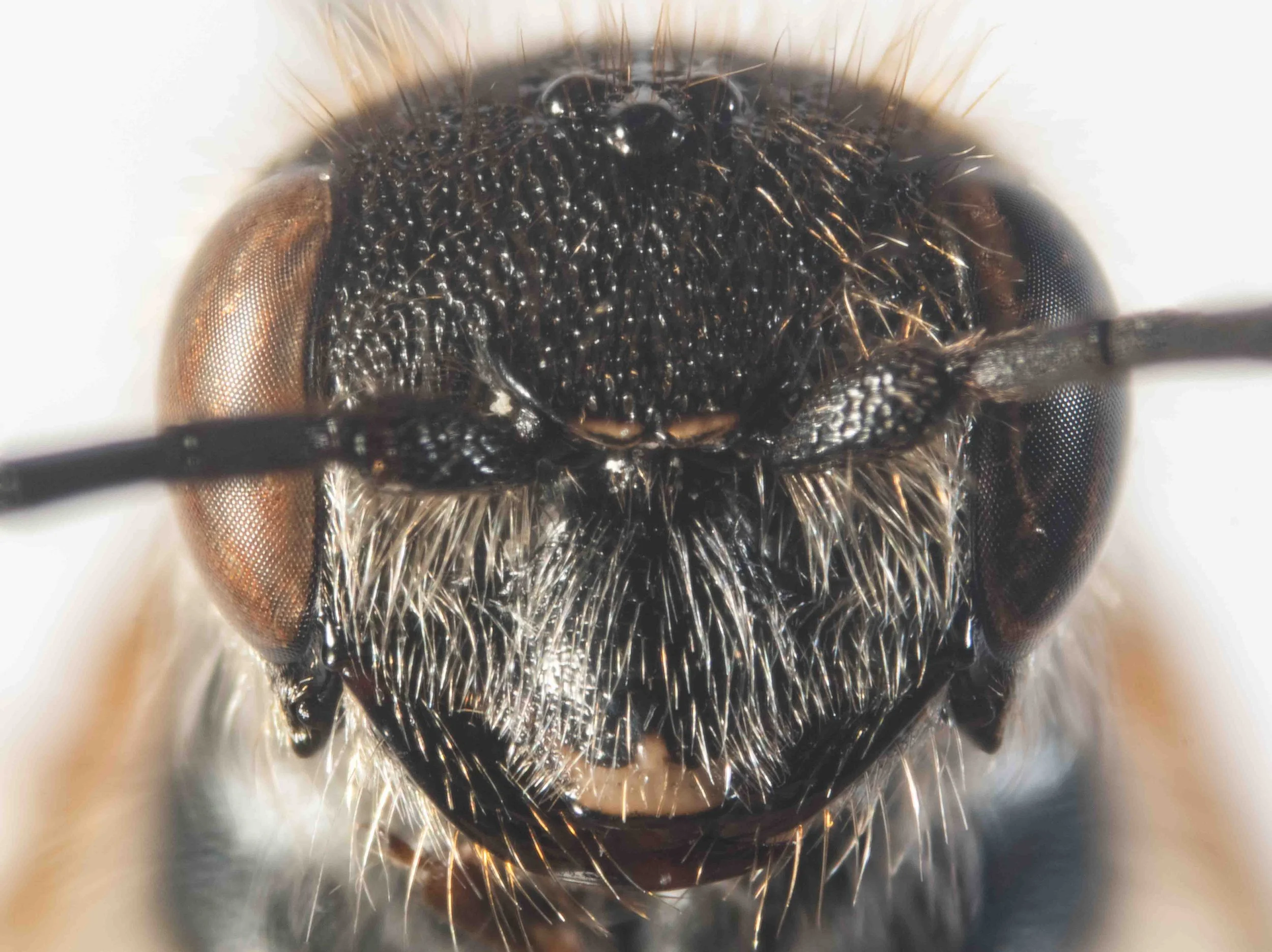
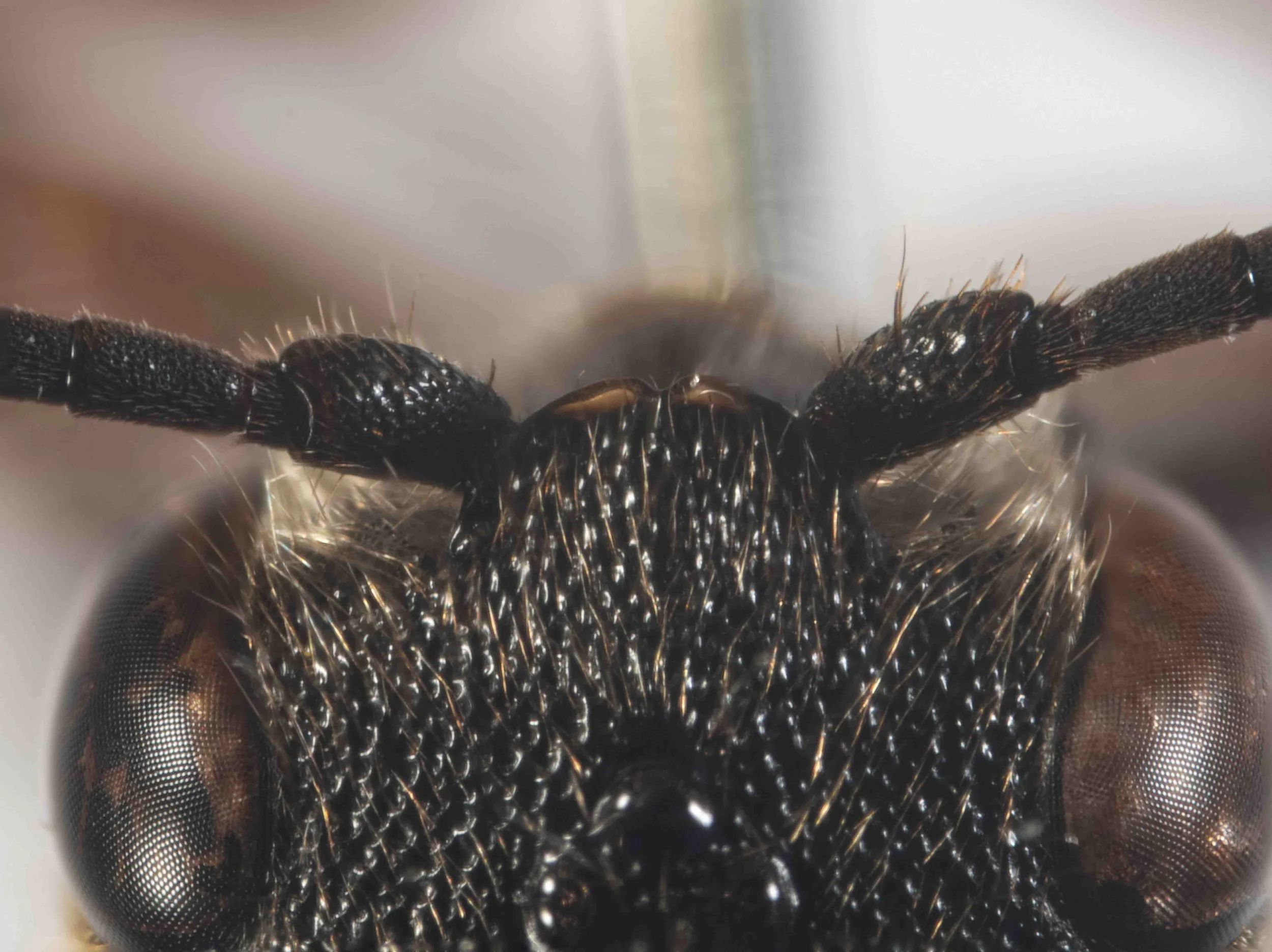
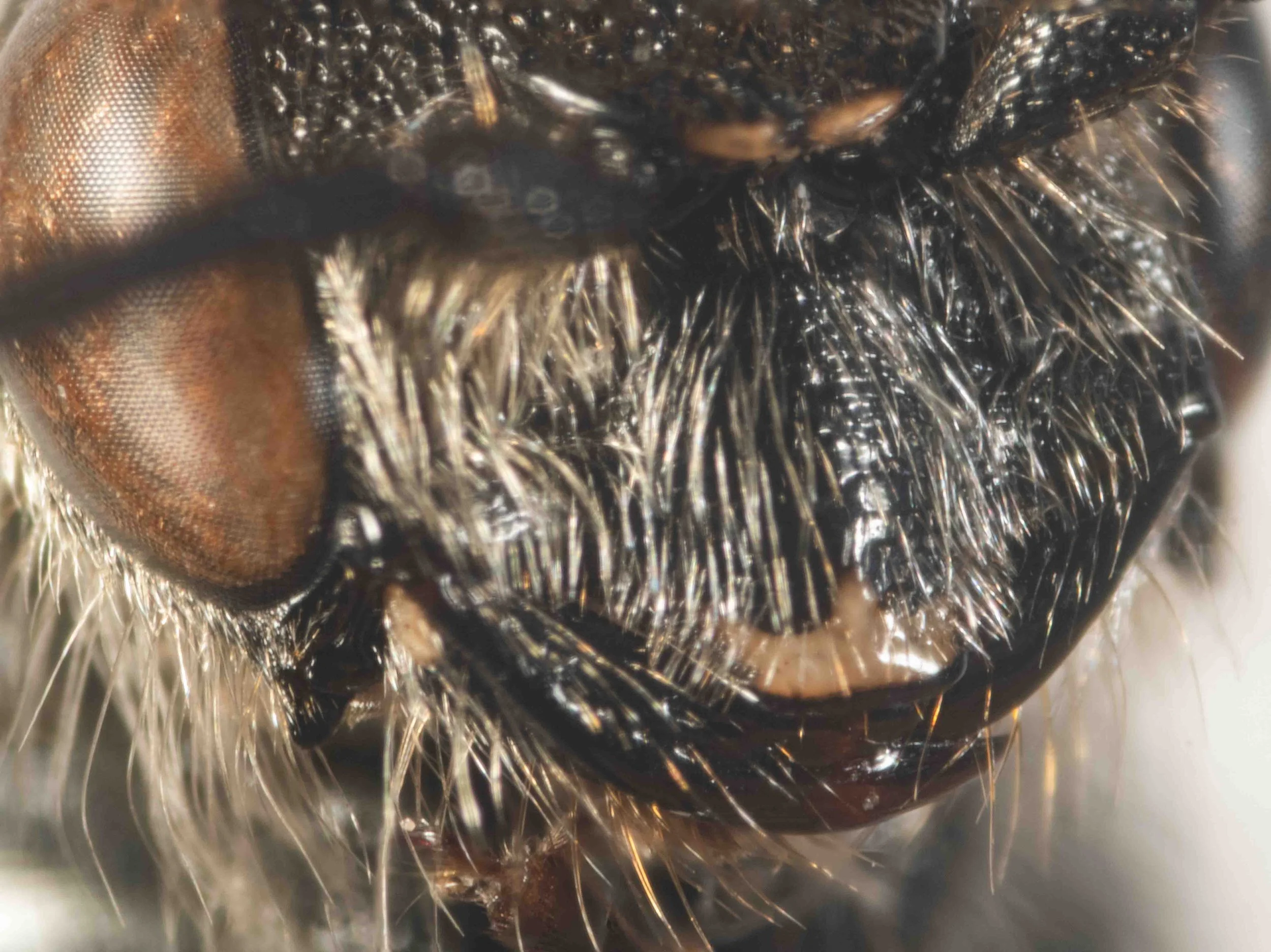
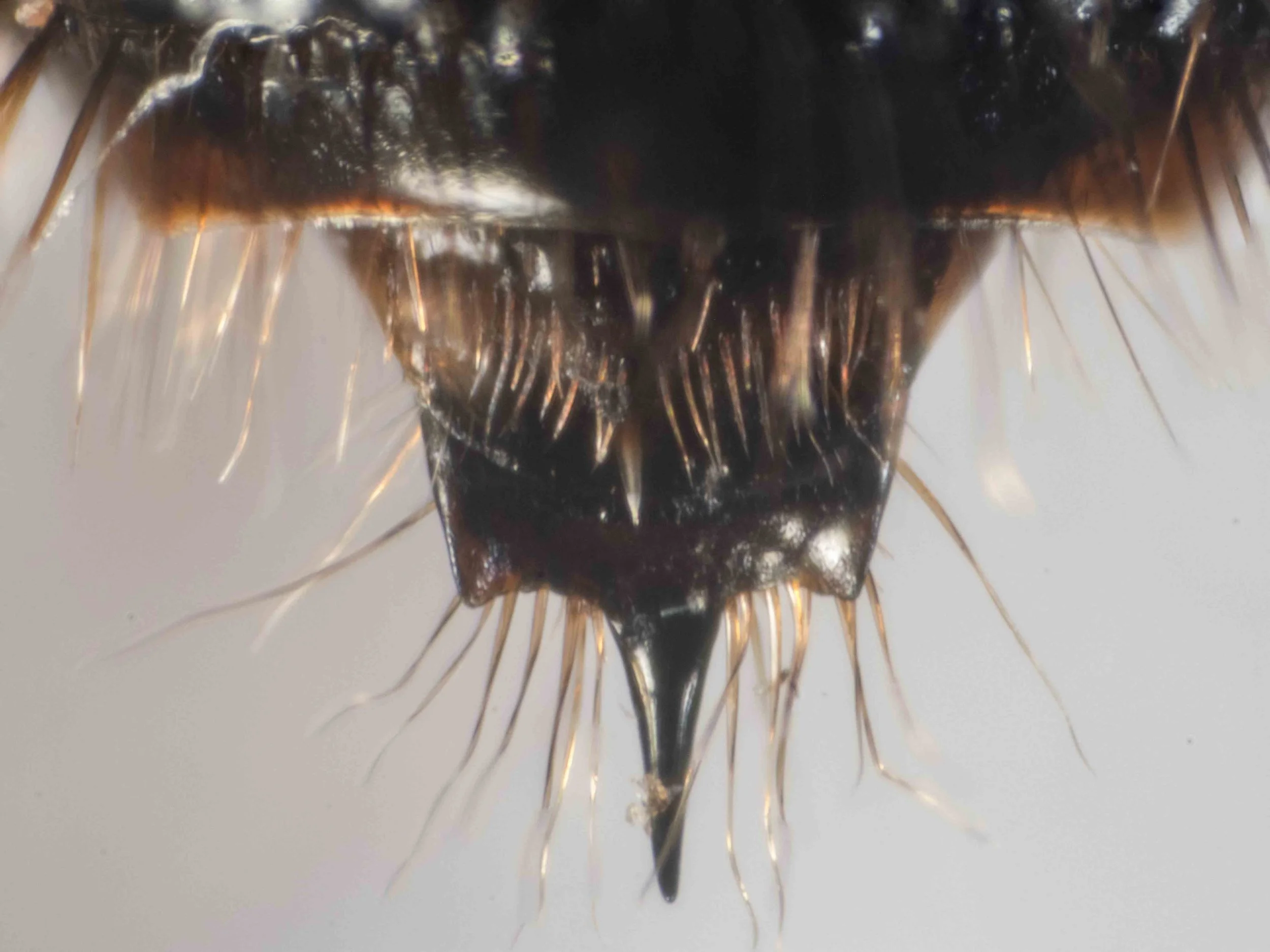
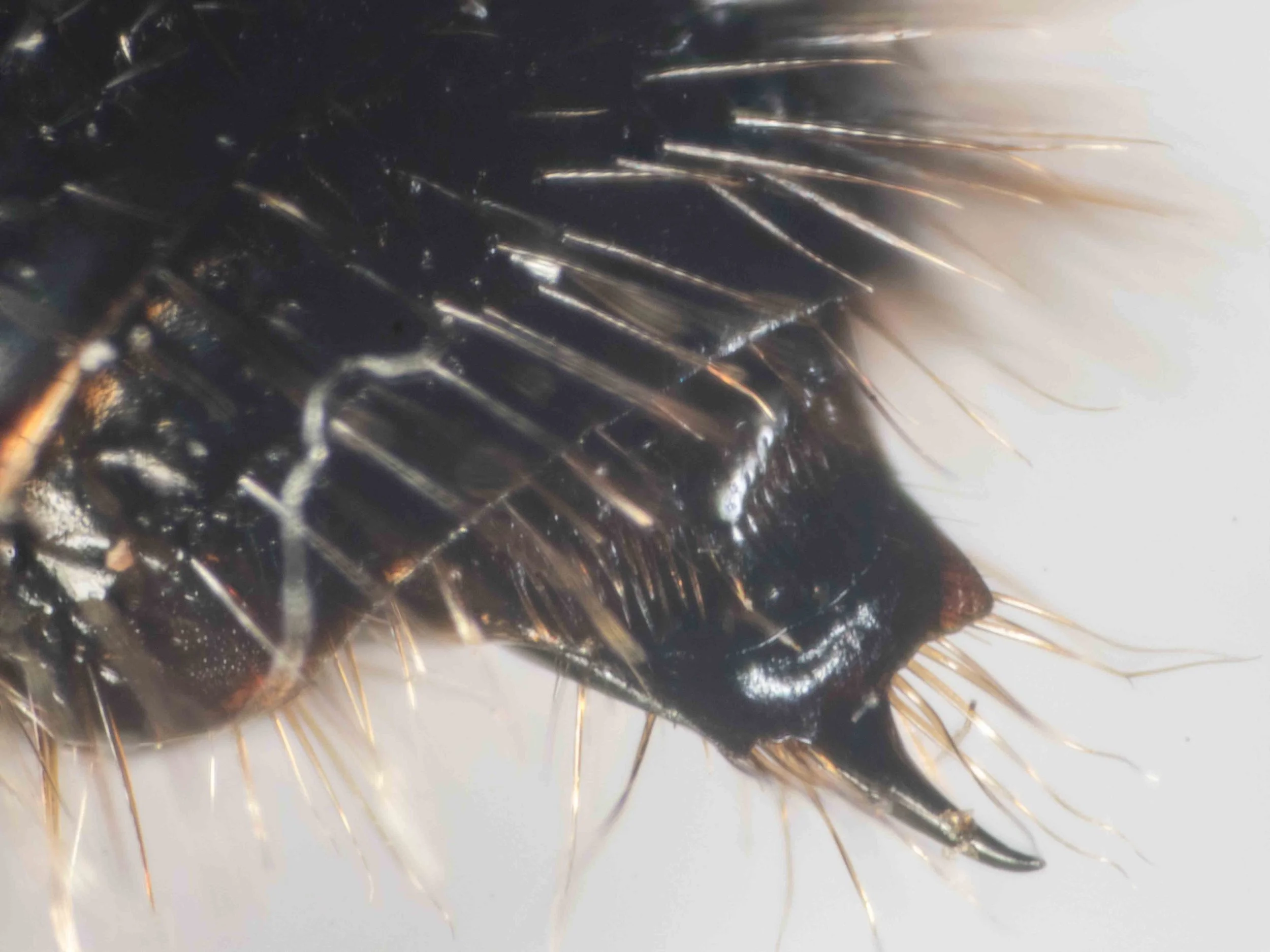
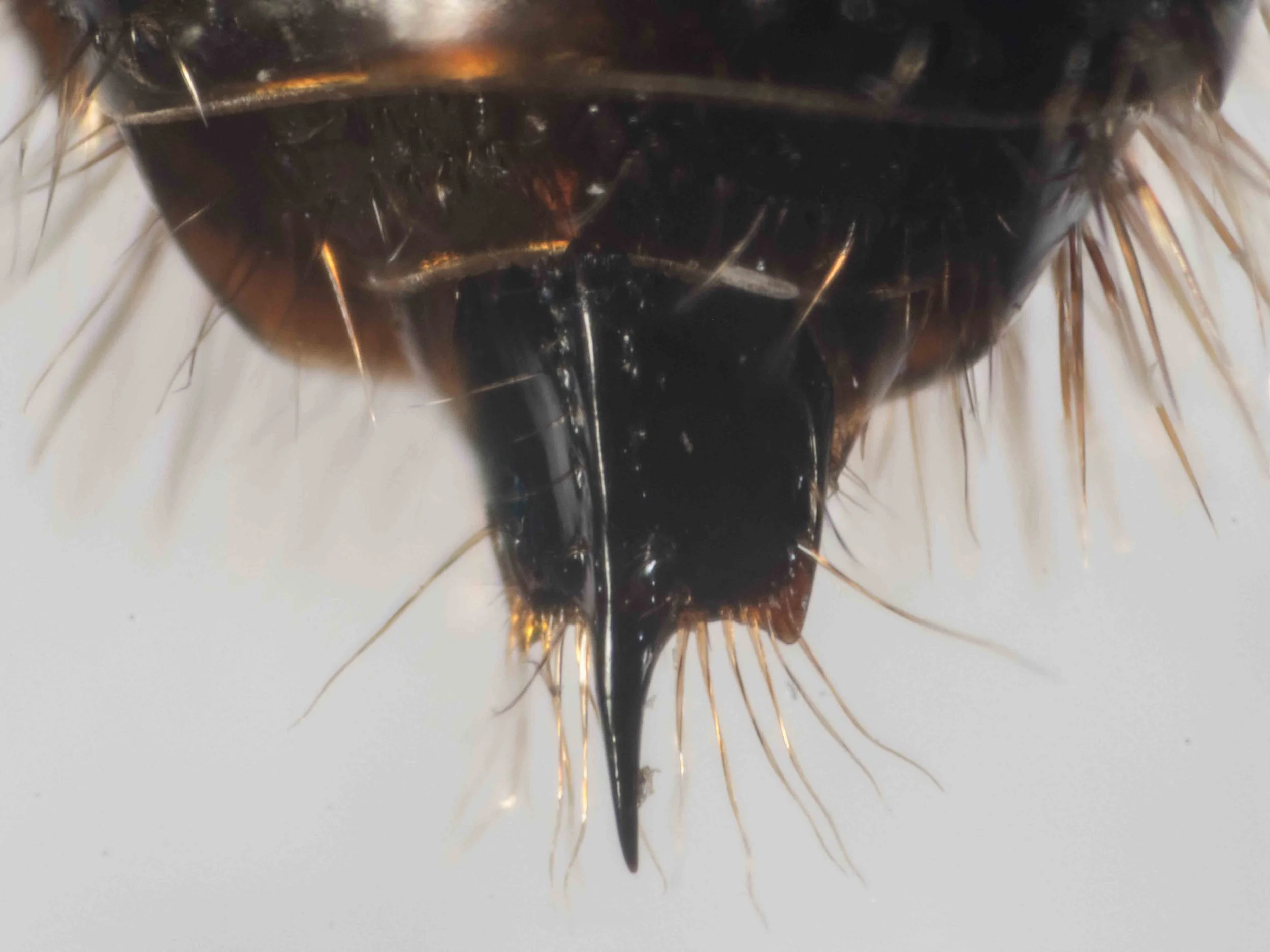
The following is my justification for excluding other options among the Thynnidae and Tiphiidae.
Thynninae: Tachynomyini: Tachynomyia
Family THYNNIDAE, based on:
3 submarginal cells & frons produced above antennal sockets (so not Tiphiidae: Tiphiinae)
Subfamily THYNNINAE, based on:
frons produced above antennal sockets (so NOT Anthoboscinae)
forewing with distinct 1r vein (so NOT Myzininae)
forewing with 2m-cu meeting SCIII (so NOT Diamminae)
Tribe Tachynomyini most likely, based on:
forewing with distinct 1r vein (so NOT Iswaroidini)
forewing with 3rd interval of M much shorter than 2nd interval and less than half length of 2r-m (so NOT Thynnini)
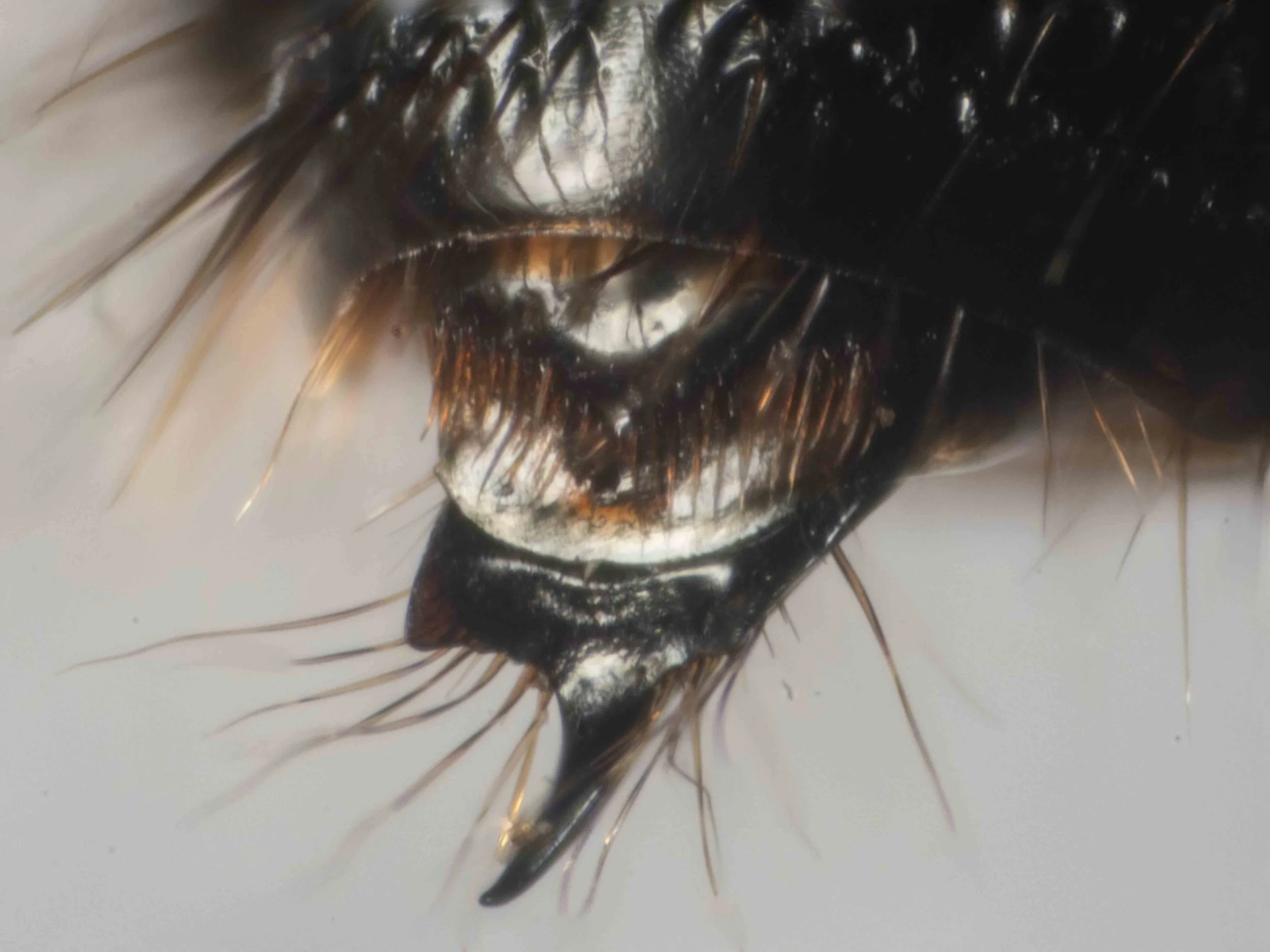
hypopygium with strong apical spine (so NOT Agriomyini)(so NOT Eirone)
apical spine of hypopygium not strongly upturned (so NOT Rhagigasterini)
Among the Tachynomini, there are six Australian genera, only four of which are known from south-eastern Australia. Specimen 2610C is a good match for genus Tachynomyia. I can exclude the other five on a the basis of morphology, as follows:
head strongly concave posteriorly, carinate, and fringed with long setae (so NOT Ariphron, Phymatothynnus, Wrangathynnus)
genae with digitate process near base of mandible (so NOT Tachyphron, Tachynoides)
References
Brown, G. 2001. Status of the Ariphron generic group (Hymenoptera: Tiphiidae): A critical review. Australian Journal of Entomology 40: 23–40
Brown, G. 2025. Revision of the Australian Thynnidae and Tiphiidae (Hymenoptera). Zootaxa 5681(1): 001-862 https://doi.org/10.11646/zootaxa.5681.1.1
This is a workbook page … a part of our website where we record the observations and references used in making species identifications. The notes will not necessarily be complete. They are a record for our own use, but we are happy to share this information with others.