
Eirone (specimen #053)
Workbook
Collected in Malaise trap (GMP66417) during the week 19th-26th Sept. 2026 (specimen ID #053)
THYNNINAE: Rhagigasterini: Eirone
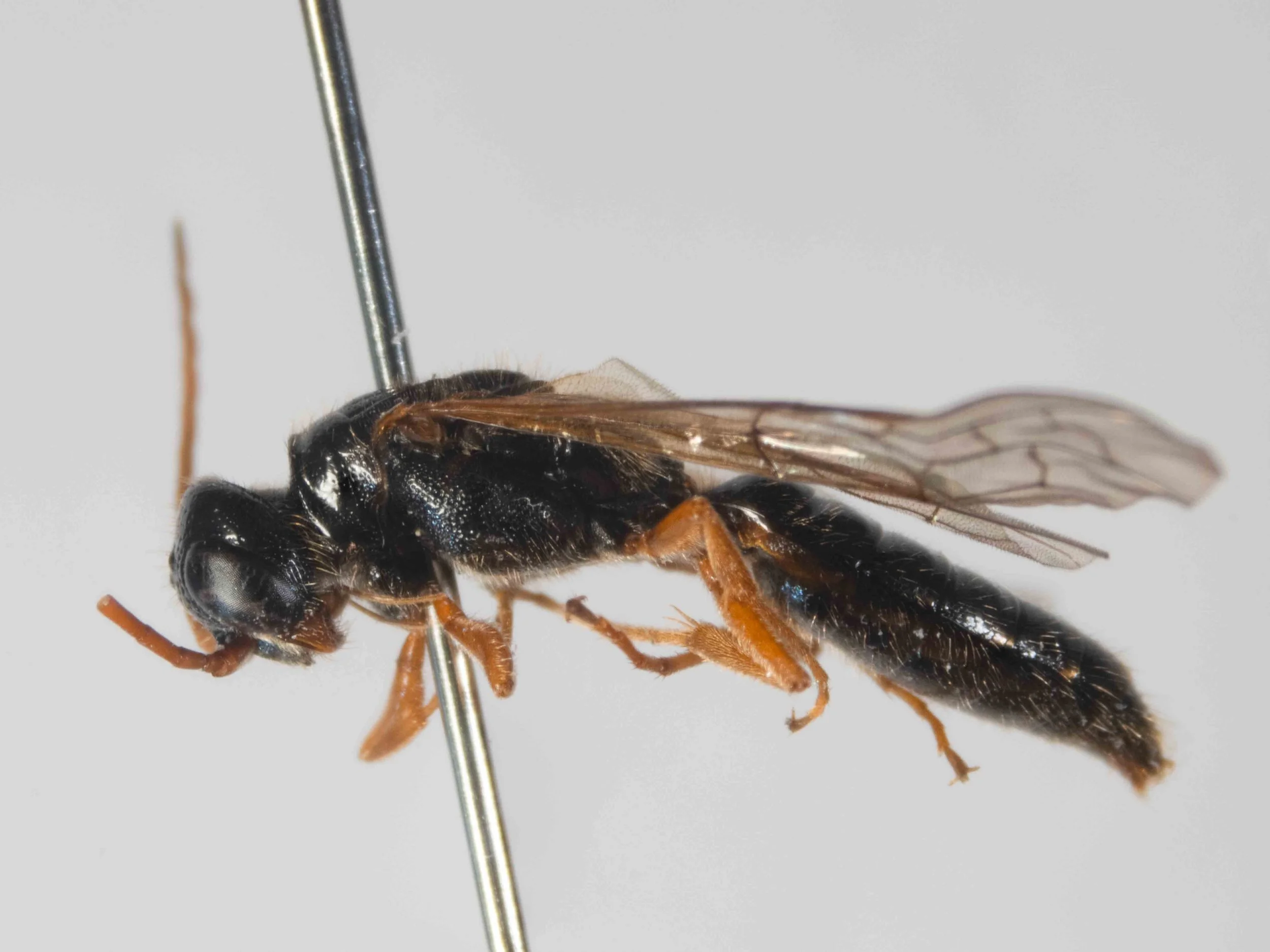
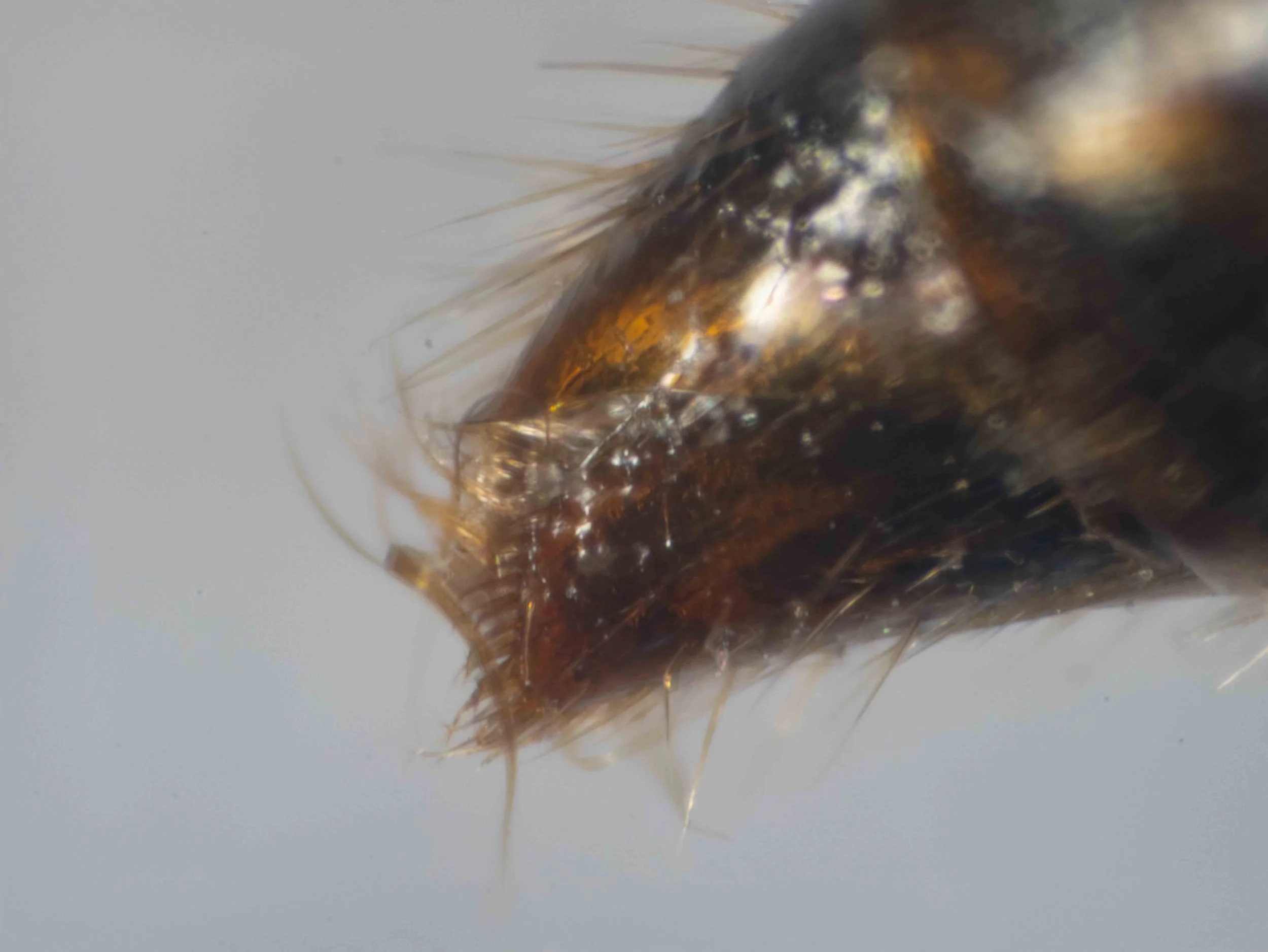
Having worked through the various options, I am confident that this is Eirone. The genus is quite distinctive (particularly the simple hypopygium, without spines and with a fringe of bristle-like setae) and #053 meets the diagnostic criteria described by Brown (2025).
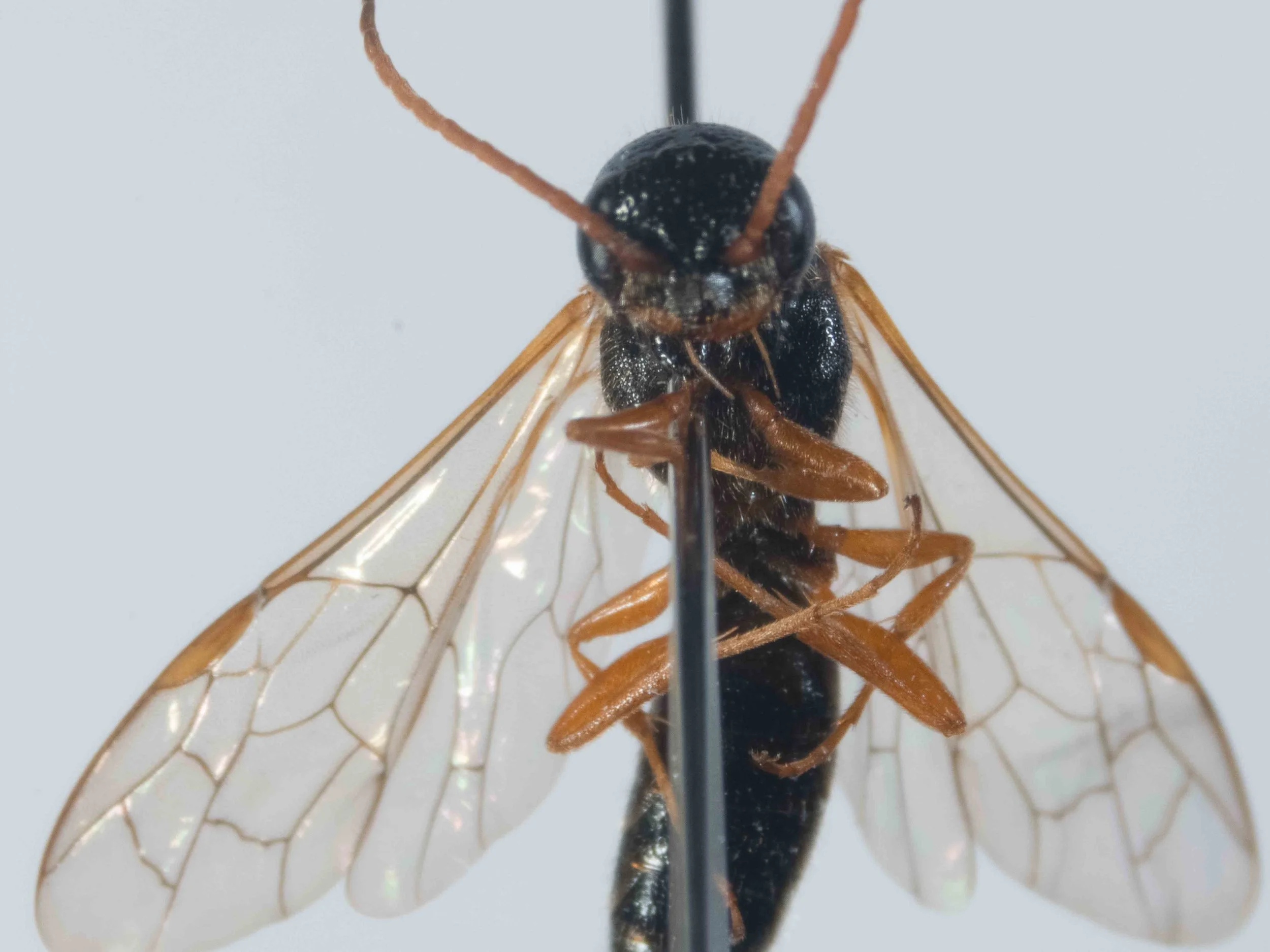
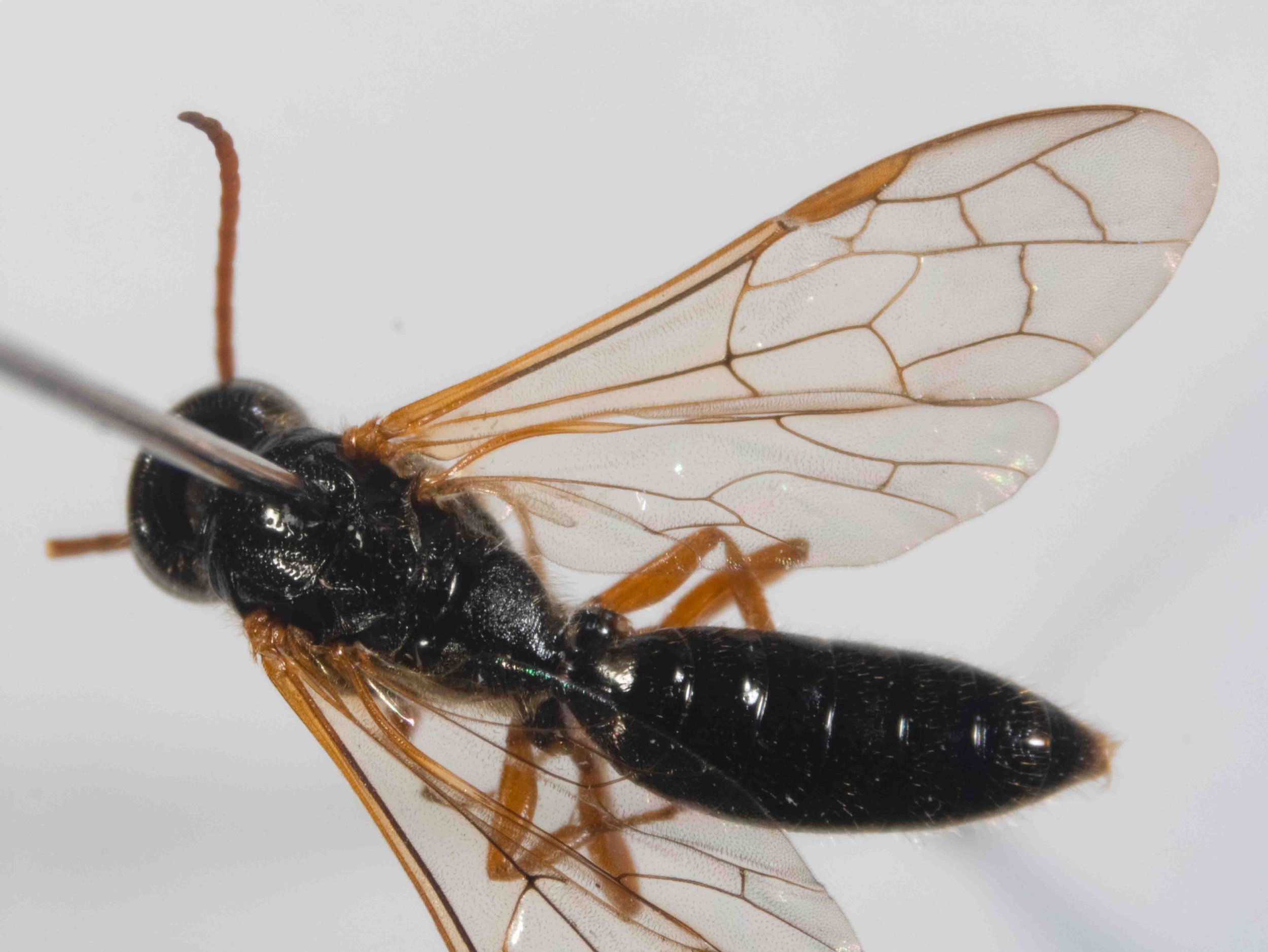
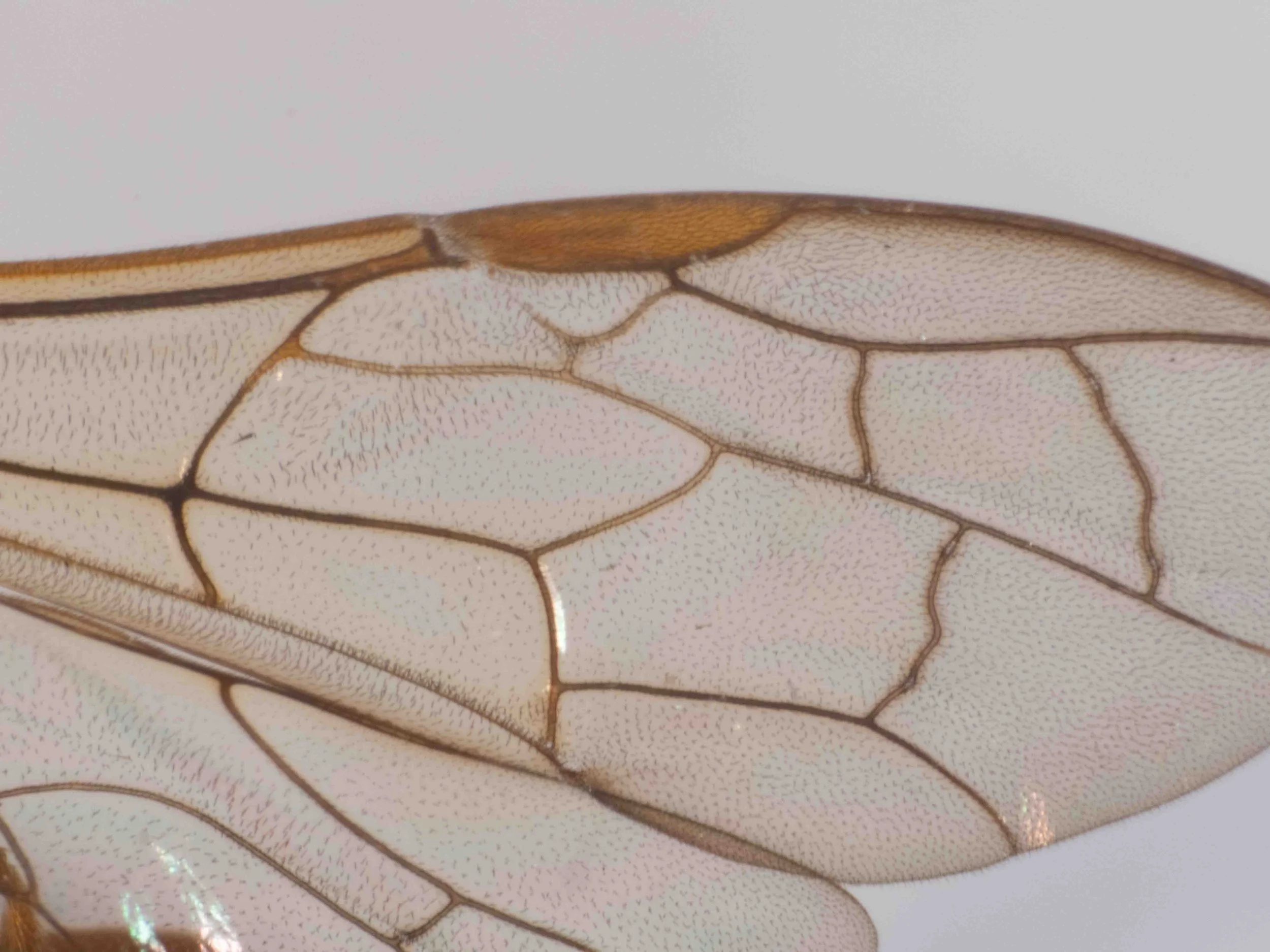
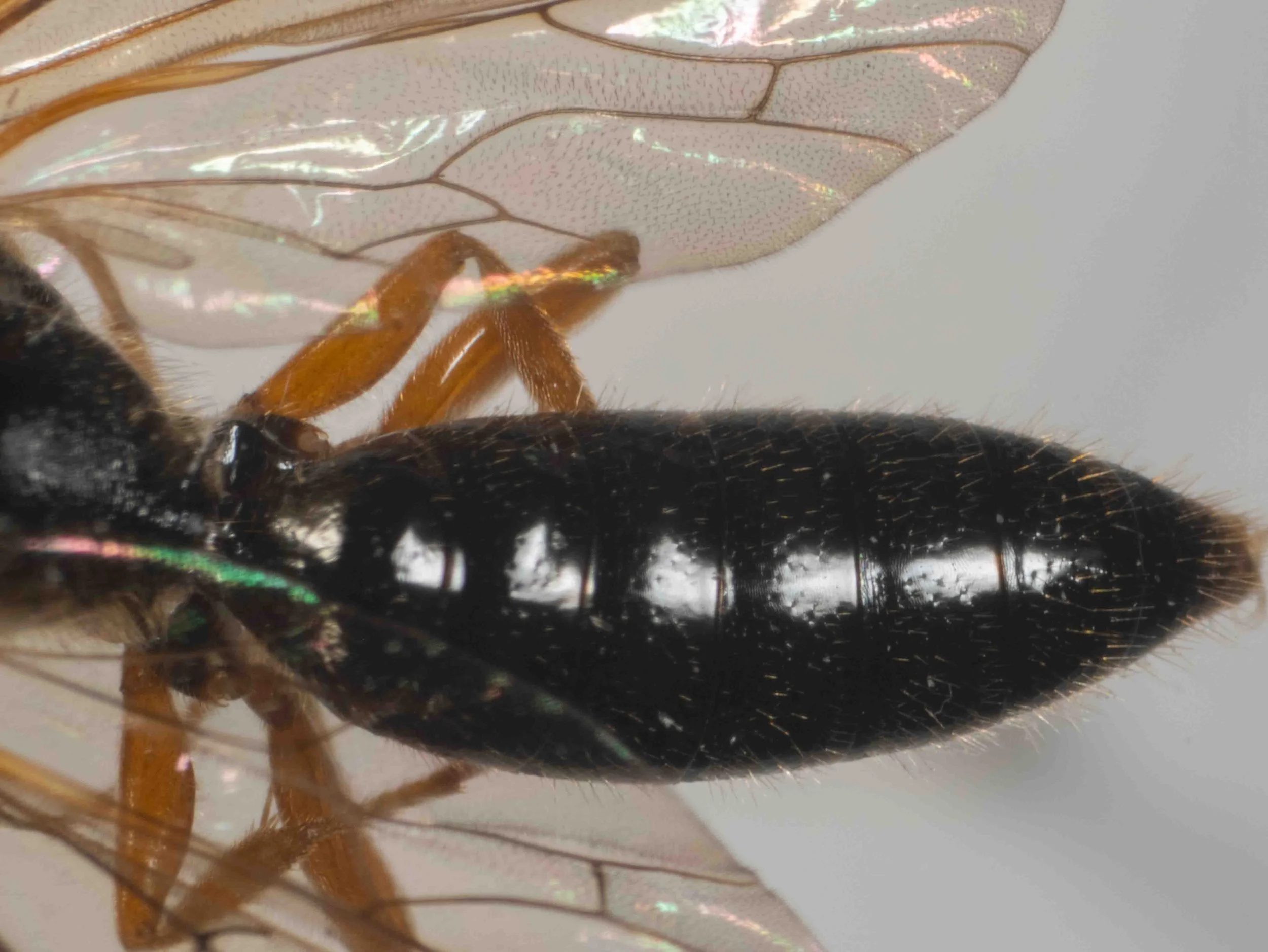
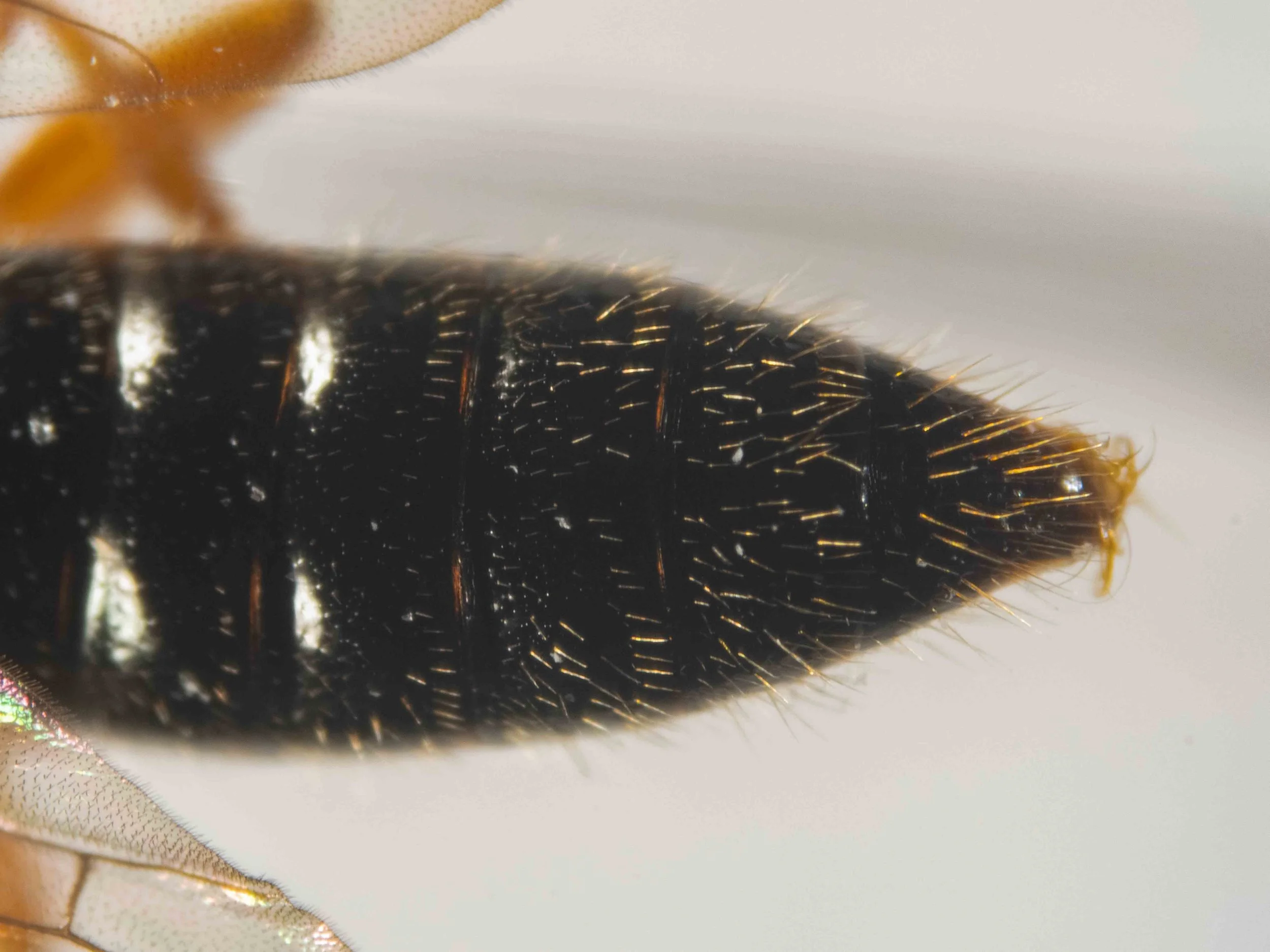
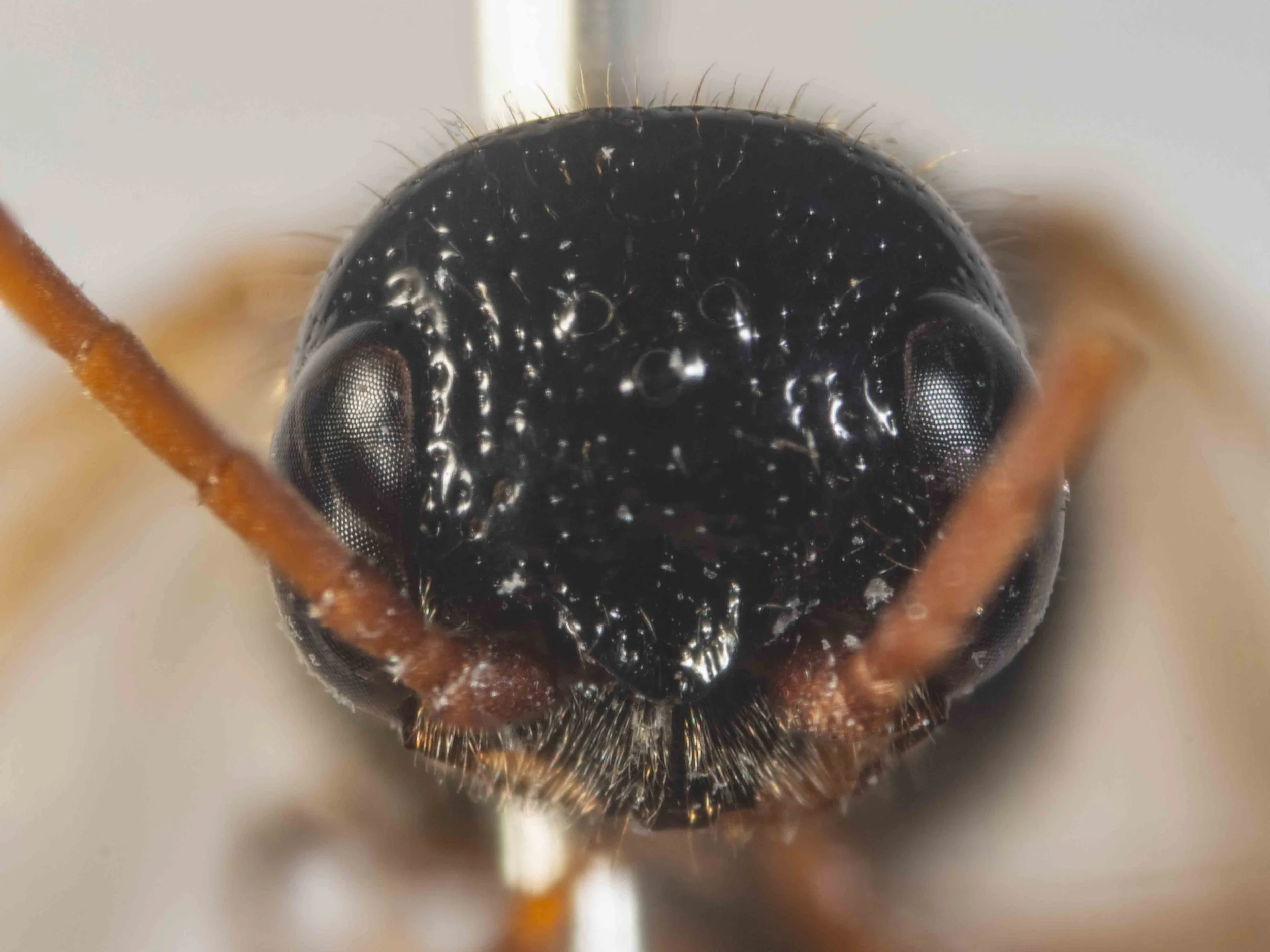
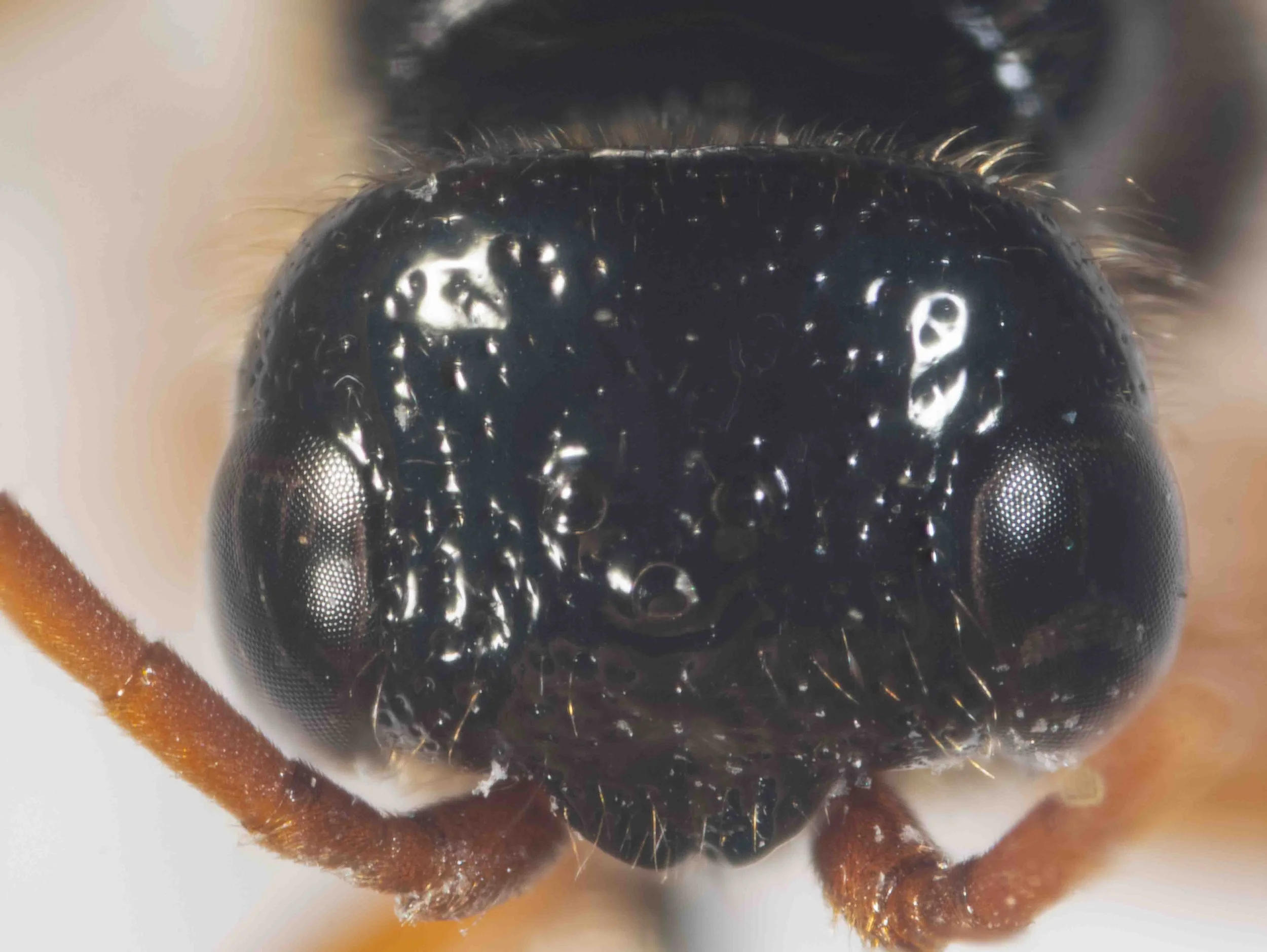
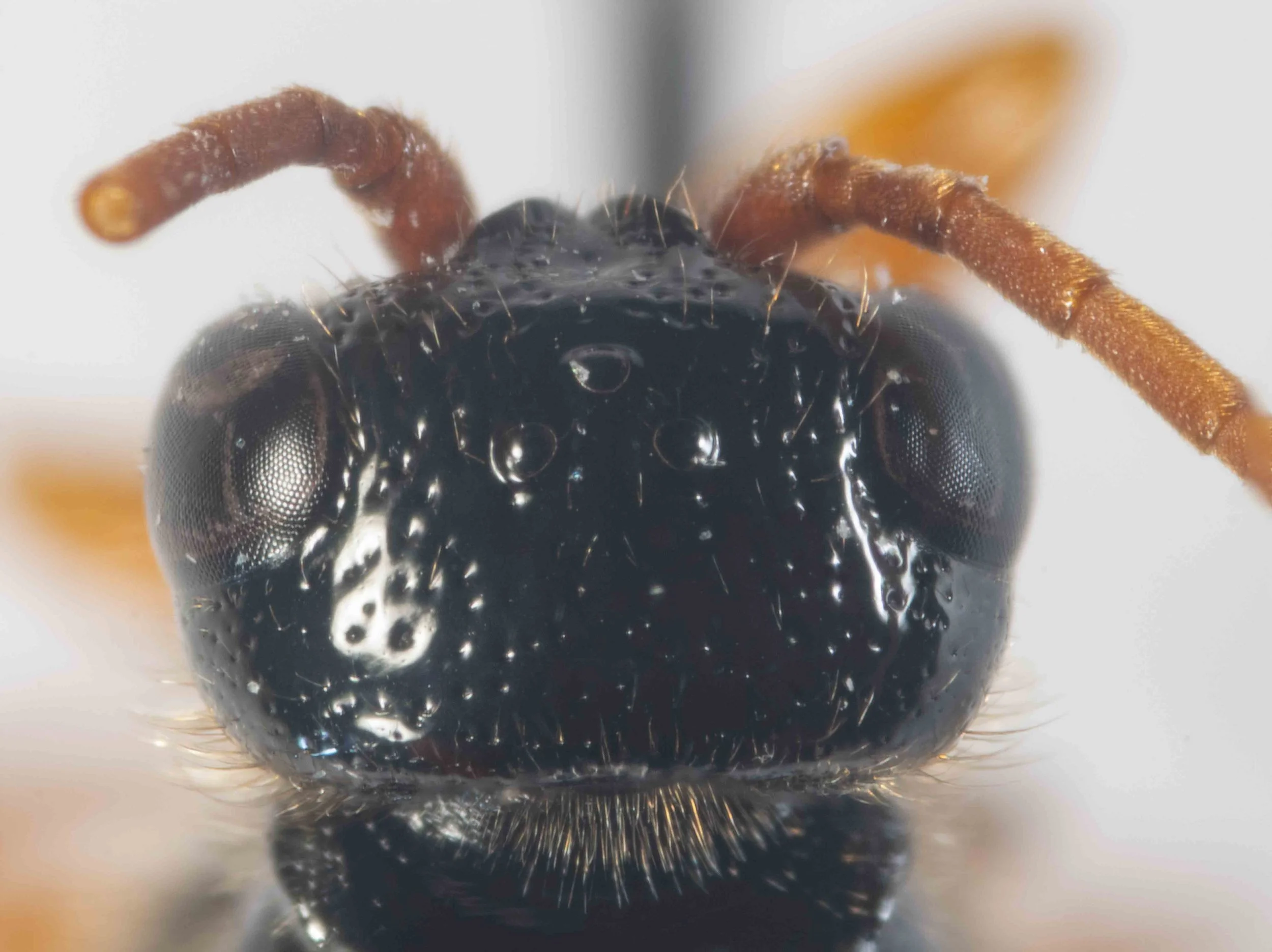
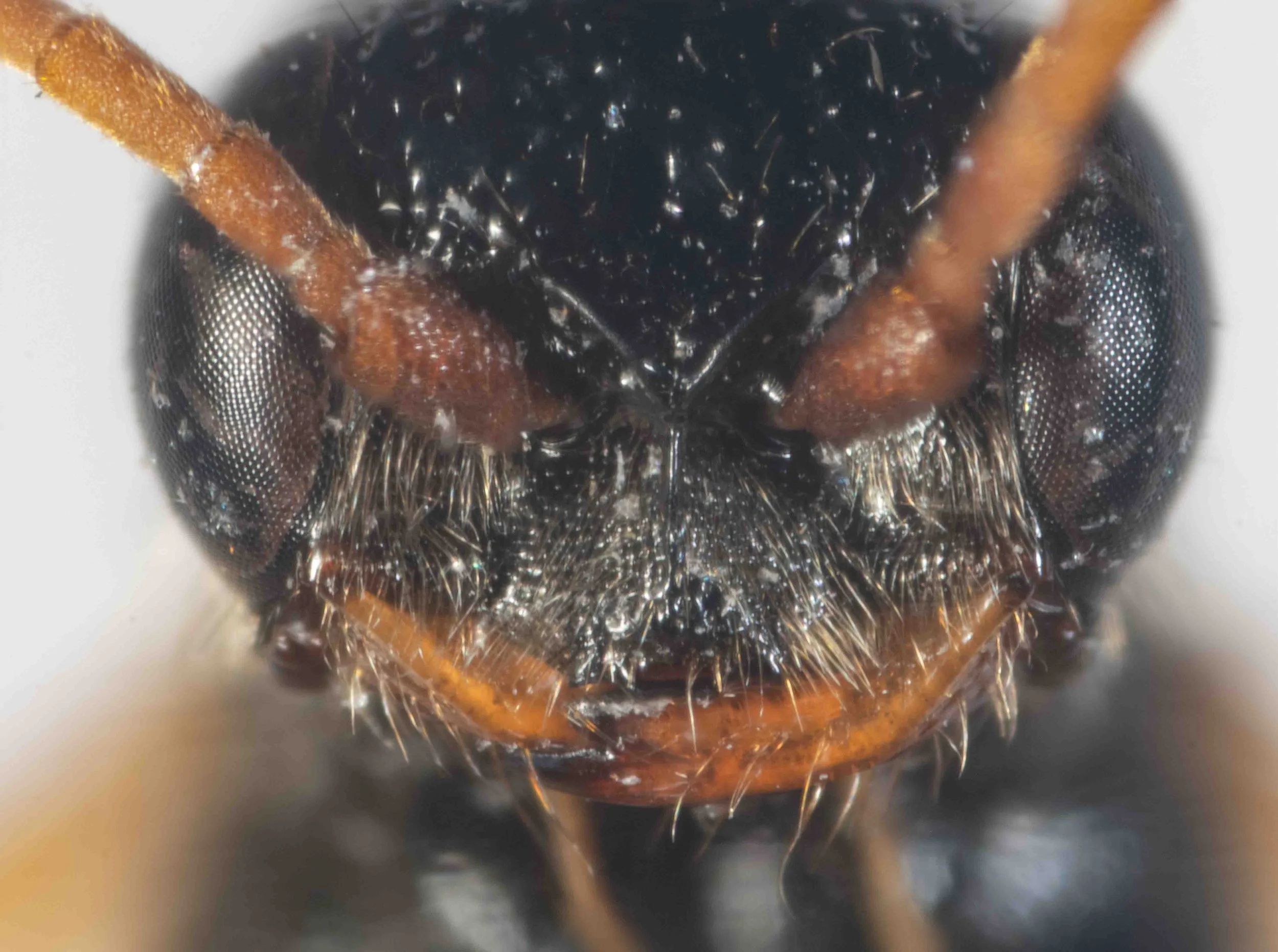
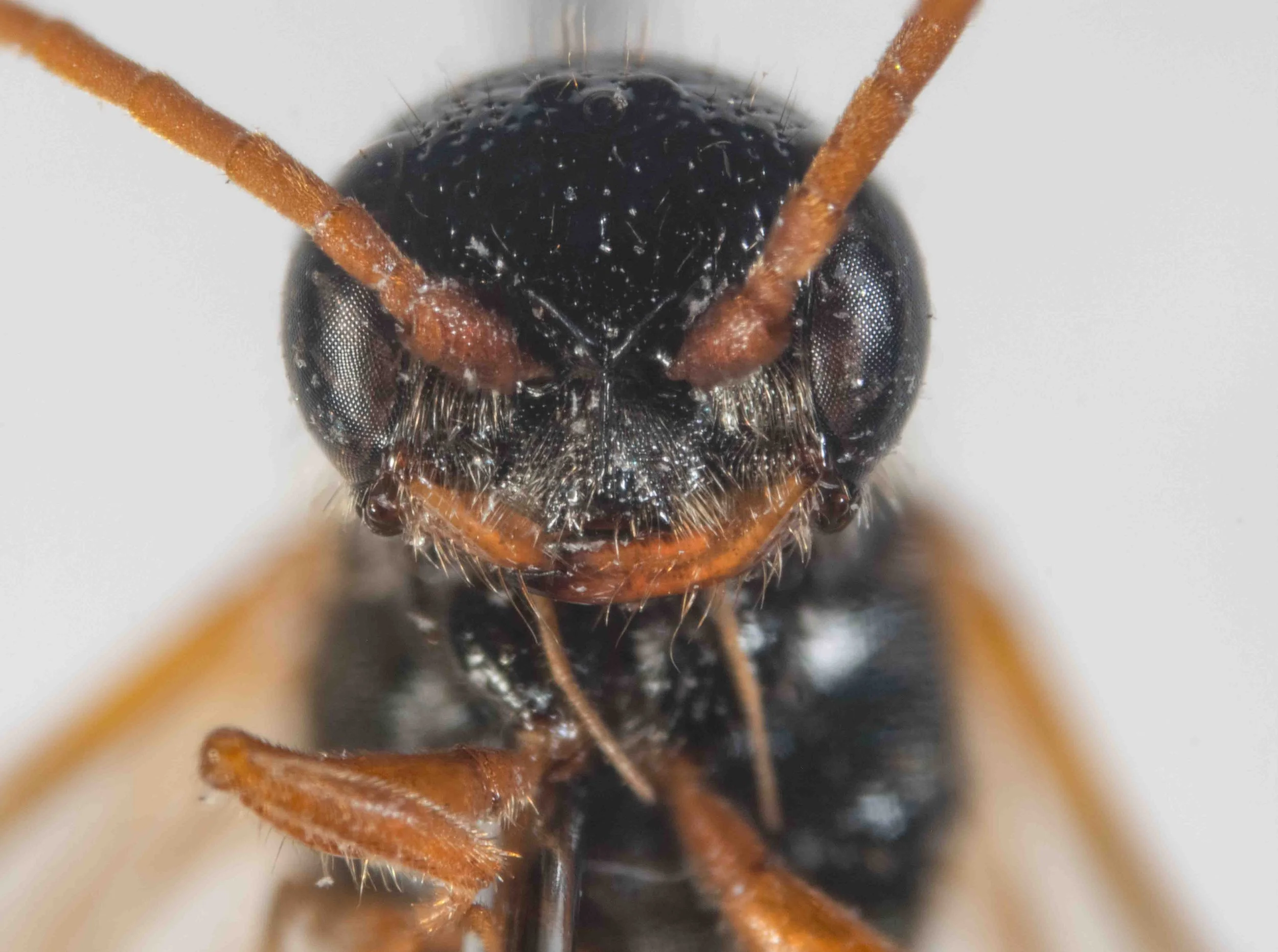
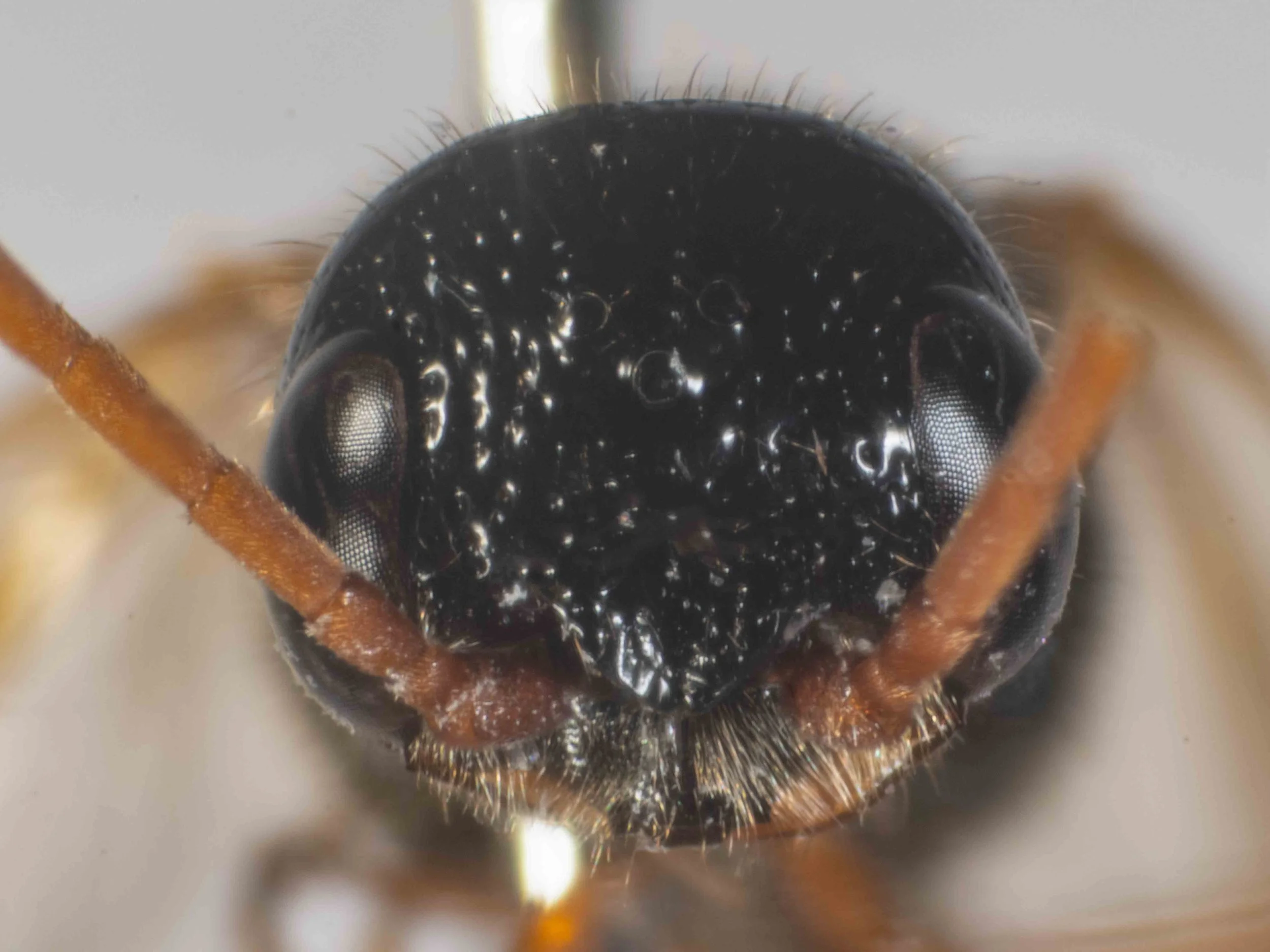
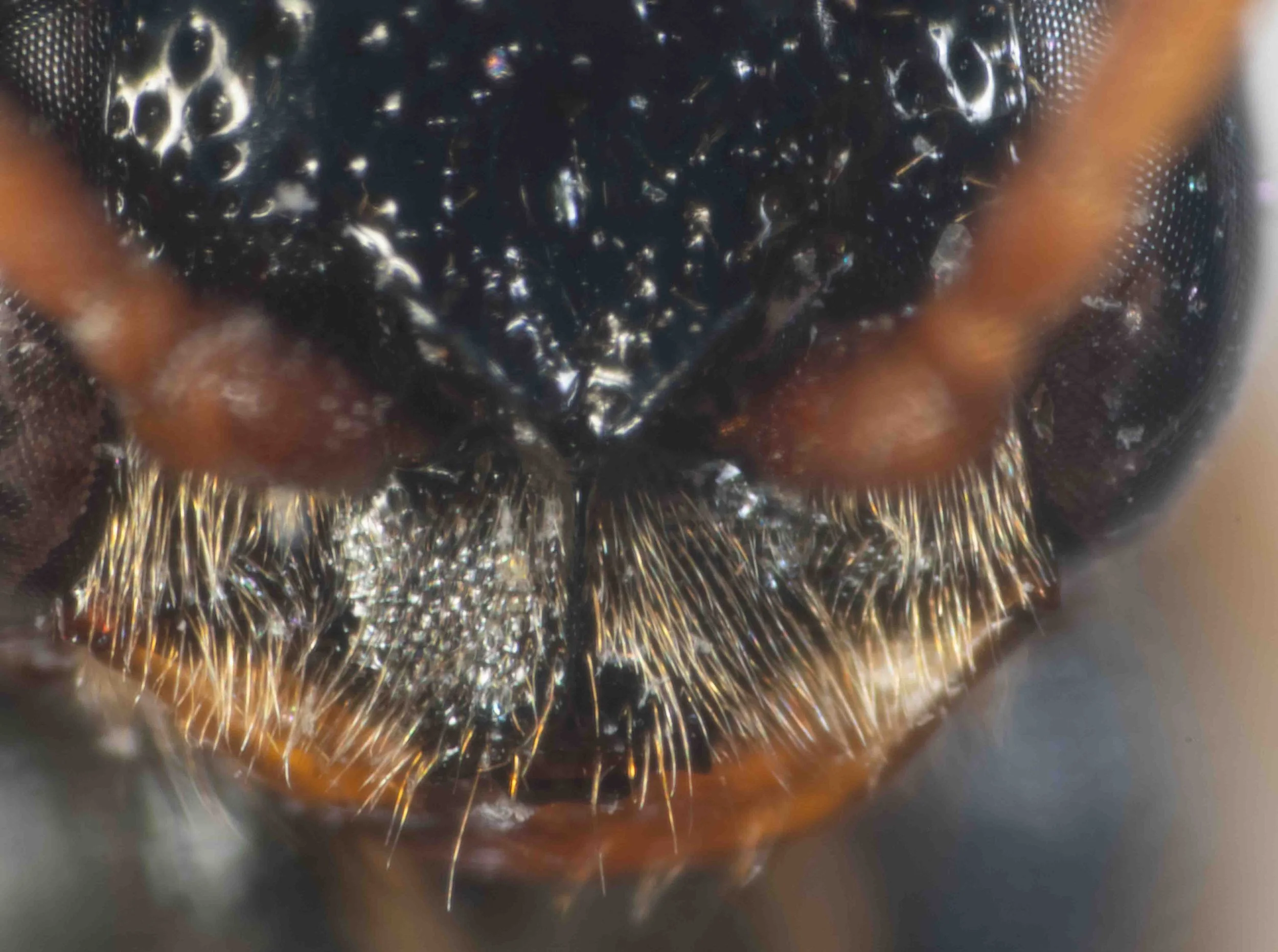
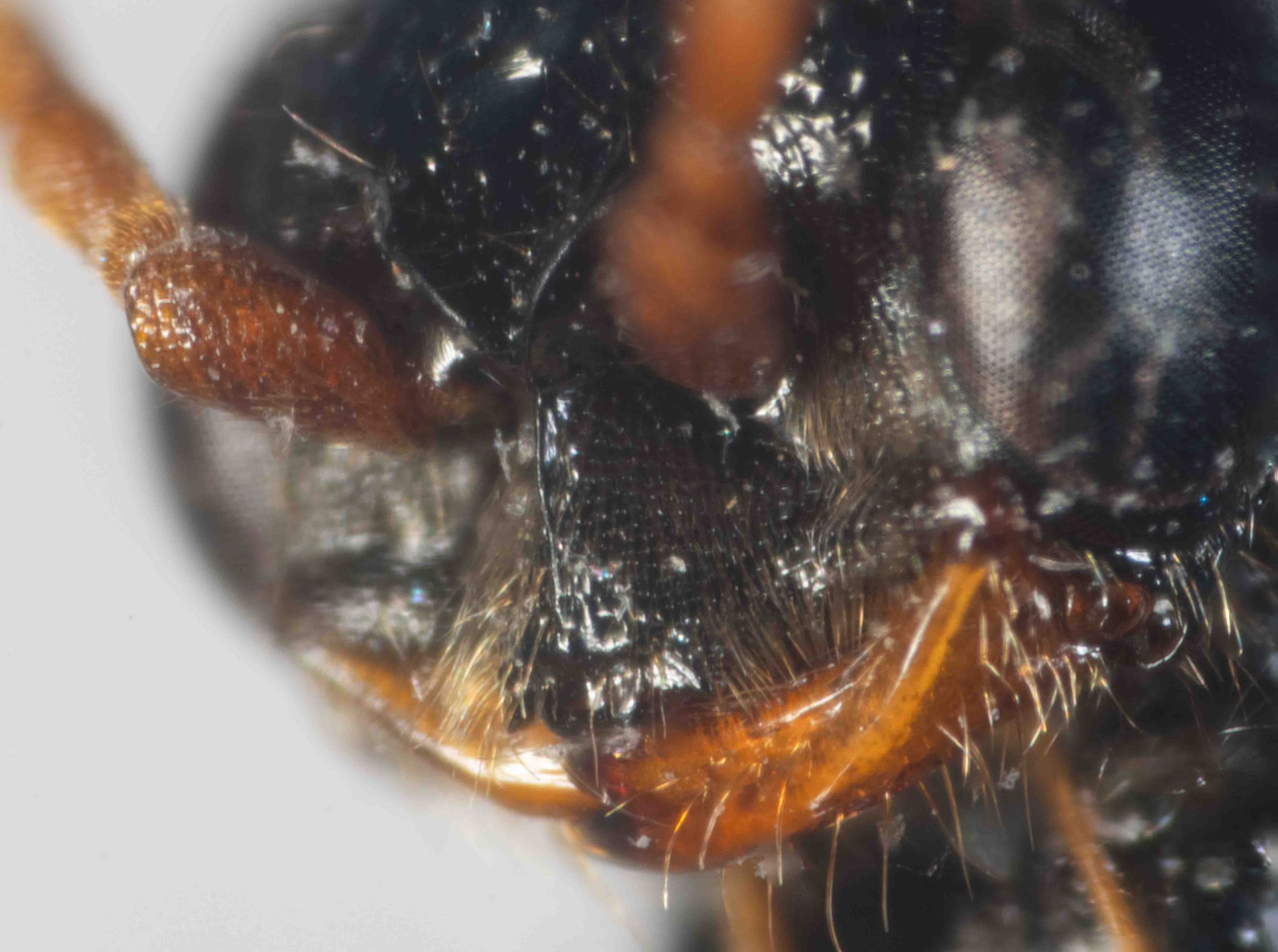
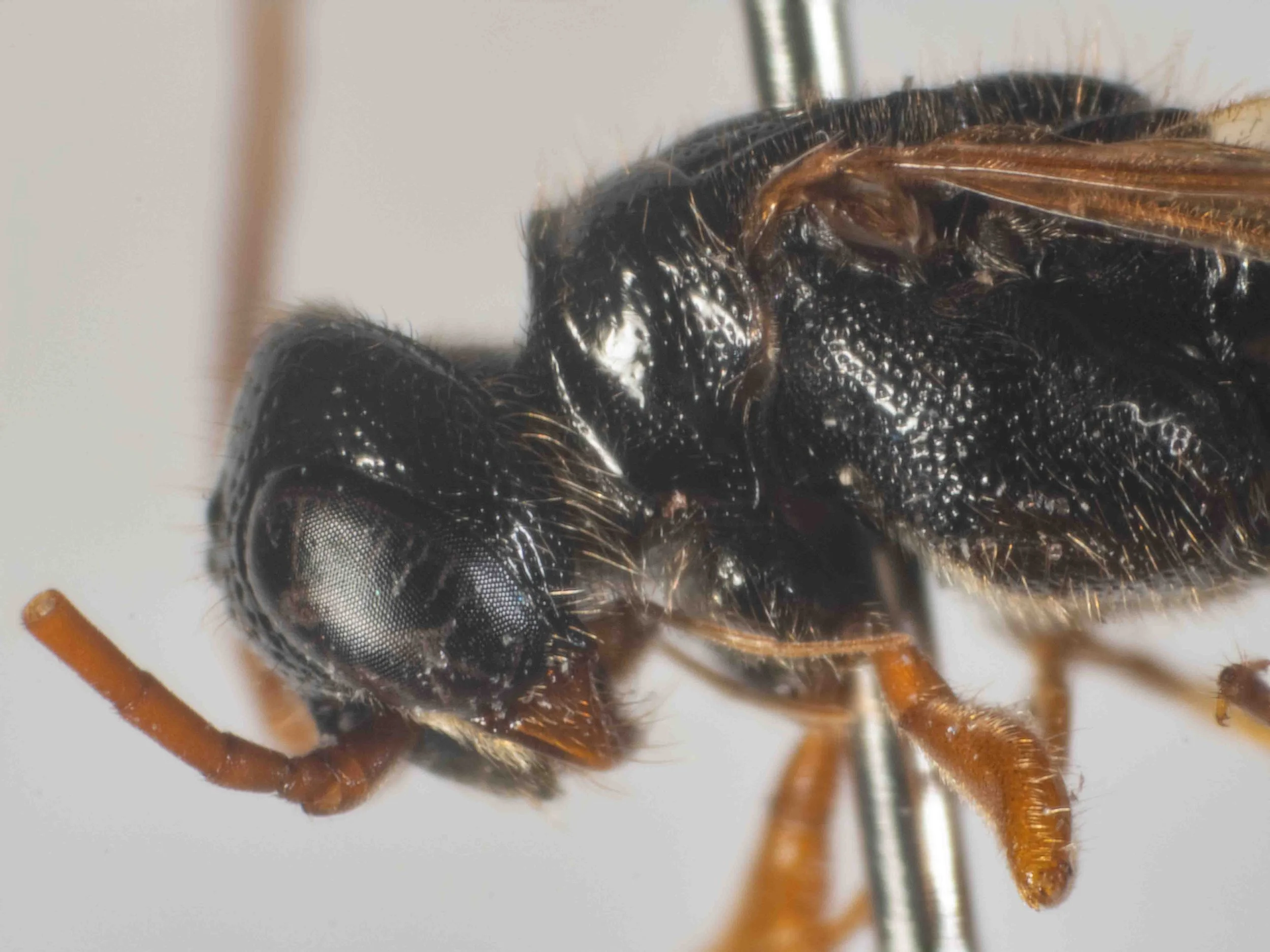
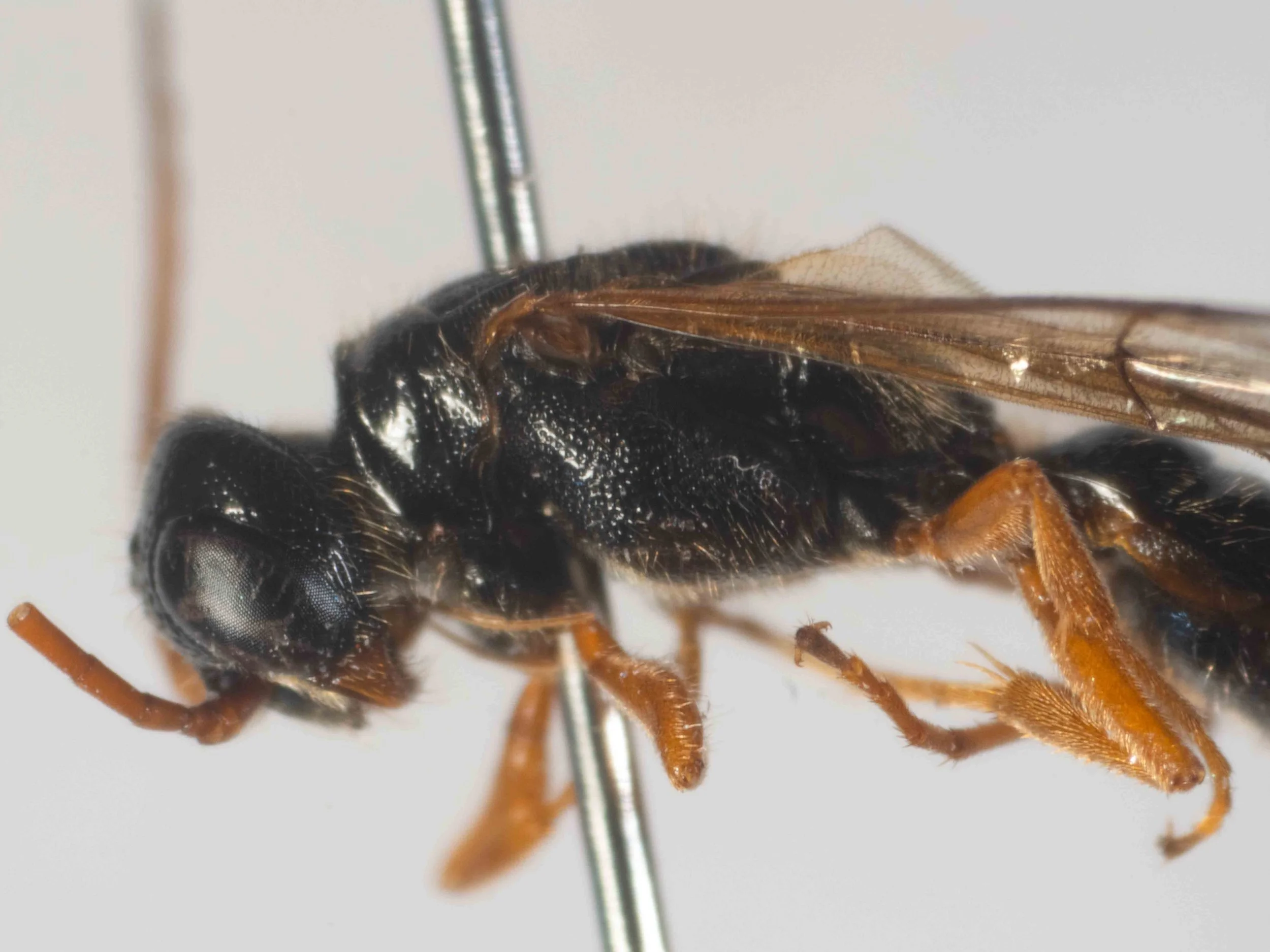
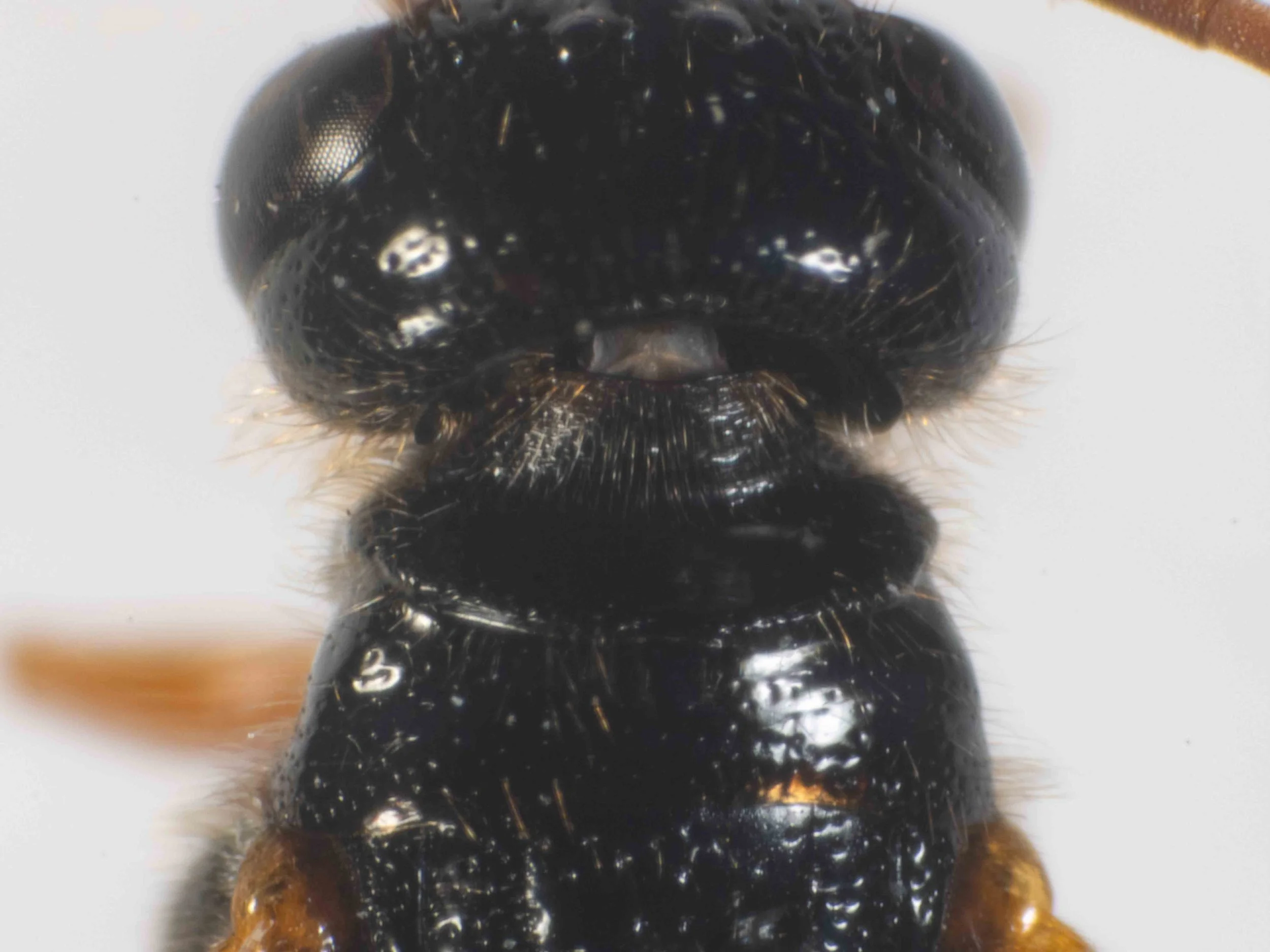
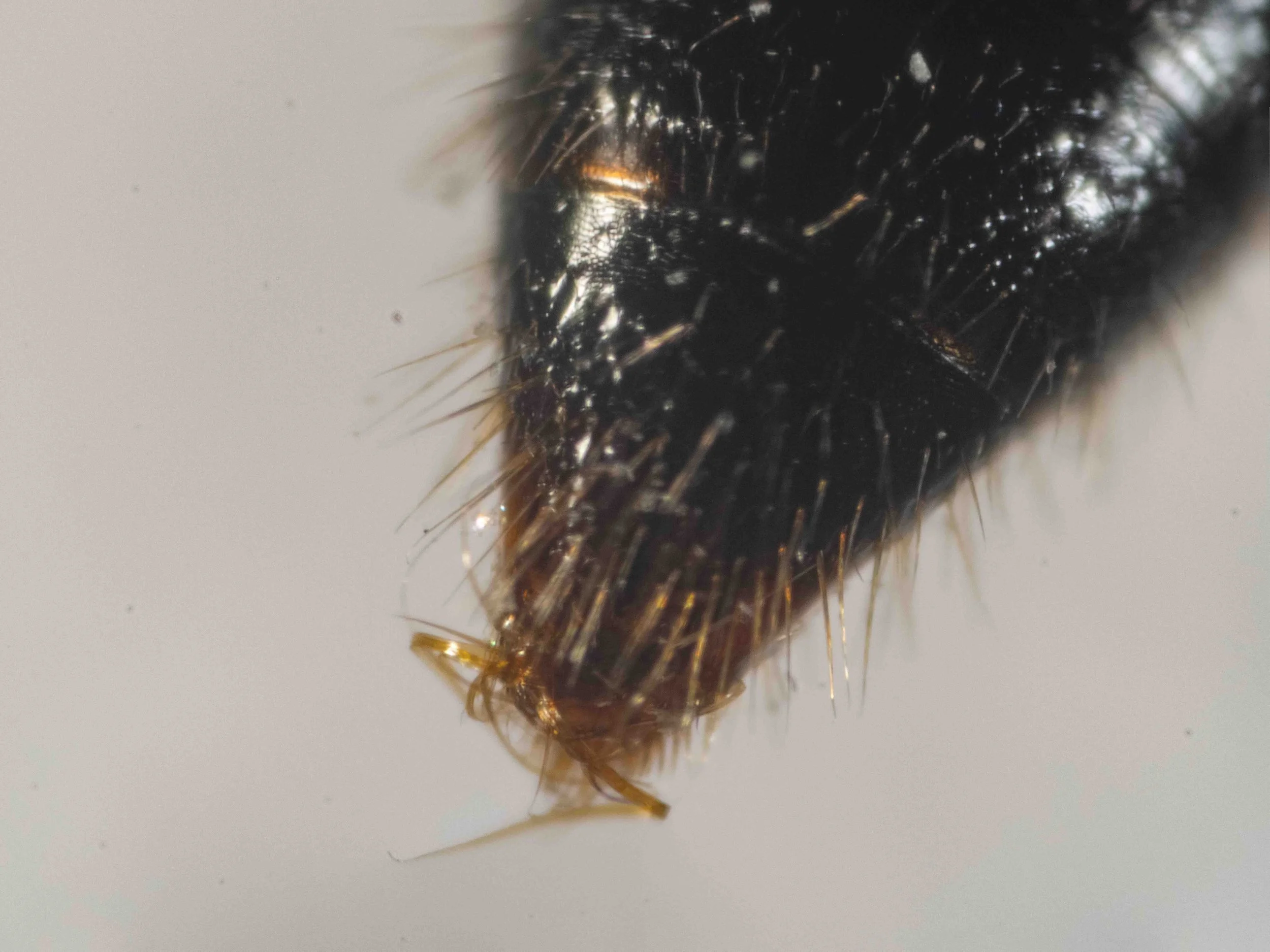
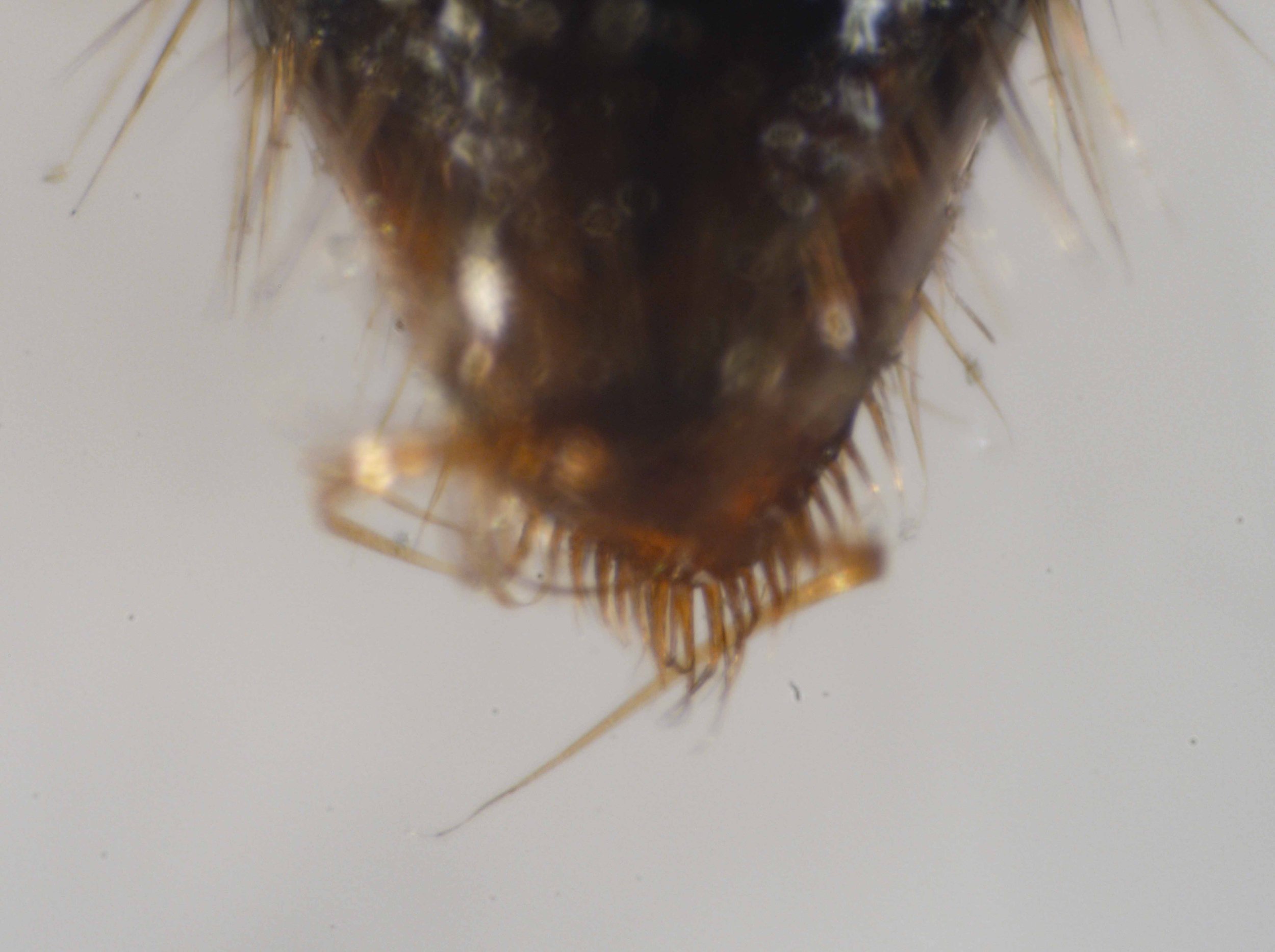
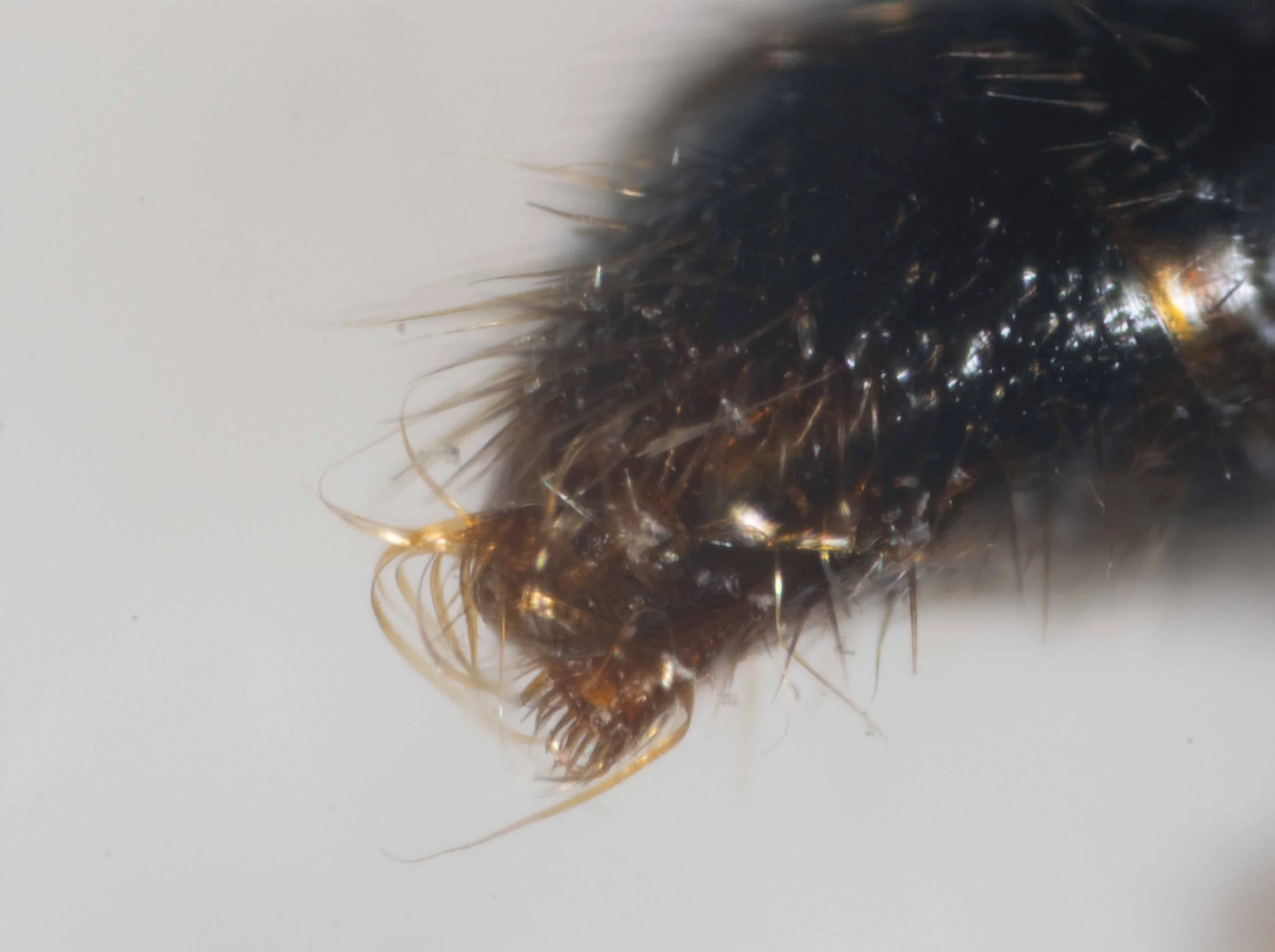
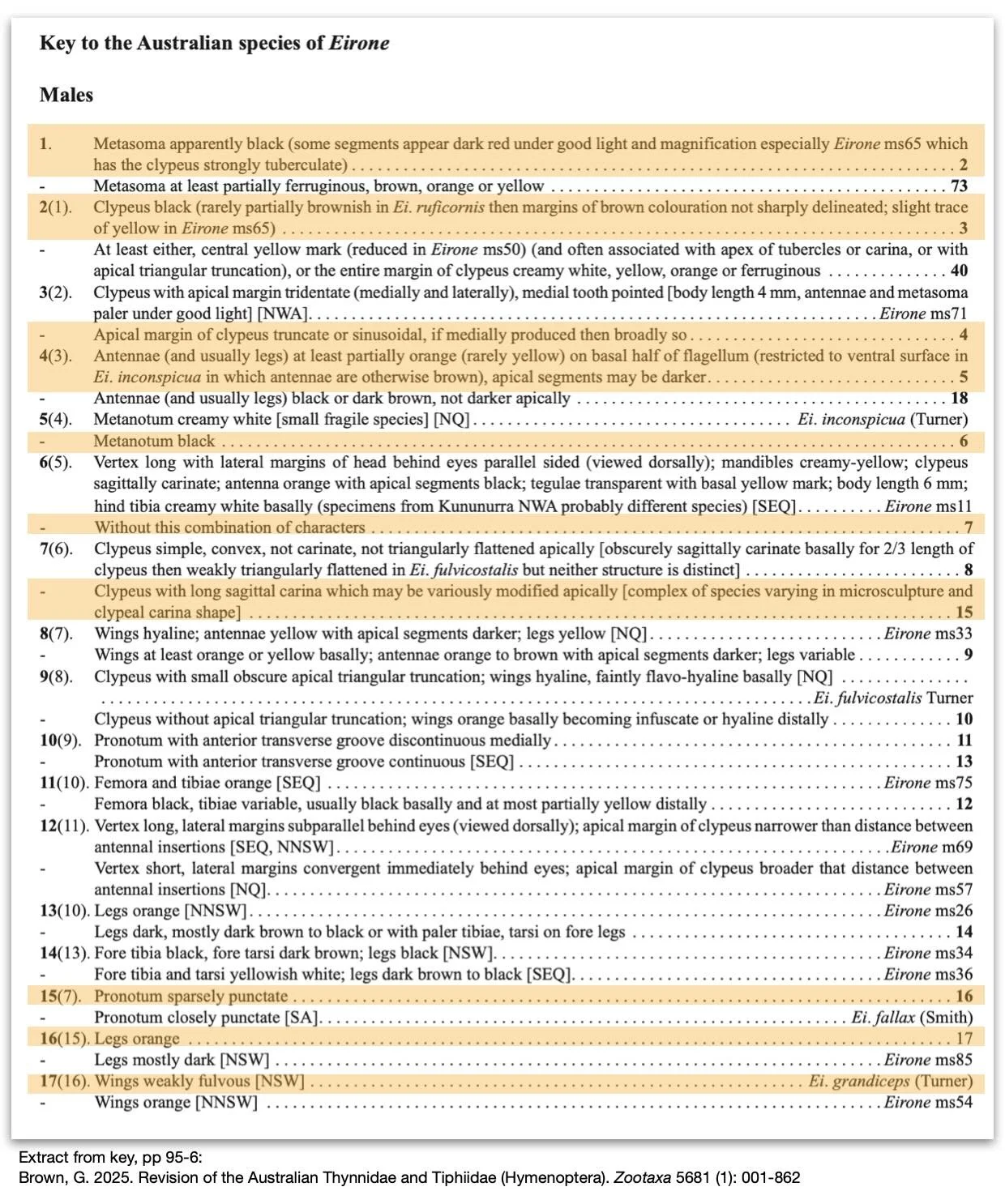
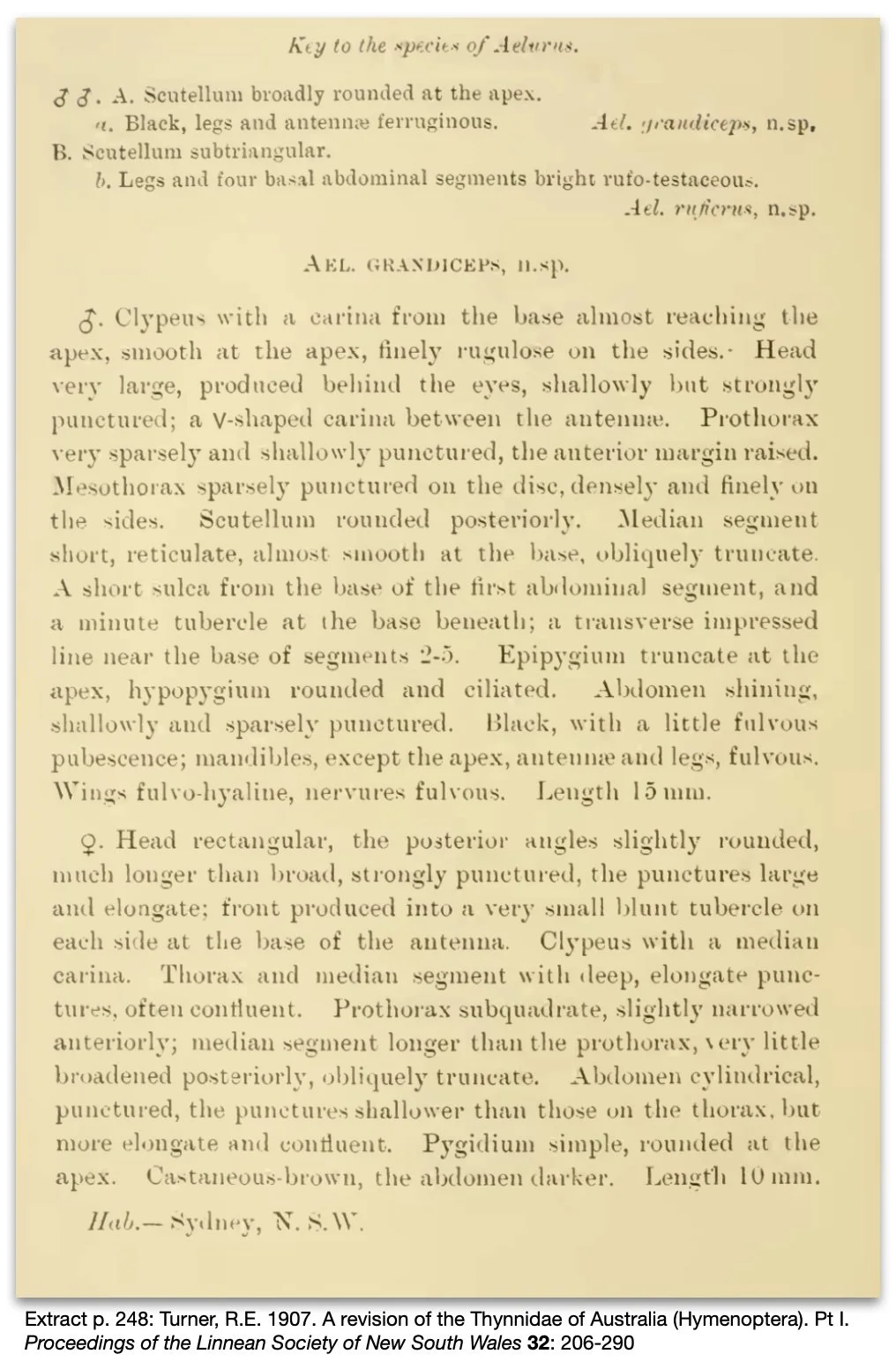
Specimen #053 keys out to Eirone grandiceps, using the key to male Eirone of Australia in Brown 2025 (pp. 95-6). I note, however, that the original species description for E. grandiceps (then Aelurus grandiceps) gives the size as 15mm, which is considerably larger than the 10mm of #053.
The following is my justification for excluding other options among the Thynnidae and Tiphiidae.
Thynninae: Thynnini
Family THYNNIDAE, based on:
3 submarginal cells & frons produced above antennal sockets (so not Tiphiidae: Tiphiinae)
Subfamily THYNNINAE, based on:
frons produced above antennal sockets (so NOT Anthoboscinae)
forewing with distinct 1r vein (so NOT Myzininae)
forewing with 2m-cu meeting SCIII (so NOT Diamminae)
Tribe RHAGIGASTERINI, Genus Eirone, based on:
clypeal carina branched near apex
hypopygium rounded, not spinose, and with fringing row of bristle-like setae
vertex long
metasoma fusiform, smooth, without constrictions between segments
References
Brown, G. 2025. Revision of the Australian Thynnidae and Tiphiidae (Hymenoptera). Zootaxa 5681 (1): 001-862 https://doi.org/10.11646/zootaxa.5681.1.1
This is a workbook page … a part of our website where we record the observations and references used in making species identifications. The notes will not necessarily be complete. They are a record for our own use, but we are happy to share this information with others.