Although we didn’t plan it, the walls of our house provide an excellent night life venue. The rough surface gives purchase. The eaves afford shelter. The window shutters provide hiding places. And most significantly, a lit window on a dark night is simply irresistible.
For a week or so either side of the September new moon, we’ve been keeping tabs on our night-time visitors.
A moth party
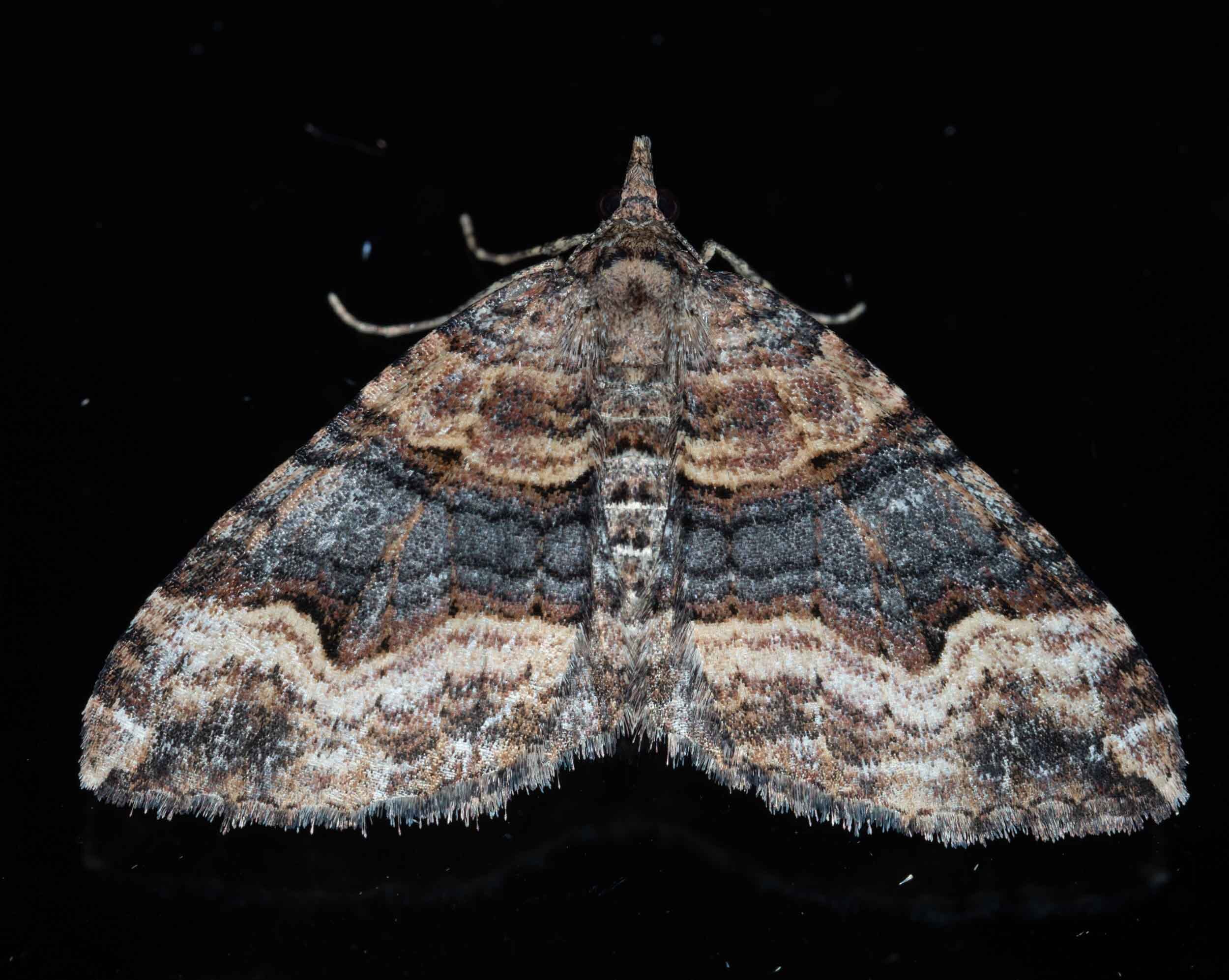
The moths have been a real treat. At least 37 different species in just 21 days (well, nights), keeping Paul busy with ID checks. All are native to Australia, including six species we’d never seen here before* … taking our moth home list to 272 confirmed species!
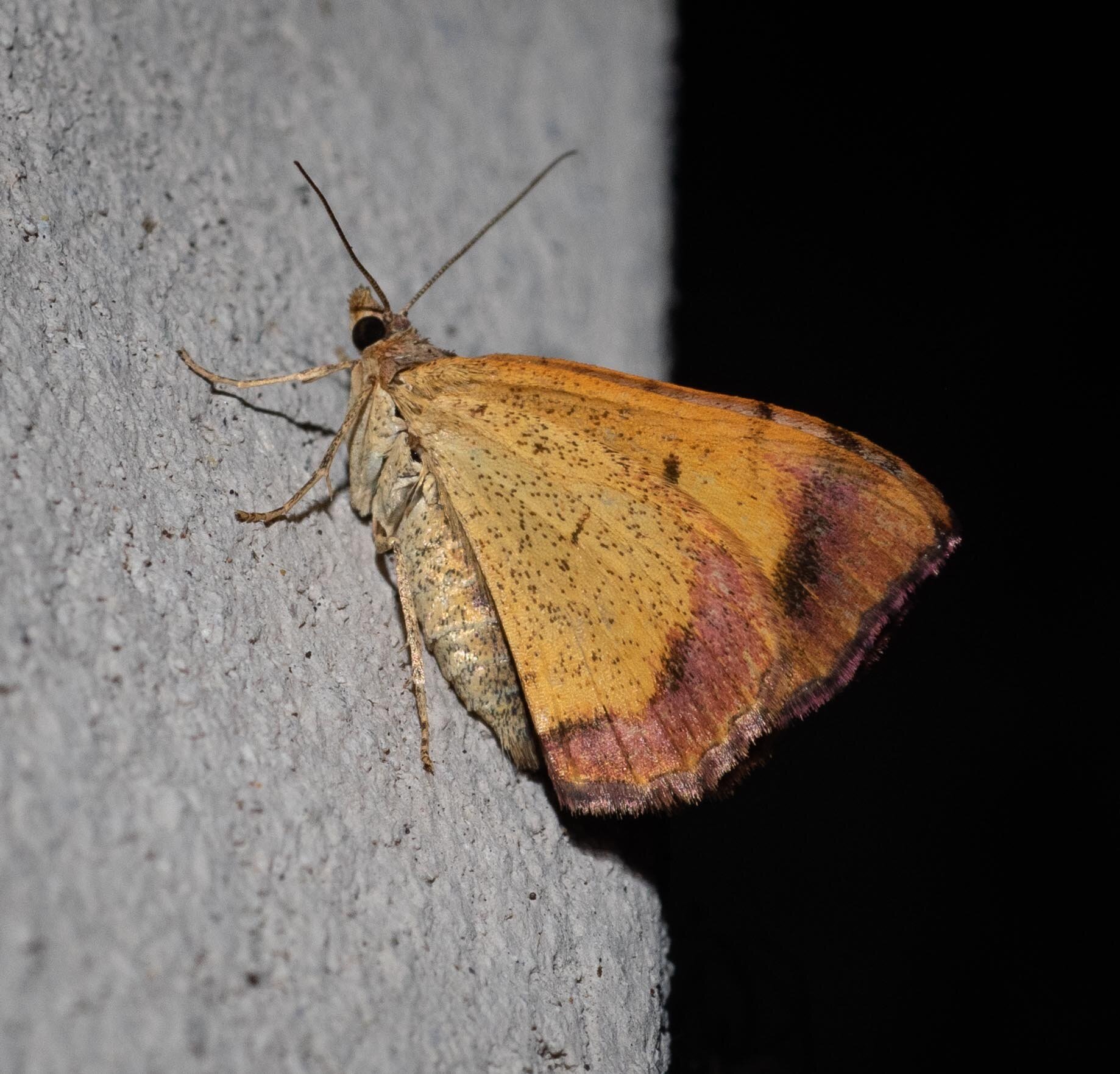
Chrysolarentia mecynata
This moth often behaves like a butterfly, holding its wings vertically.
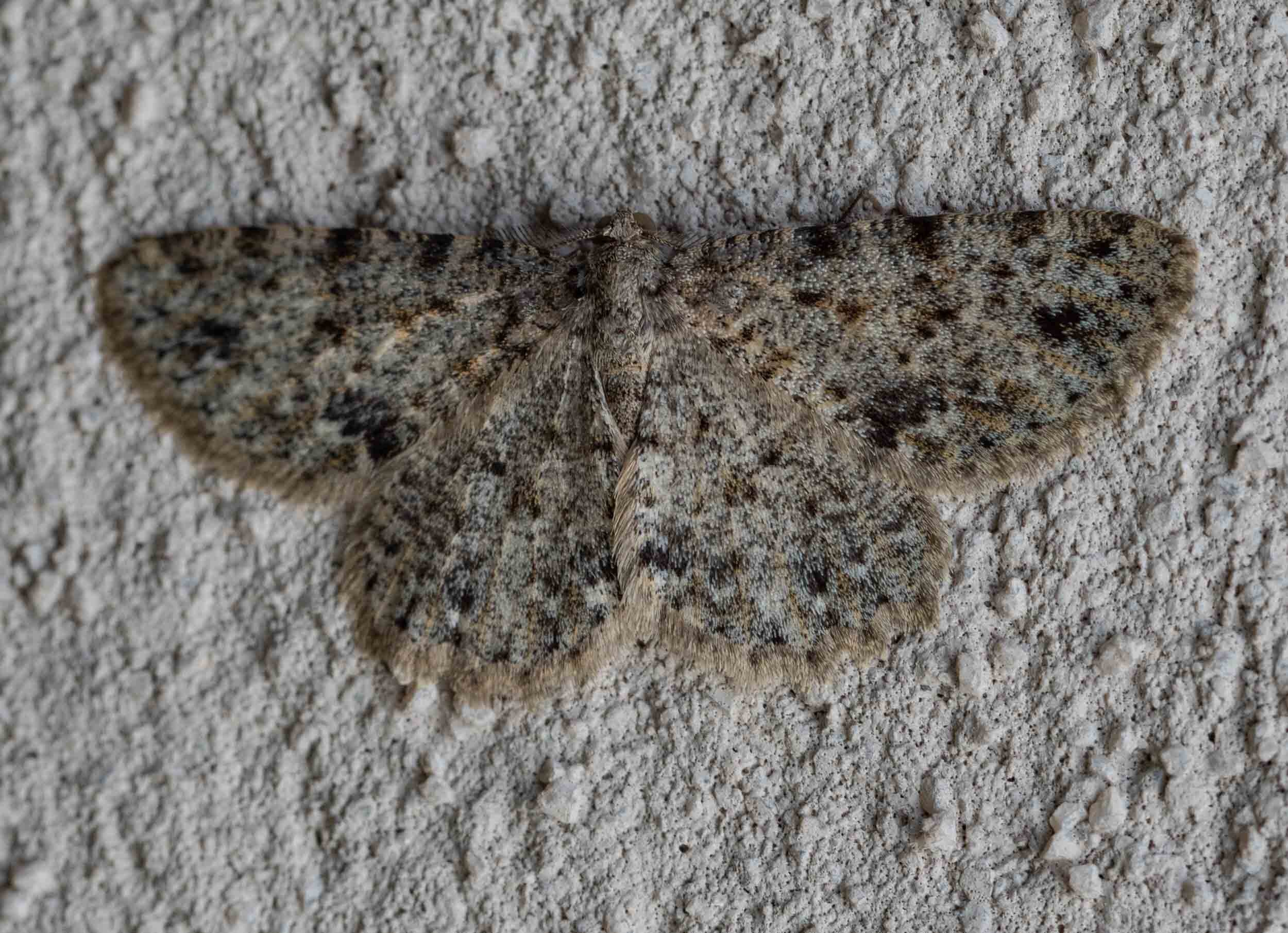
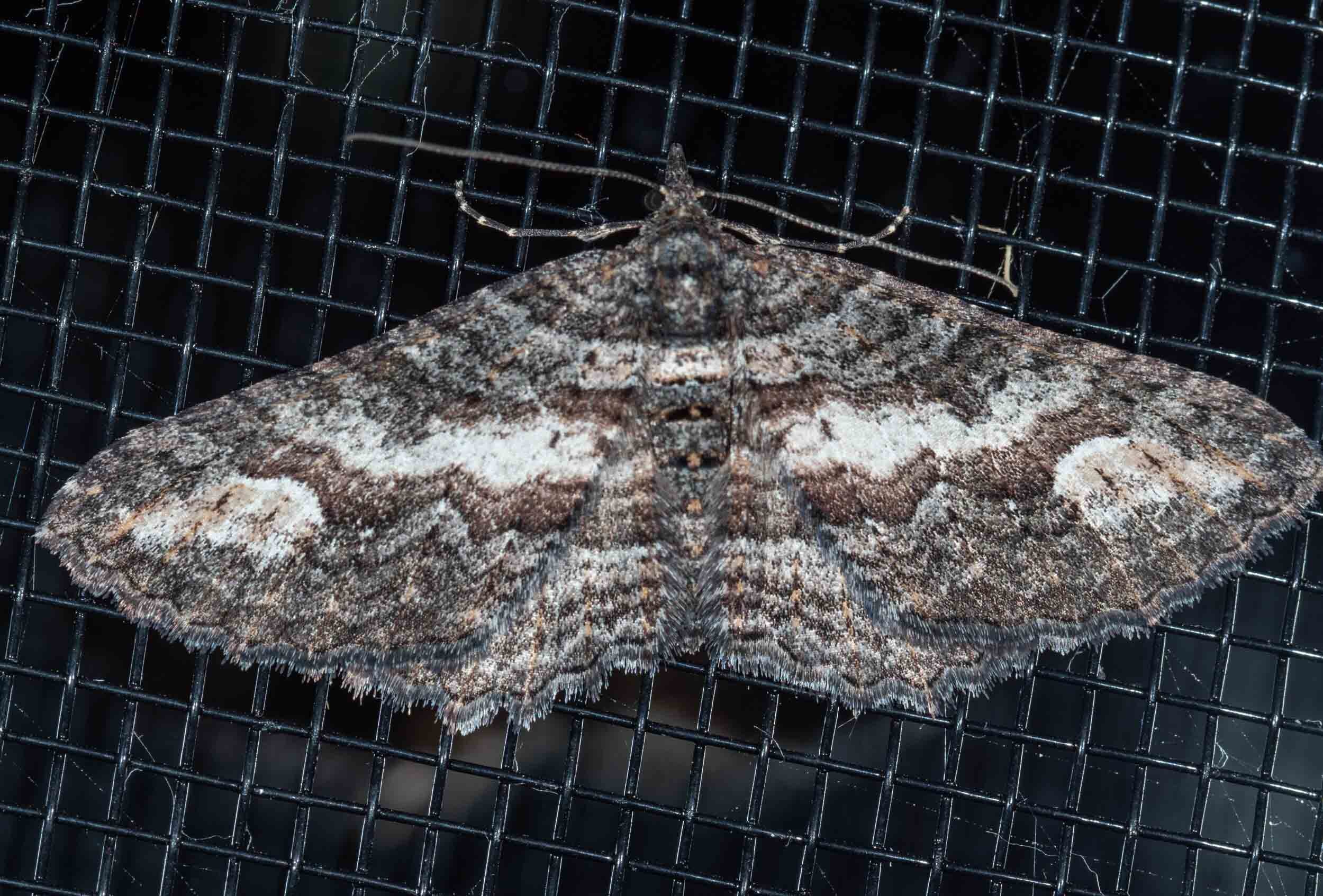
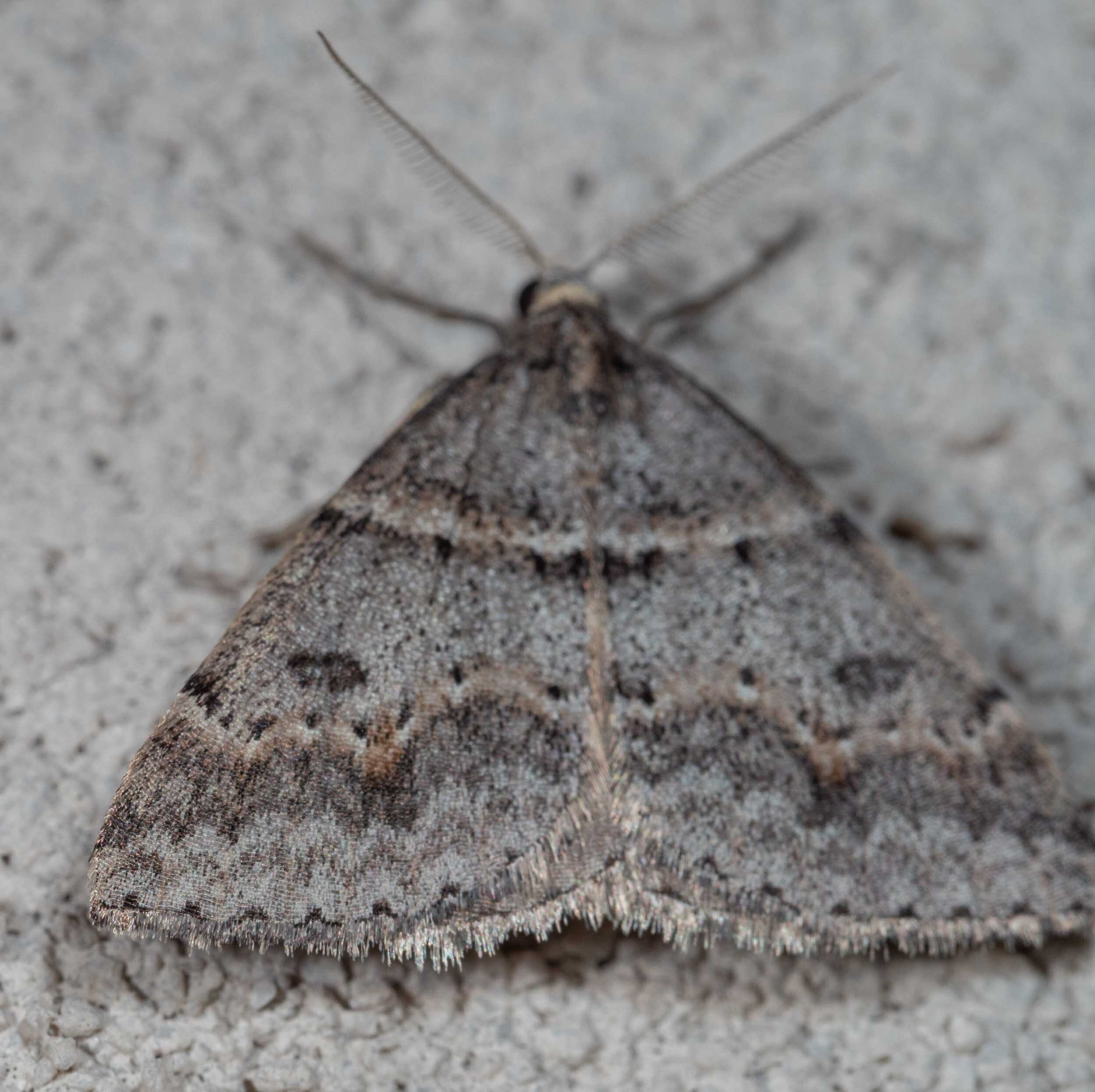
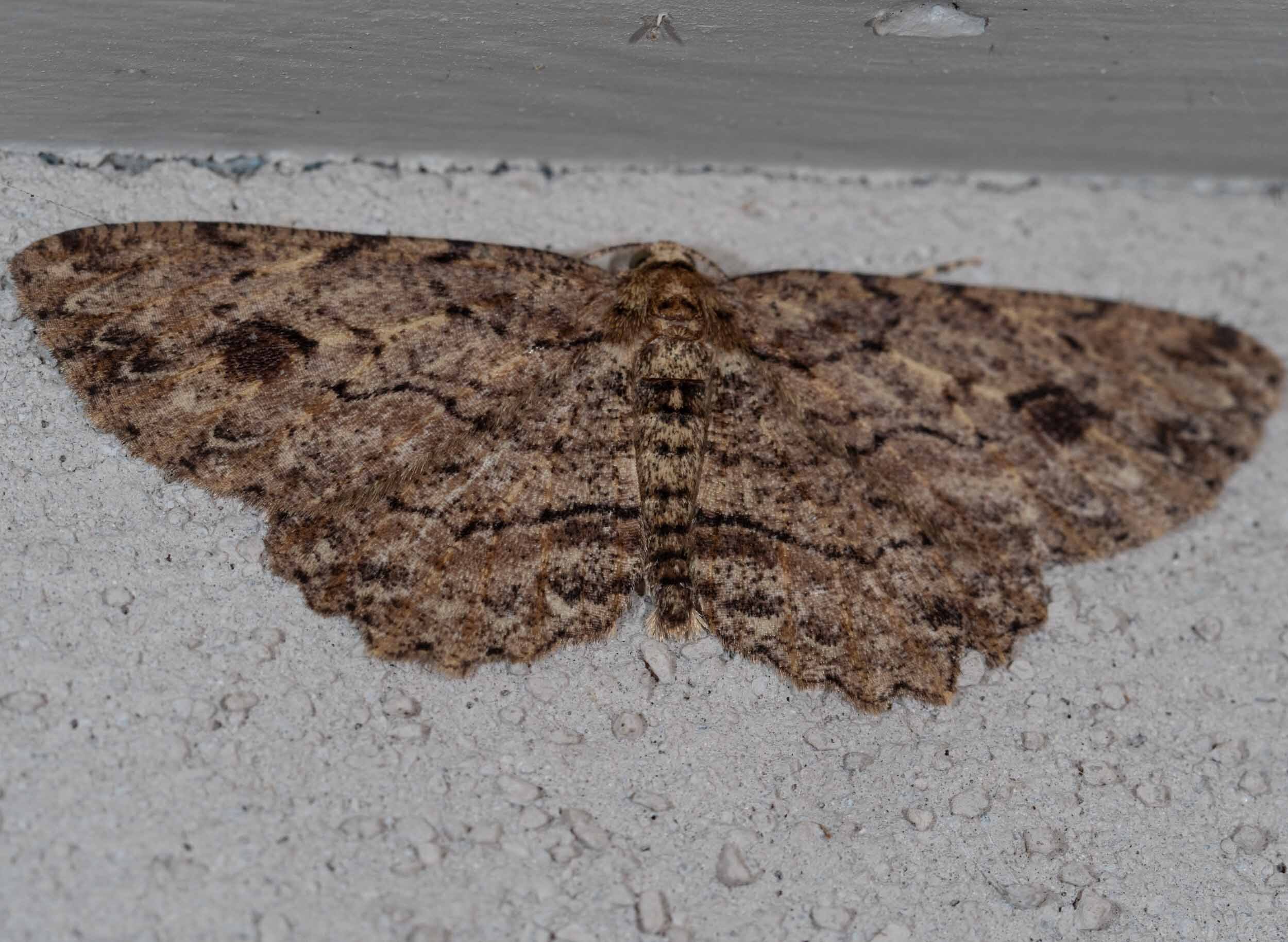
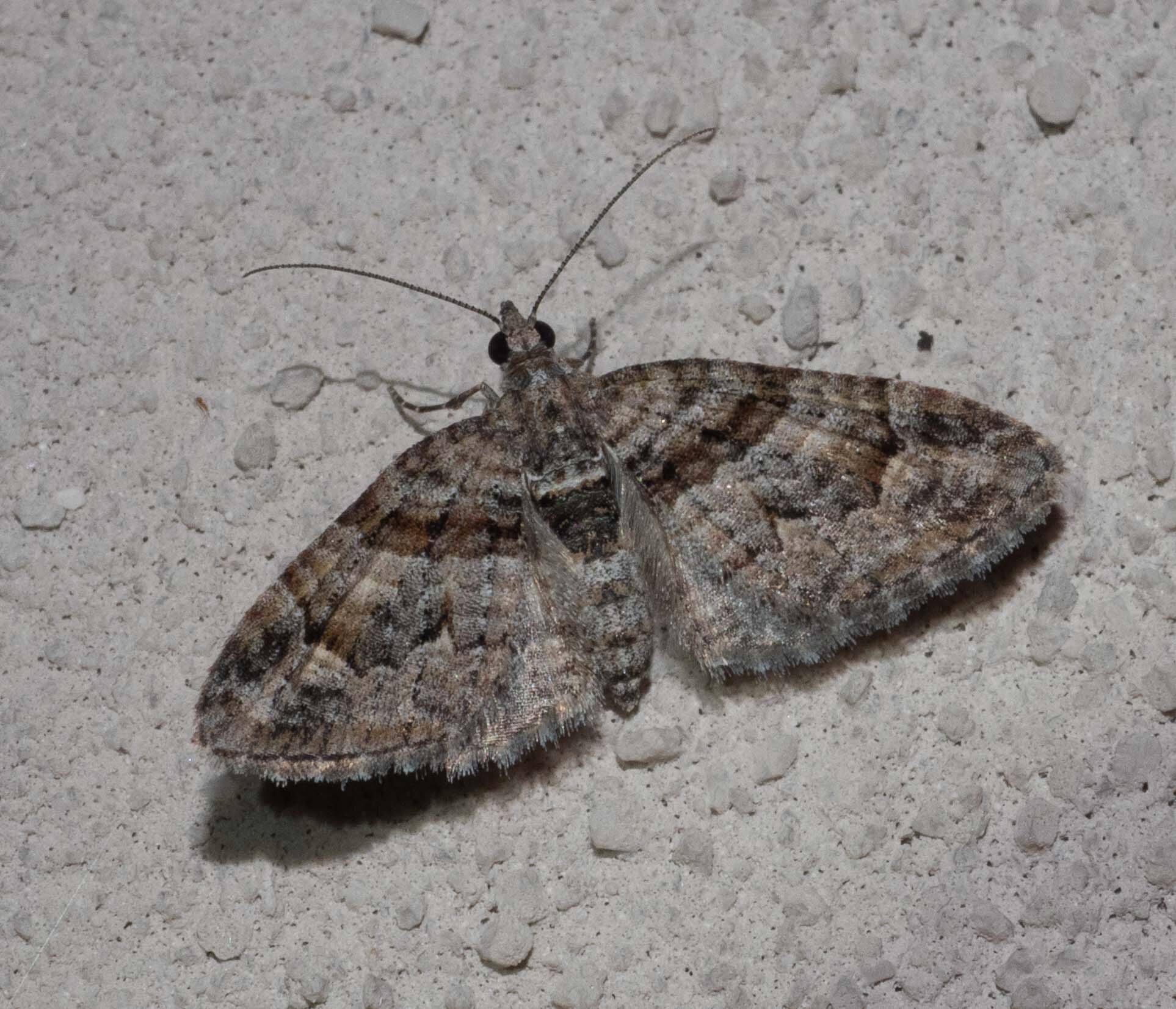
Ectropis excursaria
Common names can be very confusing. This and many other moths in the family Geometridae have common names that reflect the looping movements of their caterpillars. The adult moths don’t ‘loop’ at all!
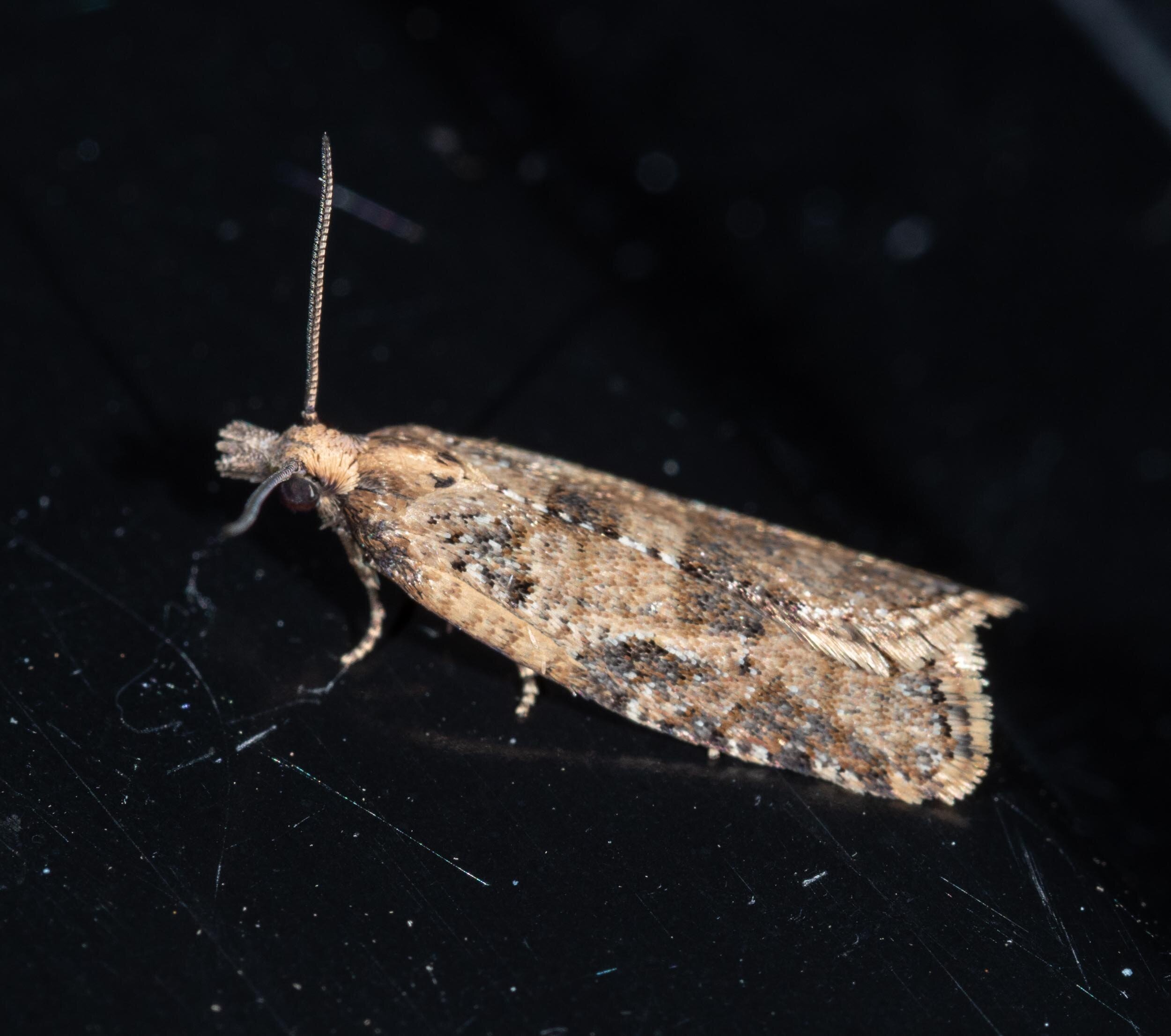
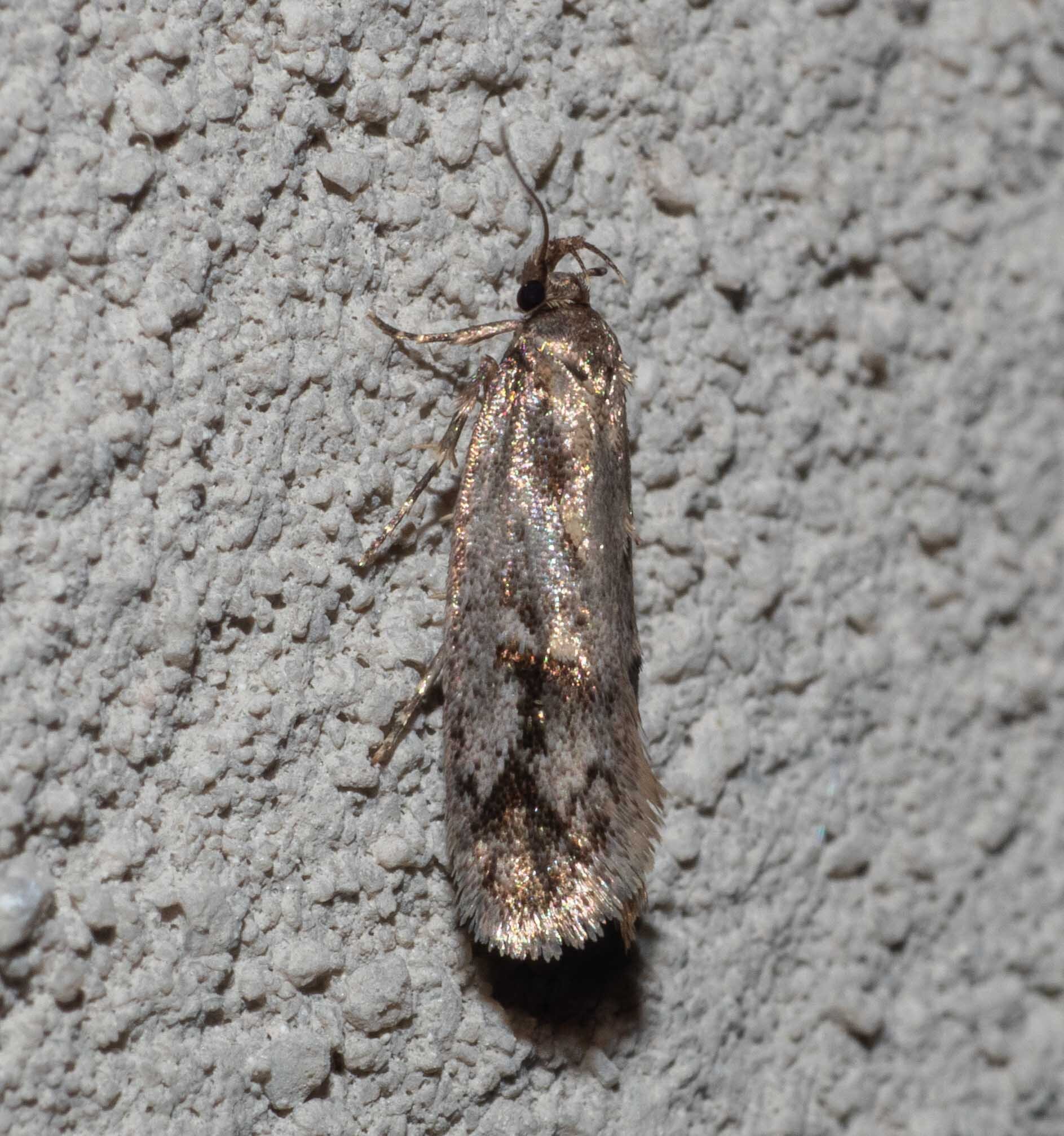
Subfamily: Olethreutinae
This group of moths is notoriously difficult to identify below subfamily level.
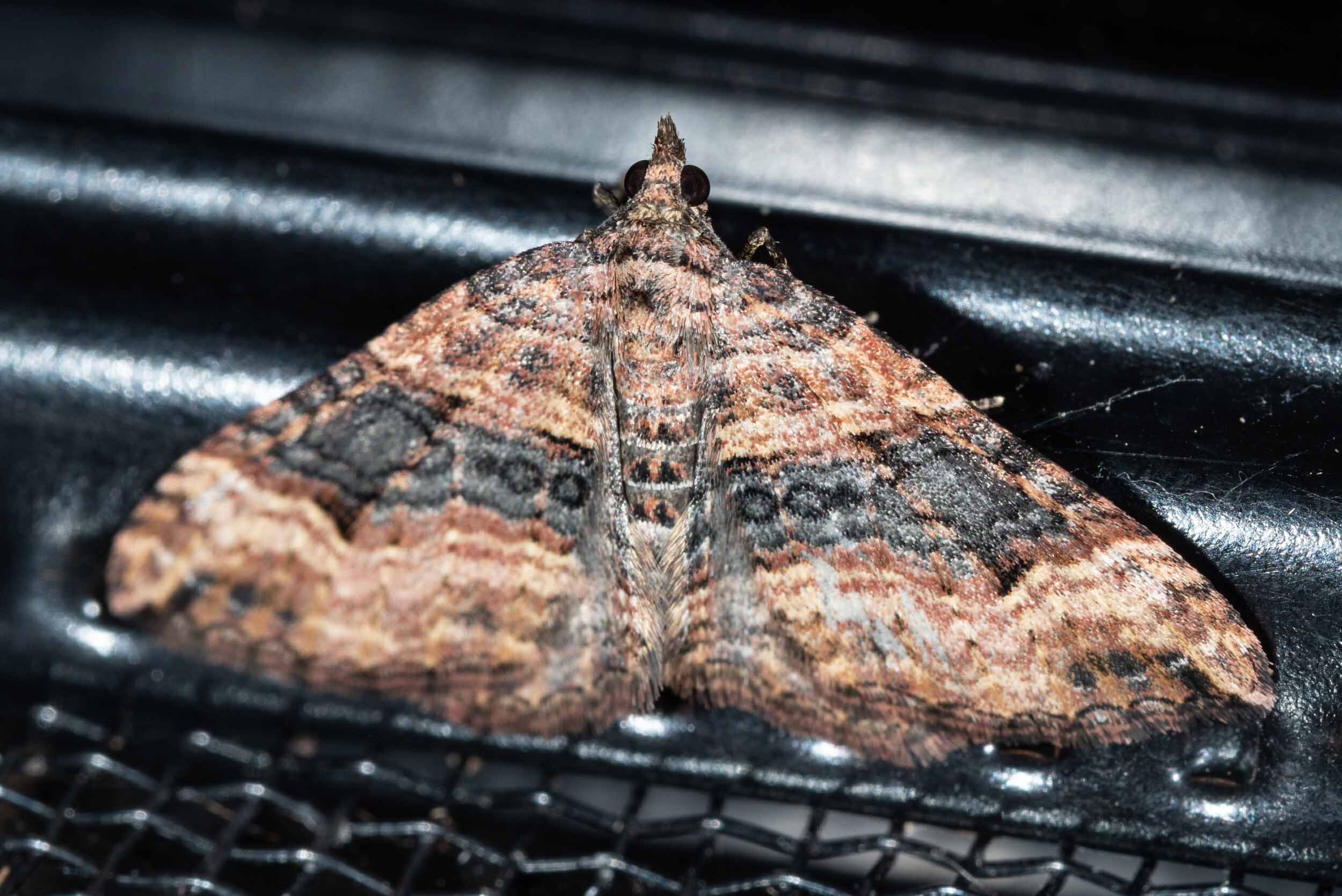
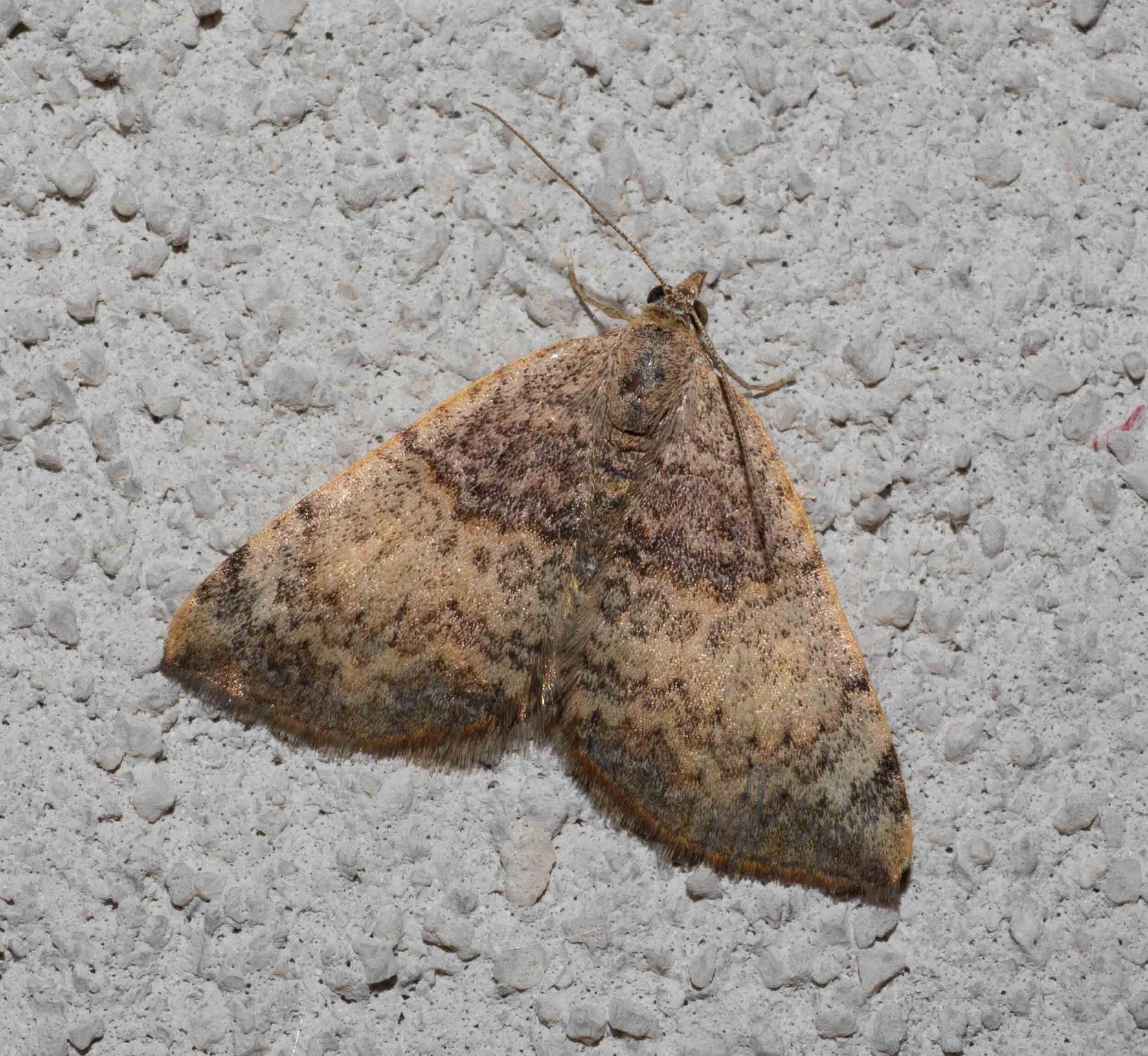
Epyaxa subidaria
This species comes in a wide range of colours and patterns, several of which we’ve seen over the last week or so. Compare this one to the other Subidaria Moth on this gallery. Makes them tricky to identify!
Family: Geometridae
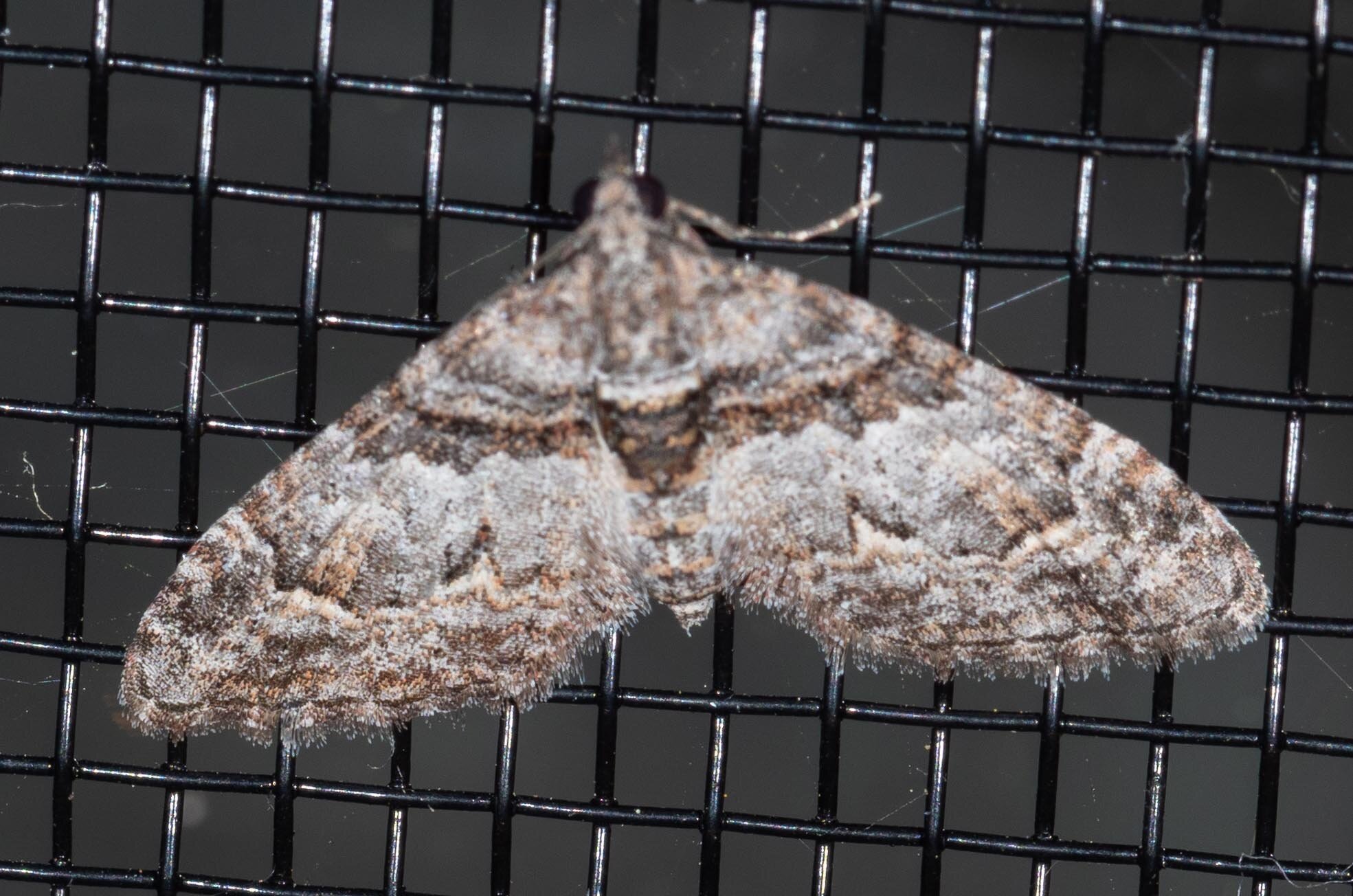
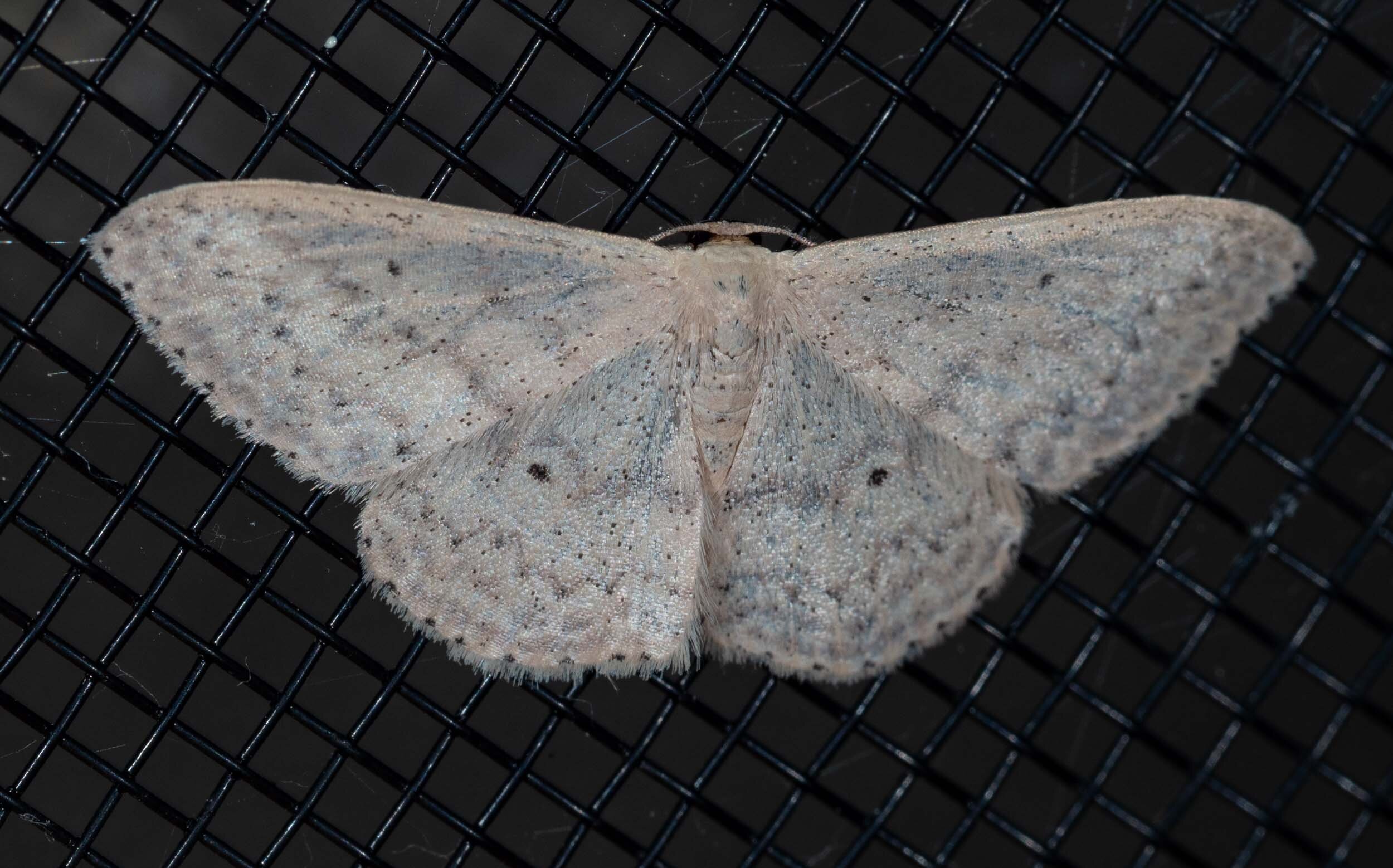
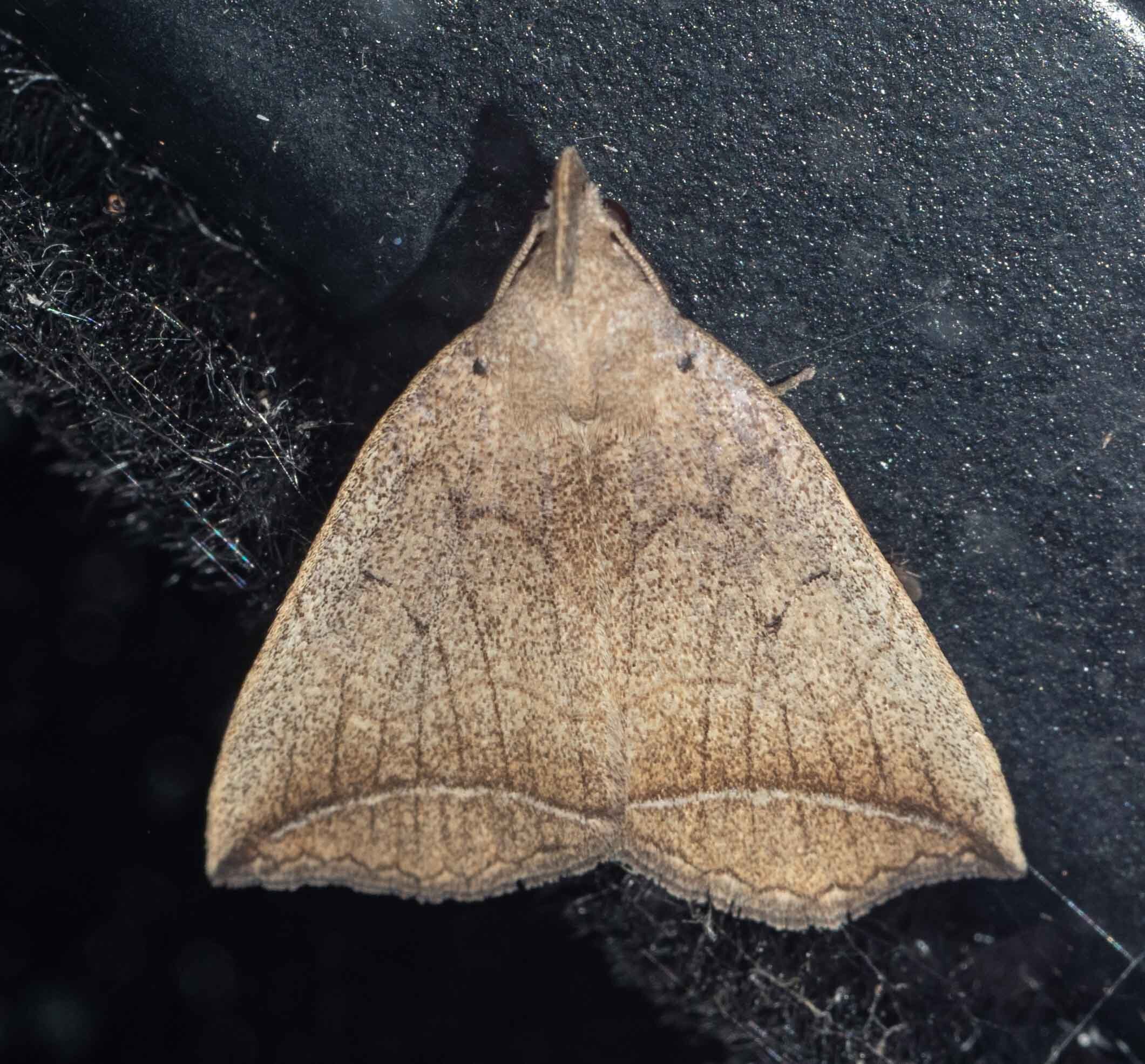
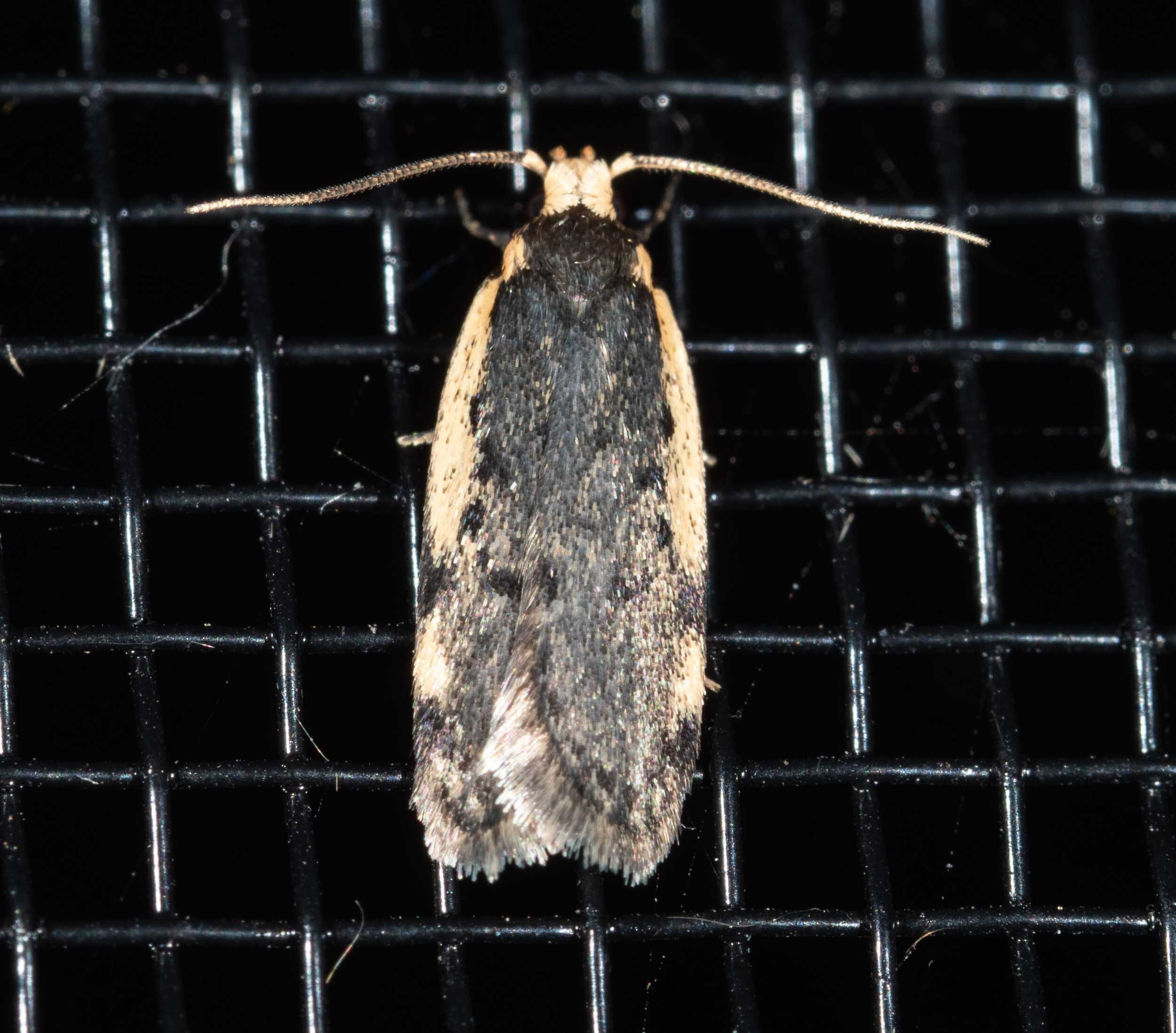
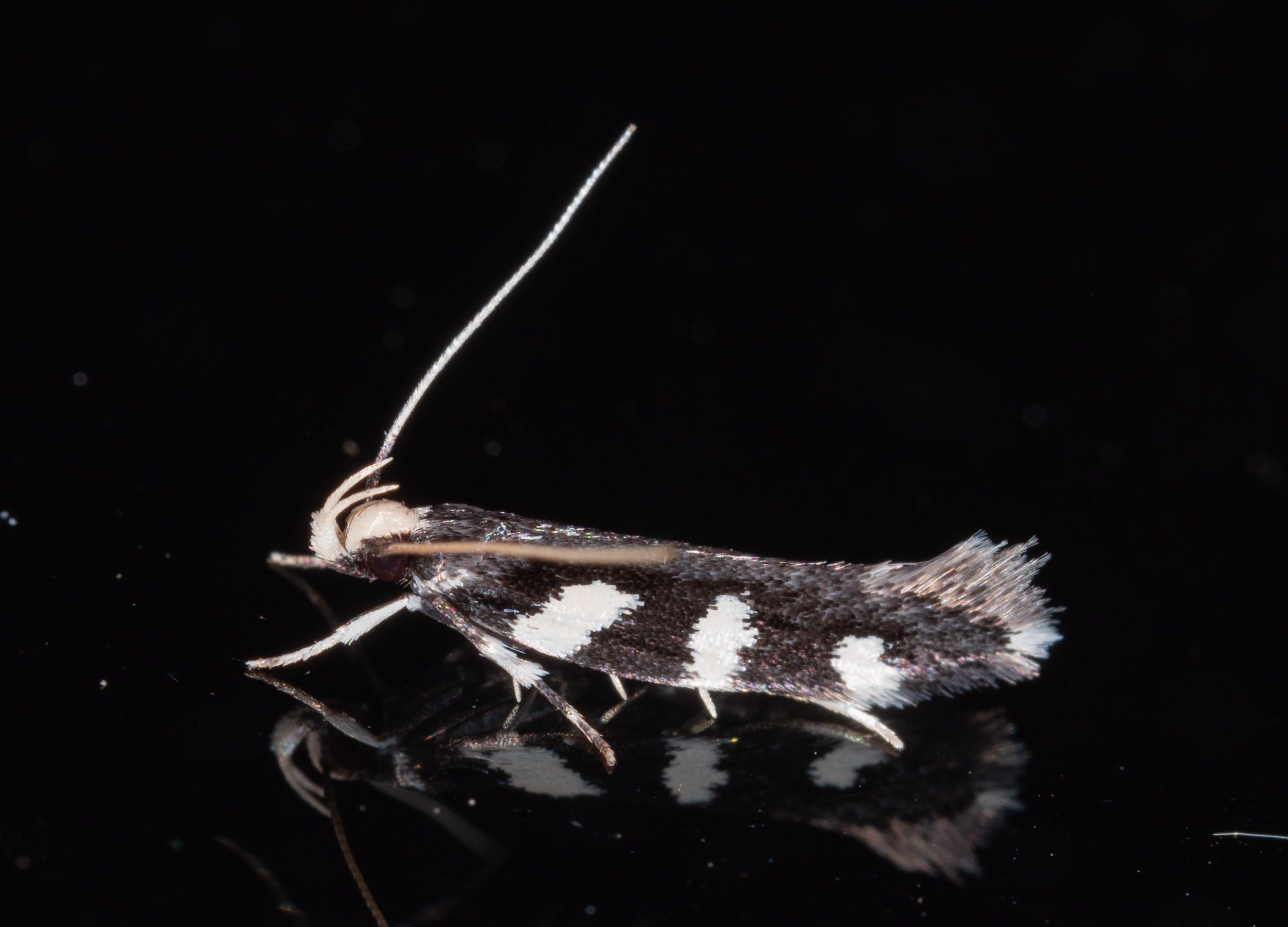
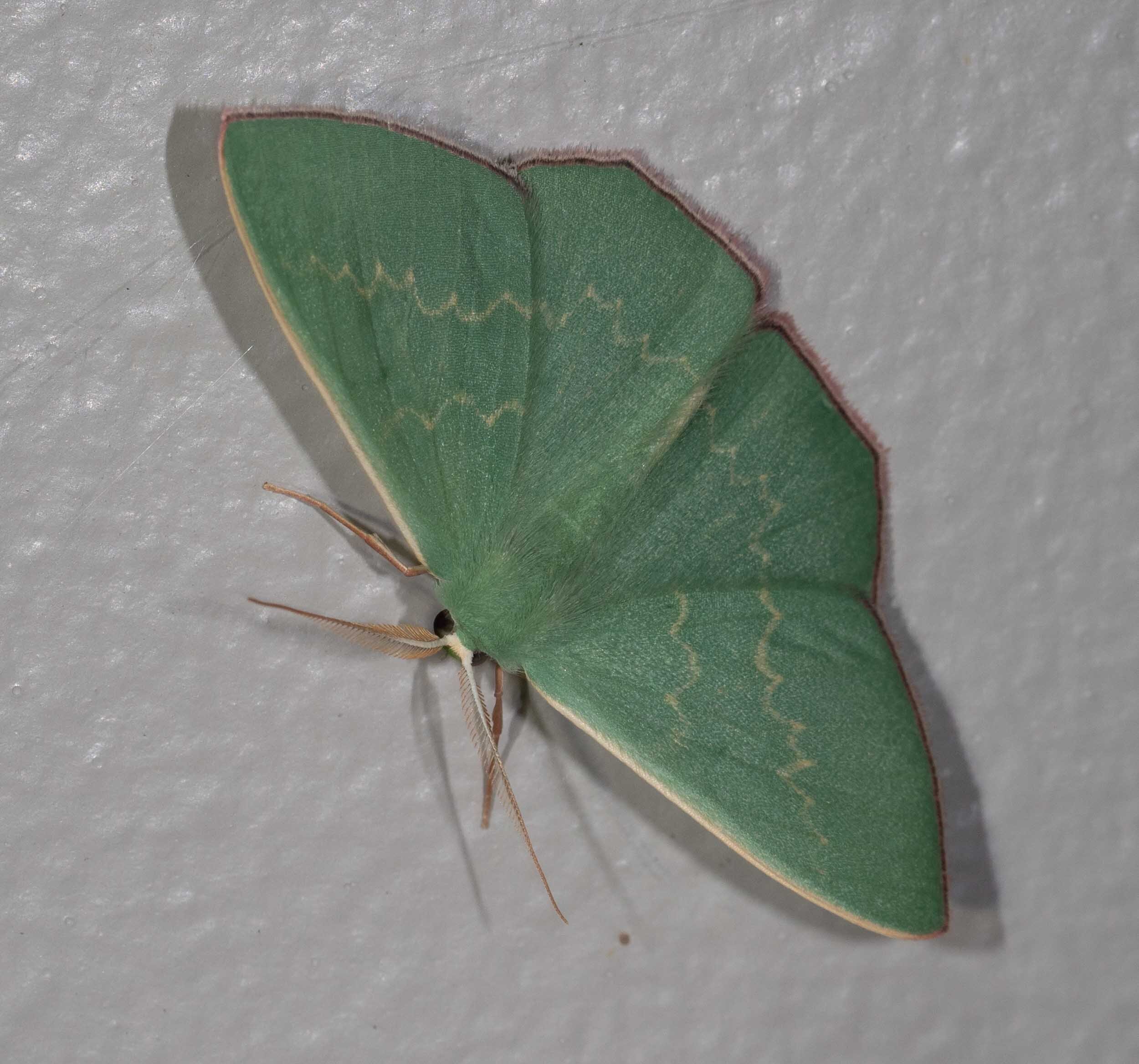
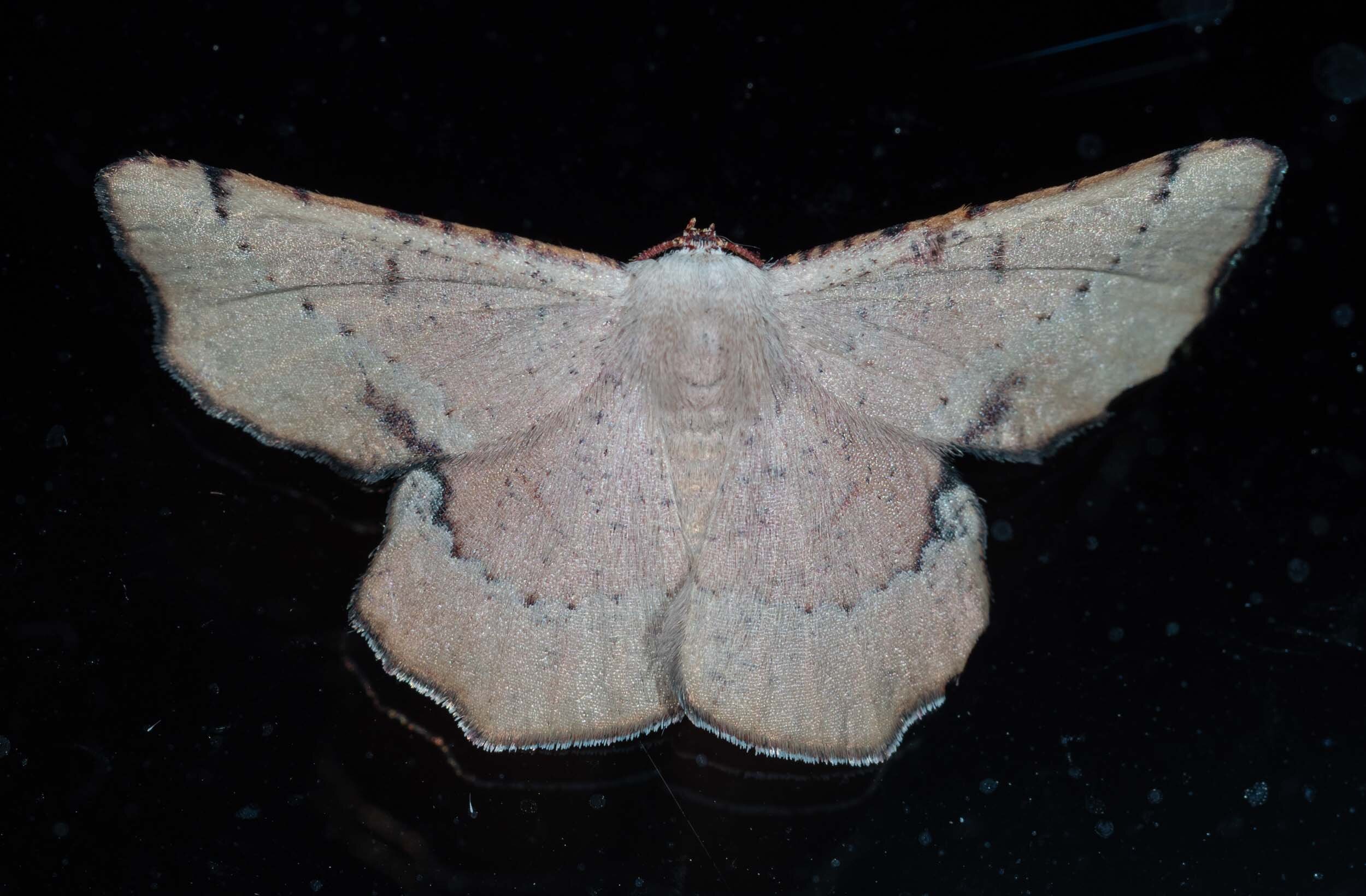
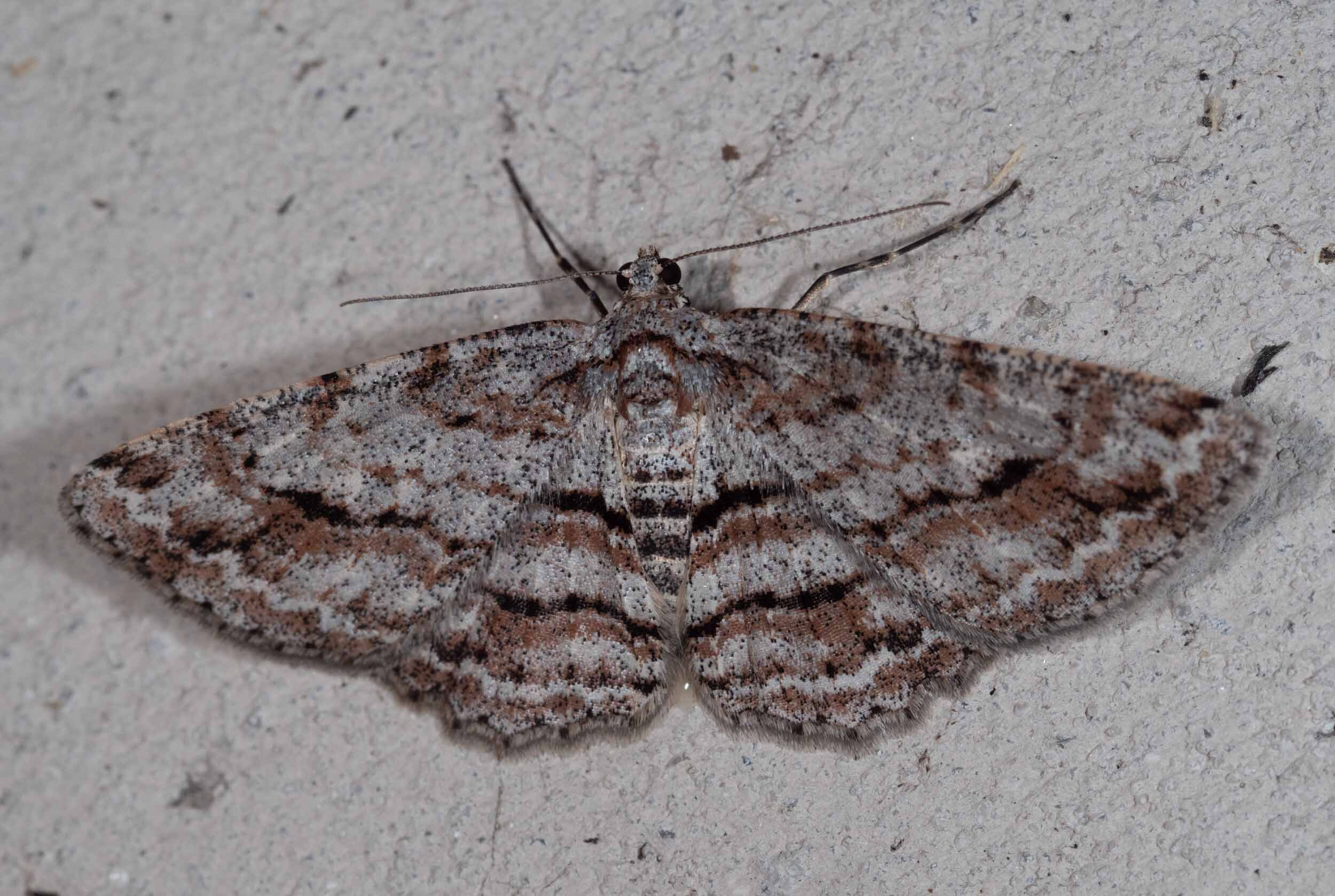
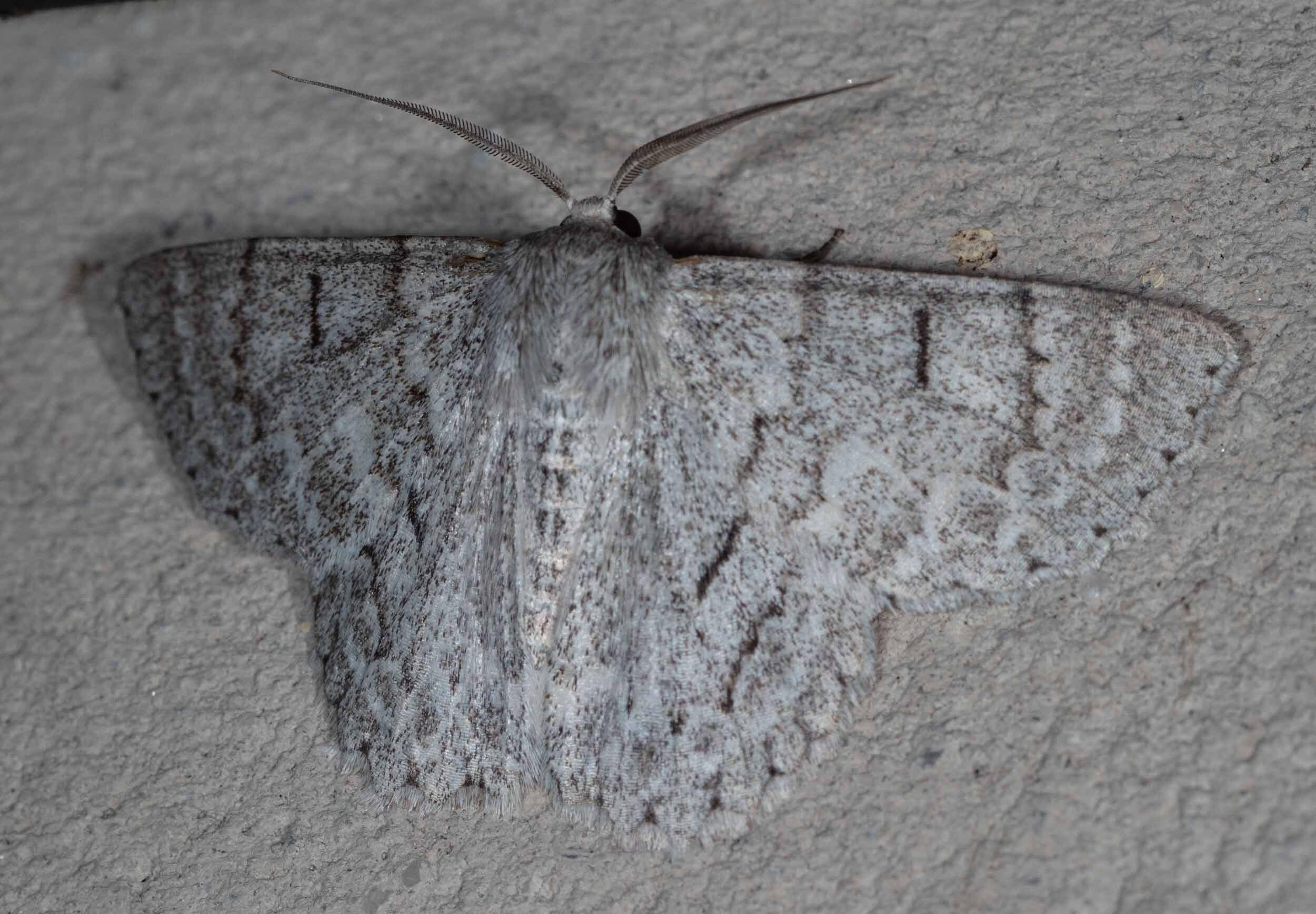
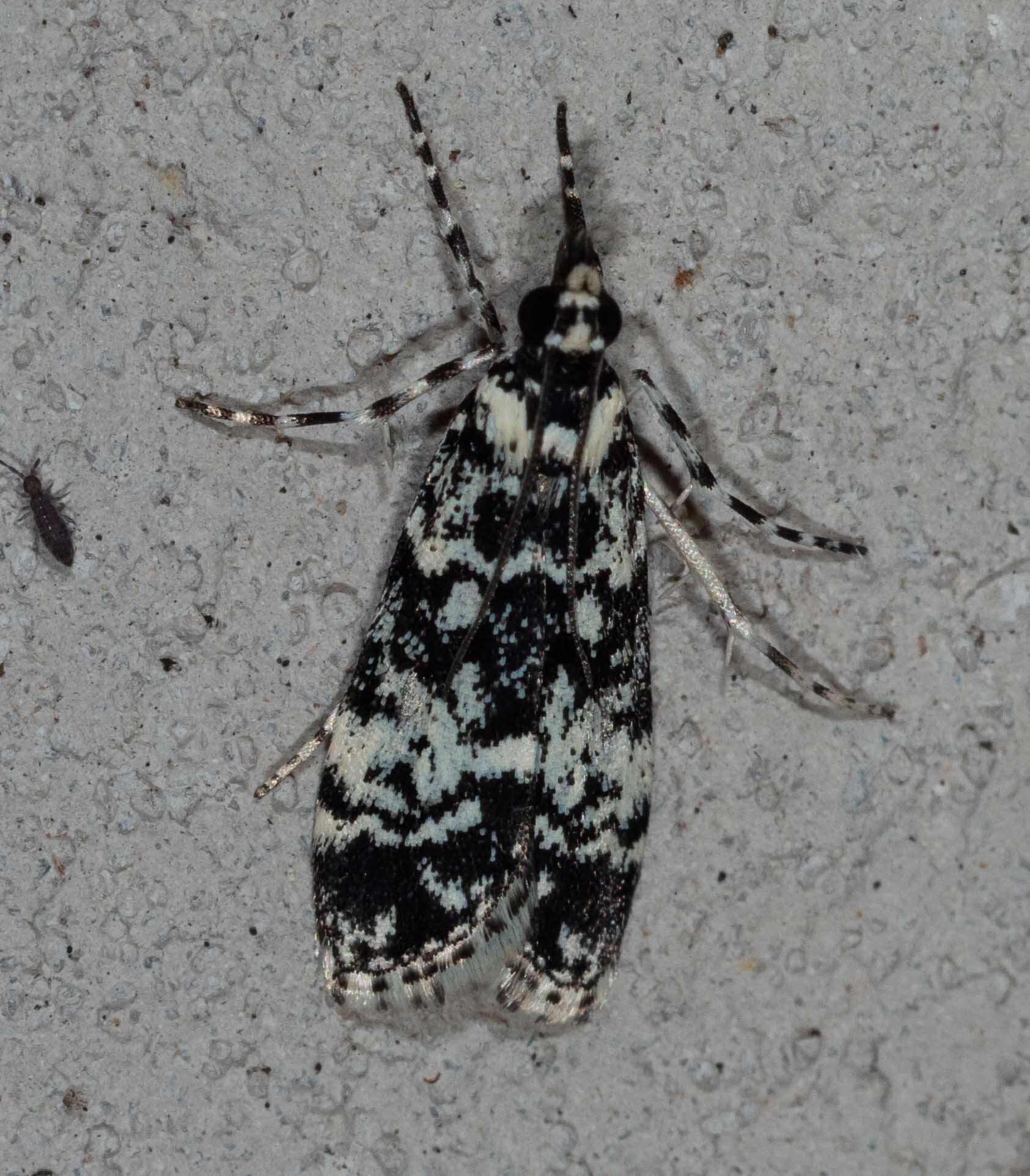
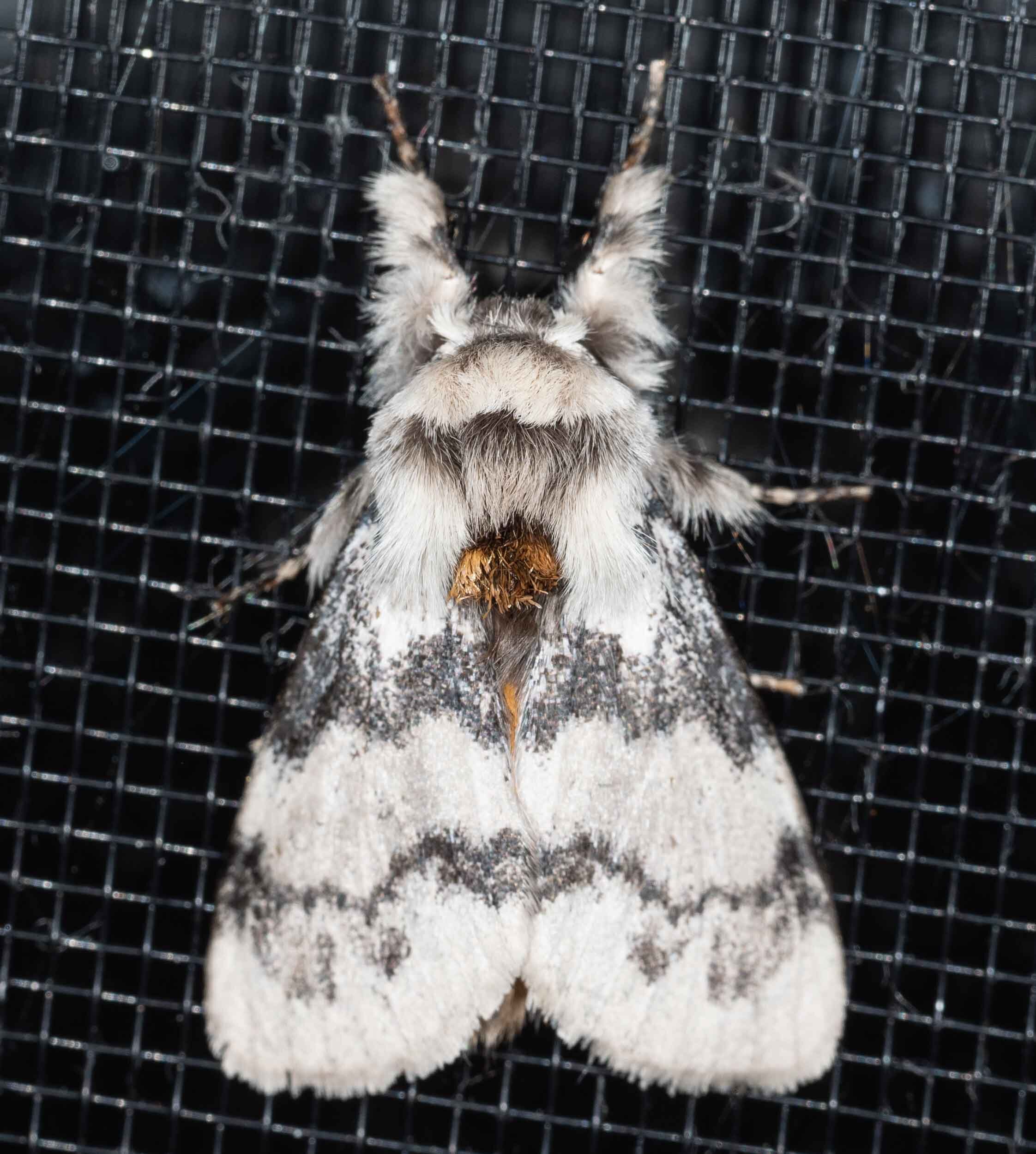
Iropoca rotundata
You can see where this group of moths get their other common name - Woolly Bear Moths
Subfamily: Lymantriinae
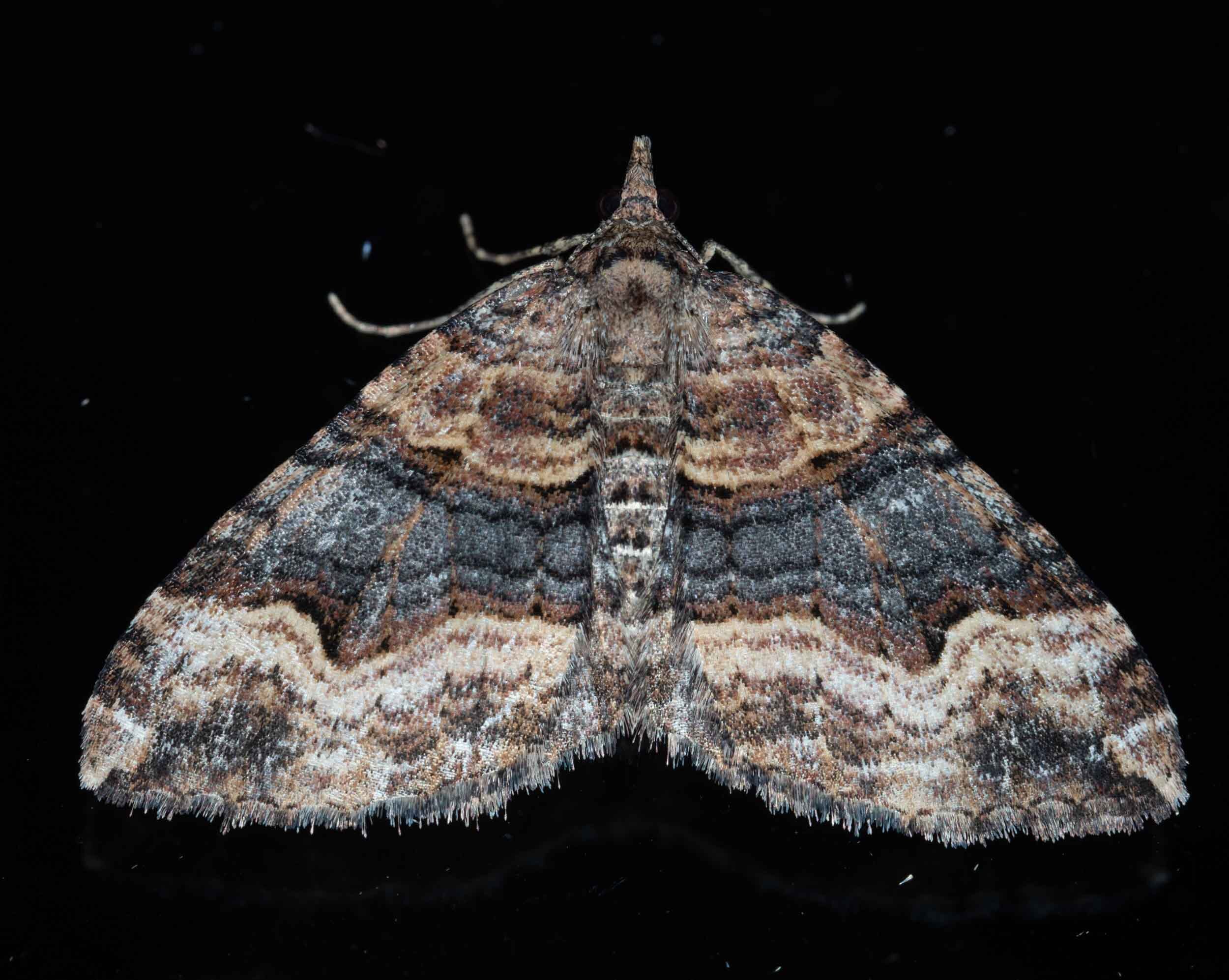
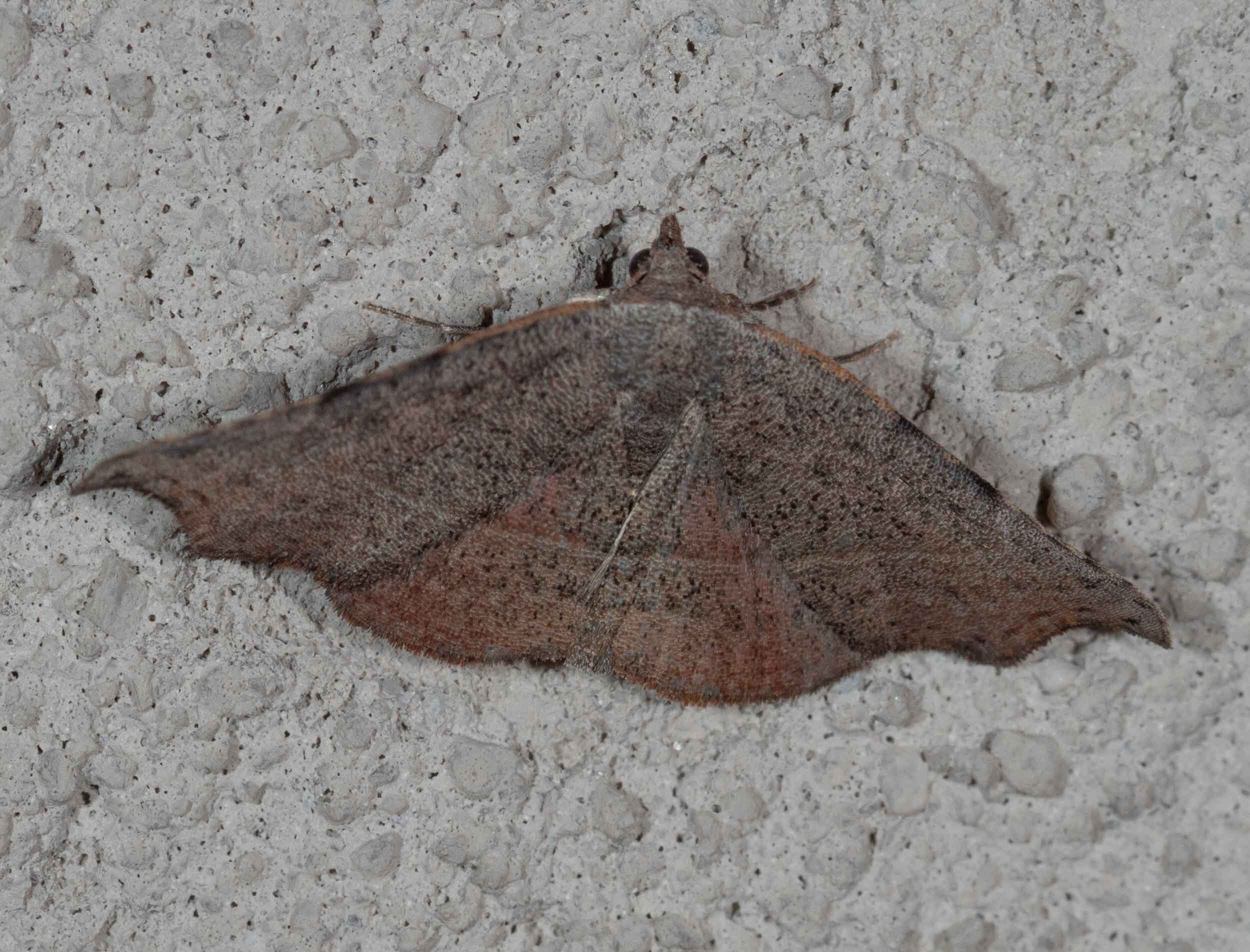
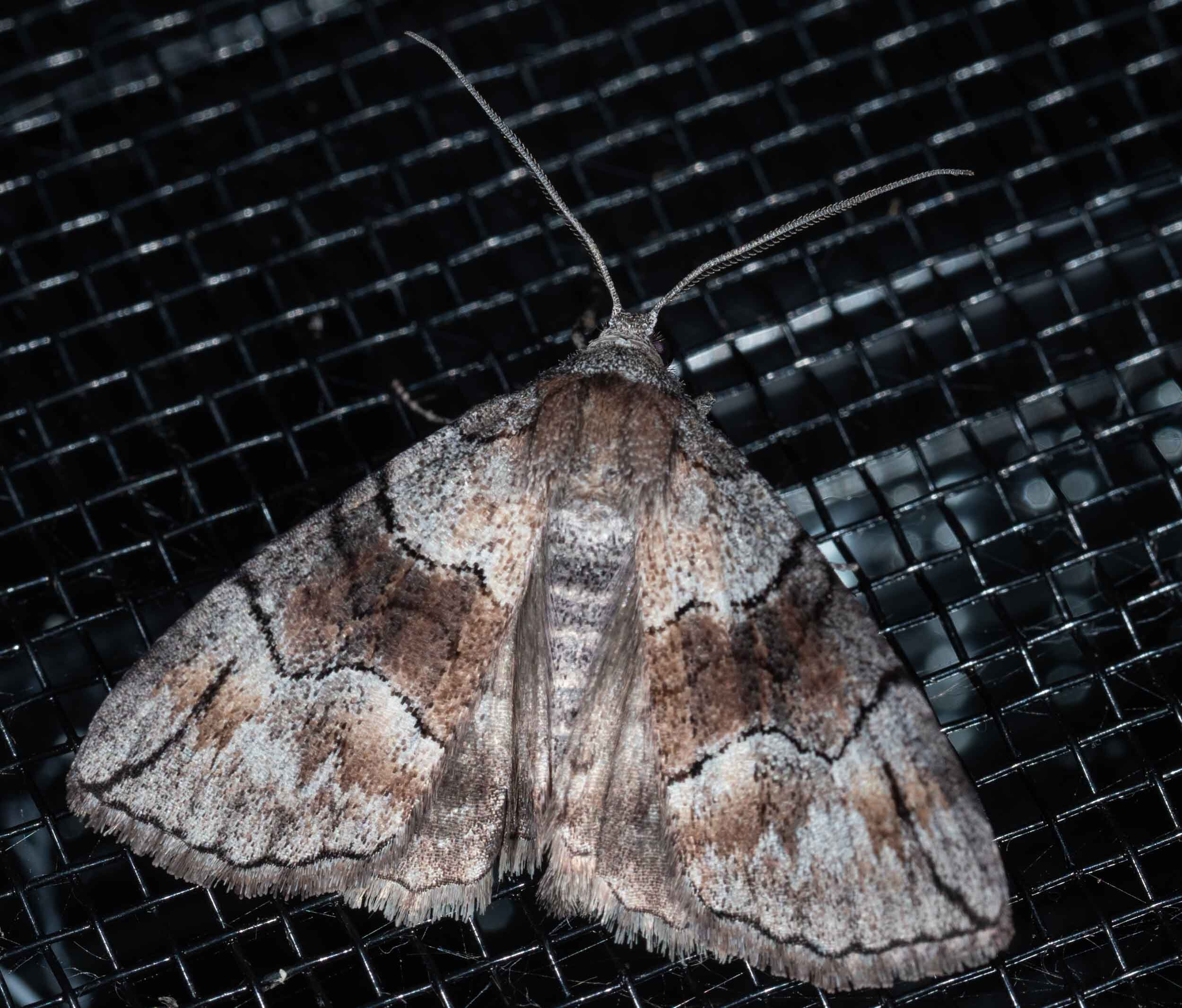
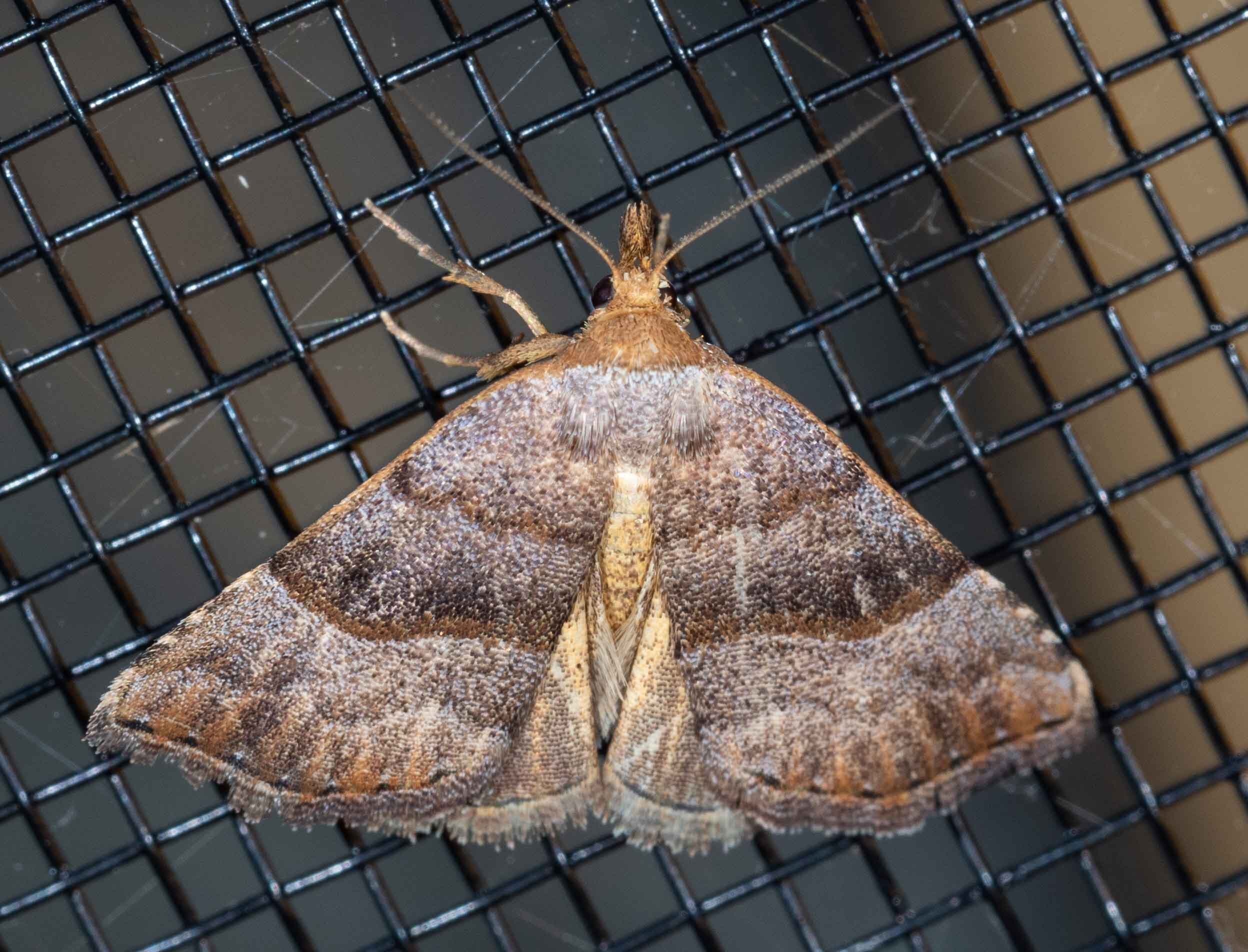
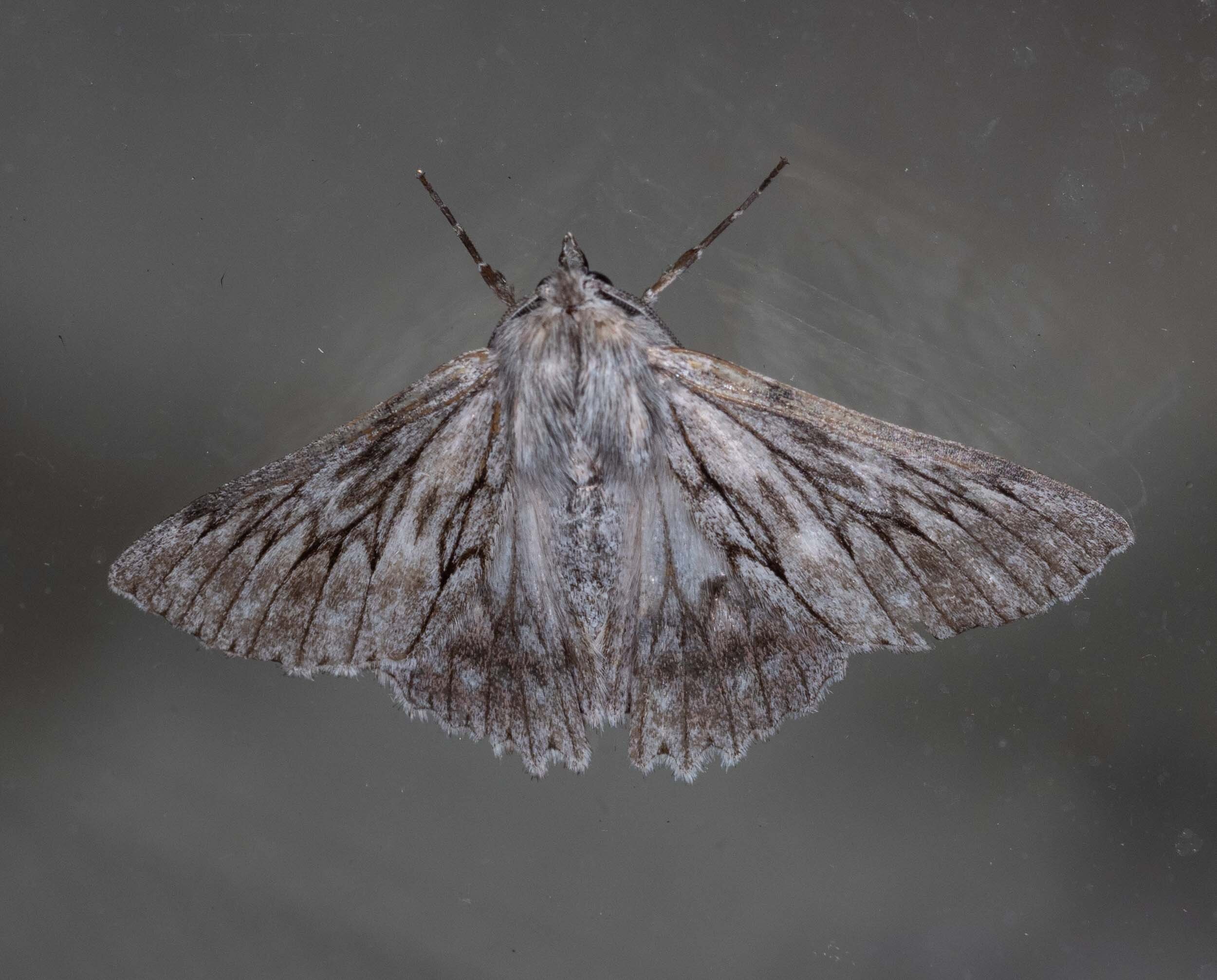
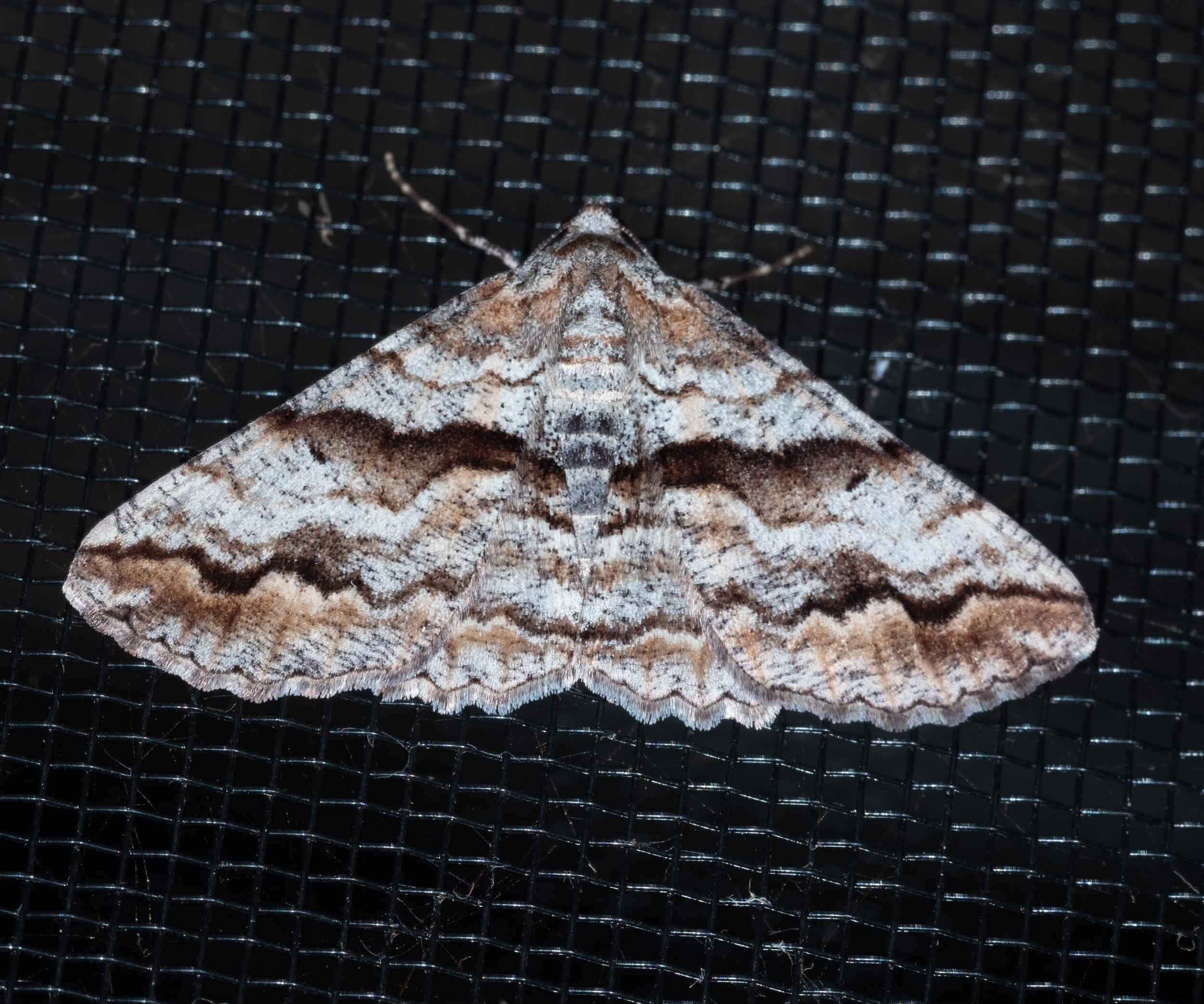
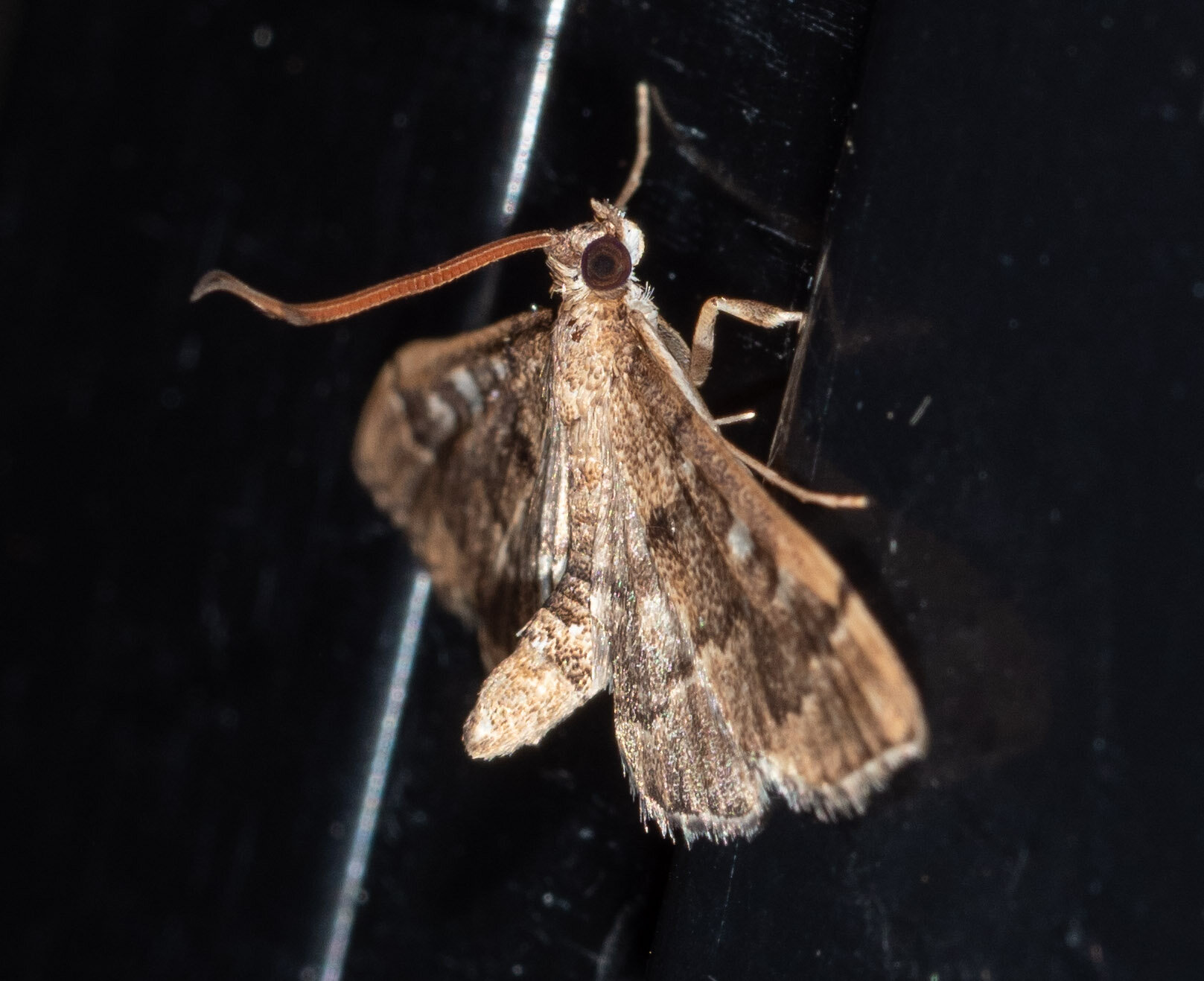
Nacoleia rhoeoalis
This moth’s vertical antennae readily betray its identity. It’s the only species I know that does this.
Subfamily: Spilomelinae
Beyond moths
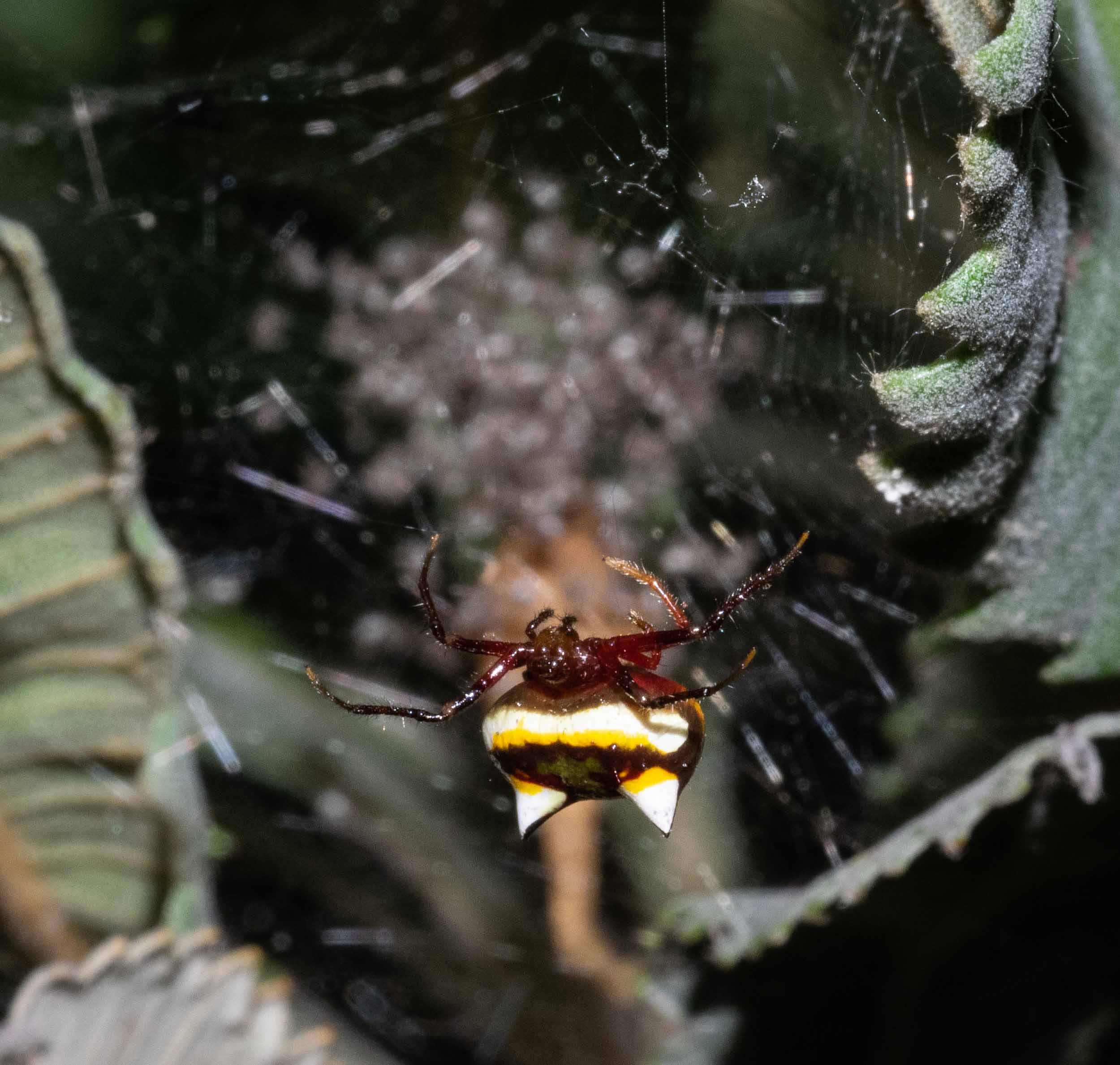
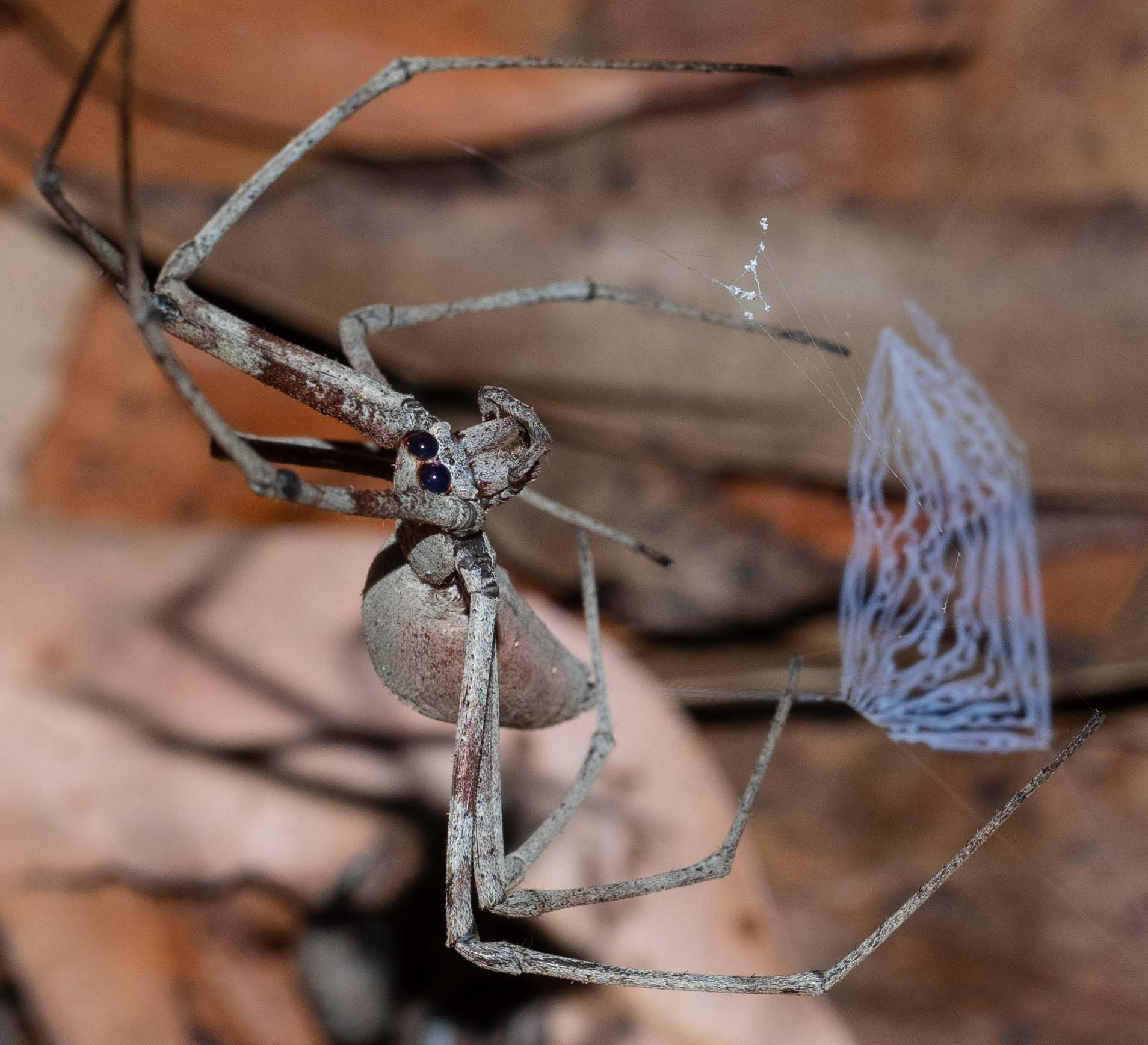
Of course, it’s not just moths. Other insects are drawn to the light and hunters follow for the chance of an easy meal. Some are residents, such as orbweavers and huntsmans. Others are wanderers, including wolf spiders, centipedes, and scorpions.
Again, the photos below were all taken in the last couple of weeks.
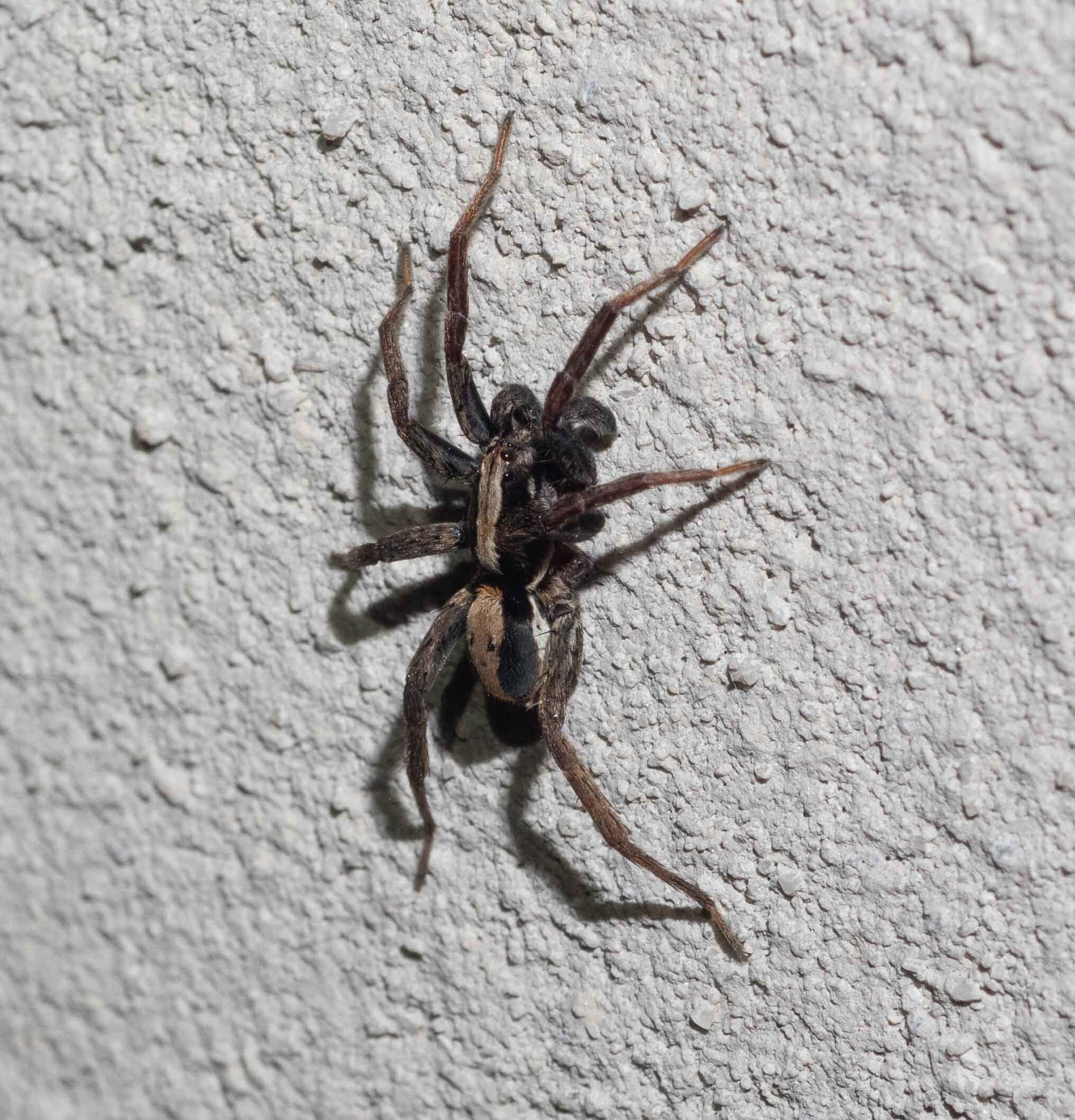
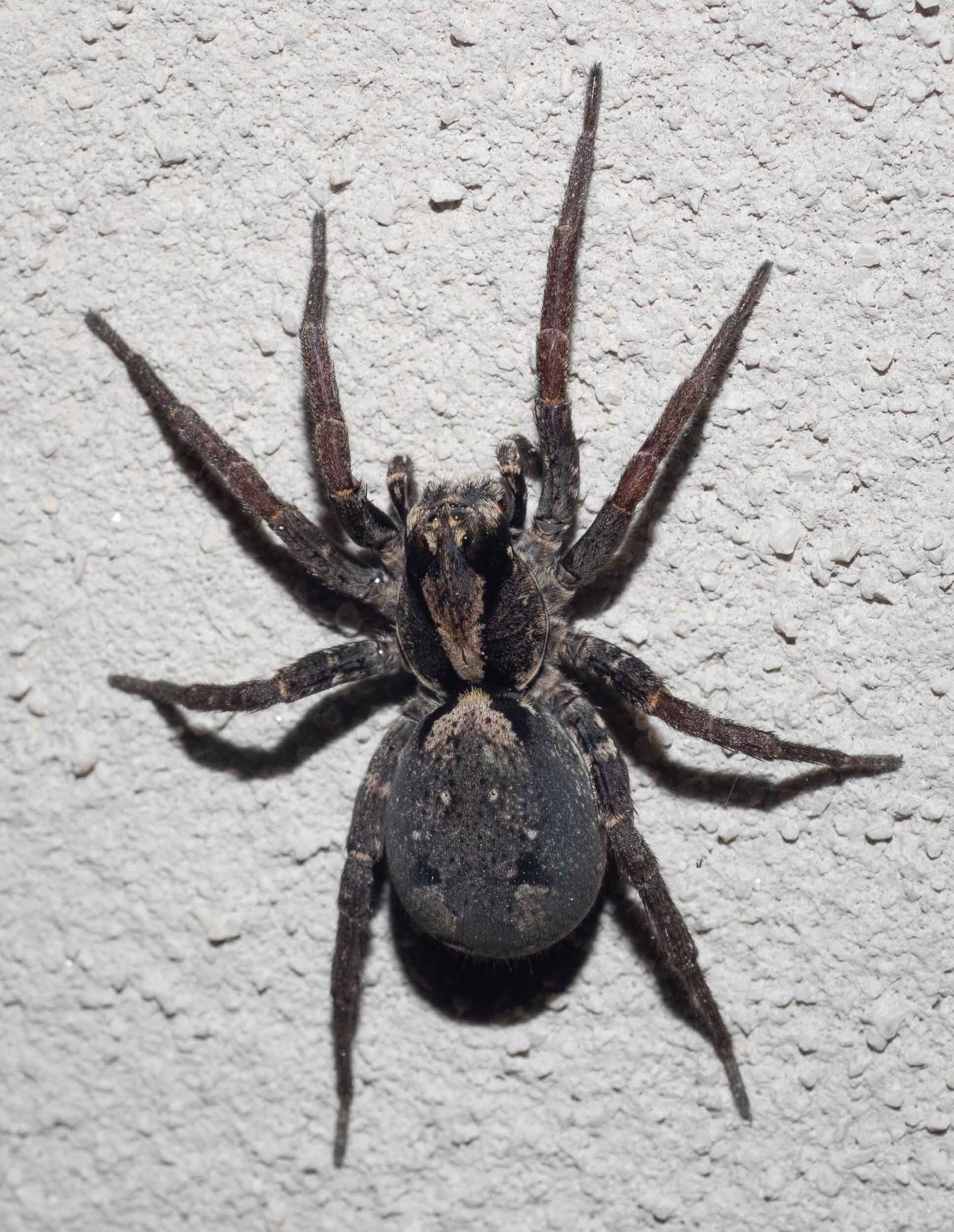
Ventatrix sp. (perhaps V. australiensis) - a female. Actively hunting moths and other spiders attracted to the window lights.
Family: Lycosidae
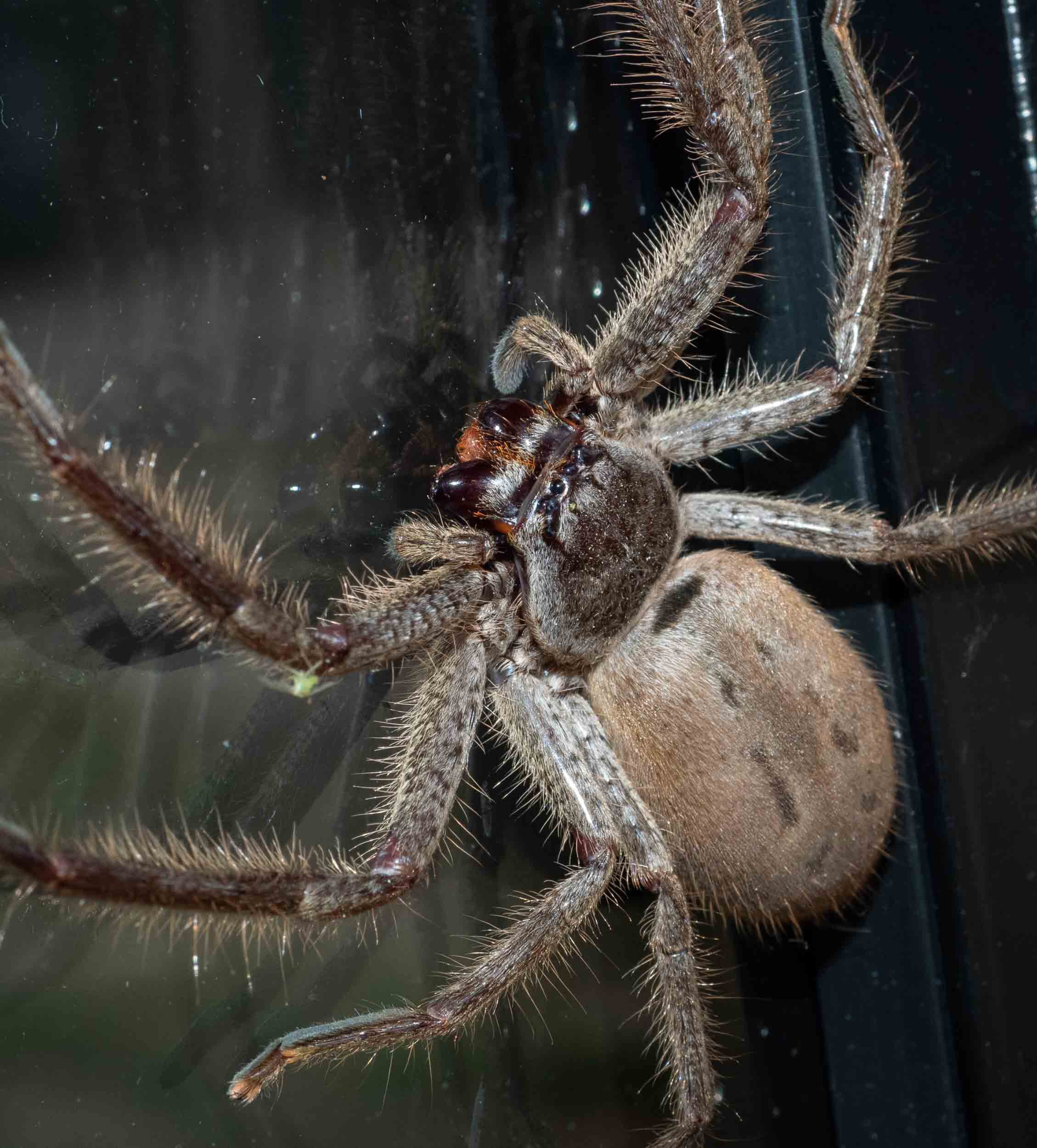
Isopeda prolata … one of our largest spiders and a regular inhabitant of the window shutter housings.
Family: Sparassidae
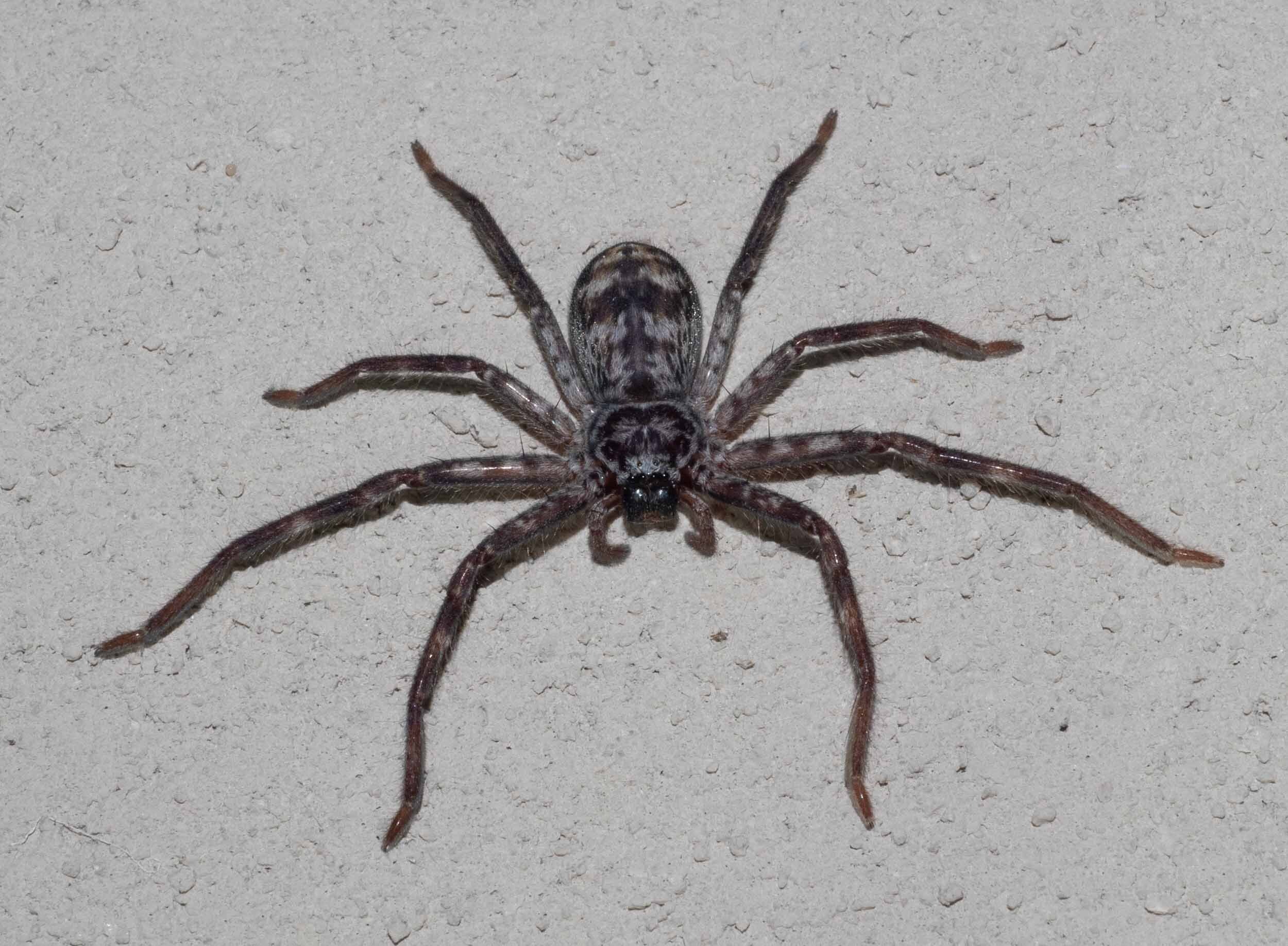
Holconia insignis … the very first of this species that we’ve ever seen here. That now makes 5 huntsman species for the home list!
Family: Sparassidae
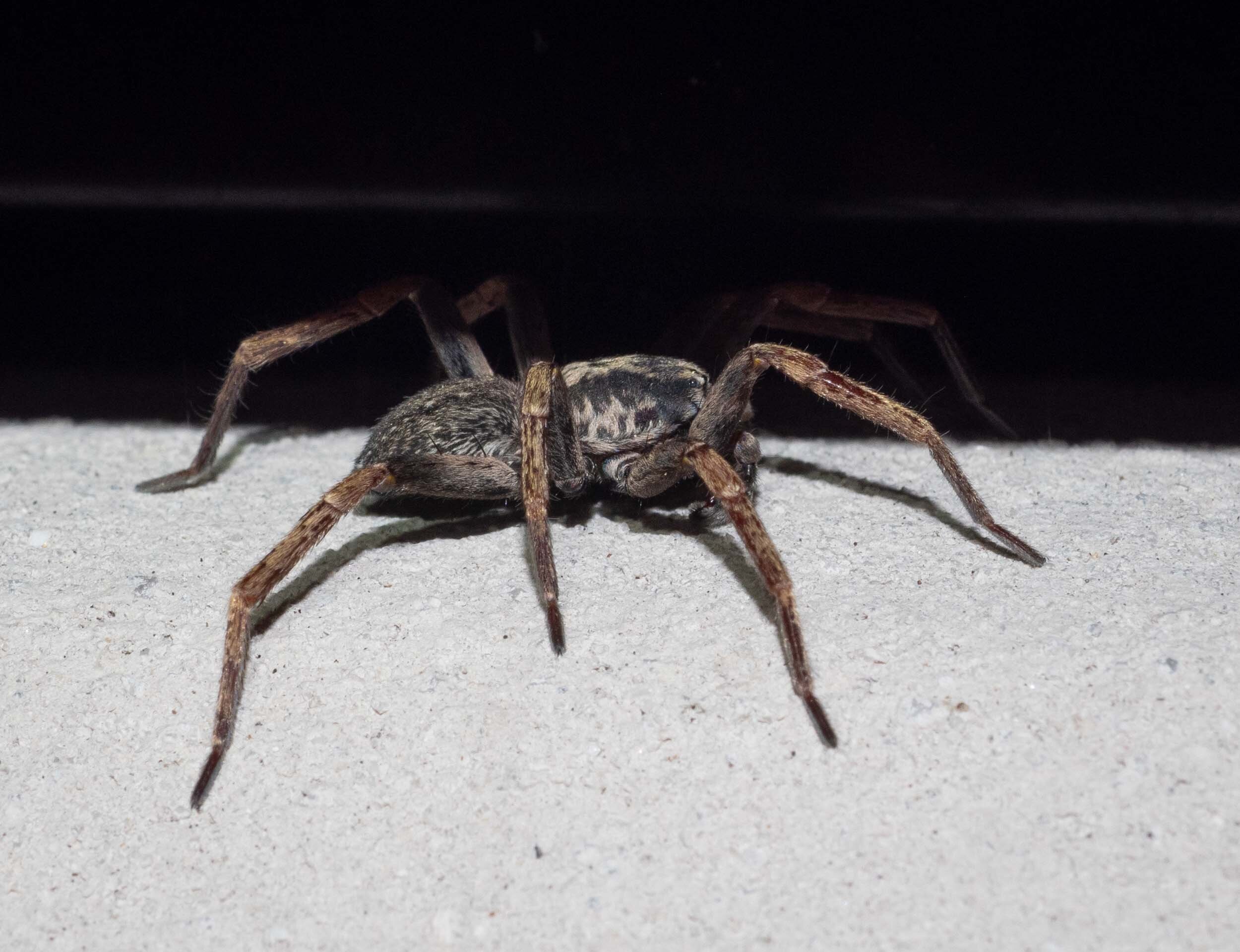
Mituliodon tarantulinus … not actually a tarantula, which are mygalomorphs. Common names can be misleading. This species belongs to the family Miturgidae, ‘Prowling Spiders’.
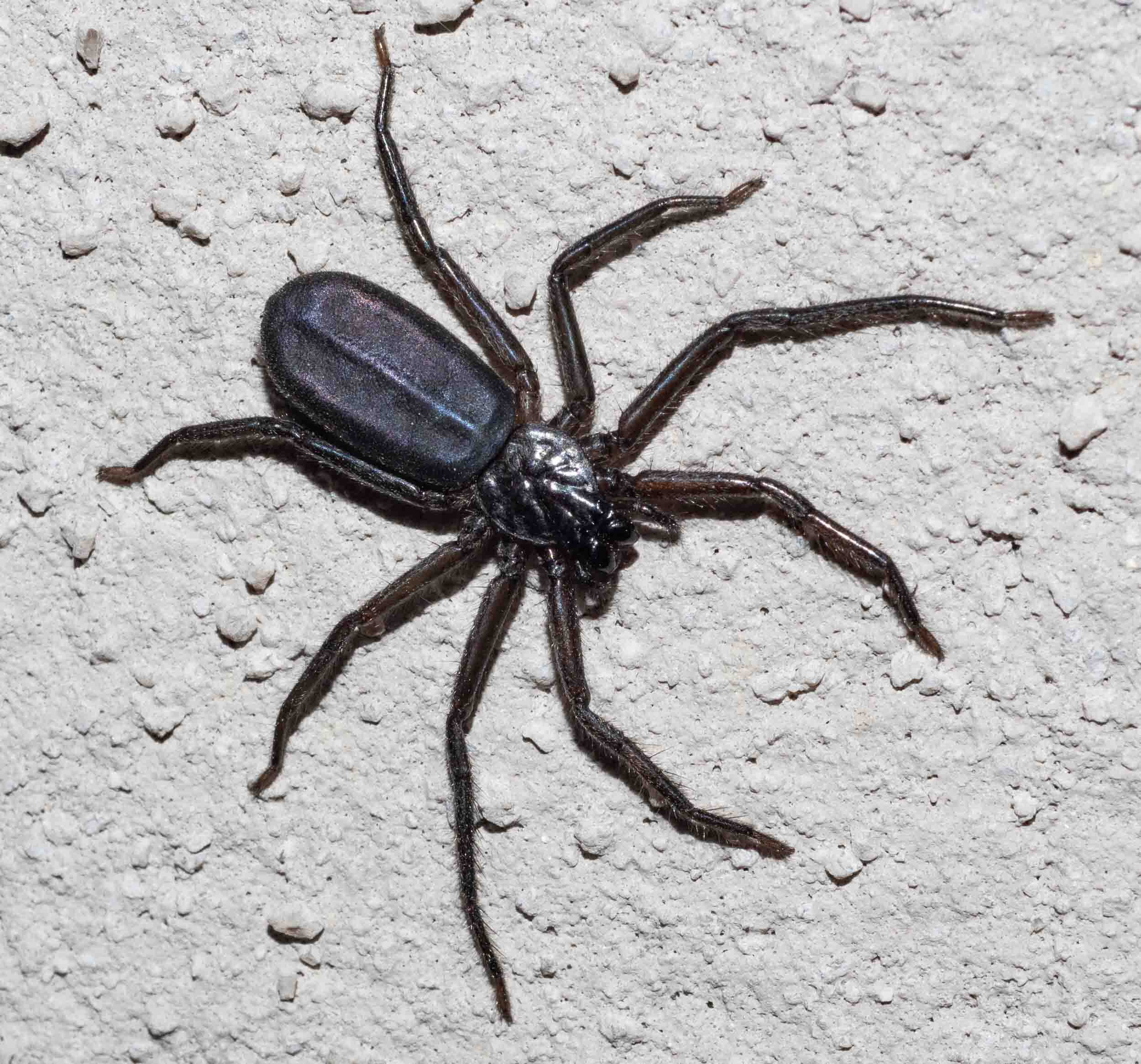
Hemicloea sp. Extremely flat, extremely fast.
Family: Trochanteriidae (previously considered to be Gnaphosidae)
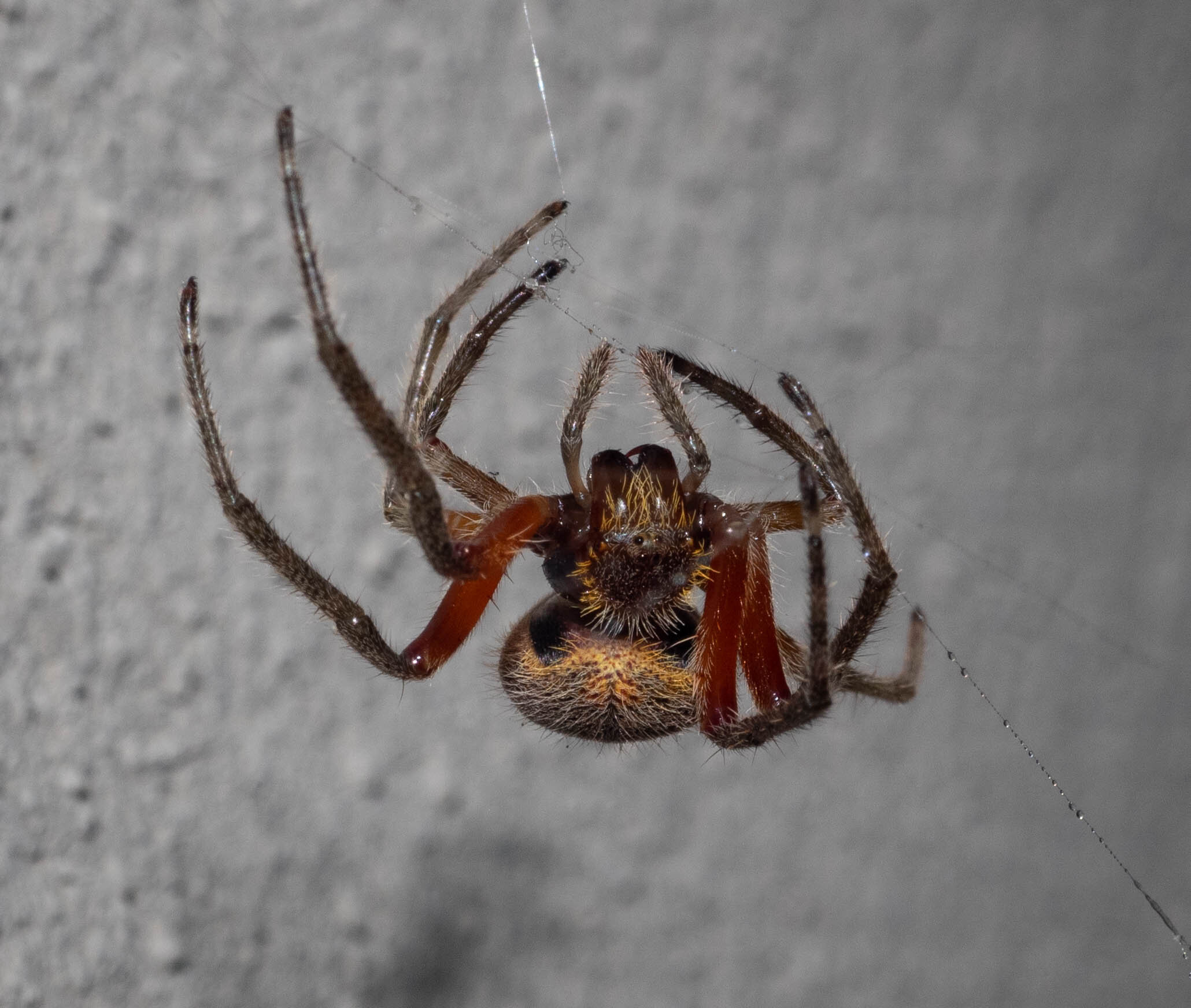
Eriophora transmarina. She hides away by day, rebuilding her web in the same place each night.
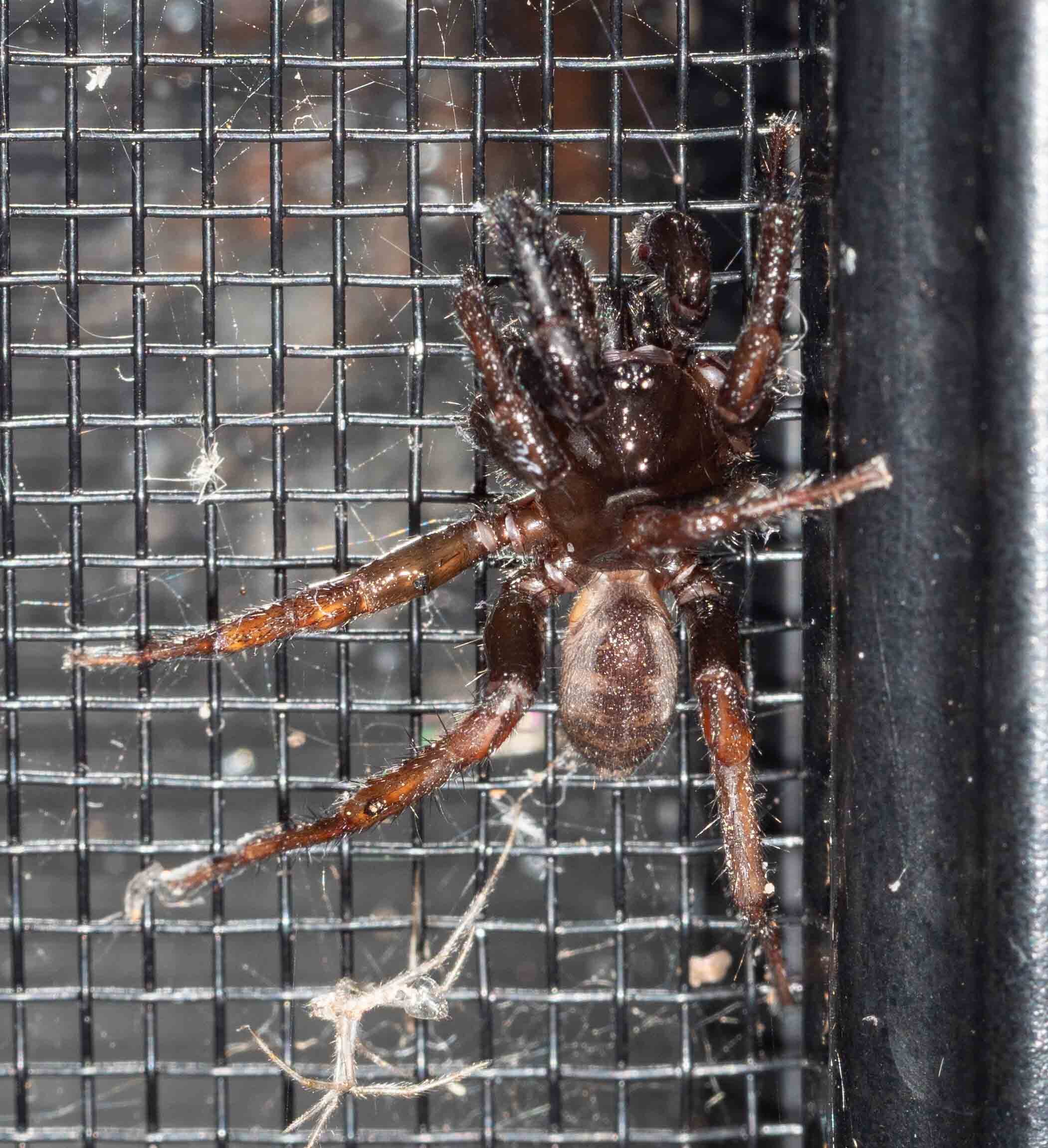
Unsure of the species identity but this is definitely a male trapdoor. They wander in search of females, whereas the females always remain in their burrows. Not sure why it’s climbing the walls though.
Family: Idiopidae
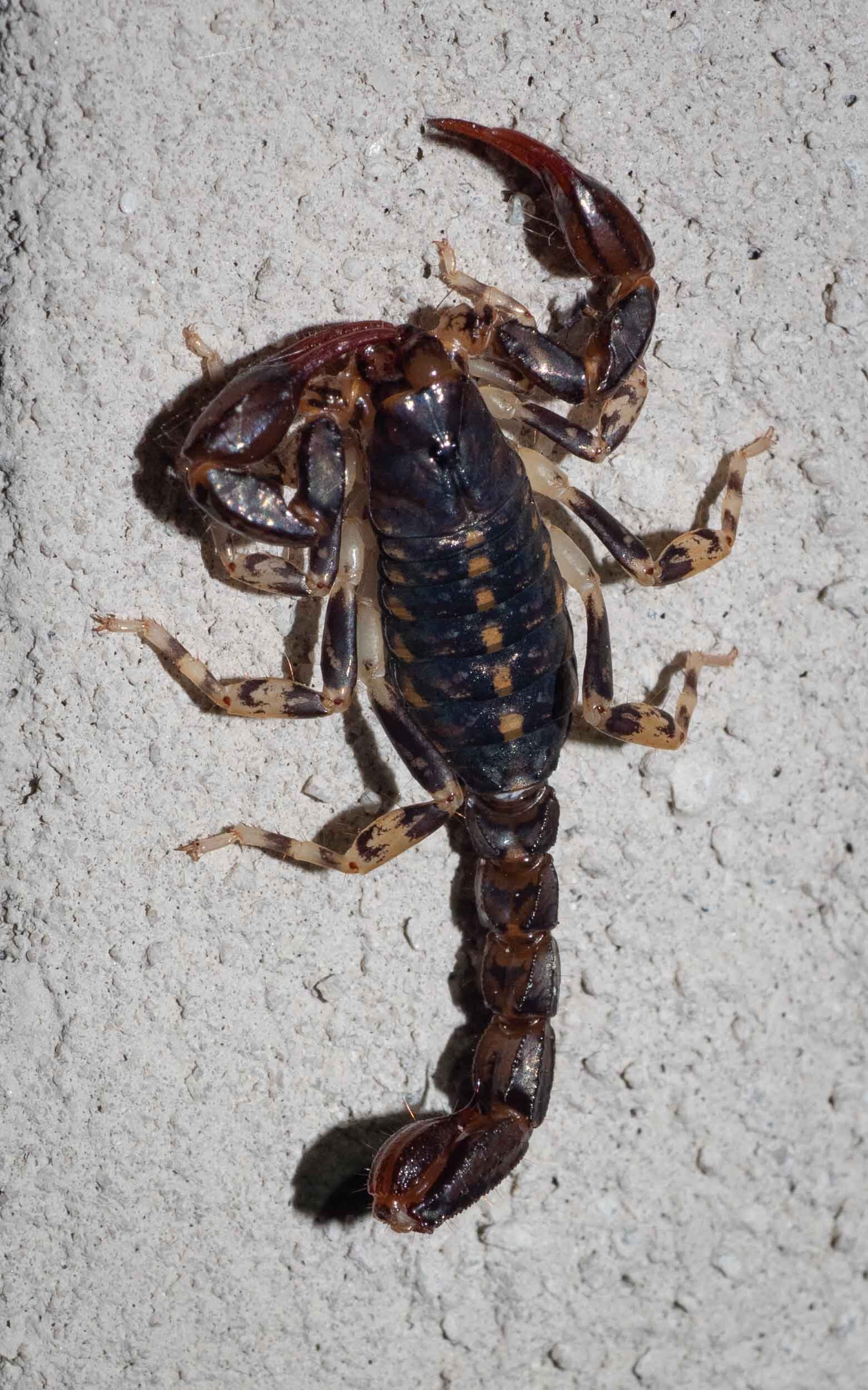
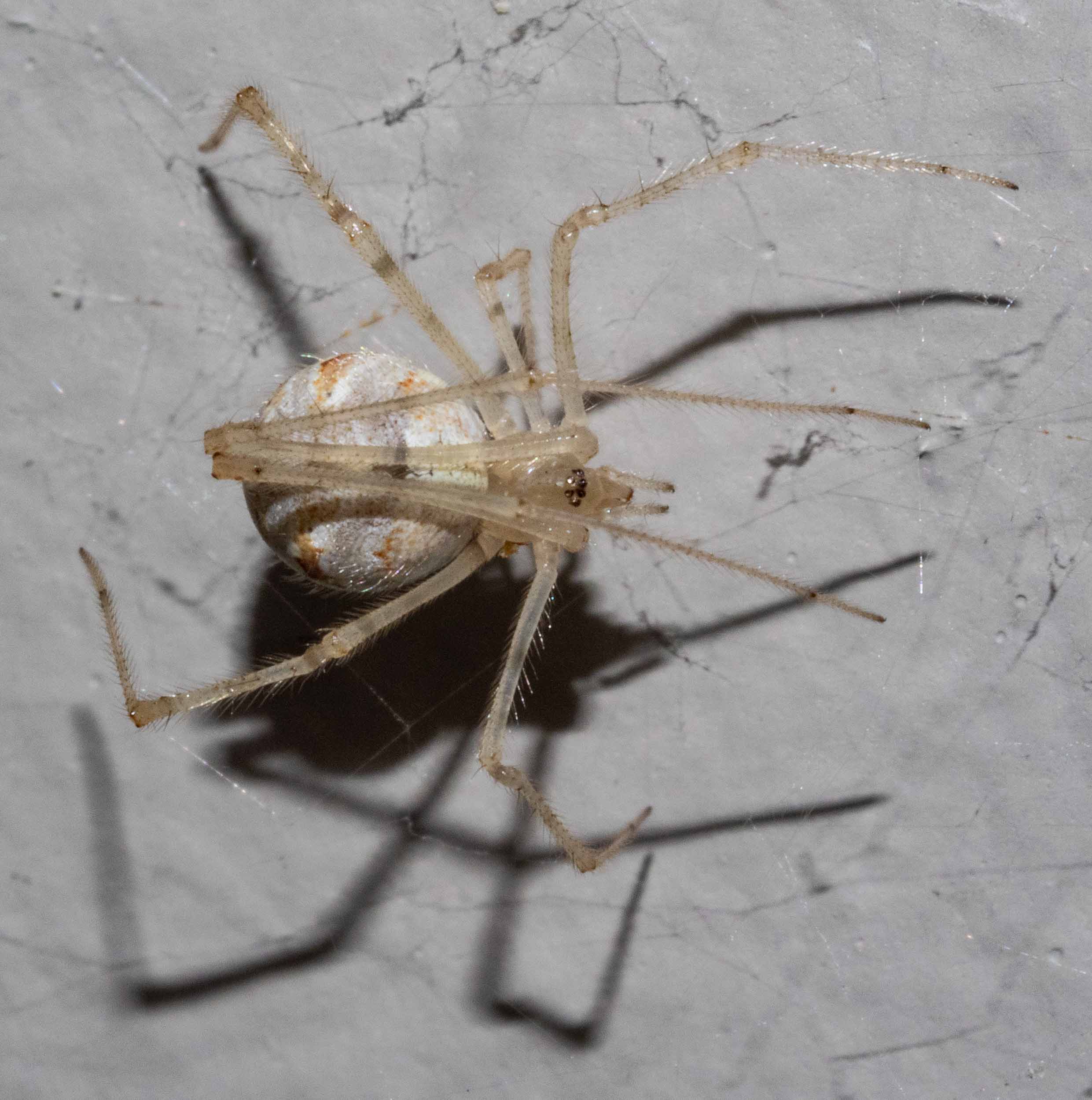
Cercophonius squama. Another insect hunter, although these scorpions often fall prey to the White Porch Spiders (Cryptachaea gigantipes) adorning the eaves.
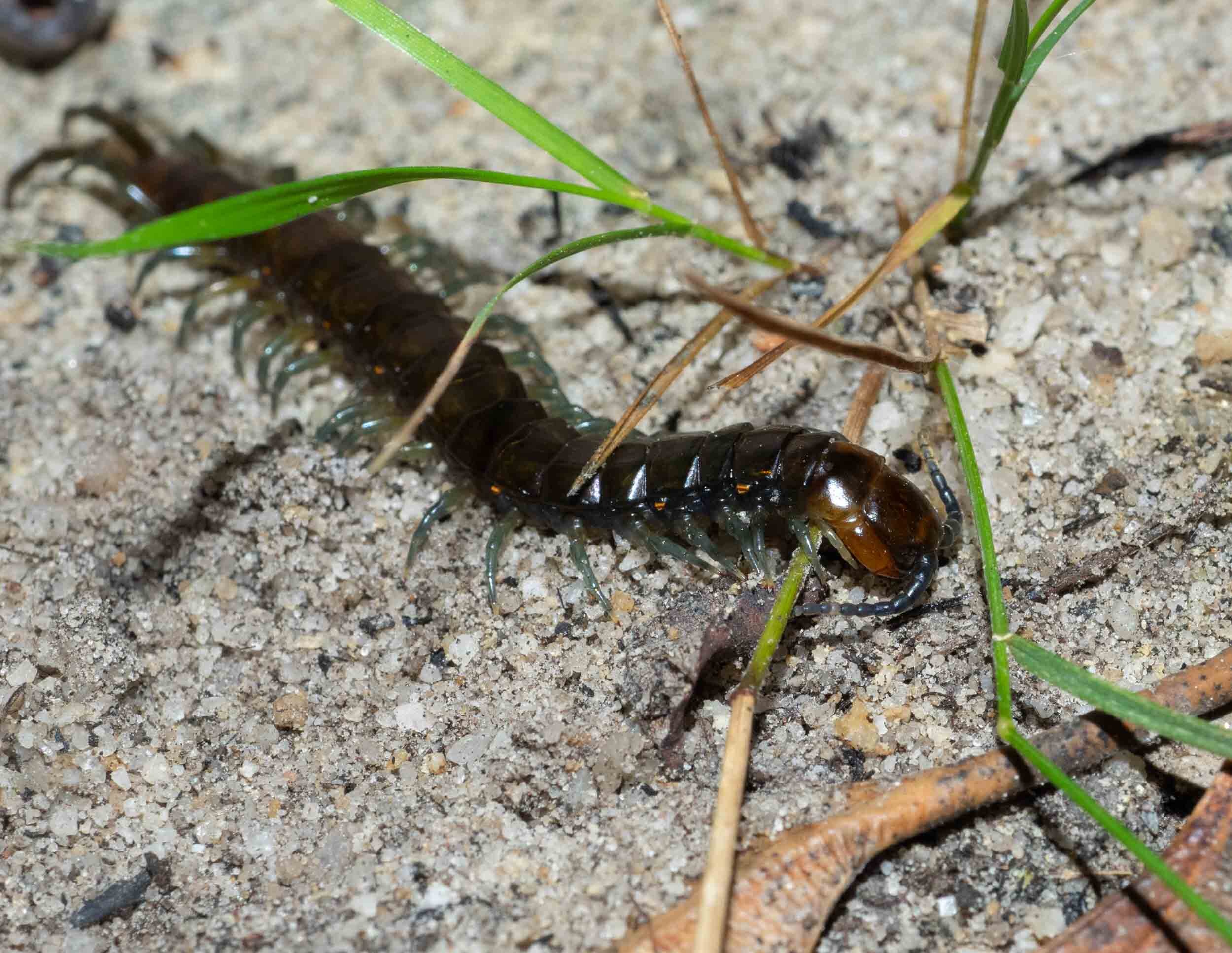
Cormocephalus esulcatus. Here on the ground, but moments before it was hunting insects on the walls.
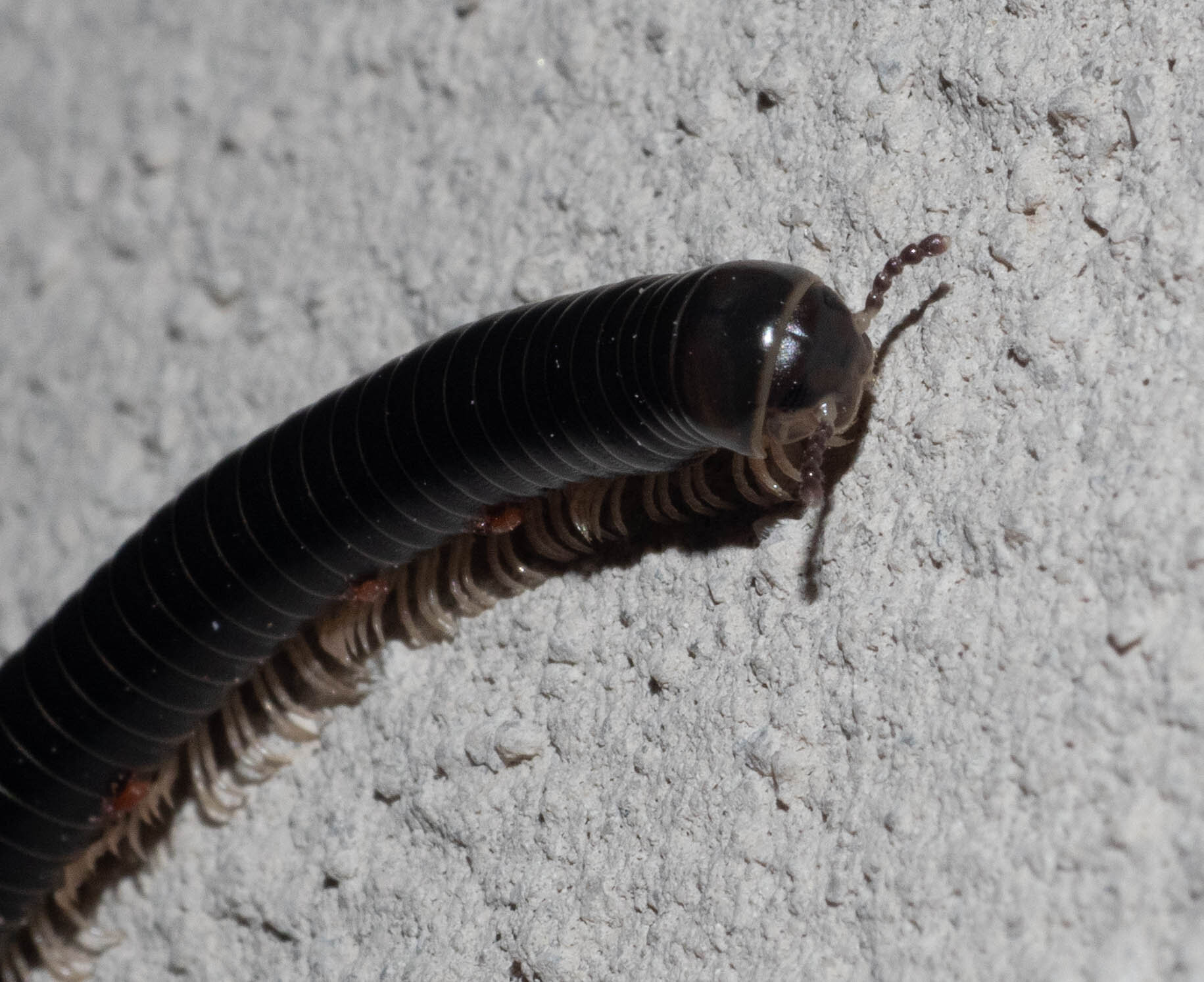
Family Cambalidae (I think). Not hunting, simply exploring. Most millipedes are detritivores and play an important role in breaking down leaf litter.
Superorder Juliformia

Platydemus victoriae. This species was first described from an 1891 collection made by Baldwin Spencer in nearby Croajingalong NP. It seems this particular subspecies is rarely recorded – there are few photographs online. A hunter of earthworms, slugs and the like.

Exaireta spinigera. True to name, this species loves the enriched soil and compost of the vegetable garden. This is a male (females are wingless).
Family: Stratiomyidae
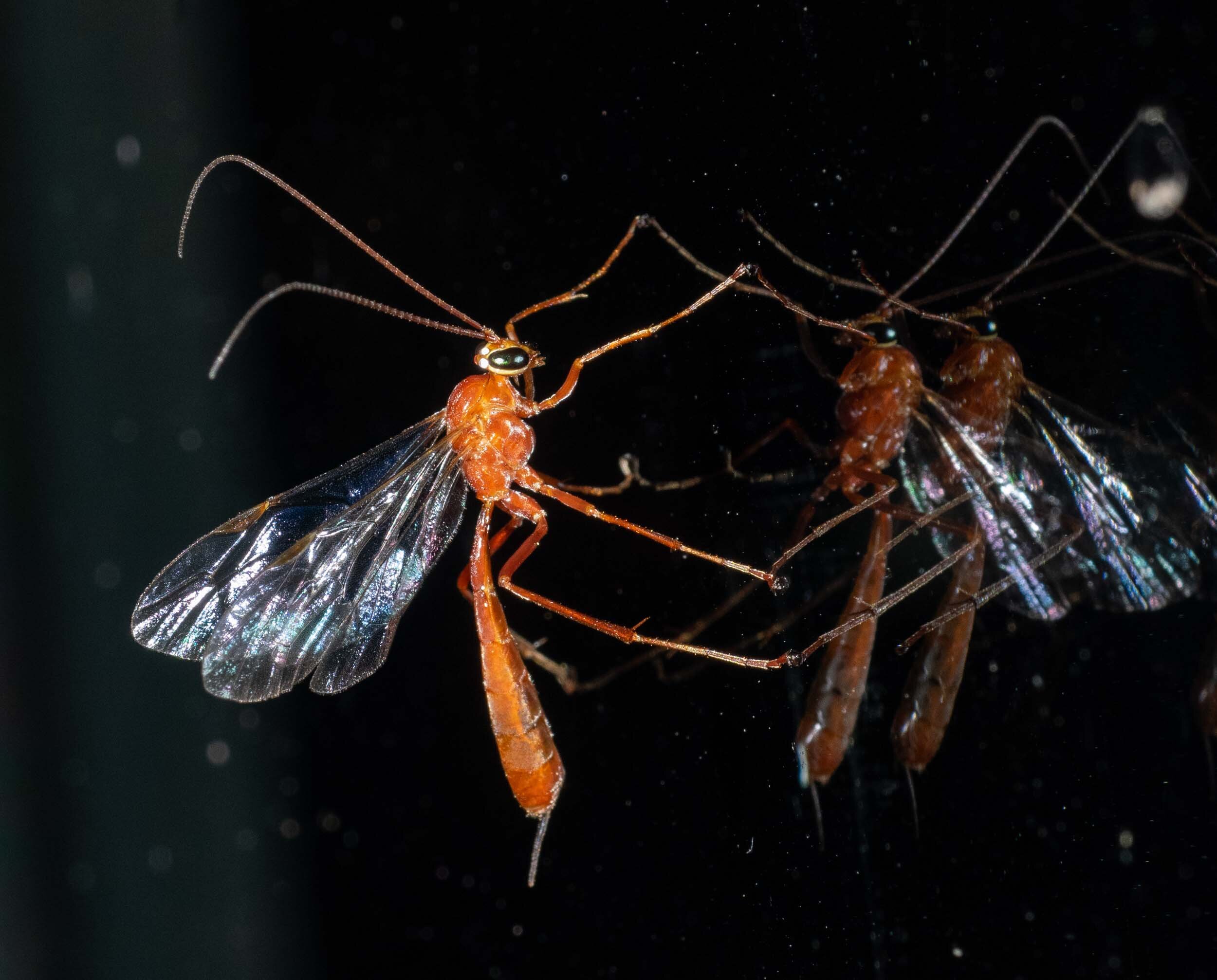
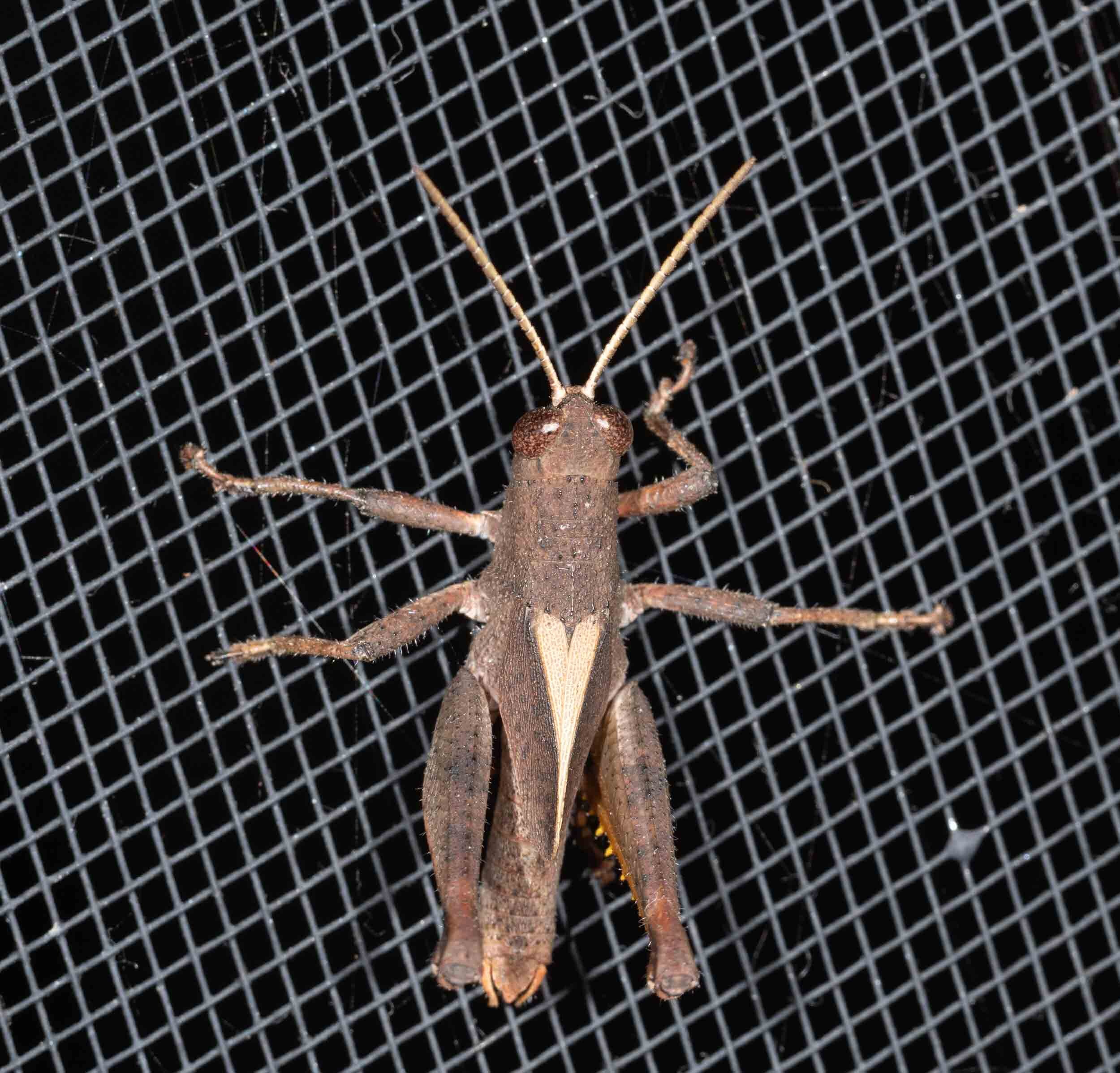
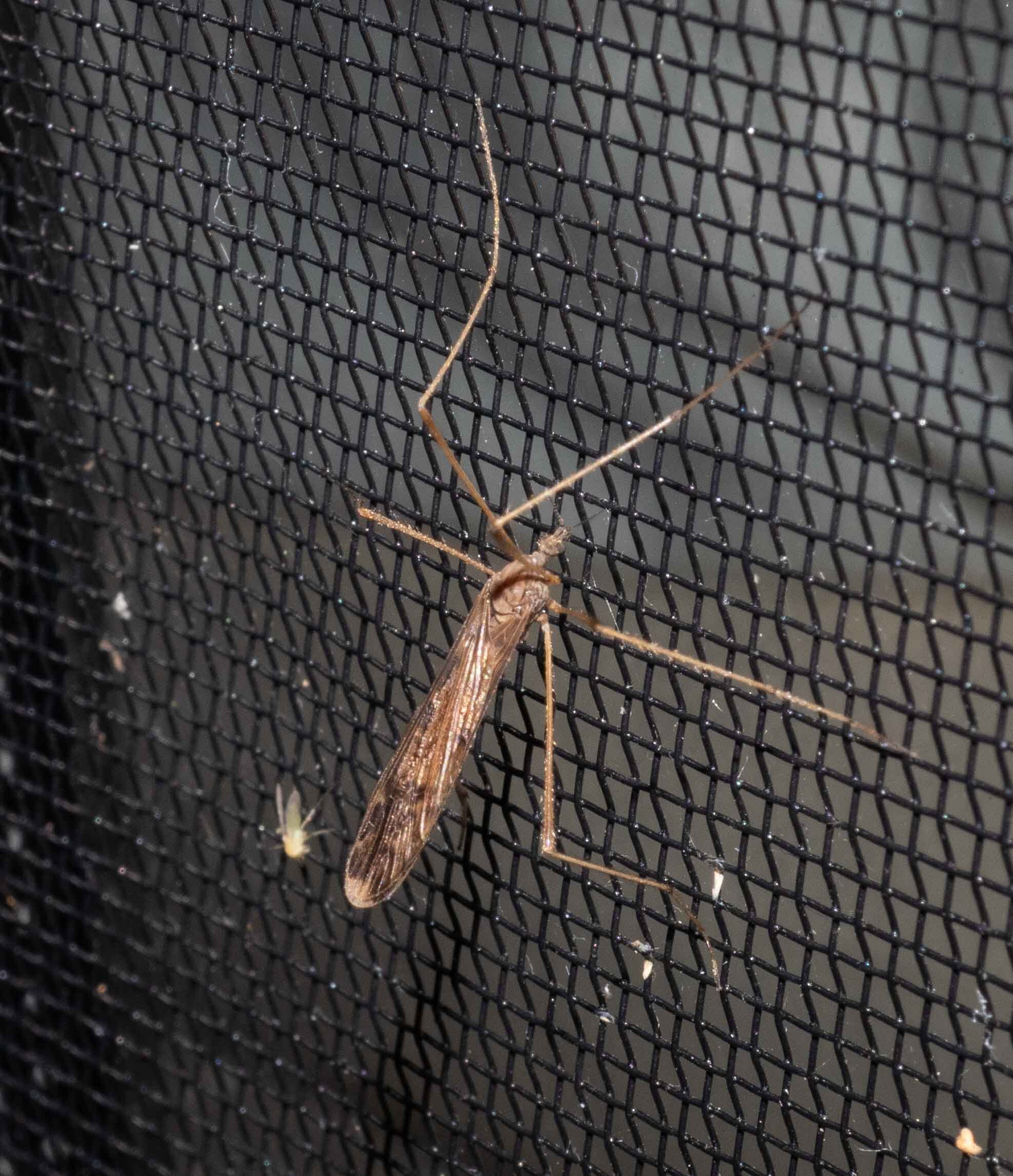
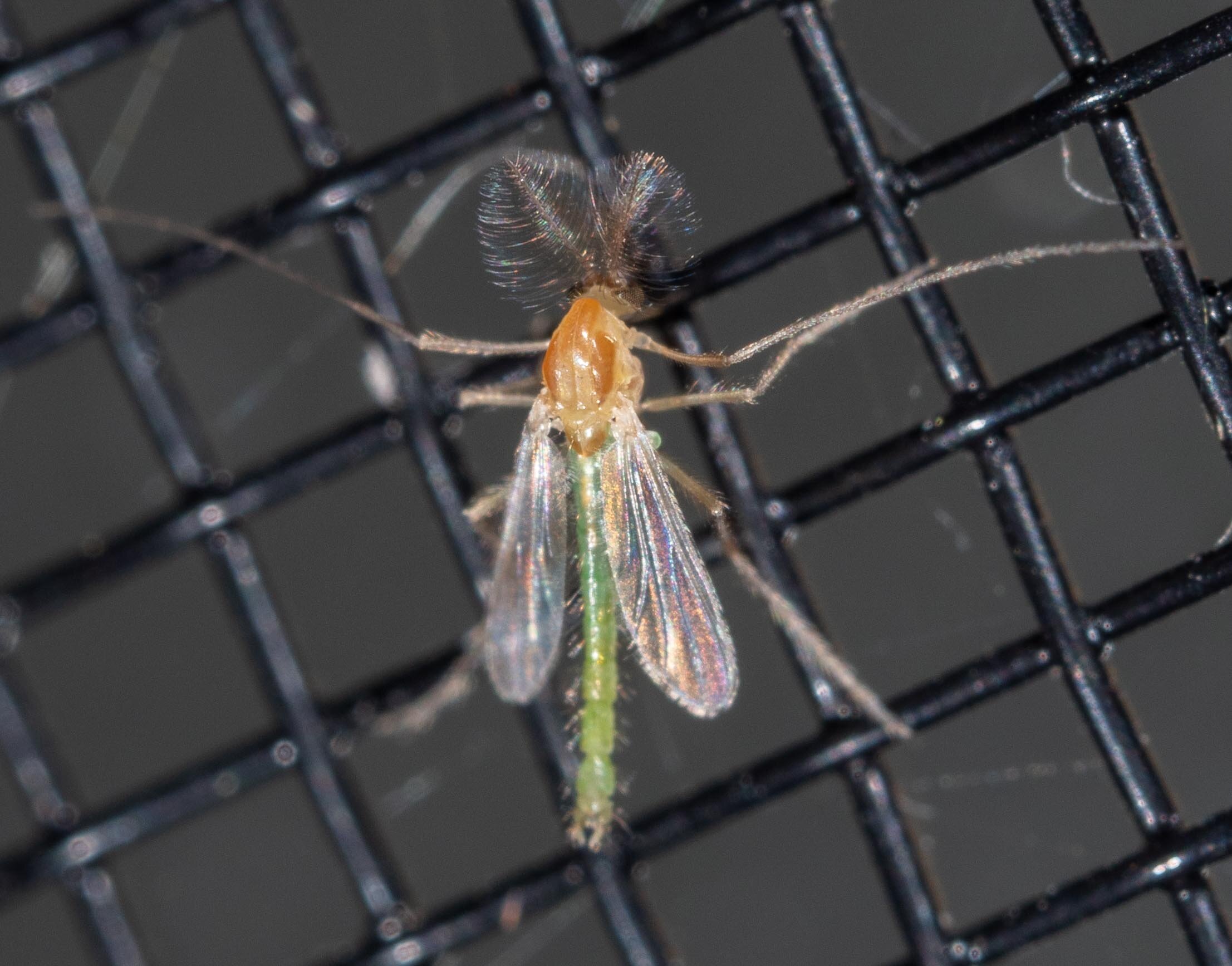
Subfamily: Chironominae
This male is showing off his extravagant antennae. His green abdomen is pretty out there as well.
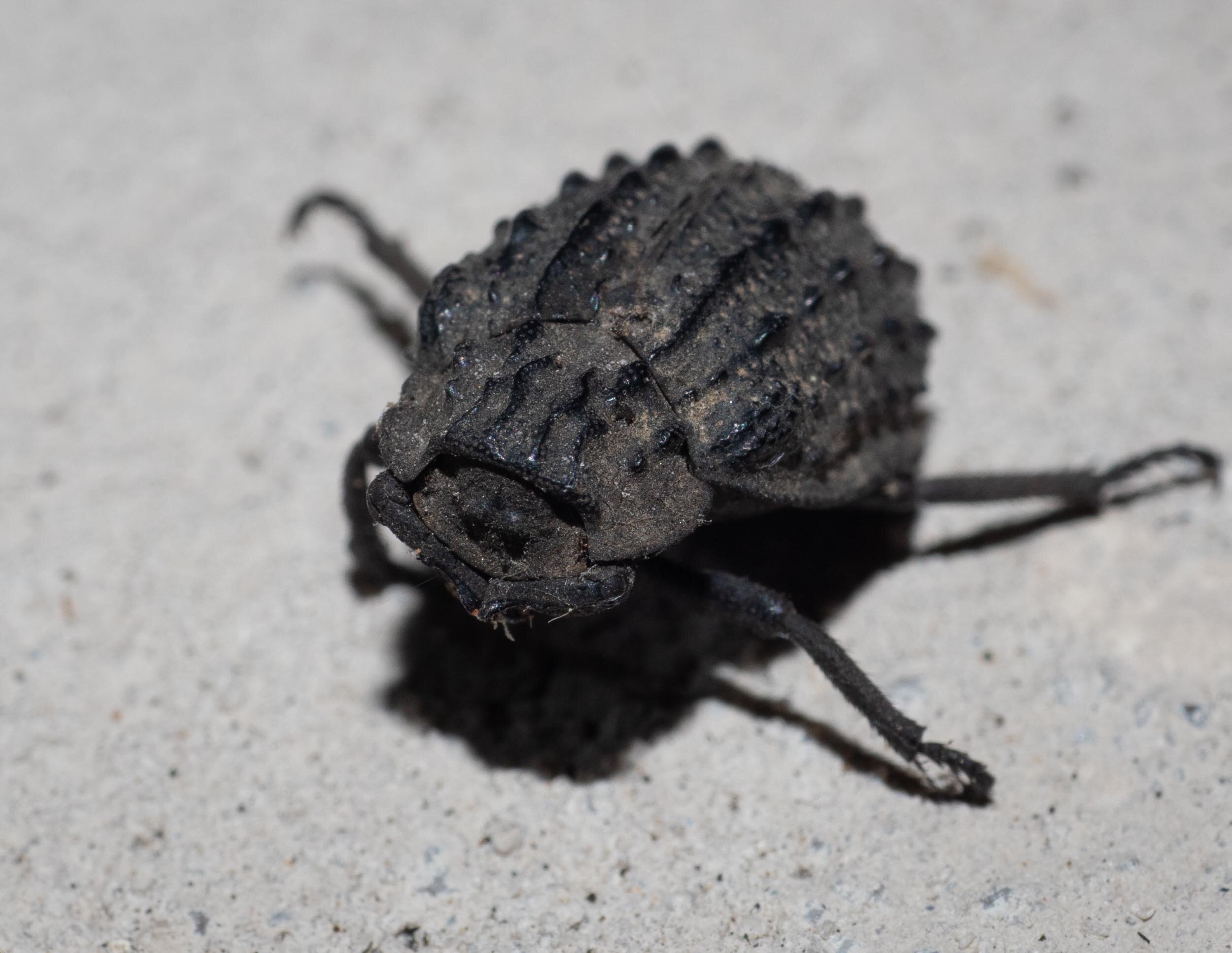
Omorgus sp.
Bone Beetles feed on dry bones and animal hides … hence the names, common and scientific. They’re among the last insects on animal carcasses, cleaning up whatever is left over after the goannas and other scavengers have had their fill. So why are they visiting us (?!). Apparently they’re attracted to light.
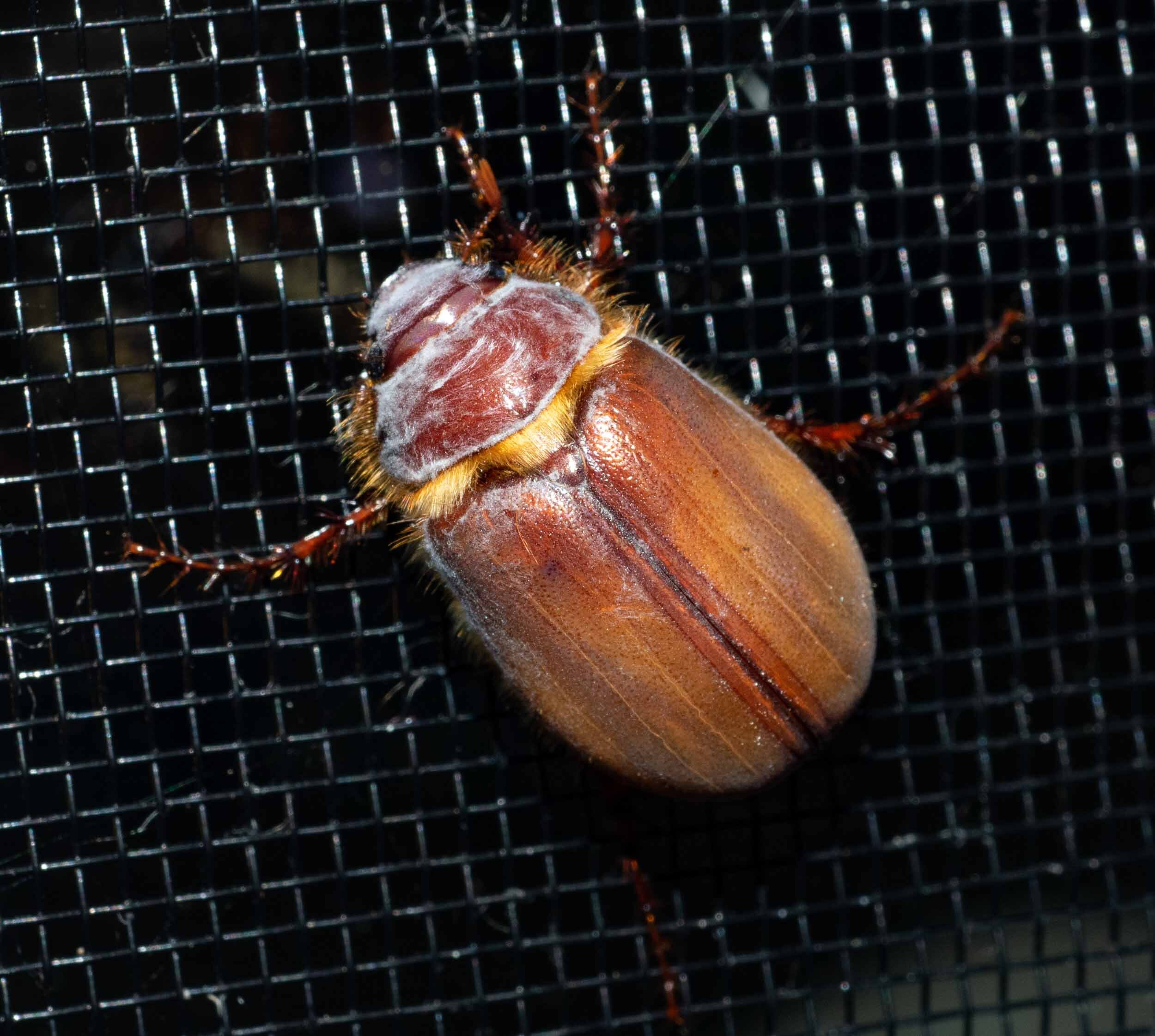
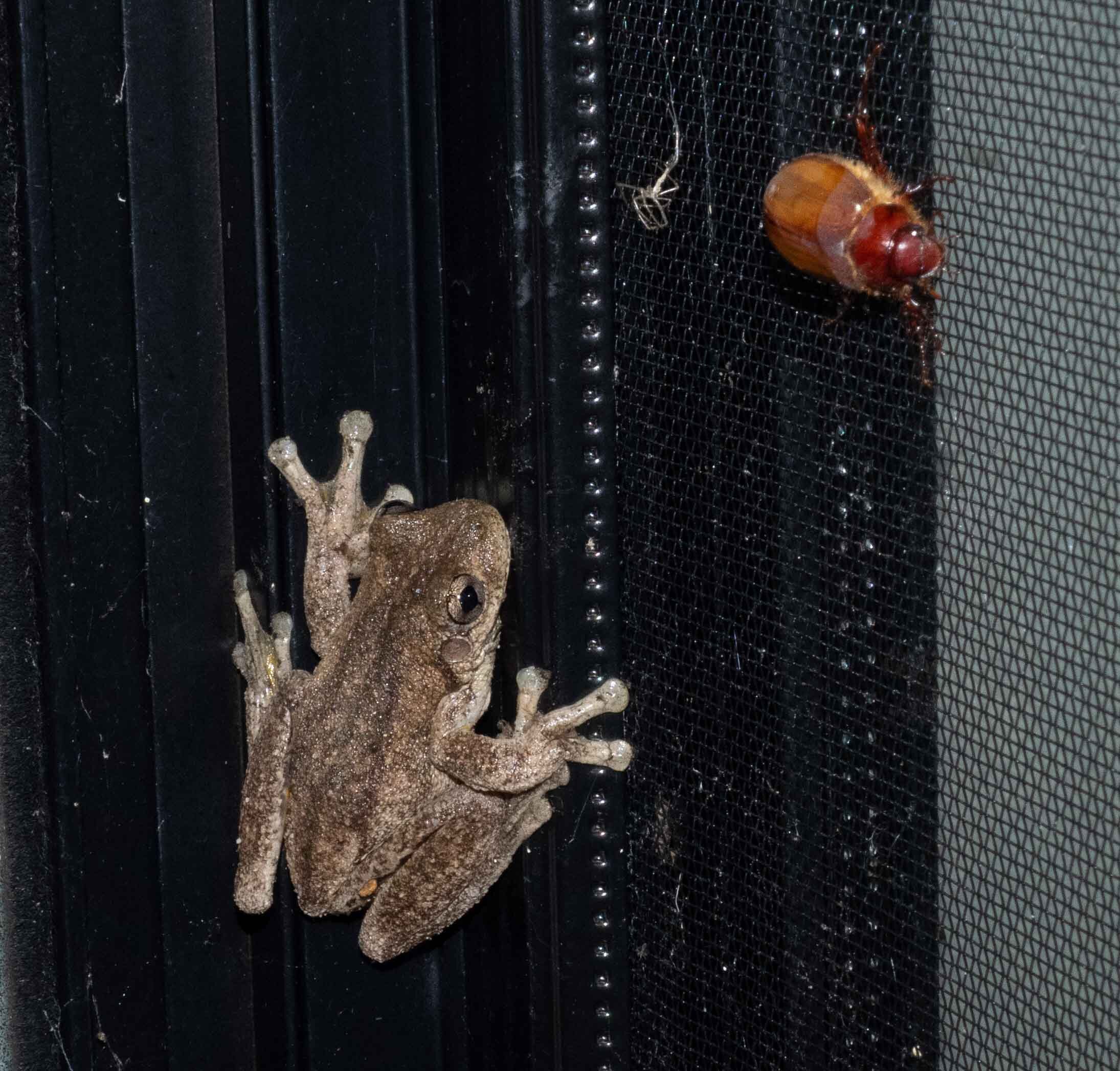
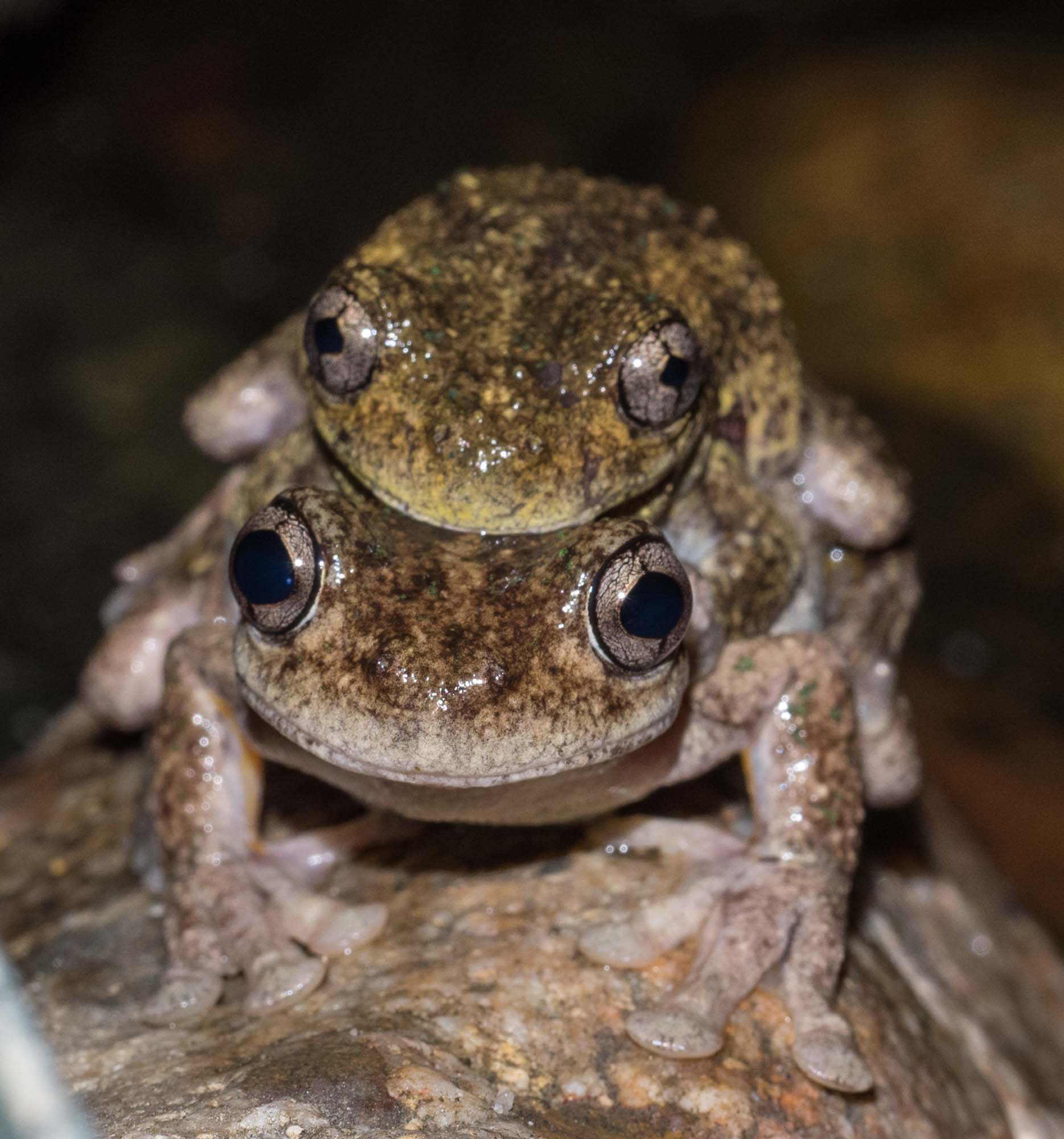
Seconds after this shot, the frog (Litoria peronii) grabbed the beetle. And quickly spat it out again – I don’t know why.
Hunters are hunted too
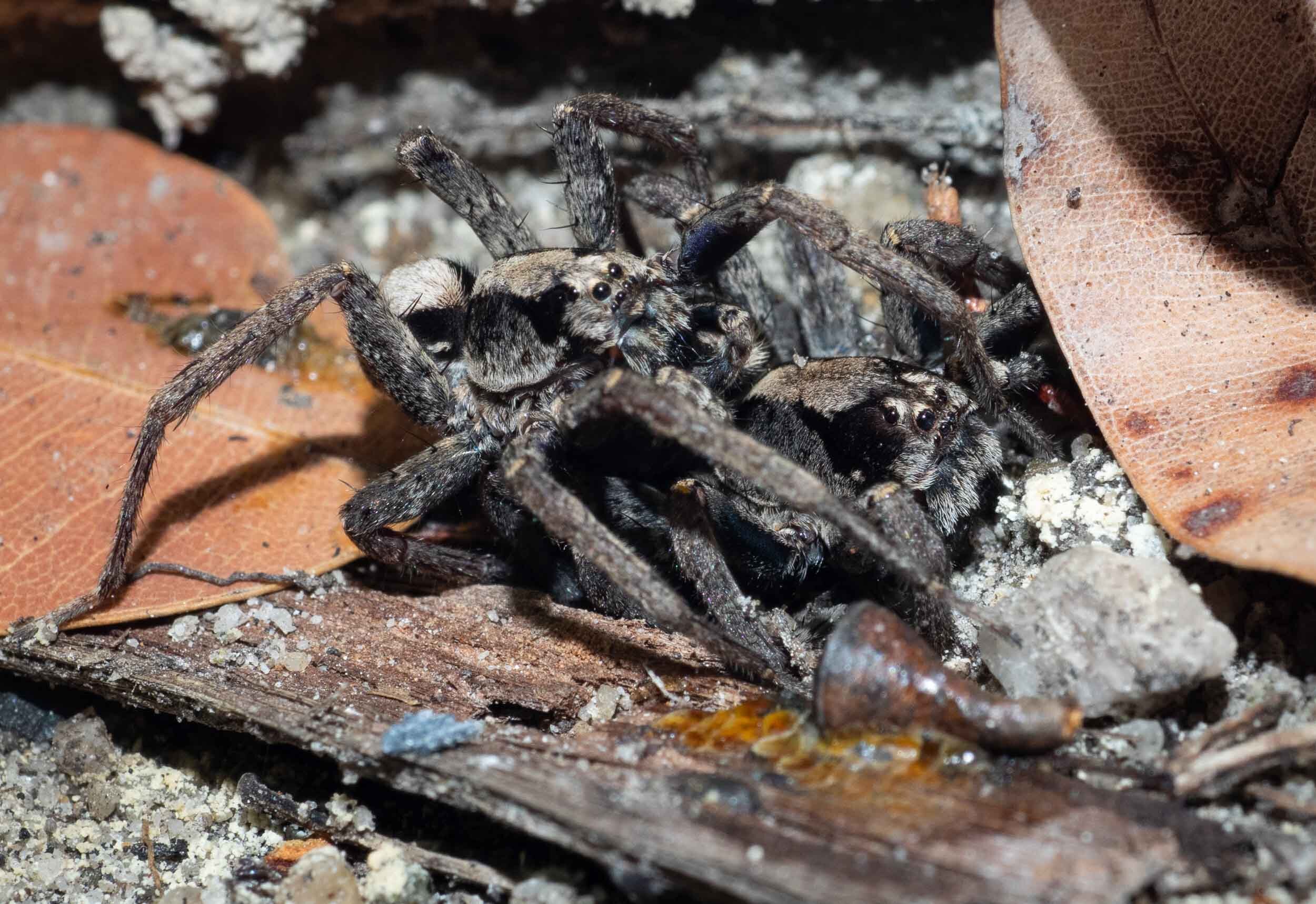
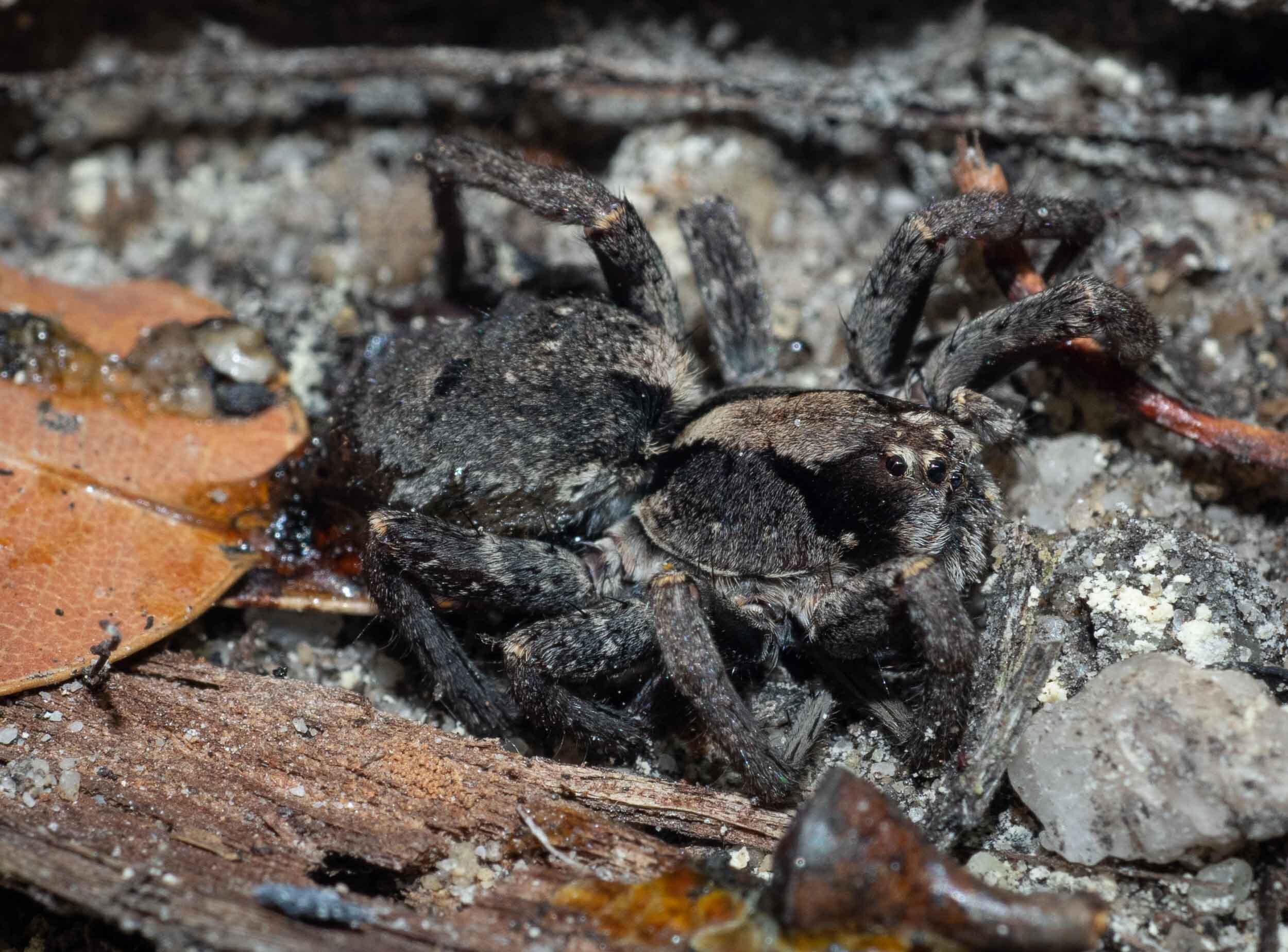
A few nights ago I spotted two wolf spiders together on the ground at the base of the wall. My first thought: a mated pair. But after a closer look I now have a more gruesome suggestion: the smaller male was feeding on the fat-bodied female! She was definitely immobilised and damaged. And he was definitely keen to keep hold of her. I shooed him off once (for a better look) but he quickly returned to claim his prize.


The morning after the night before
Early this morning I spotted a snake sun basking alongside the house wall. This spot was a frog playground only hours earlier … and frogs are the snake’s main prey. Indeed, once disturbed it headed straight for the nearby pond and disappeared under water.
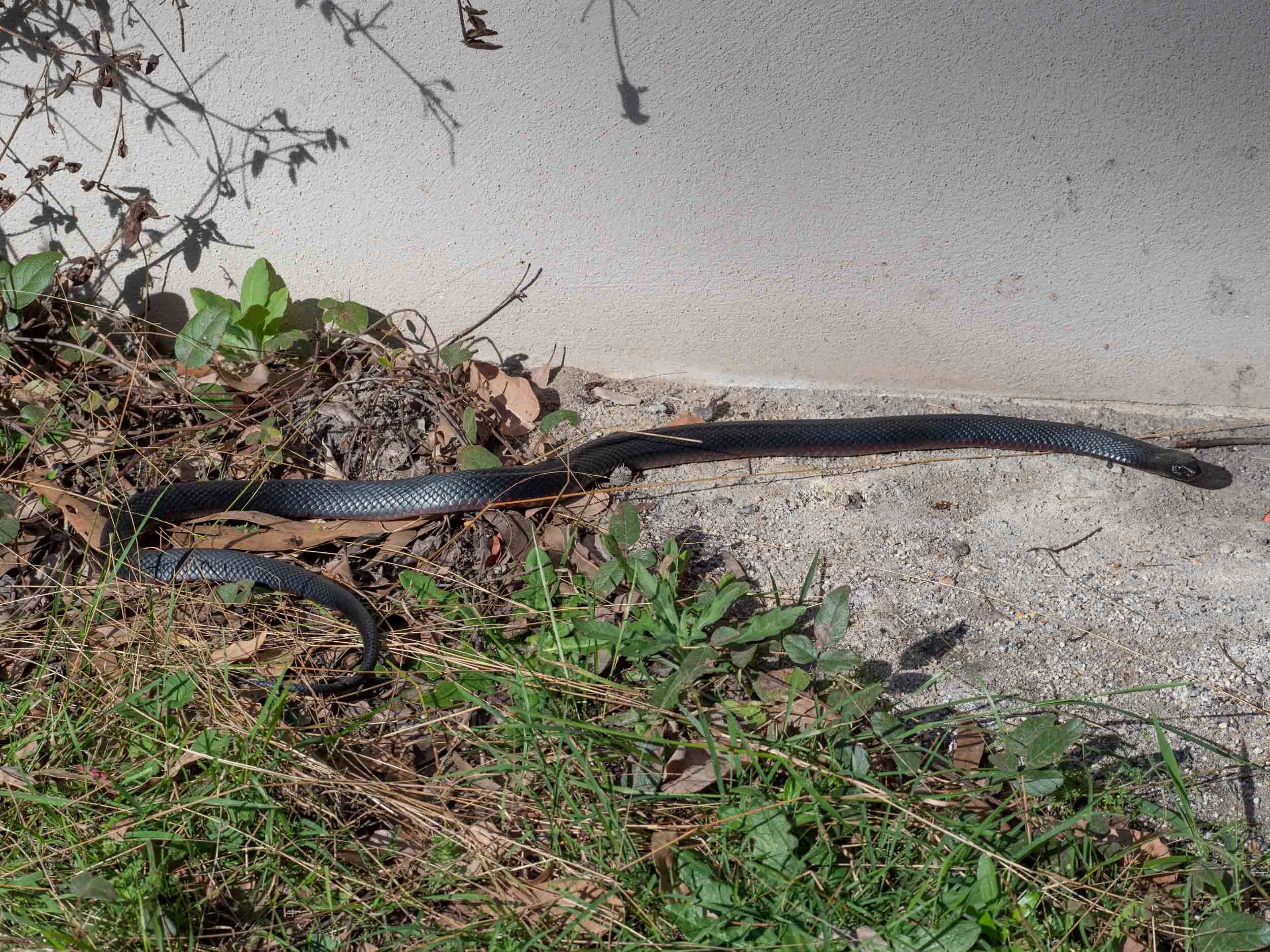
Red-bellied Black Snake (Pseudechis porphyriacus)
Paul grabbed this short video of the action … complete with my impromptu commentary (oops!).
This is the first snake we’ve seen since the fire. Red-bellied Black Snakes were regular visitors to the pond in past years. We’re very pleased to welcome them back.
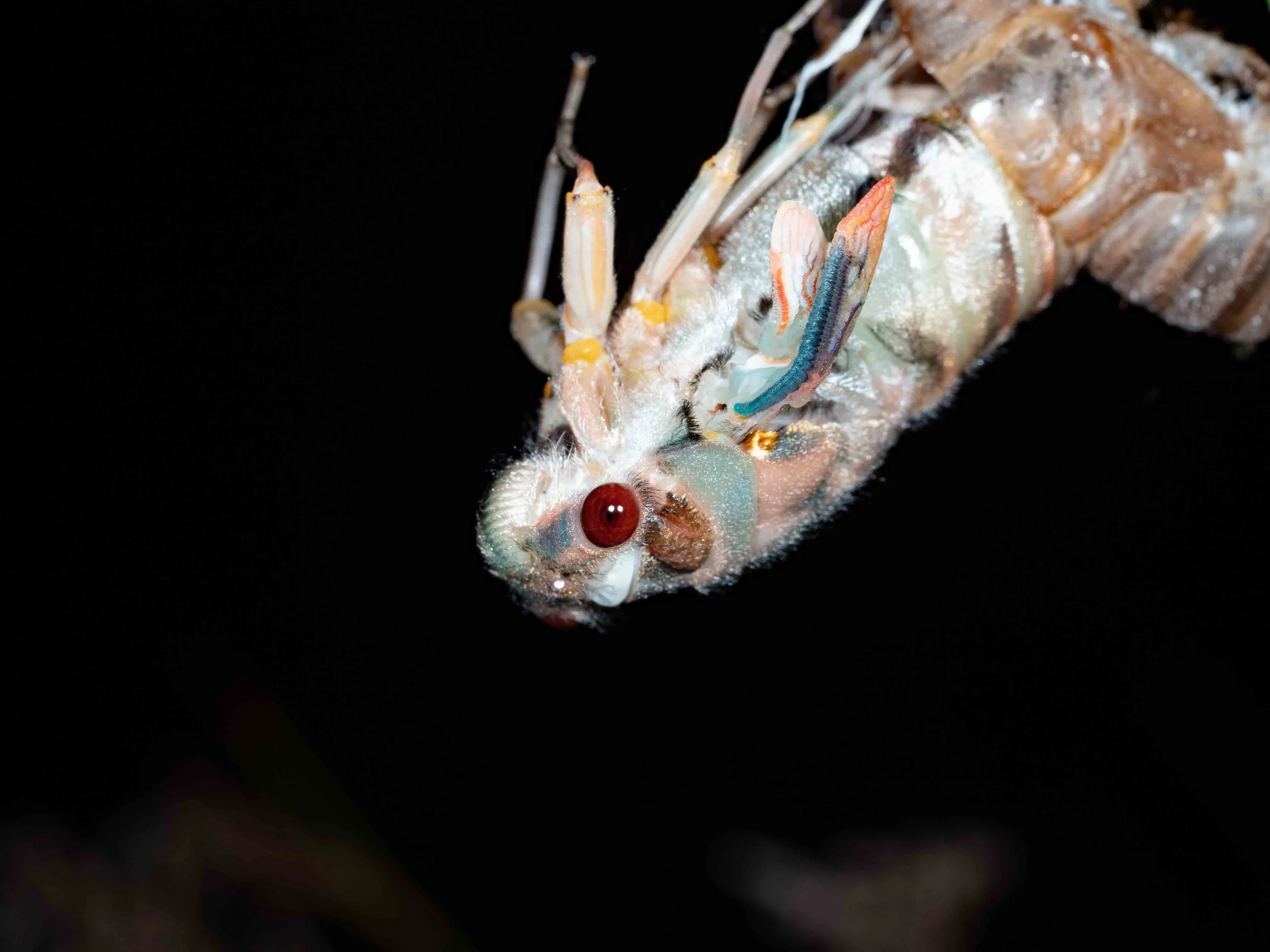
For a couple of weeks this month we’ve been taking note of our nocturnal house visitors. It’s quite a collection!

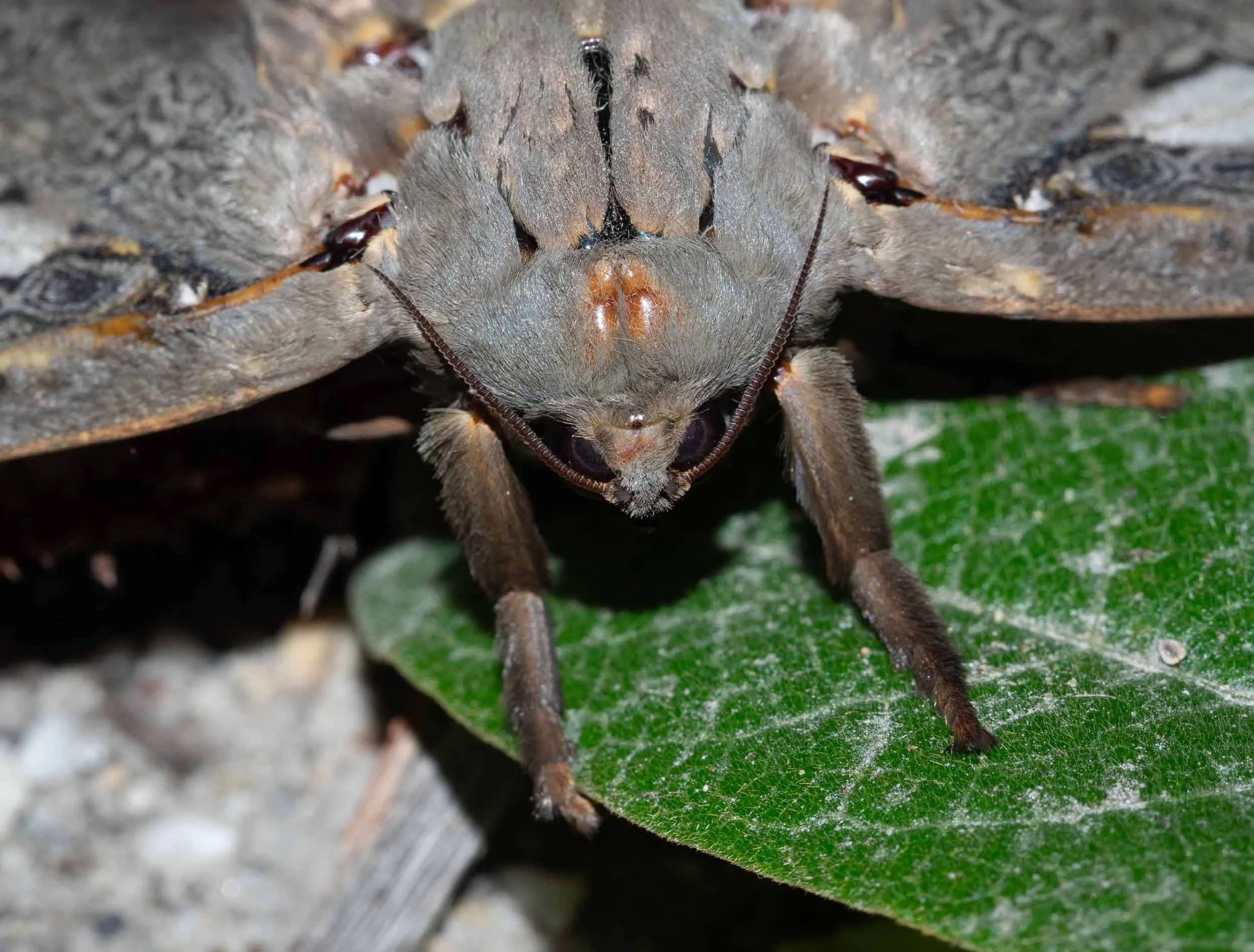
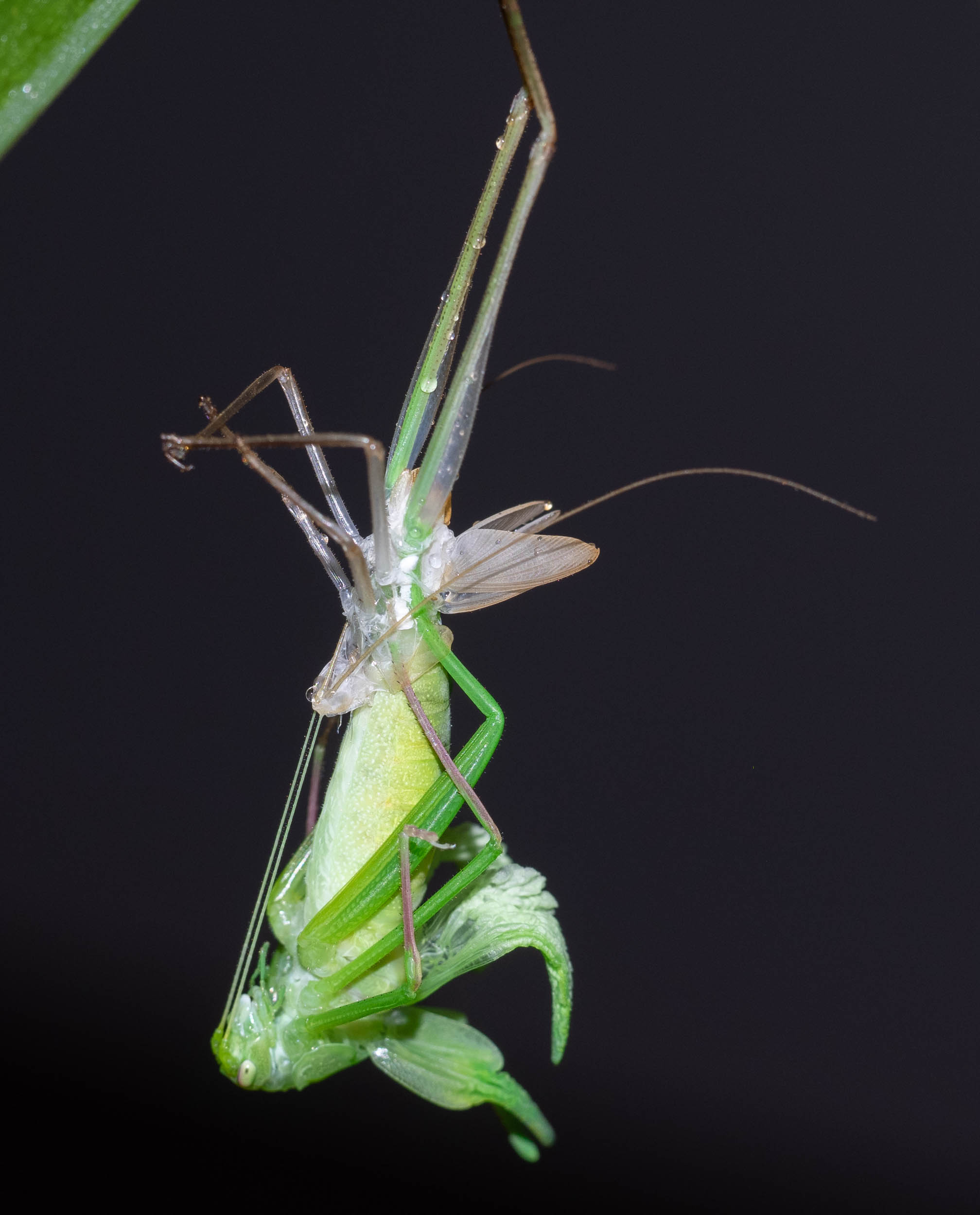
A view of an insect making the transformation from nymph to adult under the cover of darkness
On a rainy night, with Trapdoor and Funnel Web Spiders climbing the walls, it is a tiny white spider that catches my attention - and a large meal.