Week in Pictures

Early November, 2020
Flowering across the forest floor has entered a new phase. Grass seed heads are waving their exposed anthers in the breeze. Lilies, bluebells and trigger plants provide colour, in place of the orchids which have mostly disappeared. And the regrowing Platysace are among the first small shrubs to flower profusely.


The bird life is changing too. There are new calls, including Cicada Birds and Orioles. There are rare glimpses, including a male Scarlet Honeyeater and Rufous Fantail. And breeding efforts are underway in earnest – with winners and losers.
The local Brown Thornbill population is growing, with juveniles bossily defending their home patch … the tangled branches of fallen casuarina. But the fairy-wrens lost out to the currawongs. We bore witness. The marauder in flight with a beak full, confused parent birds, and an empty nest. It’s likely the fairy-wrens will try again.


Visiting the frog pond and our first sighting of the season. We’ve yet to see them on the grass tree flowers … but we’re on the lookout!
Myzomela erythrocephala


It was not happy by my presence, boldly scolding me as I wandered past.
Acanthiza pusilla


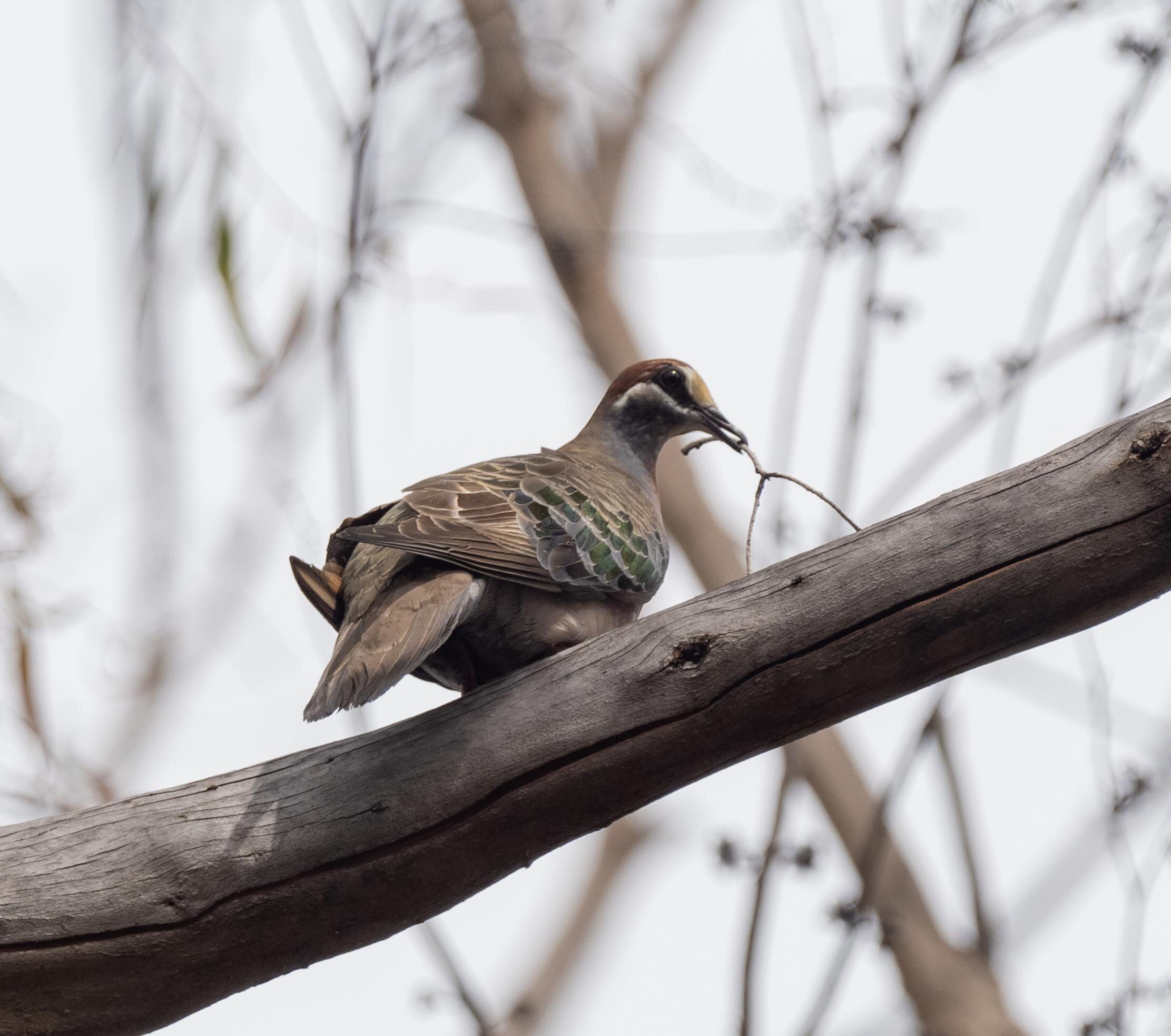
Phaps chalcoptera … their low, booming calls currently a feature of the forest soundscape
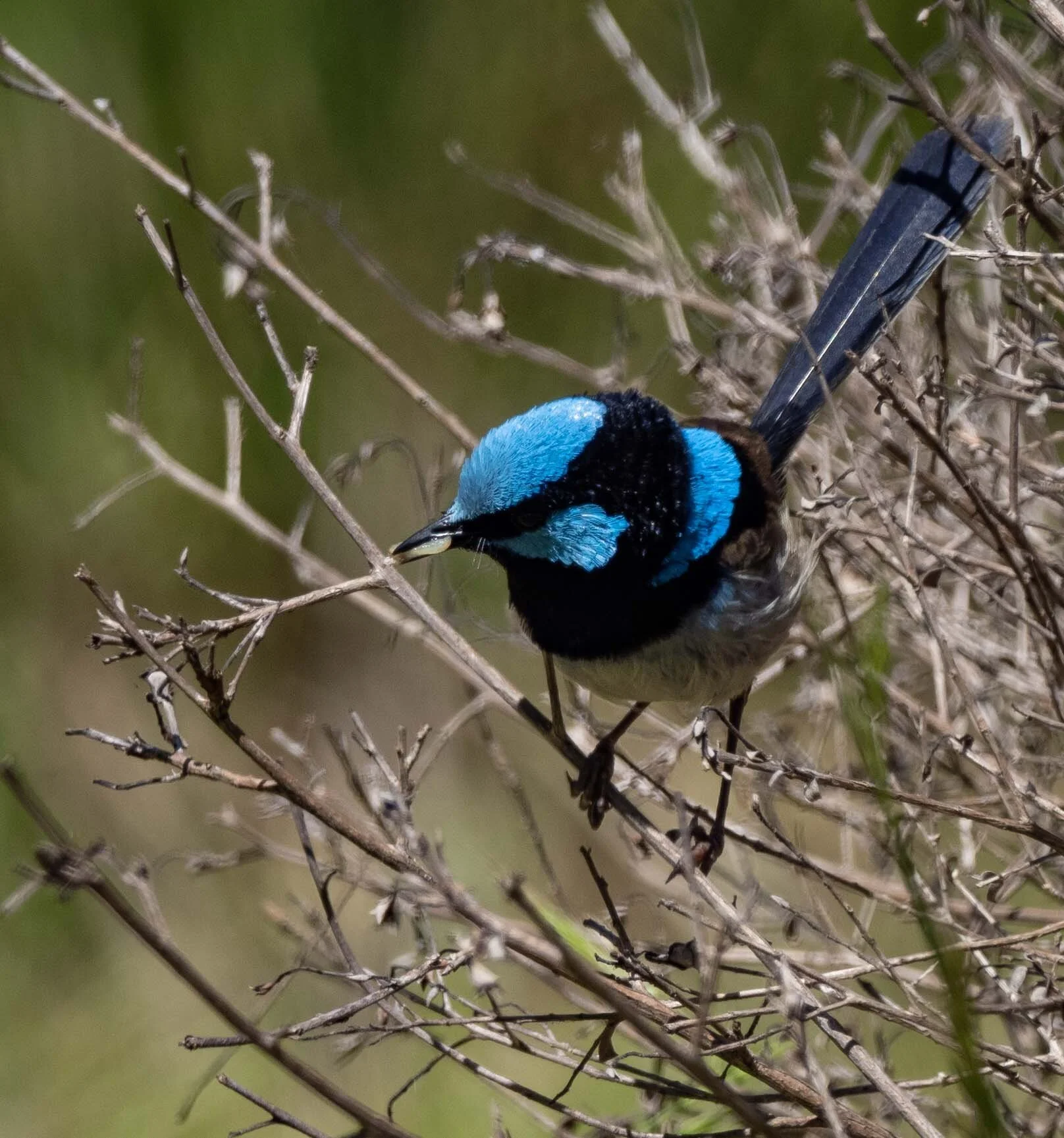


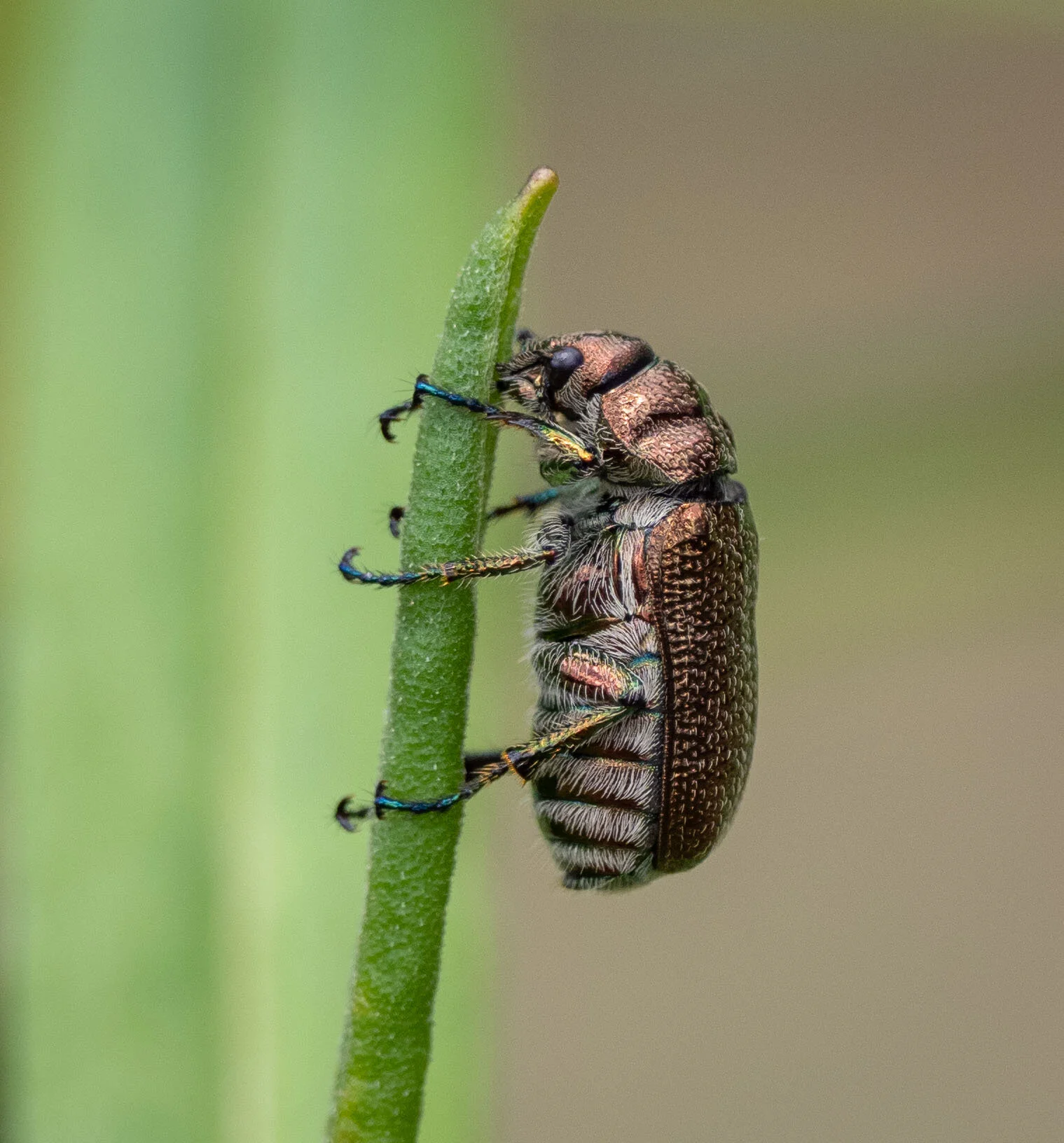
We’re particularly thrilled to see the numbers of both Brown and Straited Thornbills growing. Hopefully, they will reduce the leaf beetle populations – before the grubs completely defoliate the resprouting eucalypts!


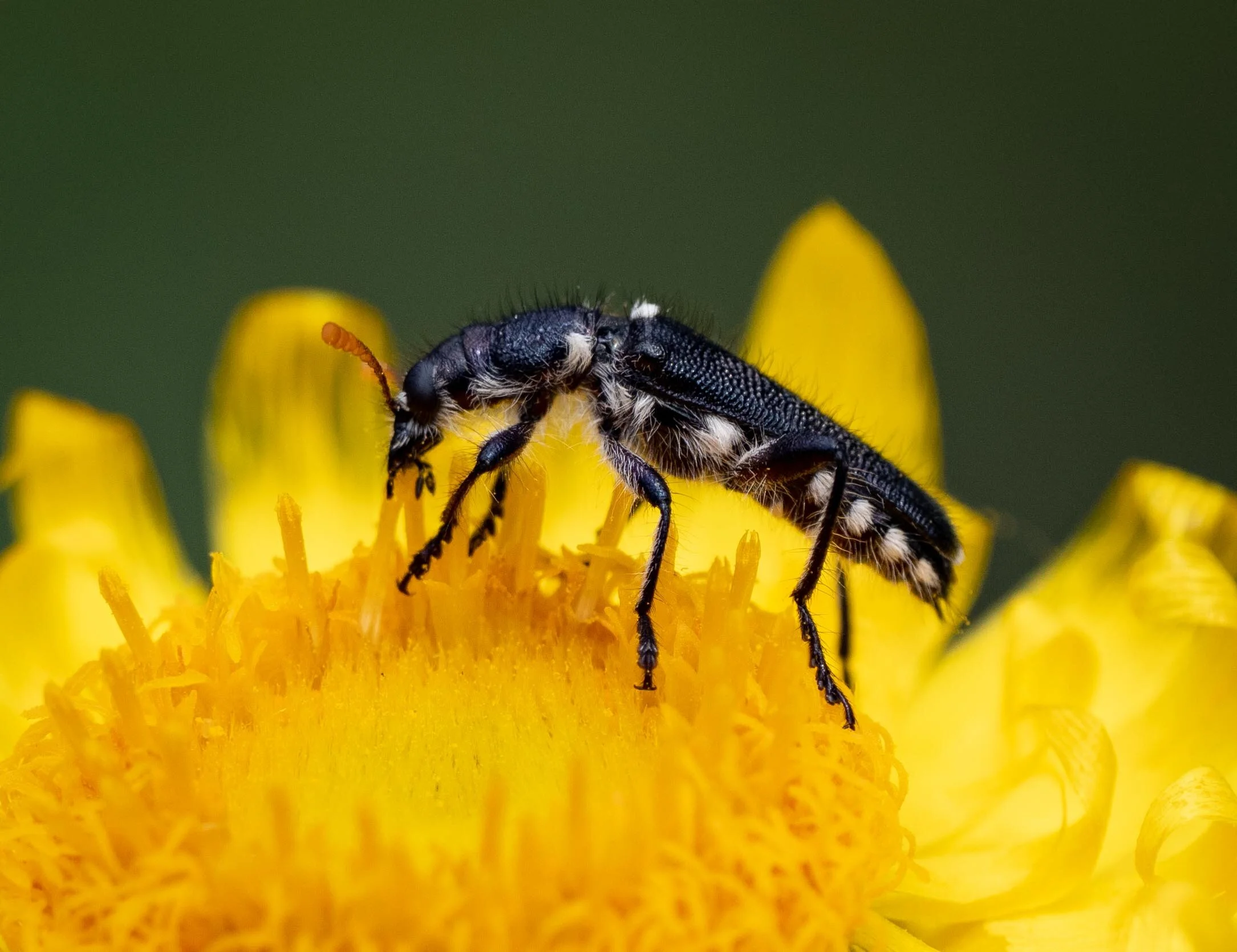
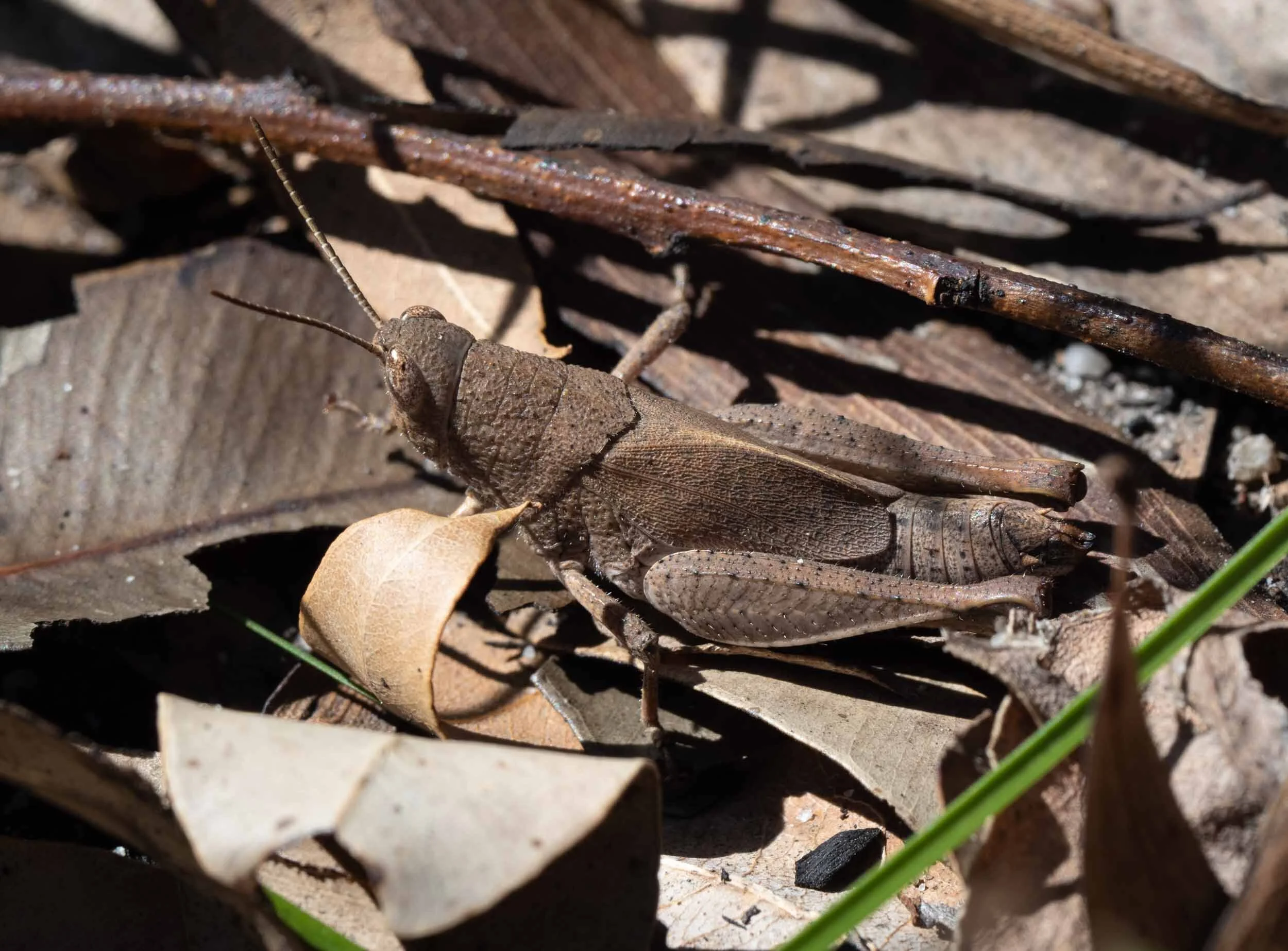
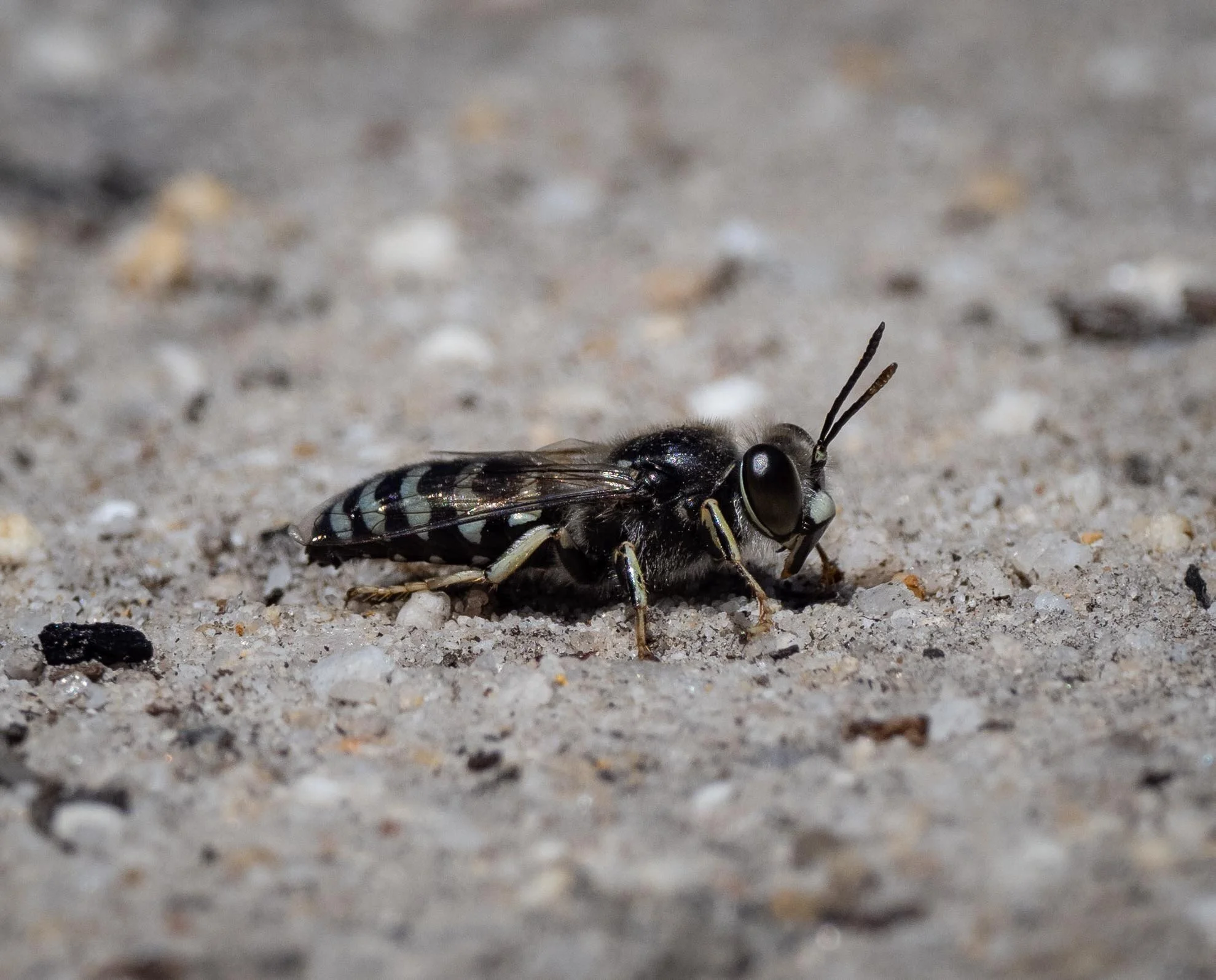
There are more than just leaf beetles taking flight. Unsurprisingly, we discover new insects whenever we take the time to look closely. It’s that time of year! Some are common, some have just reappeared, and some we’ve never seen before.




Low pressure systems in Spring trigger termite swarms. And the pond surface is fatally attractive.

Dolomedes sp.
She’s usually active at night, but I guess the termite swarm was too good a chance to pass up.

Atrapsalta encaustica … a small and rather cryptic species that calls from low vegetation


This is the rather unusual feeding behaviour I described in a post last month (‘Getting to know flower wasps’)
Thynninae


The first mature, egg-carrying female wolfy we’ve seen this season.
Venatrix australiensis


Finally, here’s a short movie Paul made while beetle-watching. It’s quite delightful.