Week in pictures

6th November to 27th November, 2017
(including some shots from our travels this month)
Click to enlarge, and then 'hover' to read more about each image

This pretty vine has finally flowered! We've been waiting for a couple of years, unable to confirm the identity - until now.
Eustrephus latifolius (Wombat Berry)

The species is typically found in rainforest, so our single plant is a little out of its comfort zone. I guess a bird planted it after feeding on the berries.
Eustrephus latifolius (Wombat Berry)

This massive and impressive beetle was hard to ignore when it crash landed among the grasses.
Order: Coleoptera; Family: Cerambycidae
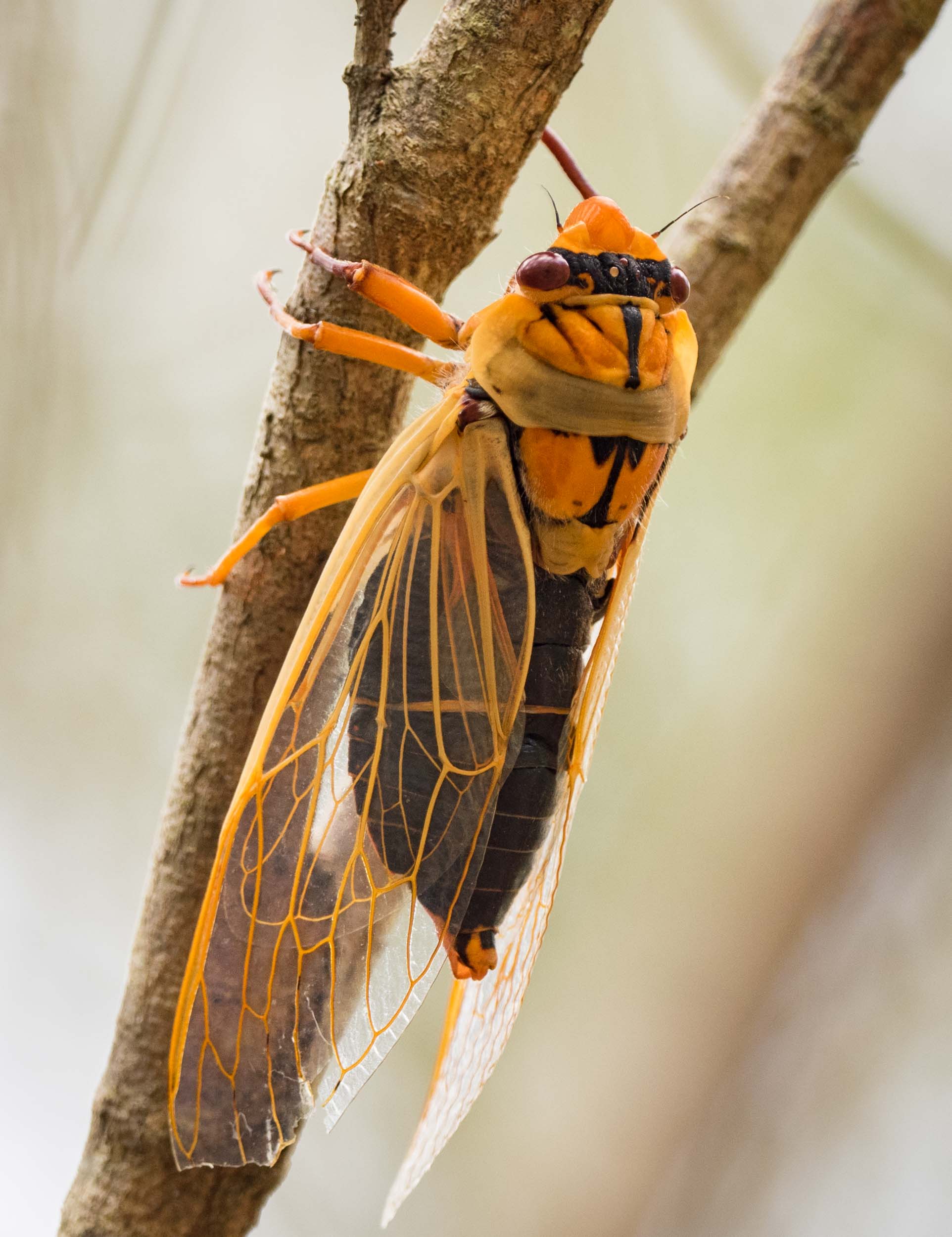
The number of cicadas currently calling from the treetops is huge - and so is the noise! We have both orange and green forms here, many of them with extensive black markings.
Cyclochila australasiae

This tiny, snowy moth with the extraordinary hairdo caught my attention as it rested on a leaf. The larvae feed on rushes (Juncus sp.)
Family: Crambidae; Species: Tipanaea patulella

These weird-looking flies parasitise spiders. We've seen the adults rarely, and only in November.
Family: Acroceridae; Species: Ogcodes basalis(?)
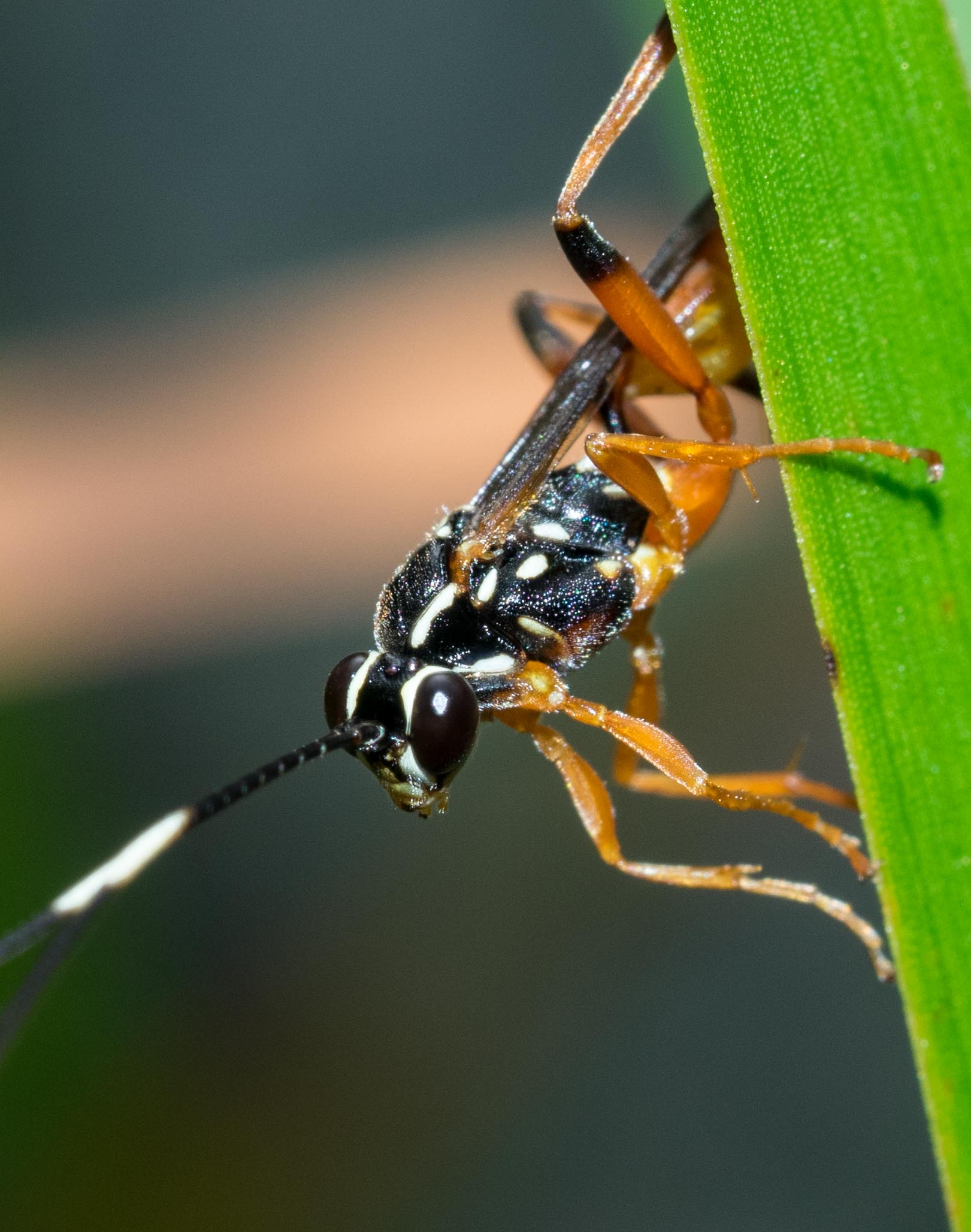
Many species of solitary and slender wasps in the warning colours of orange and black are busily flitting about in search of host insects into which to insert their eggs.

An interesting approach to flower feeding - keep flying, and reach.
Order: Diptera; Family: Bombyliidae; Genus: Staurostichus

An alternative approach to flower feeding - dive right in.
Order: Coleoptera; Family: Curculionidae

My fascination with native bees continues:
The Leptospermum continentale flowers are attracting numerous tiny bees with yellow spots. I'm thinking these are Masked Bees - Family Colletidae, subfamily Hylaeniae. I think.


Now that I'm looking for them, I realise that there are bees everywhere! Well, everywhere that there is nectar and pollen, at least.

The Sand Wasps that I featured in a post last week also visit flowers. They take a quick sip of nectar and move on, unlike the pollen-gathering bees.
Order: Hymenoptera; Family: Crabrondiae
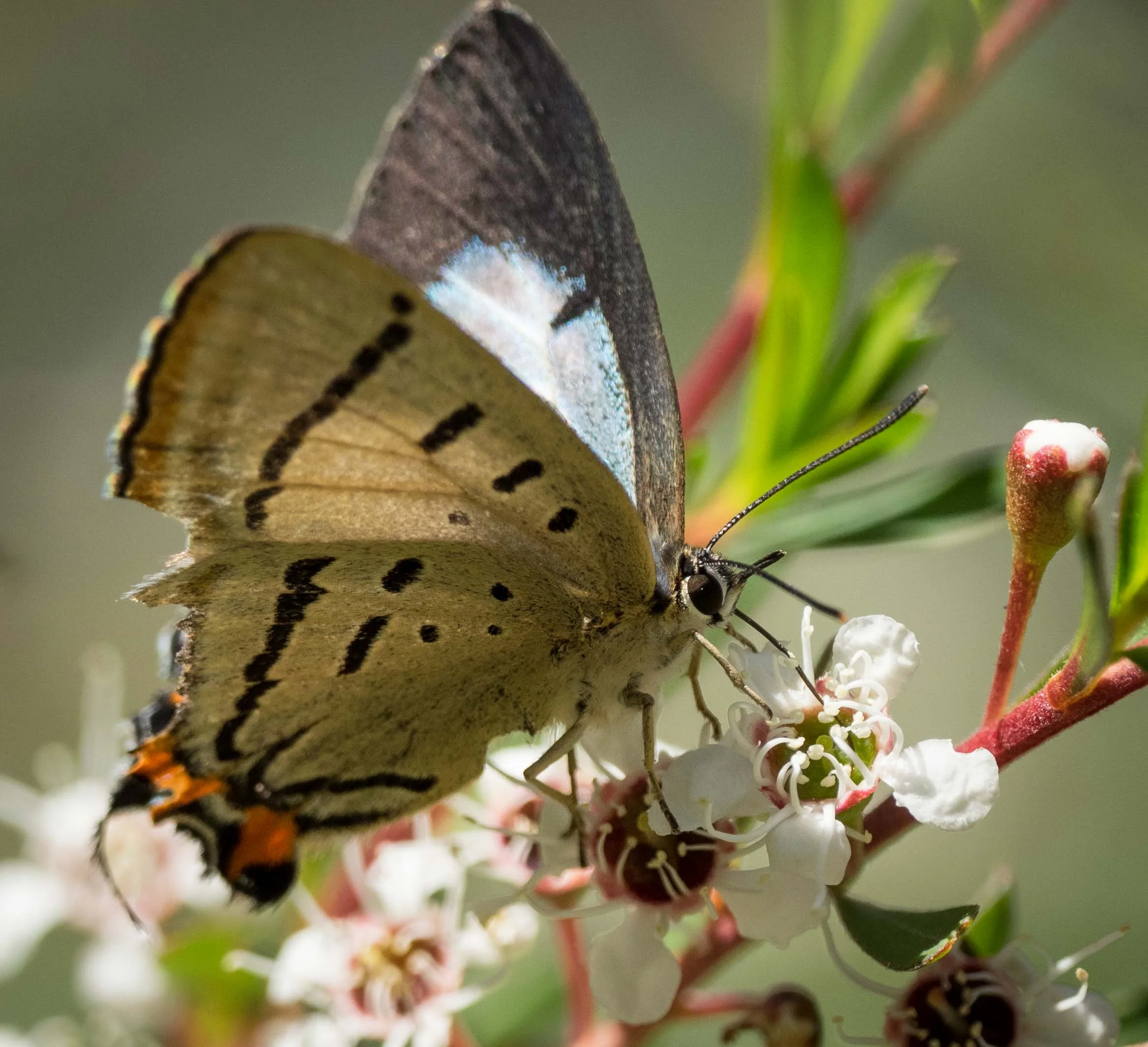
The Leptospermum flowers attract many nectar-feeders, including this Imperial Hairstreak seen egg laying on Acacia just moments before.
Jalmenus evagoras

An ambush predator fully alert, having moments before this photo just missed nabbing a visiting bee.
Red-tipped Crab Spider (Sidymella rubrosignata)
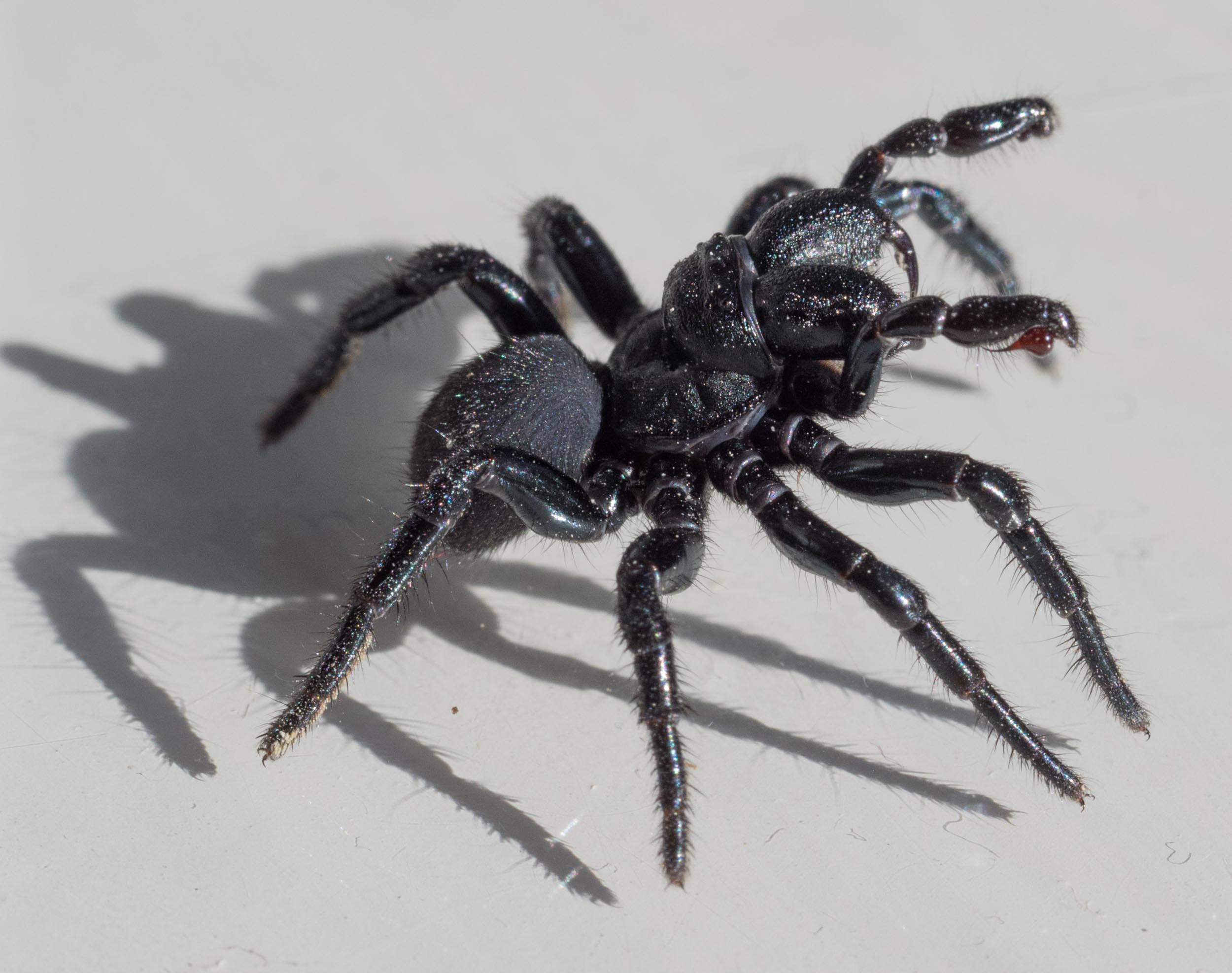
Missulena sp.
Another spider ready to pounce, but this one is a little more intimidating.

A common Summer visitor to the frog pond. This male has taken charge of the territory for a week now, although there are still relatively few competitors about.
Orthetrum caledonicum

After cruising the pond in pursuit of frogs and tadpoles, our now-resident snake rested on the rocks ... whether yawning or swallowing, I'm not sure.

Remember those white Leucopogon flowers that were such a hit with the insects? Well, the ripening berries are now proving even more popular with the birds!
Leucopogon affinis

A common species, appearing in southern Australia during the Summer breeding season. Several nesting pairs were sharing this large eucalypt on the shores of the Gippsland Lakes.
Metung, Victoria.

The smallest of the four species of cormorants common across much of Australia, Little Pieds are usually solitary during the day but may gather to roost at night.
Metung, Victoria

Such a commonplace bird that I rarely bother to photograph them - but when they show their ruffles off like this, and when I'm with a friend from Germany, I look at them anew.
Metung, Victoria

The immature bird may be 2-3 years old. The legs and bill gradually deepen in colour, with the brown tip to the bill disappearing at 3-4 years of age.
Metung, Victoria

This sighting was a 'first' for us, and therefore very exciting. Despite being on the lookout for these (common!) birds whenever we've travelled in southern Australia, we hadn't seen them before.
Kyneton, Victoria

Wombats in broad daylight! The area around Greencape Lighthouse must seem a safe haven for the healthy population there.
Greencape, Ben Boyd National Park, NSW

With the Humpback migration almost over for another season, we were lucky to see several mothers and calves passing Greencape Lighthouse during our overnight stay there (in mid November).

I was fascinated to see how this little bee prised open a Gompholobium flower to access the pollen.
Ben Boyd National Park

The gaudy flowers of Carpobrotus glaucescens are packed with pollen and, unsurprisingly, packed with bees of various species.